
Mathematics
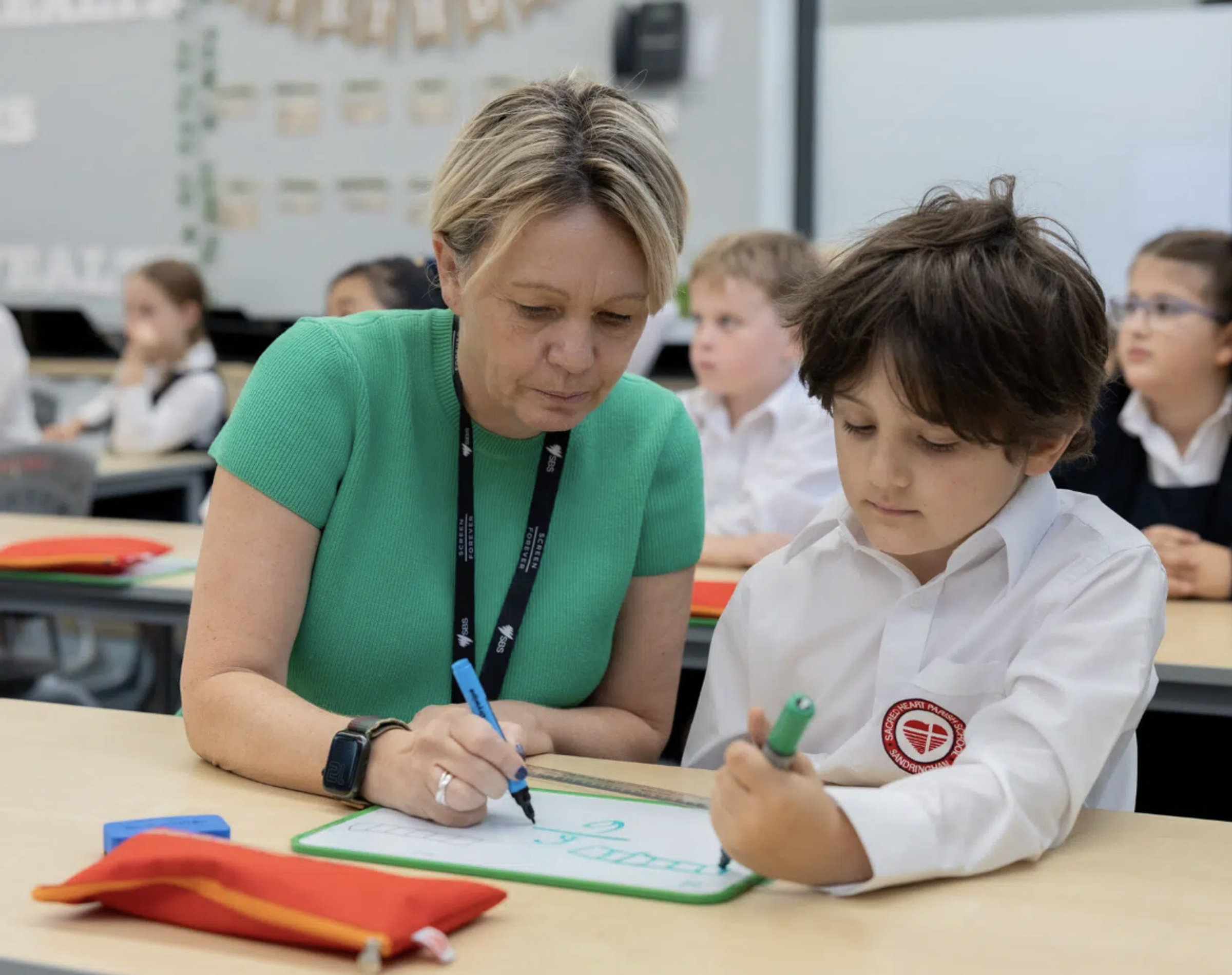
Building Strong Problem Solvers in Mathematics
Worded problems play a vital role in helping students apply their mathematical knowledge to real-life situations. Rather than simply recalling facts or procedures, students must read carefully, think critically, and decide which mathematical strategies will help them reach a solution. This type of thinking builds deeper understanding and strengthens problem-solving skills.
Evidence-based research and best practice in mathematics education highlight the importance of explicitly teaching students a clear process when approaching worded problems. The work of Sarah Powell emphasises that when students are taught a structured approach, they are better able to unpack the language of a problem, identify key information, and determine the mathematical steps required to solve it.
At Sacred Heart, we support our students by teaching a consistent four-step problem-solving process:
- Understand – Read the problem carefully. What is the question asking? What information is important?
- Plan – Decide what strategy will help solve the problem. Students may draw a diagram, use a bar model, or write a number sentence.
- Answer – Carry out the calculation and solve the problem.
Check – Review the answer. Does it make sense? Have all parts of the question been answered?
Students have even given this process their own name UPAC (Understand, Plan, Answer, Check) making it an easy and memorable strategy to use when approaching worded problems.
From Prep, our youngest students are introduced to worded problems through clear teacher modelling, where teachers think aloud and demonstrate how to unpack a problem step by step. As students progress through the school, they continue to develop these skills, building confidence and independence. By Year 6, students are exploring a range of complex, multi-step problems that require deeper reasoning and the application of multiple strategies.
We practise this process every day during our Mathematical Reviews. Students regularly apply UPAC and are encouraged to challenge themselves with a range of problems. This daily practice helps build confidence, strengthens problem-solving skills, and allows students to extend their thinking as they tackle increasingly complex mathematical situations.
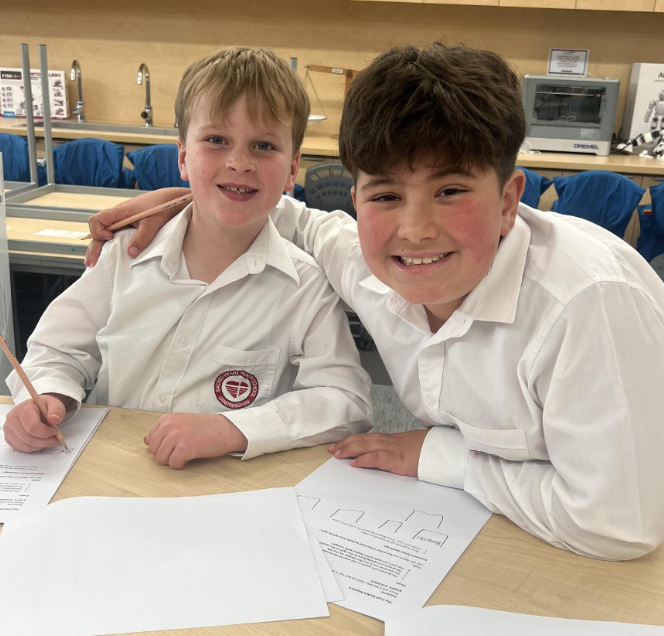
TTRS (Times Tables Rock Stars) and NumBots are fun, interactive platforms that help students build fluency with number facts and develop strong maths skills. These programs are available to all students at Sacred Heart. Has your child had a chance to use them at home? If you need your child’s login details, please contact Mak via email at mbulte@shsandringham.catholic.edu.au
Supporting Mathematics at Home
It’s very common to ask, “How can I best support my child with Mathematics?” The answer is similar to how we approach reading: consistent, nightly practice helps build automatic recall and confidence. Mathematics skills, like number facts, improve significantly with regular exposure.
We strongly recommend giving your child access to TTRS and NumBots at home. Even just a few minutes each night can make a noticeable difference in their fluency and enjoyment of Mathematics.
Beyond digital practice, incorporating Maths into everyday life also strengthens understanding. Playing Maths games, measuring ingredients while cooking, counting objects around the house, or spotting patterns in daily routines helps children develop a natural connection with numbers and a positive attitude toward Mathematics.
At-home engagement not only reinforces classroom learning but also shows children that Maths is a useful, enjoyable part of everyday life.
“Maths is learnt through practice, students need daily practice to gain fluency with word problems” Powell 2024
Powell (2024) reminds us that children learn mathematics best through regular practice. Spending a little time each day on maths activities helps students become more confident and fluent, especially with word problems. This daily practice supports their understanding and makes tackling more challenging maths easier and more enjoyable.
Mak Bulte
Maths Leader