Pastoral Wellbeing

The Resilience Project: Emotional Literacy
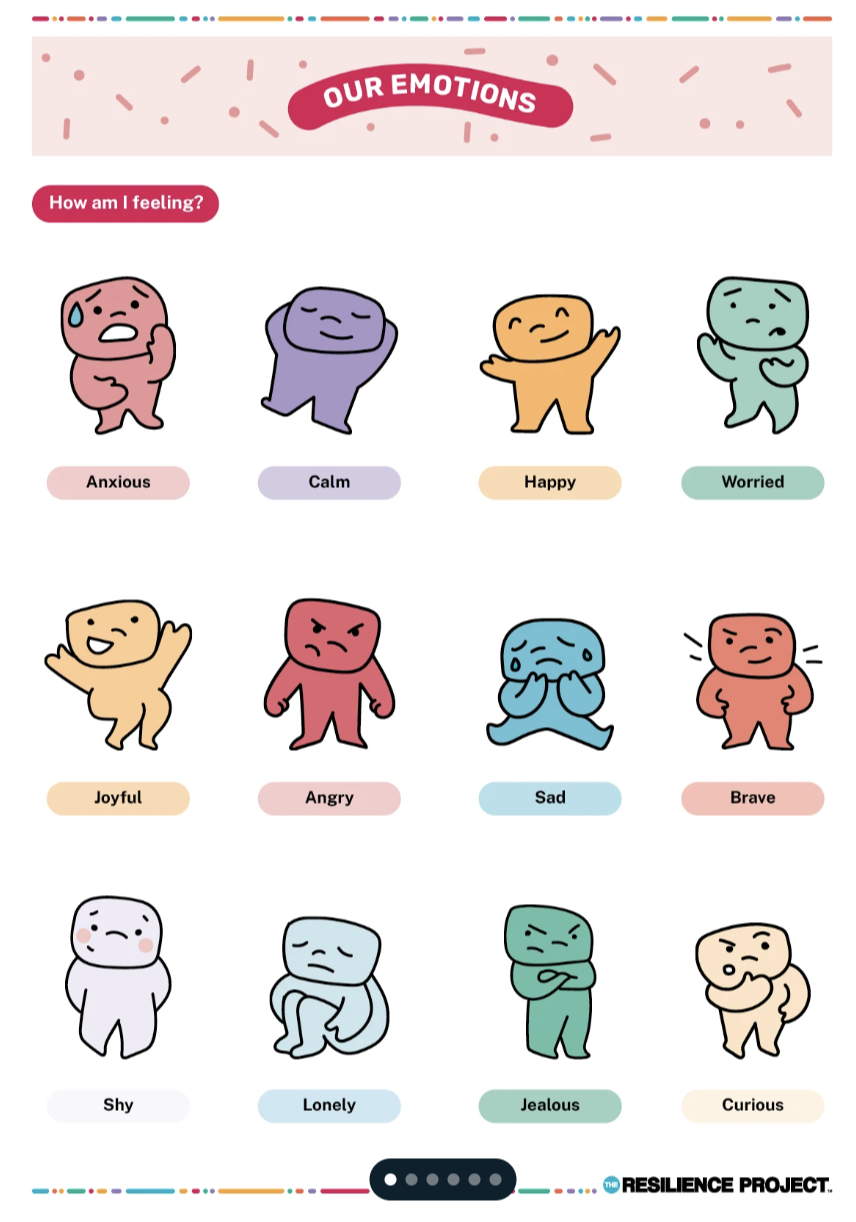
Students have been diving deep into emotional literacy, exploring how different emotions make us feel, listening to our body cues to identify how we are feeling, using safe strategies to regulate the emotion and also being able to identify the same emotions on others through reading non-manual features such as body language and face expressions.
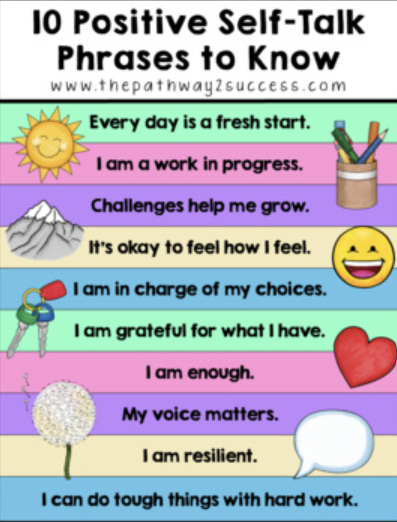
Self-talk has been a strong focus when learning how to turn our uncomfortable moods around by processing the emotion and finding a way to work through change challenges. Positive self-talk is the internal dialogue children use to process experiences and emotions. It can sound like, “I can try again,” “I’m learning,” or “I’m proud of myself.” These small thoughts have a big impact on how children see themselves and how they respond to challenges.
When children practise positive self-talk they are more likely to bounce back from mistakes, handle difficult emotions and try new things. In contrast, negative self-talk often sounds like “I can’t do it” or “I’m not good enough,” which can increase anxiety and lower self-esteem. Helping children reframe those thoughts builds confidence and emotional balance.
Students are encouraged to practice positive self-talk in all areas of their lives to.