
Bush School are ReWilding:
We have initiated an exciting, hands-on Bush School project launching this term. This special initiative is being run in partnership with WeSTEM and the Auckland Council Urban Forestry Programme.
Western Heights Bush School is a programme that delivers the New Zealand Curriculum through outdoor experiences, nature, and integrated learning. Our aim is to foster children's natural curiosity and love for the environment through repeated exposure to our school bush and garden. This environment allows them to develop invaluable life skills that simply cannot be taught inside a traditional classroom.
Over the next two terms, each Bush School student will spend every Wednesday working deeply on this project alongside Nic Spanhake, Kat Walsh and many other experts from places like the Auckland council.
The Core Focus:
Unlike their regular whole-class Bush School visits, this Wednesday programme is highly focused on student-led inquiry, hands-on learning, and kaitiakitanga (guardianship of the land).
What's Involved:
Children will be engaged in scientific research, interacting with industry experts, going on day trips, and getting stuck into onsite physical projects where necessary.
The Grand Finale:
At the scheduled end of the project (likely around late October), our students will present their hard work, data, and findings to a group of community stakeholders. We will share the exact details of when and where this presentation will take place closer to the time.
Note:
This project is a separate extension programme.
We are incredibly fortunate to be working closely with Noah from COMET Auckland to ensure the project delivers the highest-quality educational and environmental outcomes for our students and community.
Project Underway:
Our students came in with lots of ideas that we were able to distil into what we want to achieve, why we want to do it, and the logical next steps. The clay soil was a major point of discussion. This was identified while reviewing the site's history, so the children have asked whether anyone knows a native tree specialist who can help answer some of the questions and point us in the right direction.
1. Historical site analysis.
Looked at Auckland Council aerial photography from the 1940s to the present.
Focus: Evaluated long-term shifts in land use, urban development, and changing space functionality across the school and local area.
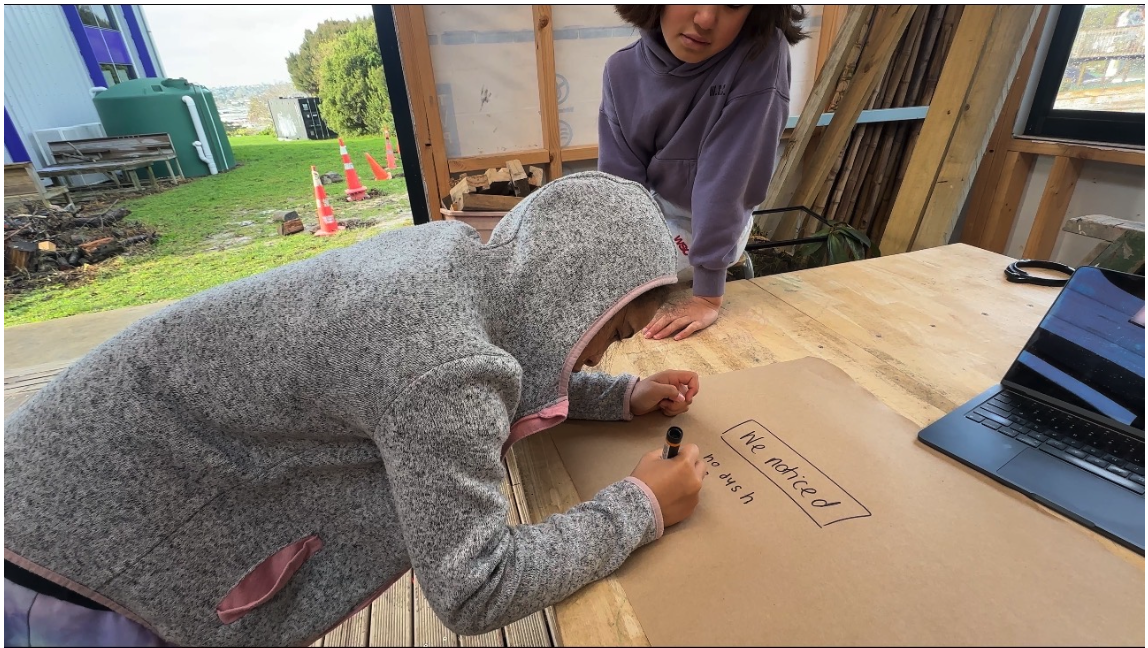
2. Bush regeneration and reclaiming:
Aerial images revealed a reduction in our school bush area between 1990 and 2005, alongside growth inthe number of school buildings and roll since opening.
Objective: Reclaim and expand this vital outdoor classroom to ensure future Western Heights students have equitable access to nature-based learning.
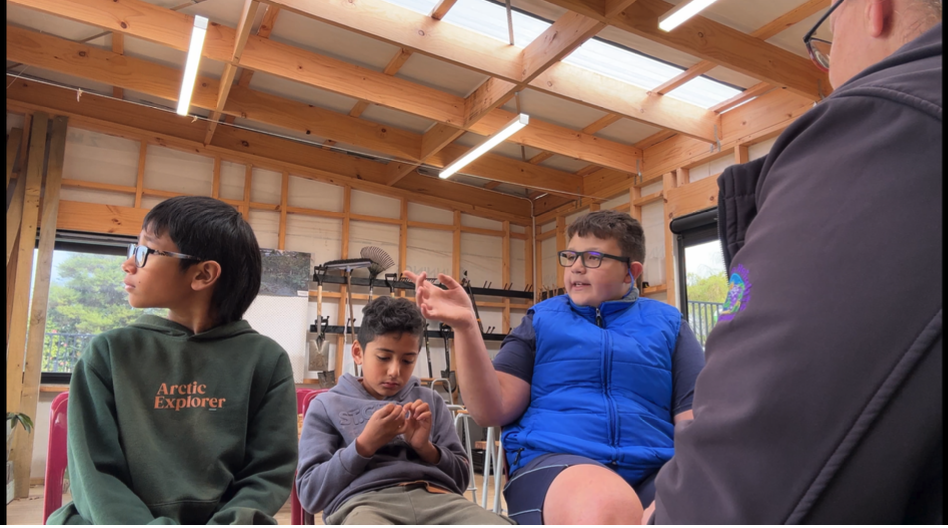
3. Proposed Wētā sanctuary
Establish a dedicated wētā habitat within the school bush to protect this culturally significant taonga.
Action: Implement a monitoring system for tracking this declining species, offering students hands-on opportunities in citizen science and kaitiakitanga.
4. Environmental zoning
Divide the bush into distinct, side-by-side zones: Play (active recreation) and Protect (biodiversity preservation).
Purpose: Teach students the balance between low-impact recreation and ecological conservation through direct interaction.
5. Business model and weekly hui
Five student-led departments:
- Finance
- Operations
- Safety
- Marketing
- Science
Students self-selected into these working groups following a role briefing with Nicole.
Daily Routine: A 9:00 am hui anchors the day. Departments use a 4-question framework to deliver progress updates, maintaining alignment with the project's core mission.
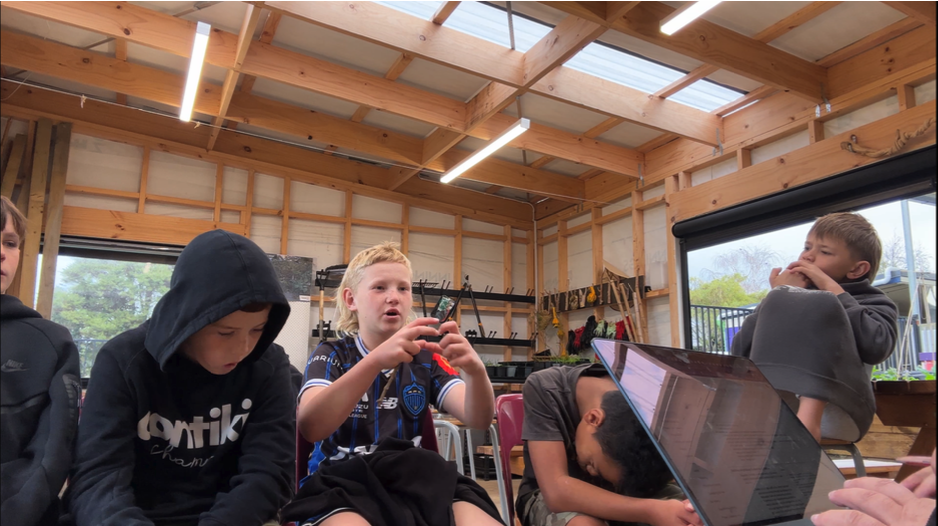
6. Next steps - 3D Modelling:
Students will build a 3D LEGO model of the bush to use as a tactile planning and concept-testing tool.
Budget: The Finance team identified surplus items due to existing school resources and student numbers. Nicole will draft options for a revised budget for the tamariki to review next Wednesday.
Expert Consultation: To address primary knowledge gaps, the team would like to consult an ecological/conservation expert to ensure the planting regeneration is safe and sustainable.