
Mental Health
in Primary Schools

Mental Health
in Primary Schools
Dear Parents, Guardians and Carers,
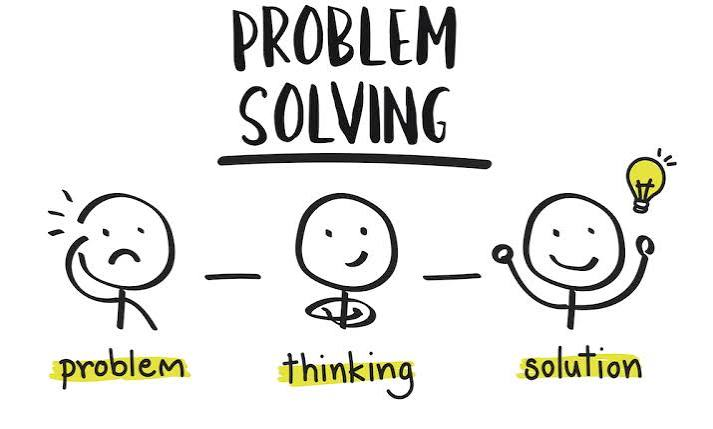
As we continue our journey within the MHiPS sphere, we will be exploring problem solving and how this skill can support the young people in our care through challenges they may face.
Problem solving
Problem solving really is a way for young people to learn about how to think things through. By beginning with solving problems for themselves with little tasks, they will get the practise they need to be able to generalise these skills and solve bigger problems later on. Young people may need to problem solve in a way that they are not used to and discover different ways to approach problems compared to what they would normally do. This supports their brain development and assists them in becoming more independent.
Part of the problem solving process is being able to understand and manage our own emotions. Ensuring that young people are able to respond to a problem appropriately and generalise their emotional response to be able to empathise with others when they are faced with similar challenges. This empathy then supports young people when they are problem solving as part of a team and allows them to be able to effectively collaborate with others.
Life skills
Developing effective problem solving skills in young children gives them opportunities to build resilience and face tougher challenges. When an idea doesn’t initially work, young children will learn to adapt and try different approaches to solve the problem. This supports the growth of their confidence in their own decision making process too.
What can we do?
Modelling the problem solving process we use can show the young people in our lives how challenges will arise, but they won’t necessarily stop things from happening that we want to achieve. By talking through our thought process, young people can hear the options that we come up with, before we decide on which one we will try to use to solve the problem. Should the option not work, this is a great opportunity for young people to see how our creativity can support us to approach the problem in a different way.
Another approach to problem solving is asking young people for their advice on how to solve a problem. This allows them to be part of the solution and demonstrates to them that we value their thoughts to overcome this obstacle. When our young people are struggling with a problem, it is important not to give them a solution as they will be able to gain so much more through their experience of not solving the problem straight away. Should they continue to struggle, we can always support the problem solving process by asking them what the hard part is. “Show me the hard part” helps them to compartmentalise what they are experiencing and break down the problem into smaller, more manageable segments.
Steps to problem solving
Define the problem - what is going on? What are the details?
Set goals - what steps can you take to reach the end goal? Have a positive outlook on the situation and how you can go about solving the problem.
Brainstorm possible solutions - write down or list as many different possible solutions and rule out the poor choices
Examine the consequences - write down the pros and cons of the options that are left
Pick the best one - choose the option that will be most helpful
Have a go - try out the solution to fix the problem
Evaluate - how did the solution go? Do you need to try something different?
Keep the faith!
Even if the young person you are supporting is struggling to solve the problem, encourage them to continue to have a positive attitude to problem solving. Below are some statements that could support the conversation (modified from Dobson, 2011)
I can solve this problem; I’ve tackled similar ones before.
I can cope with this.
I just need to take a breath and relax.
Once I start, it will be easier.
It’s okay to look out for myself.
I can get help if needed.
Other people feel the same way I do.
I’ll take one piece of the problem at a time.
I can keep my fears in check.
I don’t need to please everyone.