Principal's Update
Principal: Milan Matejin

Principal's Update
Principal: Milan Matejin
Wellbeing Week, Including Sorry Day, National Reconciliation Week and Harmony Day
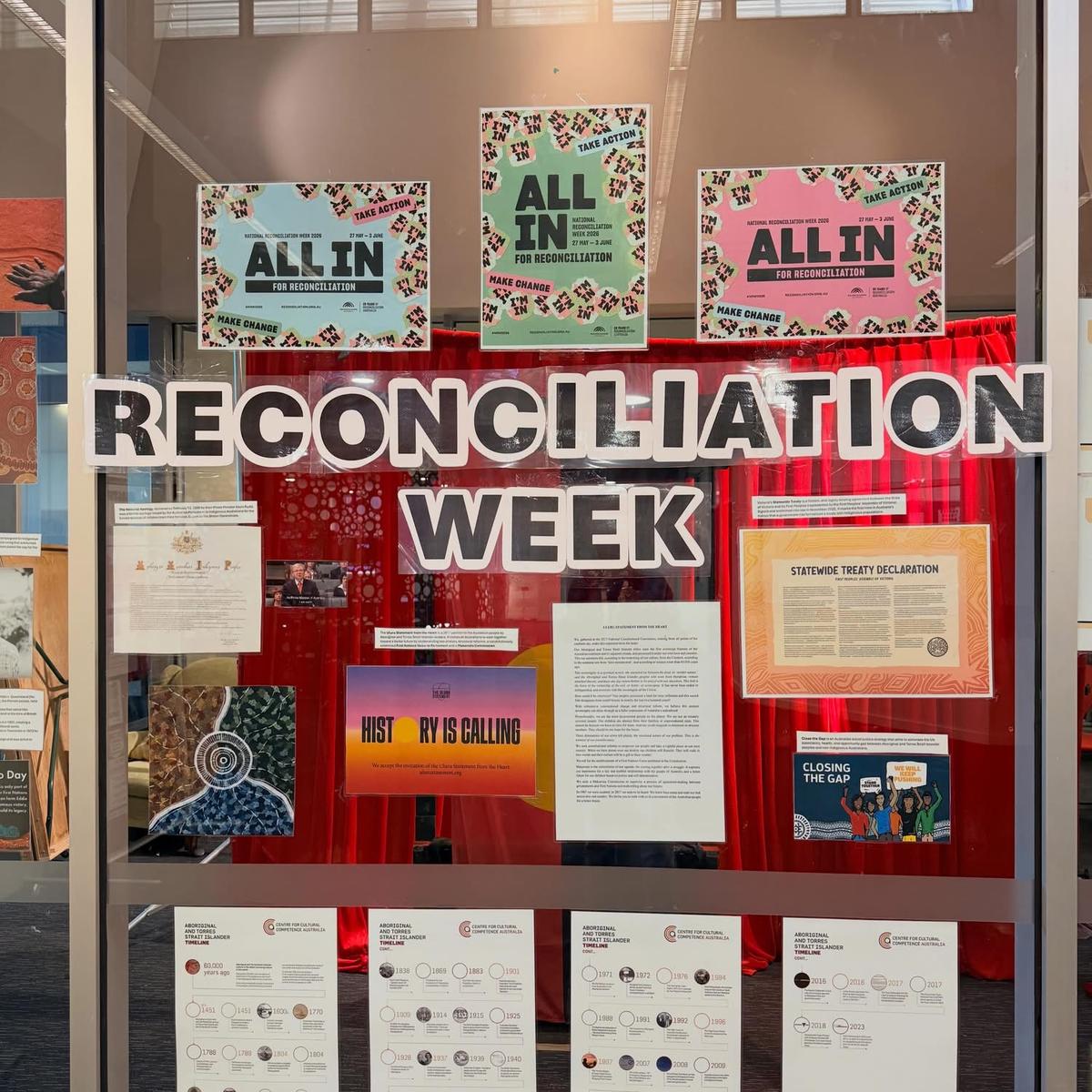
This has been particularly important in our calendar, as it brings together a number of significant events in our Wellbeing Week (25–29.05.2026). Over the week we focused on building positive environments and culture in our community. We dedicated the week to promoting, educating and understanding the importance of events that foster and sustain a more supportive community.
During this week there were also two important annual events in our national calendar: National Sorry Day (26.05.2026) and National Reconciliation Week (27.05–03.06.2026). National Reconciliation Week is about strengthening respectful relationships between the broader Australian community and Aboriginal and Torres Strait Islander peoples. National Sorry Day provides an opportunity to acknowledge the historical injustices and ongoing intergenerational trauma caused by forced child‑removal policies of previous governments, organisations and individuals.
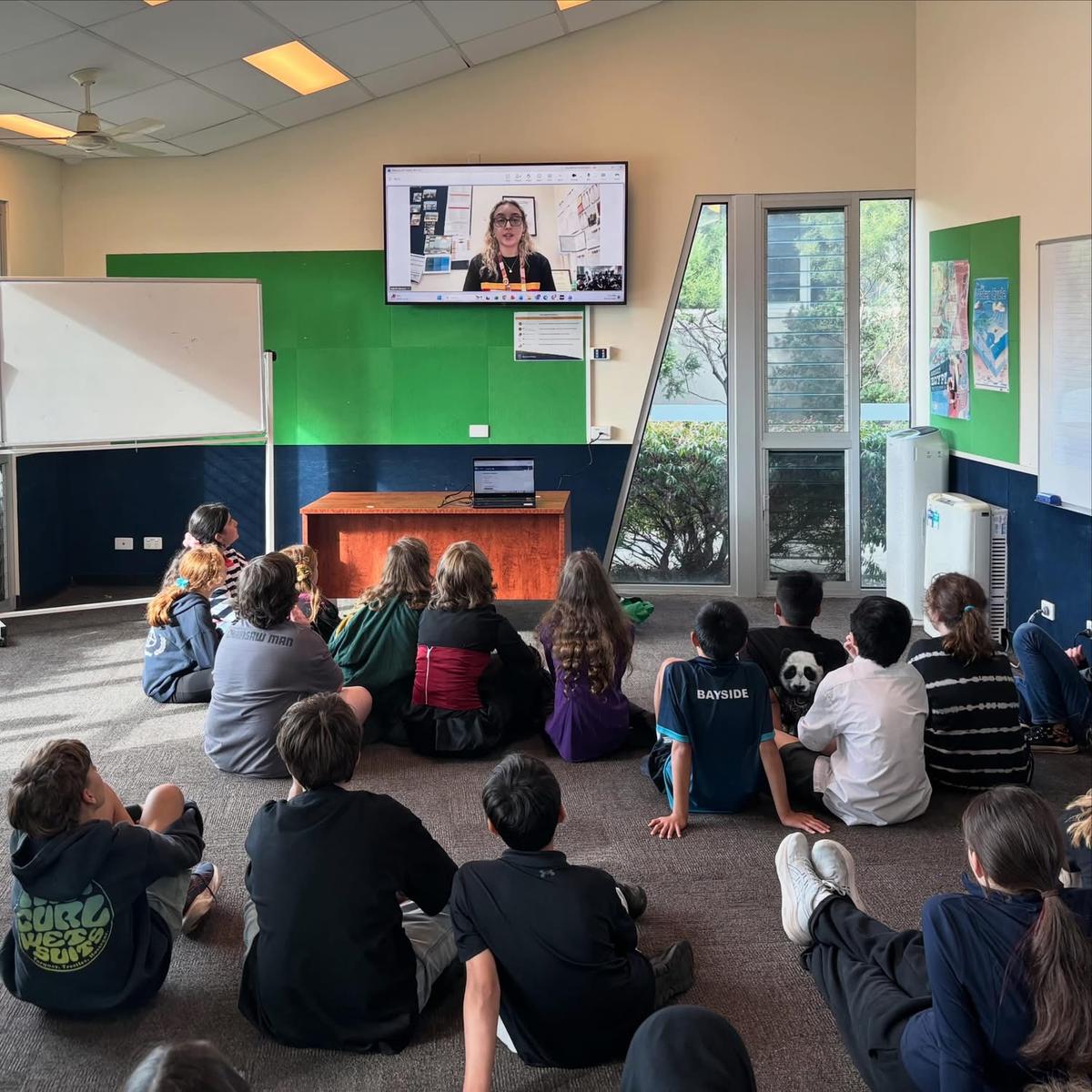
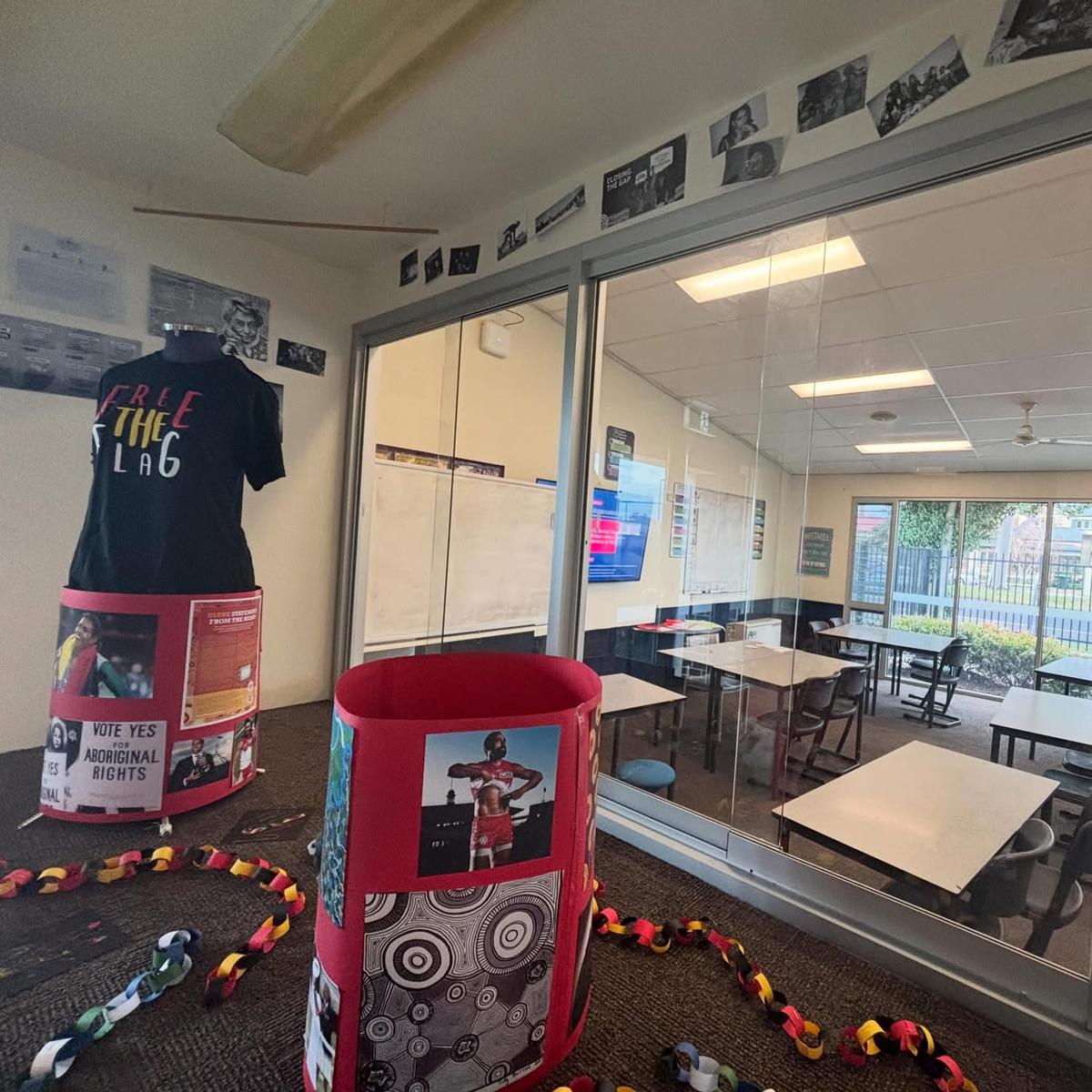
At Bayside P–12 College, we have a Marrung Champion, Ms Baronio, who leads a dedicated Marrung team of staff. They prepared the week for students to learn about and better understand the importance of National Reconciliation Week and Sorry Day.
Marrung is the Wemba‑Wemba word for the Murray Cypress pine tree, representing branches of education and knowledge. Marrung is part of a 10‑year plan by the Victorian Government to create a positive climate for learning and development where we demonstrate the highest levels of respect and inclusion and, as a result, Koorie children and learners of all ages feel strong in their identity.
Below is an outline of what the Marrung Team presented for our staff and students:
What is Sorry Day?
What is Reconciliation Week?
National Reconciliation Week runs annually from 27 May to 3 June. It is:
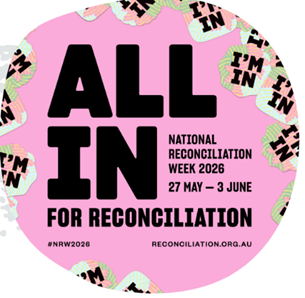
The theme for National Reconciliation Week 2026 is All In, a call for all Australians to commit wholeheartedly to reconciliation every single day.