
Student Wellbeing News
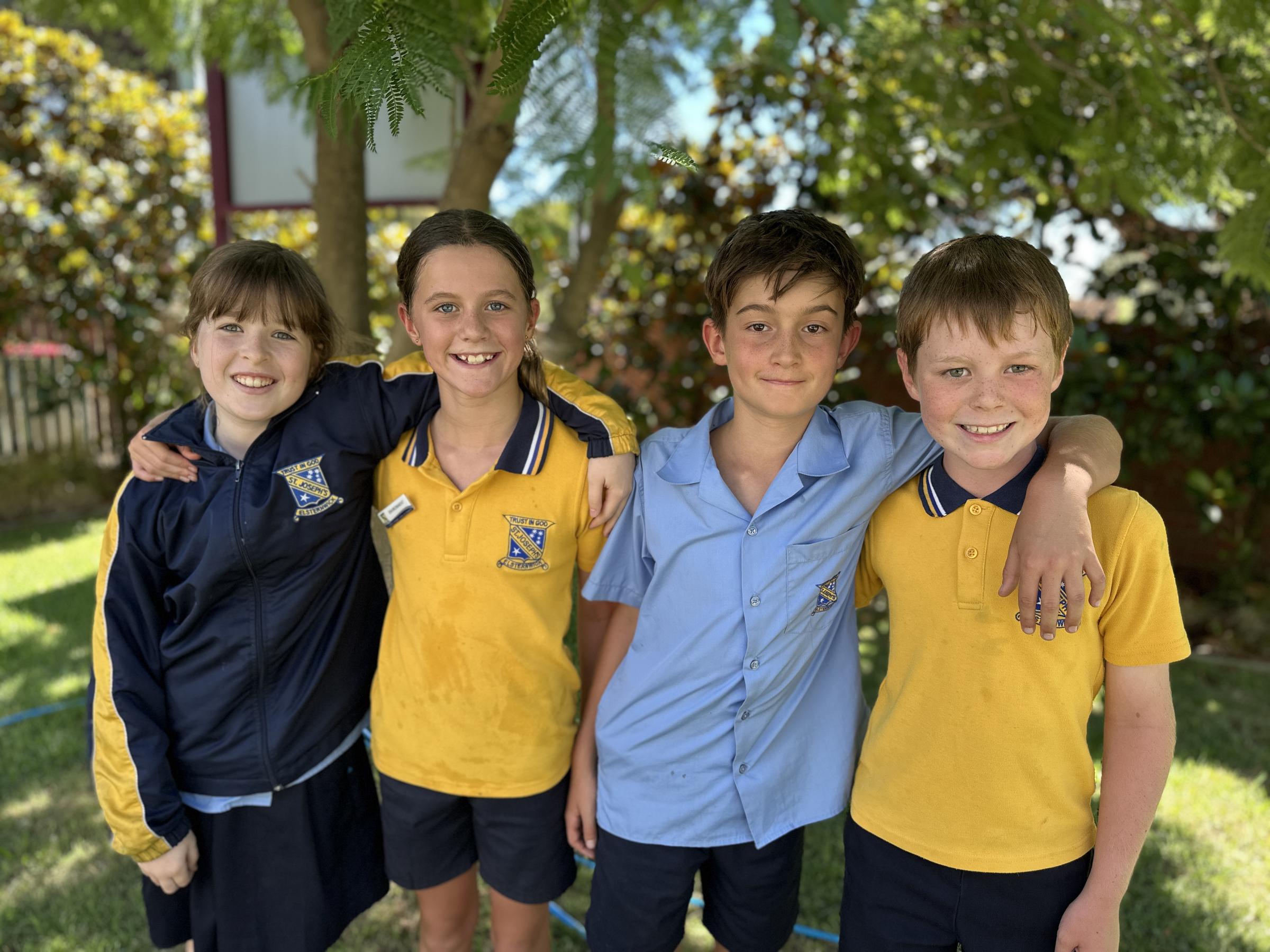
Friendships, Conflict and Growing Social Skills
As children settle into the rhythm of the school year, many are forming new friendships, reconnecting with old ones, and learning how to navigate the complex social world of the playground. Friendships are one of the most important parts of primary school life. They foster belonging, confidence and joy. They also, at times, bring misunderstandings and disagreements. This is not only normal, it is an essential part of growing up.
Conflict Is a Part of Learning
When children experience disagreements, they are developing critical social and emotional capabilities, including:
- Emotional regulation
- Perspective taking
- Empathy
- Negotiation skills
- Problem solving
- Resilience
Rather than viewing conflict as something to eliminate, it can be understood as a learning opportunity. With guidance and support, children learn how to repair relationships, communicate effectively and move forward positively.
Conflict vs Bullying
It is important to distinguish between everyday conflict and bullying. While both can be upsetting for children, they are not the same and require different responses.
Conflict
- Occurs between children of similar social power
- Is typically occasional or situation-specific
- Arises from misunderstandings, miscommunication or competing preferences
- May involve heightened emotions, but both children are generally open to resolving the issue
- Can often be repaired with guidance, reflection and problem solving
Bullying
- Involves a clear and ongoing power imbalance
- Is repeated, deliberate and sustained over time
- Targets a specific child or group of children
- Intends to intimidate, isolate, control or cause harm
- Persists despite requests to stop or adult intervention
- Creates fear, humiliation or significant emotional distress
When behaviour reflects bullying, it is treated as a serious matter and responded to through formal processes and structured intervention. In contrast, most playground disagreements represent normal developmental conflict, where children are learning essential social skills with strong teacher support.
How Families Can Support at Home
One of the most effective strategies adults can use is reflective listening. Before jumping to solutions, it can be helpful to acknowledge both the content and the emotion behind what a child is sharing.
For example:
- “It sounds like that really upset you.”
- “You seem frustrated that the rules changed.”
- “That must have felt unfair.”
When children feel heard, they are more able to calm themselves and think clearly. Once settled, gentle problem solving questions can help build independence:
- “What could you try tomorrow?”
- “Is there another way you could handle that?”
- “Who could you speak to if you need help?”
This approach strengthens social confidence over time.
For families seeking further guidance, the Raising Children Network provides an excellent, research-based article: How to help your child make friends https://raisingchildren.net.au/school-age/connecting-communicating/connecting/supporting-friendships
This Australian resource outlines why friendships are important for children’s wellbeing and development, and offers practical strategies for supporting social skills and helping children navigate conflict in constructive ways.
As always, your child’s classroom teacher is the first point of contact should you have any questions or concerns about your child’s experiences at school. Open communication between home and school is essential in ensuring children feel safe, supported and confident as they continue to grow socially and emotionally.
Primary school friendships will naturally include ups and downs. With consistent adult support, children develop the social understanding and resilience needed to thrive within a community.