
Deputy Principal News
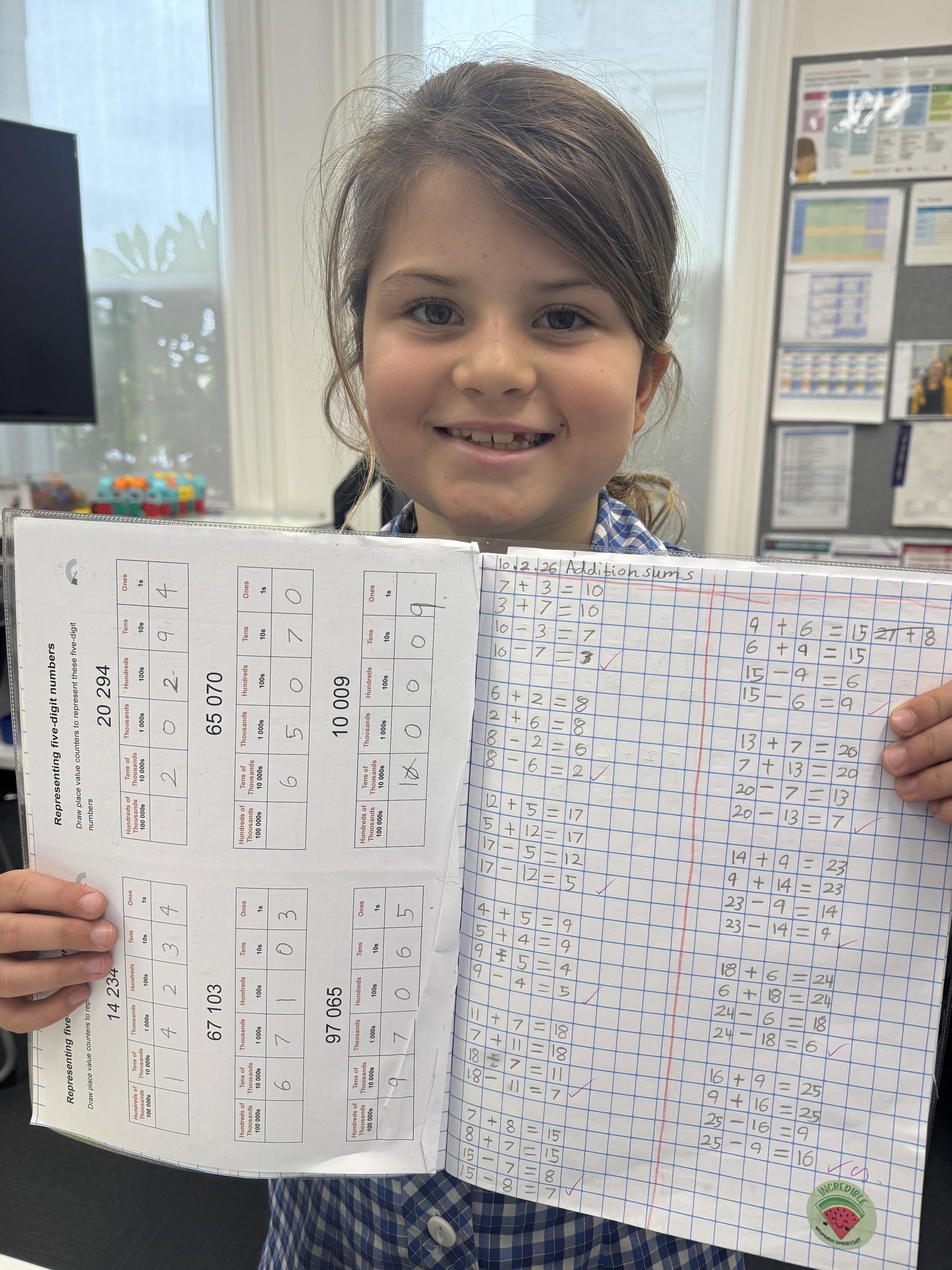
Book Work: Building Habits for Successful Learners
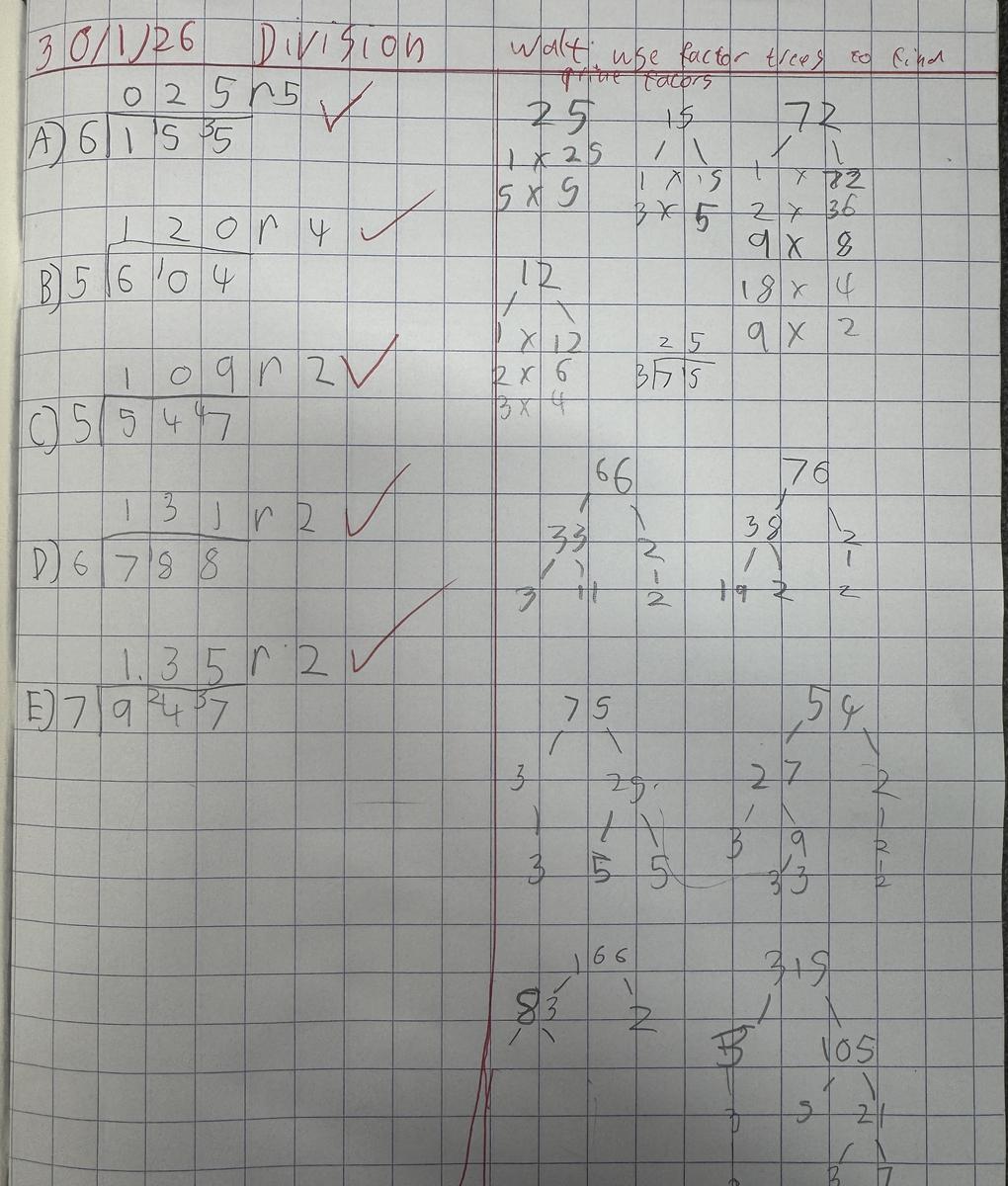
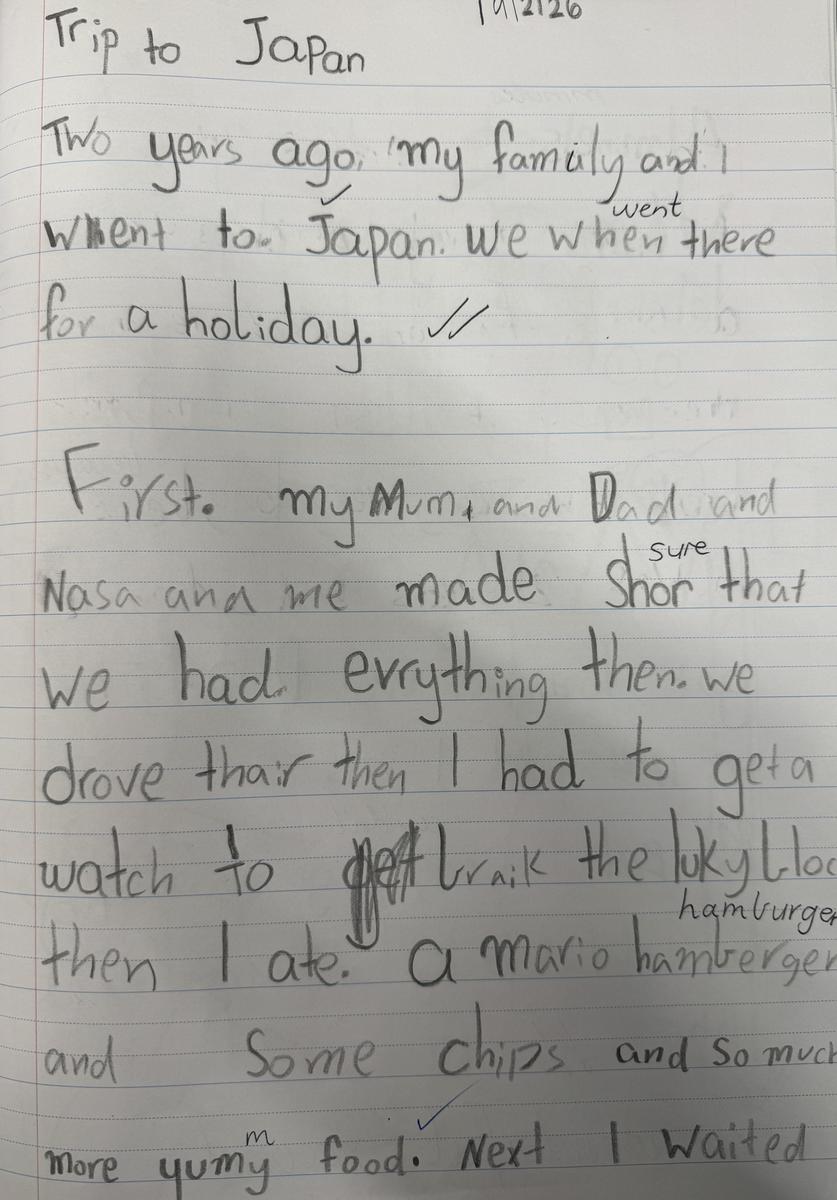
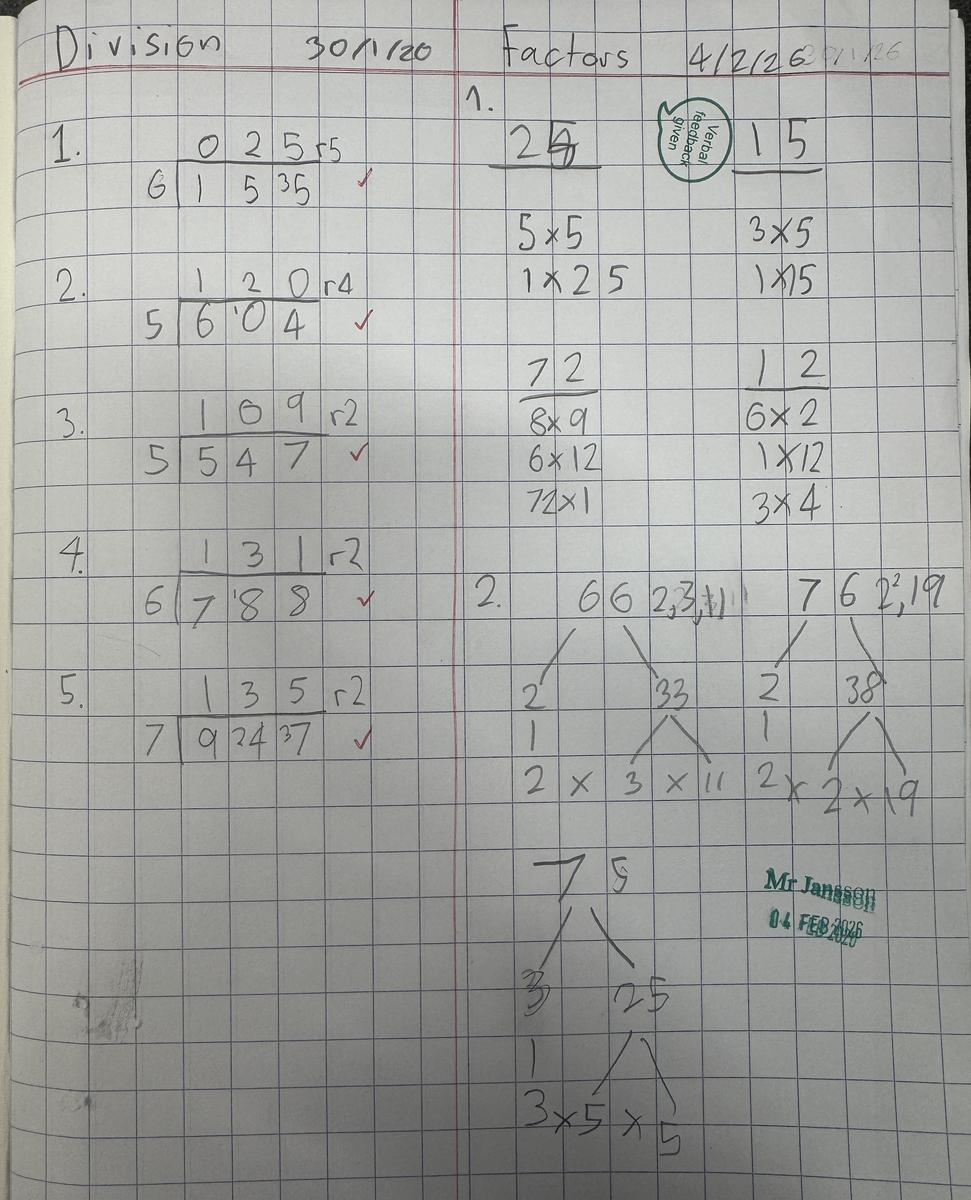
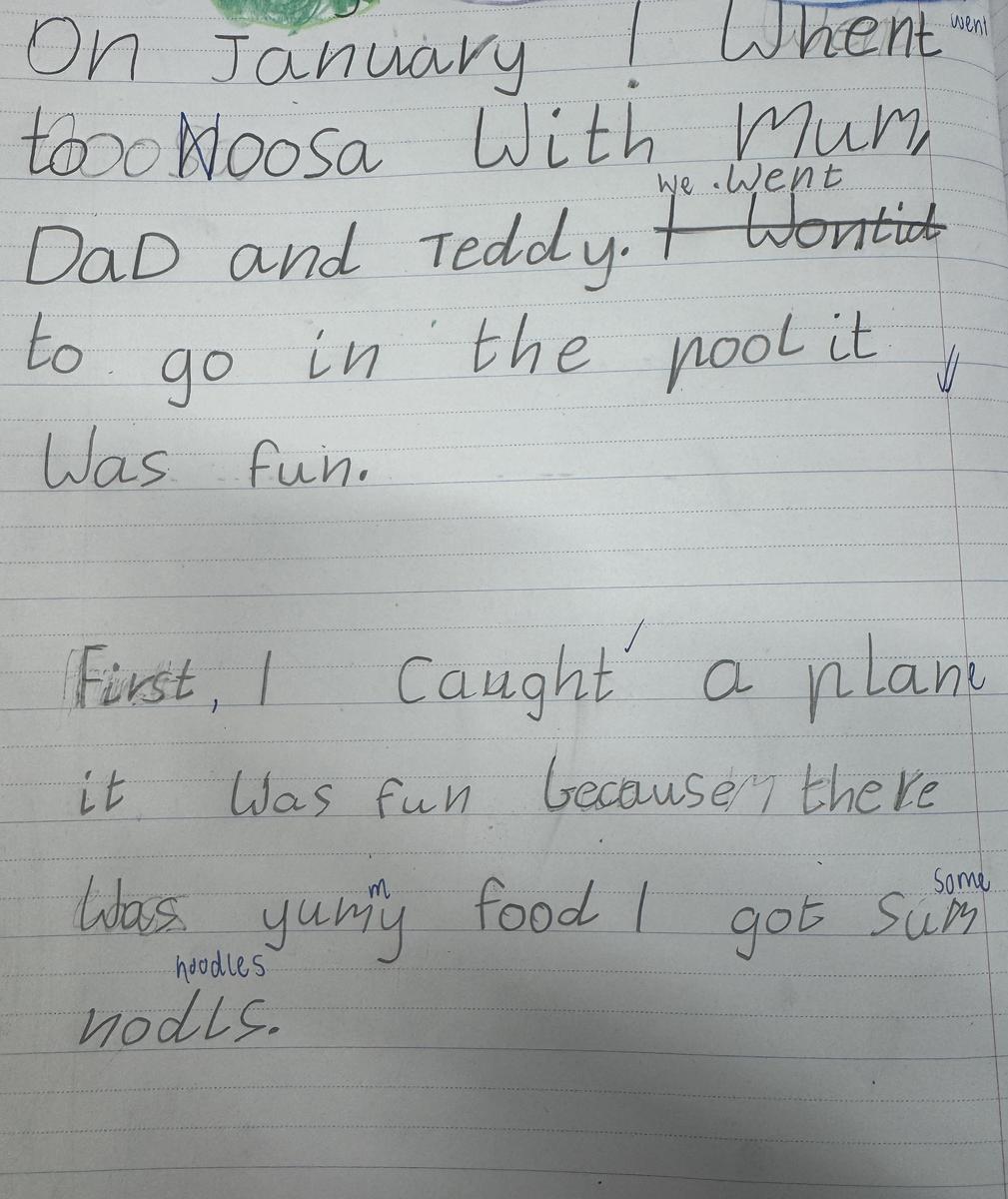
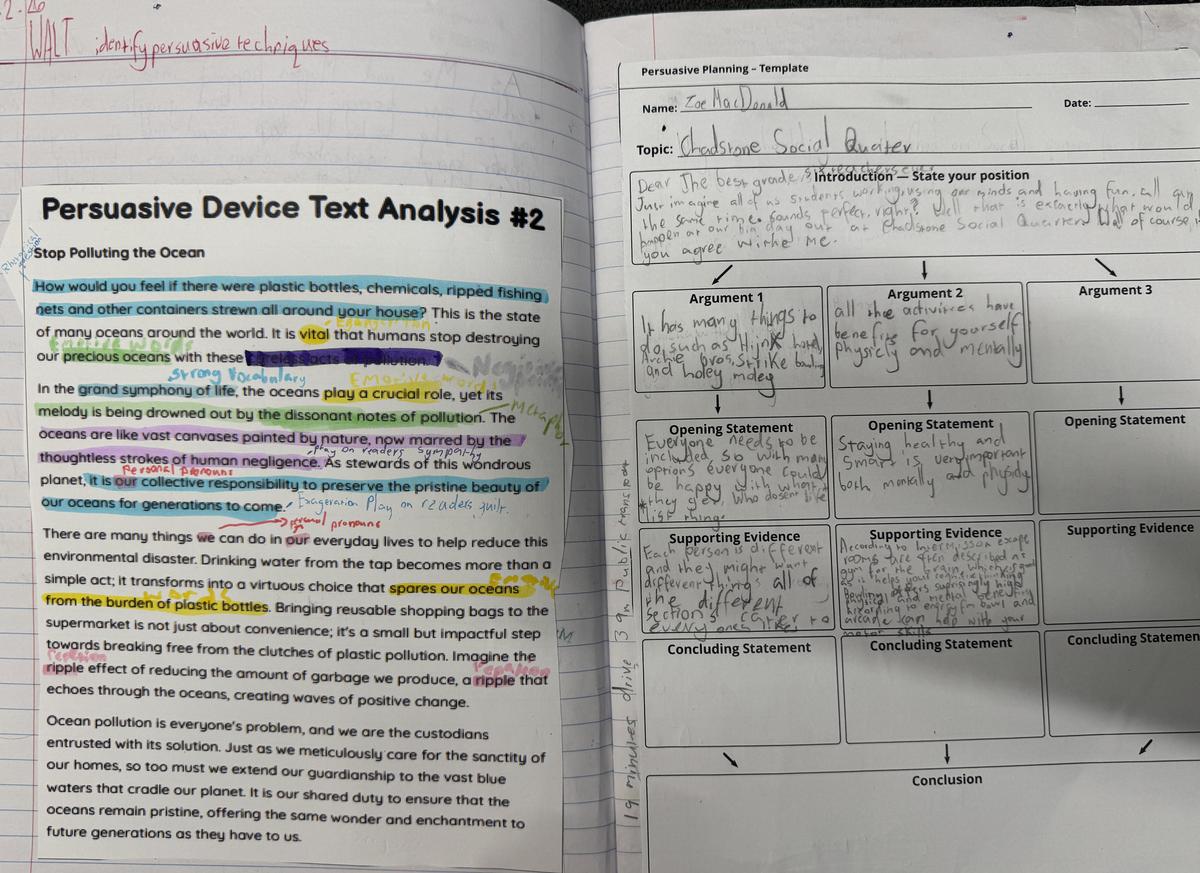
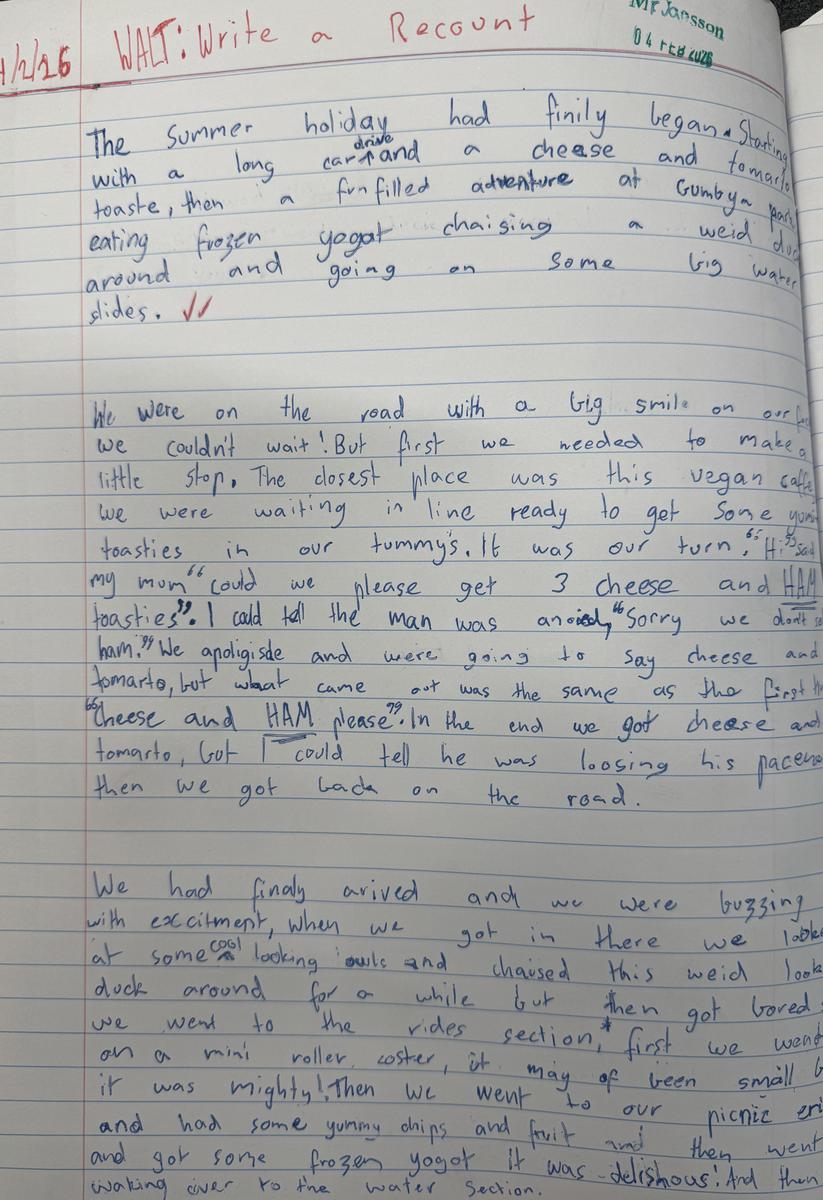
One of our key focus areas this year for both students and teachers is increasing the rigour in the presentation and organisation of book work. While this may seem like a small detail in the broader landscape of learning, the evidence is clear that the way students structure, present, and maintain their written work has a powerful impact on their academic growth, confidence, and long‑term learning habits.
Why Rigorous Book Work Matters
Well‑organised book work is far more than neat handwriting or tidy margins. It reflects a student’s ability to think clearly, communicate effectively, and take pride in their learning. Research into cognitive load and executive functioning shows that when students maintain structured notes and consistent routines, they free up mental space to focus on deeper understanding and problem‑solving. In other words, good organisation supports better thinking.
A few key benefits stand out:
- Improved retention and recall — Clear headings, diagrams and worked examples help students revisit and revise content more effectively
- Stronger metacognitive skills — When students organise their work, they are actively making decisions about what matters, how ideas connect, and how to represent their thinking
- Transferable lifelong habits — Attention to detail, pride in presentation and systematic organisation are skills that support success well beyond school.
Teachers, too, benefit from consistent book work expectations. Well‑structured books allow teachers to give more targeted feedback, monitor progress more accurately, and support students in developing disciplined learning routines.
What This Looks Like in Practice
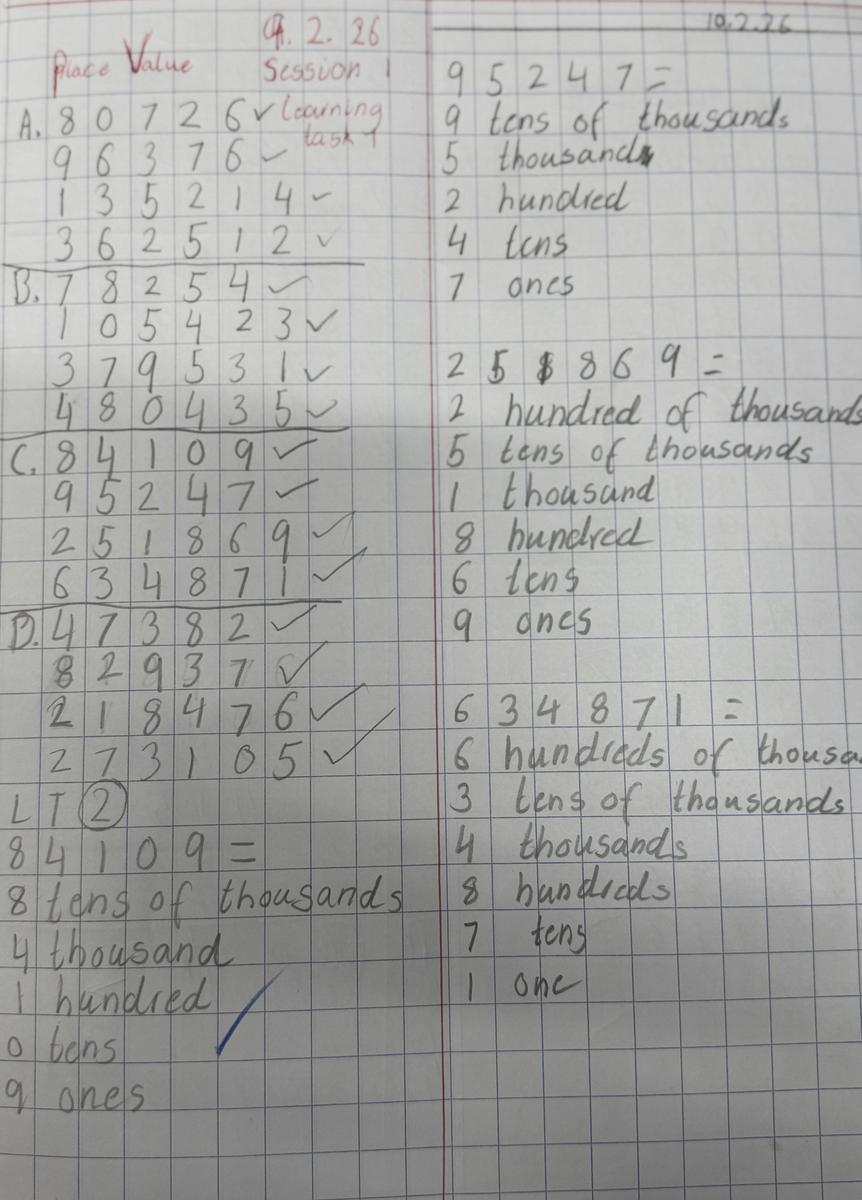
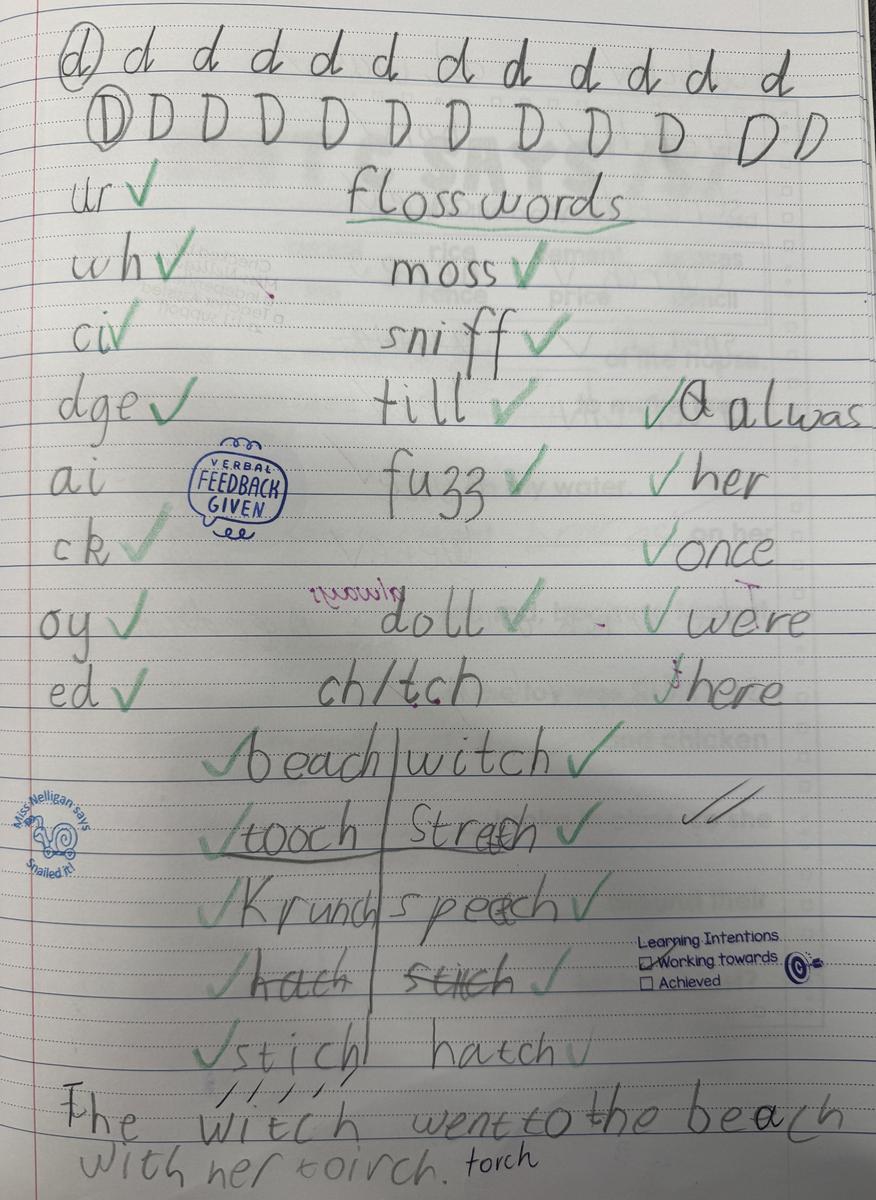
Across the school, teachers are working with students to establish shared expectations around book work which includes:
- Clear dates, titles and margins
- Logical sequencing of tasks
Use of colour, diagrams, and annotations to highlight key ideas
These routines are not about perfection and rather focused on purposeful habits that help students become more effective, confident learners.
Evidence‑Based and Differentiated Learning
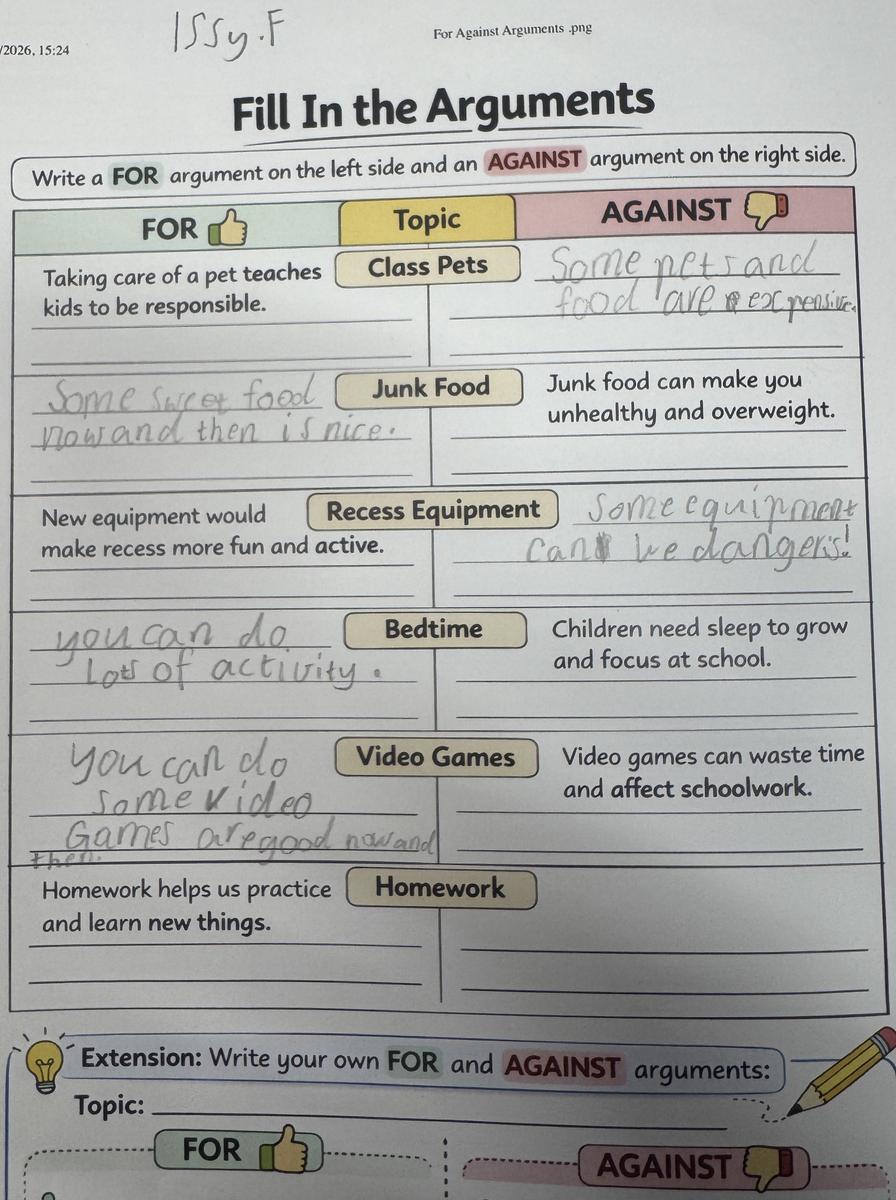
At St Joseph’s we remain deeply committed to evidence‑based teaching practices that draw on student data and assessment. This information allows teachers to understand precisely where each student is in their learning and to plan instruction that meets them at their point of need, rather than expecting all students to work on the same task at the same time.
As part of this approach, students may at times come home and describe that they are working in groups or alongside learners of like abilities. These groupings are flexible, purpose‑driven and designed to shift regularly in response to learning goals and progress. Differentiation is essential because it ensures every learner receives explicit teaching that is targeted, responsive and appropriately challenging.
In addition to differentiated classroom practice, students in Years 5 and 6 are also offered a range of enrichment opportunities that allow them to extend their learning. Programs such as the Maths Olympiad, Ethics Olympiad, Australian Maths Competition, Tournament of Minds and the Victorian Coding Challenge operate as opt‑in experiences, giving students the chance to engage in higher‑order problem‑solving, creative thinking and collaborative challenges. Students in Year 5 and 6 have recently shown interest in the following opportunities and participants will be selected and informed of selection across the next week.
NAPLAN
As previously shared in our school newsletter and year level bulletins, students in Year 3 and 5 will participate in NAPLAN testing throughout the national assessment window from 11–23 March.
At St Joseph’s, we approach NAPLAN in a calm, supportive and purposeful way, drawing on the data as a point‑in‑time measure. Our focus is on helping students feel prepared and confident, without adding unnecessary pressure.
At this point in time, students in Year 3 and Year 5 will complete the following assessments:
NAPLAN Schedule
- Writing – Wednesday 11 March
- Reading – Thursday 12 March
- Conventions of Language – Monday 16 March
- Numeracy – Tuesday 17 March
Students will begin preparing for testing from 9.10am each day.
Where students are absent from testing, the school will attempt to arrange catch‑up sessions to allow them to complete any missed assessments.Catch up sessions will be scheduled across the testing window.
We remind all parents that students in Year 3 and 5 must have a set of headphones at school to support testing.
NAPLAN Individual Student Reports will be provided to parents later in the year.
Year 4,5,6 Swimming Program
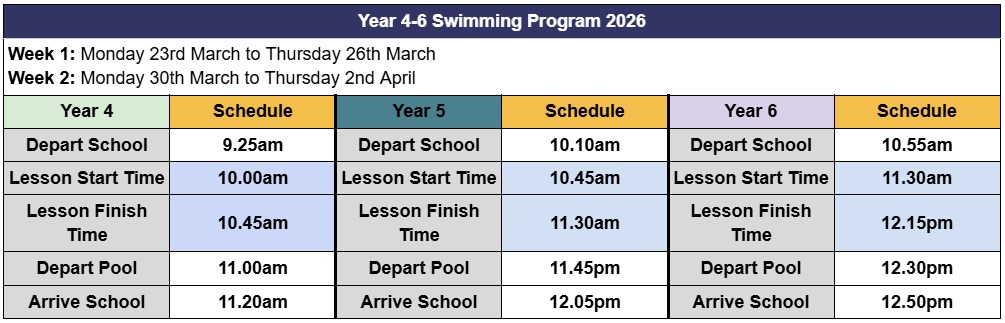
St Joseph’s Elsternwick is pleased to remind families that our Year 4, 5 and 6 Swimming Program will run from Monday 23 March to Thursday 2 April.
Our program is designed to strengthen students’ confidence, technique and safety in the water. As a country surrounded by coastline and with many families spending time near beaches, rivers and pools, strong swimming and water‑safety skills are essential. The Victorian Curriculum: Health and Physical Education identifies this learning as a core component of every child’s development.
Our program focuses on stroke development, water safety and survival skills through structured lessons delivered by qualified instructors, and while it supports students to become more capable swimmers, it is not intended to operate as a competitive or squad‑style program.
We remind families to please ensure they have provided permission, updated medical information and complete the Parent Swimming survey shared through nForma.
A copy of the swimming timetable for students in Year 4,5 and 6 can be found below.
Mr Luke Daffy
Deputy Principal