
Learning & Teaching News

Welcome to 2026
As we begin a new year, I would like to take this opportunity to introduce myself as the Deputy Principal - Learning & Teaching. It is both a privilege and a joy to serve in this role at St Peter’s College. It is a privilege to serve as a leader within a community for which I have great respect and appreciation. I am proud to work alongside dedicated staff and supportive families as we continue striving for excellence in learning for every student.
Professional Learning Week
Before students returned, our staff spent the first week of term planning carefully, thinking deeply and working collaboratively. We began in prayer, grounding ourselves in our Catholic identity and annual theme, and from there our focus was clear: high expectations, inclusive practice and strong, consistent teaching.
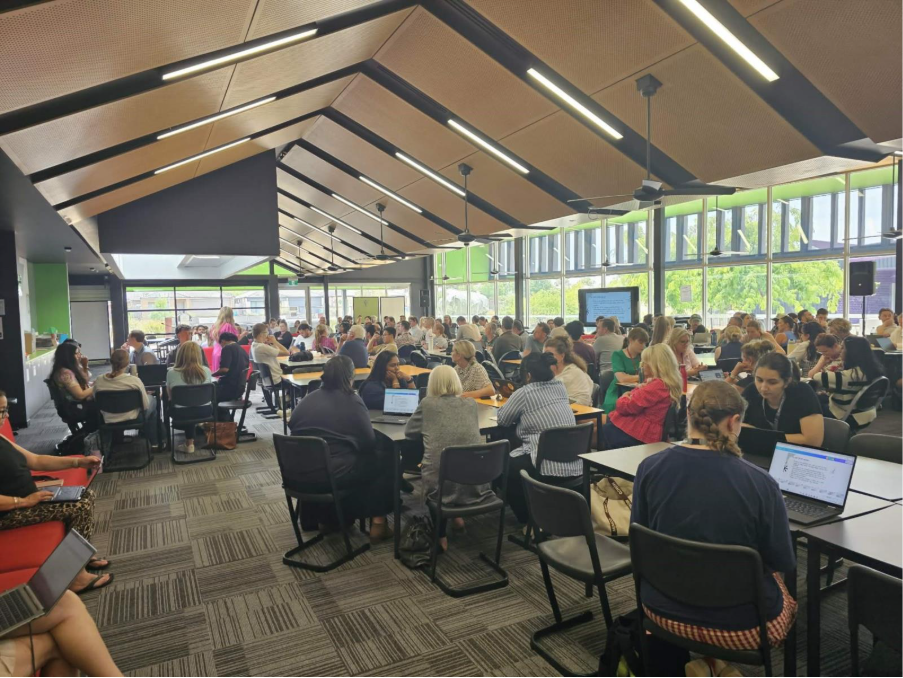
Staff reviewed student learning plans, so every young person is known from the very beginning, year-level teams (CTTs) aligned routines and expectations, and teachers engaged in targeted professional learning to improve comprehension and strengthen skills in fractions, decimals and percentages across the whole school (not just in Maths and English!). Reading with depth, thinking clearly and applying numerical reasoning in different contexts are foundational skills in every subject area, and this work ensures that when students walk into their classrooms, they experience clarity, consistency and teachers who are prepared. I am incredibly proud of the professionalism and commitment of our staff and the focused, purposeful way we have begun the year.
High Expectations, Study Habits and Homework

At St Peter’s College, we begin the year with a clear and shared message: we hold high expectations for every student.
High expectations are not about pressure. They are about belief. We believe that every student is capable of meaningful growth when effort, support and good habits come together. One of the most important habits we can help young people develop is the habit of purposeful study beyond the classroom.
Building Strong Study Habits
Learning does not stop when the bell goes. Homework and revision time are essential in helping students:
Consolidate what has been taught in class
Practise key skills
Build independence and organisation
Develop persistence and responsibility
Strong study habits are formed through consistency. When students allocate regular time to complete homework, revise notes and prepare for upcoming tasks, they build routines that reduce stress and increase confidence.
Families play a powerful role here. A consistent study space, a predictable routine and encouragement to complete tasks to a high standard all reinforce the message that learning matters.
Our Approach to Homework
All students are expected to complete homework. This is part of our commitment to high standards and academic growth.
Homework at St Peter’s College is designed to be:
Consistent When homework is set regularly, students develop routine and responsibility.
Predictable Students should know what is expected and when it is due. Clarity reduces anxiety and supports time management.
Valued Homework is checked, discussed and used in class. It is not busy work. It plays a role in strengthening understanding.
Connected to Learning Tasks are linked directly to classroom learning so students can see their relevance and purpose.
Fair and Manageable We aim to provide sufficient notice and avoid setting tasks that disadvantage students due to short turnaround times.
When students complete homework consistently, they arrive at school better prepared, more confident and ready to engage deeply with their learning.
High expectations work best when school and home are aligned. We ask families to:
Encourage regular study routines
Support students in meeting deadlines
Reinforce the importance of effort and persistence
Communicate with teachers if challenges arise
Literacy and Numeracy at Home
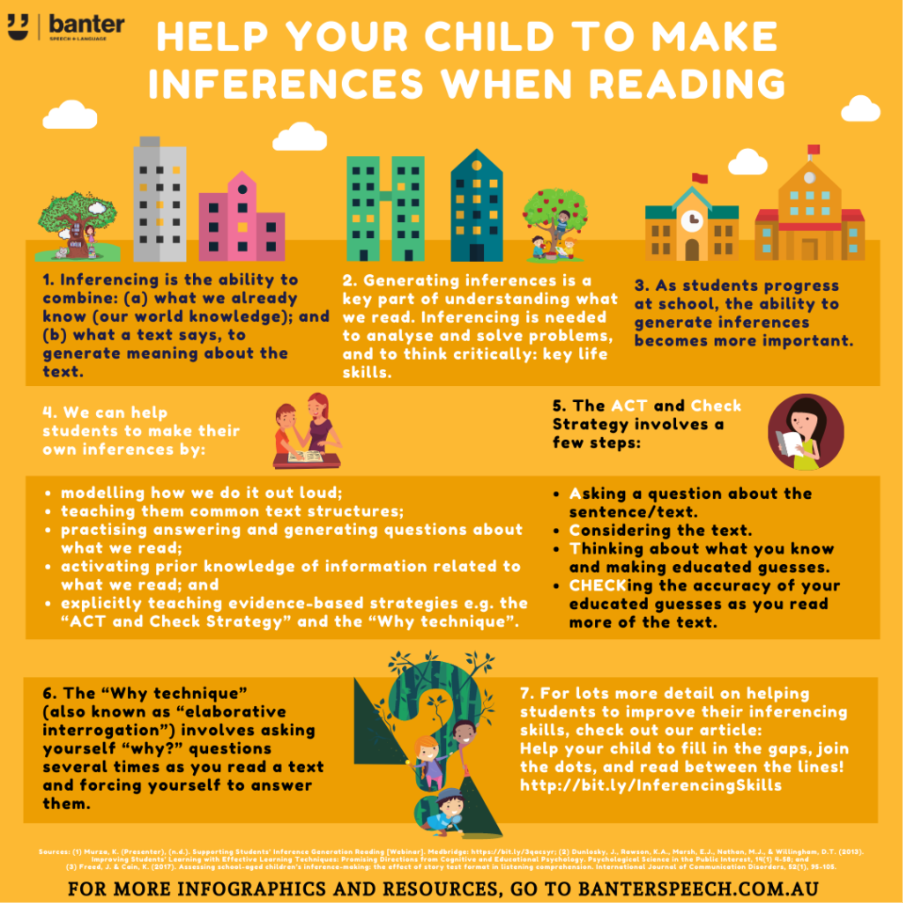
Improving comprehension and strengthening skills in fractions, decimals and percentages is a whole-school focus, and families play an important role.
To support comprehension skill development, you might:
Ask your child to explain what they are reading in their own words
Encourage them to justify their thinking rather than give one-word answers
Discuss news articles, documentaries or novels and ask, “Why do you think that?”
Build general knowledge through conversation, podcasts and shared reading
To support fractions, decimals and percentages (FDP) skill development, you might:
Involve your child in real-life maths such as discounts while shopping, budgeting, cooking measurements or comparing prices
Ask them to estimate before calculating
Encourage them to explain how they worked something out
The most important support you can provide is interest and expectation. When students are regularly asked to think, explain and apply their learning, their confidence grows.
I know that when families and teachers are aligned in expectations and communication, students are far more likely to settle, strive and succeed. It is a responsibility I take seriously, and one I feel genuinely grateful to hold. I look forward to working with you across the year as we support steady progress, strong habits and sustained growth in every student.
Ms Jade Smith
Deputy Principal - Learning & Teaching