Science Technology Engineering and Maths

Foundation
Foundation students are continuing to explore the STEM learning environment while developing important fine motor skills through structured play opportunities. Activities such as building, connecting, sorting and creating help strengthen hand control while also encouraging creativity and curiosity. Students are learning how to safely use classroom tools and materials, share resources and persist when tasks feel challenging, all foundational skills that support future engineering and design learning.
Year 1
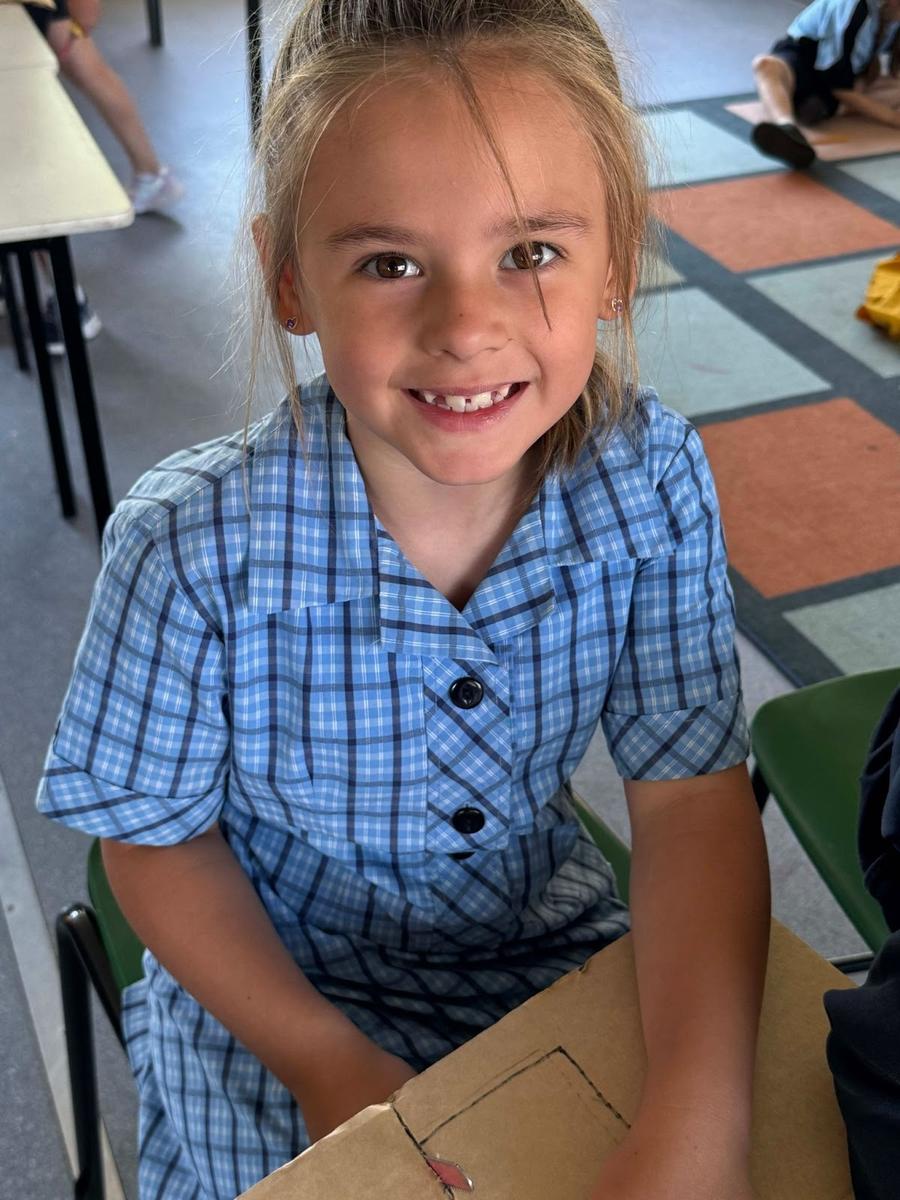
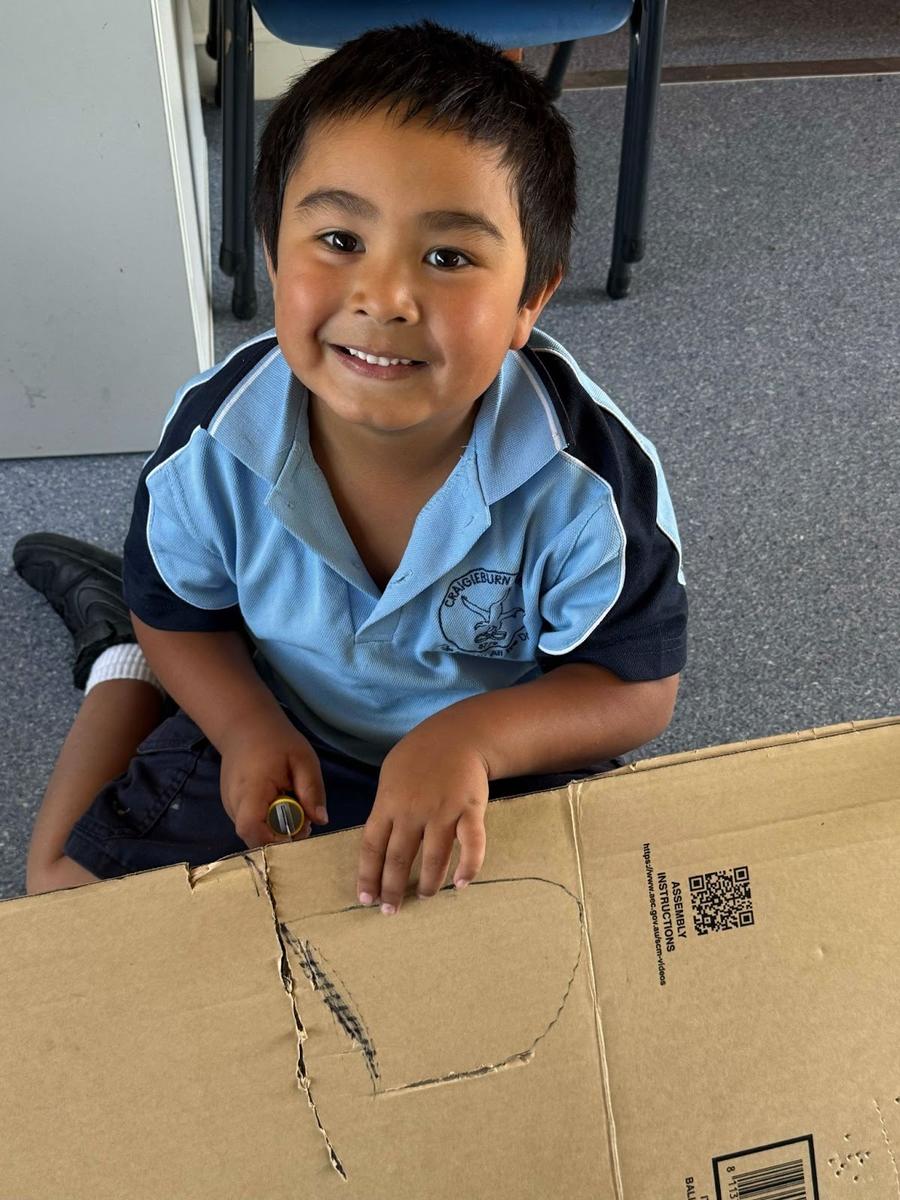
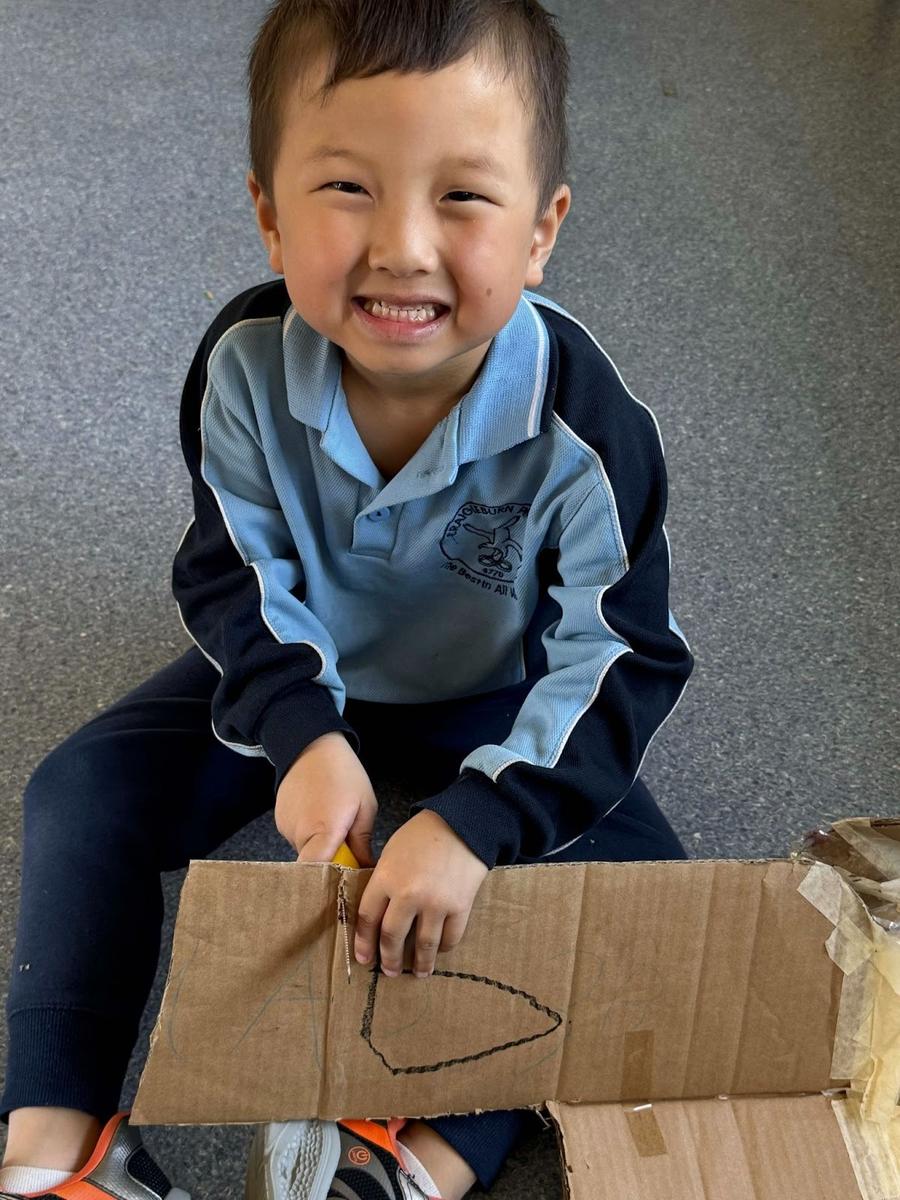
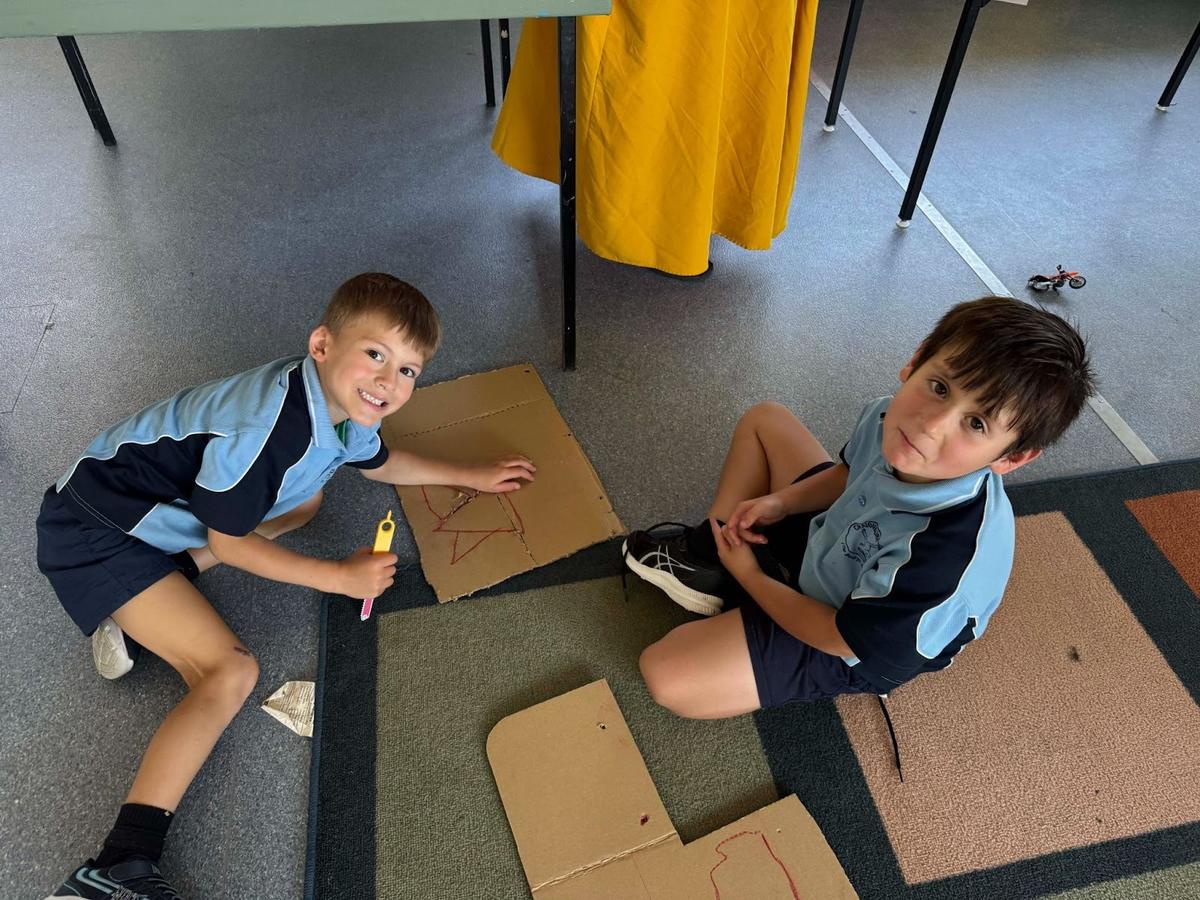
Year 1 students have enthusiastically launched into their Balloon Car Design Challenge, marking the beginning of their journey through the design process. Students are learning how to generate ideas, plan their creations and carefully consider which materials will best support their designs. A strong focus has been placed on developing detailed materials lists and understanding that thoughtful planning leads to more successful builds. This learning aligns with the Design and Technologies curriculum as students begin communicating their design ideas with a partner and the teacher, and have been considering how different components work together to create movement.
Year 2
Inspired by the text The Most Magnificent Thing, Year 2 students have been exploring how inventors identify problems and create solutions. After brainstorming everyday challenges, students selected a problem meaningful to them and have now begun designing their own prototypes. Throughout this process, students are discovering that great inventions often require multiple attempts, adjustments, and improvements. This unit supports the development of critical and creative thinking while strengthening resilience, helping students understand that mistakes are an important part of learning.
Year 3
Year 3 students have been building their confidence with digital systems by practising how to independently log into school devices and navigate key platforms such as Google Classroom. Developing these skills supports their growing independence as digital learners and prepares them for future technology-rich projects. Students are now preparing to begin their new unit, Strictly No Elephants, where they will investigate how thoughtful design can foster inclusion and ensure everyone feels welcome. This unit will challenge students to consider user needs and design solutions that support diverse communities.
Year 4
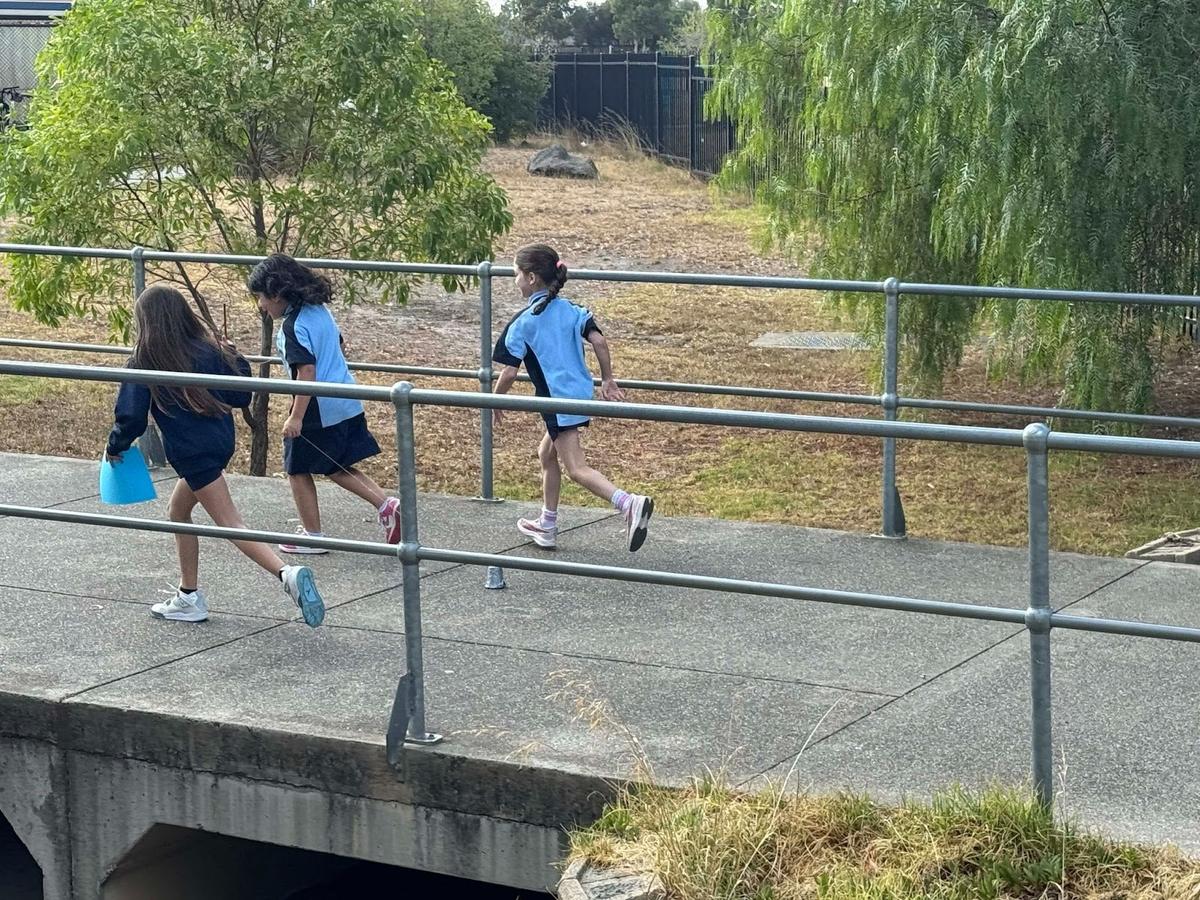
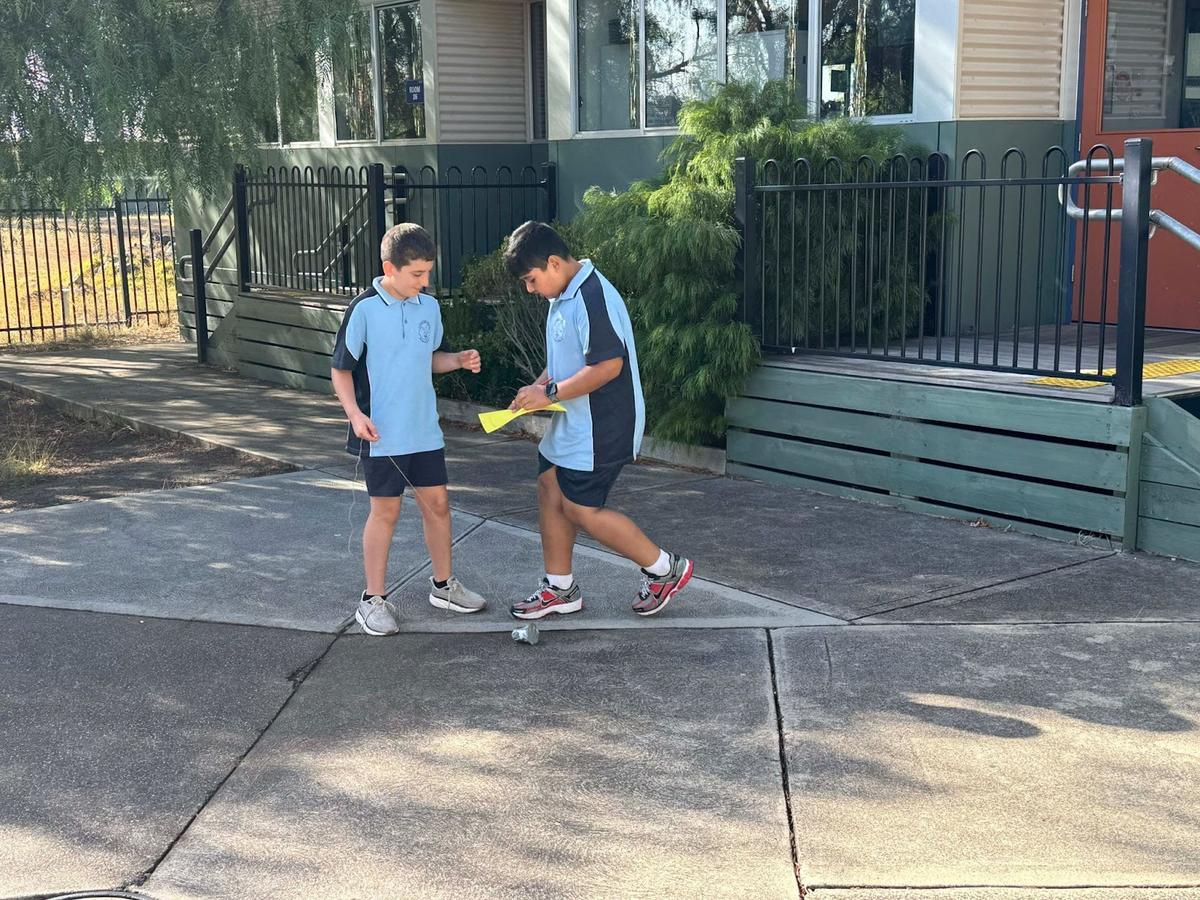
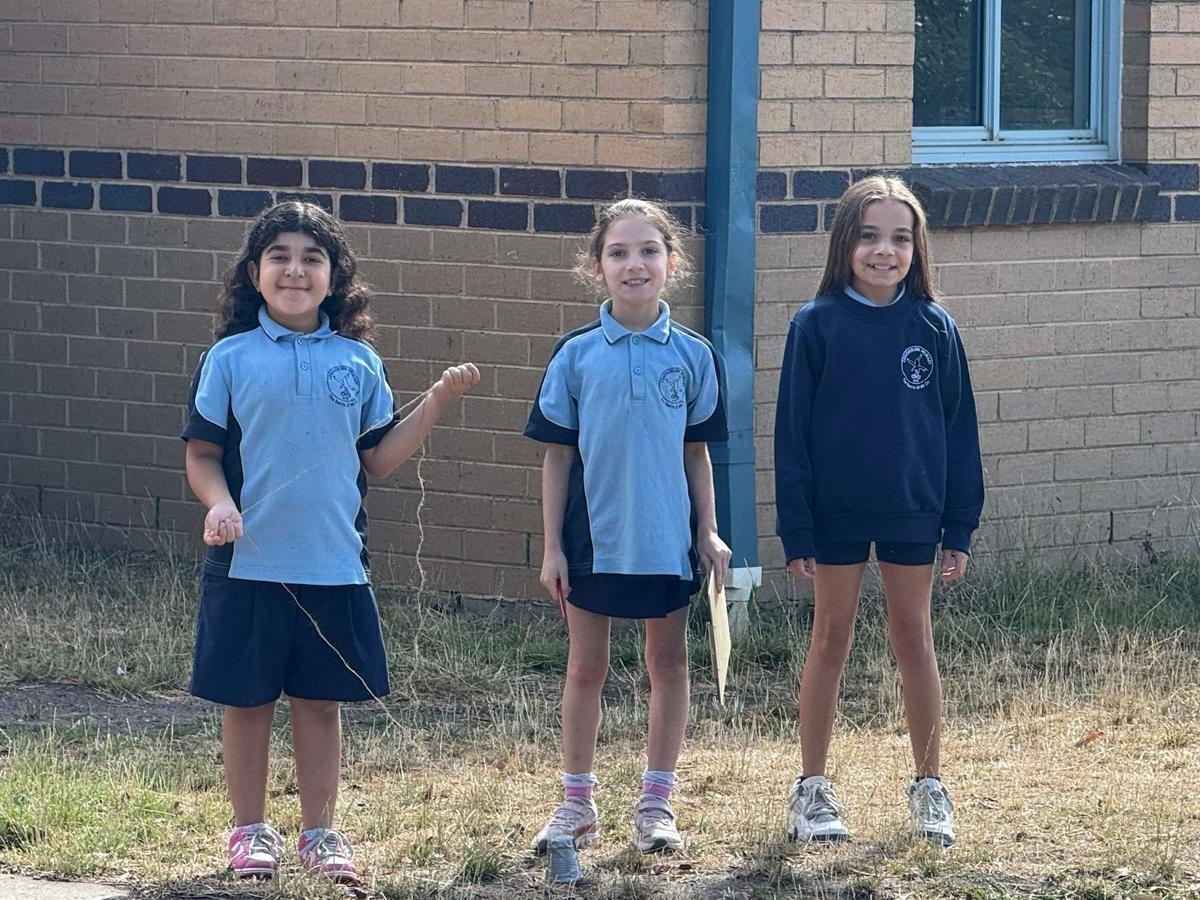
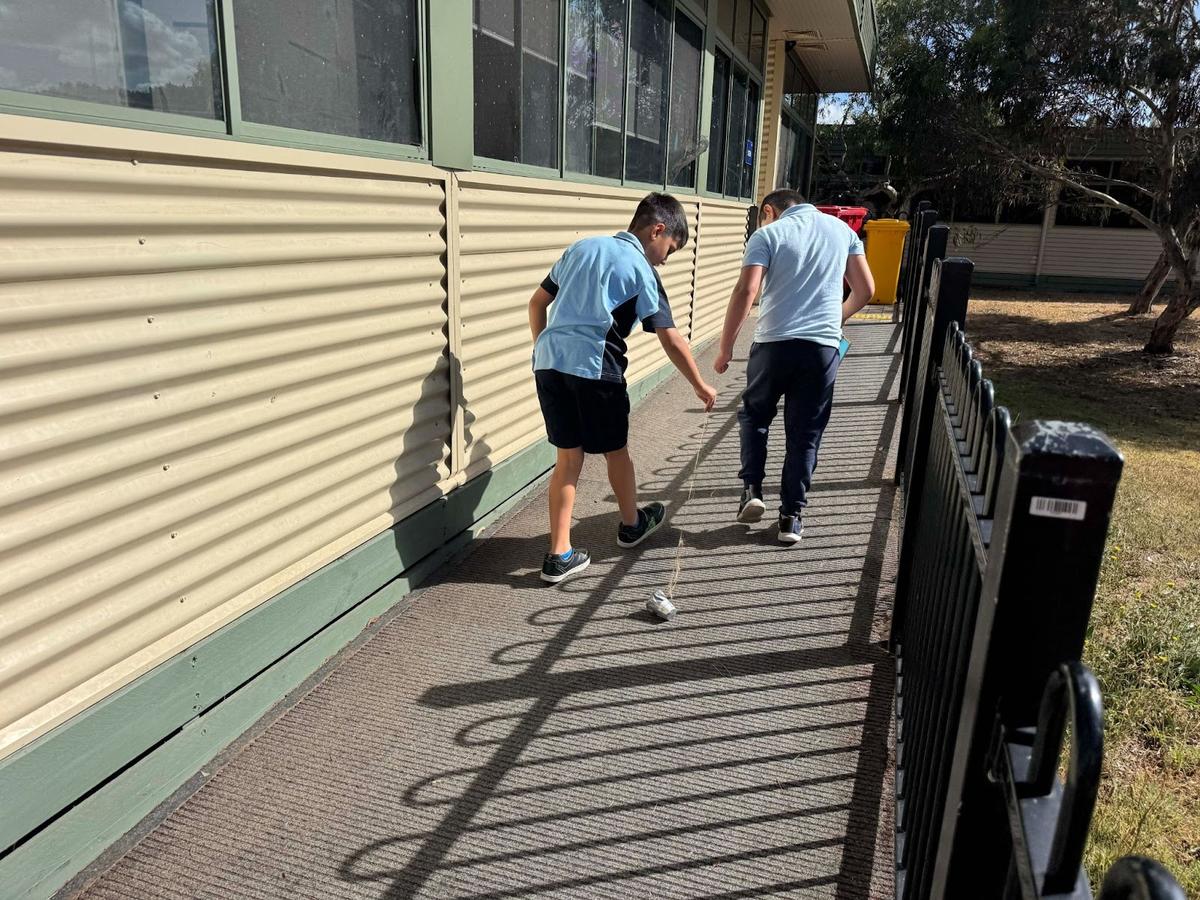
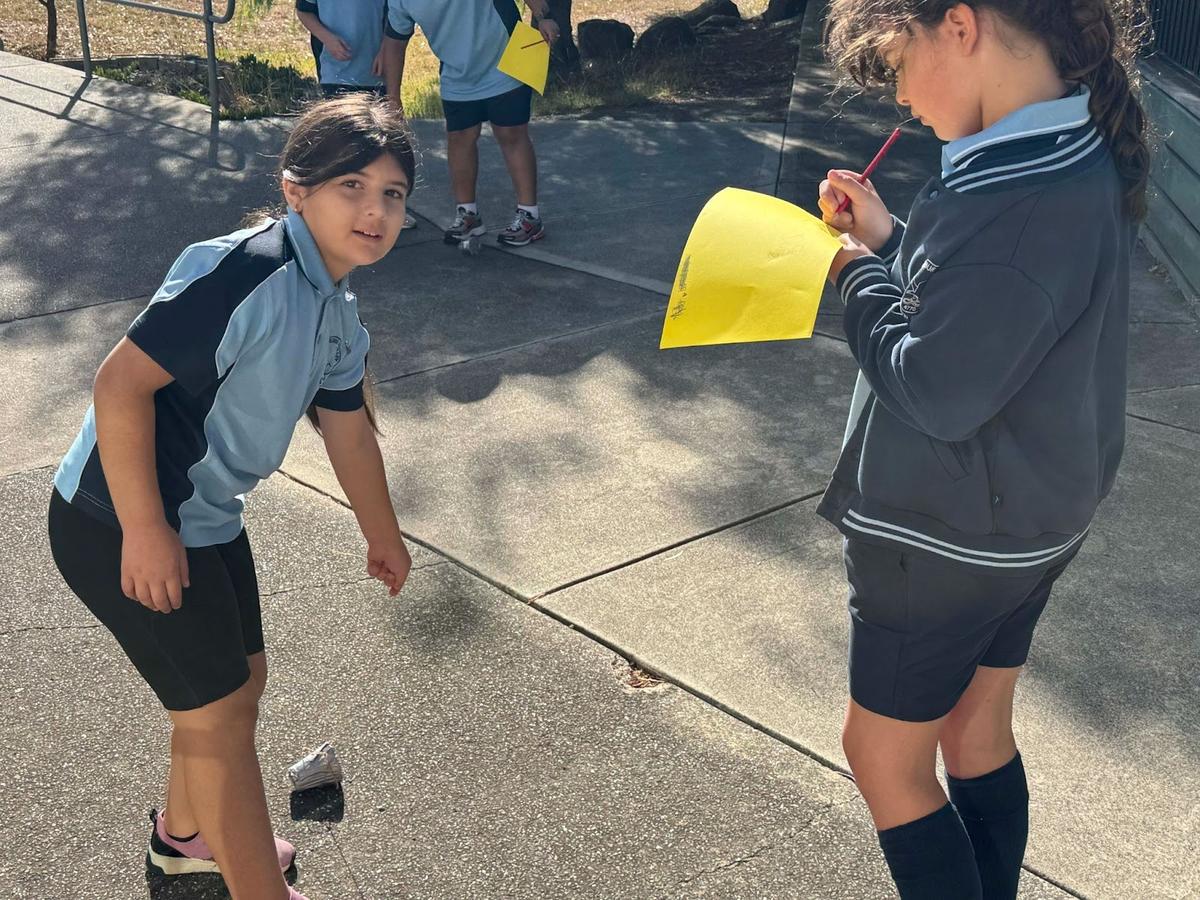
Year 4 students recently completed a Forces pre-assessment to help identify their current understanding and guide upcoming learning experiences. They have now begun exploring how forces act on objects through investigations involving pushes, pulls, gravity and friction. Students are making predictions, testing ideas and recording observations, key skills within the Physical Sciences. As the unit progresses, students will deepen their understanding of how forces influence movement and how this knowledge can be applied in real-world contexts.
Year 5
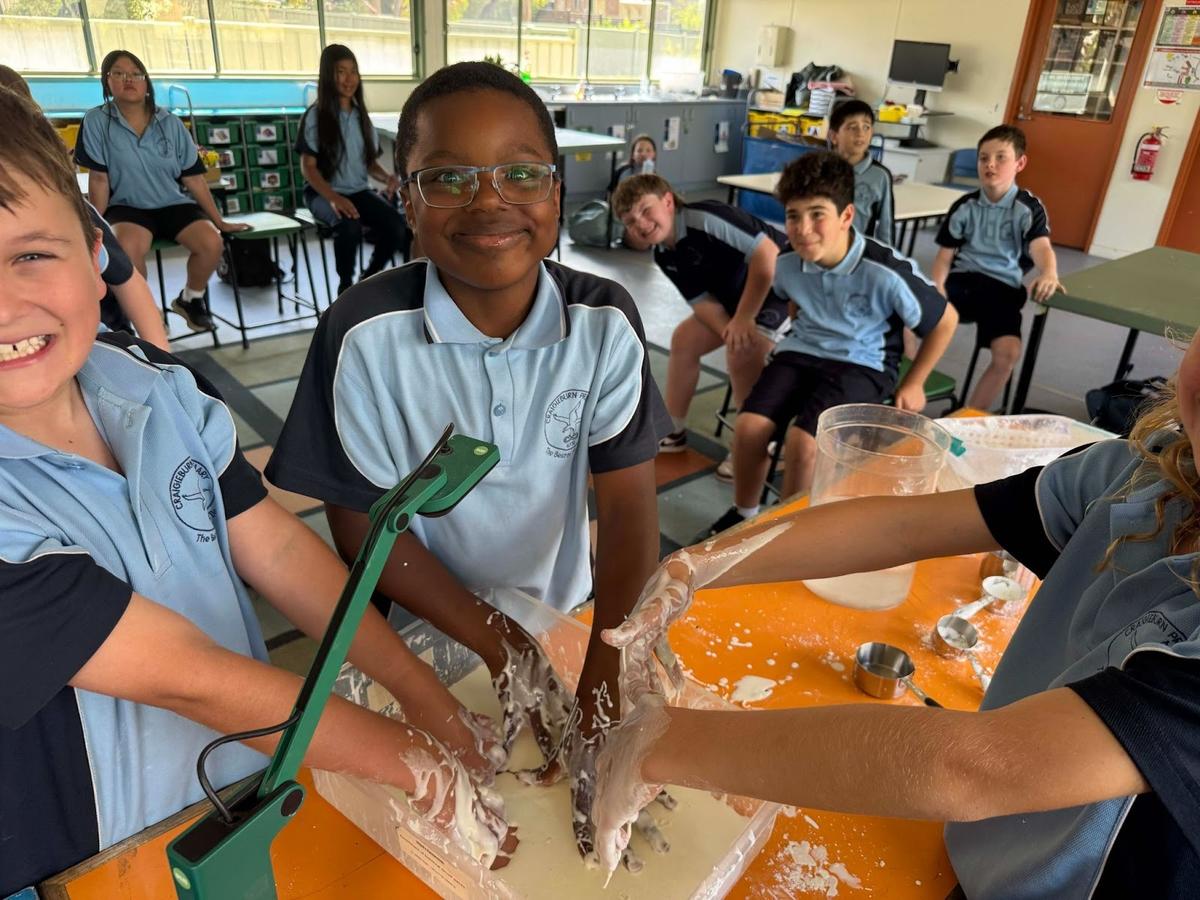
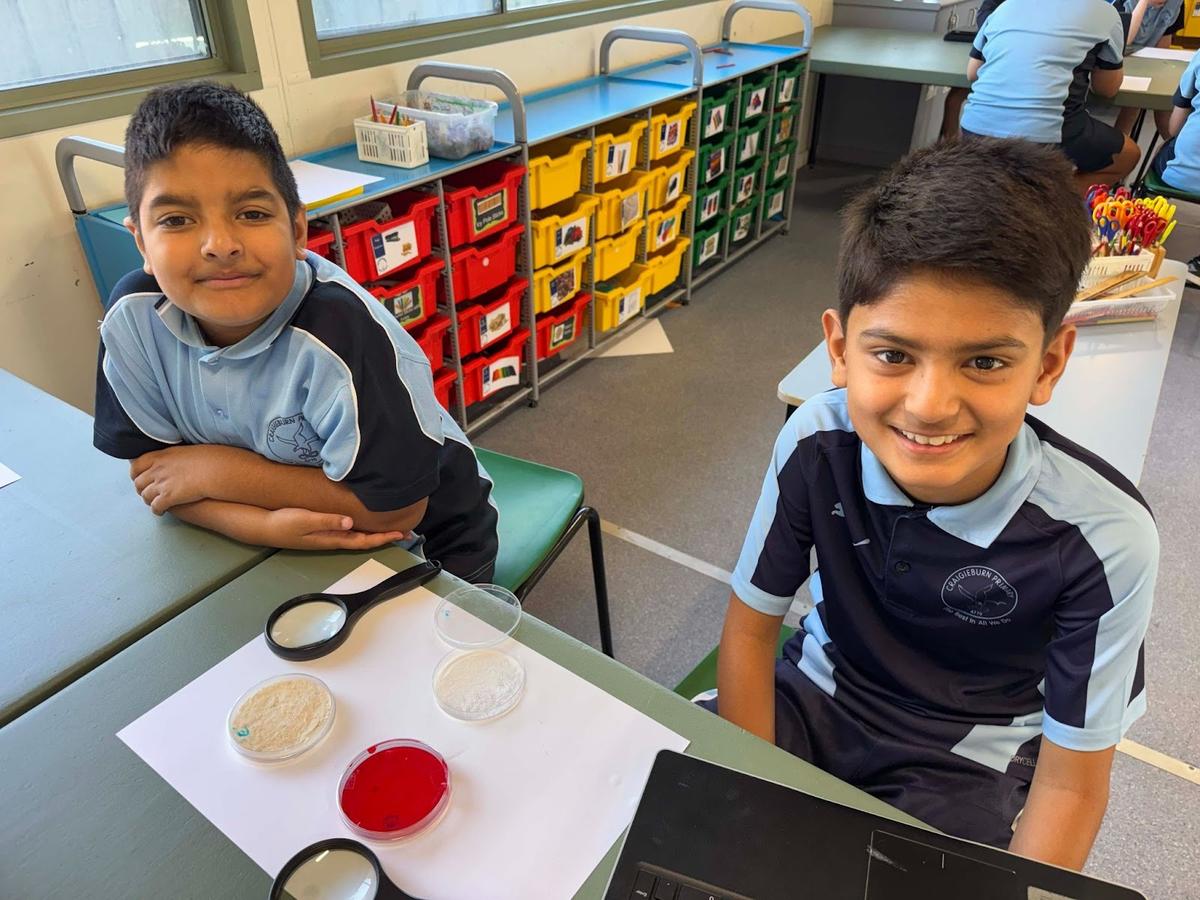
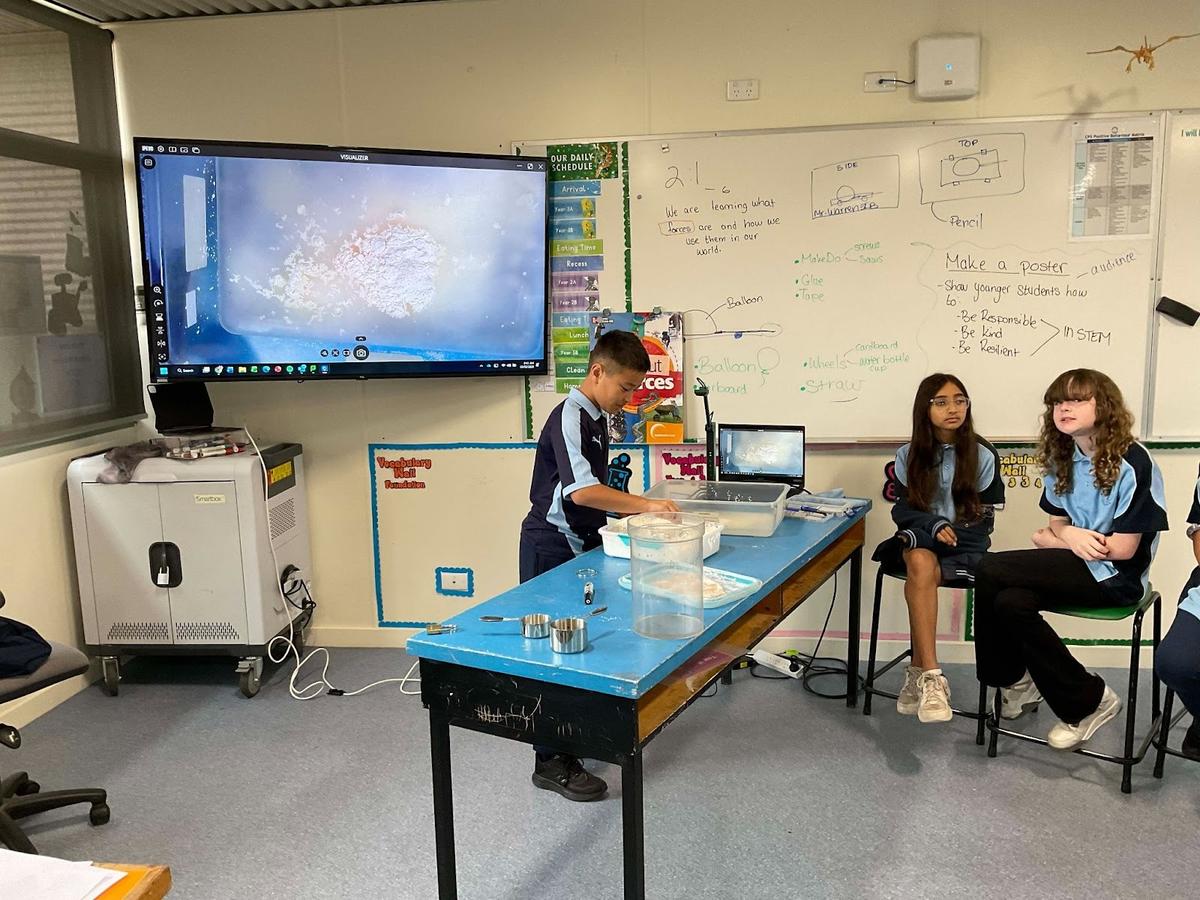
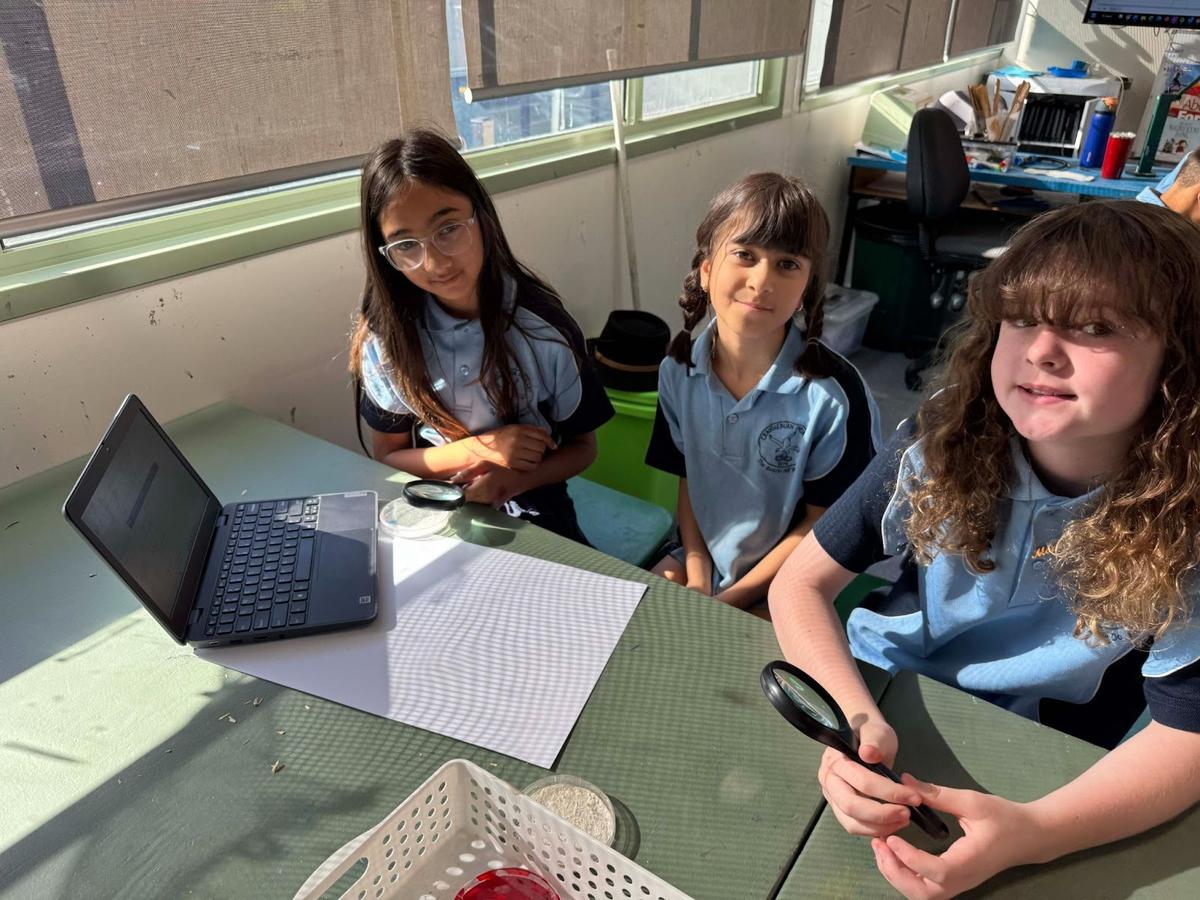
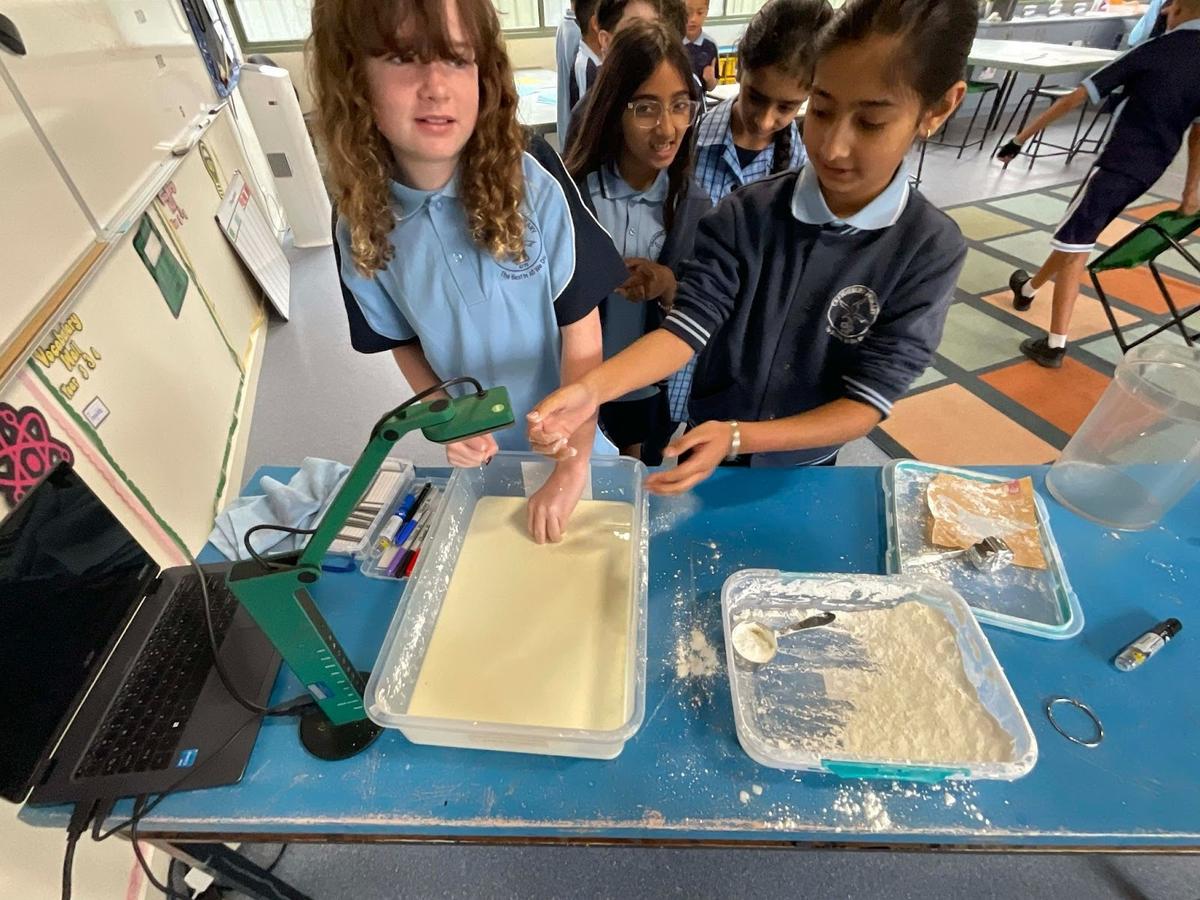
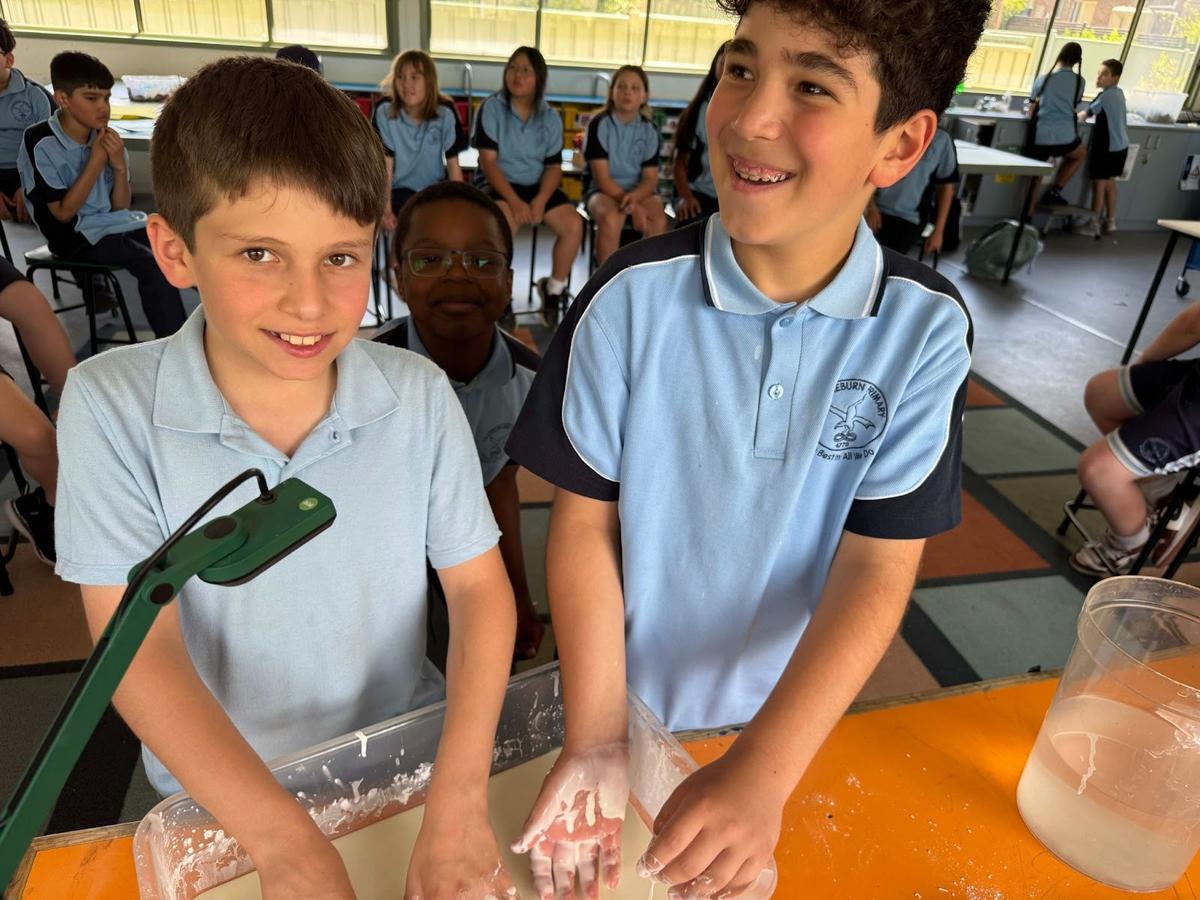
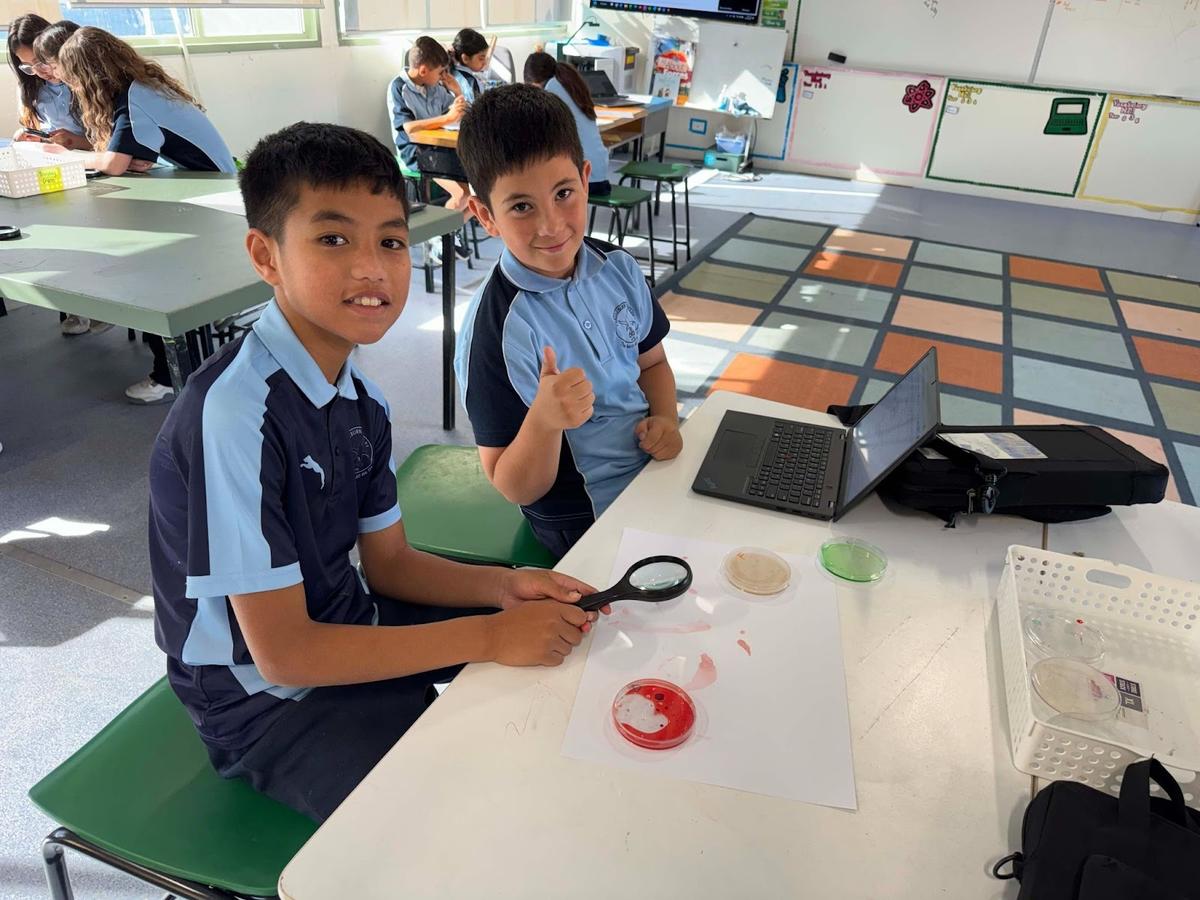
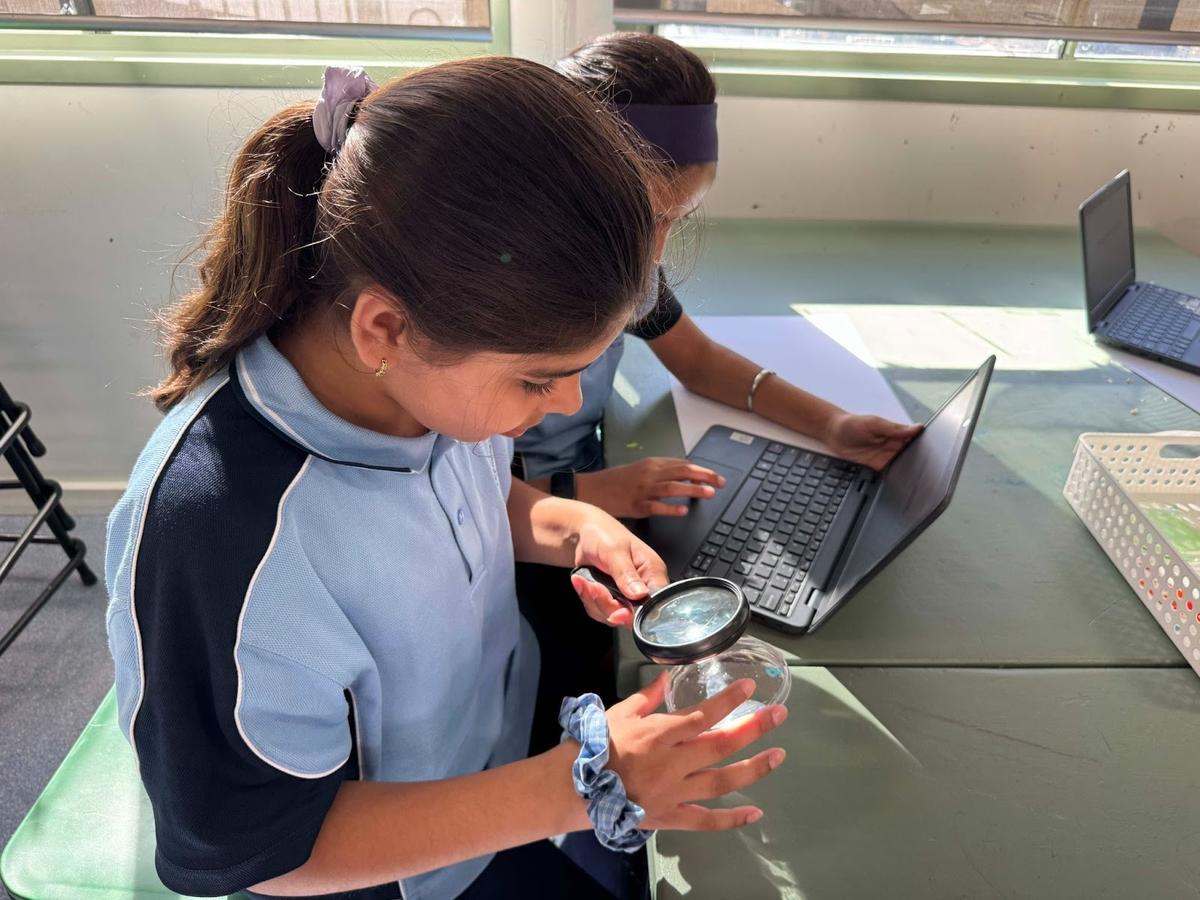
Year 5 students have been diving into the fascinating world of States of Matter, examining how particles behave differently in solids, liquids and gases. A highlight of the fortnight was experimenting with oobleck, a non-Newtonian fluid that behaves as both a solid and a liquid depending on the force applied. This engaging investigation encouraged students to think like scientists as they observed, questioned and discussed why materials sometimes behave in unexpected ways. These experiences strengthen students’ scientific inquiry skills while building their understanding of key chemistry concepts.
Year 6
Year 6 students have begun exploring our increasing reliance on electricity and the impact it has on everyday life. Through discussions about blackouts and brownouts, students considered how communities, businesses and essential services depend on reliable electrical systems. They have since transitioned into exploring digital circuits, where they are developing an understanding of how electrical components connect and function together. This learning lays the groundwork for future exploration of electrical engineering concepts and highlights the important role technology plays in shaping our world.