
Year 2 News
What’s New in Year 2
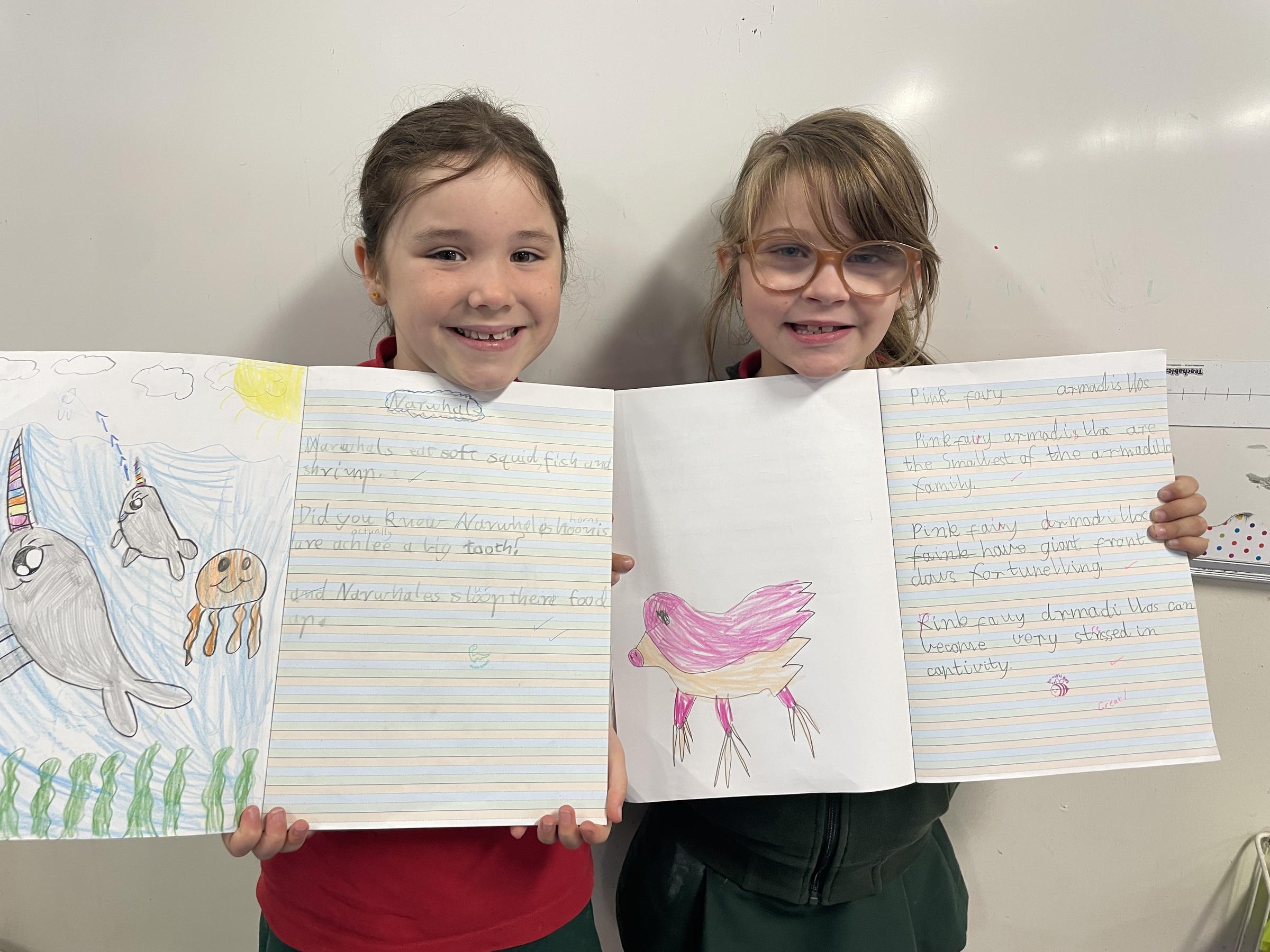
Over the past two weeks, the Year 2 students have been working hard across all areas of the curriculum. We have been thoroughly enjoying our text study on the World’s Most Pointless Animals and have learnt many new facts about some very interesting creatures including the Puffer fish, Axolotl, Zooplankton, Naked Mole Rat, Leafy Sea Dragon, Dung Beetles, Narwhals, Blobfish and Pink Fairy Armadillos.
Our Learning
Literacy Skills
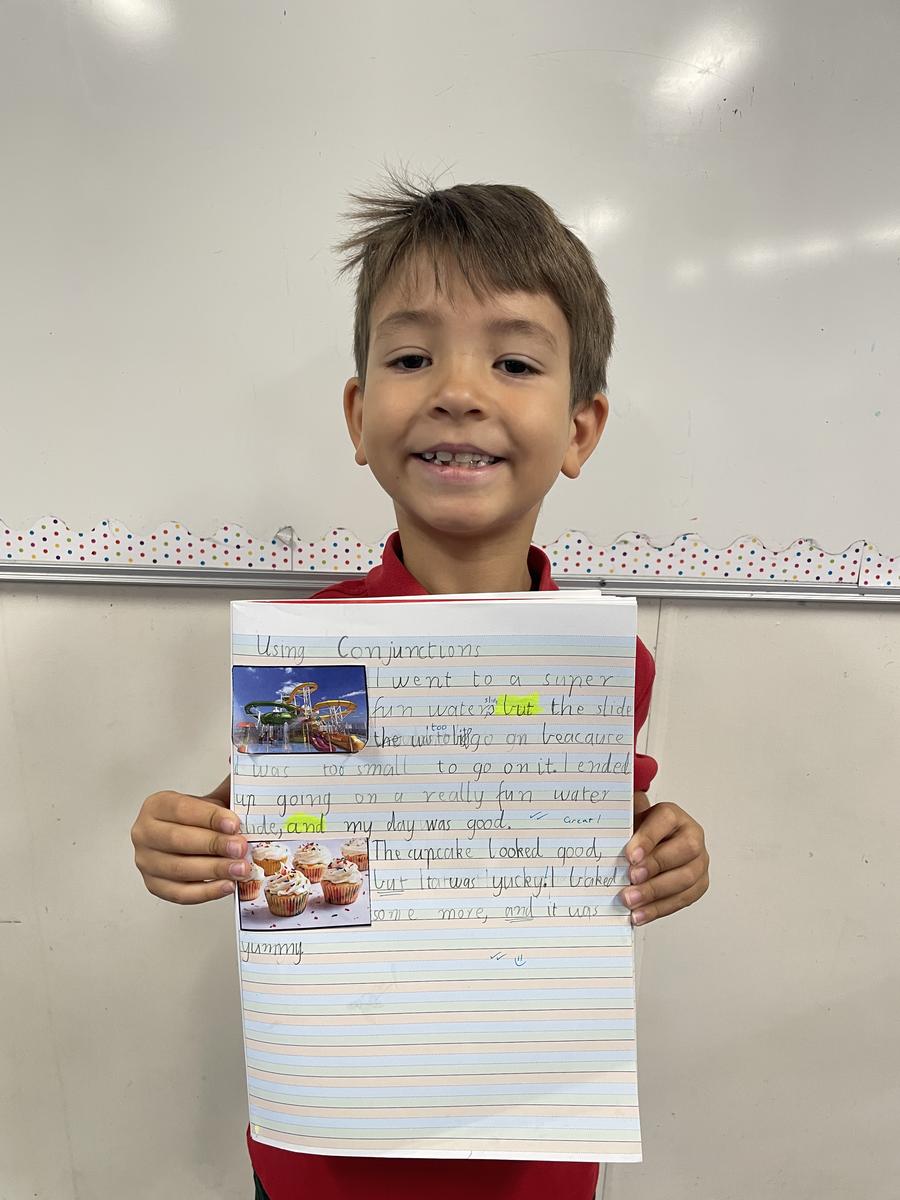
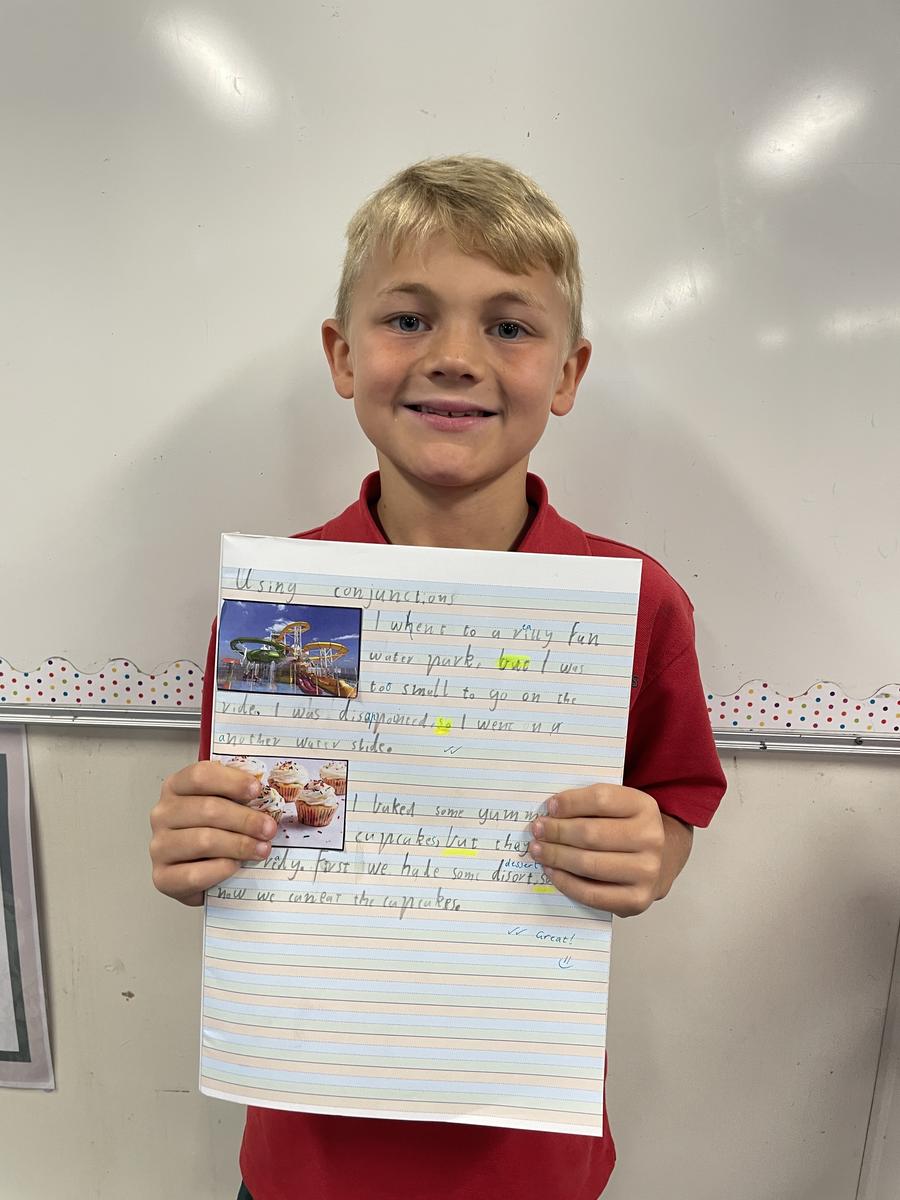
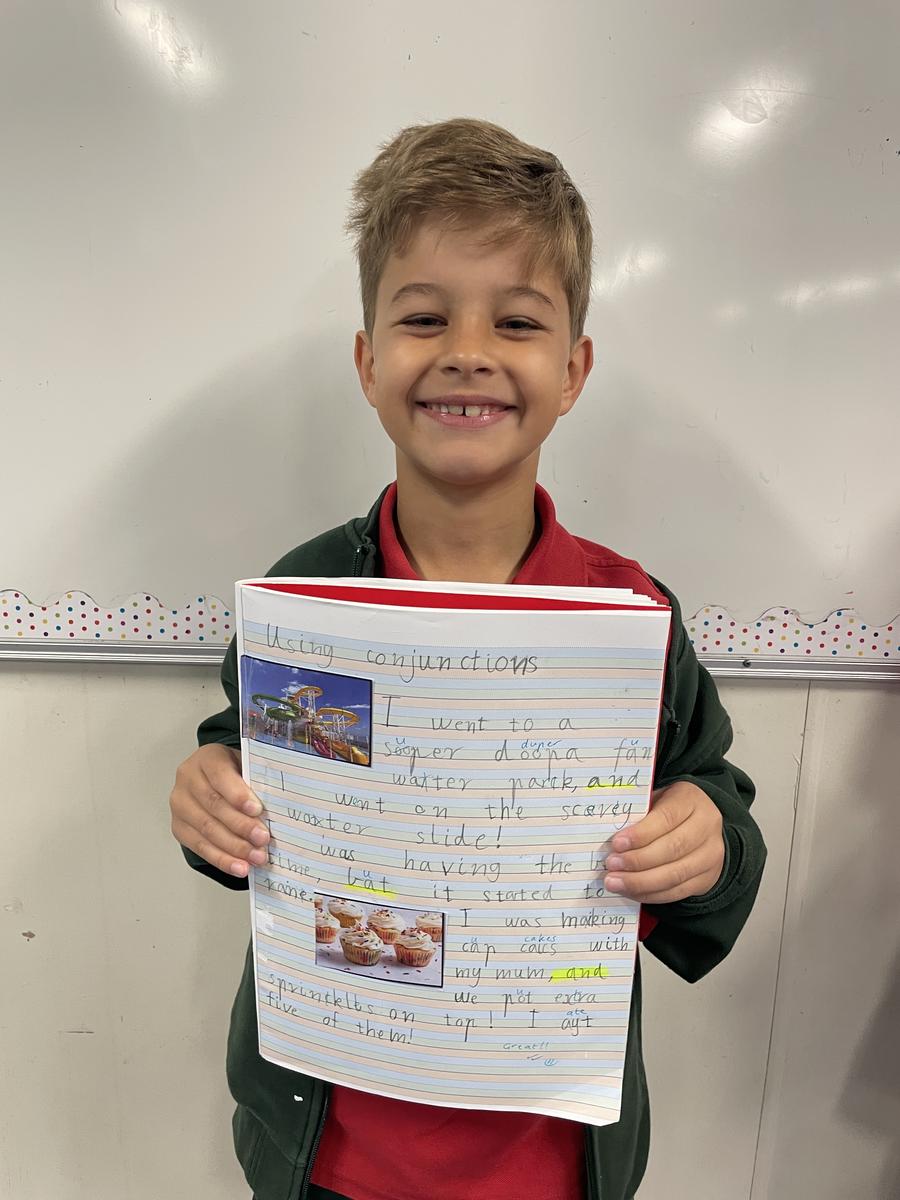
During our weekly Literacy Skills lessons, the Year 2 students have been working through a sequence of 15 lessons focused on expanding their sentence writing skills. Throughout this unit, students have learned how to transform simple sentences into compound sentences by using the conjunctions and, but, so and or.
Using engaging visual prompts, students have practised combining their ideas to create more detailed and interesting sentences. This has helped them strengthen their understanding of how conjunctions connect thoughts and add meaning to their writing.
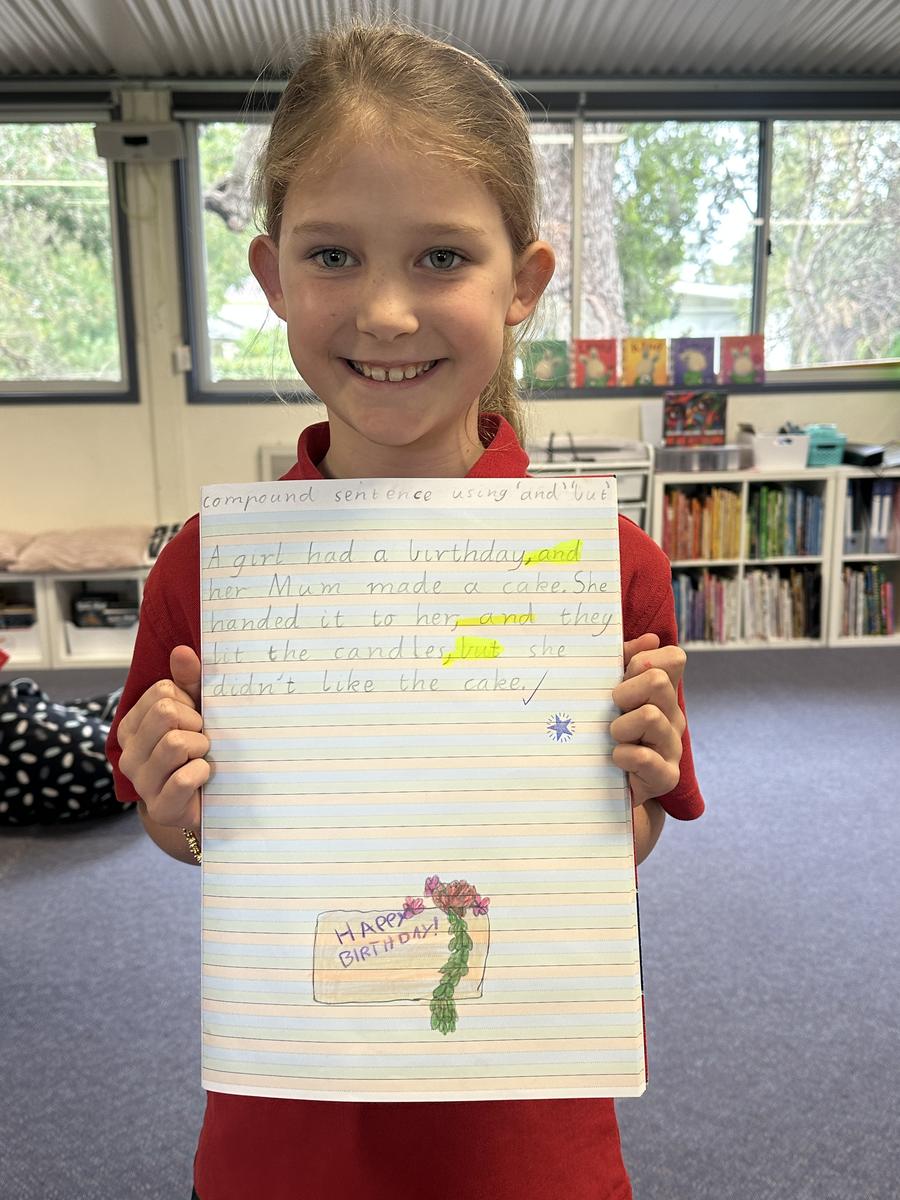
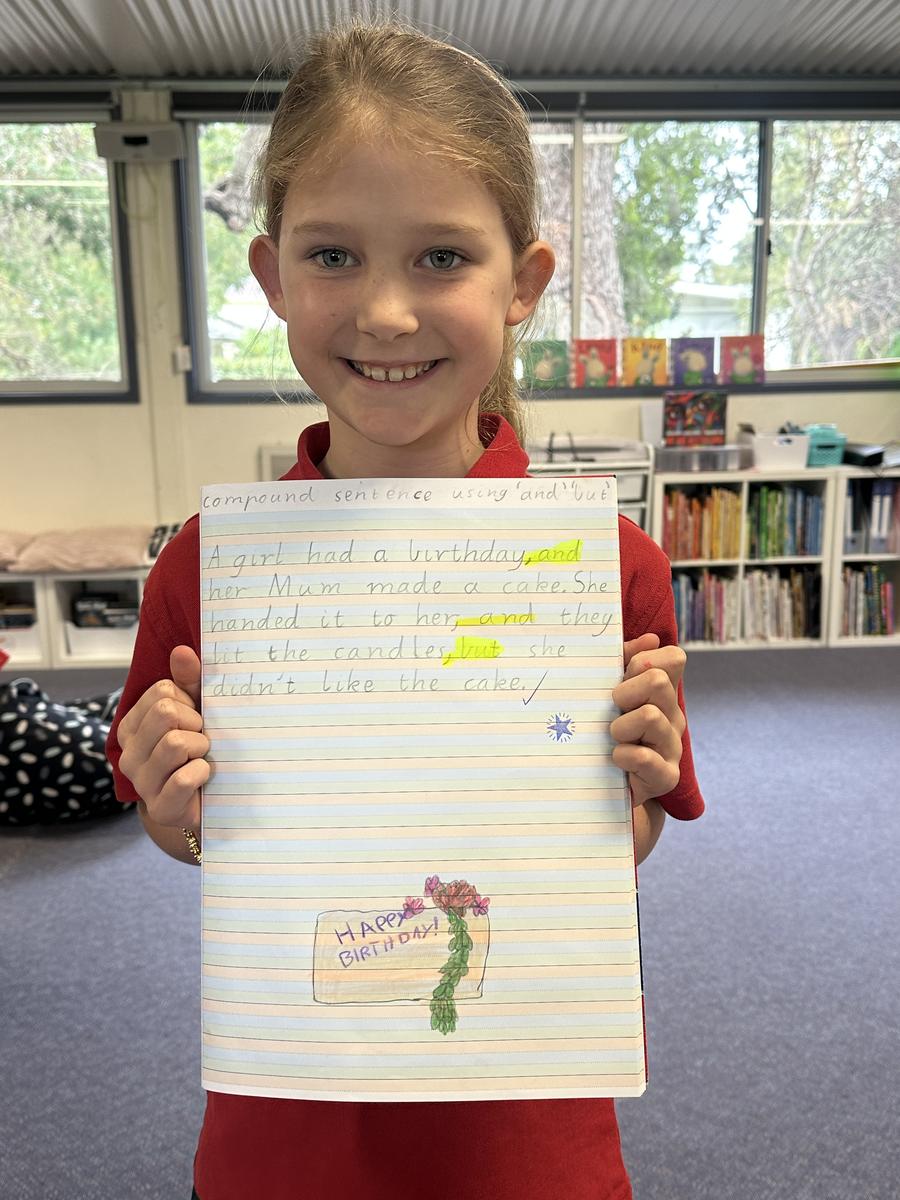
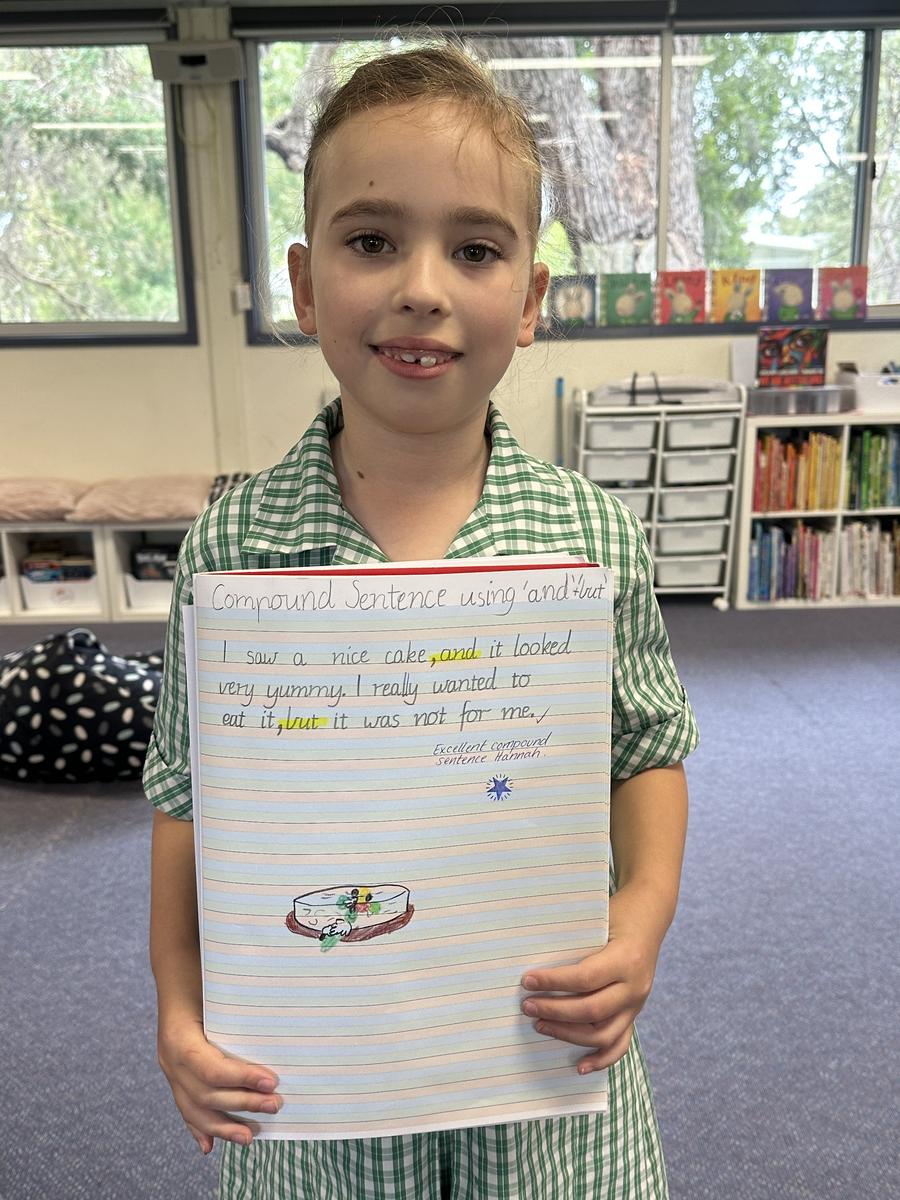
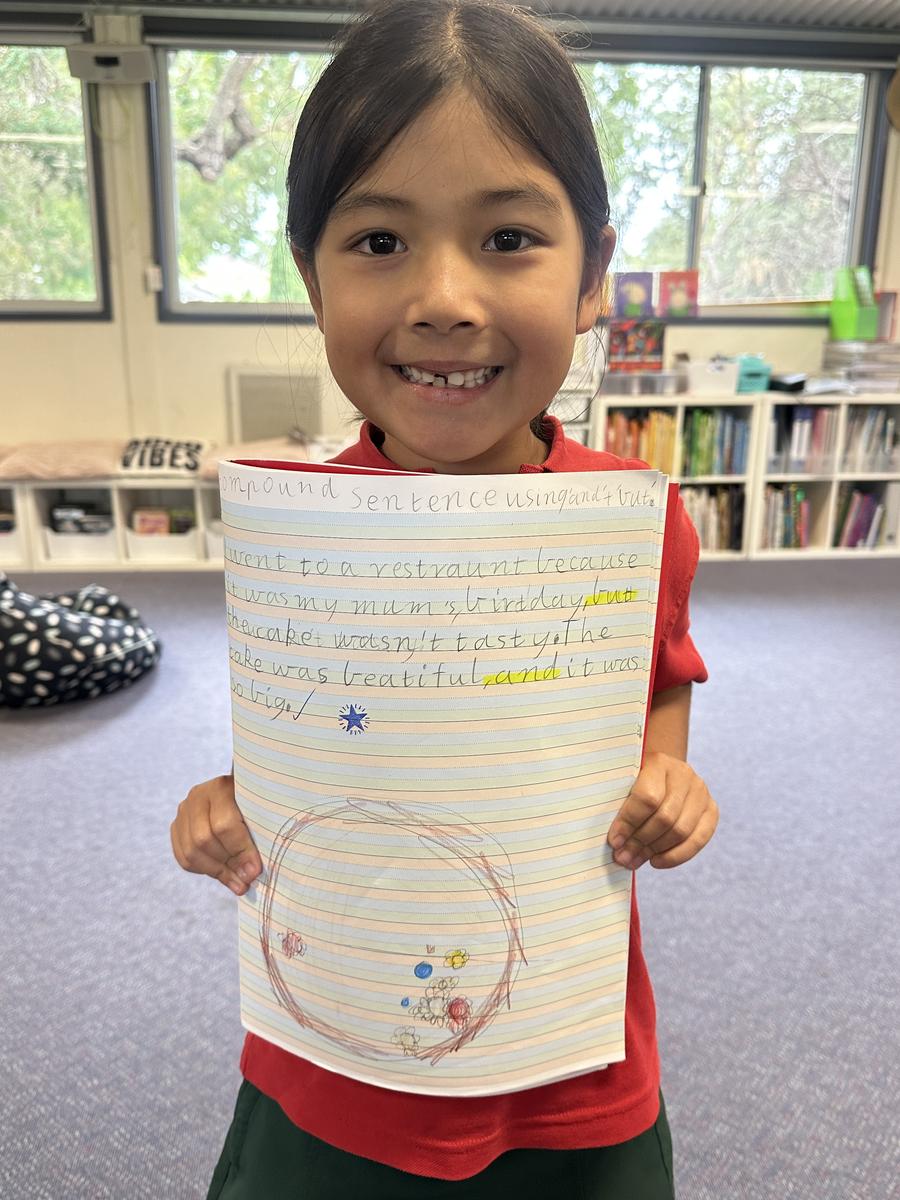
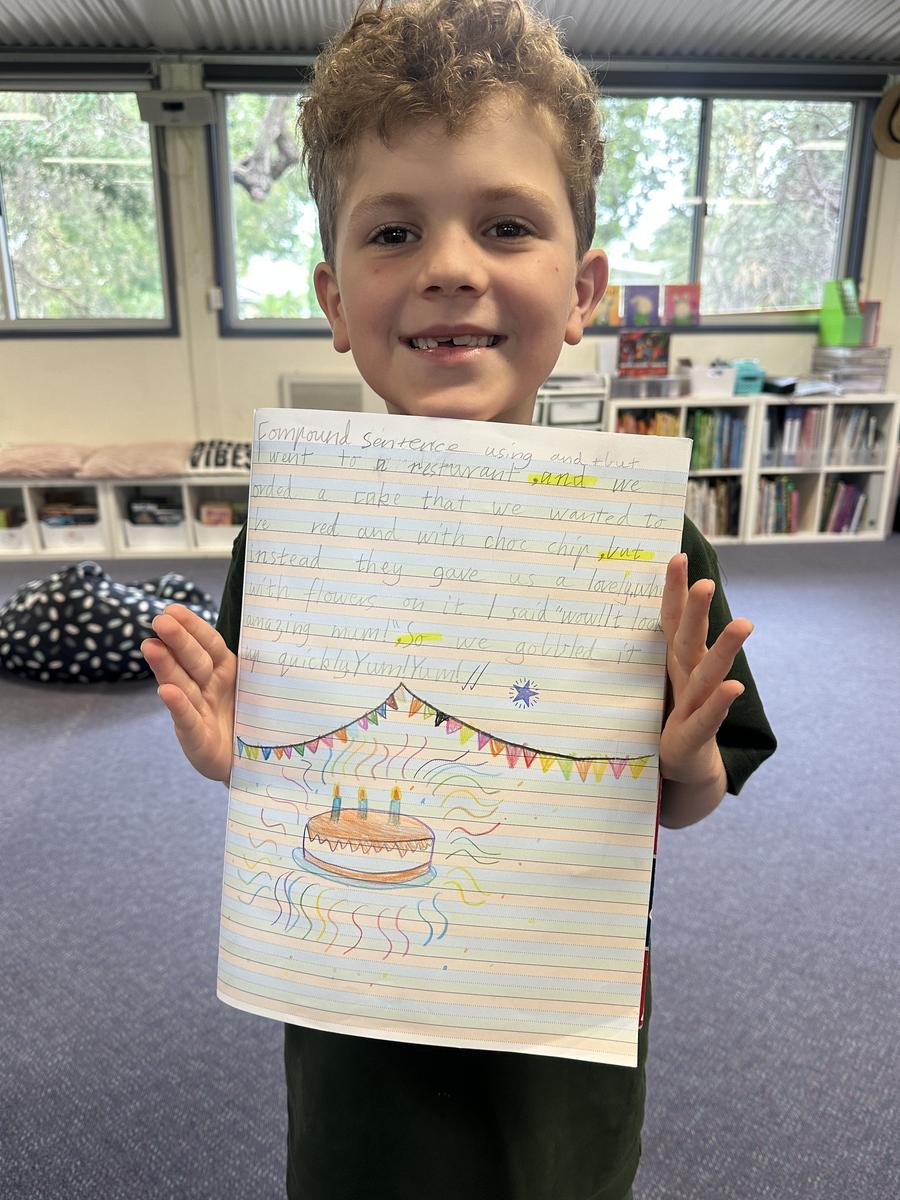
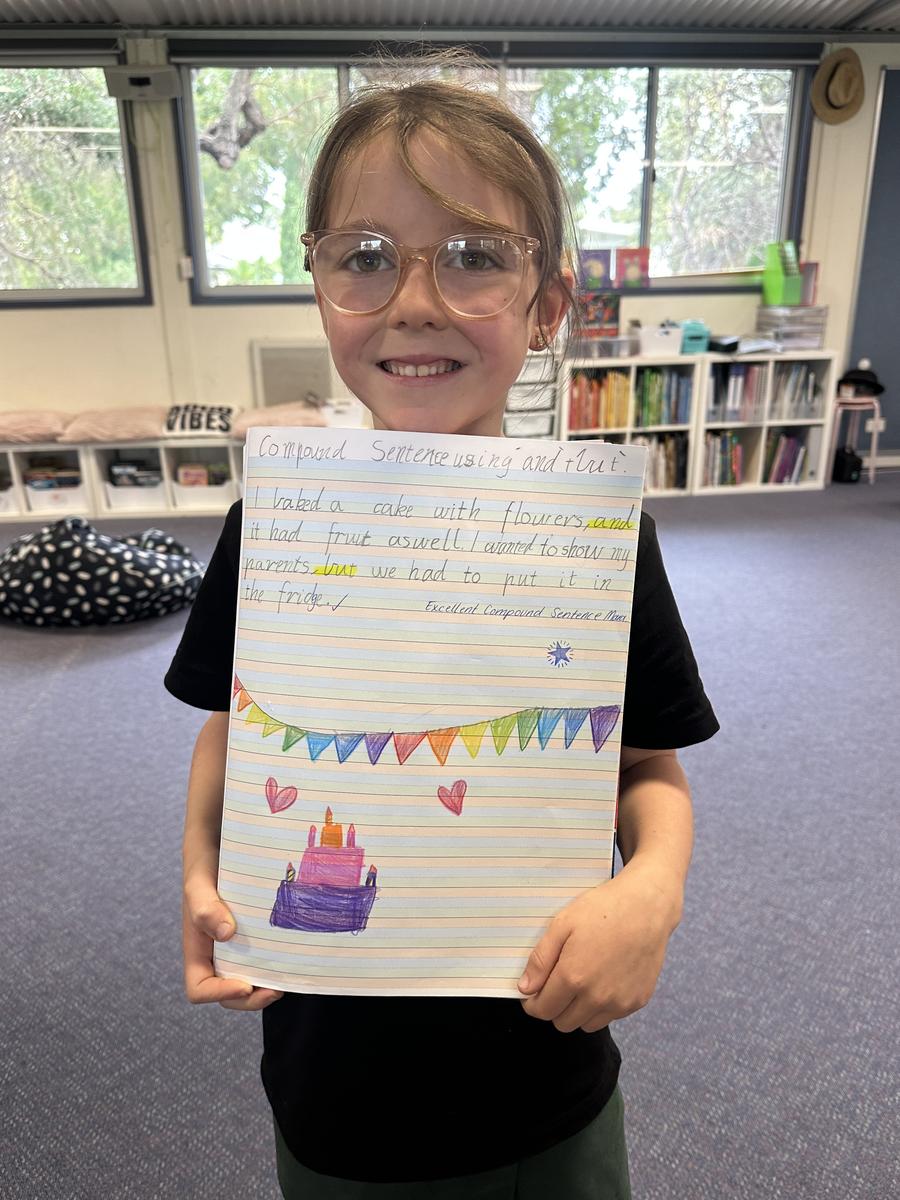
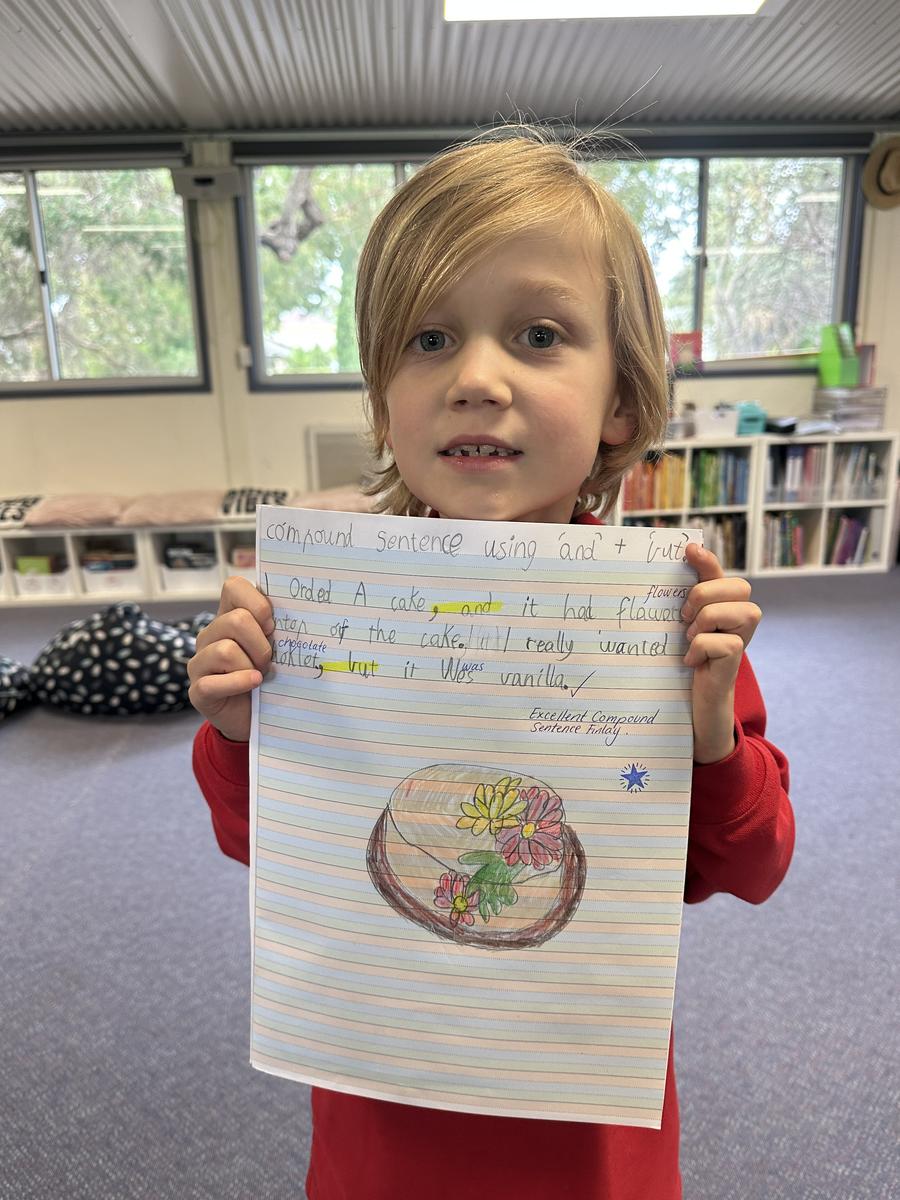
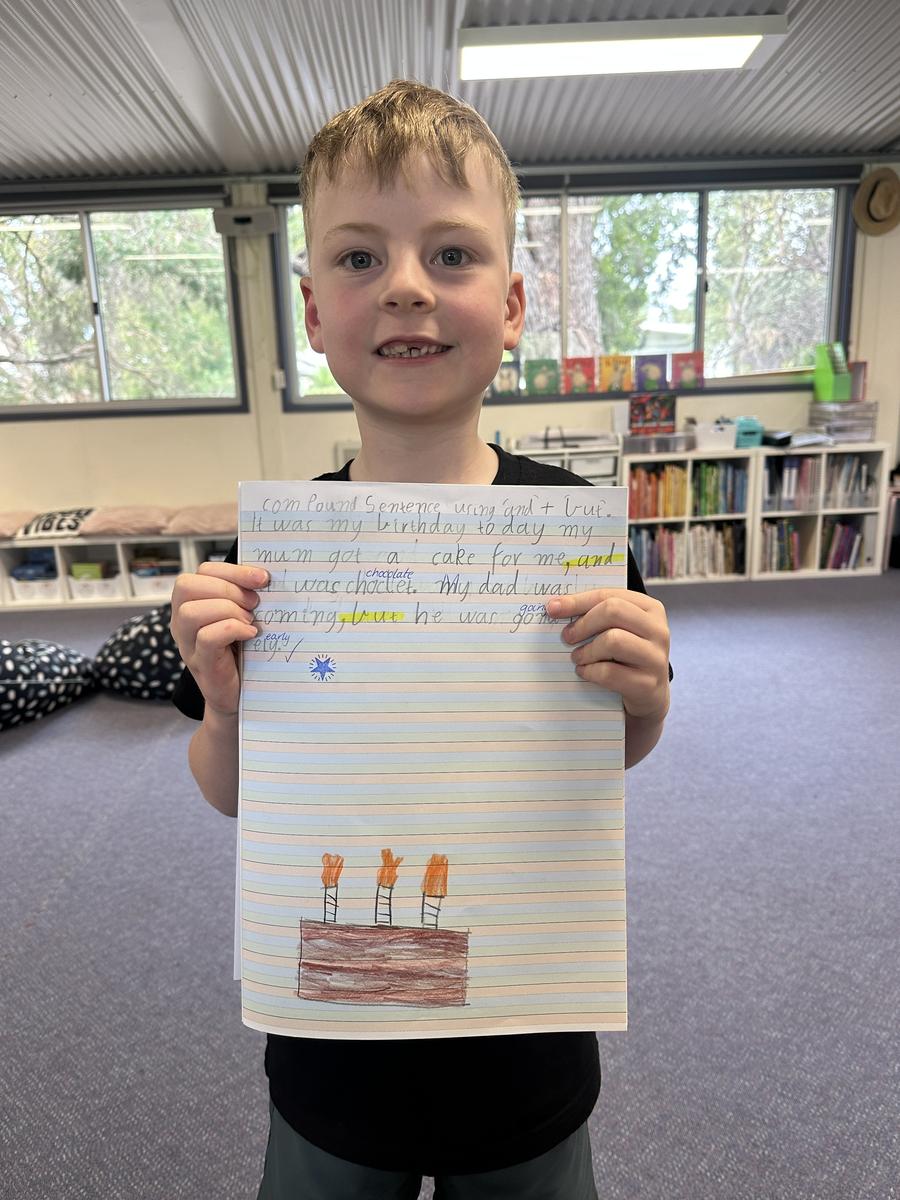
We have been incredibly impressed with the students’ enthusiasm, the quality of their writing, and their growing confidence in using this more complex sentence structure. It has been wonderful to see their progress and pride in their work!
Text Study
The World’s Most Pointless Animals
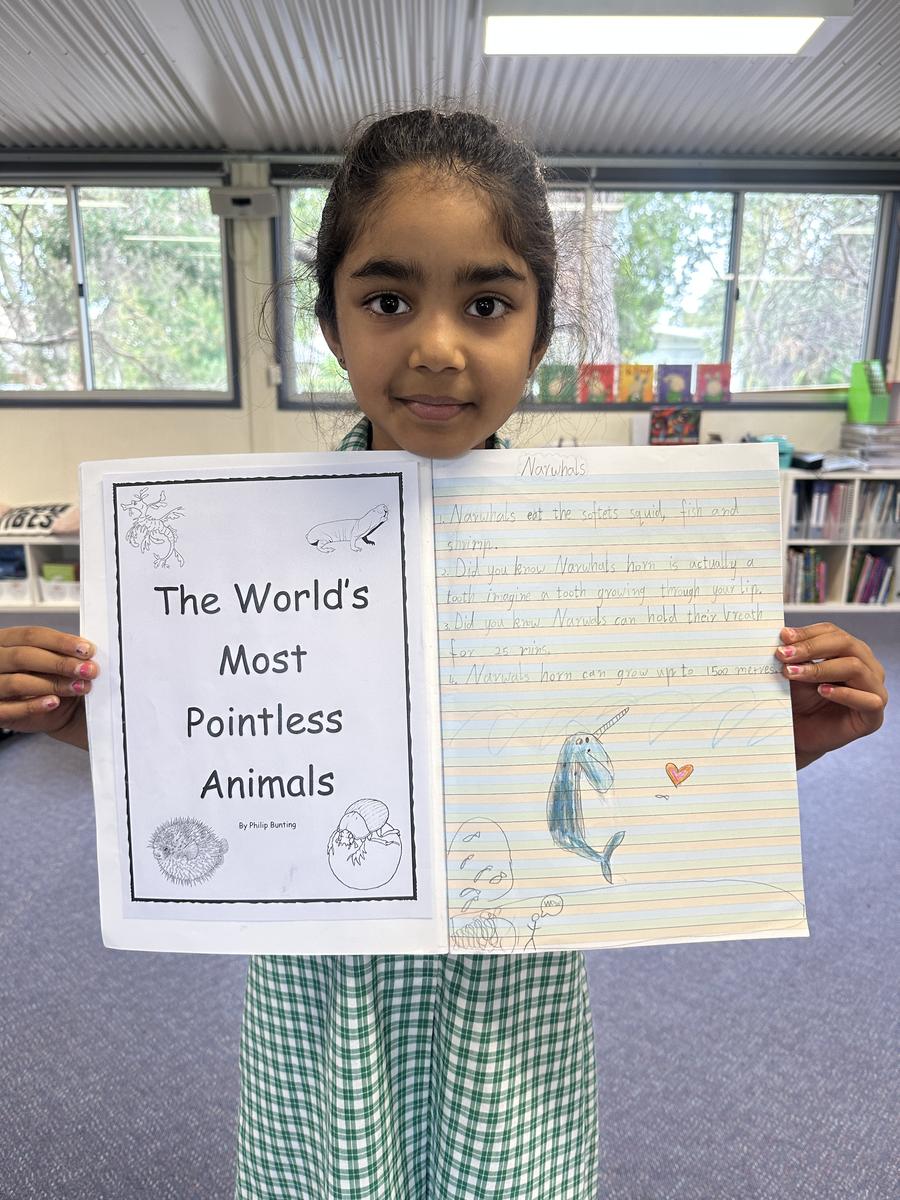
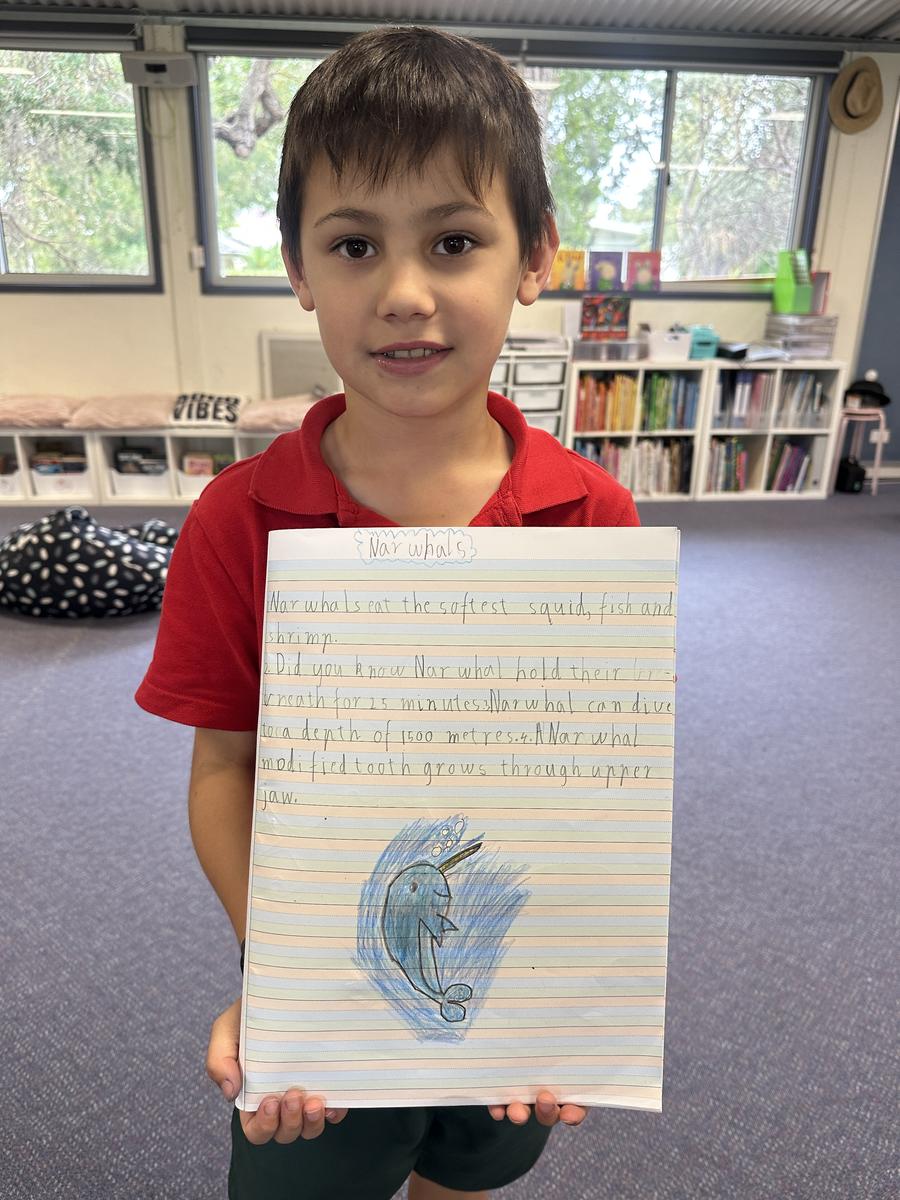
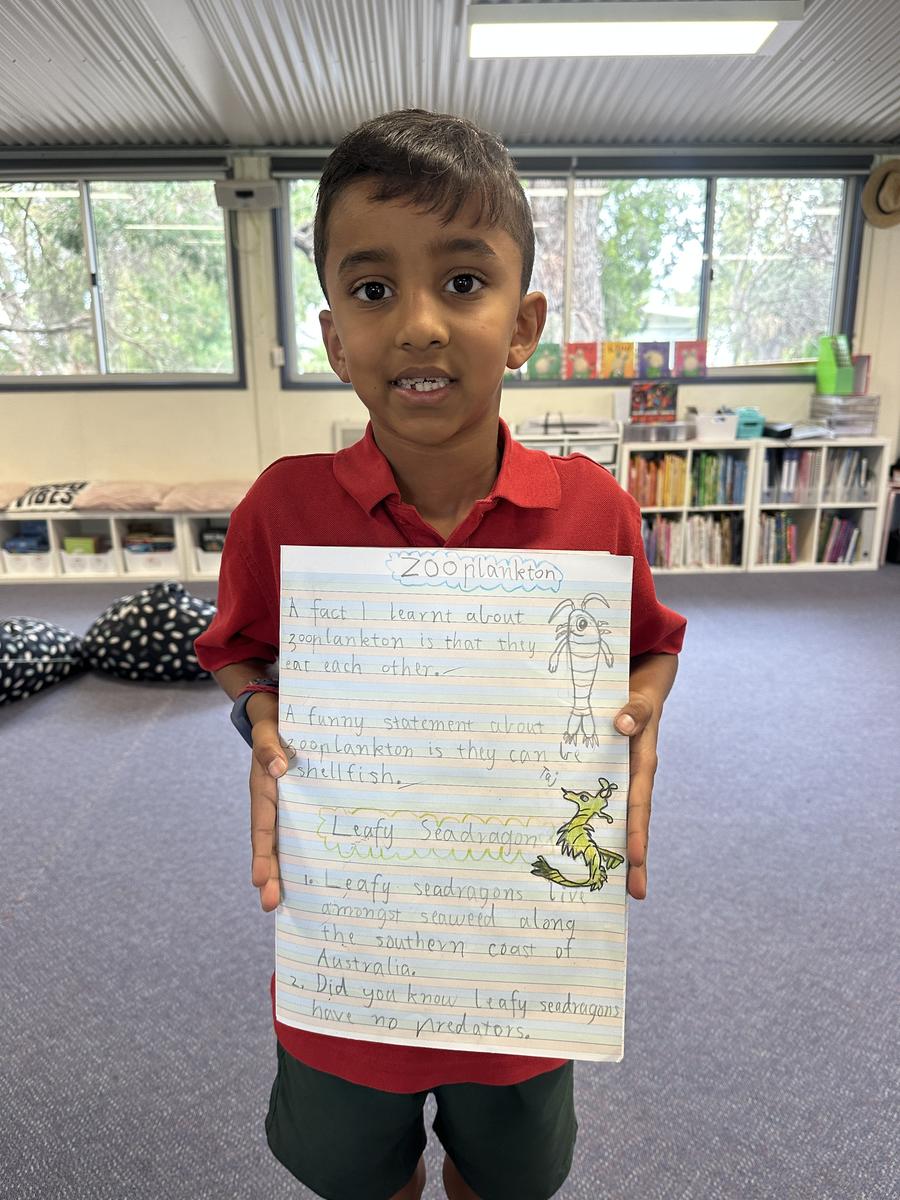
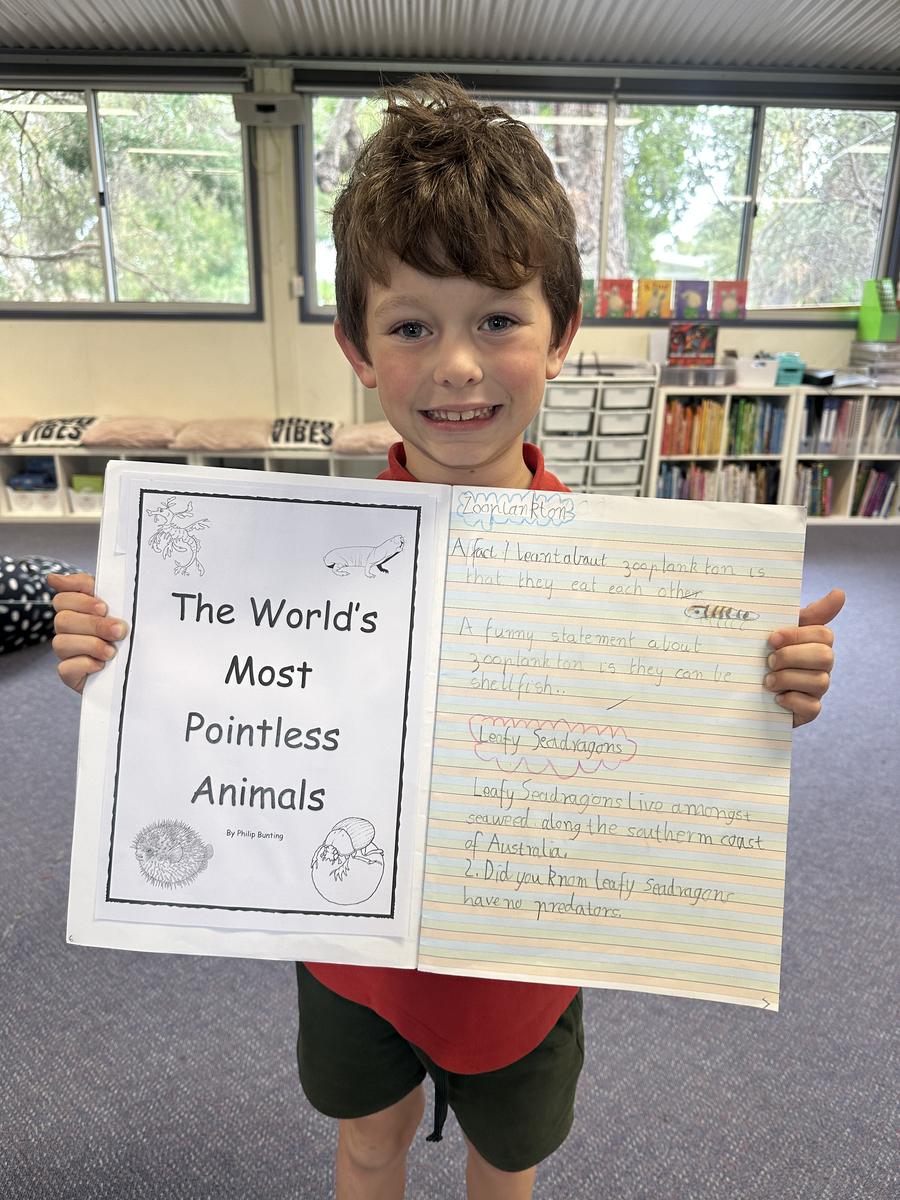
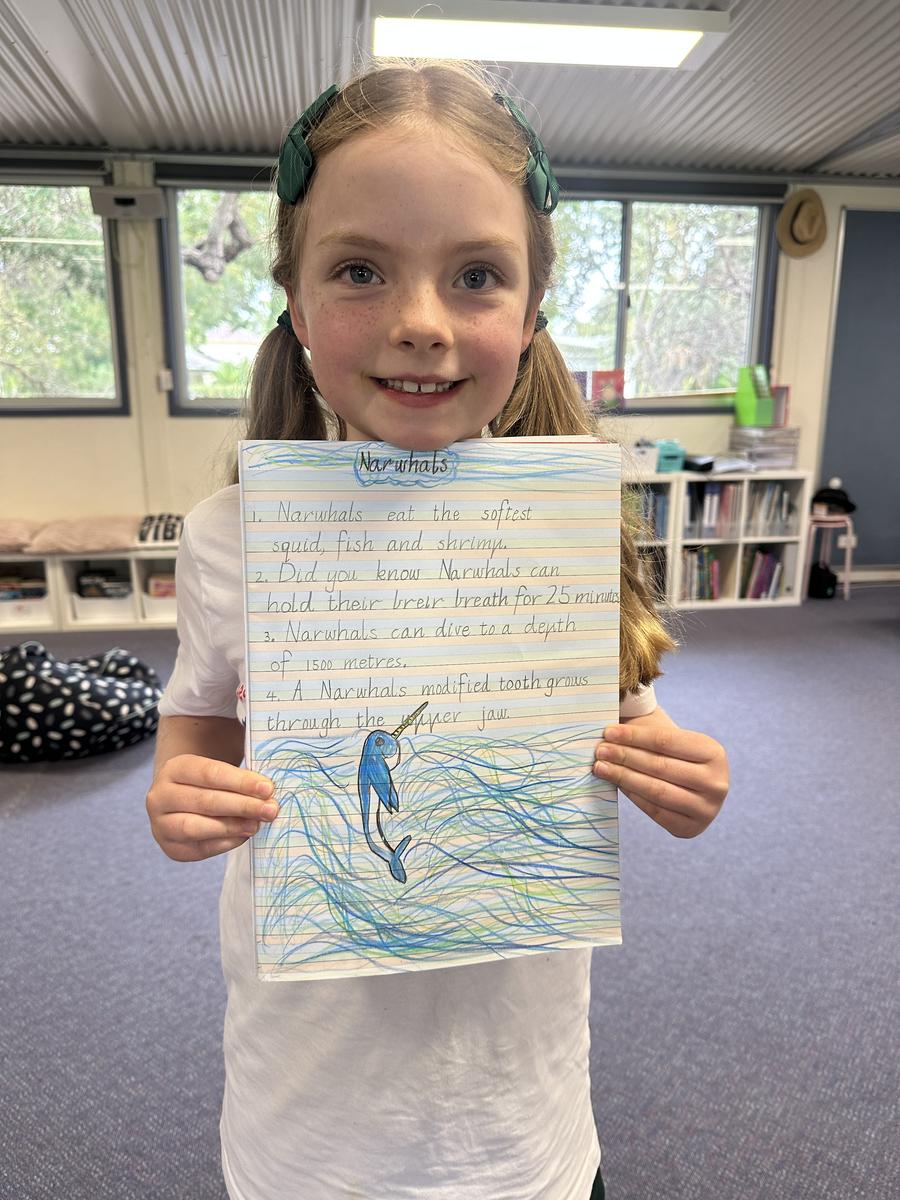
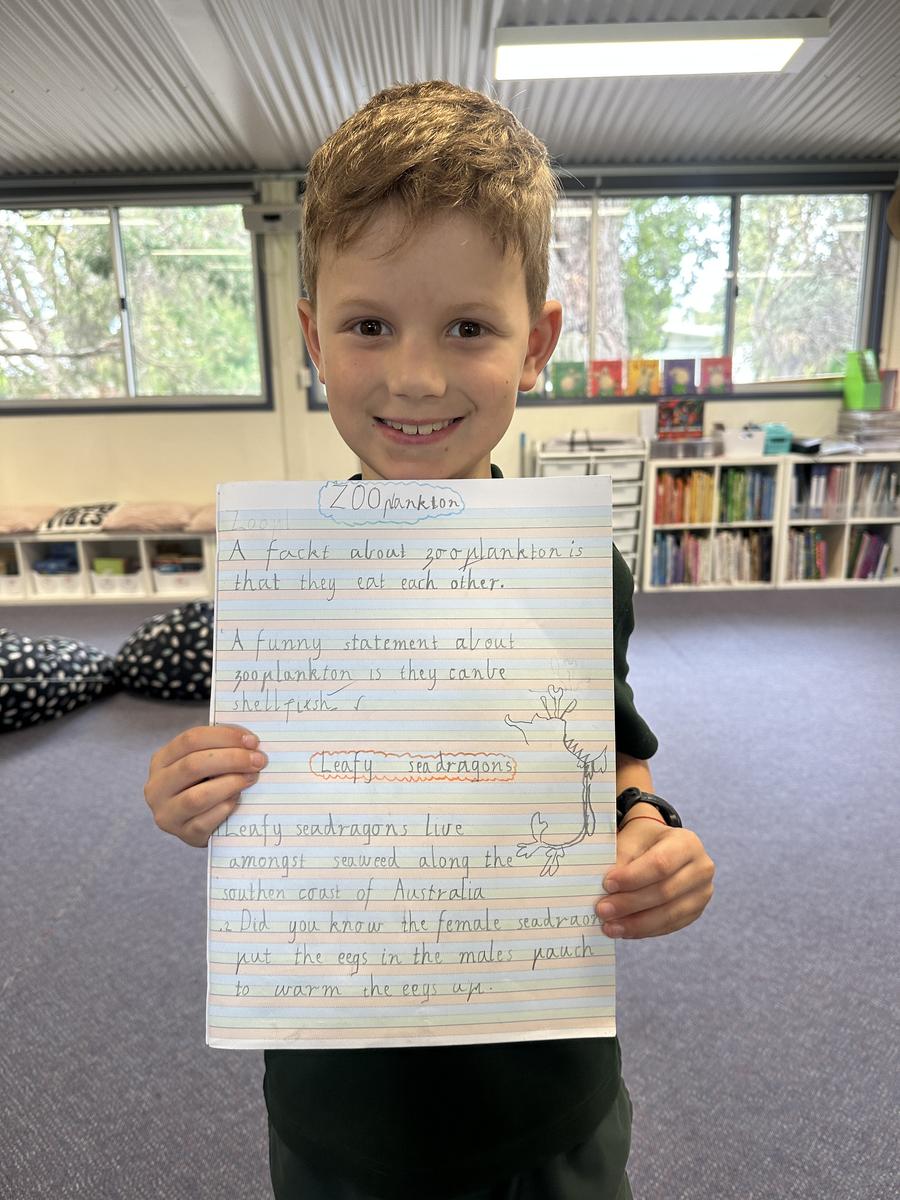
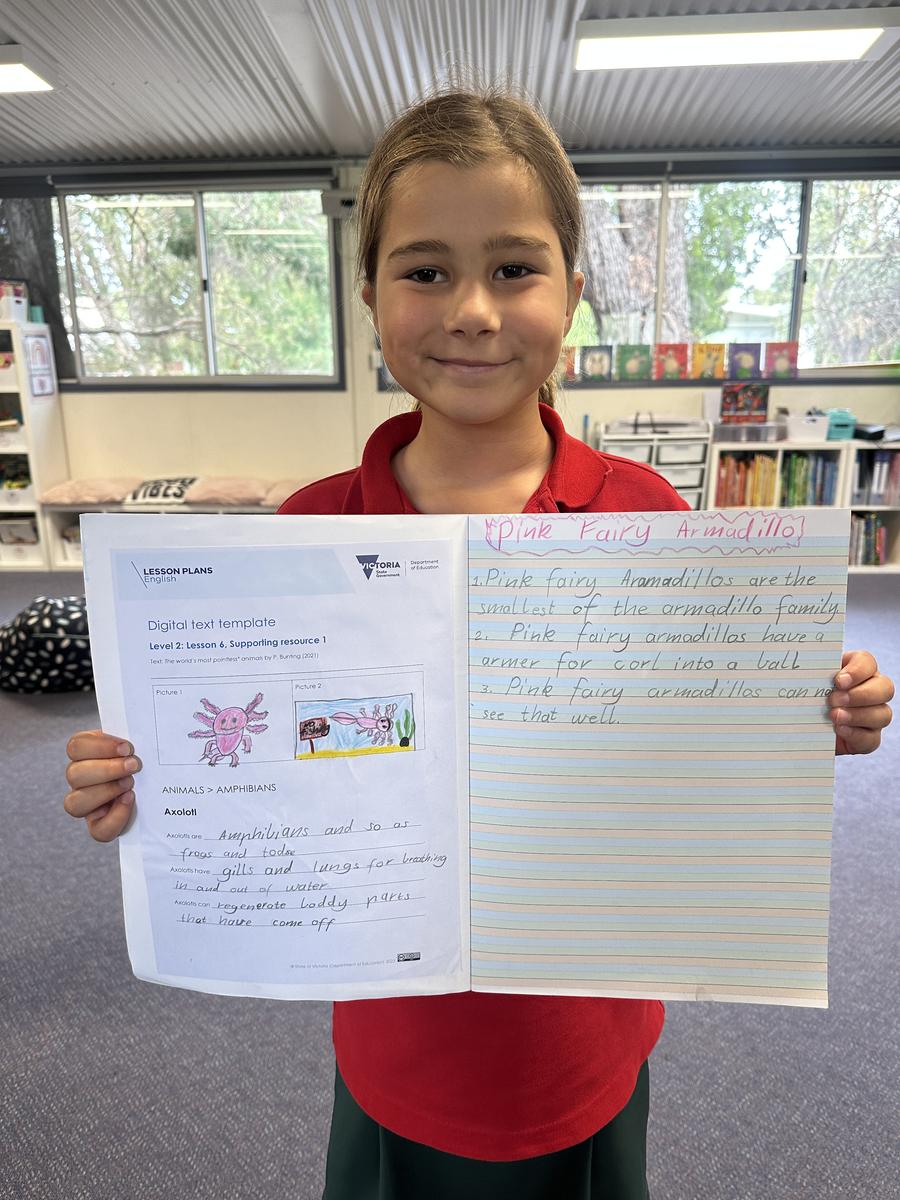
What a fun text to study for Year 2 students. The World’s Most Pointless Animals is a witty, quirky, colorfully illustrated book featuring fascinating facts about some very silly animals…who we find are perhaps not so pointless after all.
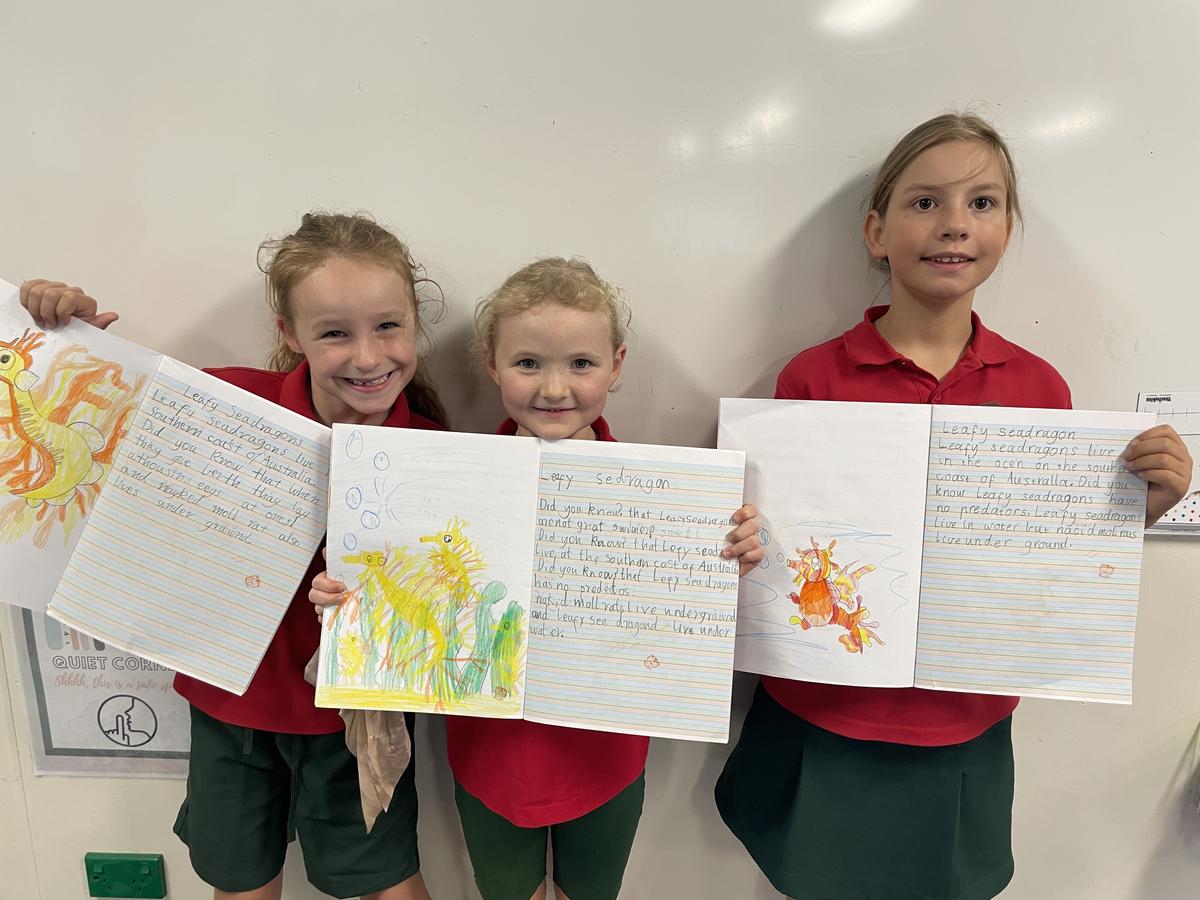
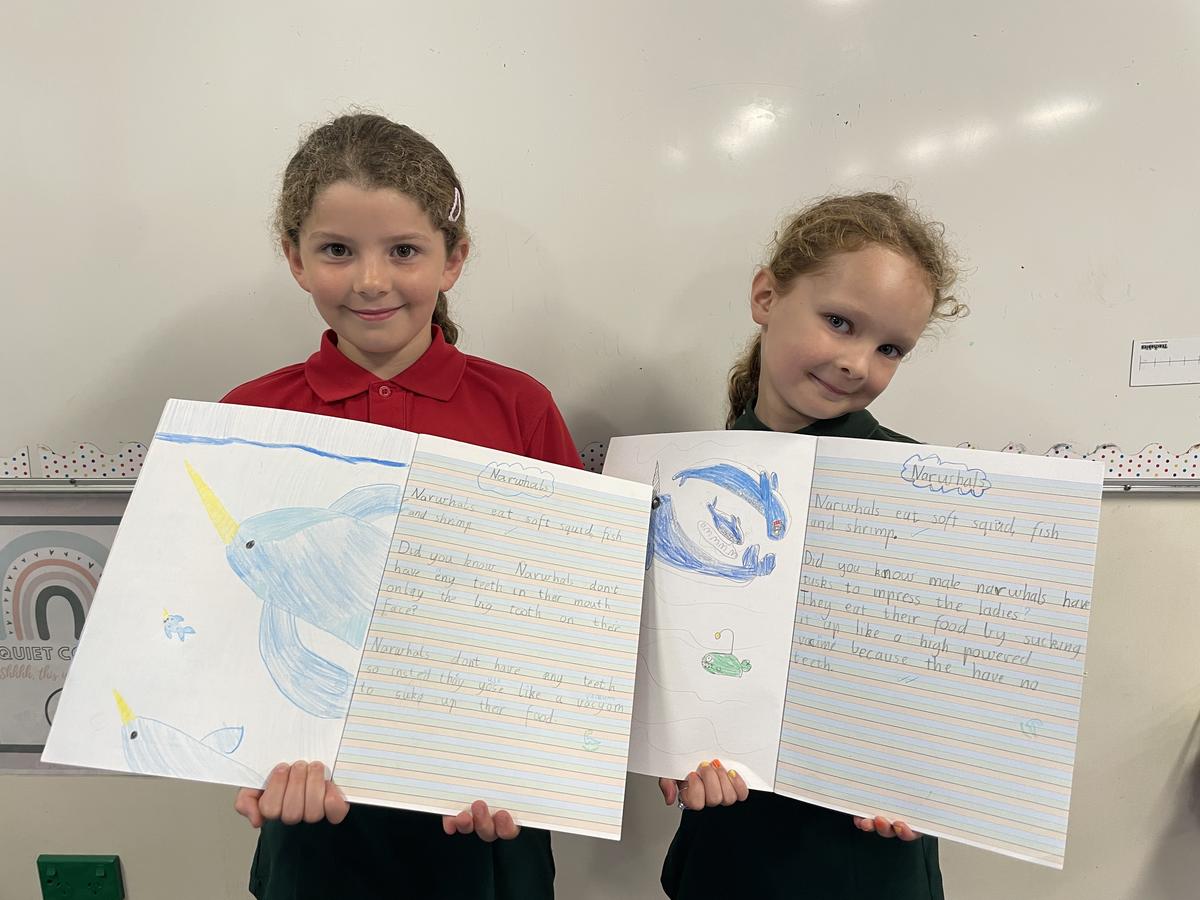
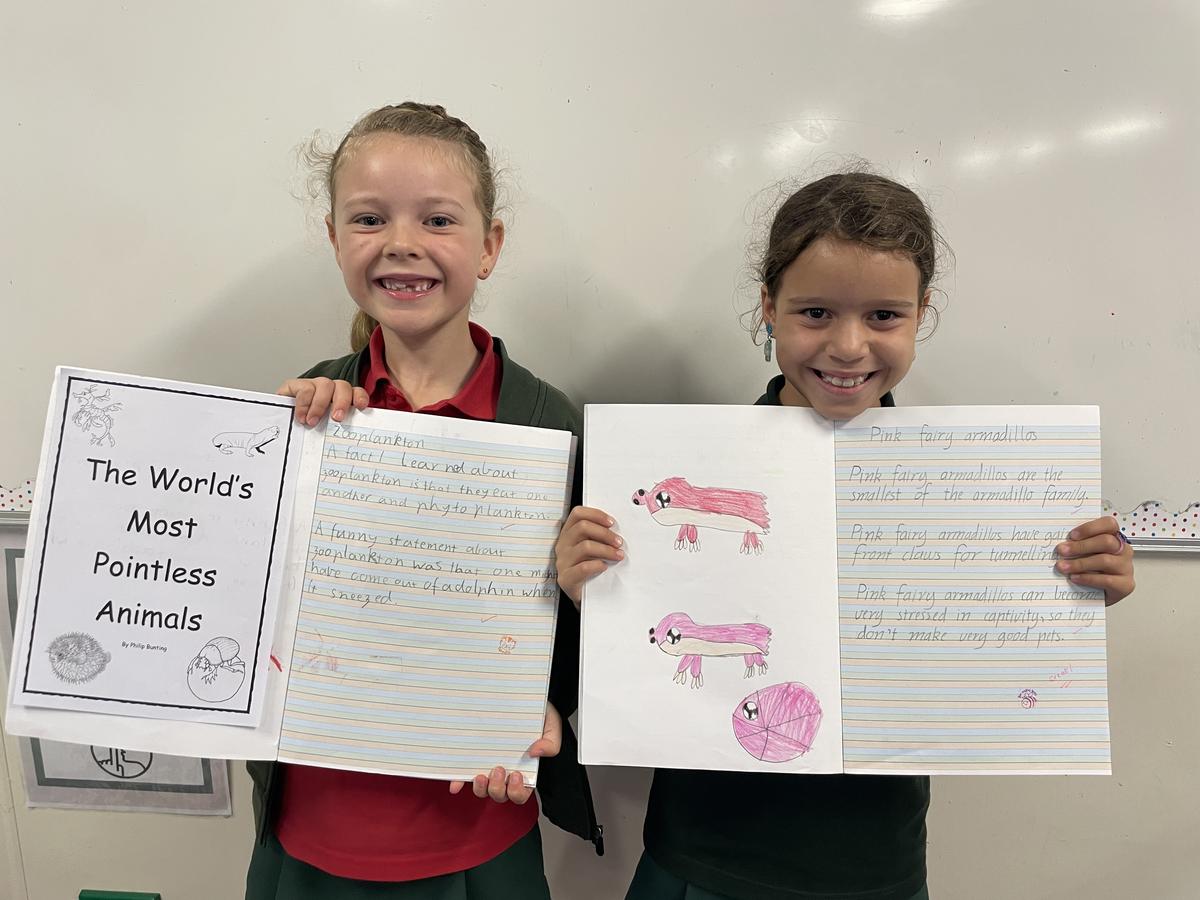
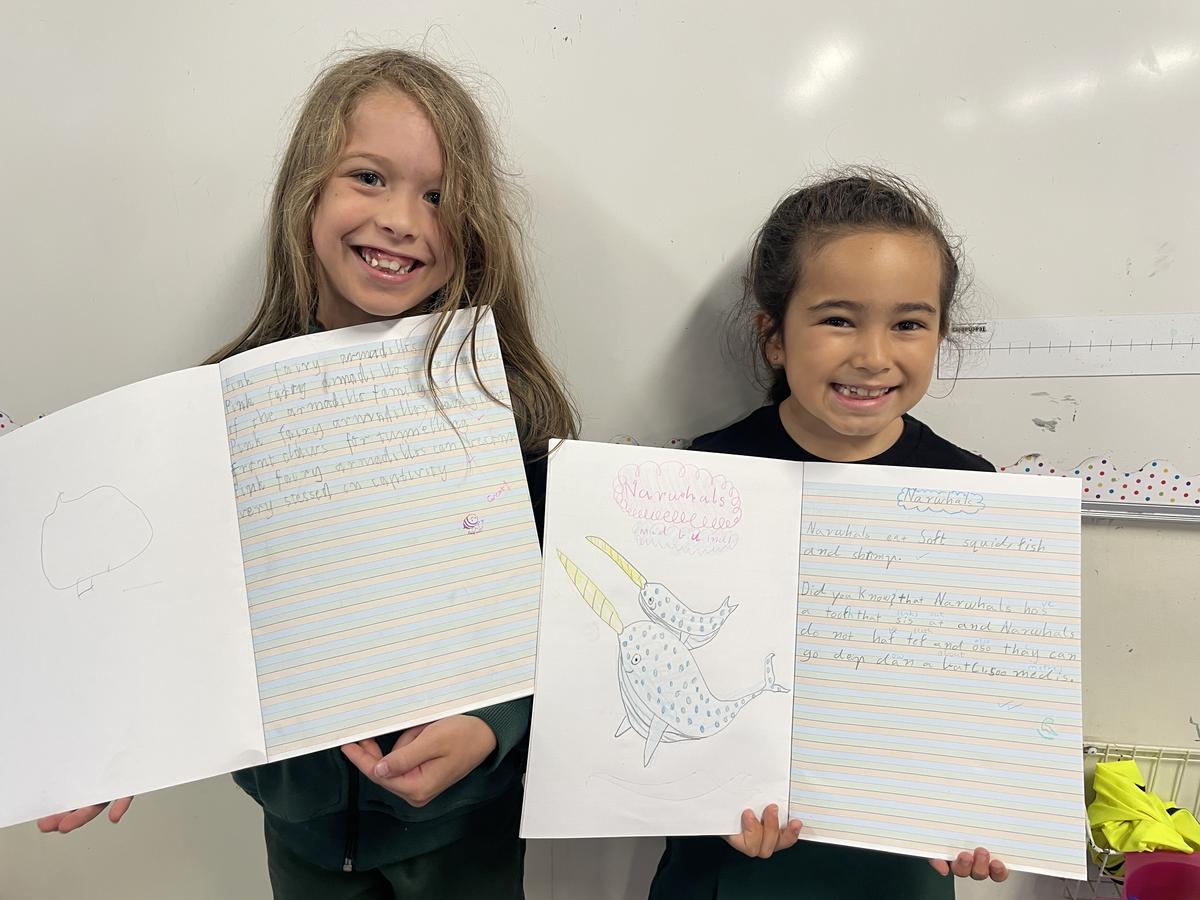
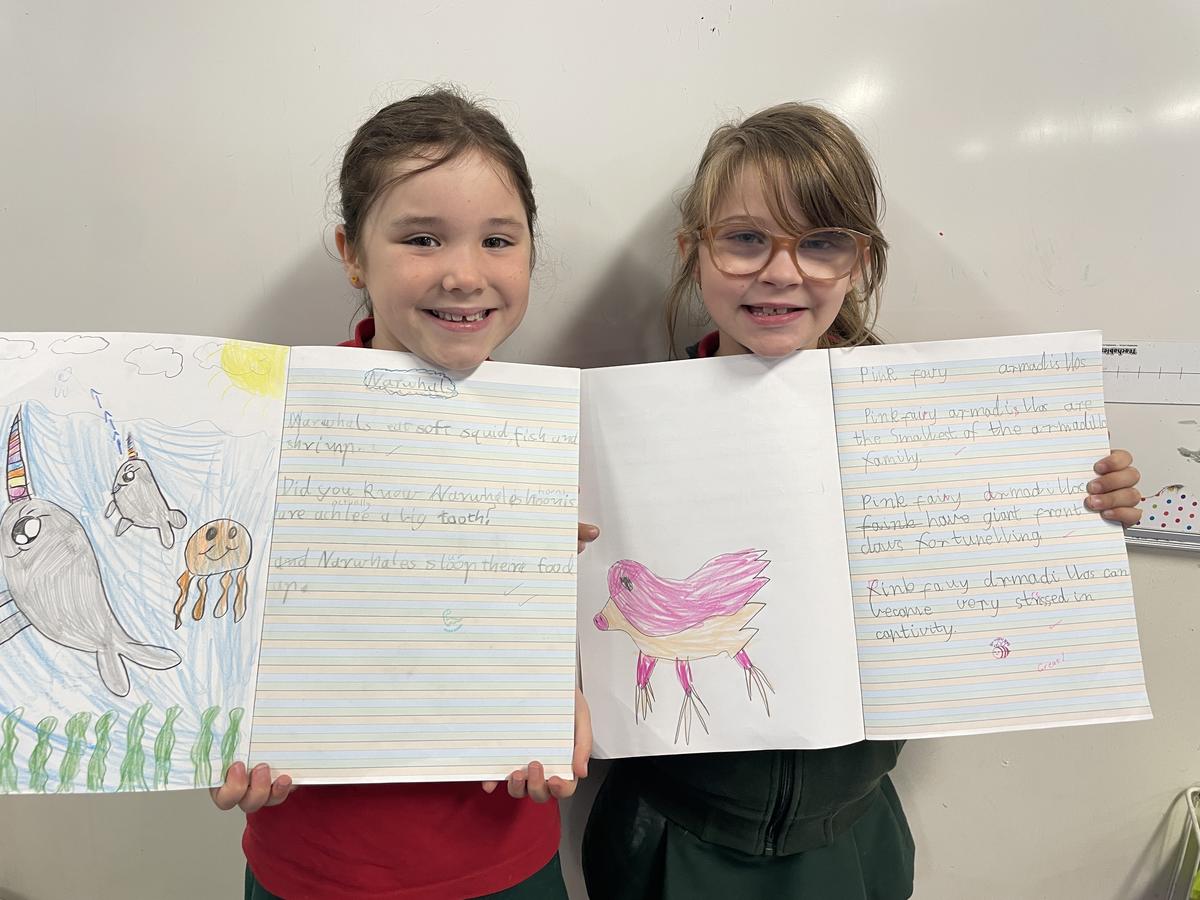
During our text study sessions of The World’s Most Pointless Animals, students have been developing their understanding of how different texts are structured and how authors use specific language features for particular purposes.
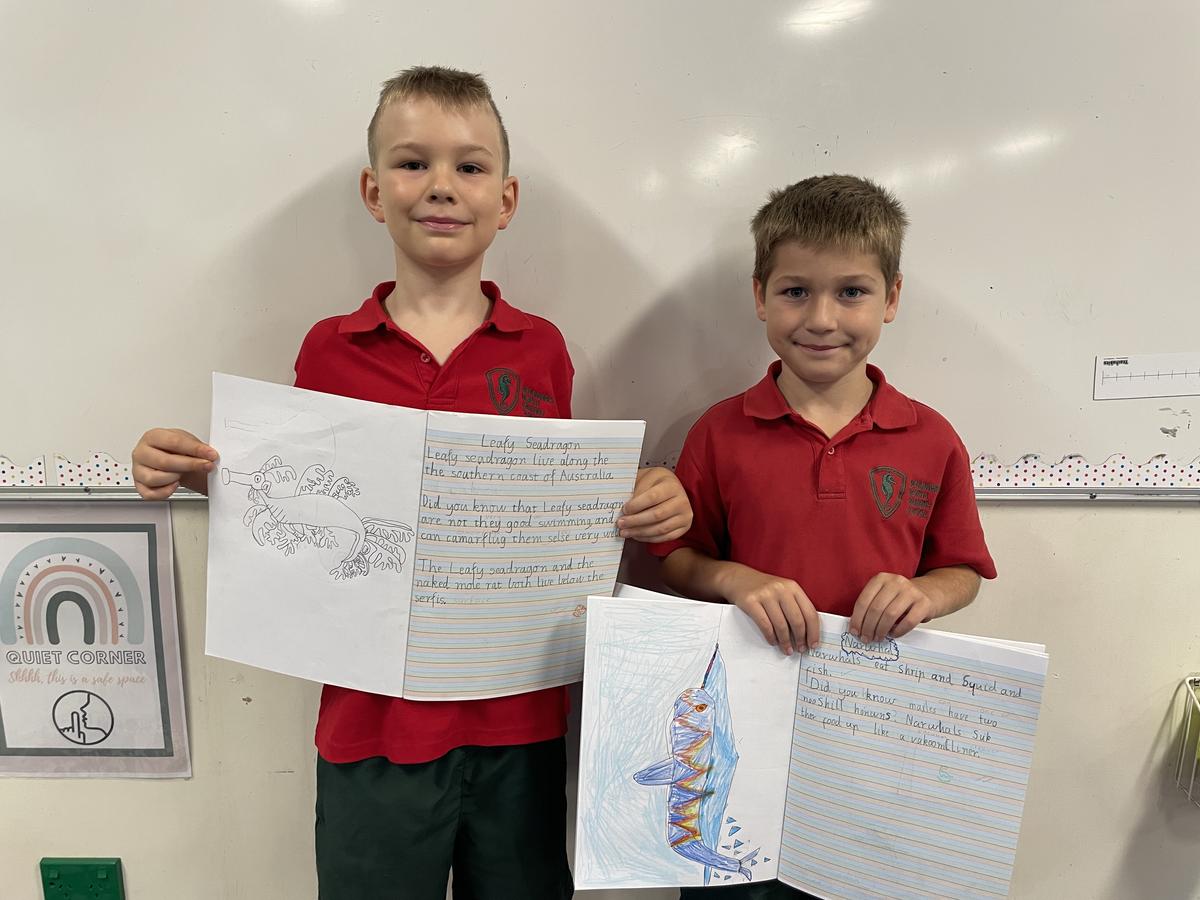
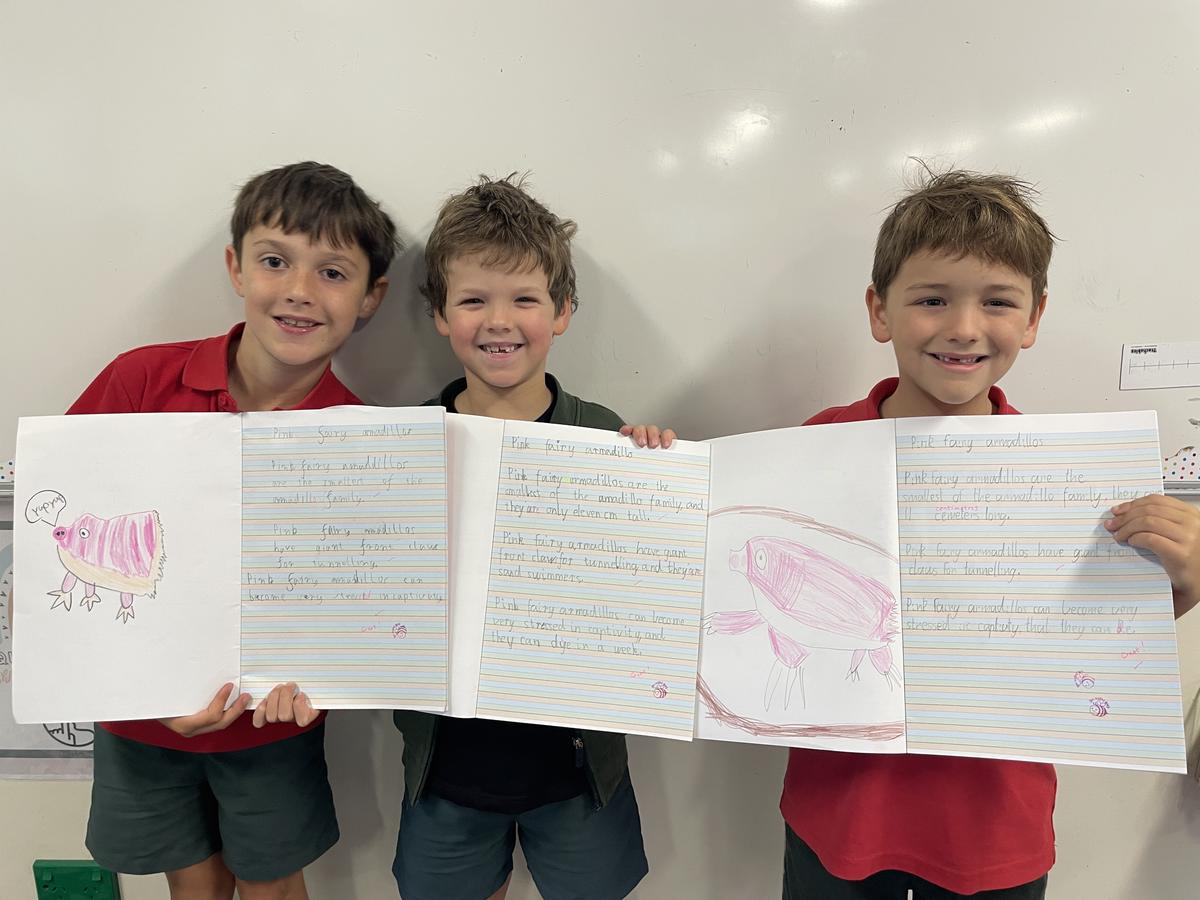
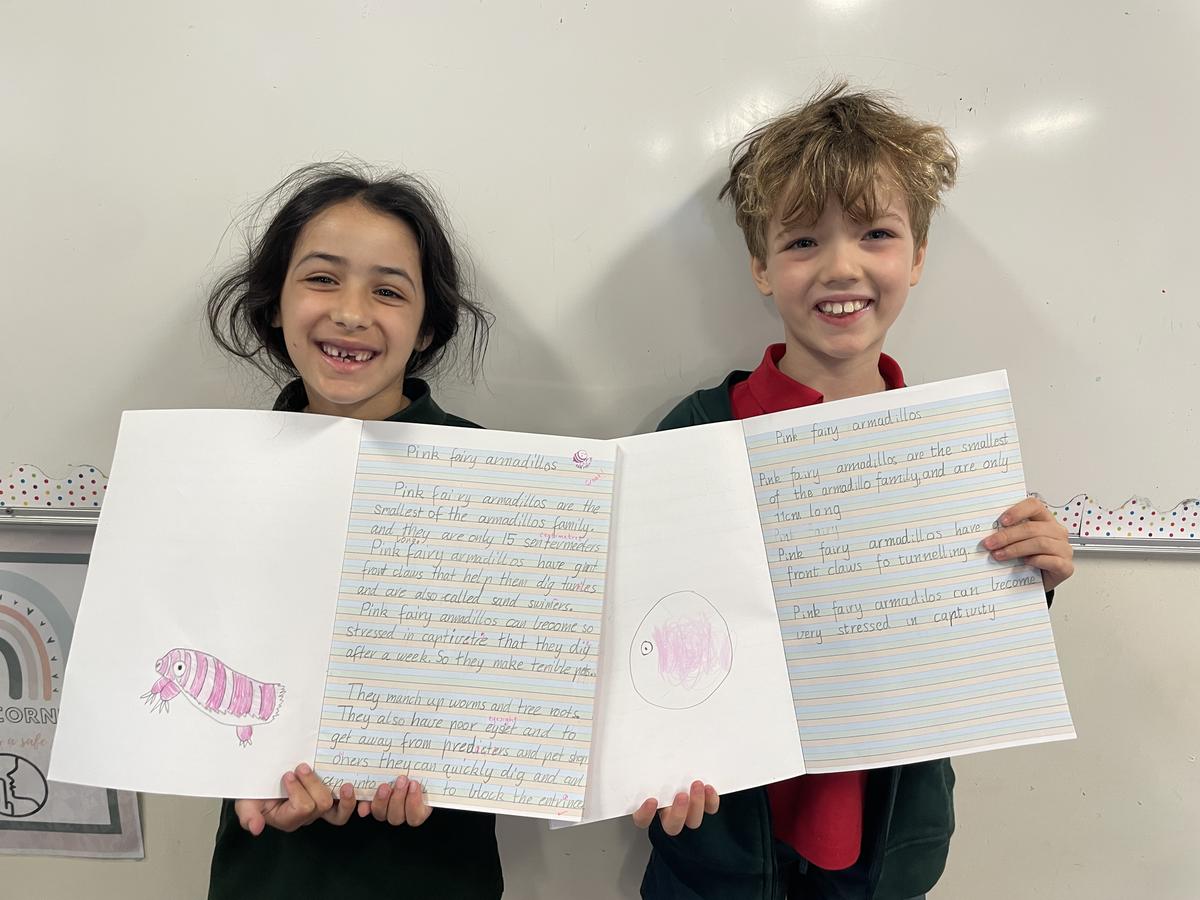
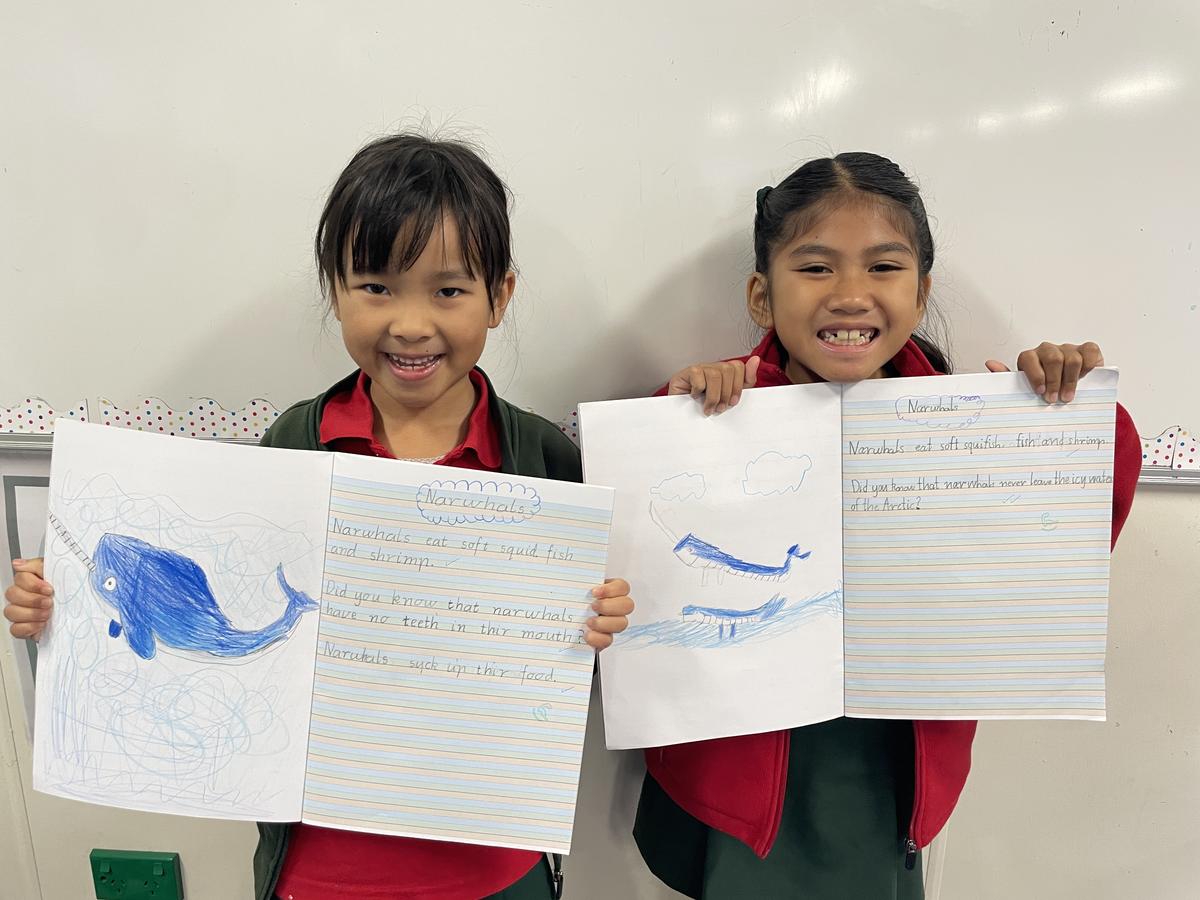
Throughout the unit, students explored how informative texts are organised differently from narratives and persuasive texts. They learned how to navigate both print and digital features such as tables of contents, headings, images, and links to help locate information efficiently.
We also examined how images and sound can add meaning to a text. Students discussed how illustrations, layout and design choices support the written information and help the reader better understand the content. As part of this work, students have been building their vocabulary and making thoughtful word choices to suit the topic.
In analysing the text, students identified the purpose and intended audience, considering how the author uses humour and factual information to engage readers. They practised important comprehension strategies including predicting, visualising, connecting to prior knowledge, questioning, summarising and monitoring their understanding. These strategies have supported students in developing both literal and inferred meanings from the text.
We have been very impressed with the students’ engagement, creativity and growing confidence as readers and writers throughout this unit.
Phonics Plus
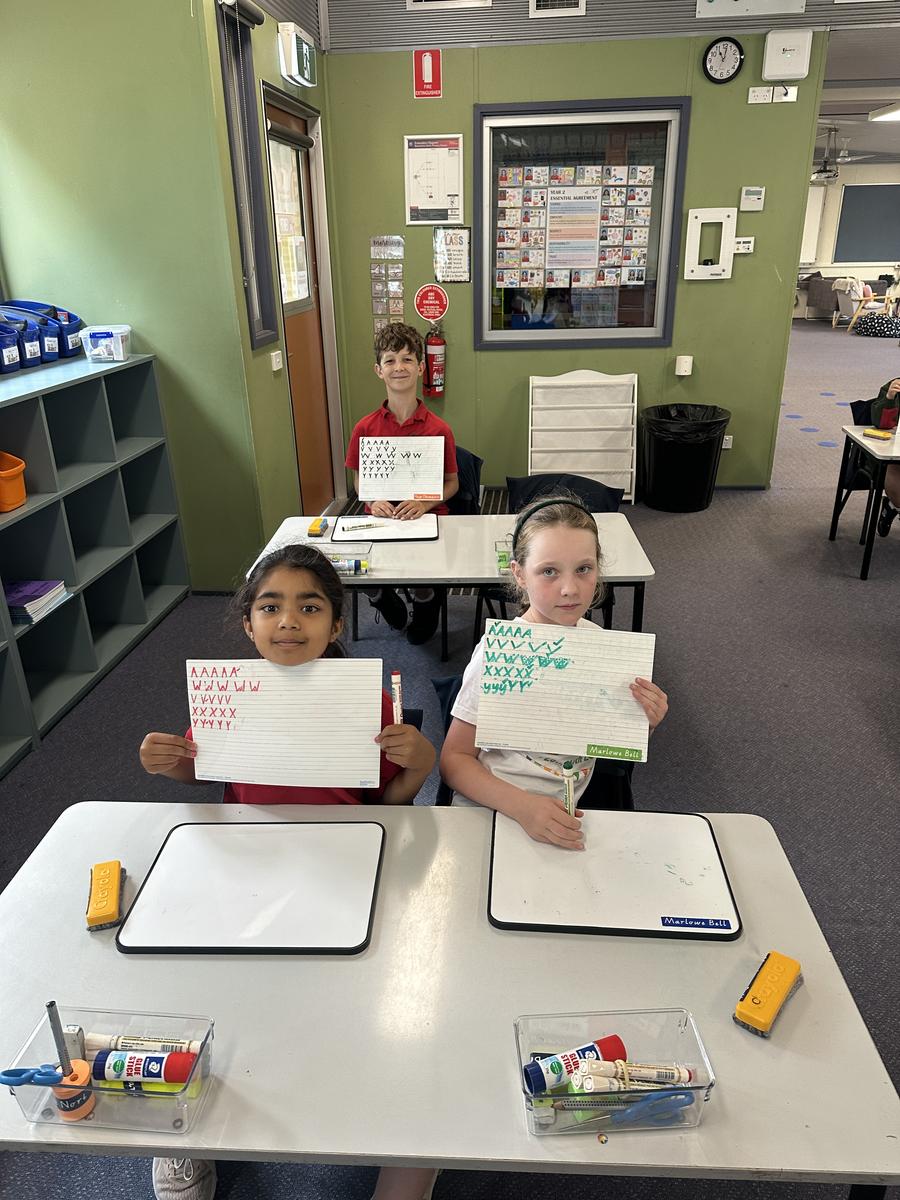
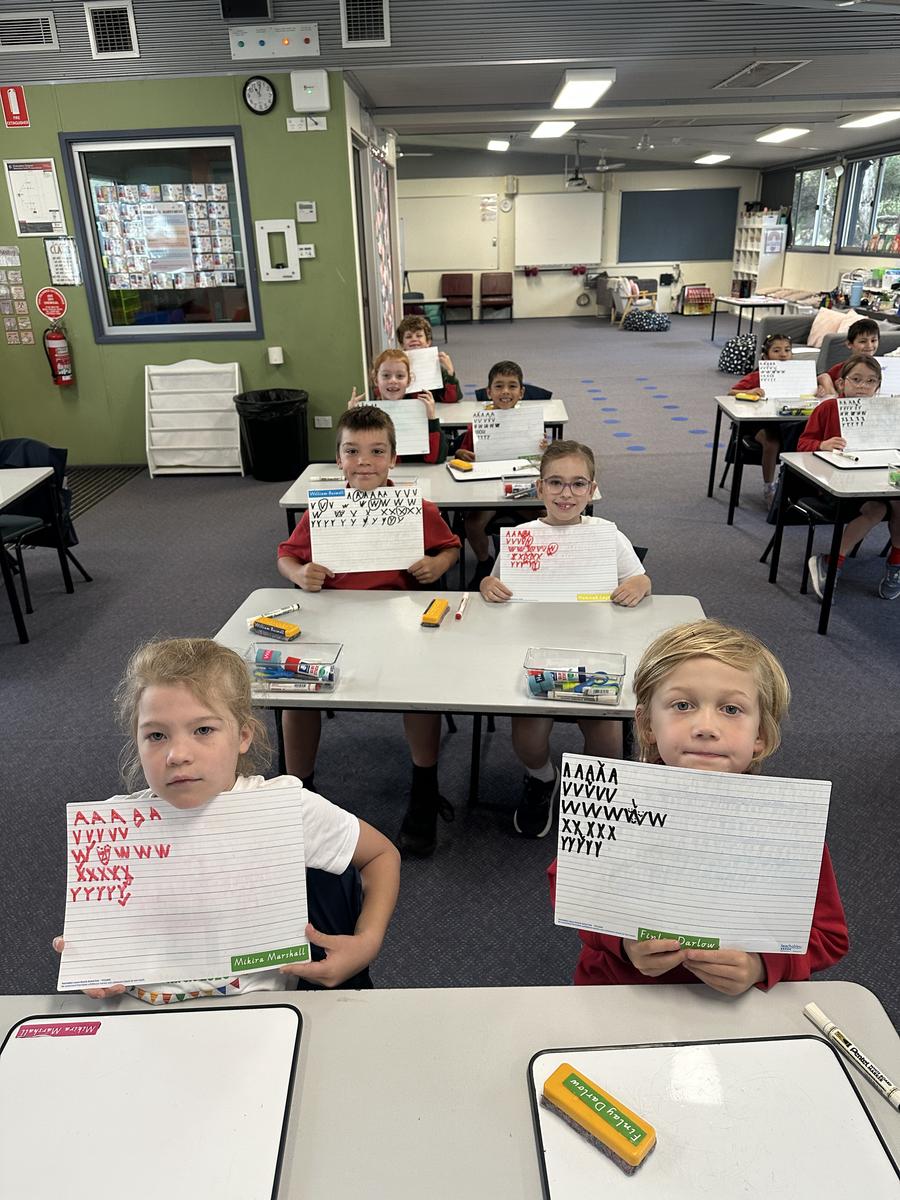
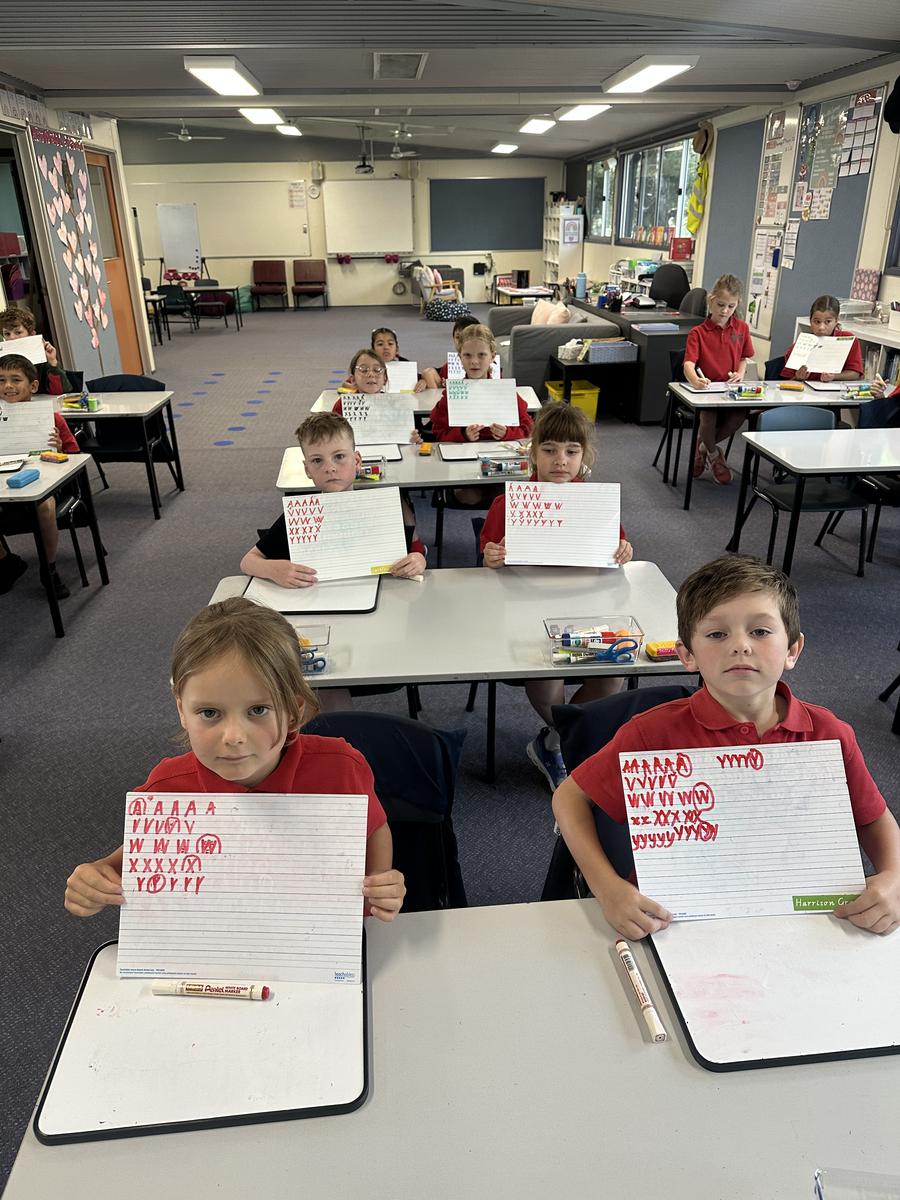
The focus of Phonics Plus this week has been the /ee/ sound. We have learnt that this can be made using ‘ie’ as in thief, ‘ee’ as in sheep and ‘e’ when there is a silent e at the end of the word. We are also learning that words can be made of a base word and a suffix, and that it is often easier to think of the base word first and then to add the suffix to assist with accurate spelling.
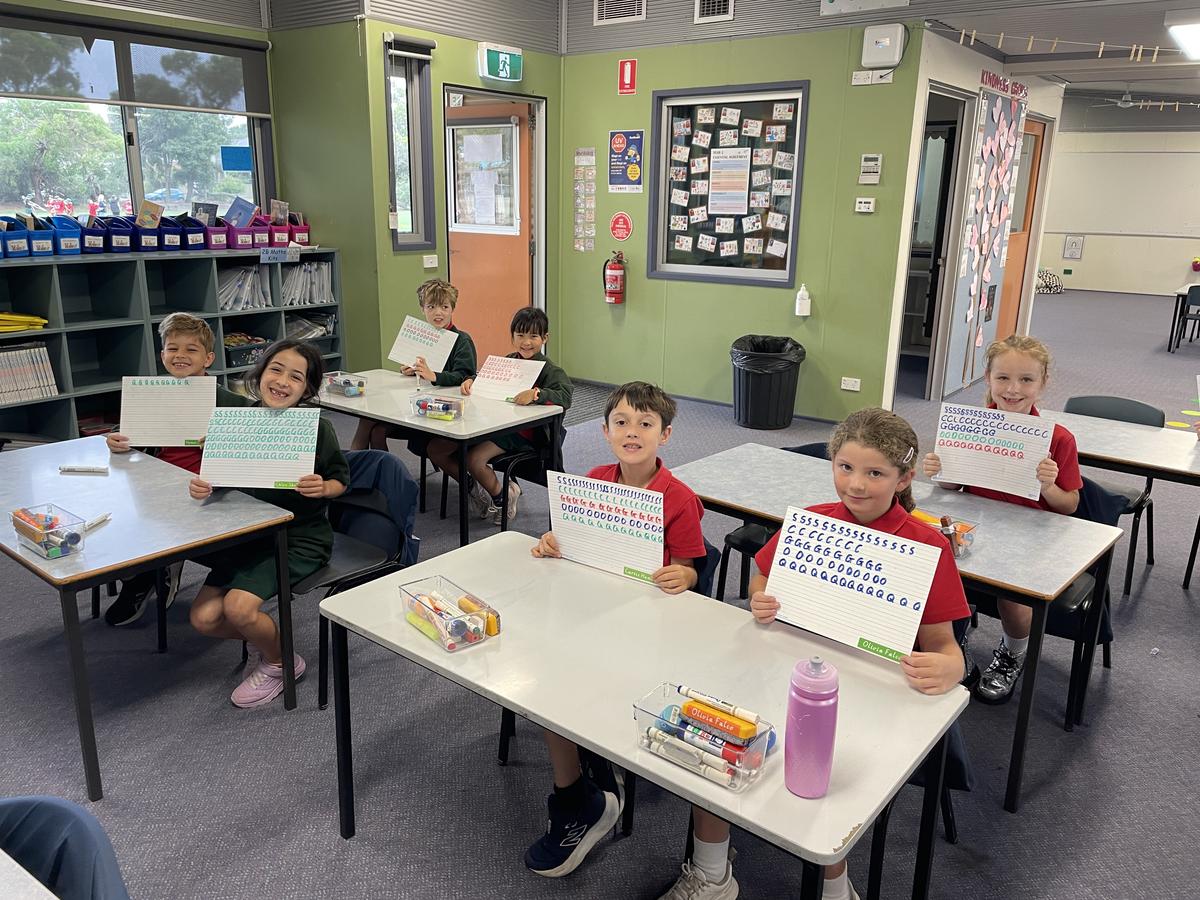
For example, considering the word ‘winked’, children may sound it out and spell it as ‘winkt’. However, by considering the base word, ‘wink’, and then adding the past tense suffix ‘ed’, will result in the correct spelling. We have also learnt of the ‘plural s’ and ‘plural es’ suffixes this week.
Each lesson we also continue to revise past learnings. Our dictation sentences and fluency reading regularly feature the /aye/ sound. Children have learnt to use the letters ‘ai’ in the middle of a word or syllable and ‘ay’ at the end of a word or syllable. The multifaceted nature of Phonics Plus is reinforcing and assisting with students’ spelling and reading.
EMP
We are continuing to work through our EMP lessons where we are now in quite a rhythm, understanding the routines and expectations. The children enjoy the Daily Review, Quick Teach which starts each Maths lesson and consolidates prior learning. The children are getting better and faster at their fluency, and they are aware that the purpose of the fluency practice is to improve automatic recall. We are hoping to see the children’s speed and accuracy continue to improve week on week.
This week, we have been using ‘bundling sticks’ to help us identify and create two-digit numbers. This method has visually highlighted that fact that the digit ‘6’ in the number ‘63’ actually represents 6 tens, and the 3 represents 3 ones. The explicit and repetitive nature of the EMP sees all students thrive, build upon their confidence and achieve success.
How We Express Ourselves
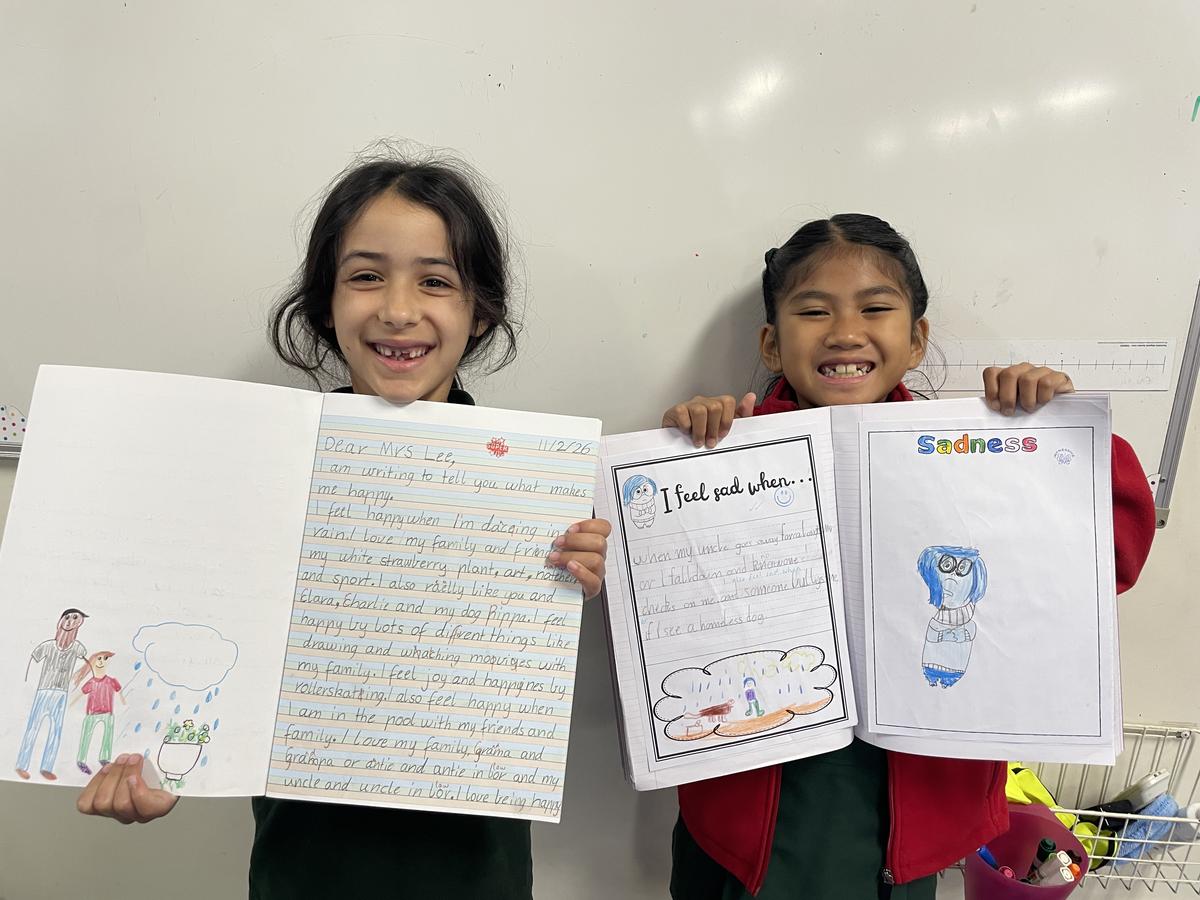
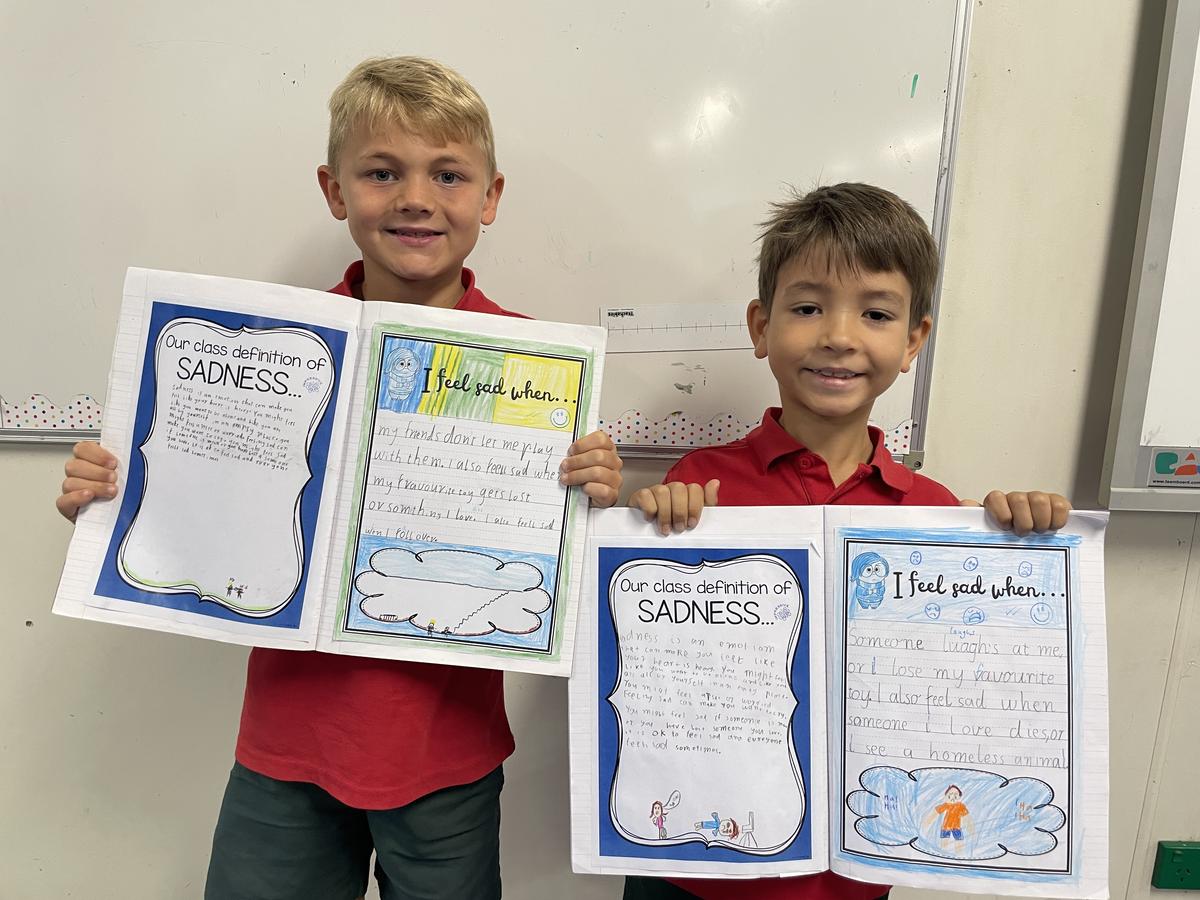
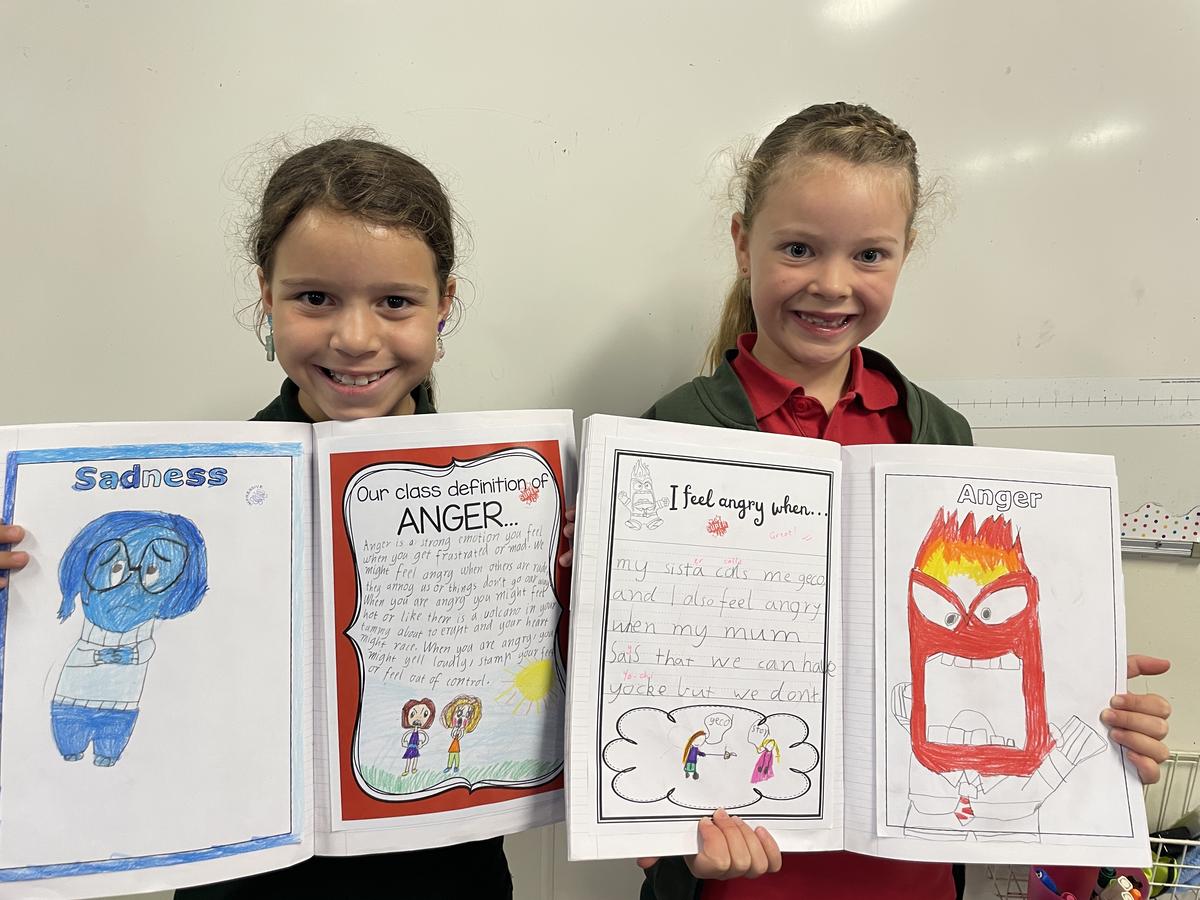
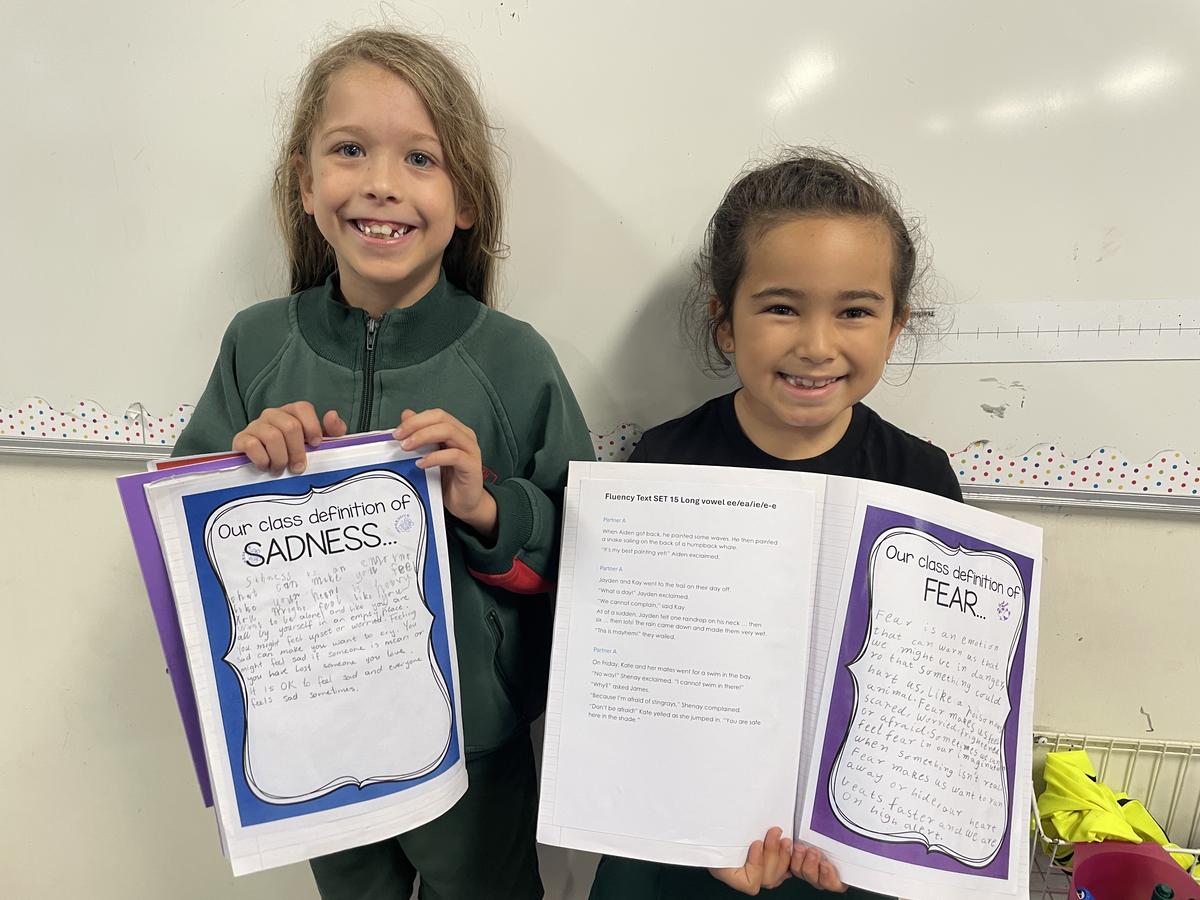
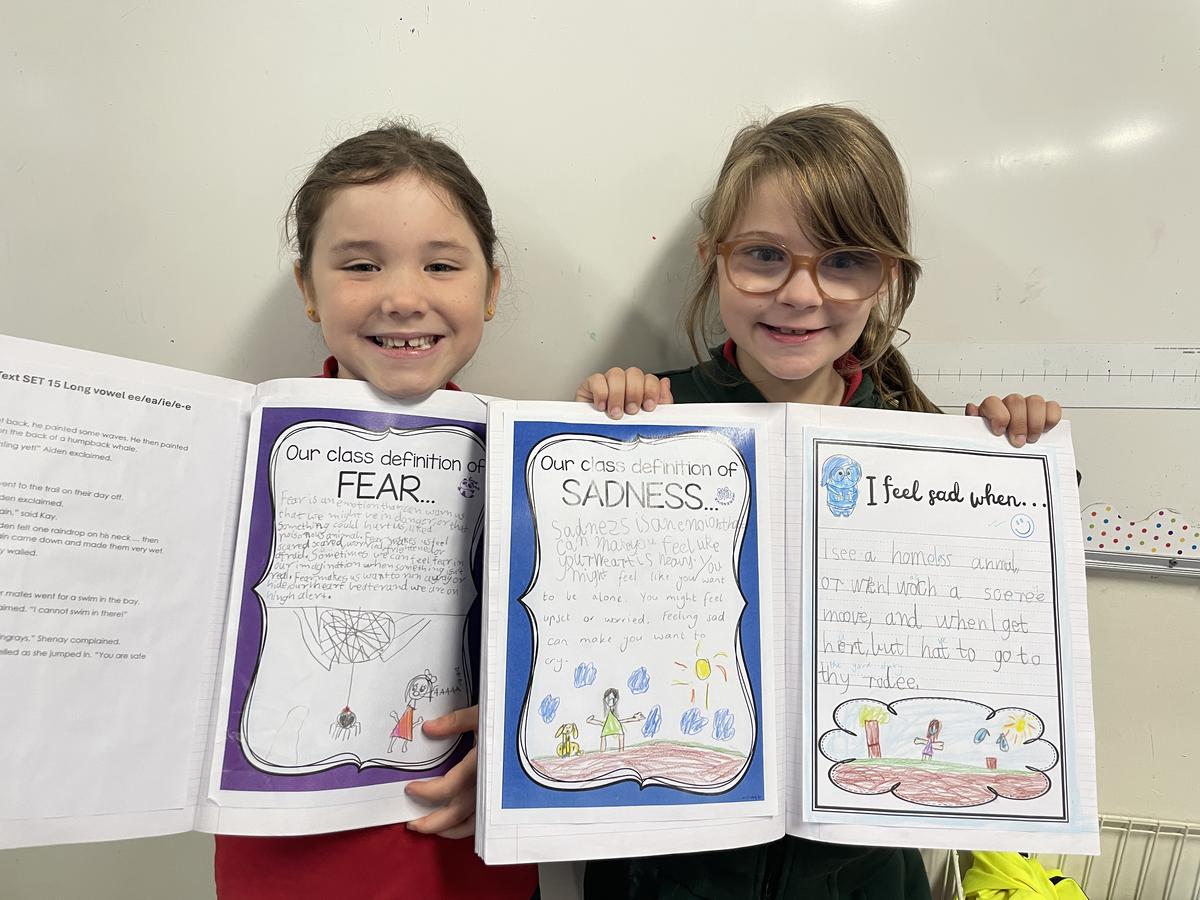
The Year 2 children have been thoroughly enjoying our current Unit of Inquiry. We have learnt that feelings are short lived, and we will never feel a certain emotion forever.
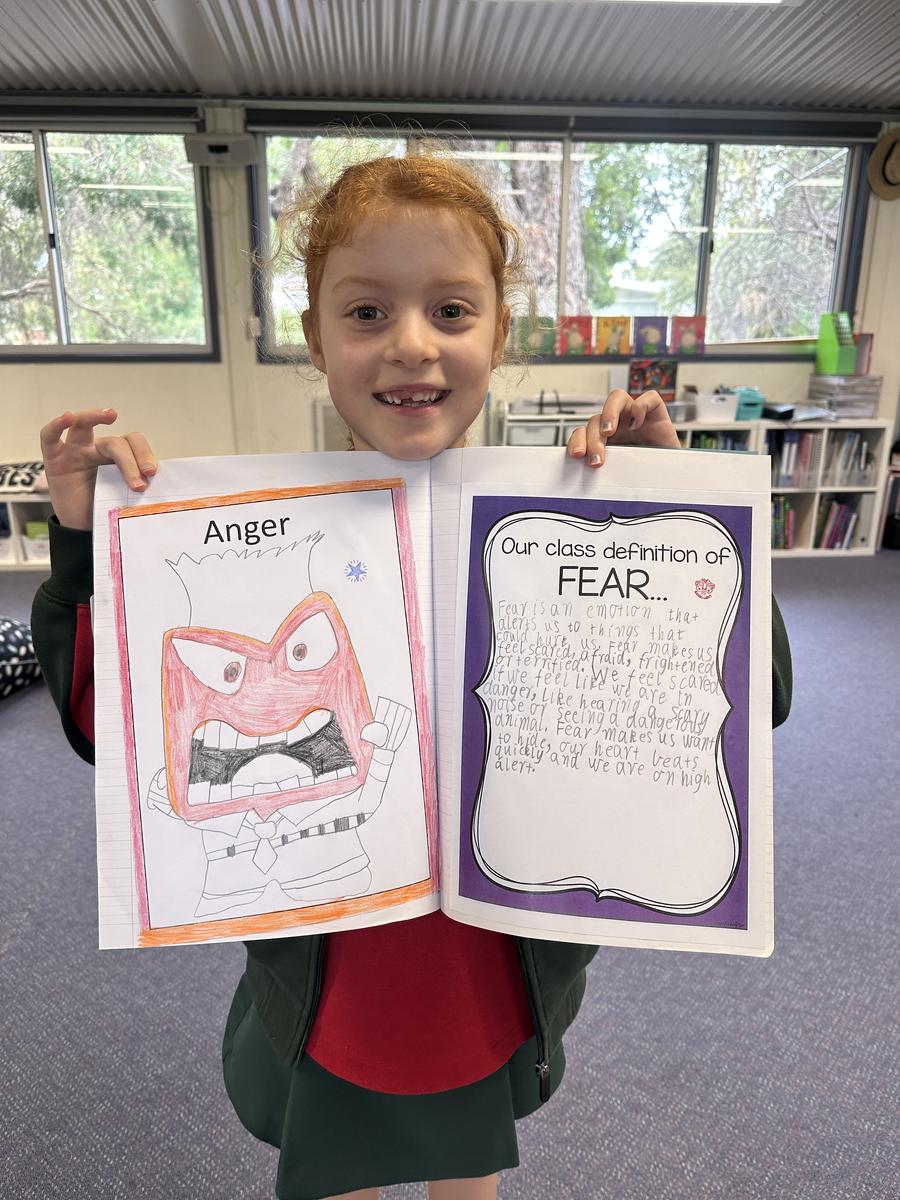
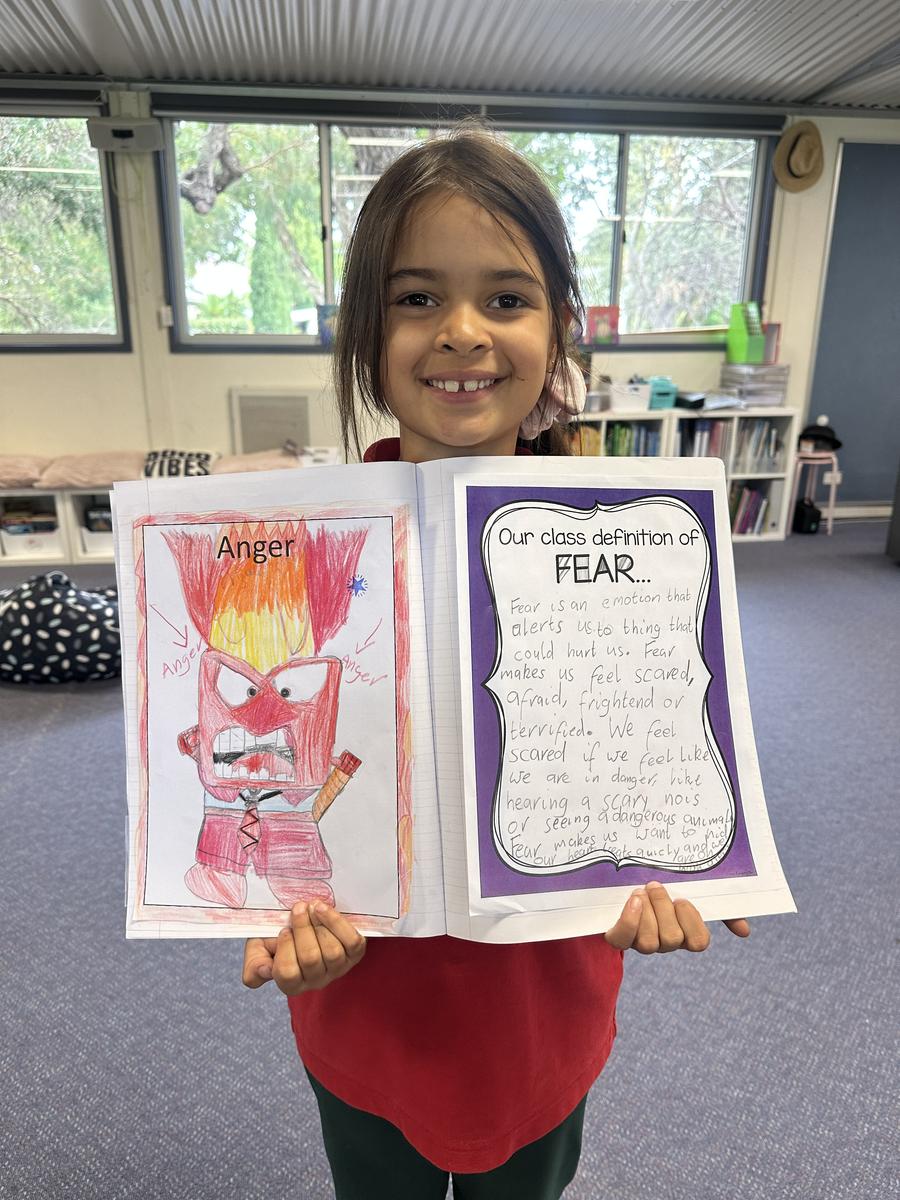
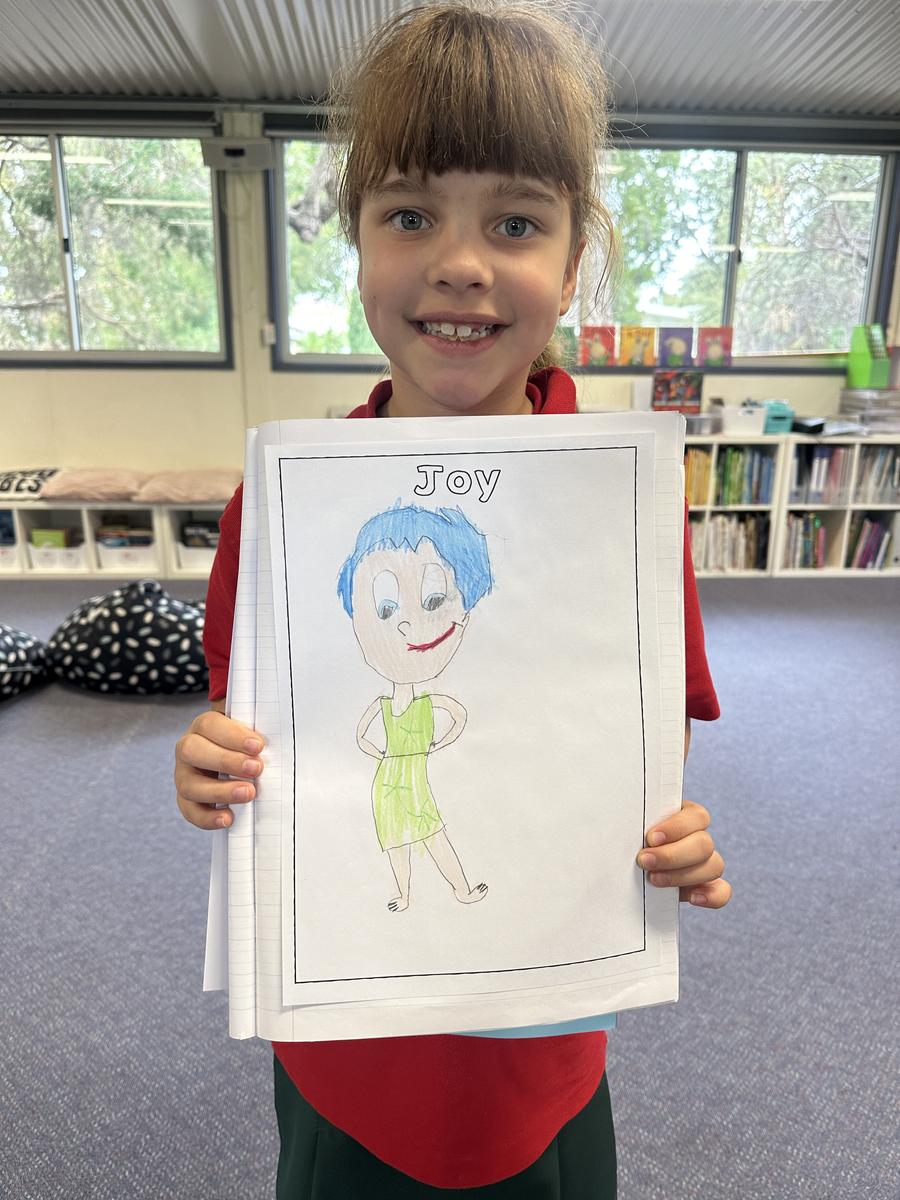
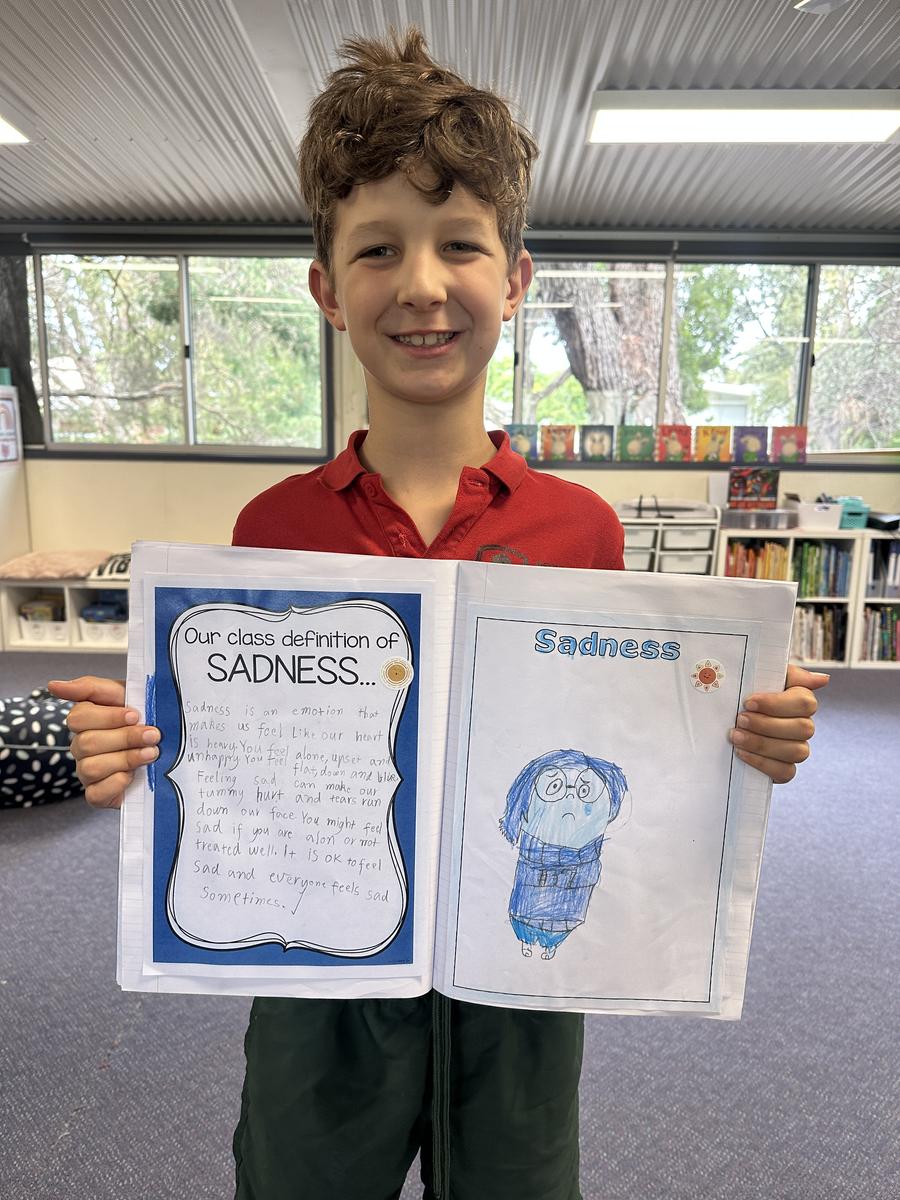
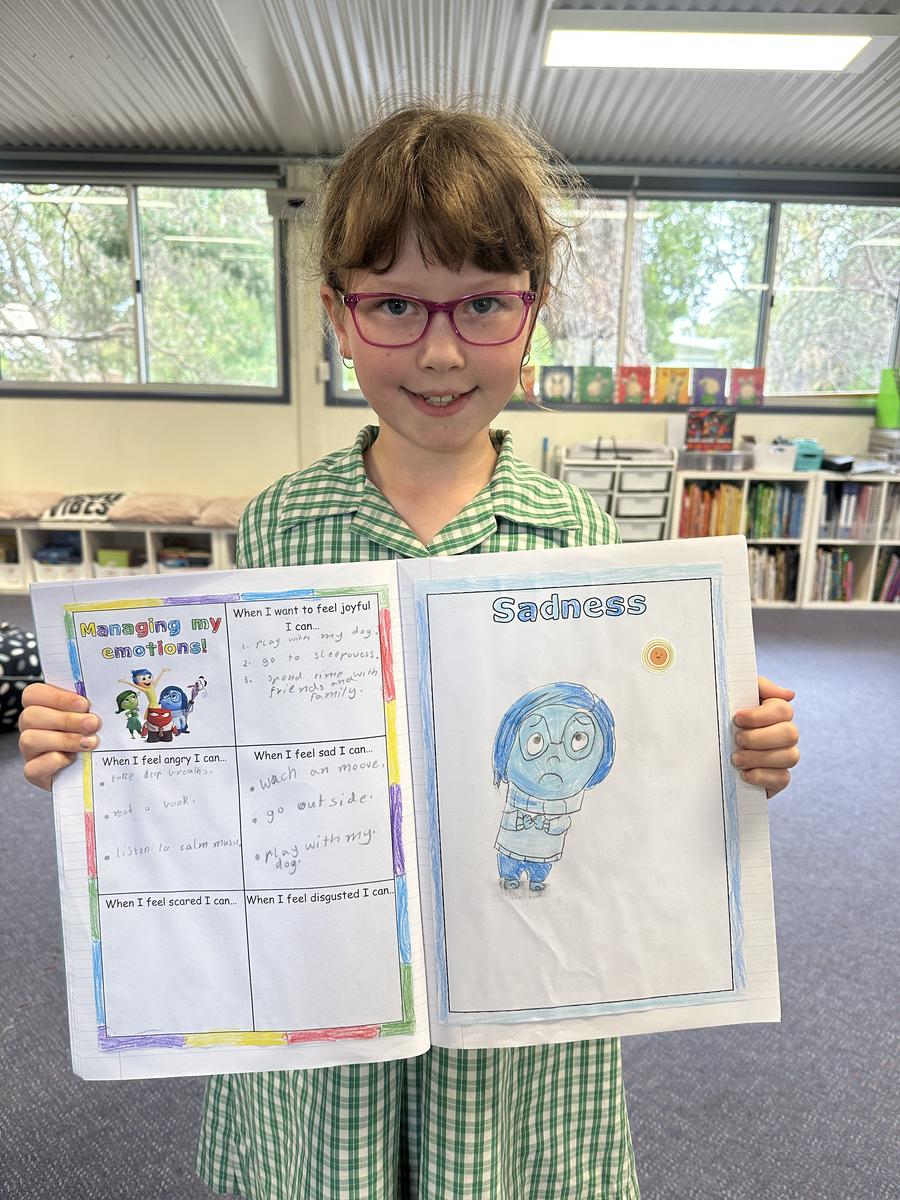
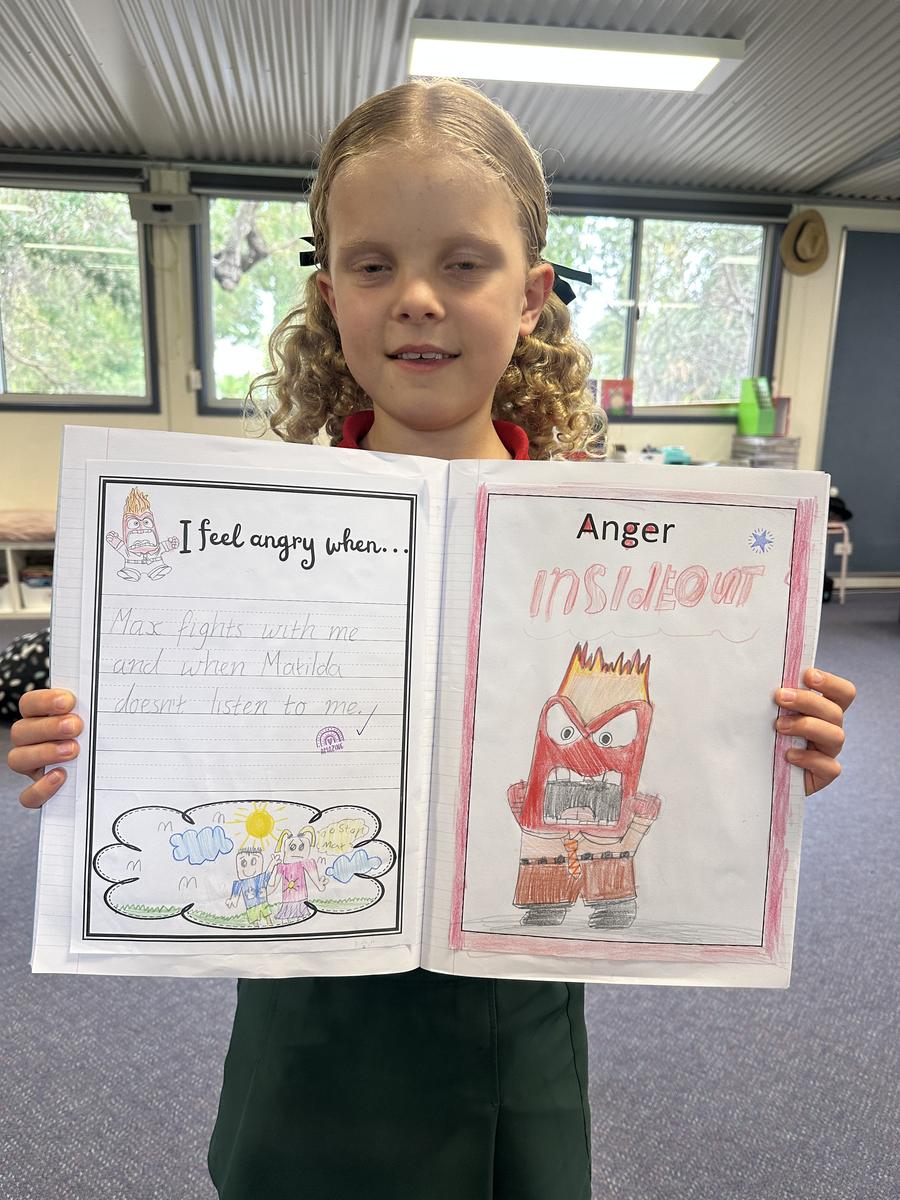
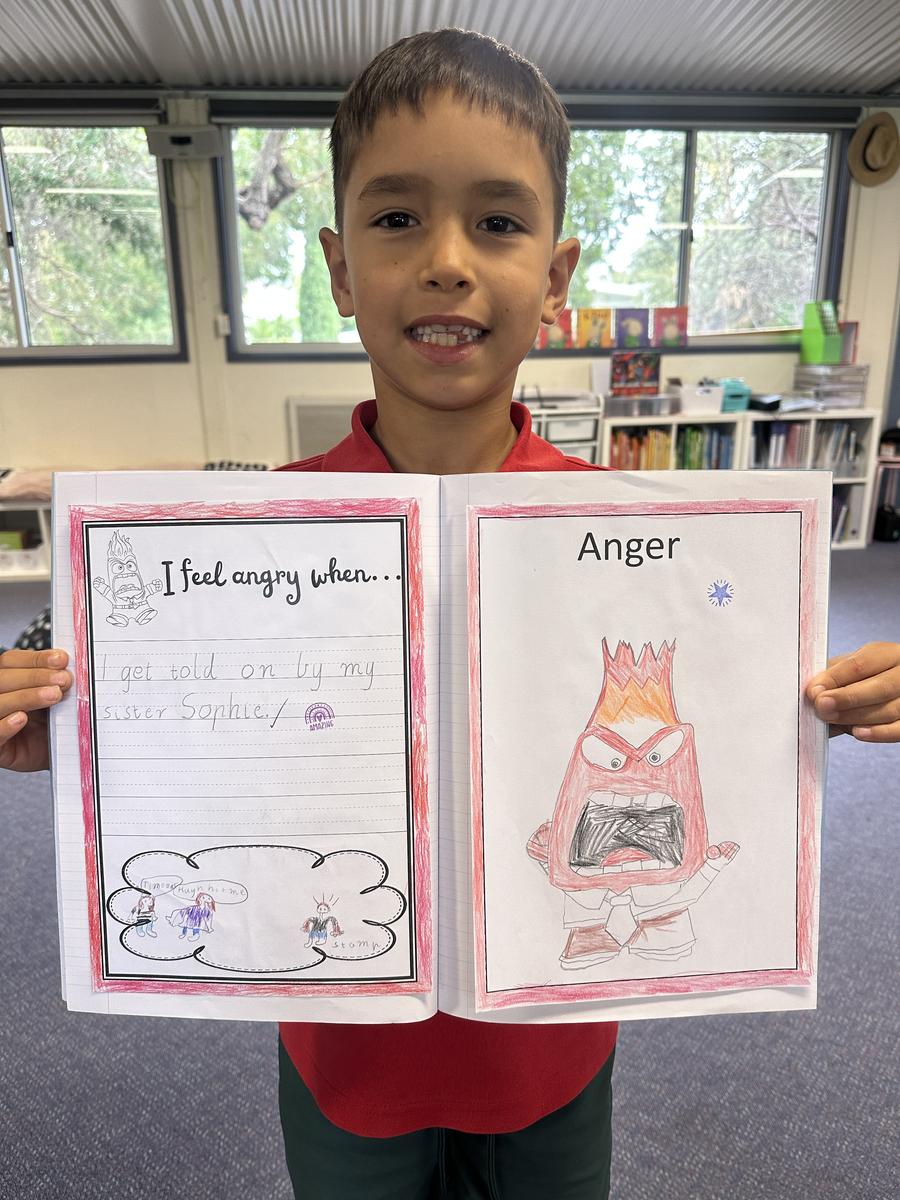
Last week we considered what it means to feel angry, how our bodies react and what we can do to help us calm down. This week we have moved on to looking at fear. We learnt that being scared is actually a really helpful emotion as it can help us to stay safe. However, sometimes we can feel scared of things that shouldn’t make us scared or of things we have imagined.
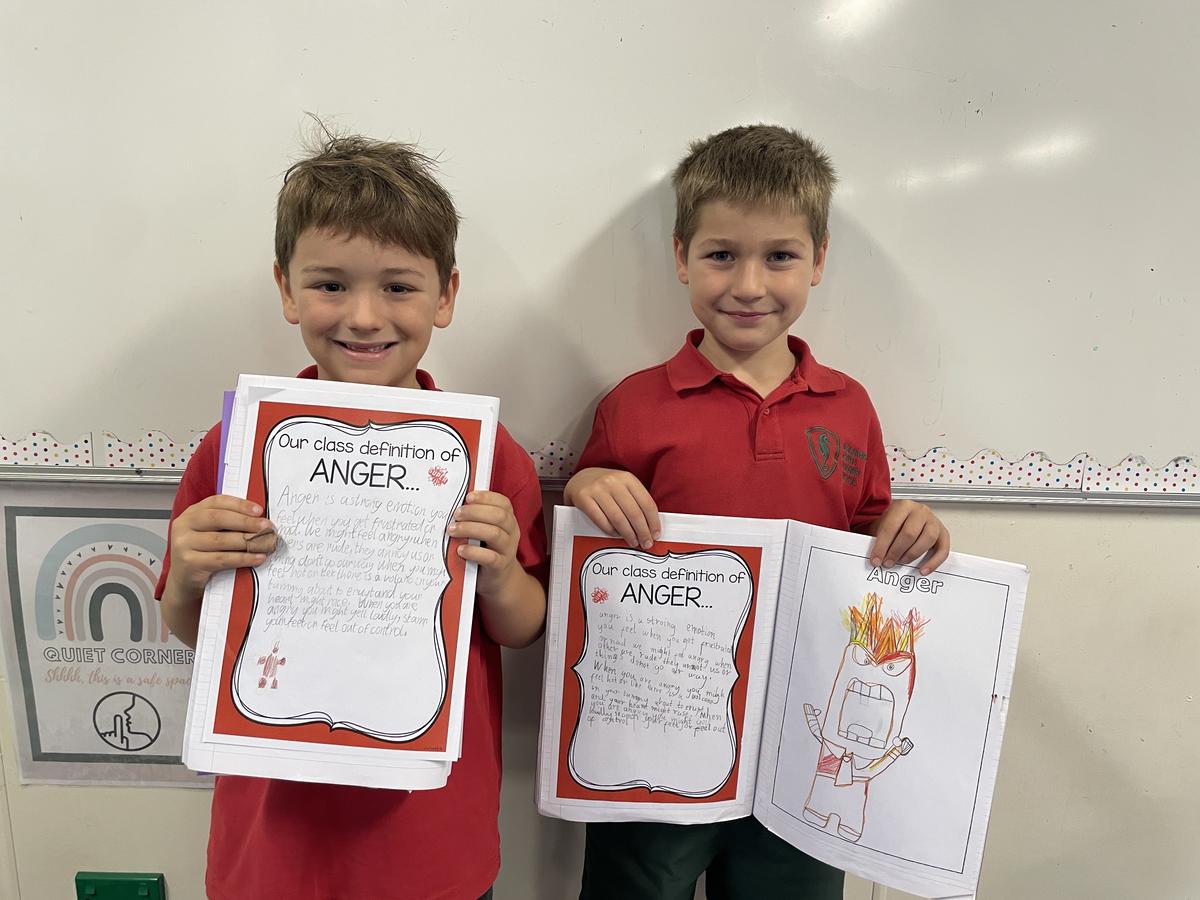
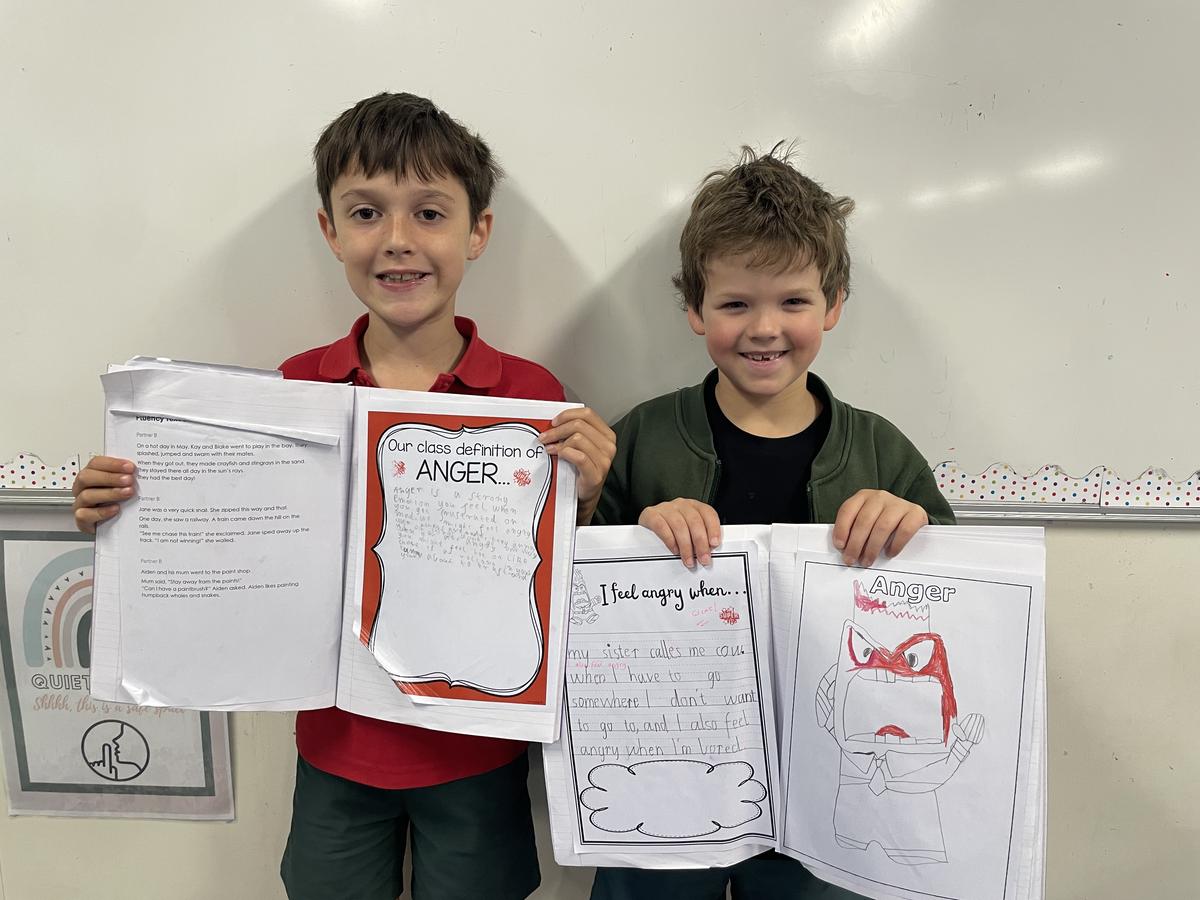
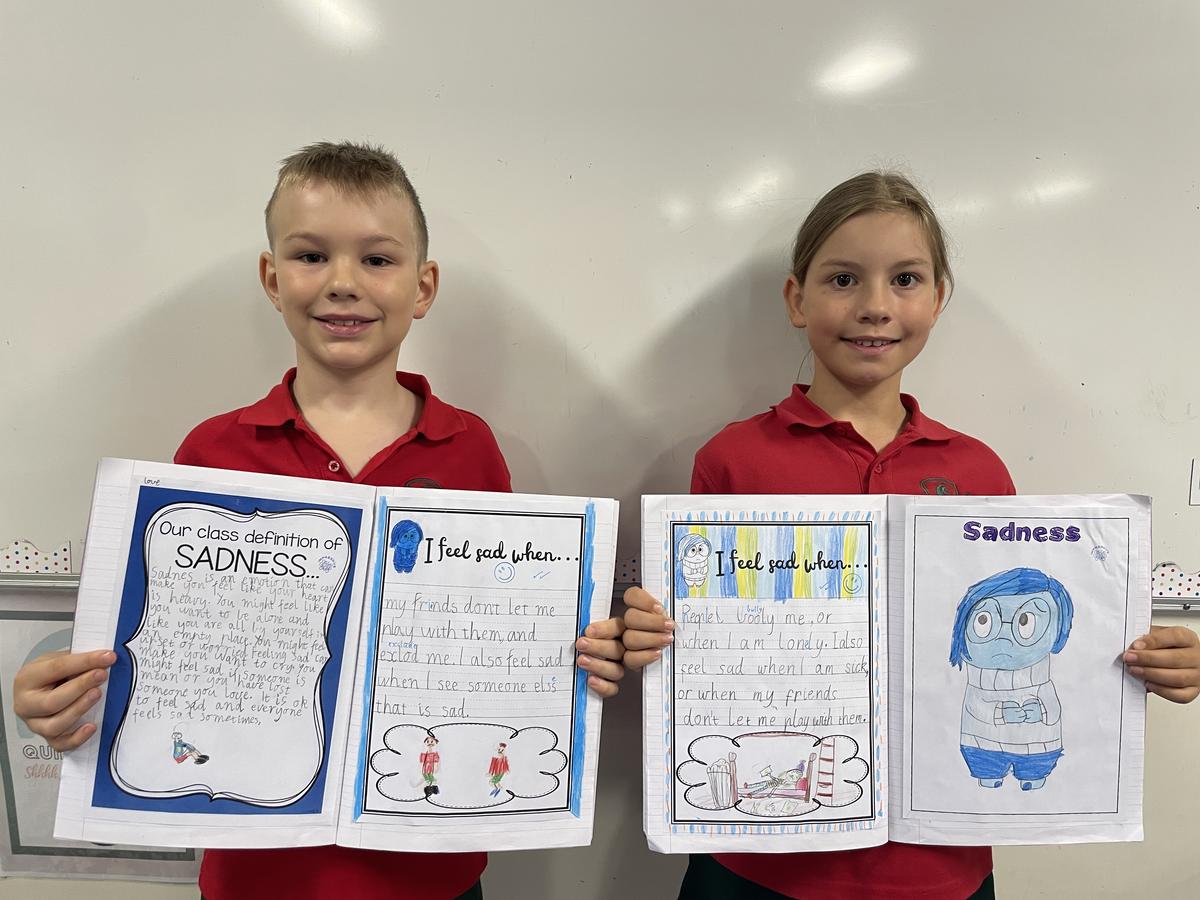
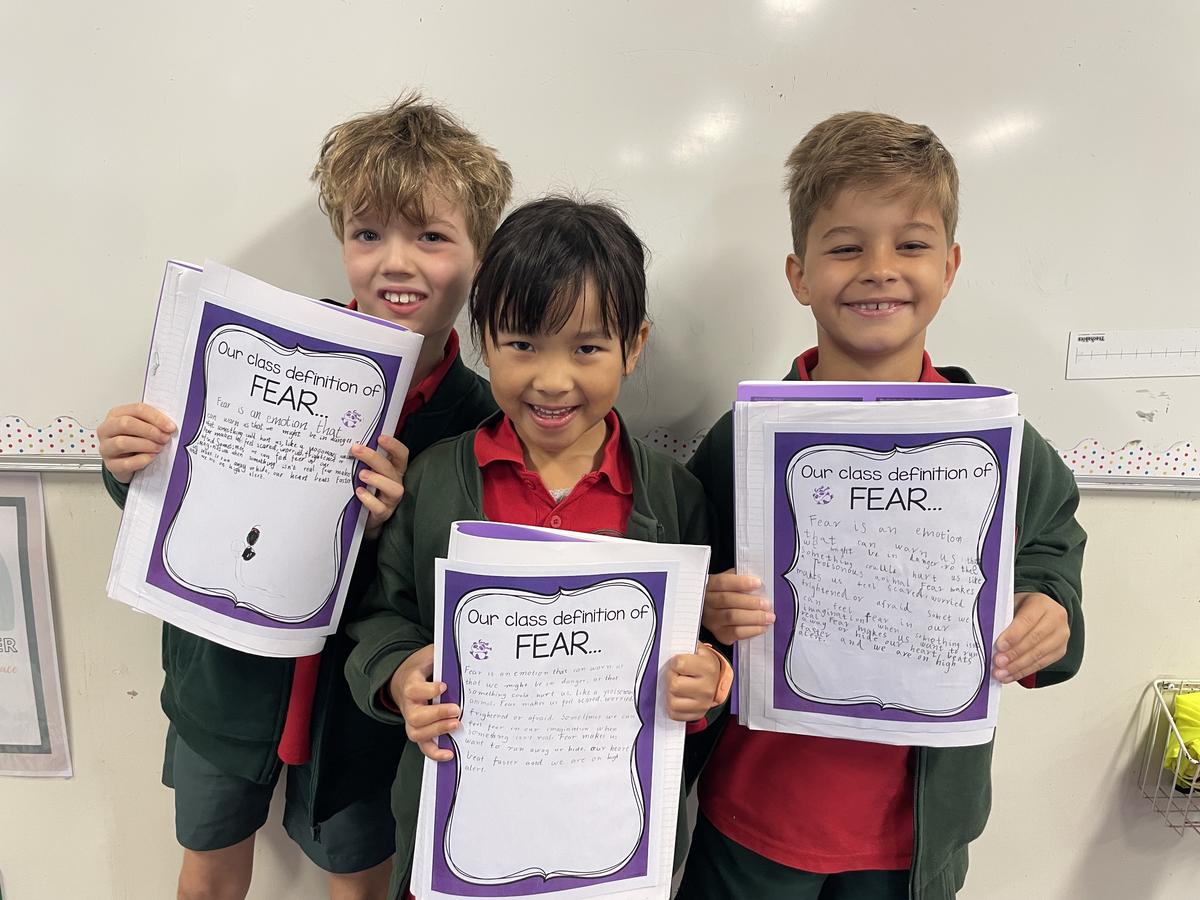
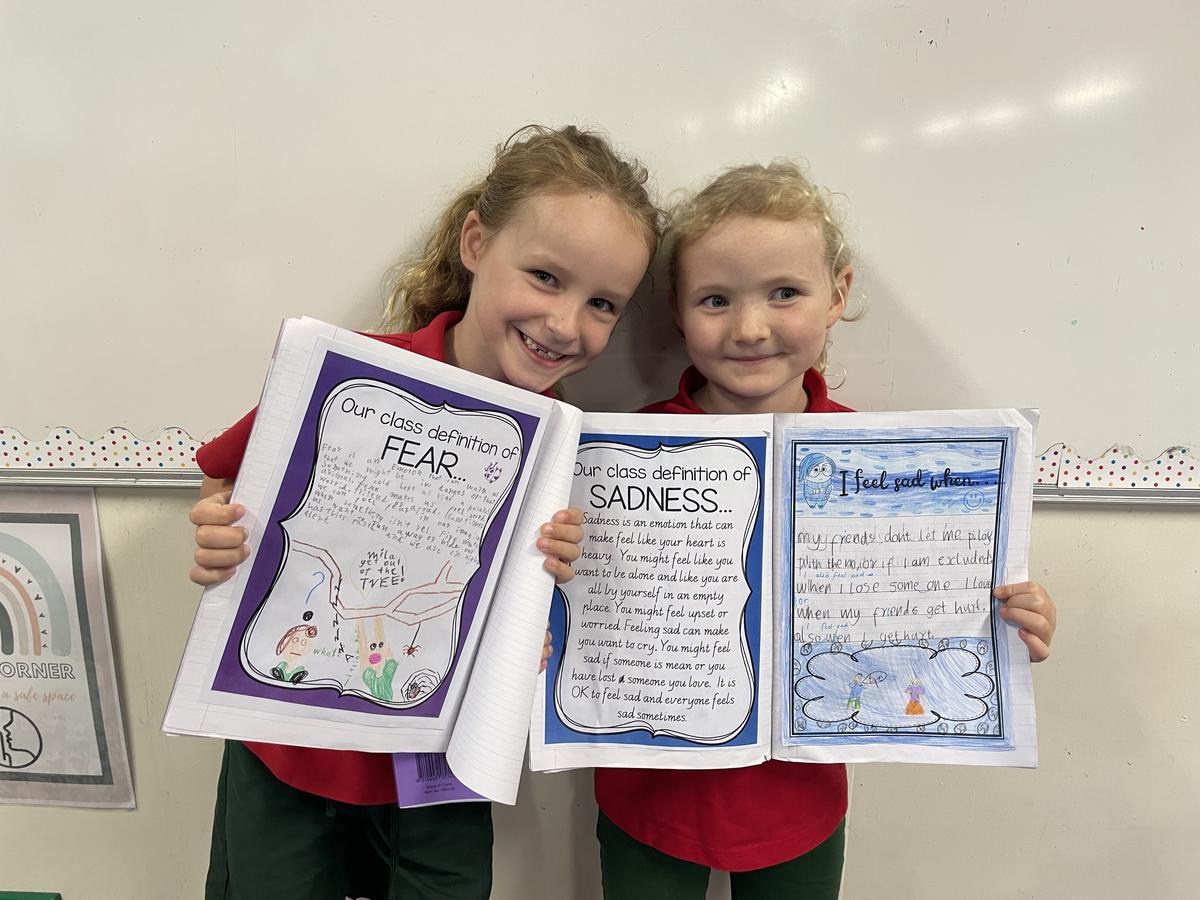
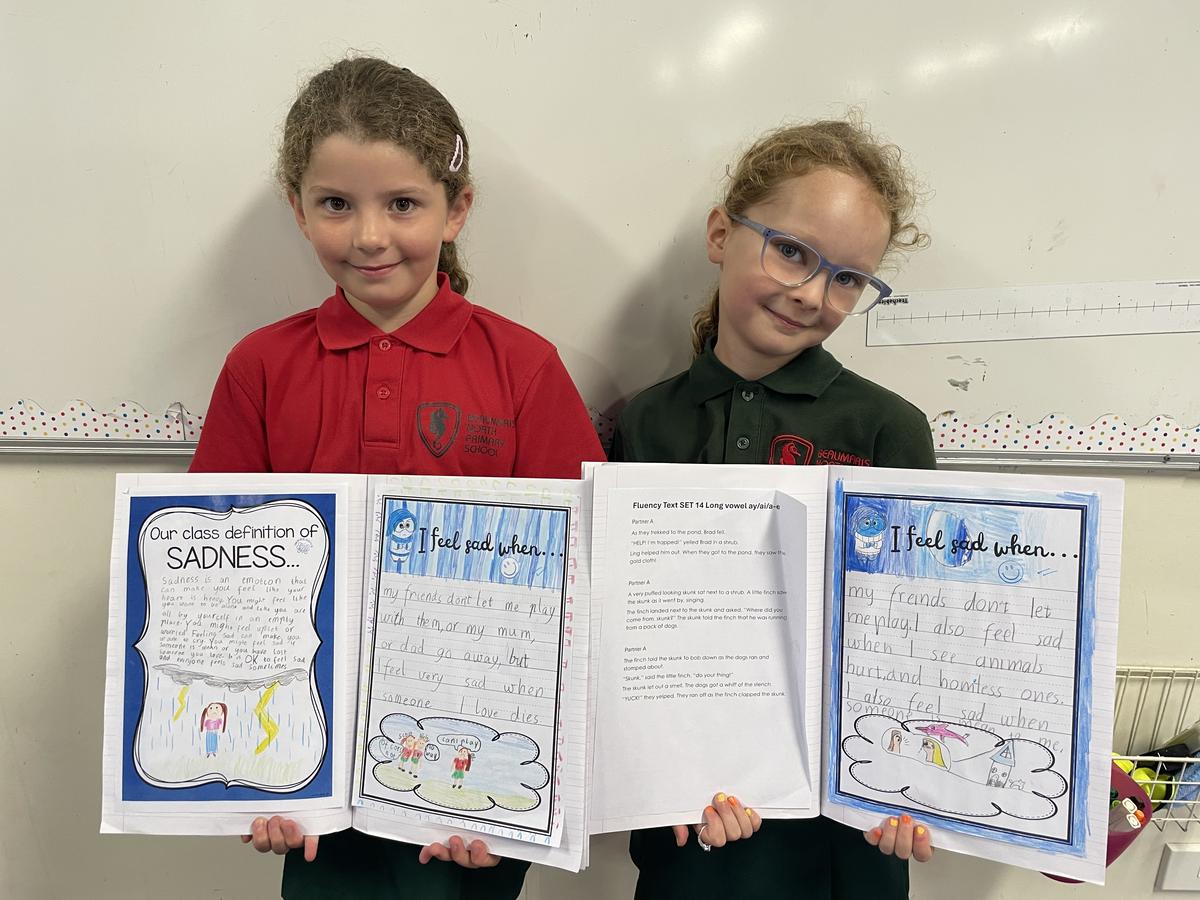
A highlight of our weeks is always a ‘How to draw’ of the Inside Out character related to the emotion we have learnt about. As well as the joy this activity brings to the students, it is also an excellent ‘listening’ task and develops children's fine motor and spatial awareness.
What We Are Learning Next
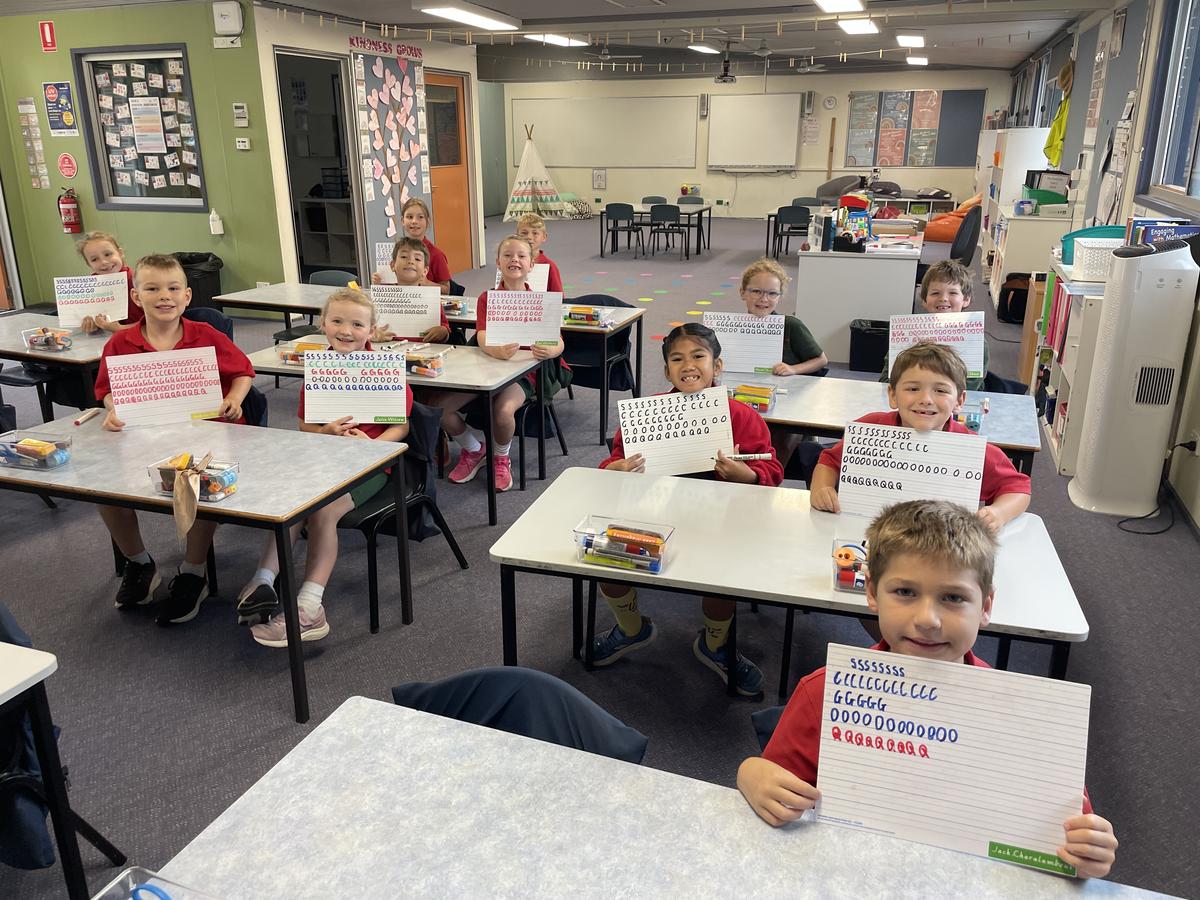
In the coming weeks we will be looking at the grapheme-phoneme correspondences (GPCs): ie, y, igh and i_e. In handwriting we will be covering the lower case anti-clockwise letters: g, q and f and left to right letters: e and z. We will also look at capital uppercase straight letters: P, B, D, E and F. We will continue to revise previously taught letters.
Next week we will be concluding our text study on The World’s Most Pointless Animals, and the students will be completing an assessment recording facts about sloths. In this task students will include information about the habitat and physical features of the animal. They will also draw a labelled diagram.
In Maths, we will be learning about addition, both without and with regrouping. We will also begin to look at time, by considering calendars and time between events and days.
We are looking forward to finishing our Unit of Inquiry with a celebration day on Monday 16 March. Please refer to Compass for details.