
Year 1 News
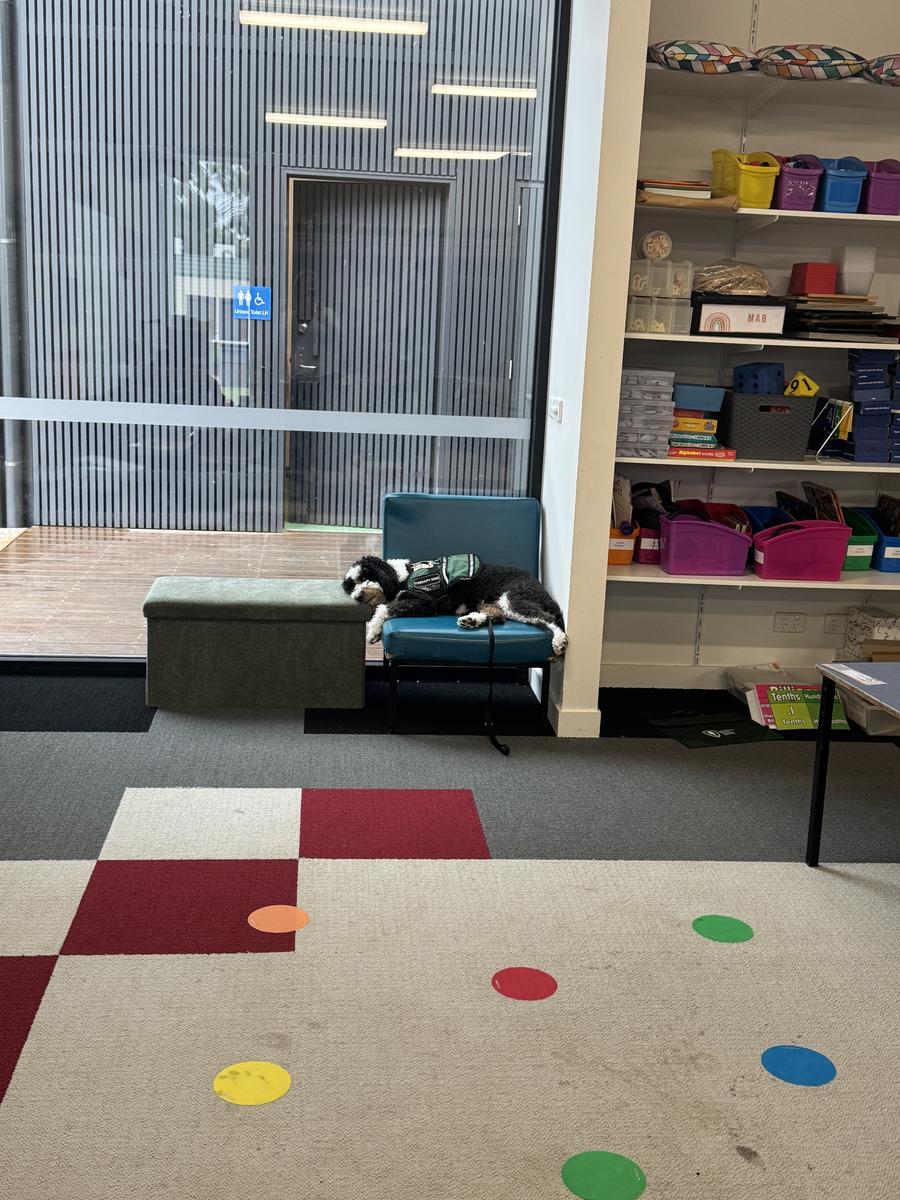
Bonnie exhausted
Bonnie exhausted
Learning Celebrations
Literacy
In Year 1, students are continuing to strengthen their reading and spelling skills as we move through our Phonics Plus sequences. At this stage, children are becoming more confident, independent readers and writers, and these sets help deepen their understanding of more complex sound patterns.
During our daily phonics sessions, students engage in:
Explicit teaching of new sound patterns
Word building and spelling practice
Reading decodable texts
Dictation activities to apply spelling skills
Partner and small group reading for fluency practice
We are encouraging students to use their phonics strategies independently when reading unfamiliar words.
Regular practice helps build automaticity and confidence. Mastery at this stage supports strong literacy development throughout the year and beyond.
Thank you for your continued partnership in supporting your child’s learning!
Reading at home
In Year 1, our Read-at-Home program plays an important role in developing confident, fluent and enthusiastic readers. Reading regularly at home reinforces the skills we are teaching in the classroom and helps students improve both their accuracy and comprehension.
Each Friday, students will bring home a selection of readers and library books to read — or share with someone at home. We greatly appreciate your ongoing support in helping your child build consistent reading habits.
By rereading their readers, Year 1 students are building fluency, accuracy, and expression. Repeated reading helps them recognise words more quickly, read with natural rhythm, and understand the story better.
Remember to sign the ‘book’ for the night’s reading and your child can colour the ‘book’ in each night they engage in reading. Each month we will celebrate the nights reading students have achieved.
Text Study
Yesterday we began exploring our new text study, Edward the Emu by Sheena Knowles. The students are thoroughly enjoying getting to know the main character and diving deeper into the story.
Throughout this unit, students will learn to identify verbs that describe the main character’s actions and to explore the theme of the text. They will also develop their understanding of how characters’ emotions change across the story and why these changes occur. They will learn to use a story map to plot key events in sequence and applying comprehension strategies to strengthen their understanding of the text.
We also encourage higher-order thinking by asking students to make predictions, connections, and inferences about what they read.
Maths
Over the past two weeks, we have continued to build our fluency with number facts. Students have been practising counting on from different starting points, identifying the numbers before and after a given number, and confidently writing one- and two-digit numbers.
We have also been continuing to strengthen our understanding of place value by exploring bundling and regrouping. One of the highlights was a fun, hands-on partner game. Students rolled a dice and represented the number rolled using icy-pole sticks. When their total went over ten, they needed to rebundle their sticks into groups of ten. The goal was to be the first to reach 80.
The students thoroughly enjoyed this engaging activity! It would be a fantastic game to recreate at home using icy-pole sticks or straws for bundling and regrouping practice.
In addition, we have continued learning about the months of the year and how many days are in each month. Students were introduced to the “knuckle trick,” a helpful mnemonic device for remembering the number of days in each month. When making a fist, each knuckle represents a month with 31 days, while the spaces between the knuckles represent months with 30 days (or 28/29 days for February). We also practised the rhyme, “Thirty days has September.” I wonder if they can remember to teach you at home!
The students have been exploring the concepts of location and position, learning to identify and use directions such as left, right, forwards, and backwards. Last week, they had a fantastic time navigating a large floor grid, where they practiced both giving and following directions.
Afterwards, they extended their learning by moving their own teddy bears around smaller grids, applying their new skills independently while continuing the fun.
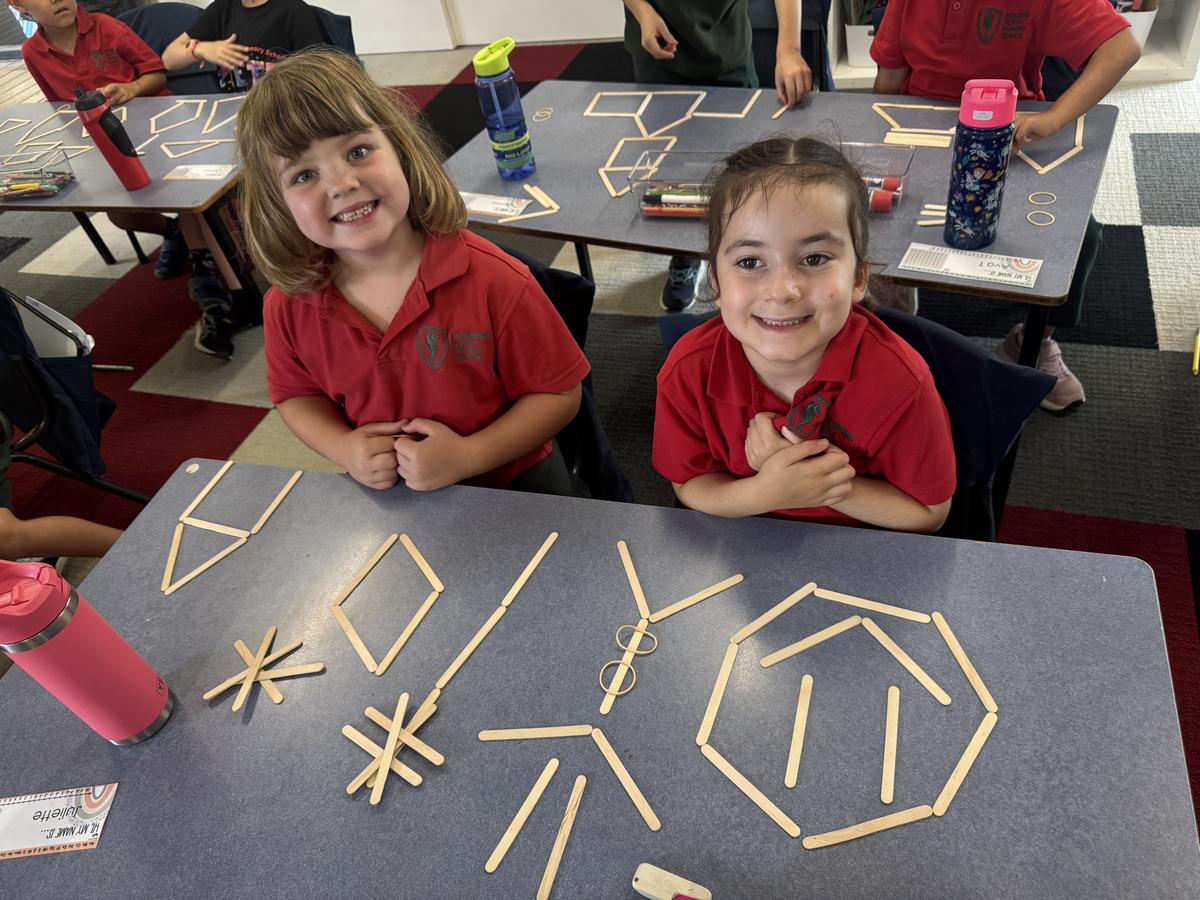
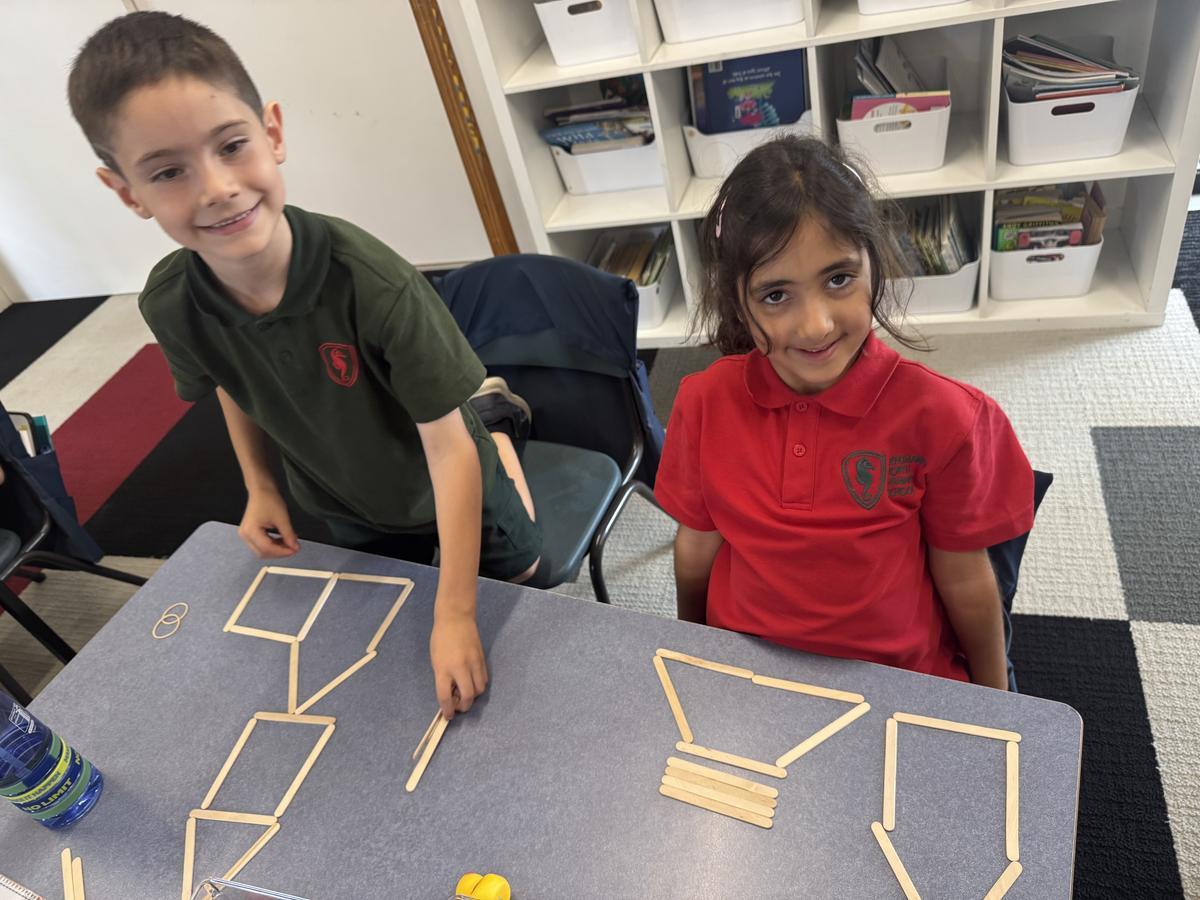
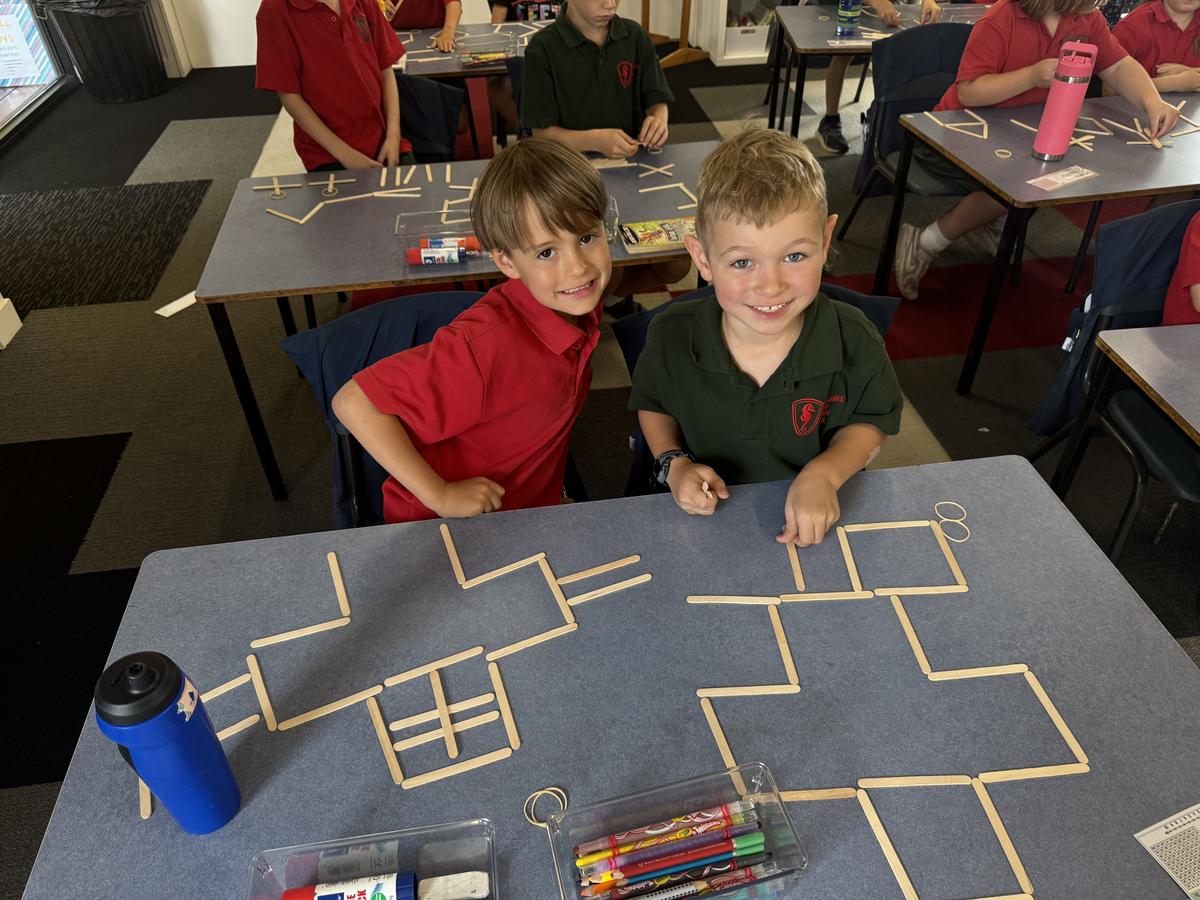
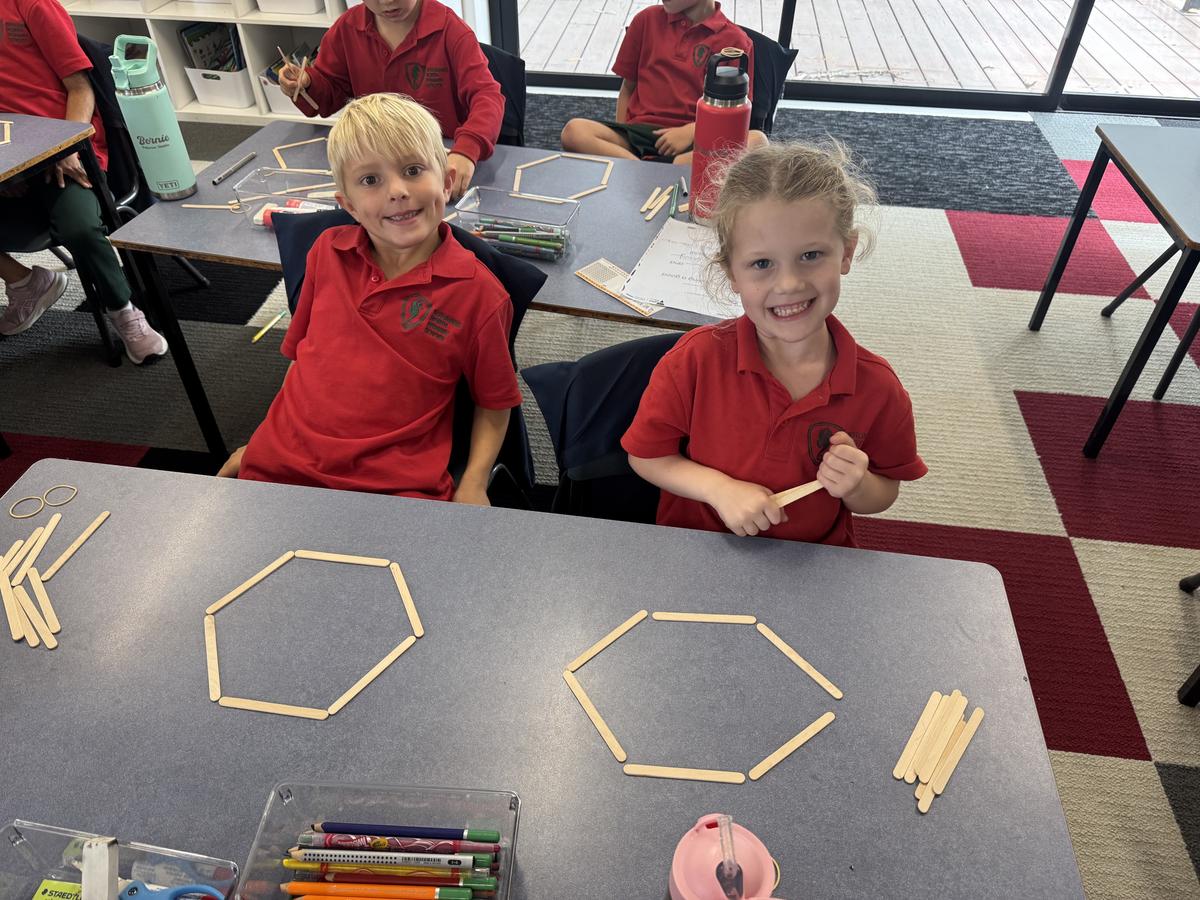
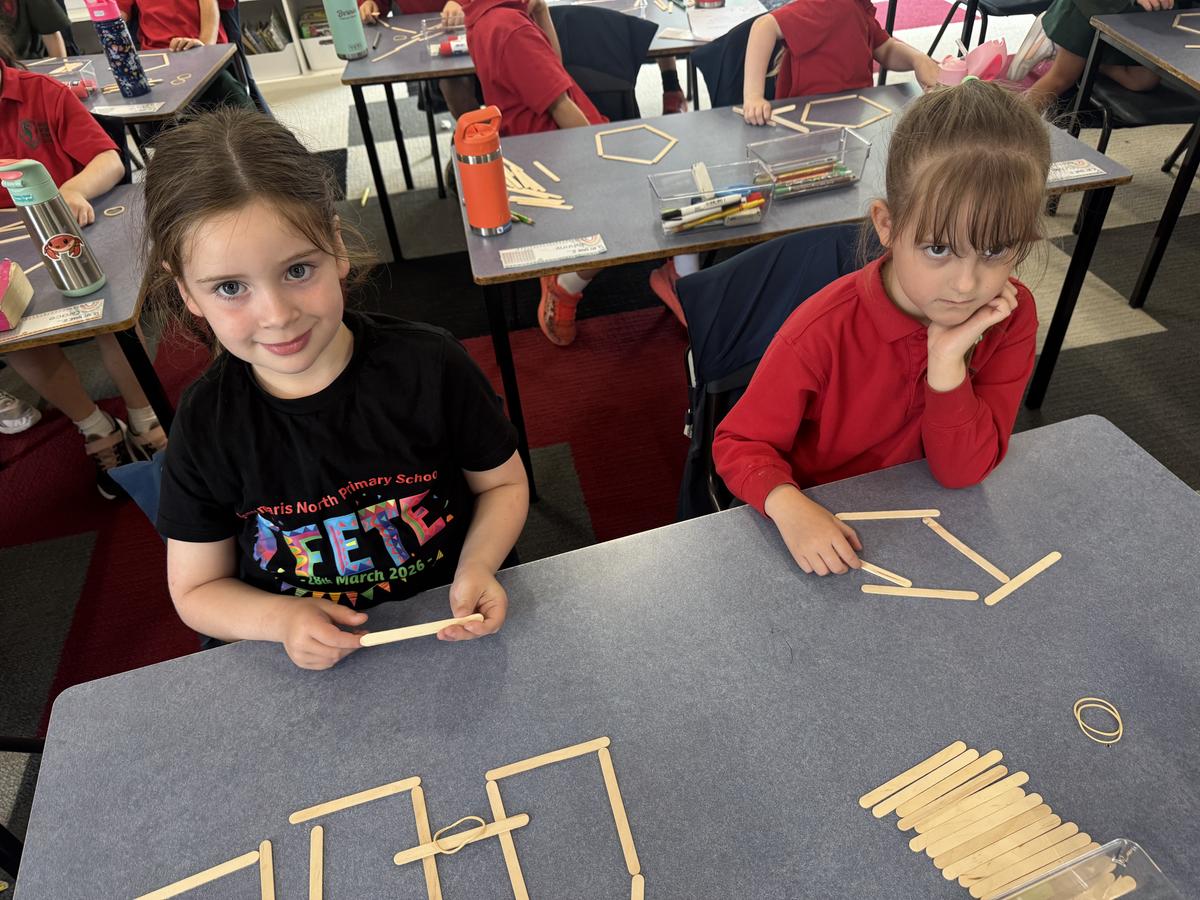
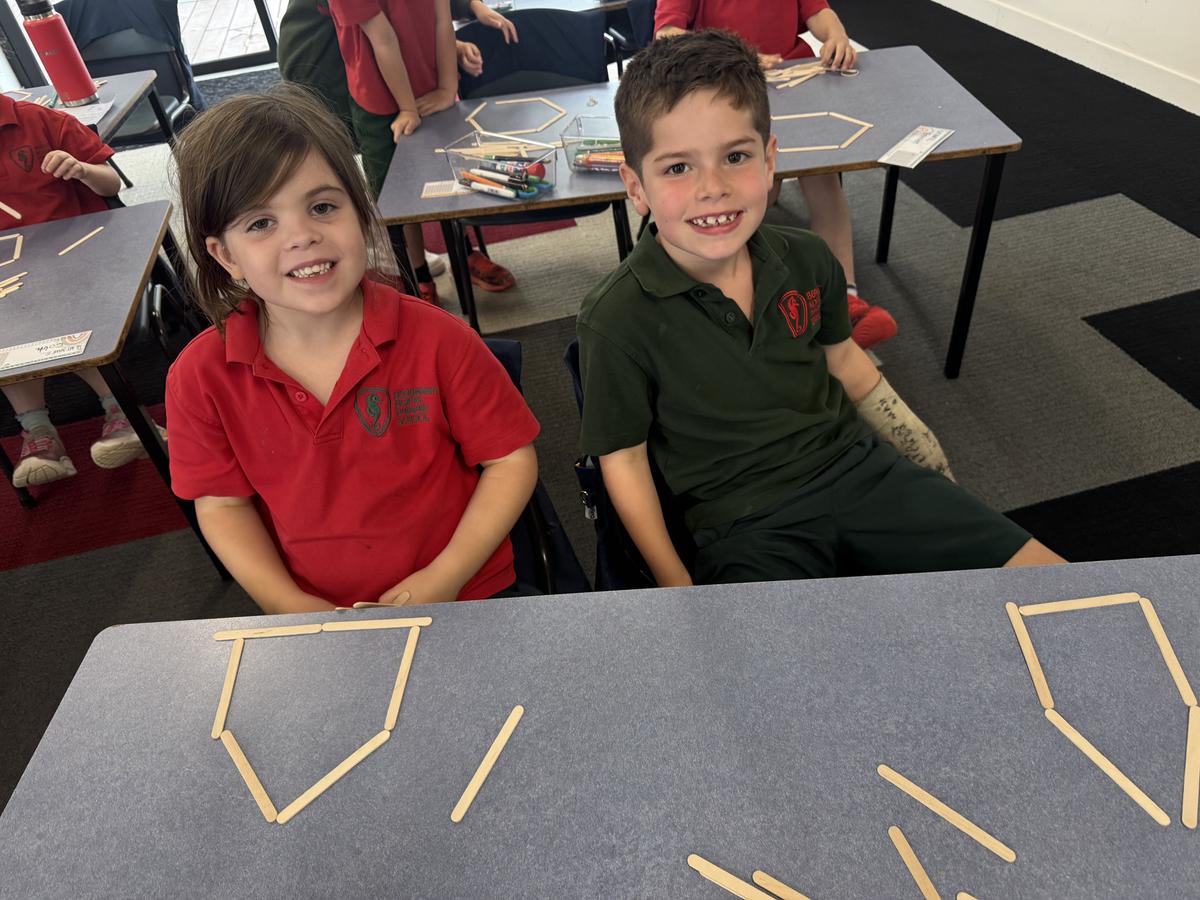
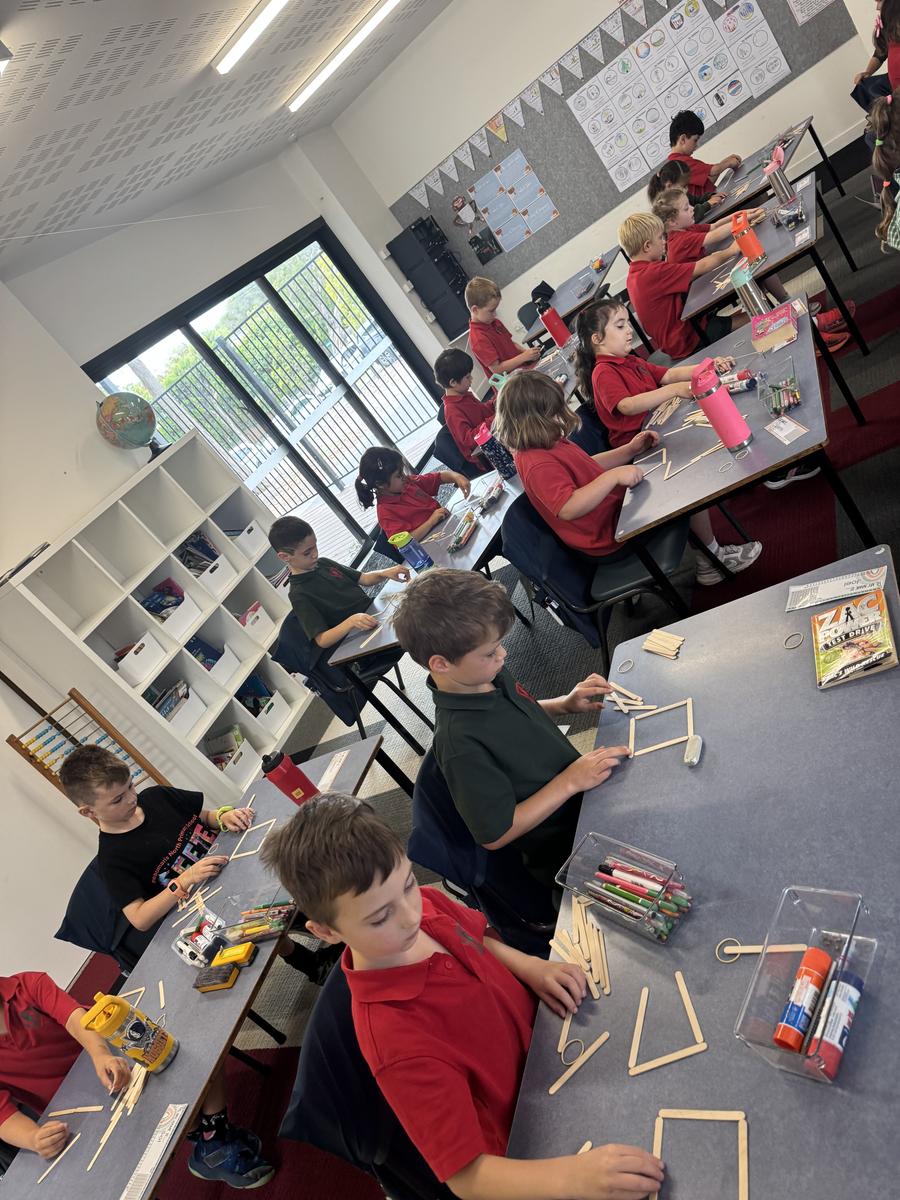
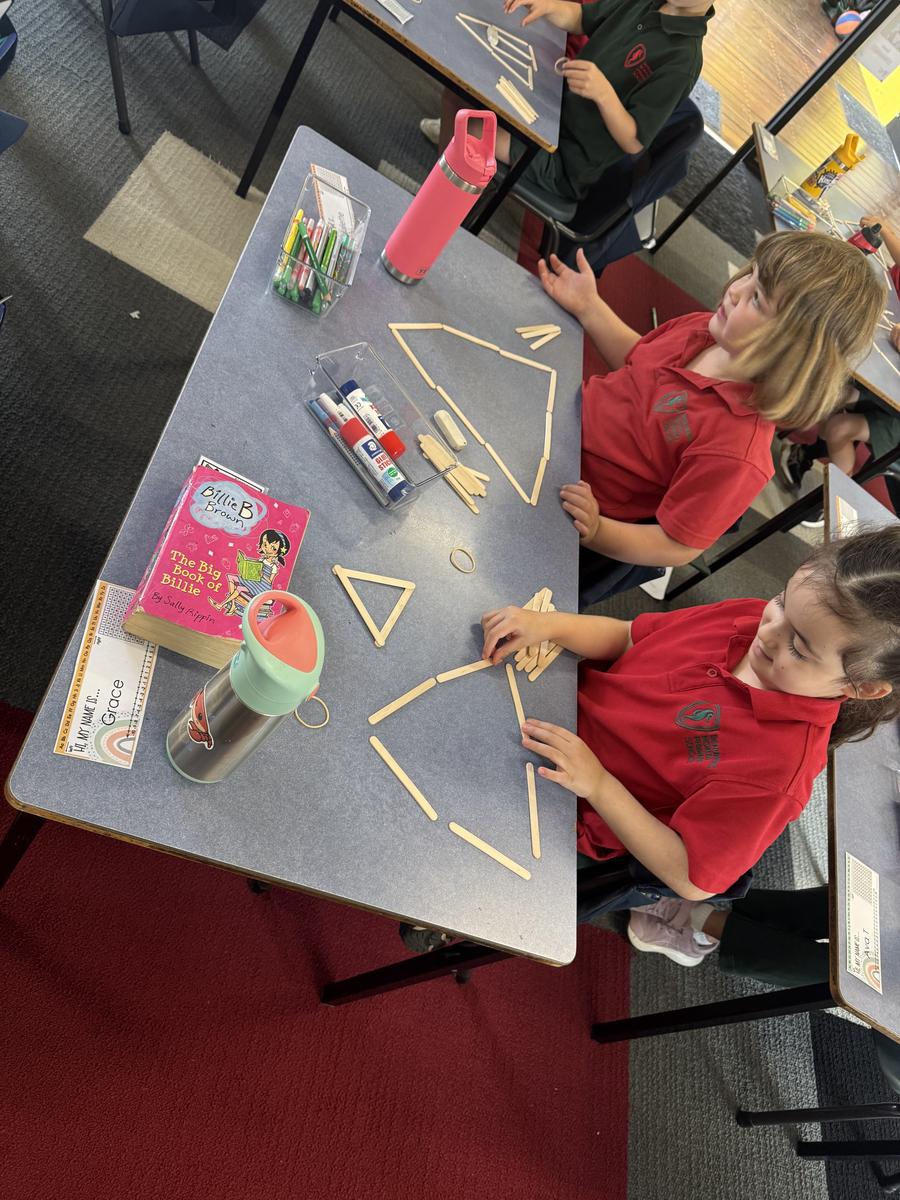
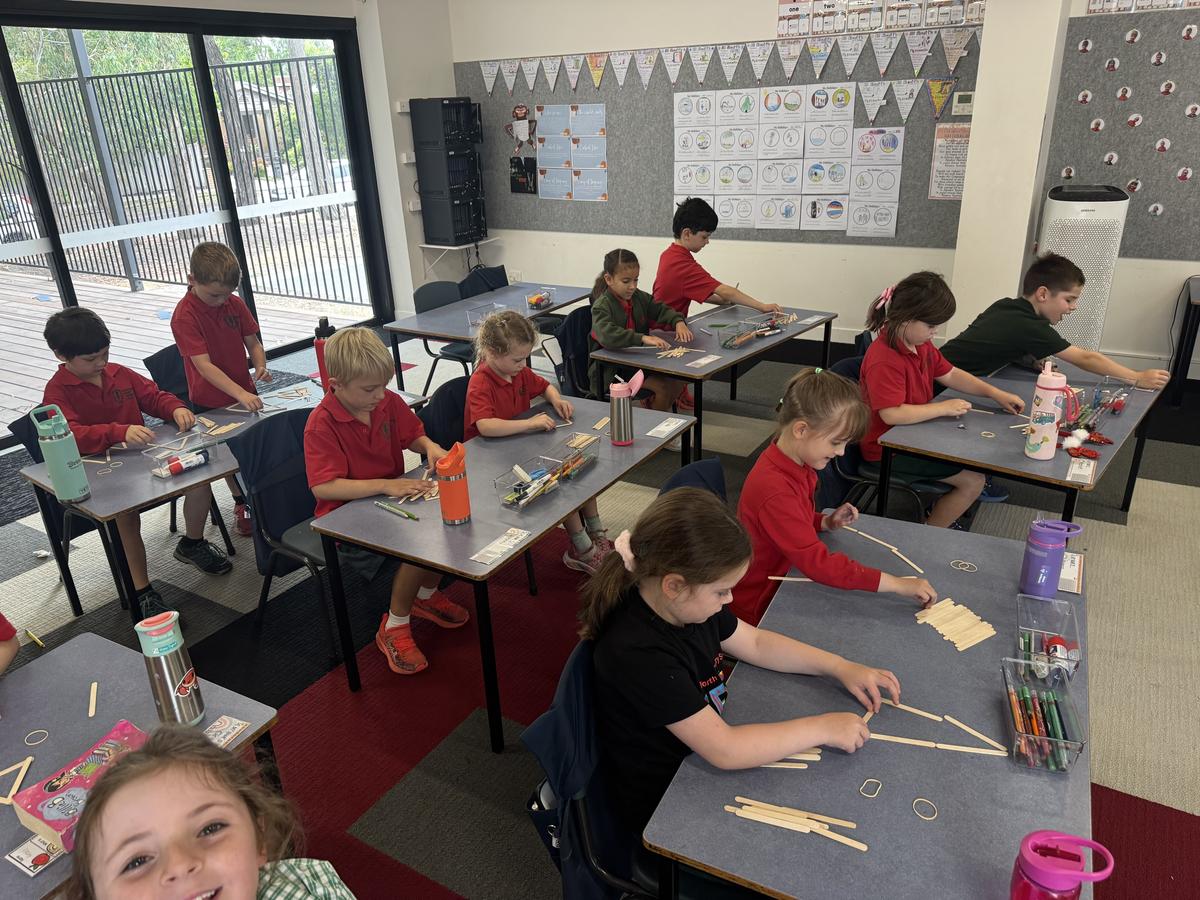
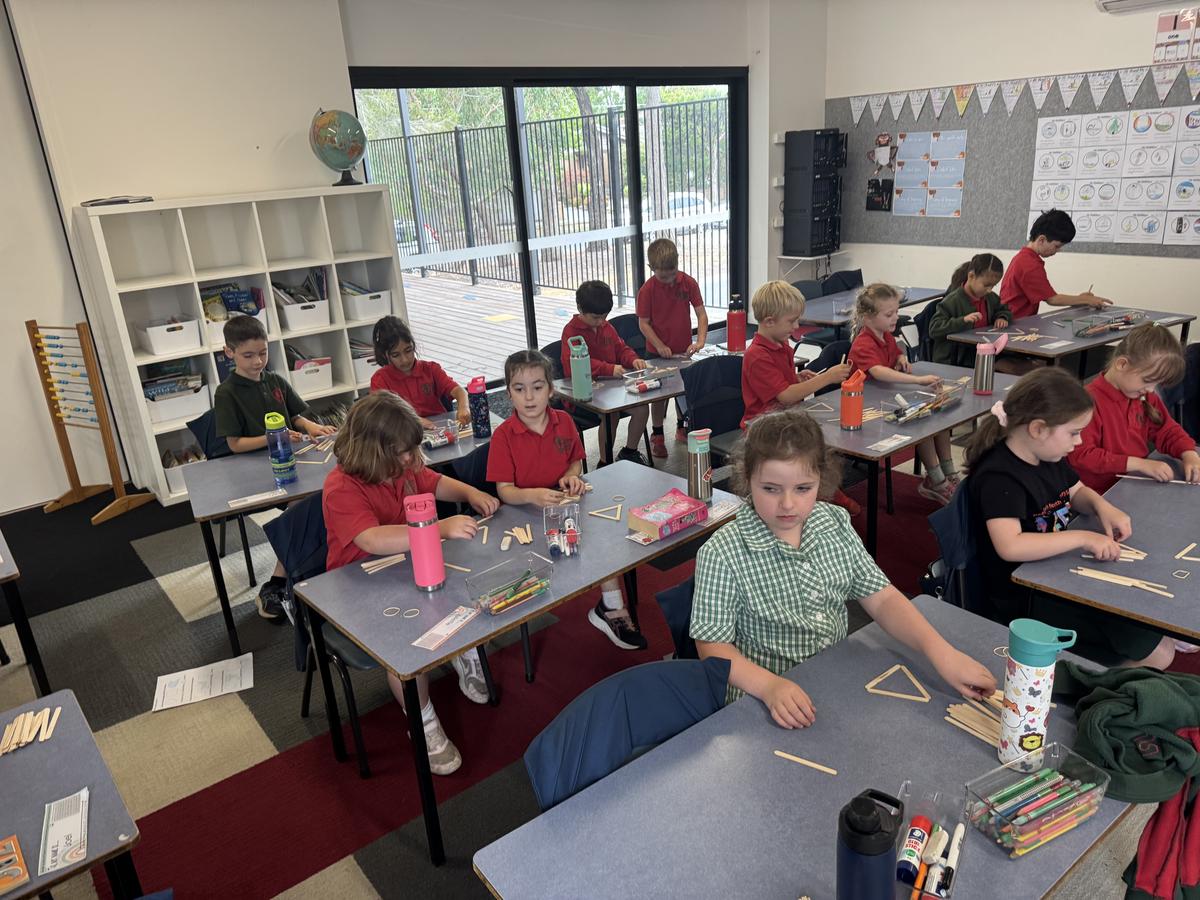
We have also begun exploring 2D shapes. Students are learning to identify pentagons, hexagons, and octagons, including both regular and irregular shapes. We have been focusing on recognising and counting the vertices and sides of each shape.
How the World Works
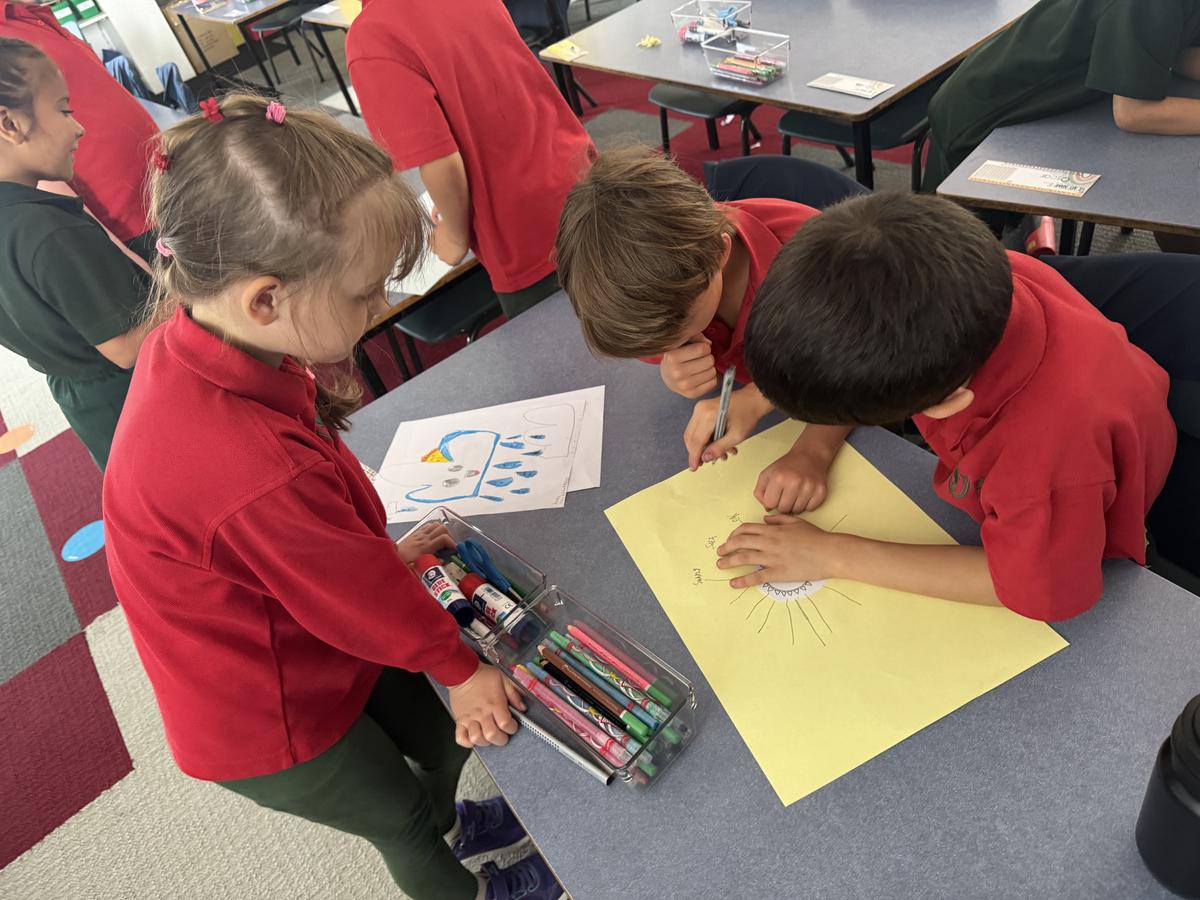
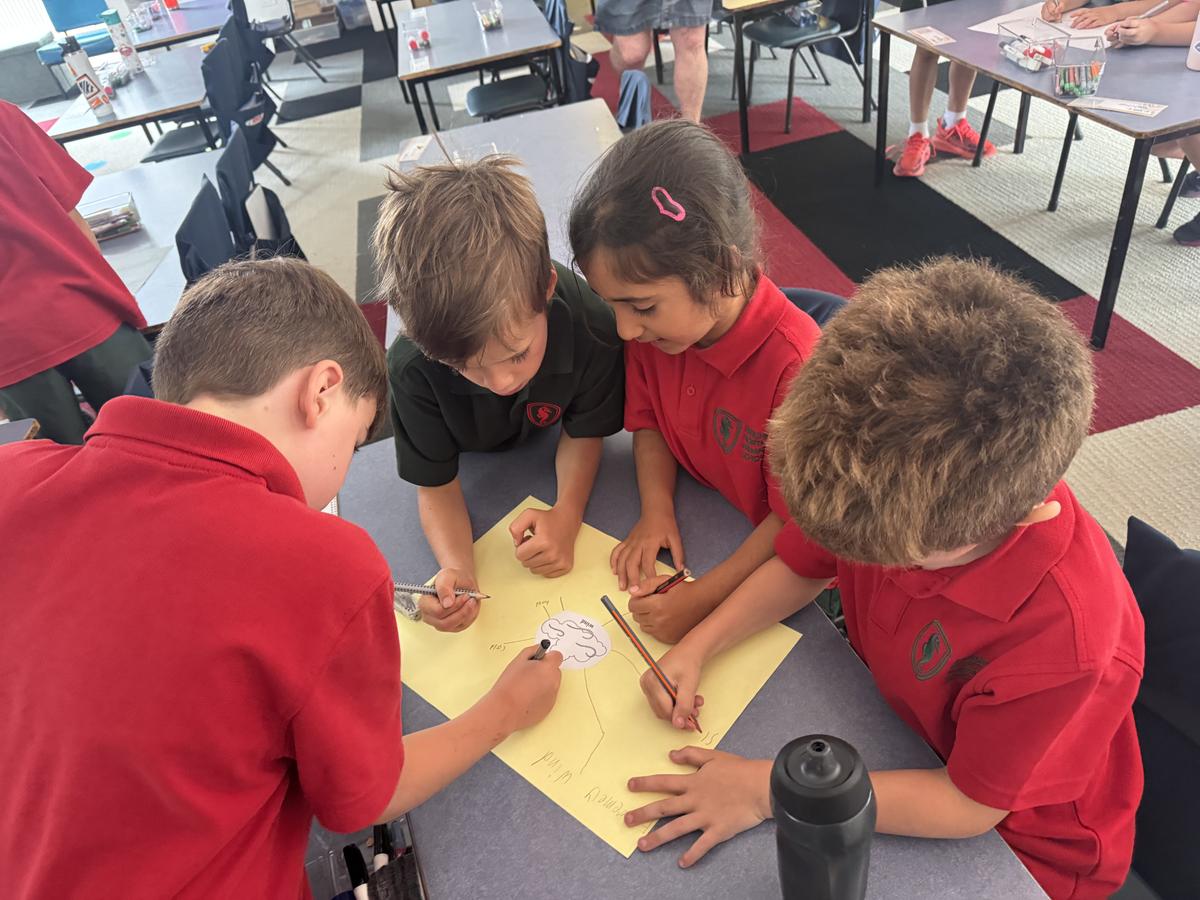
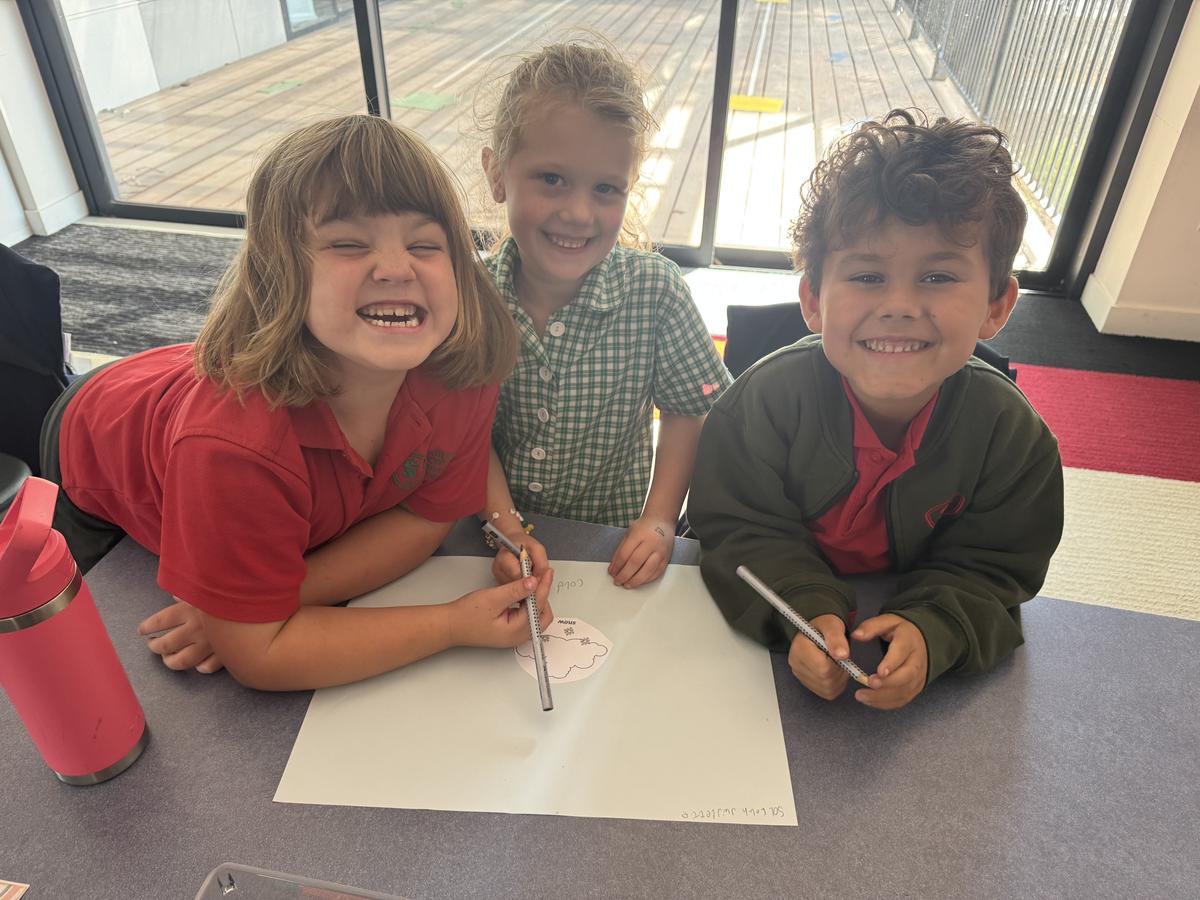
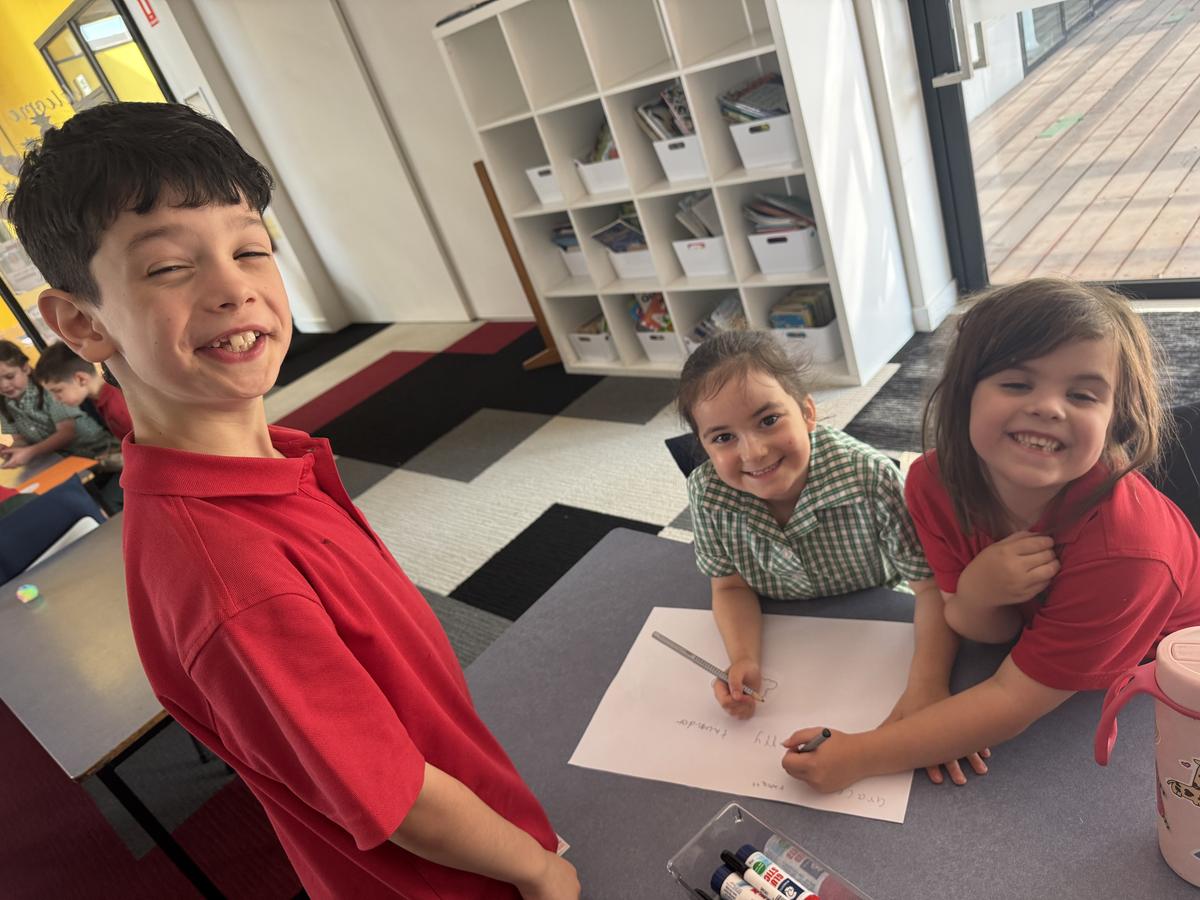
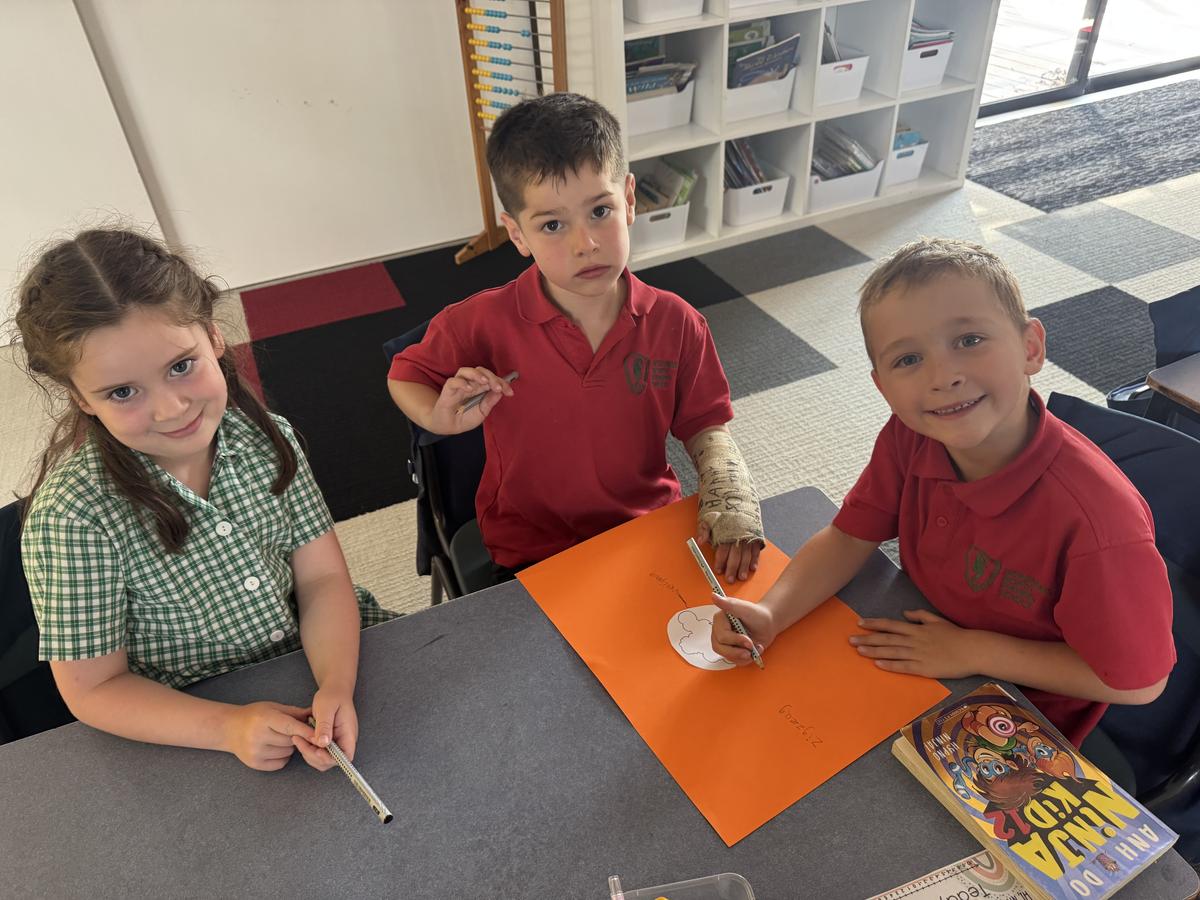
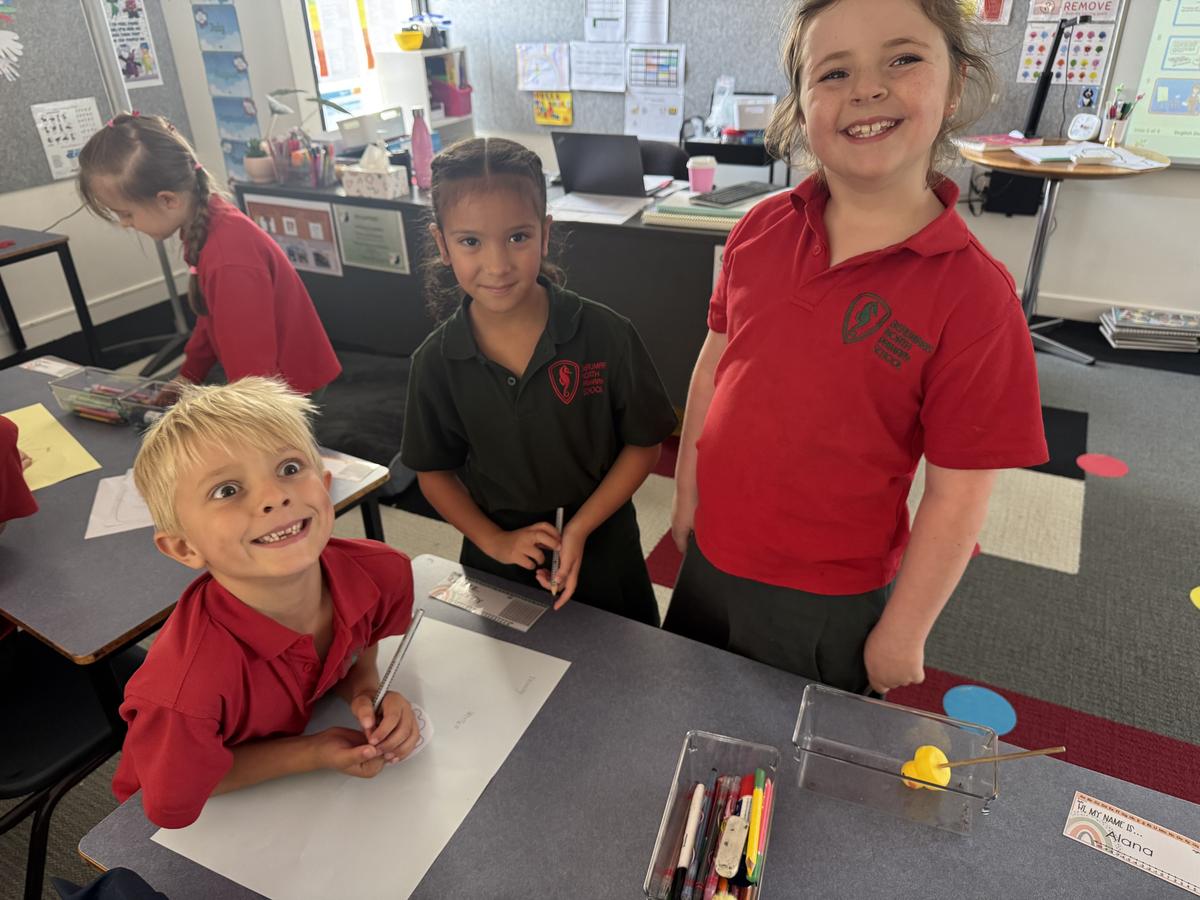
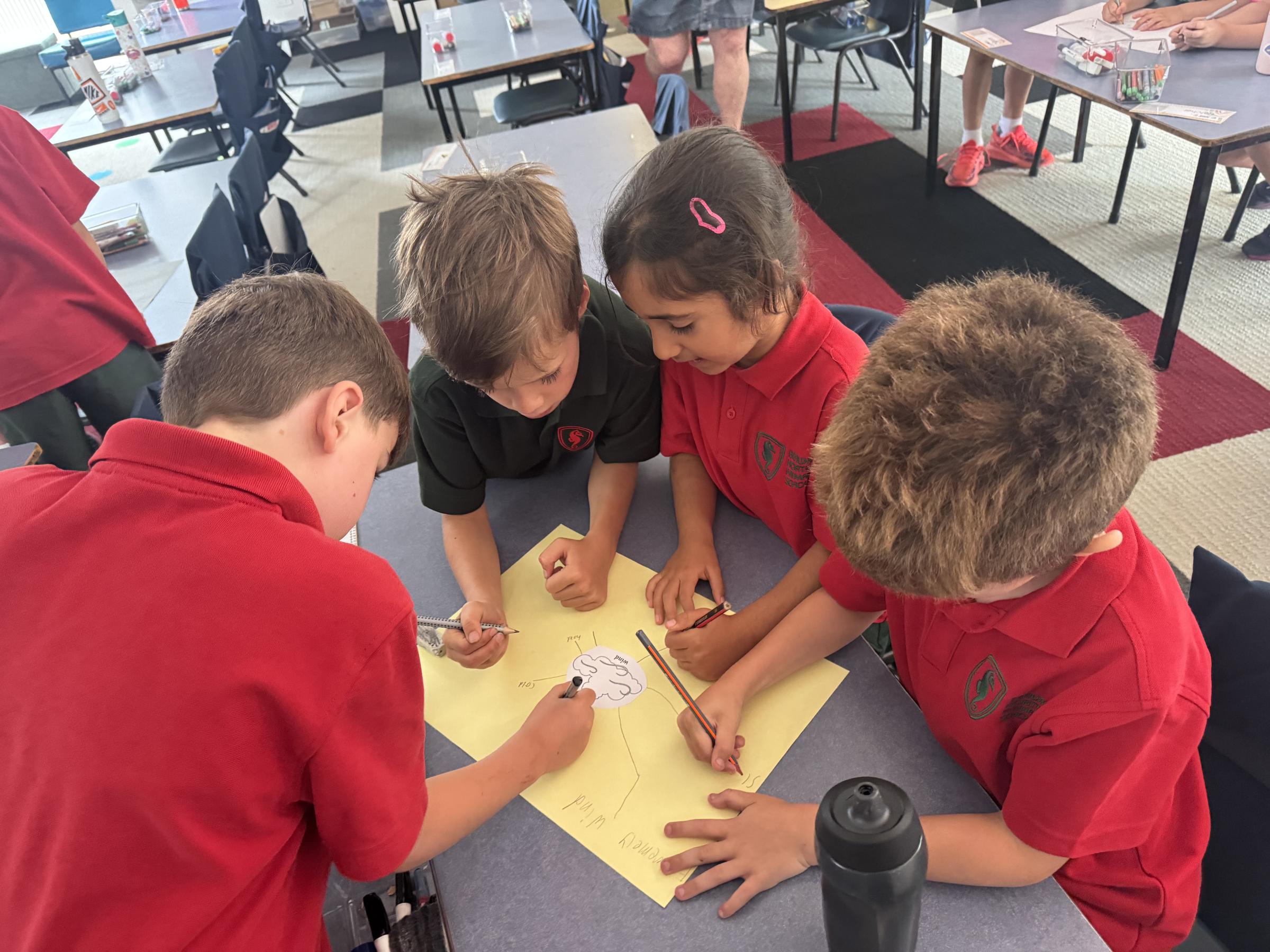
We are excited to have introduced our second Unit of Inquiry, ‘How the World Works.’ Our central idea, “The weather affects our lives and environment,” will guide our learning as we explore this fascinating topic together.
Our lines of inquiry include:
Definition of weather
The way weather affects our lives
The students have already shared some thoughtful and imaginative wonderings, and we are looking forward to investigating these questions together as we deepen our understanding.
So far, we have explored different types of weather, including rain, hail, fog, snow, clouds, and wind. In the coming weeks, we will be learning more about precipitation and the different types of clouds. The students will even become little meteorologists, practicing how to read and interpret weather reports. It’s sure to be an engaging and exciting unit of learning!
Future Learning
Literacy
Phonics Plus
Alongside phonics, we continue to strengthen early sound skills through:
Rhyming (e.g. quick–stick, rock–sock)
Alliteration (words beginning with the same sound, such as whale–whisk)
Syllable work (breaking longer words into parts, e.g. bro/ther, gar/den/er)
Word manipulation (changing one sound to make a new word, e.g. whack → pack → pick)
These skills improve spelling accuracy and reading confidence.
Introduction of new Grapheme-Phoneme Correspondences (GPC’s):
Students will be introduced to the double consonant patterns:
ll (as in bell)
ss (as in miss)
ff (as in off)
zz (as in buzz)
We will be practising reading and spelling words with these patterns and learning when and why we use double letters at the end of short words.
Students are also learning and revising high-frequency words. These are common words that appear often in texts and need to be recognised quickly and automatically. Continued practice of these sound patterns and high-frequency words is helping students build fluency, accuracy and confidence in both reading and spelling. Thank you for supporting this learning at home.
For students already reading high-frequency words, they will read longer texts, explore new vocabulary, write extended sentences, and practise comprehension skills like predicting and making connections.
Text Study
Fish is fish by Leo Lionni (2012)
This beautiful story explores themes of friendship, curiosity and perspective. Through the journey of Fish and Frog, students are learning that everyone sees the world differently — and that our experiences shape the way we understand things.
Grammar and Punctuation
In Year 1, students are learning about verbs, which are action words that tell us what someone or something is doing. Understanding verbs is an important step in becoming confident readers and writers.
Maths
Developing confidence with addition facts using number bonds and extending this understanding by solving for missing numbers within a number bond.
Continuing to strengthen directional skills by giving and following simple directions to accurately locate objects.
Further exploring the months of the year and introducing students to the features and purpose of a calendar.
Further exploring regular and irregular polygons.