
Wellbeing
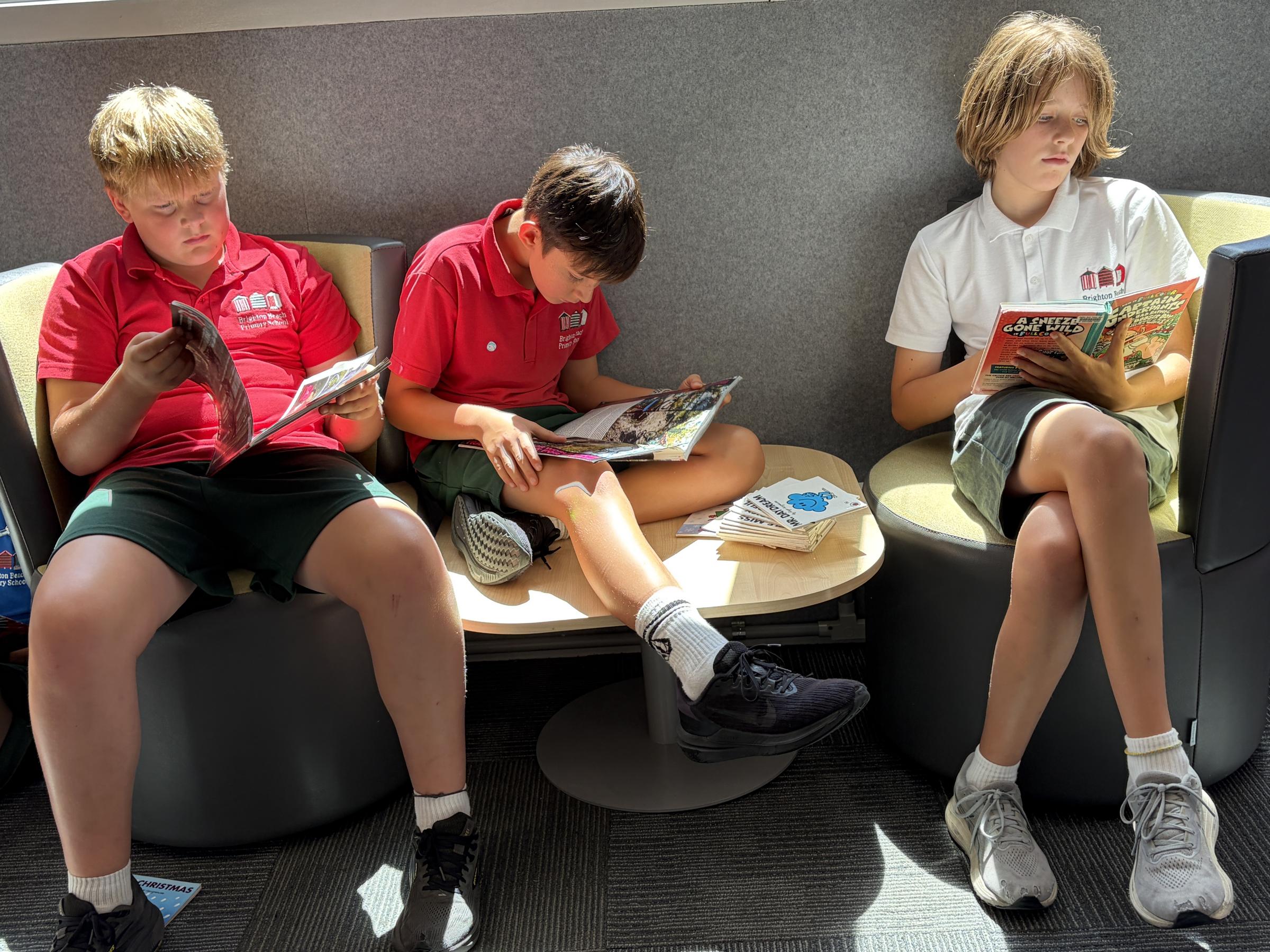
Will W, Oscar and Will A taking the time to relax with some reading
Wellbeing
Will W, Oscar and Will A taking the time to relax with some reading
Raising resilient children - how you can help at home.
We are increasingly noticing that when students experience disappointment — whether that be not being selected for something, not finishing first, or feeling anxious about a challenge — some are finding it difficult to sit with those feelings. As a school, we see these moments as important opportunities for growth. Disappointment, frustration and even failure are natural parts of learning and life. When children are supported to work through these emotions — rather than having the problem removed or the discomfort avoided — they build resilience, perspective and coping strategies that serve them well far beyond primary school.
We encourage parents, when these situations arise, to begin with empathy (“I can see you’re disappointed”), while also reinforcing key messages such as effort, persistence and learning from setbacks. Here are some practical tips to support your child:
Name the feeling, then pause before fixing. Try saying, “I can see you’re really disappointed— that hurts.” Then resist the urge to immediately solve, some times your child just needs to vent. Give your child time to sit with the feeling and settle. This models that big emotions are manageable and don’t always require an adult to remove the discomfort.
Shift the conversation from outcome to effort and next steps. Ask practical questions such as, “What part went well?”, “What could you practise before next time?” or “Who could you ask for feedback?” Help them make a small, specific plan to support growth (e.g. practising reading aloud for 10 minutes each night, shooting 20 goals in the backyard, revising one tricky concept).
Coach independence, not avoidance. If your child wants to withdraw or you feel tempted to intervene, try responding with, “I believe you can handle this. What’s your first step?” . Role play scenarios that address their greatest concern or worry to help them problem solve. This builds confidence, resilience and the understanding that setbacks are part of learning — not something to escape. It also models that you trust your child, and that they've got this.
Maintain confidence in professional judgement and established processes. It is natural to want to advocate for your child; however, immediately challenging decisions or questioning processes in front of your child can unintentionally undermine trust and make it harder for children to accept outcomes. By all means contact the school to seek further understanding, while at the same time modelling respect for the school’s professional decision-making - we've got this! Trust us.
Try, “Your teacher has clearly made this decision thoughtfully — let’s focus on what you can learn from it.” When children see the important adults in their lives aligned and working together, they develop accountability, perspective and maturity in handling disappointment. They also can't play us off each other because they know we are a united team!
Parenting is tough! At BBPS we are committed to raising young people who are not only capable, but also resilient — able to navigate both success and setback with confidence and maturity. We are here for you!
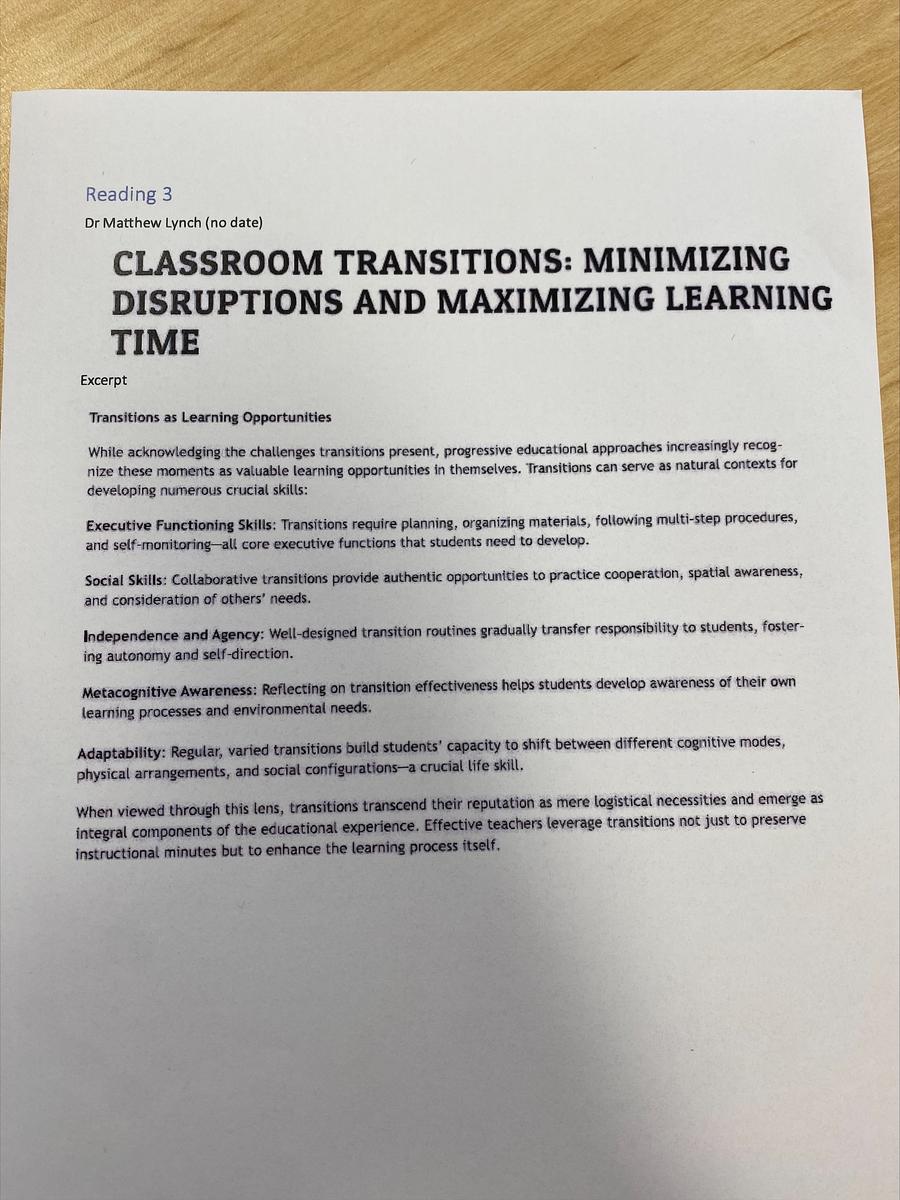
Routines and procedures - setting realistic expectations and boundaries is an important contributor to positive classroom culture. While the start of the year very much focuses on building student understanding of classroom transitions and procedures, teachers continue to revisit these, reteach, rehearse and monitor. While it contributes to a calmer and learning focussed classroom, there are also huge benefits to growing the general capabilities of our students as functioning people. See a great reading below that all our staff explored - articulating the why of what we do.
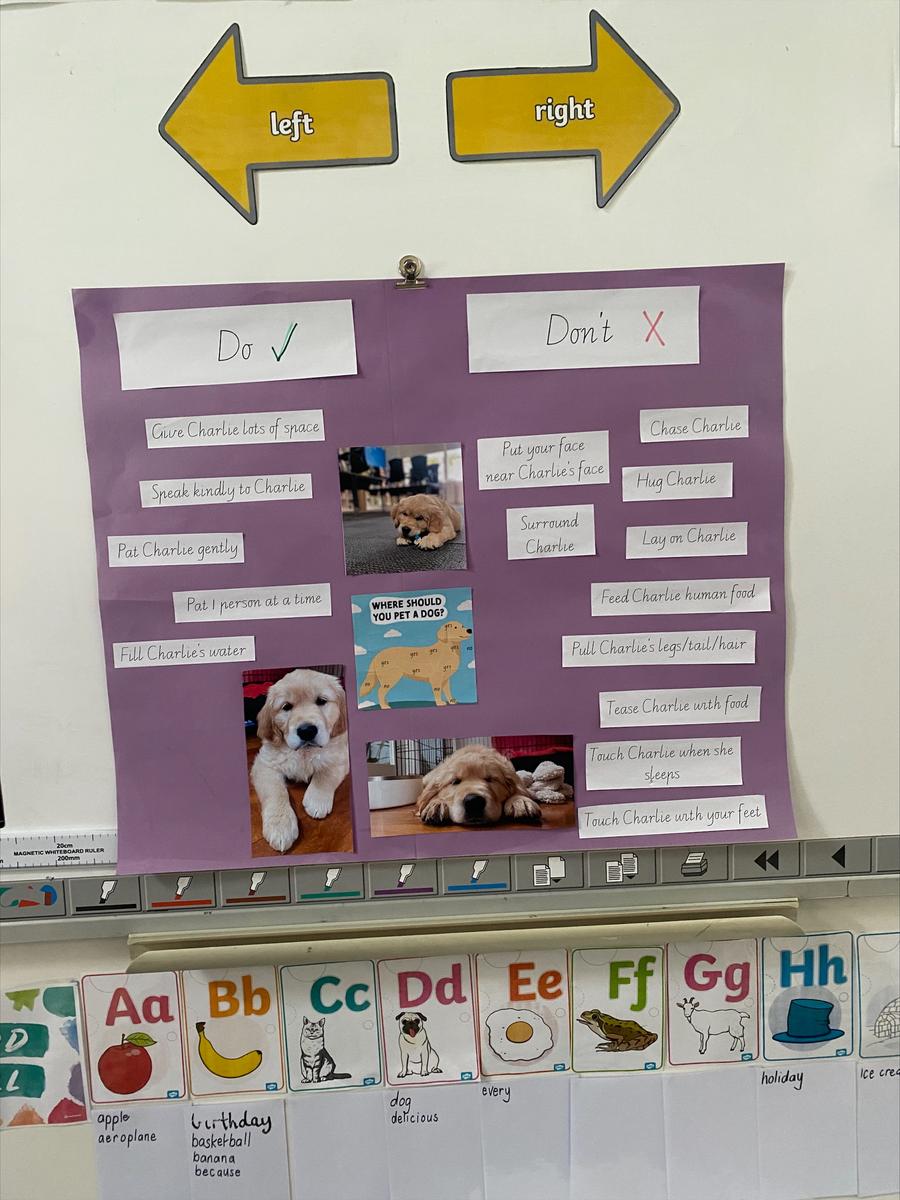
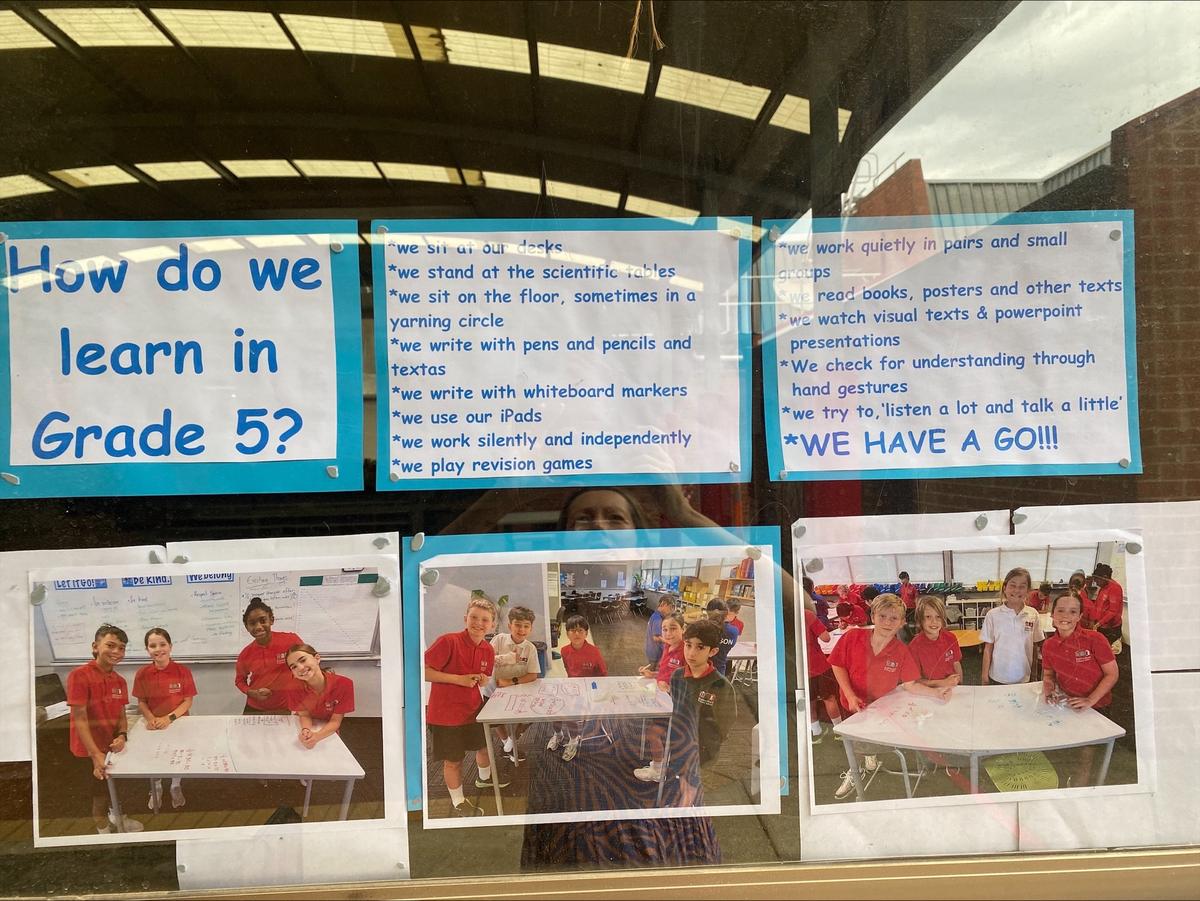
Check out some of the visual supports created in our classrooms to help our students remember our norms and routines.
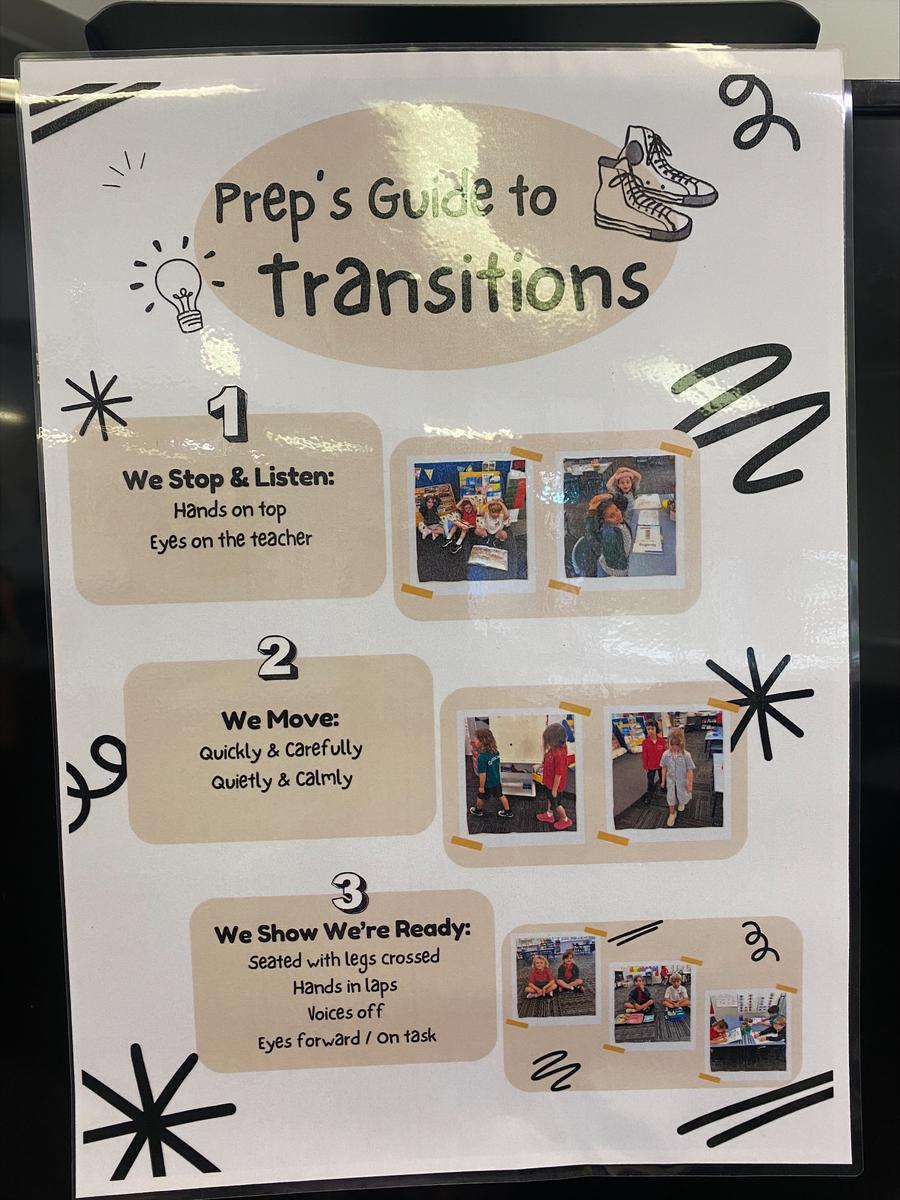
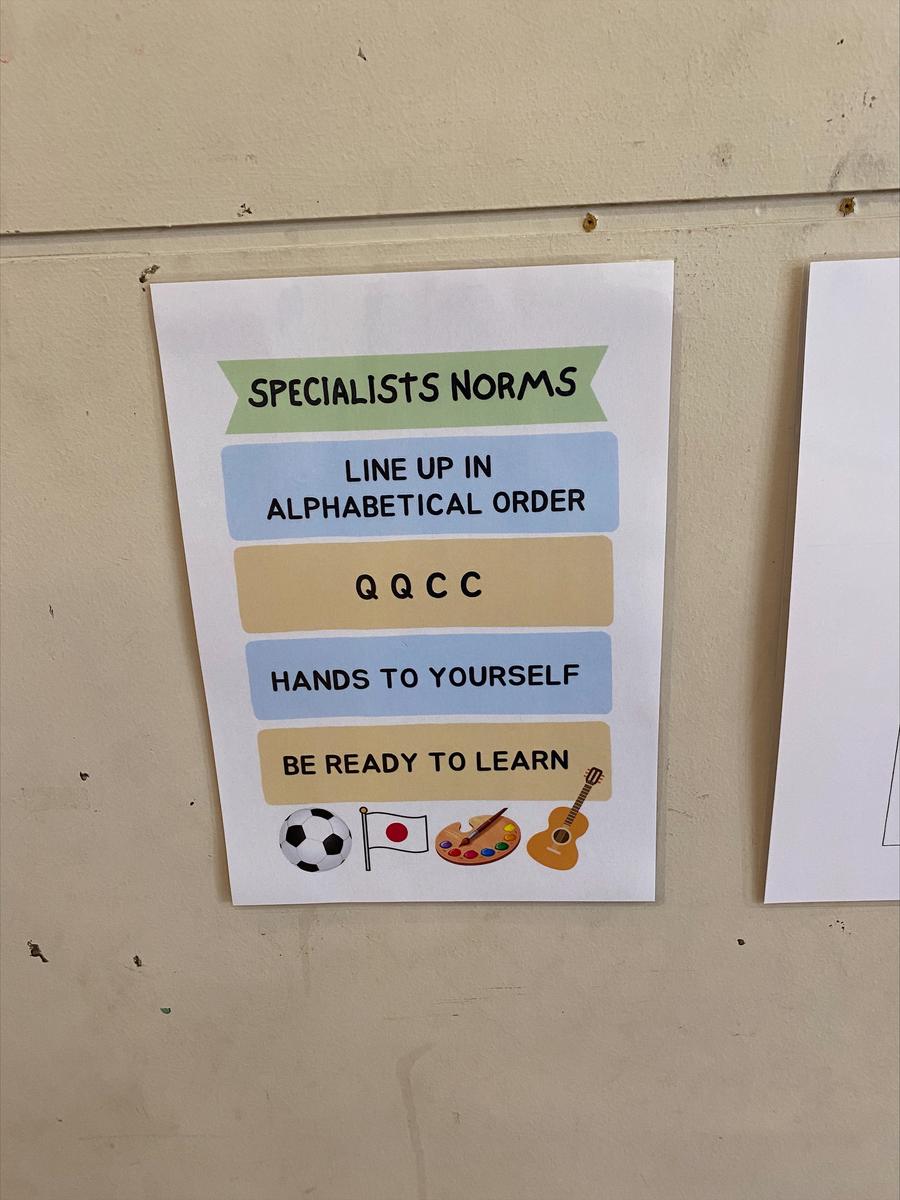
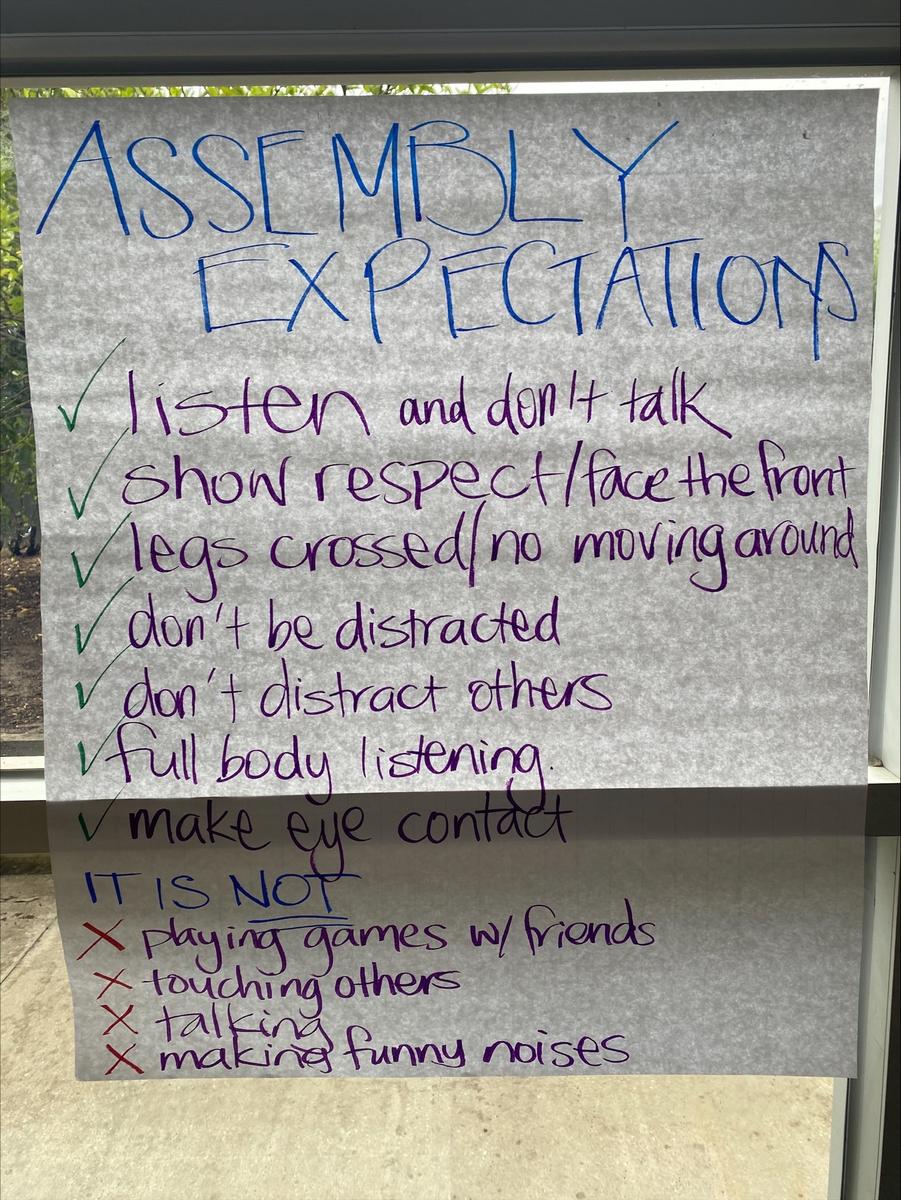
Thanks for helping our students be in the classroom by 9am, ready to learn. Our soft starts from 8:45am, with students going straight into the classroom, helps us to settle and regulate each child so we are ready to begin our learning program at 9am. Every minute counts!