STEM
In the second half of term, we have continued to develop our understanding of key concepts in relation to our focus of biological science across all year levels.
Foundation
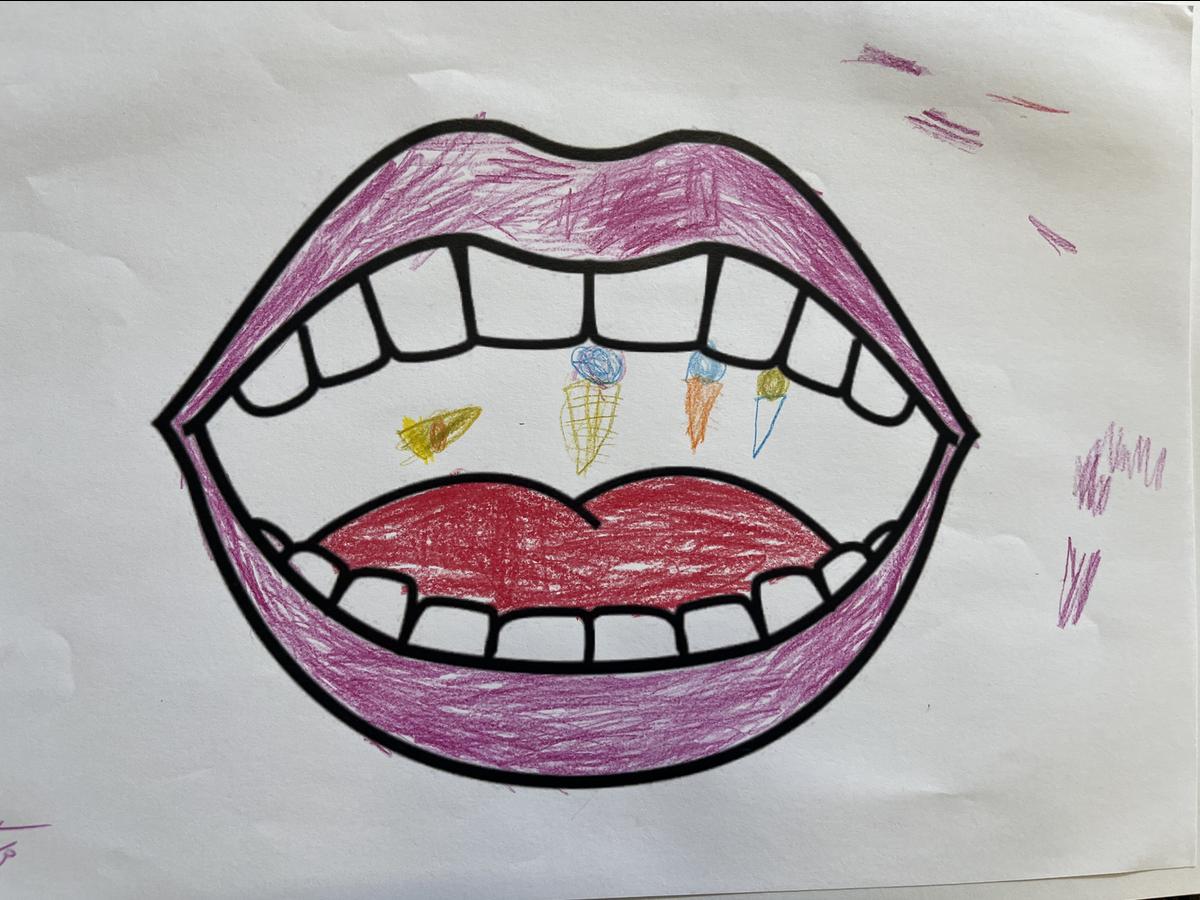
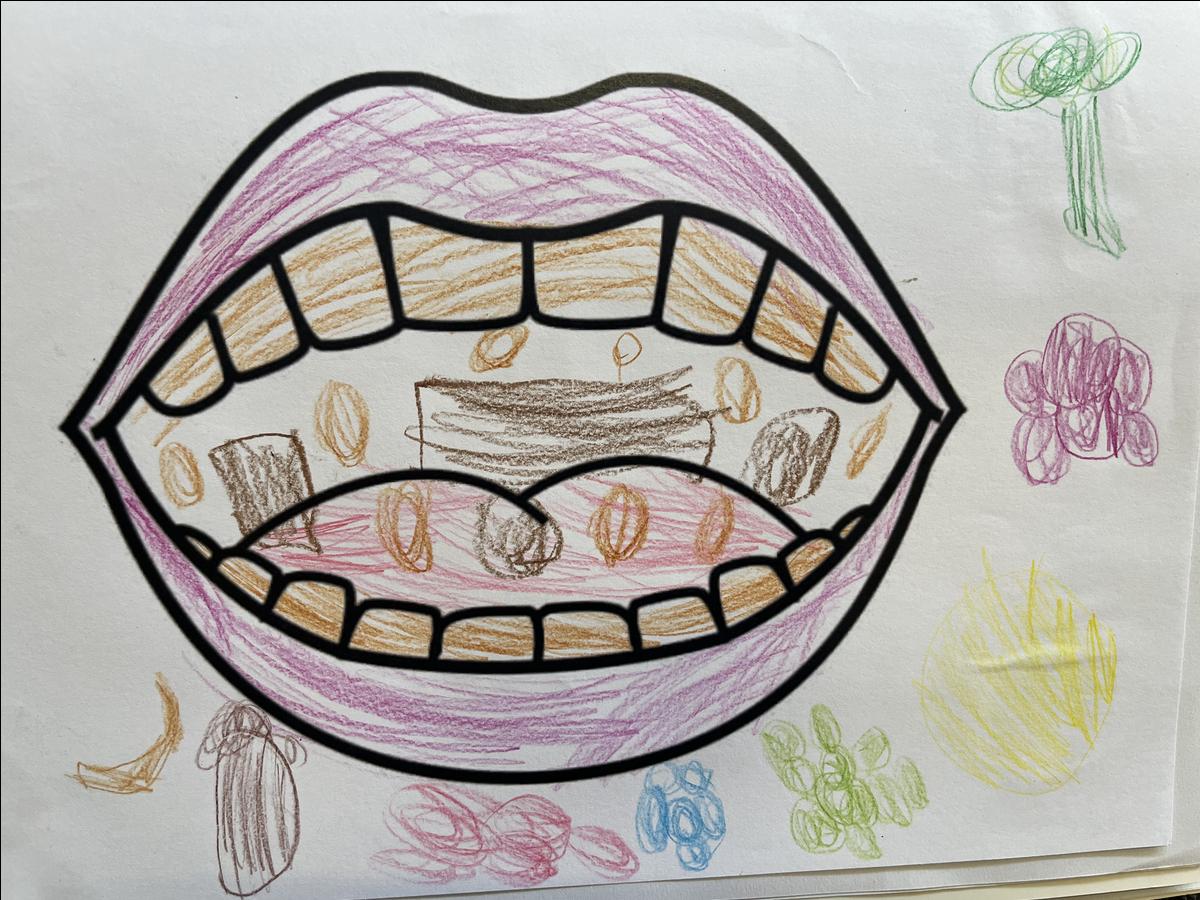
Throughout term 1, students have explored each of the 5 senses through a range of activities to develop their understanding of how we use our senses to learn about the world around us:
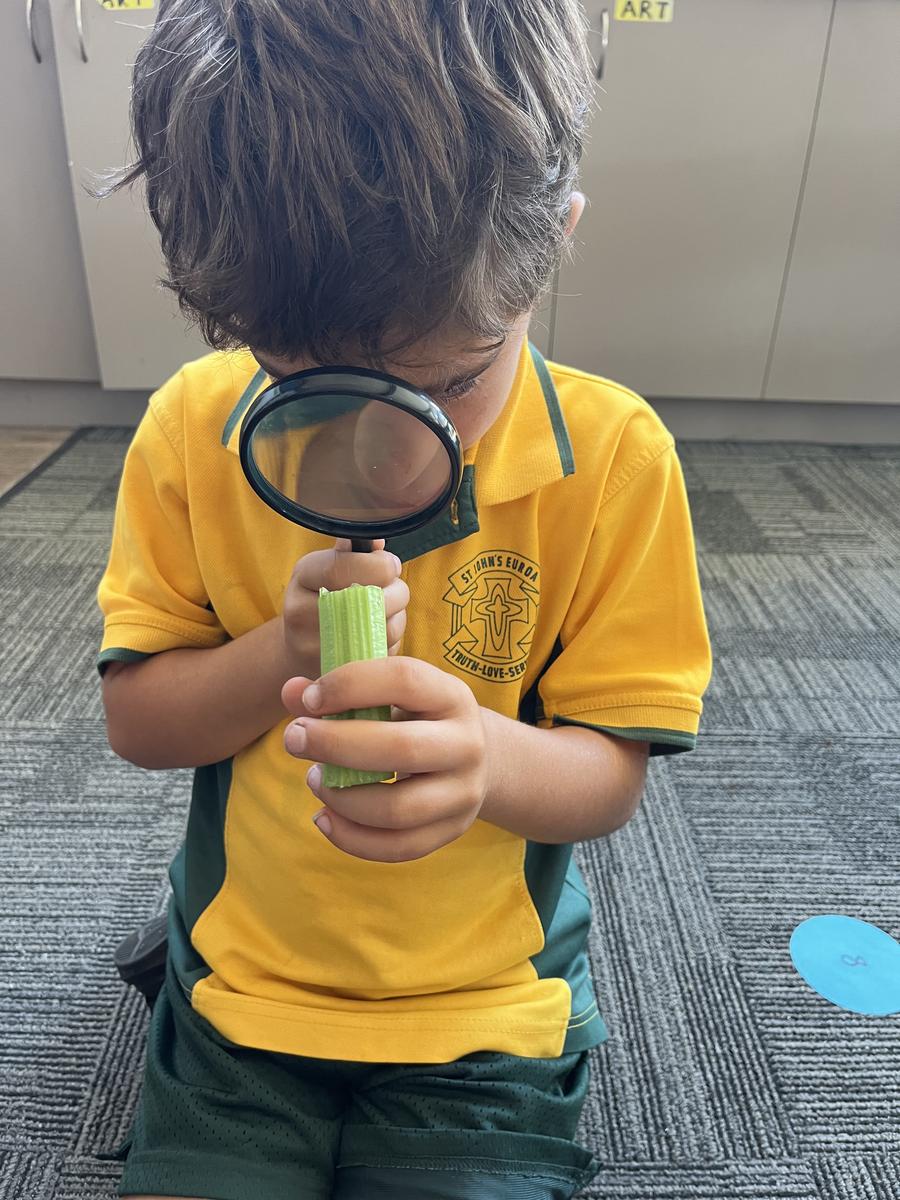
- sight - using magnifying glasses to explore objects in detail
- hearing - identifying 'mystery' sounds
- taste - naming things that taste 'yummy' or 'yucky'
- smell - using our sense of smell to identify mystery items
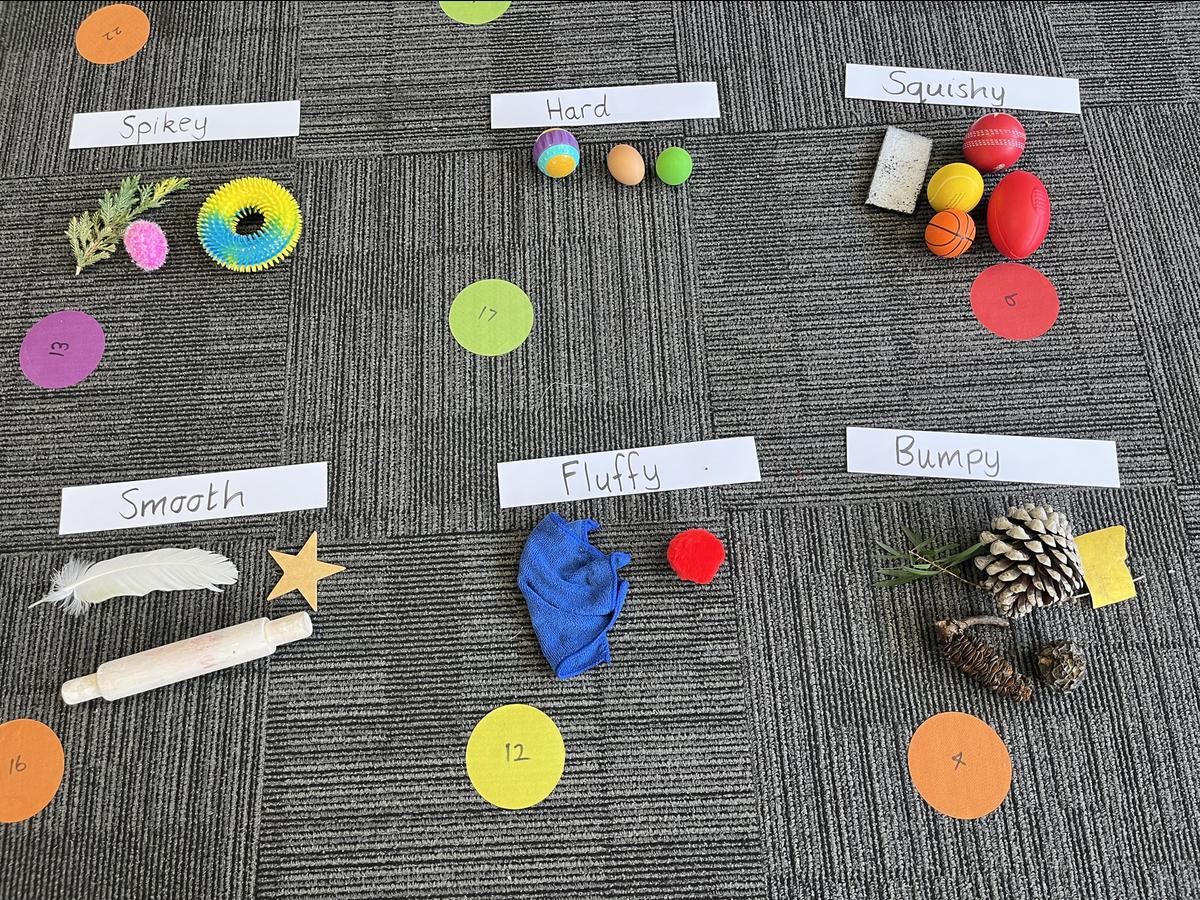
- touch - categorising objects using our sense of touch
To conclude the unit of work students will be creating their own '5 Senses Robot', designing how the robot will use the 5 senses.
Year 1 and Year 2
Survive & Thrive (Needs of Living Things)
Student have participated in a range of activities to learn about the needs of plants and animals. We conducted an experiment to discover what happens when plants don't have water, soil or sunlight.
Over two weeks we removed one essential need from each plant:
- One plant had no water;
- One plant was kept in the cupboard and had no sunlight;
- One plant had the soil removed from the pot, replacing this with cotton wool.
Students predicted that all plants would shows signs of being unhealthy, however, surprisingly, the plants with no sunlight and no soil seemed to be surviving. We have now planted the marigolds in pots outside the STEM room and look forward to seeing them grow.
Using celery and coloured water, we explored how plants use water and how the water travels from the roots to leaves of the plant.
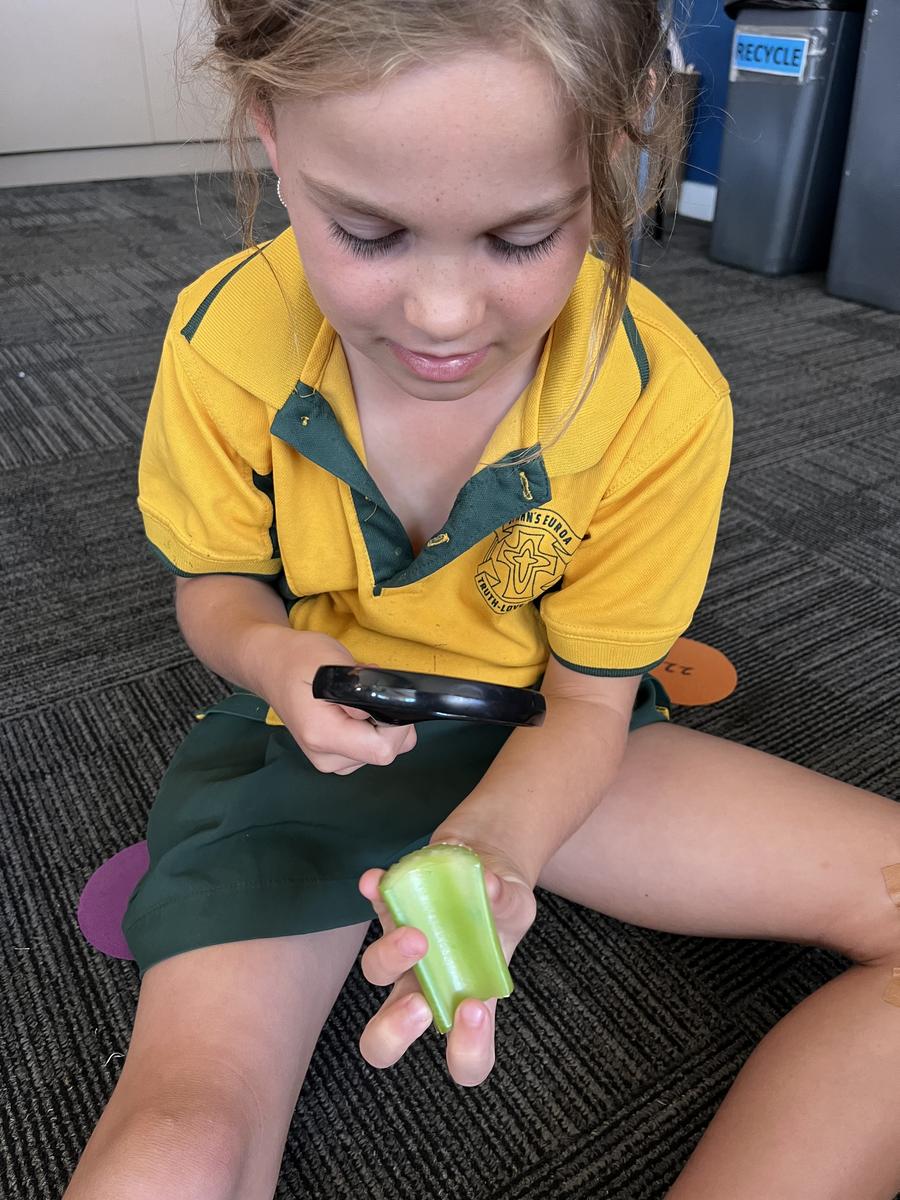
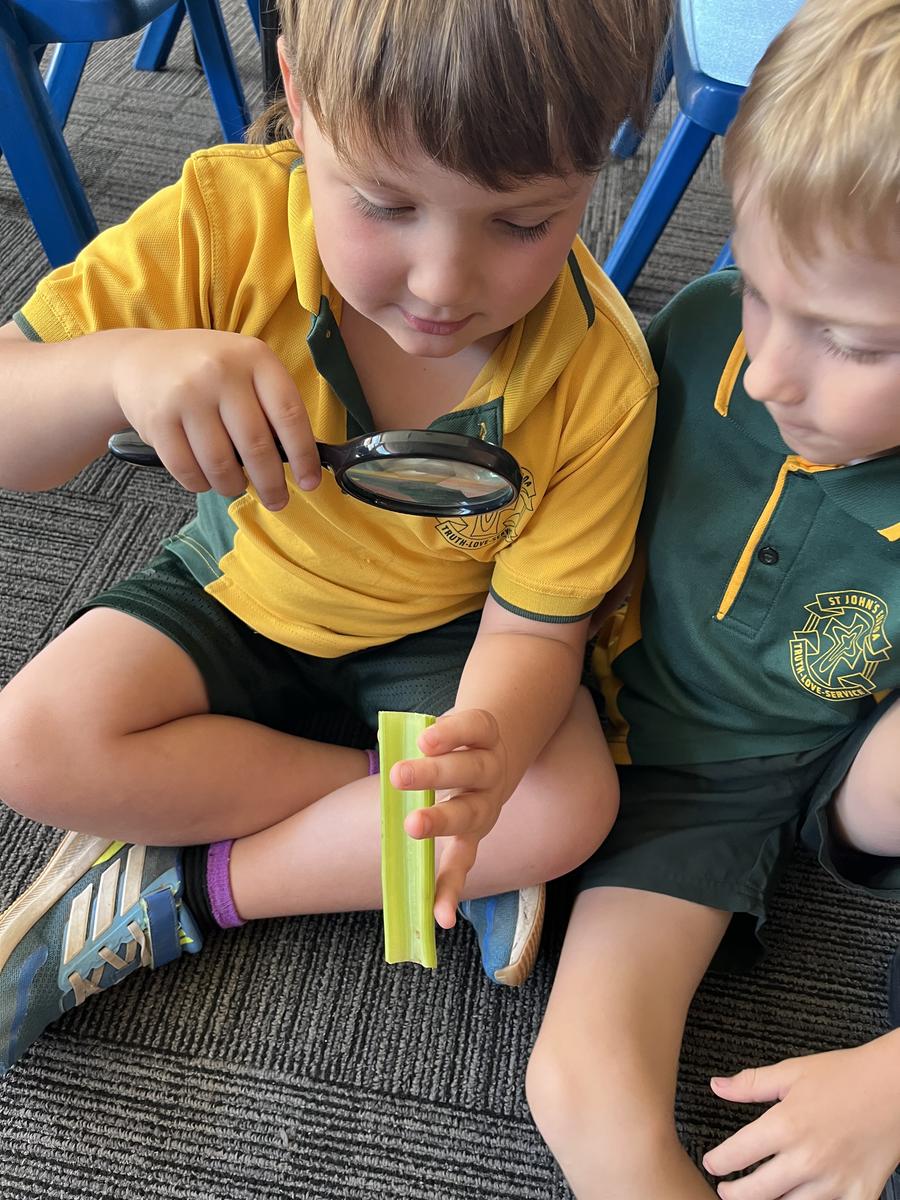
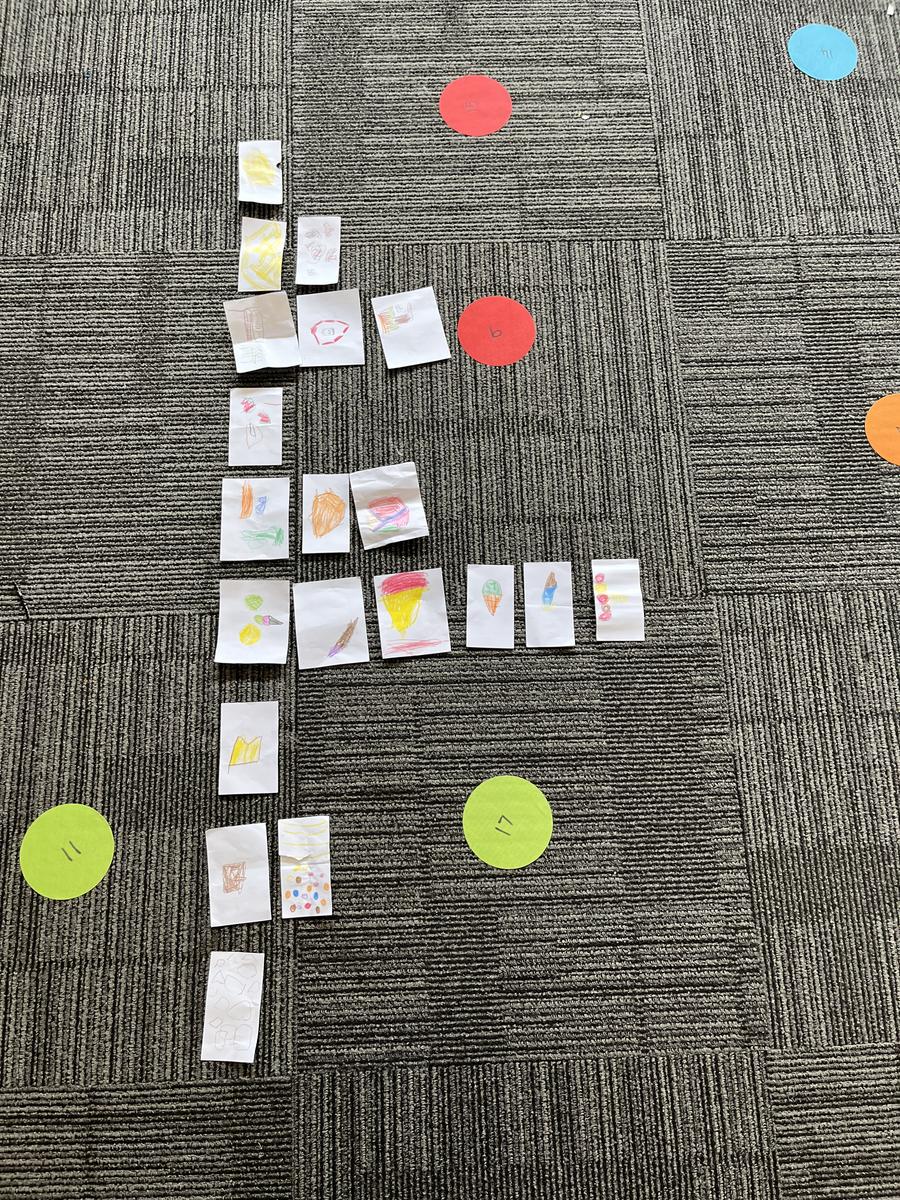
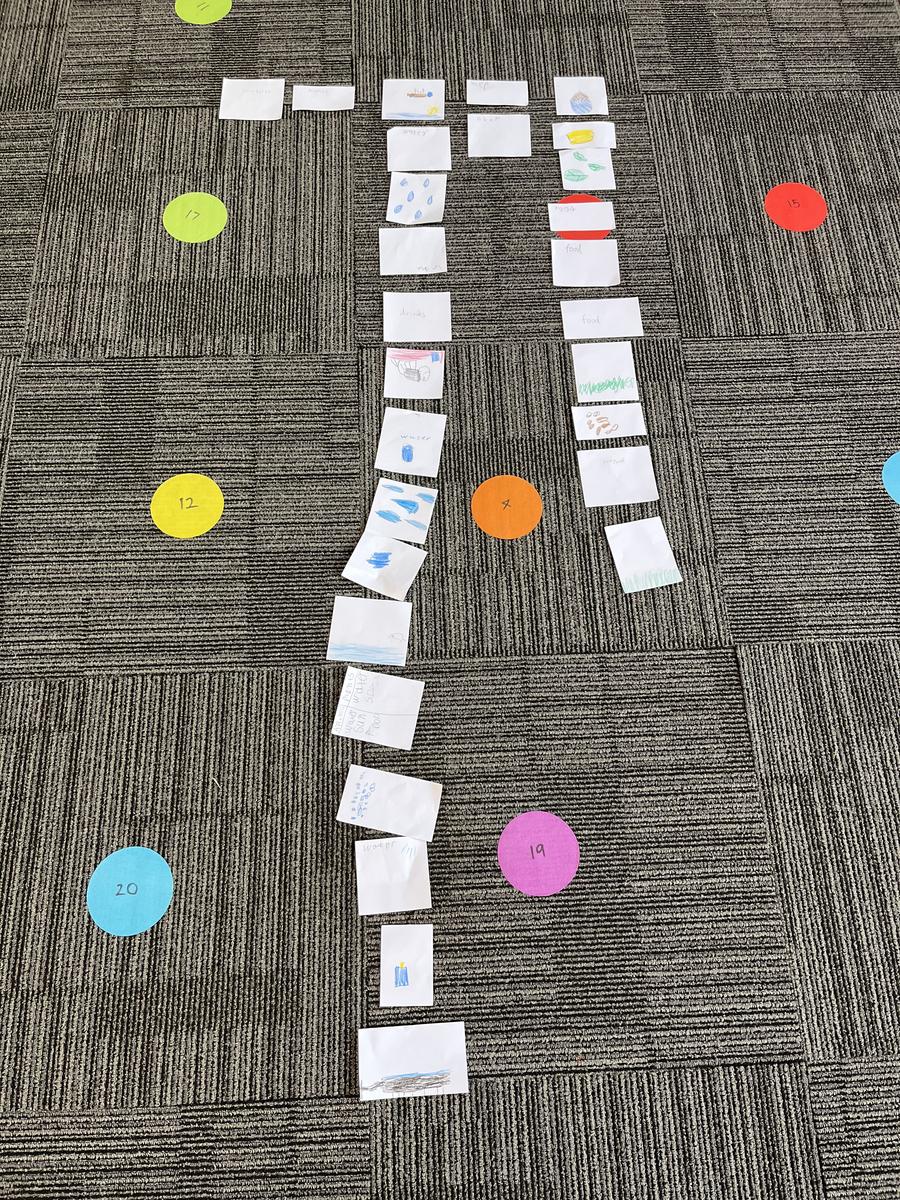
We also explored how the needs of animals compare to our own needs, similarities and differences in diets of carnivores, herbivores and omnivores and incorporated maths into our learning by creating graphs to display information.
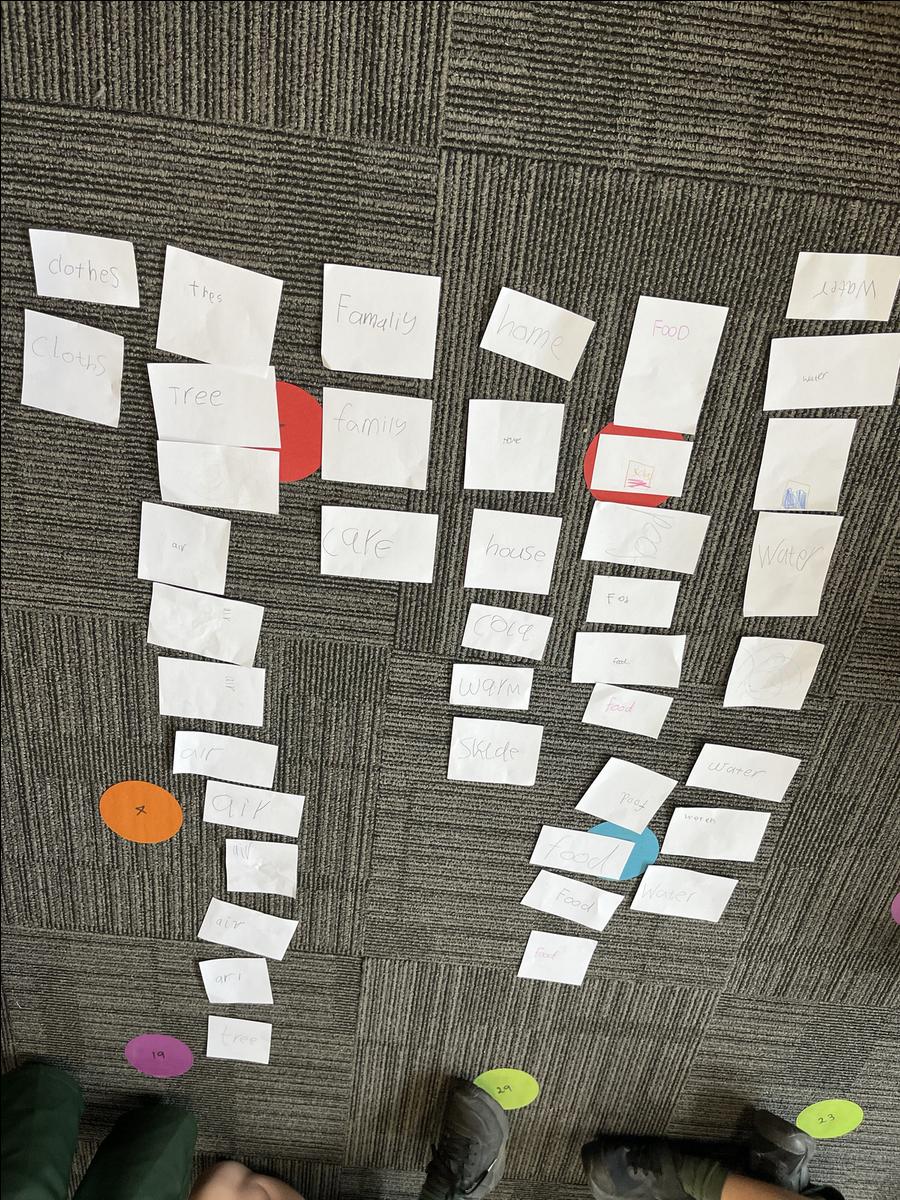
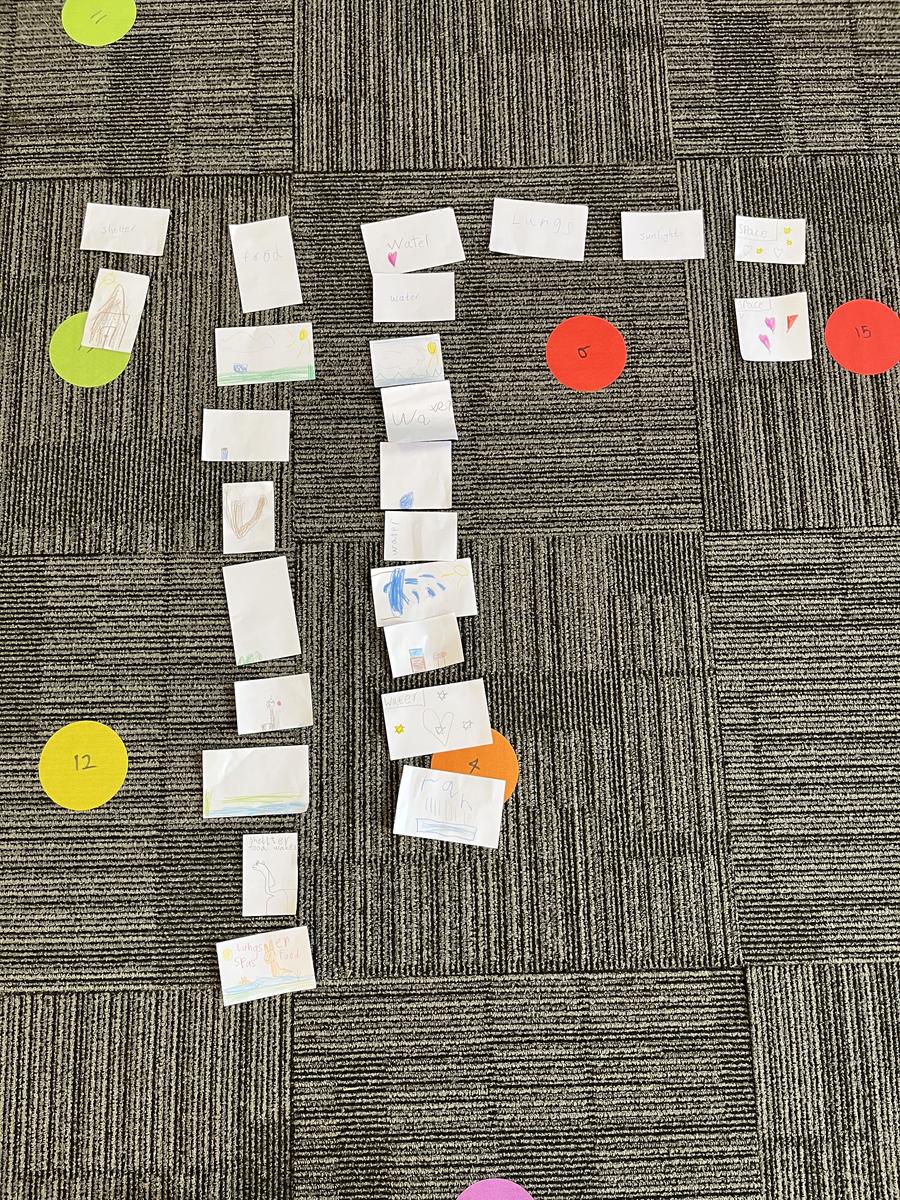
To conclude the unit students will create an animation of plant growth using a simple coding program called Scratch Jr.
Year 3 and Year 4
Living or Not Living?
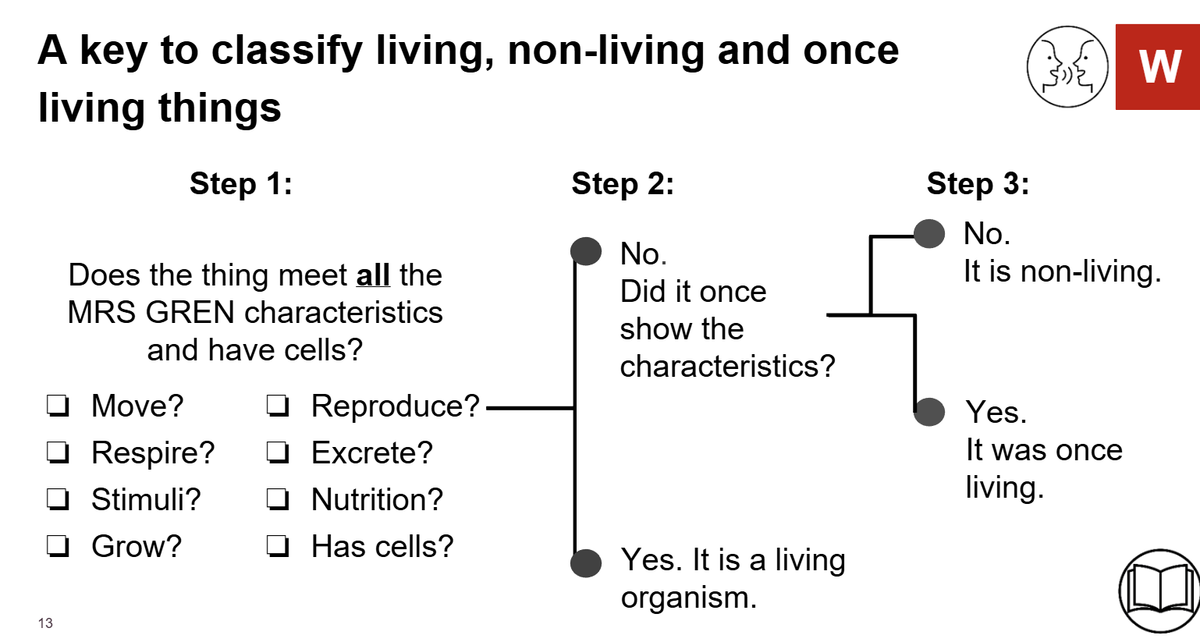
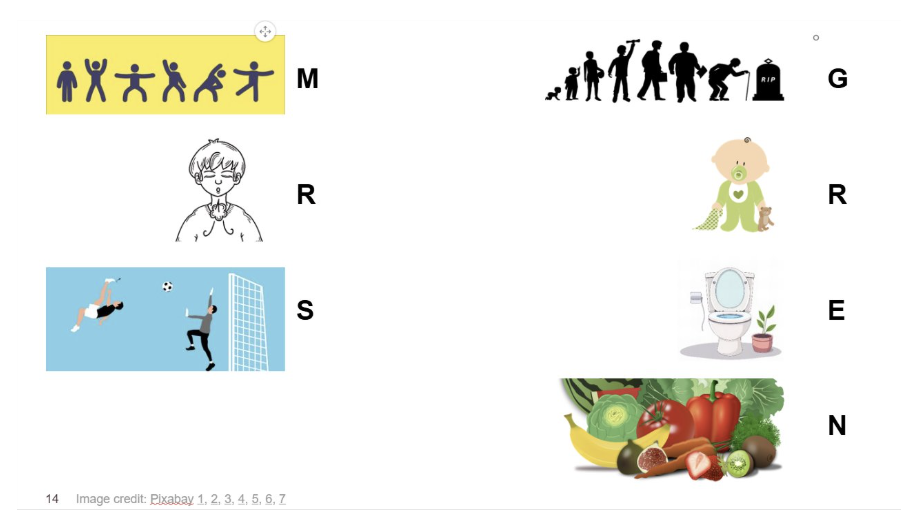
Students have extended their understanding of living, once living and non-living things, using a classification system to help determine which category things fit into. We learnt that all living things display certain characteristics, and used the acronym MRS GREN to help us remember the characteristics of living things. New scientific vocabulary included words such as respiration and excretion.
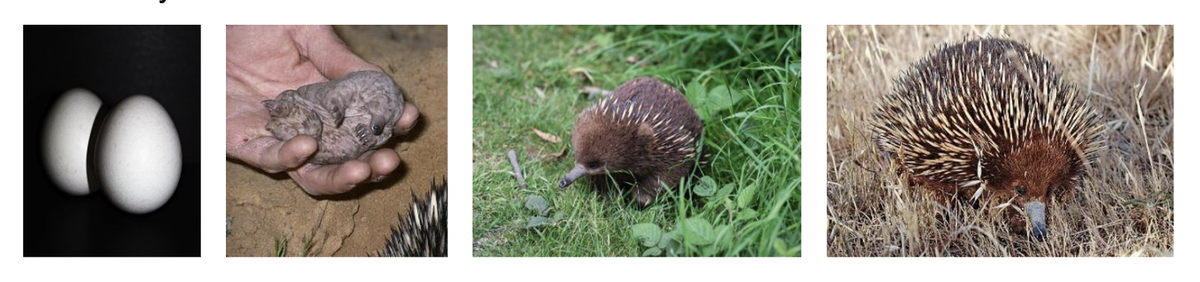
We also learnt that all living things have a life cycle, some animals go through a process of transformation called metamorphosis and were able to describe the stages of growth for different animals including chickens, echidnas, frogs and butterflies.
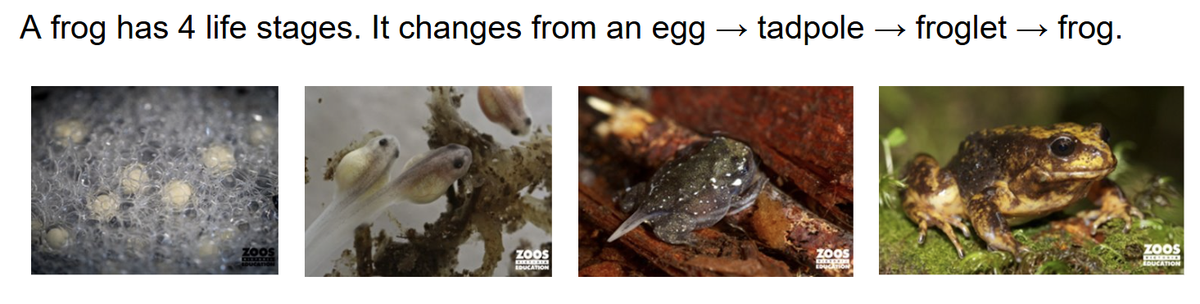
To conclude the unit, students will create a stop-motion animation of the life cycle of a frog or butterfly.
Year 5 and Year 6
Animal Survival
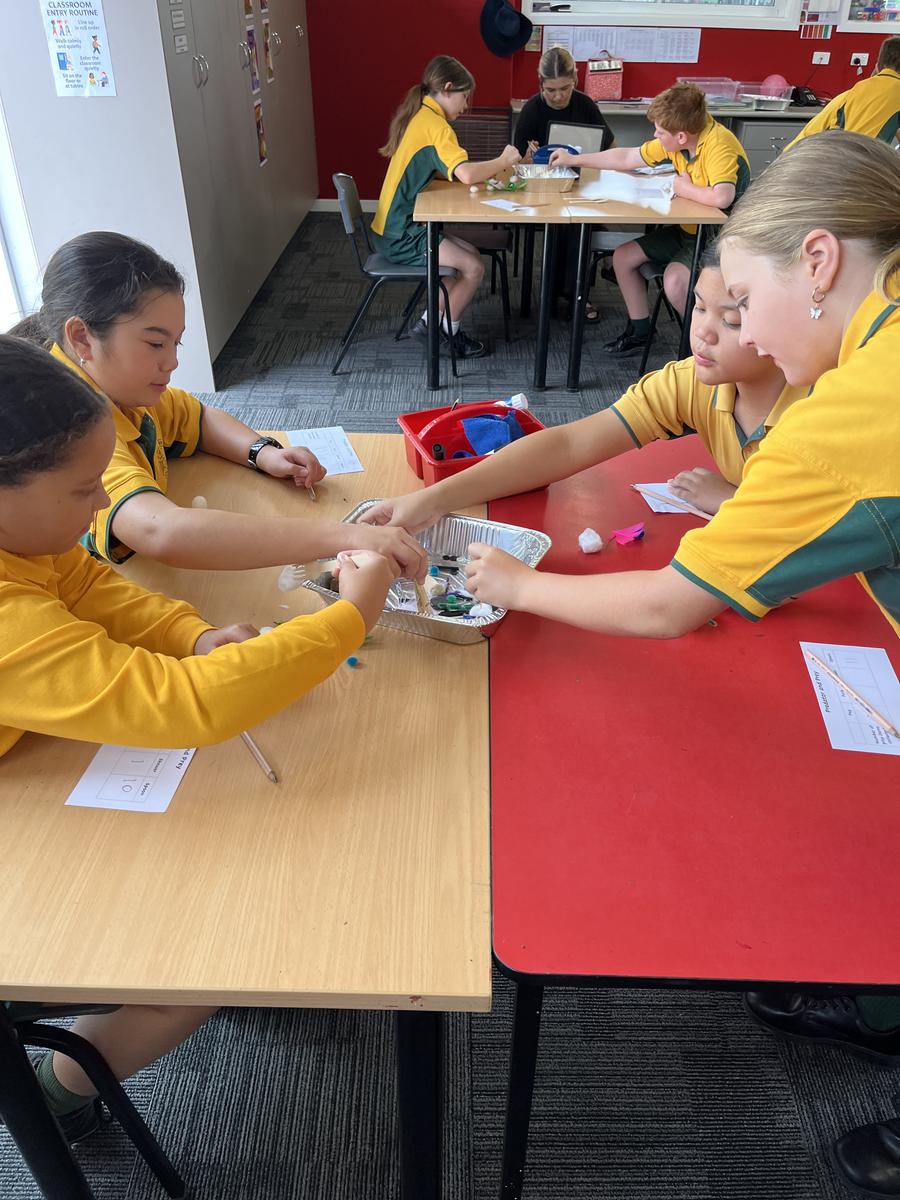
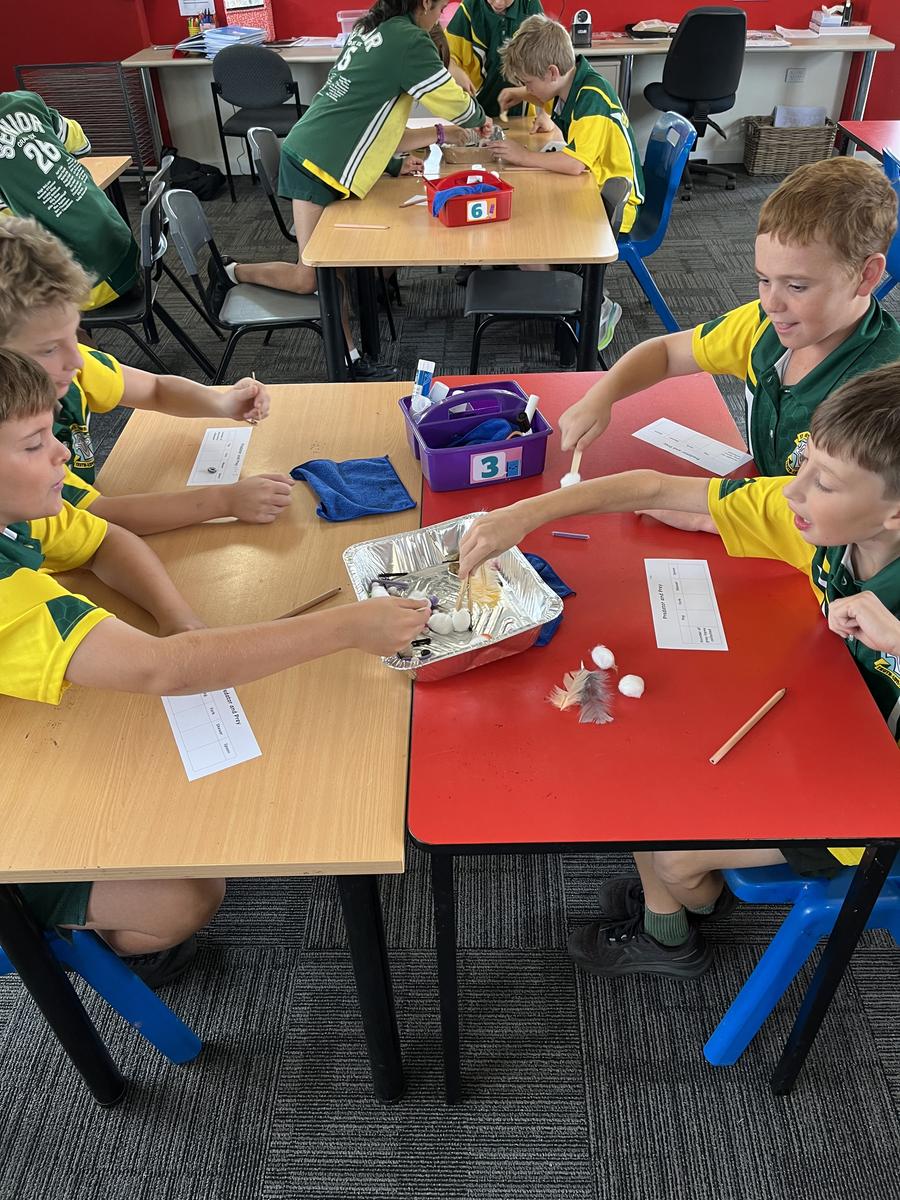
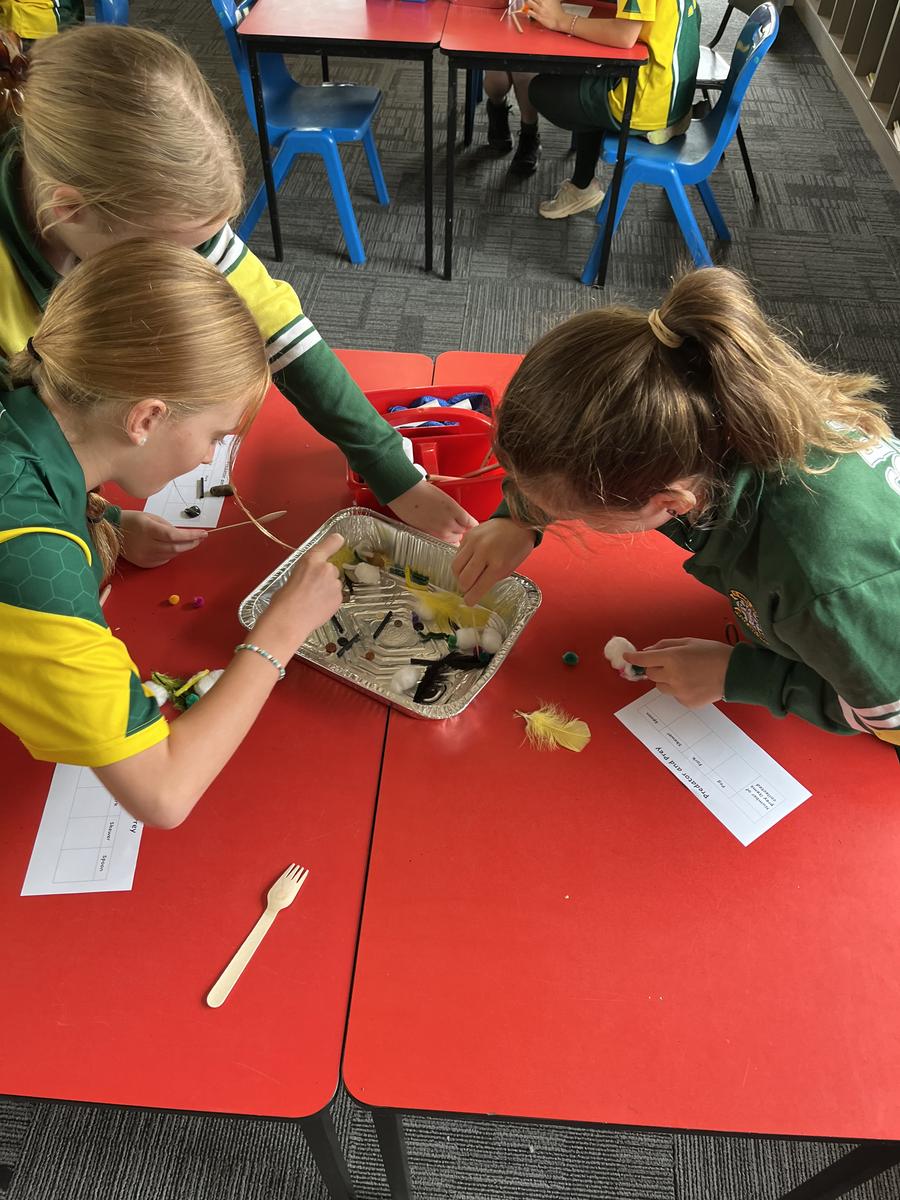
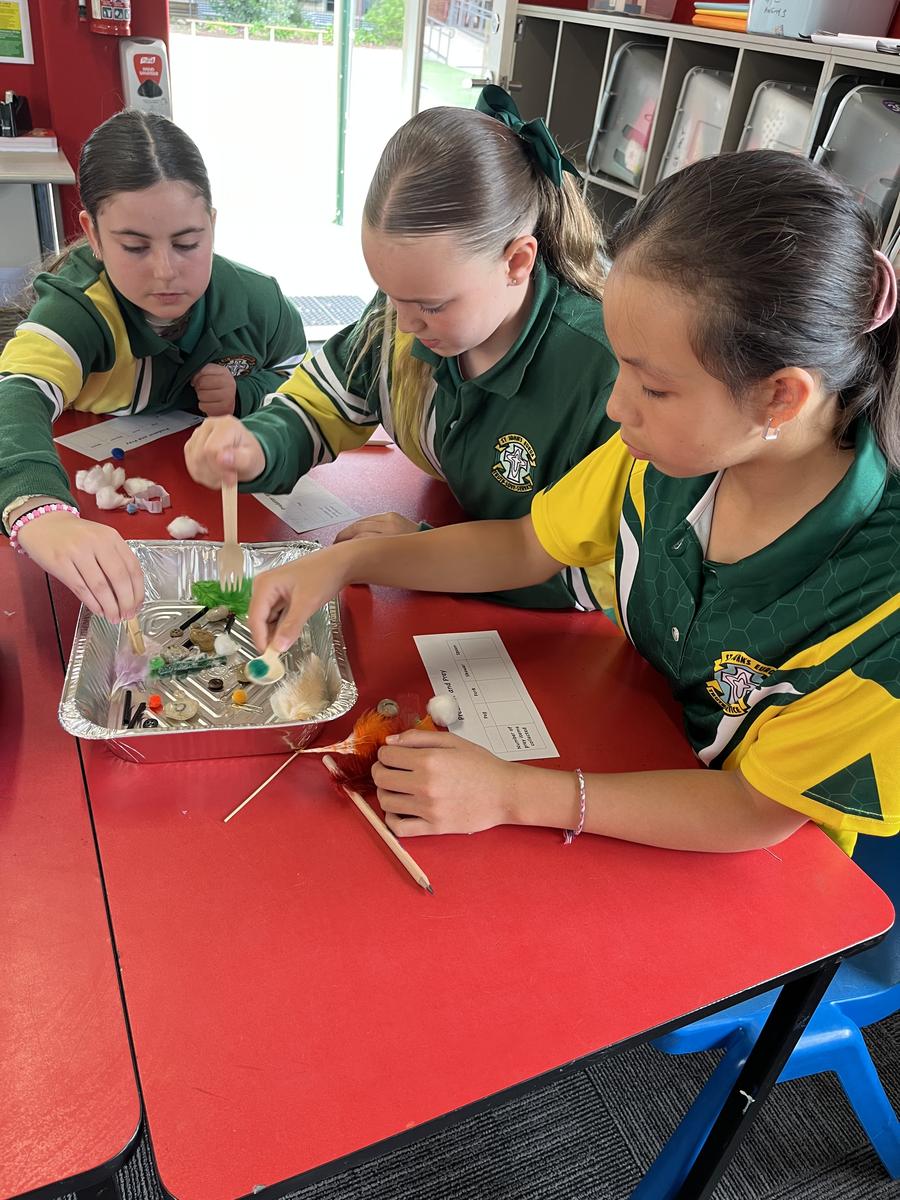
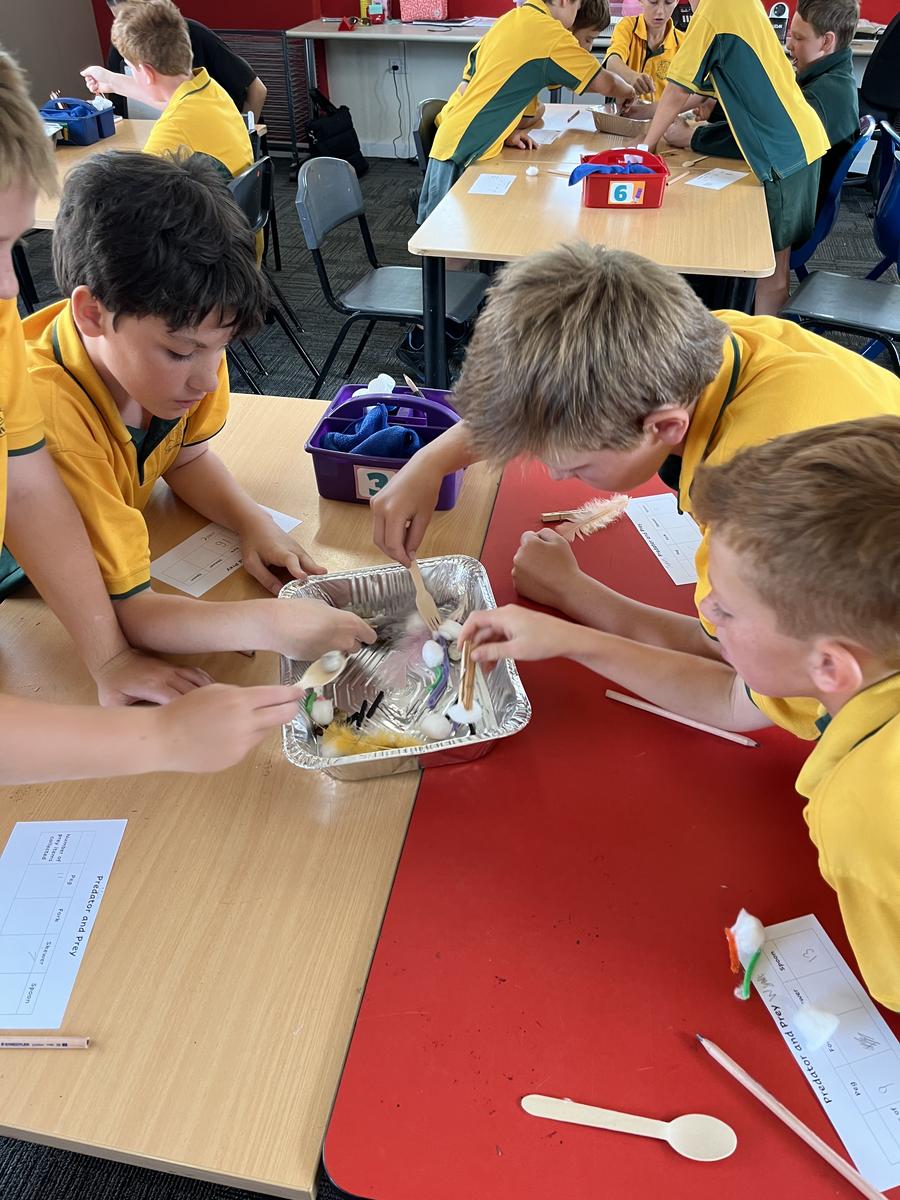
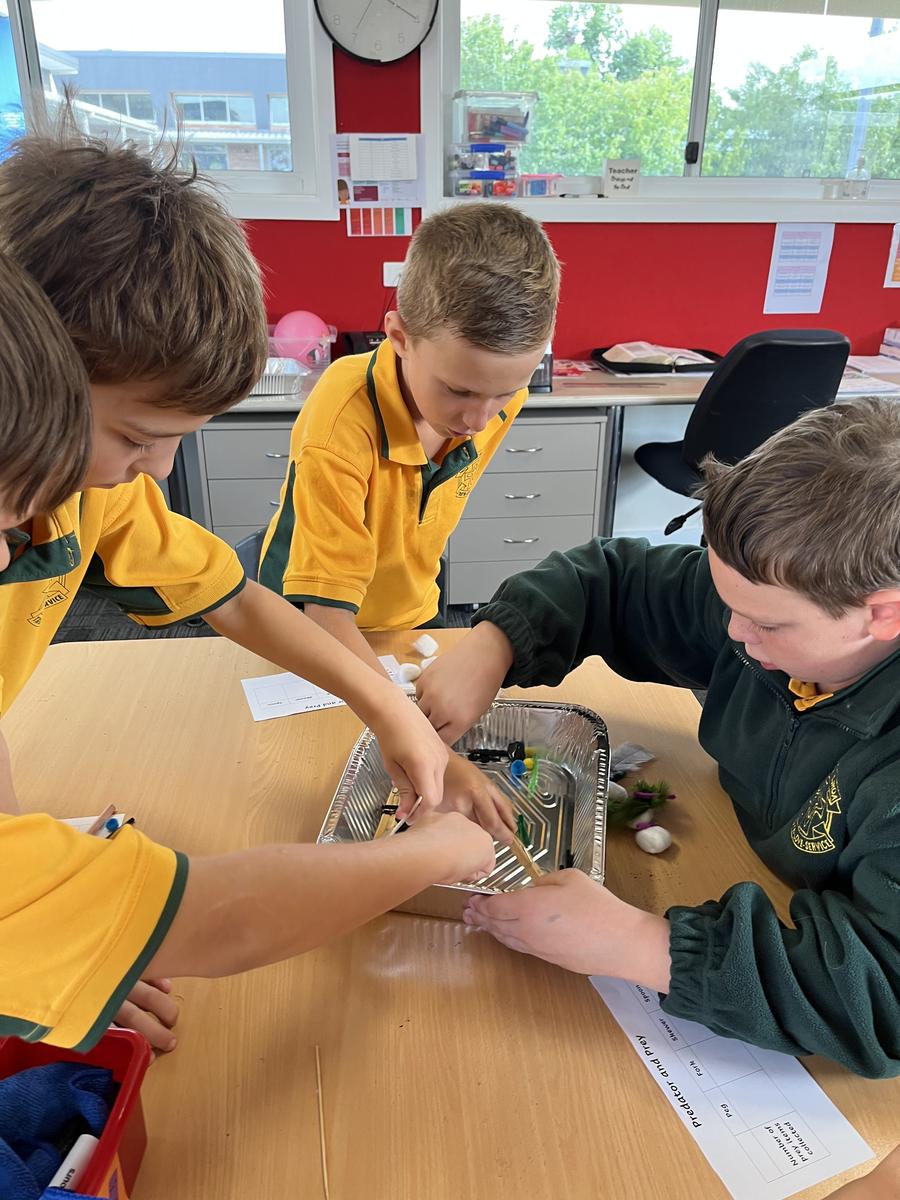
Building on our understanding of animals, habitats and biotic/abiotic factors, we explored structural and behavioural features of animals and adaptations that help animals survive in their habitat. To explore animal adaptations, we conducted an experiment simulating adaptations of predator and prey animals. Using 'predator' objects such as a peg, skewer, fork and spoon, students collected as many 'prey' items as possible in one minute. Prey items included things such as buttons, stones, pom poms, paper clips and cotton balls. We noticed that some 'predator' items were more successful at collecting prey items while some 'prey' items were more challenging to collect. We were able to connect this learning to structural adaptations of predator and prey animals and how these features aid their survival.