Wellbeing
Fiona Dandie & Robert Pain
Wellbeing
Fiona Dandie & Robert Pain
Understanding the Hand Brain Model
A simple way to help children (and grown-ups!) make sense of big feelings
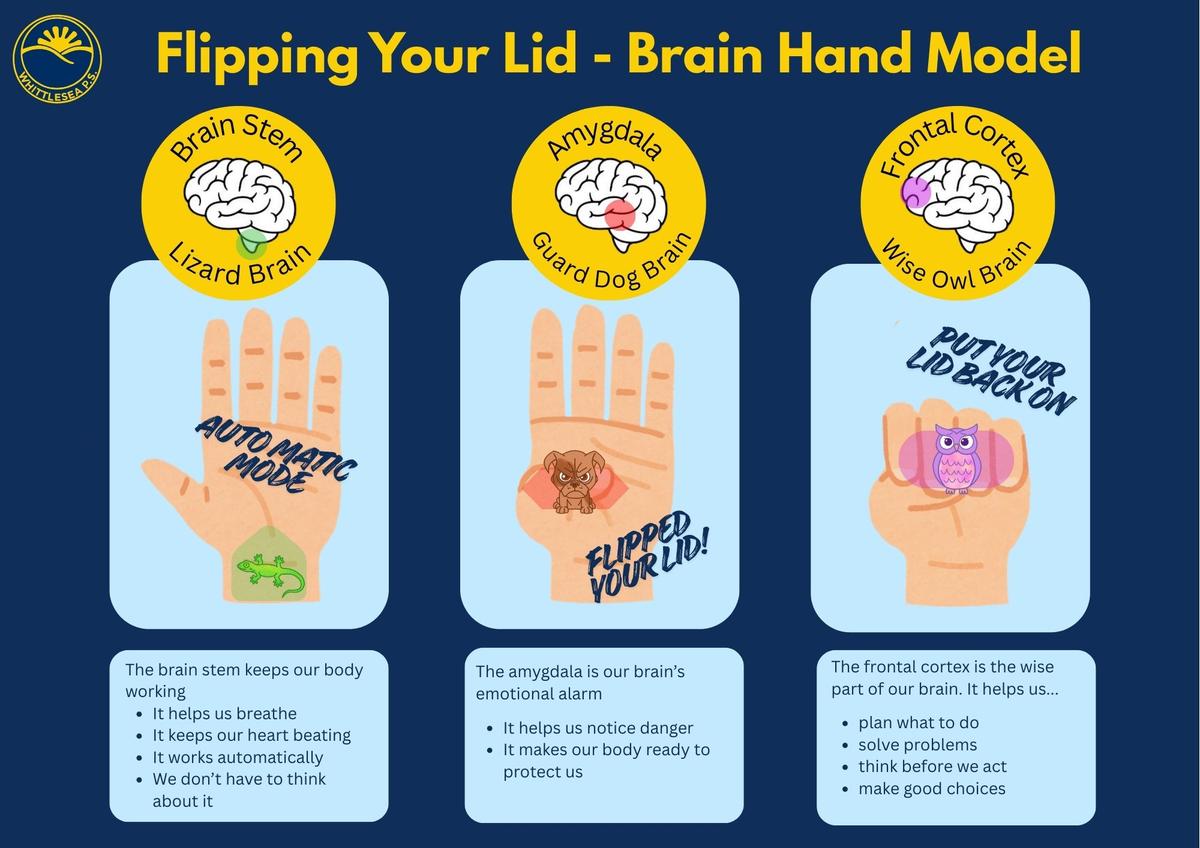
We've introduced the Hand Brain Model to students to explain how their brain works when it's upset, because when children understand what’s happening in their brain, they feel more confident, capable and in control. It’s a simple, visual way to explain how different parts of the brain respond when we feel calm… and when we feel overwhelmed
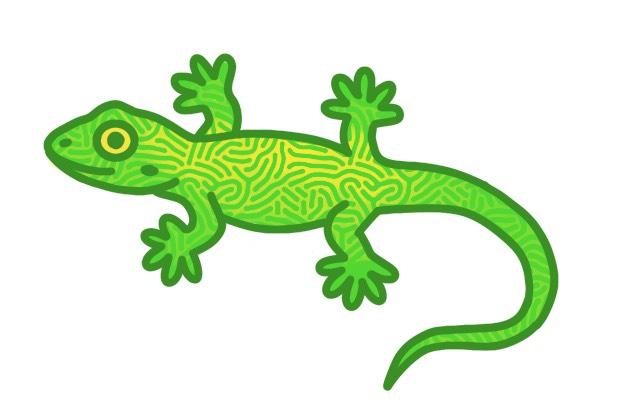
The Lizard Brain (Brain Stem)
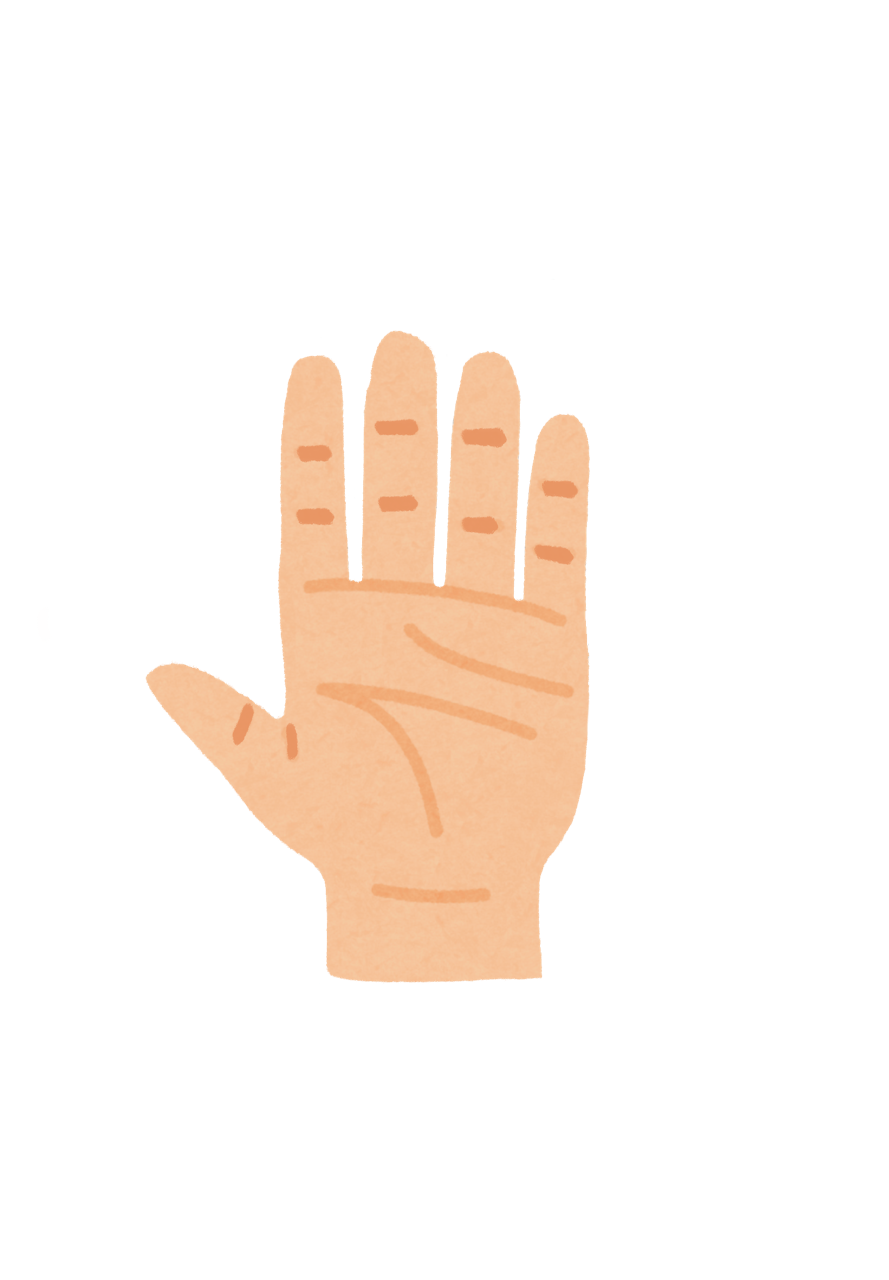
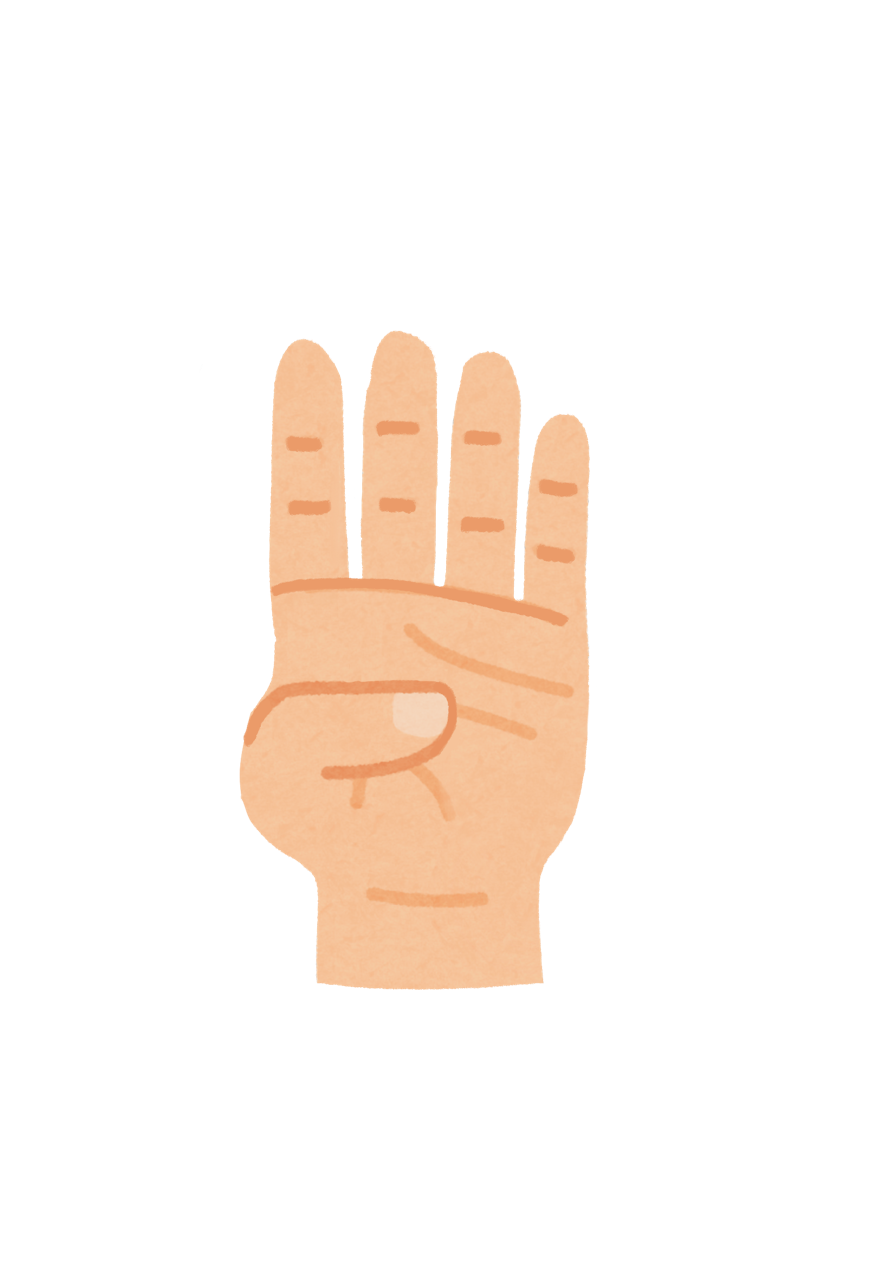
If you tuck your thumb into your palm, that thumb represents the Lizard Brain.
This is the brain stem — the part of the brain that keeps us alive. It controls breathing, heart rate and basic survival functions. It works automatically. We don’t have to think about it. The Lizard Brain’s job is simple: “Automatic Mode”
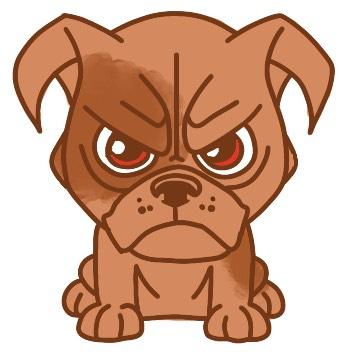
The Guard Dog Brain (Amygdala)
Now fold your fingers over your thumb. Those fingers represent the Guard Dog Brain — the amygdala.
The Guard Dog Brain’s job is to keep us safe from danger. It is always scanning for threats. Sometimes it gets it right. Sometimes it mistakes a small problem for a big one.
When the Guard Dog Brain thinks we’re in danger, it can trigger a survival response:
These responses are automatic. Children do not choose them — their brain does.
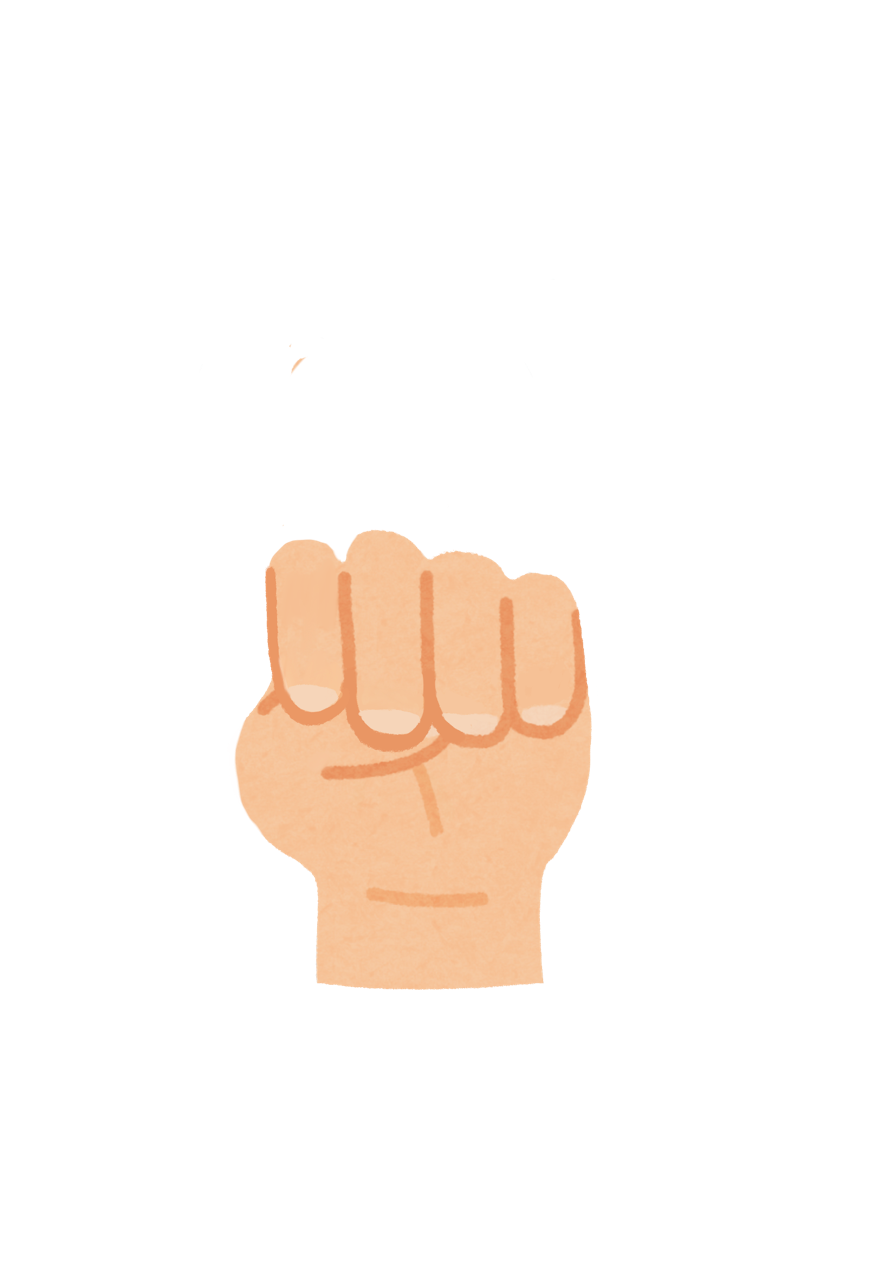
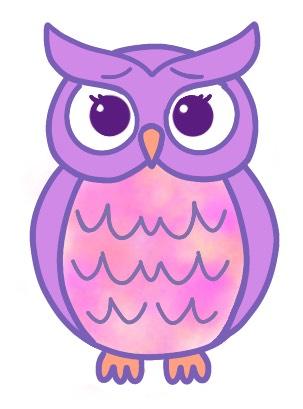
The Wise Owl Brain (Frontal Cortex)
When your hand is folded into a fist, the knuckles at the front represent the Wise Owl Brain: the frontal cortex. This is the part of the brain that helps us:
The Wise Owl Brain works best when we feel safe and calm.
When We “Flip Our Lid”
When emotions get big, the Guard Dog Brain can take over. In the hand model, this looks like lifting your fingers up; the Wise Owl Brain is no longer in charge.
We call this “flipping our lid.”
When this happens:
This is true for children and adults.
Understanding the Hand Brain Model helps students:
Instead of saying, “What’s wrong with me? ”. They can say, “My Guard Dog Brain is loud right now.”
That shift reduces shame and builds self-awareness.
How Families Can Use This at Home
This language can be powerful for parents, too.
You might say:
When adults model this thinking, children learn that big feelings are manageable, not something to fear. It also reminds us that during fight, flight, freeze or fawn, our child is not being “naughty”; they are feeling unsafe in that moment. The first step is always helping the body feel calm before expecting problem-solving.
Growing Wise Owls Together
At school, we practise strategies that help settle the Guard Dog Brain:
When children understand their brains, they begin to feel more in control of them.
And when parents and teachers use the same language, we create consistency and safety — which is exactly what every Lizard Brain, Guard Dog Brain and Wise Owl Brain needs.
Feel free to use the attachment below to download the poster.
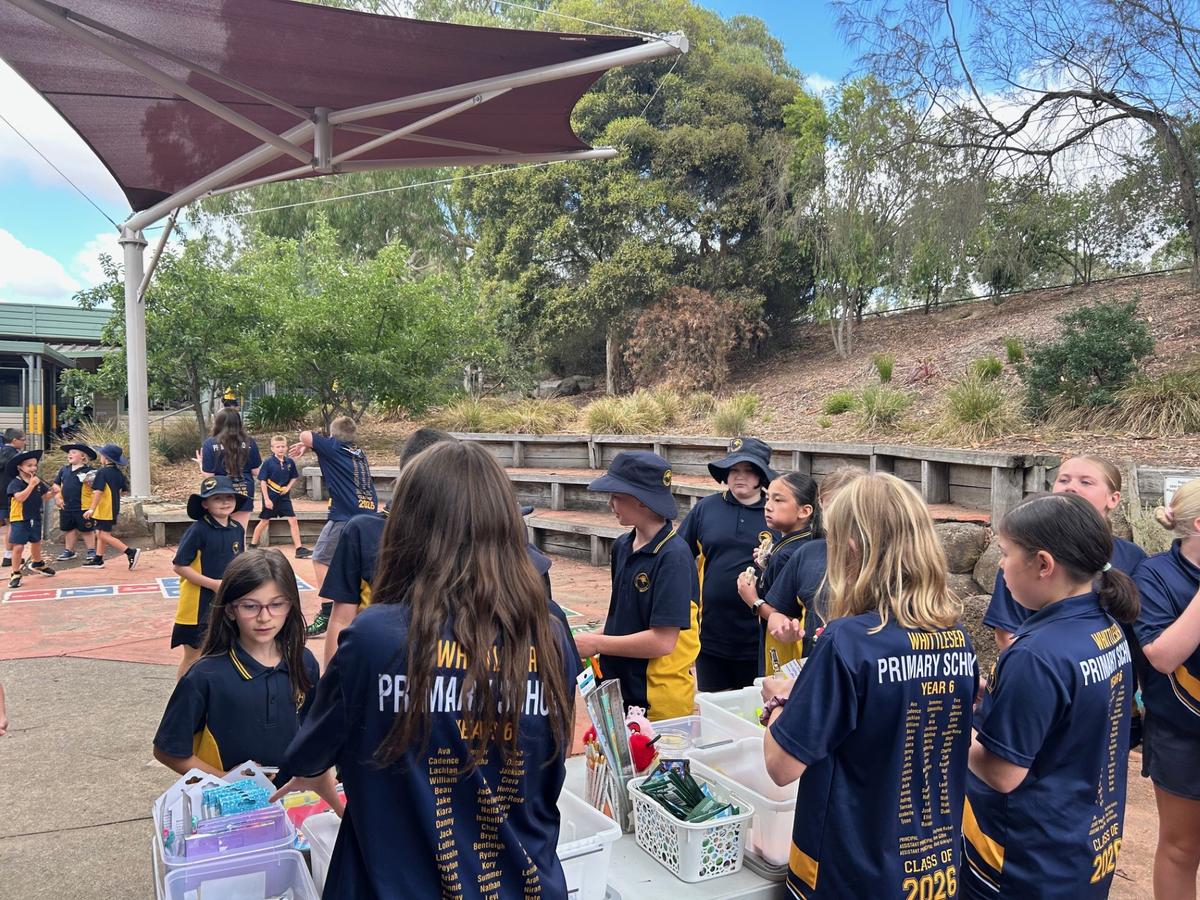
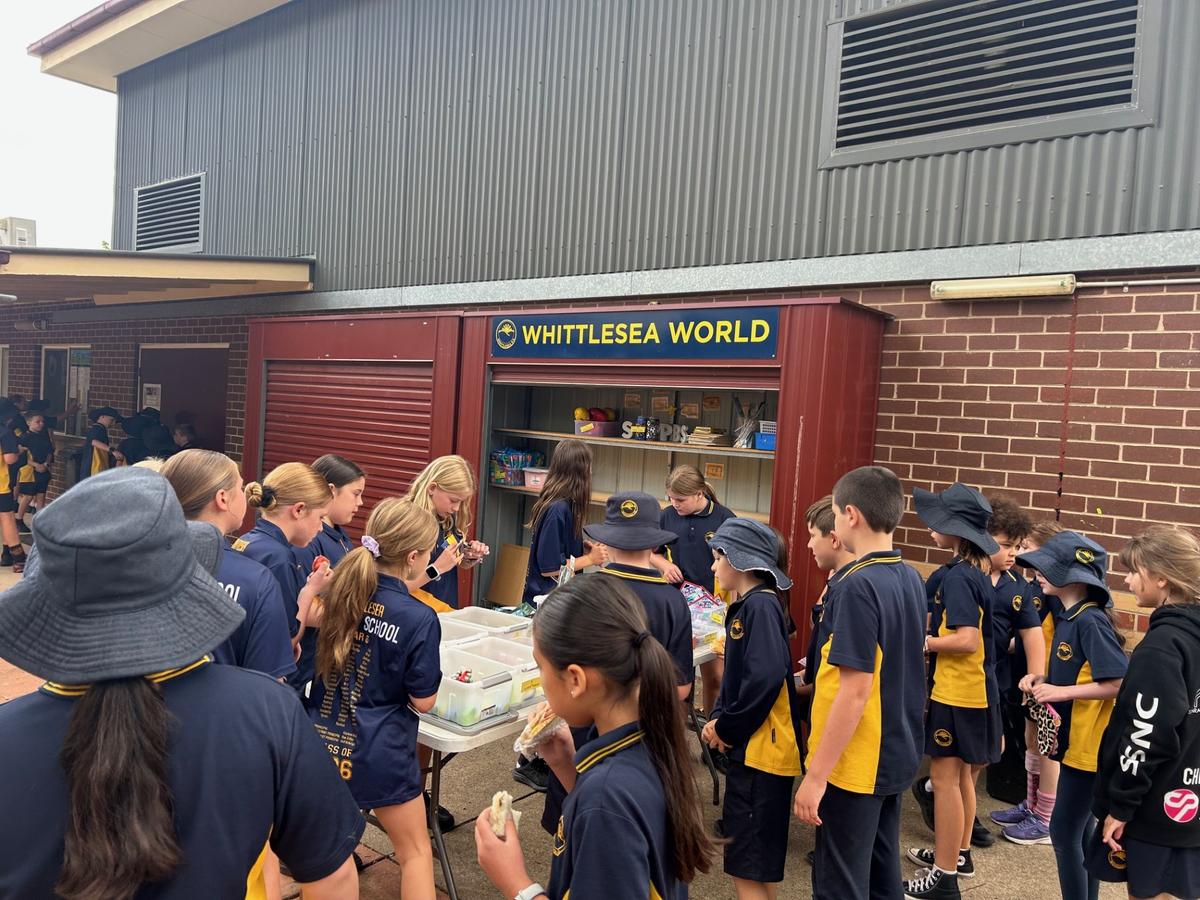
This week, we held our first Whittlesea World for 2026. It was fantastic to see many students trade in their Golden Tickets for a variety of items such as footy cards, texta packs, fidgets, notebooks, trinkets, and even a 'Principal for the Morning' award. Well done to all students who have received a Golden Ticket this term for demonstrating our school expectations of 'Do Your Best', 'Respect Your School', and 'Help Others Succeed'. A big thank you also to our school leaders for helping run Whittlesea World for the first time. Whittlesea World will again be open for Golden Ticket trading in week 8 this term.
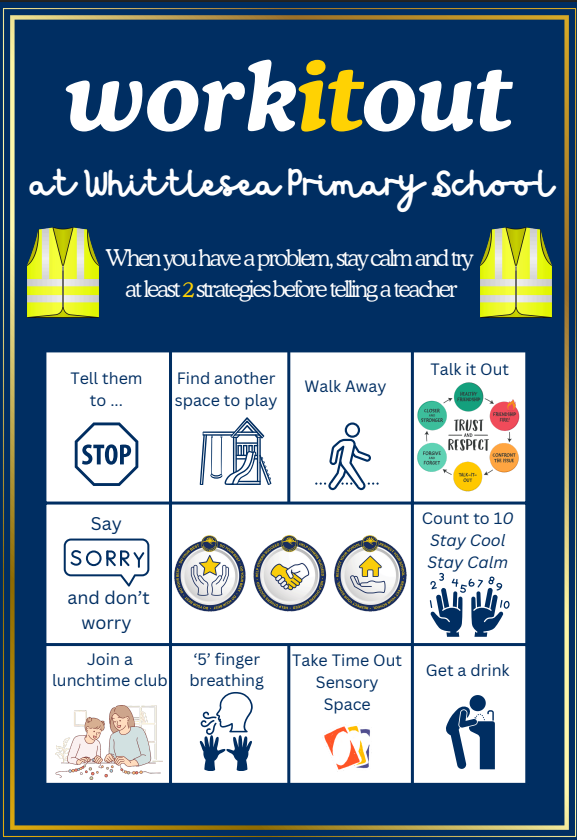
When students encounter a problem in the yard during break times, they are encouraged to stay calm and try at least two strategies from the ‘Work It Out’ menu before seeking support from a teacher. This 'Tier 1' whole-school support enables students to develop the skills to work through conflict/ resolution with their peers safely and productively. This year, we have revamped the 'Work it Out' menu to include some of our friendship strategies from Friendology.