
STRONG MINDS,
GENTLE HEARTS
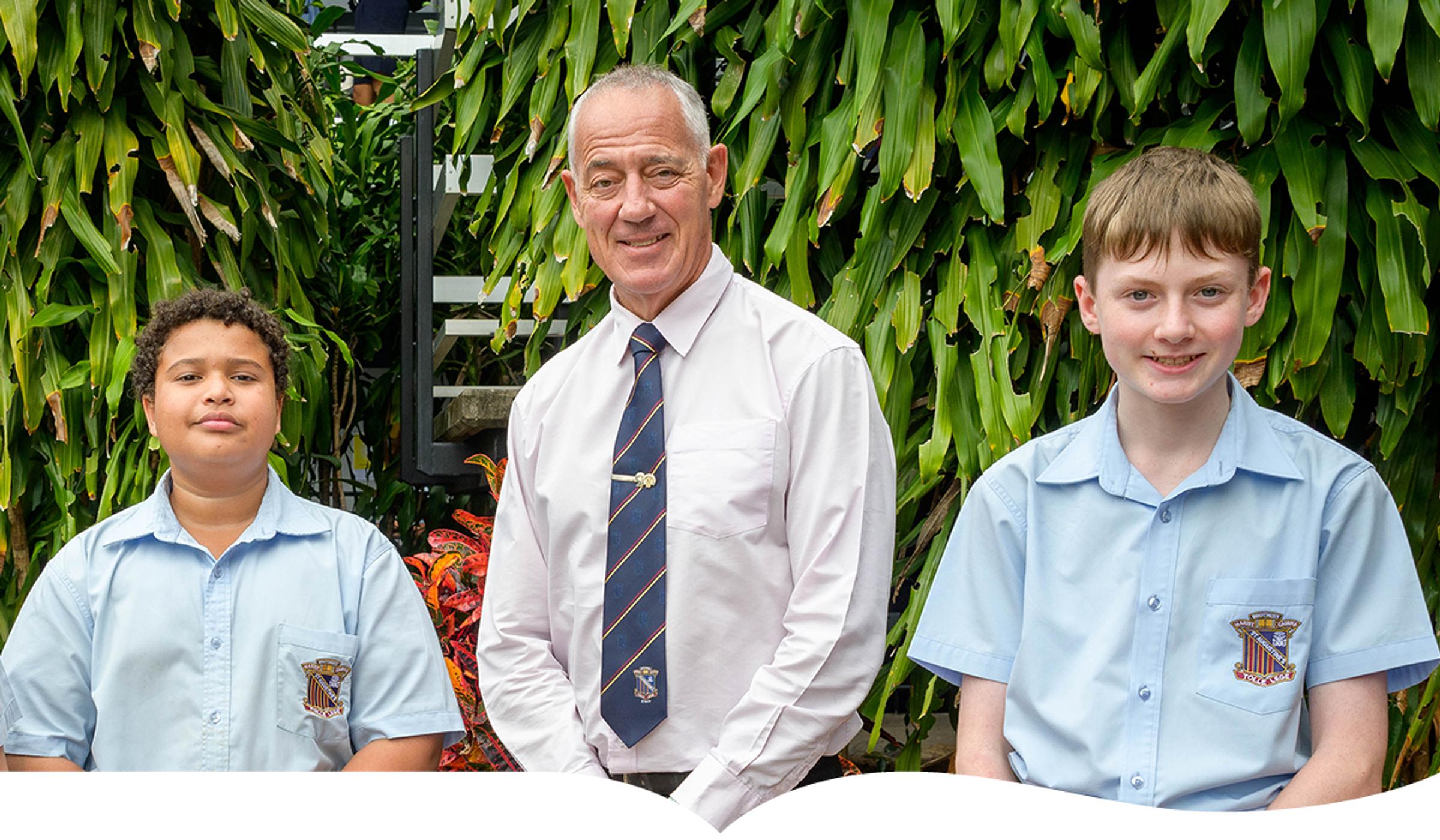
News from Frazer Rigby
Deputy Principal
STRONG MINDS,
GENTLE HEARTS
News from Frazer Rigby
Deputy Principal
Term 2 has commenced with focus and purpose. It has been pleasing to see students return from the break and settle quickly into their learning routines. Our staff recently met with parents and carers to discuss their sons' academic progress, as well as their overall experience of life at Saints. These conversations are always valuable, providing important insight into how students are engaging with their learning and the wider college community. I extend an open invitation to all parents to contact their sons' homeroom teachers, heads of year, or me at any time to discuss their progress. This is especially important where there may be circumstances at home that could impact a student's experience at school.
Resilience
At Saints, student wellbeing and mental health are central to our educational approach, particularly through our pastoral care program. A key focus of this program is resilience: the ability to effectively cope with, adapt to, and recover from stress or adversity. Resilience is closely linked to emotional intelligence, wellbeing and long-term success. Confident and resilient young people not only perform better academically, but also form stronger social connections, maintain healthy relationships and lead responsible, balanced lives.
Below are some practical ways parents can support the development of resilience at home:
In partnership, we can support your sons to grow into confident, capable and emotionally intelligent young men.
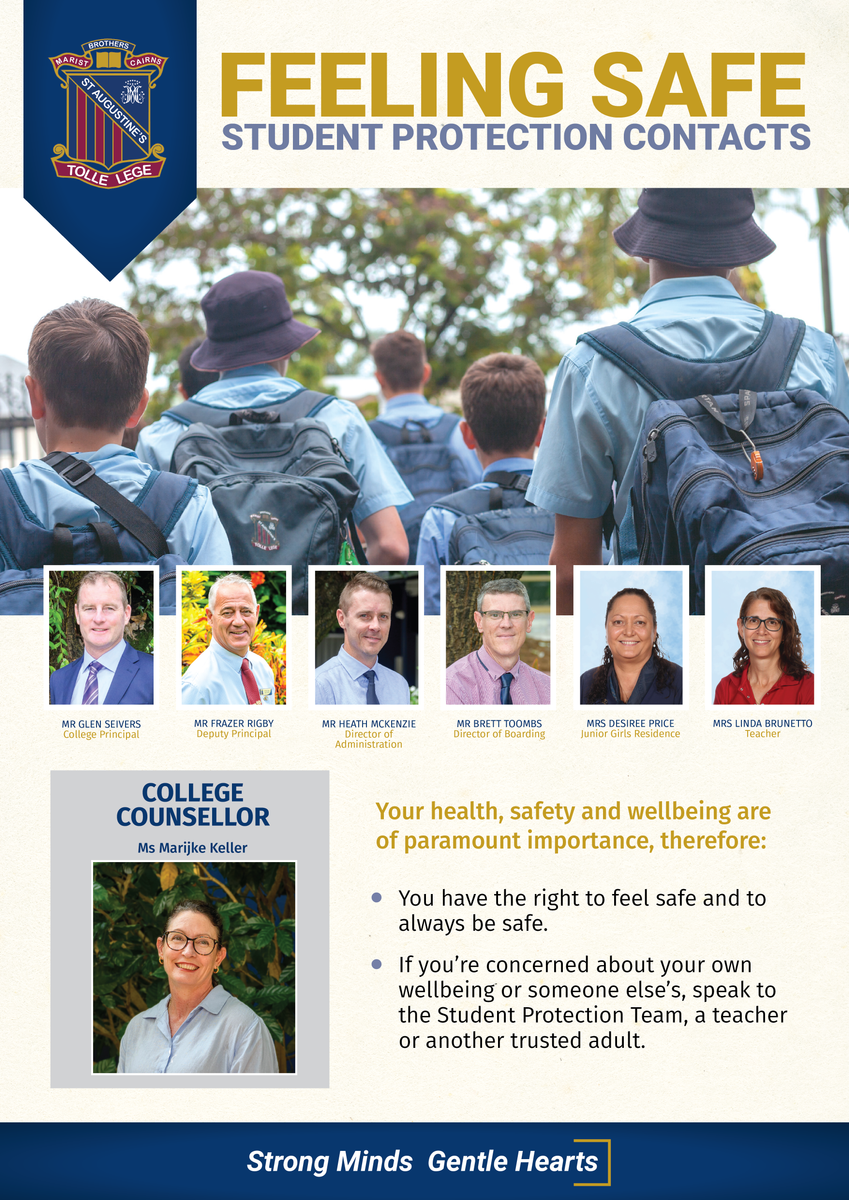
Student protection processes and guidelines. Available through the Catholic Education website.
Student Protection Processes and Guidelines
Student Protection Handbook for Volunteers