Grade 5 News
Upcoming Dates – Term 1
Friday 27th March: LPS House Athletics 3-6
Tuesday 31st of March: Regional Swimming (Selected Students)
Thursday 2nd of April: Happy Hat Parade
Thursday 2nd of April: Last day of school (2:30pm dismissal)
Important Reminders
- The Grade 5 maths curriculum assumes that all students know their multiplication tables. If your child is still working on this skill, we ask that you support them by finding some time to practice. If you would like suggestions about how to practice, please get in touch with your child's classroom teacher.
- Grade 6 Leaders will be selling icy poles each Monday and Tuesday at lunchtime for $1
Hats - As per our school's SunSmart policy, all students are required to wear hats until the end of April 2026.
Grade 5 Specialist Timetable
5HA | 5SA | 5C |
STEM- Monday | STEM- Monday | STEM- Monday |
PE- Wednesday | PE- Thursday | PE- Wednesday |
ART- Monday | ART- Monday | ART- Monday |
P.Arts- Thursday | P.Arts-- Wednesday | P.Arts- Wednesday |
LOTE- Wednesday | LOTE- Wednesday | LOTE- Thursday |
Learning in Action
NAPLAN
This past fortnight, students participated in the four NAPLAN assessments, which included Writing, Reading, Conventions of Language, and Numeracy. These tests provided an important opportunity for students to demonstrate their literacy and numeracy skills, apply critical thinking, and showcase their ability to communicate effectively in written form. Participation in NAPLAN also allows teachers to gain valuable insights into each student’s strengths and areas for growth, helping to inform future teaching strategies and support individual learning needs.
📖 Literacy
Word Work
This fortnight in Word Work, Grade 5 students concluded their exploration of the Latin base tain–ten–tin–tinu, meaning “hold,” as seen in words such as contain, retain, and entertain. They then began studying the Latin root sect, meaning “cut,” examining words including section, intersect, dissect, and insect. Students also investigated how the meanings of these words change with the addition of prefixes and suffixes, as demonstrated in words like intersection, dissectible and insecticide.
More recently, students investigated the Latin base mit–miss–mise, meaning “to send.” By examining this Latin base alongside common prefixes such as trans–, inter–, de–, sur–, and com–, students developed a deeper understanding of how word parts combine to shape meaning. Through this exploration, they unpacked the meanings of words such as transmit, intermittent, demise, surmise, and compromise, recognising how each word reflects the underlying concept of “sending” in different contexts.
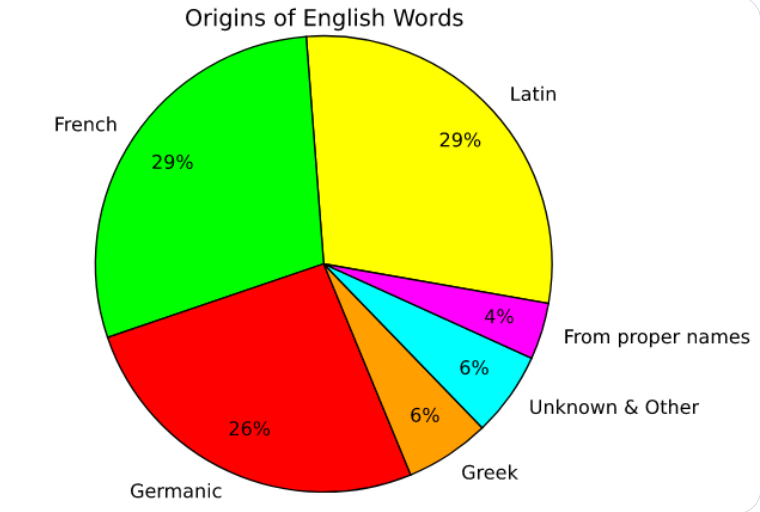
Did you know that around 90 percent of English words have Greek, French, Germanic and Latin origins? Studying both the morphology (word structure) and etymology (word history) of vocabulary enables students to make meaningful connections between words, equipping them with strategies to infer the meanings of unfamiliar terms and strengthening their overall language comprehension.
Preview for learning:
Over the next fortnight in Word Work, students will continue exploring the meanings of words derived from the Latin base mit–miss–mise, focusing on how the addition of different prefixes and suffixes modify the base to create new meanings.

Literature
As our class continued studying War Horse by Michael Morpurgo, students explored the period when Joey, an English horse, was captured and forced to pull heavy artillery for the German army alongside his loyal companion, Topthorn. Amid scarce food and harsh conditions, these chapters reveal the brutal realities of war for animals and soldiers alike. Under the care of the compassionate German soldier Friedrich, who often reflected on the futility of war, Joey and Topthorn found kindness. Yet relentless labour weakened Topthorn, who ultimately died from illness and exhaustion, leaving Joey deeply affected. As fighting intensified around the farm where they were kept, Joey was badly injured while dragging a gun through barbed wire. These chapters have sparked thoughtful class discussions about the suffering caused by war, the power of kindness in adversity, and Joey’s resilience.
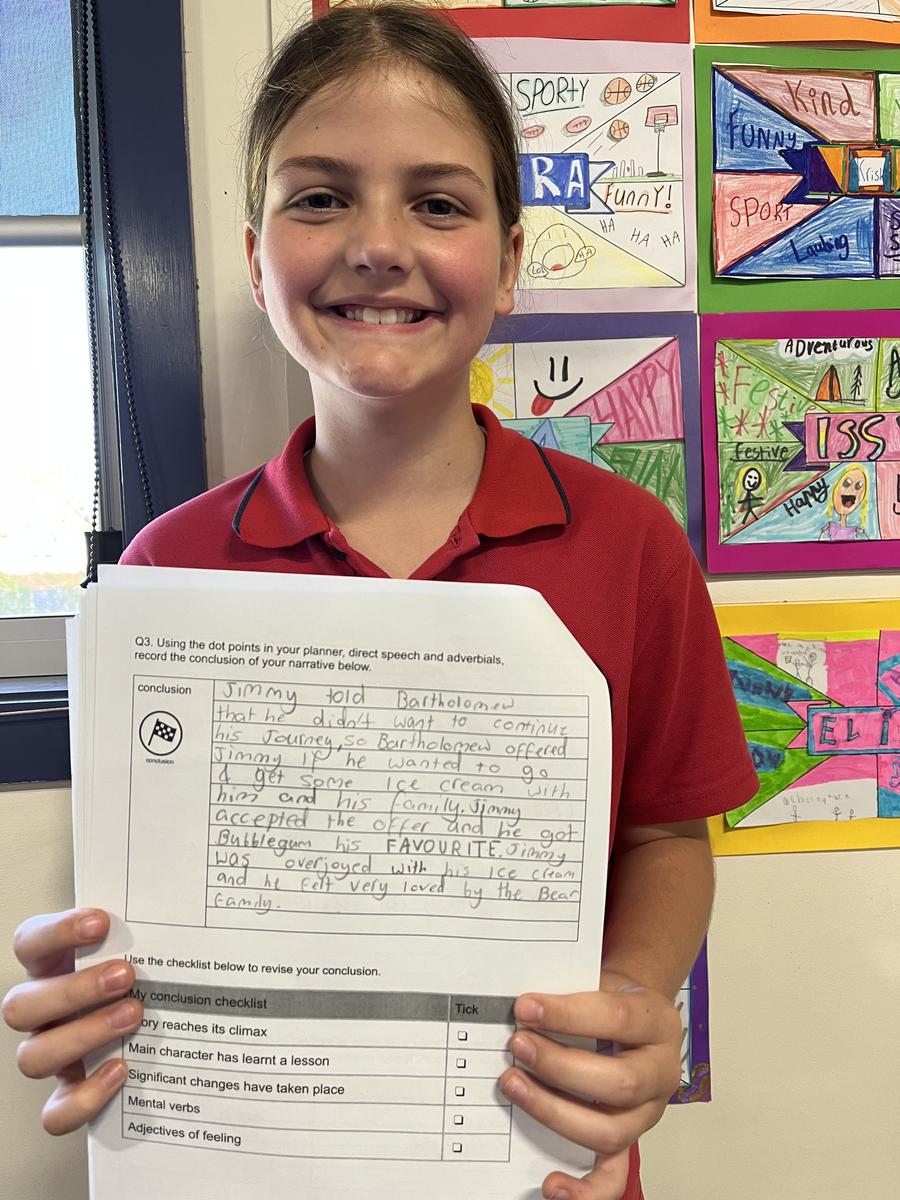
Students have continued developing their narrative writing, carefully planning how to craft effective and meaningful conclusions. They learnt that a strong ending could resolve the central problem, bring the story full circle, and often leave the readers with a powerful moral or message. By revisiting the key events and themes of their narratives, students considered how their endings could create a sense of closure while reinforcing the purpose of their story.
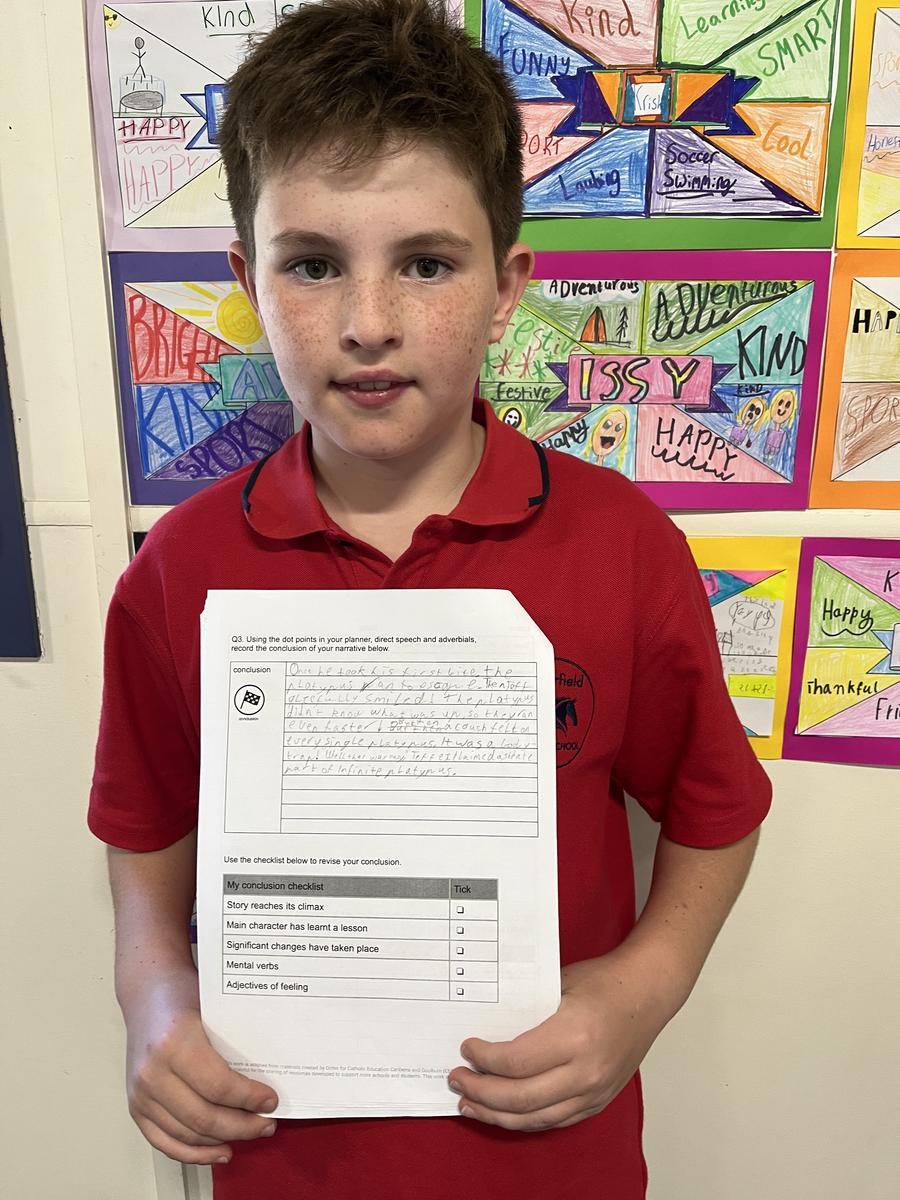
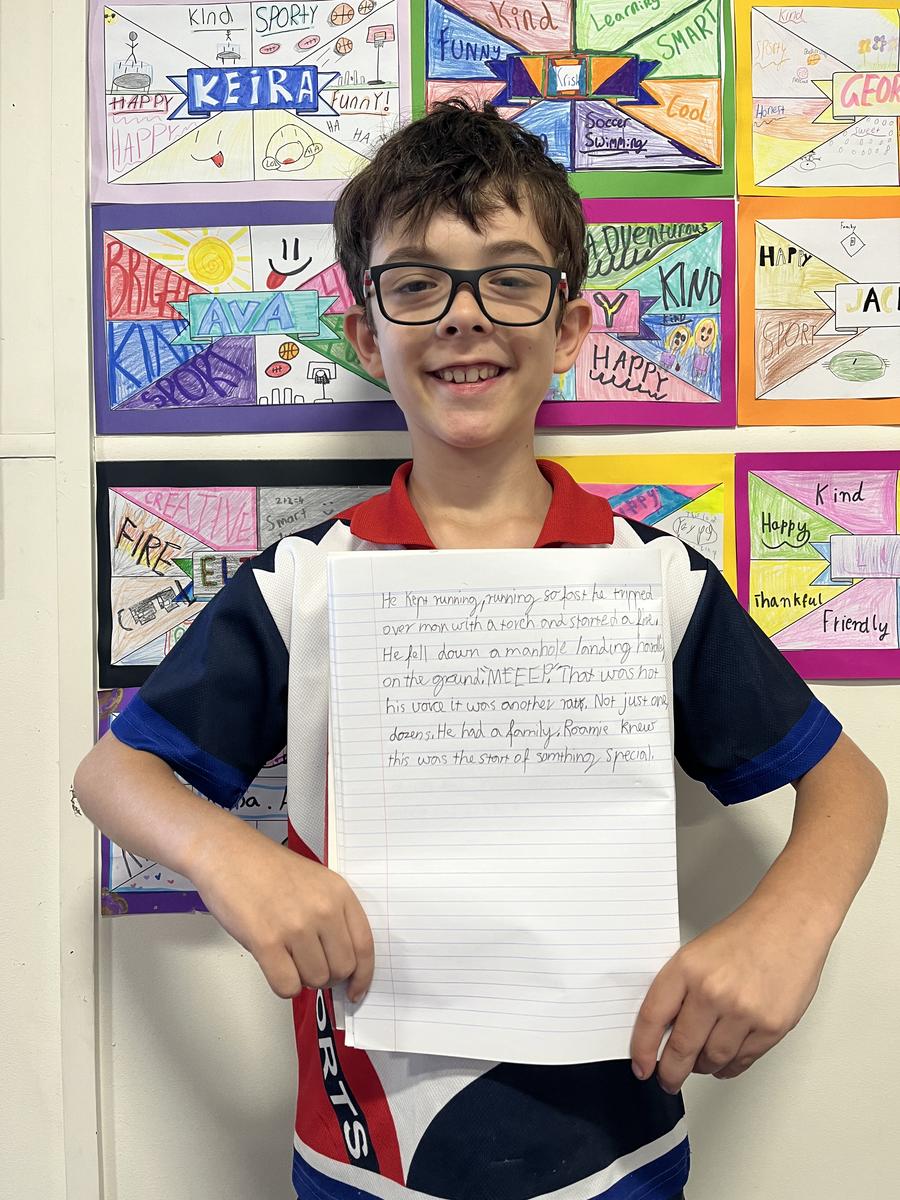
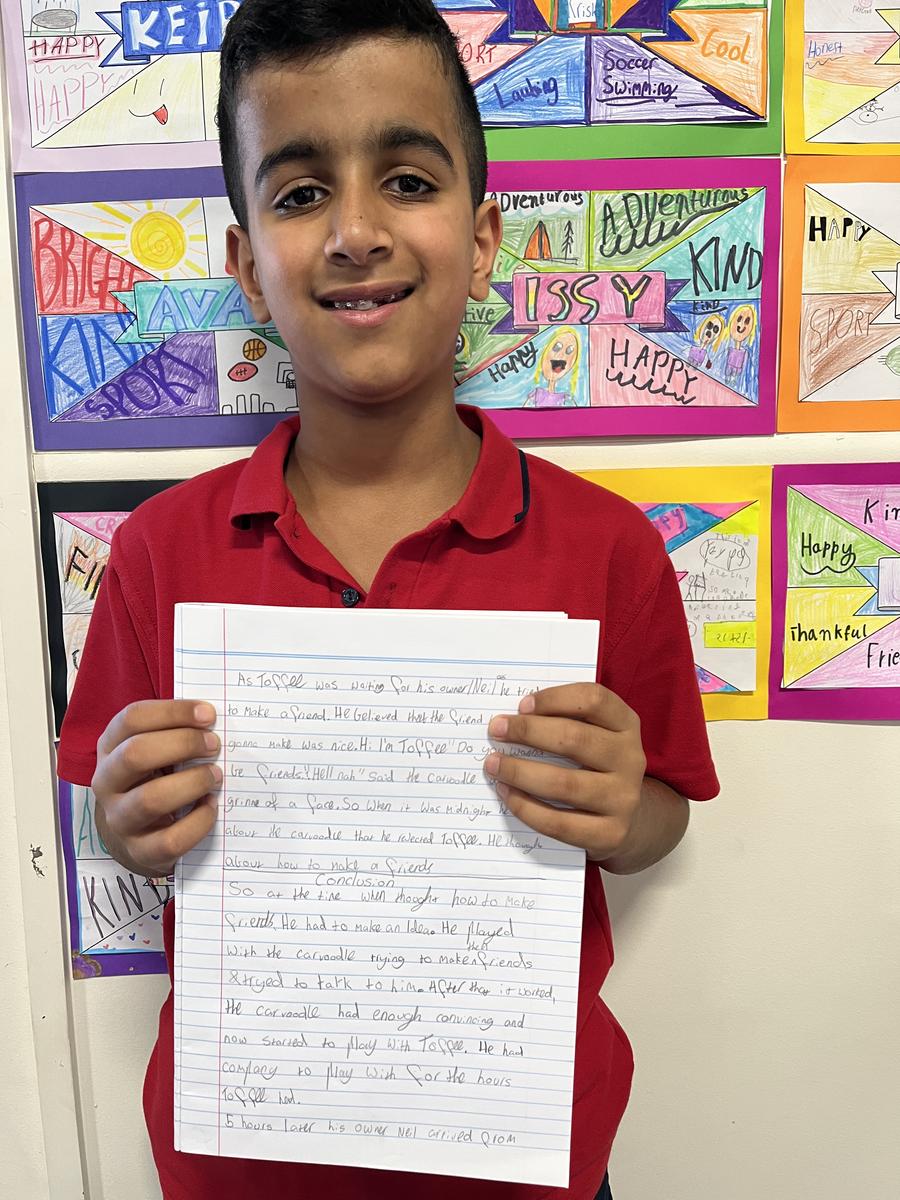
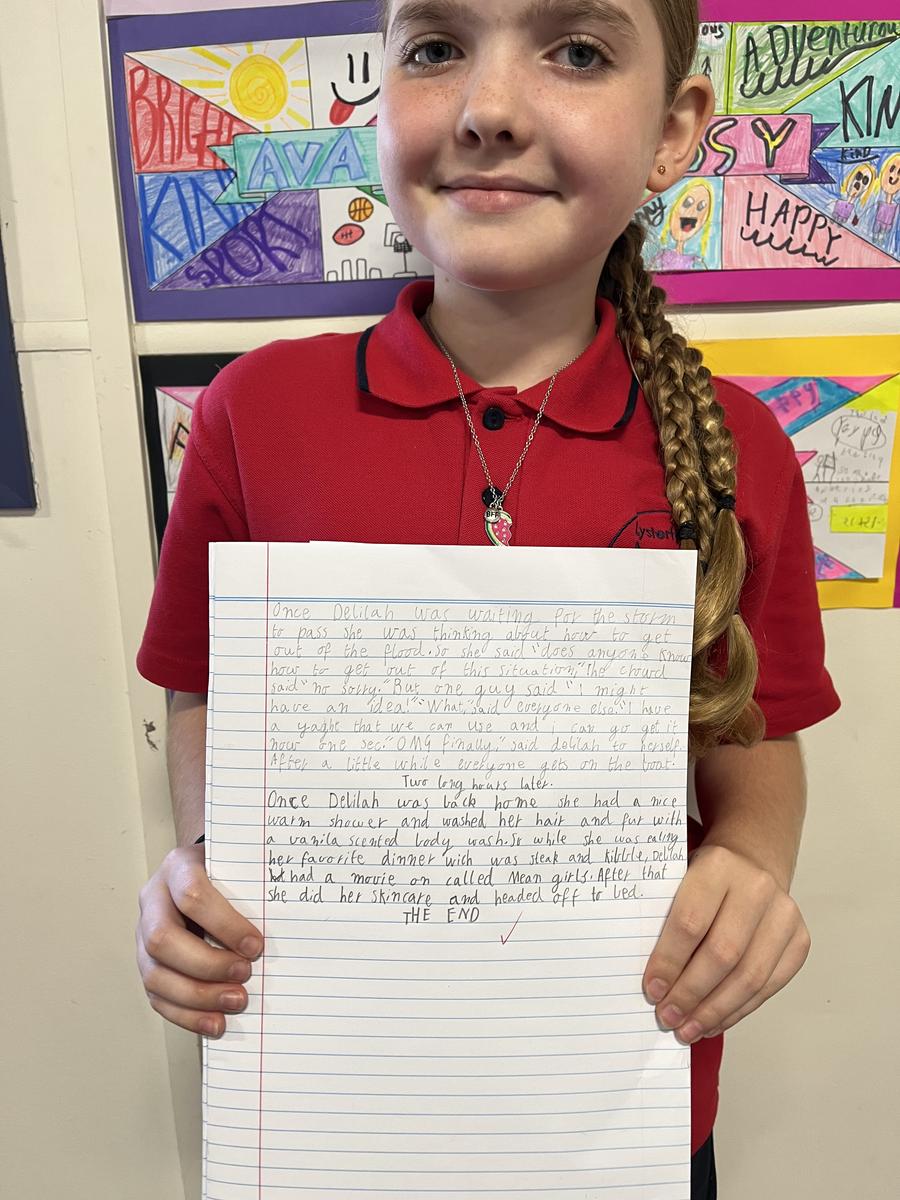
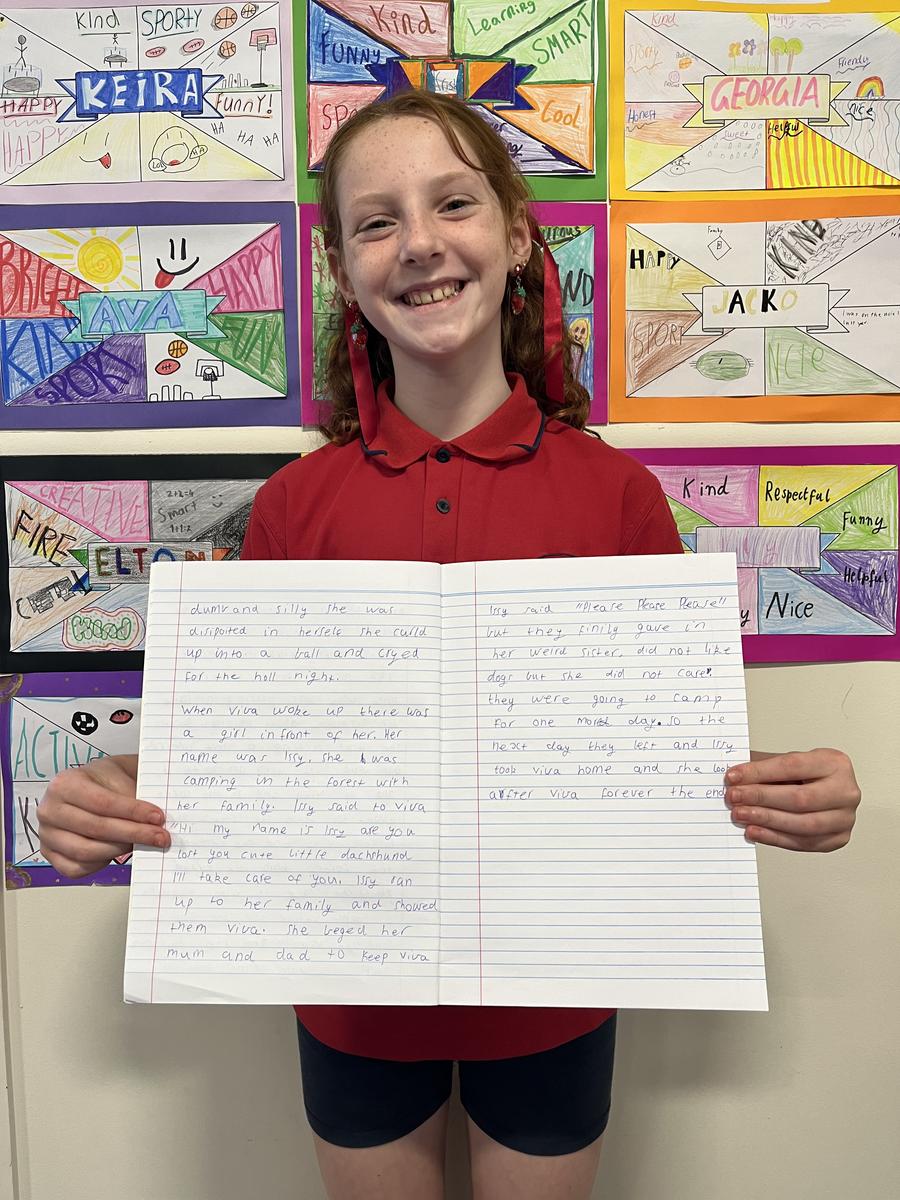
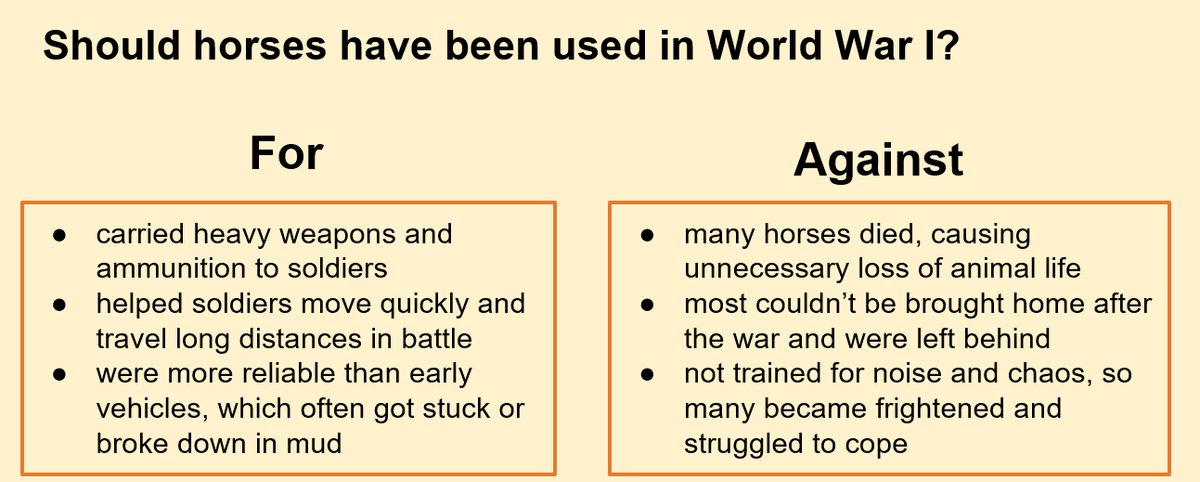
In addition, early this week, we began exploring persuasive writing after reading a range of factual texts about the role of horses in the First World War. Students responded to the prompt, 'Should horses have been used in World War One?' While planning their arguments, they were encouraged to consider both sides of the issue, weighing the reasons for and against the usage of horses in wartime. Students were introduced to a range of persuasive language features including rhetorical questions, emotive and persuasive language, nominalisations, and high-modality words to help them present clear, convincing arguments and influence their readers to support their viewpoint.
Preview for Learning:
Looking forward, students will continue reading and discussing War Horse, while deepening their understanding of the historical context and related background knowledge surrounding the text. Alongside this, they will further develop their vocabulary and strengthen their ability to write a range of sentence structures, including compound and complex sentences, to add clarity, detail, and interest for their readers. During writing sessions, students will continue planning, drafting, and refining persuasive pieces that explore the question of whether the use of animals in war can ever be justified, encouraging them to support their ideas with thoughtful reasoning and persuasive language techniques.
➗ Maths
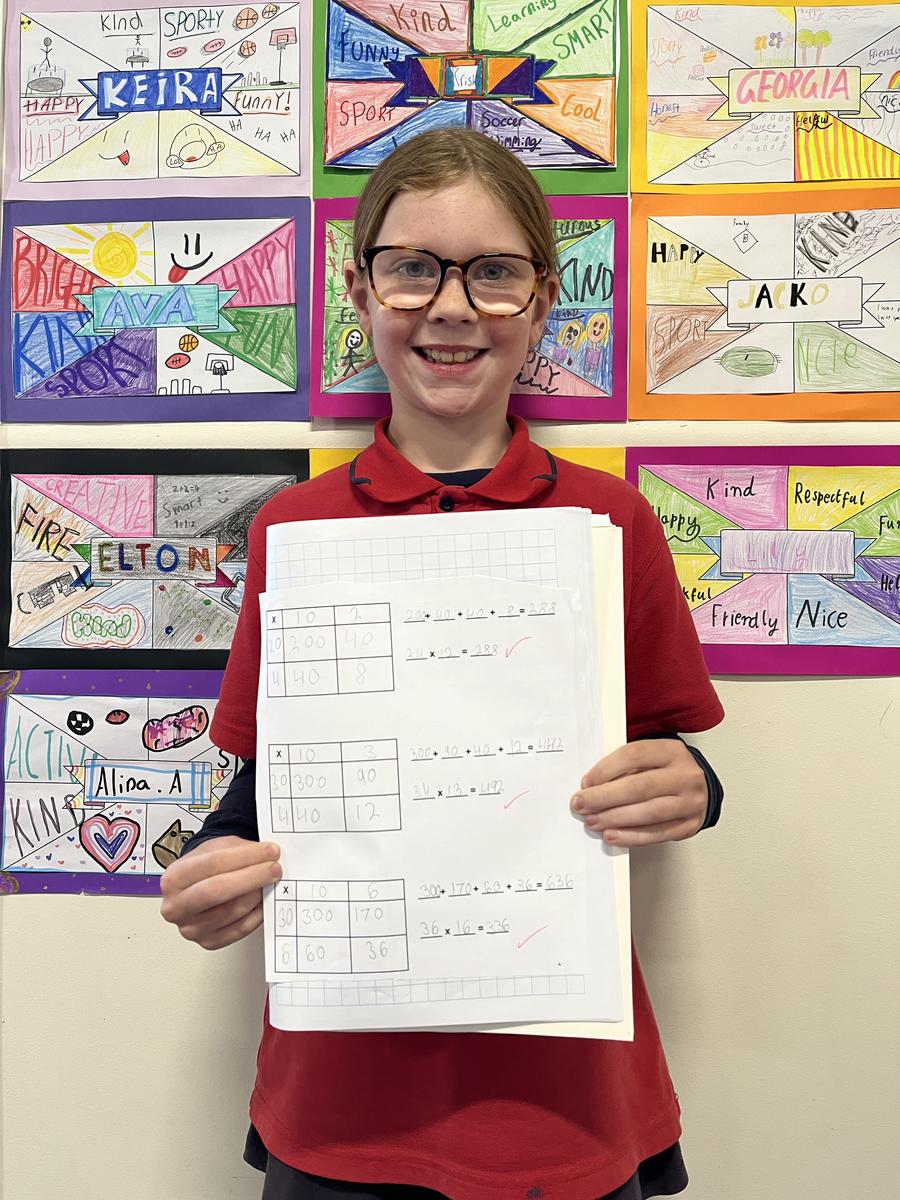
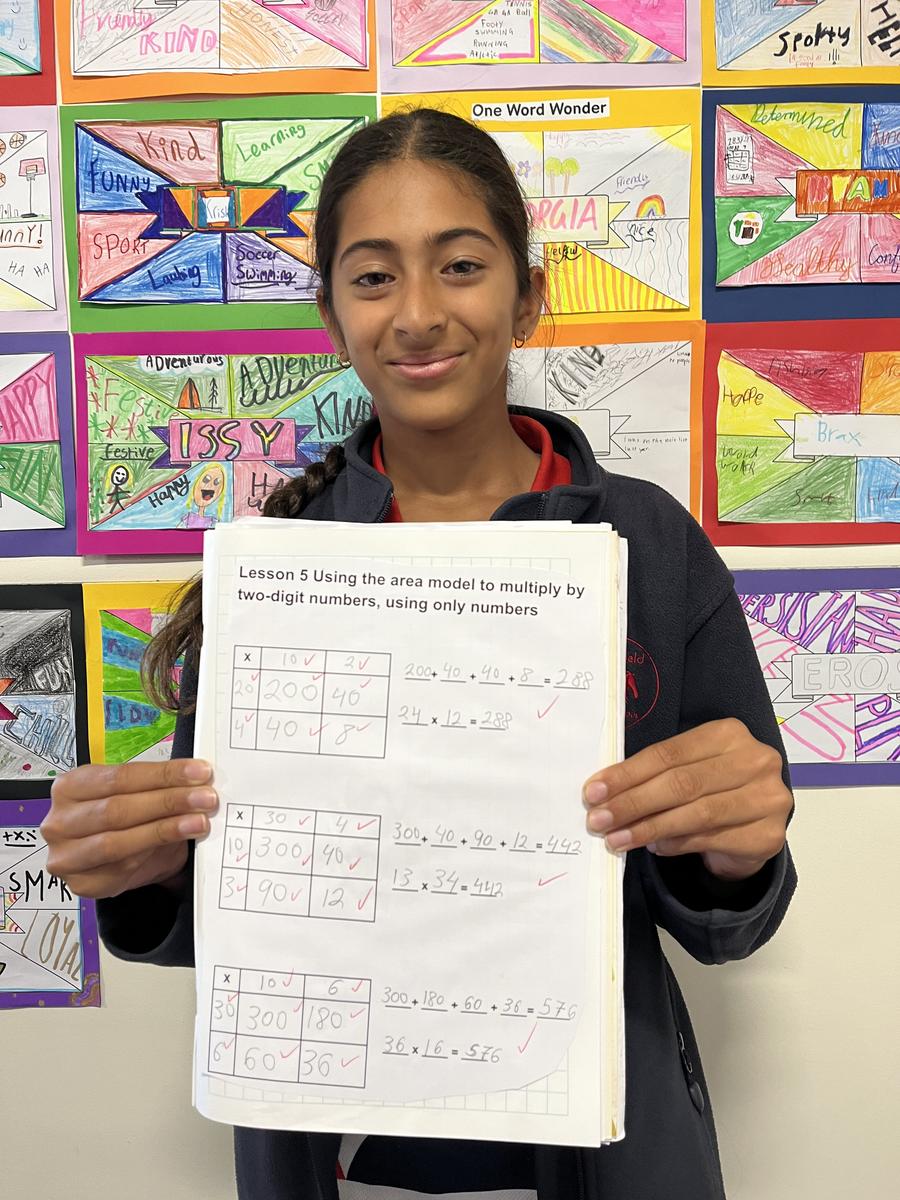
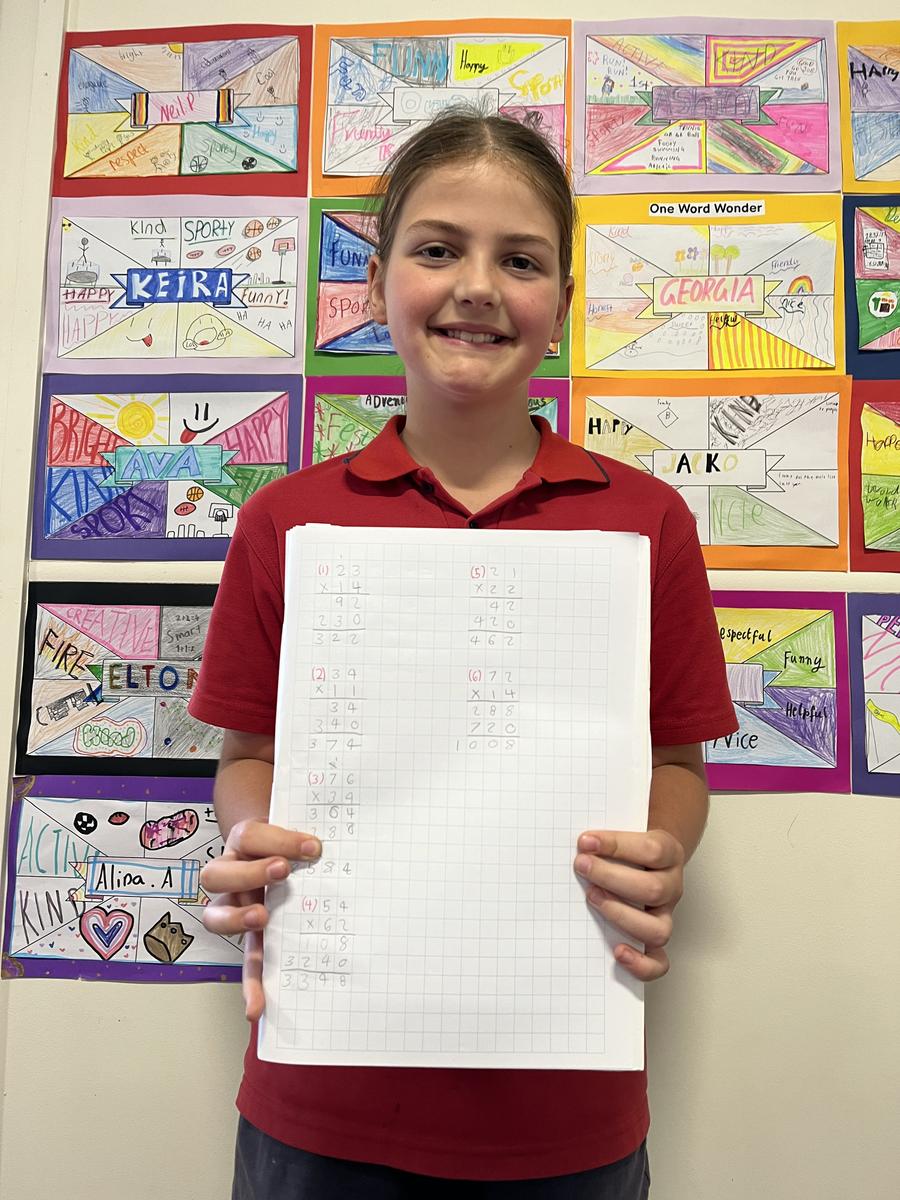
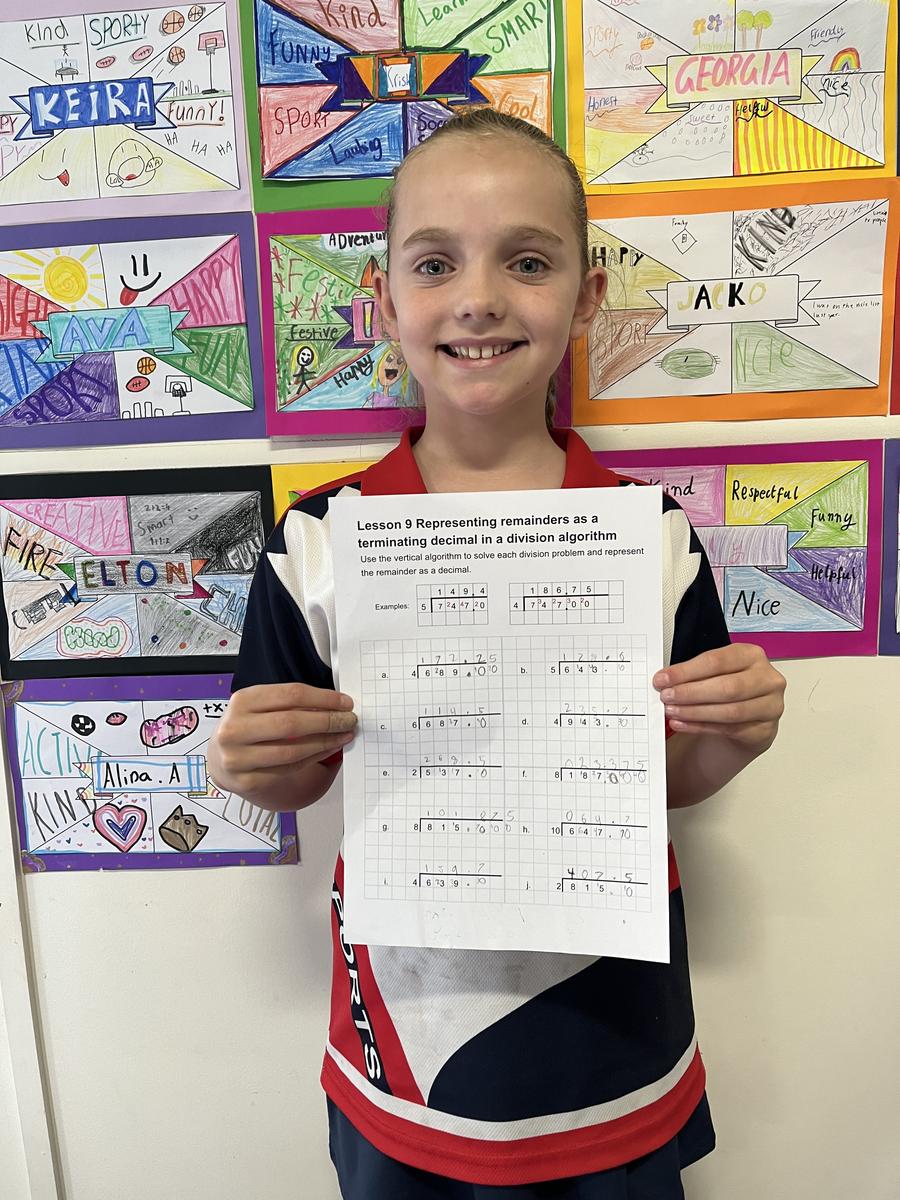
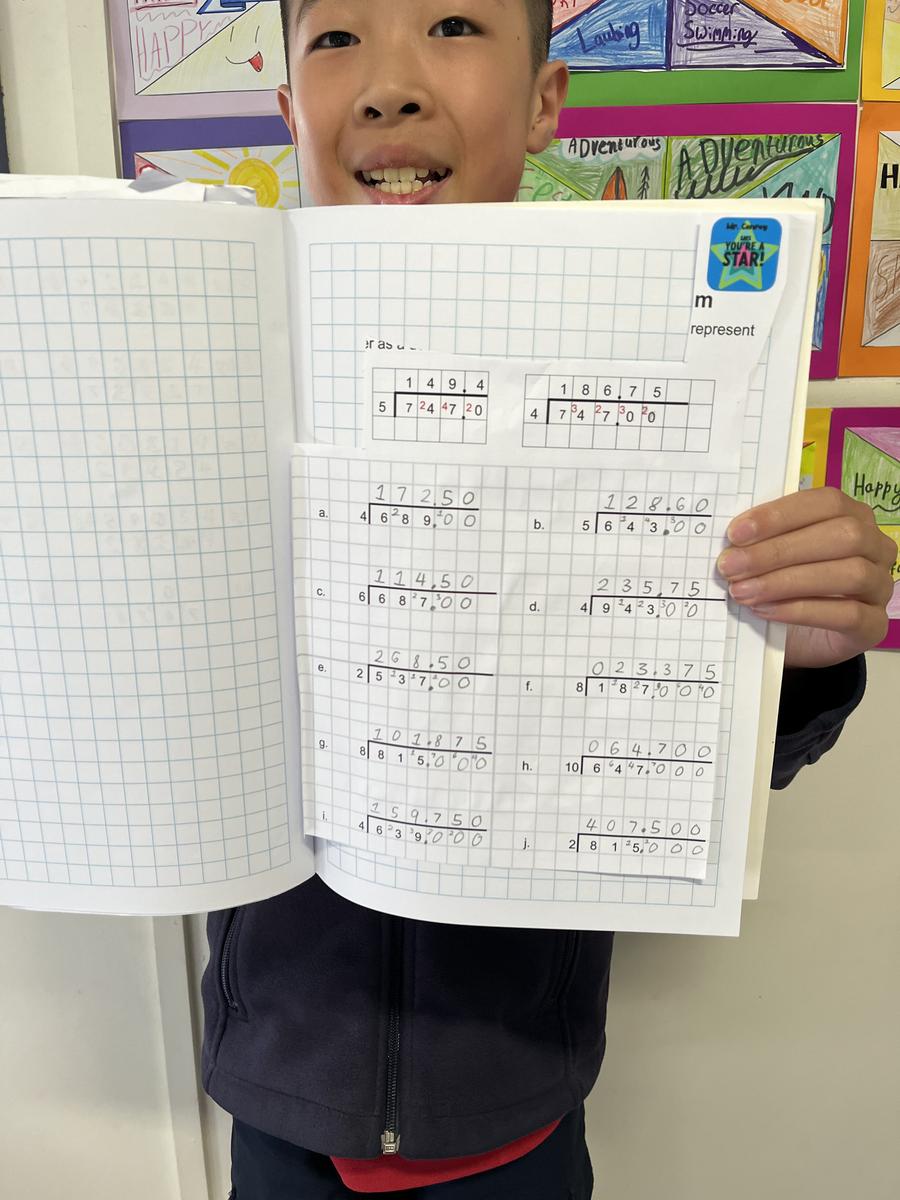
Over the past fortnight in Maths, students have continued to develop their understanding of different strategies for solving multiplication and division problems. They explored a range of approaches, including the use of concrete materials and visual representations such as the box area method to solve two-digit by two-digit multiplication. Students were also introduced to the standard algorithm and practised applying it to solve multiplication problems efficiently. In division lessons, students were exposed to different ways to solve division problems ranging from using their knowledge of factors to using the standard algorithm to solve division problems with remainders.
The Maths Review, conducted four times each week, provides students with regular opportunities to revisit previously taught concepts and consolidate their understanding. Alongside this, Maths Masters sessions continue to support the development of number fluency. Together, these routines are now well established and form an integral part of the students’ weekly learning schedule.
Preview for Learning:
In the next fortnight, students will leverage their understanding of addition and multiplication to calculate the perimeter and area of a variety of geometric shapes, demonstrating both accuracy and reasoning in their problem-solving.
Knowledge Rich
In Knowledge Rich, we culminated our study of Natural Disasters with an end-of-unit test designed to assess students’ understanding of the key concepts explored throughout the unit. The test provided an opportunity for students to demonstrate their knowledge of different types of natural disasters, including how they occur, their impacts on people and environments, and ways communities can prepare for and respond to these events. Through a combination of question types, students were encouraged to recall important information, apply what they had learnt, and explain their thinking. This assessment also allowed teachers to evaluate student progress, identify areas of strength, and determine any concepts that may require further review.
Wellbeing
In Friendology, students revisited strategies for managing conflicts, including how to respond when friendship tensions arise or when a friend is intentionally unkind. This fortnight, they also participated in their eagerly anticipated second buddy session, strengthening peer connections, as well as their second Circle session, where they reflected on their experiences and practiced collaborative communication skills.
Some Grade 5 Homework options | |||
|---|---|---|---|
Maths Masters | Fact Freaks | 1 Minute Maths | Times Tables Rock Stars |
Students will be able to practice their Maths Masters Goals at home. Belts, associated goals and how to practise are linked below.
| Students can access Fact Freaks online to practise maths facts
| Students can access 1 minute maths which is a free app from White Rose Maths. | Times Tables Rock Stars is a paid app for students to practise their times table knowledge. Another free site is as follows: |
Independent Reading | Free Writing | Typing Club | Research |
| Maintaining good reading habits is great for students. Books can be borrowed from the school library, otherwise websites like EPIC online are also a great resource. | We encourage students to use what they are learning at school to write at home. There are different ways students can express their writing:
| Students can access typing club, to practise their touch typing. | At school our novels and general learning cover some great topics. The students may want to explore these topics further at home. Using the internet is a great resource. They may even like to share their learning with you. |
Grade 5 Teachers
Karin Halstead, Peta Alexander, Susanne Stokol and Irene Chalmers