
STEAM News
Foundation
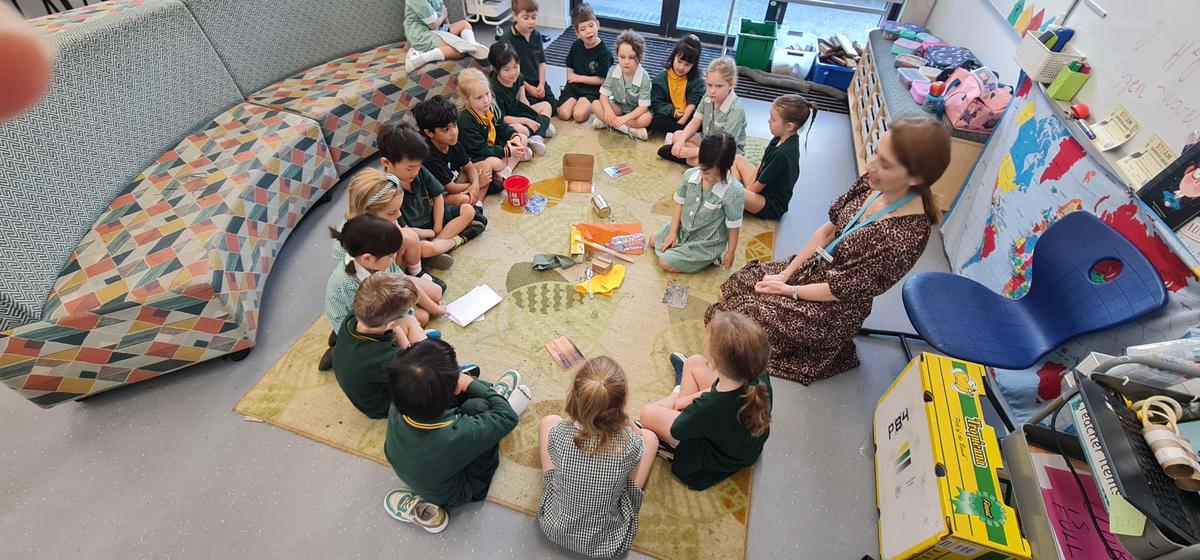
Foundation students have been exploring the different materials that everyday objects are made from. During our lesson, students worked together to sort a variety of items on the floor into groups such as paper, plastic, metal, wood and cardboard. This hands-on activity encouraged them to look closely at the properties of each object and think about what it was made from.
After sorting the materials as a class, students completed their own activity sheet where they attached examples of materials under the correct headings. This helped reinforce their understanding that many objects around us are made from different materials and that these materials have particular uses.
The students enjoyed moving, discussing and working together like real scientists as they explored the materials found in their everyday world!
Year 1/2
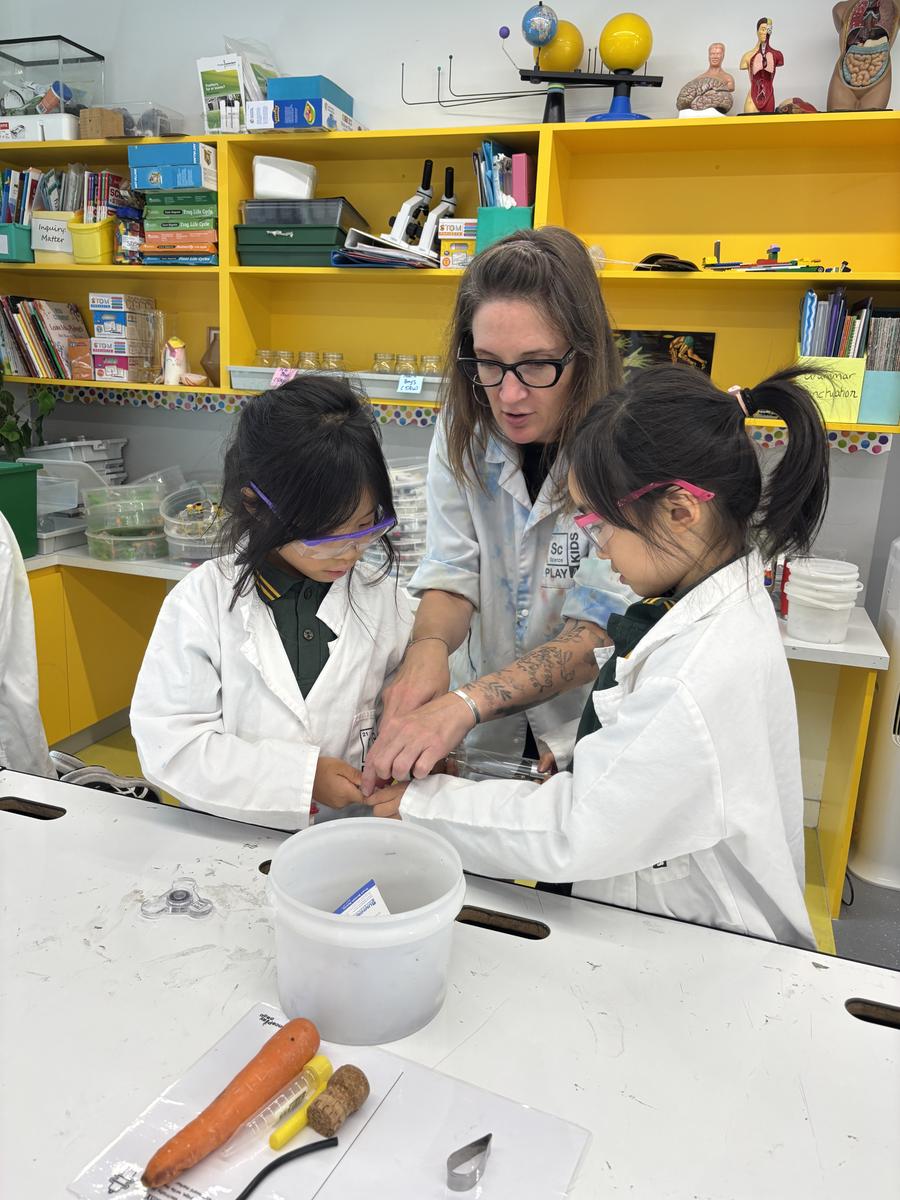
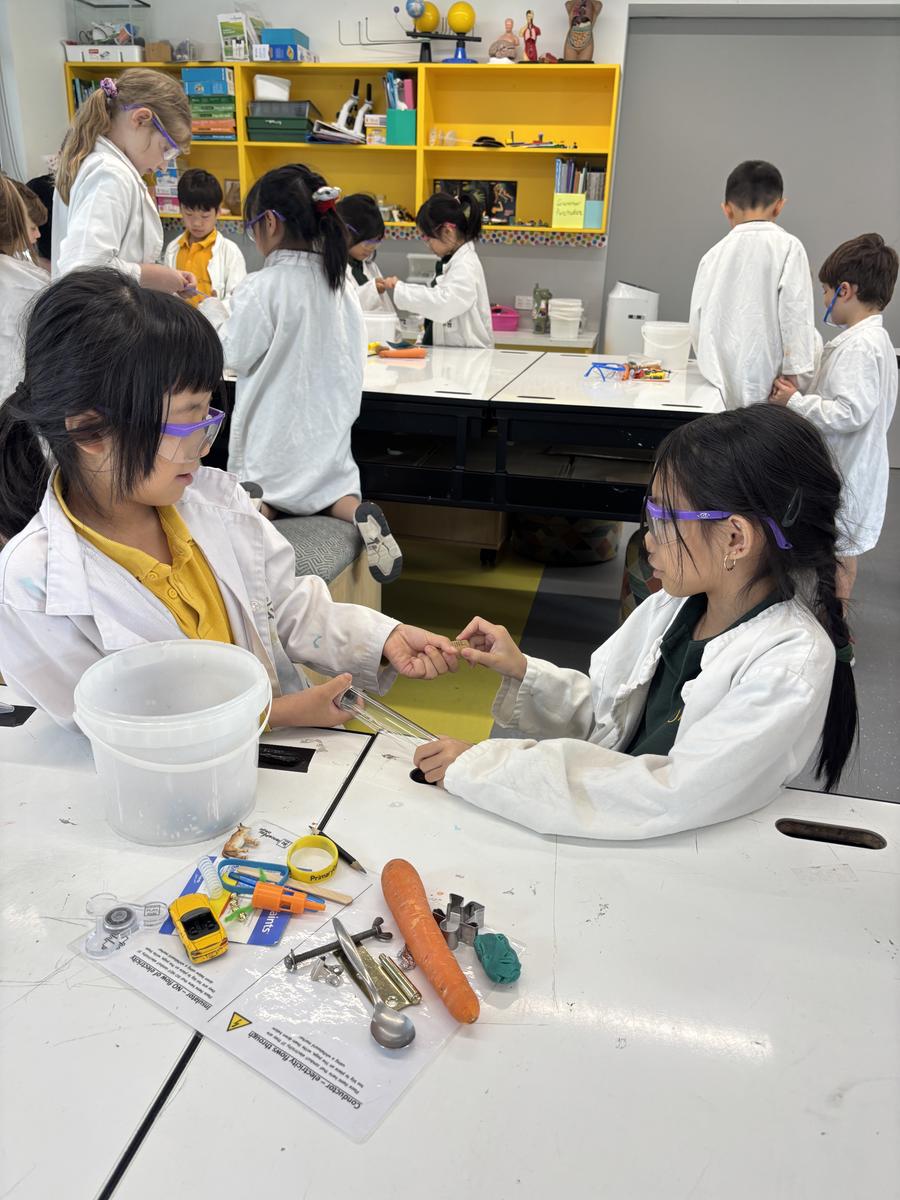
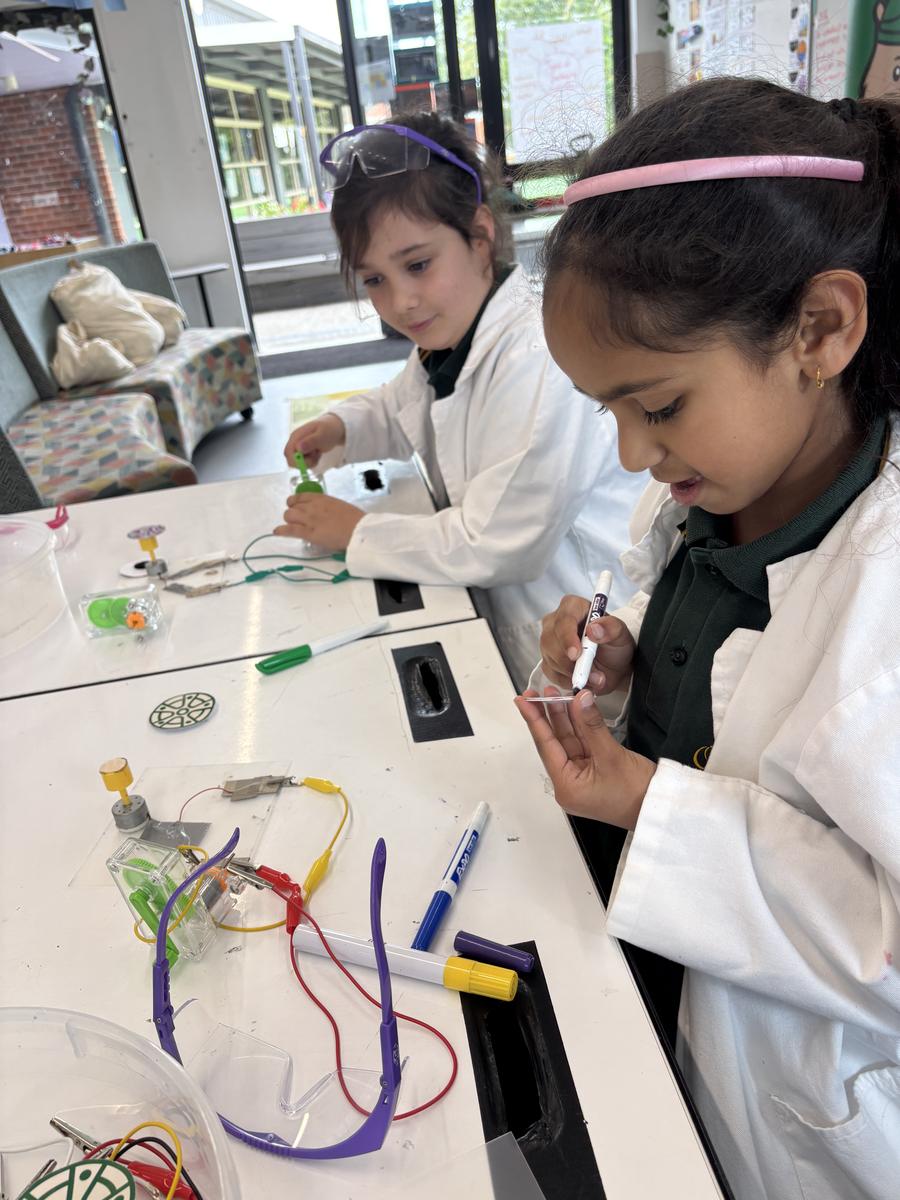
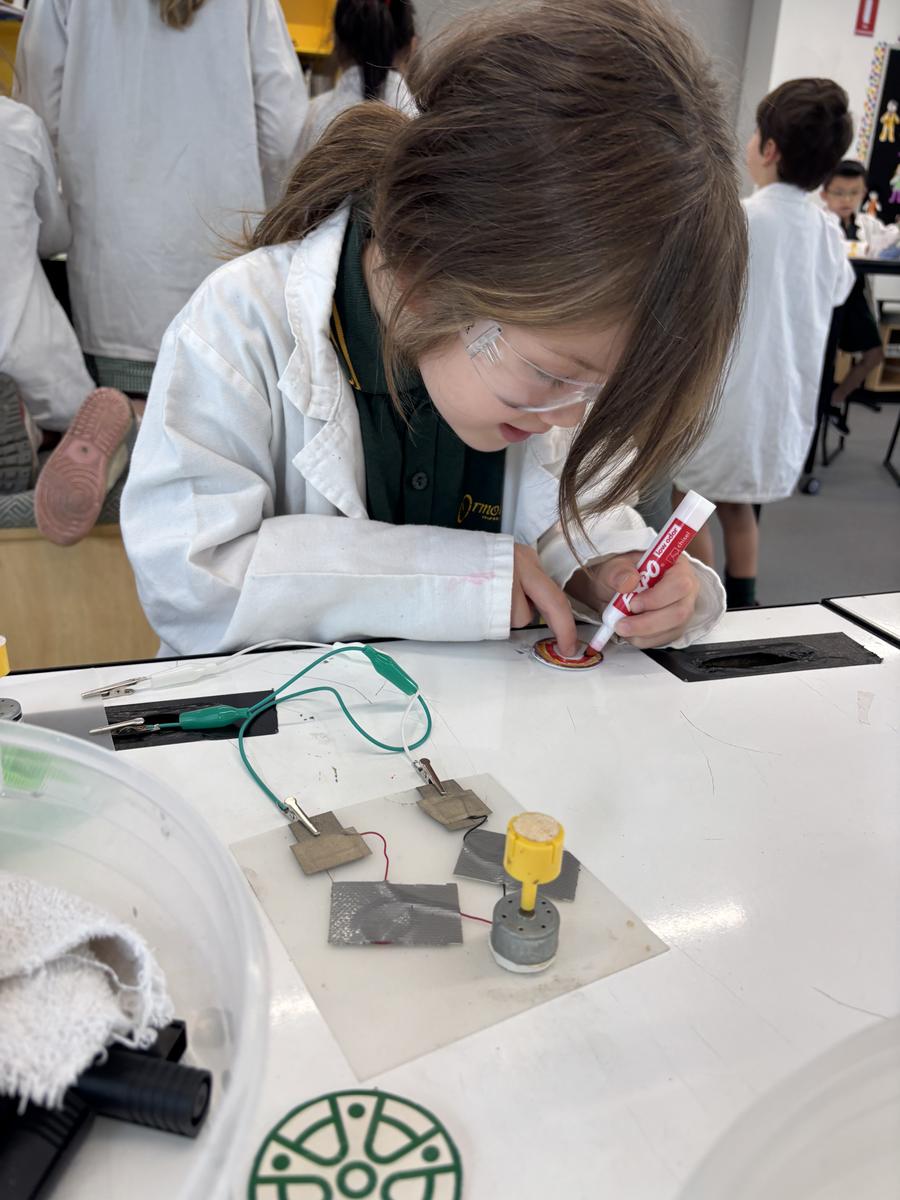
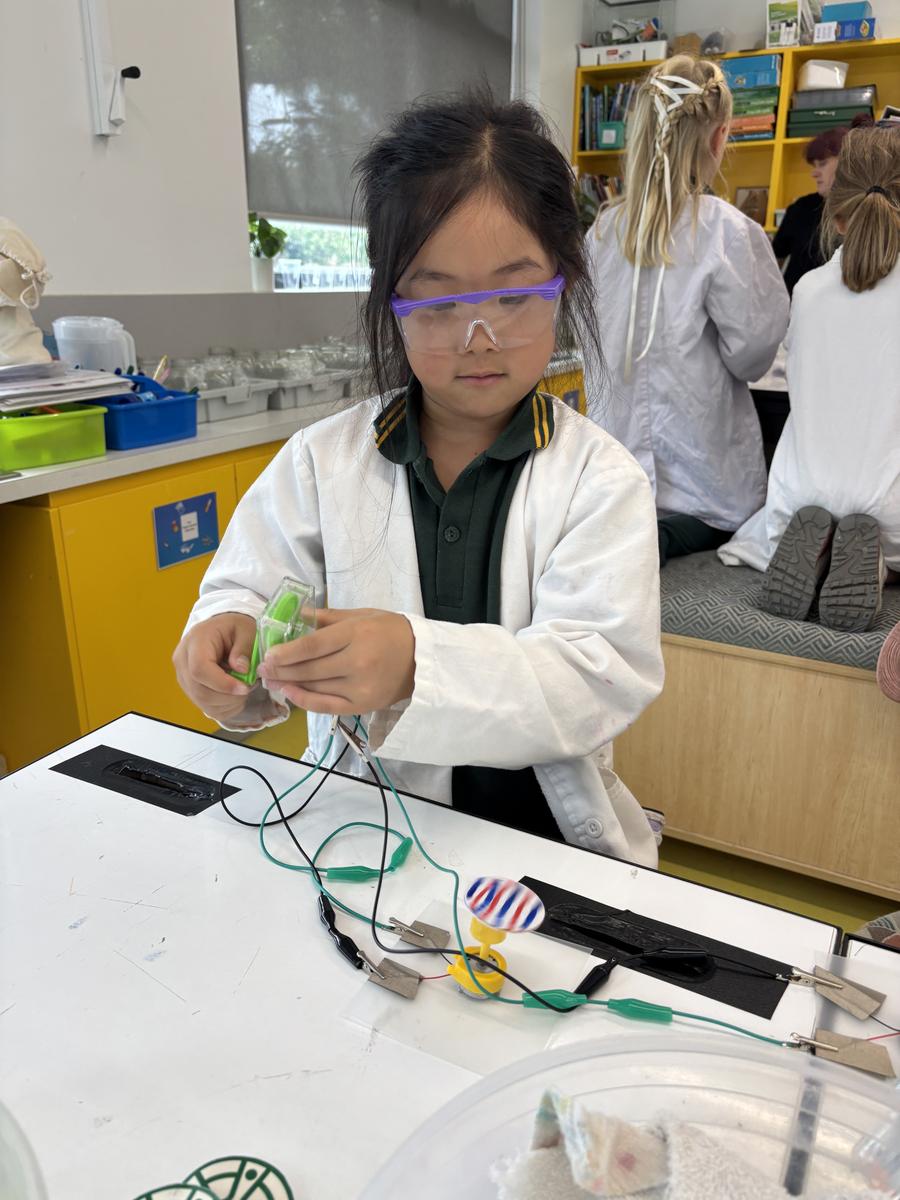
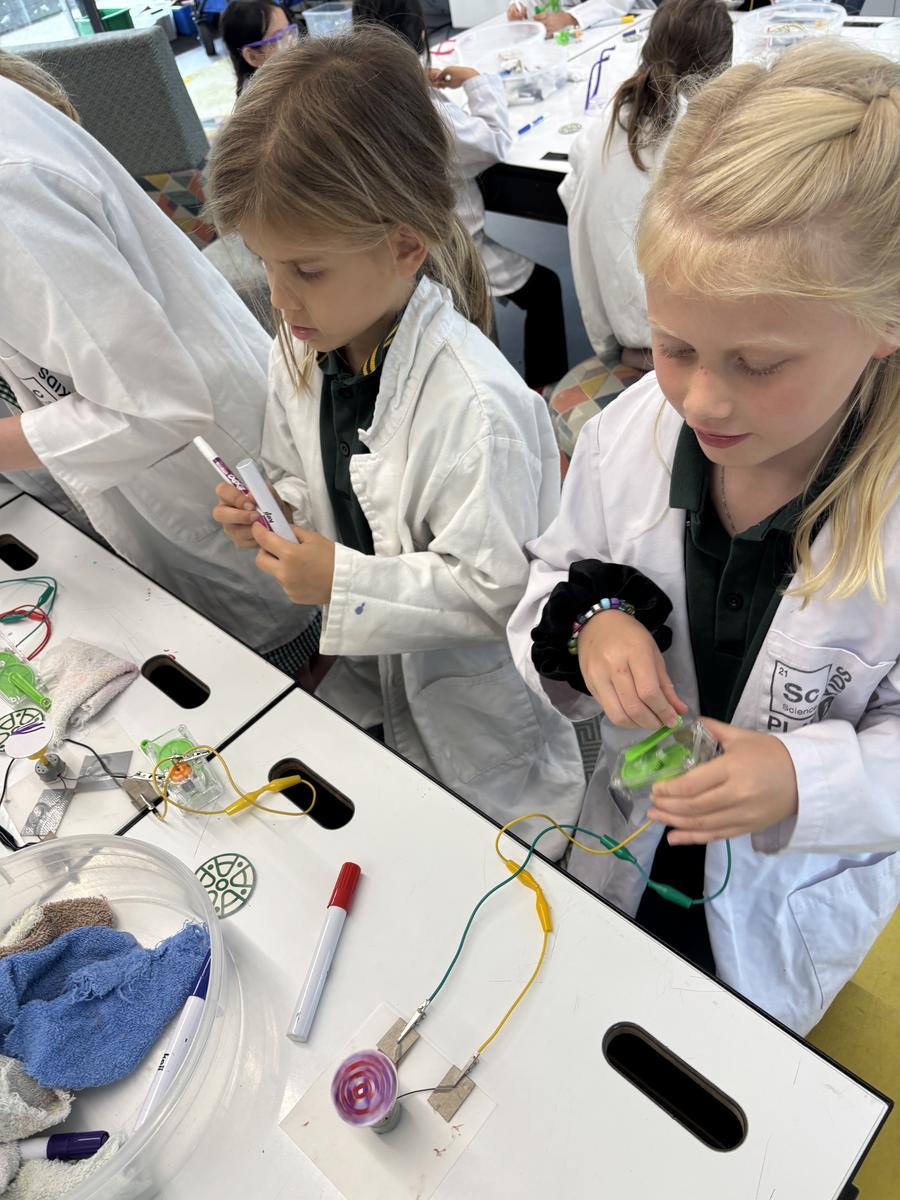
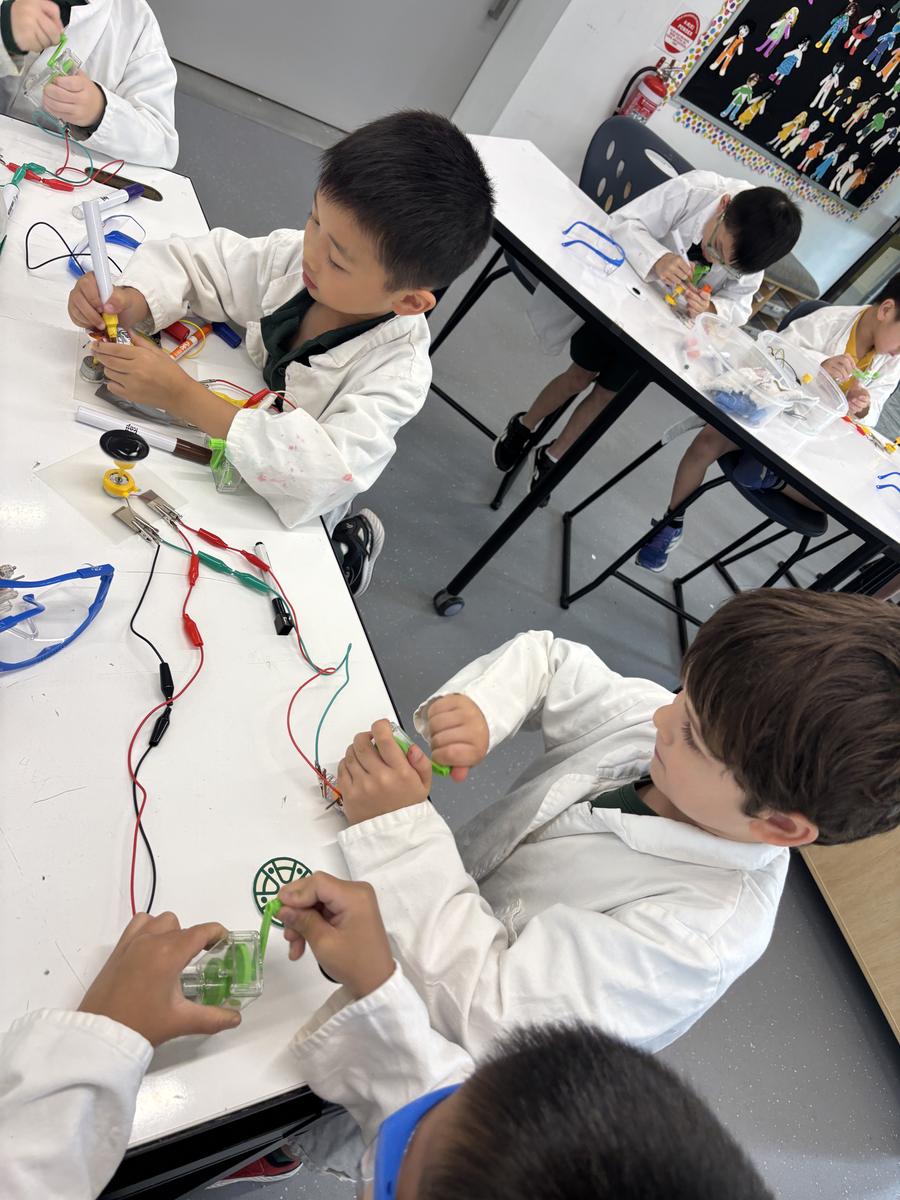
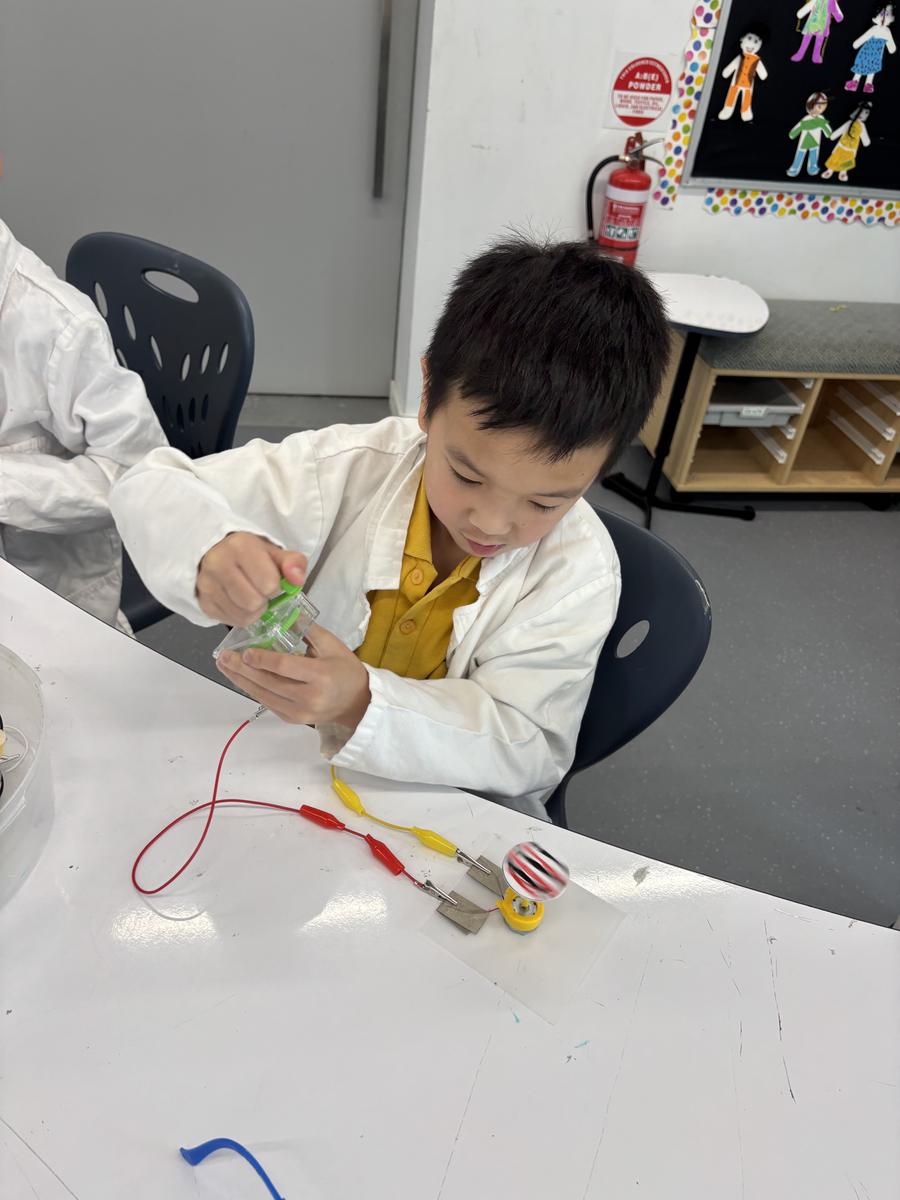
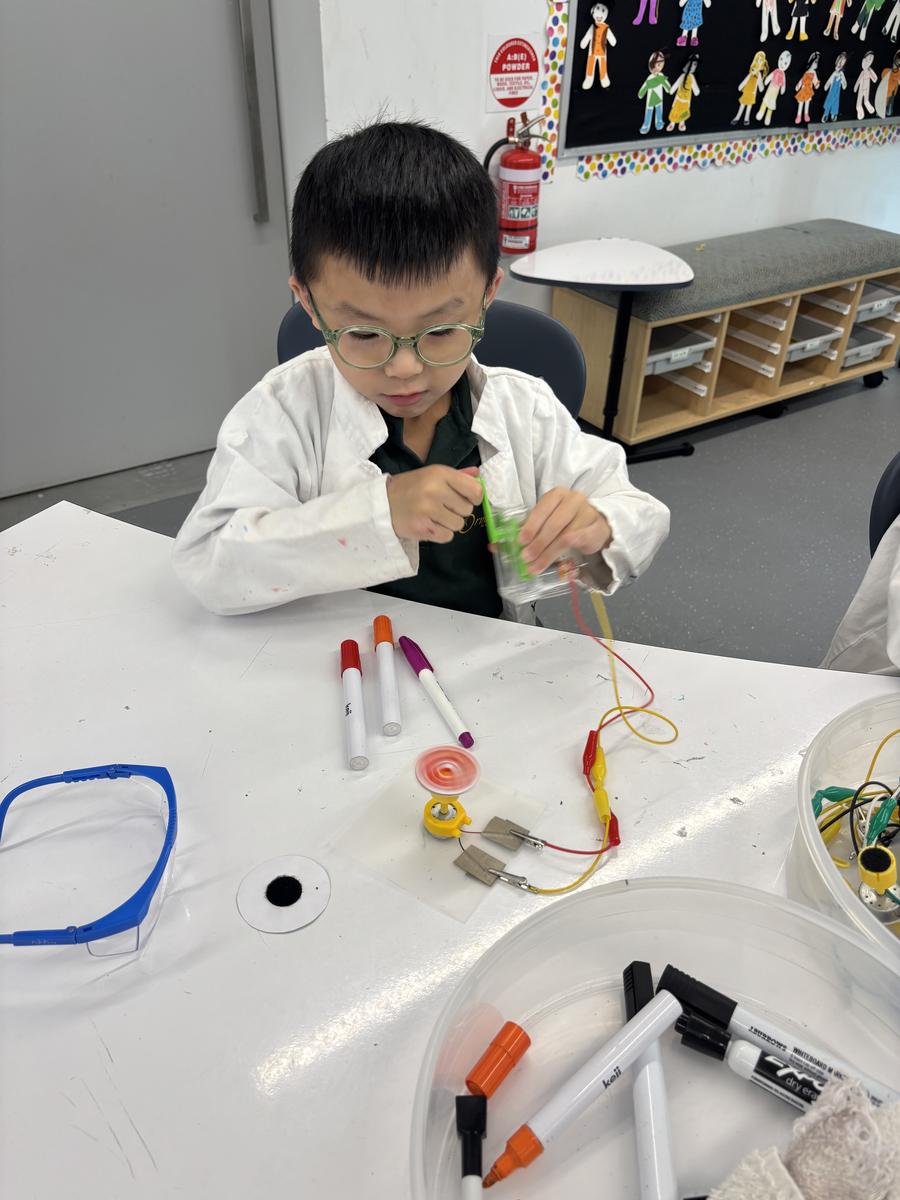
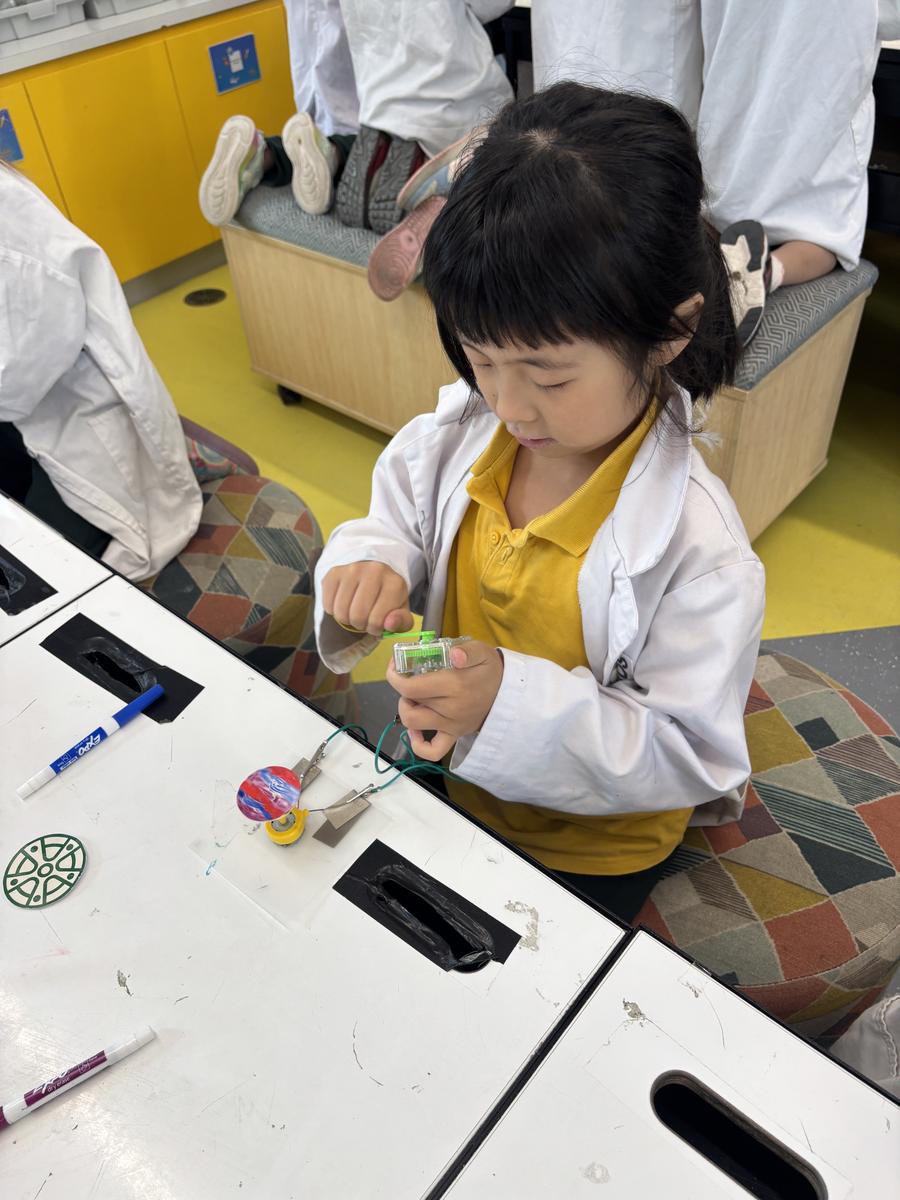
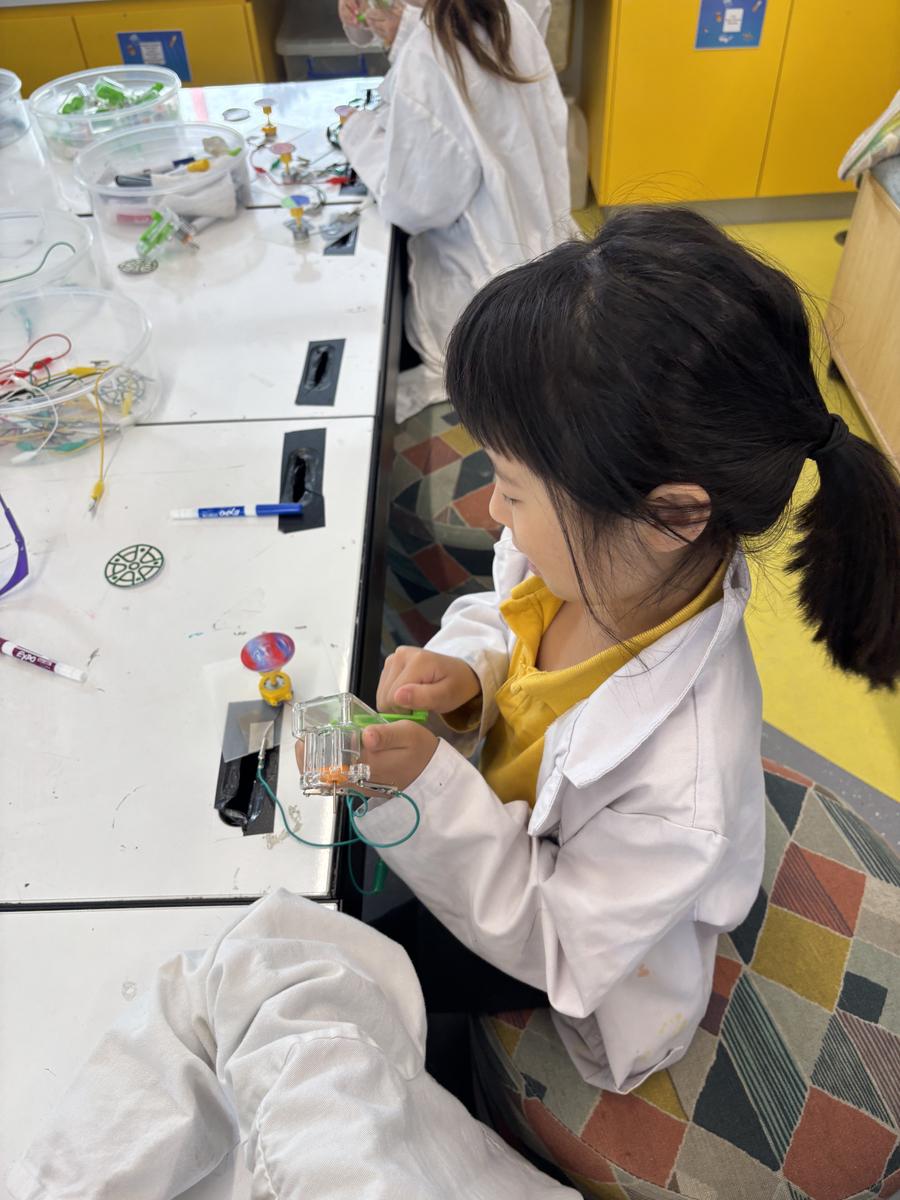
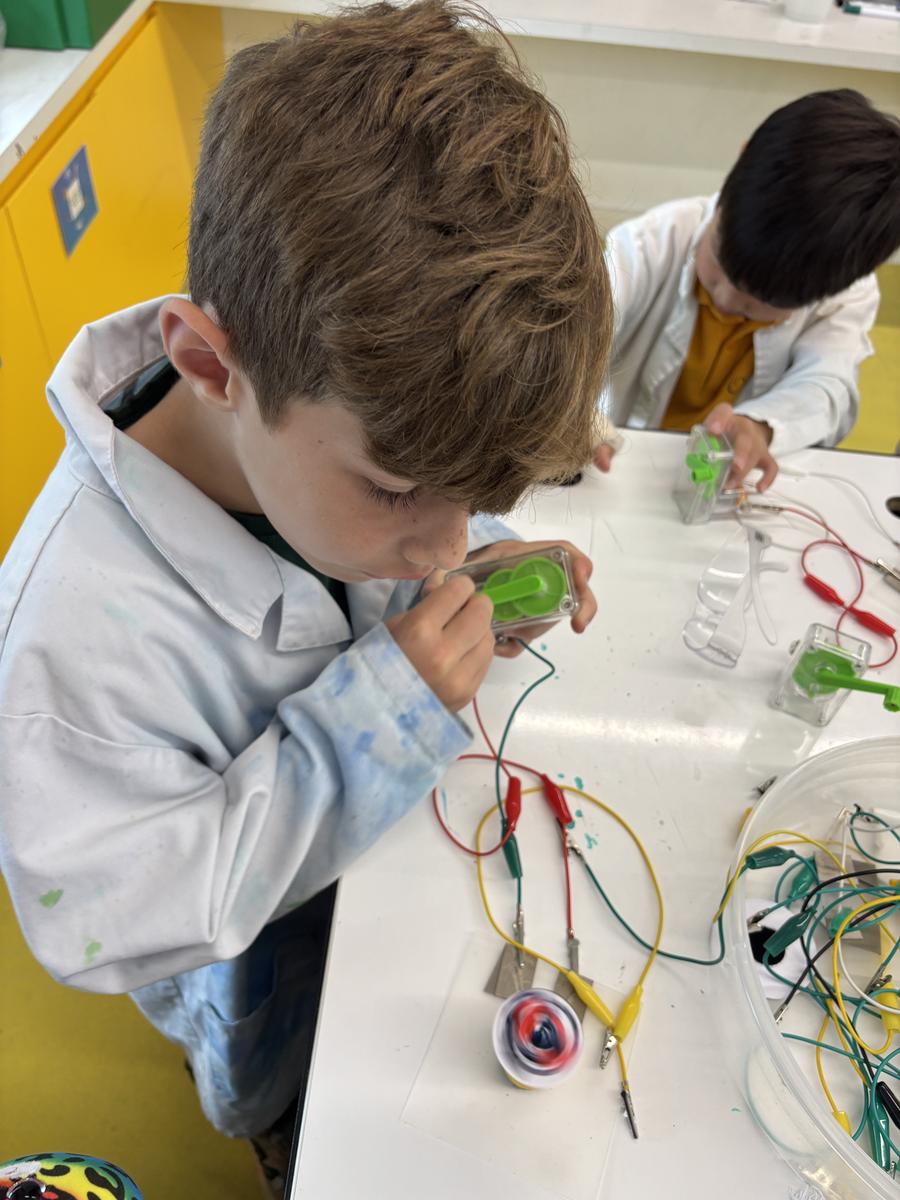
Last Tuesday, Year 1/2 students took part in an exciting STEAM incursion where they explored science and engineering through hands-on learning. Throughout the session, students tested different materials and investigated how things work by making predictions, experimenting, observing results and discussing their ideas together.
Rather than simply watching demonstrations, every student had the opportunity to participate in activities that explored circuits, energy and the properties of different materials. They investigated what worked well, what didn’t, and why. A big focus of the session was learning that mistakes are an important part of learning, and that scientists and engineers often learn the most by trying again and improving their ideas.
Using what they discovered, students then created their own working paper circuit to power a small spinning tunnel boring machine model. It was wonderful to see students thinking creatively, solving problems and working like real scientists and engineers! ⚙️🔬
Year 6
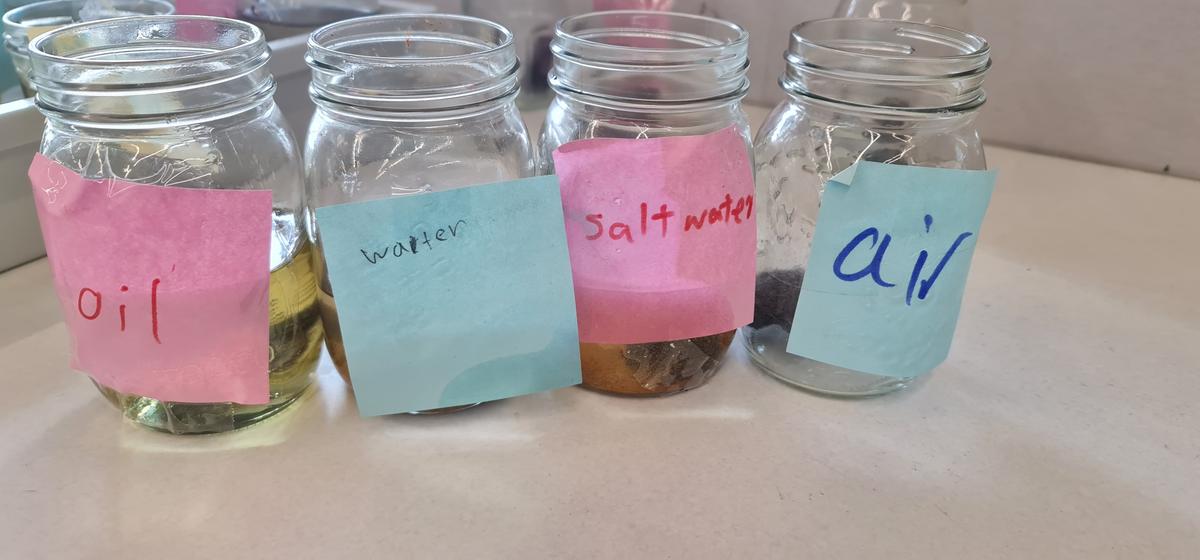
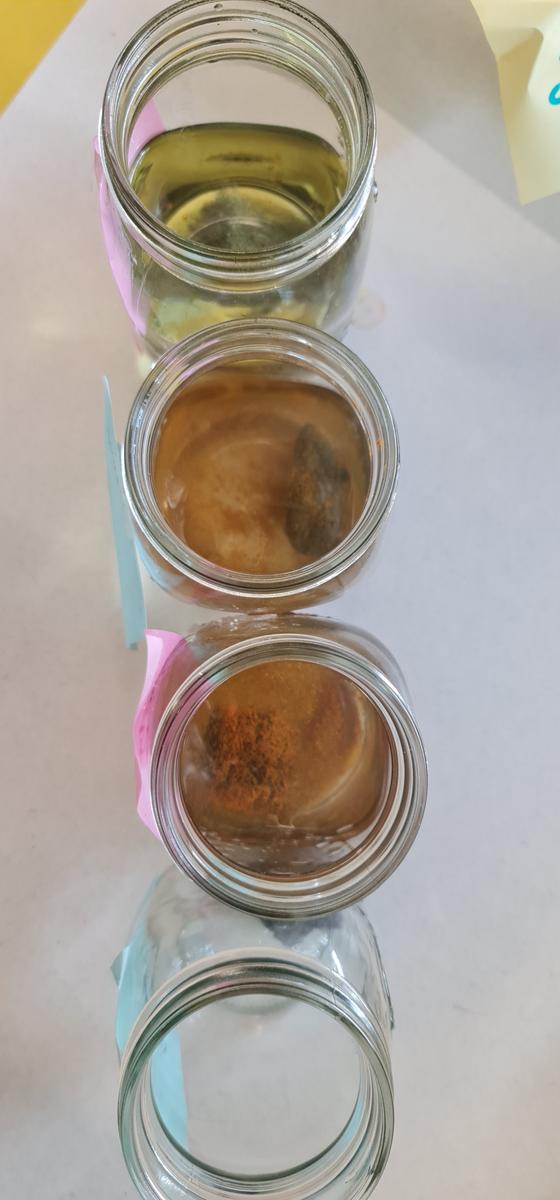
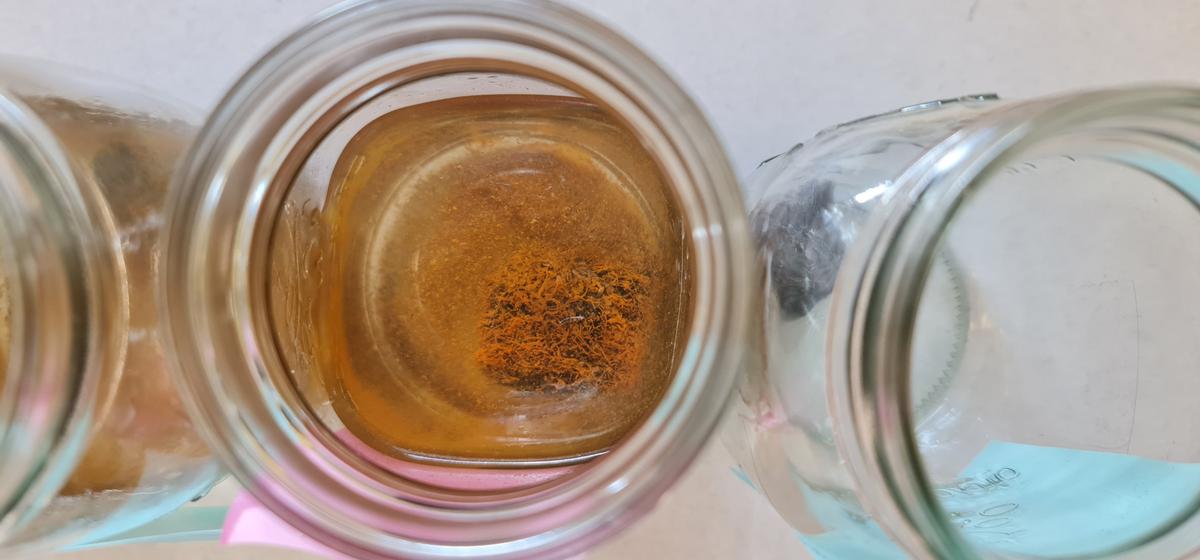
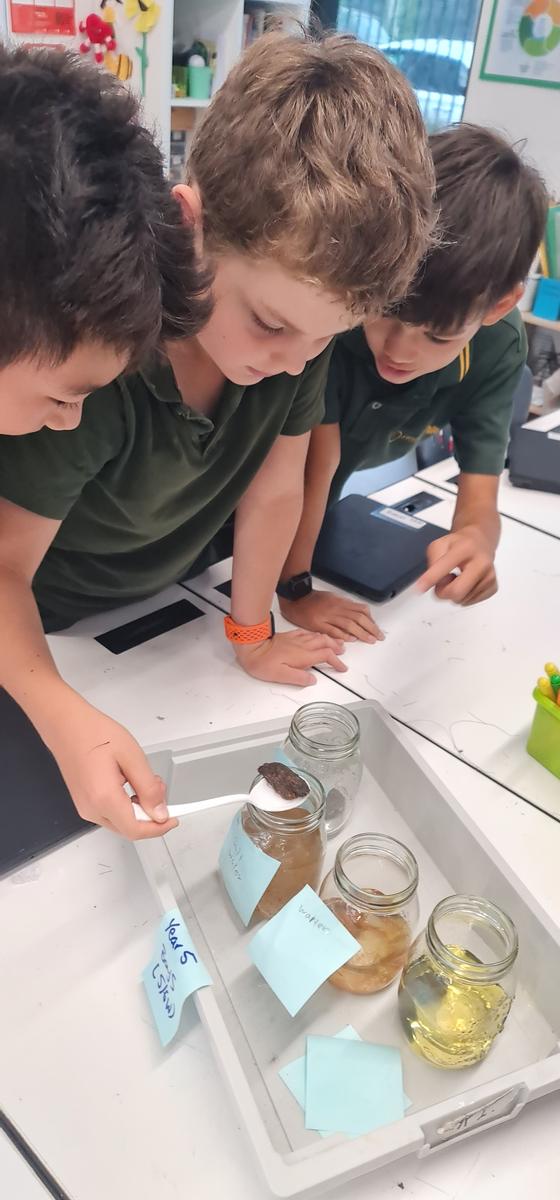
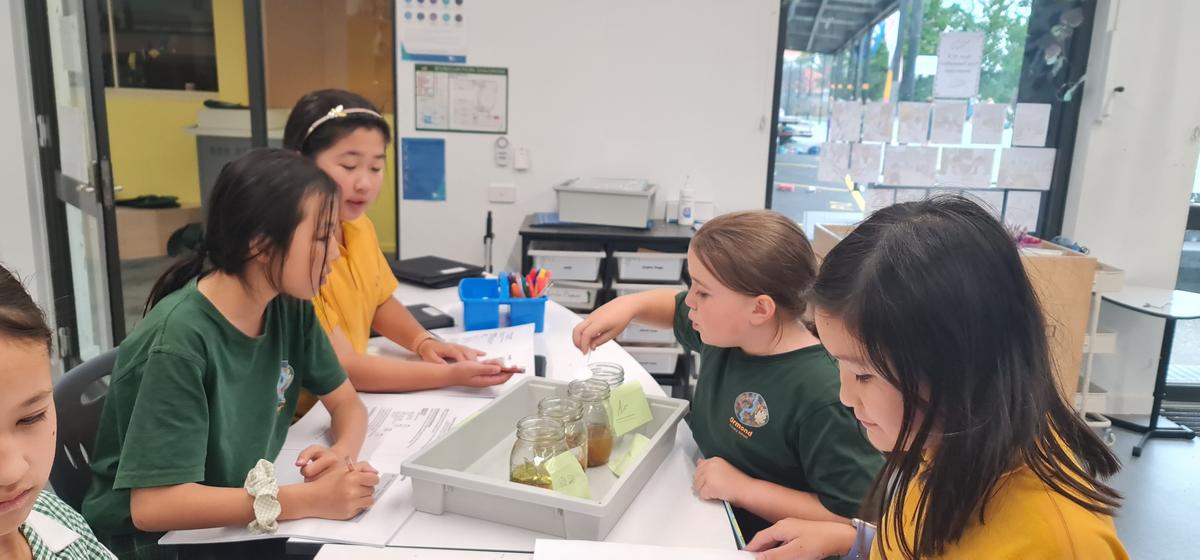
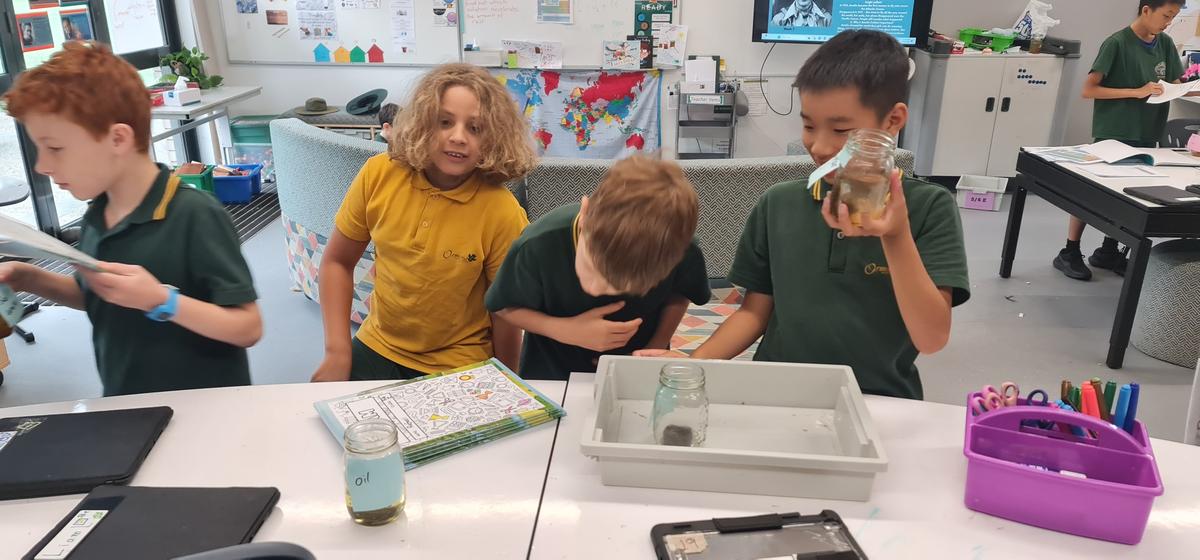
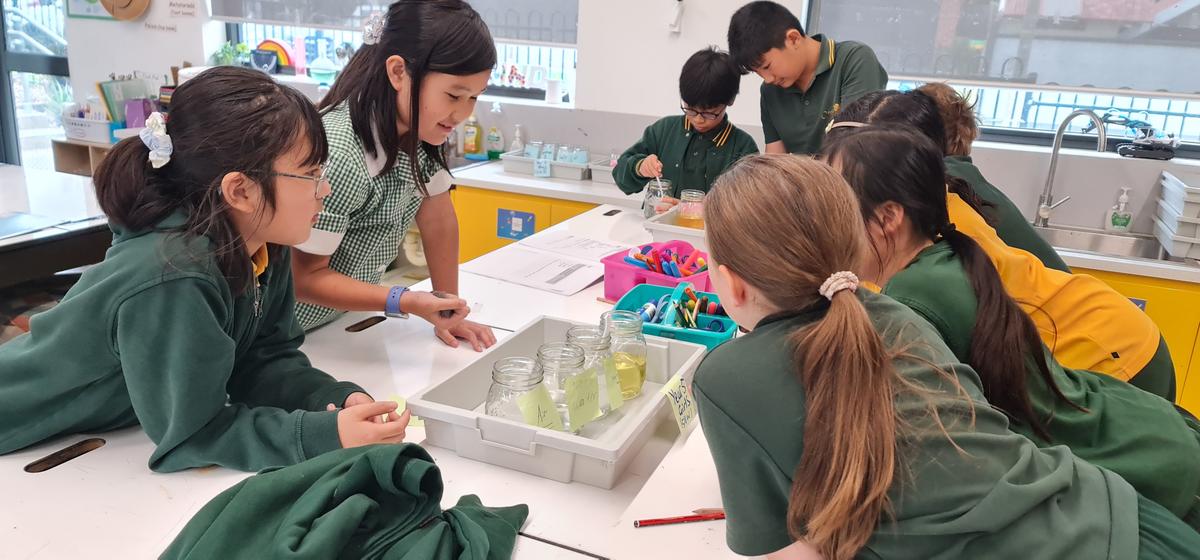
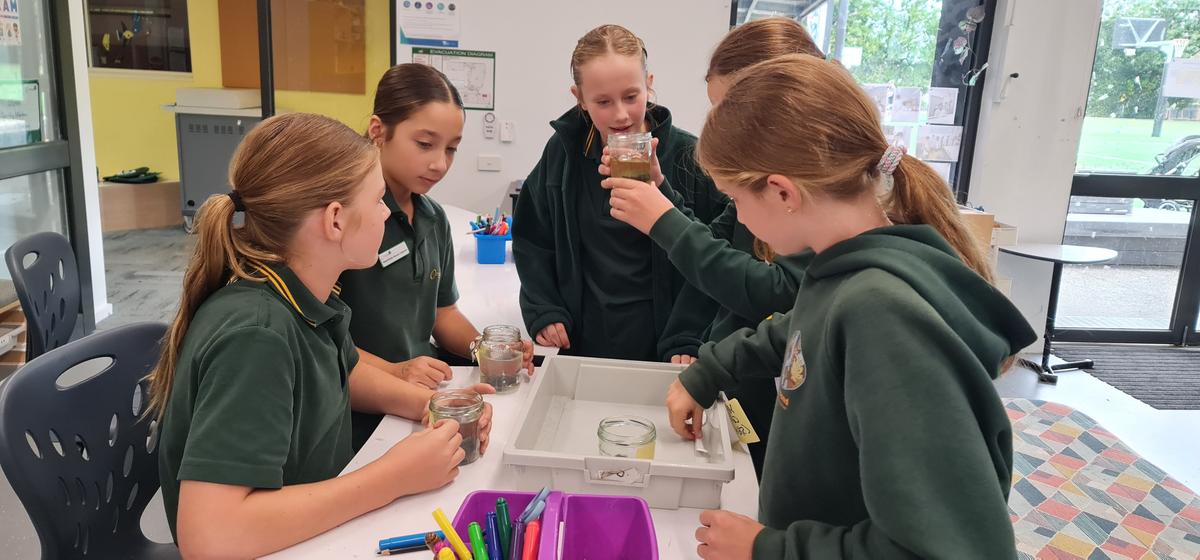
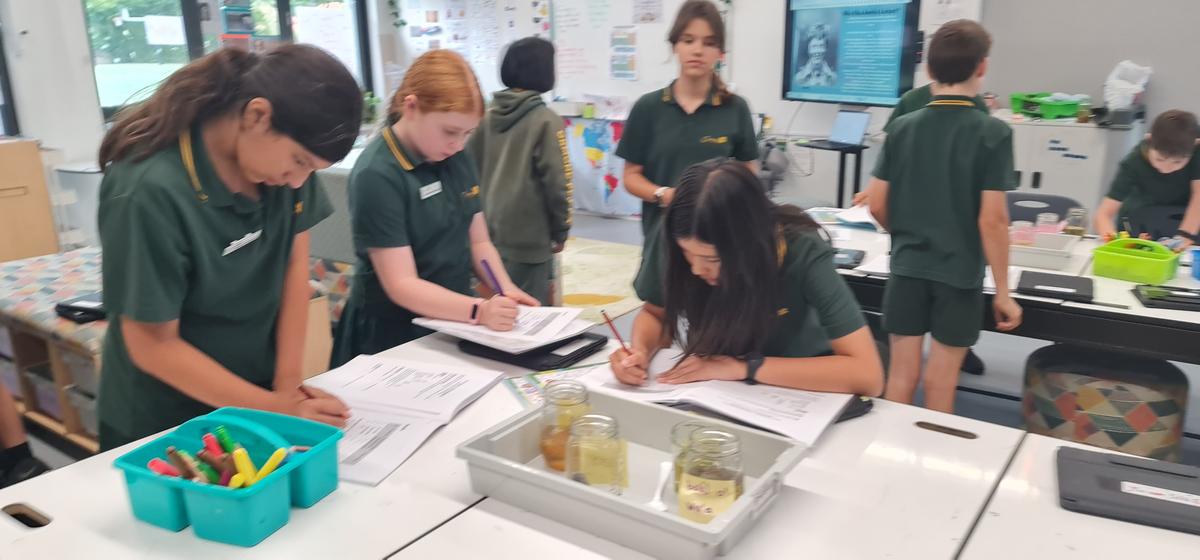
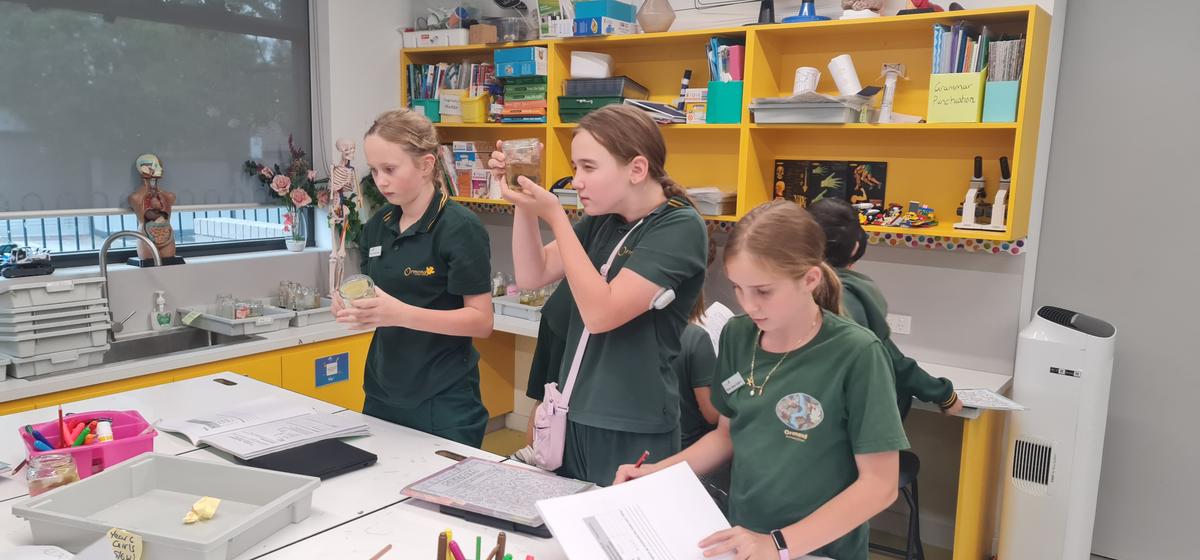
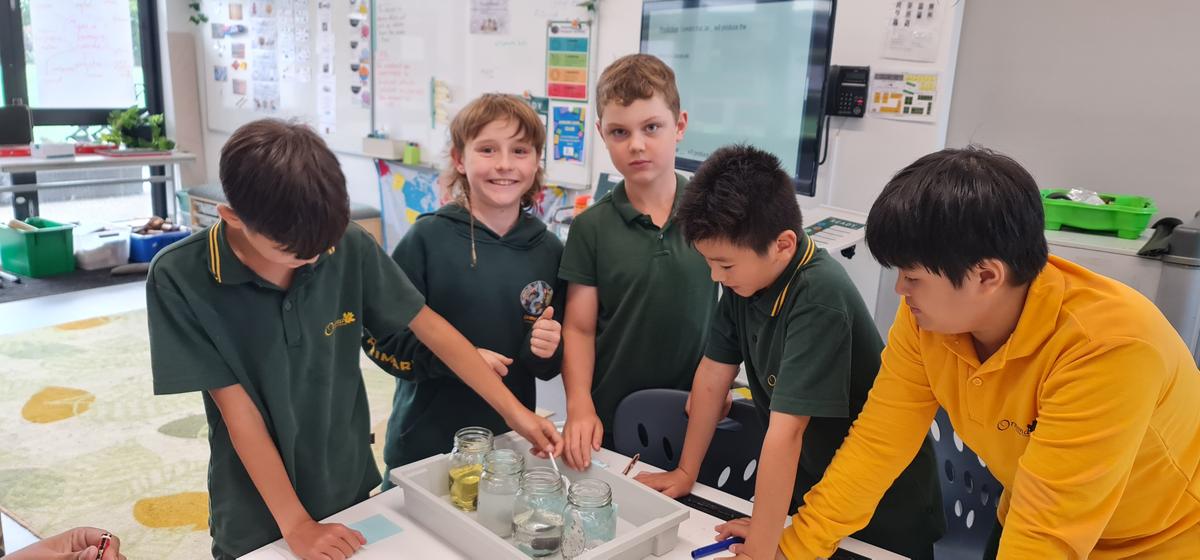
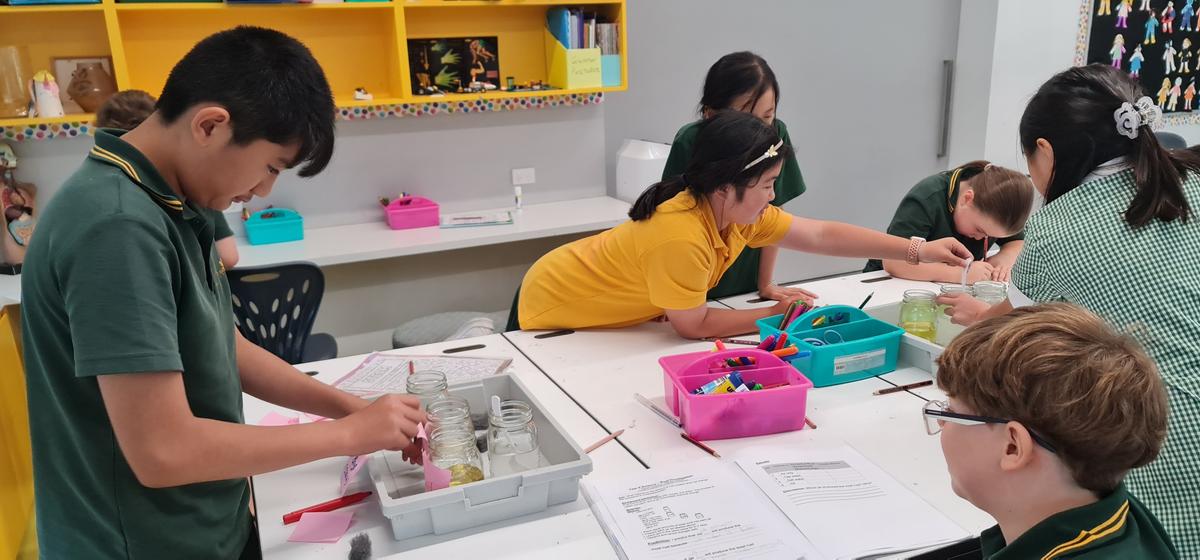
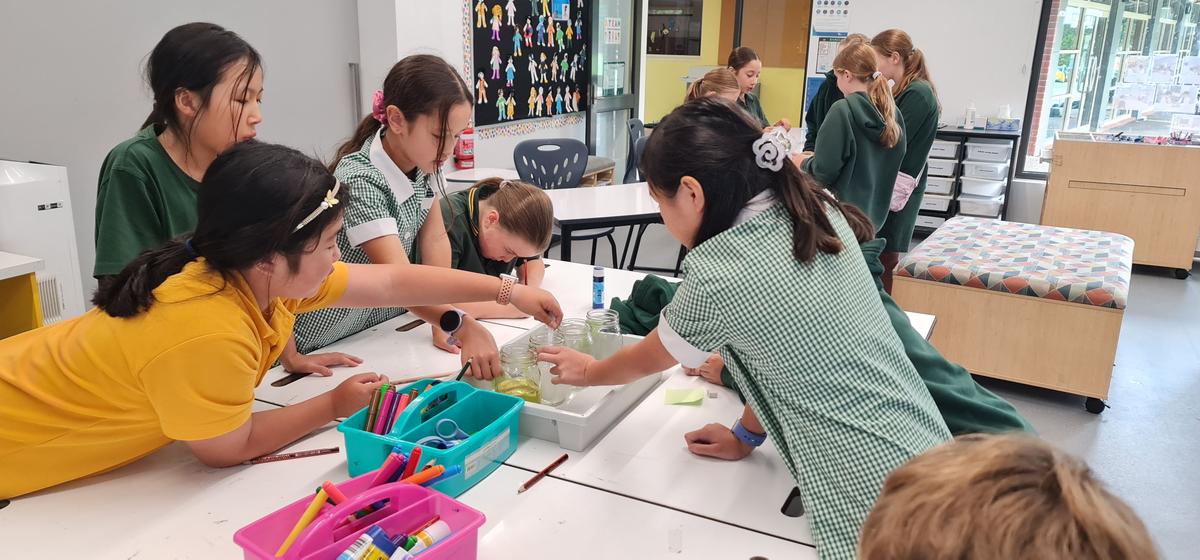
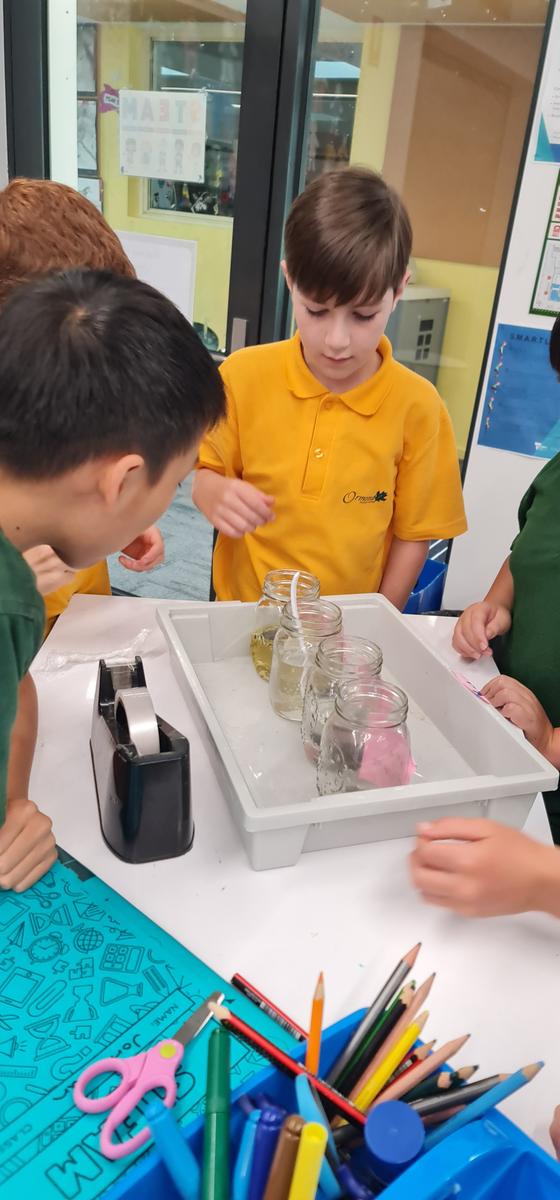
Year 6 students have been learning about reversible and irreversible changes in matter. To explore this idea, they conducted a week-long investigation to see which type of solution would speed up the formation of rust.
Students placed pieces of metal into different jars containing water, oil, salt water, and one control jar with only air. When they checked their results, they discovered that the metal placed in salt water had developed the most rust. This is because salt water helps the rusting process happen faster by allowing the chemical reaction between the metal, oxygen and water to occur more easily.
Through this experiment, students saw first-hand that rusting is an irreversible change, as the metal cannot return to its original state once the reaction has occurred. The investigation gave students the chance to think and work like scientists as they made predictions, observed changes and discussed their results.
Regards,
Dorothy Markou
STEAM Specialist