
Pastoral Wellbeing

🌟 Celebrating Attendance at Our School 🌟
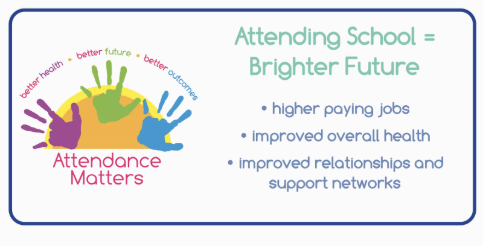
Regular school attendance plays a vital role in supporting student learning, wellbeing, and connection to school. We are pleased to share our current attendance rates across each year level:
- PHE: 95.56%
- 1PW: 91.34%
- 1GF: 90.98%
- 2EM: 92.38%
- 3/4JW: 93.49%
- 3/4DL: 92.55%
- 3/4JS: 92.25%
- 5LT: 89.98%
- 5JW: 89.49%
- 6SH: 91.45%
- 6RM: 90.20%
These results reflect the strong commitment of our students and families to prioritising school each day. It is particularly pleasing to see such strong attendance in Foundation and Year 4, with all year levels continuing to work towards the goal of 90% and above.
We would also like to recognise the many students who have achieved 100% attendance so far this year. This is an outstanding accomplishment and reflects a consistent commitment to learning, routine, and being an active part of our school community.
Achieving 100% attendance is no small feat, and we congratulate these students on their dedication and effort. 👏
We thank our families for their ongoing support in ensuring students attend school every day. Every day counts, and together we can continue to build positive habits that support success for all learners.
Seeking Assistance?
If your family is finding it difficult to get to school regularly, please know that we are here to help. You’re encouraged to speak with your child’s classroom teacher or reach out to our Wellbeing Team – Mrs. Antonowicz, Mrs. Maher, Mr. Teggelove or Mr. Podosky – for support.
We can assist in a variety of ways, including:
- Creating a positive morning routine to reduce stress before school
- Helping your child feel safe and connected at school
- Offering support for separation anxiety or school-based worries
- Adjusting your child’s transition into the classroom
- Working with families to make a plan that suits your situation
Please don’t hesitate to reach out – we’re here to work with you and your child every step of the way.
If you know that your child won’t be attending school, please contact the office and let them know that your child will be away!
Our Classroom Routines – Supporting Calm, Ready Learners
To help create calm, focused and respectful learning spaces, all classes use three shared classroom routines. These routines support students to transition smoothly, know what is expected of them, and feel confident and safe at school.
Ready in 5
What this routine teaches: Ready in 5 helps students learn self-regulation, organisation and focus. It supports children to pause, prepare and be ready to learn together.
How the routine works: When “Ready in 5” is called, students have a short countdown to:
- Sit or stand calmly
- Face the teacher
- Have hands still and voices off
- Be ready to listen and learn
How families can help at home:
- Practise short countdowns for transitions (e.g. “Ready in 5 for dinner” or “Ready in 5 to leave the house”)
- Encourage children to stop, look and listen when given a cue
- Praise effort rather than speed: “You got yourself ready so calmly”
Classroom Entry
What this routine teaches: This routine helps students develop respect for learning spaces, independence and calm transitions.
How the routine works: Students line up outside the classroom and enter calmly when invited, moving to their seat or learning space quietly and ready to begin.
How families can help at home:
- Encourage calm transitions between activities
- Talk about the importance of entering spaces respectfully (e.g. libraries, shops, places of worship)
- Reinforce the idea that how we enter a space sets the tone for what comes next
Classroom Exit
What this routine teaches: Classroom exit supports safety, responsibility and respect for others.
How the routine works: Students pack up, stand behind their chair or line up, and wait to be dismissed calmly by the teacher before leaving the room.
How families can help at home:
- Practise waiting calmly before leaving the house or moving to the next activity
- Encourage children to finish one task before starting another
- Model calm exits when leaving places together
These shared routines help create consistent expectations across the school and give students clear, predictable structures that support learning and wellbeing. Thank you for reinforcing these routines at home — your support makes a big difference.