
Nurse's Notes

Diabetes and the 4 Ts
Going to the Toilet frequently?
Feeling very Thirsty?
Always Tired?
Looking Thinner these days?
Test for Diabetes! See your GP or speak to the practice nurse.
What is Diabetes?
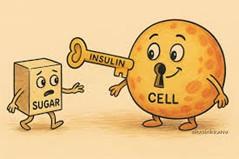
Diabetes is a condition that affects how the body uses glucose (sugar) for energy. Our bodies normally use a hormone called insulin to move sugar from the blood into our cells.
When someone has diabetes, their body can’t make enough insulin or can’t use it properly, so sugar stays in the bloodstream instead of powering the body. There are two types.
Type 1 Diabetes
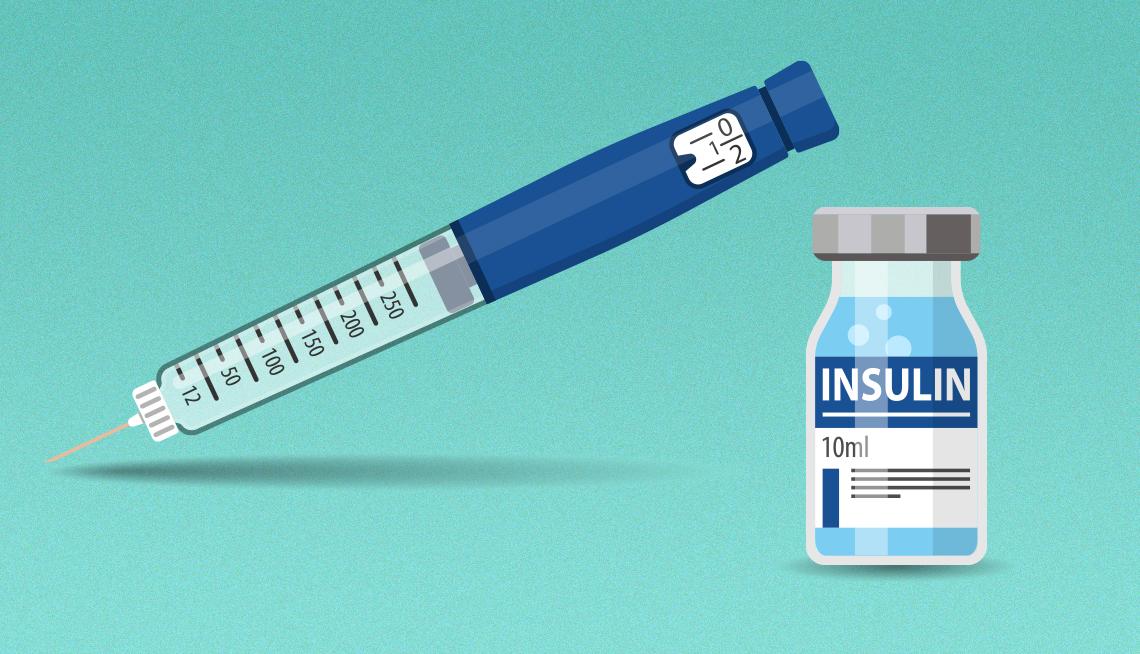
The body stops making insulin all together and people will need to inject insulin every day. Often diagnosed in children or young adults, but it can happen at any age.
Type 2 Diabetes
The body becomes resistant to insulin or doesn’t make enough of it. Blood sugar levels become too high over time. It is more common in adults but increasingly seen in young people too.
What is Low Blood Sugar (Hypoglycaemia)?
A person’s blood sugar can drop too low. The common causes are too much insulin/medication or skipping meals.
Signs and symptoms include:
Dizziness, sweating, confusion and looking pale.
Treatment includes giving them glucose such as:
- Glucose tablets, juice box or lollies.
What is High Blood Sugar (Hyperglycaemia)?
A person’s blood sugar can become too high. The common causes are lack of insulin, eating too many carbohydrates and stress.
Signs and symptoms include:
Increased thirst, increased frequency having to go to the bathroom (also night time waking to use the bathroom), fatigue and headaches.
Treatments include:
- Taking more insulin, light physical activity and drinking more fluids.
Living with Diabetes
Students with diabetes can do everything other students (choose people or students not both- if that makes sense) can do with the right care.
Care and treatment can include:
- Healthy eating
- Physical activity
- Insulin or oral medication
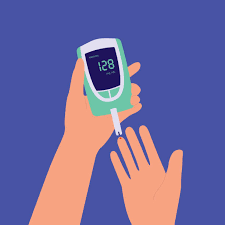
- Checking blood sugar levels
Diabetes at School
The school team which includes teachers, nurses and parents/family work together to help students manage their diabetes and keep them well better option?
This can be done by:
- Checking their blood sugars regularly
- Providing snacks when needed
- Educating the student on what to do if levels are too high or low
- Educating other relevant staff members about how to manage their condition
- Liaising with specialists and working together to provide individual care
If you have any questions or concerns about a student please reach out to the College nurses via email nurse@icom.vic.edu.au.
Ms. Rayan Hamze, College Nurse