Wellbeing Report
Transitioning to a New Year Level: Supporting Your Child
The end of the school year is an exciting time, but it can also bring feelings of anxiety and uncertainty for children as they prepare to move to a new year level. A new classroom, new teacher, and new routines can feel overwhelming, even for confident students.
Understanding Transition Anxiety
It’s natural for children to feel nervous about what’s ahead. They may worry about making new friends, keeping up with schoolwork, or adapting to different routines. Recognising these feelings and talking about them openly can help your child feel heard and supported.
How Parents Can Help
There are several ways parents can ease the transition and foster a positive mindset:
Talk Positively About the Change: Focus on the exciting aspects of the new year level, such as new learning opportunities, activities, and friendships.
Familiarise Your Child with the New Environment: If possible, visit the classroom or school areas with your child, or review photos of the learning spaces.
Encourage Questions: Allow your child to ask about the new teacher, classmates, or routines, and discuss any concerns together.
Maintain Consistent Routines: Predictable morning, bedtime, and homework routines help children feel secure.
Support Social Connections: Encourage your child to connect with friends over the break or at the start of the year to ease social anxiety.
The Role of Teachers and Schools
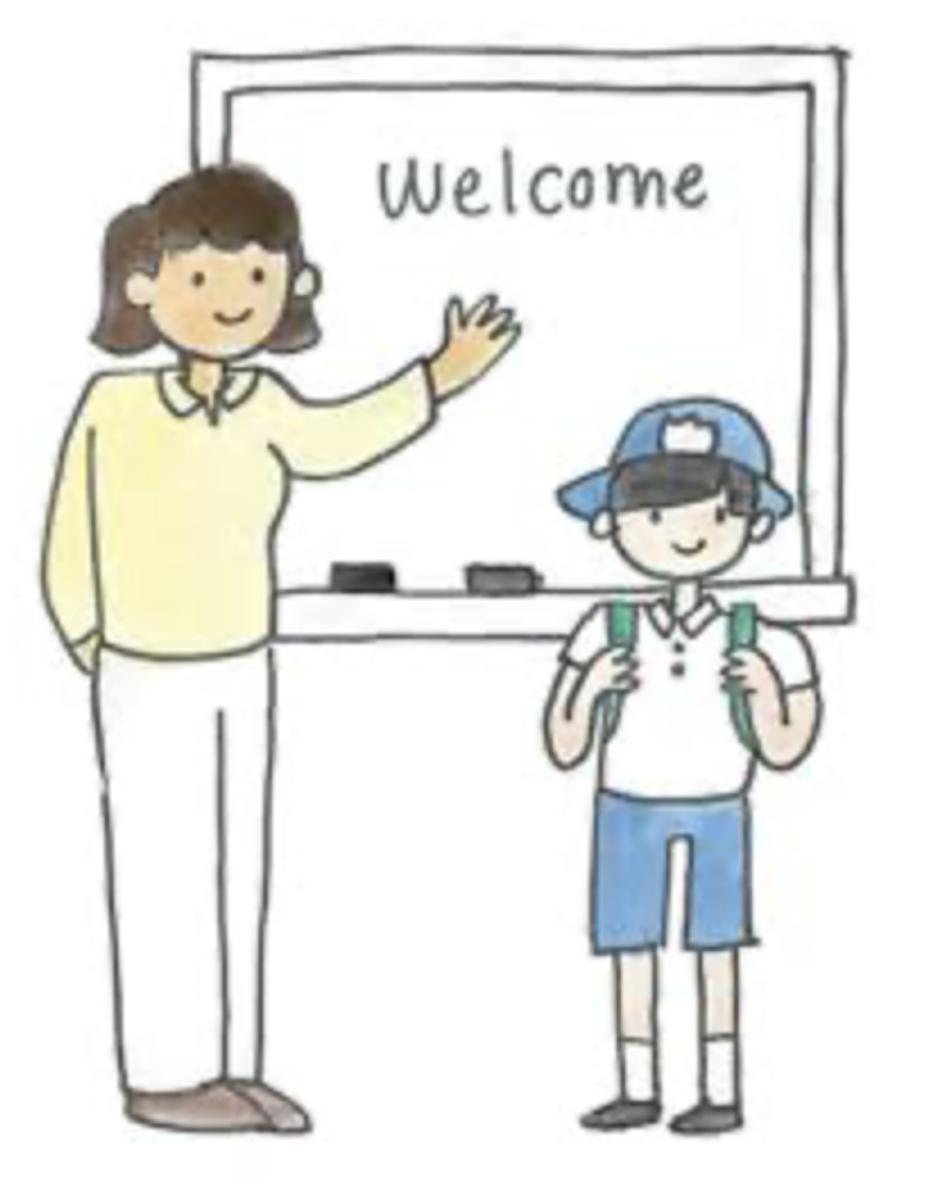
Teachers are aware that transitions can be challenging. They often spend time at the beginning of the year helping students settle, fostering connections, and establishing routines to create a safe, supportive classroom environment.
Looking Ahead
With preparation, reassurance, and positivity, children can approach their new year level with confidence and excitement. Celebrating their growth and achievements, while providing support for any worries, helps make the transition smooth and empowering.