
Year Three
Year Three Newsletter
Dear Year 3 Families,
As we continue our journey through Term 4, we are excited to share the fantastic learning experiences taking place in our classrooms. Below, you will find updates on the key subject areas and ways to support your child’s learning at home.
Reading
Children have been building on the skills of identifying important information and summarising key findings from non-fiction texts to discover the writer’s message. Identifying important information involves picking out the main ideas, key facts, or key details, while summarising means condensing that information into clear, concise statements. These skills help students develop a deeper understanding of informational texts by focusing on what really matters and expressing it in their own words.
Students have been practising this through whole-class and independent tasks, including reading a variety of non-fiction texts and analysing photographs to pick out essential information and summarise what they observe.
We have also been reading about ecosystems and animals, exploring how living things interact, survive, and adapt. Through these texts, students have identified important facts, key messages, and main ideas about different environments and the creatures that live within them.
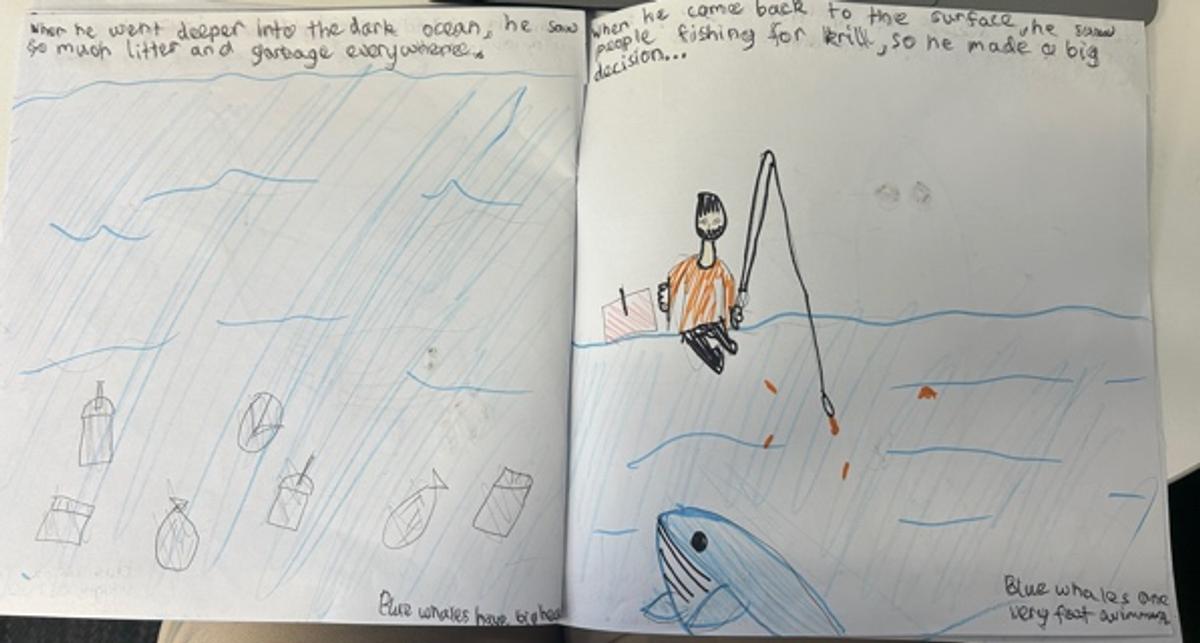
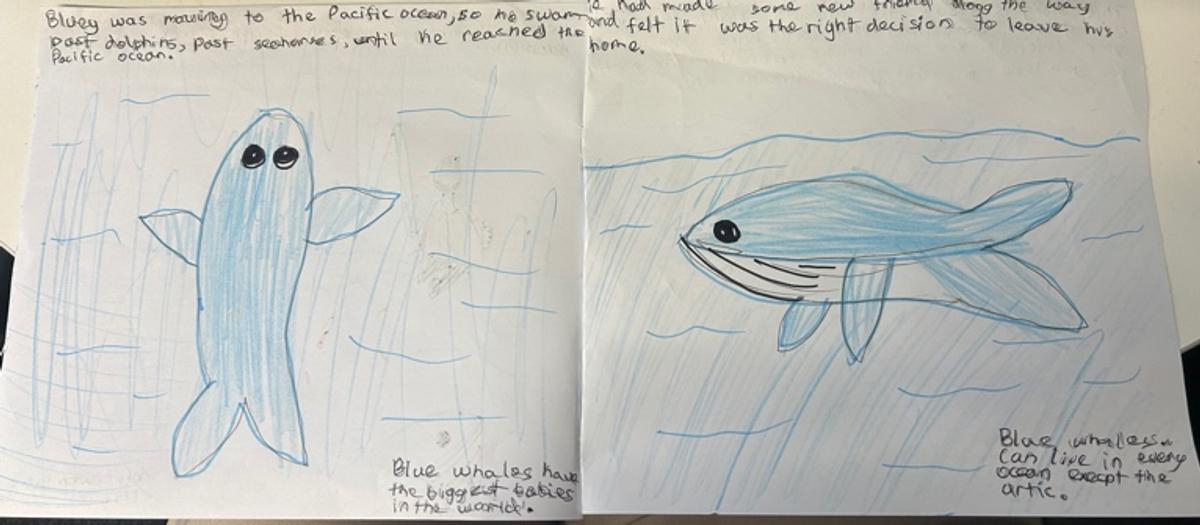
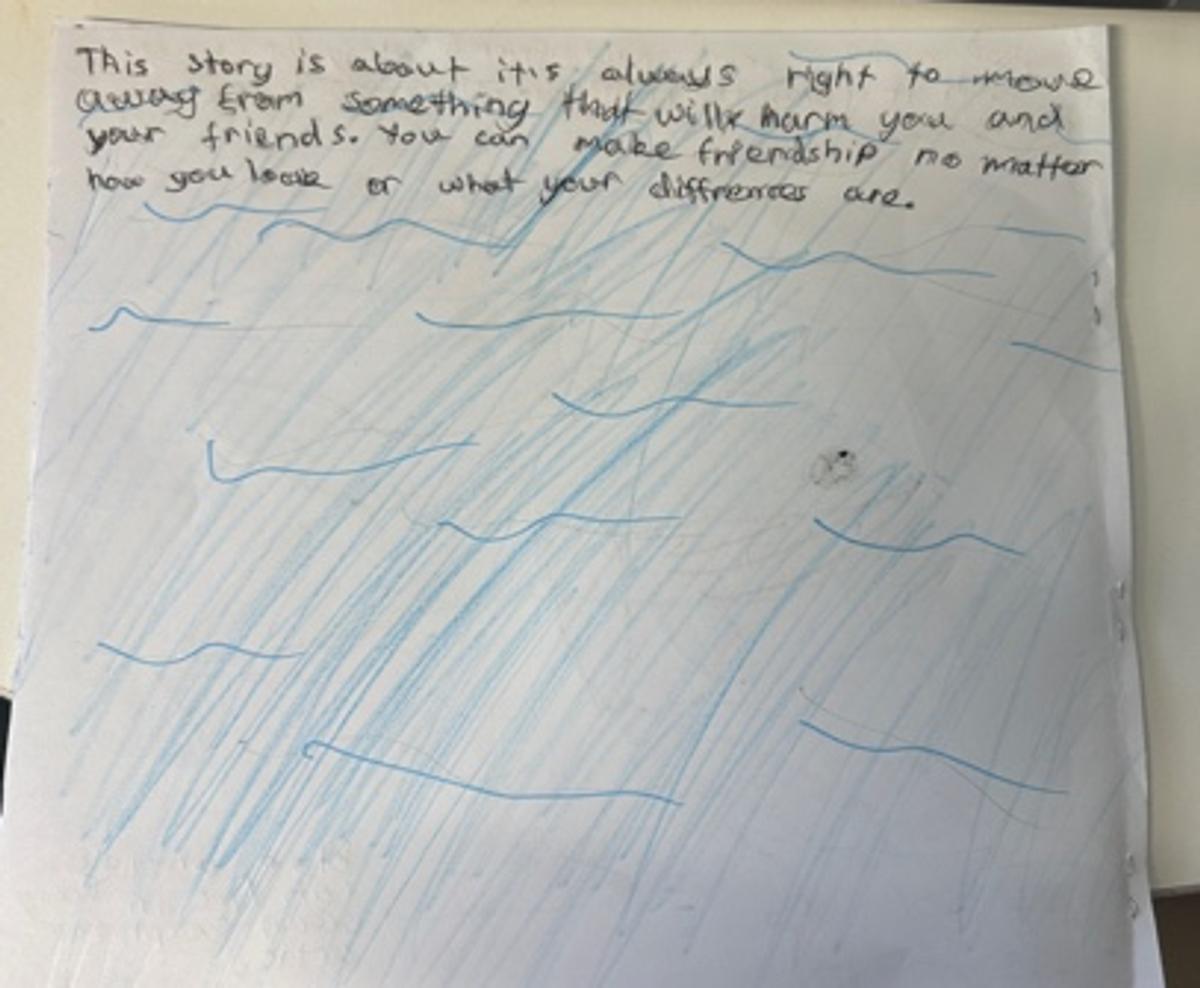
At home, you can support your child’s ability to identify and summarise important information by asking them to explain the main idea of a passage, or to point out three key facts and explain why they chose them. Questions such as, “What is this part mostly about?” or “Can you tell me that in your own words?” encourage these skills and deepen understanding.
Writing
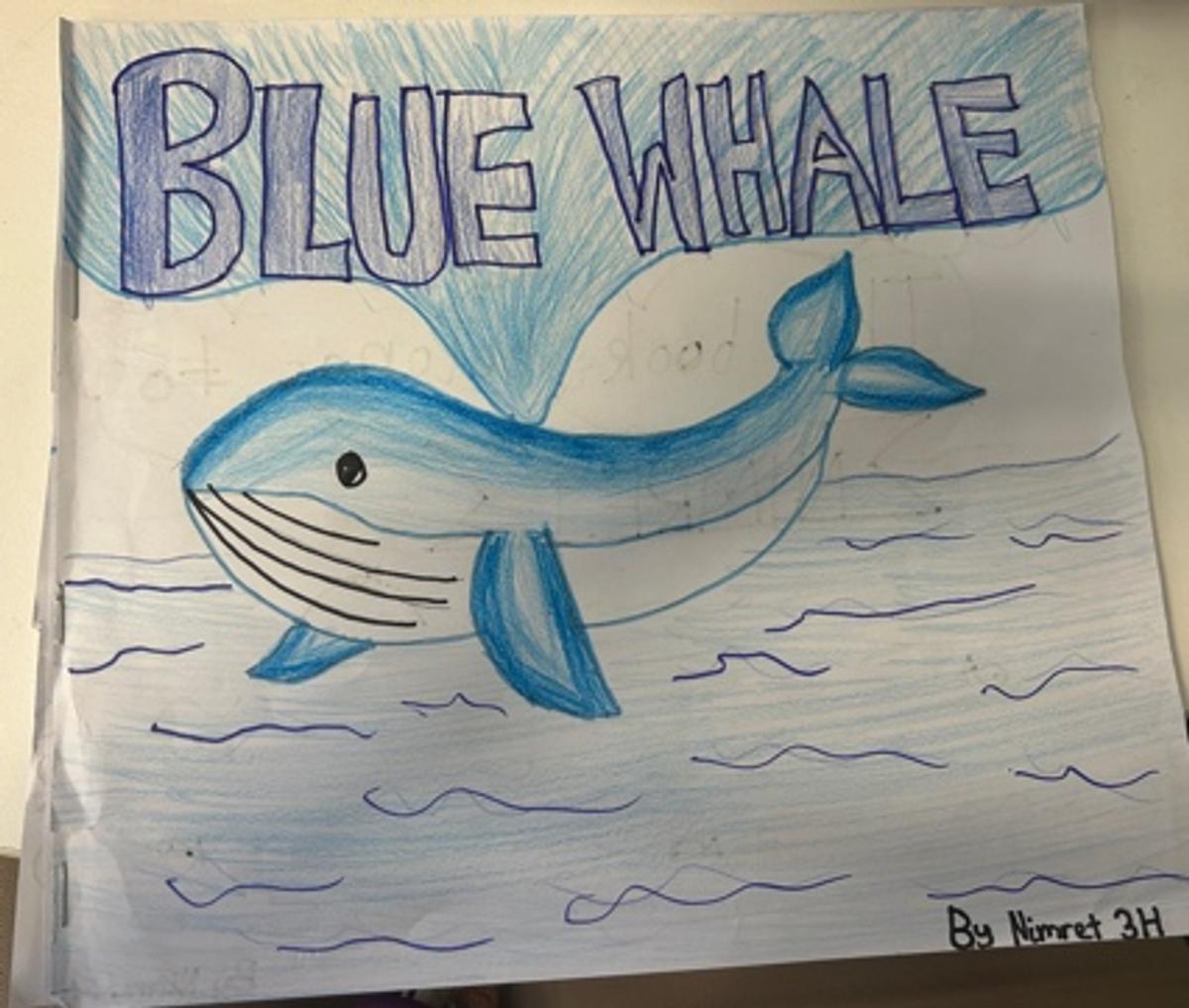
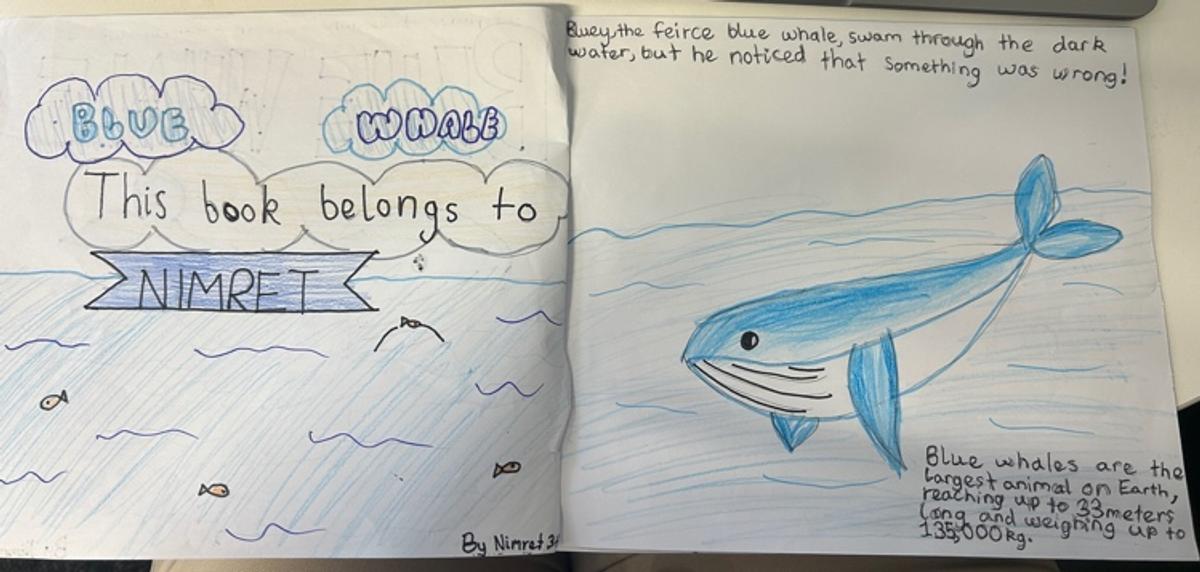
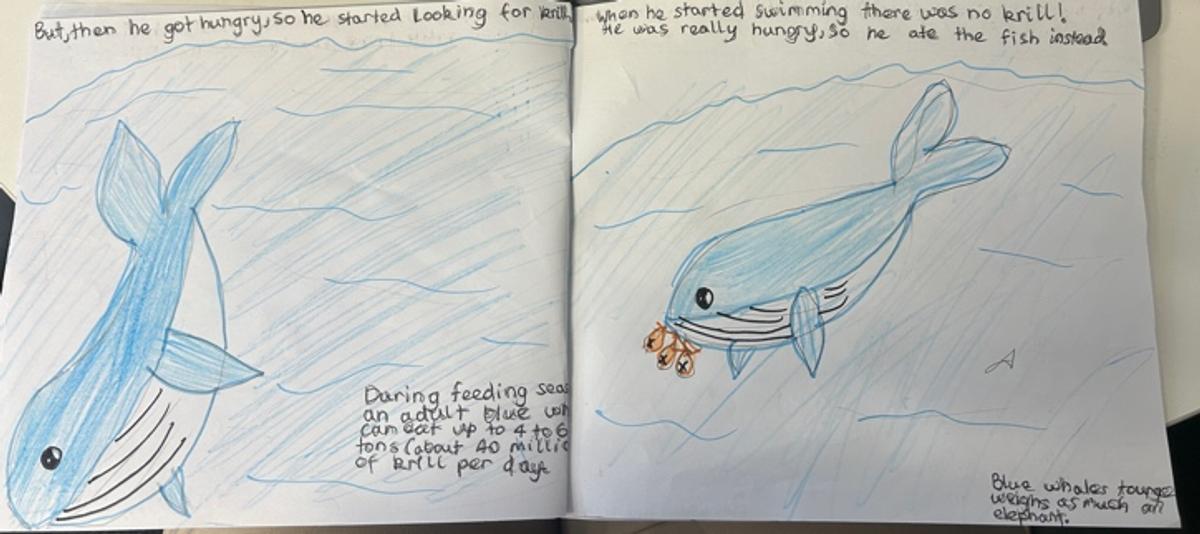
Students are expanding beyond simple descriptions and are now exploring narrative writing through the study of hybrid texts. A hybrid text combines narrative features with factual information, allowing students to understand how authors blend storytelling with real-world facts to engage and inform readers.
We have been examining a range of hybrid books, with a particular focus on the works of author Claire Saxby. Through her writing, students are learning how authors use rich language, structure, and factual detail to create engaging and informative narratives.
Classes are following the gradual release of responsibility model to develop their own hybrid writing skills. Students have been planning, drafting, and publishing their own hybrid books, which helps them strengthen their ability to organise ideas, use descriptive and factual language, and create purposeful, engaging texts.
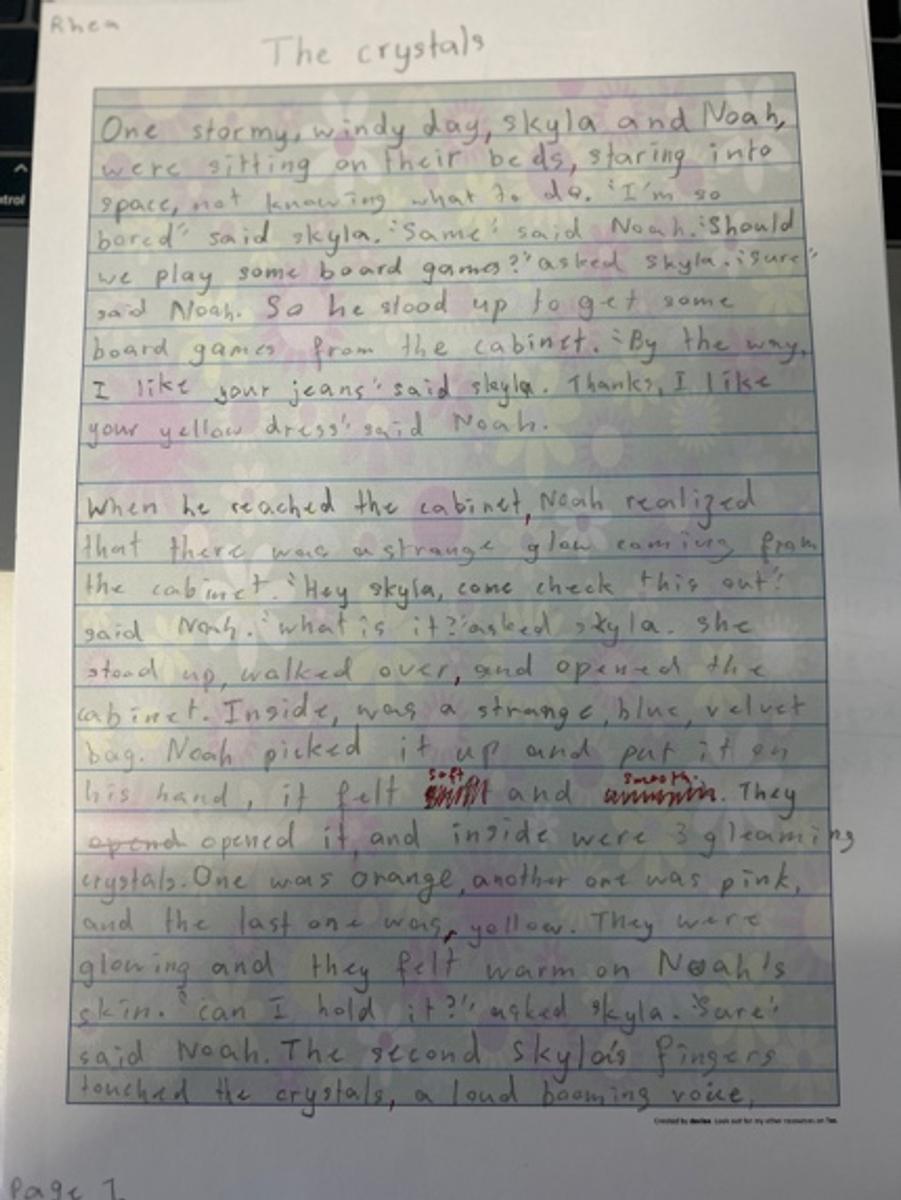
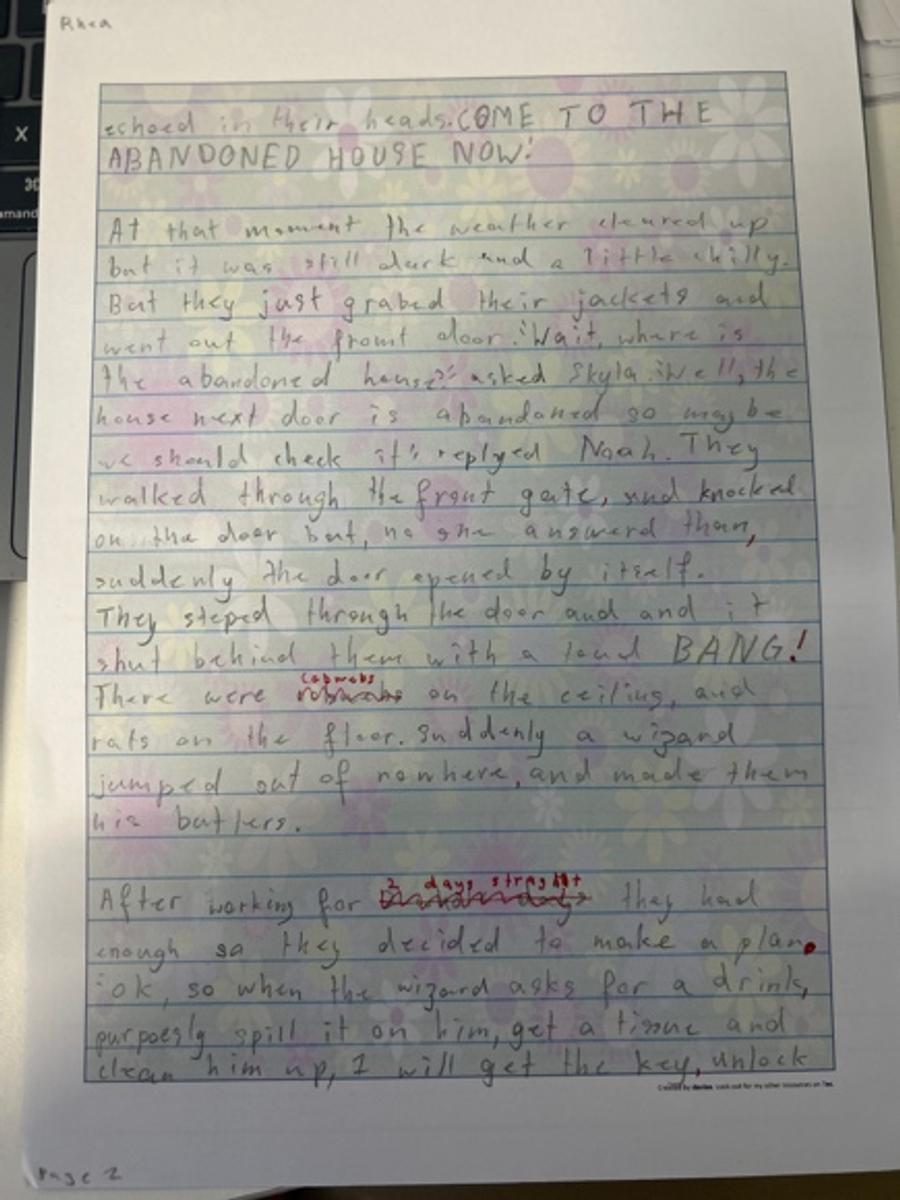
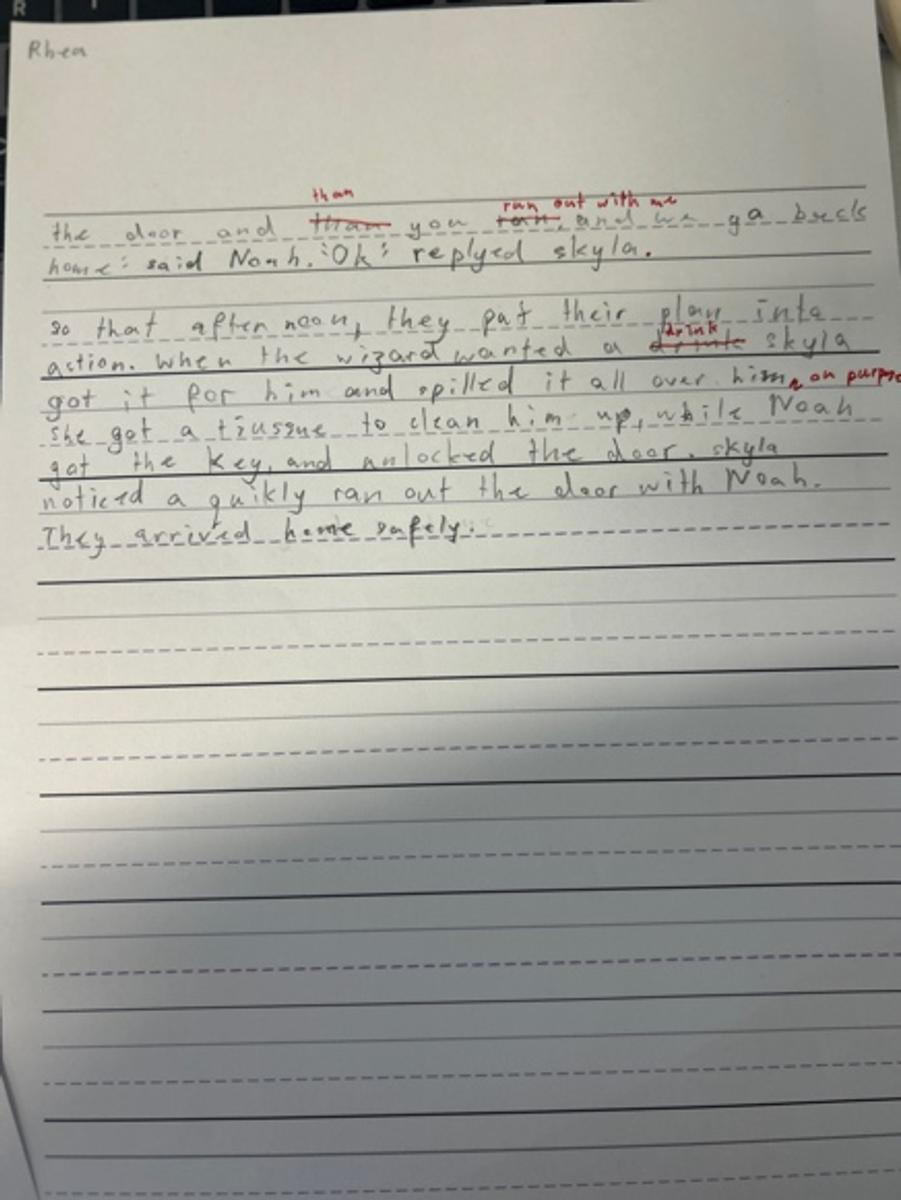
At home, you can support your child’s narrative and hybrid writing by asking them to explain the kind of hybrid book they are creating, describe the narrative elements, or discuss the factual information they are including. Encouraging them to think about how authors like Claire Saxby blend facts with story will help consolidate these skills and build confidence in their writing.
Mathematics
Students have been developing their understanding of probability and focusing on their individual areas of growth. They are exploring concepts such as organising events on a probability scale, identifying the likelihood of real-life situations, and using language such as likely, unlikely, certain, and impossible.
Students have also been engaging in hands-on probability activities to deepen their understanding through practical experiences, such as sorting events, conducting simple chance experiments, and discussing outcomes.
Alongside this, students have been working with money in meaningful, hands-on ways. They have been identifying coins and notes, counting money, and applying their numeracy skills to real-life scenarios such as simple purchasing tasks and making change. These activities support students in strengthening both their financial literacy and their mathematical reasoning.
Classes continue to follow the Launch, Explore, Discuss (LED) model, which encourages students to engage deeply with mathematical concepts through hands-on learning, exploration, and collaboration.
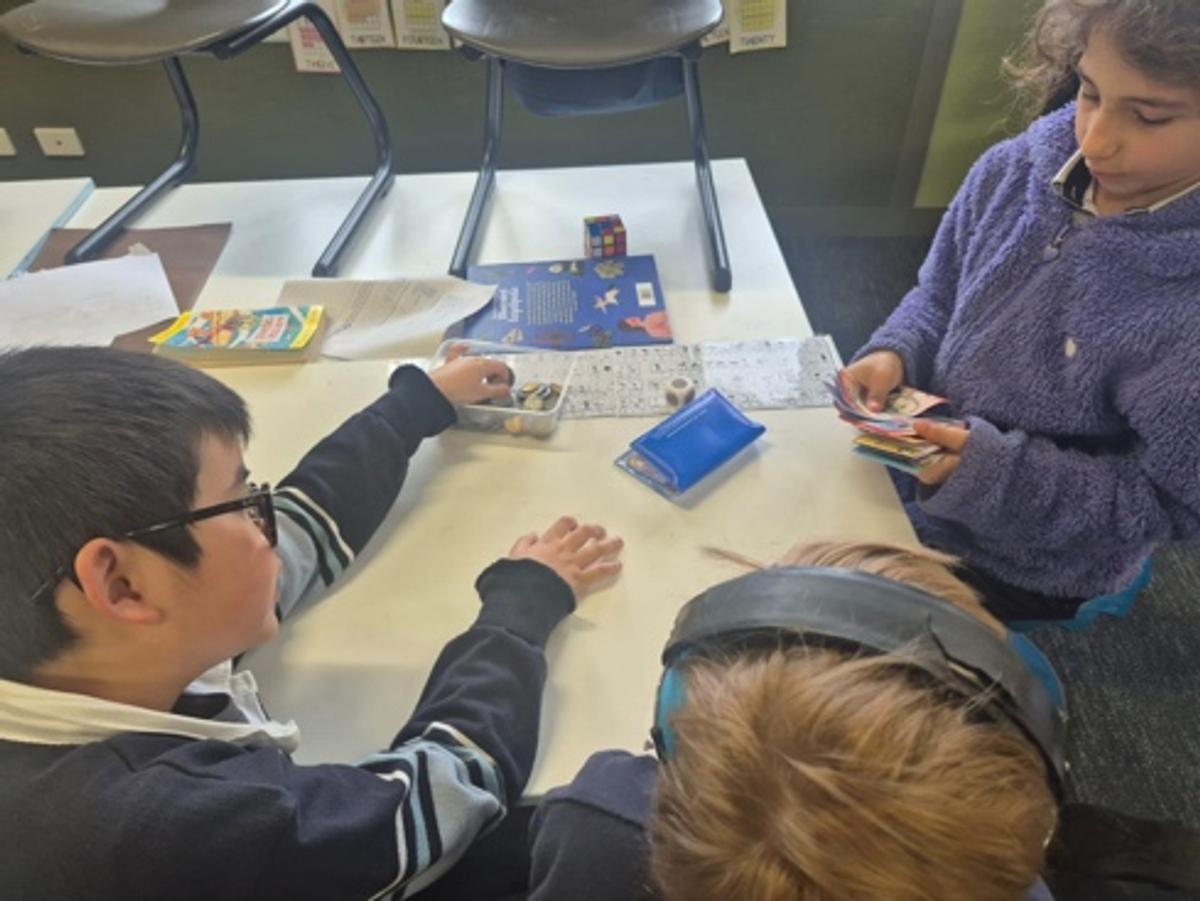
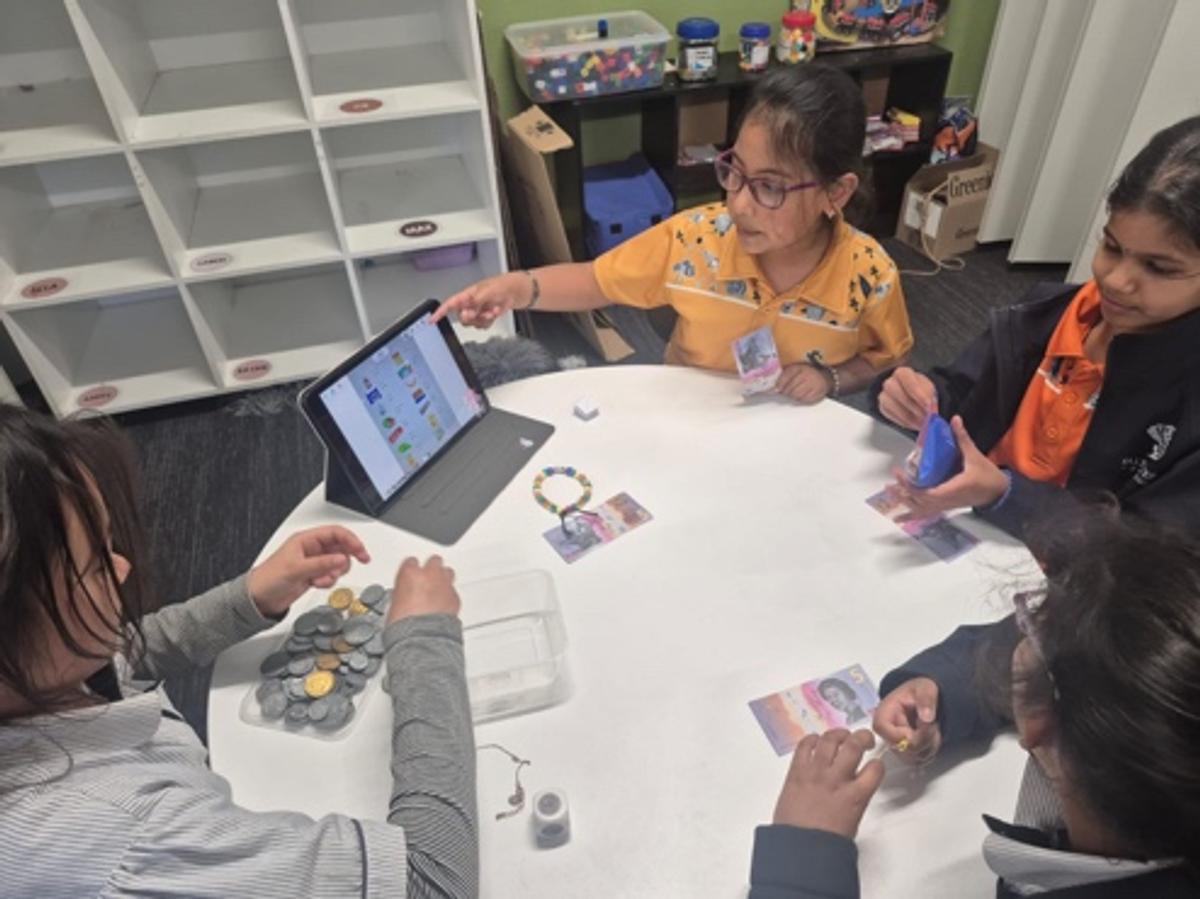
At home, you can support your child’s mathematics learning by asking them to organise everyday events on a probability scale, discuss how likely something is to happen, or practise money skills by identifying coins, making small purchases, or calculating change.
Language Conventions
Students have been developing their understanding of language conventions, including spelling, punctuation, grammar, and sentence structure. They have been practising these skills through a variety of activities, such as editing their own writing, completing targeted exercises, and applying conventions in their reading and writing tasks. It has been wonderful to see their attention to detail and growing confidence in using correct language conventions to communicate their ideas clearly.
Werribee Zoo Excursion
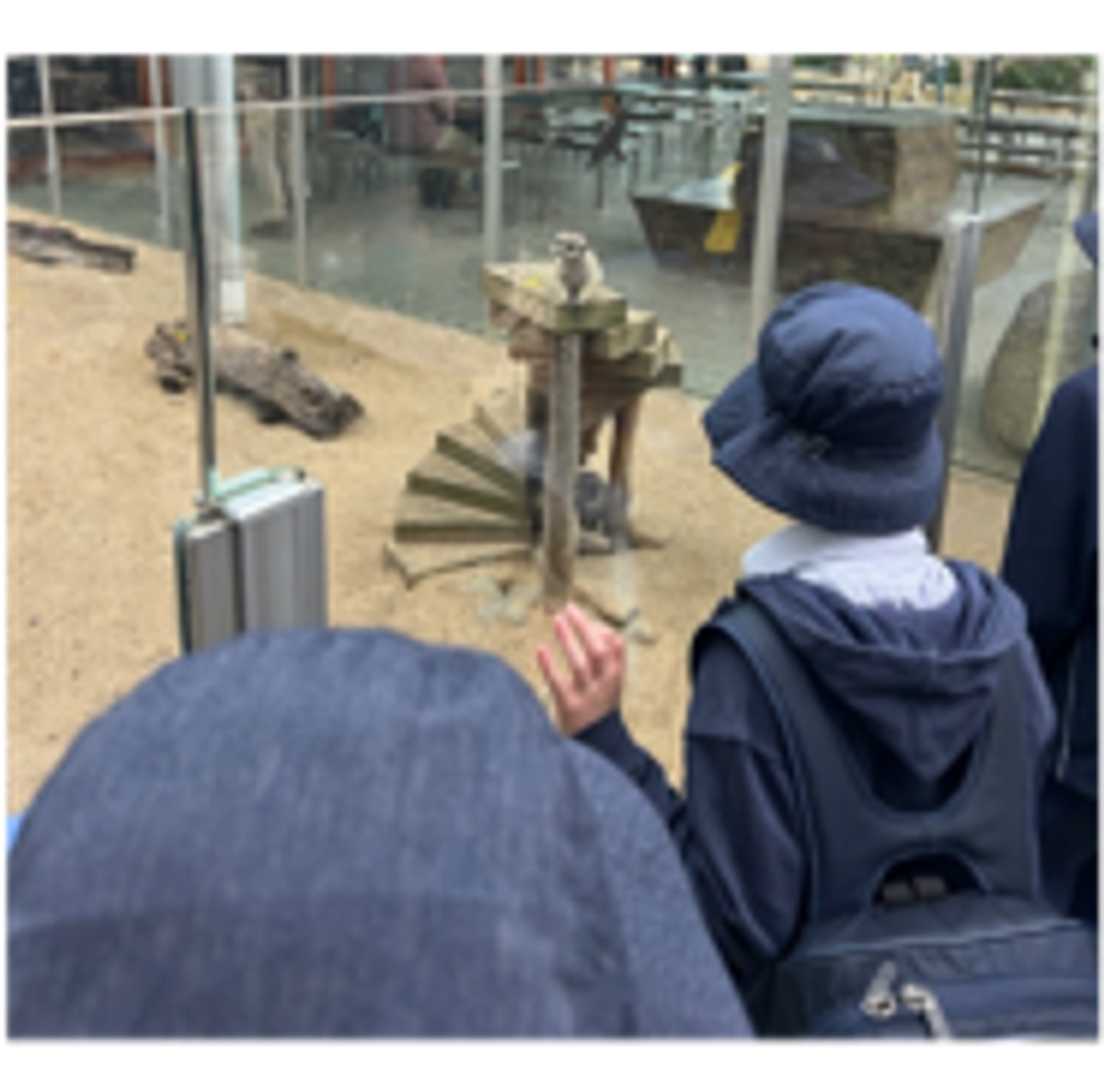
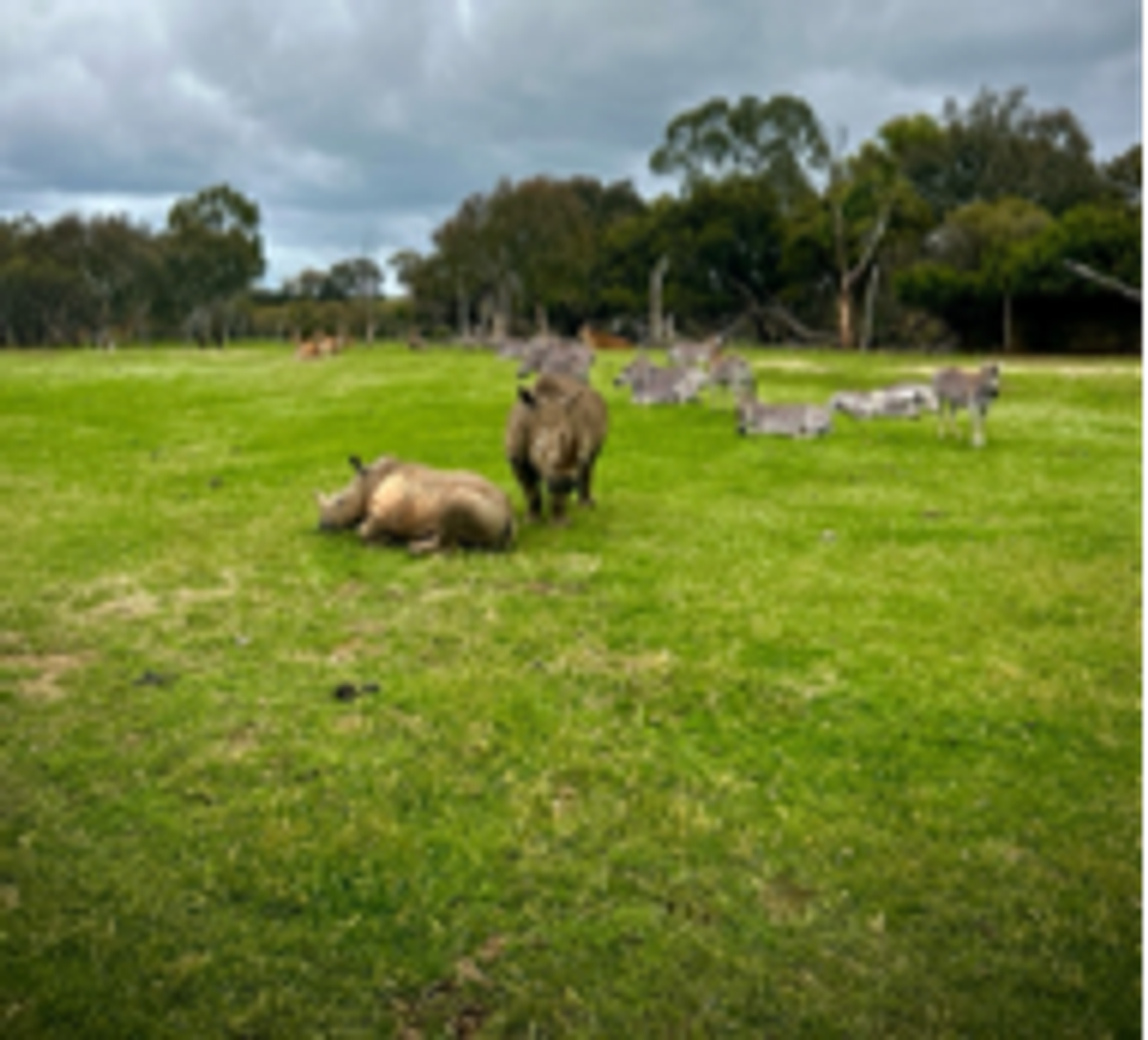
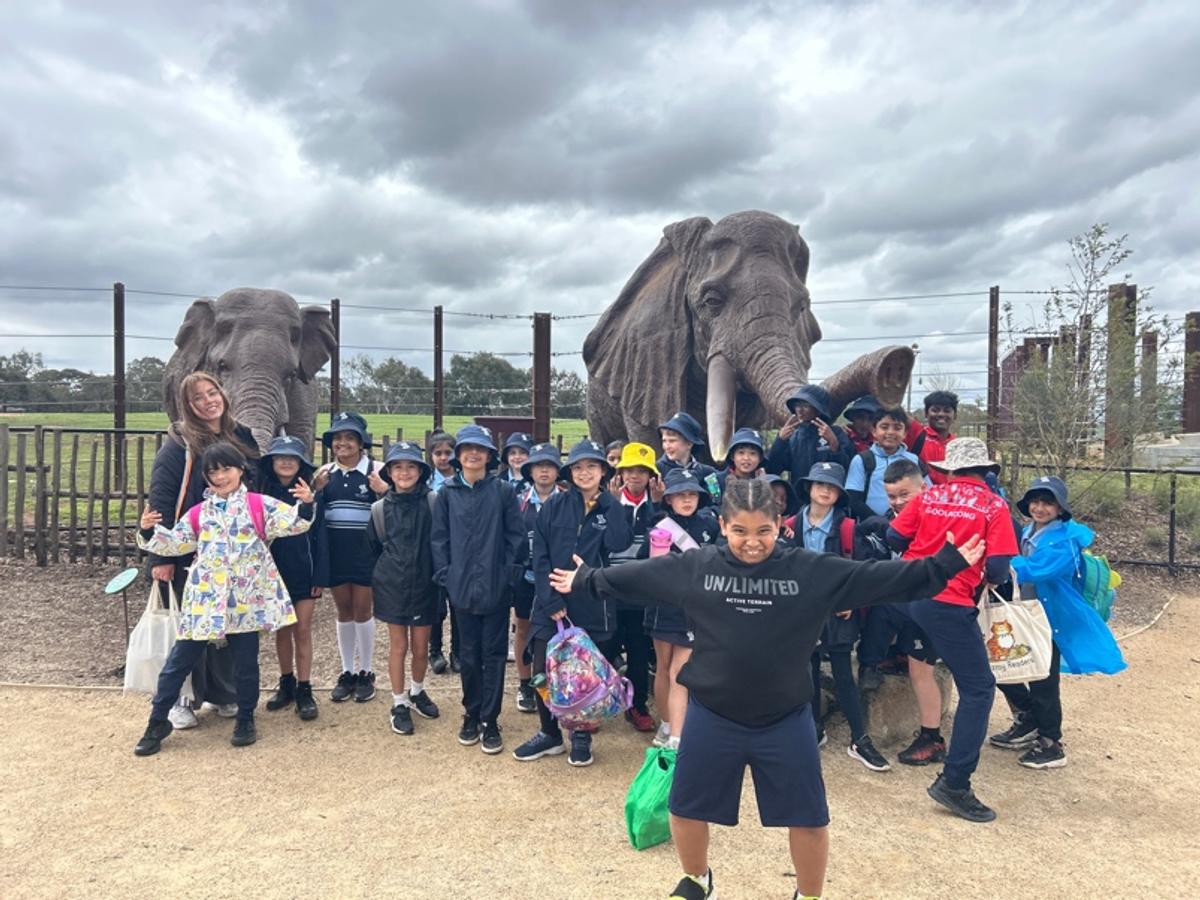
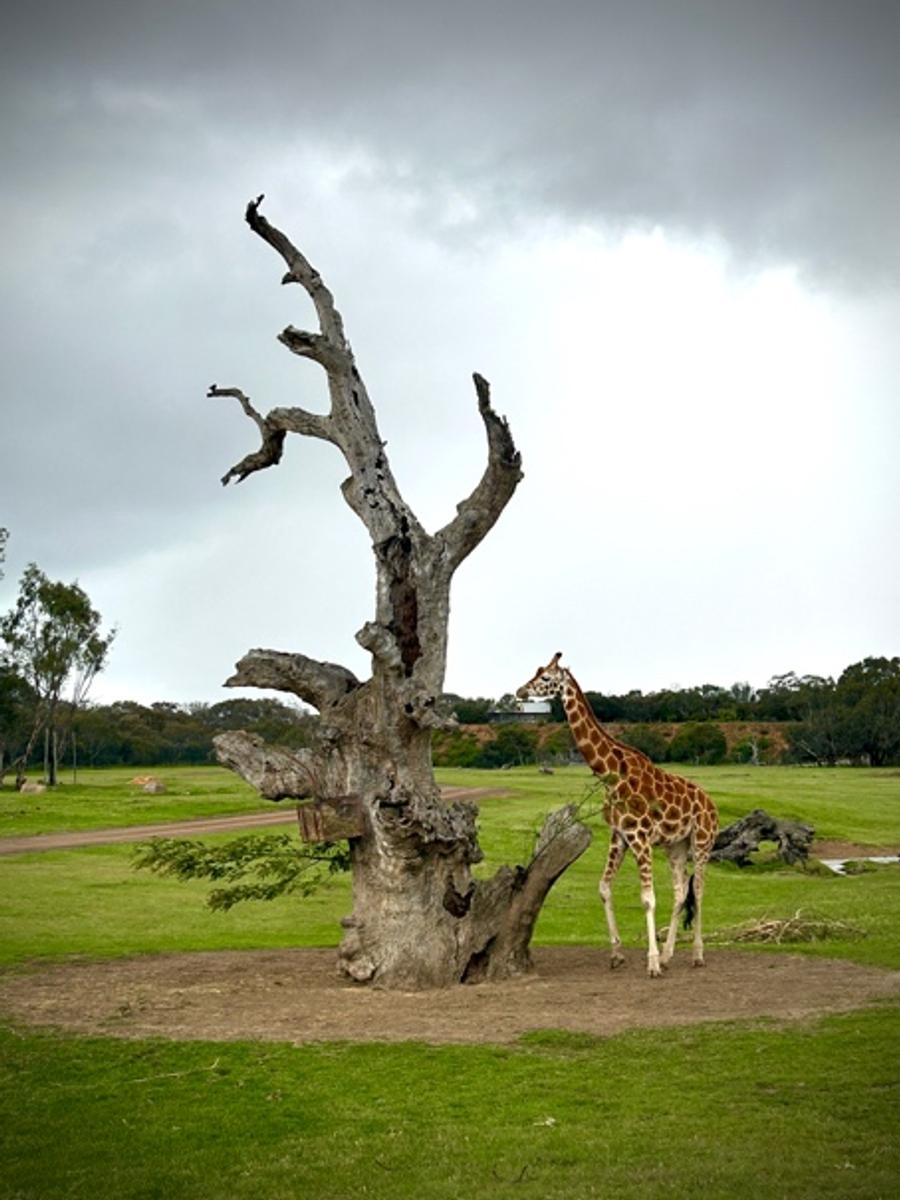
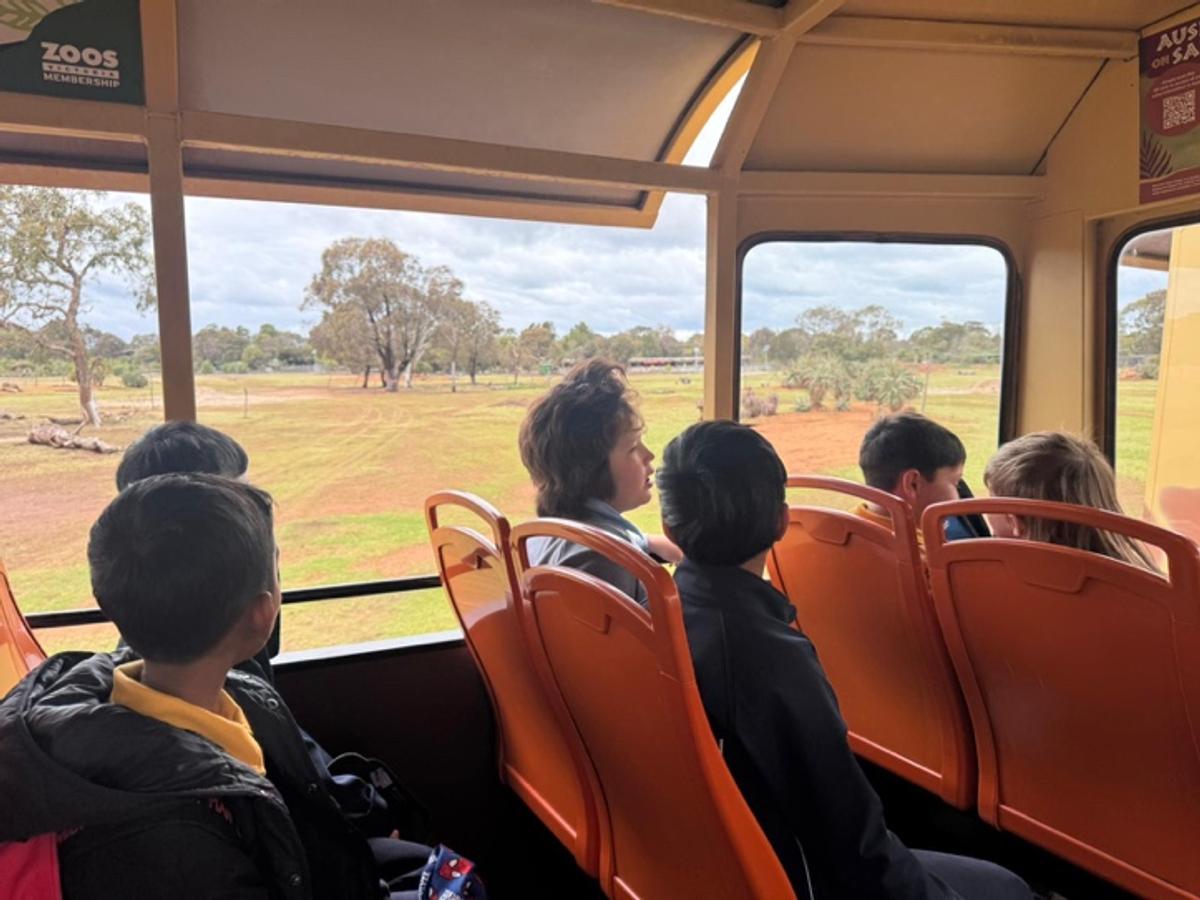
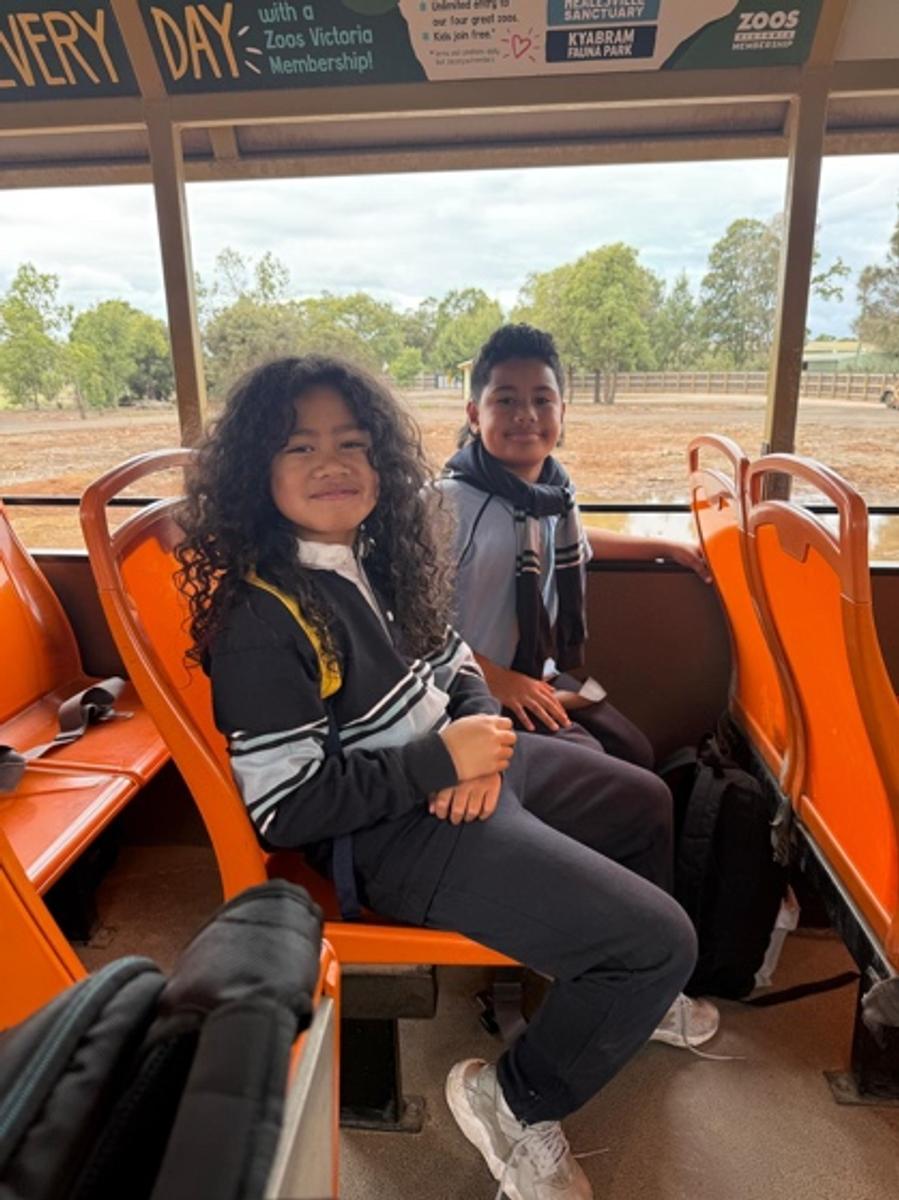
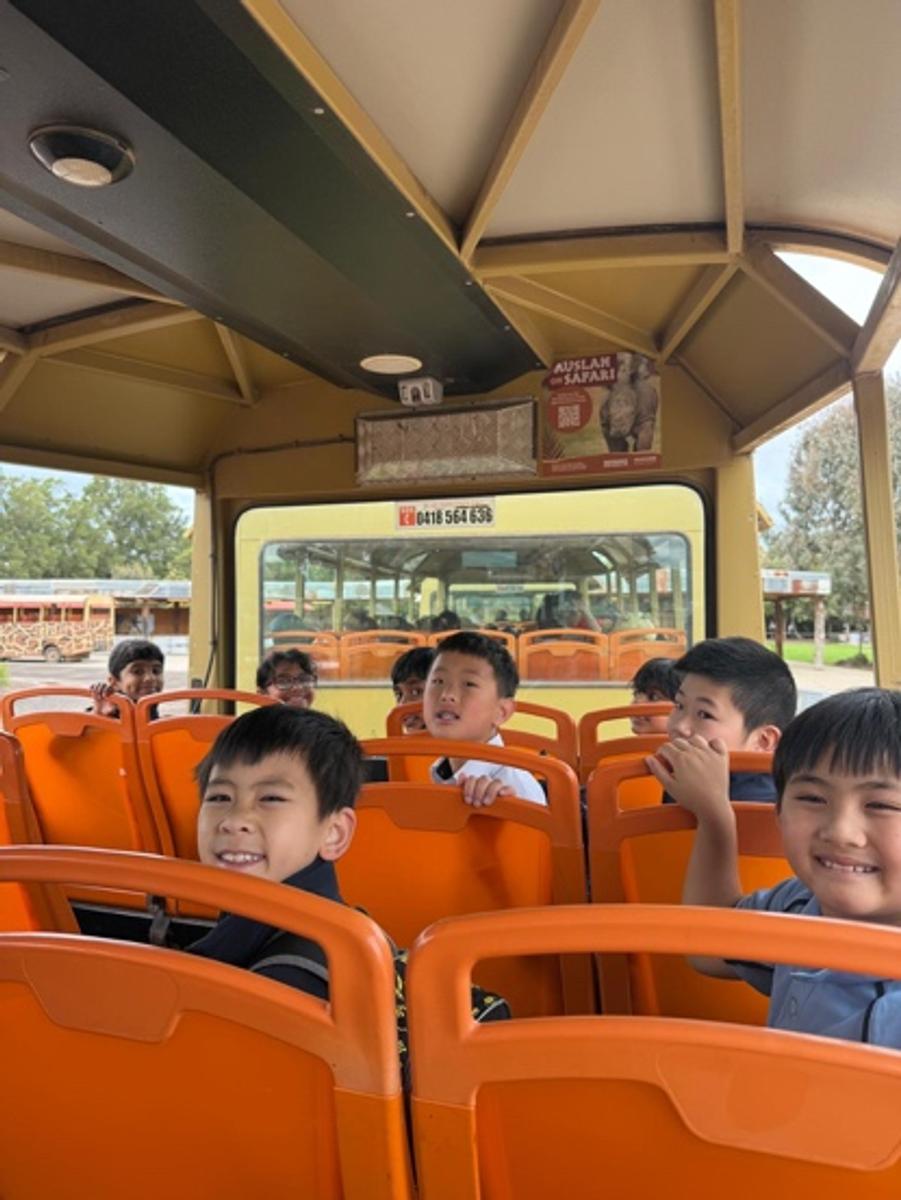
Students recently enjoyed an exciting excursion to Werribee Zoo, where they had the opportunity to see a variety of animals living in habitats designed to reflect their natural environments. This experience helped students make meaningful connections to our learning about ecosystems, animal adaptations, and food chains.
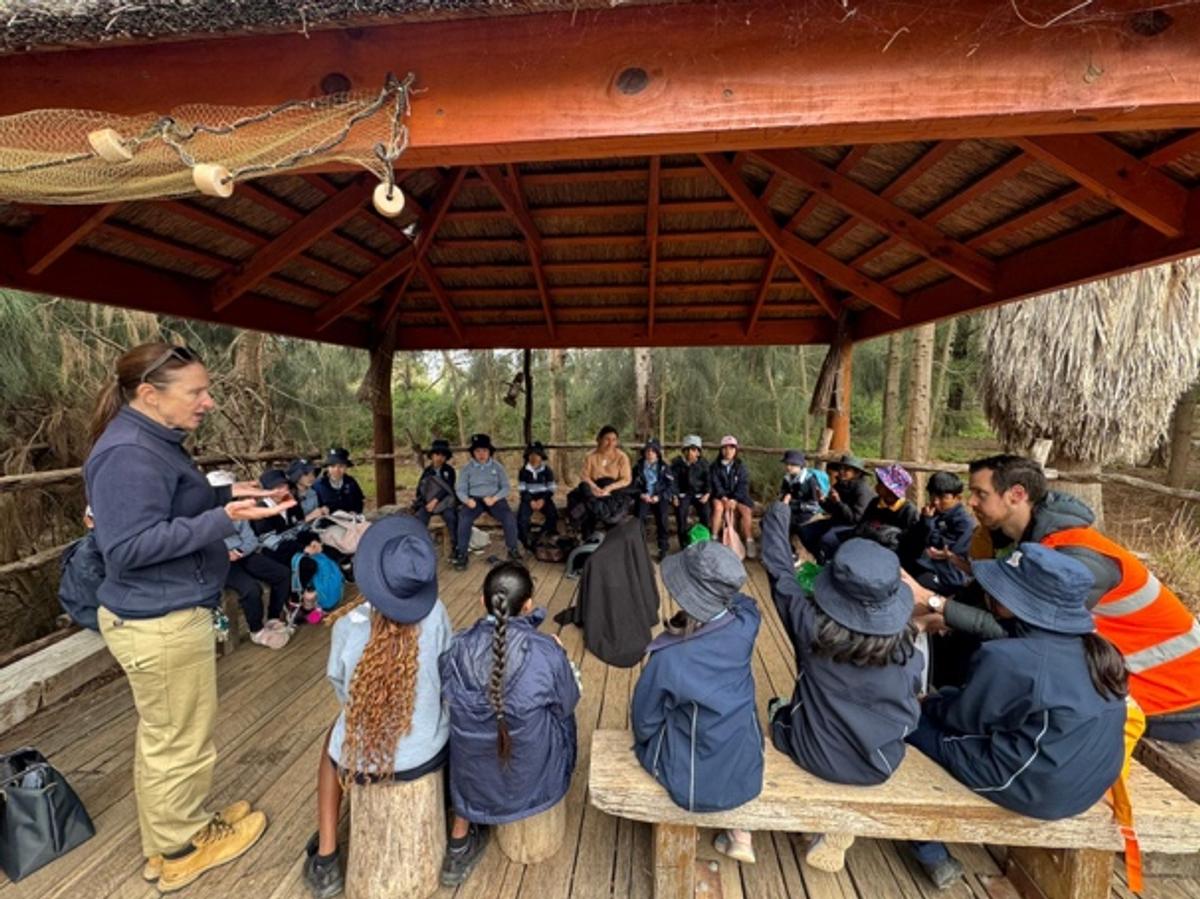
Throughout the day, students explored different habitats and observed how animals interact with their surroundings to survive. They also participated in a hands-on workshop where they examined real animal skulls, allowing them to discuss features such as teeth shape and size to determine whether the animal was a herbivore, carnivore, or omnivore. These investigations supported students in understanding food chains, predator-prey relationships, and how an animal’s physical structure is linked to its diet and habitat.
The excursion provided valuable real-world learning that deepened students’ scientific understanding and sparked curiosity about the natural world. At home, you might ask your child which animal interested them the most, what they learned about its habitat, or how it fits into a food chain.
Thank you for your continued support in your child’s learning journey. Please feel free to reach out if you have any questions or would like more information about our classroom activities.
Warm regards,
Year Three Teaching Team