
Intervention at St John's
Numeracy - Christine Buhler
Extending Mathematical Understanding - Intervention Support
There are 36 students currently participating in the EMU program. Most are continuing their learning in number fluency and knowledge; and some are new to the program for this term.
Mathemagicians
The Mathemagicians came together during the last week of Term 3!
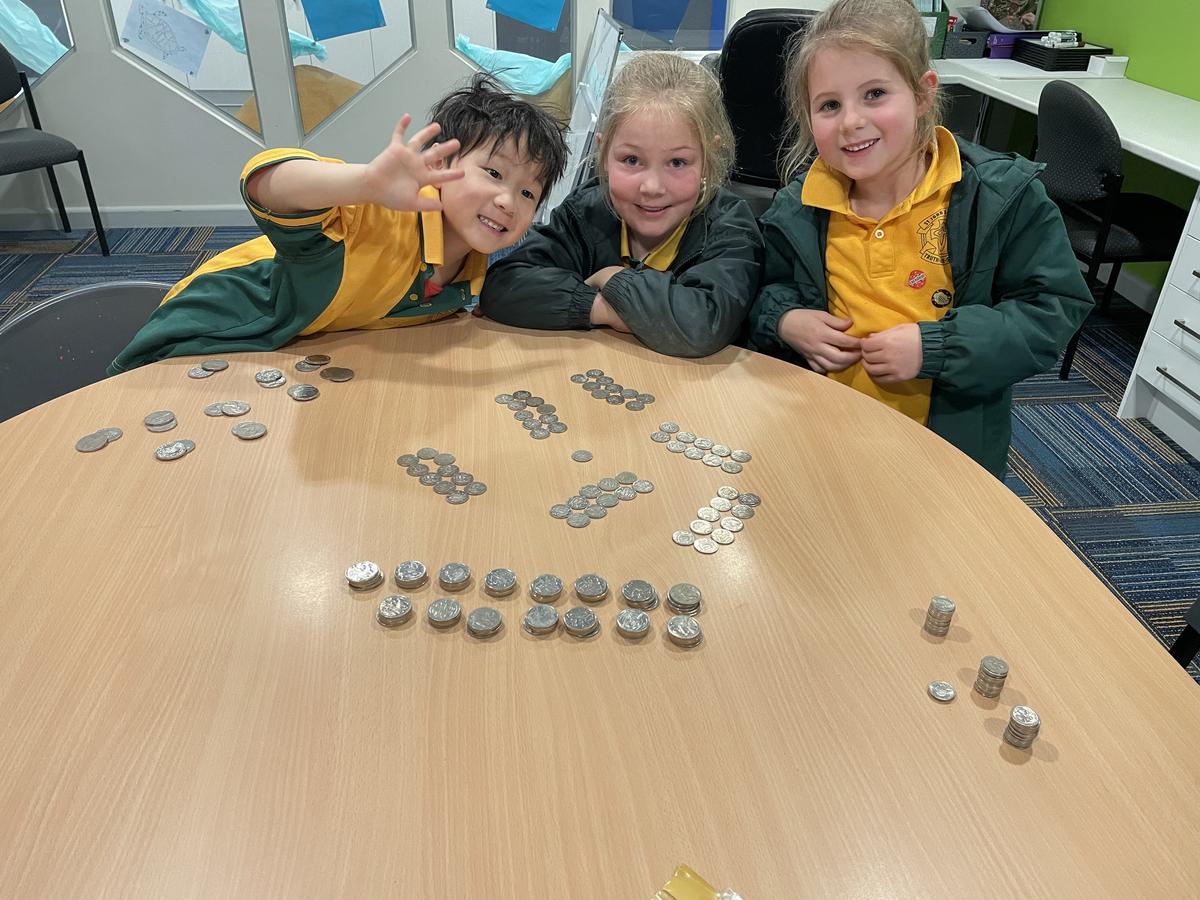
Foundation students were given an amount of money that needed to be sorted, counted and bagged! What a joy it was to count to 100 in many different ways. Did you know that we can count by 5s, 10s, 20s and 50s to make 100?
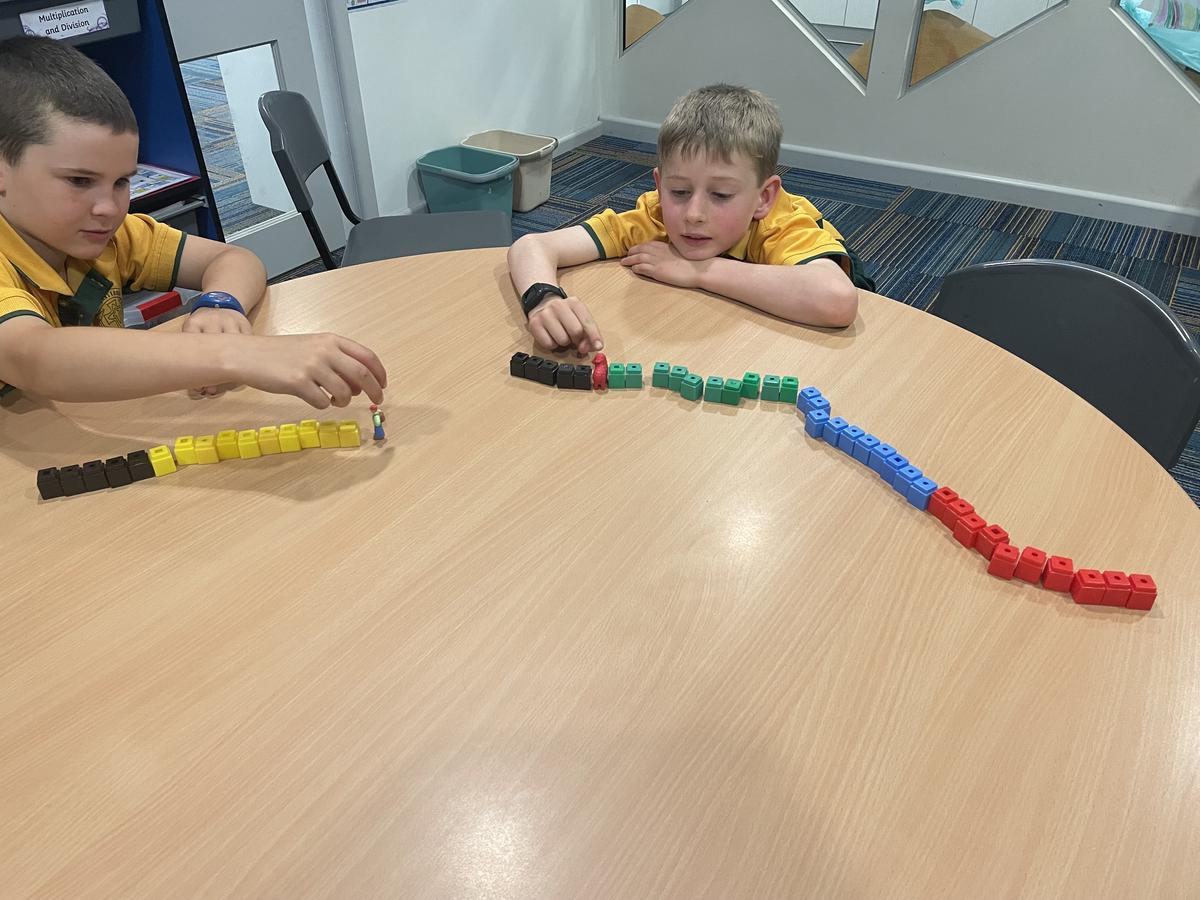
Year 1 and 2 students had to solve two visual problems. Eric the Sheep is very naughty, he doesn't wait in line for his turn to be shorn. He skips 2 places each time the farmer takes the sheep at the front of the line! We made models with different flock sizes and worked out how much more quickly he could get back to the paddock!
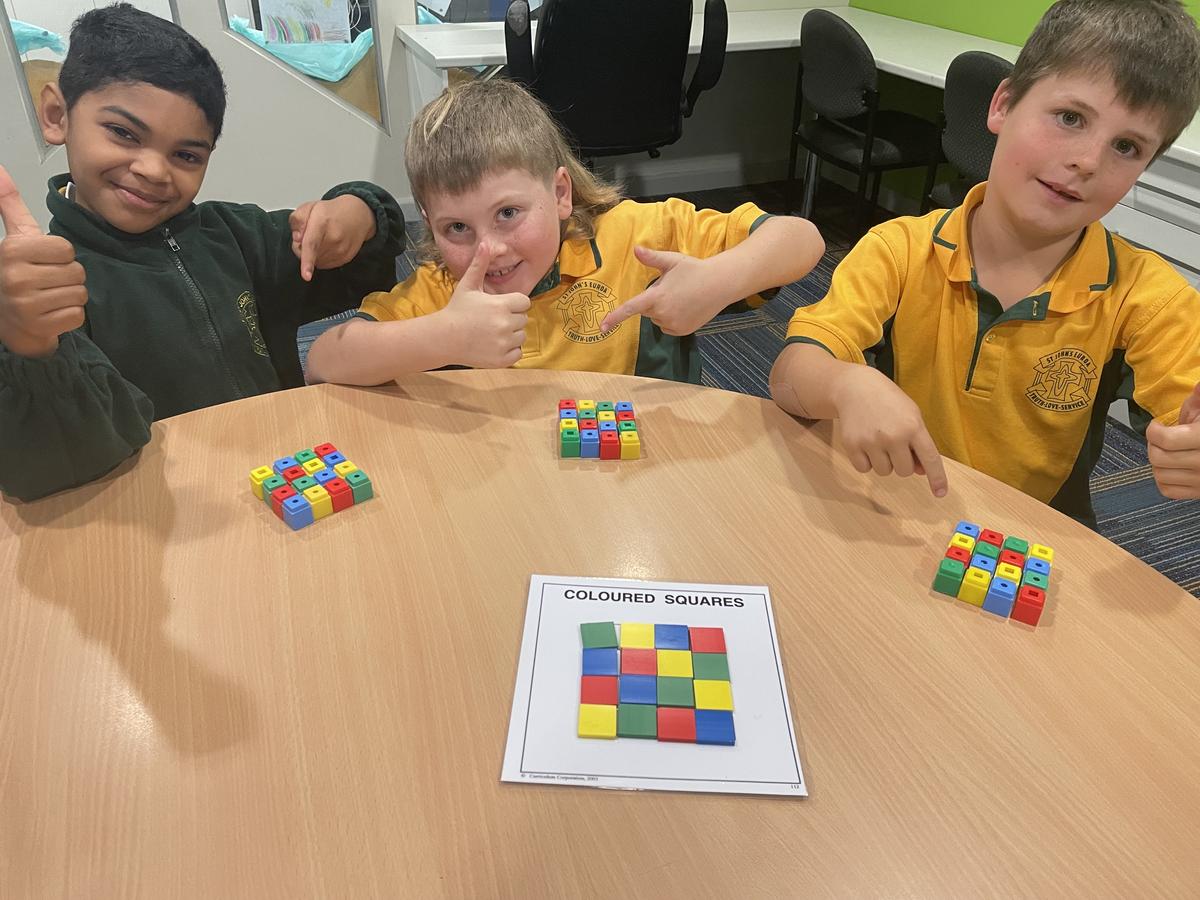
Coloured squares are tricky to organise: 4 colours in 4 rows with no repeats! We found 4 solutions! How many more can you find?
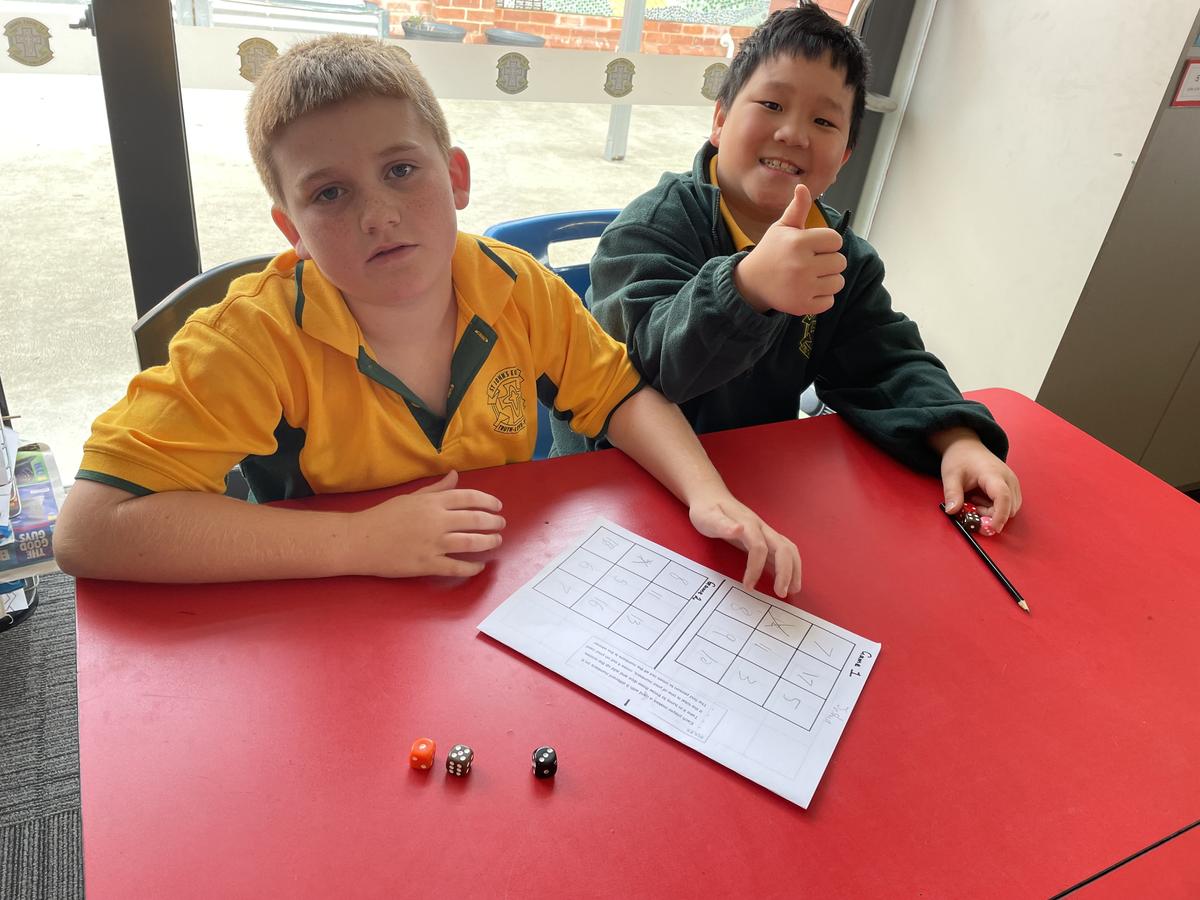
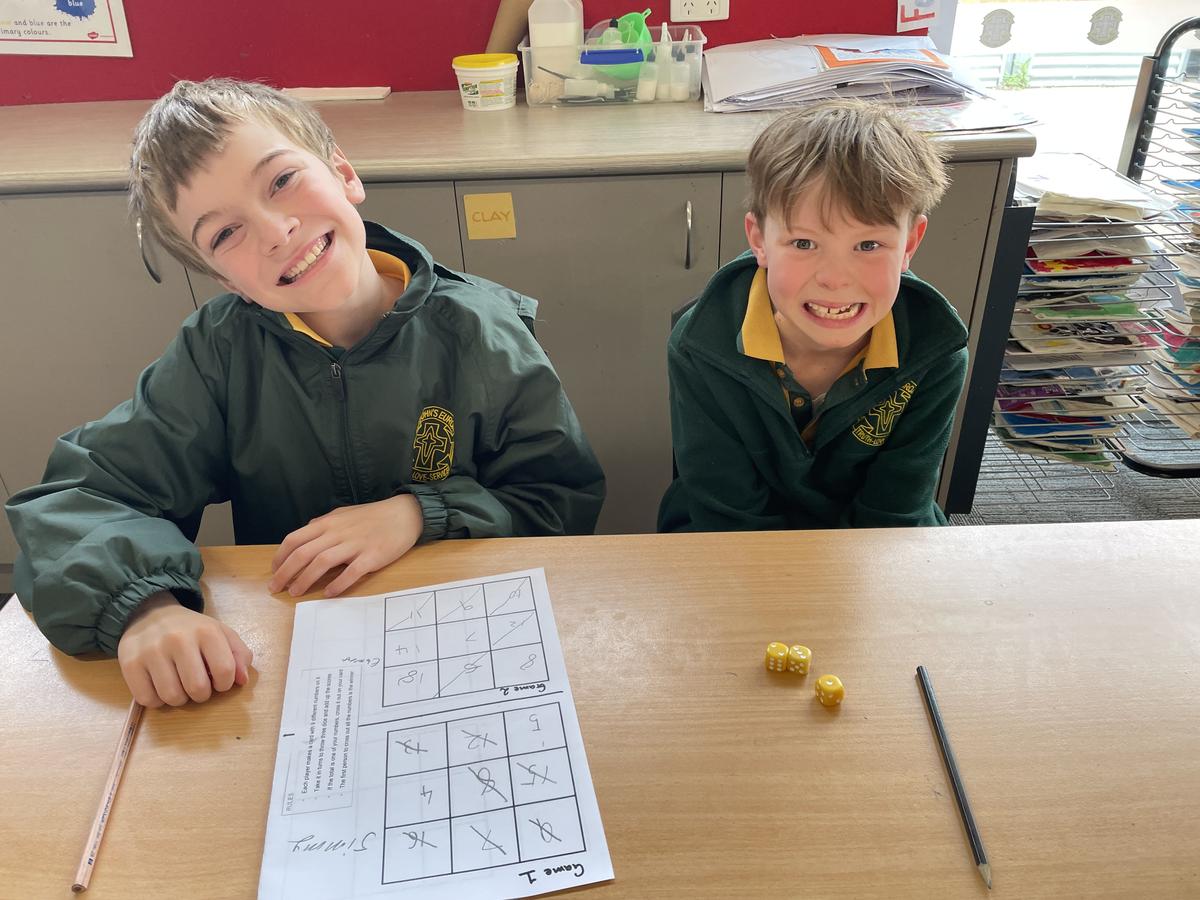
Year 3 and 4 students investigated the frequency of results when 3 die are rolled 20 times! Is there a number that comes up more often than others? What chances do you have to roll the number you predict?
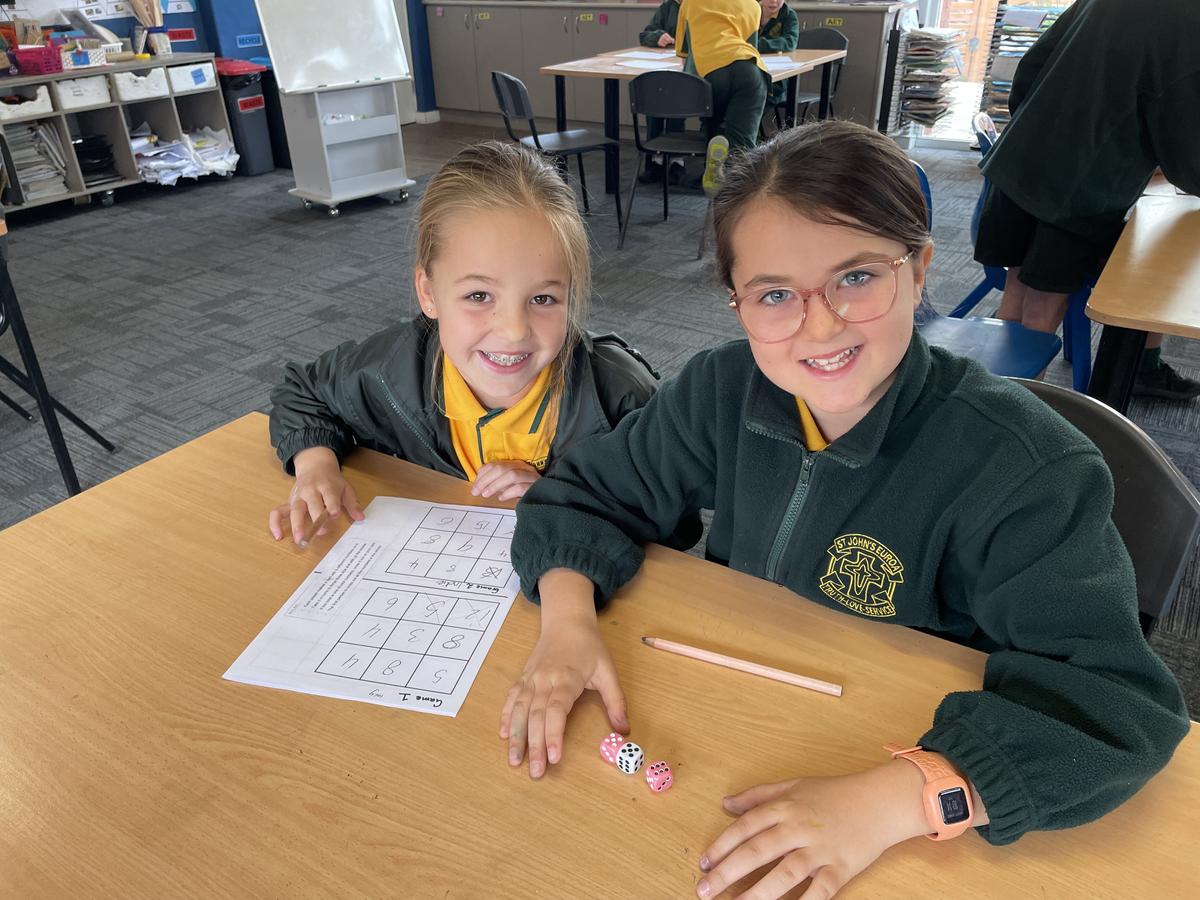
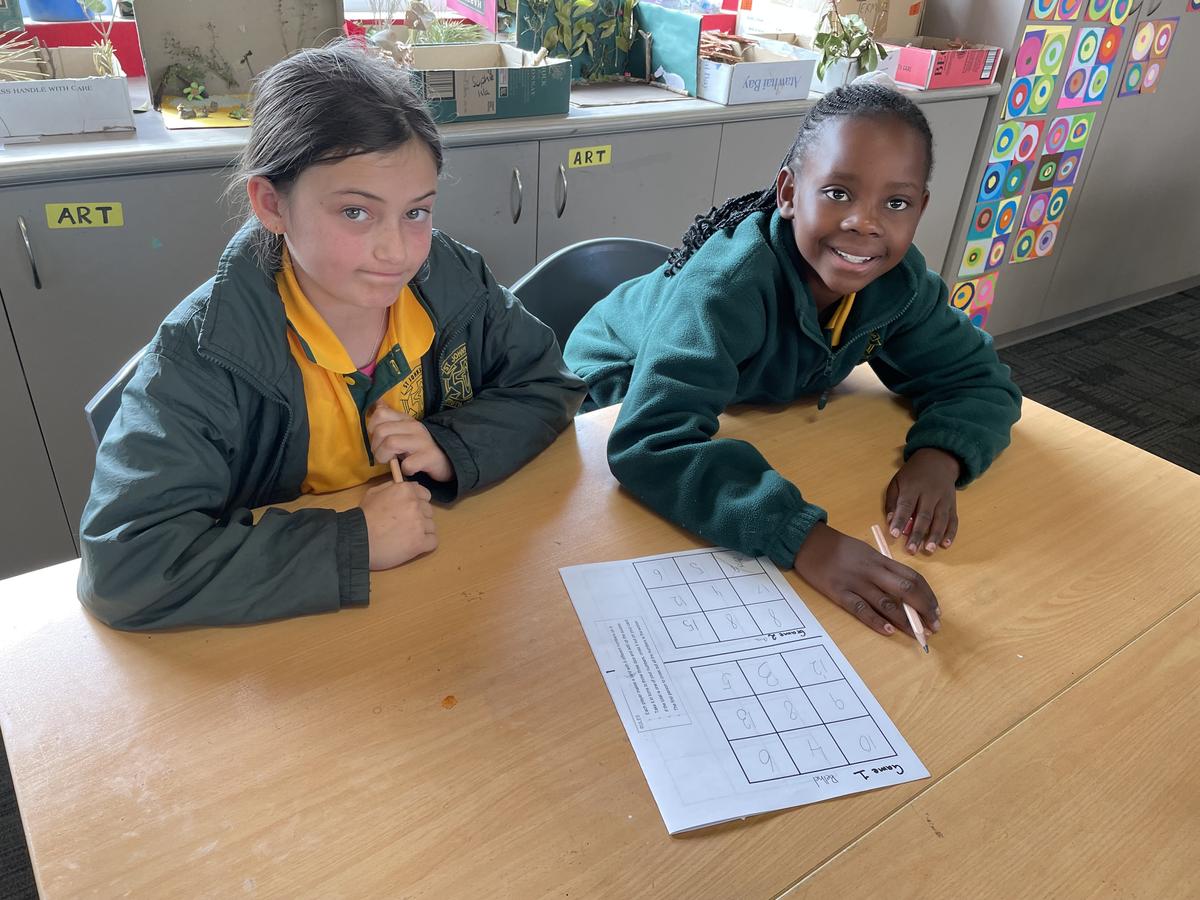
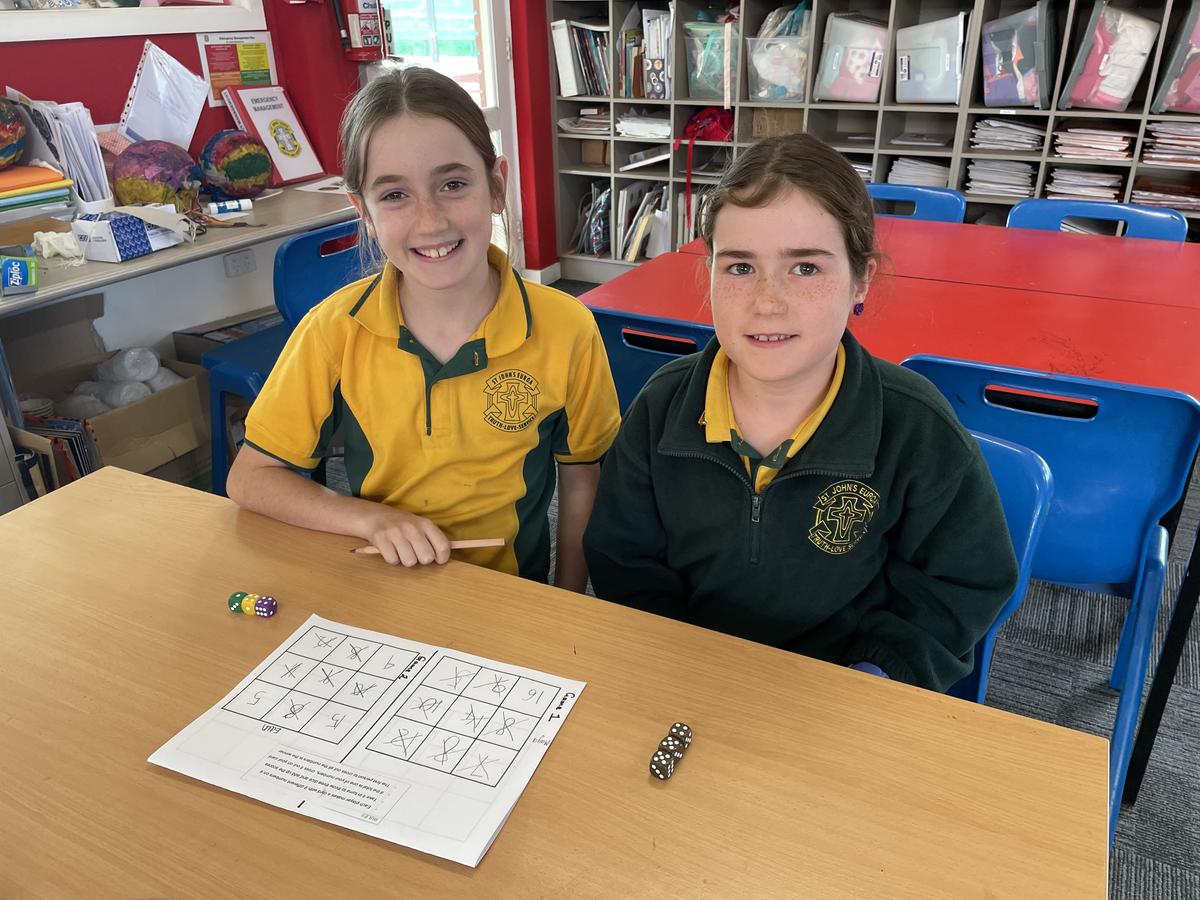
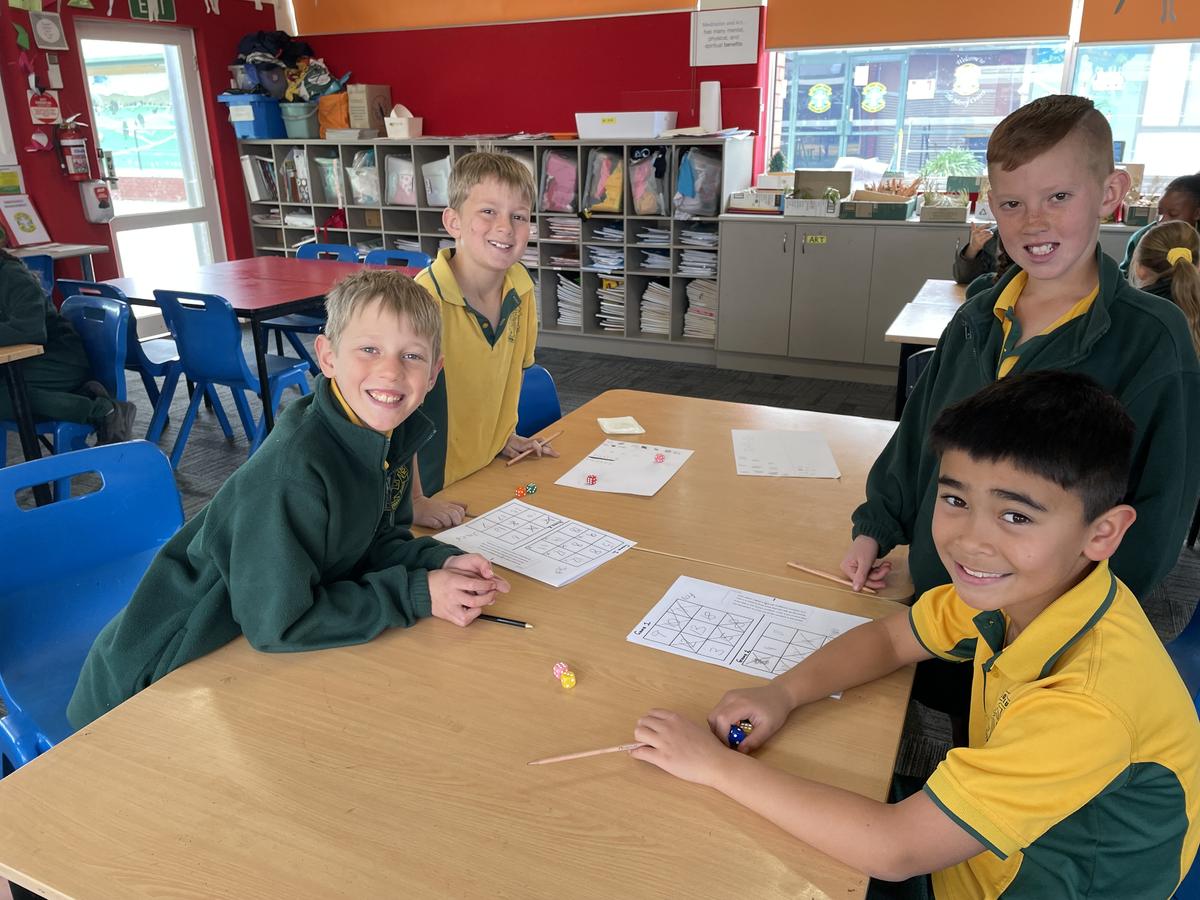
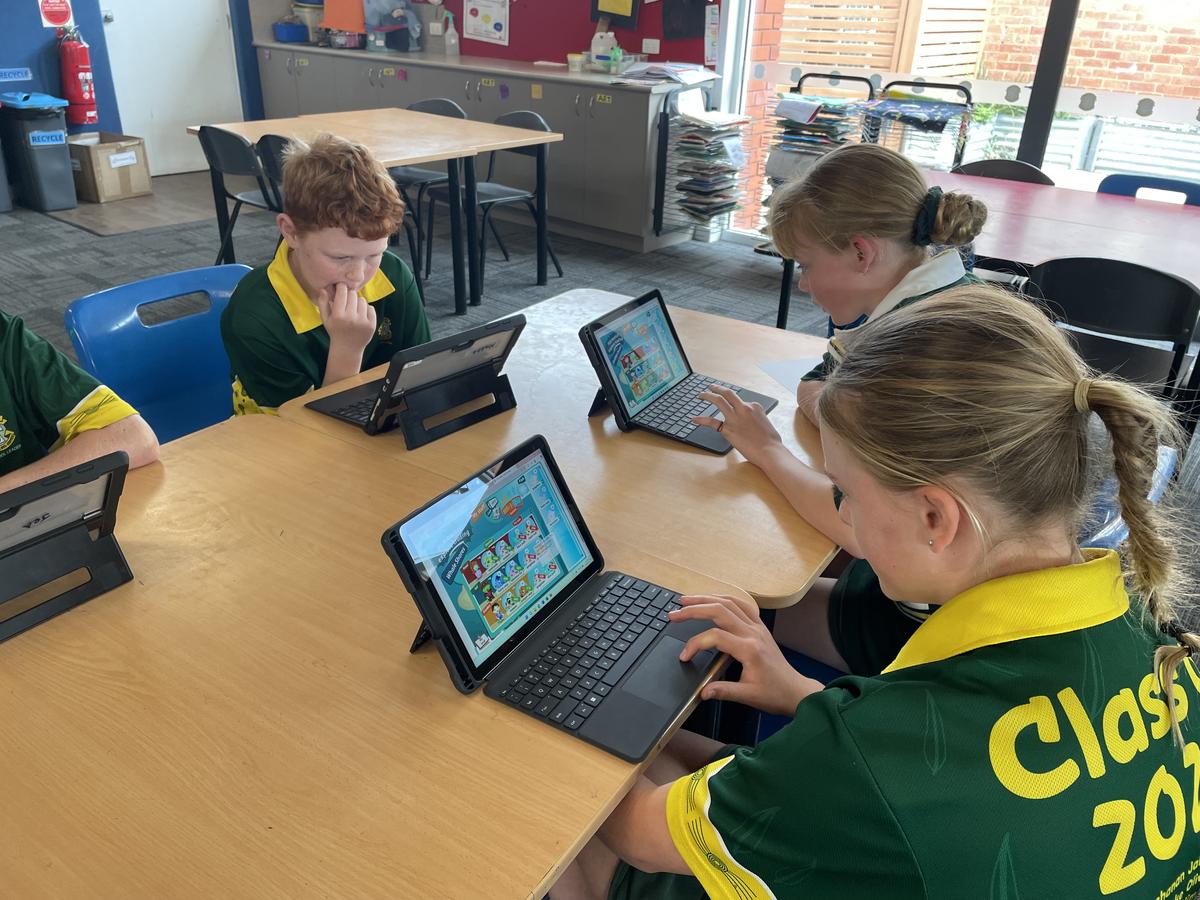
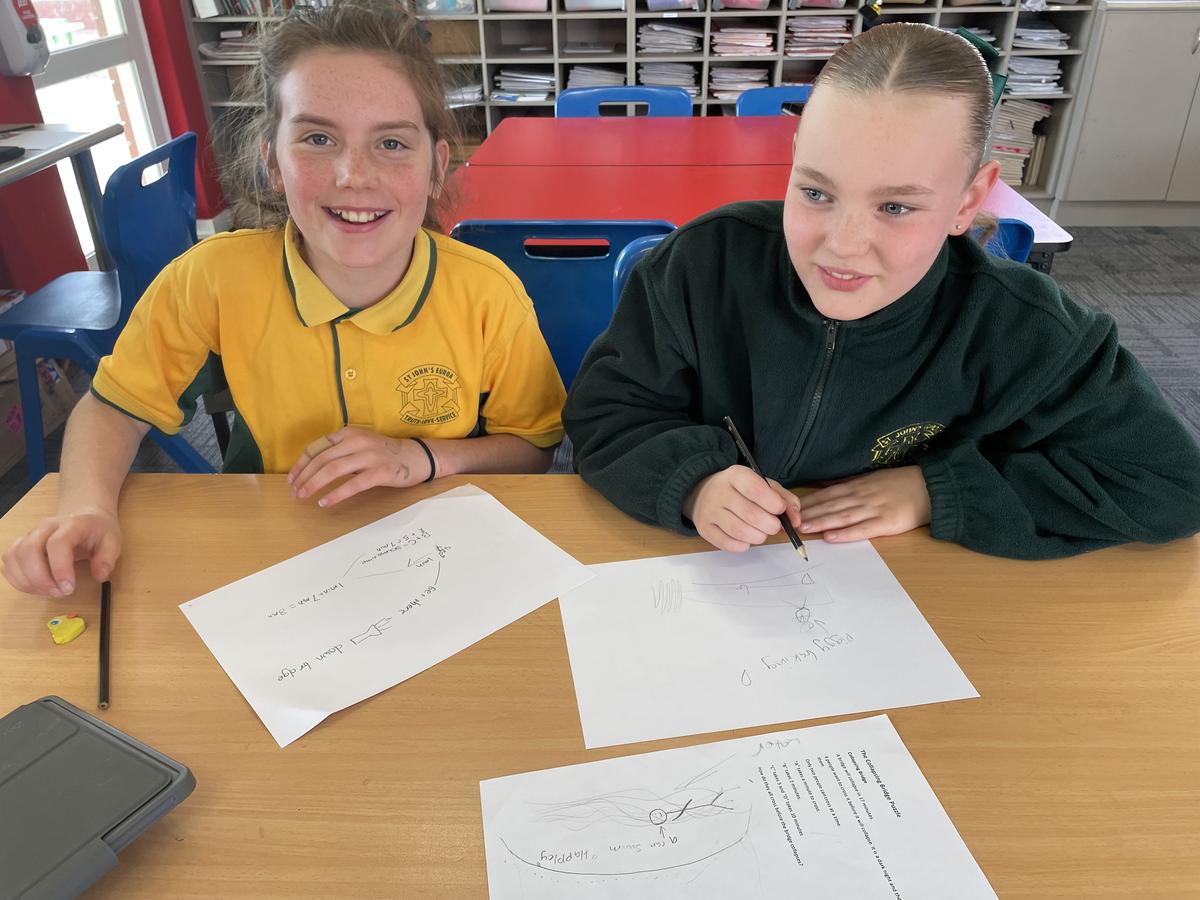
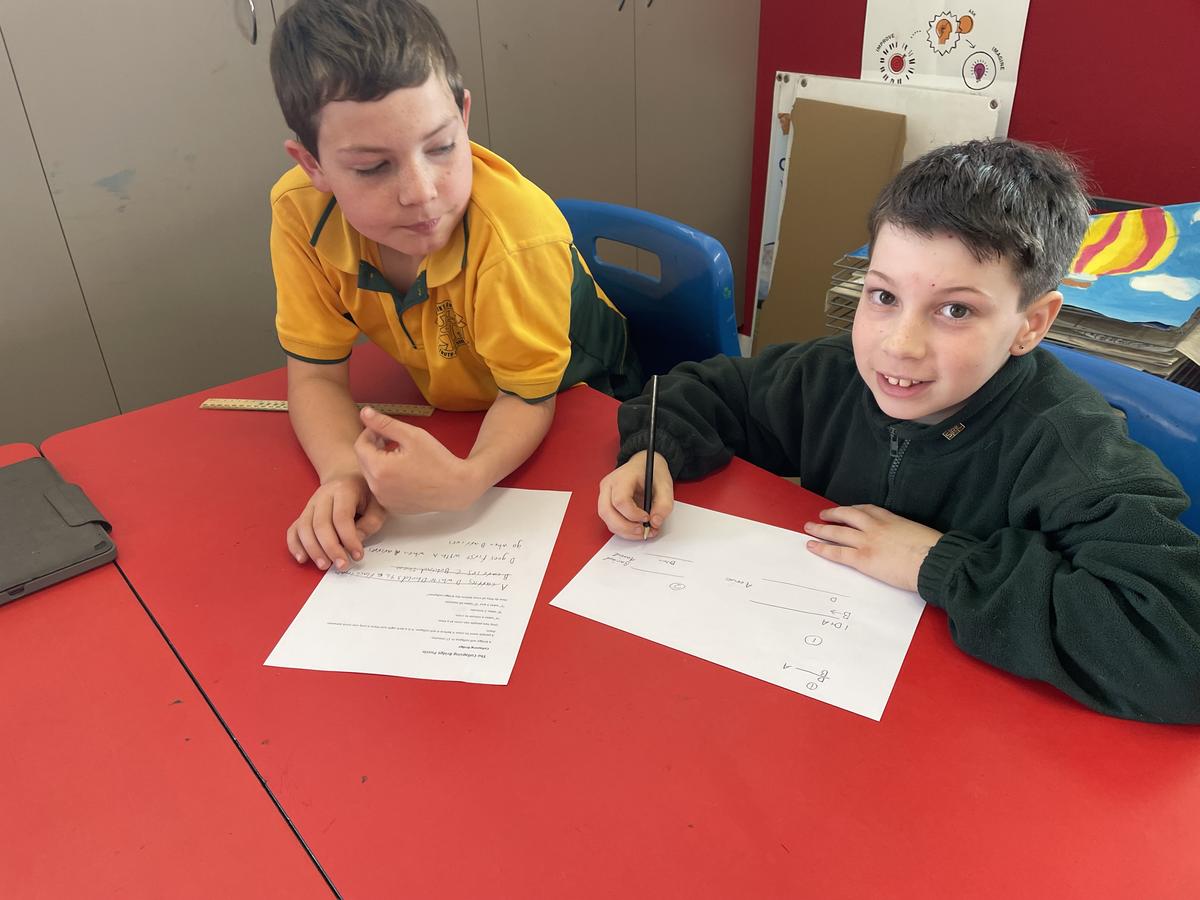
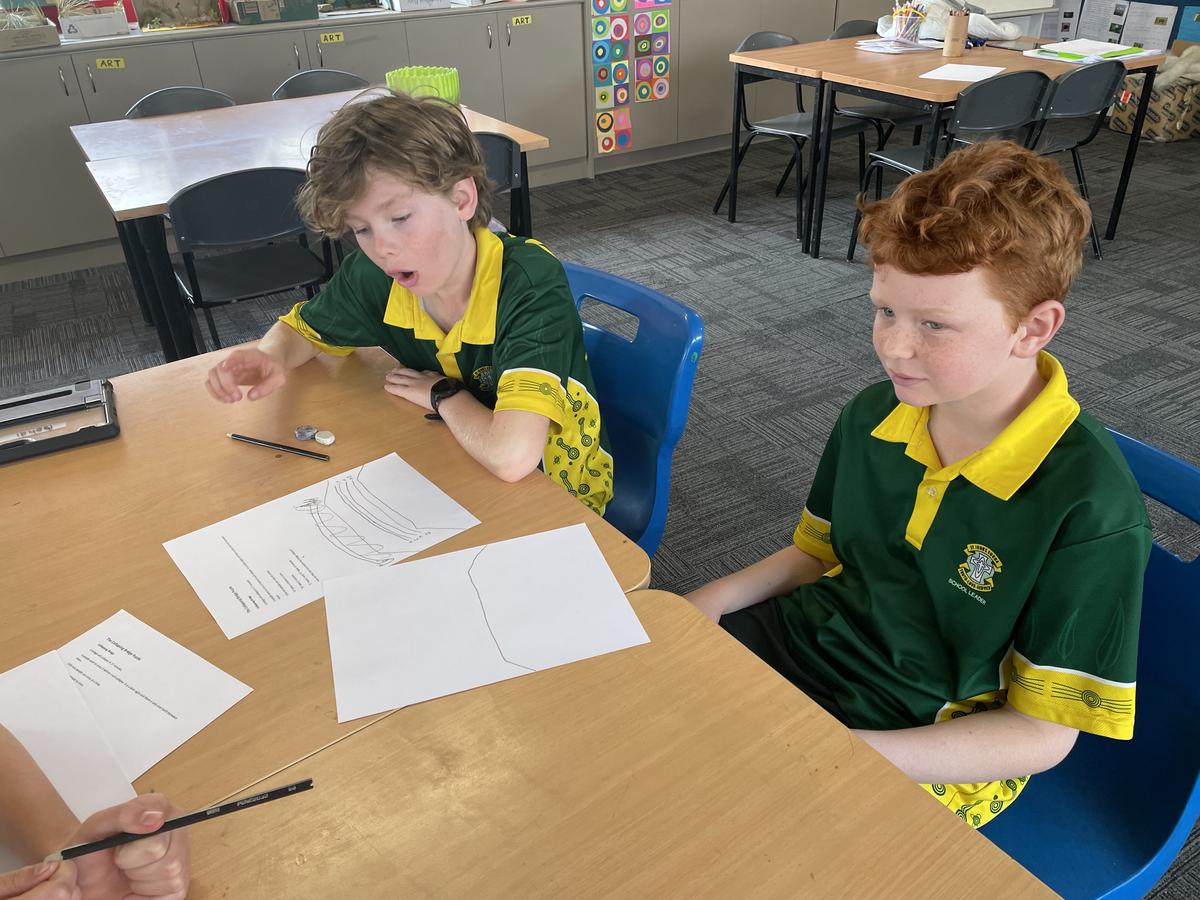
Year 5 and 6 students worked as a team to find solutions to the Collapsing Bridge problem! We found 3 possibilities but only 1 met all of the conditions given! A great effort! Students investigated the concept of buying and selling to make money. Education Services Australia provides an interactive resource, (Fish market) in which students learn the basic skills and risks of running a small business.
MiniLit Sage and MacqLit Literacy Intervention - Fiona Robinson
At the end of Term 3, four students completed our first MiniLit Sage Program. Congratulations to these students for their hard work. It is wonderful to hear them read aloud with increased fluency and the confidence to tackle the reading of unfamiliar words.
We currently have 9 students continuing MiniLit Sage and 32 students continuing MacqLit.
Reading Fluency
One of the most effective ways to monitor a child’s reading development is through timed reading of decodable texts. MiniLit and MacqLit students are assessed in this way at least once a term. These texts are carefully designed to align with phonics instruction, allowing children to apply their decoding skills in a meaningful context. When we measure how many words a child can read correctly in a set time, we gain valuable insight into their reading fluency and overall literacy health.
An increasing word count over time is a strong indicator that a child is becoming more fluent. Fluency bridges the gap between decoding and comprehension—when children read more words accurately and quickly, they free up cognitive space to focus on understanding the text. This growth reflects not just speed, but confidence and automaticity in reading.
Timed readings are short, simple assessments that help teachers and parents see progress clearly. A rising word count shows that a child is mastering reading foundational skills. An increase in word count is a milestone worth celebrating. It is wonderful to report that, over the course of the year, every student in MiniLit and MacqLit has made gains in their reading fluency.