
MHiPS

Helping Children Start the School Day with Confidence
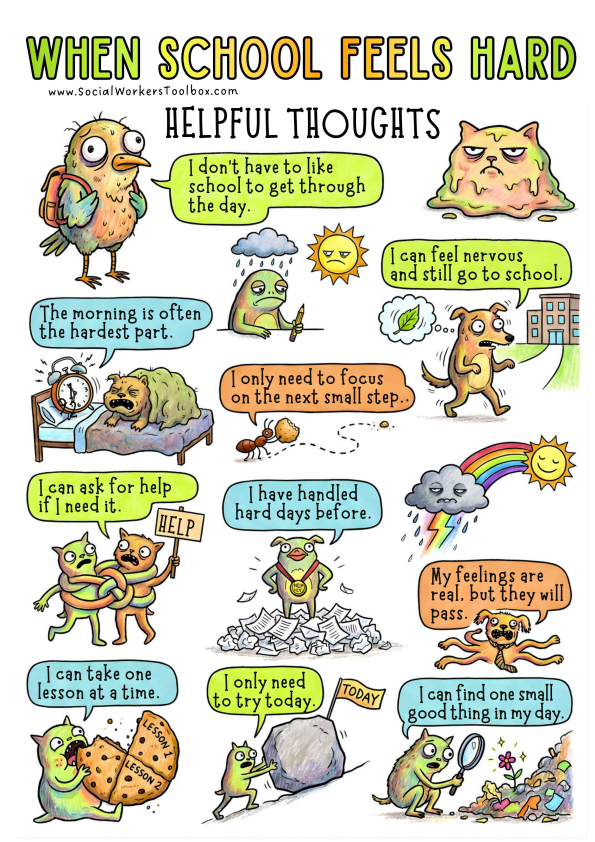
Many families experience mornings when a child feels reluctant to go to school. Whether it’s a passing phase or a more ongoing concern, this resistance can be stressful for both children and parents. The good news is that with understanding, consistency, and a few practical strategies, you can help your child build confidence and develop a more positive approach to the school day.
Why Do Children Resist Going to School?
It’s important to remember that reluctance is often a sign that something feels difficult for your child. Common reasons include:
- Separation anxiety – especially in younger children or after changes at home or school
- Friendship worries – conflicts or feeling left out
- Academic pressure – concerns about keeping up or making mistakes
- Tiredness or routine disruptions – lack of sleep can make mornings harder
- Big emotions – such as worry, frustration, or low confidence
Taking time to gently explore what might be behind your child’s feelings is the first step toward helping them.
Practical Strategies for Smoother Mornings
Create a Calm and Predictable Routine
Children feel more secure when they know what to expect.
- Set consistent bedtimes and wake-up times
- Prepare bags, uniforms, and lunches the night before
- Keep mornings simple and calm
Having a visual schedule can also help younger children feel more in control.
Start the Day with Connection
Before focusing on tasks, take a few moments to connect:
- Share a cuddle or chat over breakfast
- Acknowledge their feelings: “It sounds like you’re feeling a bit worried today.”
- Offer reassurance without dismissing their emotions
Feeling understood can make it easier for children to move forward.
Use Positive Language and Expectations
Instead of focusing on what might go wrong, highlight positives:
- Talk about something they enjoy at school
- Remind them of past successes
Use encouraging phrases like “I know you can handle this”
Keep Goodbyes Short and Consistent
If drop-offs are difficult:
- Keep your goodbye routine brief and predictable
- Avoid lingering, which can increase anxiety
- Reassure your child that you will be back at a set time
Consistency builds trust and reduces uncertainty.
Problem-Solve Together
If reluctance continues, involve your child in finding solutions:
- Ask open-ended questions: “What might make mornings easier?”
- Role-play tricky situations
- Work with their teacher if concerns relate to school life
Feeling heard and involved can empower your child.
When to Seek Extra Support
Occasional reluctance is normal, but consider reaching out if your child:
- Frequently refuses to attend school
- Shows ongoing distress (e.g., headaches, stomach aches with no medical cause)
- Experiences changes in mood, sleep, or behaviour
Every child is different, and it can take time to find what works best for your family. Patience, consistency, and empathy go a long way. By building routines, fostering connections, and supporting your child’s confidence, you’re helping them develop resilience that will benefit them far beyond the classroom.
If you have any concerns, please don’t hesitate to reach out to your child’s teacher or to Miss McLeod at melissa.mcleod@education.vic,gov.au —we’re here to support you!
Melissa McLeod
Mental Health & Wellbeing Leader