Educational Achievement
Reading

What are decodable texts?
When children first learn to read using systematic synthetic phonics, they are taught letter-sound correspondences in a specific order. They will learn a few at a time — not all at once — and they will practise the letters and sounds they have learned by reading and spelling.
Decodable texts are used with beginning readers and are written to match children’s developing letter-sound knowledge. These texts provide an opportunity for your child to practise their reading skills in a meaningful way without having to guess words.
Your child may bring home decodable texts to practise their word reading skills. The texts will contain only those letter-sound correspondences they have been taught. If your child is having difficulty decoding a word, model saying the sound represented by each letter and blending the sounds to read the word. For example: for the word ‘cat’, point to each letter and provide the sound it represents /c/ /a/ /t/, then blend the sounds to read ‘cat’.
Decodable texts may also contain some high-frequency words that your child has been taught. High-frequency words are words that are common in English texts (for example: said, the, of, is). These words are included in decodable texts to create meaningful sentences. They may contain some letter-sound correspondences that have not yet been taught.
How can I help?
- As your child reads, you may notice there are words they can read automatically, while other words will need to be ‘sounded out’. When your child comes to a word they do not automatically know, you can help them by saying: ‘Say the sounds as you point to the letters. Now, blend the sounds and read the word.’ For example: for the word ‘hen’, point to the letters and provide the sounds, /h/ /e/ /n/, then blend the sounds to read ‘hen’.
- If your child still has difficulty reading the word, it’s okay to tell them what the word is. Remember, they are still learning about letters and sounds and may need more practise and support.
- When your child is learning new letter-sound correspondences, they may read slowly, and it may look laborious. This is typical of beginning readers and is no cause for concern.
- Remember, practise is key to becoming a skilled reader. Encourage your child to read their decodable texts often and to other family members
Music
Instrumental Music
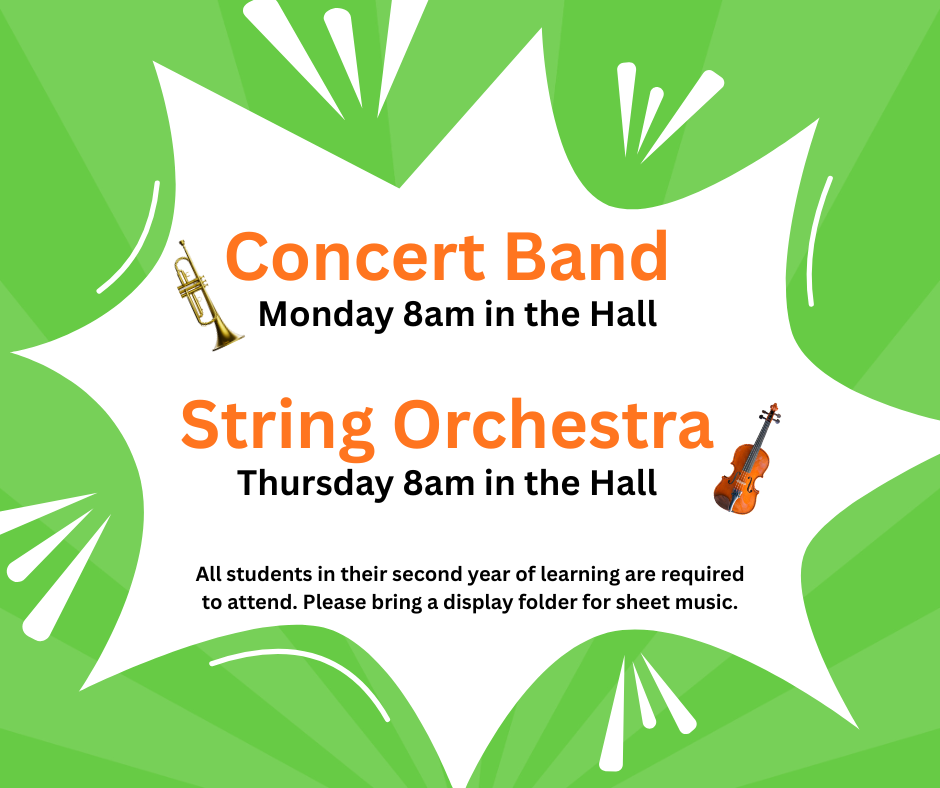
Classroom Music
With all the sport going on at the moment, I thought I would share this fact from Bigger Better Brains:
"Music learning and sport are often treated as interchangeable or competing, rather than as experiences that develop different and complementary skills. Music learning strengthens listening, attention, and pattern recognition, while sport develops coordination and real-time decision making, and students need both for strong development. "
We continue to look at the Elements of Music in the upper grades and use this knowledge while listening carefully to a variety of music. It is always interesting when I play a piece of classical music, and some students recognise it from a computer game or favourite show on TV.
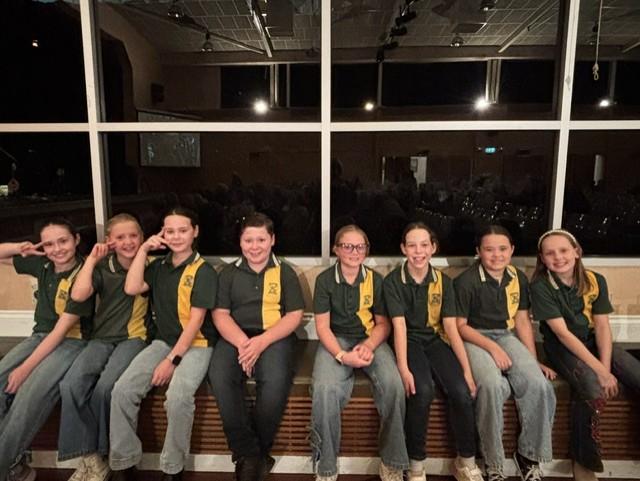
Both choirs are working hard preparing for the Eisteddfod in August. The senior choir have had to double up on rehearsals to include both Tuesday and Thursday lunch times this term.
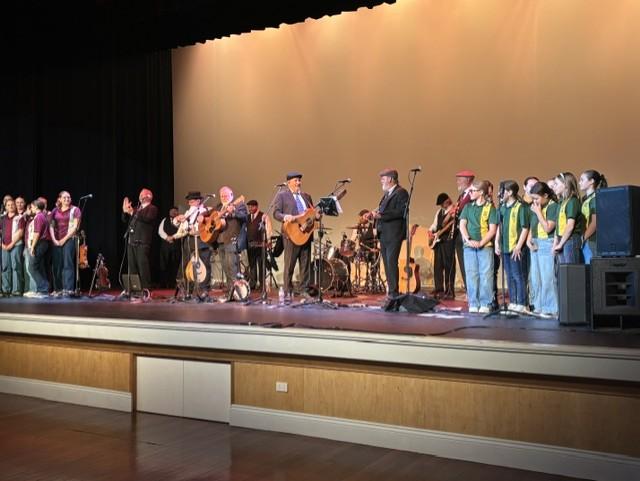
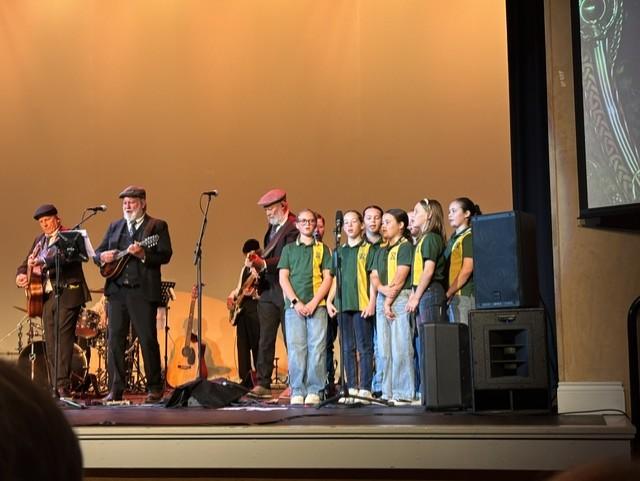
Several GSV members joined the Celtic band Murphy's Pigs onstage for their Goondiwindi concert earlier in May. They performed very well and were excellent representatives of our school.
News from the Library
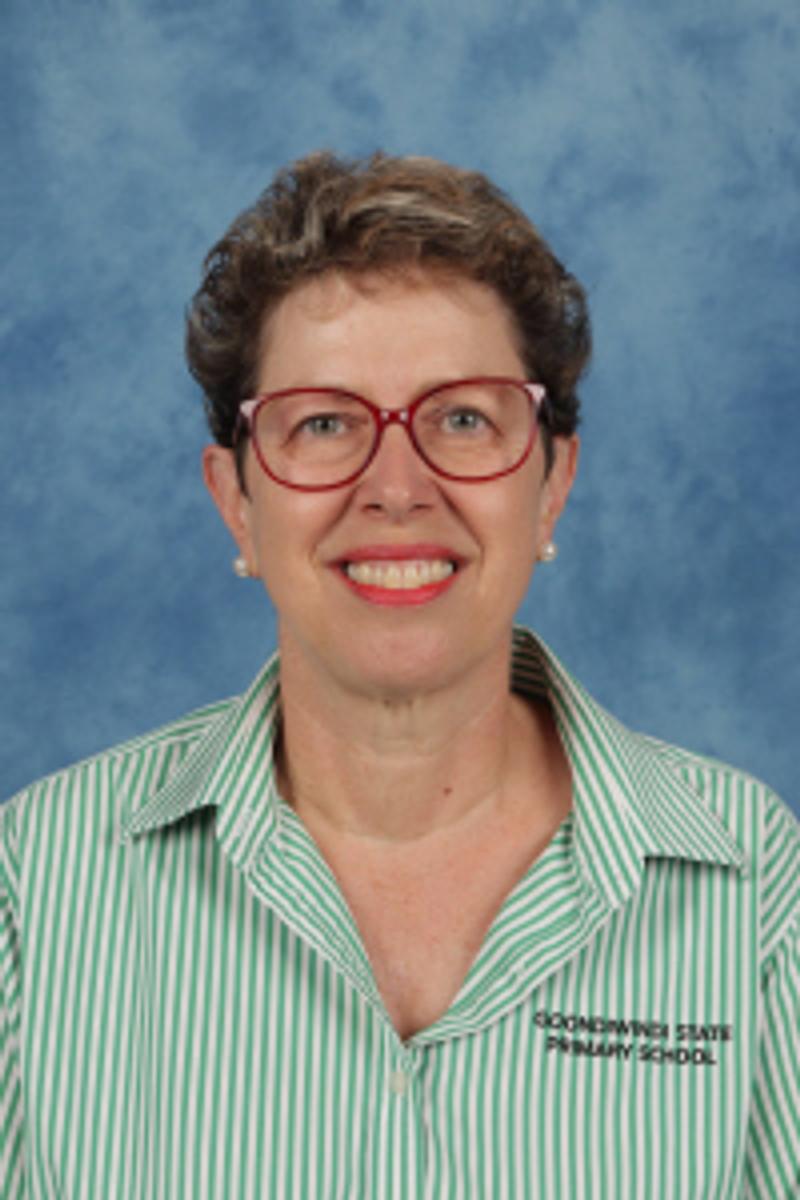
Our Regional Readers Cup Team and our supporting students have been very busy with their reading challenge. They have 2 weeks to go before the Toowoomba competition on the 11th June. Good luck!
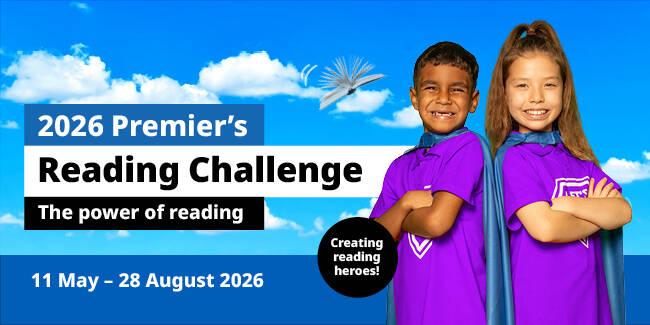
The Premier's Reading Challenge is under way and runs through until the end of August. Students are recording all the books they read on their form. Students from Prep to Year 2 can record all books read to them as well. We are off to a great start and have received the first few forms completed all ready. All students who complete the challenge receive a Certificate from the Queensland Premier.
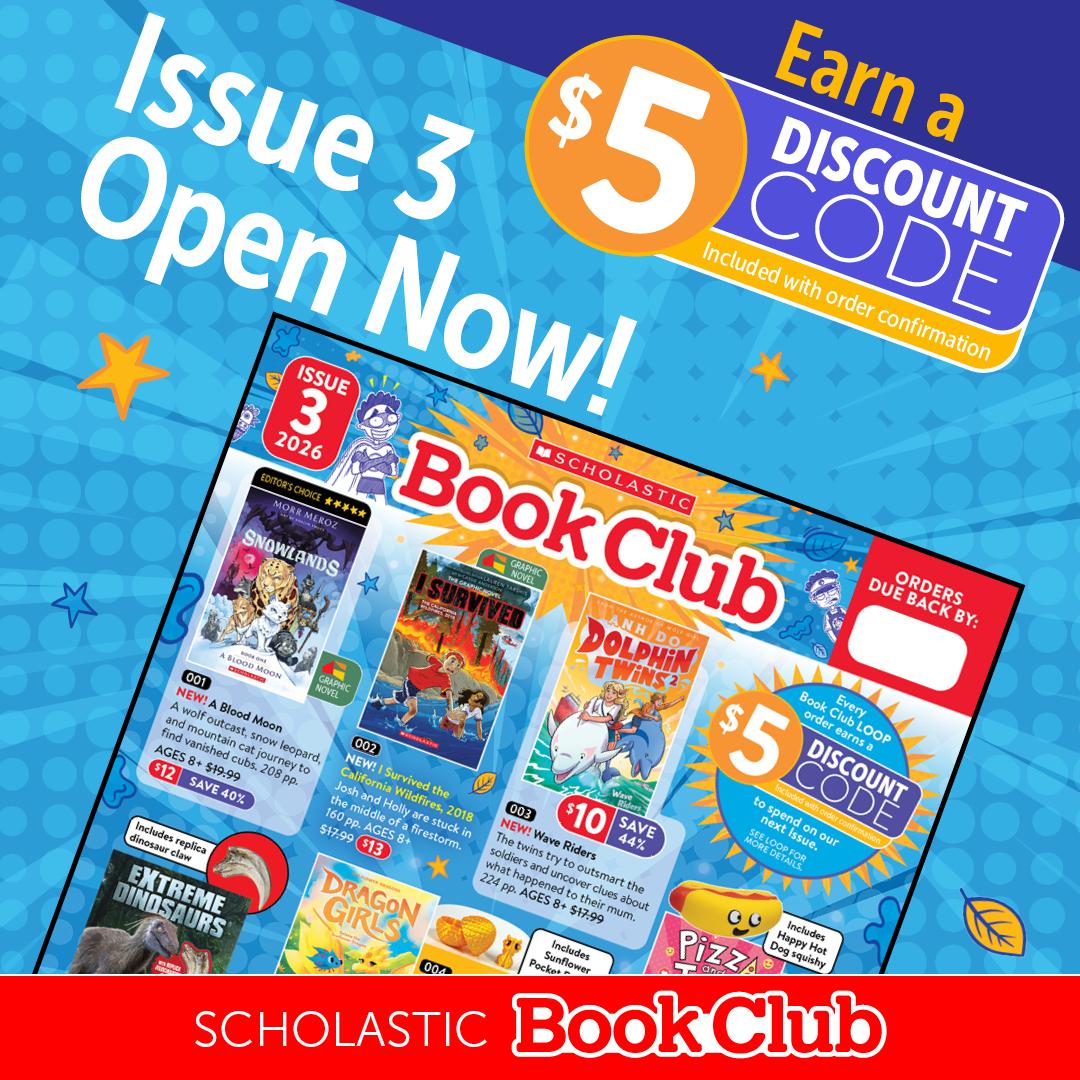
Book Club brochures for Issue 4 are being sent home this week. All orders are to be completed online for anyone wishing to purchase. Please use the LOOP App or go to Scholastic.com.au/LOOP. Orders need to be placed by Friday 5th June @ 9AM.