
From the Assistant Principal
Demystifying the Grade Selection Process
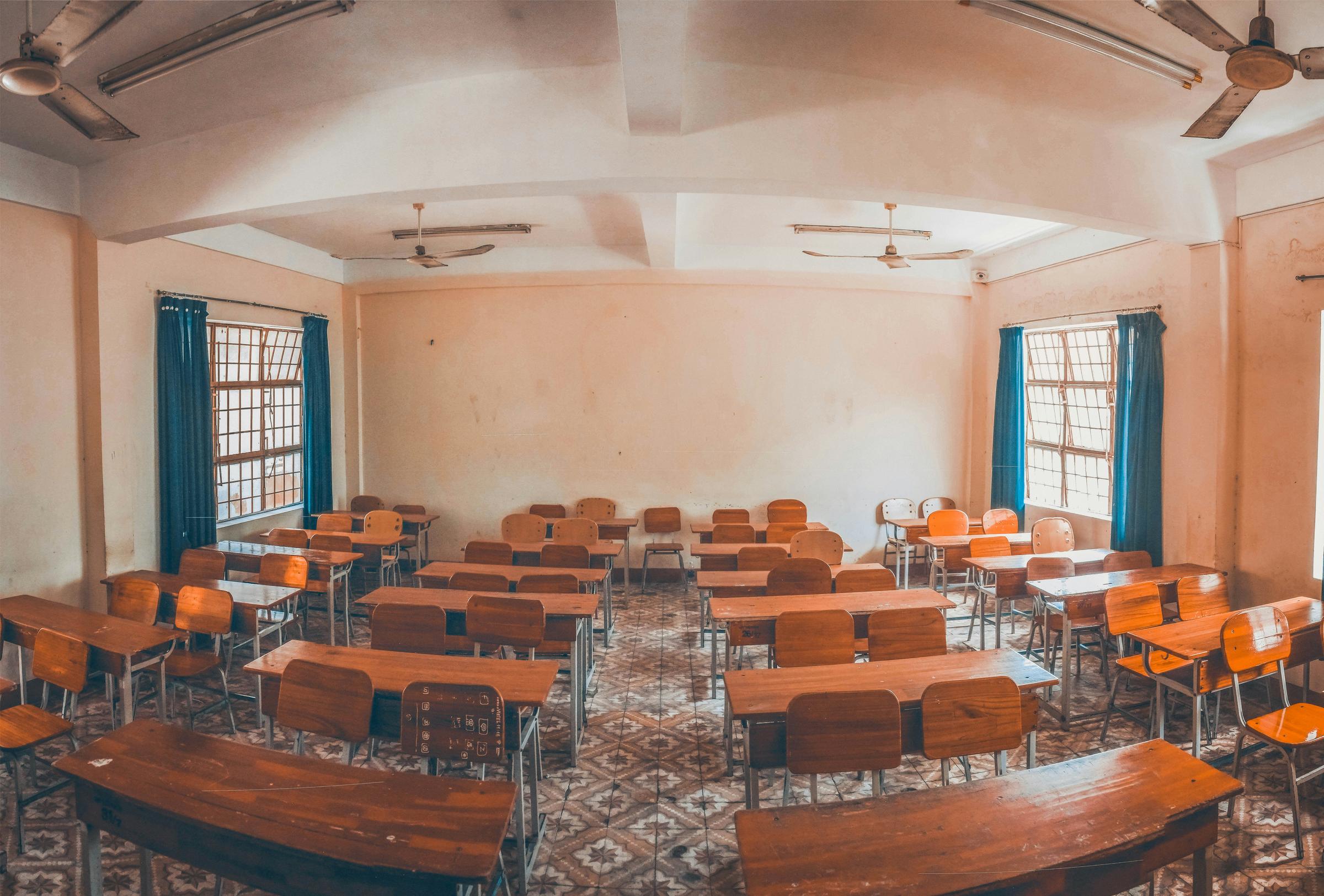
It’s Wednesday afternoon. After school yesterday, our teachers spent an hour finalising (or as close as humanly possible to finalising) the 2026 classes. That single hour comes after many hours of preparation, which included collecting and sorting information, discussing student needs, and overall finessing what each of our 24 classes will look like.
It’s always a point of contention: for leaders, teachers, and parents. Transition is such an important process, and one we are consistently trying to improve. We work hard to balance the need to give some information, but not overwhelm families with too much detail too early. Both Sam and Carly have already shared helpful information about how we support students to transition from one grade to the next, and I thought I’d add to this by giving you an insight into how we actually put classes together.
When I was a teacher, and it came time for students to write their ‘learning buddy’ list, I used to tell the story of me and my best mate Russ. We were inseparable - played footy together, hung out most weekends, even went on holidays as families - but we were only ever in the same primary school class once.
You can probably imagine why.
High school wasn’t much different. For reasons that also won’t surprise anyone, we rarely ended up in the same class. And when we did… things weren’t great. Not great for the teacher, and honestly not great for me or Russ. Distracted. Disengaged. Constantly doing anything except learning. I’m sure there were conversations between teachers and parents. Maybe even a quiet request to keep us separate. Or maybe the school just knew what was best (they often do, wink).
I still tell that story, because most kids recognise that if they were in a class with both Mat and Russ, it probably wouldn’t have made their learning easier either.
Class placement is incredibly deliberate. Balancing the complex needs of up to 28 young people is an almost impossible task, but we take it seriously. We consider gender balance, academic diversity, behaviour, social and emotional needs, and students supported through the Disability Inclusion Program. We try to build each class so that every child has the best chance of success.
We also carefully consider parent requests for separations (like separating Mat and Russ), and this adds another layer of complexity. Sometimes one small adjustment can unravel the web and require a complete reshuffle. What looks like a simple change from the outside can, behind the scenes, set off a chain reaction through multiple classes.
As we begin the transition process for 2026, we ask for your patience, trust and support. If your child isn’t placed with their best friend, remind them that resilience is one of our values - and that learning to work with a range of classmates is a life skill that will serve them well beyond primary school.
And who knows? Maybe, like me and Russ, they’ll look back one day and be grateful that their teachers understood what they needed, even before they did.
Mat Williamson
Assistant Principal (who fondly remembers the semester Russ and I spent making a video game on a graphics calculator instead of doing any actual learning... and the terrible school reports that followed)