
Careers
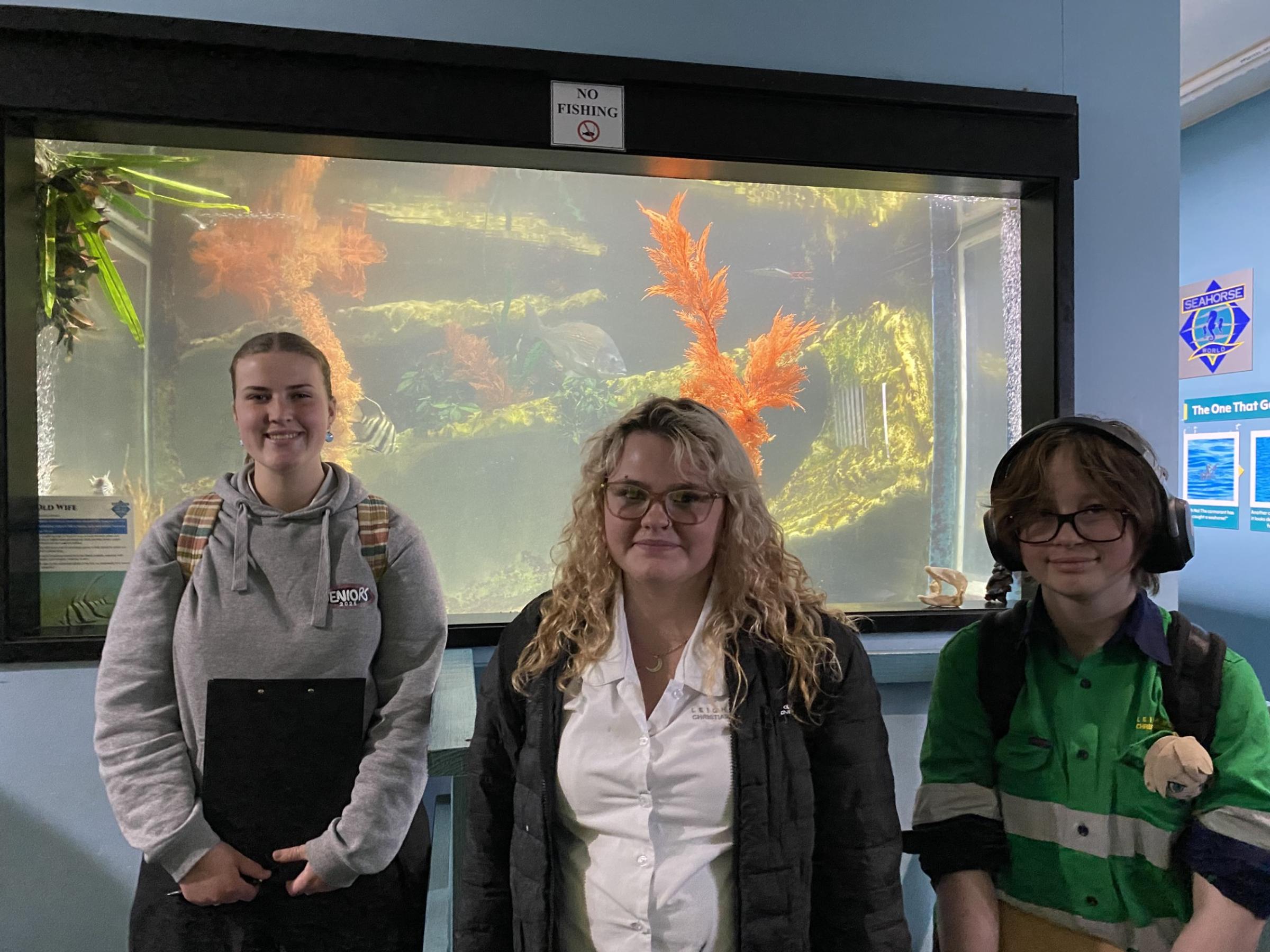
Youth Volunteering: Keeping Everyone Safe
By Rhonda Wilson, Operations Manager of Volunteering Tasmania and Claire Pienaar, Career Advisor at Leighland Christian School
Volunteering is a useful way for young people to build skills, confidence and connections in their community. At Leighland Christian School, we encourage our Year 9s to actively participate in a volunteering activity through the Duke of Edinburgh program, which is the global leader in the organising and accrediting of non-formal education through its flagship ‘Duke of Ed Framework’. Our aim is to provide Leighland Secondary students with the opportunity to uncover their purpose, passion and place in the world to become #WORLDREADY.
So many great opportunities!
Did you know that young people make up the largest group of volunteers in Tasmania? That means there are lots of fantastic opportunities available. The best place to start is by thinking about interests and passions: what brings you joy, what skills you’d like to build, and how those strengths can be shared with others. Volunteering can be both meaningful and fun, while making a real difference in the community. By incorporating the Duke of Edinburgh Bronze Award into their lives from Year 9, our students learn how to become invested members of their communities.
As part of the application process, some volunteering roles may ask young people aged 16 and over to provide either a Registration to Work with Vulnerable People (RWVP) or a National Police Check. These checks are about care, safety, and responsibility.
Why are these checks important?
A RWVP or National Police Check helps to:
Protect vulnerable people
Meet legal and duty‑of‑care responsibilities
Reduce the risk of harm
Create safer workplaces and communities
At the heart of the RWVP is a commitment to protecting people who may be at greater risk of harm, including:
Children and young people
People with a disability
Older people
People receiving care or support services
What’s the difference between a RWVP and a Police Check?
A National Police Check provides a snapshot of a person’s disclosable criminal history at a single point in time. It:
Is not ongoing
Only shows certain offences
Can become outdated very quickly
Because of this, a Police Check on its own is not considered sufficient for regulated work with vulnerable people in Tasmania.
A Registration to Work with Vulnerable People, on the other hand, involves stronger safeguards and ongoing monitoring. It supports a culture where safety is prioritised, not assumed.
Peace of mind for families and organisations
Having formal screening requirements:
Reassures parents and carers
Builds trust in organisations and workplaces
Demonstrates professionalism and accountability
It helps everyone feel confident that young people are volunteering in safe, well‑supported environments.
A note for parents and carers
Not all volunteering roles require a RWVP or Police Check, it depends on the type of work and who the organisation supports. It isn’t a blanket requirement.
When your child is considering a volunteering role, it’s reasonable to ask questions such as:
Does the organisation have volunteer personal accident insurance?
Do they have child and youth‑safe policies in place?
Is there an on‑shift supervisor who has completed the appropriate screening?
Does your young person have a clear role and responsibilities?
Some organisations are unable to host volunteers under 18 due to insurance limitations, so this may also influence where young people can volunteer.