
Visual Language
Visual Arts & Technology - Follow us in Instagram: wantirna_college
Visual Language
Visual Arts & Technology - Follow us in Instagram: wantirna_college
Visual language is the way artists use the art elements and art principles to communicate ideas, meanings, emotions and experiences. Each artist makes deliberate choices about how these visual components are selected, combined and organised to convey meaning. The following excerpts provide an overview of the artistic choices made by each student artist and how these choices contribute to the communication of meaning within their artworks.
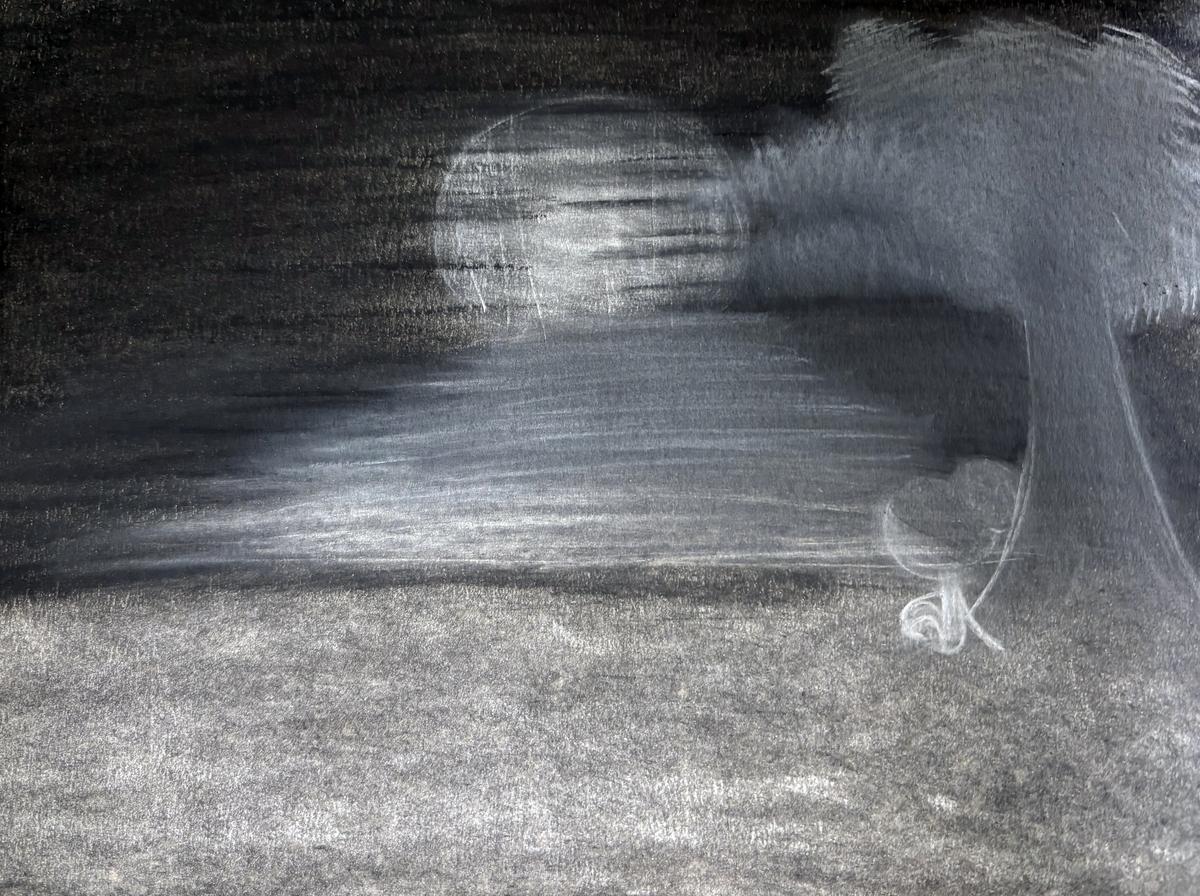
The art principles of focal point and contrast, supported by the element of tone, helped communicate my concept of isolation. The sun acts as a focal point because the surrounding dark shading draws the viewer's attention towards it first. ~ Laila Dunlop
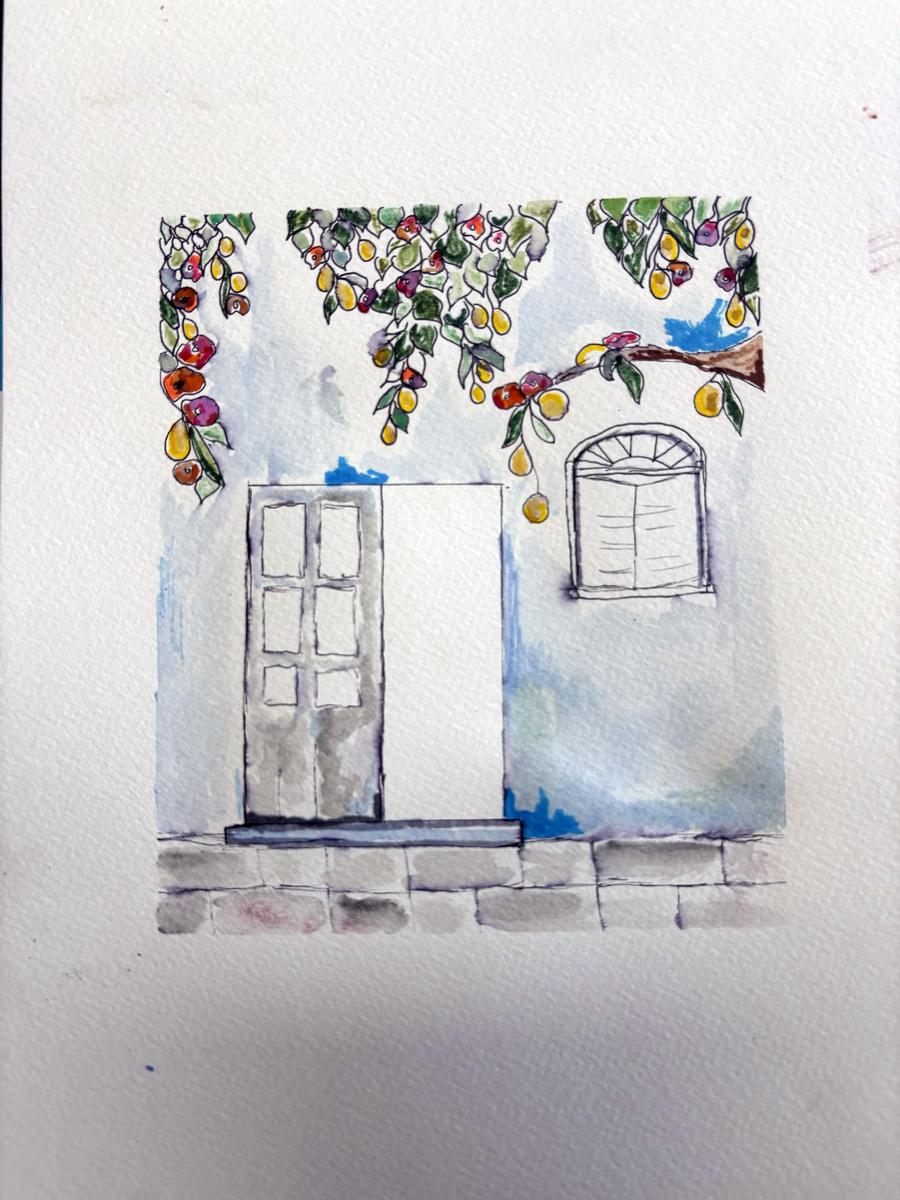
I used line, contrast, composition and emphasis to support my concept of how life can be perceived from different perspectives. My use of fineliner creates detailed sketch-like lines that build character, volume and movement throughout the scene. ~ Chelsea Karagiorgos
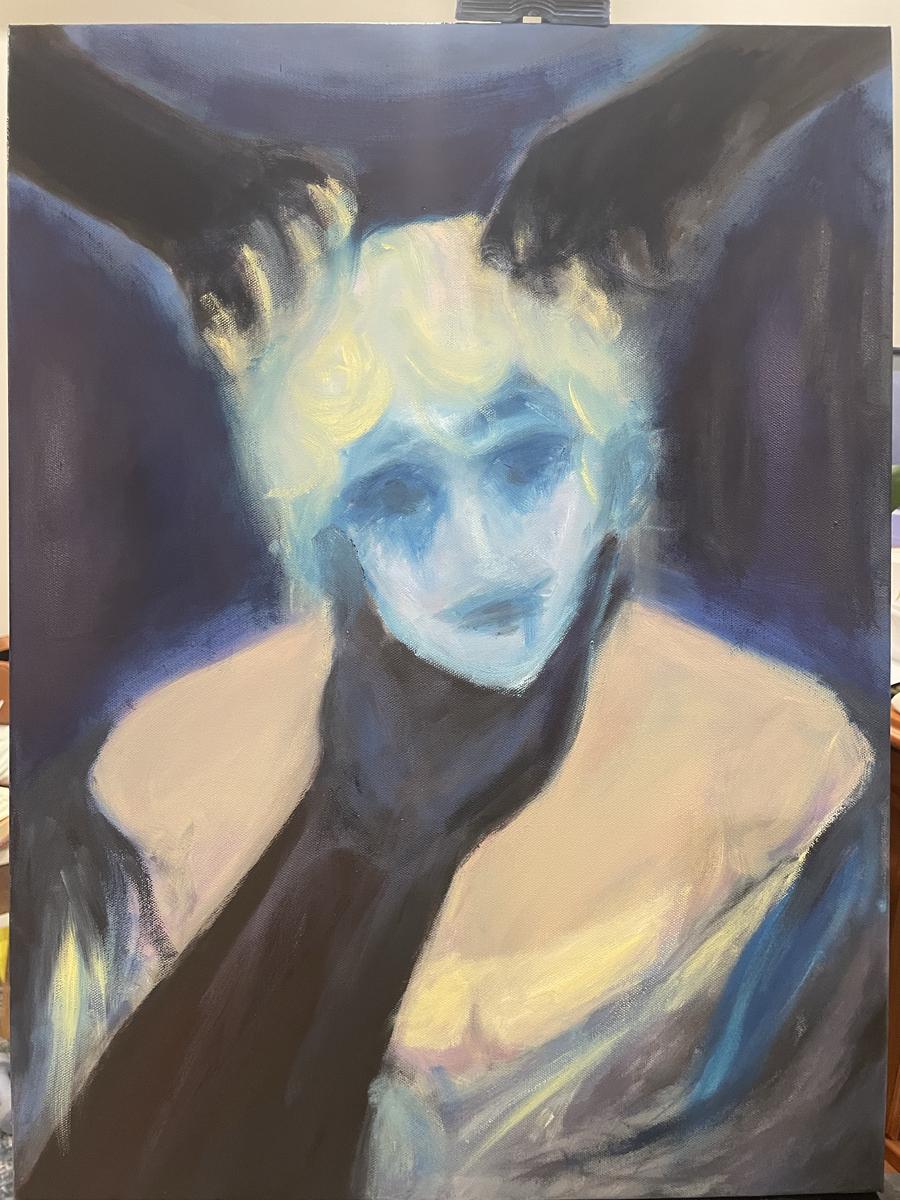
The art elements of light, colour and tone, together with the principles of contrast and emphasis, support my concept of vulnerability and powerlessness. I used light to illuminate the central figure while keeping the surrounding background in darkness, creating a strong contrast that isolates the figure and makes them appear trapped. ~ Sarah Latheef
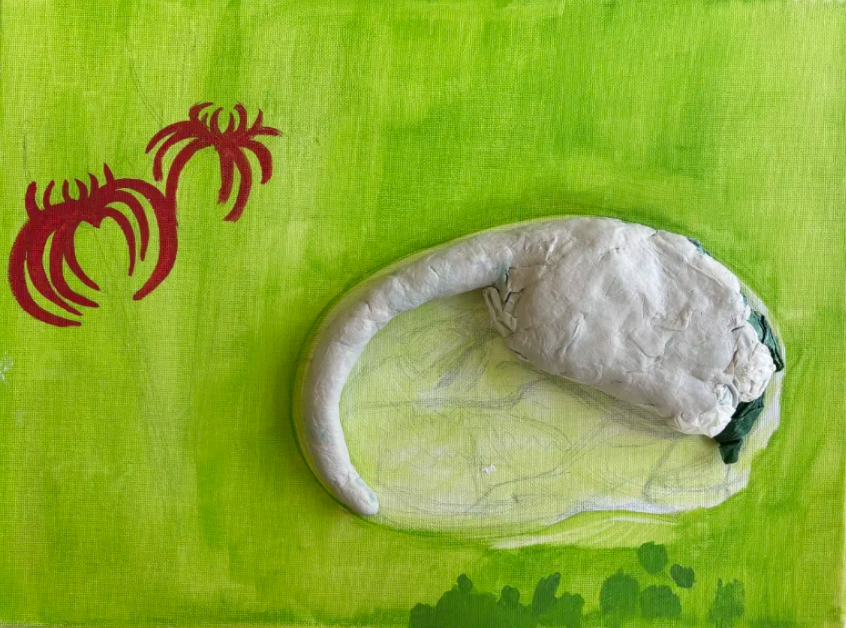
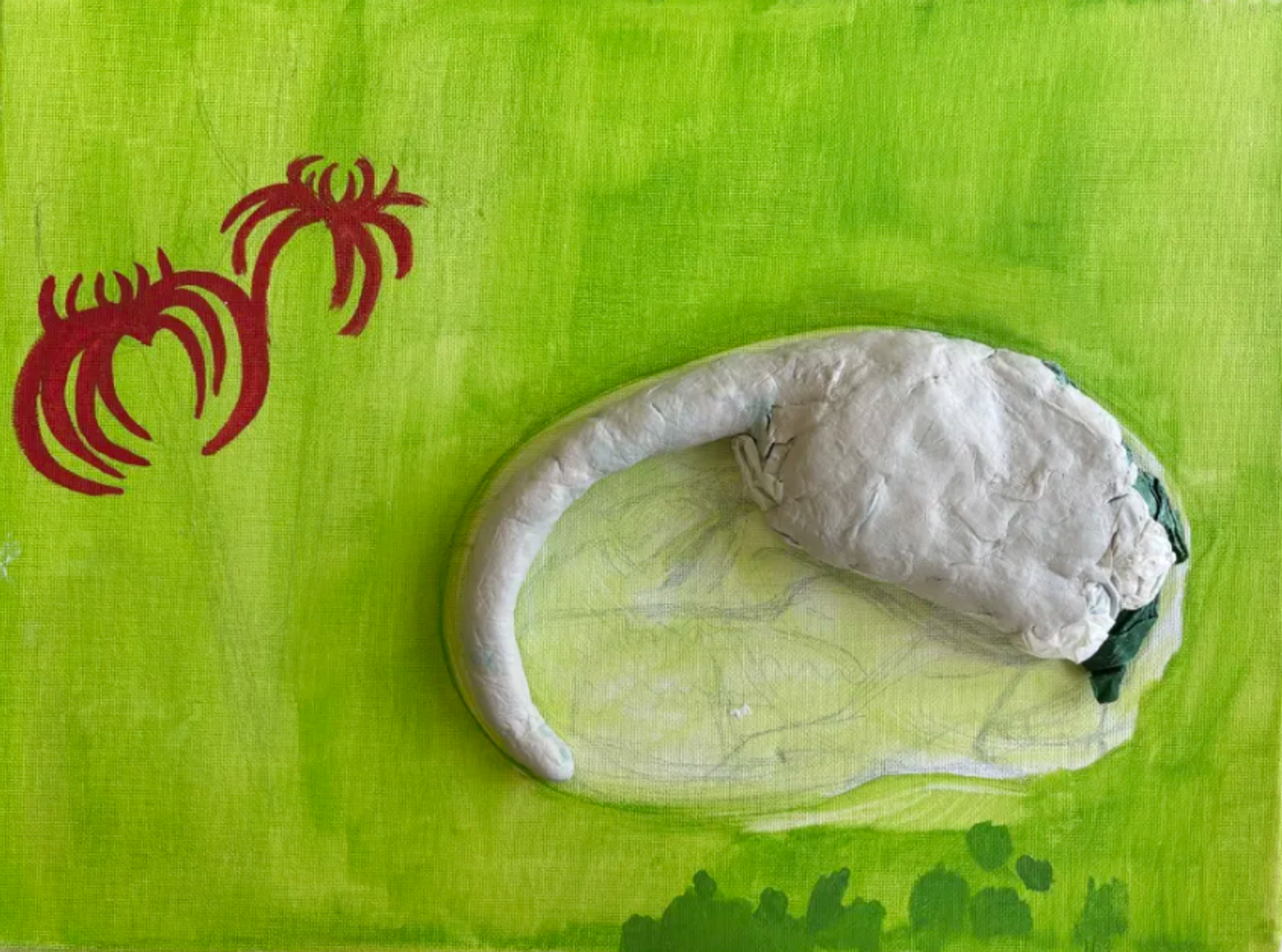
I used form, colour, contrast and line to support my concept of death. I incorporated a three-dimensional clay skull into the painted canvas so that it physically projects from the surface and can be viewed from different angles. This makes the skull appear more realistic and confronting, reinforcing the physical reality of death. ~ Rima Luc
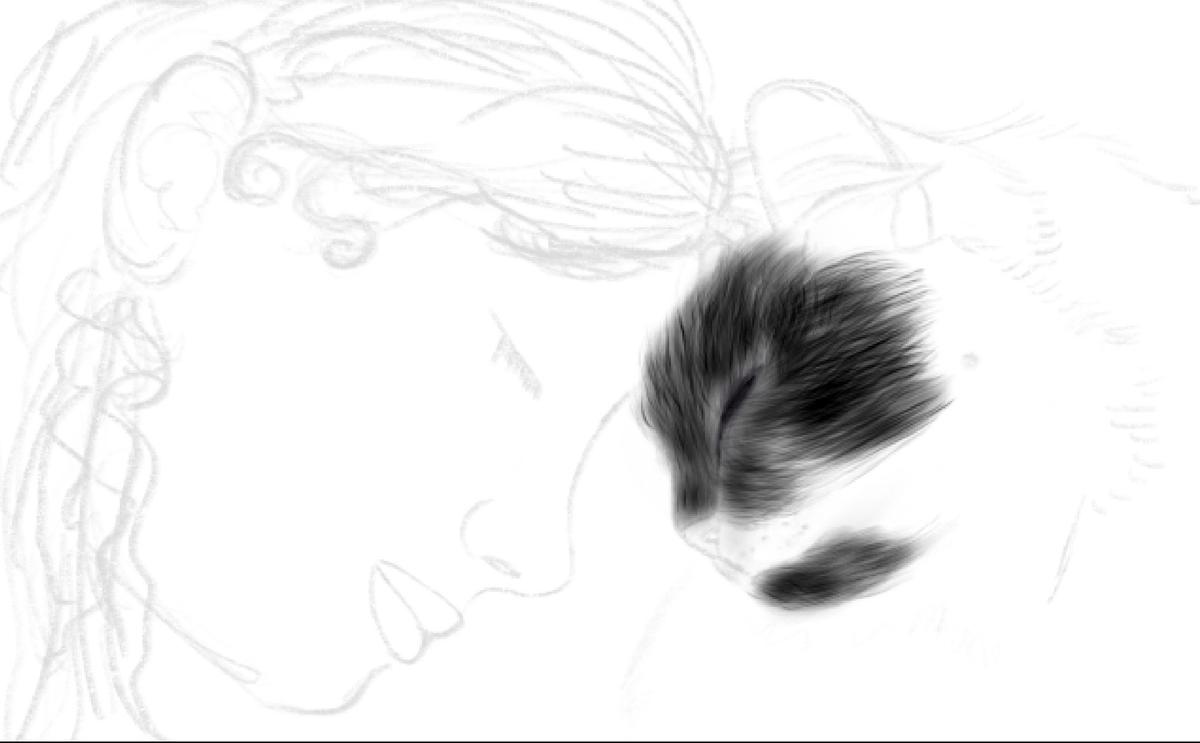
I used colour, tone, contrast, composition, emphasis and light to communicate the emotional relationship between humans and domestic animals. I experimented with lighting and tonal contrast to create areas of light and shadow, which establish different moods and help communicate the emotional atmosphere of the artwork. ~ Lanna Milasinovic
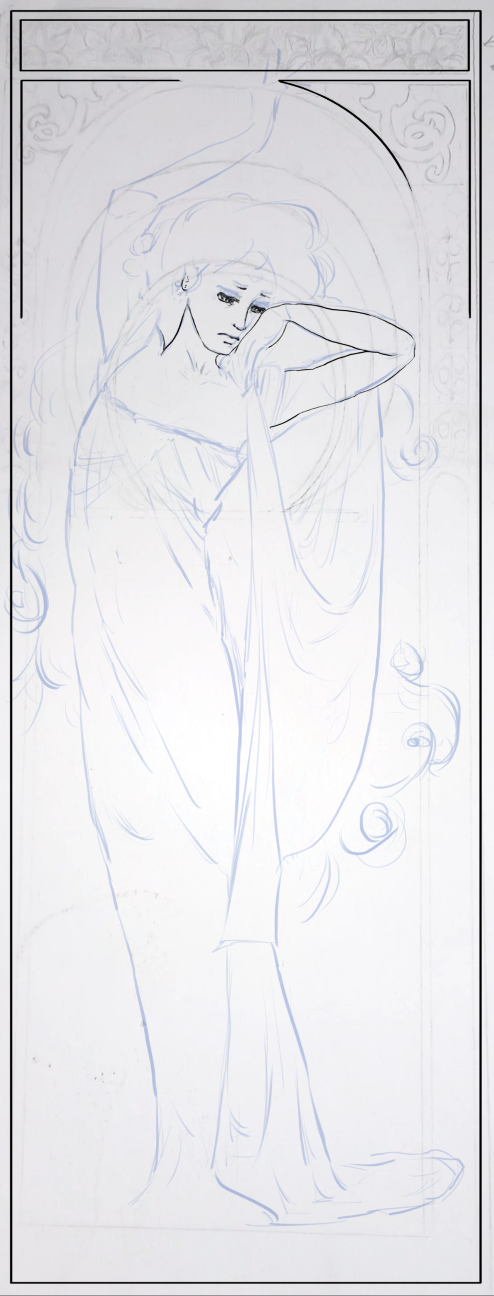
In my artwork, colour and tone, supported by the principle of contrast, play an important role in communicating my concept of sexism and the pressure placed on women to appear perfect. I used pale and bright yellows, pinks and greens with a consistently light tonal range to create an appealing and pleasant visual appearance. ~ Mila Nacevska
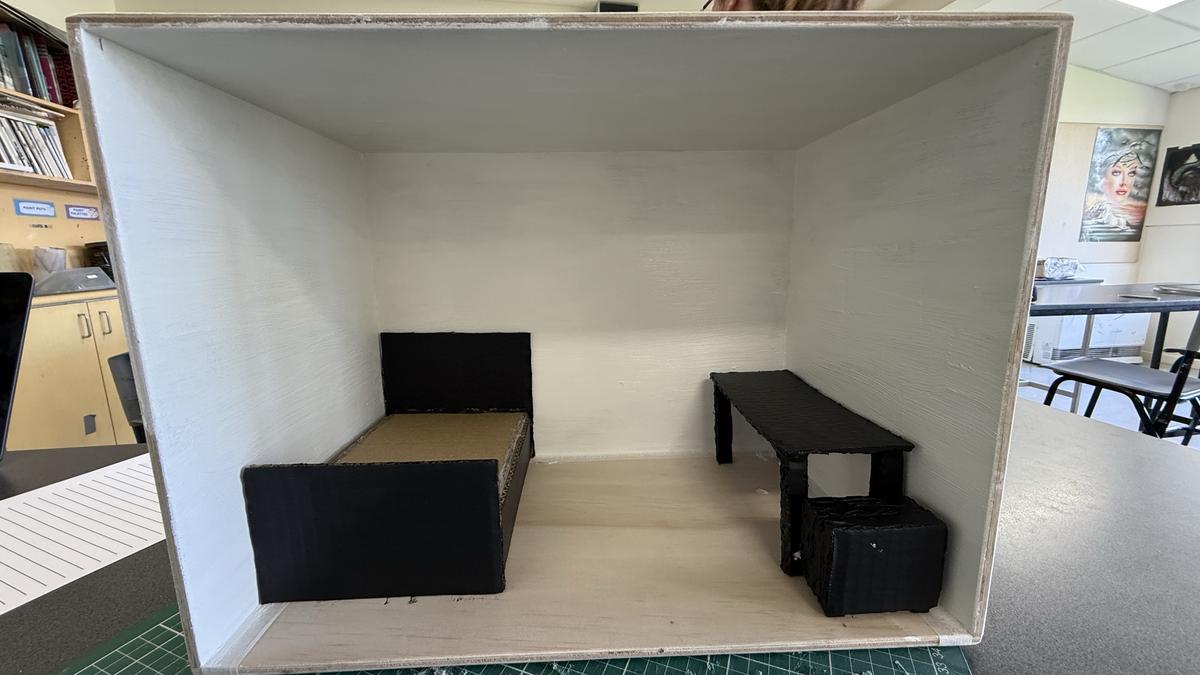
Visual language supported my concept of isolation and the emotions associated with being alone through the use of focal point, composition, light, colour and texture. I used composition to position the different figures within the diorama and considered where each figure should be placed to communicate their individual emotional states. ~ Ronnie Ngo
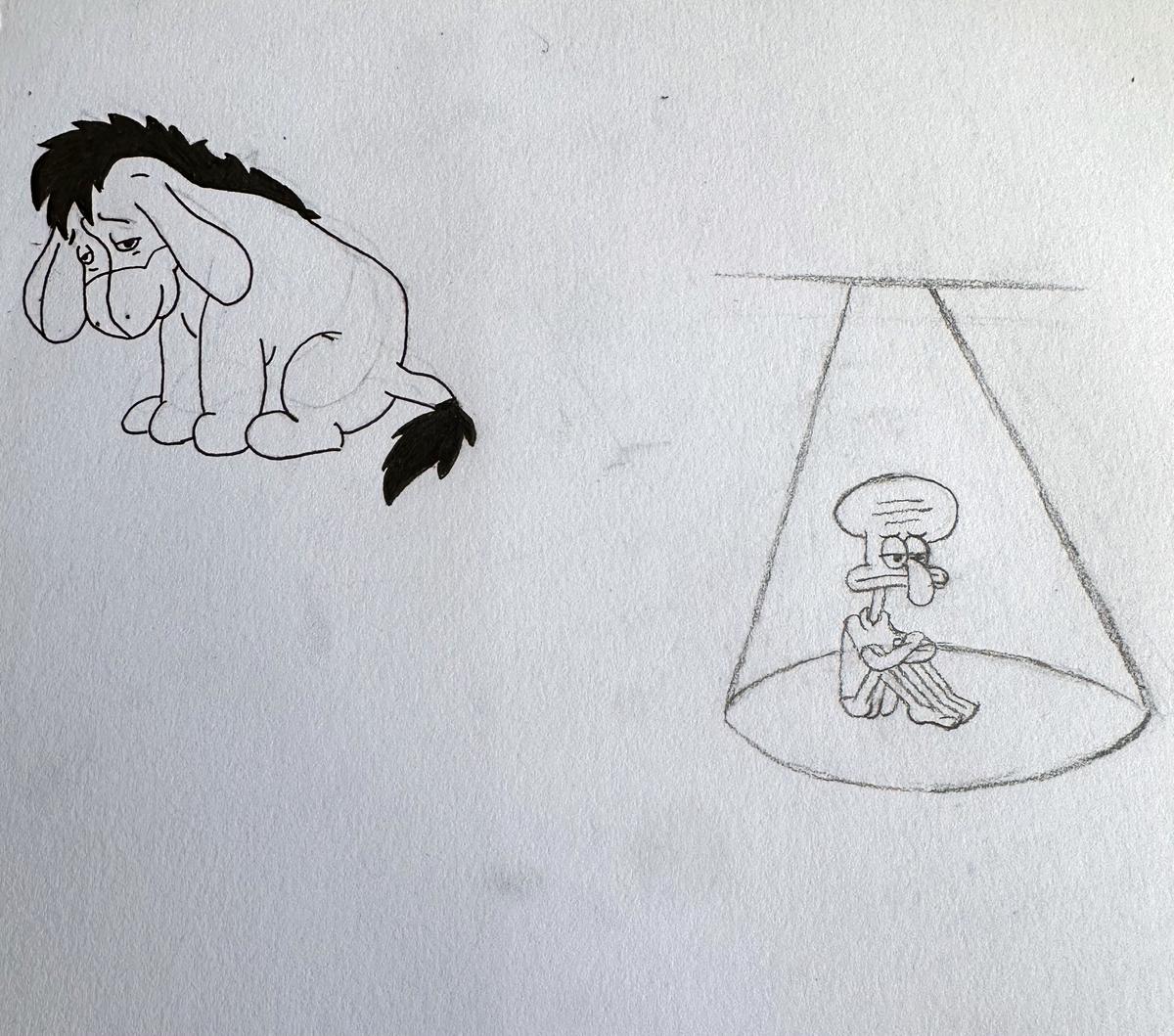
The art elements and principles of light, tone, colour, line, emphasis and contrast support my concept of isolation. The spotlight creates emphasis by directing the viewer's attention towards the small cartoon figures, making them stand out against their surroundings and suggesting that they are isolated. ~ Alicia Rizio
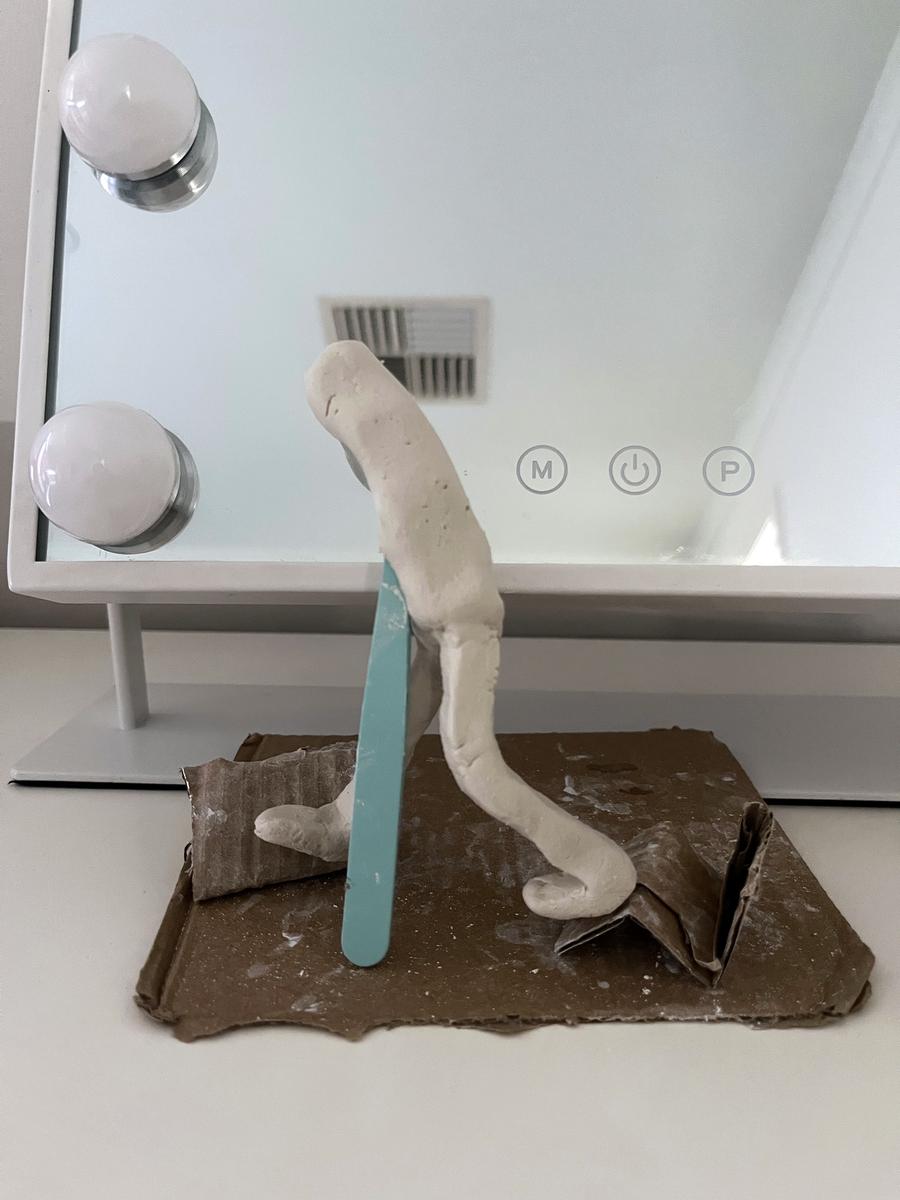
Visual language strongly supported my concept of discomfort through my use of form, colour and texture. I used the form and posture of the figure to show it running and attempting to reach a place of safety, communicating a sense of fear and urgency. ~ Georgia Wright
Dr Leigh Webster
Art & Technology