Level 1 & 2
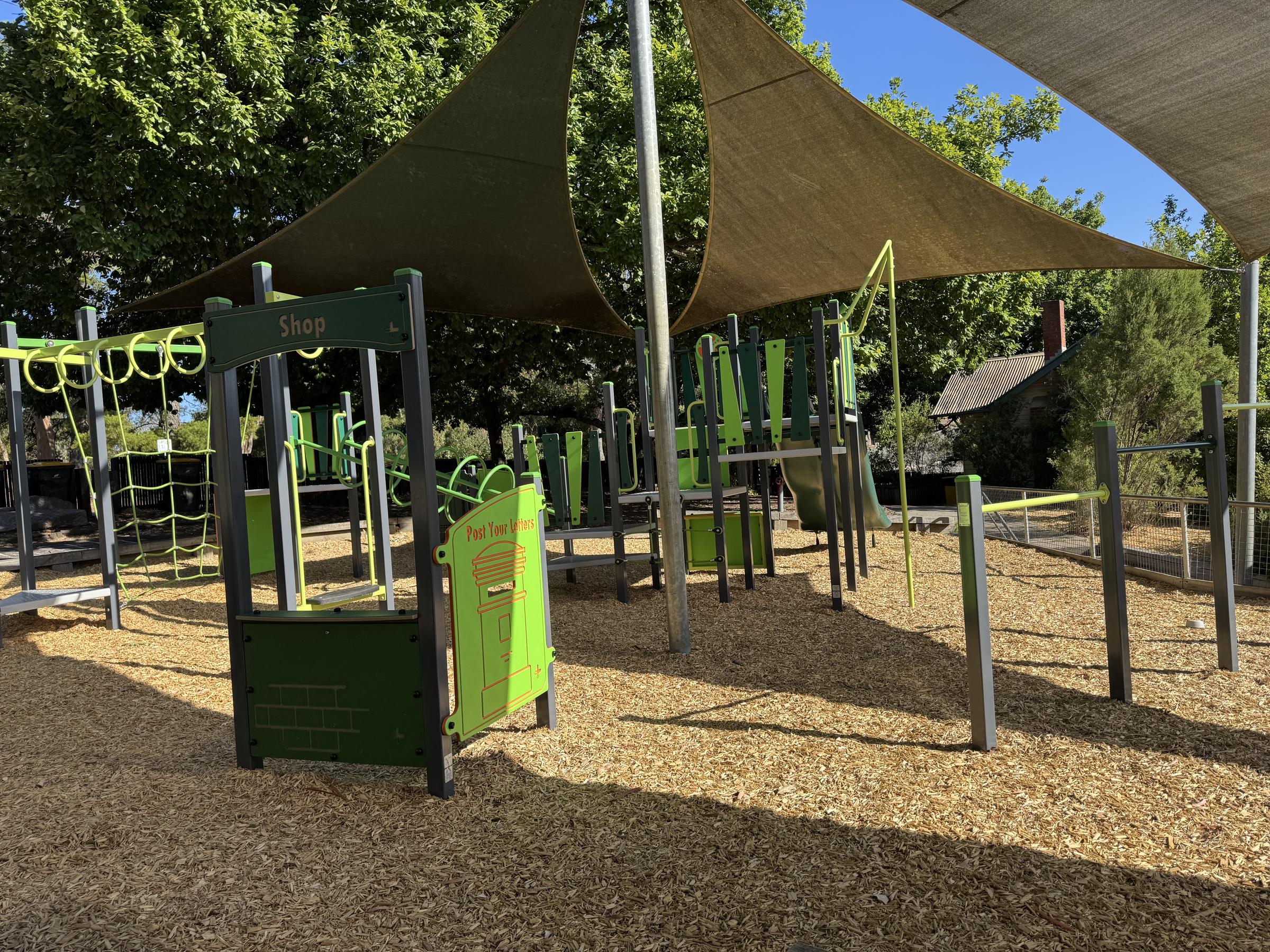
What an exciting term it has been so far! Cross country, Mother's day, incursions and camps! We have had such a great time here in one and two.
INFORMATION & REMINDERS
Personal Belongings:
We are seeing an increase in personal belongings like footy and Pokemon cards, teddies, squishy toys, remote controlled cars and toys being bought to school. We strongly encourage students to leave these items at home as at times they can cause distress when they become lost or damaged and can distract students from learning time.
Home Learning.
Our Grade One and Two students bring home take-home books on Monday, Wednesday and Friday nights. We encourage you to read these books more than once with your child to build fluency.
On Friday, we send home a 'Home Learning book' with your child with a hard copy of the following week's UFLI home practice sheets and a copy of your child's fluency reading. We would encourage you to read this text multiple times with your child to help build fluency.
Please see below some information about the UFLI at home learning and ways you can use it.
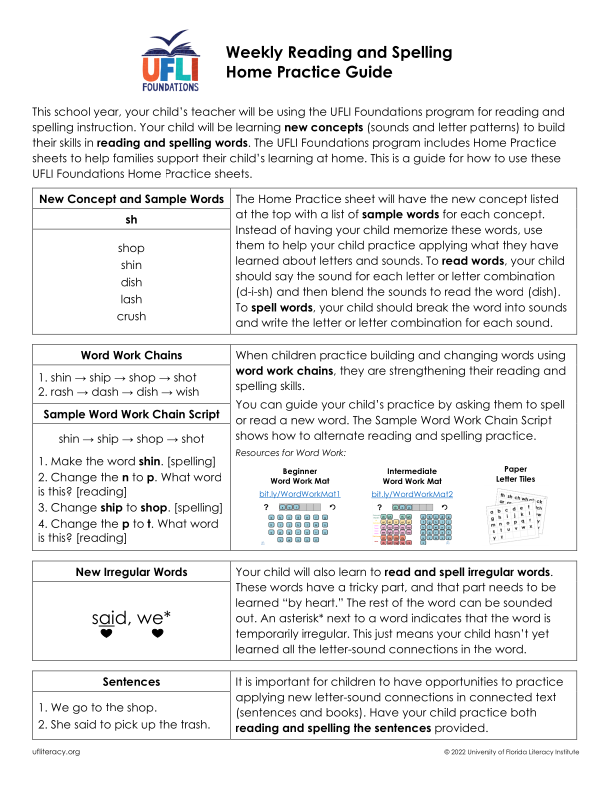
Using the Fluency Passage
The fluency passage in the home learning book is an important part of our UFLI program. Students will read these passages in classroom to a partner throughout the week.
Ways in which you can use these at home -
- You read the text to your child - modelling fluent and expressive reading.
- Your child reads the text to you.
- Encourage your child to draw a picture in the box, based on the story.
- Look through the story for words with the sound pattern we are focusing on - underline/highlight them, rewrite them, use them in a sentence.
- Look through the story for the new irregular words - or previously taught irregular words.
CURRICULUM
Literacy
UFLI: Grade One Students
This week the students will be exploring words with the ending suffix -ing. Then they will be developing understanding of syllables.
UFLI: Grade Two Students
This week the students will be exploring oo spelling /ū/. Then they will begin to look at ew, ui, ue spelling /ū/.
What can you do at home?
- Optional UFLI Home Practice pages found in their home learning book.
Mentor Text: Tiddalick: The frog who caused the flood
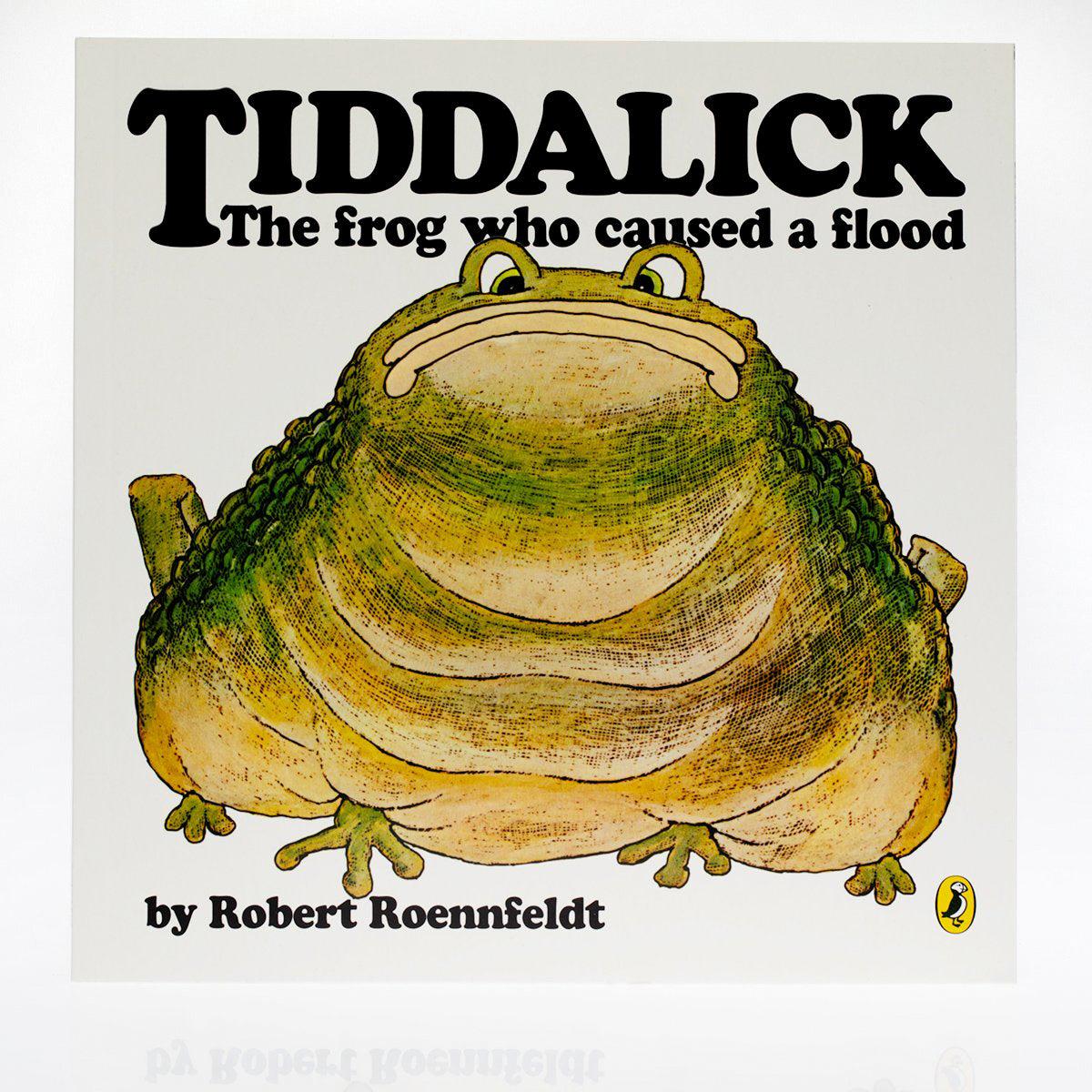
This week students will be looking at the dream time story of Tiddalick. Theywill be developing their comprehension skills by sequencing events and narrating illustrations.
This will be supported by our incursion on the 15th of June, as we will be welcoming an educator from Drama Toolbox who will guide students through the story of Tiddalick.
What can you do at home?
- When reading at home ask questions about the text they're reading.
- Example: What happened first in the story? What's the problem in the story? Who is your favourite character and why?
- While driving - have your child call out adjectives to describe the nouns you see.
Maths
Grade One Students
The Grade One students will continue their exploration of addition and subtraction. This week the focus will be building and strengthening strategies.
What can you do at home?
- MathsSeeds
Use small snacks such as crackers, grapes, or cereal pieces.
- Begin counting up a group of snacks with your child.
- Eat or remove some. Ask: “How many are left?”
- Discuss what strategies they used
Grade Two Students
This week, our Grade Two students will be exploring the new topic of mass and capacity. Starting by identifying and measuring the mass of objects on balance scales using informal units.
What can you do at home?
- Mathletics - The "To do list" on their login screen will have some addition and subtraction challenges.
- Using a scale at home explore how much items weigh around the house. Putting them in order of heaviest to lightest.
Wellbeing
This week in Wellbeing, students will be doing a Respectful Relationship lesson on 'What can I do when I've got a problem?'. We will also be following our SWPB of 'Be Safe' focussing on keeping our spaces clean.
What can you do at home?
Choose one small problem at home and solve it together.
Examples:
- A toy or game is not put away.
- A bedroom is messy.
- Two people want the same item.
- Something has been misplaced.
CBL
This week students will continue exploring different examples of acknowledgments of Country, to continue working towards their end of term challenge.
Our Big Idea for Term Two is Country.
Our Guiding Questions:
What is Country?
What is special about our Country?
How can we connect to Country?
Our Essential Question:
How do we respect Country?
Our Challenge:
Write an Acknowledgement of Country for our grade.