Prep
Information and Reminders
iPad update
We will begin using iPads in Term 3. If your child has an iPad that they will be bringing to school, we will ask for it to be sent in during the final week of Term 2 so that Izzy, our IT technician, can help with the setup process. We will send home information about this closer to the date.
•If your child will not be bringing an iPad from home, they will have access to a small pool of school iPads that will be shared among students.
•A document regarding the appropriate use of technology, the Acceptable Use Agreement, was sent home last week. We ask that you read the document with your child, help them complete the questions (through writing or drawing), and return it to school with your signature, to acknowledge that you have read and understood the information.
All students are required to return the document, regardless of whether they will be bringing their own iPad to school.
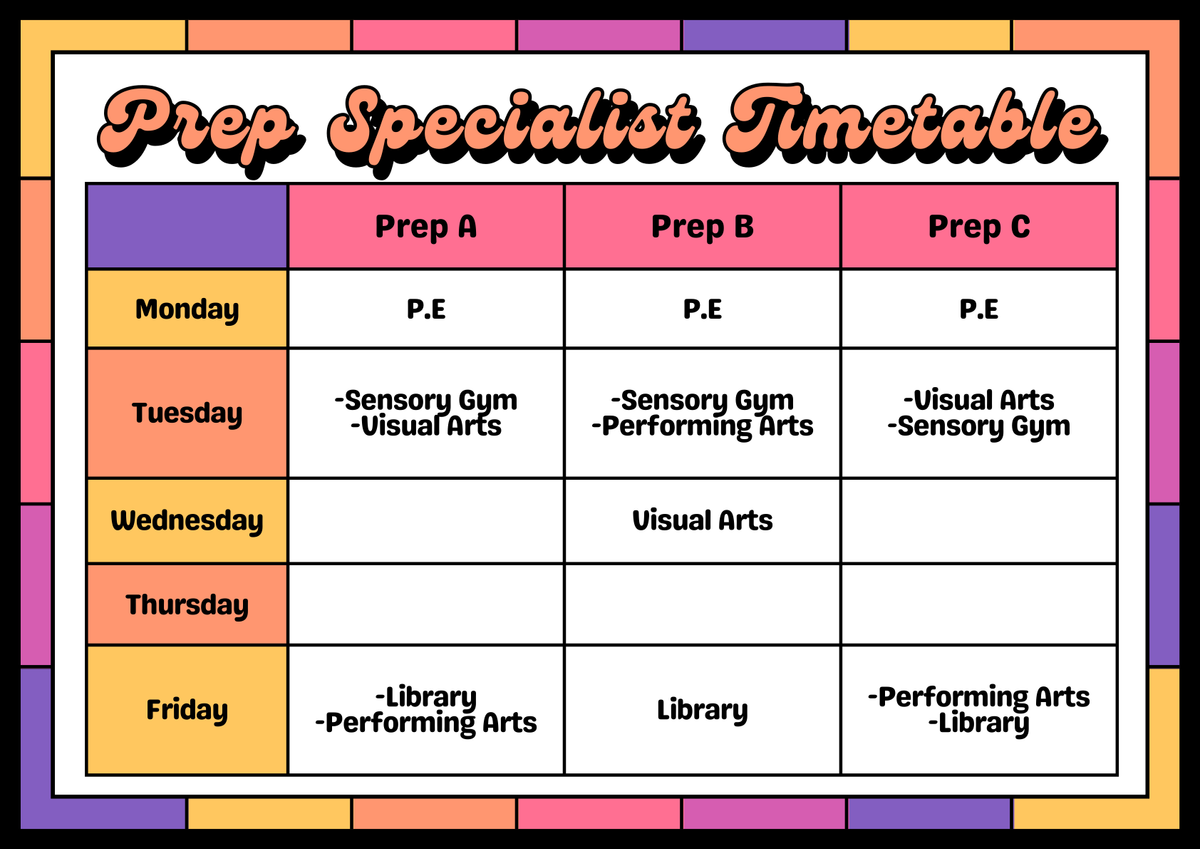
Term 2 Specialist Timetable
Curriculum
*Please remind your child to go to the toilet before they enter the classroom.
Phonics and reading
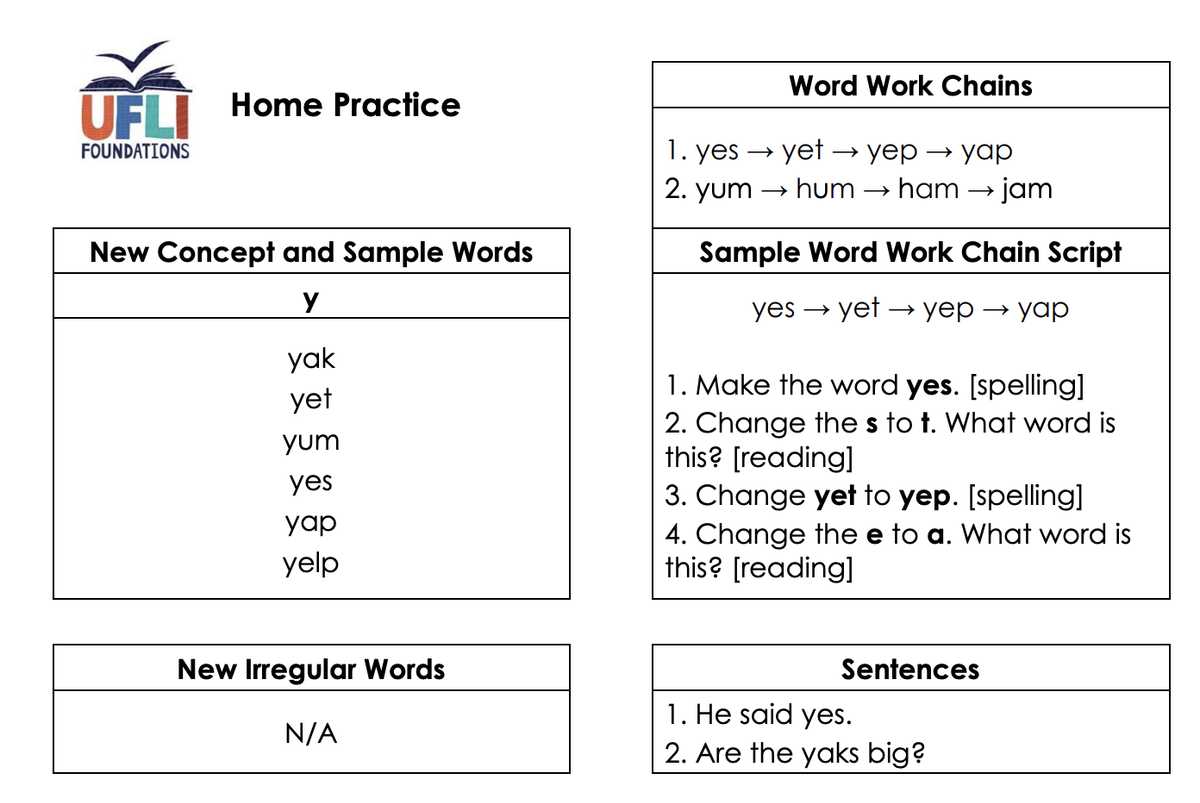
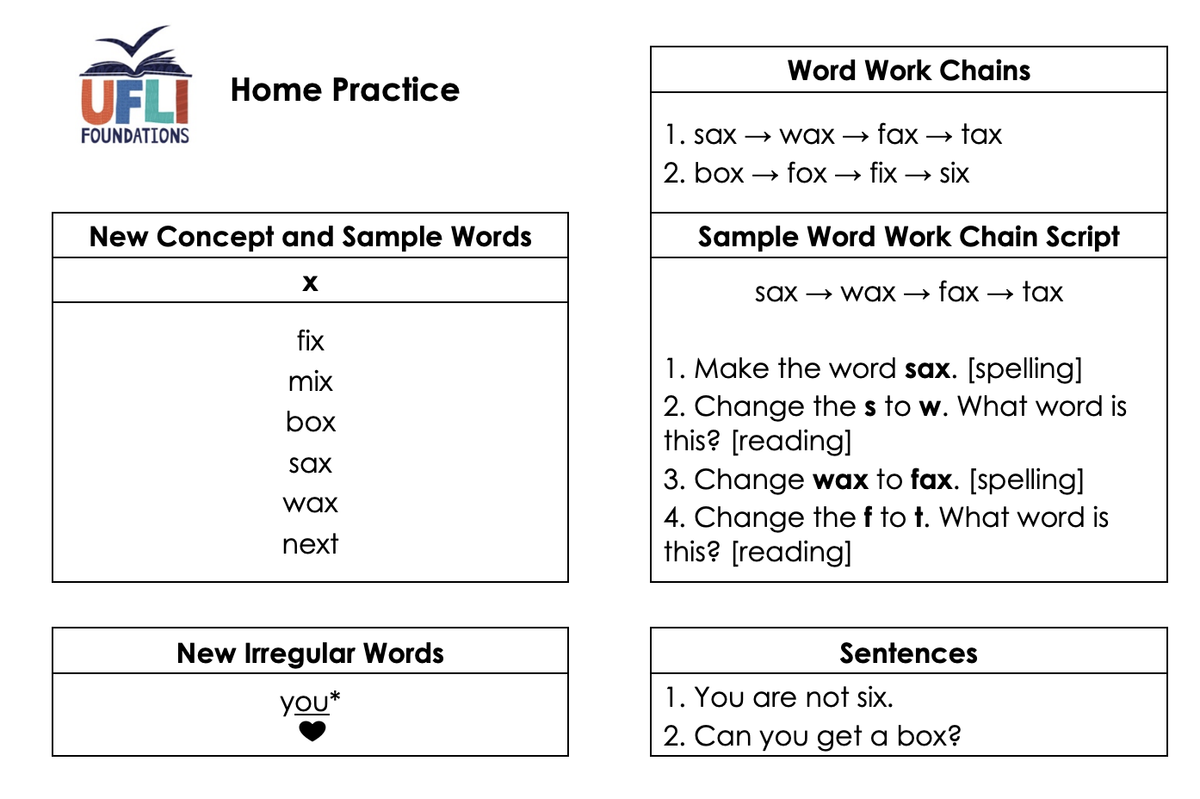
We are learning about the letters Y and X (x says /ks/ like at the end of 'fox')
Our learning focus will include:
- Understanding the phonemes (the sound each letter makes)
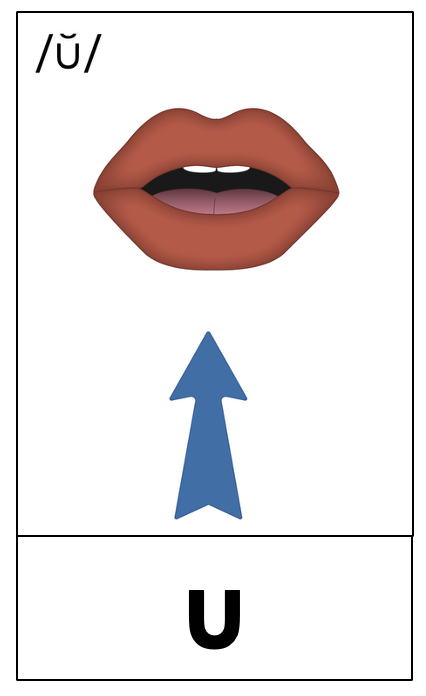
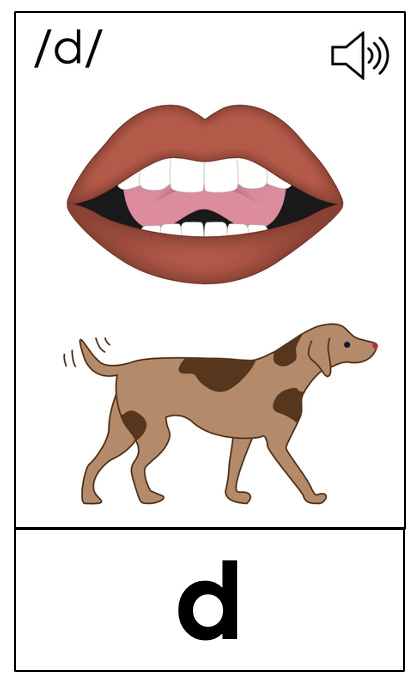
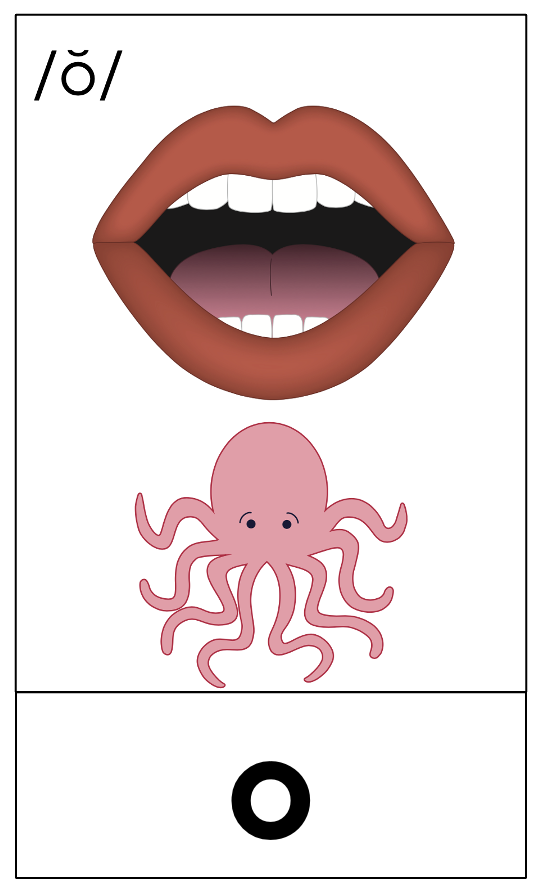
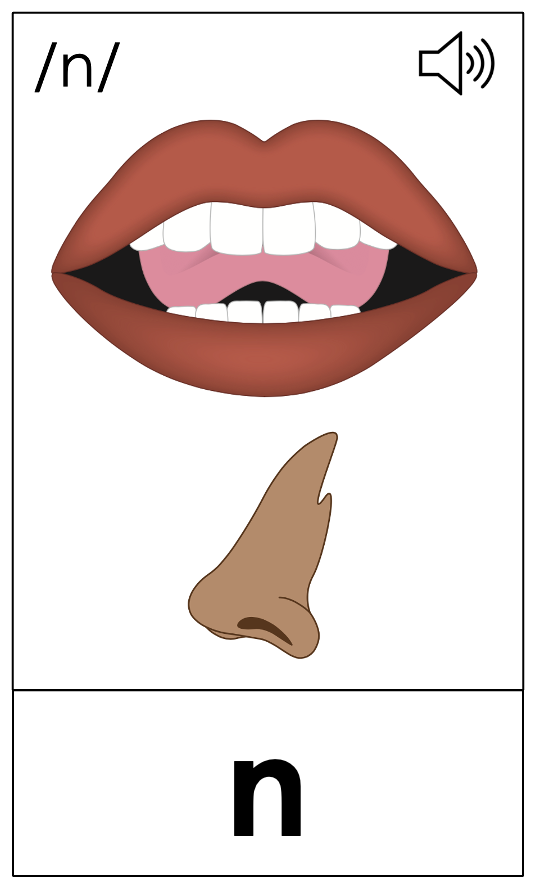
- Learning the cued articulation for these sounds
- Identifying where we might see each letter in a word
- Practising the graphemes (the way we write the letter), including correct letter formation
- Reading and writing 3 and 4 letter words, using the sounds we know.
What can you do at home?
• Support your child to read the decodable book in their Reading Pocket. Try and aim to read every day, if you can.
• The 'Roll and Read' page is a great way to practise sounding out and blending words, especially for students who find reading sentences a little challenging.
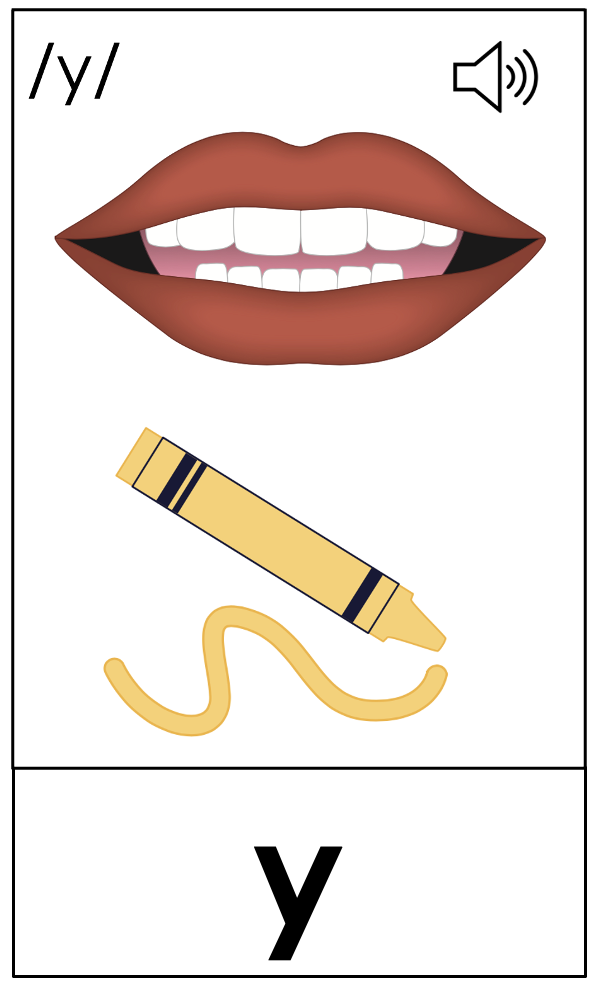
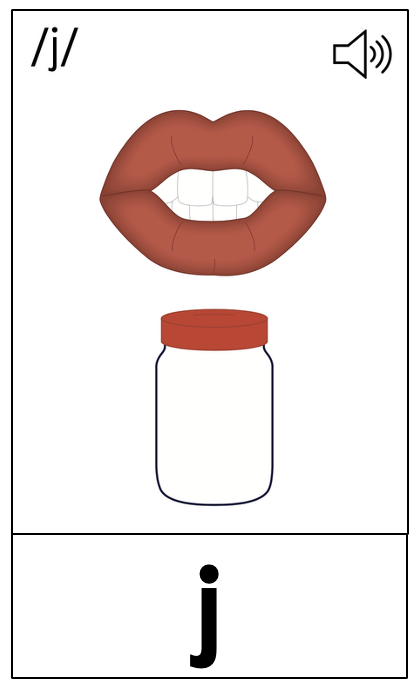
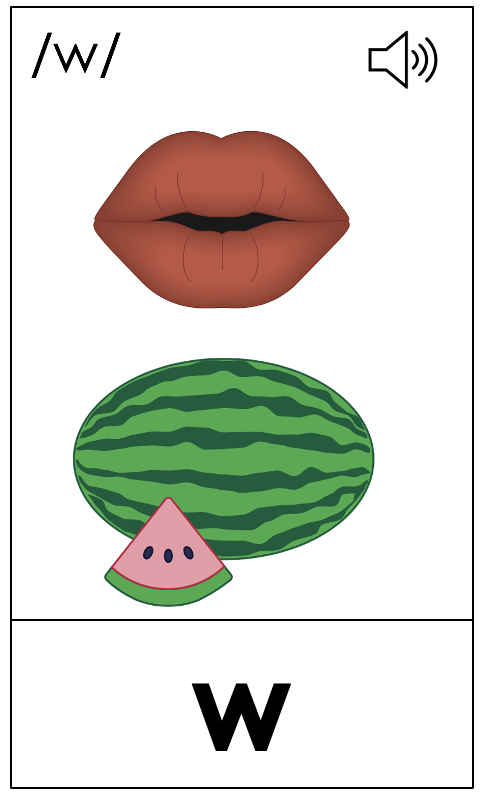
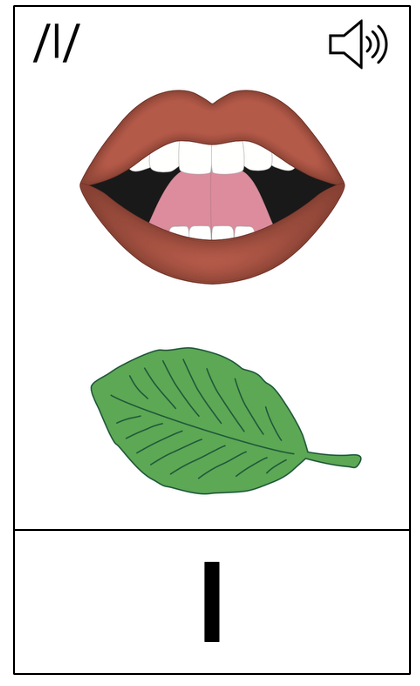
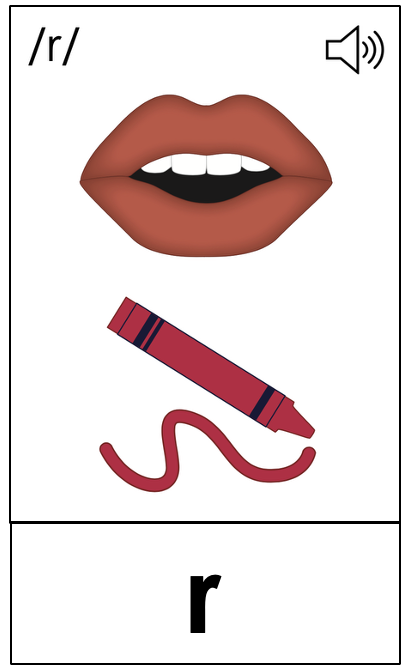
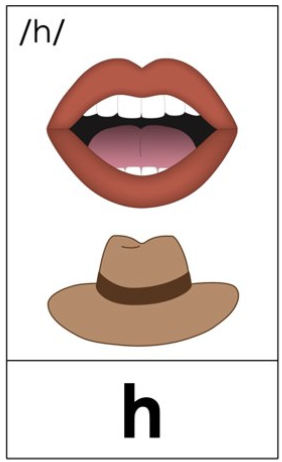
•Review the letter names and sounds for Y and X, as well as the sounds we have learned so far using the cards below. You can also find these cards in your child's book pocket. When practising, say them like this: “A spells /a/.” Ask your child if they can show you the cued articulation for the sounds.
•Learn the Heart Words (in red booklet). A new page was added last week.
• Work through the optional UFLI pages.
Sound / Letter cards to review:
**There is not an X card. You make the sound by combining the /k/ and /s/ sounds
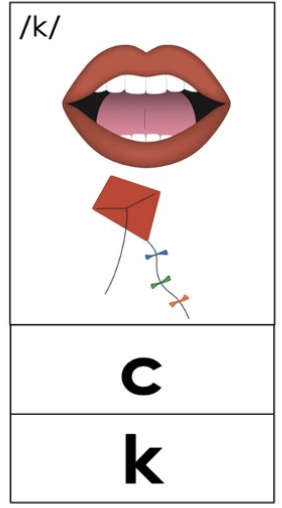
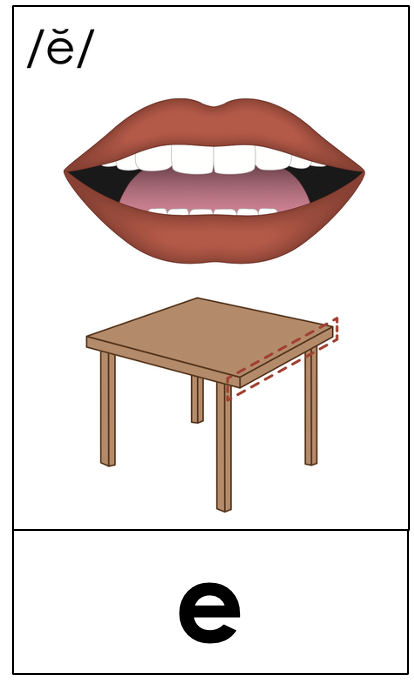
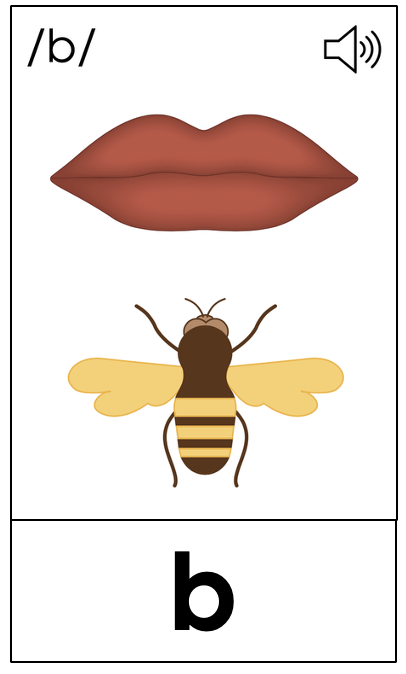
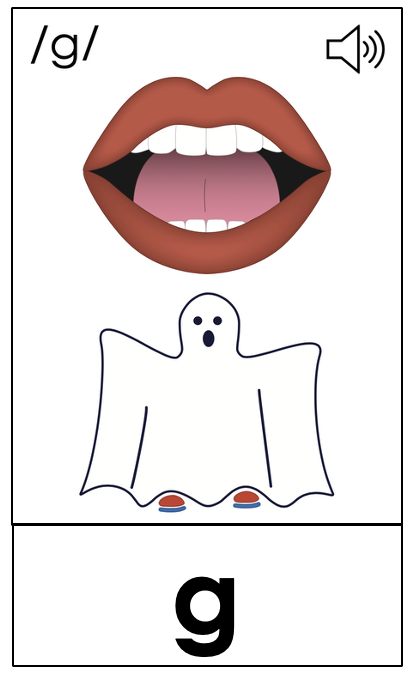
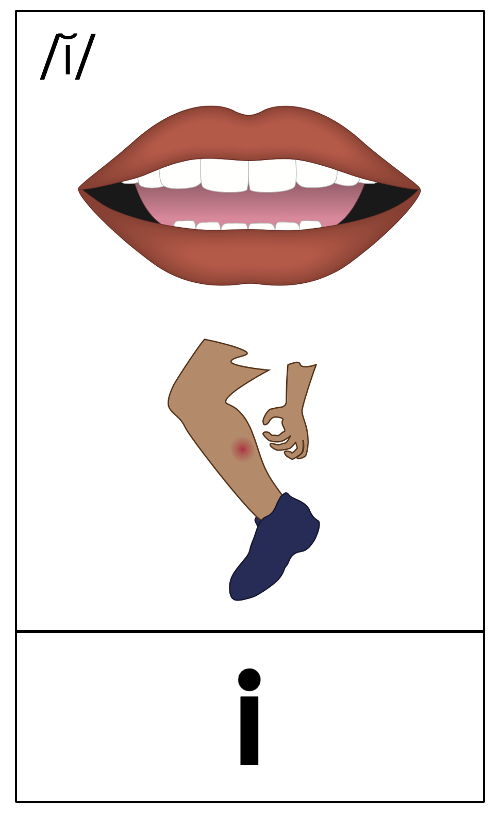
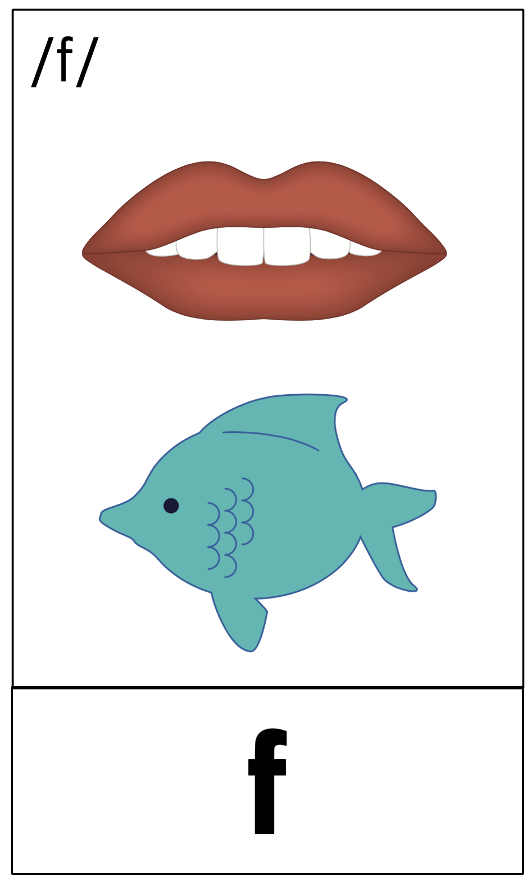
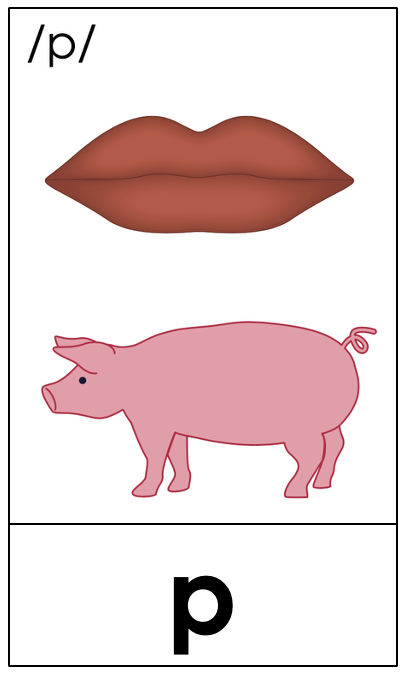
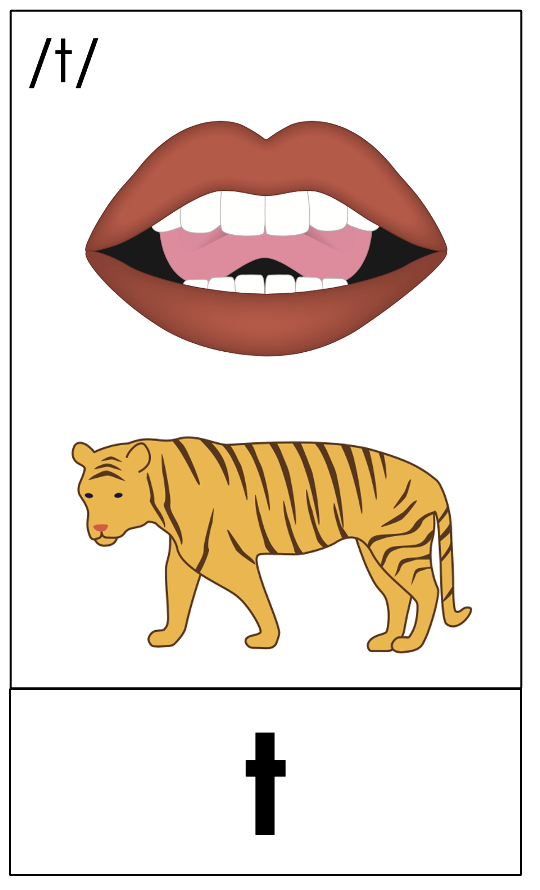
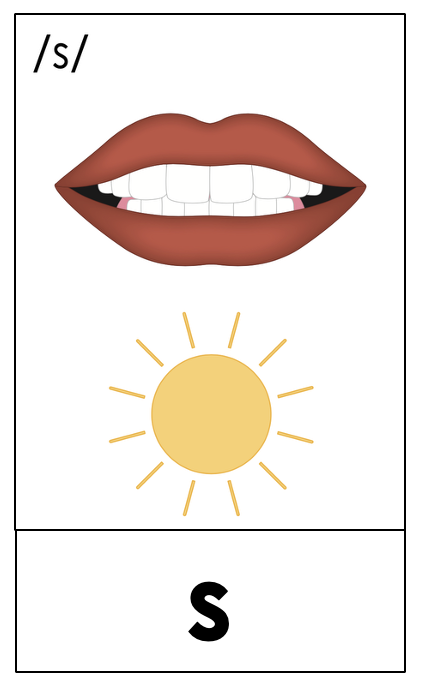
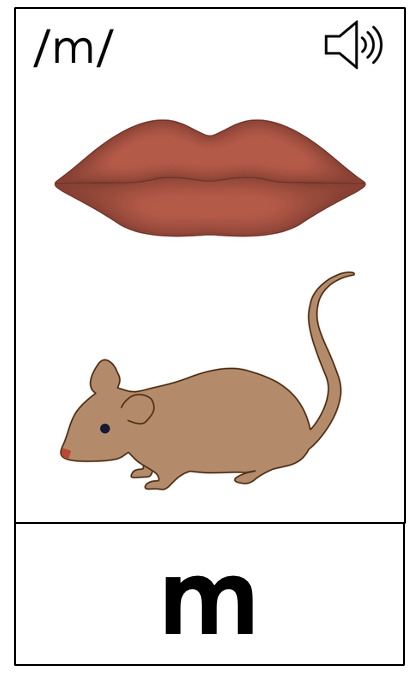
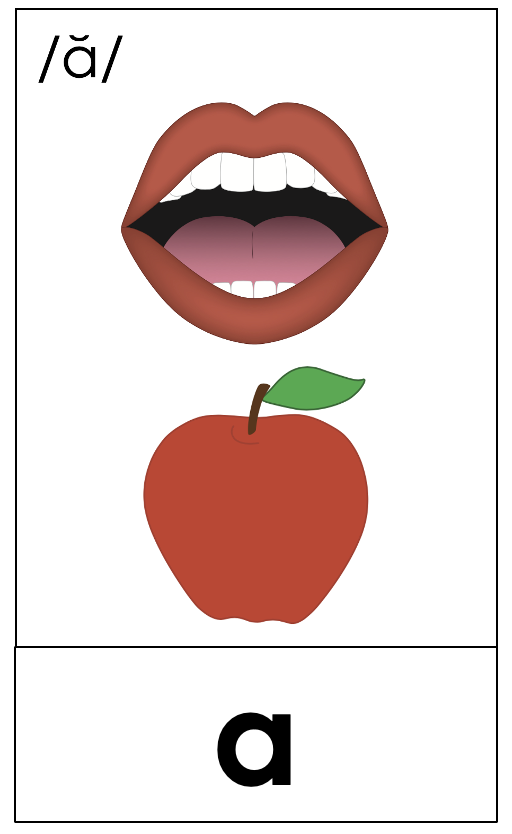
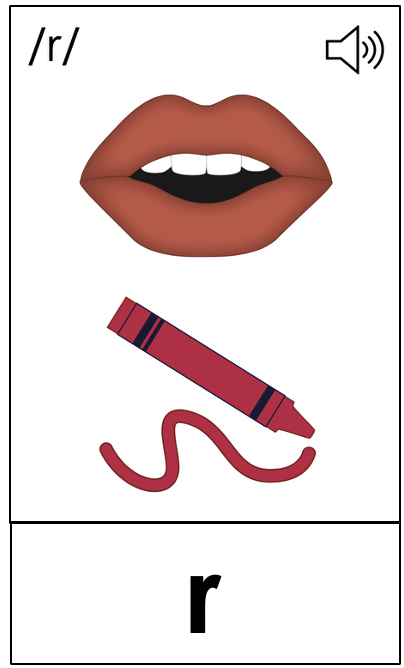
Optional UFLI Home Practice Pages:
(please see the Wonga Weekly from Term 1, Week 7 with an explanation on how to use these practise pages)
Literature: reading responses and writing
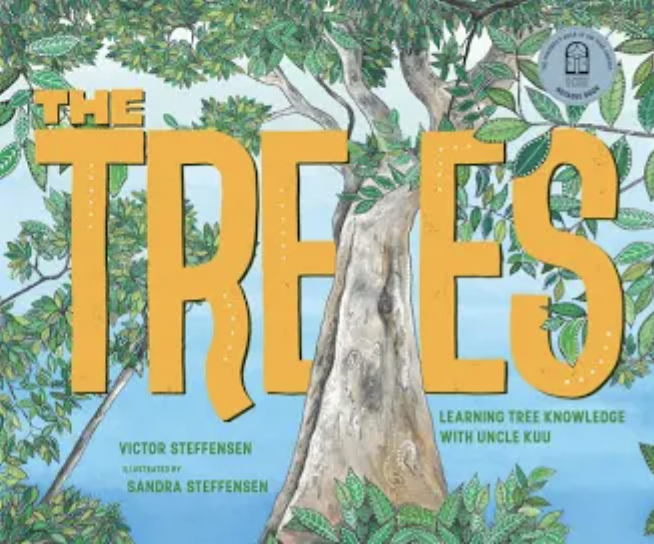
Our mentor text is The Trees by Victor Steffensen. Students will learn about the important role trees play on Country and the many gifts they provide. They will compare what happens when trees are cared for and respected with what happens when they are not, and consider ways they can care for Country and have a positive impact on the environment.
In Writing, students will practise the formation of the letters Y and X, as well as reviewing formation of previously learnt letters. They will sound out and write CVC words using the sounds they know, and write short, dictated sentences. Students will use their lined writing books to independently write short texts based on a picture prompt. They will also learn about adjectives and how these words are used to describe nouns, which will help to make their writing more detailed and interesting.
What can you do at home?
•Practice letter formation previously taught letters (see the picture cards above)
•Provide activities that build hand strength and coordination, such as playing with playdough, threading beads or using tweezers to pick up small objects.
•Write some 3 or 4 letter words using the taught sounds (see the picture cards above!)
Maths
We are continuing our exploration of teen numbers to 20. Students will compare and order collections to 20, use a number line to sequence numbers to 10 and 20, and compare and order numbers to 20. These activities will help students understand which numbers are bigger or smaller and where numbers belong in a sequence.
What can you do at home?
• Count and read numbers to 20. Emphasise the word 'TEEN' at the end of the word!
•Build teen numbers together by using blocks, lego, or household items to show numbers like 14 as “one group of ten and four more / four ones”.
•Practise number formation and recognition by encourage your child to read and write numbers to 20 eg. tracing them in sand, writing them in the air or using pencil and paper.
CBL
Continuing on from our learning with our mentor text, students will go on a 'Tree ID Walk' to identify and explore the native trees that grow on Country at our school.
Wellbeing
SWPBS
Our SWPBS focus is Be a Learner, with an emphasis on learning in a positive way. This includes using positive self-talk and persisting when learning feels challenging. It also involves helping to create a calm and settled learning space so that everyone can focus and do their best learning.
Respectful Relationships
Students are looking at 'positive coping'. They will learn simple strategies to help them manage big feelings in safe and helpful ways. They will explore how positive coping can include calming down, asking for help or using strategies like taking deep breaths when they feel upset or overwhelmed.