
Child Safety & Wellbeing

Digital Detox Recap
On Tuesday, 26 May, Huntingtower held a Digital Detox Spotlight which featured panellists from a wide range of fields and experiences who came together to speak to the concerns of the community and offer insights and strategies on how to reestablish a healthy and positive relationship with technology. Dr Mic Moshel, clinical neuropsychologist and researcher, Dr Phillip Ward, Lead Privacy Engineer at Canva, and Mr David Swan, Technology Editor at The Age and The Sydney Morning Herald all offered their unique lens into a conversation that ranged from how the adolescent brain develops to how parents can and should be a part of the conversation around how their children are interacting with technology to practical strategies on how to be more mindful and present by consciously setting aside times throughout your day to remove yourself from your phones and devices.
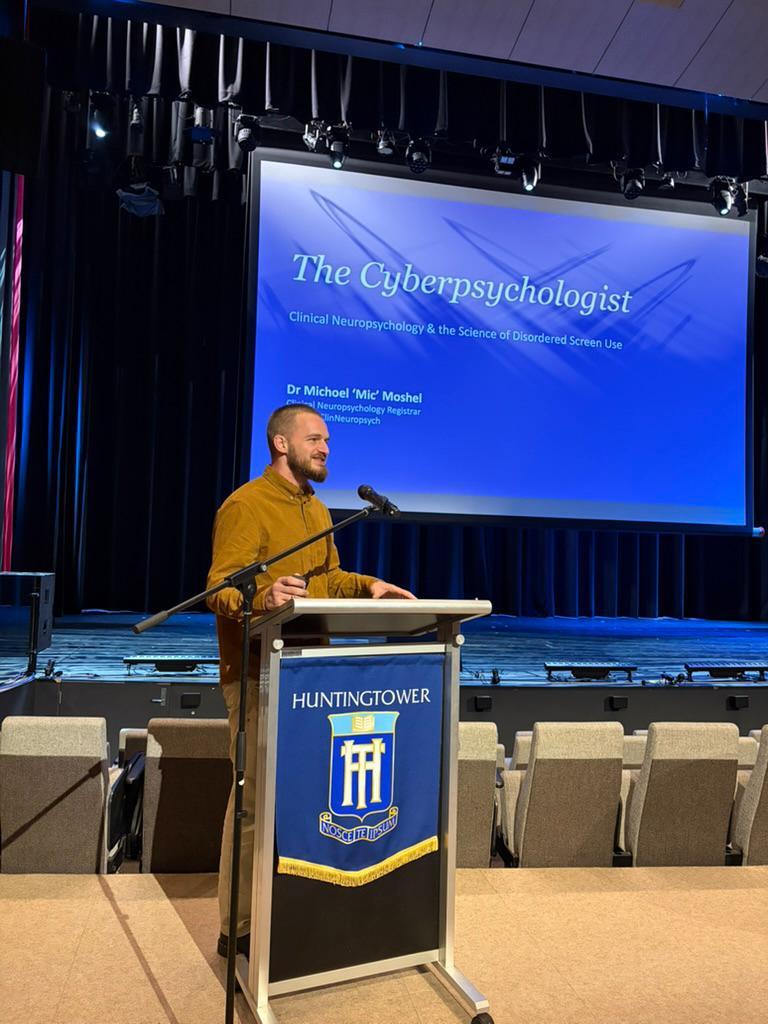
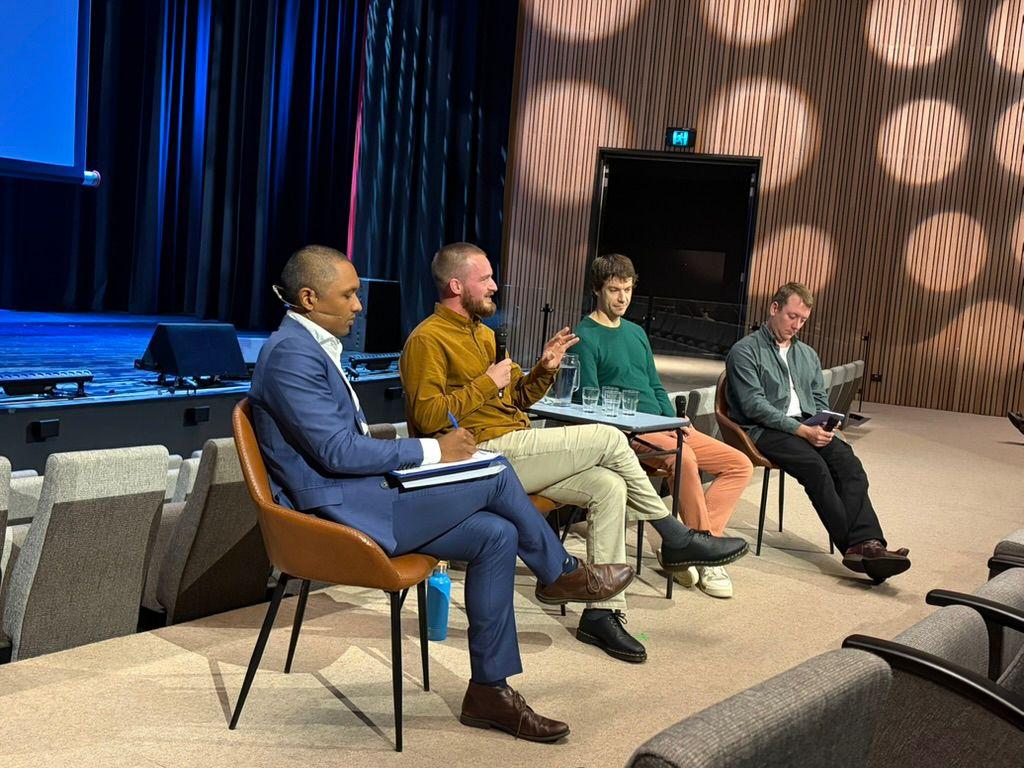
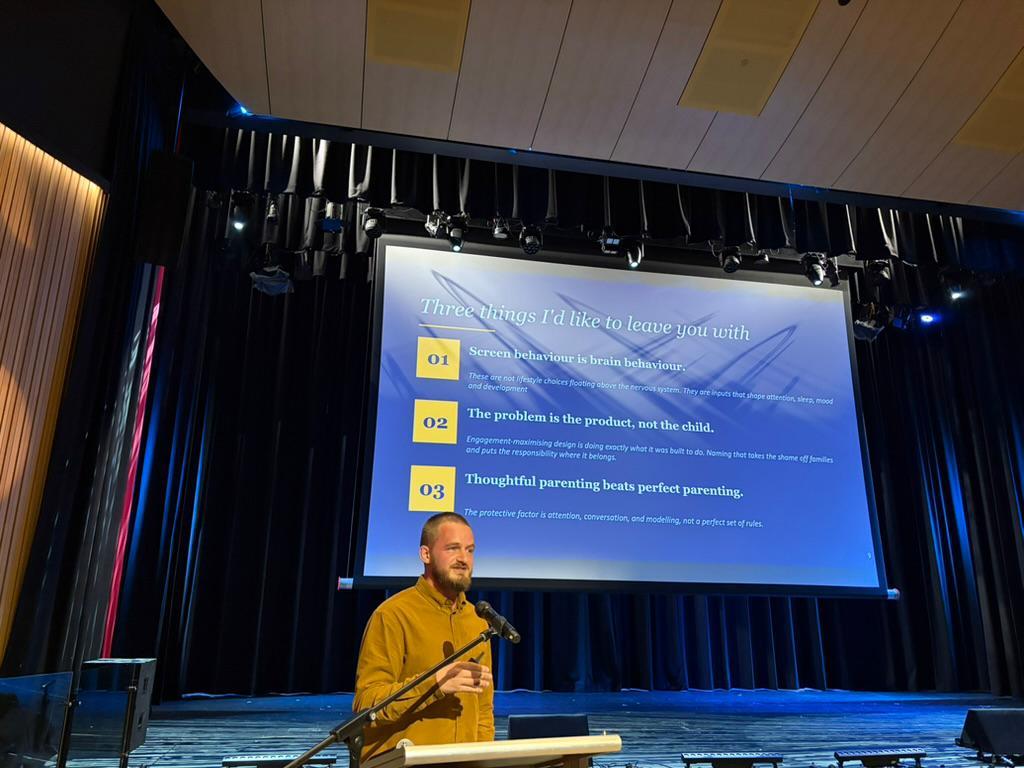
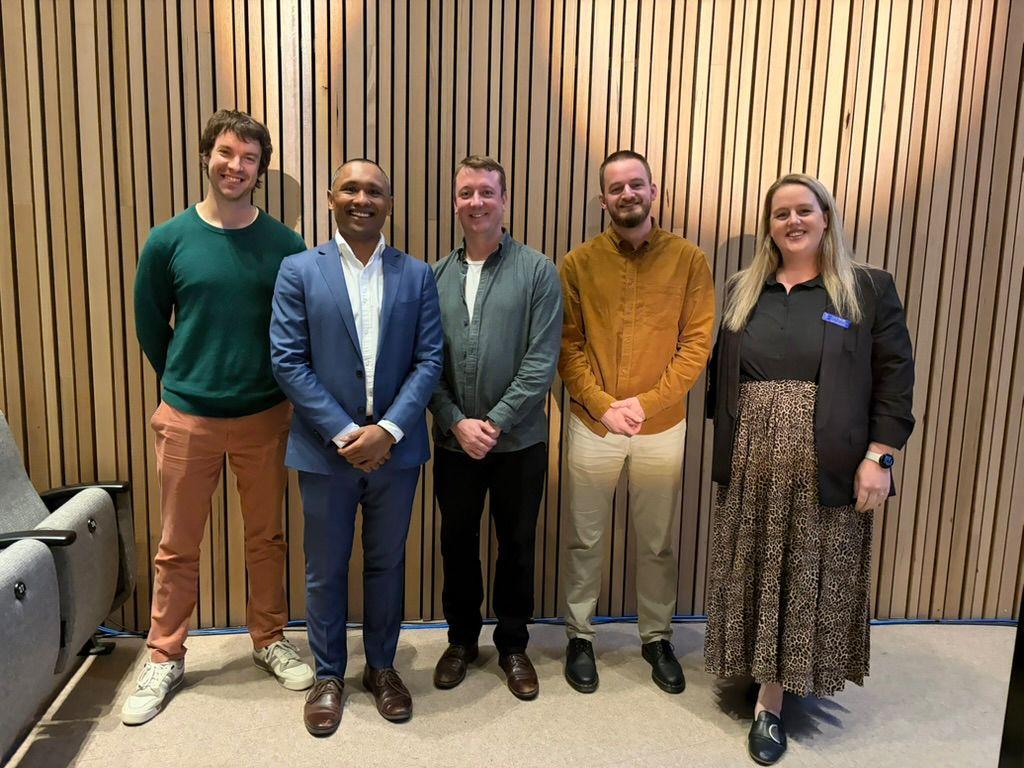
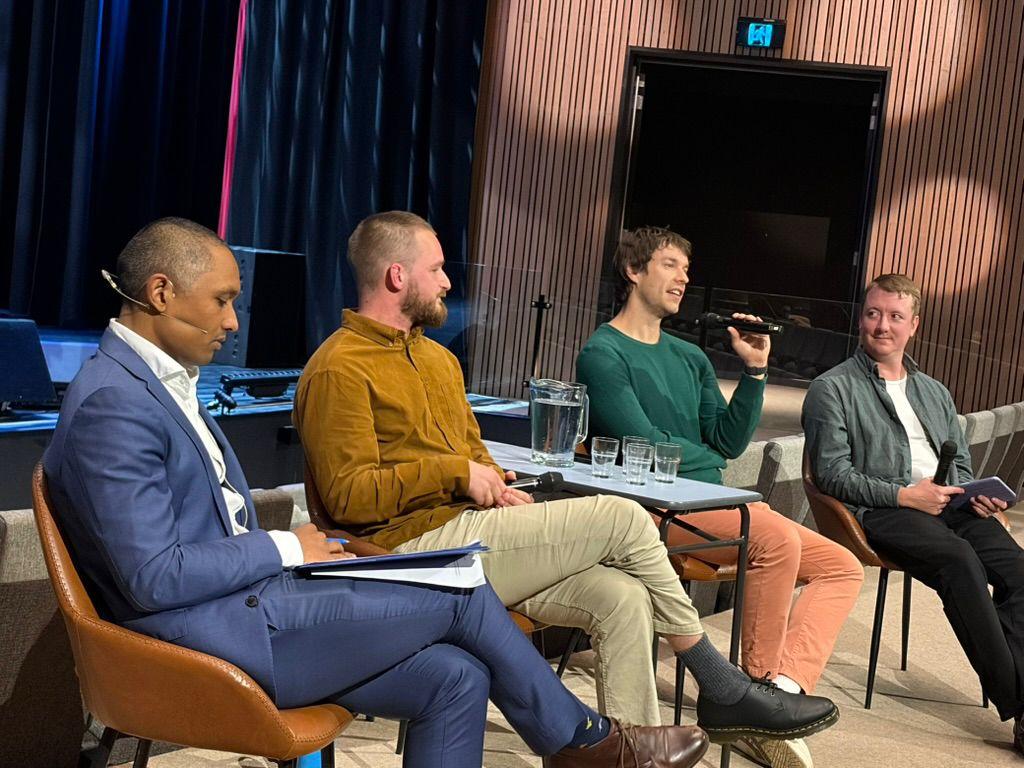

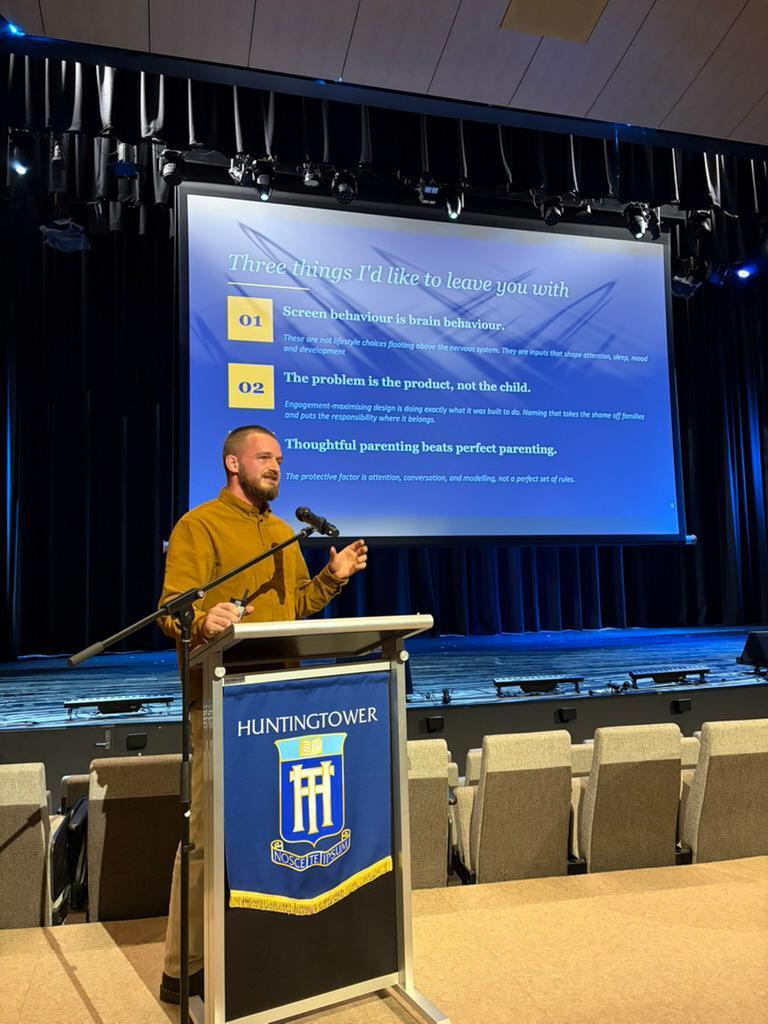
It was a rich and engaging dialogue that answered some very inquisitive questions posed by the community with responses that were clear, accessible, and realistic.
One of my favourite strategies that was spoken about was about changing the narrative around our technology use, especially recreational or passive screen time. This might mean doom-scrolling social media, playing video games without setting time-boundaries, or losing hours by continuously streaming video content that catches our attention for very short amounts of time.
The analogy of the rocks in a bucket was used to highlight how we ought to spend our time:
The Bucket: represents our limited time, energy, and capacity each day
The Big Rocks: Our major life priorities (family, diet, physical and mental health and wellbeing, connection and belonging, personal aspirations, long-term goals etc.)
The Pebbles: important, but secondary tasks that support the big rocks (hobbies, homework, chores, preparation for the next day, extra-curriculars, etc.)
The Sand: Minor, everyday distractions and trivial matters (i.e. passive or recreational screen time)
If we were to fill this bucket with the sand first, which is what a lot of young people are doing at the moment (young people are averaging 8 hours of passive screen time a day), it becomes very difficult to add the big rocks into our bucket; the things that matter and are important, like family and connection, health and wellbeing. It also limits how many pebbles can fit into the bucket, the time and energy spent on extra-curriculars, homework, hobbies.
However, by changing the narrative, and very clearly establishing what is important in our lives, we begin to prioritise the big rocks, by adding these into our buckets first. We notice that we can fit all the big rocks into the bucket, selecting our physical and mental health, our families, our aspirations above everything else. We then start to fill our bucket with the pebbles. And we again notice how many pebbles we can squeeze into the bucket, especially if we shake or rattle the bucket so the pebbles begin to settle. And finally, after all the big rocks and pebbles have been placed in our bucket, we still find that there is plenty of sand that can creep into all the small spaces of our day without it impeding or impacting our major life priorities.
Whilst this analogy is not new, it is edifying. As opposed to living our lives around our screen, perhaps a better way to look at it is how we fit screen time into our day. It is worth having this conversation around the dinner table, in an open and honest way. Because the Black Dog Institute’s Future Proof Study has found that young people need between 8-10 hours of sleep for their developing brains to fully process the day. It remains one of the strongest predictors of adolescent wellbeing.
This is affirmed by the fact that the adolescent brain is still incredibly malleable and the inputs that are presented to the adolescent brain are hugely impactful and deterministic in how that brain develops. If young people are exposing their developing brain to 8 hours of passive, recreational screen time a day, this is having significant impacts on the cognition, executive functioning, attention, and memory. This was highlighted by Dr Michoel Moshel’s presentation where his PhD research focused on neuropsychological impacts of problematic screen use in adolescents.
The night was recorded and will be posted on HT Connect in the very near future. I would like to thank Dr Mic, Dr Phil, and David for their generosity of time and knowledge, and the humility in which they presented their opinions and advice. As technology continues to evolve, there is no doubt our relationship with technology will also continue to evolve. This is an ongoing conversation, and over the coming bulletins I will continue to offer practical tips and strategies on how to better our relationship with technology. However, one thing the research has established is that the more time we spend fostering genuine, authentic human connections and relationships, and the less time we spend passively engaging with screens, the better our overall mental and physical health will be.
So, make it one of your priorities to alter your relationship with your device by changing the narrative. Then, model it for our young people.
Hoping you have a lovely, screen-free weekend.
Mr Razan Sappideen
Head of Wellbeing
SchoolTV: Understanding Anxiety and Depression to Foster Resilience (Part II)
This webinar is suitable for parents, carers, grandparents, school leaders and staff, offering practical insights and guidance to help support the wellbeing of both primary and secondary students.
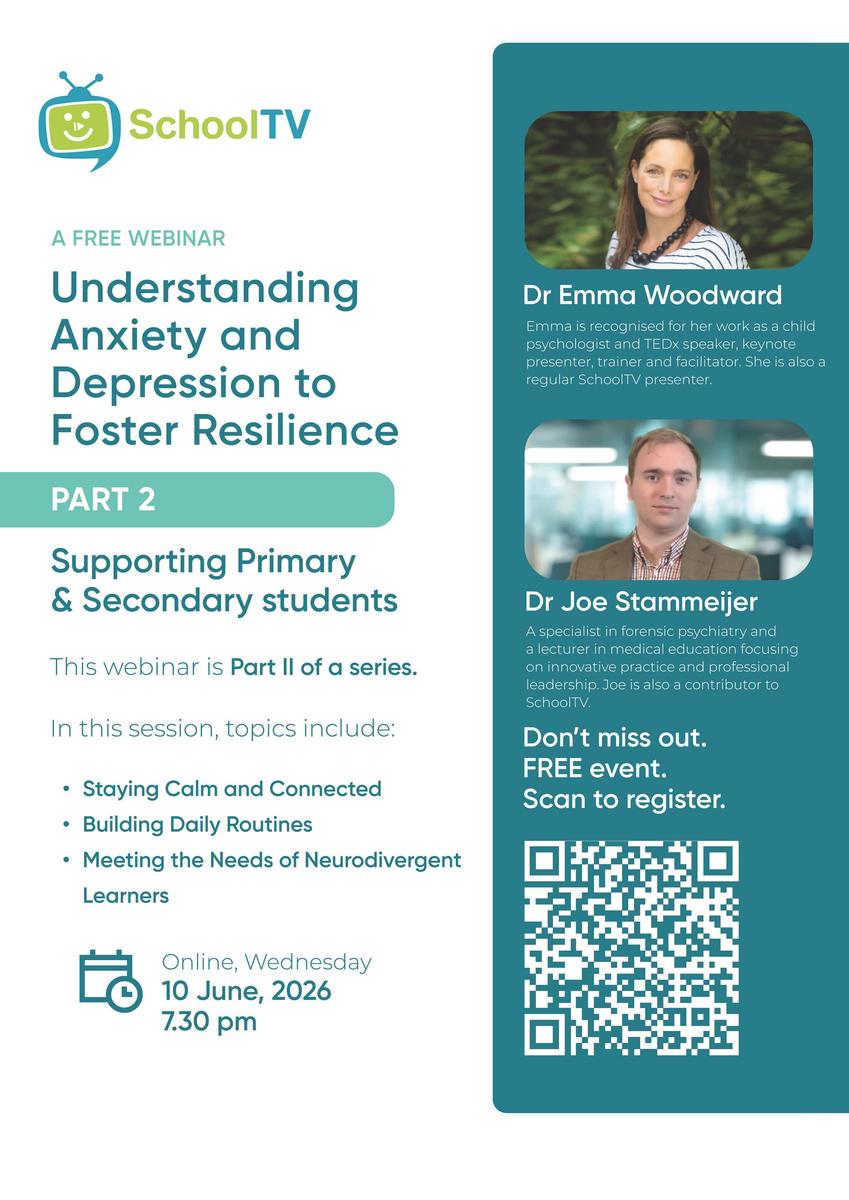
Join international experts Dr Emma Woodward and Dr Joe Stammeijer as they share valuable insights into recognising early signs of concern and practical approaches to supporting the wellbeing of young people.
Topics in this session will include:
Staying Calm and Connected
Building Daily Routines
Meeting the Needs of Neurodivergent Learners
Ms Jaynie Gorander
Psychologist/Student Counsellor