Student Assessments
Student Assessments and Reports
It is report-writing time, and teachers are working hard to prepare students' reports. Each report is carefully written using a range of assessment data, professional judgement, and thoughtful reflection to provide a comprehensive overview of student learning and achievement.
St Joseph’s is a strong data-informed school. Assessment data provide valuable insights into student learning and help teachers plan purposeful lessons, monitor progress, and respond to students' individual needs. By combining data with professional judgement, we can provide the best possible learning opportunities for every child.
Throughout the year, teachers use three main types of assessment: diagnostic, formative, and summative.
Diagnostic Assessment: Finding the Starting Point
Diagnostic assessments are used before a new unit of learning begins. They help teachers identify students' existing knowledge, skills, strengths, and areas for development.
Formative Assessment: Monitoring Learning Along the Way
Formative assessment occurs throughout the learning process. It provides ongoing information on students' progress and helps teachers adjust their teaching to meet students' needs.
Formative assessment is often described as "assessment for learning" because its primary purpose is to guide future teaching and learning. It allows teachers to celebrate successes, address misunderstandings, and provide timely feedback that helps students improve.
Summative Assessment: Reflecting on Learning
Summative assessments take place at the end of a unit, term, or learning sequence. They provide an opportunity for students to demonstrate what they have learned and achieved.
Summative assessment is often referred to as "assessment of learning" because it evaluates students' understanding and achievement after instruction has occurred.
At St Joseph’s, we use all of the above types of assessments consistently throughout the year. In the last few weeks, students from Prep to Year 6 have sat numerous summative standardised assessments, including PAT Math, PAT Reading and DIBELS (Prep/Year One).
PAT Reading evaluates students' reading comprehension, vocabulary, and literacy skills. It measures a student's ability to retrieve information, interpret explicit and implied meanings, and reflect on a variety of texts.
Pat Math assesses students’ number knowledge, number strategies, patterns, algebra, geometry, measurement, statistics and probability.
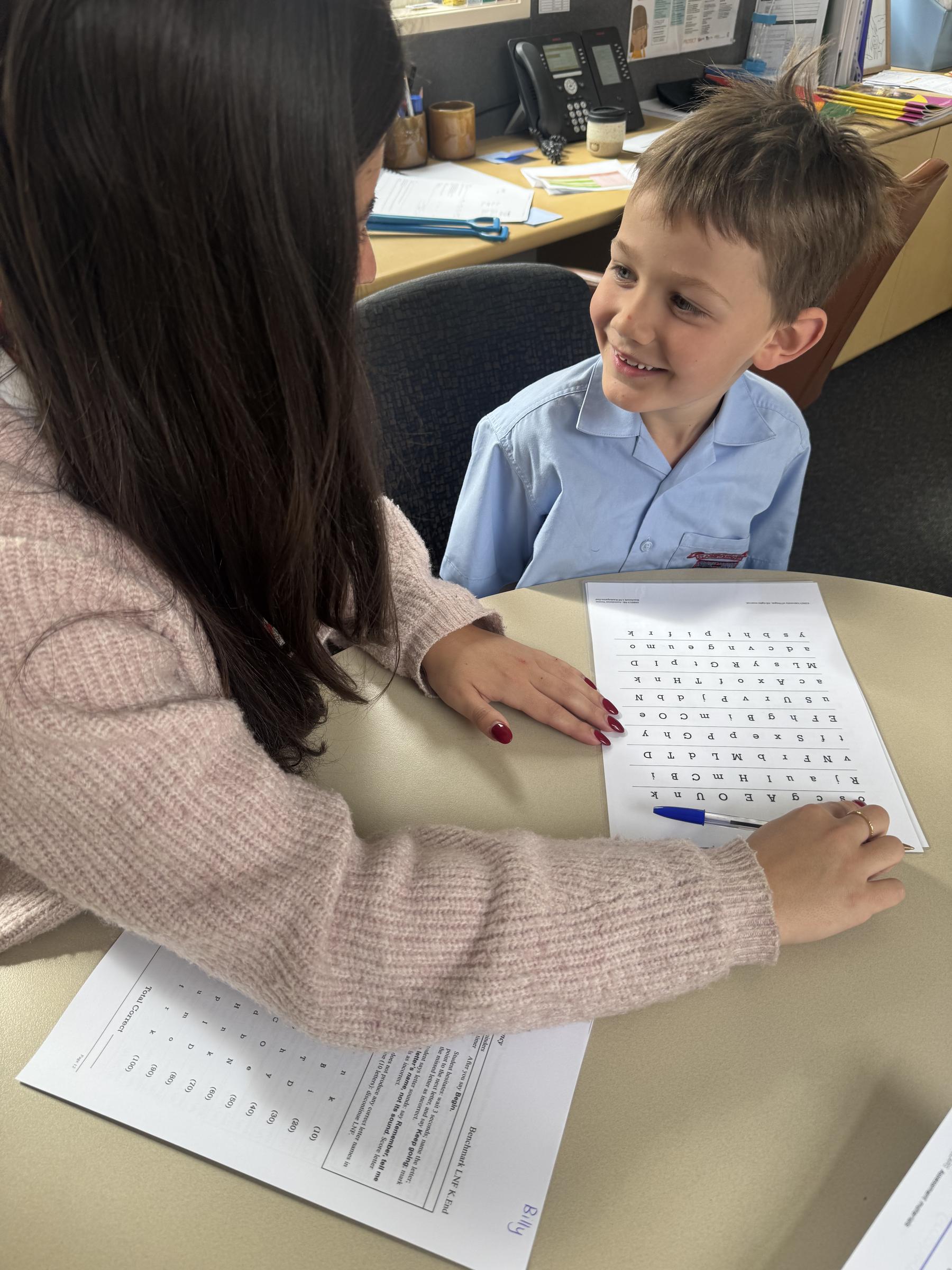
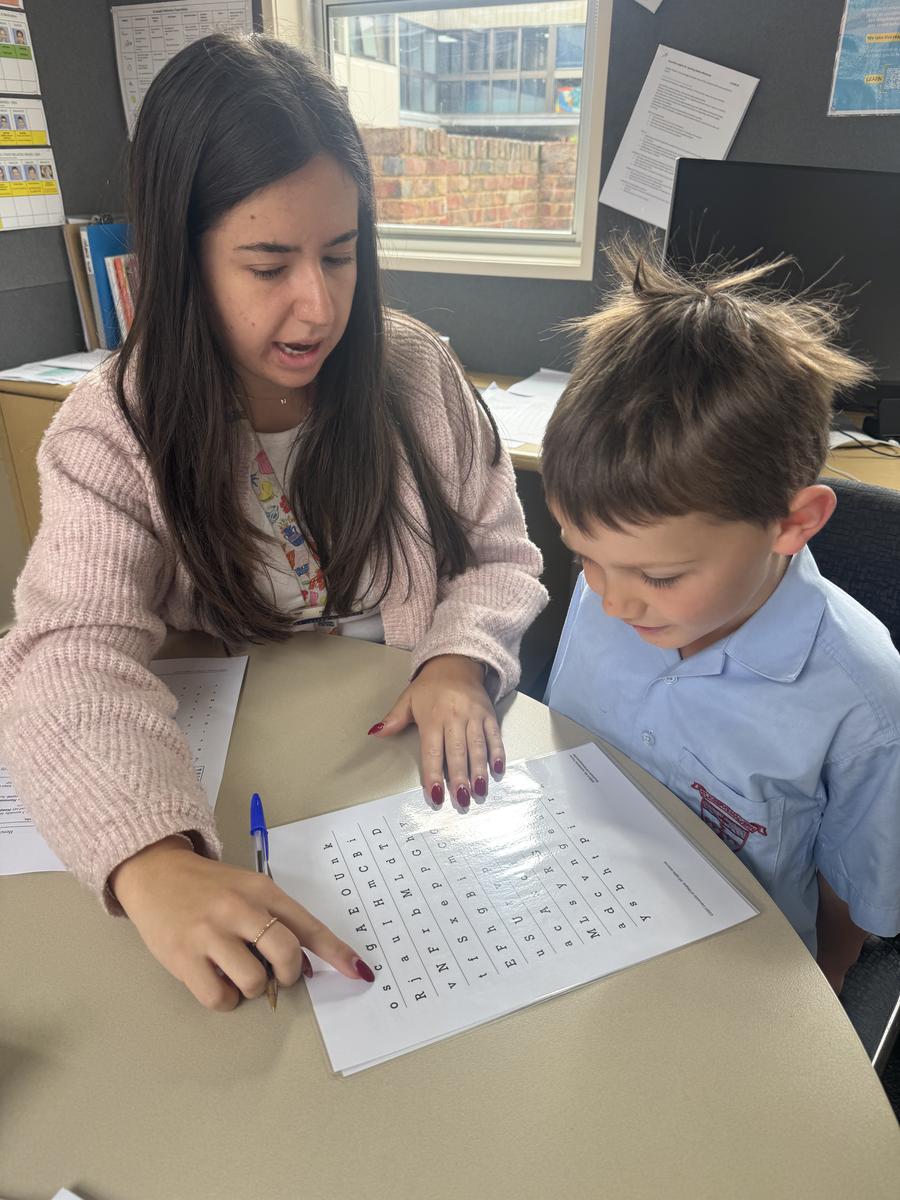
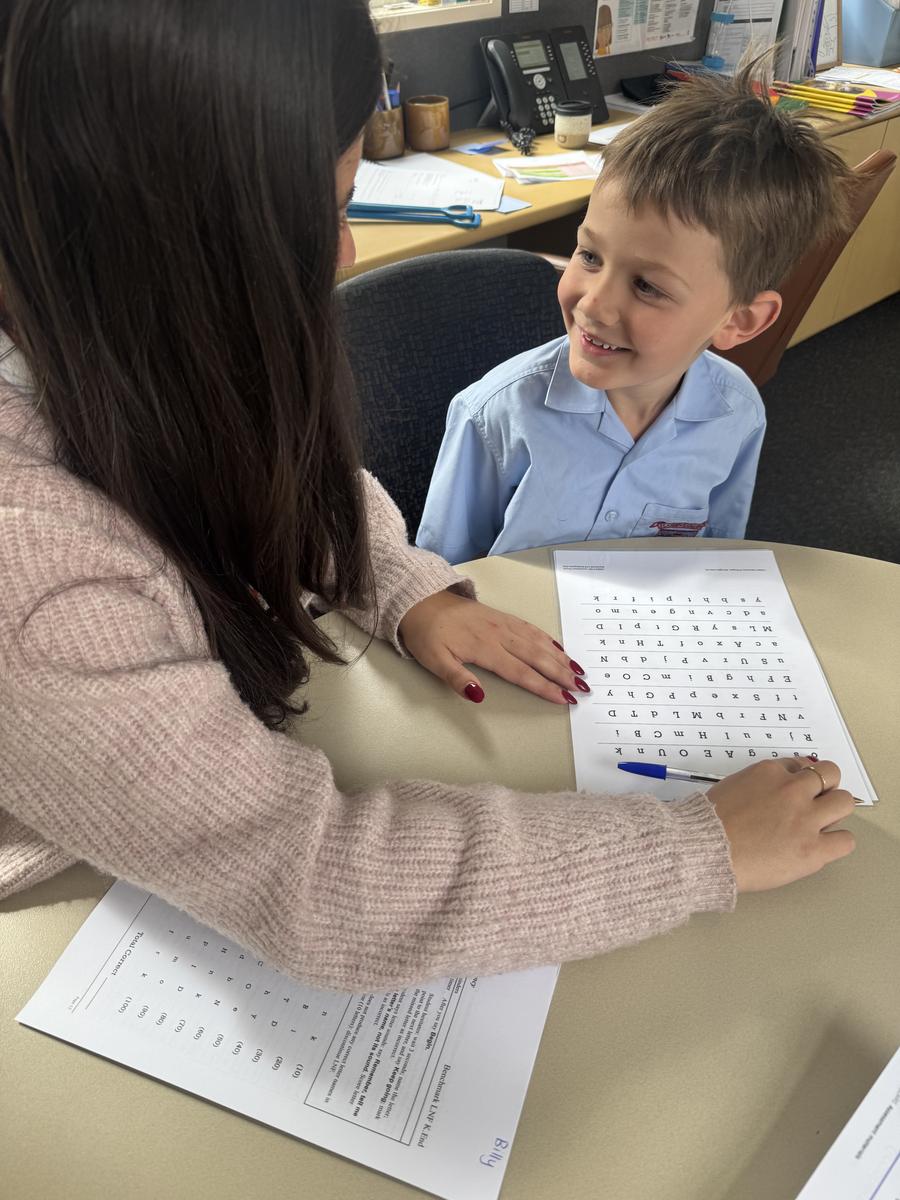
The purpose of DIBELS is to screen, monitor, and evaluate the development of early literacy and reading skills in students.
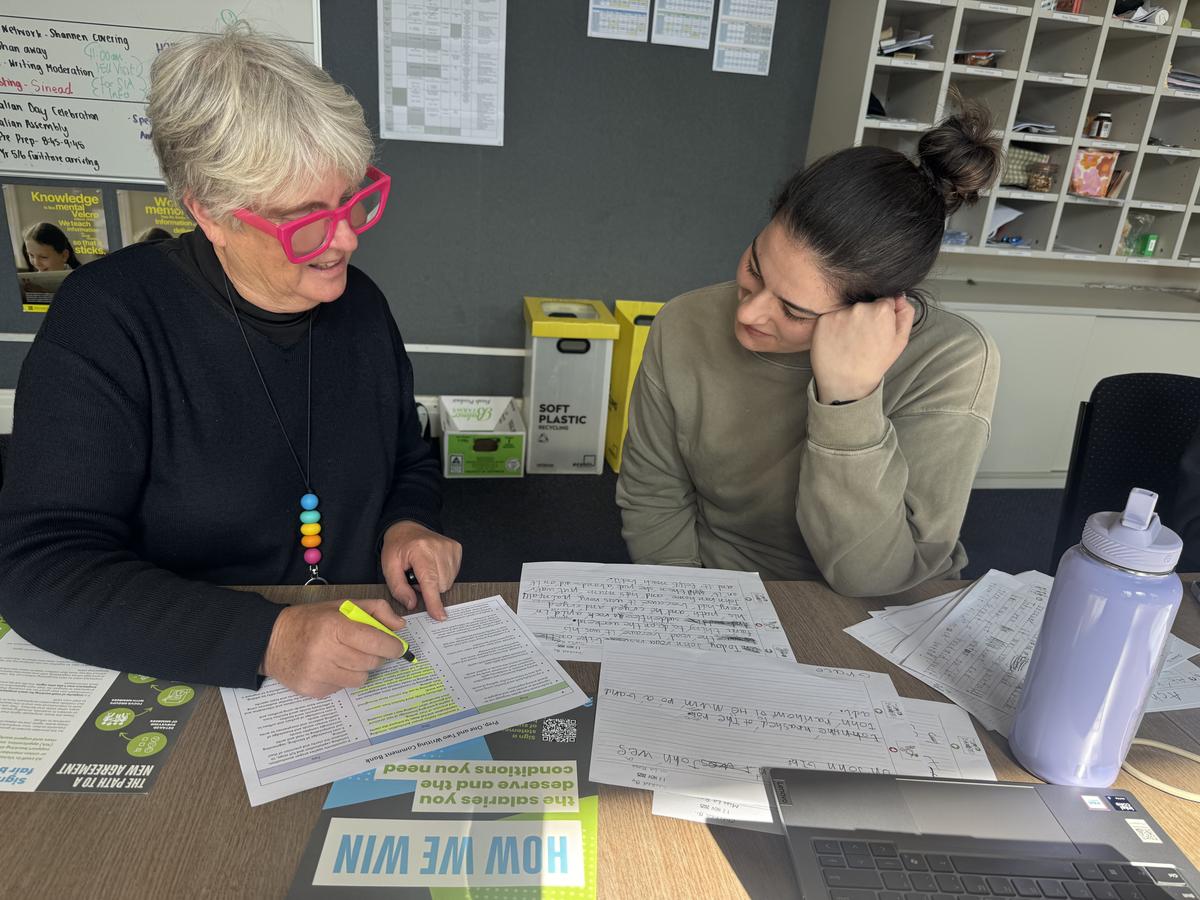
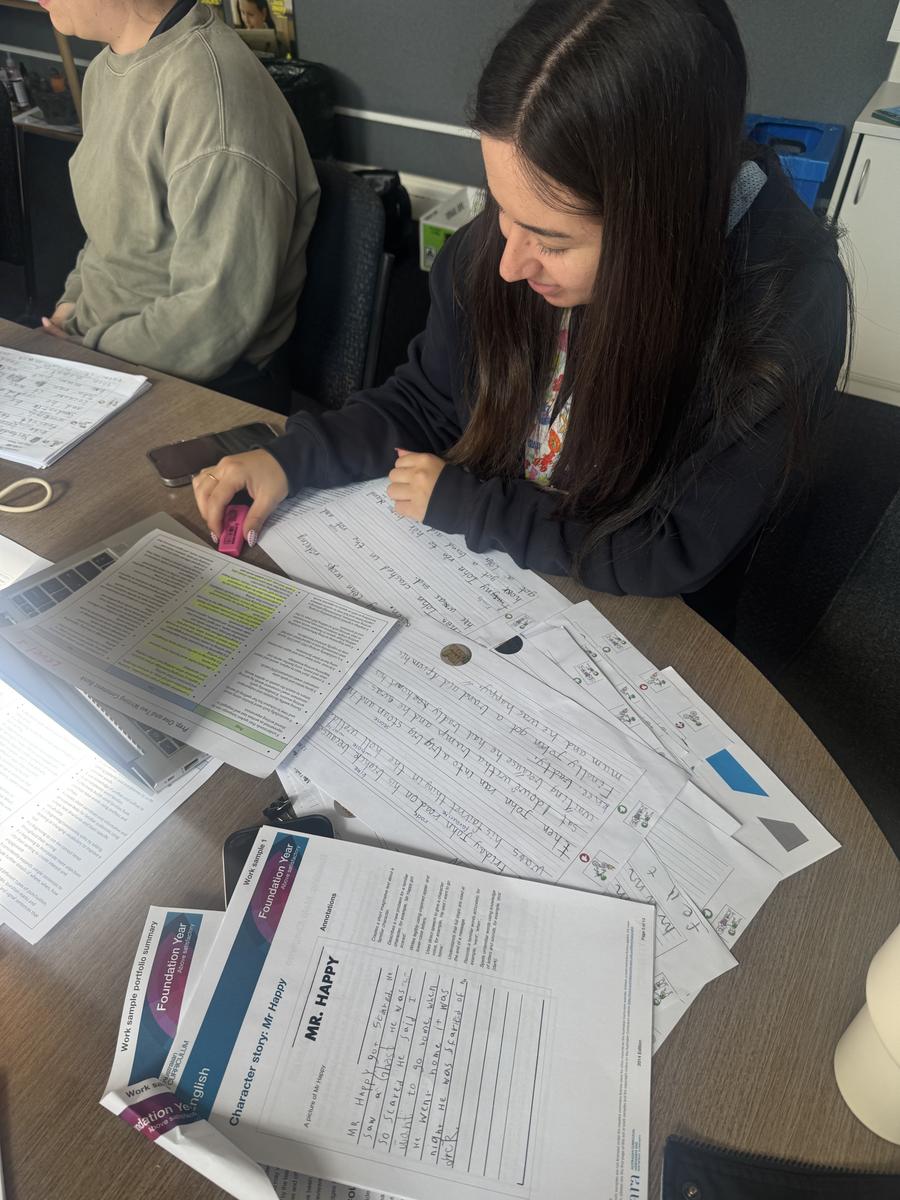
Last week, teachers participated in a writing moderation session during our staff meeting. Writing moderation is a collaborative process in which teachers review and discuss student writing samples to ensure that assessments are fair, consistent, and aligned with curriculum standards.
Through professional dialogue, teachers compare their judgements against agreed criteria, developing a shared understanding of what achievement looks like at each year level.
Moderation sessions also provide valuable insights into student learning. By analysing writing samples together, teachers can identify common strengths, areas for improvement, and trends across year levels. This information helps inform future planning, teaching, and targeted interventions, ensuring that students receive the support and extension they need to continue making progress.
At St Joseph’s, moderation is an important component of our assessment practices and reflects our ongoing commitment to high-quality teaching and learning. This collaborative process supports evidence-based decision-making, strengthens teacher judgement, and helps us identify the most effective ways to support student growth and achievement.
Amanda Jackson
Structured Literacy Leader
Year One Teacher (Thursdays)