Photo Gallery & Classroom Learning
K - Yr 6

Photo Gallery & Classroom Learning
K - Yr 6
English
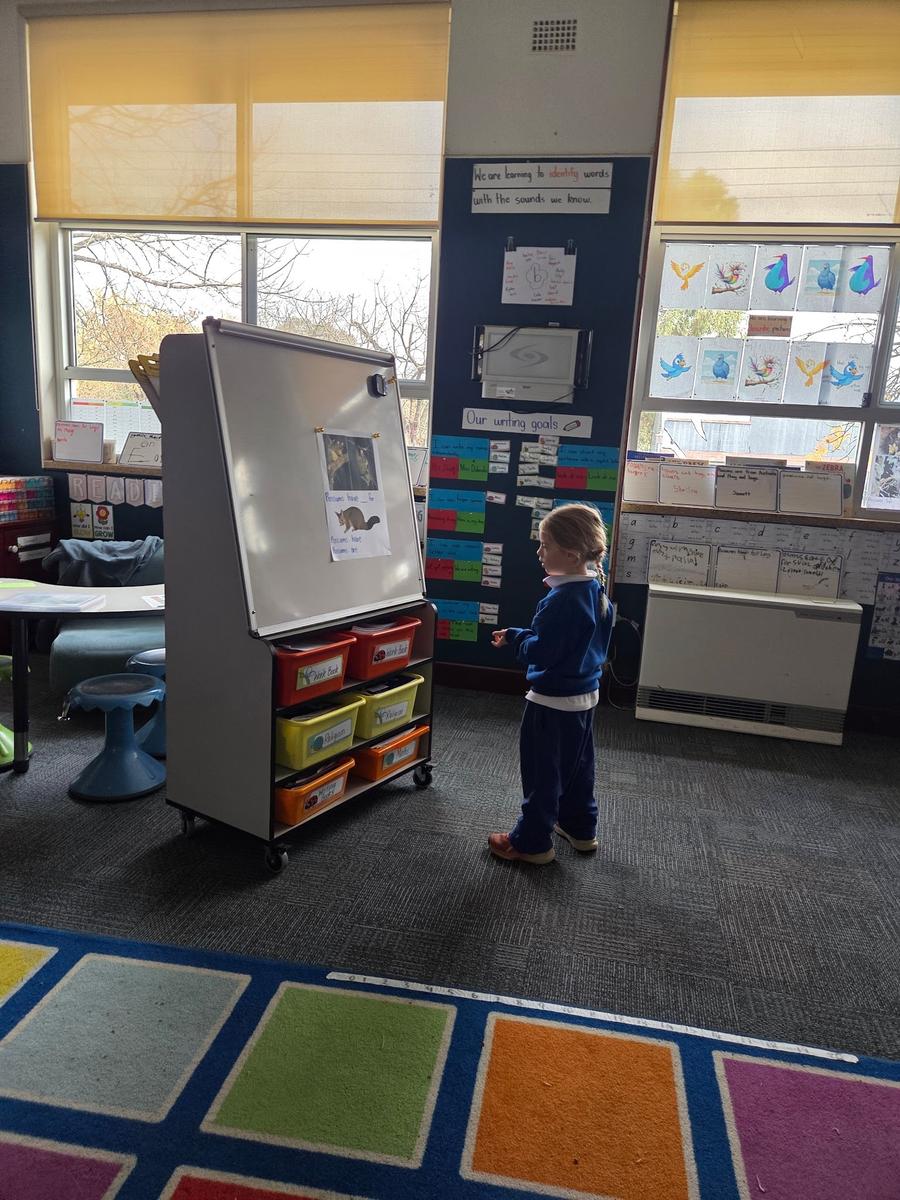
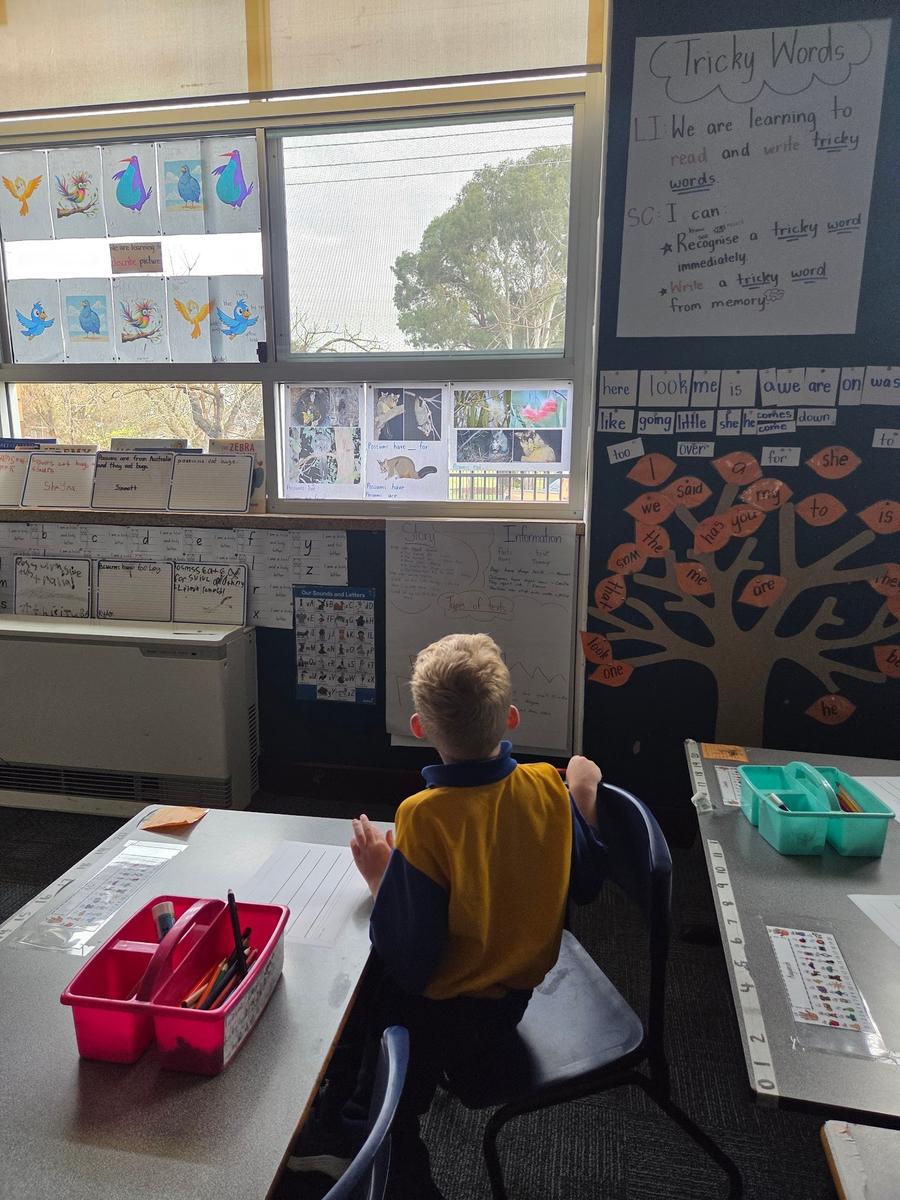
We are learning to say the sound /b/
We are learning the tricky words for, has, comes, goes, no and safe
We are learning about different text types including stories (to entertain), facts (to inform) and convince to persuade).
We are learning to write an informative text.
Mathematics
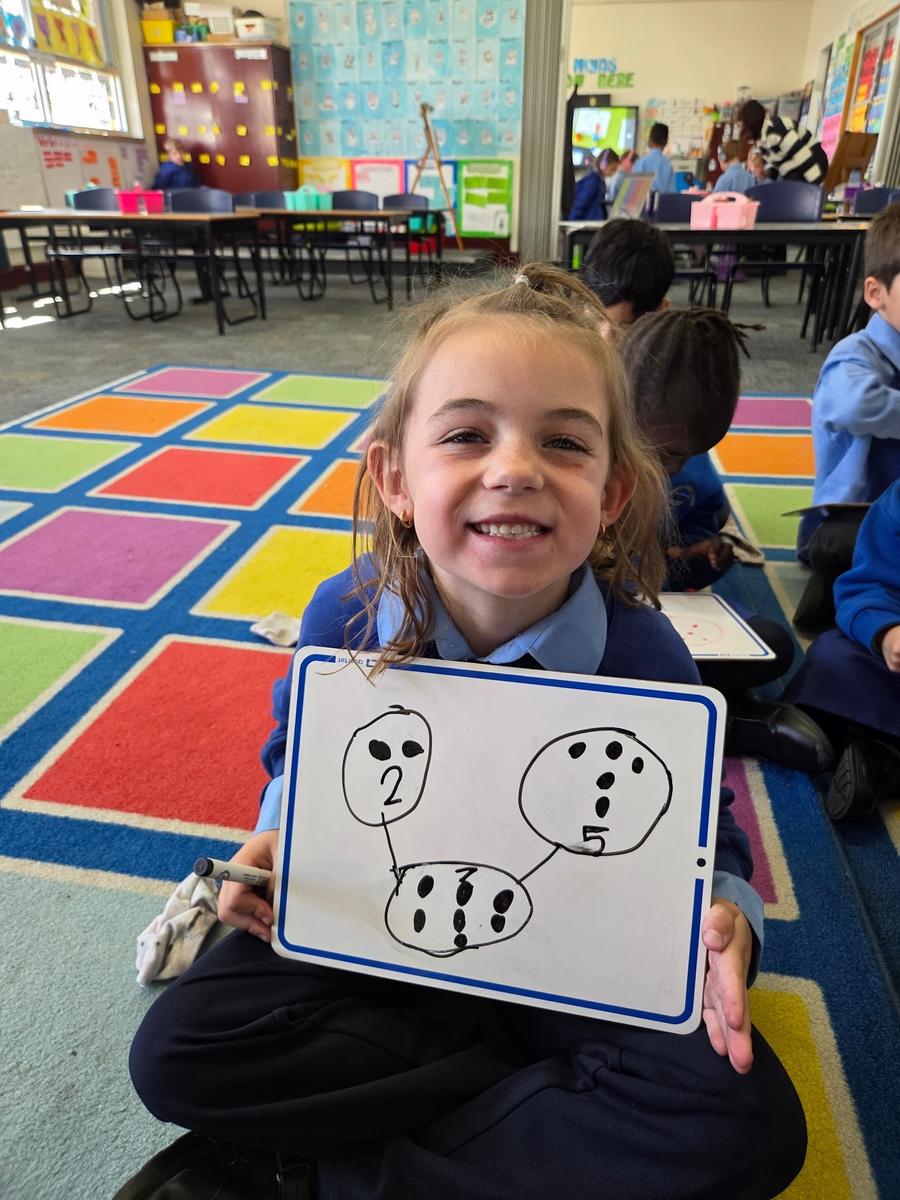
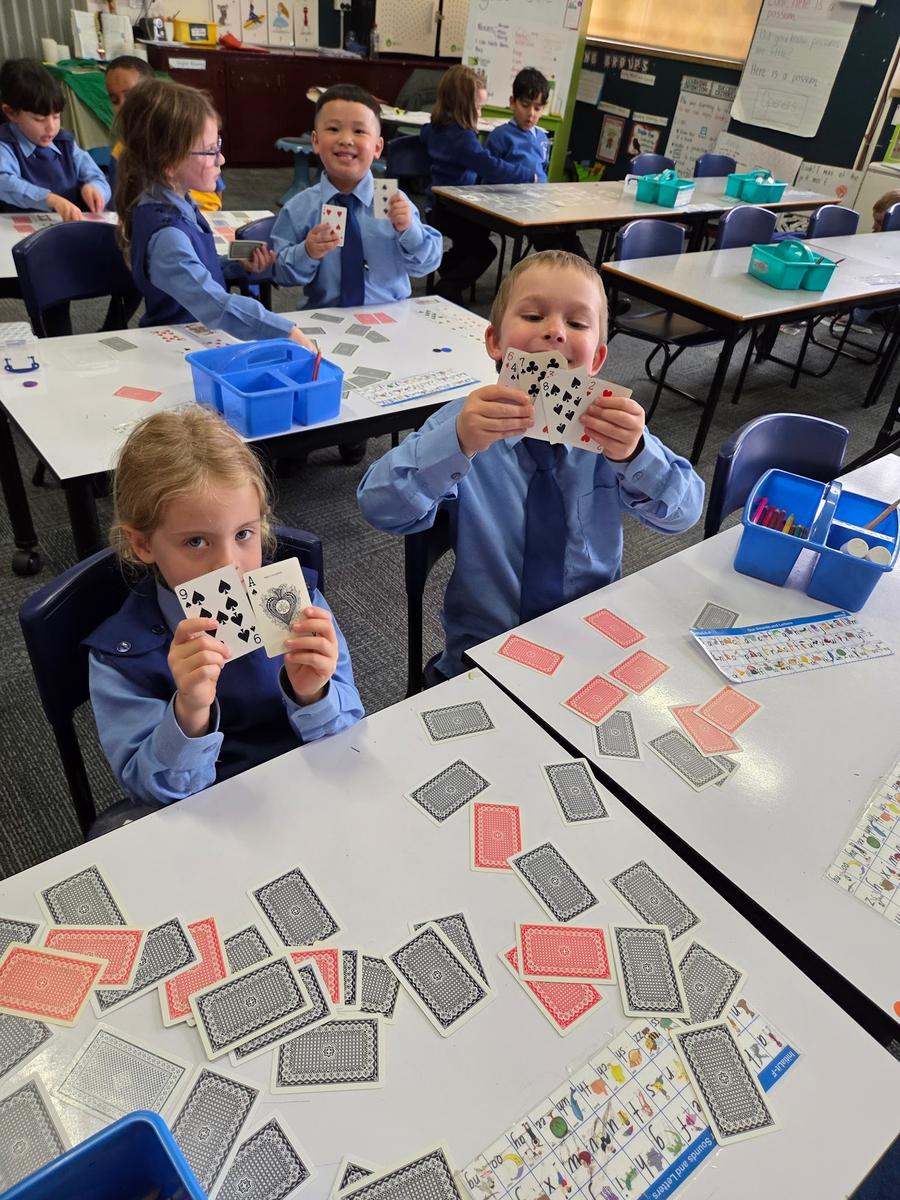
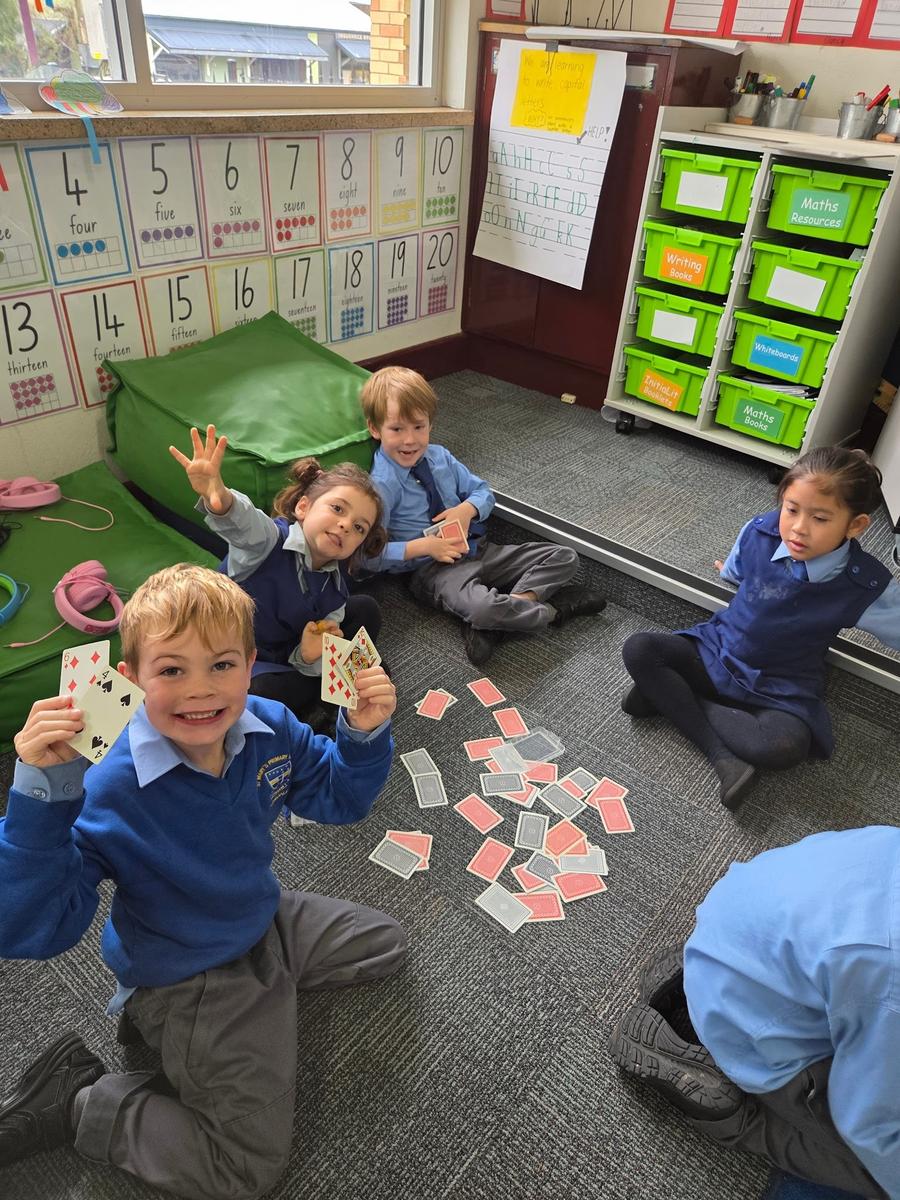
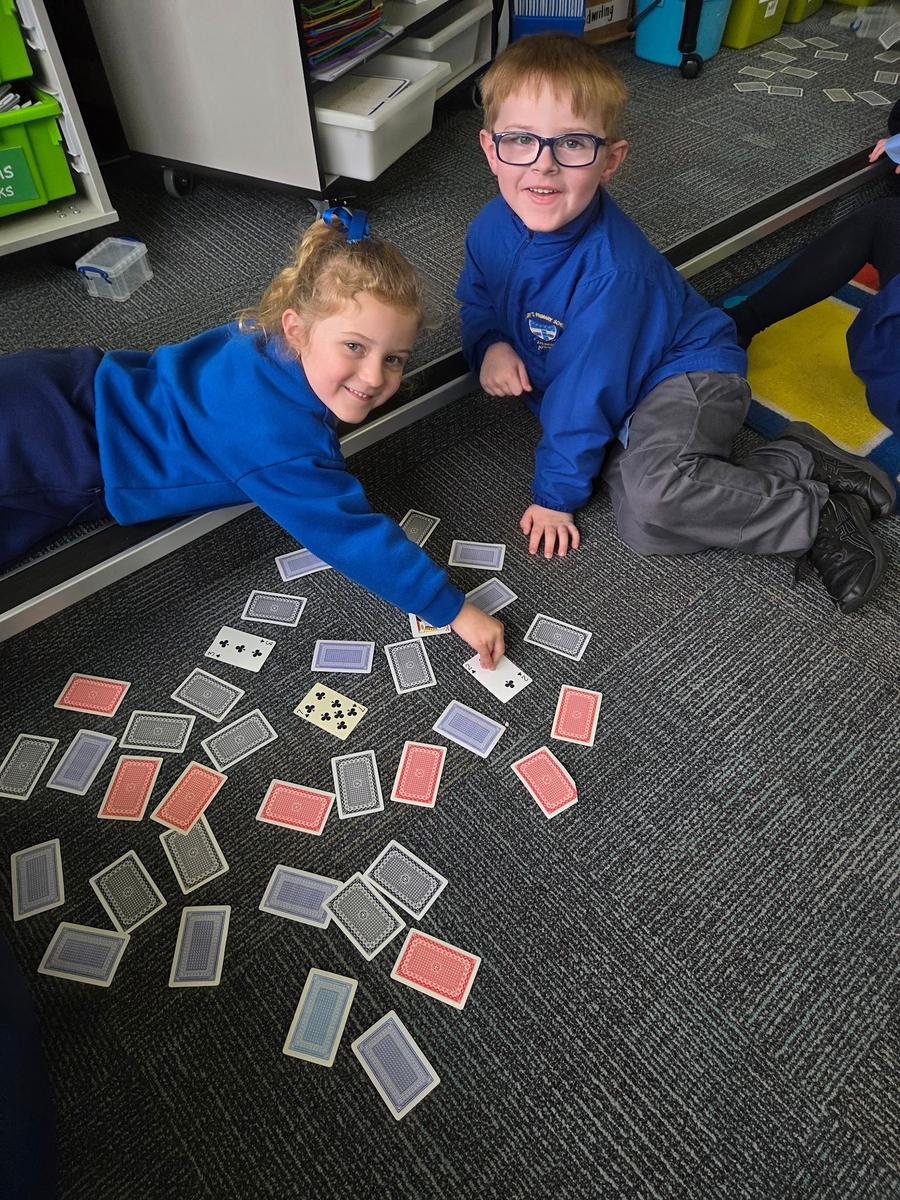
We are learning to solve addition problems by combining collections.
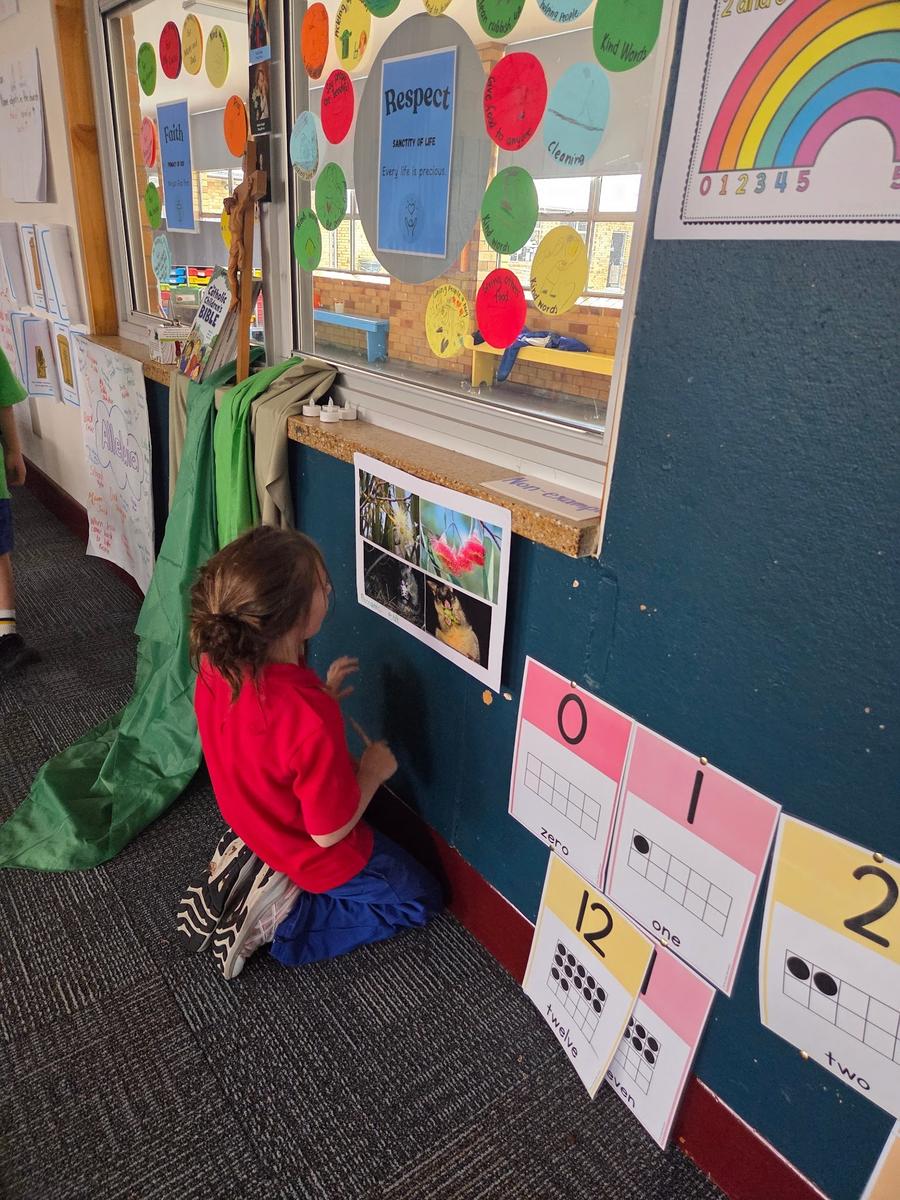
We are learning to identify our friends to ten.
Religion
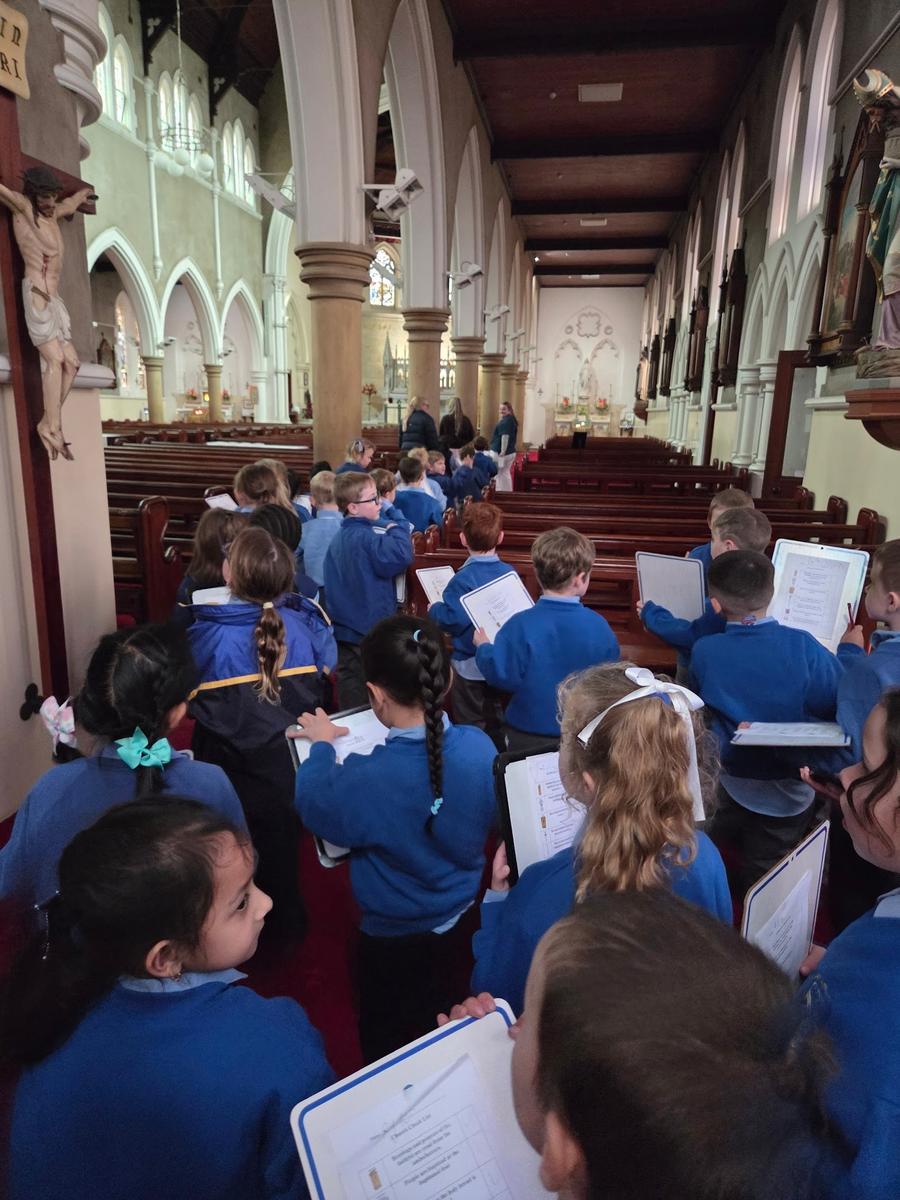
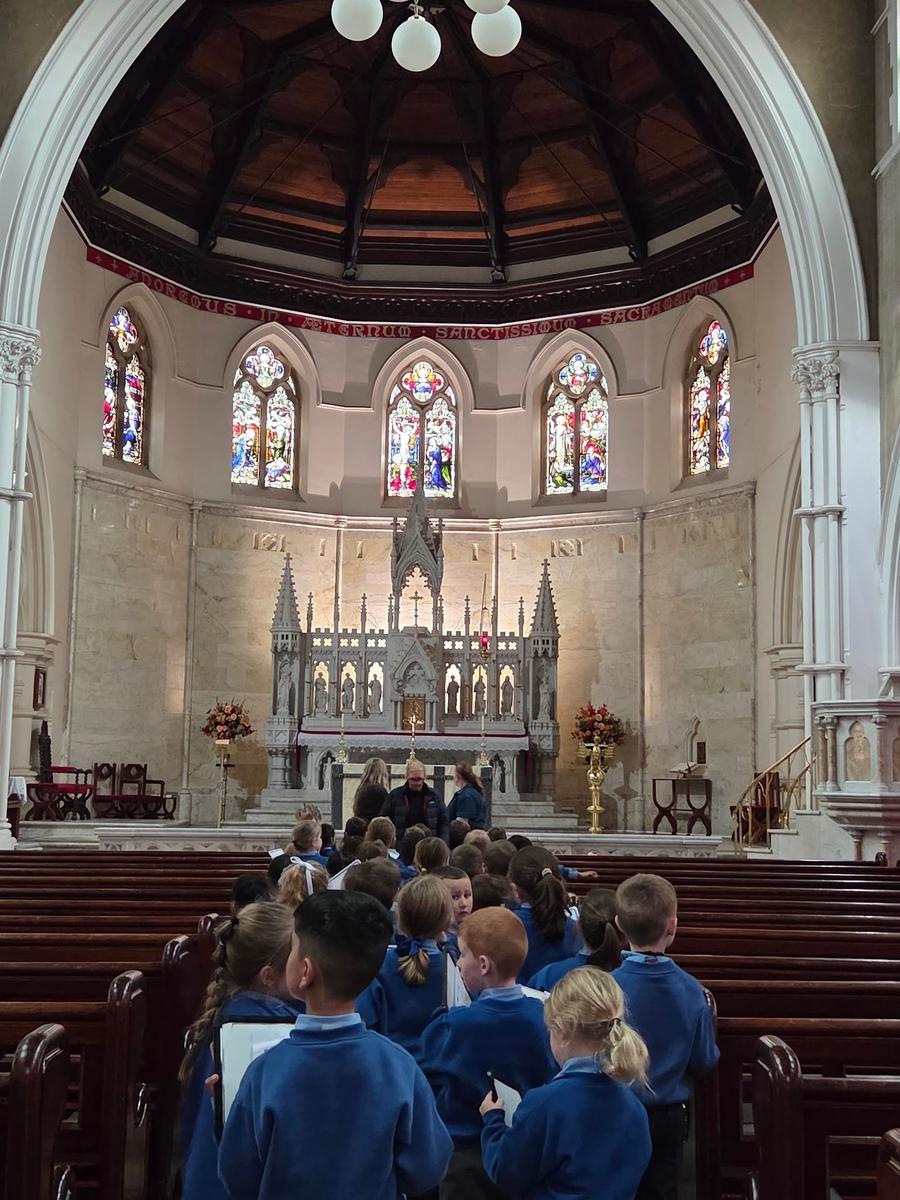
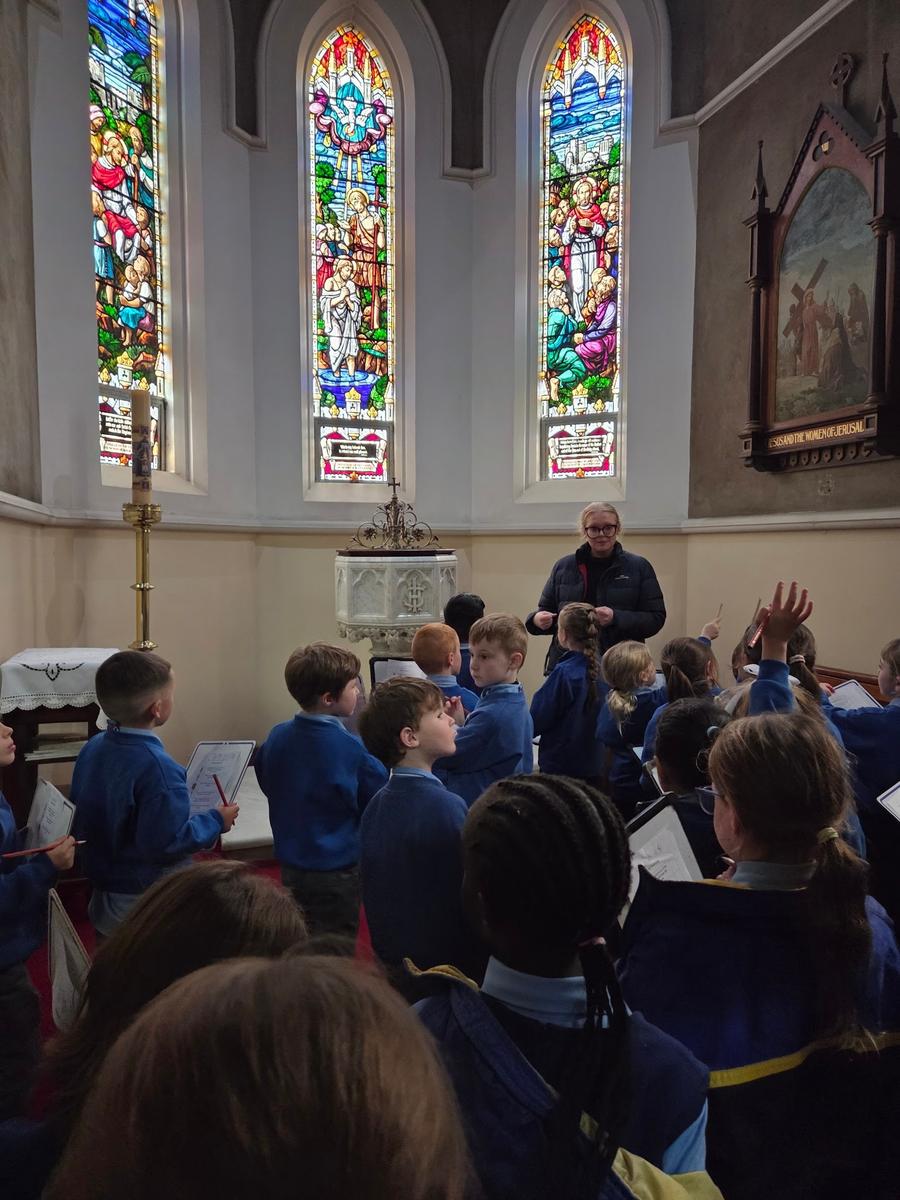
We are learning to demonstrate knowledge that the Church is a community of believers that gathers to pray and celebrate.
I can identify all the special items in the Church.
I can explain why we place the Bible on the prayer space
I can identify Sunday as the day Catholics gather for worship and prayer
I can talk about ways Catholics pray and worship
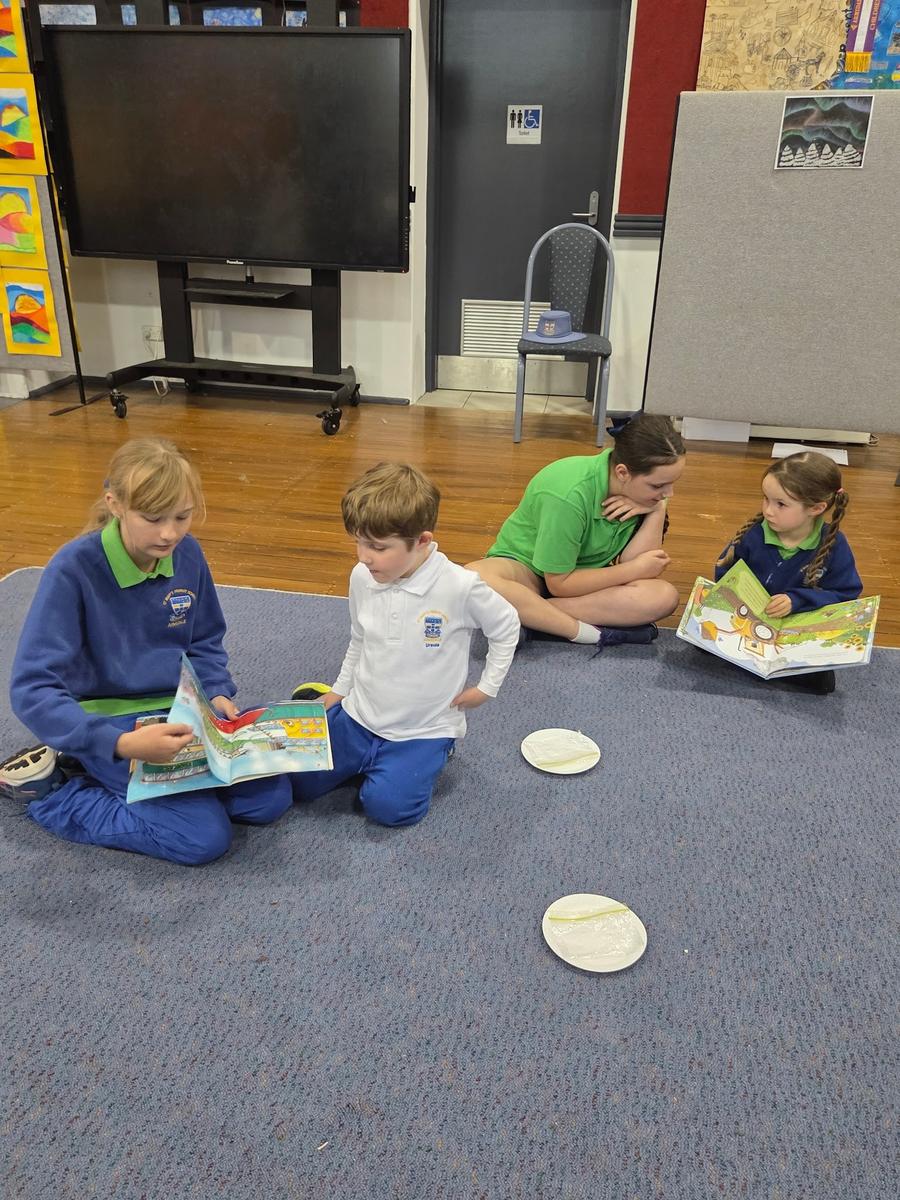
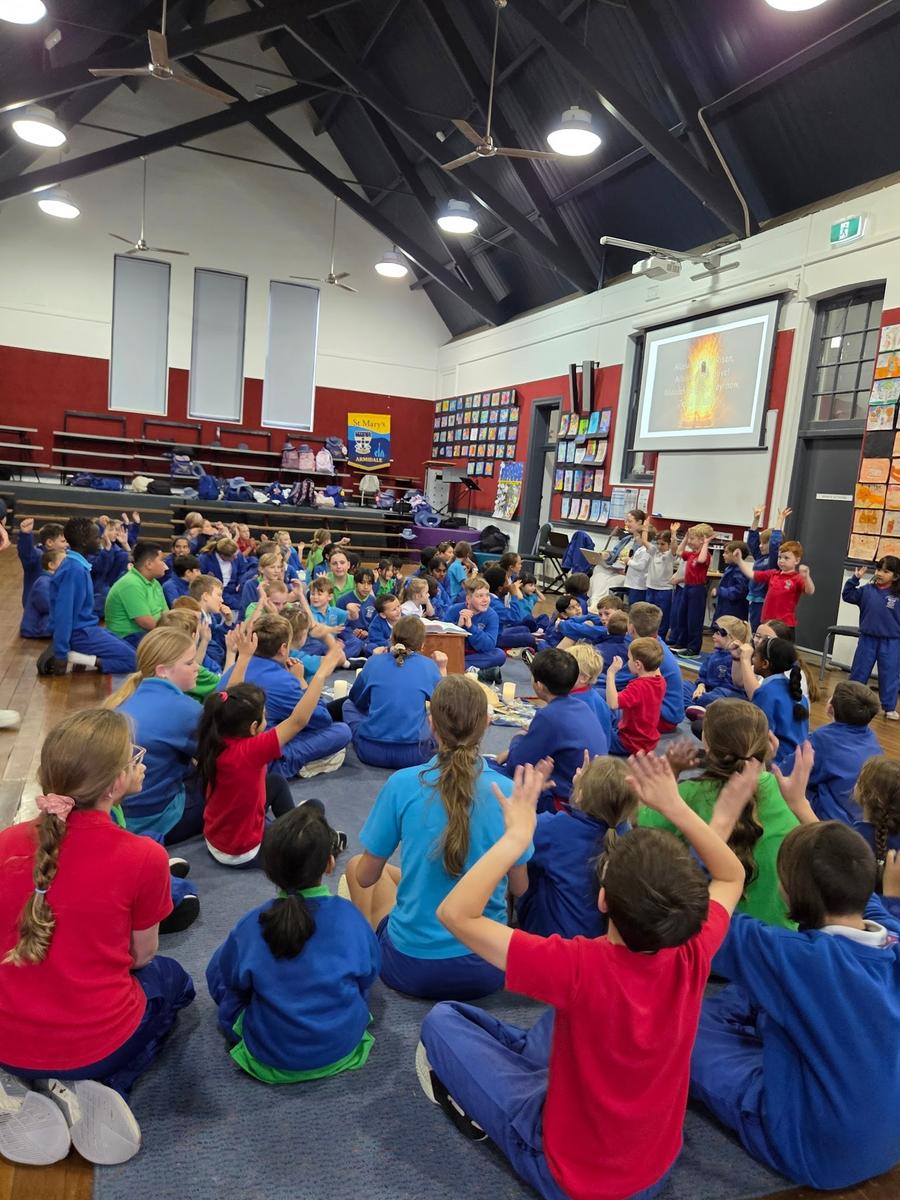
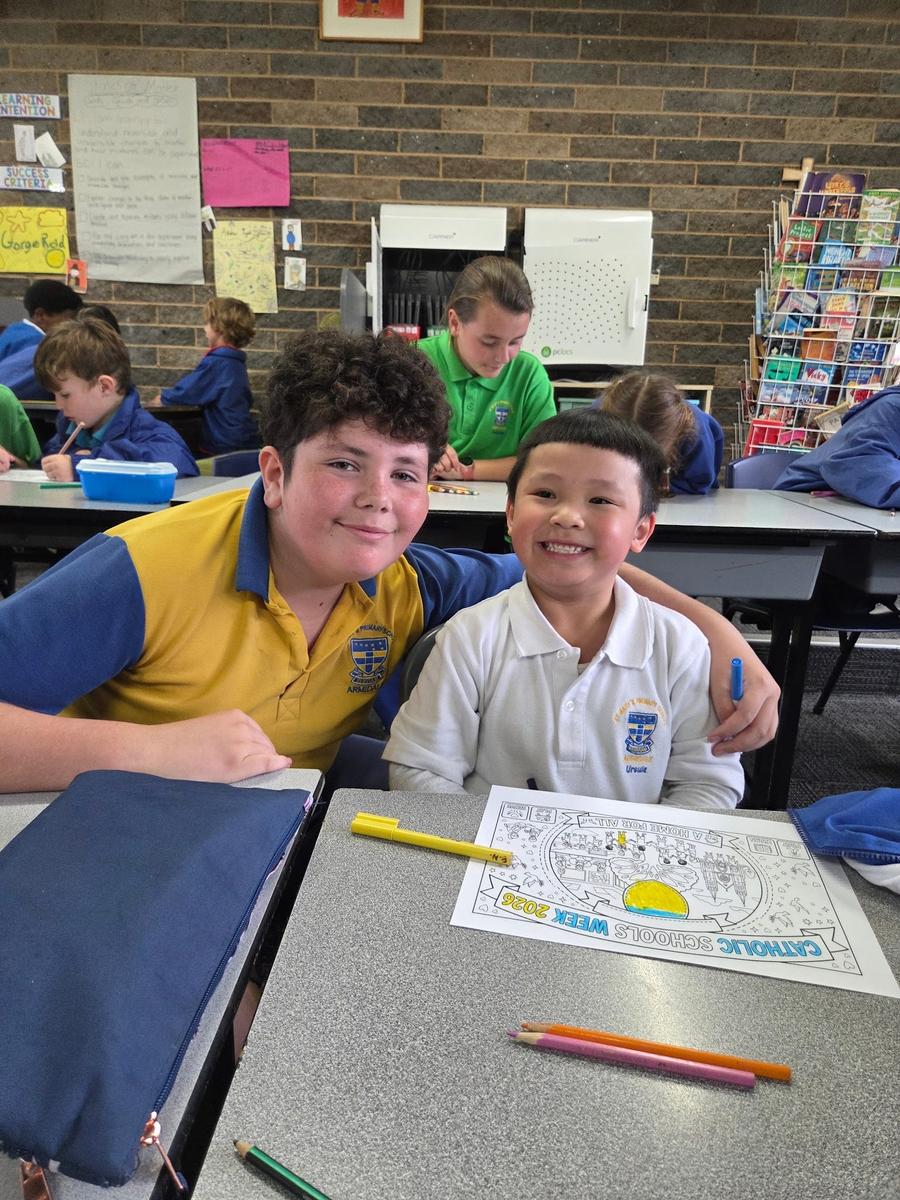
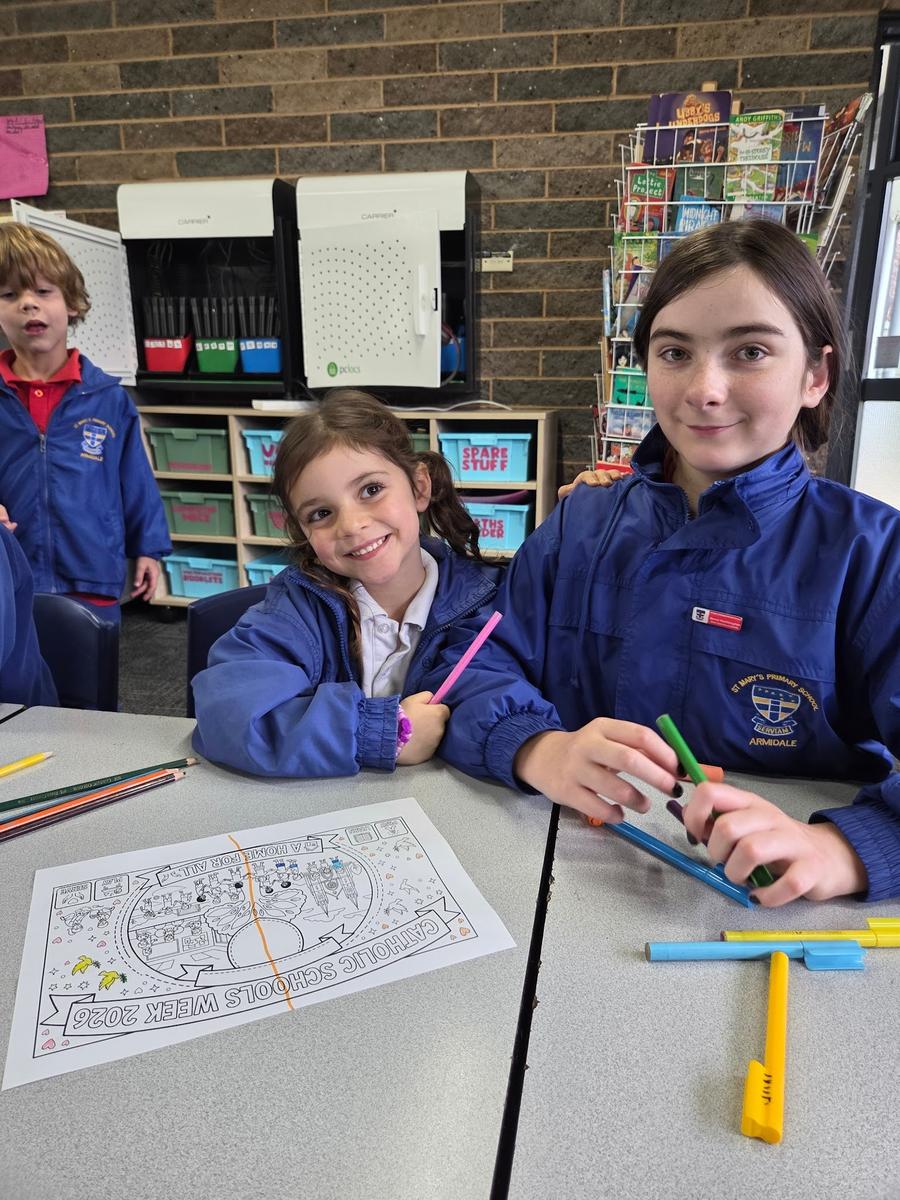
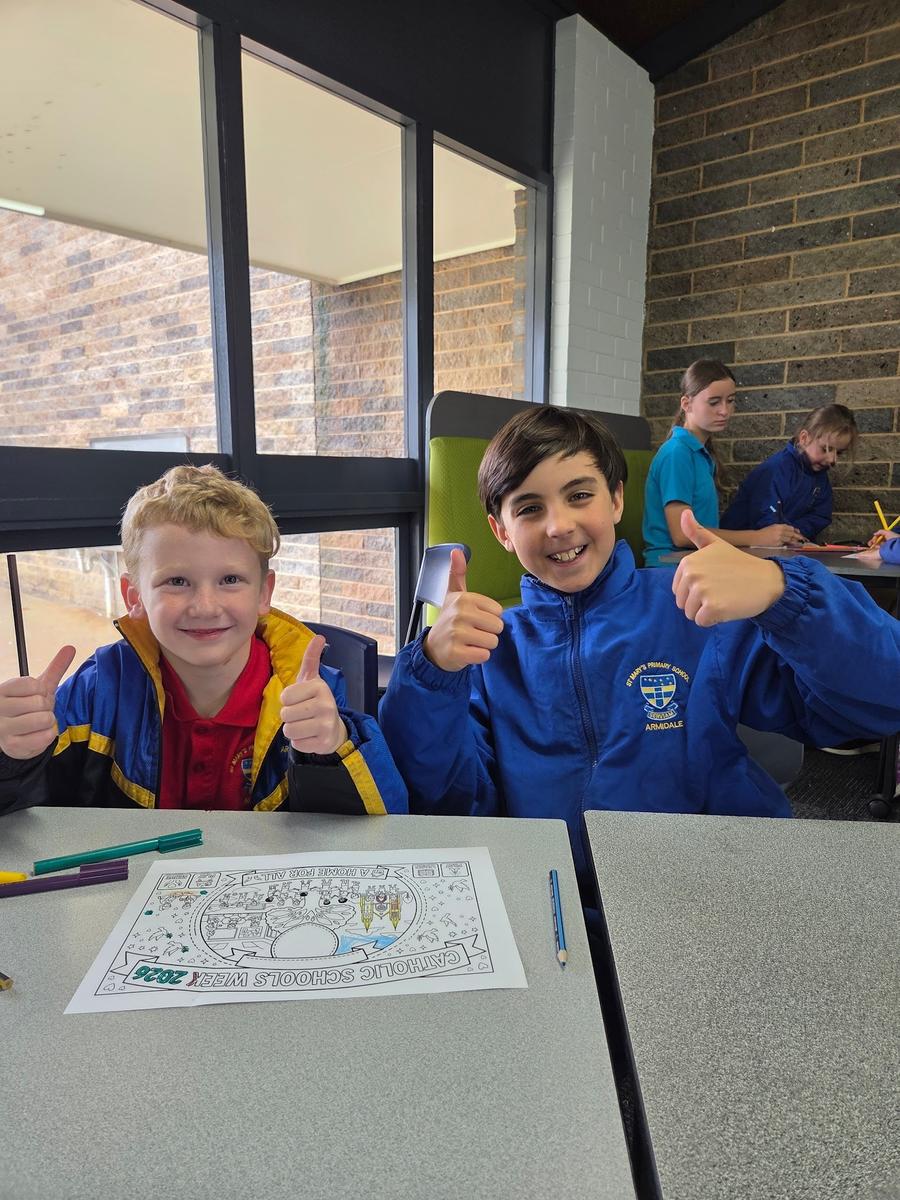
Science
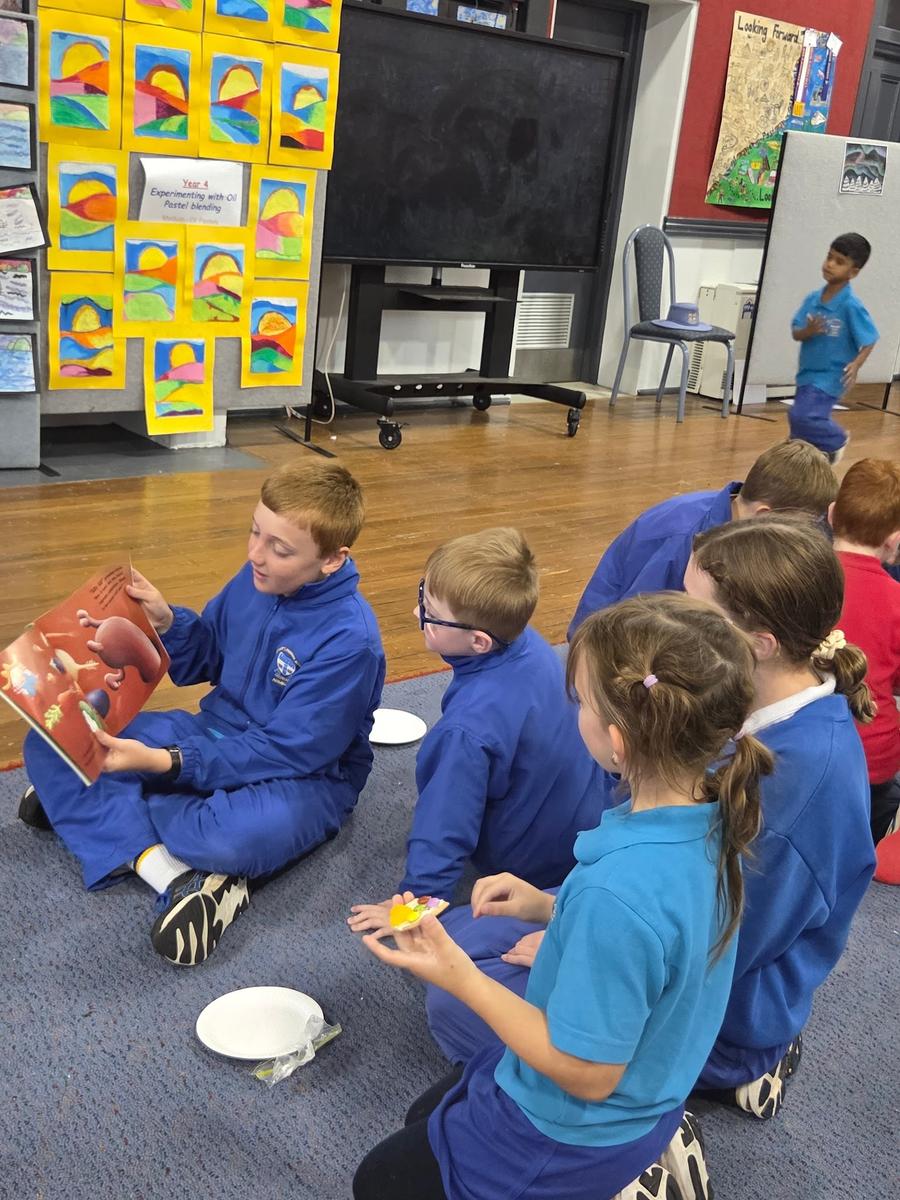
We are learning to understand how animals change each season.
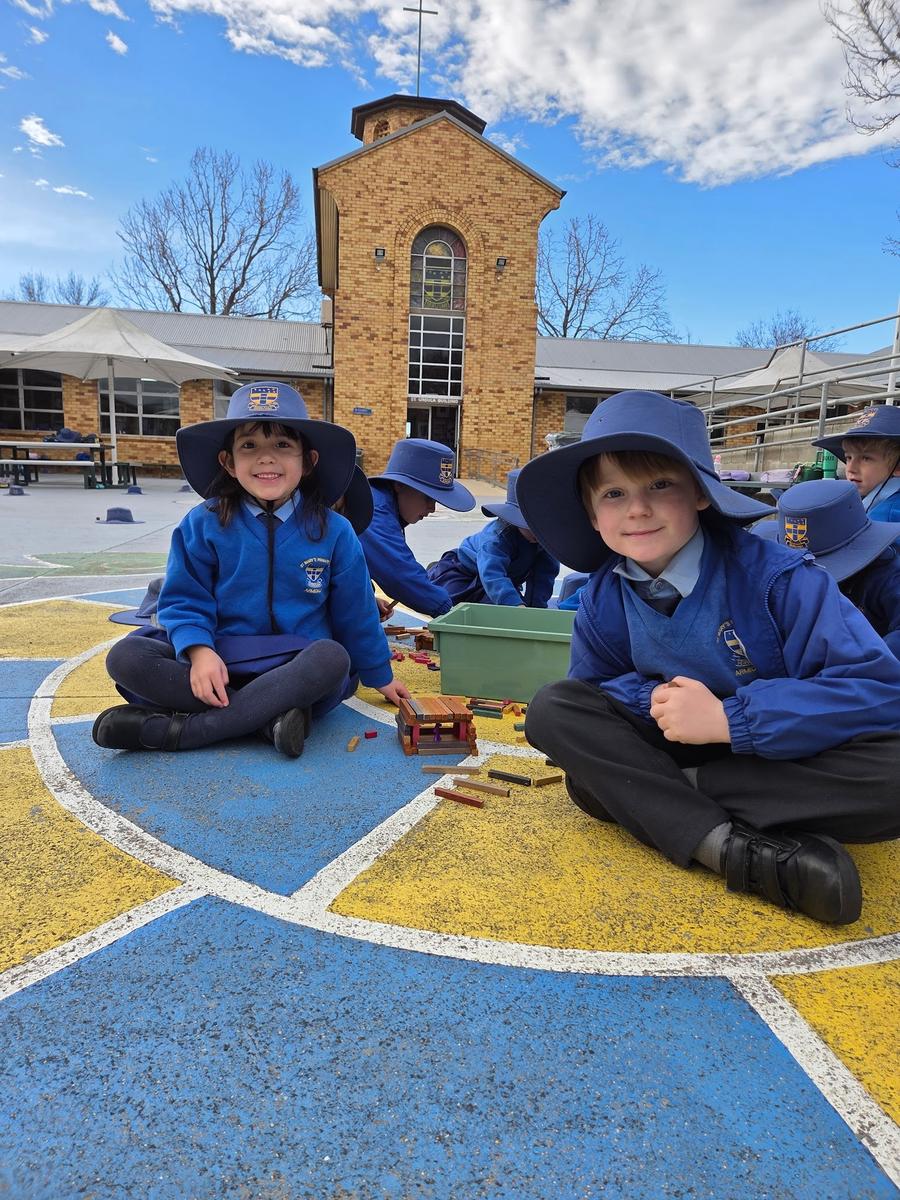
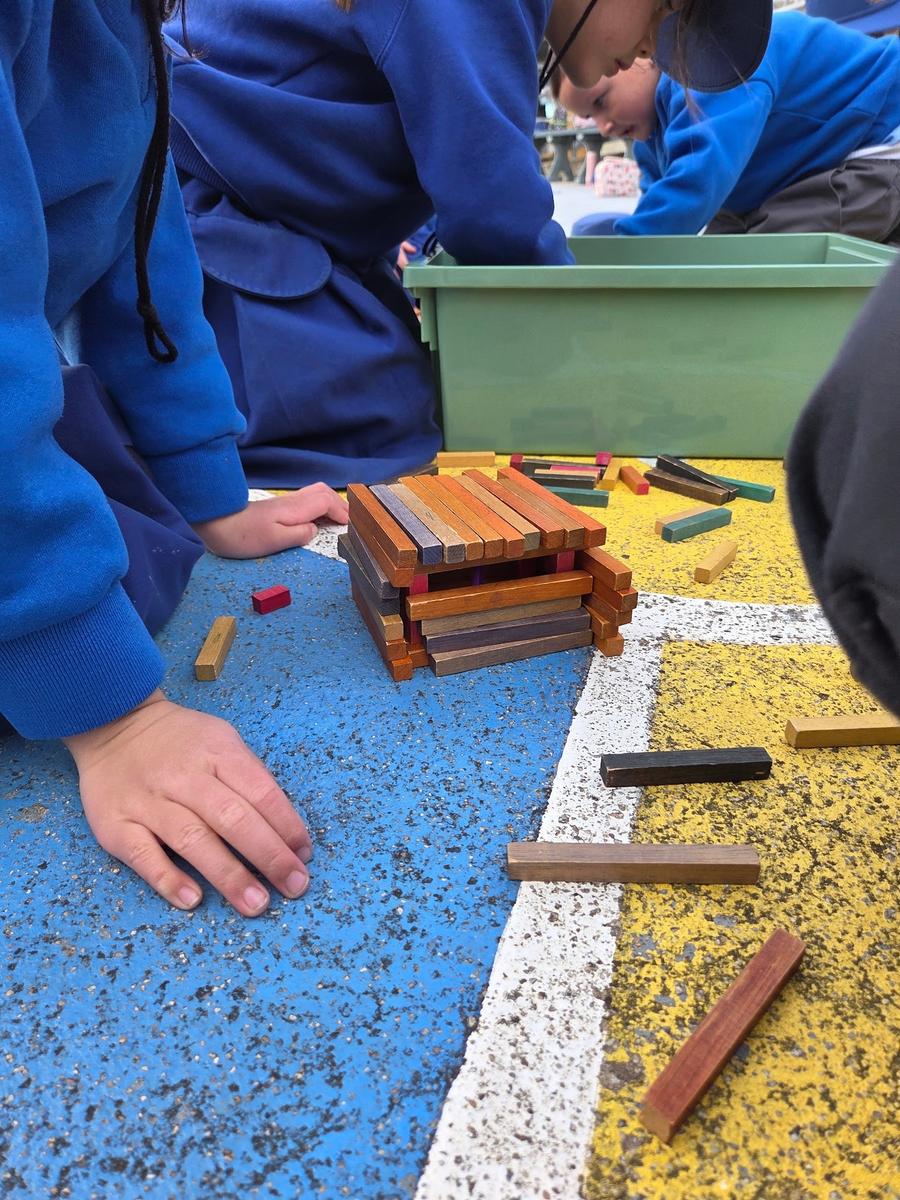
PE
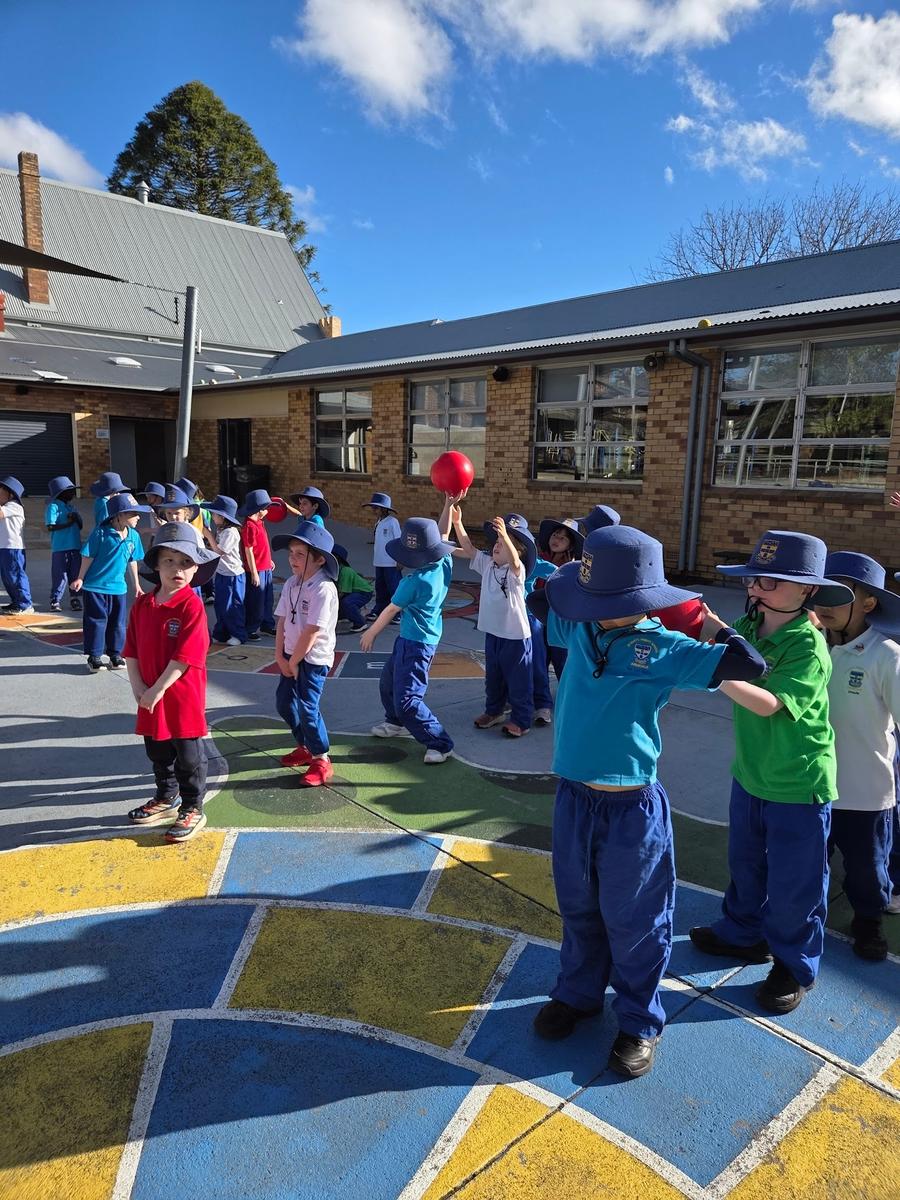
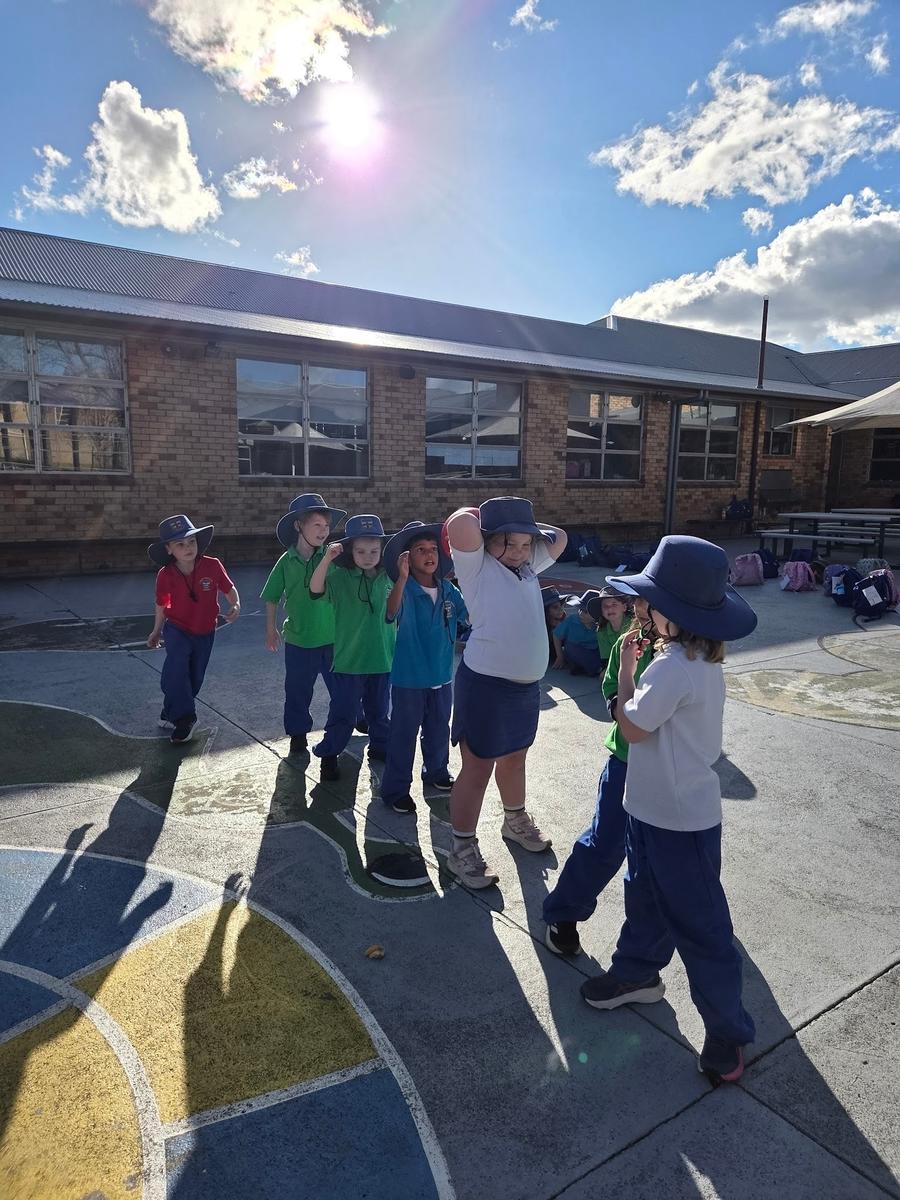
We are learning to play over-under ball.
Religious Education - Nourished By God
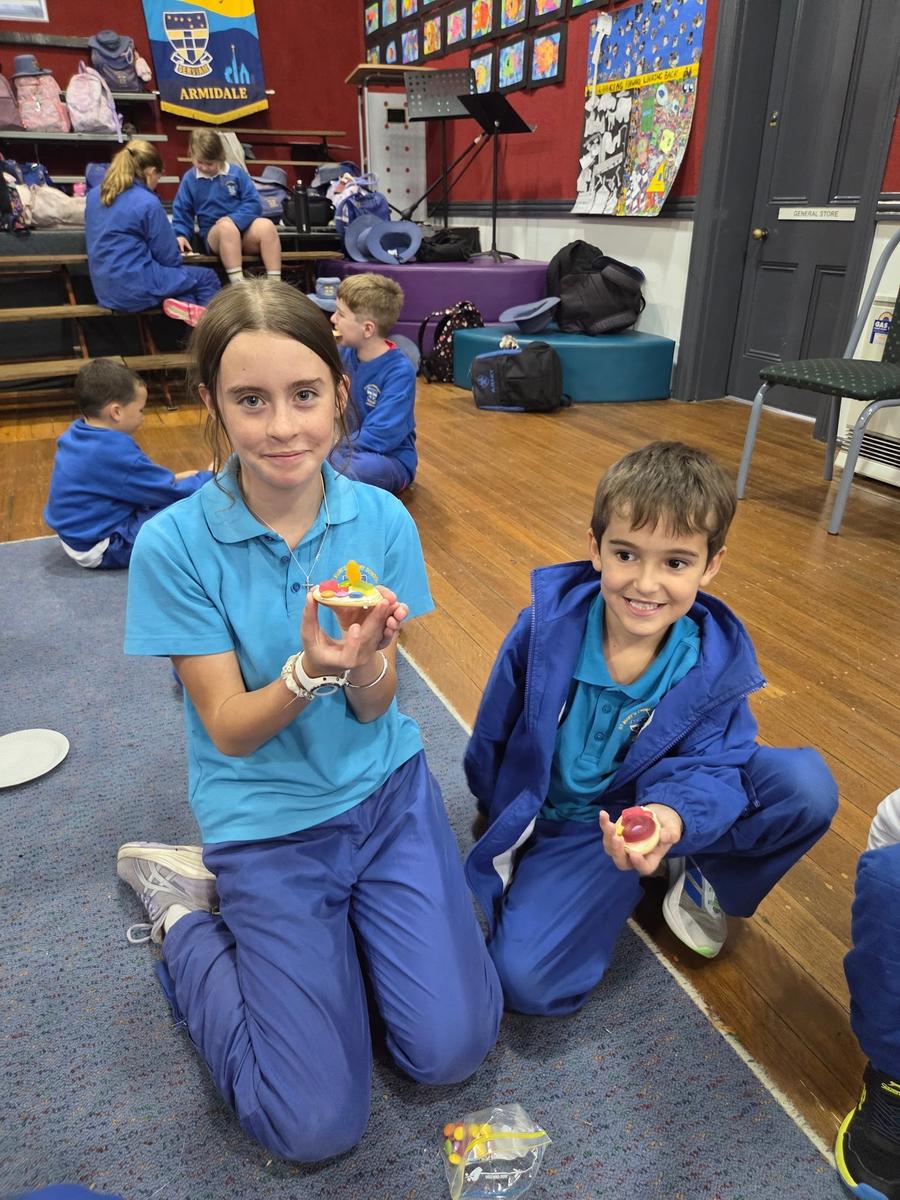
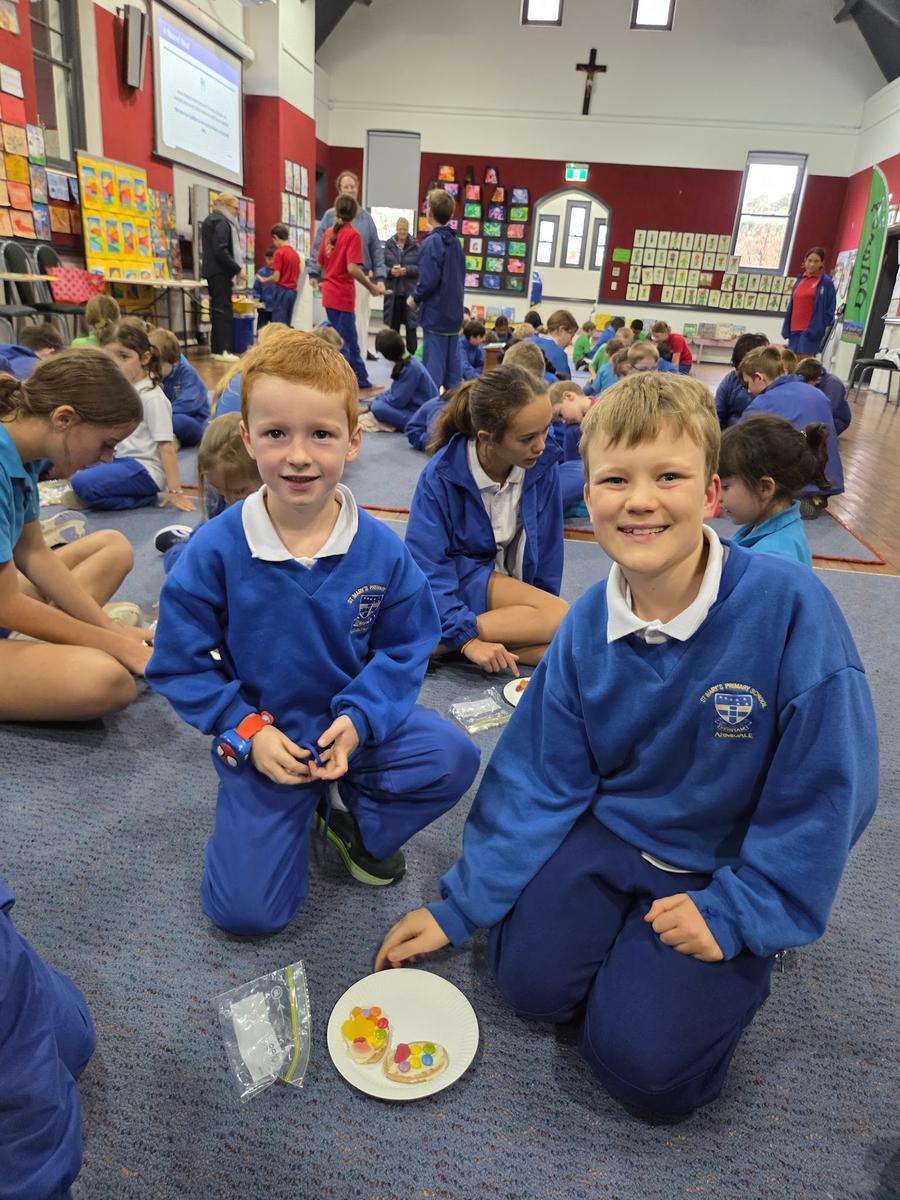
This unit focuses on the Sunday celebration of the Mass. It introduces students to Sunday as the special day when Catholics gather at Mass to listen, remember and give thanks to God, receive Holy Communion and go out to love and serve the Lord.
The second part of the unit looks at the story of ‘The Feeding of the Five Thousand’. It explores how Jesus cared for and fed the people. It invites the children to consider how they care for others and share what they have.
English - Split Digraphs, Storybook - The Lighthouse Keeper's Lunch, Imaginative Writing - The Animal's Athletics Carnival
We have been learning about Split Digraphs or Bossy 'e'.
We are learning to write Super Sentences with a Capital letter to start the sentence, a full-stop to finish the sentence, and words that make sense.
We are learning to write an imaginative story about animals at an athletics carnival.
Maths - Subtraction
Tips for parents:
Combining and separating quantities focuses on:
§ using addition and subtraction to solve problems.
You can help your Year 1 and Year 2 child at home by:
§ practising quick recall of double numbers to 10. Use double domino tiles to extend thinking to doubling numbers to 20
§ finding and discussing numbers in everyday life that are not meant to be used with place value, such as phone numbers, pin numbers, bus numbers and postcodes
§ using number bonds, or ‘friends of 10’, to assist with simple addition and subtraction problems. For example, 4 + 6 = 10, 6 + 4 = 10, 10 - 4 = 6, 10 - 6 = 4
How To Teach Number Bonds? | Maths – No Problem!
§ using number bonds to solve addition problems by making groups of 10. For example, the problem of 26 + 8 can be solved by taking 4 from the 8 and adding it to the 26. The new problem of 30 + 4 is much easier to solve
§ solving problems using their knowledge of doubles. For example, the problem 8 + 9 can been seen as double 8 (8 + 8) which is 16. Add one more to make 17
§ building number bond knowledge to understand ‘friends of 20’. These number pairs are 11 and 9, 12 and 8, 13 and 7, 14 and 6, 15 and 5.
Creative Arts - Dance
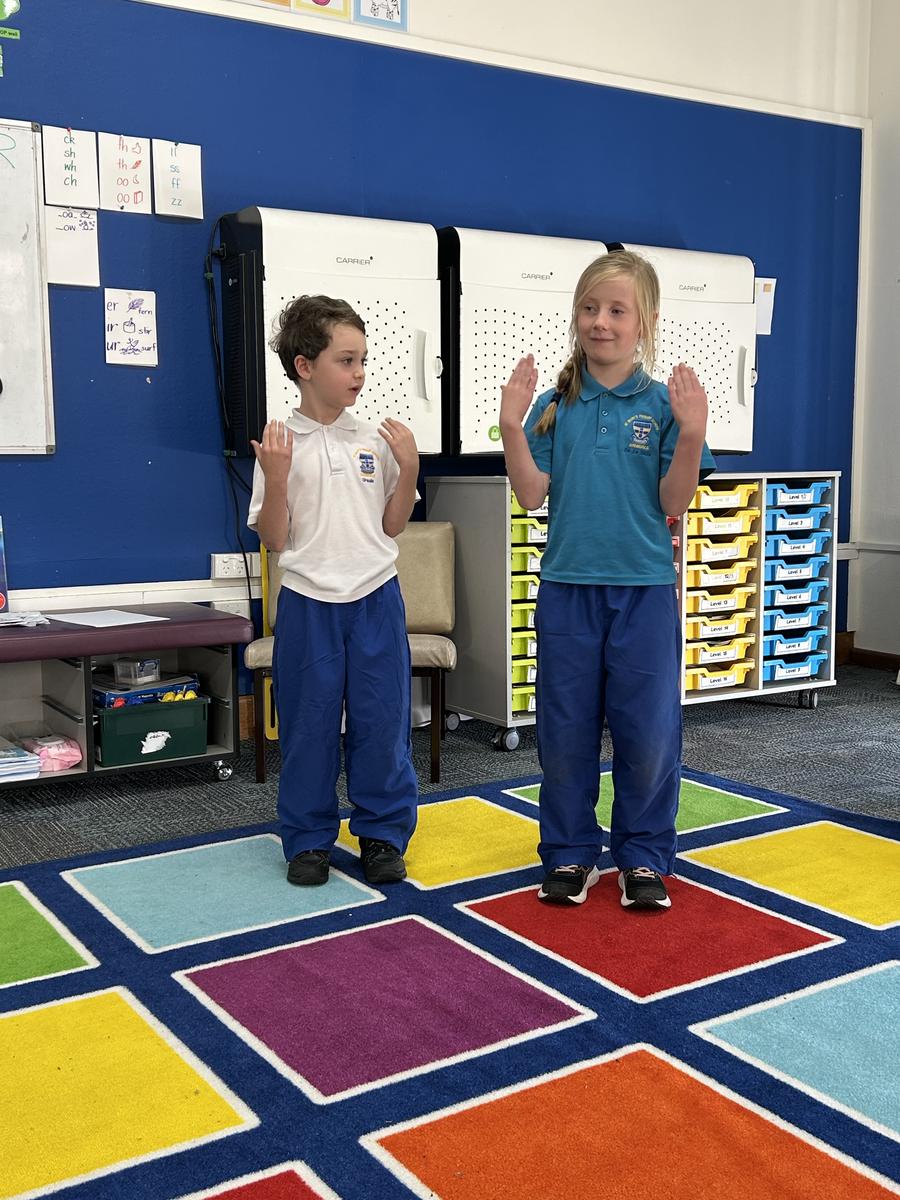
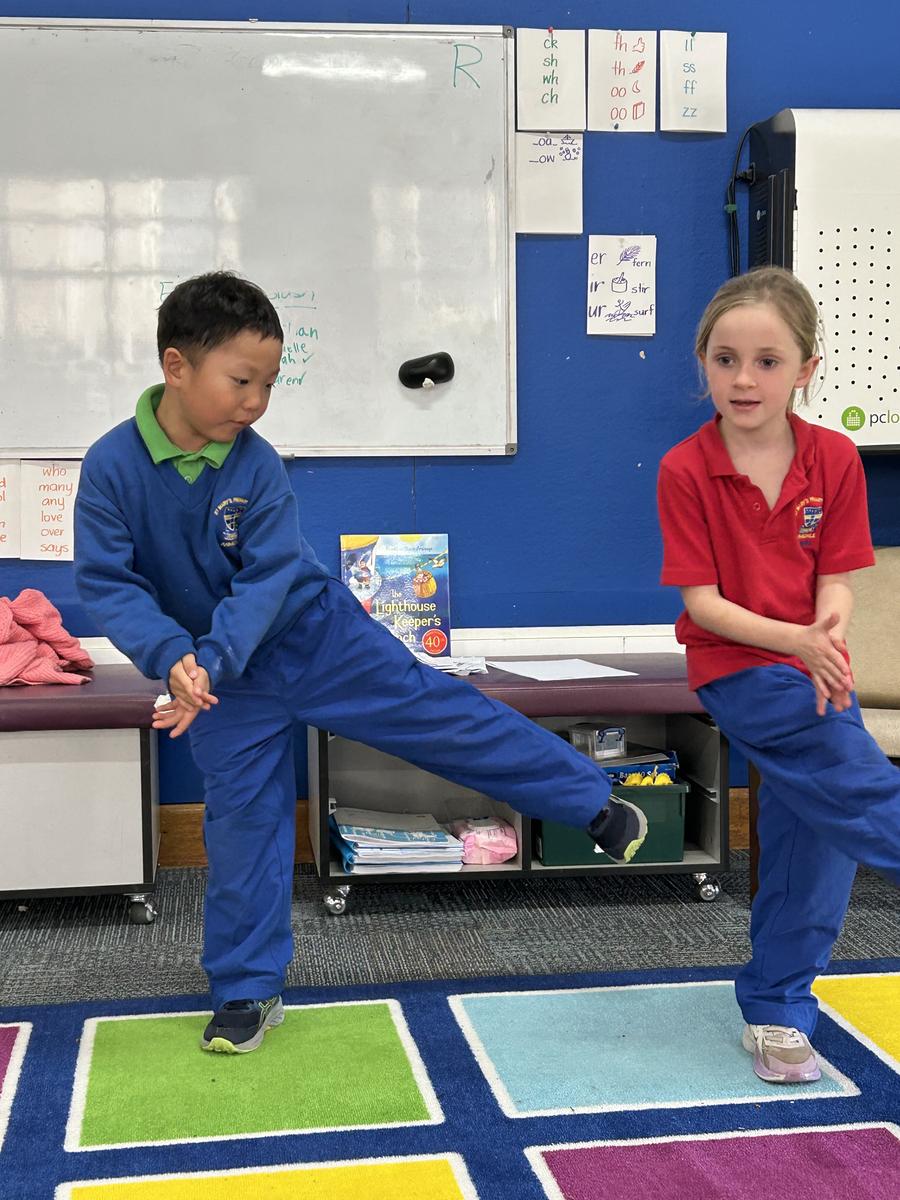
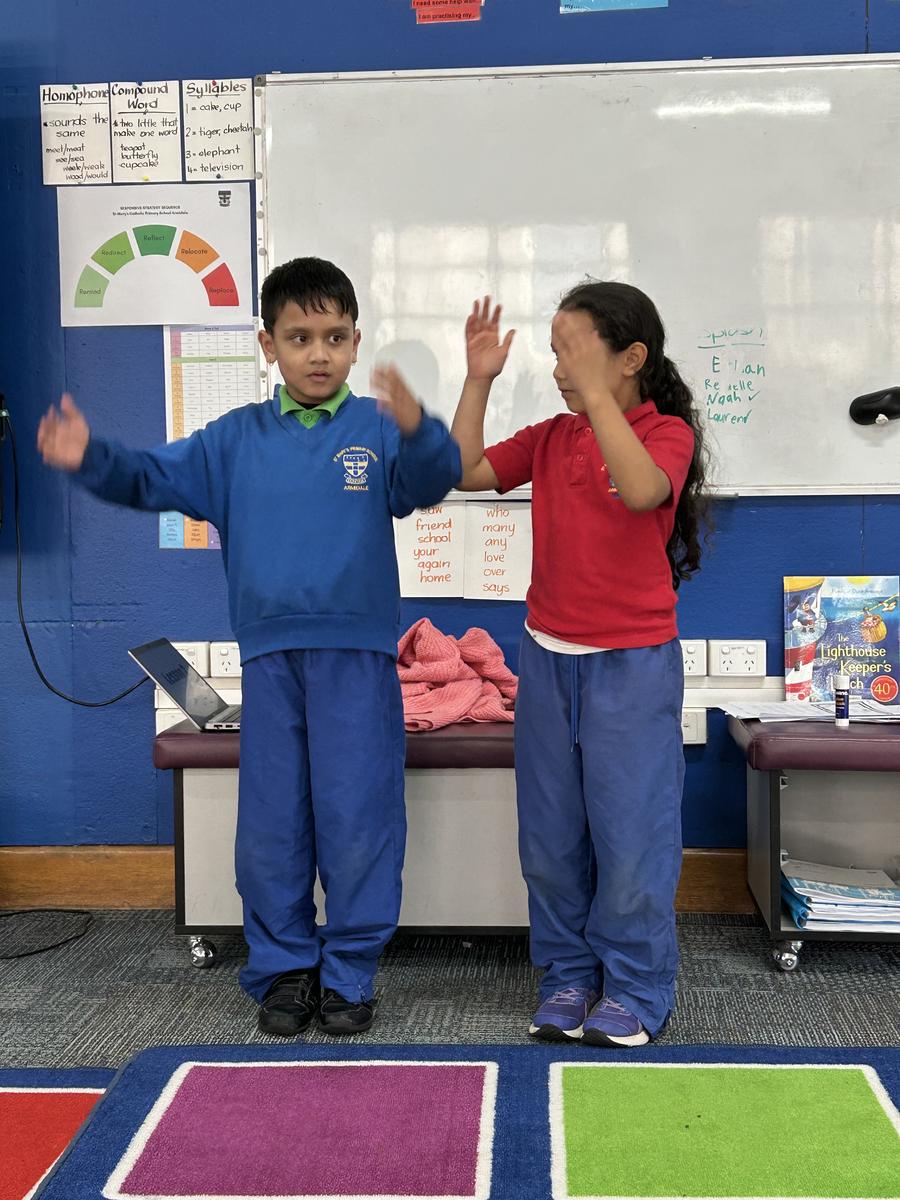
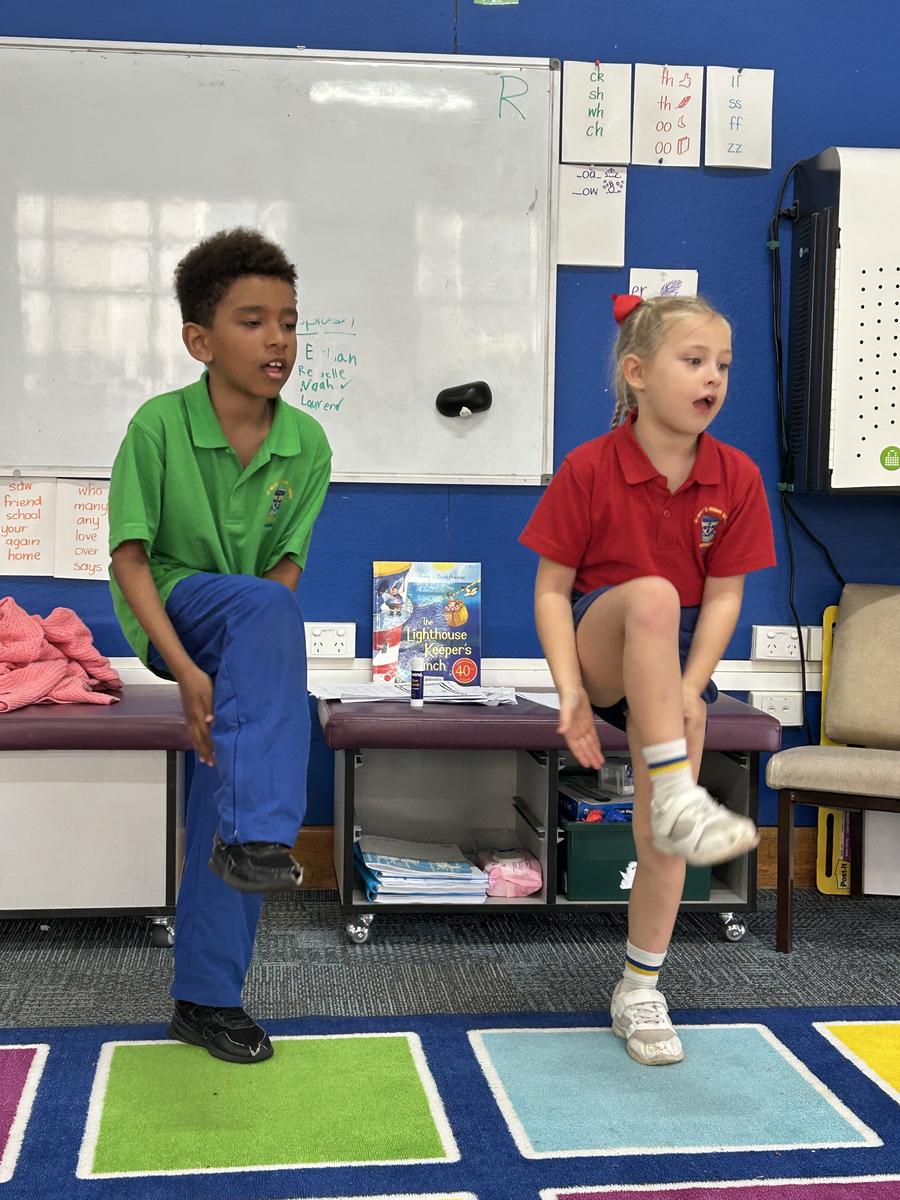
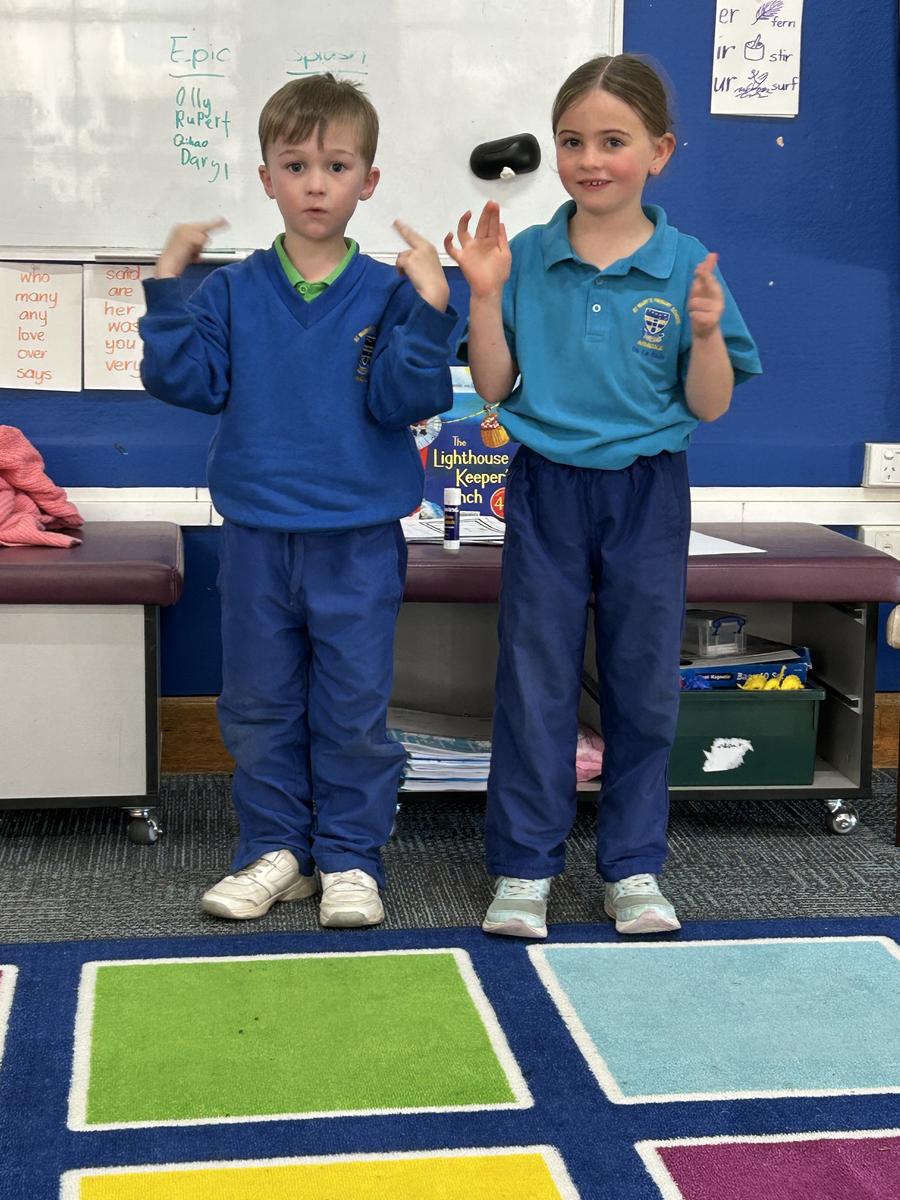
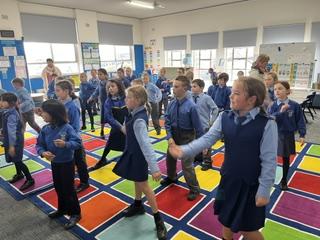
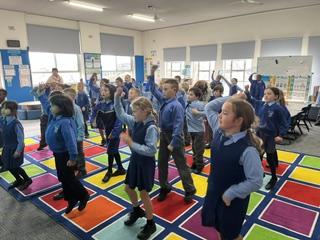
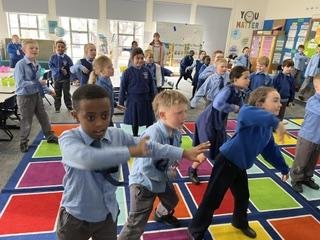
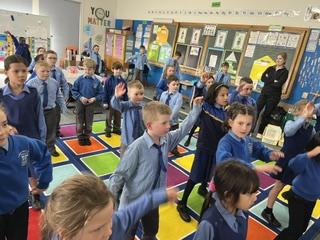
We have been having fun with our Let's Move Dance unit.
Religion
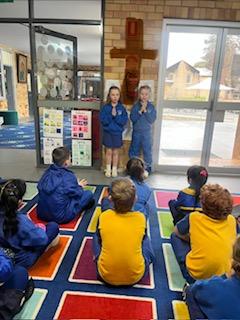
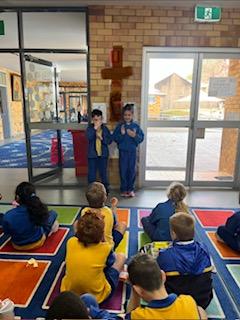
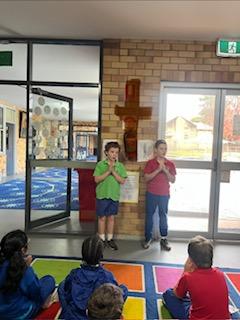
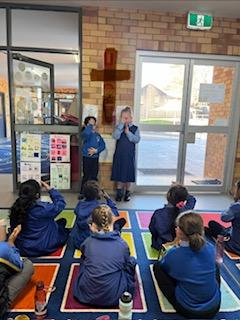
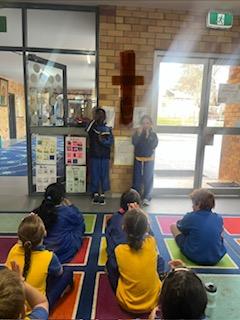
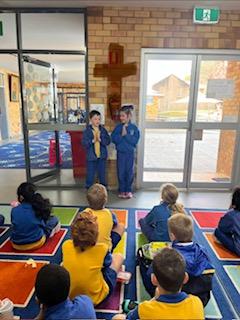
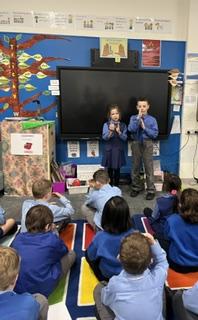
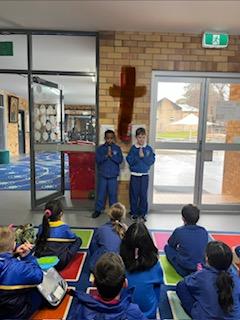
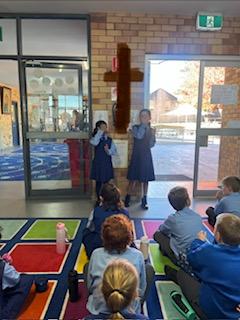
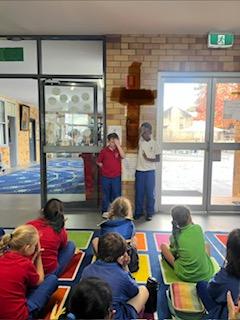
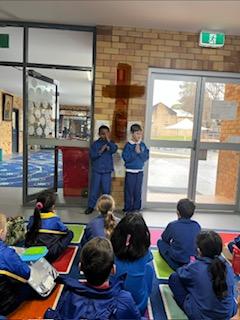
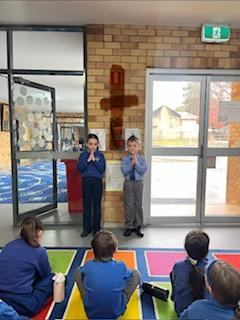
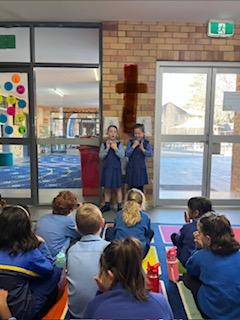
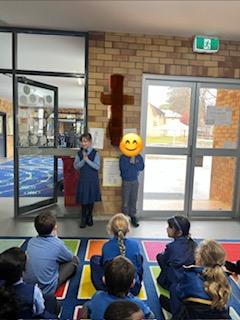
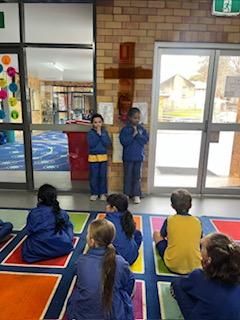
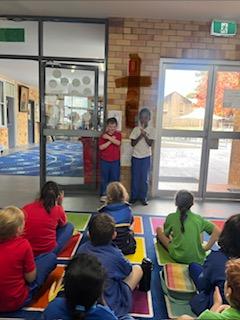
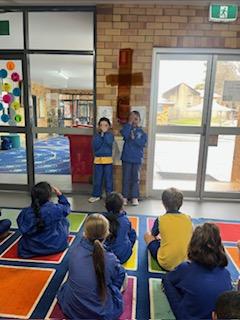
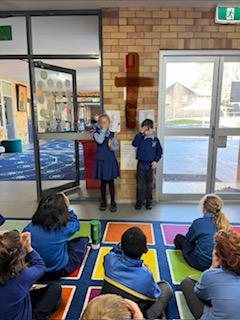
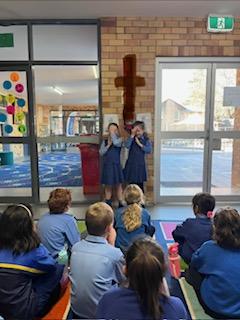
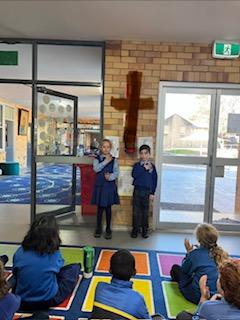
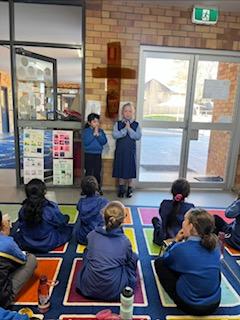
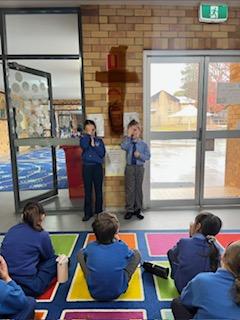
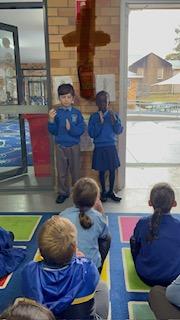
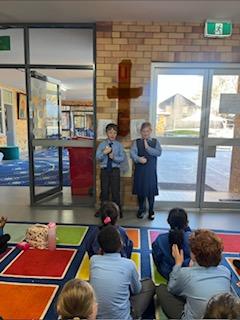
We had the Reverend Bishop Murphy visit us.
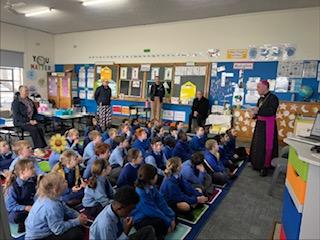
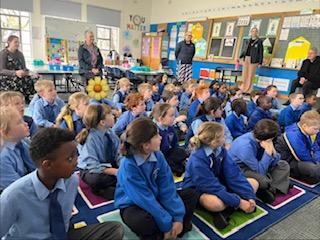
We learned about Pentecost.
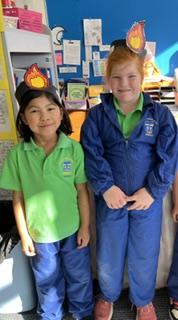
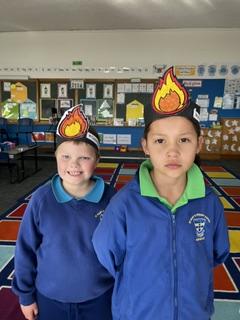
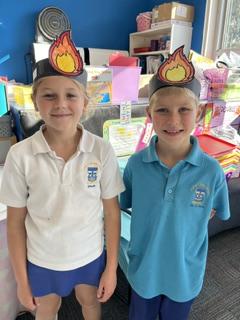
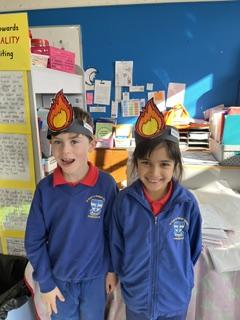
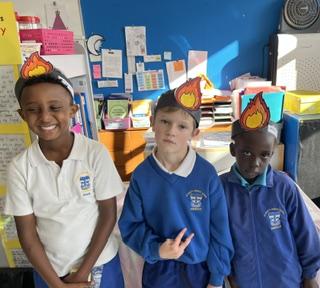
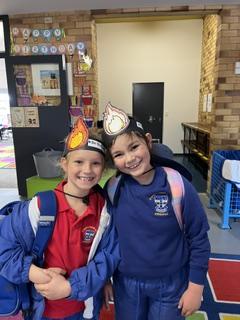
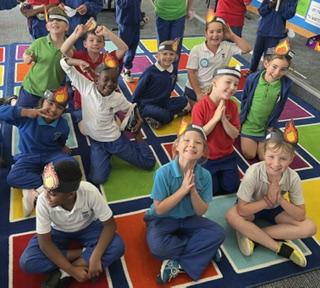
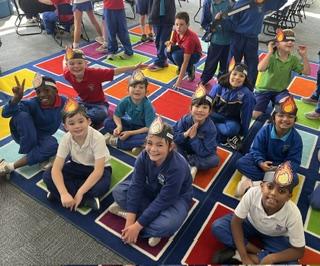
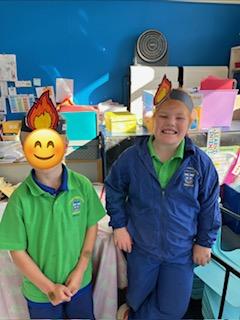
We listened and responded to the Parable of the Sower.
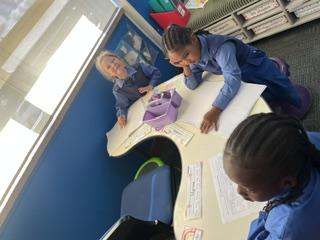
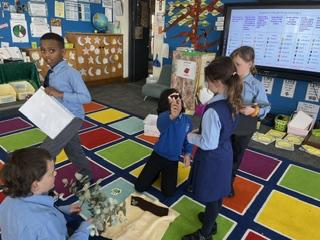
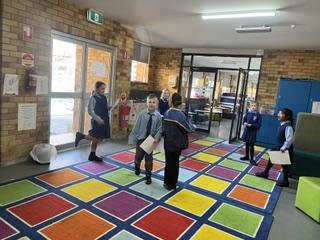
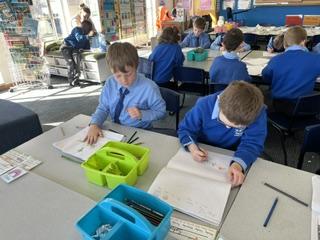
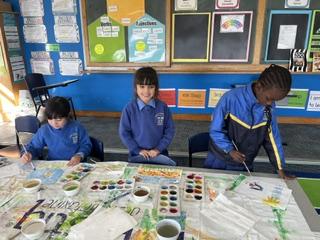
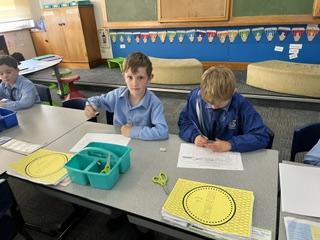
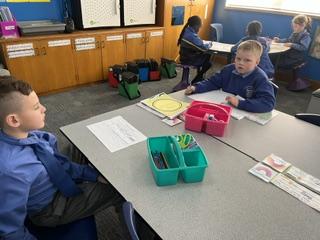
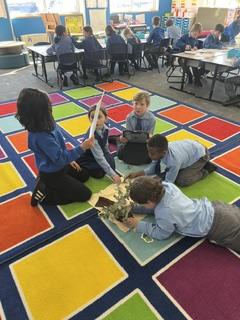
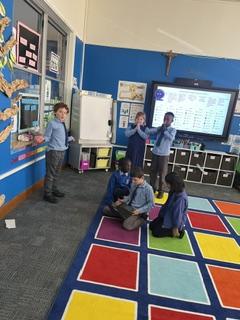
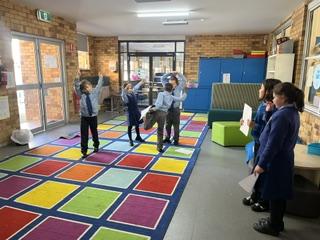
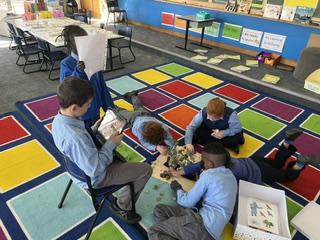
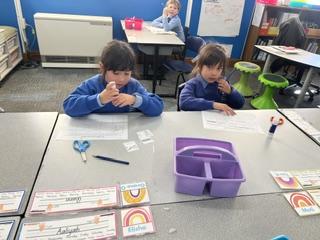
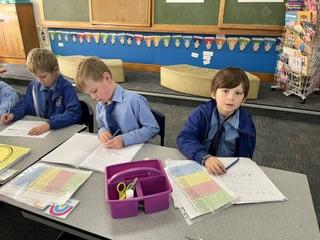
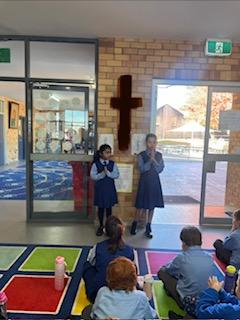
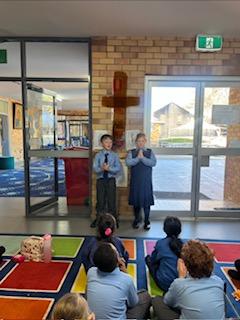
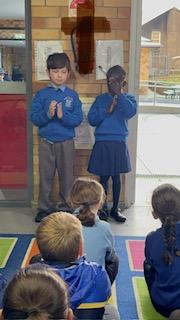
As Pentecost people, we led prayer.
Maths
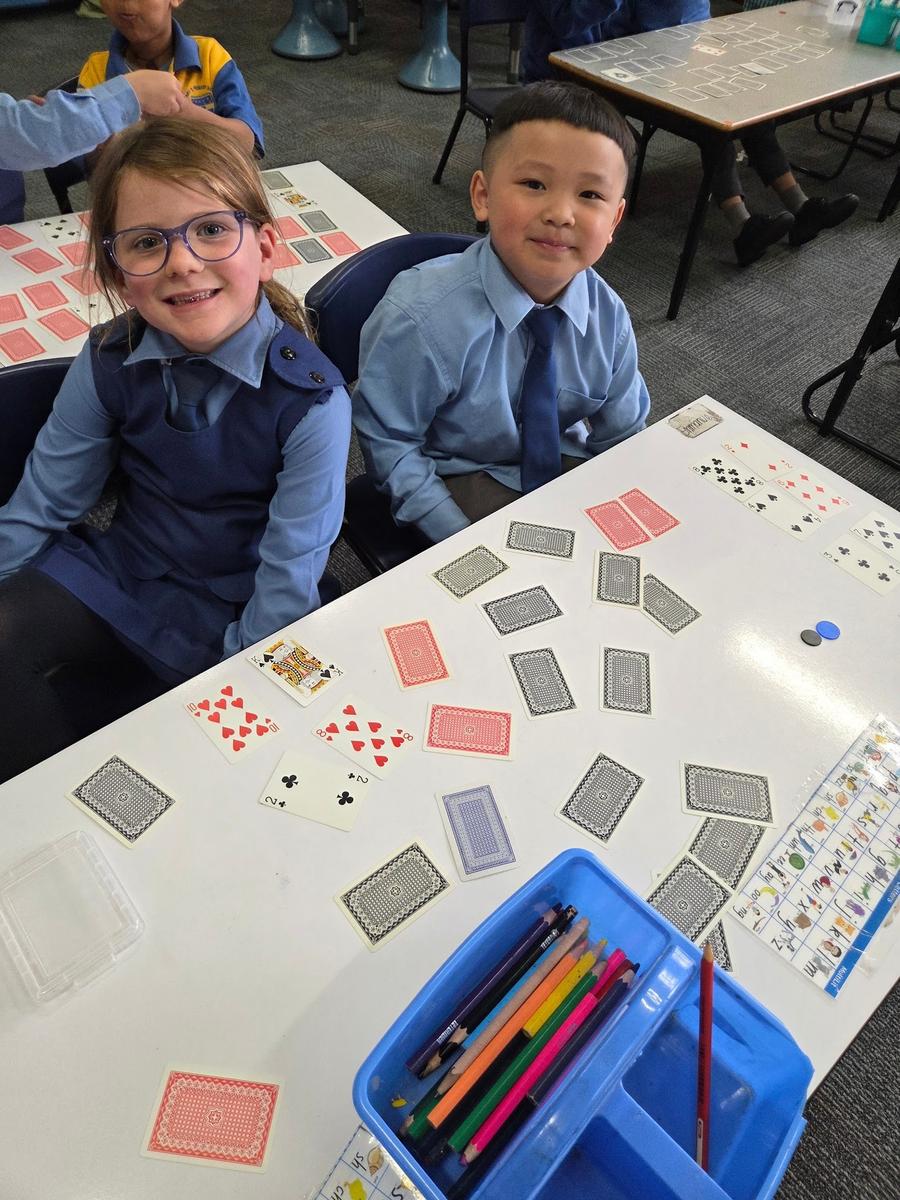
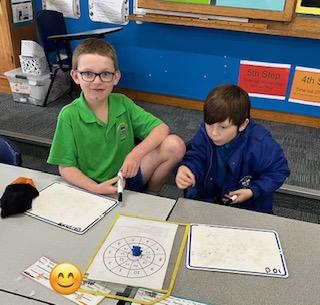
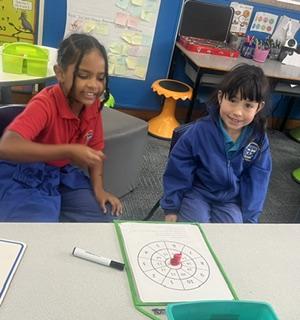
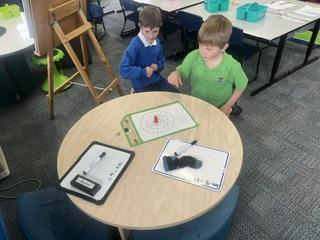
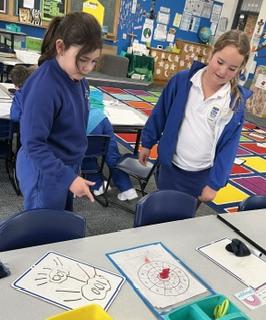
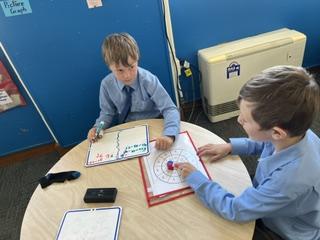
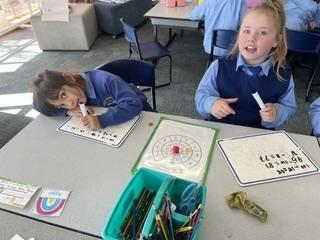
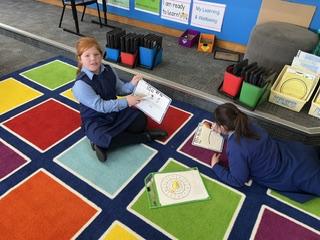
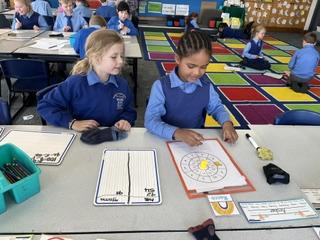
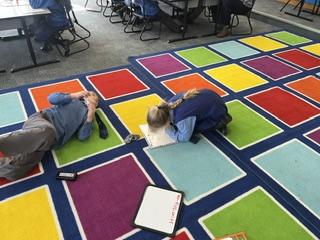
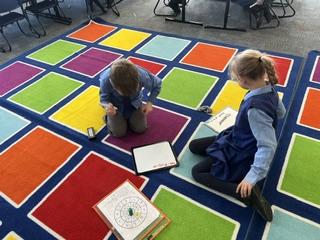
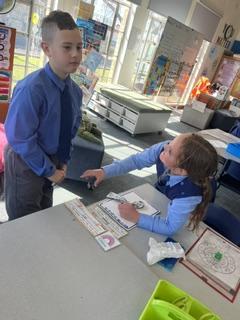
Learning addition through Math games.
No Number Game
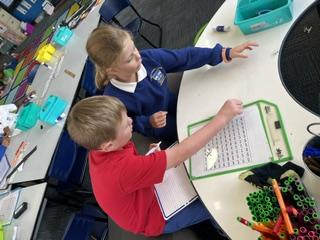
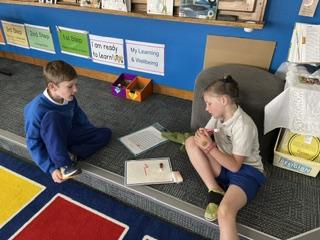
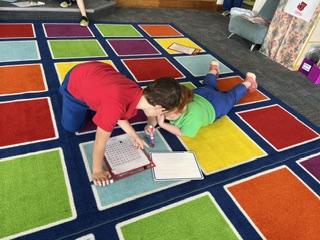
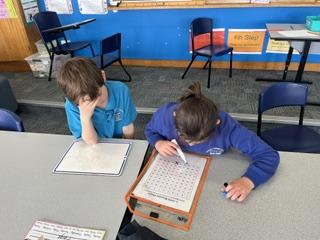
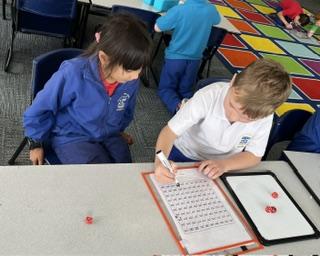
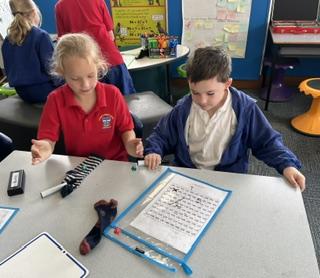
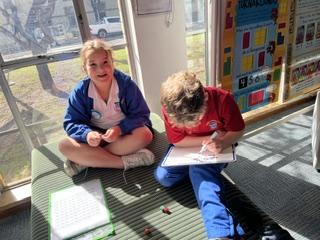
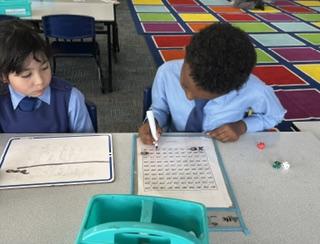
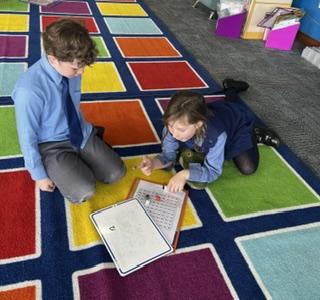
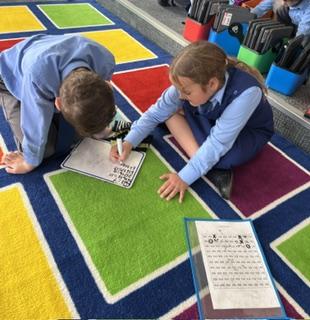
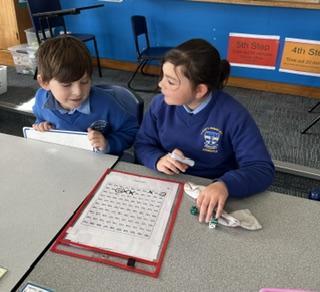
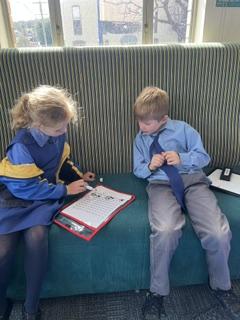
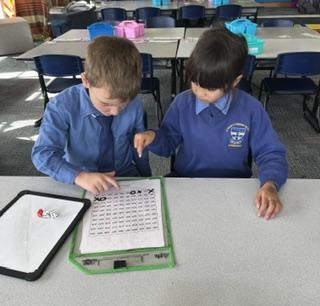
Subtraction Counter Toss Game
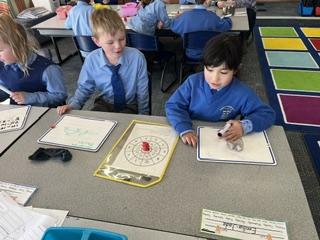
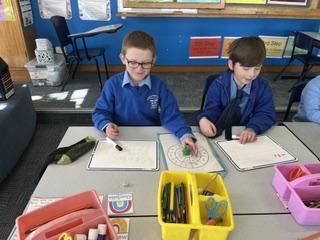
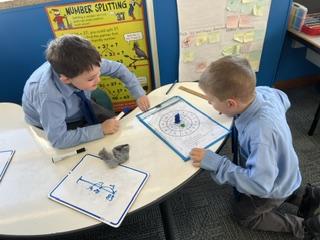
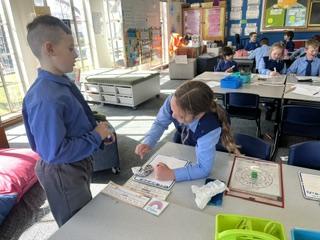
Science
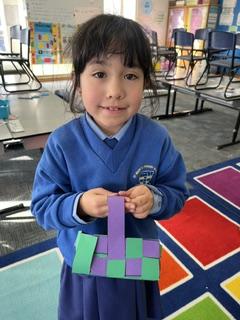
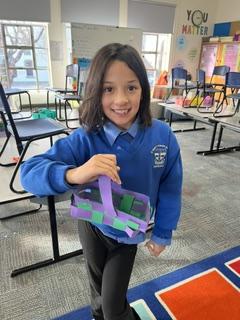
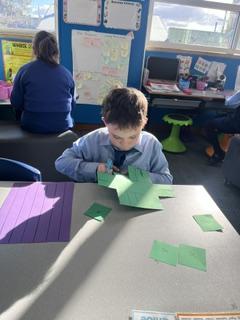
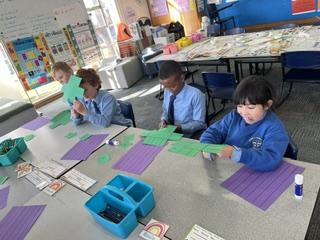
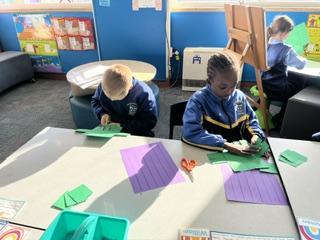
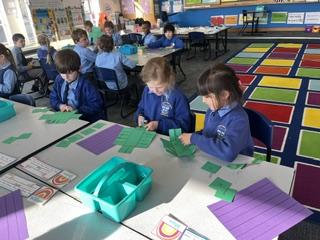
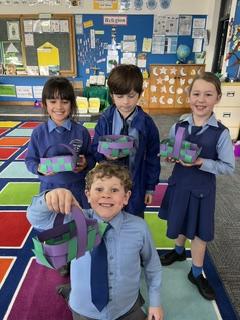
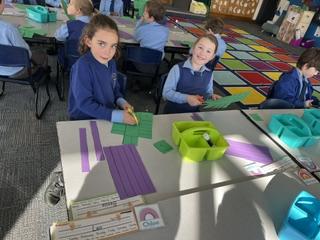
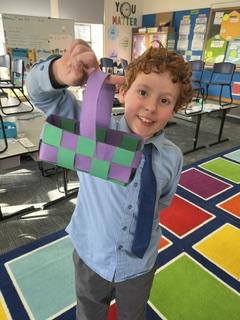
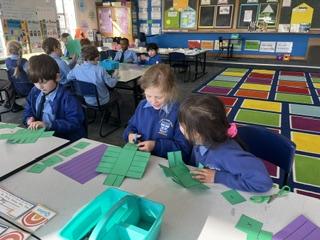
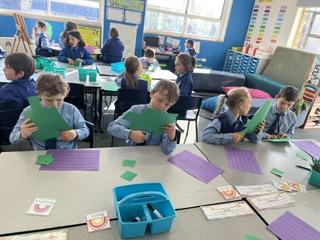
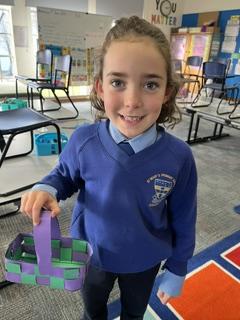
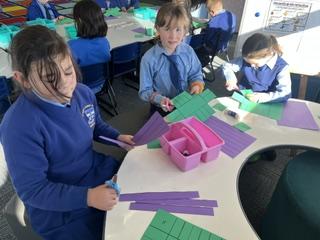
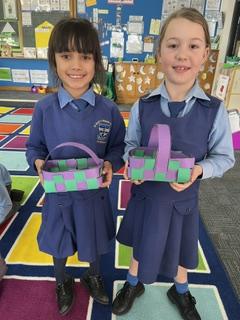
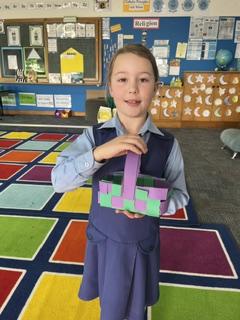
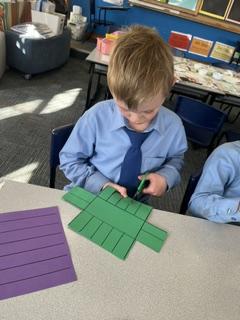
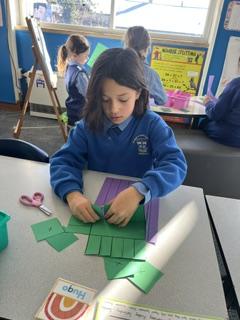
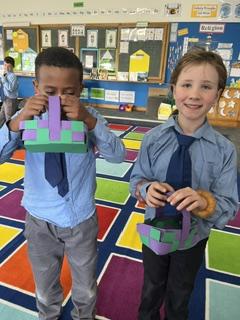
Students are learning about different materials and how they are paired for a particular purpose. Students learn to weave a basket and discuss the material used and its pairing for a specific purpose.
CAPA - Dance
Students Dancing Through the Decades
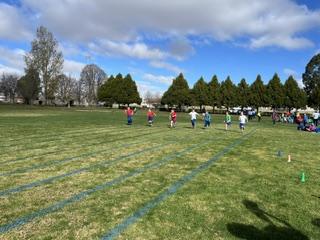
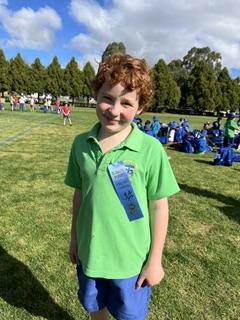
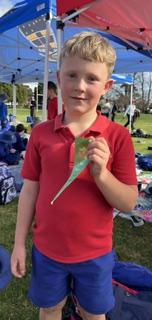
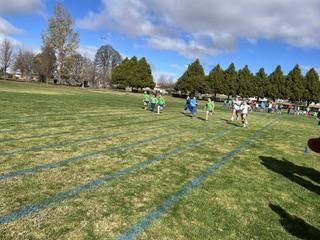
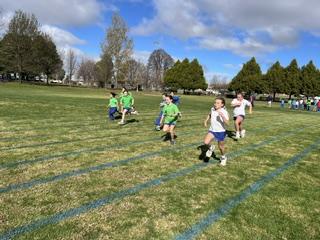
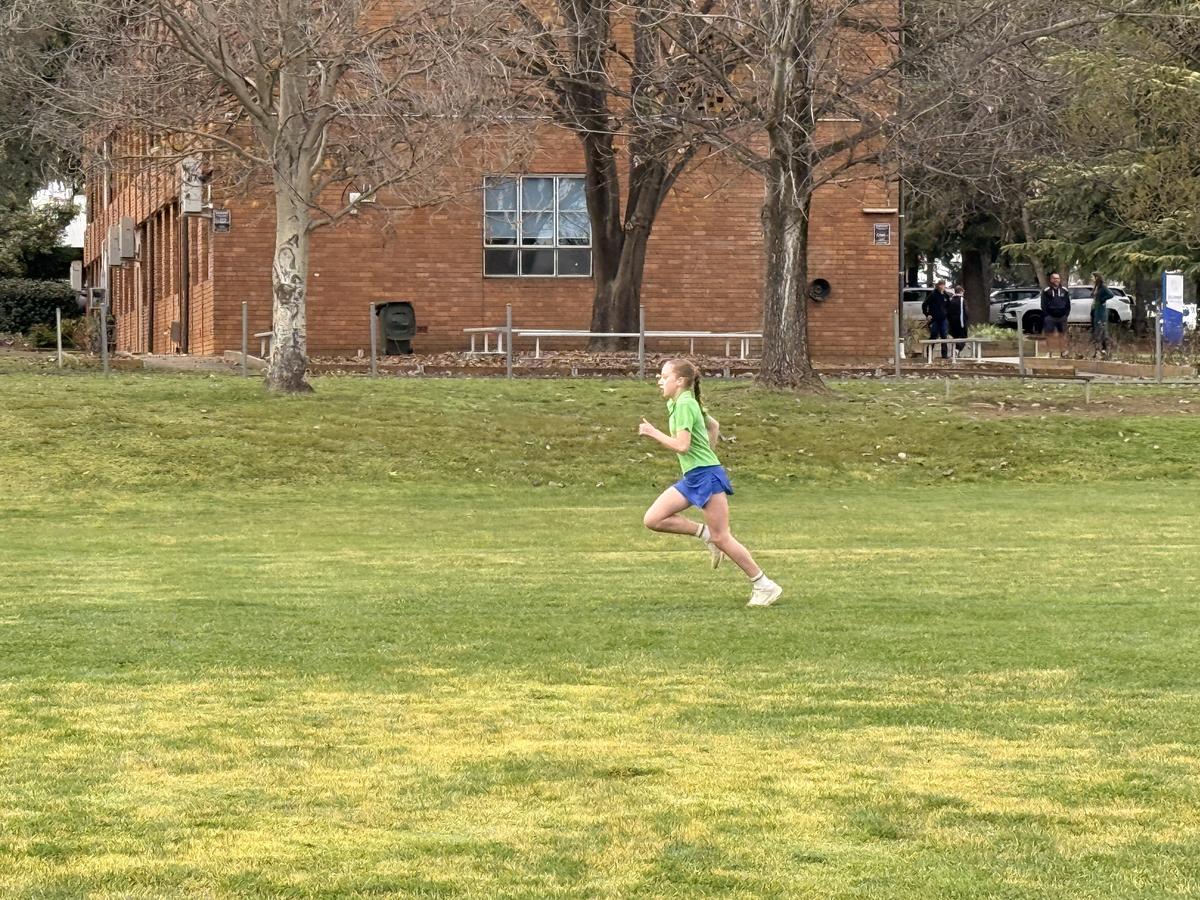
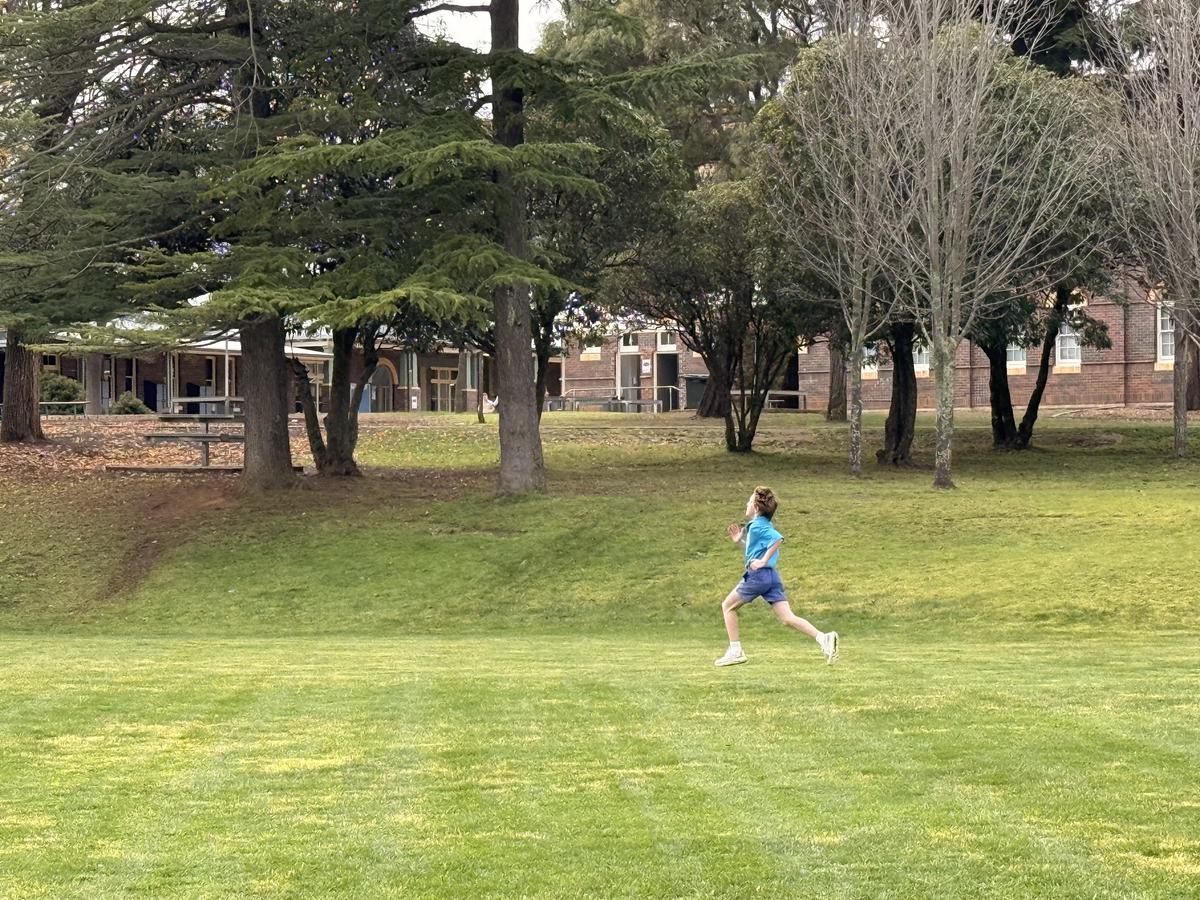
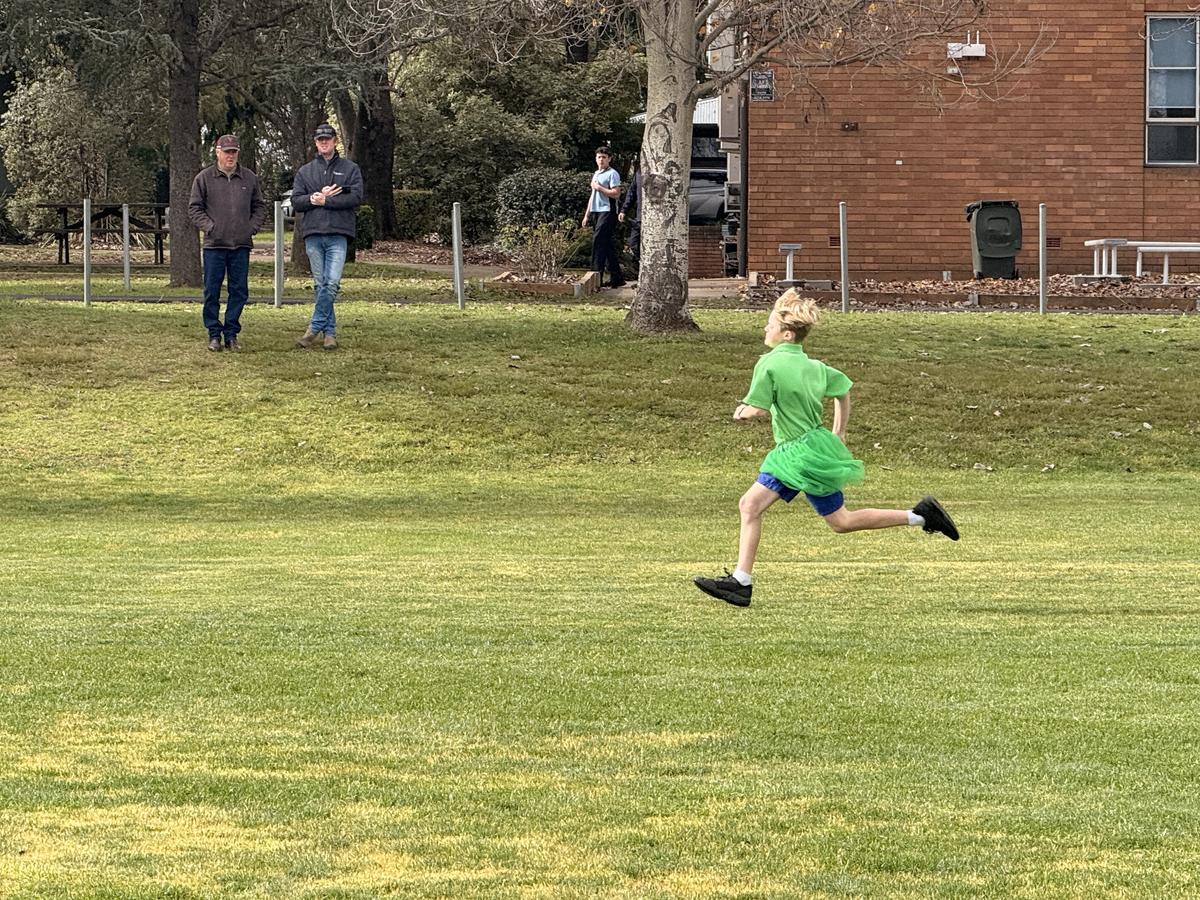
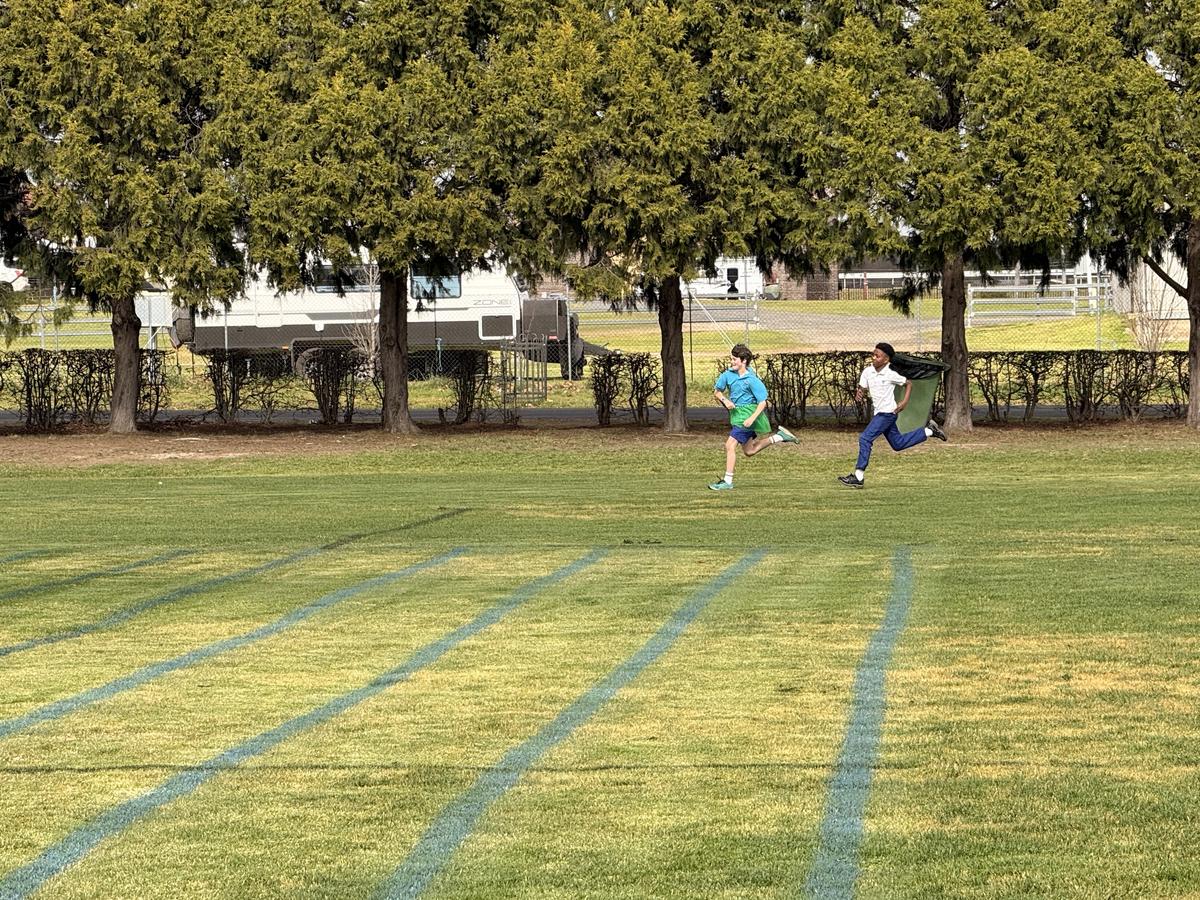
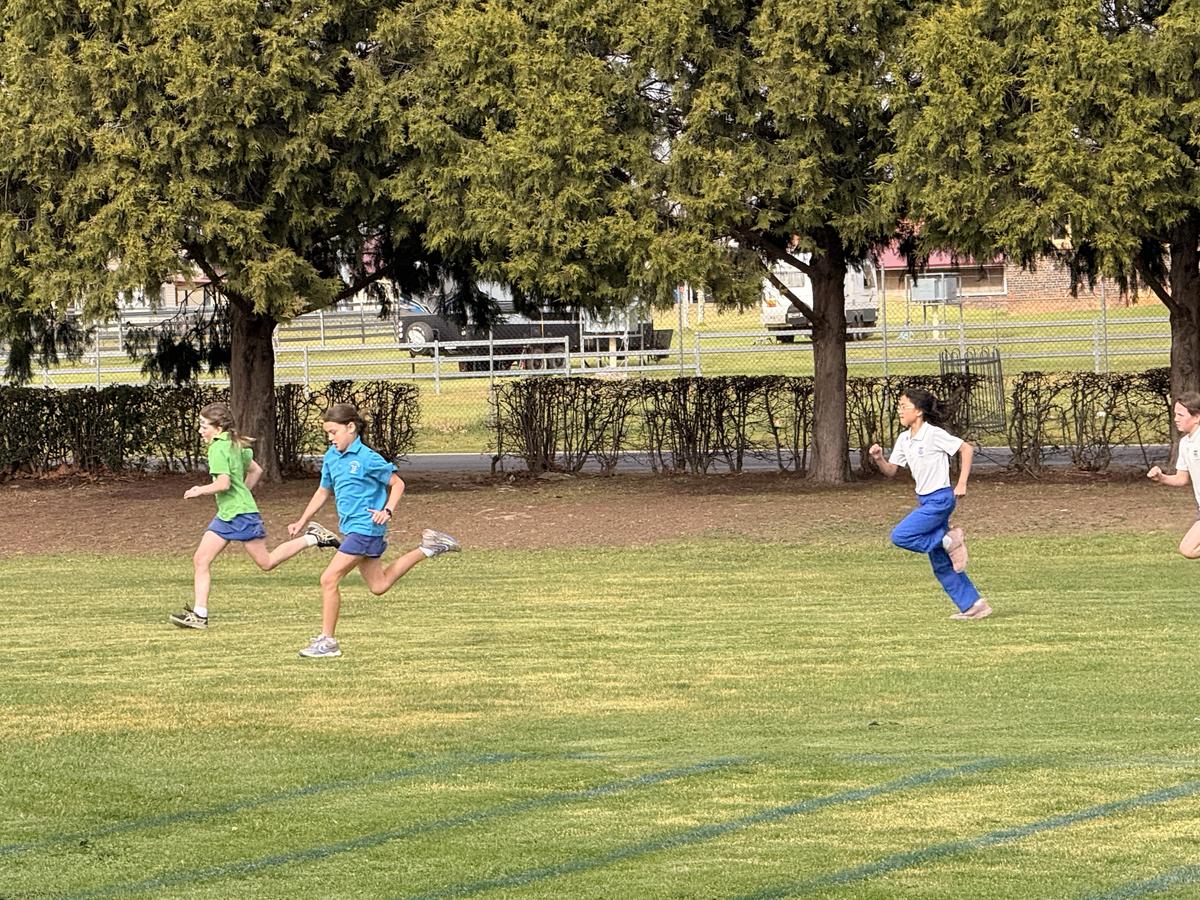
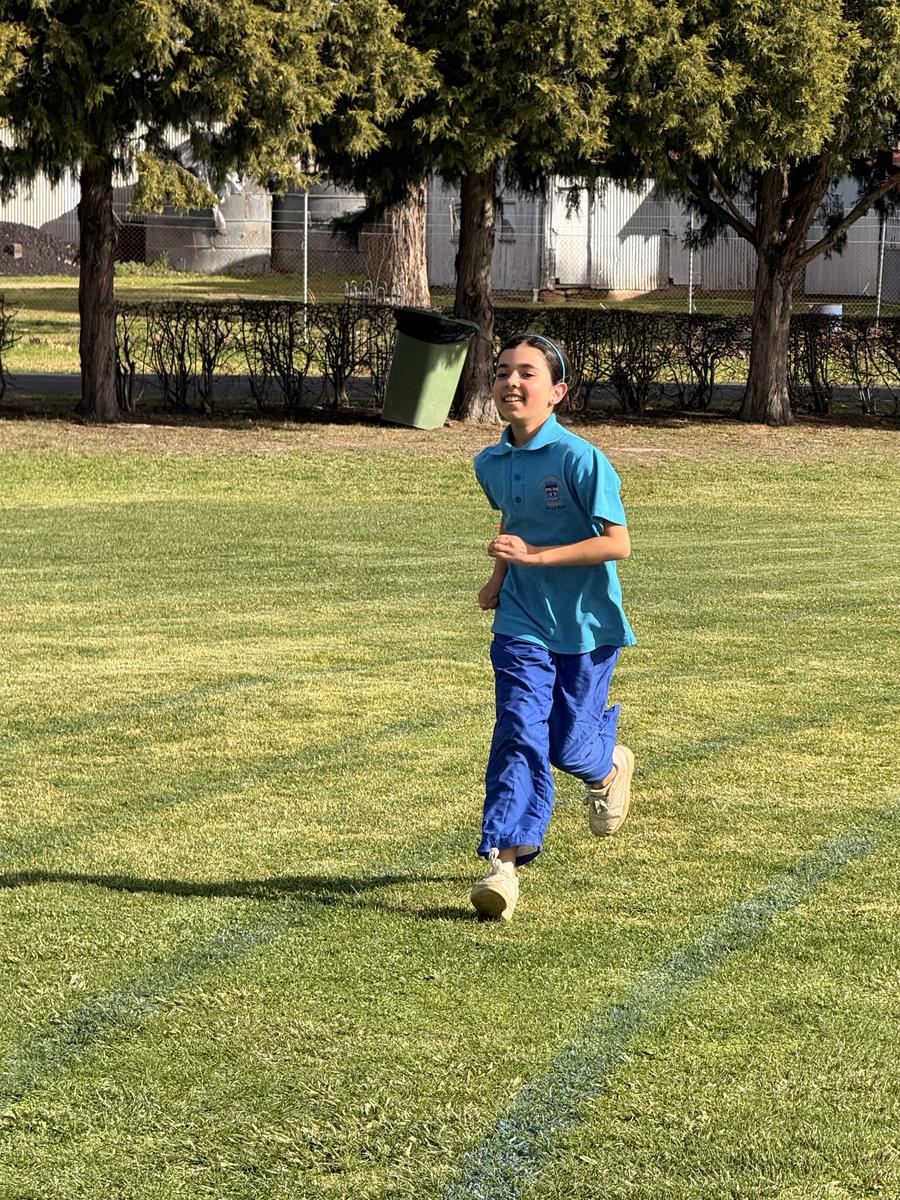
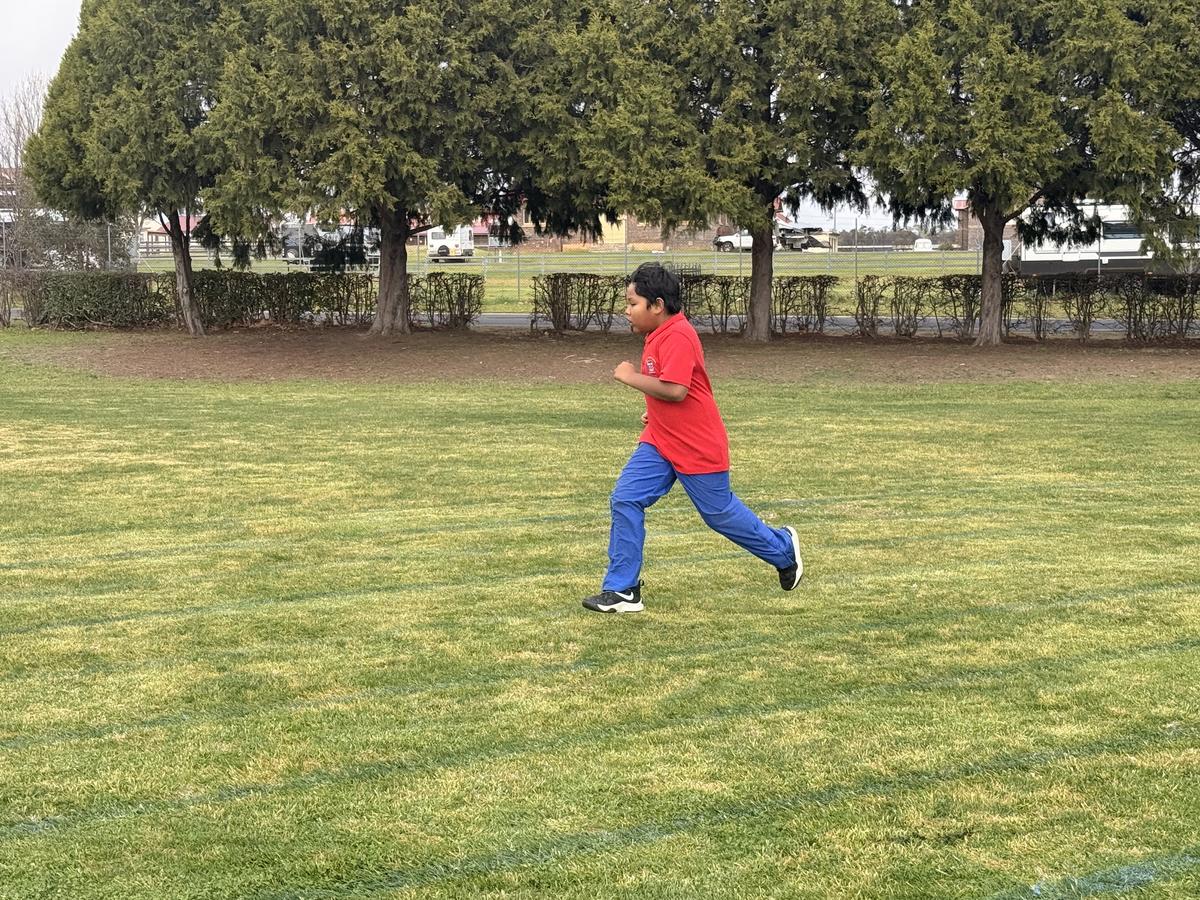
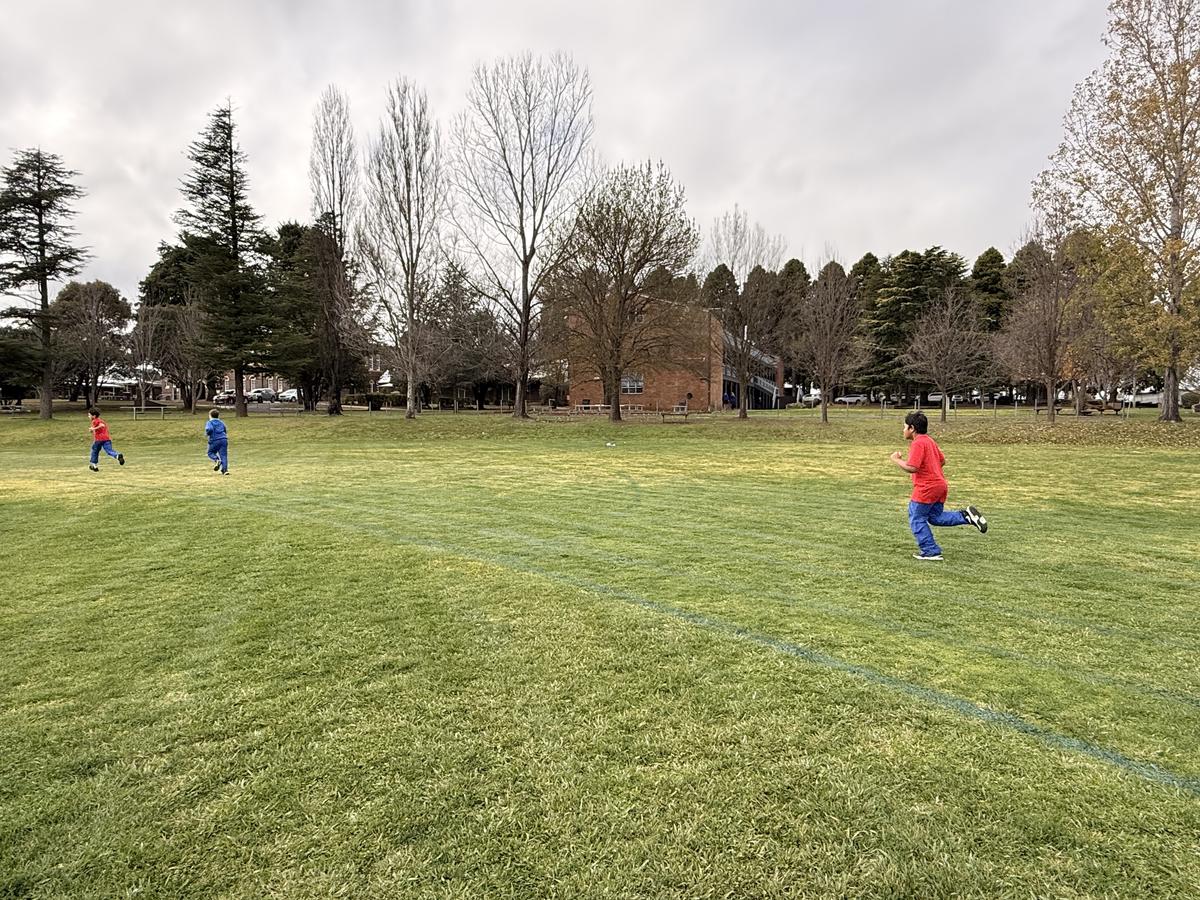
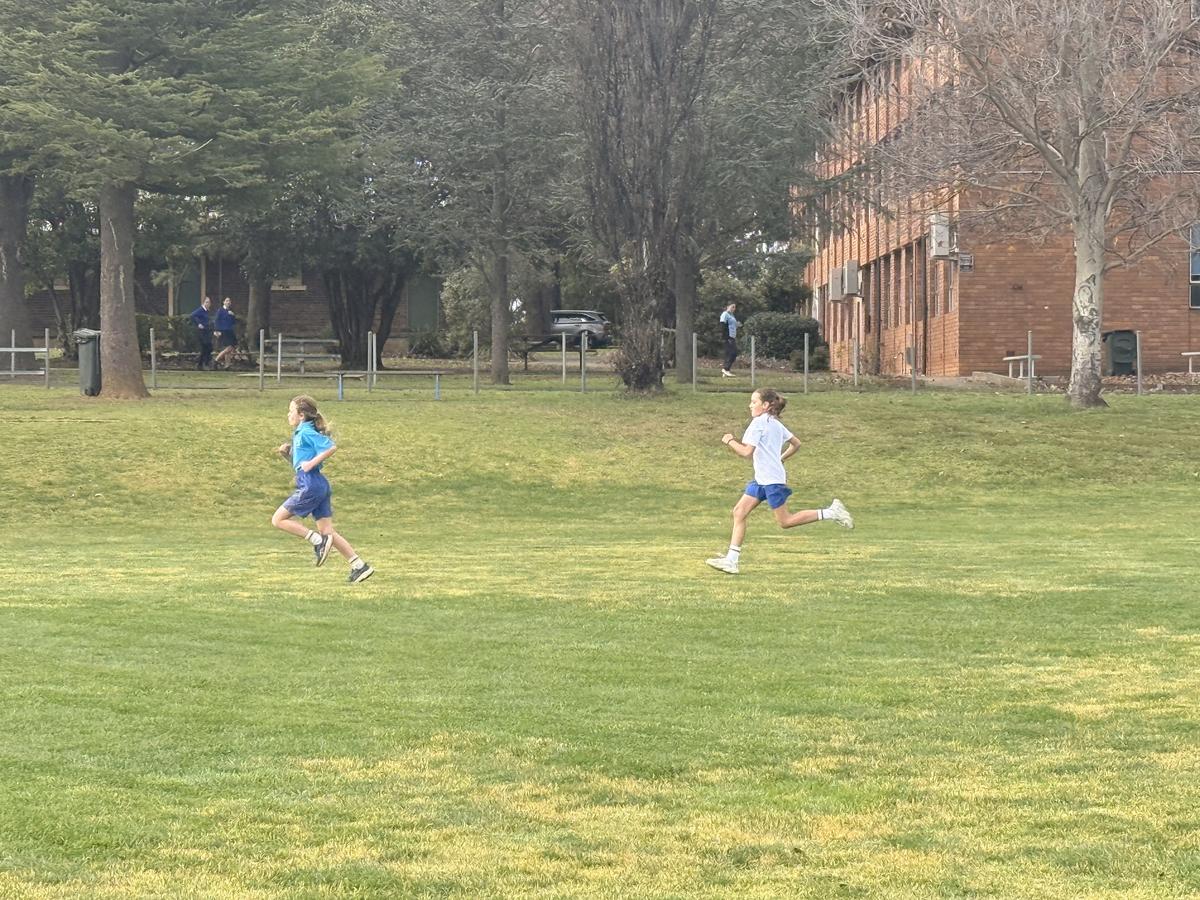
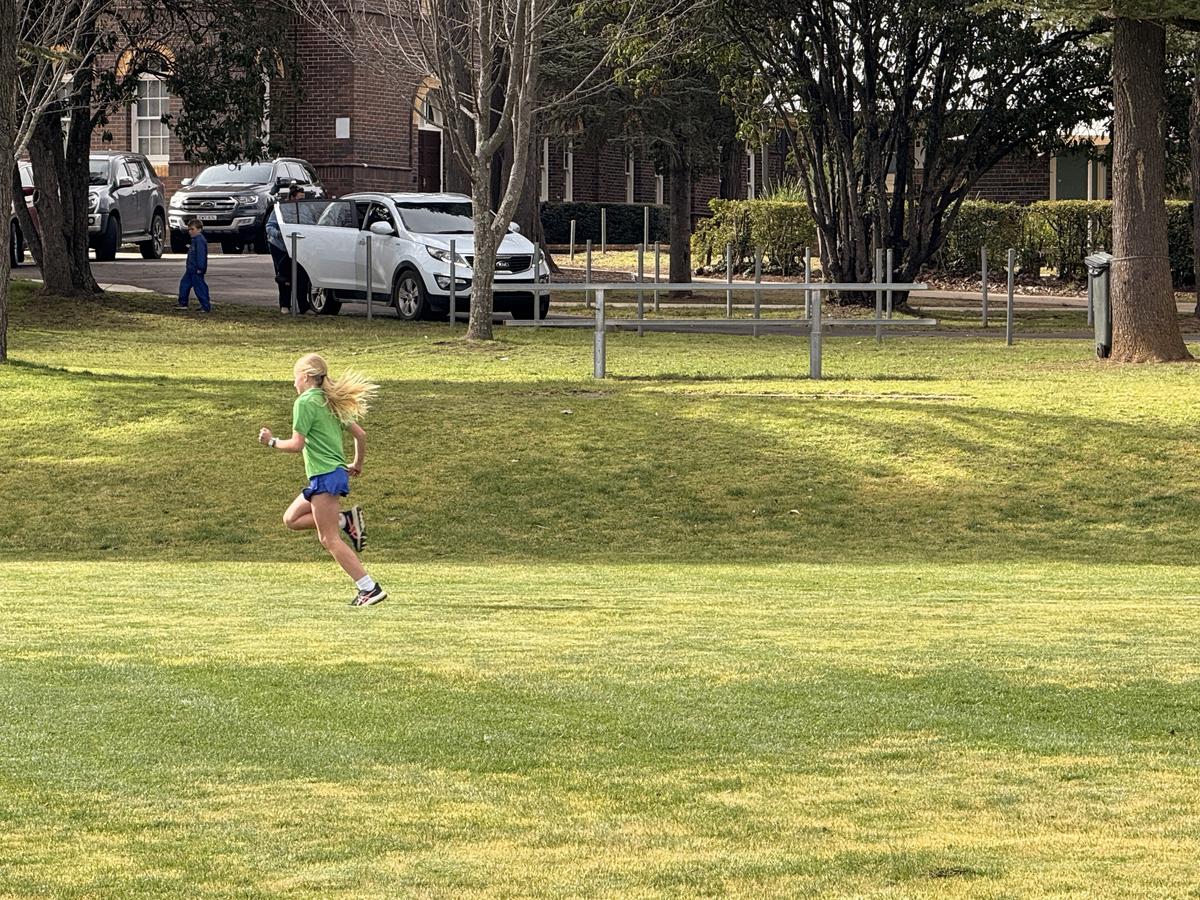
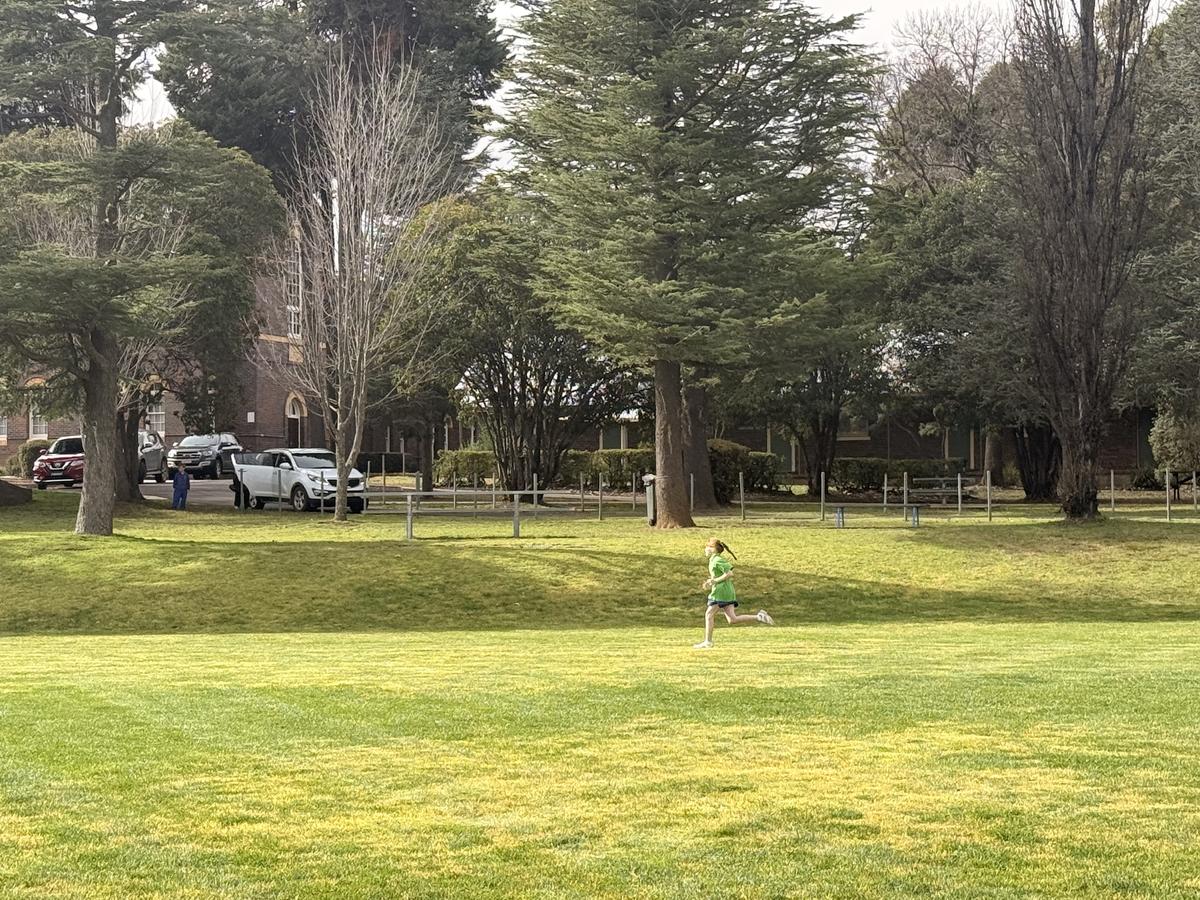
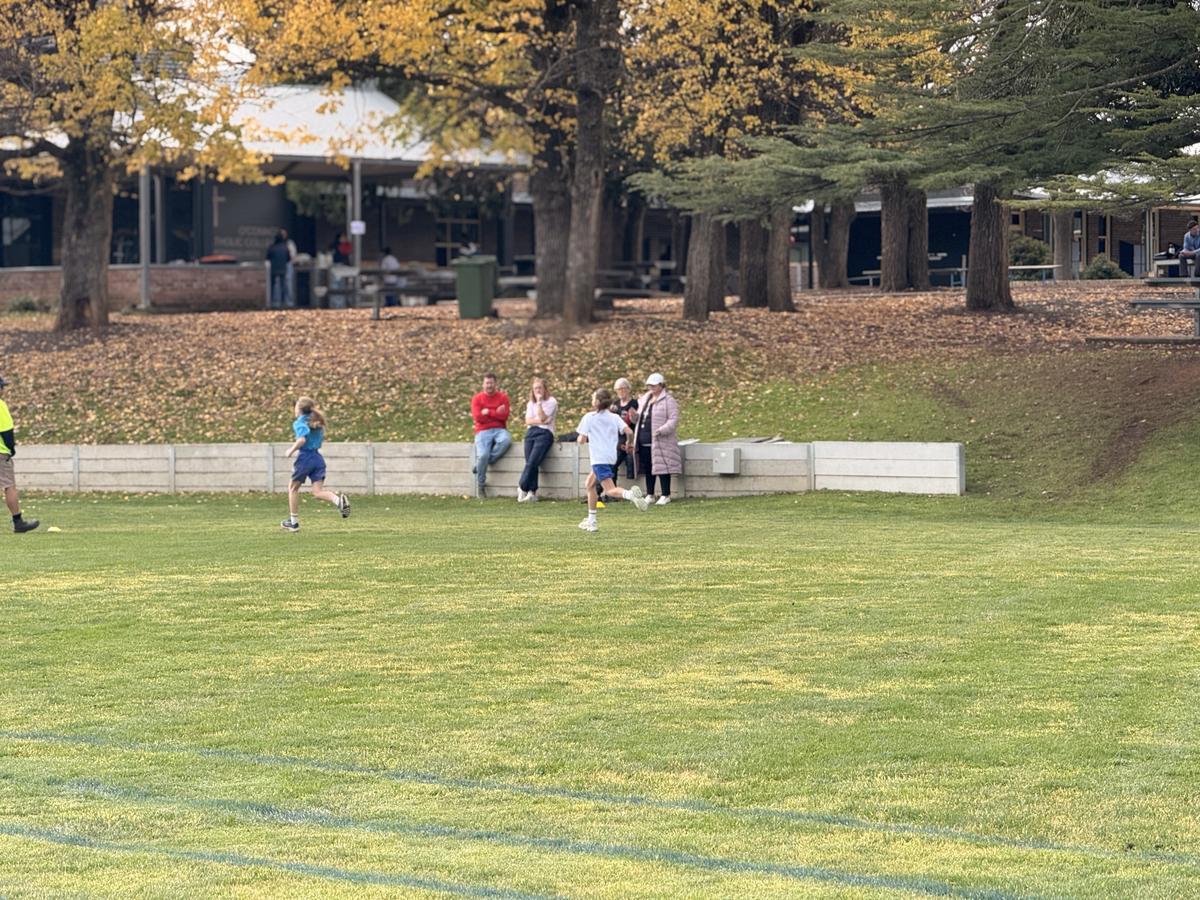
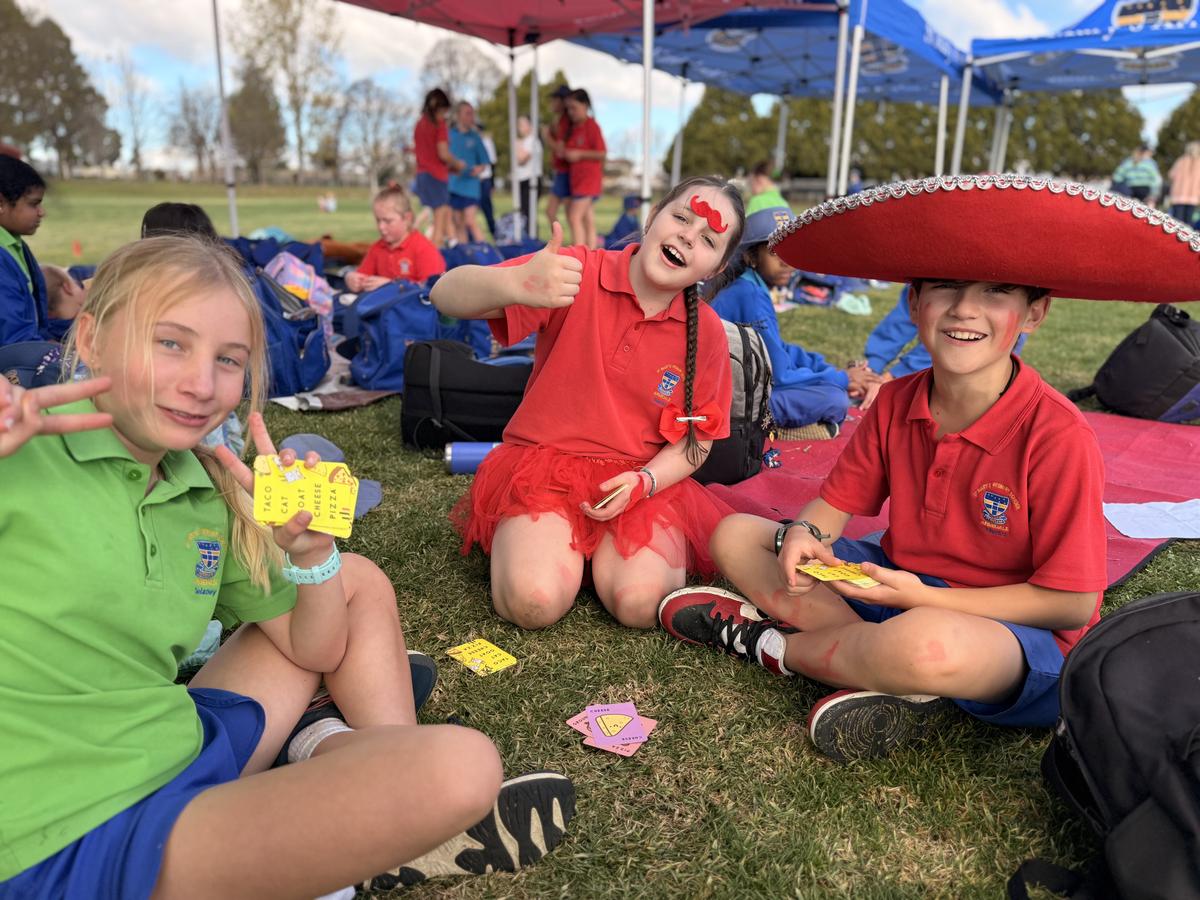
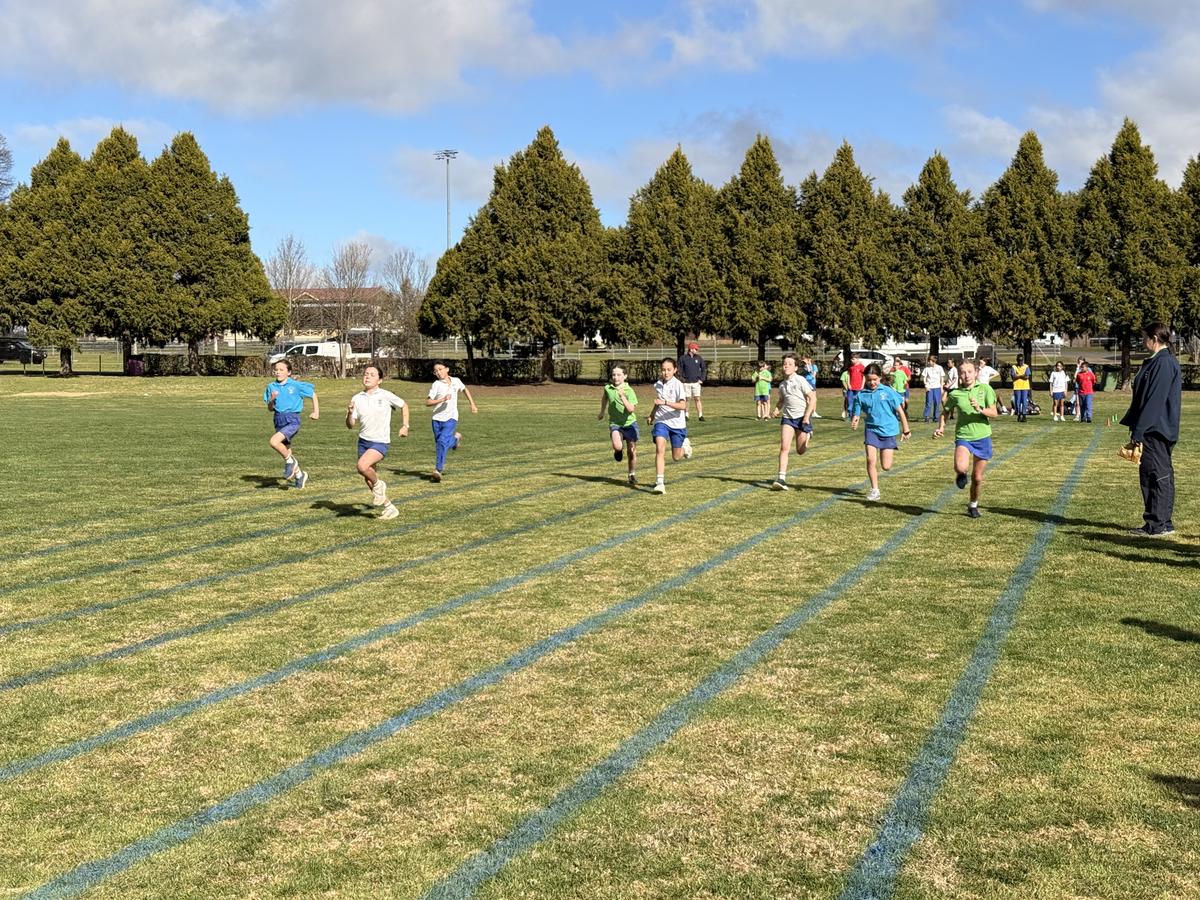
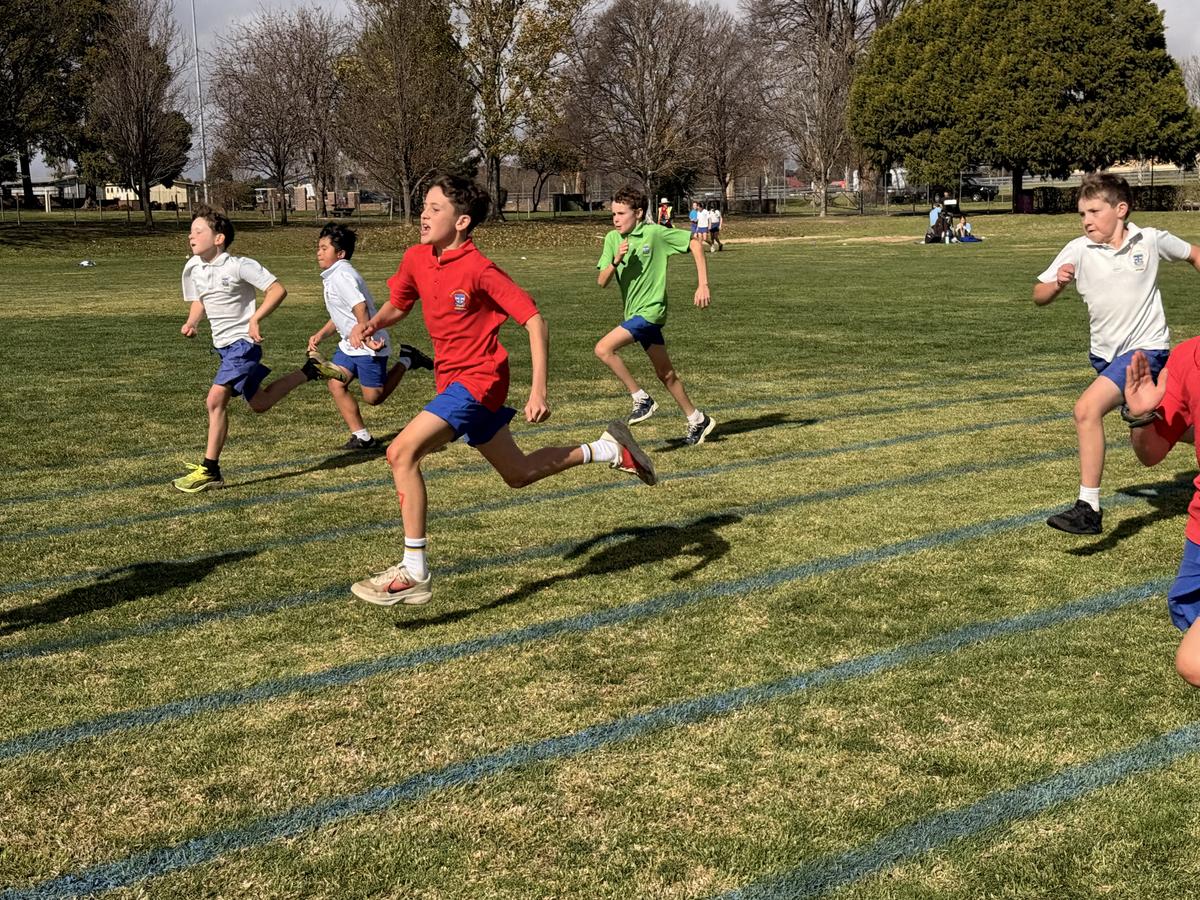
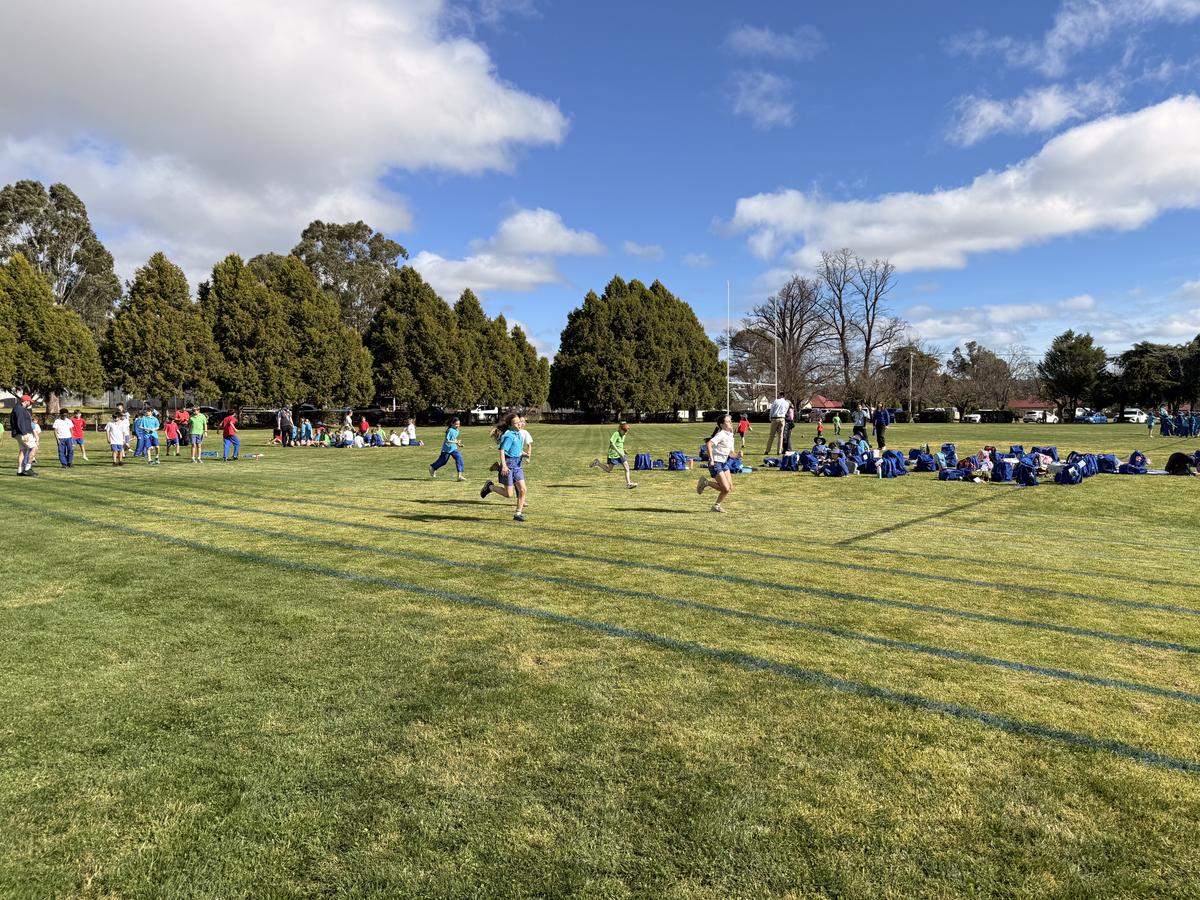
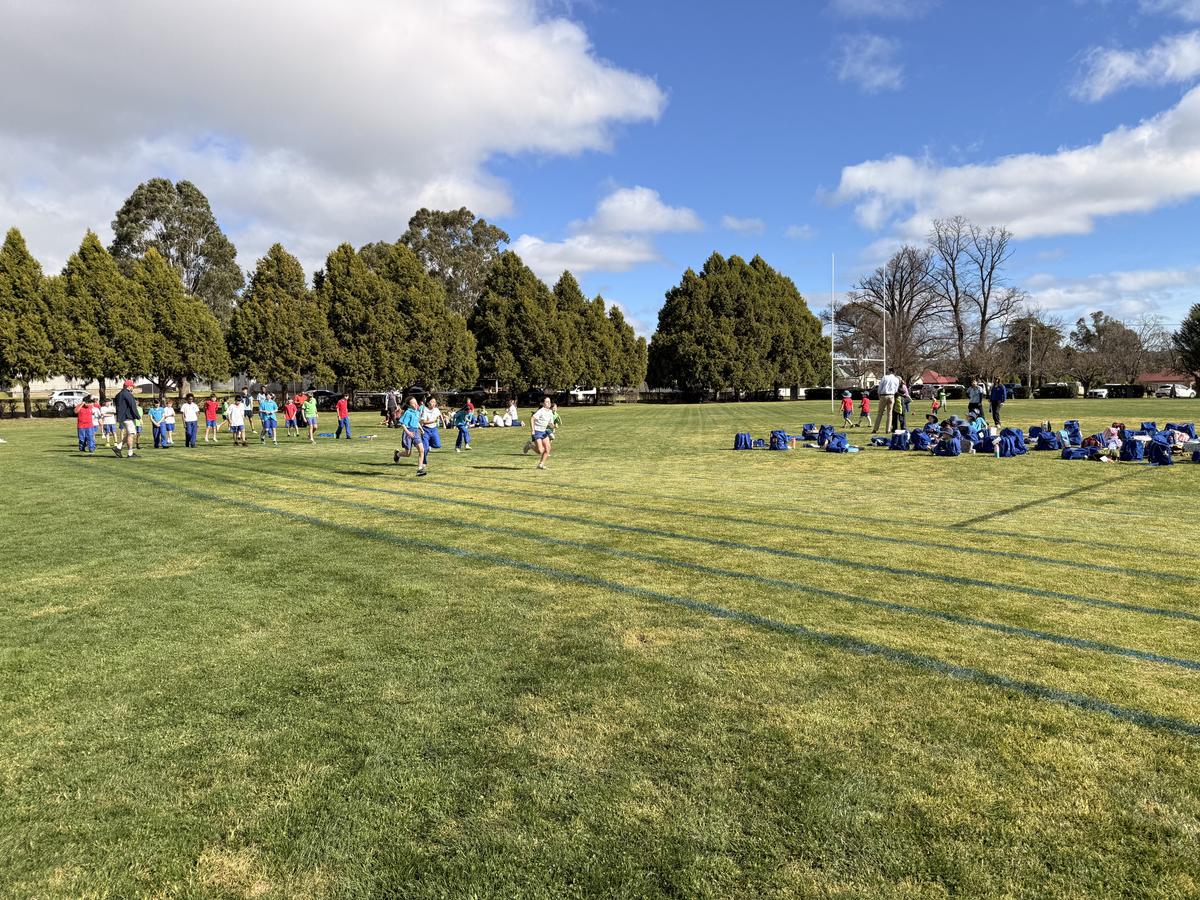
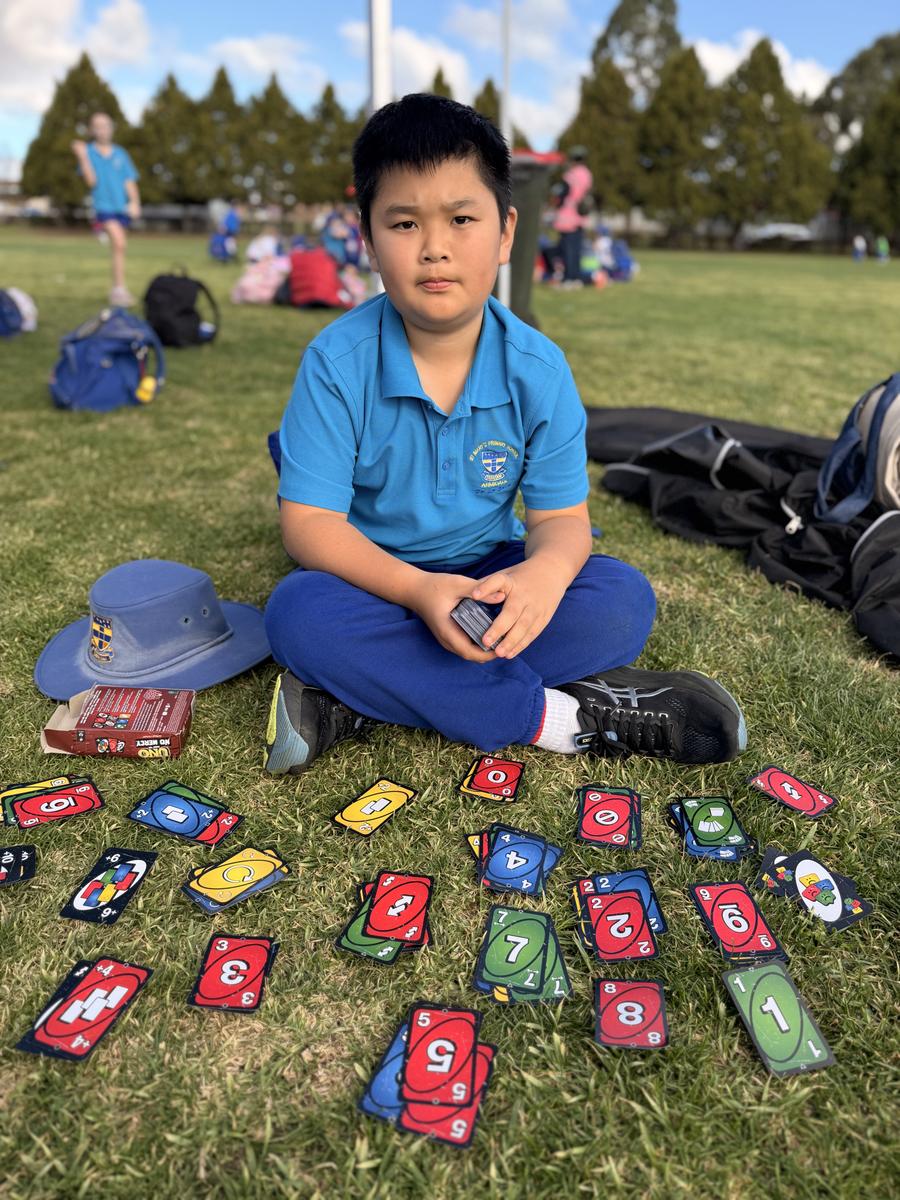
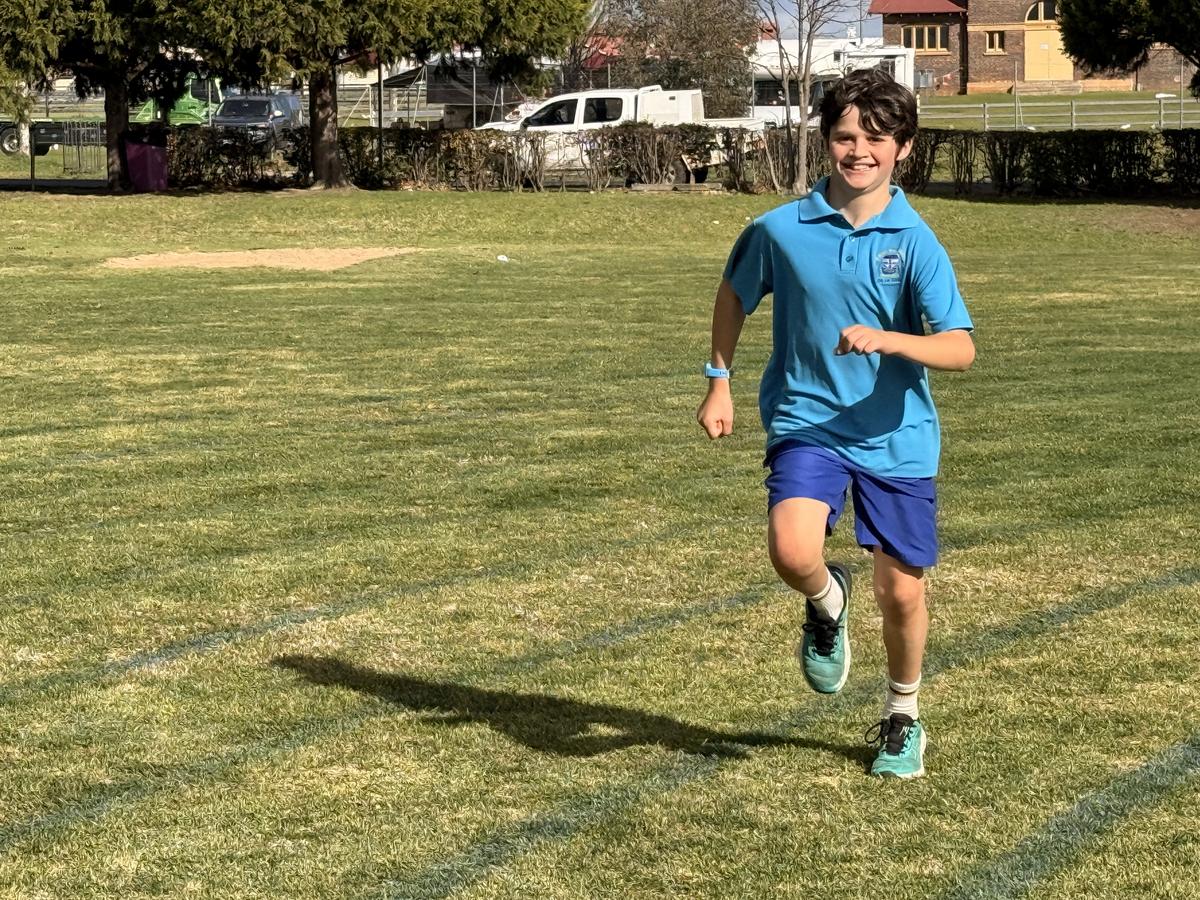
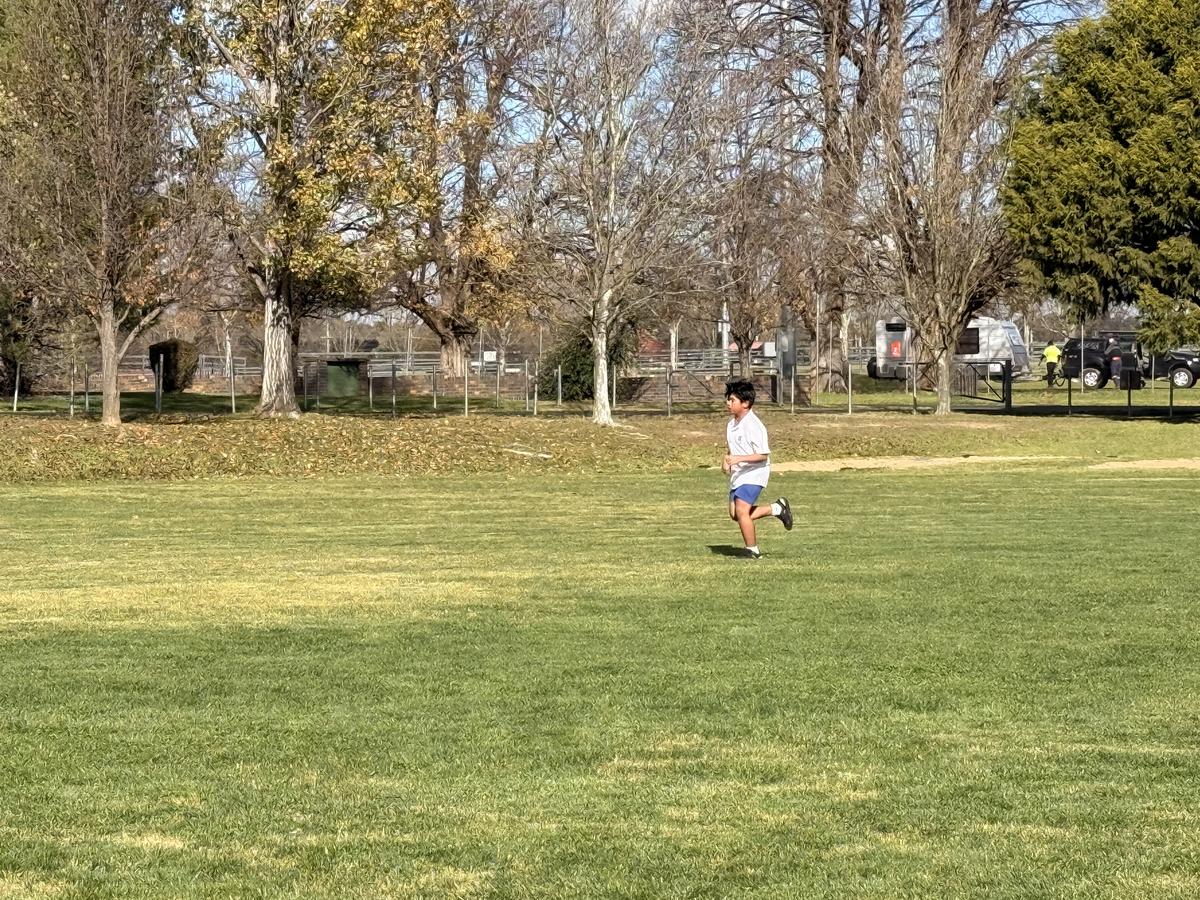
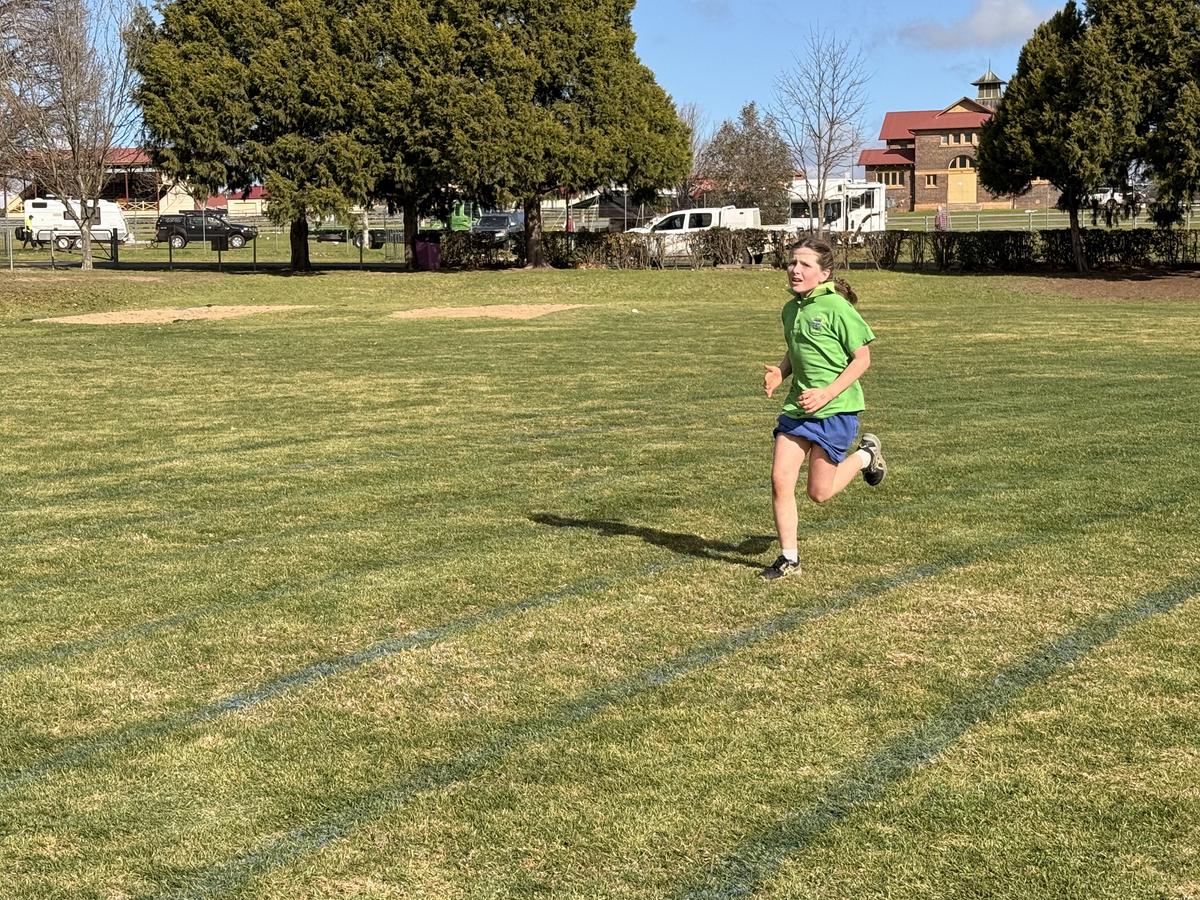
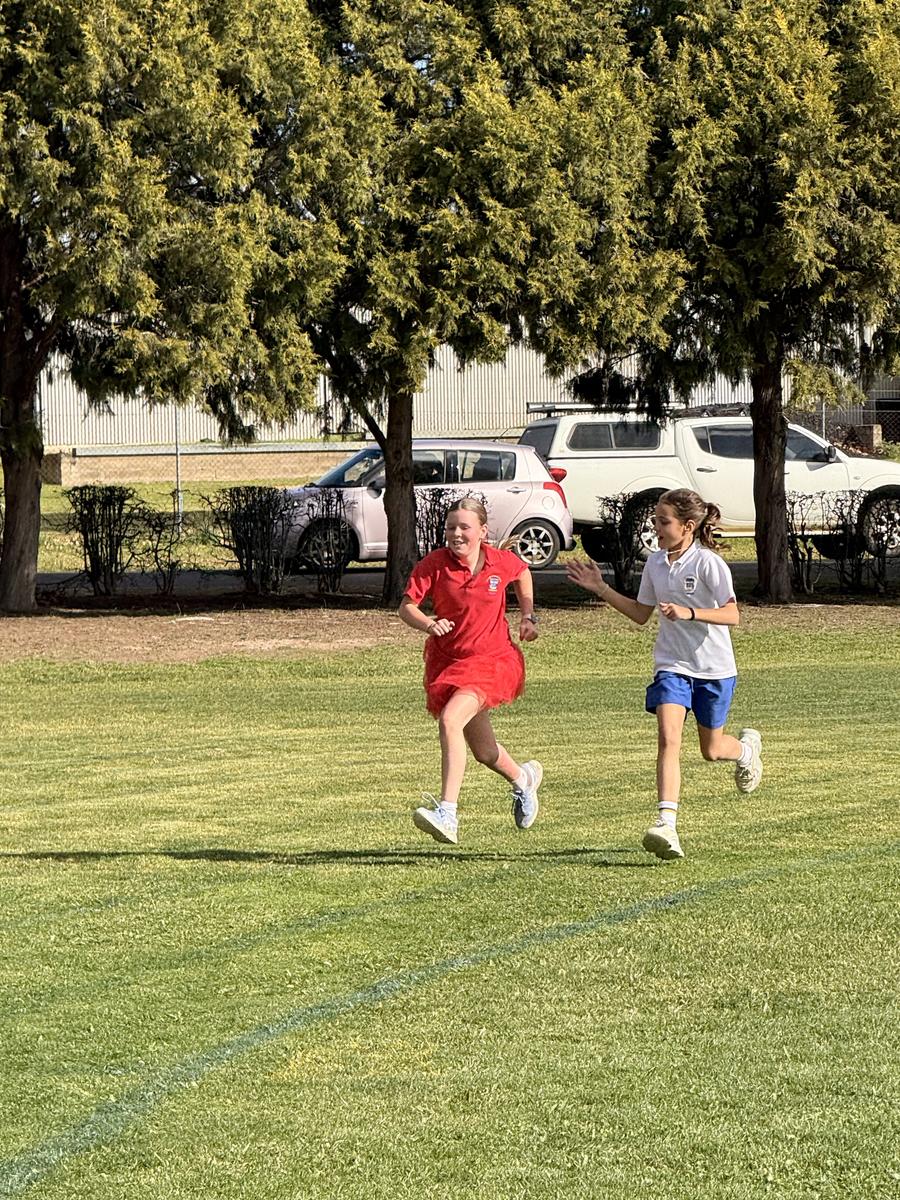
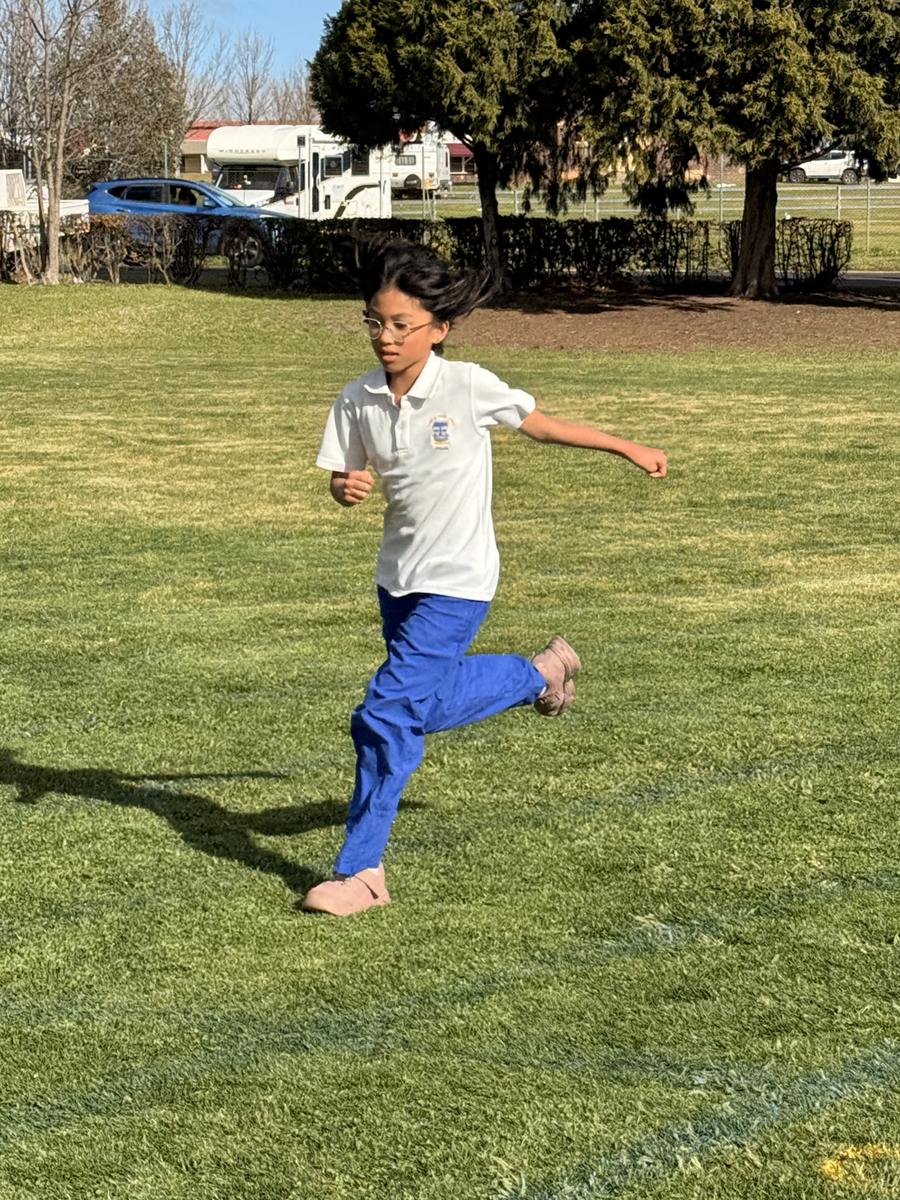
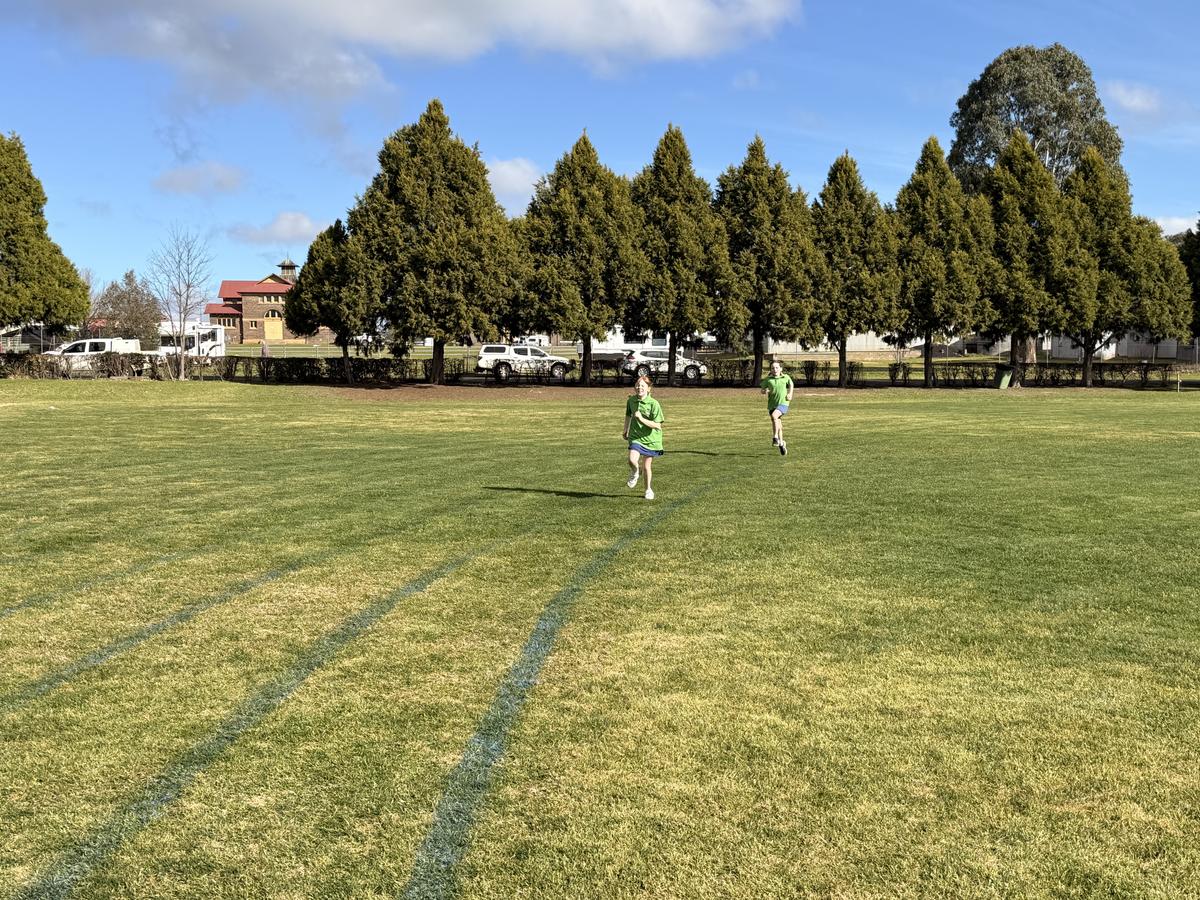
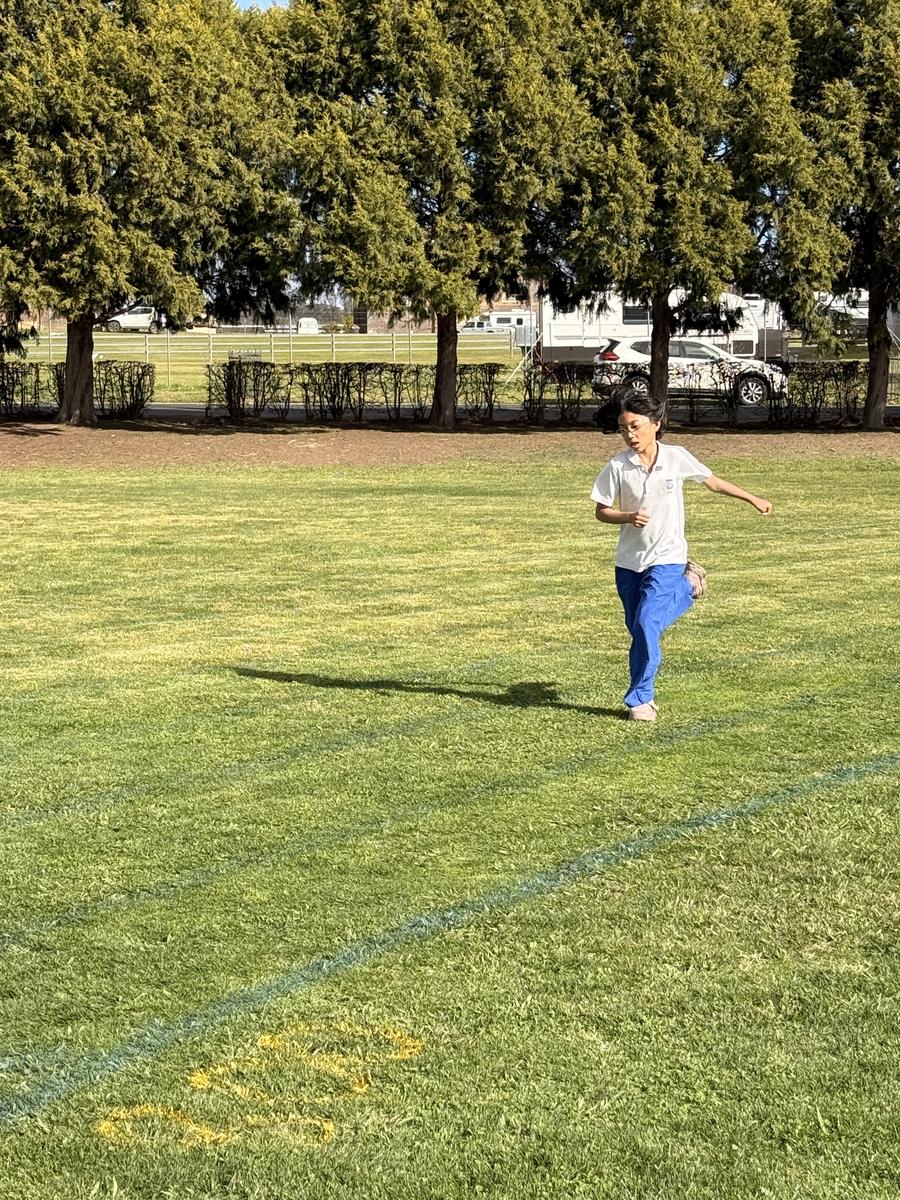
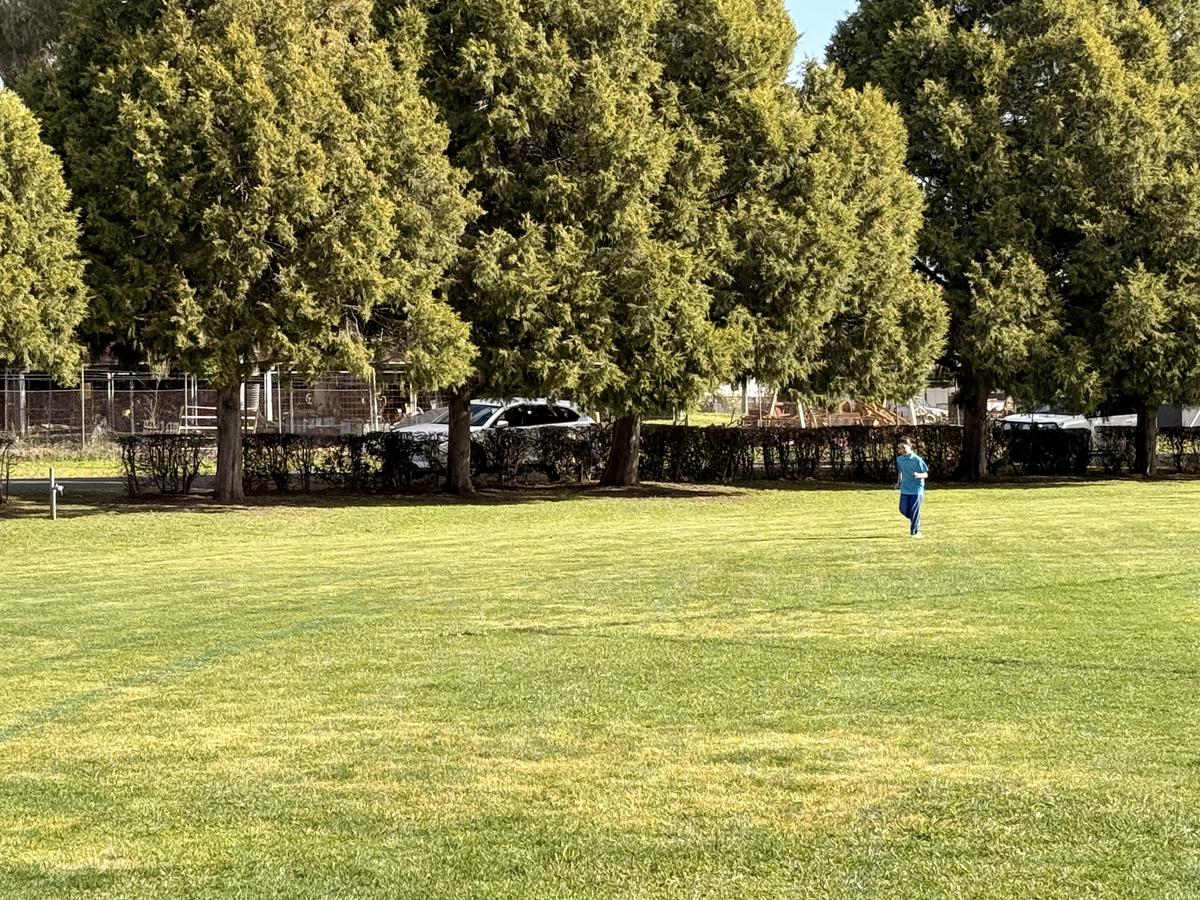
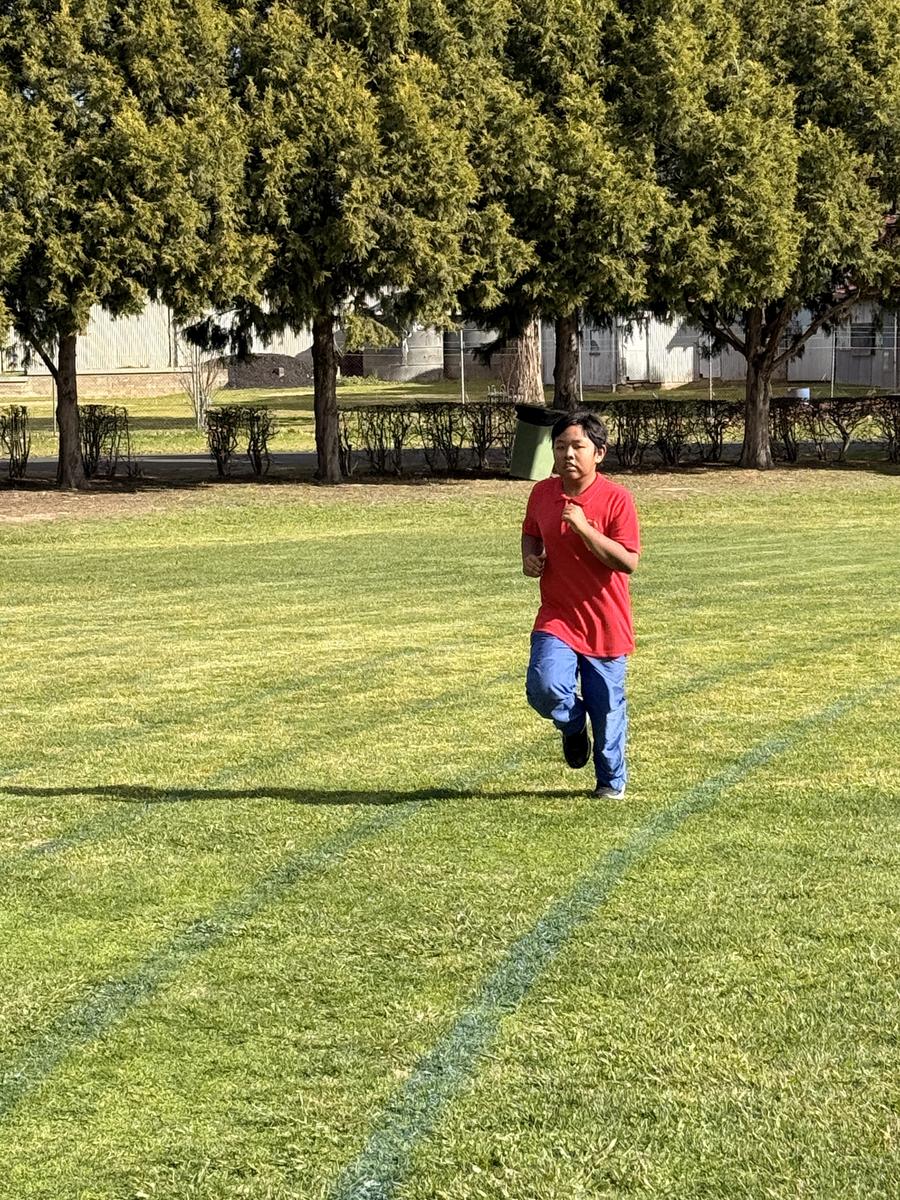
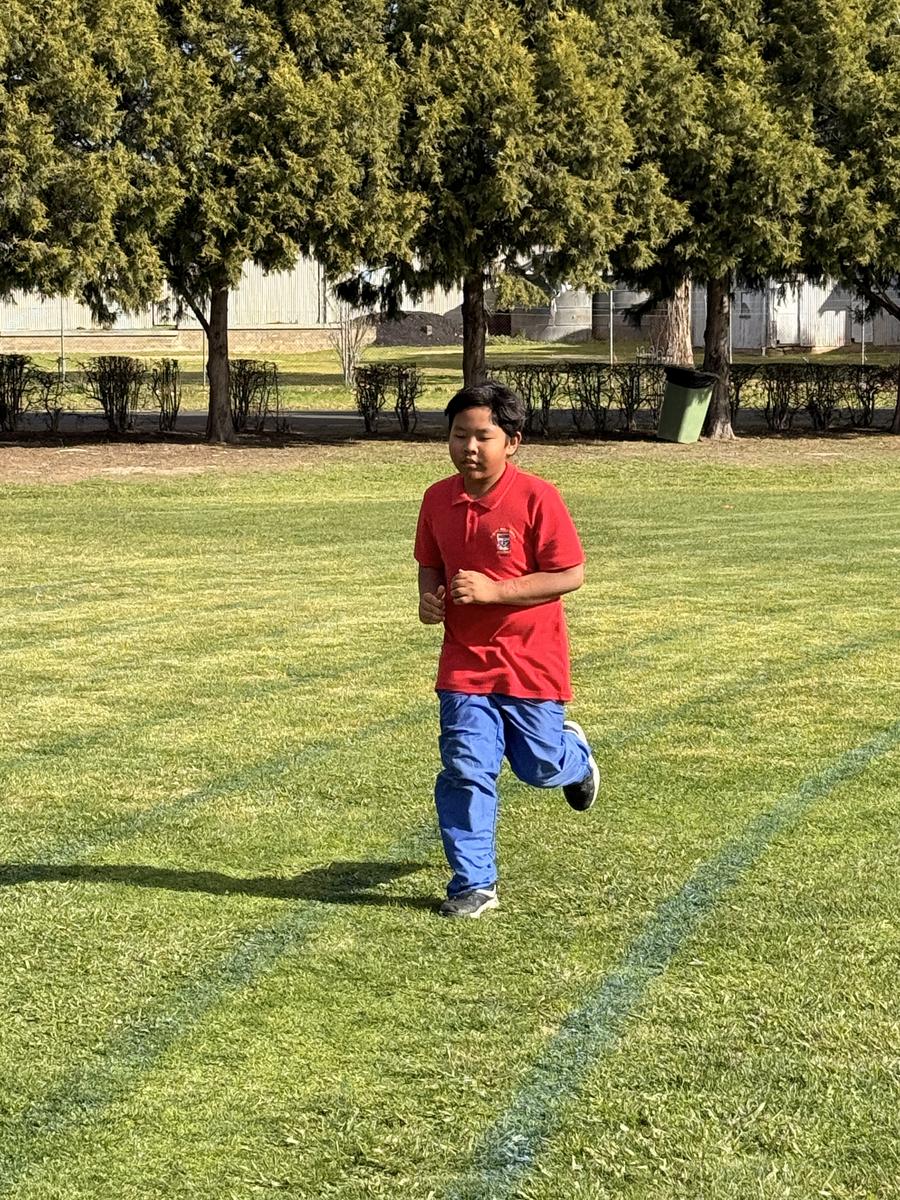
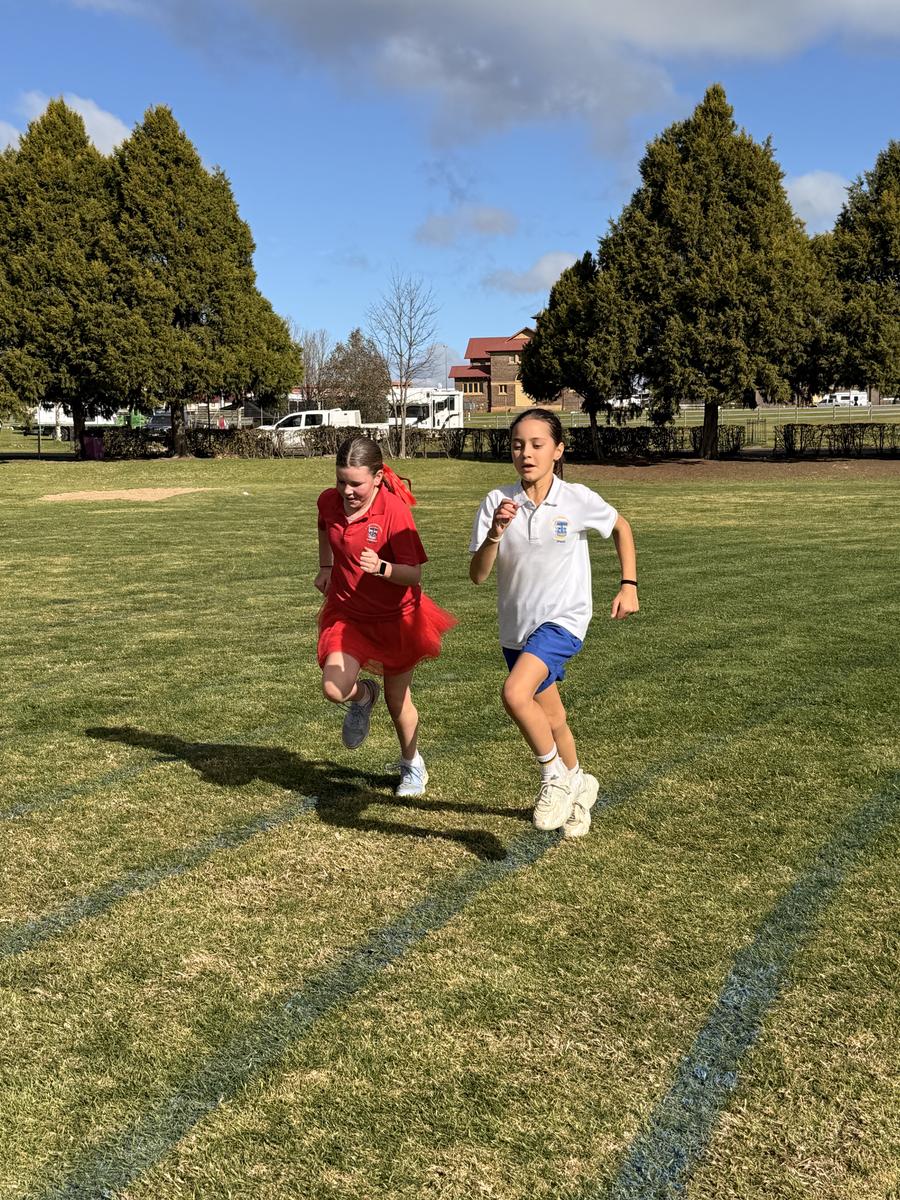
Atheletics Carnival
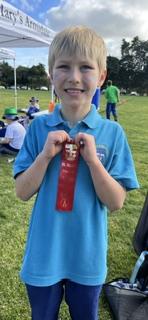
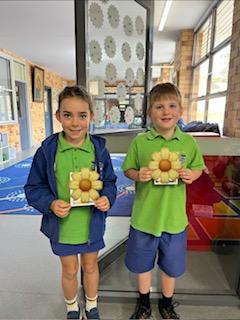
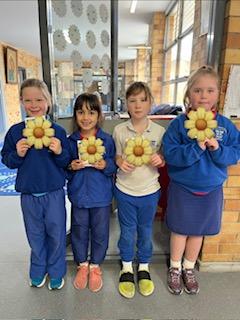
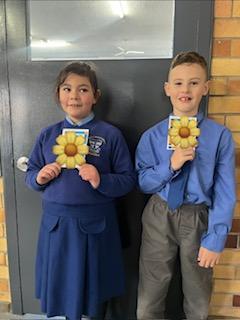
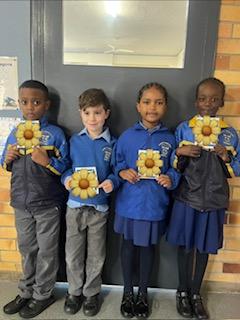
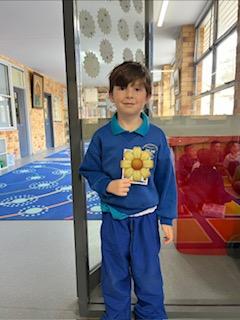
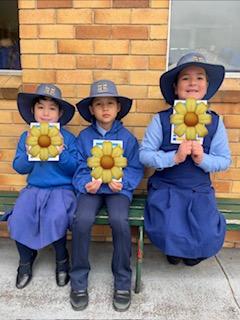
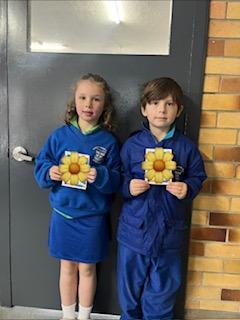
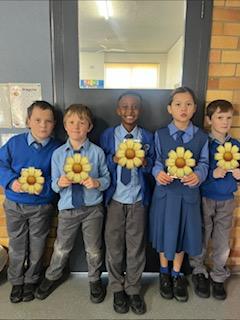
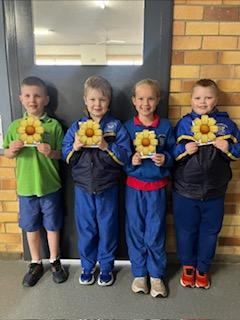
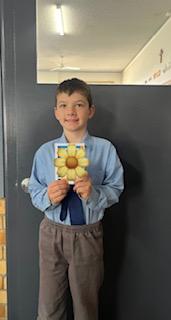
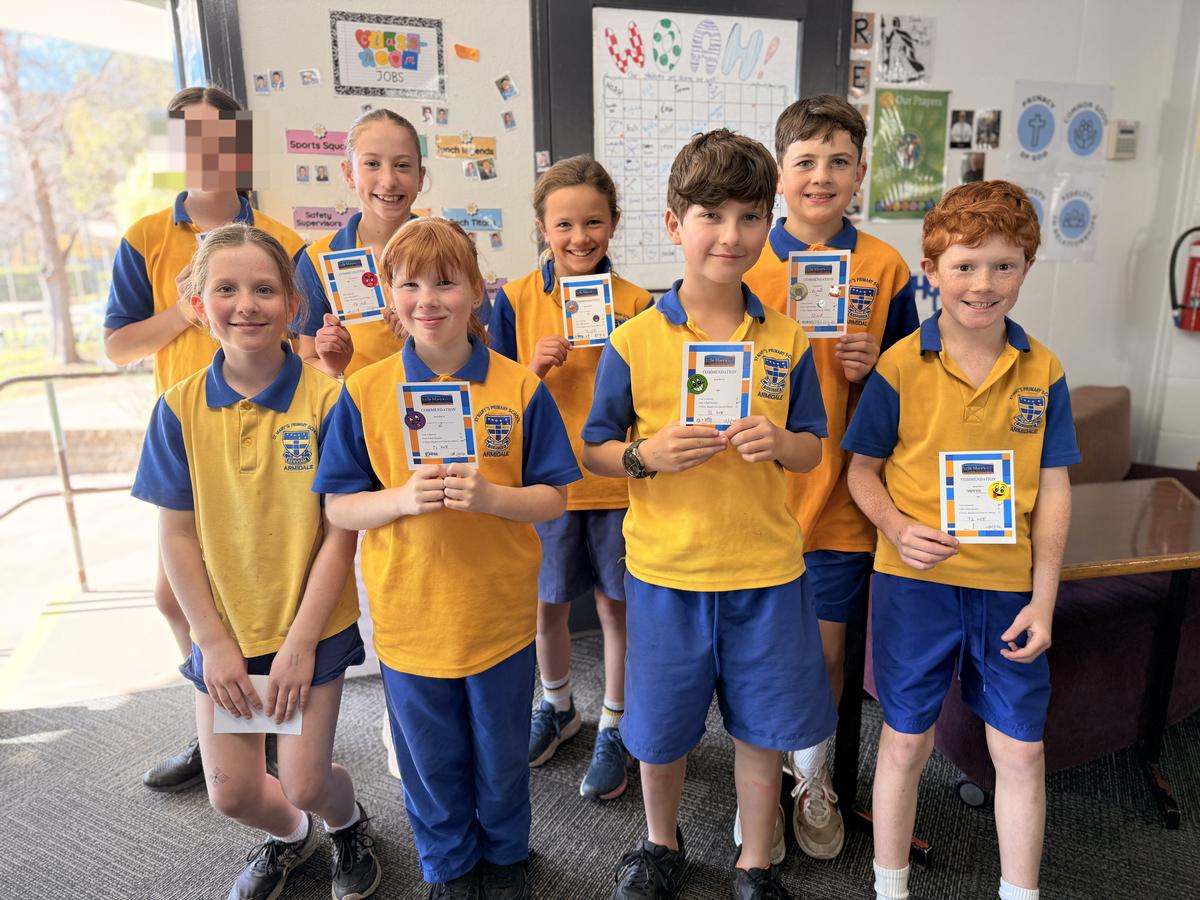
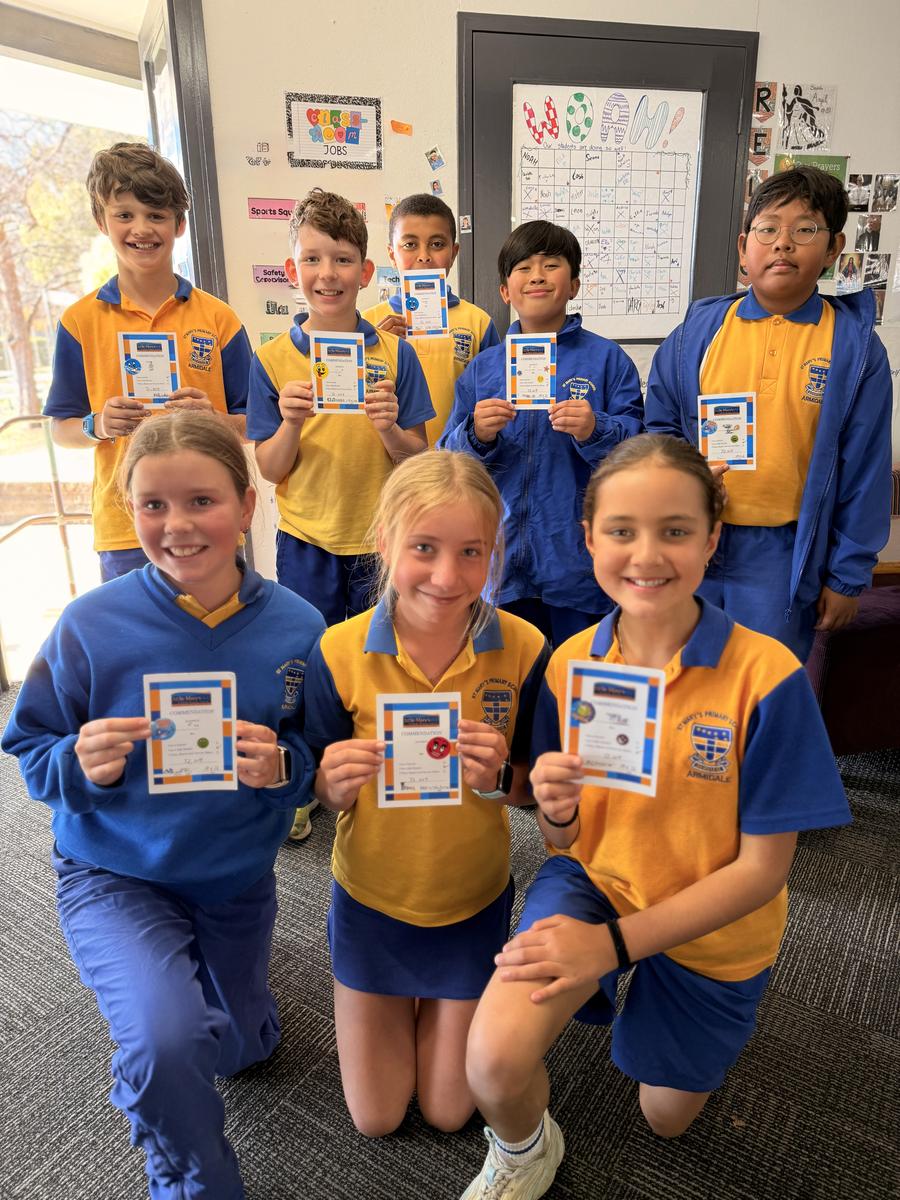
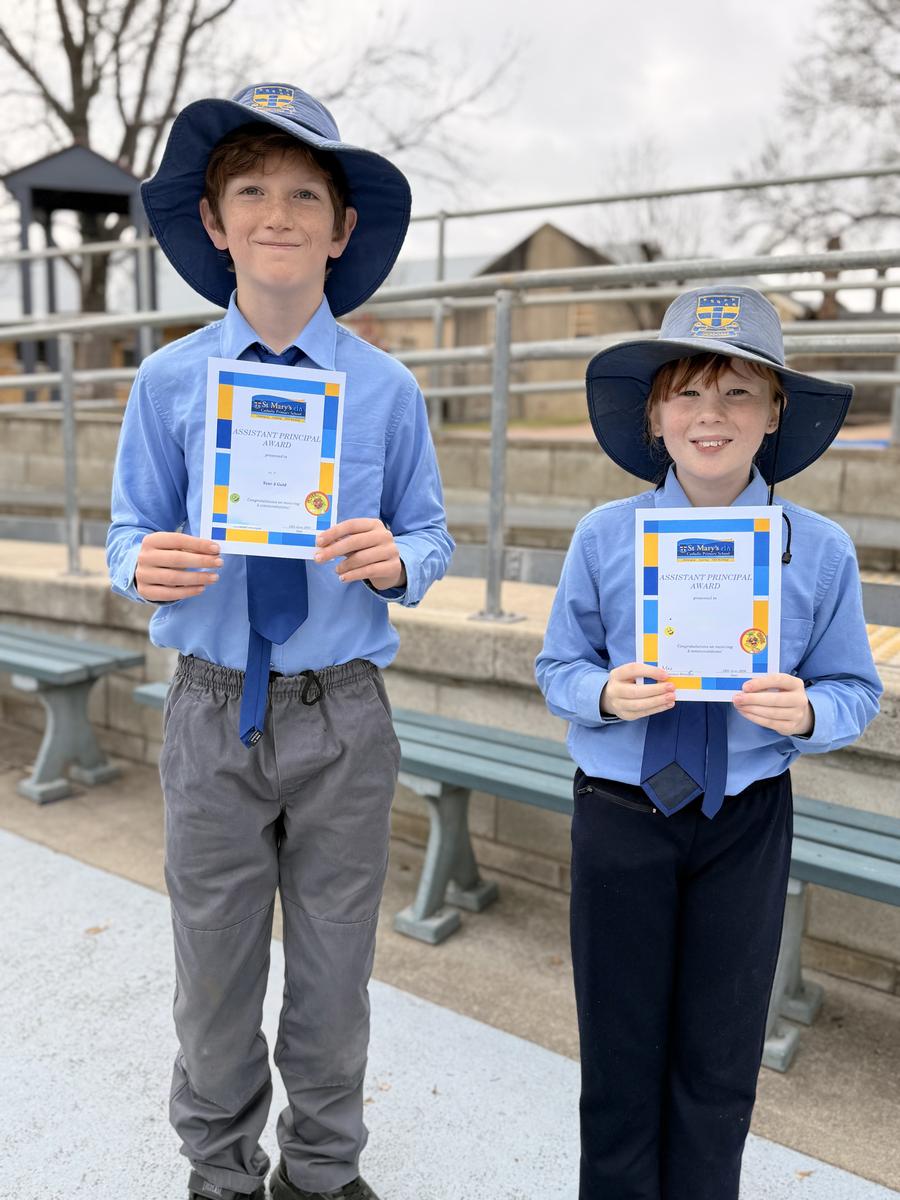
Awards
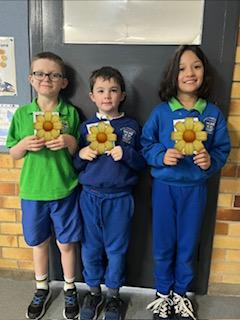
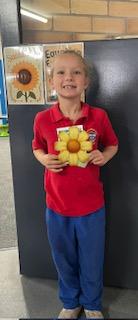
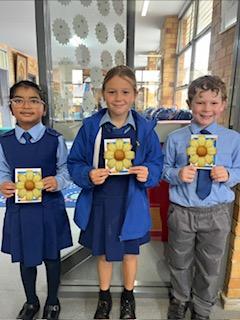
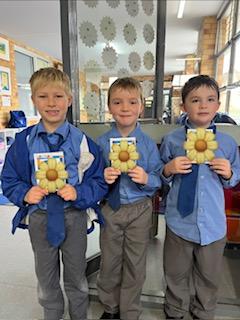
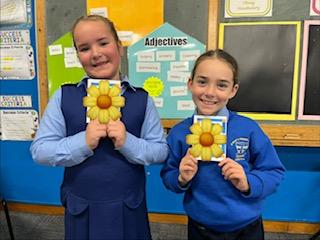
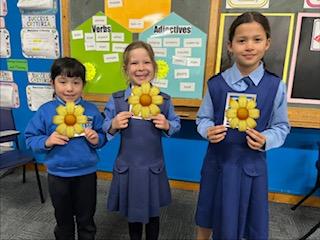
I am Safe, I am a Learner, and I am Valued, Respected and Cared for
Year 4 English – Book Study
Over the next Three Weeks students are diving into a beautiful, award-winning Australian picture book called The Incredible Freedom Machines, written by First Nations author Kirli Saunders and illustrated by Matt Ottley.
At first glance, it looks like a fantasy story about a young girl living in a caravan park who goes on a quest to find a strange, flying machine. However, as our clever Year 4 detectives are discovering, the book is actually a giant metaphor! The "freedom machine" she unearths and learns to ride is a symbol for the power of books, reading, and imagination to take us anywhere we want to go.
Here is a quick look at what we are learning over the next few weeks, along with some easy ways you can support your child's learning at home!
What We Are Learning in Class
Tips for Home: How to Keep the Magic Going!
Here are three simple ways to assist your child with their classroom learning at home:
Want to read along? If you don't have a copy of the book at home, you and your child can watch a beautiful, filmed reading of the story together on YouTube here: The Incredible Freedom Machines Read Aloud.
Year 4 Mathematics – Chance
Over the next week, our Year 4 students are stepping into the fascinating world of Chance! Instead of just guessing if an event is "likely" or "unlikely", our mathematicians are becoming data scientists. They are learning how to run hands-on experiments, tally their results, and figure out why some things happen more often than others.
The big breakthrough for Year 4 students is moving from intuition to evidence. They are discovering that while we can predict what should happen, randomness means real-life results can surprise us!
Here is a quick look at our classroom experiments, along with three fun, zero-prep activities you can do at home to help their math brains tick.
What We Are Learning in Class:
Tips for Home: Real-World Probability
Chance is all around us, which makes it one of the easiest math concepts to practice at home without it feeling like homework!
We will be having a lot of fun testing our predictions and rolling the dice this term! Thank you for supporting your child's mathematical journey at home.
Religion:
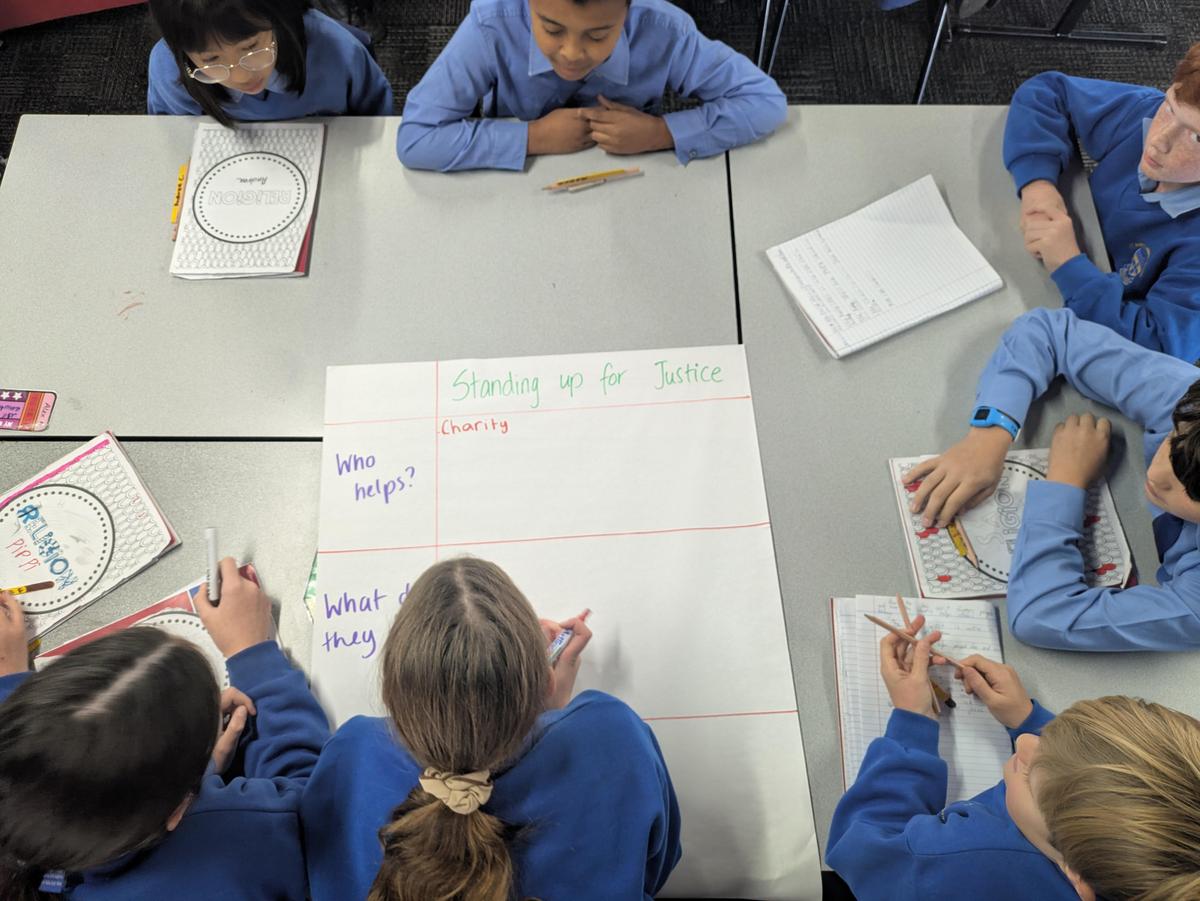
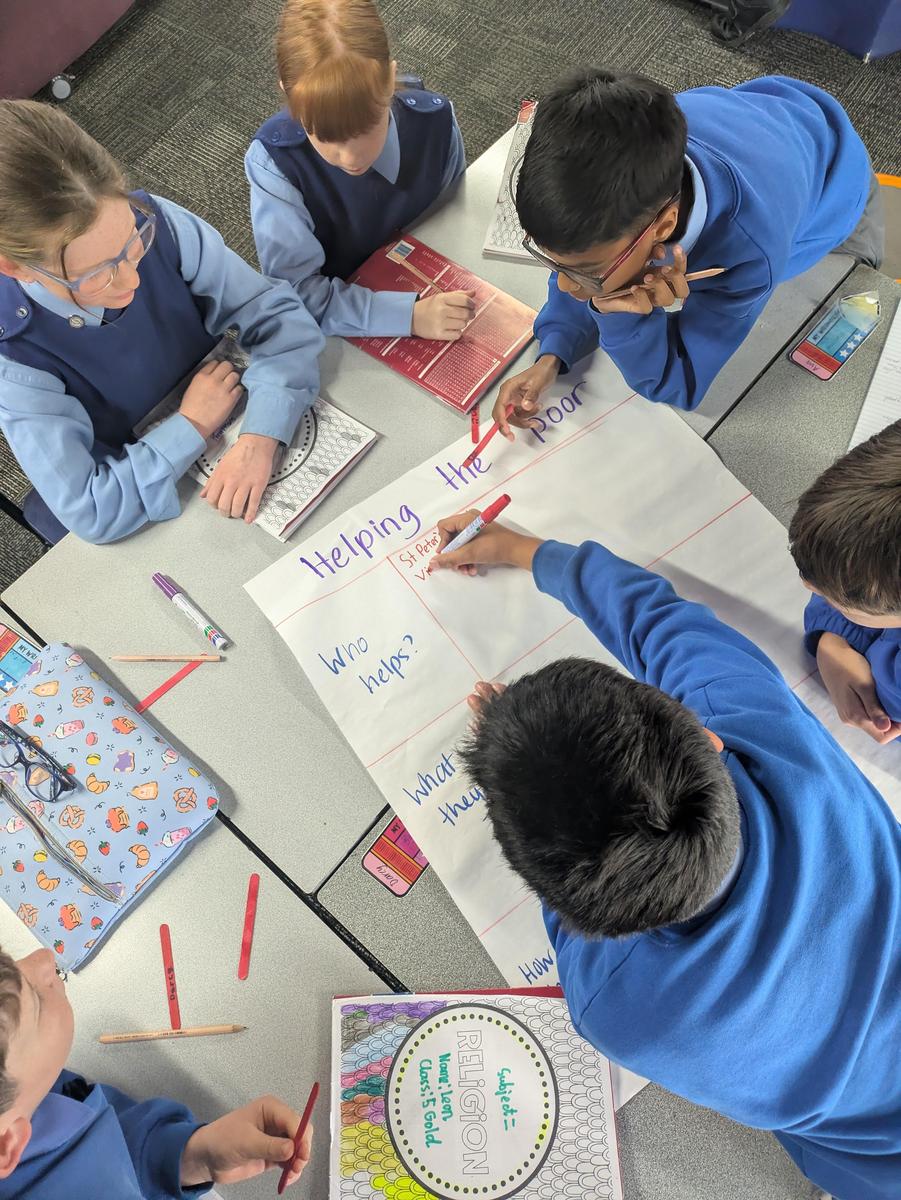
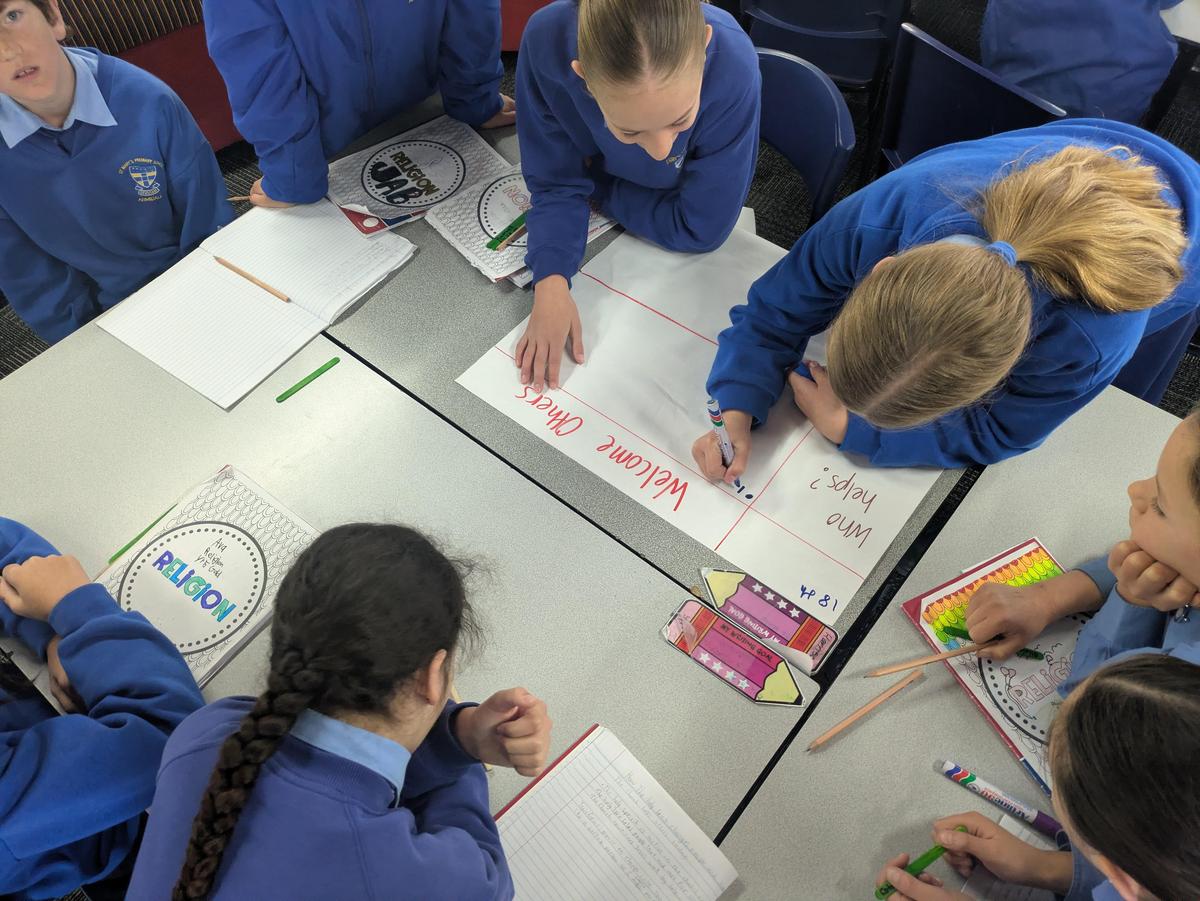
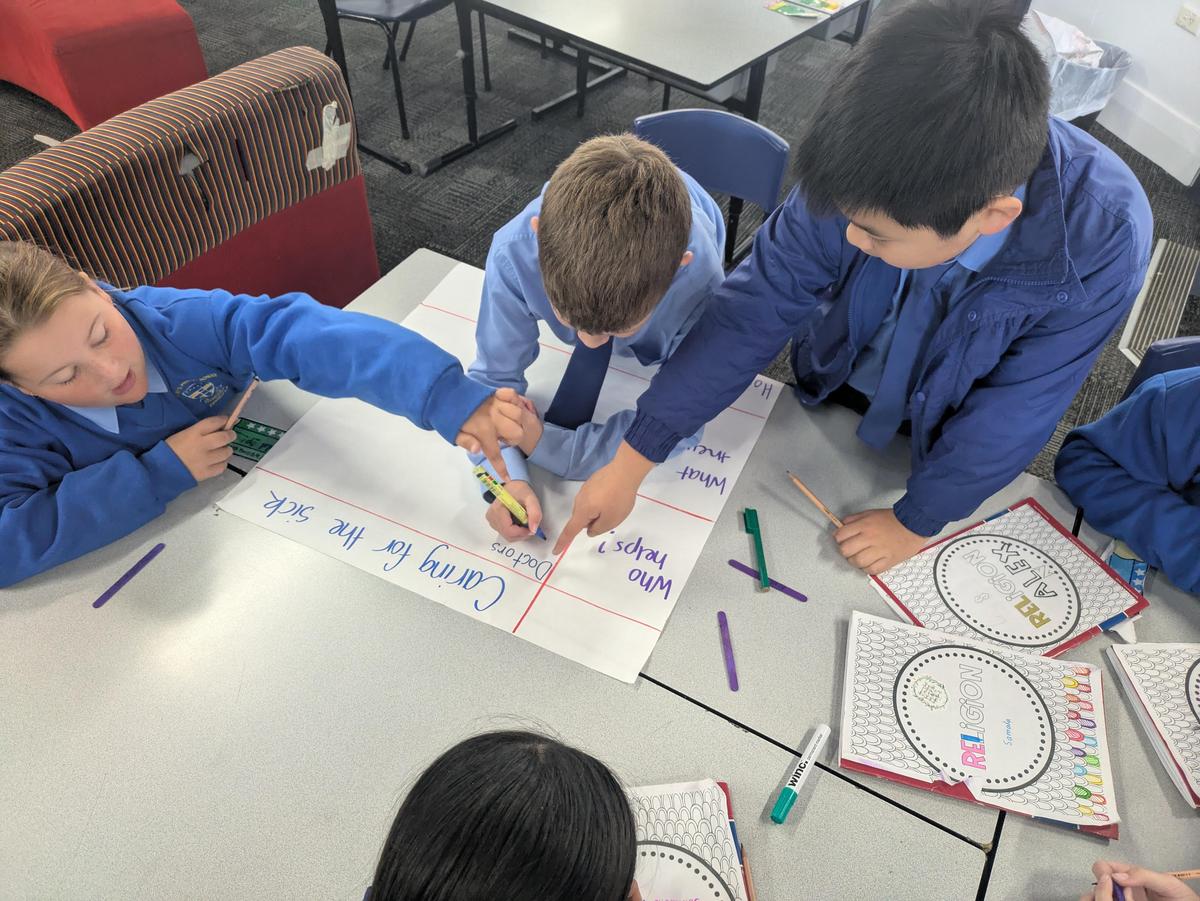
In Weeks 9 and 10, Year 5 focused closely on Jesus’ mission and how it is carried forward by the Catholic Church today under the guidance of the Holy Spirit. Students unpacked the Gospel of Luke (4:16–22) to understand how Christ's call to serve the poor, the lonely, and the oppressed translates to modern life. They put this knowledge into action by researching major Catholic organisations and ministries, such as Vinnies, Caritas, CatholicCare and the Missionaries of Charity, to see how the Holy Spirit actively inspires modern outreach and changes lives. To conclude this study, students are completing an assessment task where they design a personal action plan, reflecting on how they can use the Fruits of the Spirit to continue Jesus’ mission in their own school and home communities.
English:
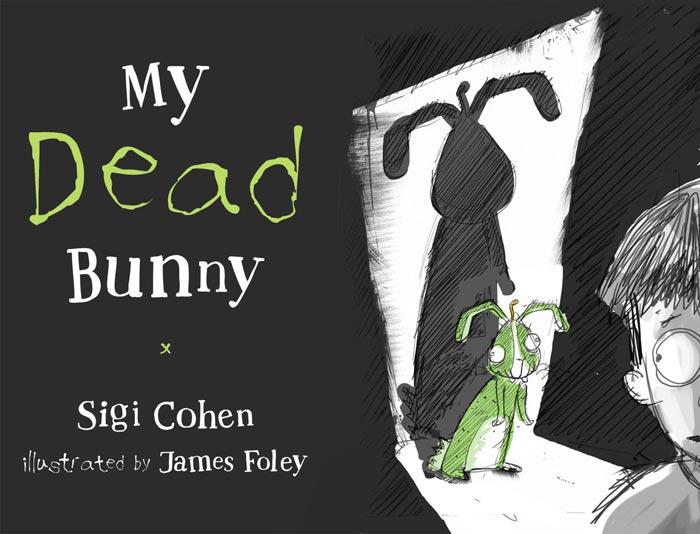
In English and Literacy, Year 5 students are working on an imaginative writing unit based on the text My Dead Bunny. They are learning how writers use humour and rhythm in stories, especially through rhyming couplets. Students will use these skills to plan, draft and publish their own creative sequel titled My Dead Bunny Part 2. In spelling, students are exploring how the letter “y” can make different sounds (as in happy, gym and sky) and learning how adding the suffix “-ise” can change words into action words, such as hospitalise and stabilise. Students are also continuing to build their digital writing and formatting skills, and are practising writing proper nouns in neat cursive handwriting as they work towards earning their Pen Licences.
Mathematics:
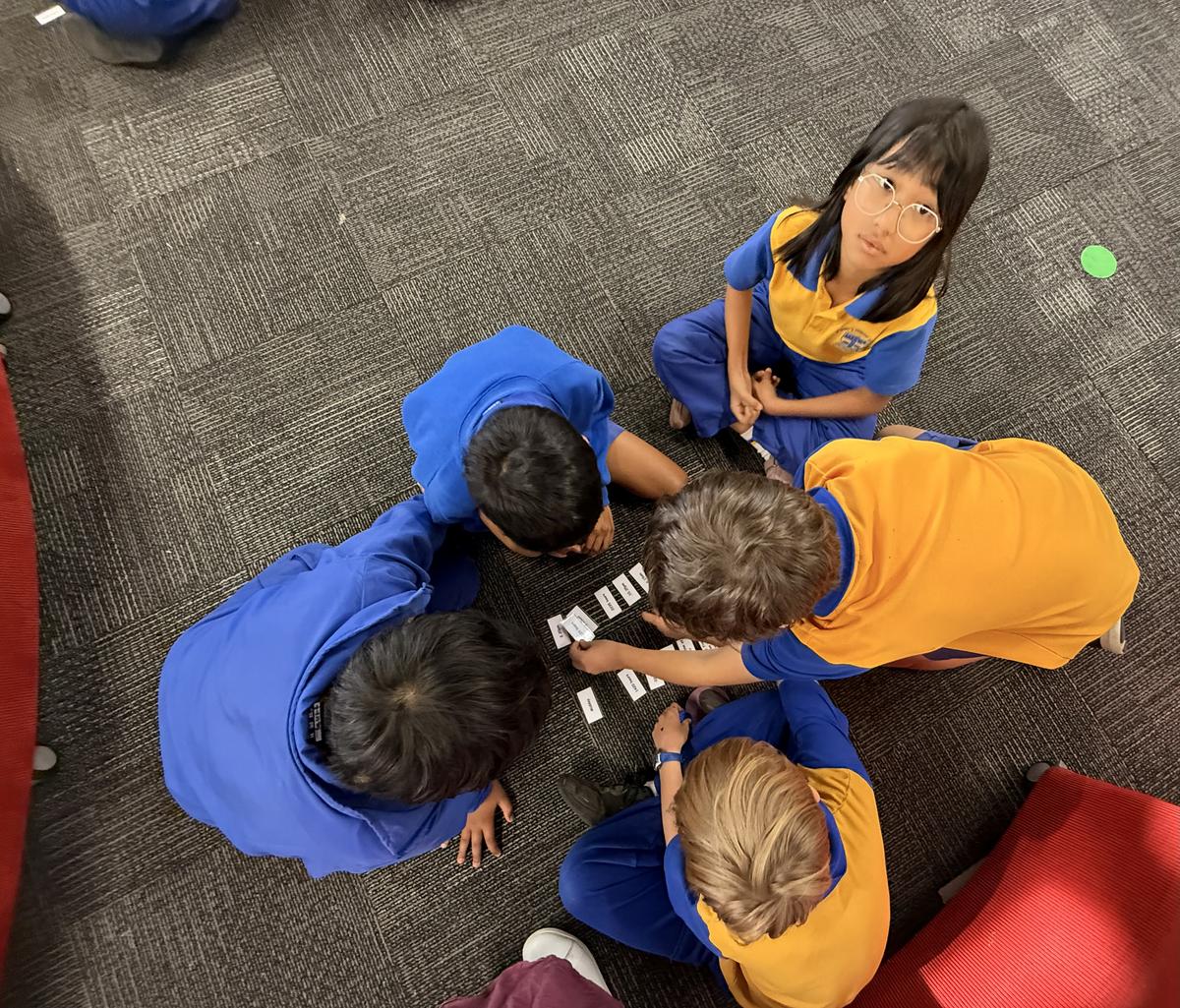
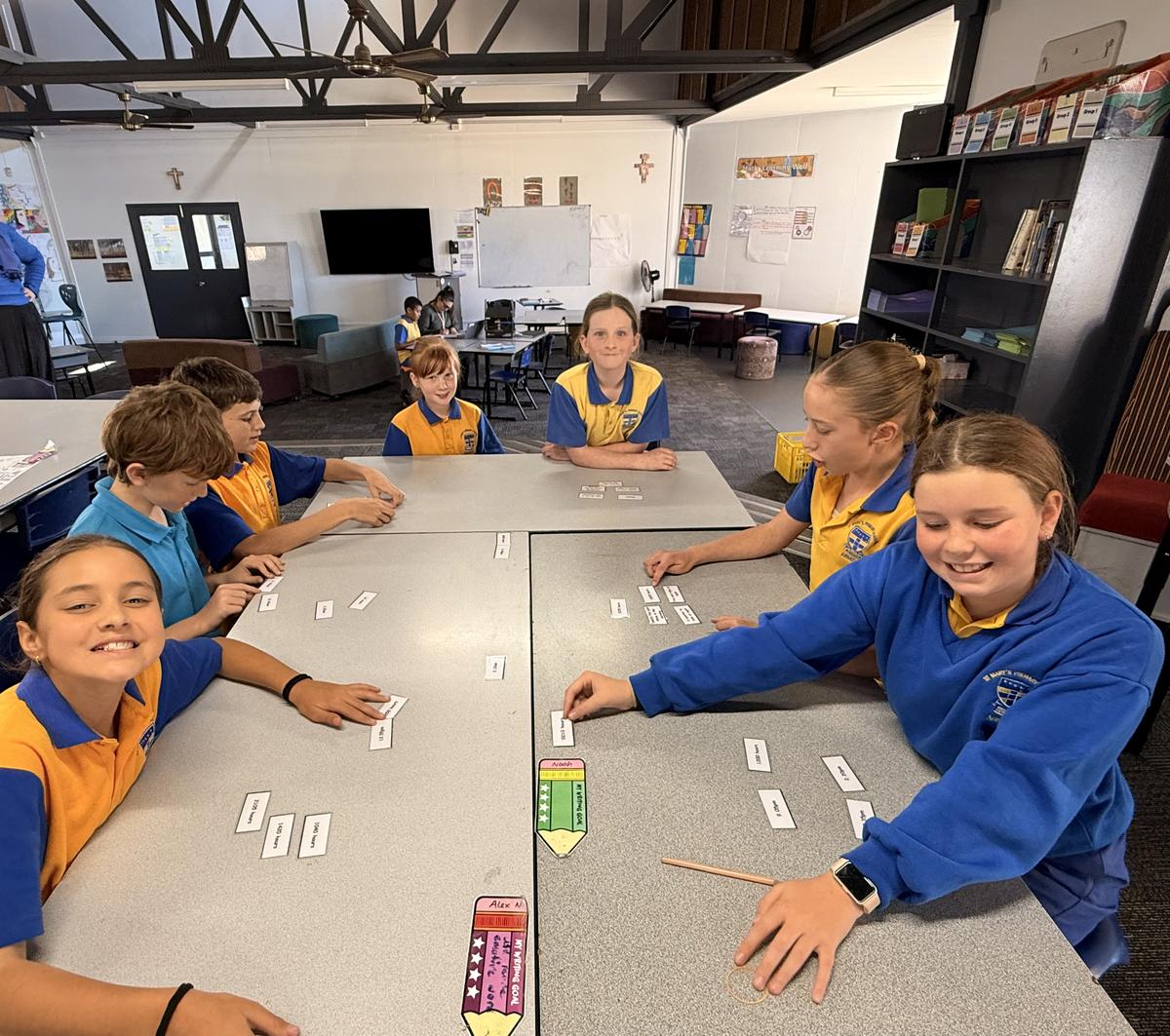
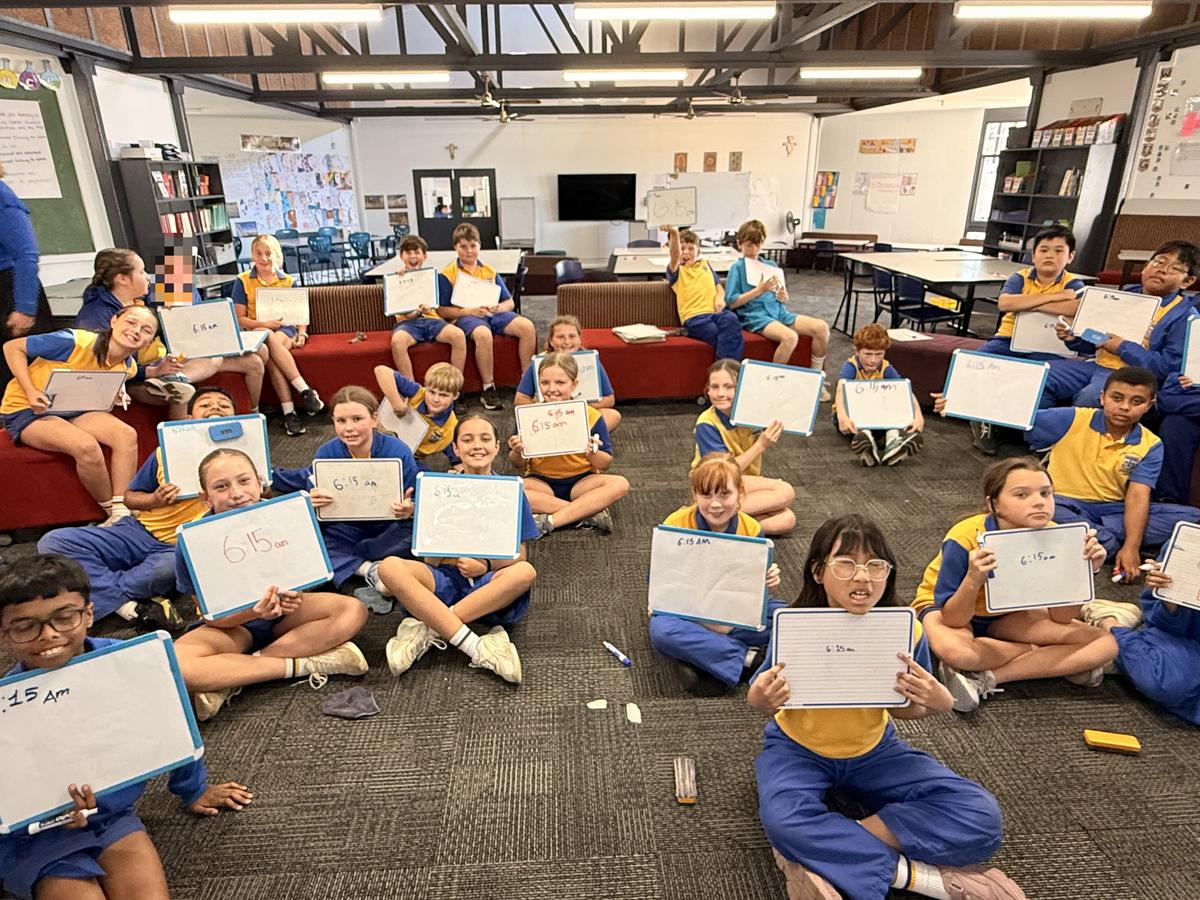
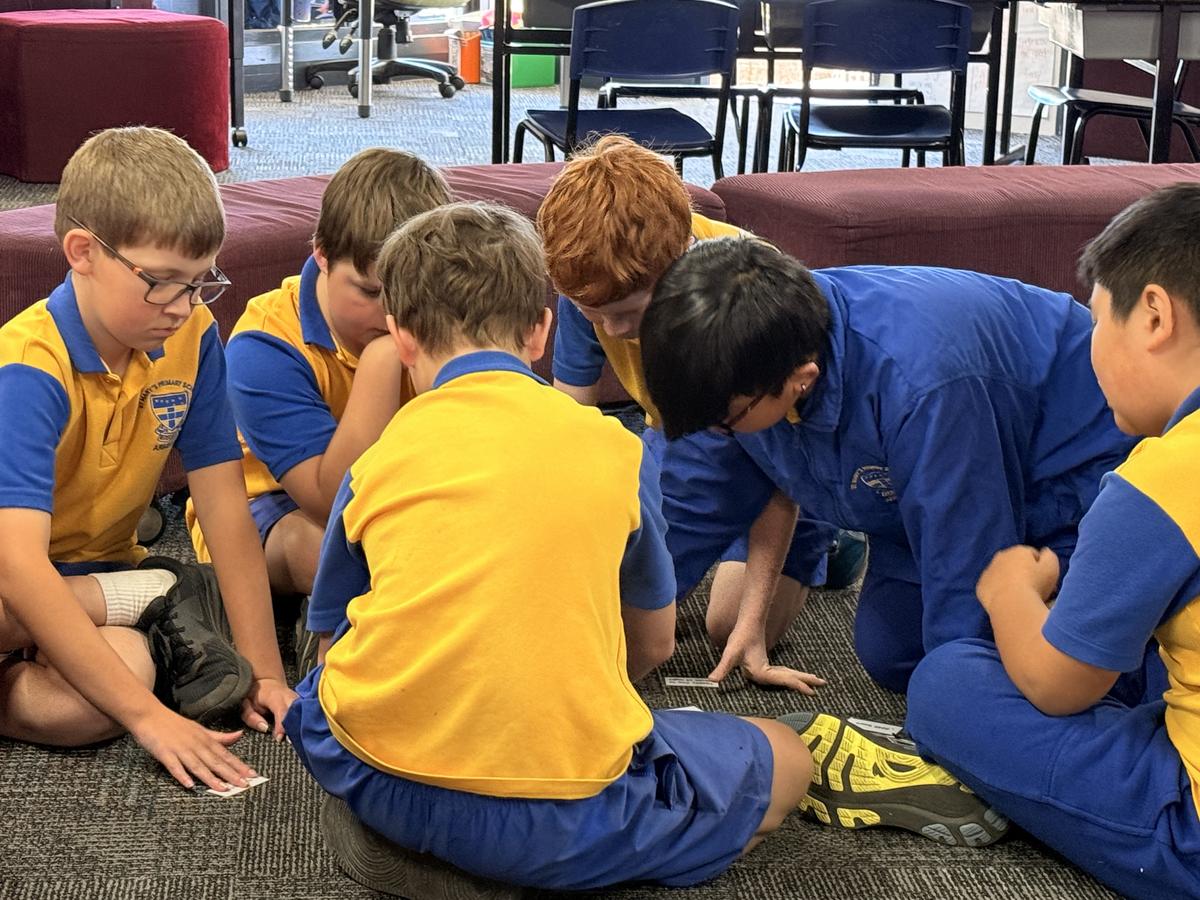
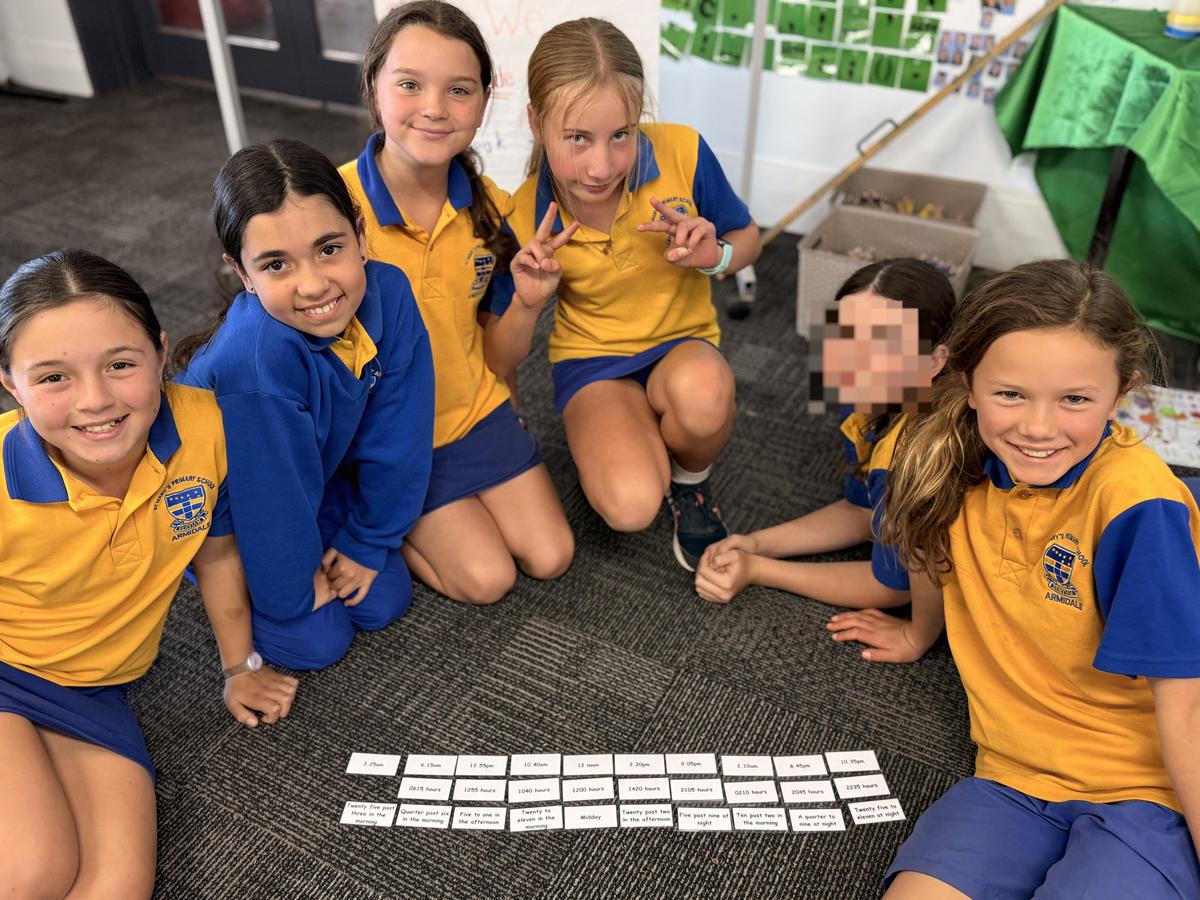
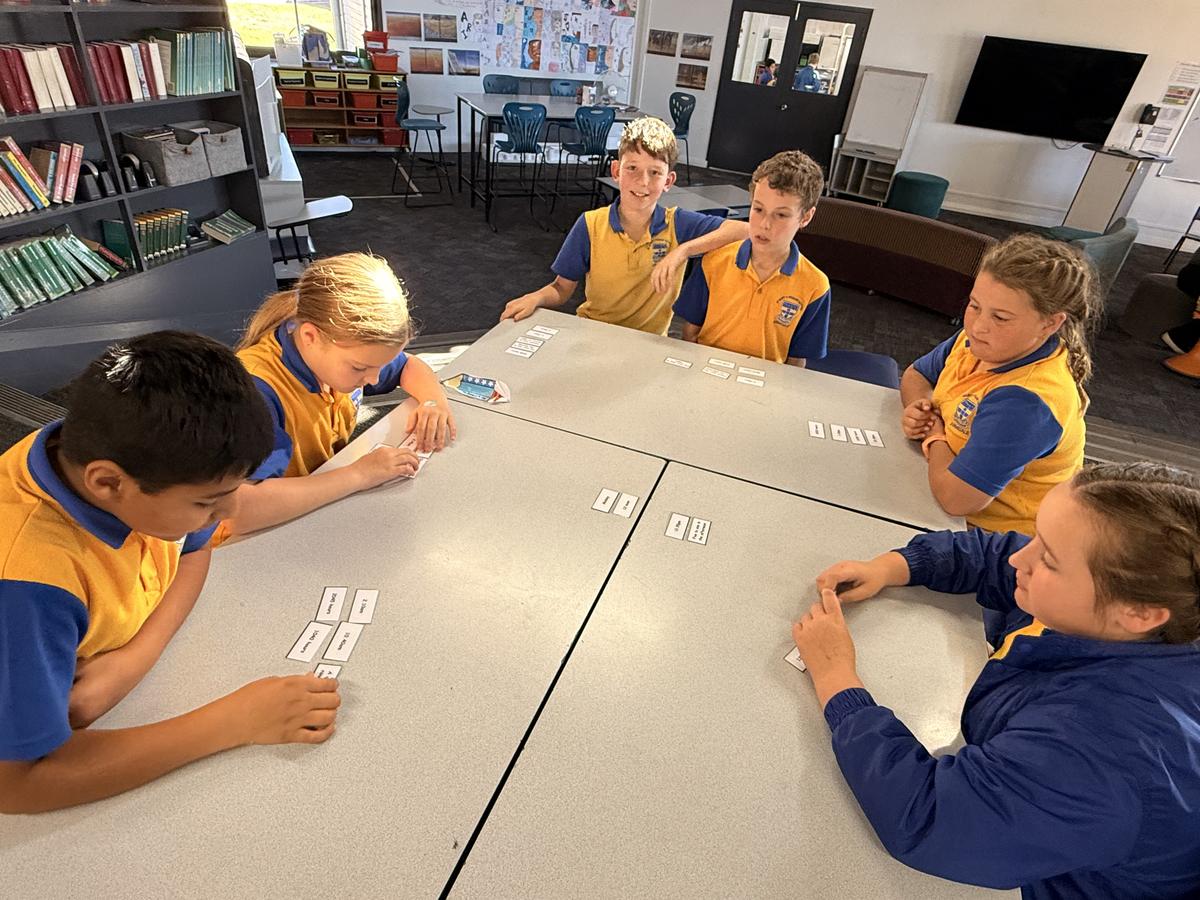
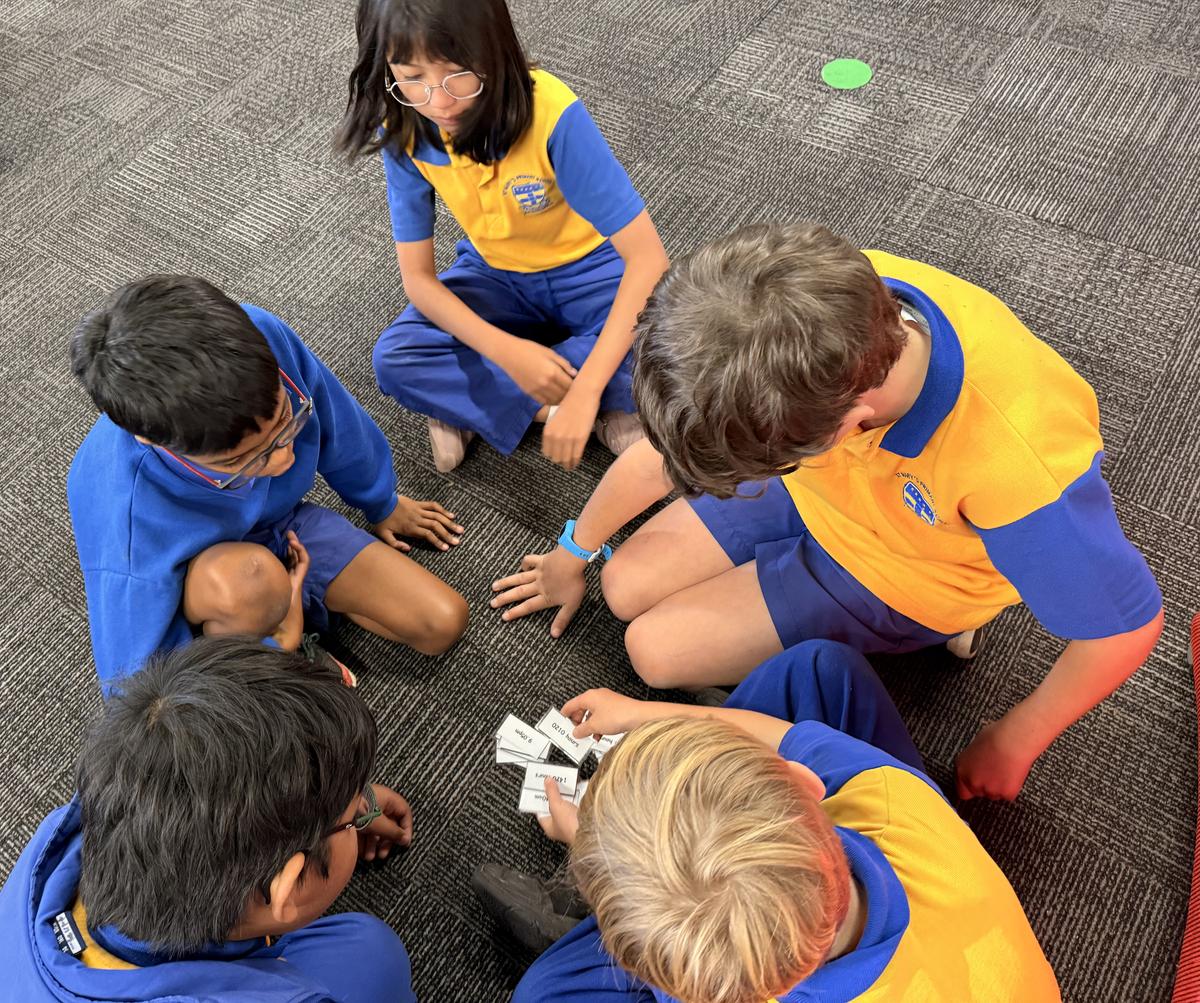
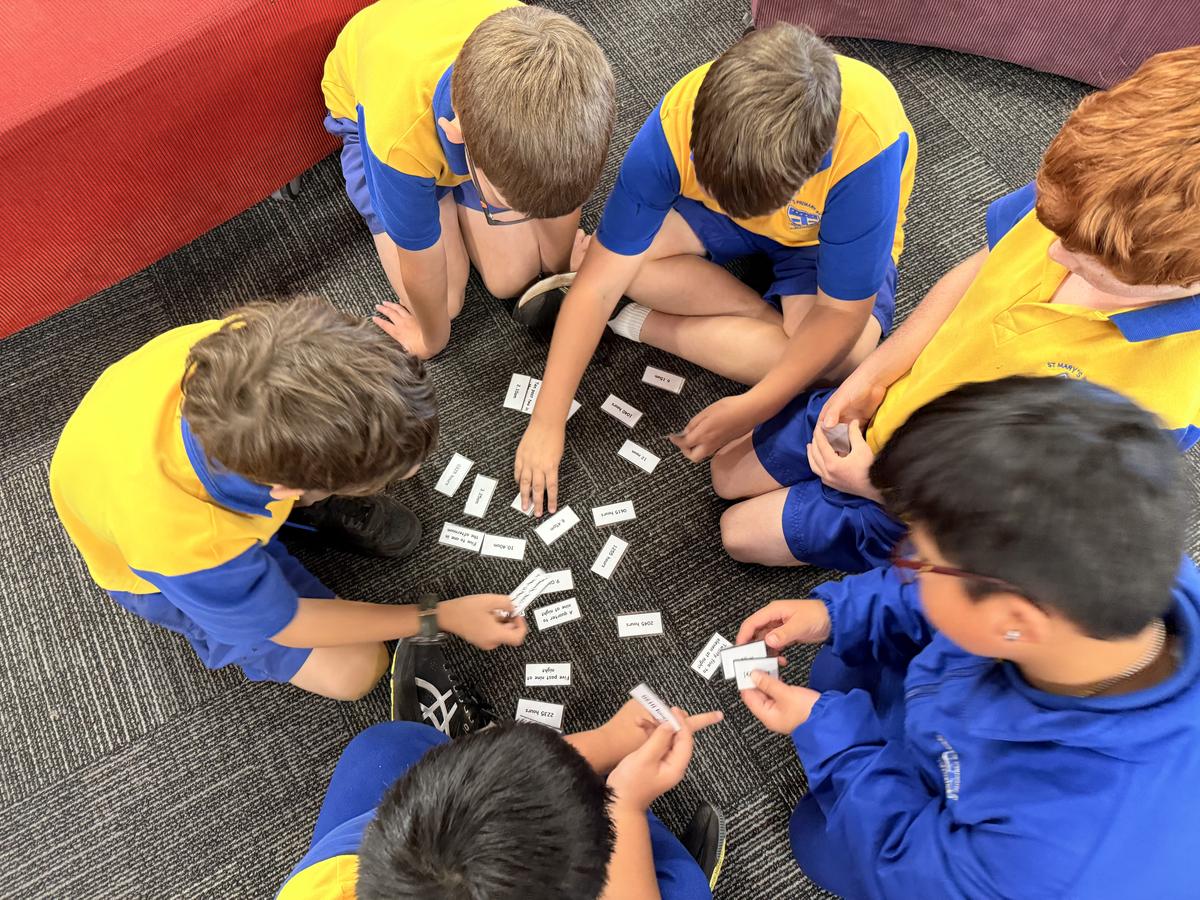
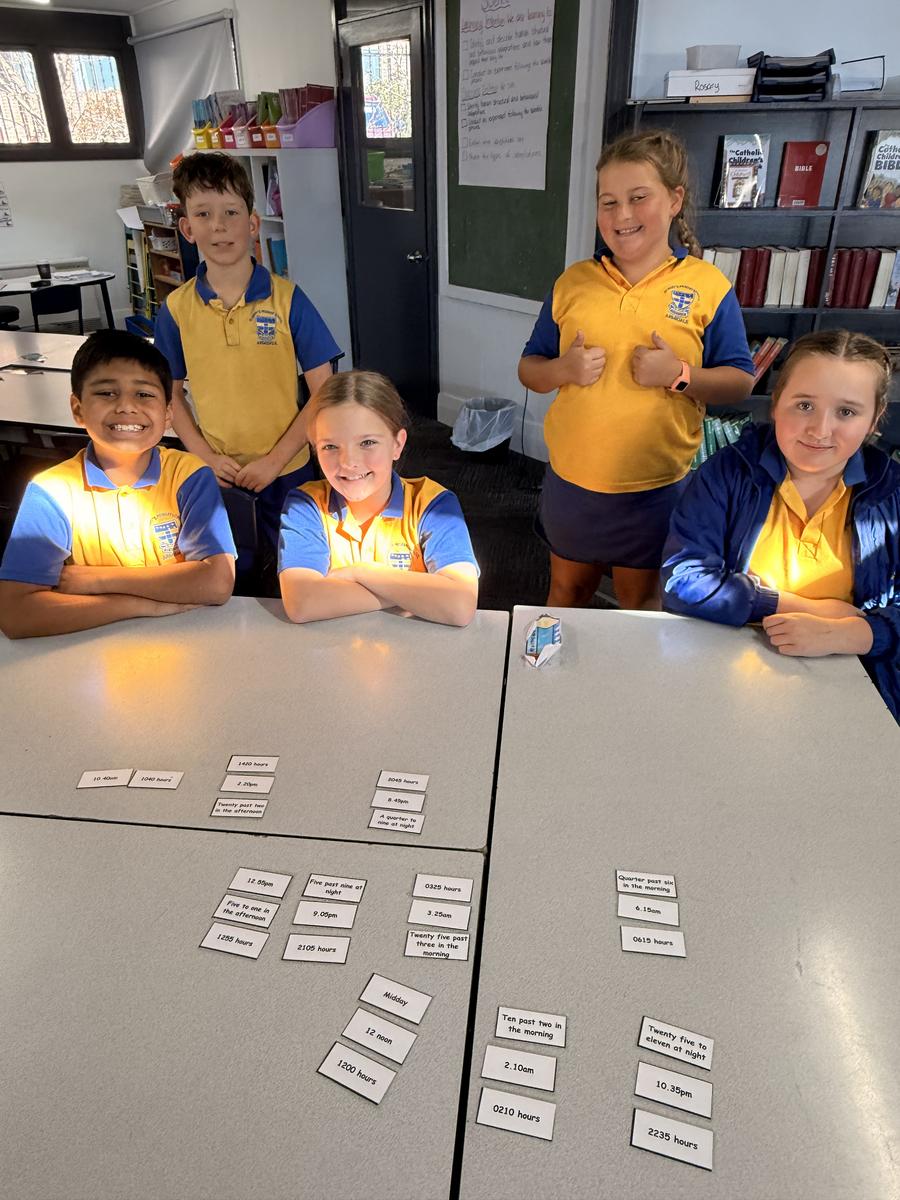
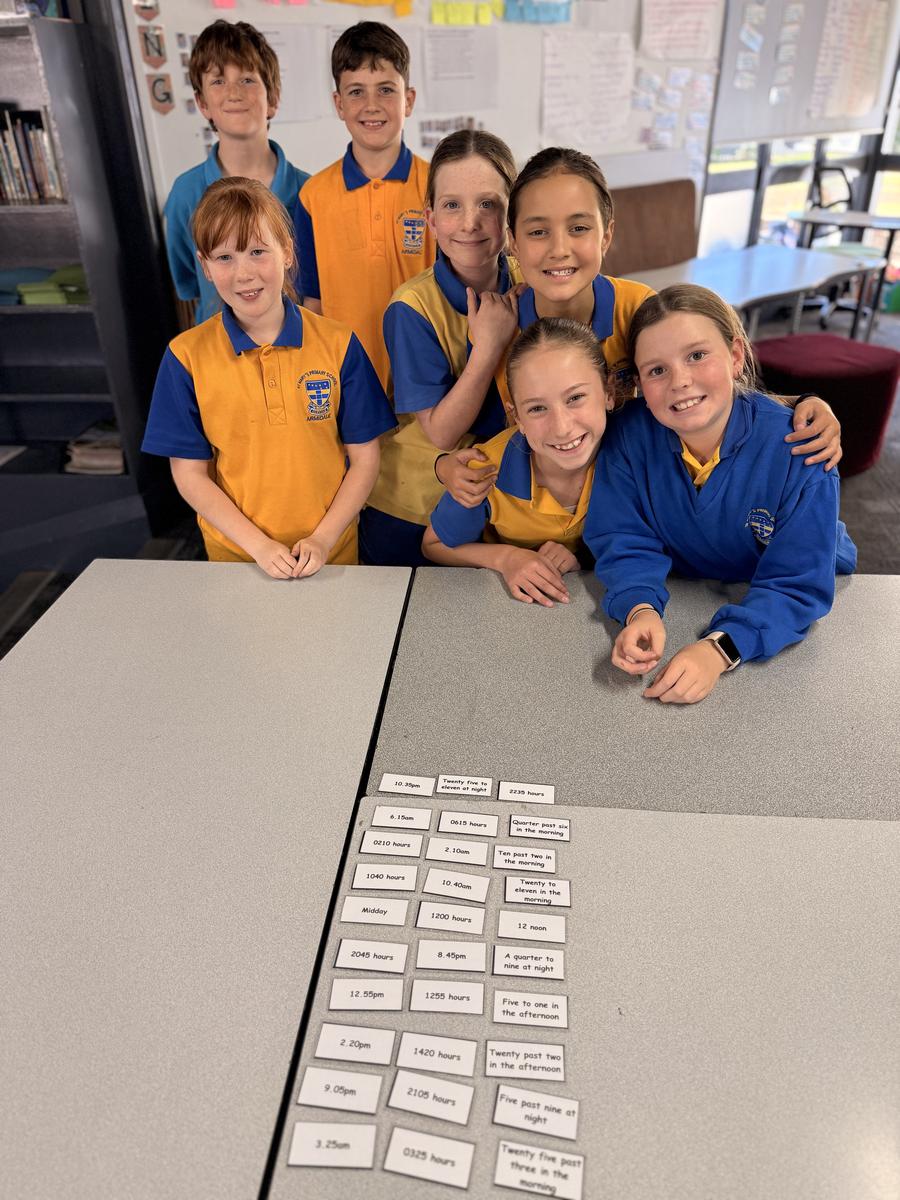
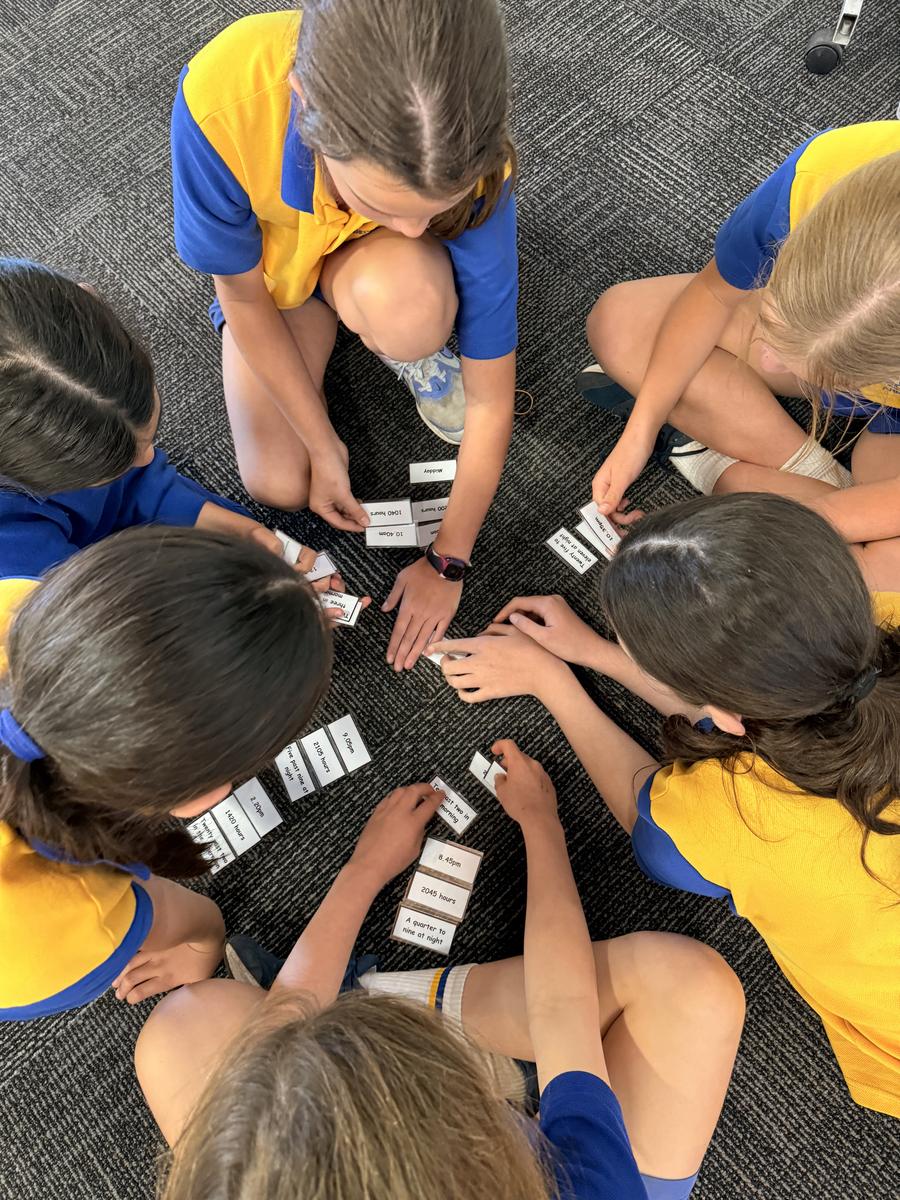
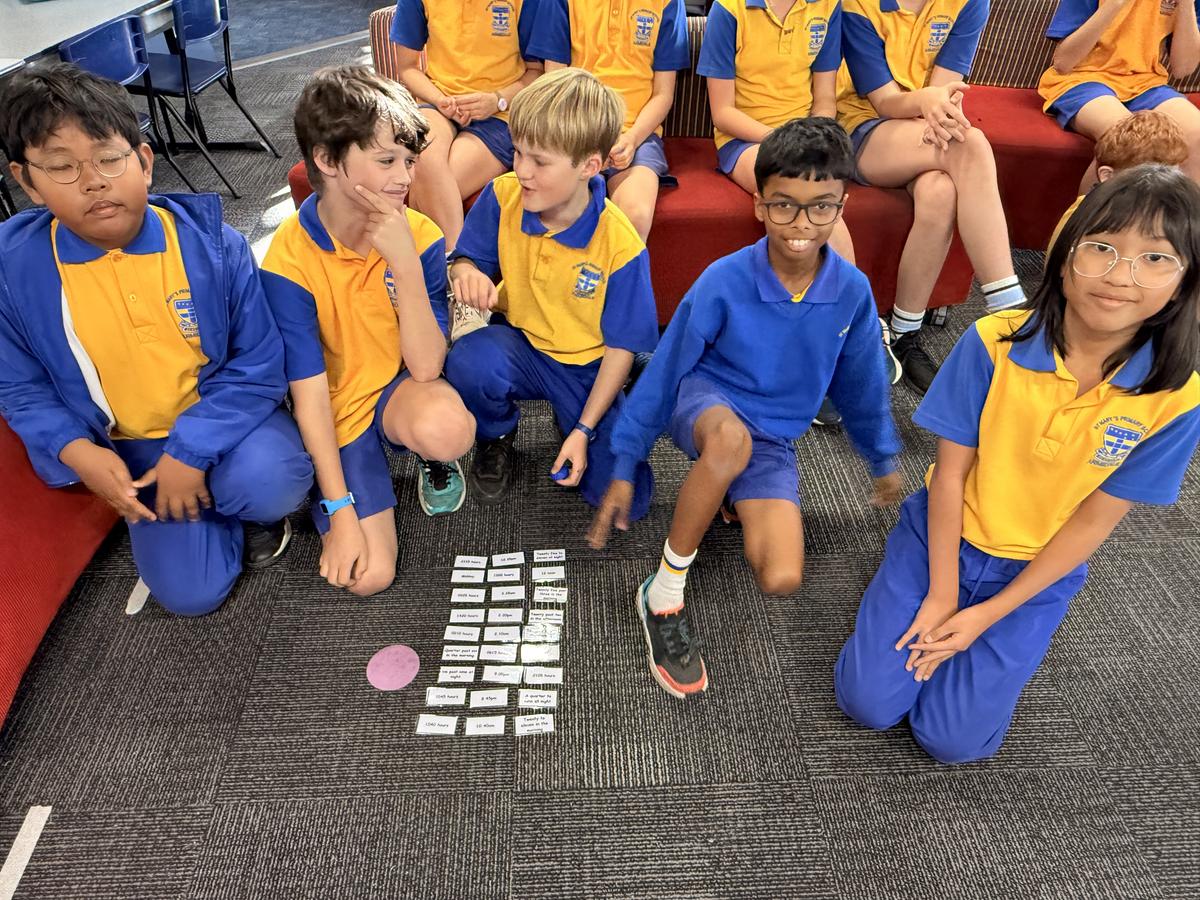
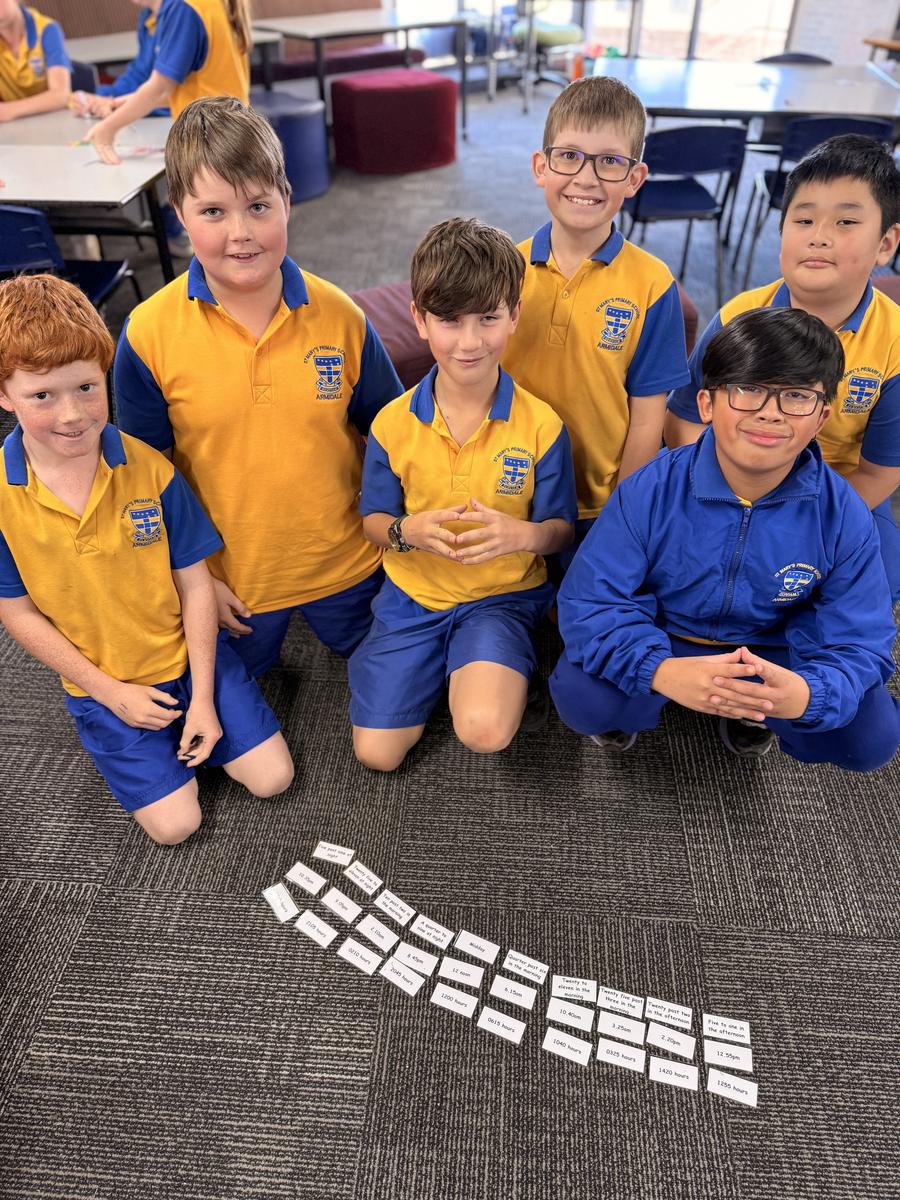
We recently concluded our unit on 'Time', where students developed essential skills for navigating schedules and understanding how time is structured. Throughout this unit, students focused on:
Tips for parents:
Create Real-life Scenarios: Help your child understand the practical application of both 12- and 24-hour time systems by creating real-life scenarios. For example, discuss with them why 24-hour time is used in contexts like train schedules or international communication to avoid confusion between AM and PM. Additionally, when planning activities or events, involve your child in using both 12-hour and 24-hour time formats to schedule and organize their day.
Practice Conversion Skills: Encourage your child to practice converting between 12-hour and 24-hour time formats regularly. Provide them with opportunities to work with different times and contexts. You can create activities where they convert between the two formats, using both digital and analog clocks. Practice converting random times from 12-hour to 24-hour and vice versa, reinforcing the use of AM and PM notation where applicable.
Utilise Timetables and Schedules: Introduce your child to real-life timetables and schedules that use both 12-hour and 24-hour time formats. This could include public transportation schedules, TV program guides, or sports event schedules. Guide them in reading and interpreting these timetables, emphasising the differences between the two time systems and how to navigate them. Engage them in discussions about why certain schedules use one format over the other, further reinforcing their understanding of when and why each system is used.
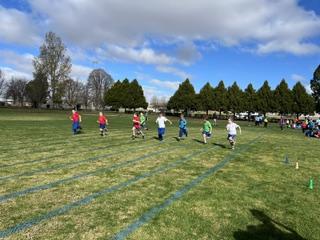
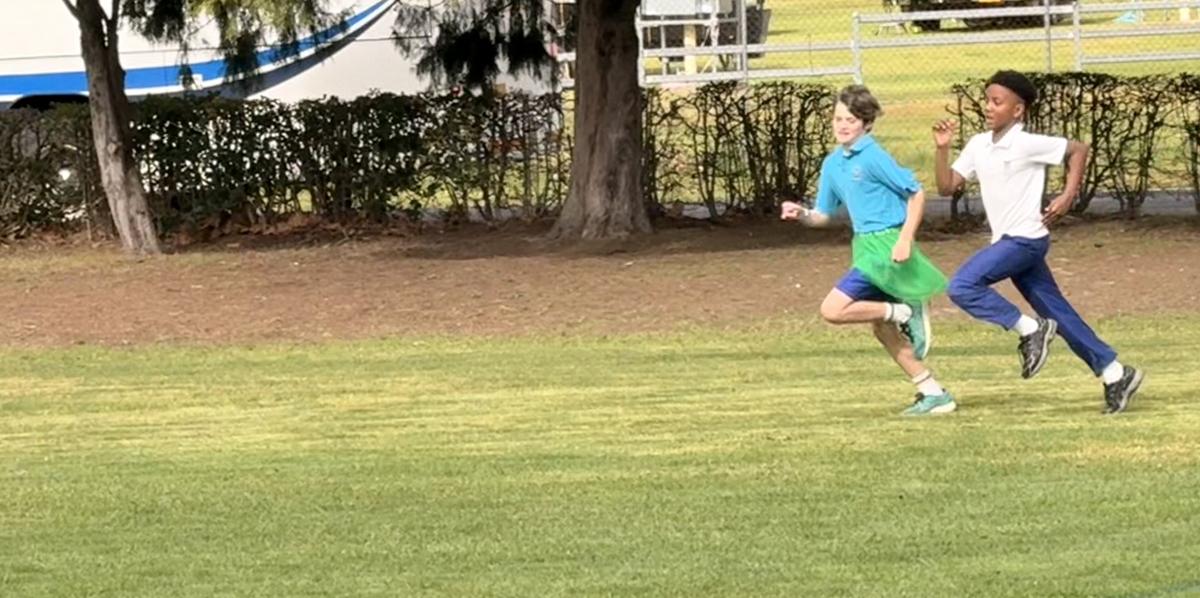
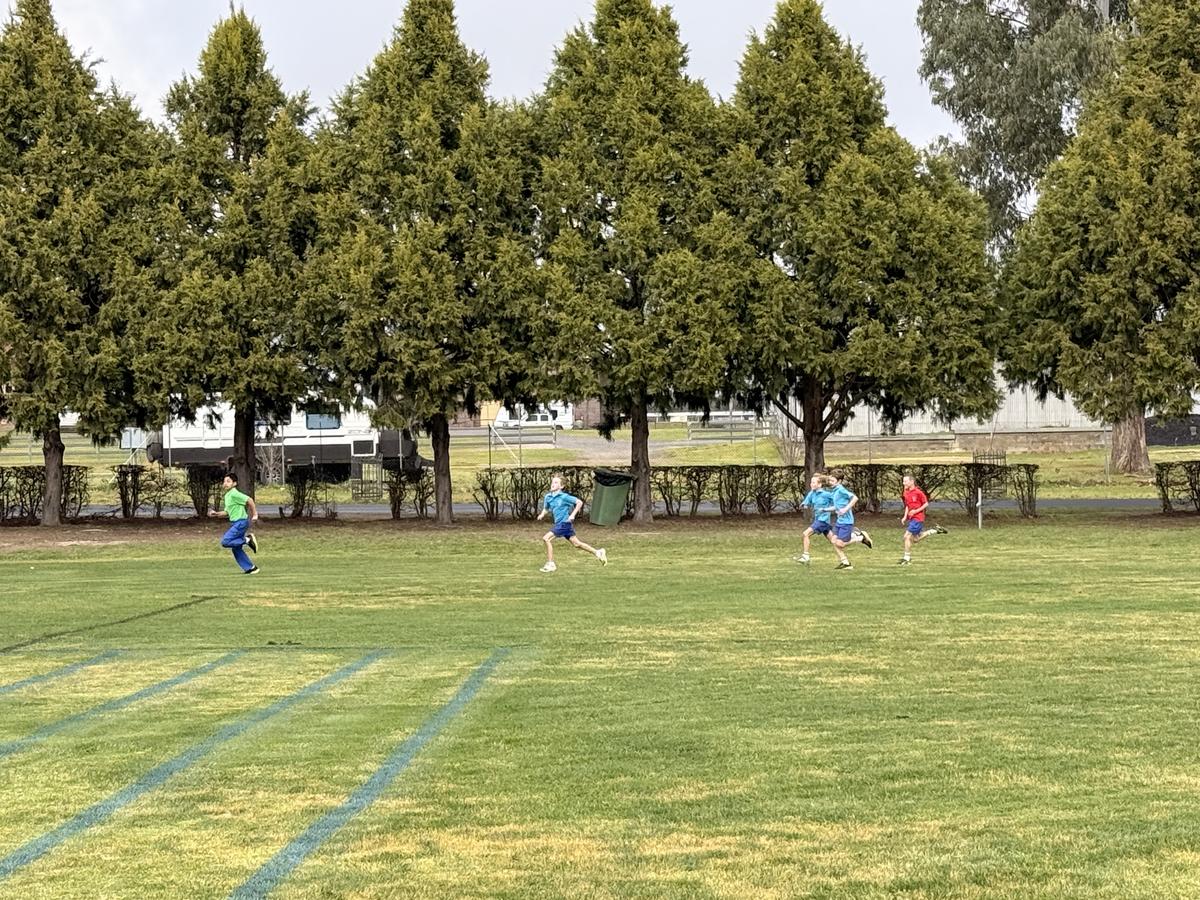
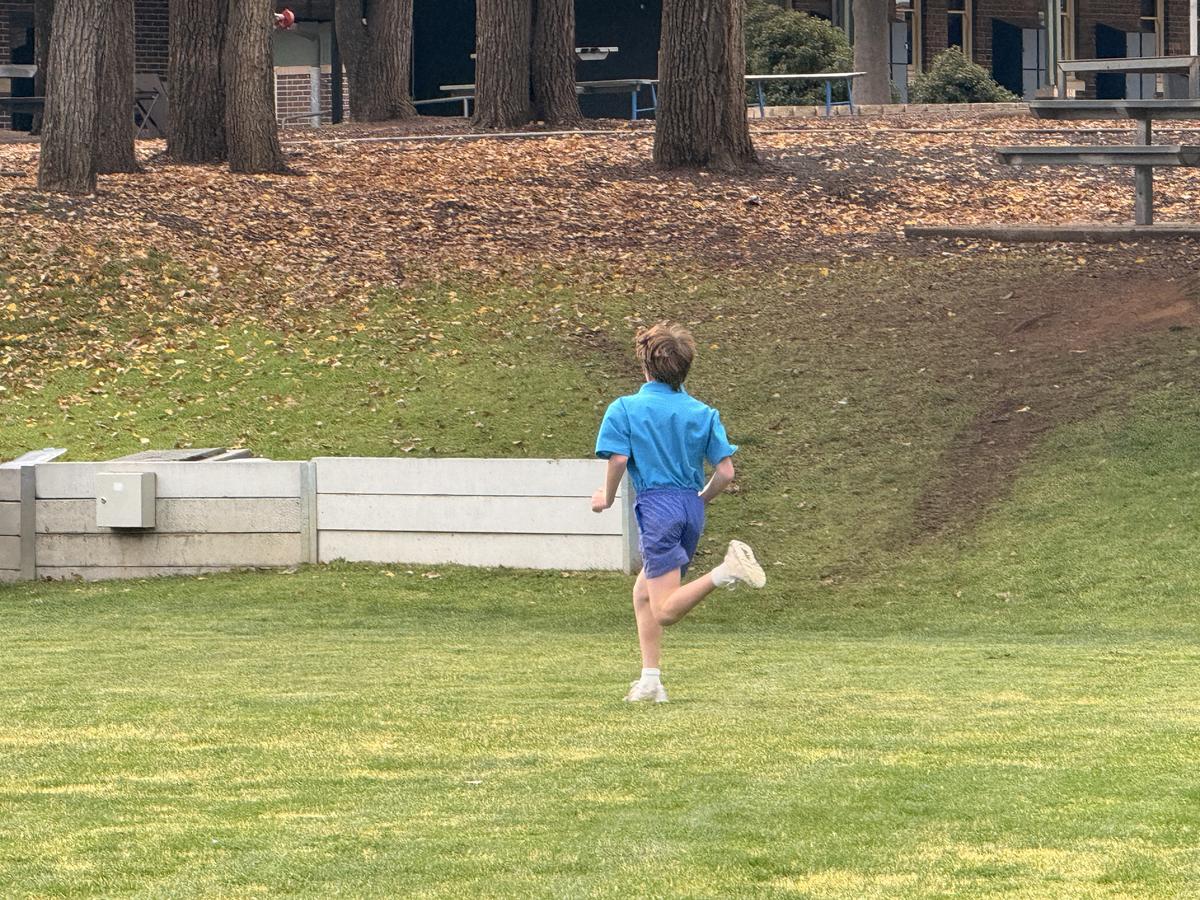
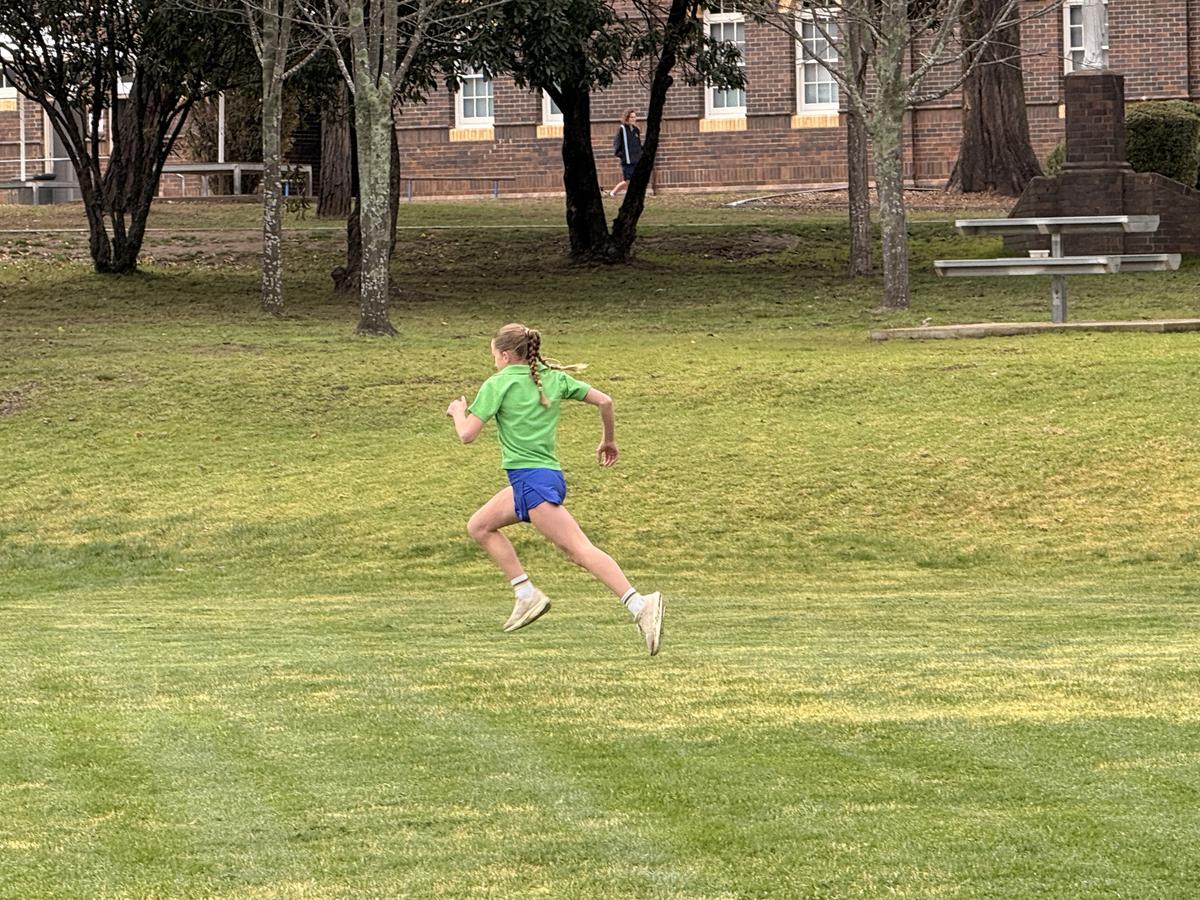
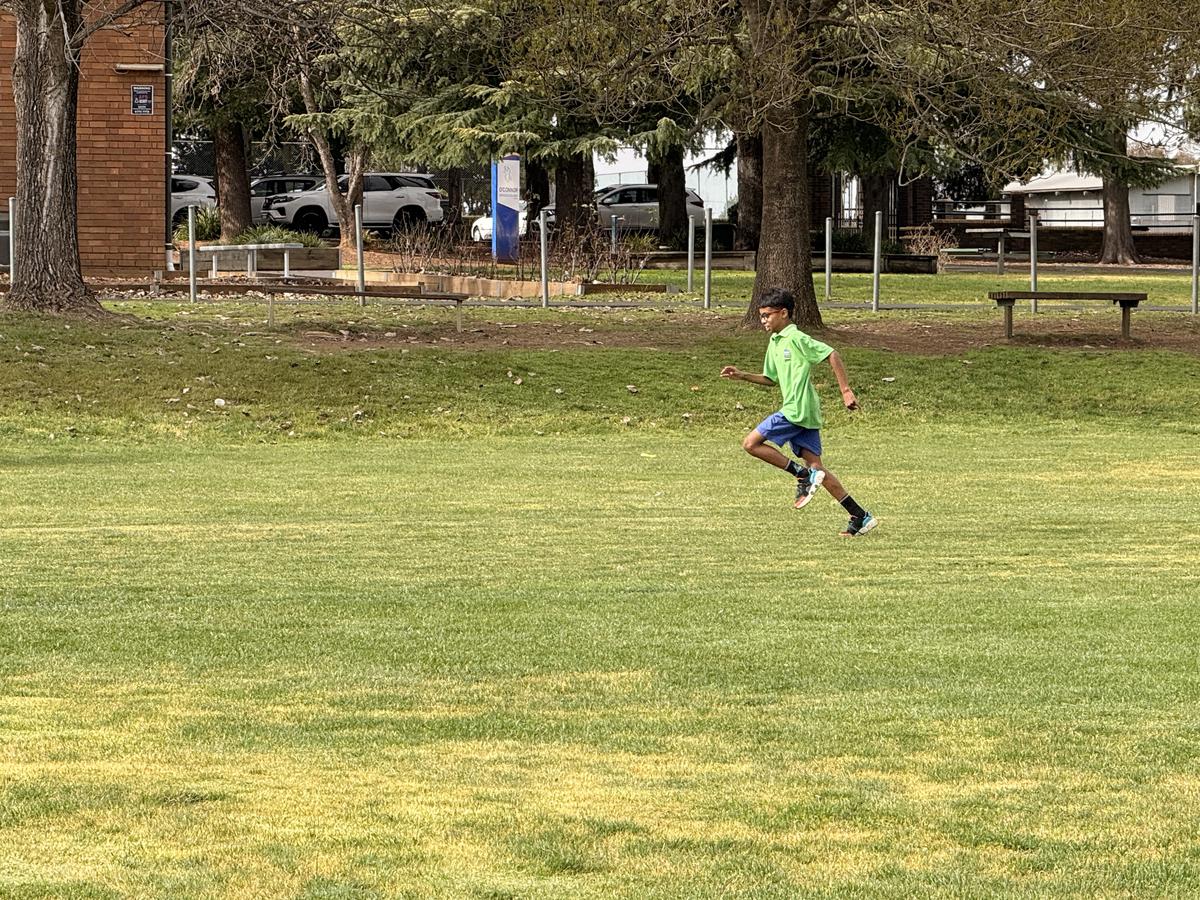
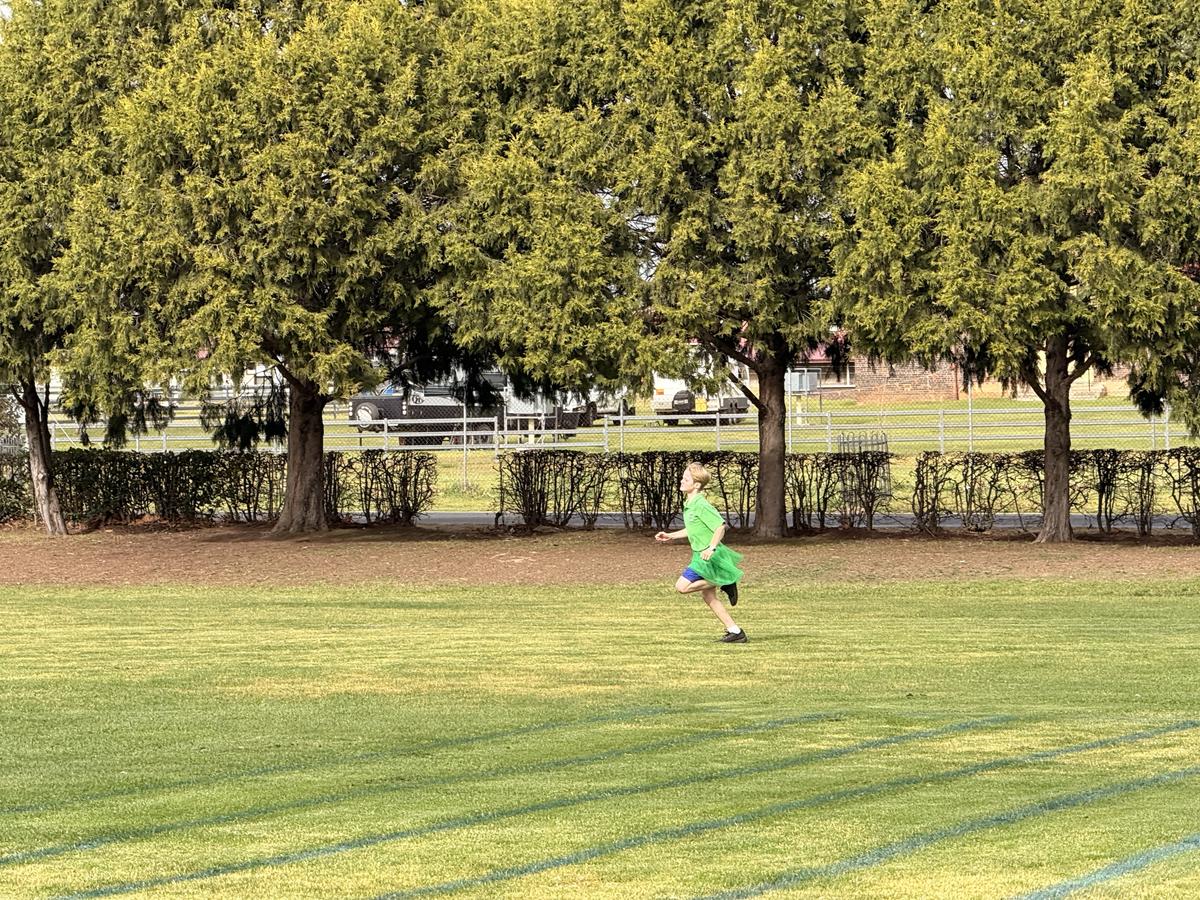
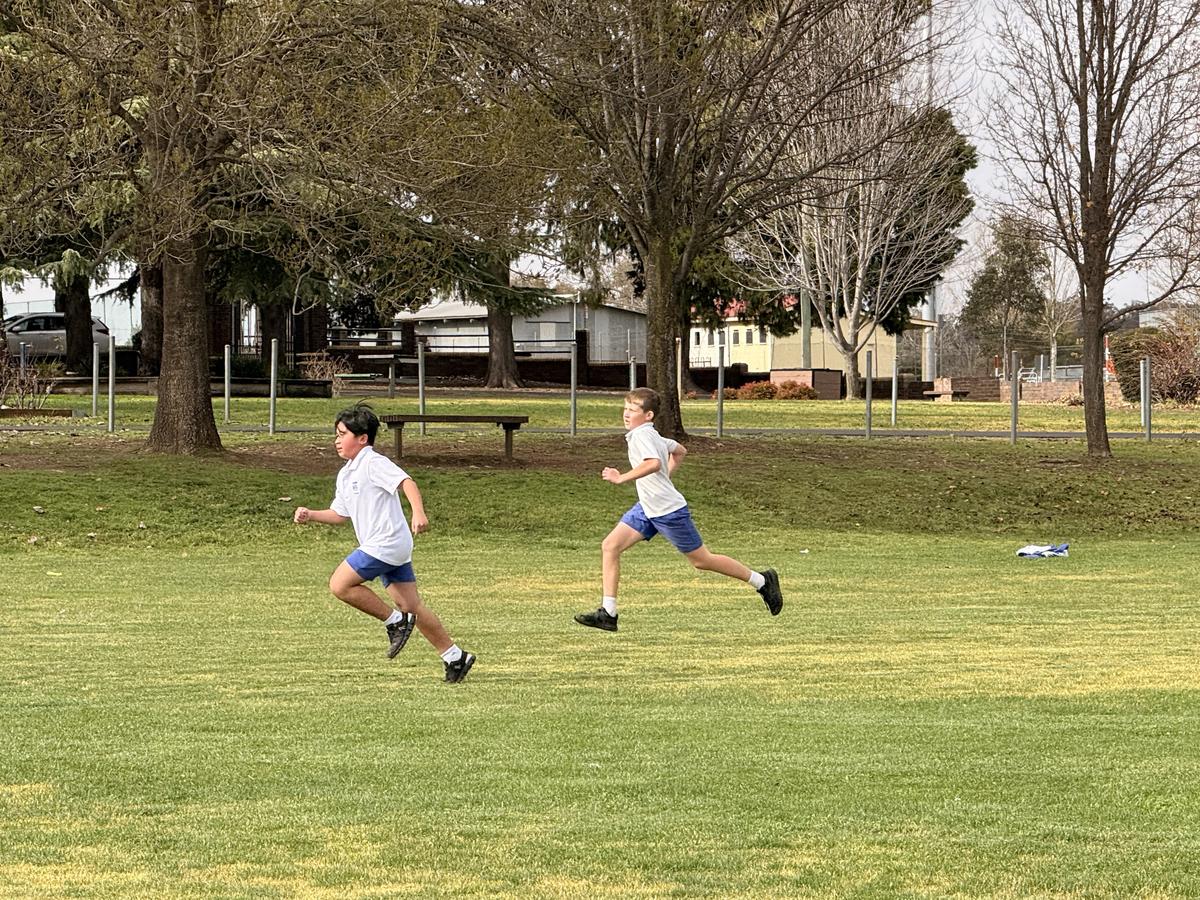
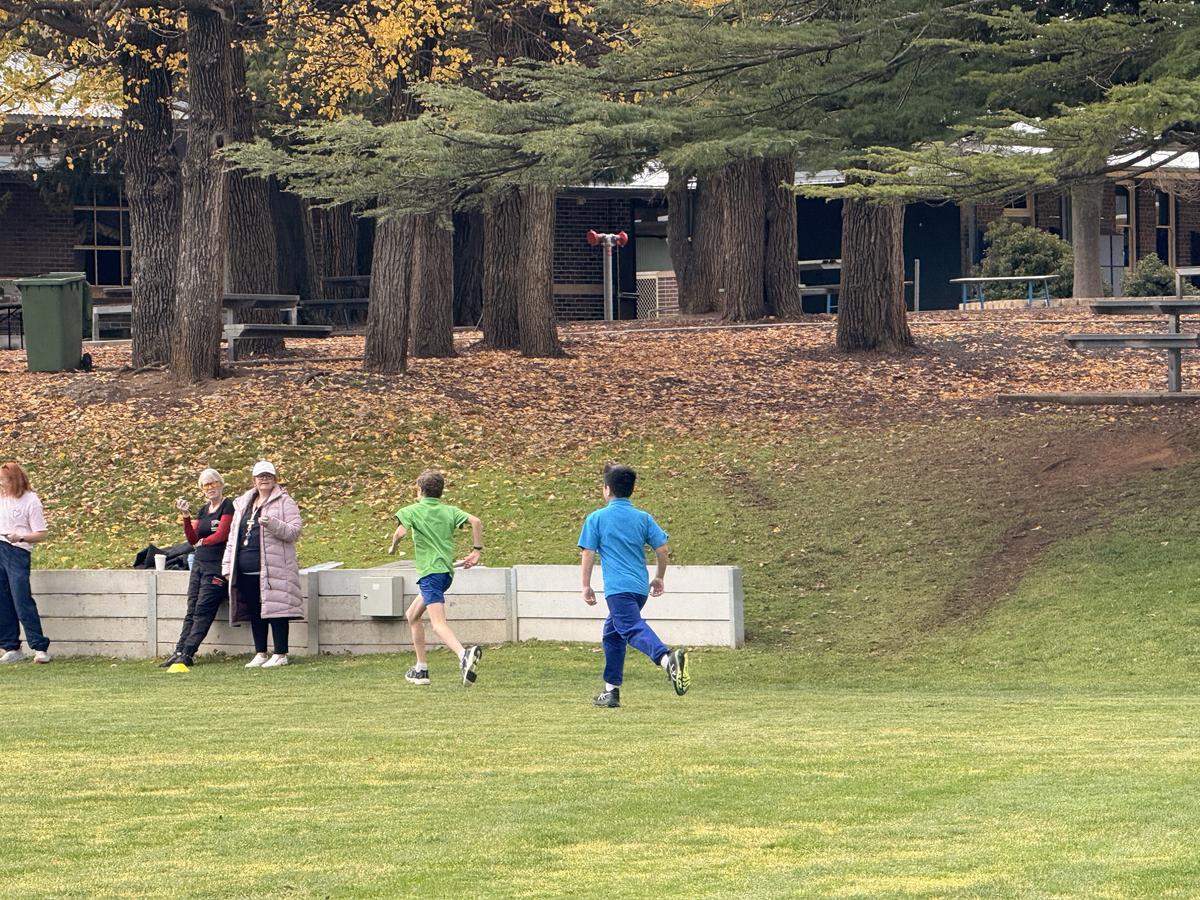
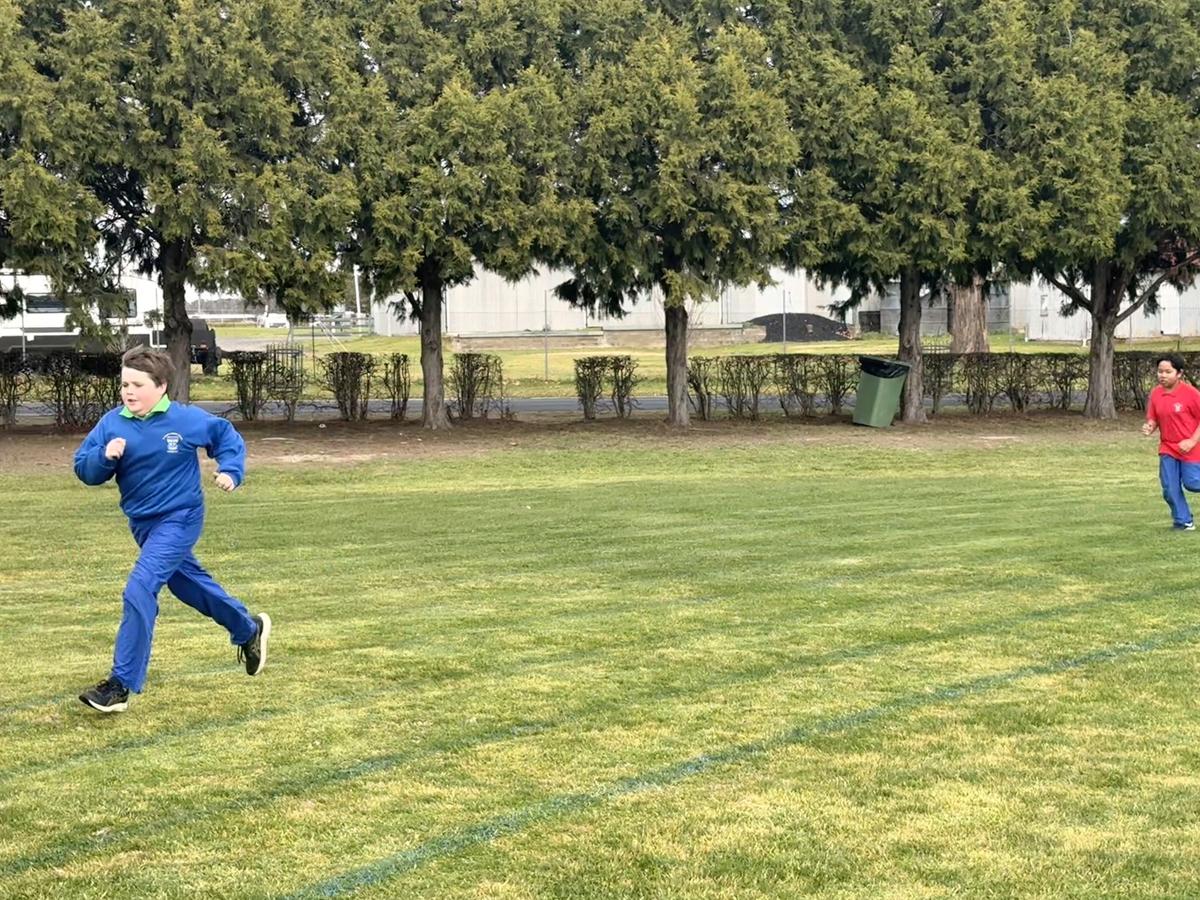
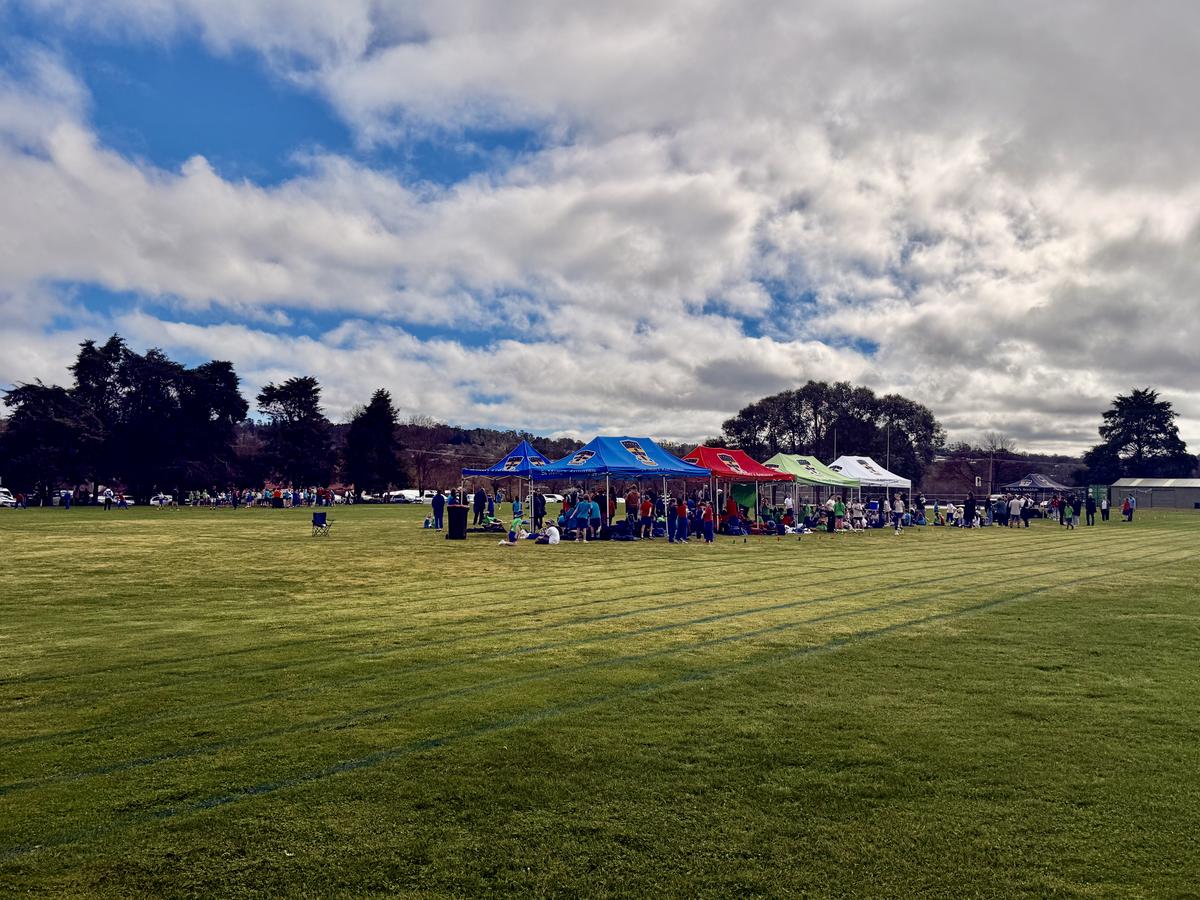
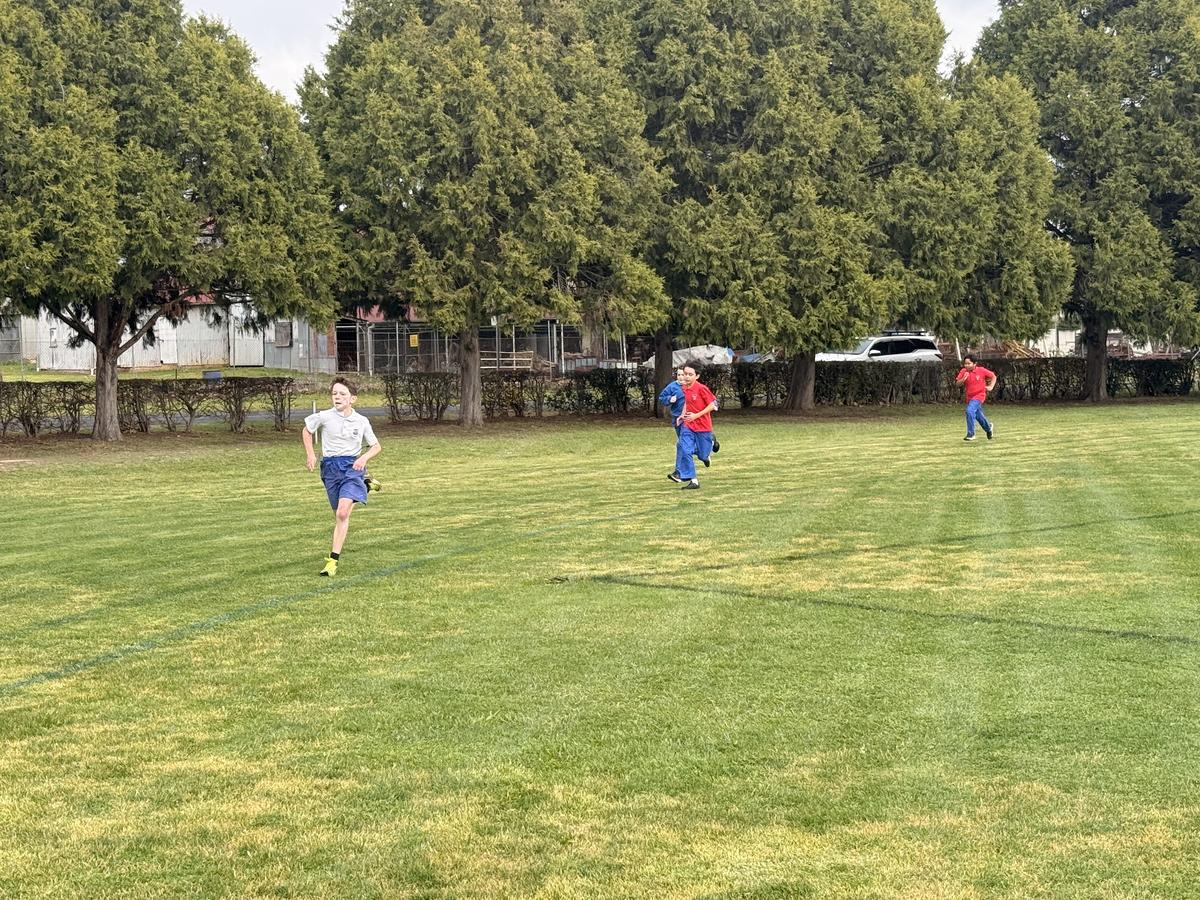
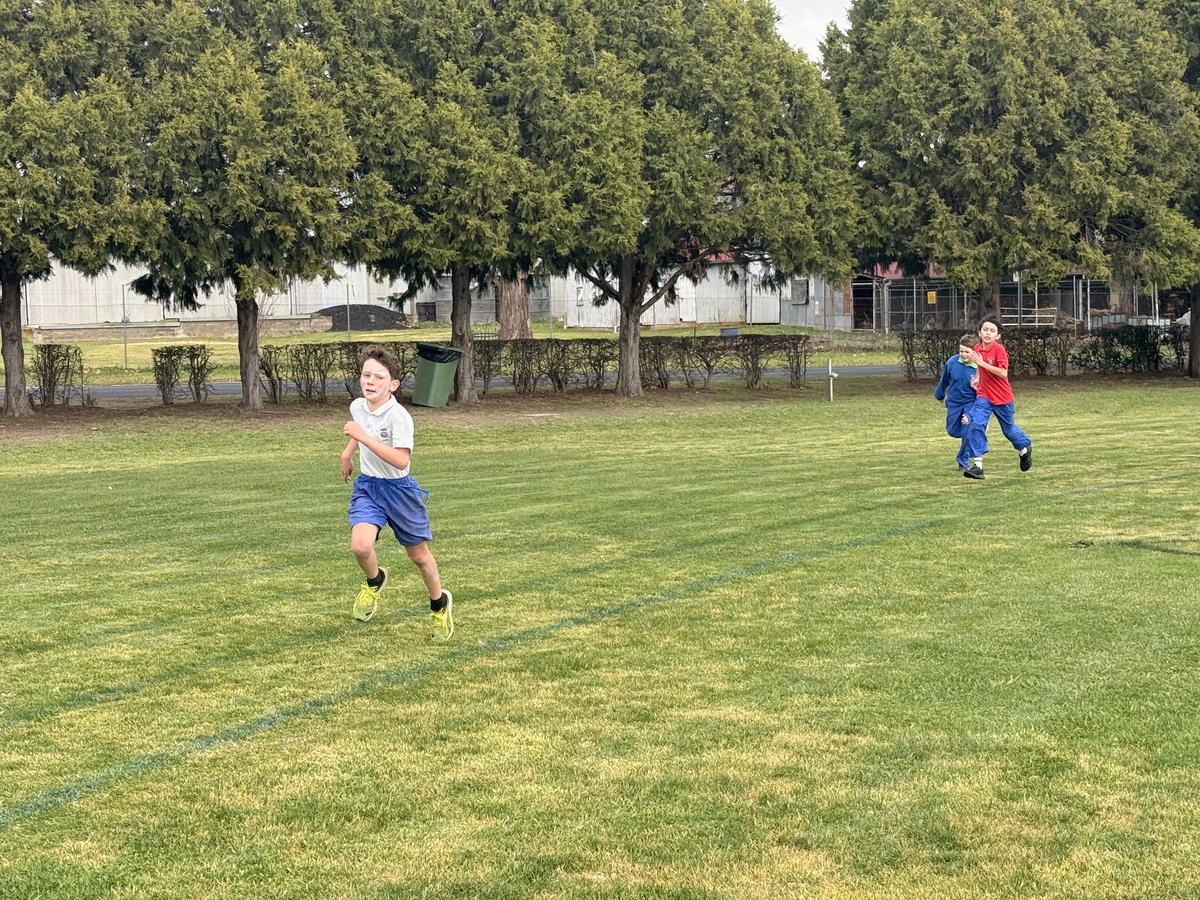
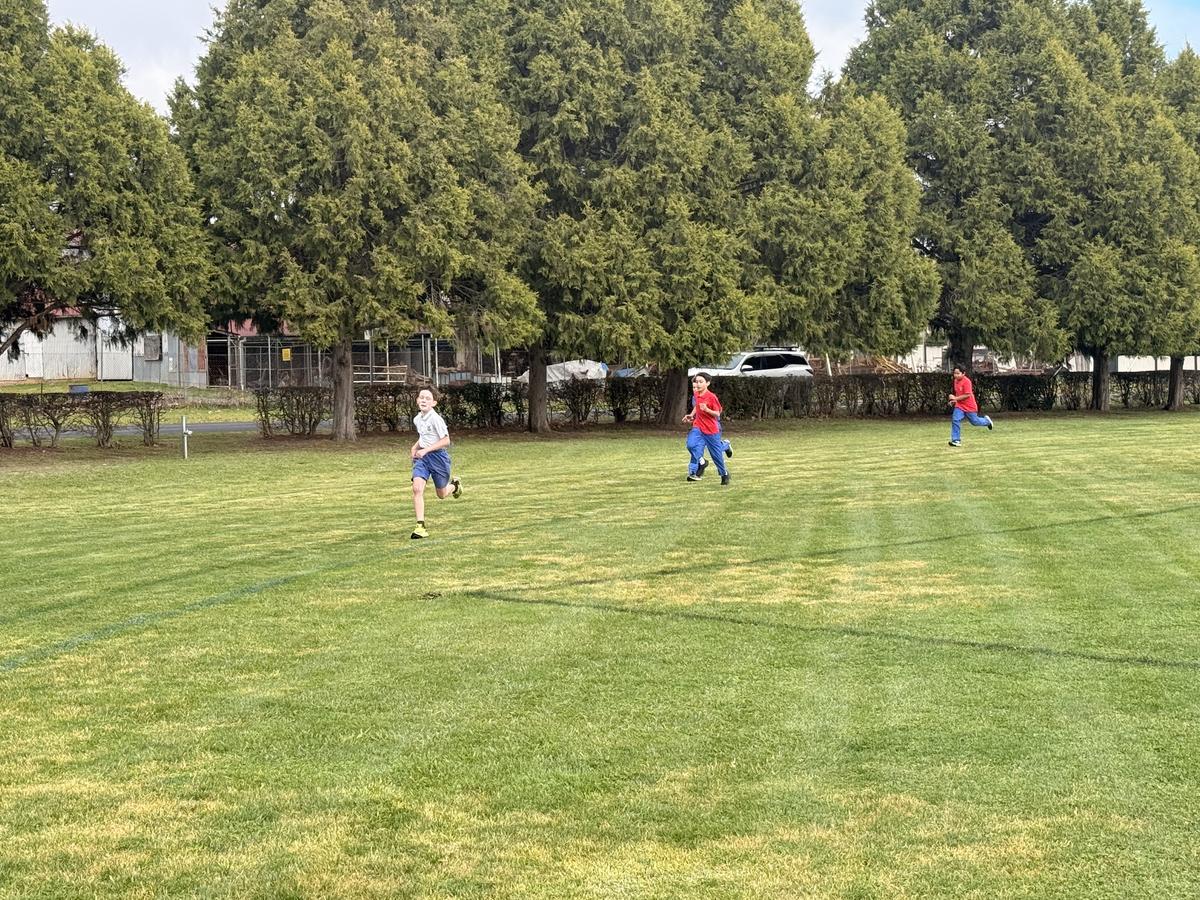
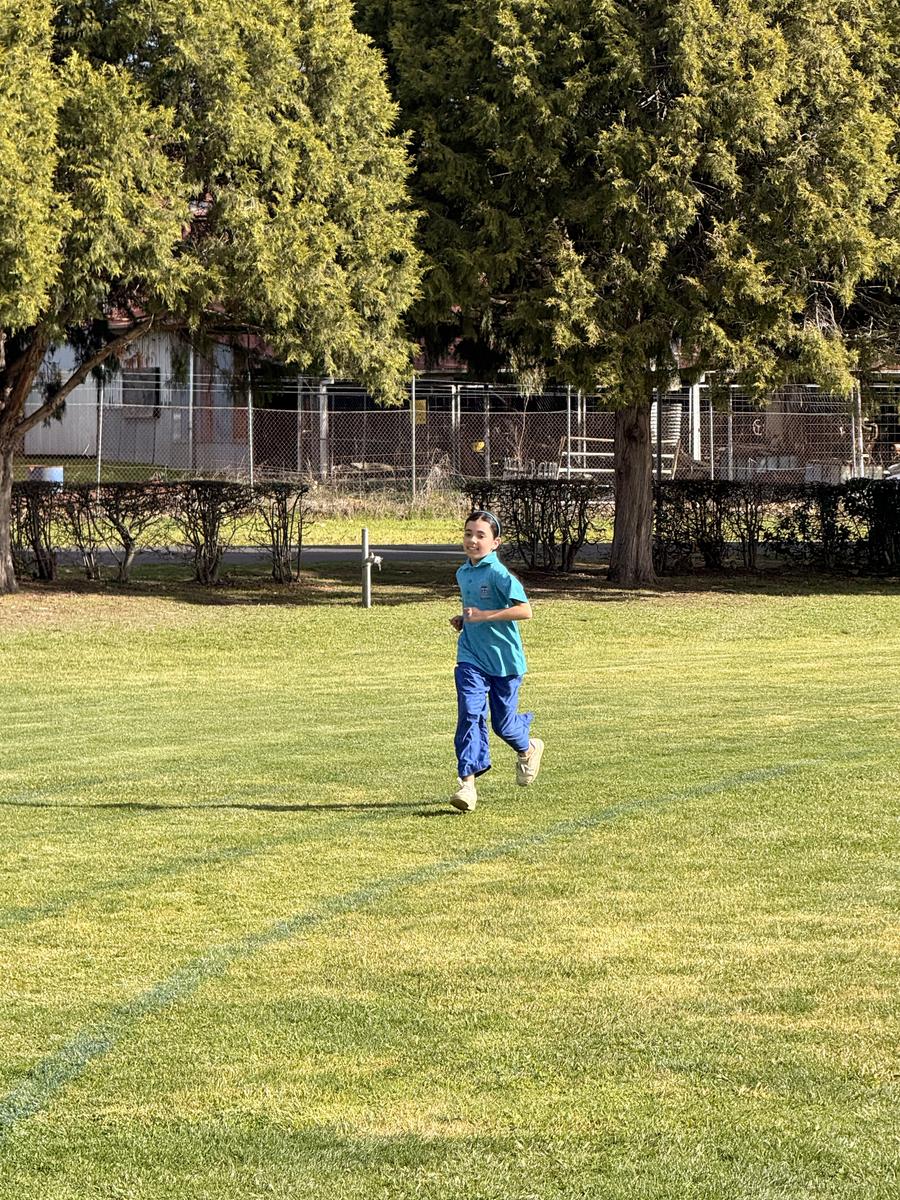
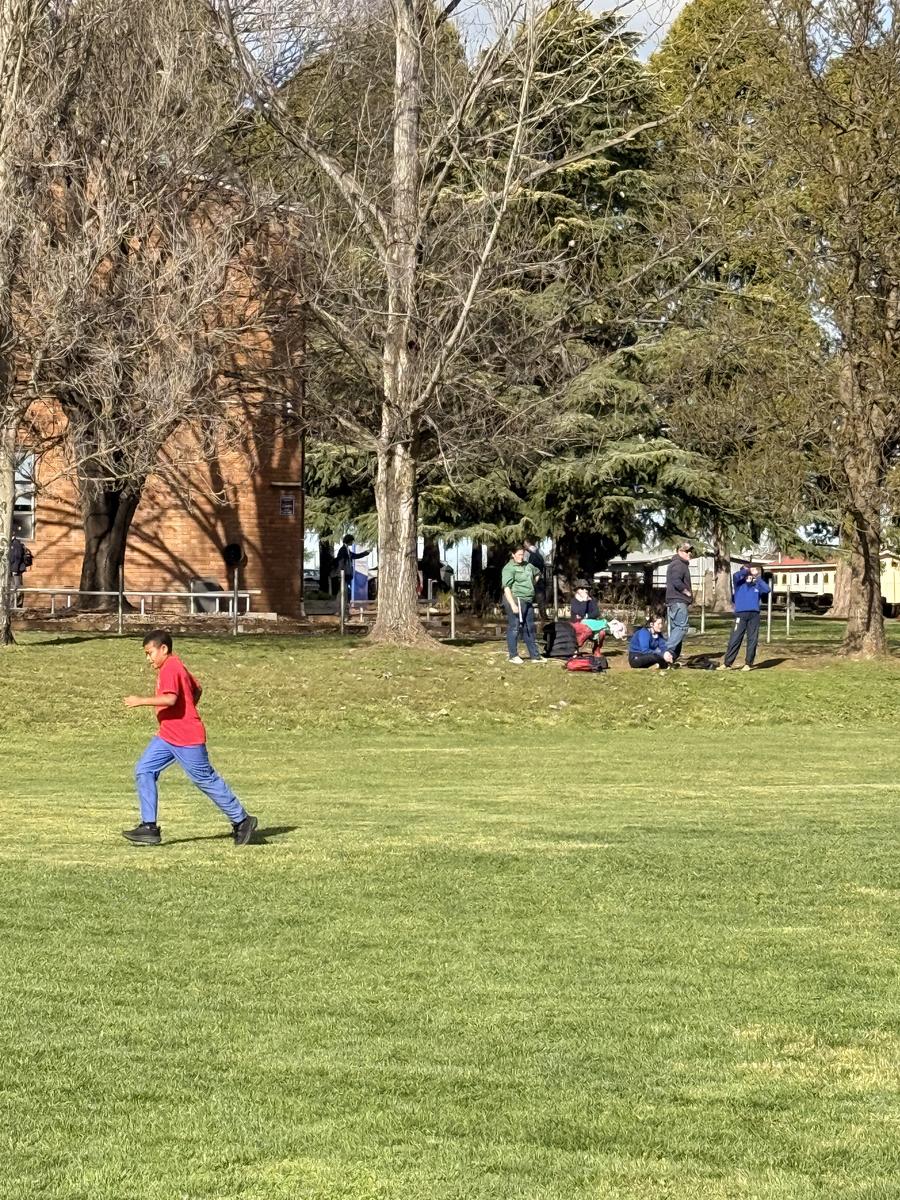
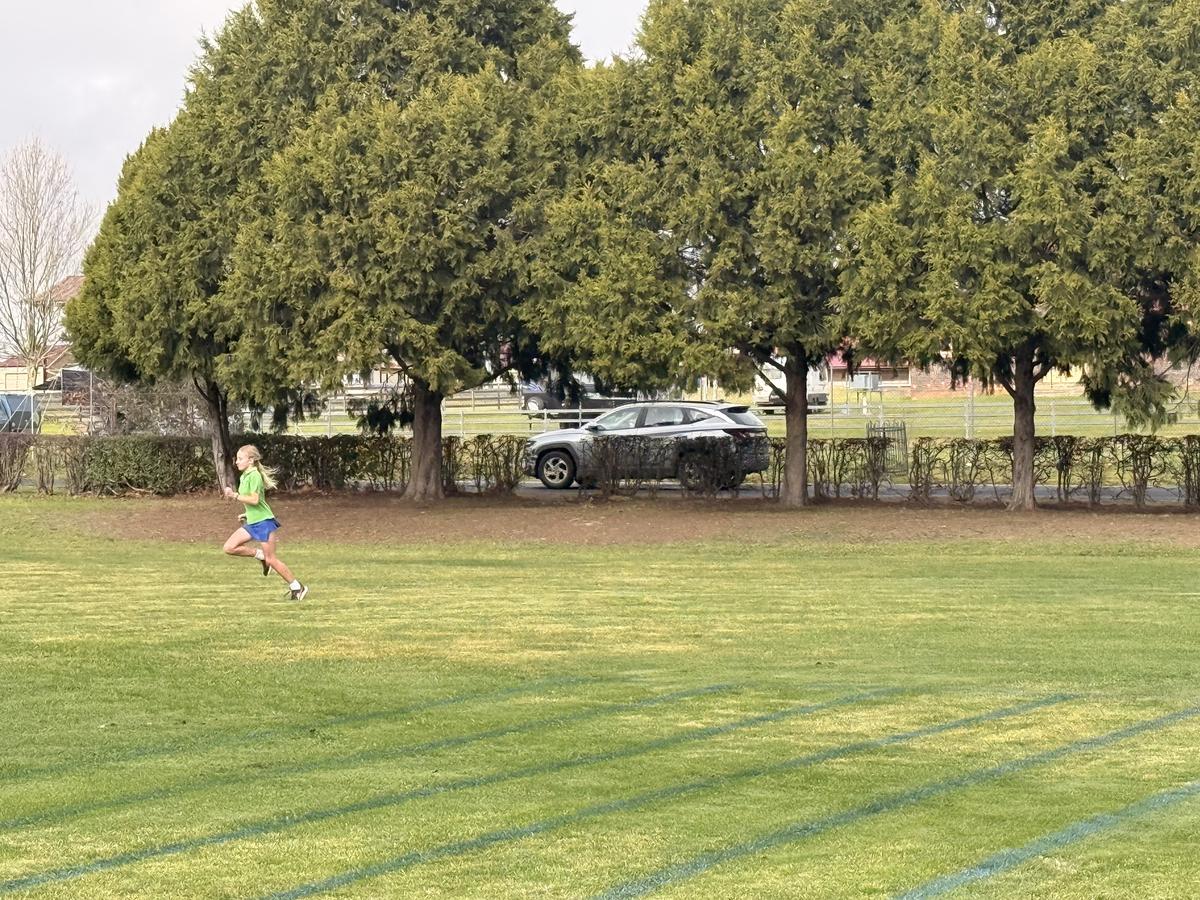
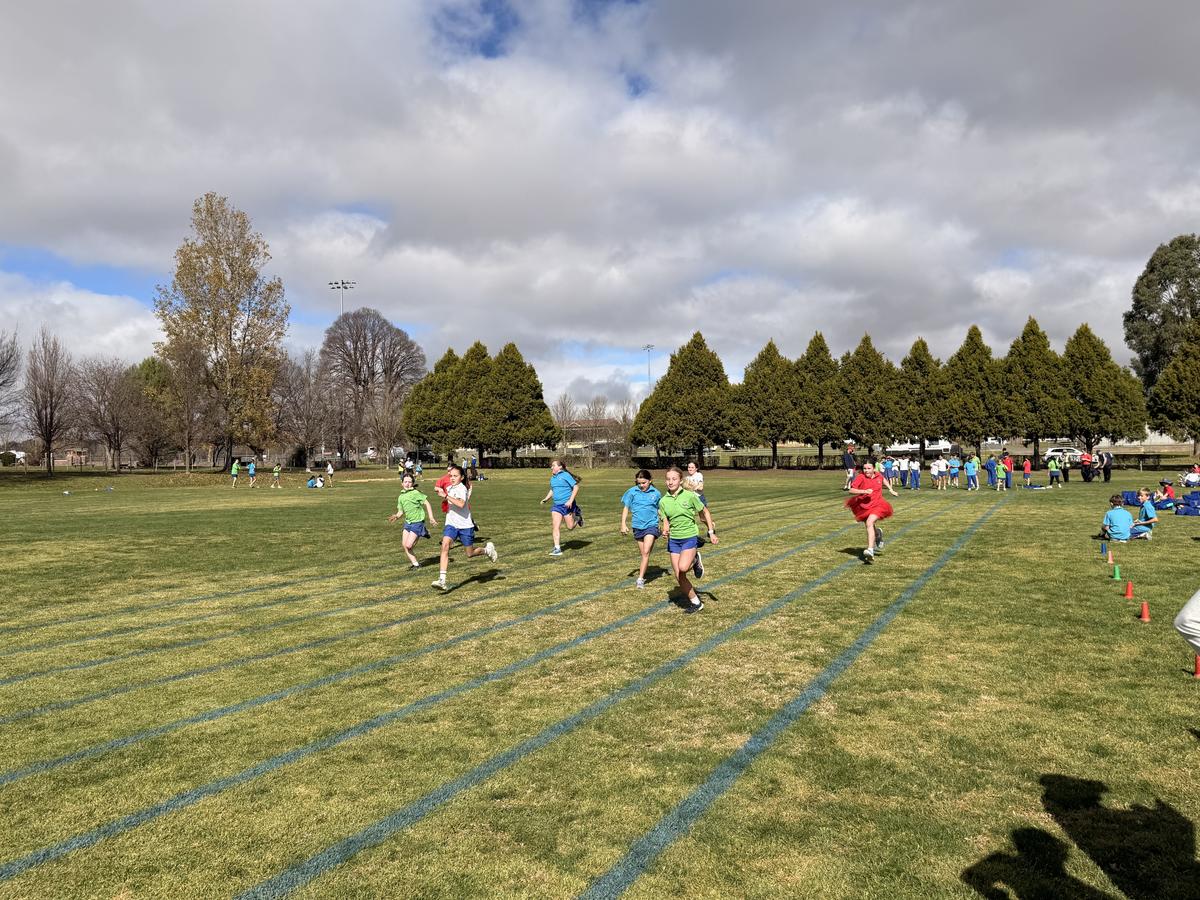
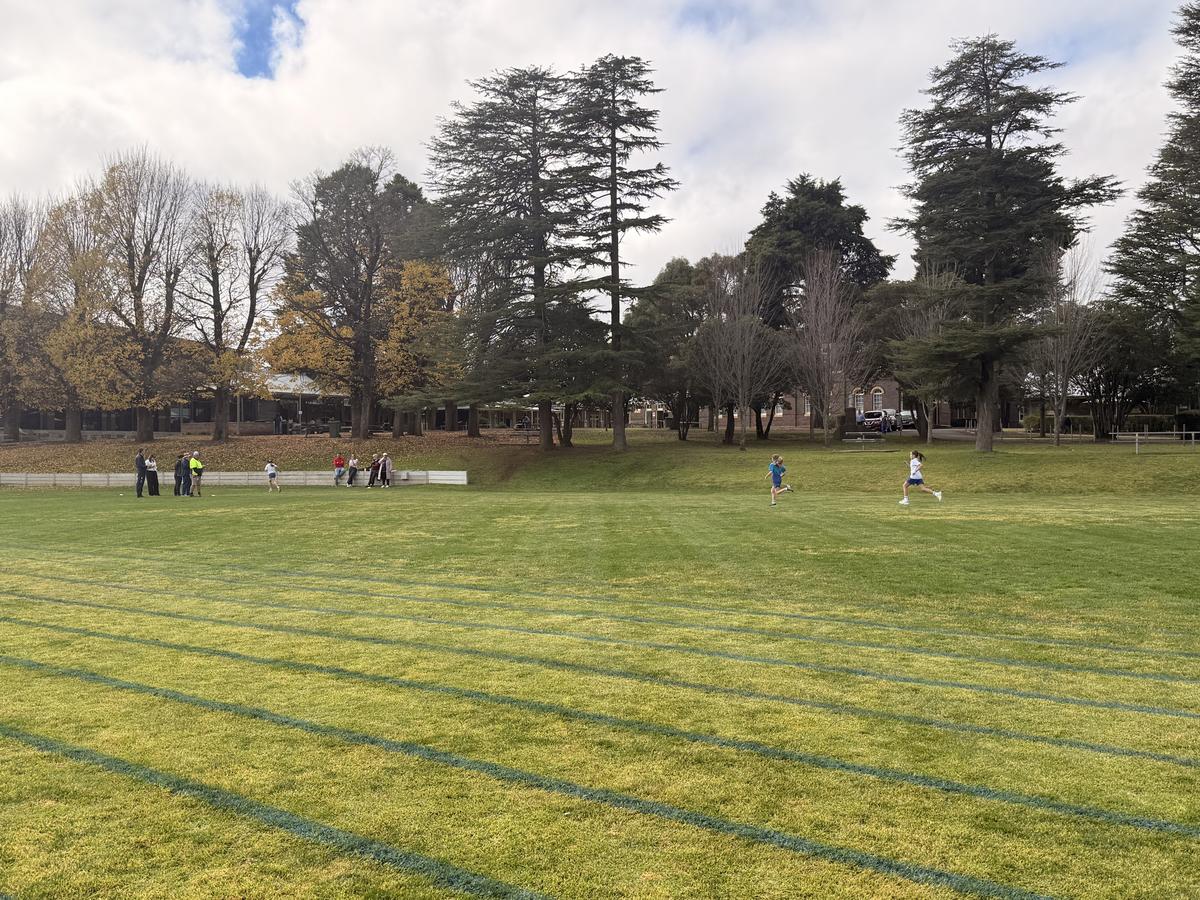
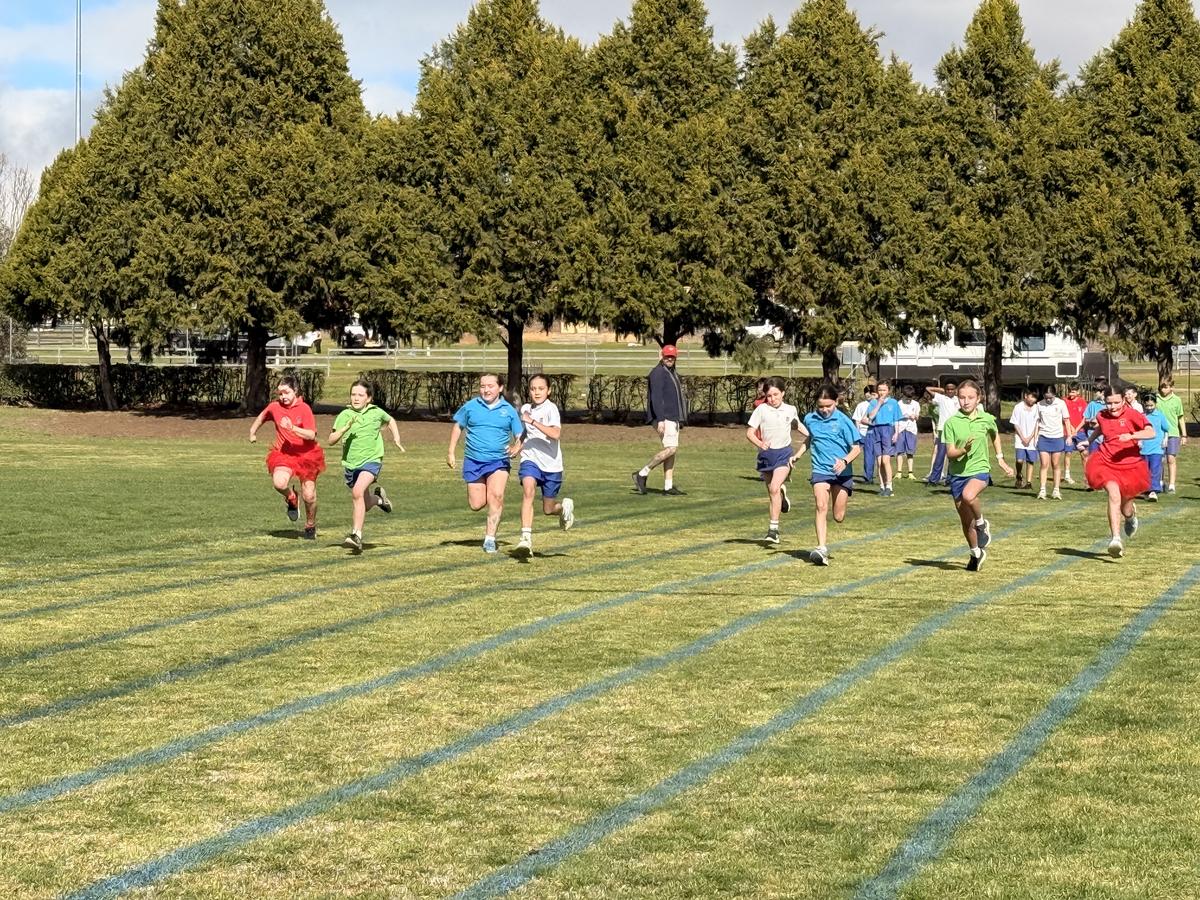
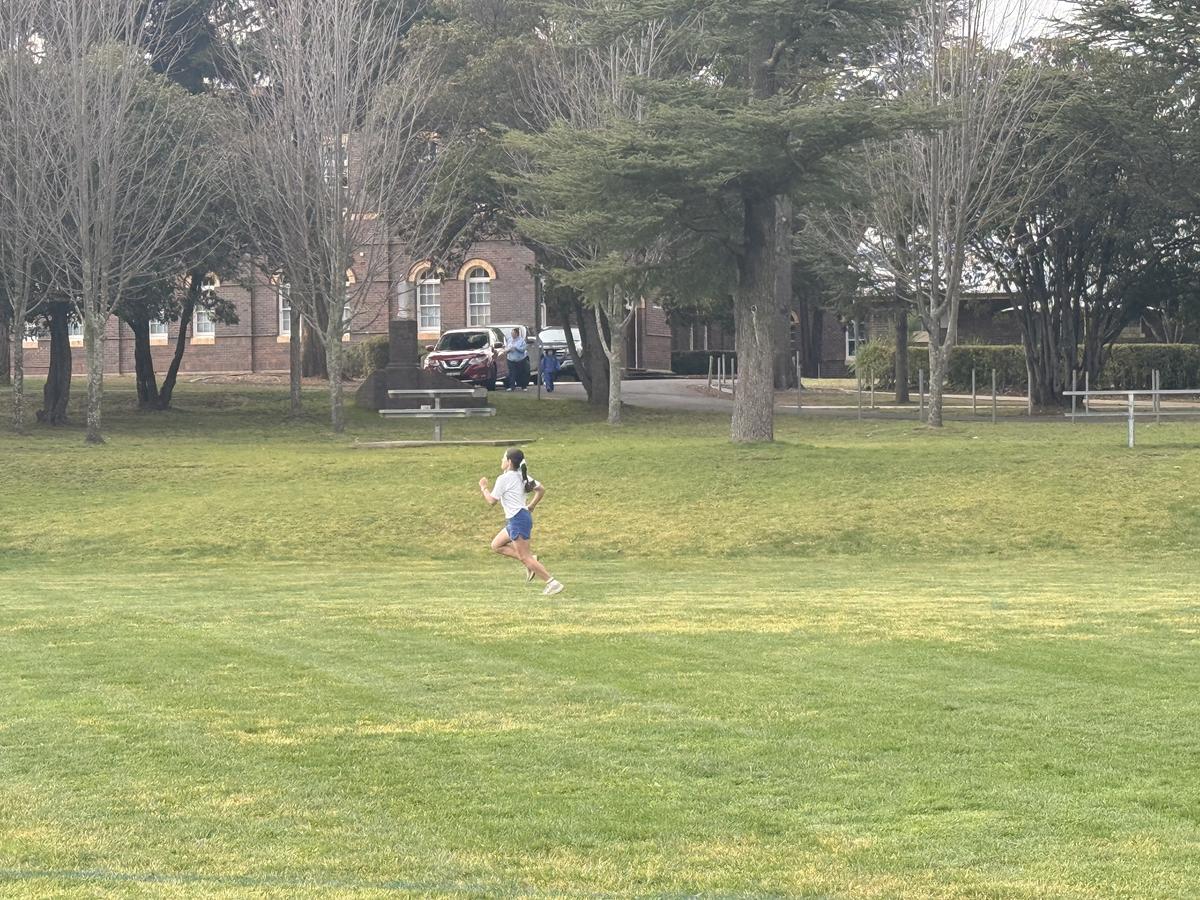
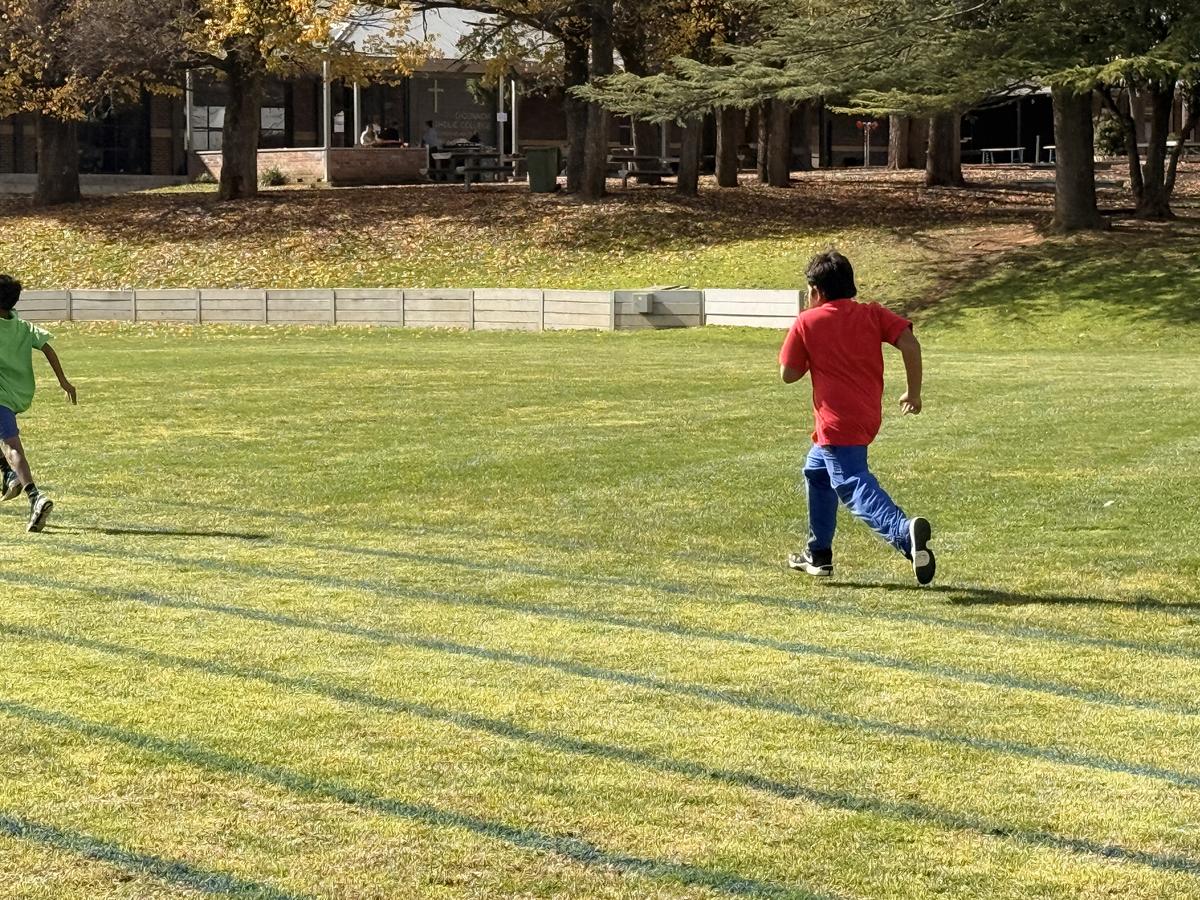
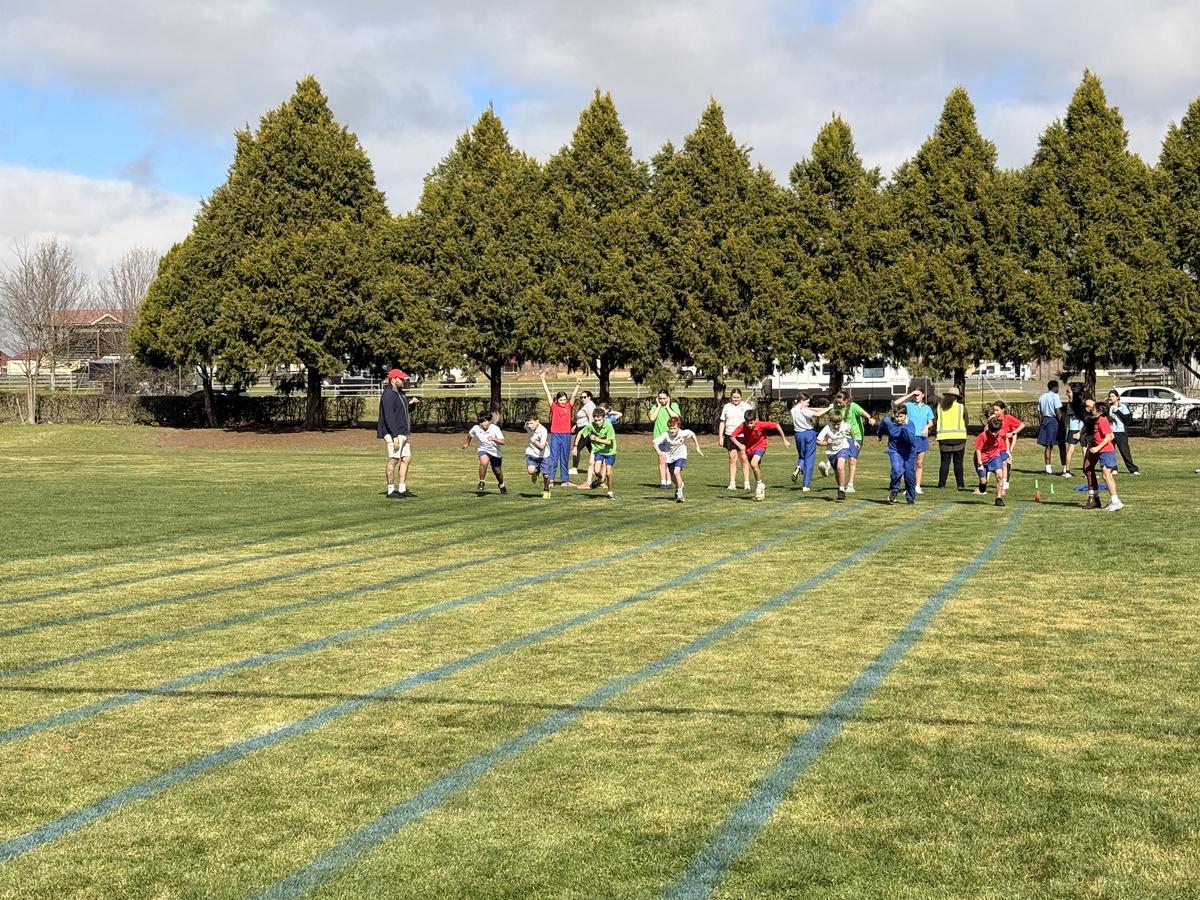
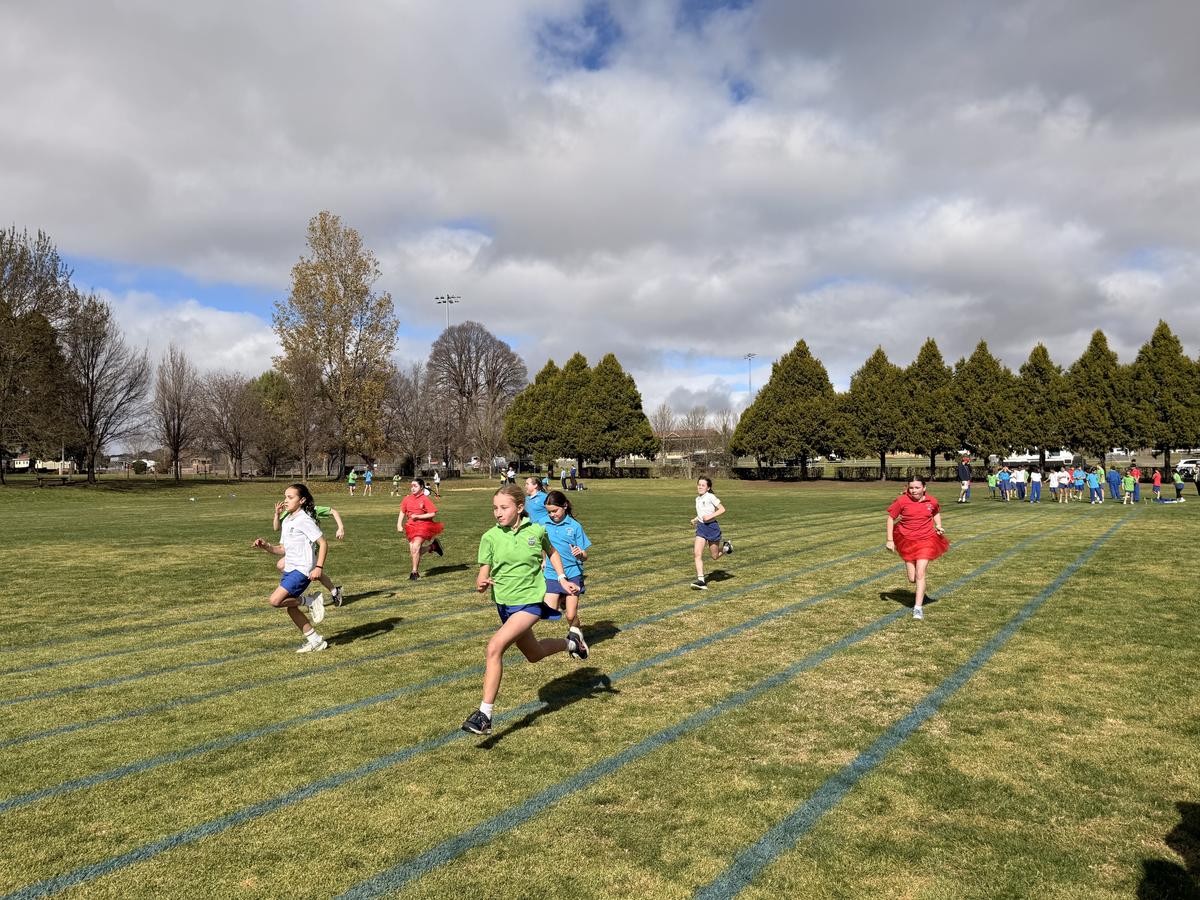
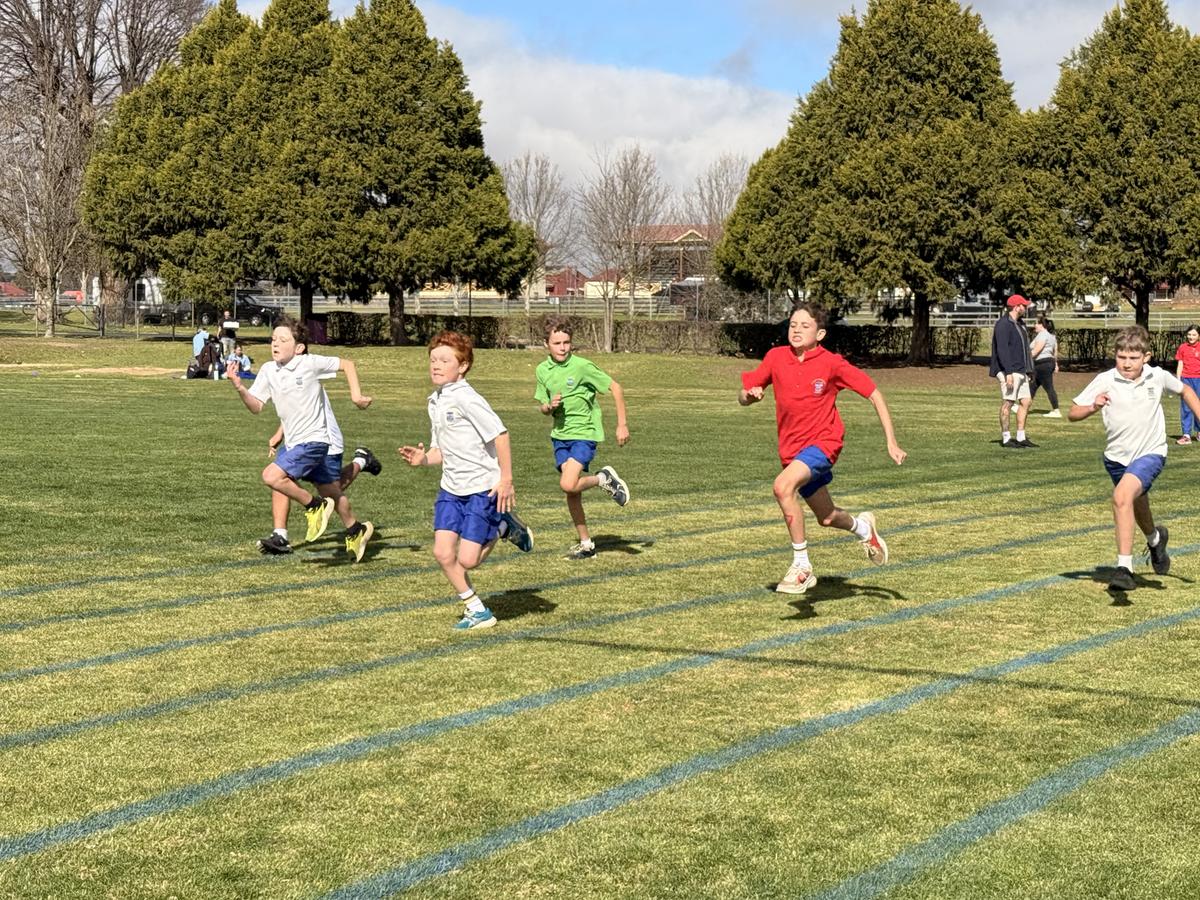
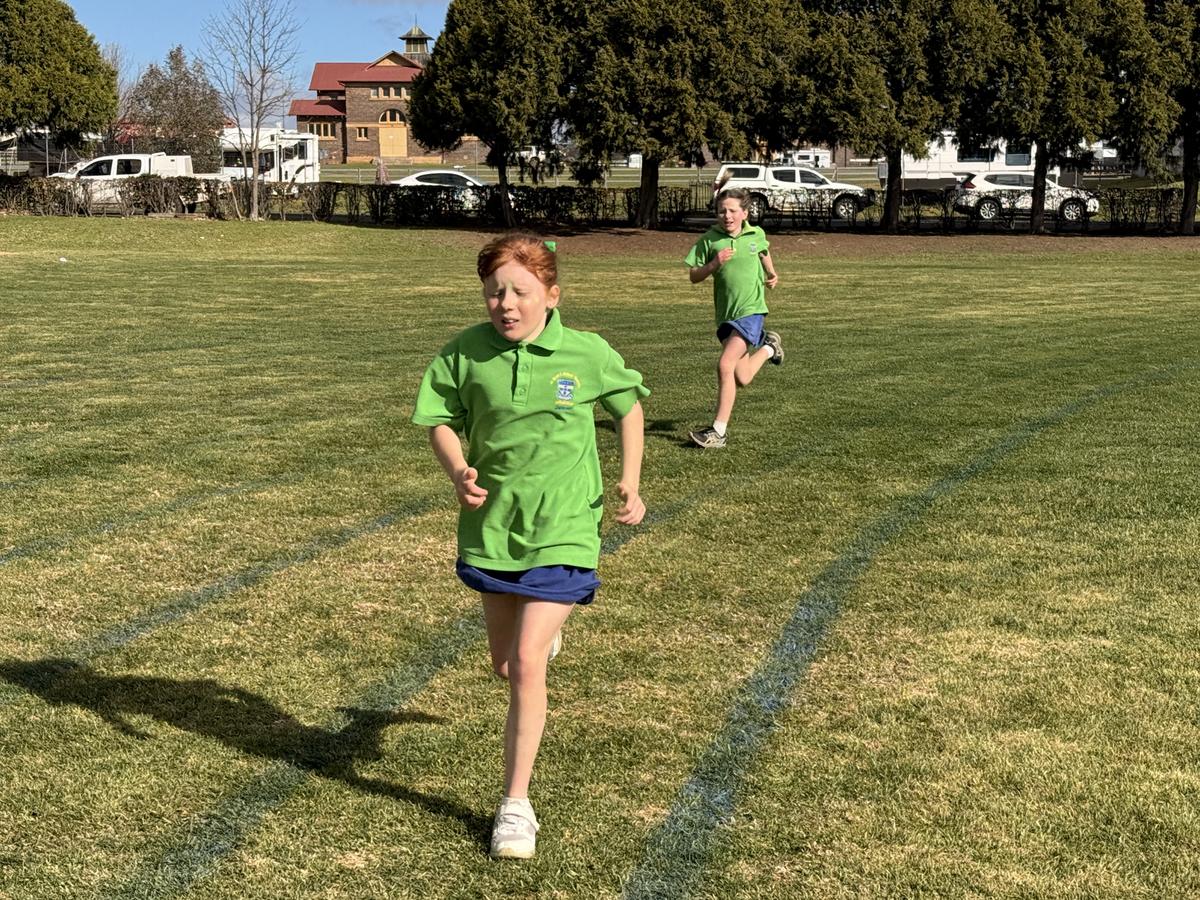
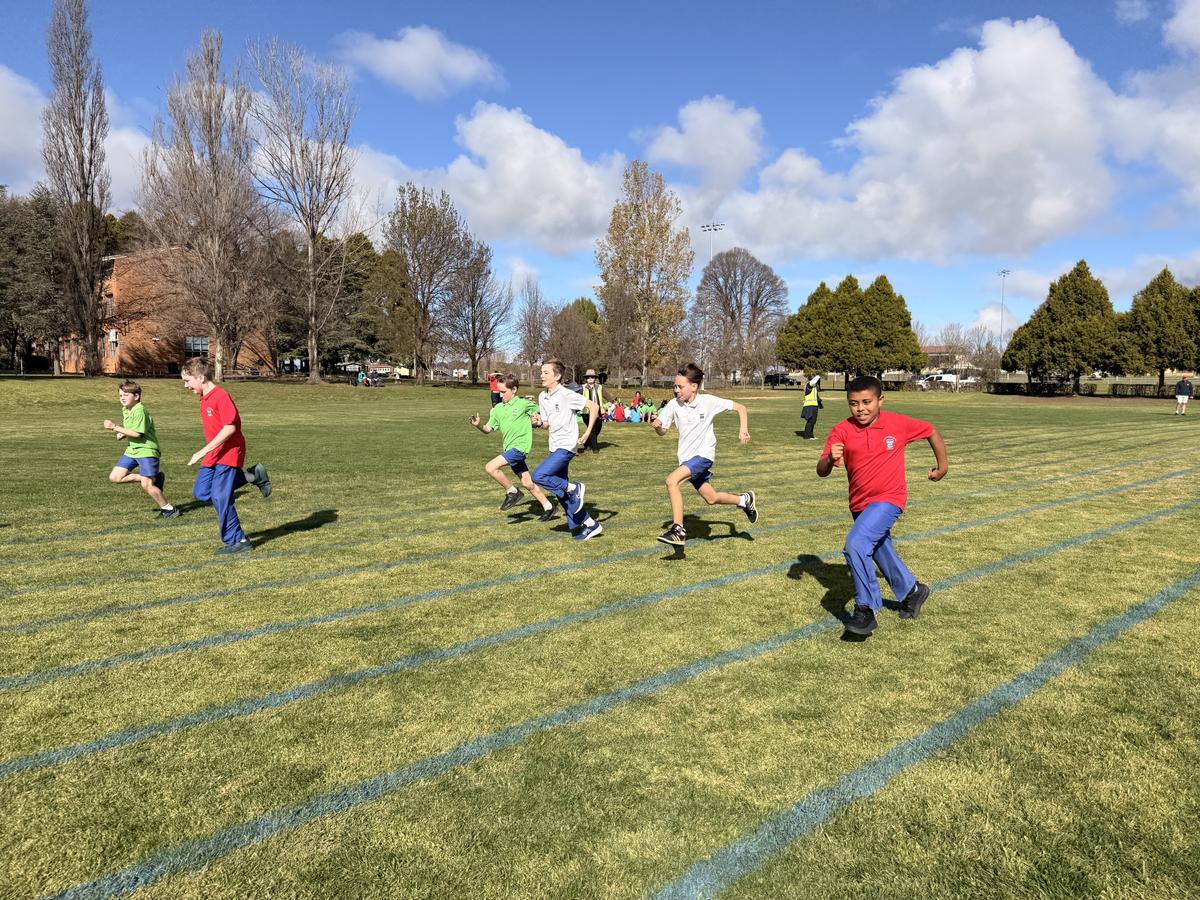
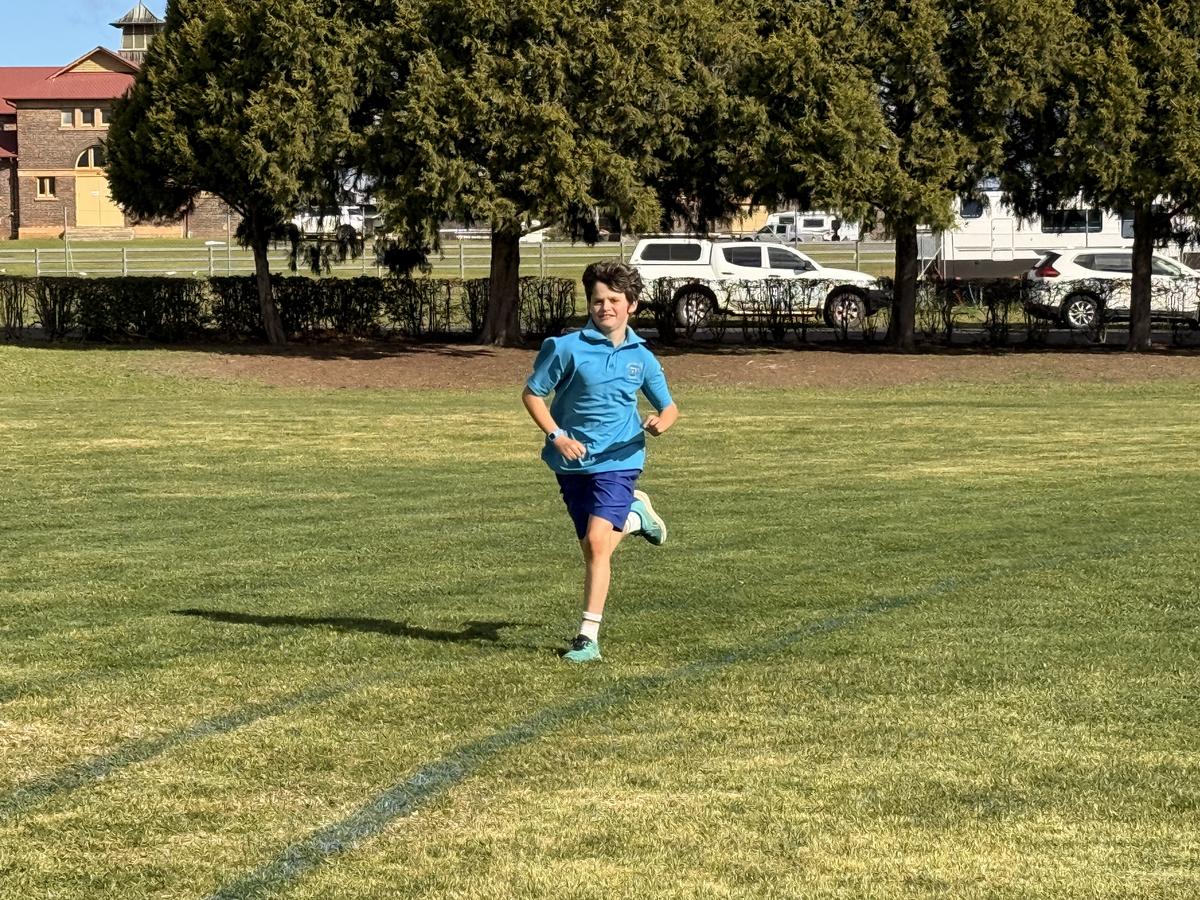
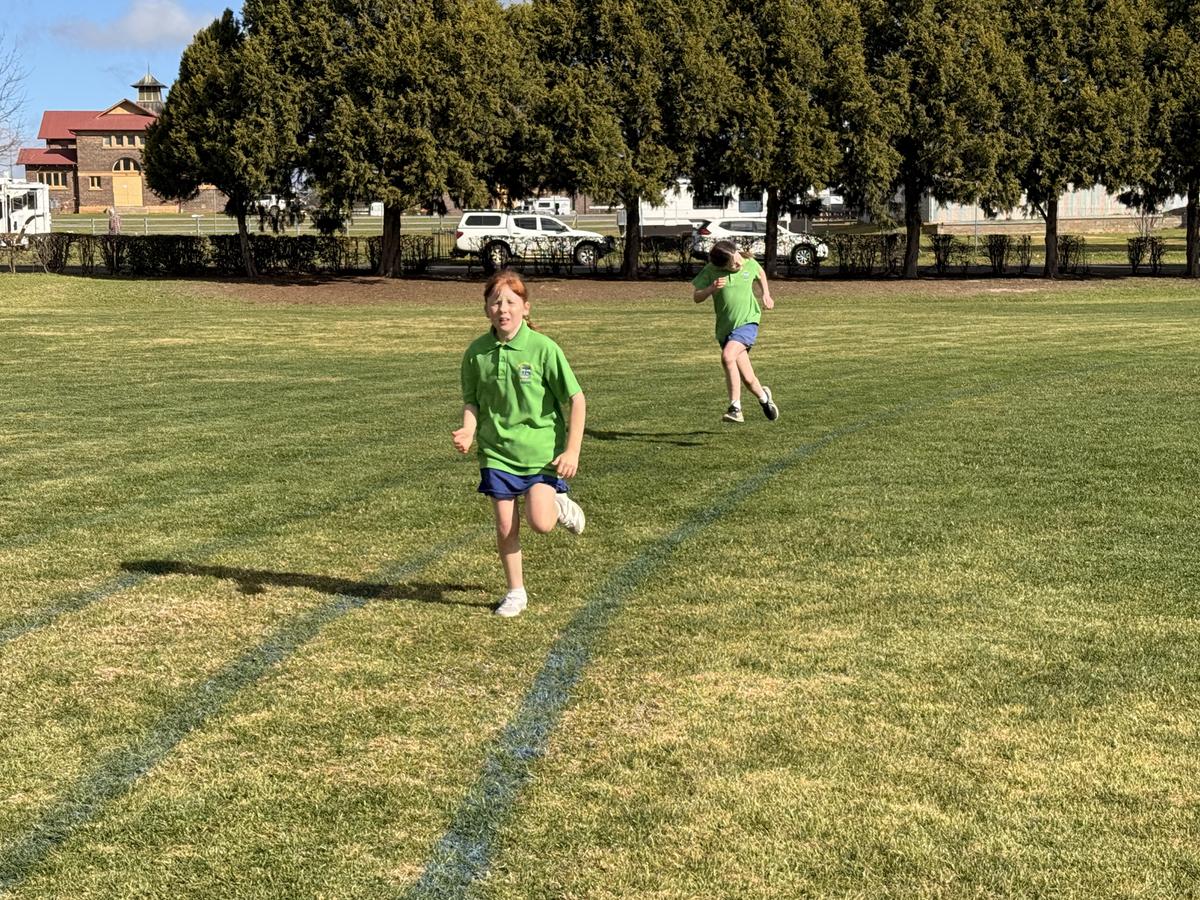
Athletics Carnival:
The Athletics carnival was held this week at the O’Connor Catholic School Oval. It was a vibrant day filled with school spirit as student participation in various track and field events.
Thank you to all who managed to attend and show your support!
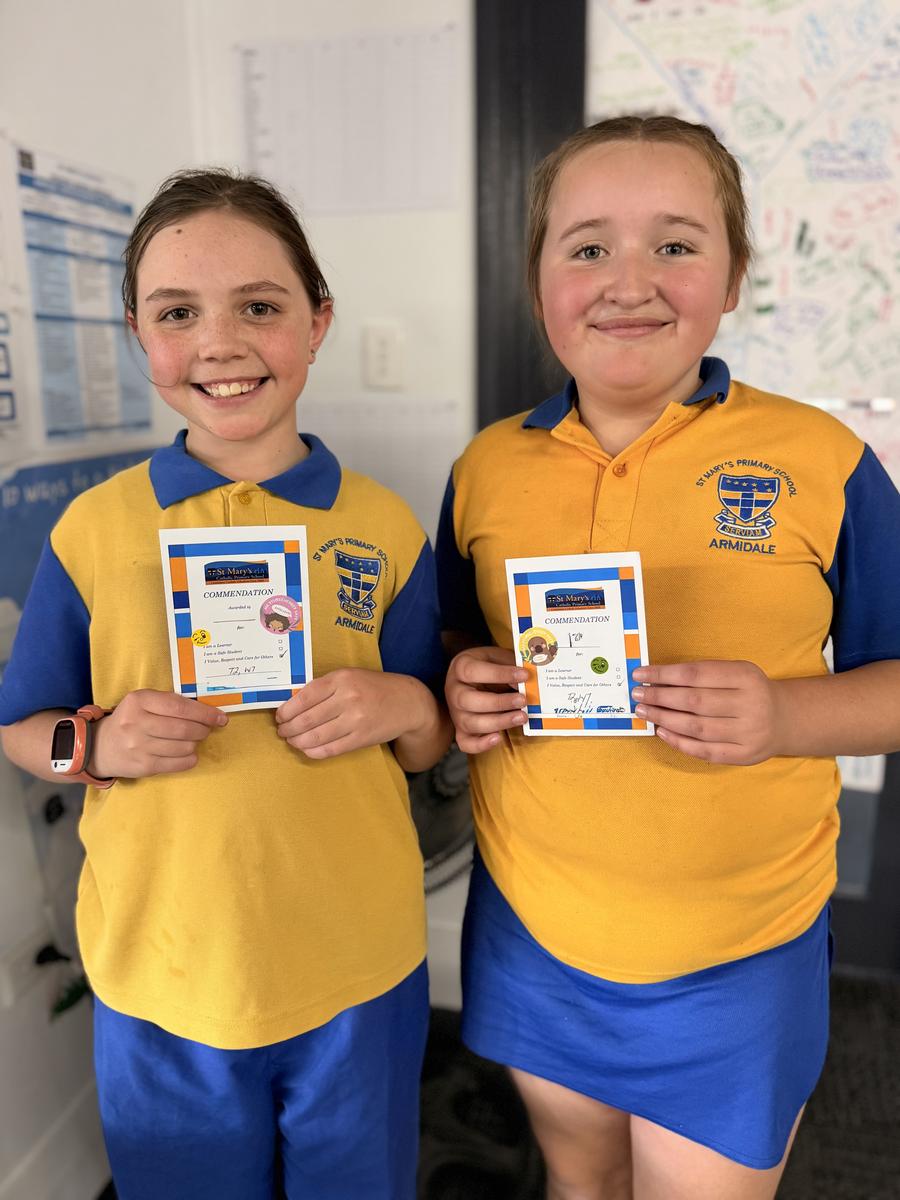
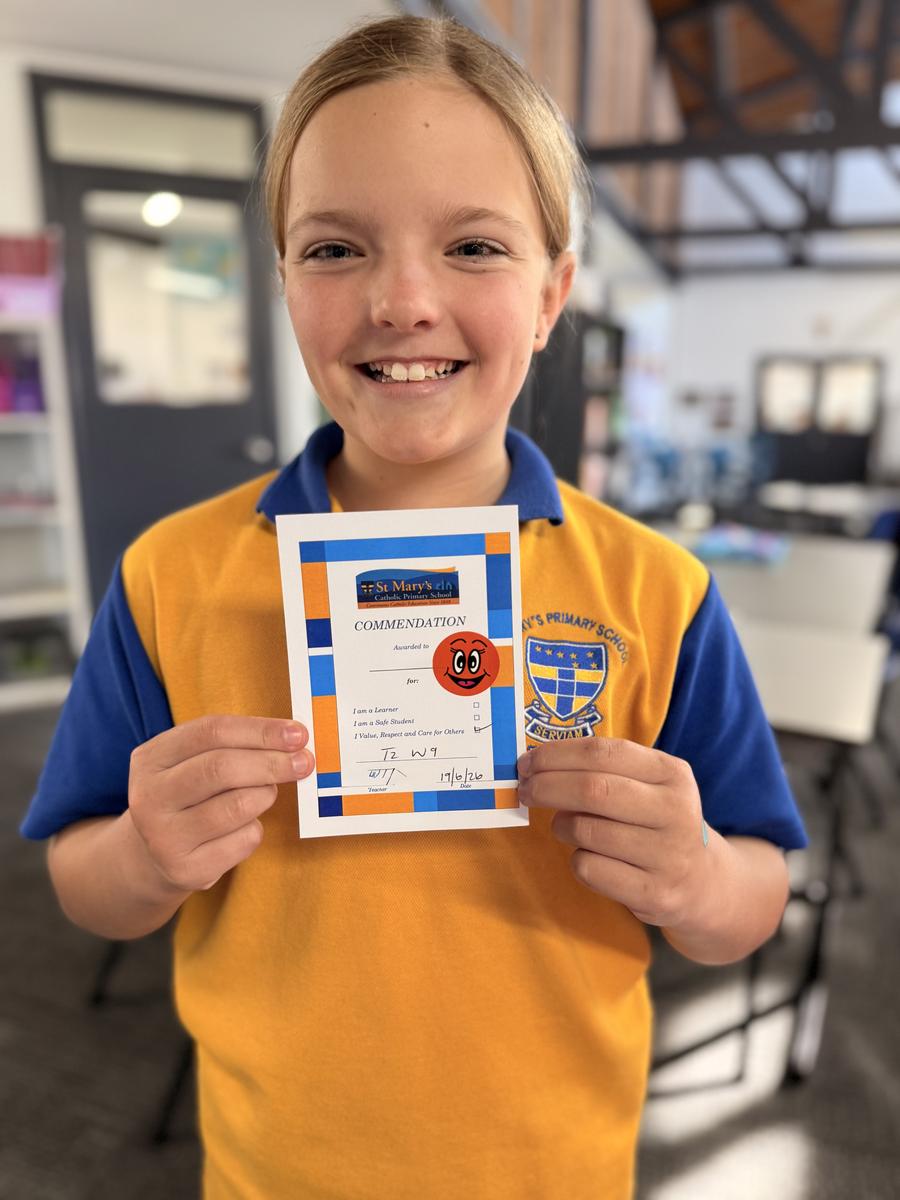
Commendations:
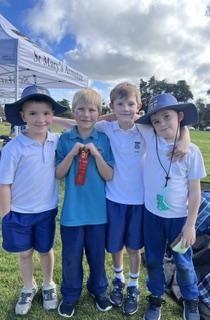
Shoutout to our standout students this fortnight! They have consistently lived out St Mary’s Living Well, Learning Well framework by being safe, dedicated learners who treat others with kindness and respect. Keep up the fantastic work!
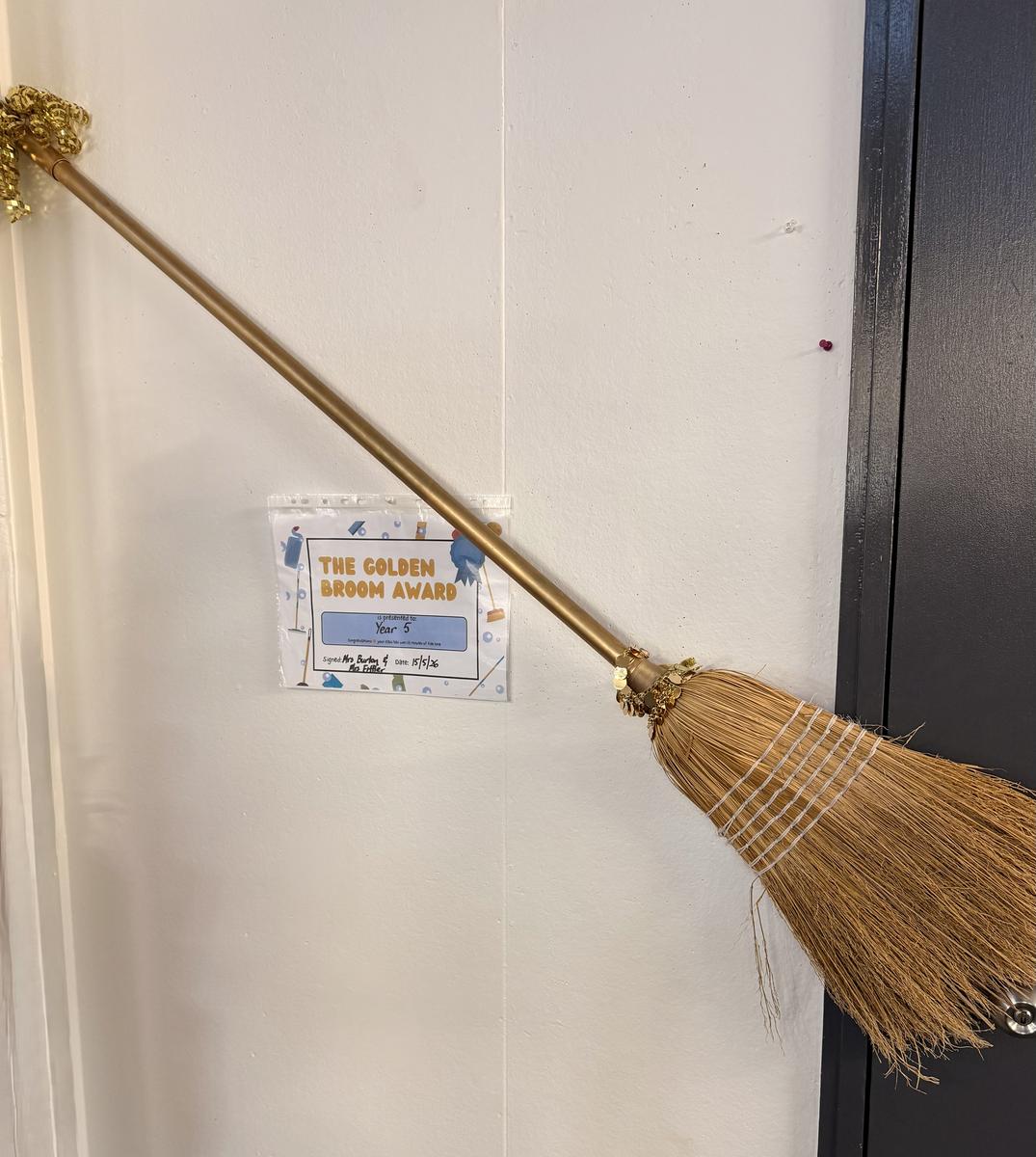
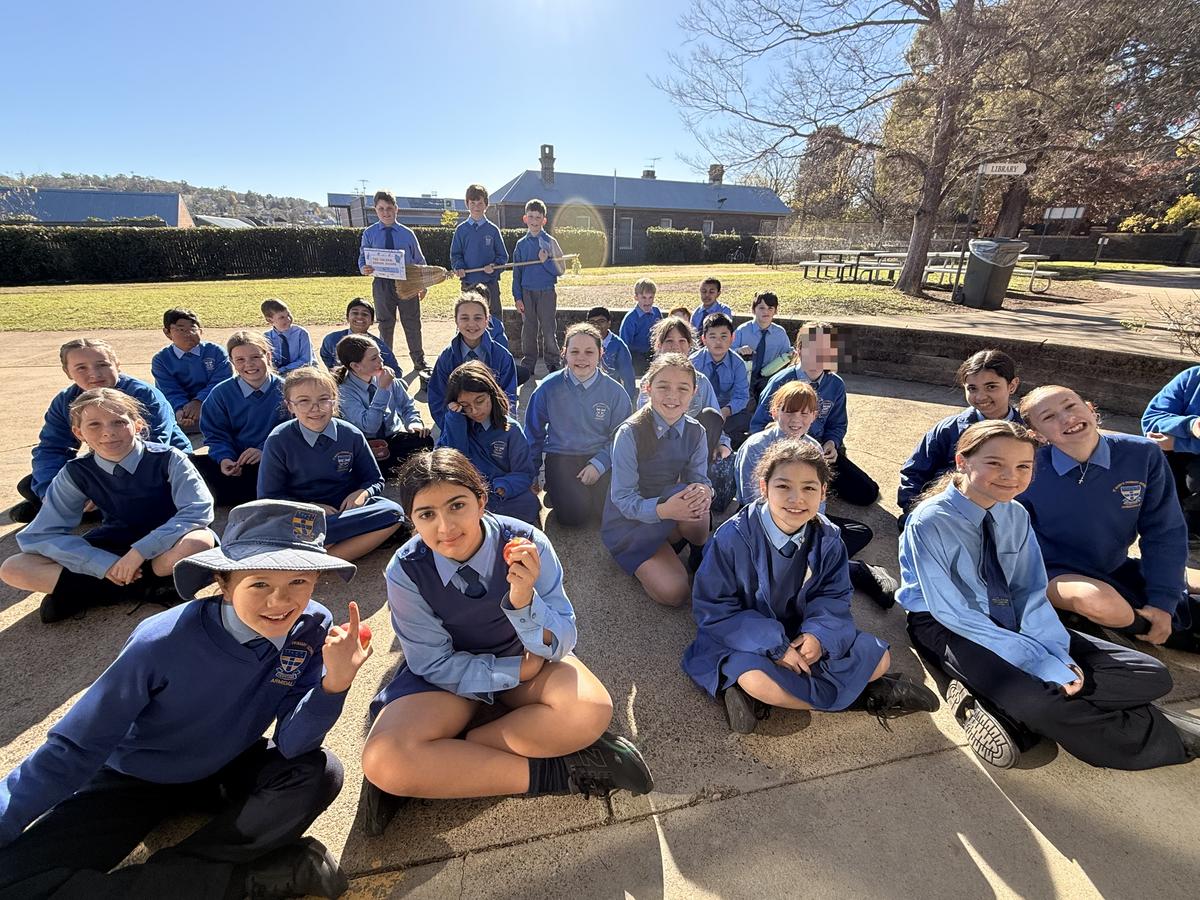
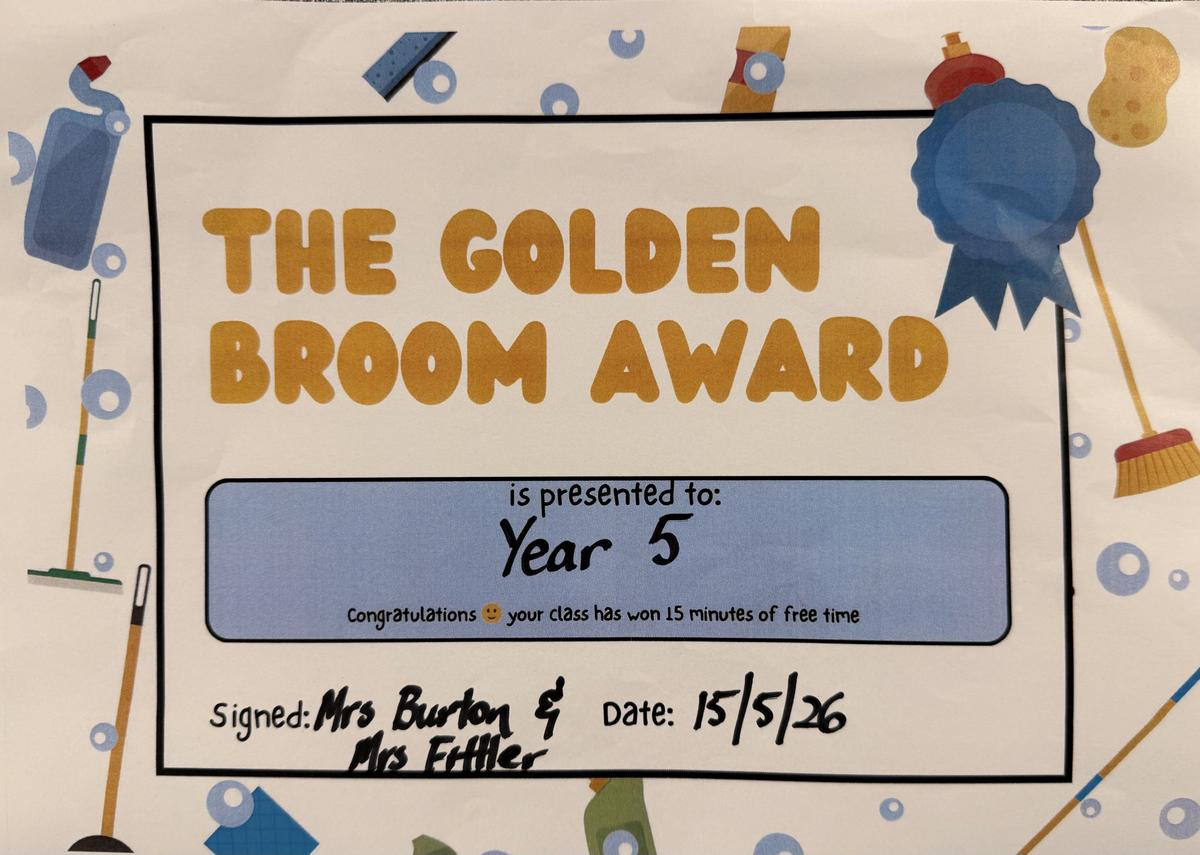
Golden Broomstick:
The Golden Broomstick at St Mary's is a prestigious weekly award presented to the class that demonstrates exceptional pride in their school environment by maintaining the tidiest and most organized classroom.