Whole School Activities
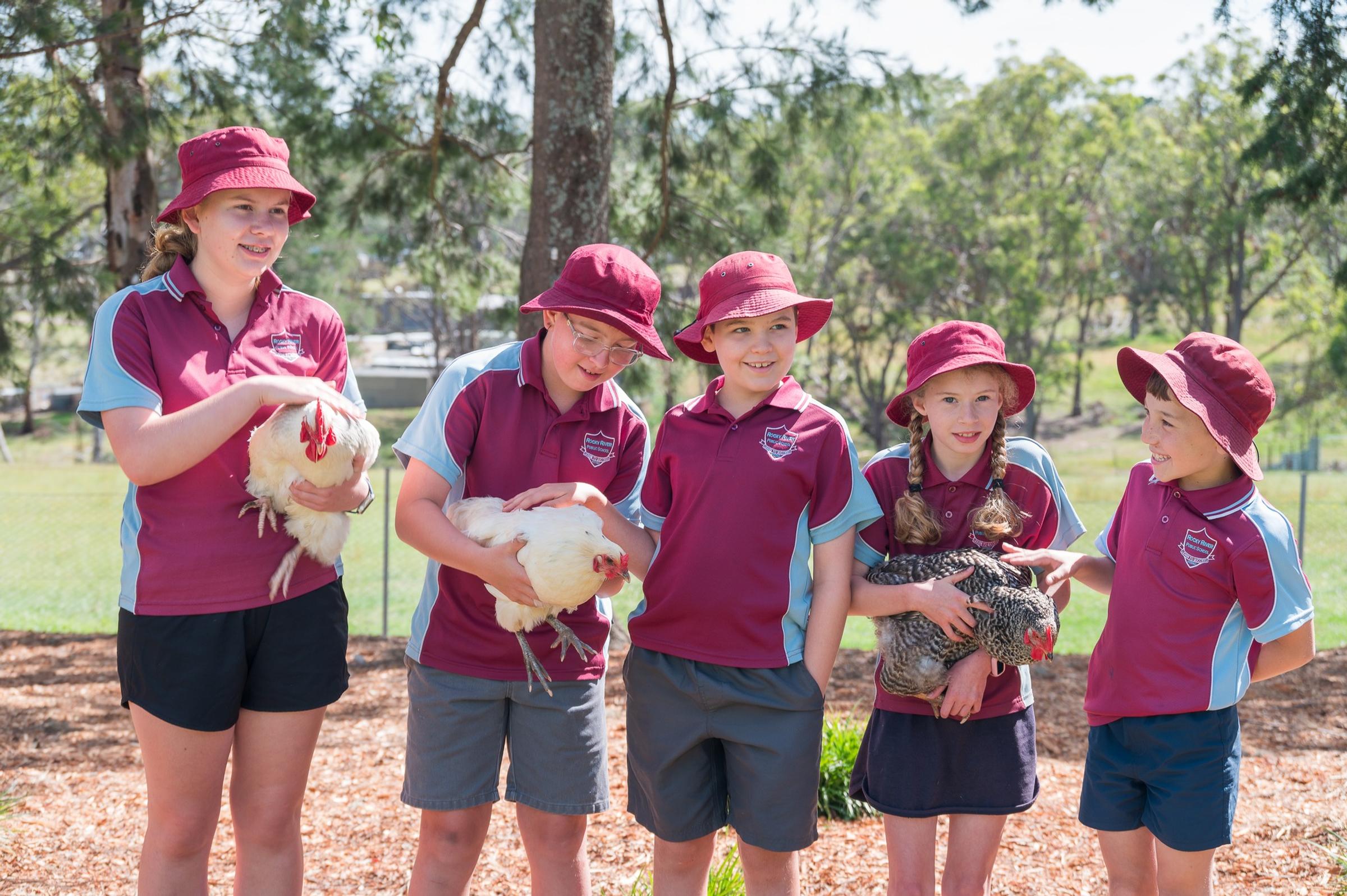
National Simultaneous Story Time 2026
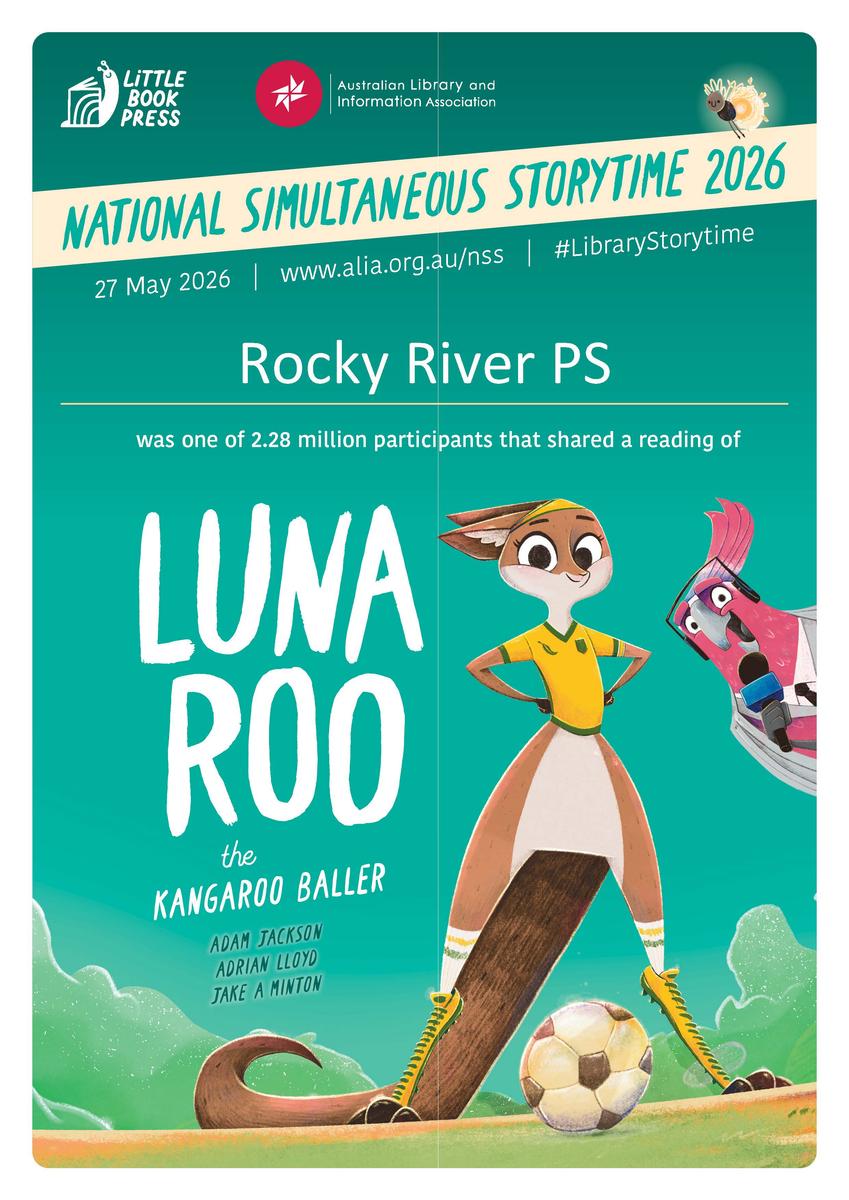
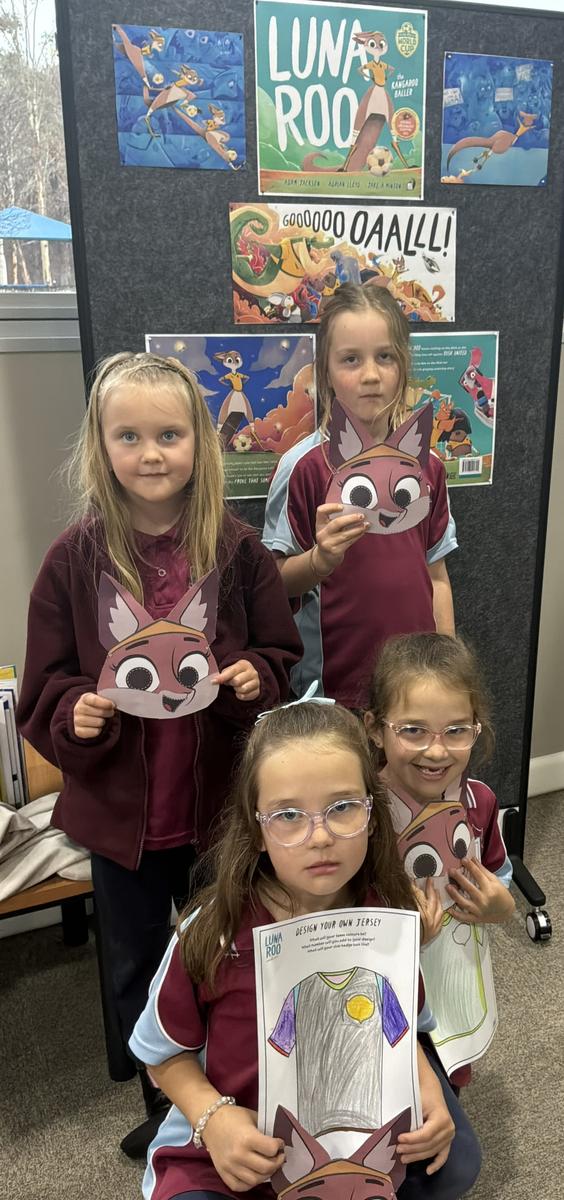
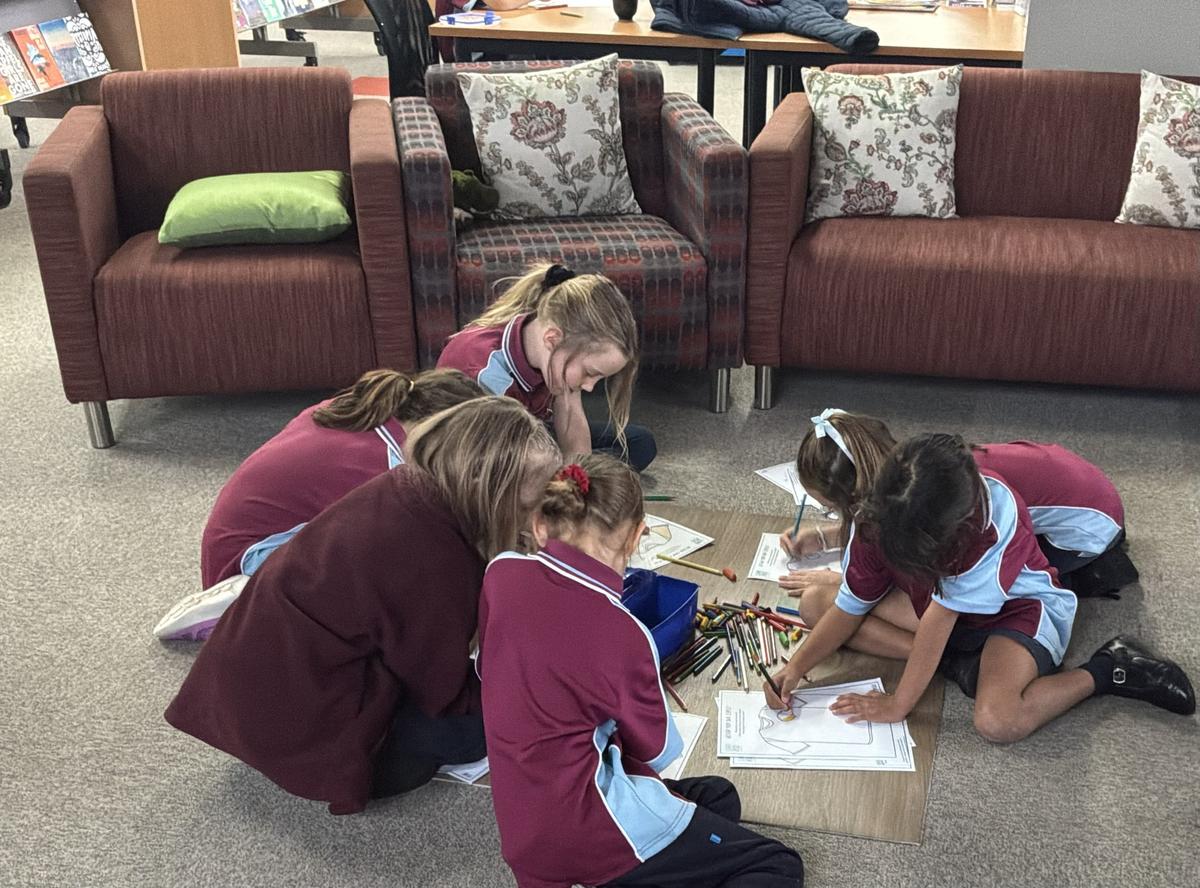
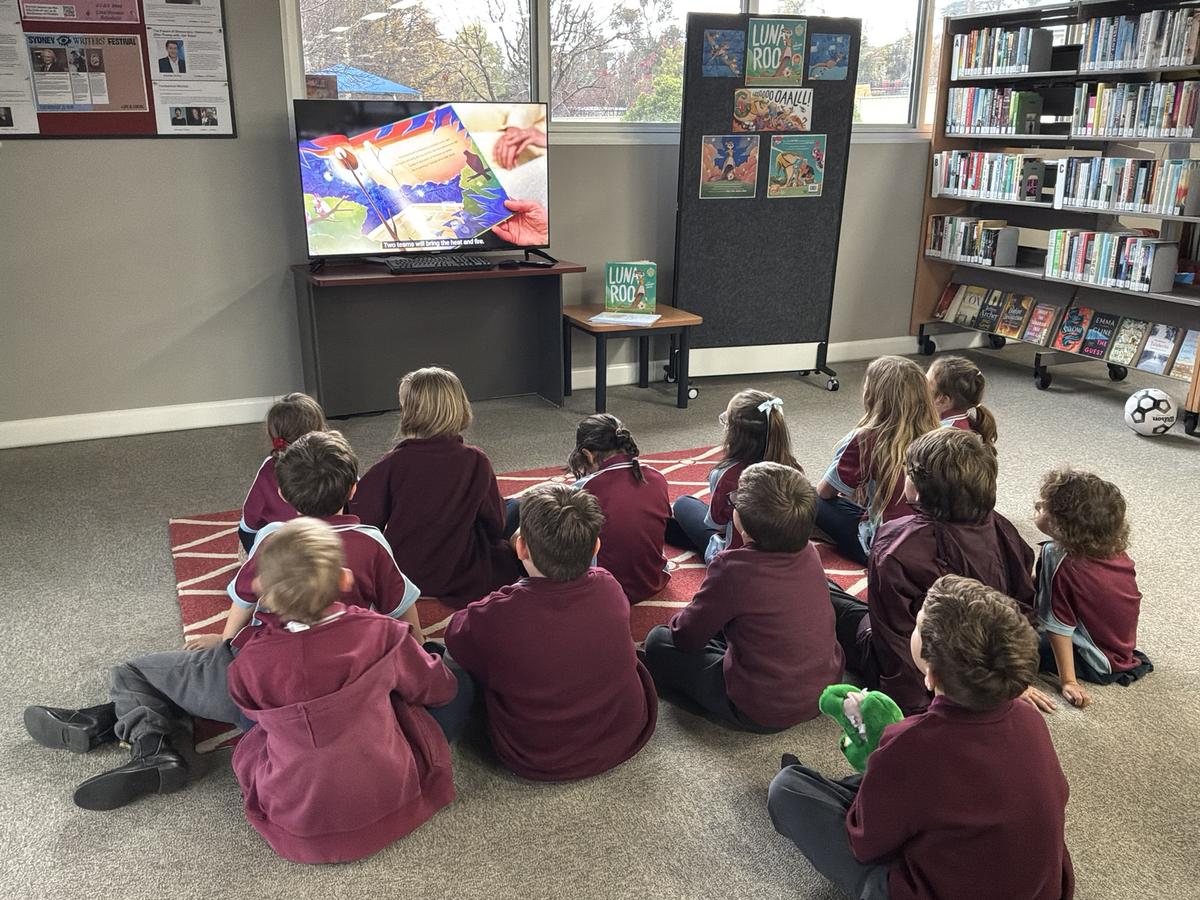
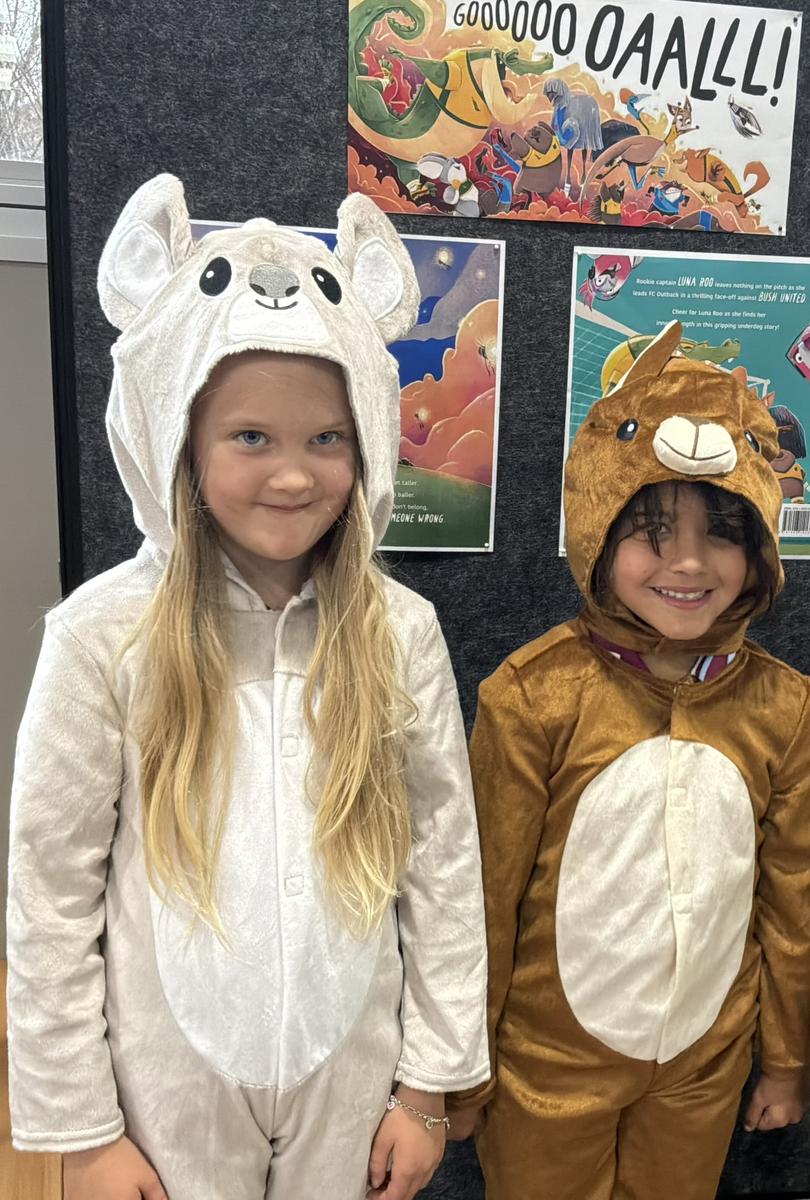
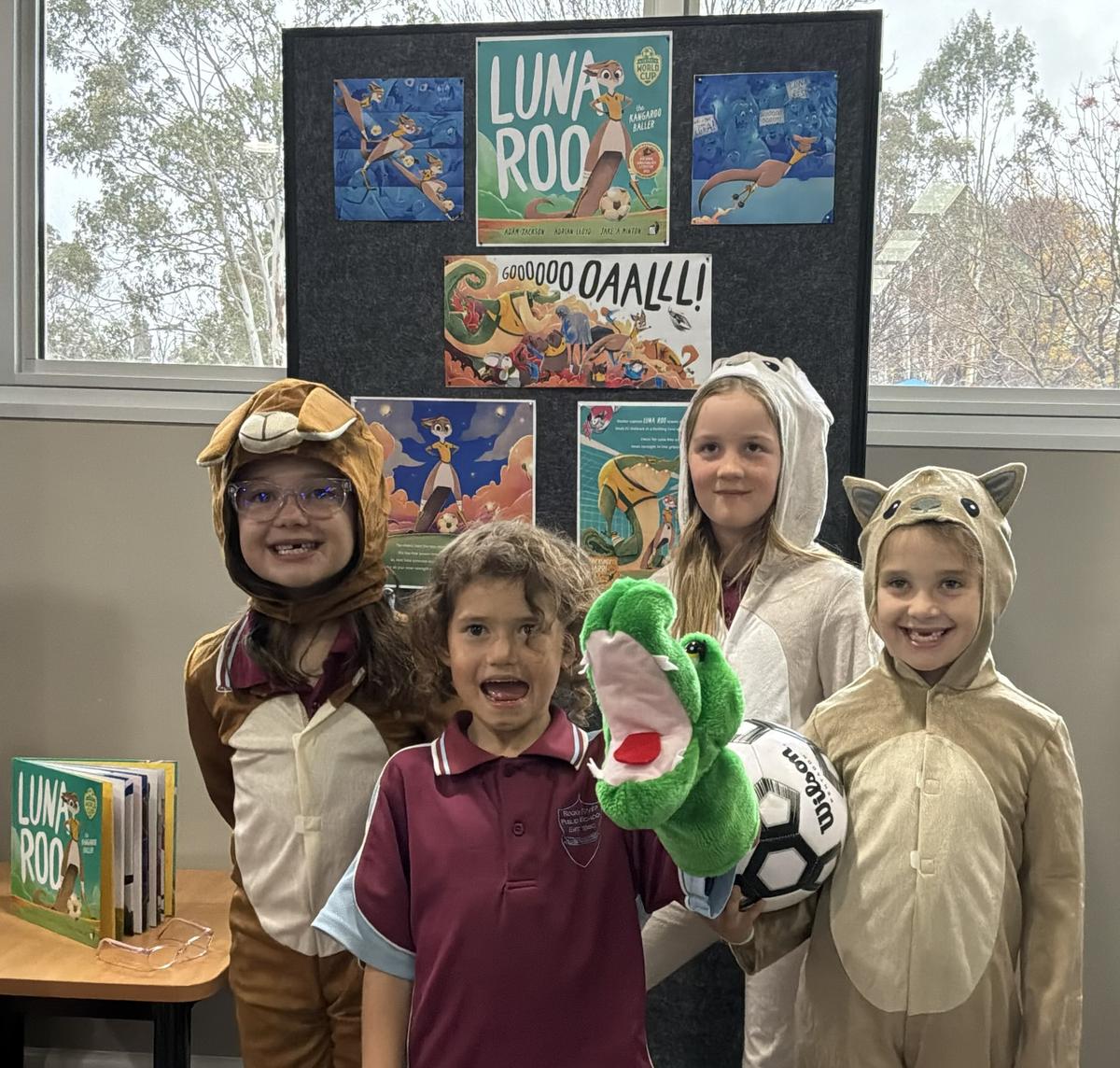
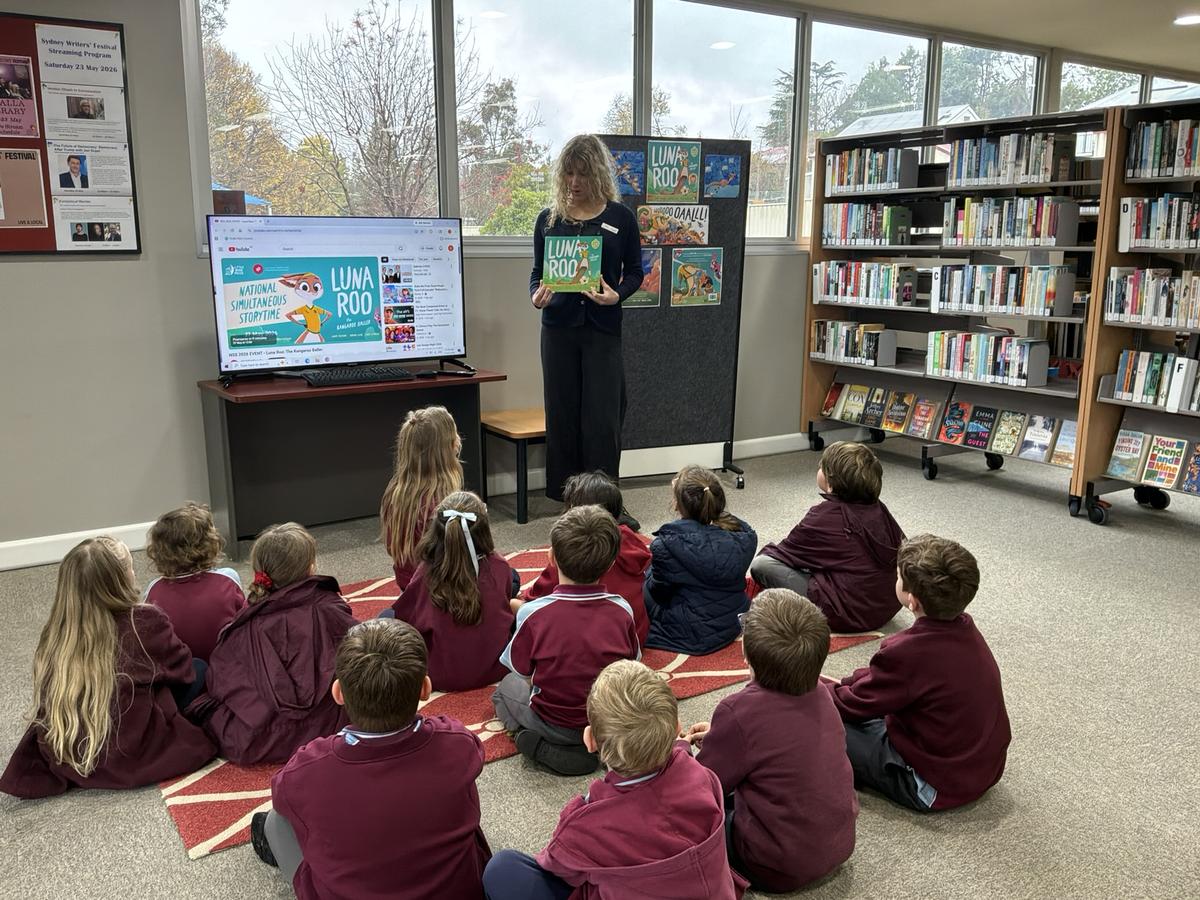
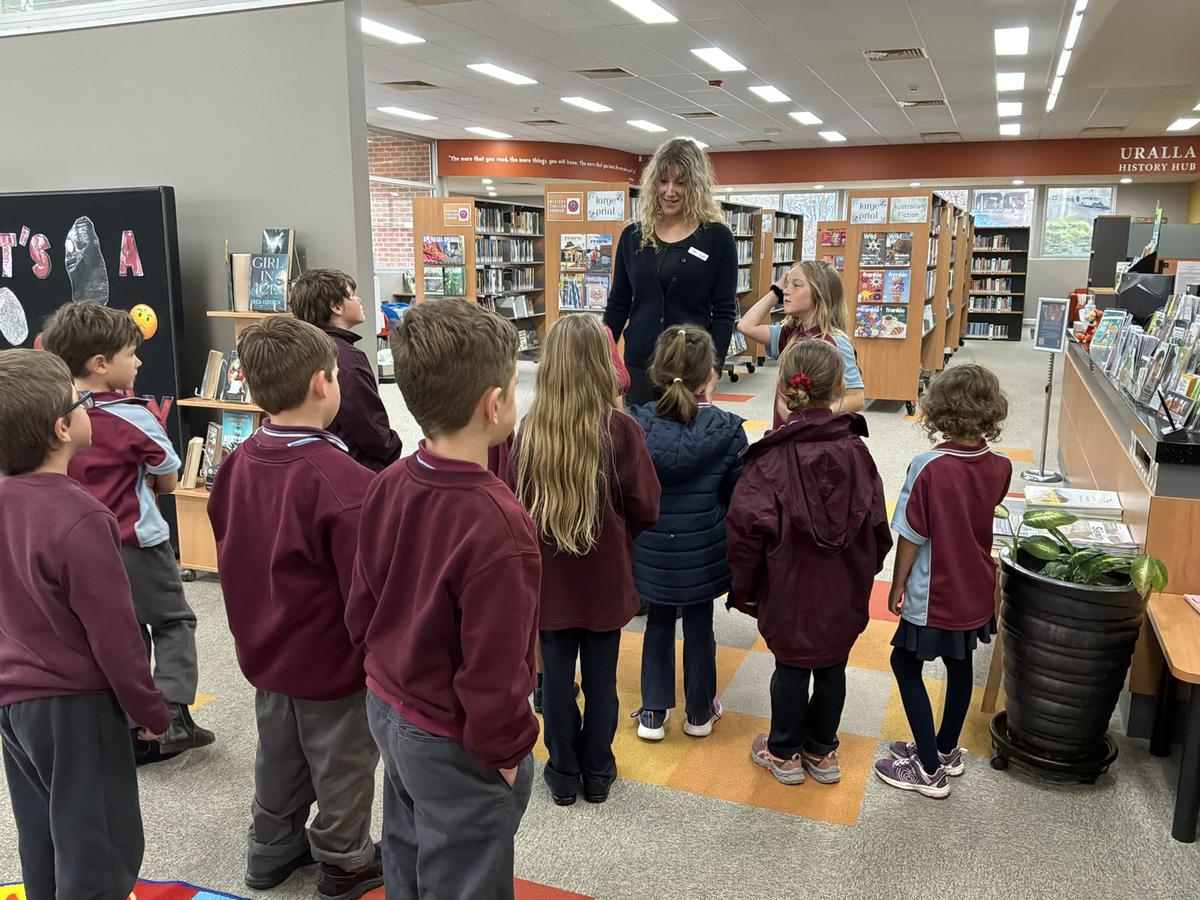
Lower Division students were lucky to visit Uralla Library on 27th May to participate in National Simultaneous Storytime 2026. Joining nearly 2 million others nationwide, we enjoyed the story "Luna Roo." We extend our sincere thanks to the library staff for their warm welcome and for providing a wonderful space to listen to the story. The fun activities, including dress-up and colouring-in, made the experience even more memorable. We truly appreciate our visits to the library, which our students enjoy greatly. Thank you again to the library team for their support and hospitality!
"Glitterbug" Handwashing Lesson
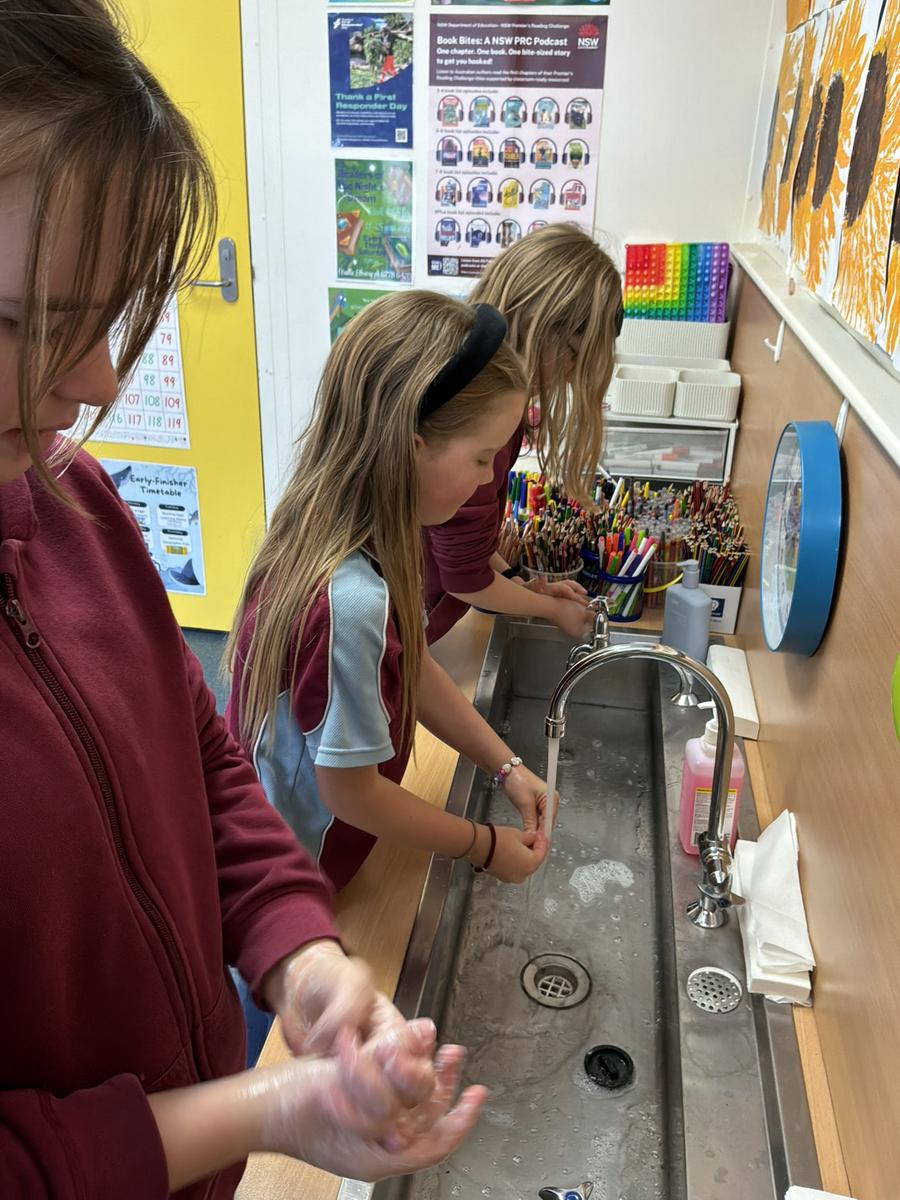
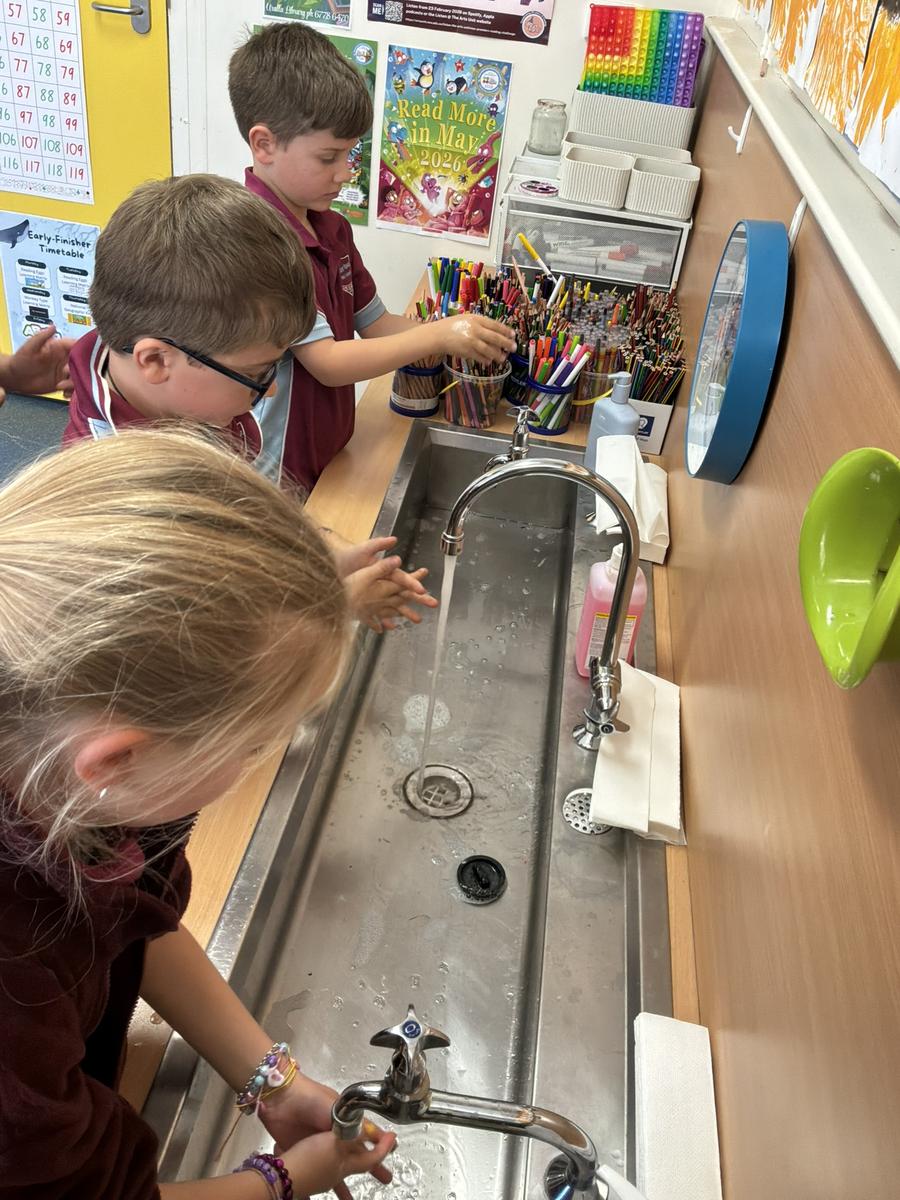
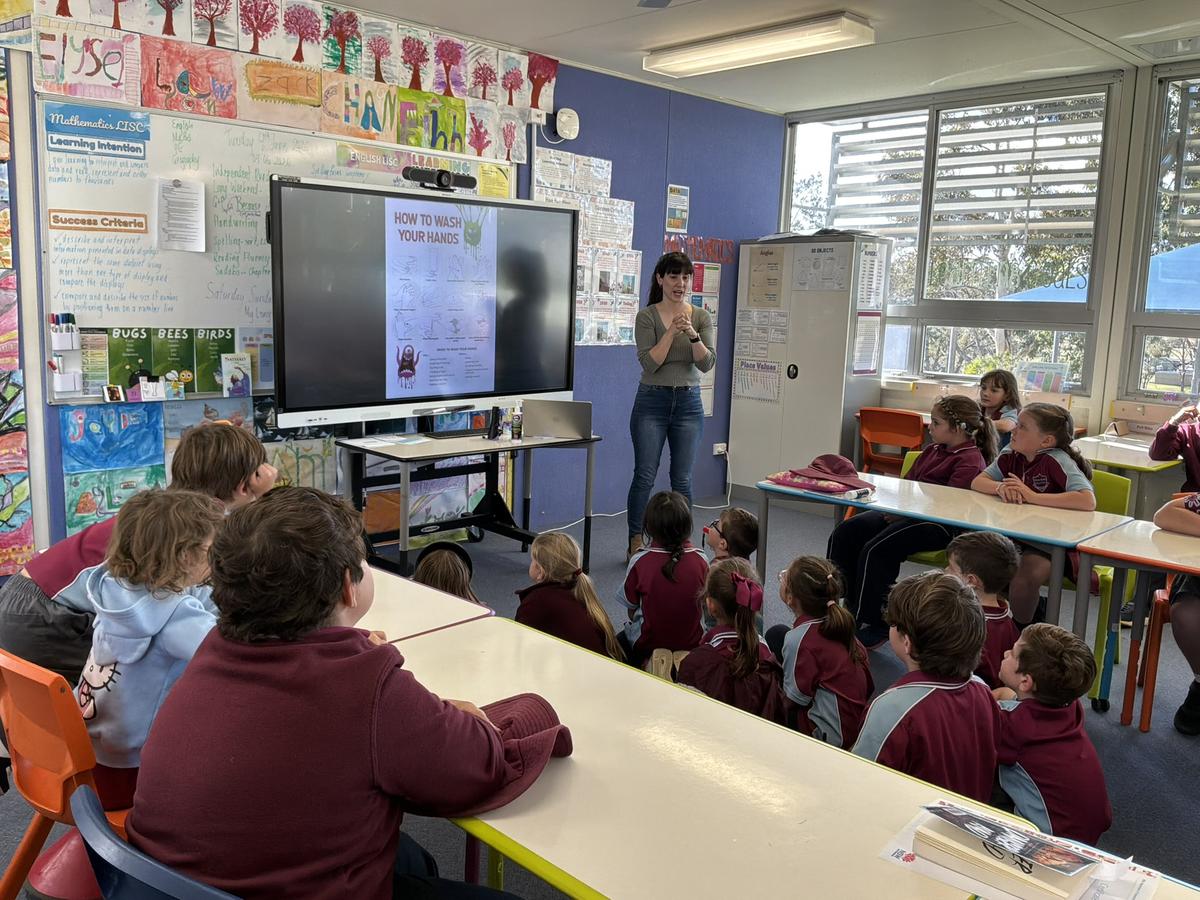
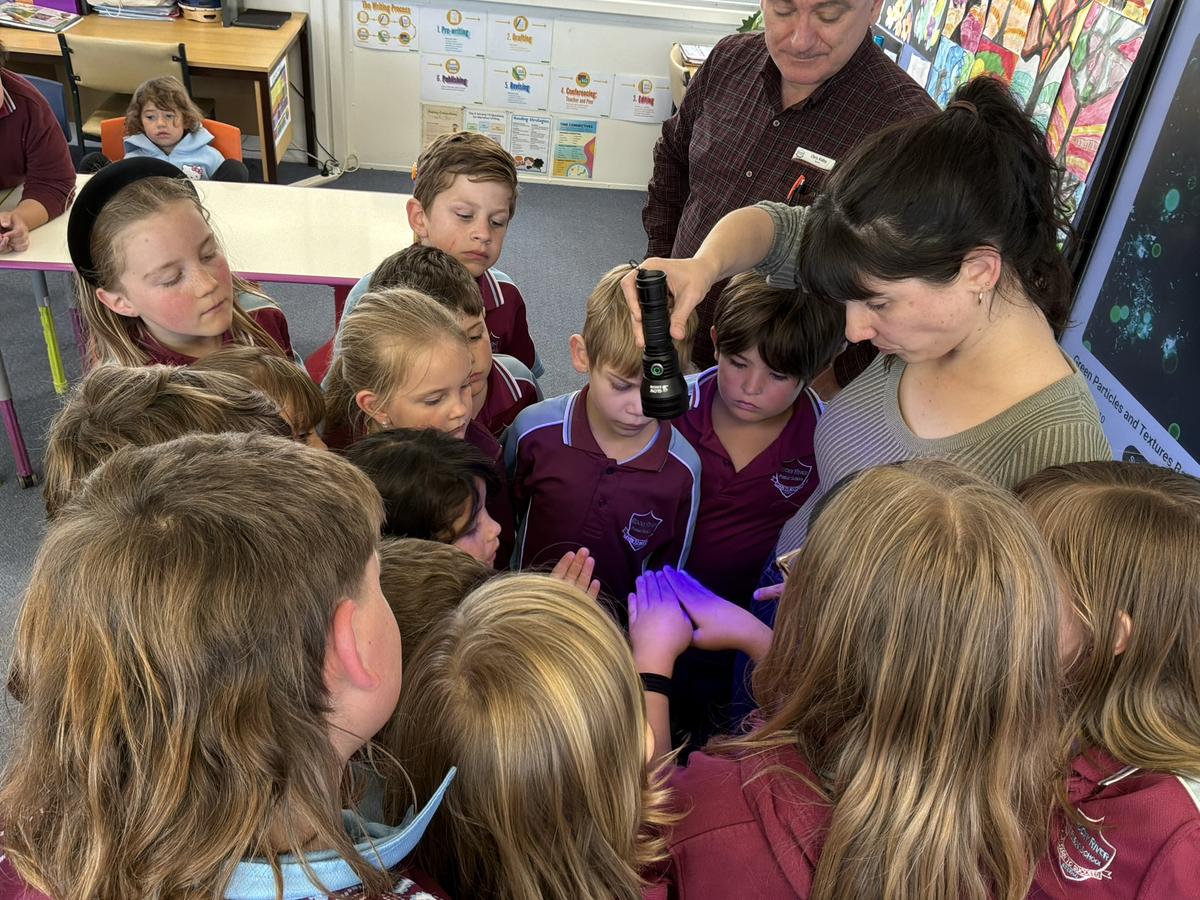
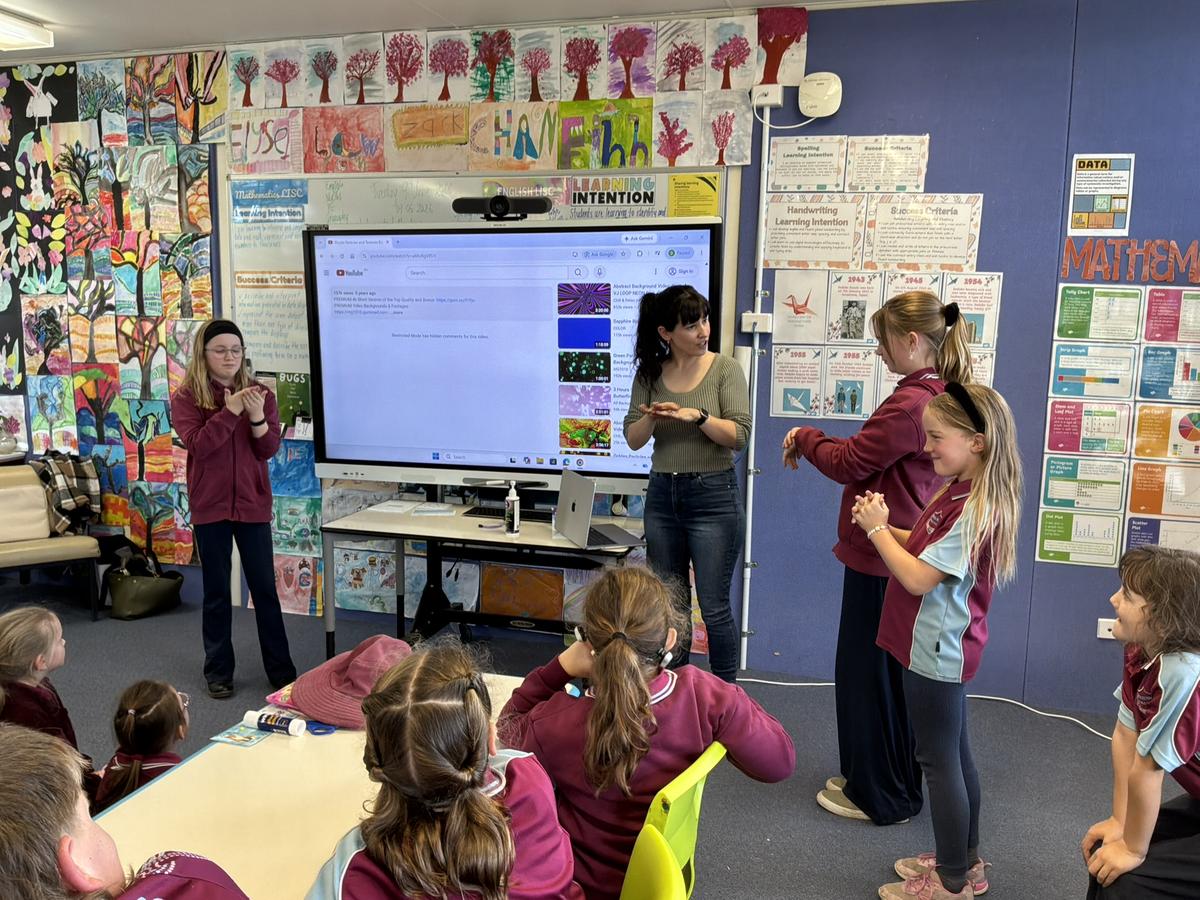
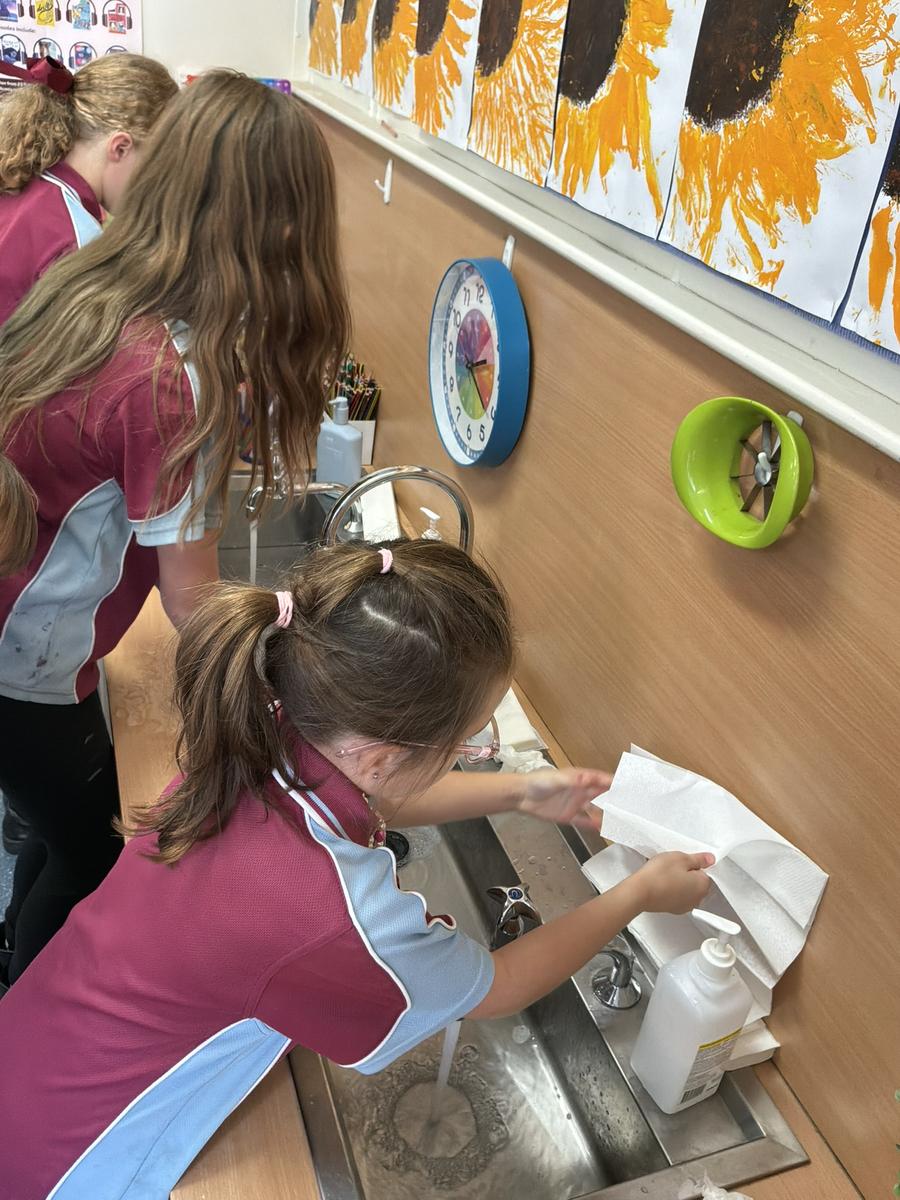
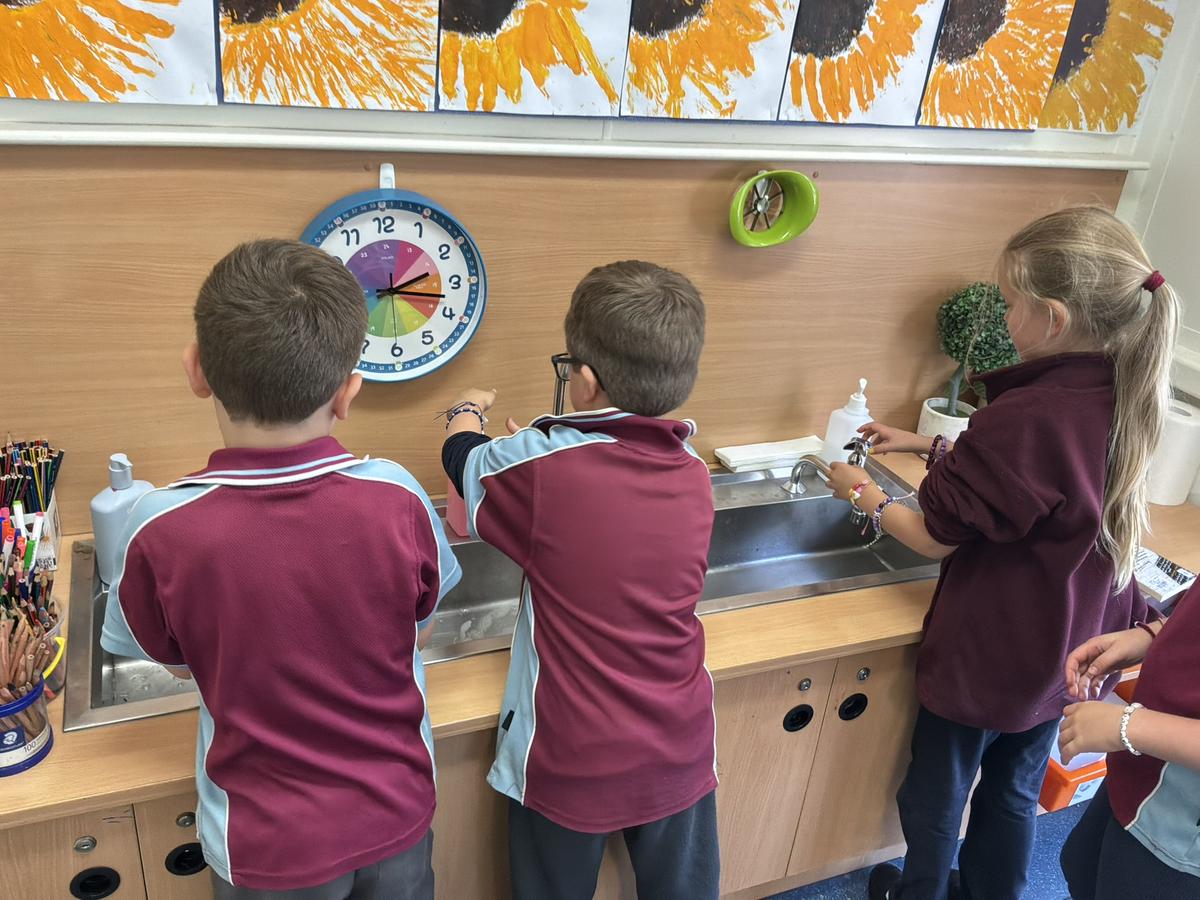
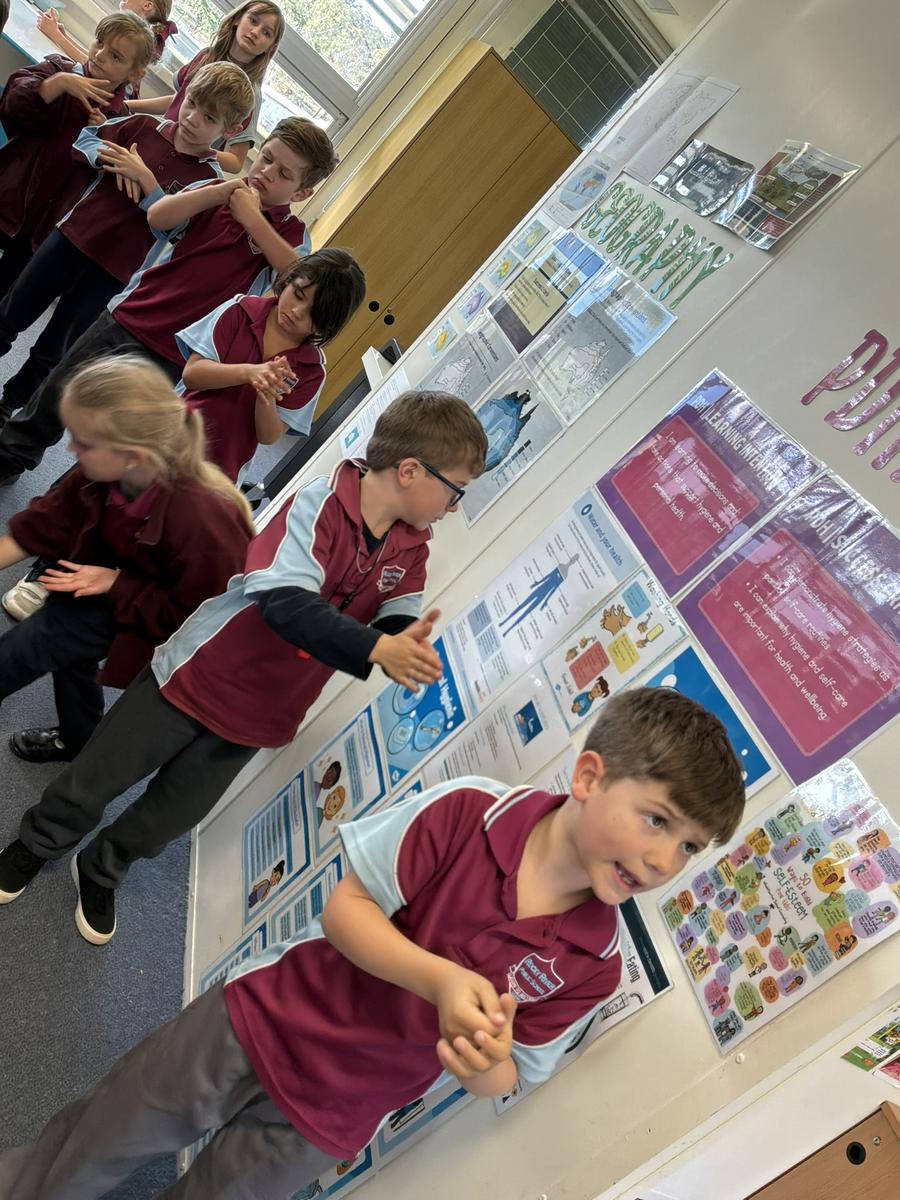
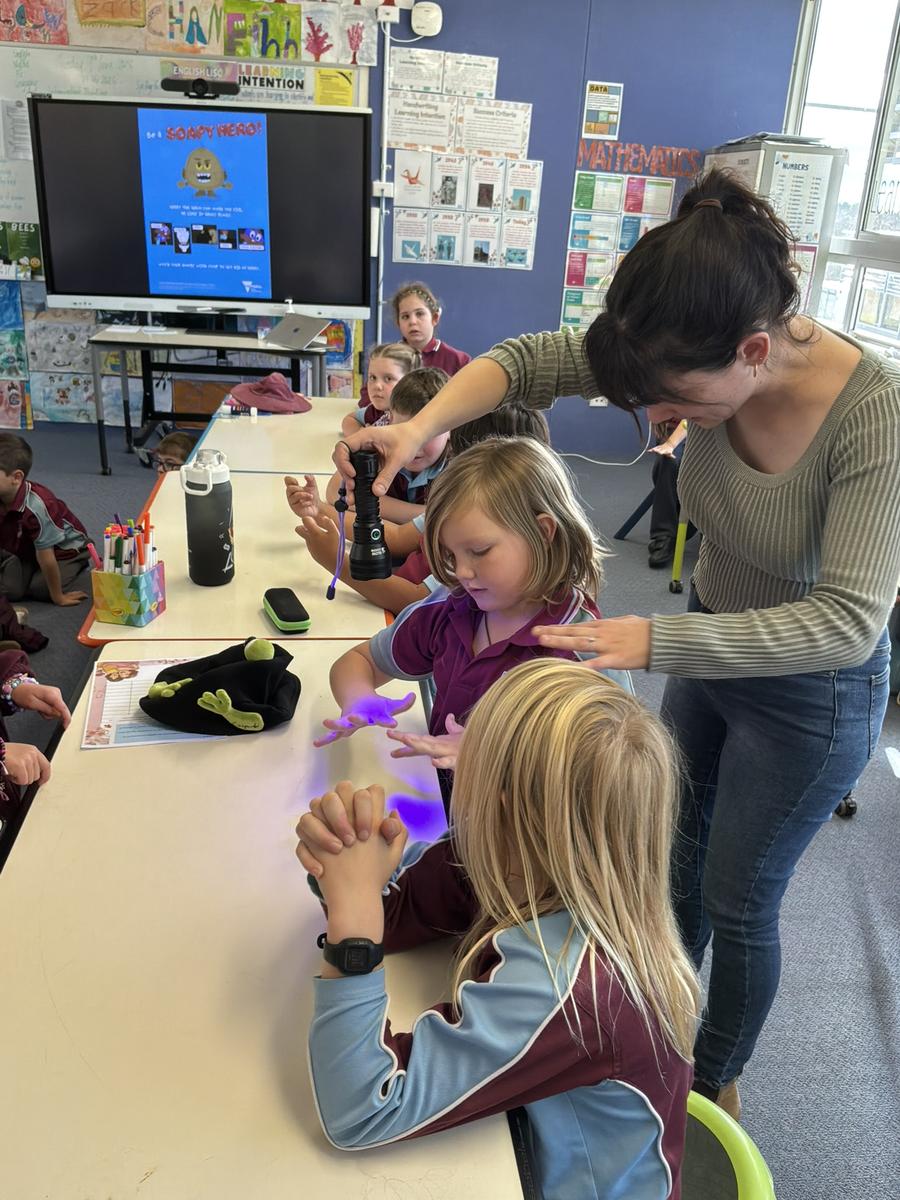
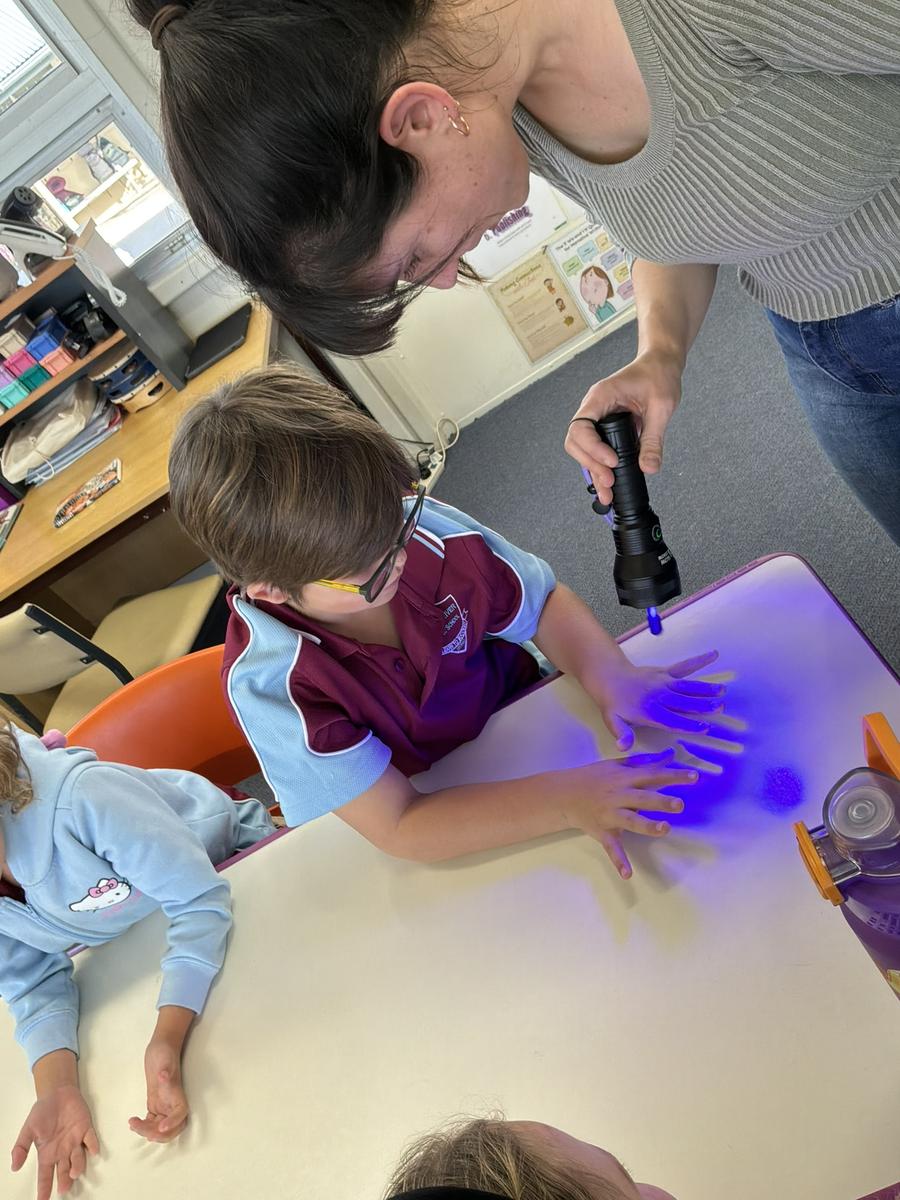
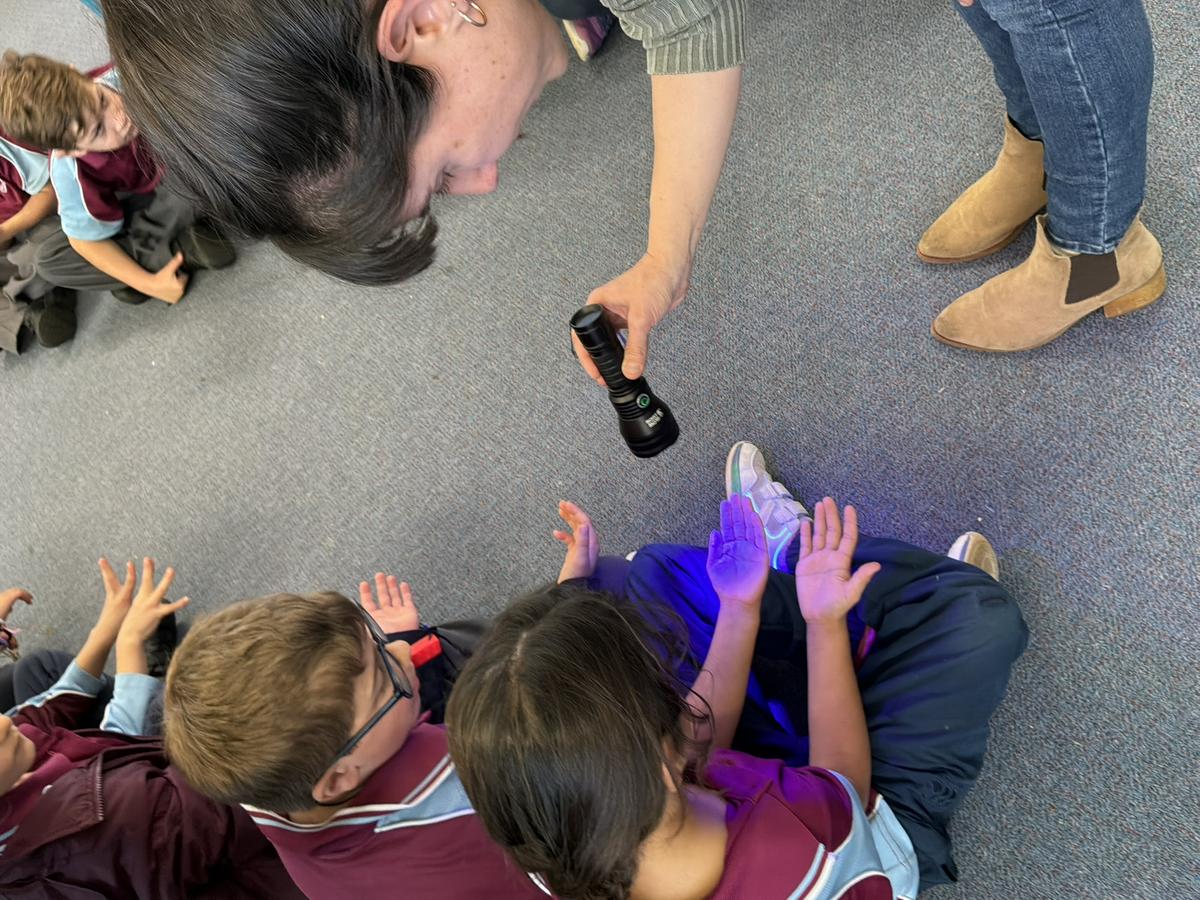
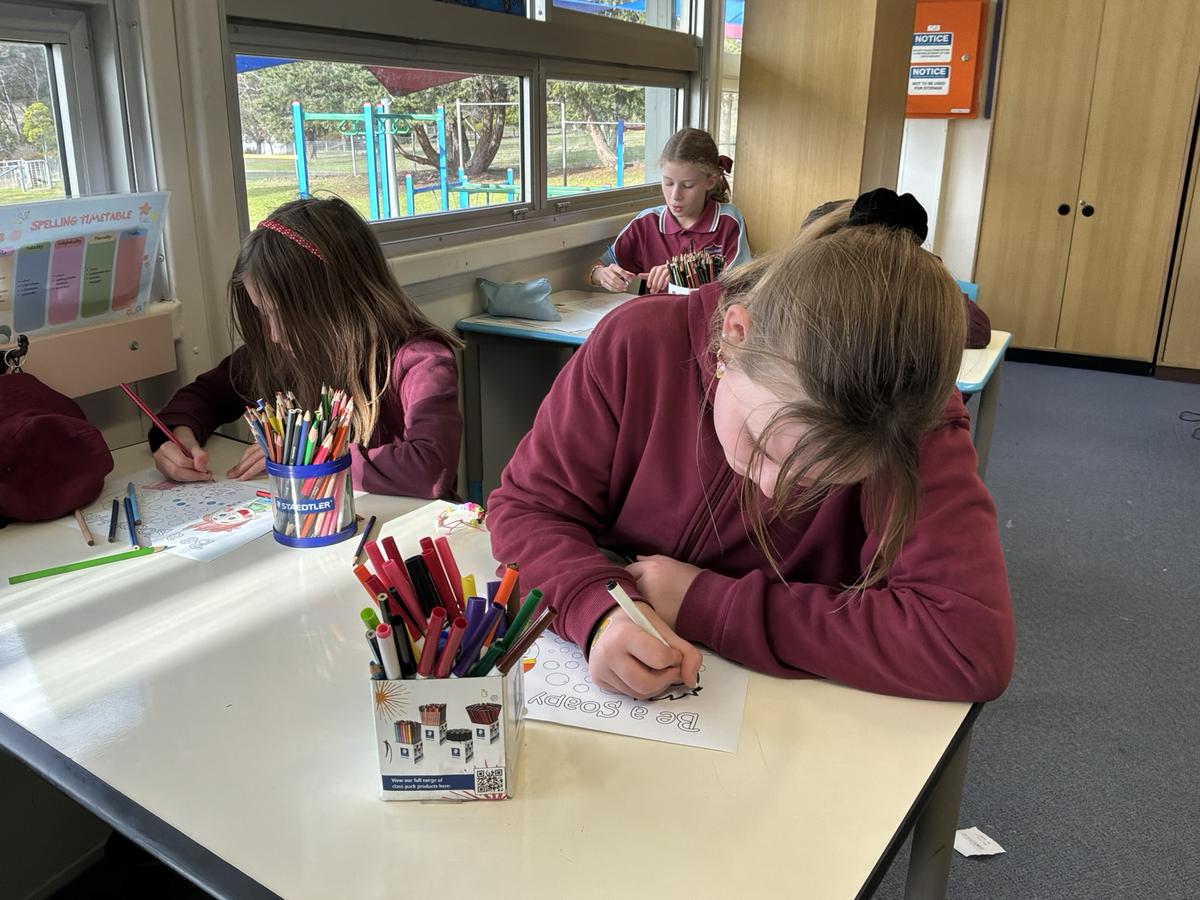
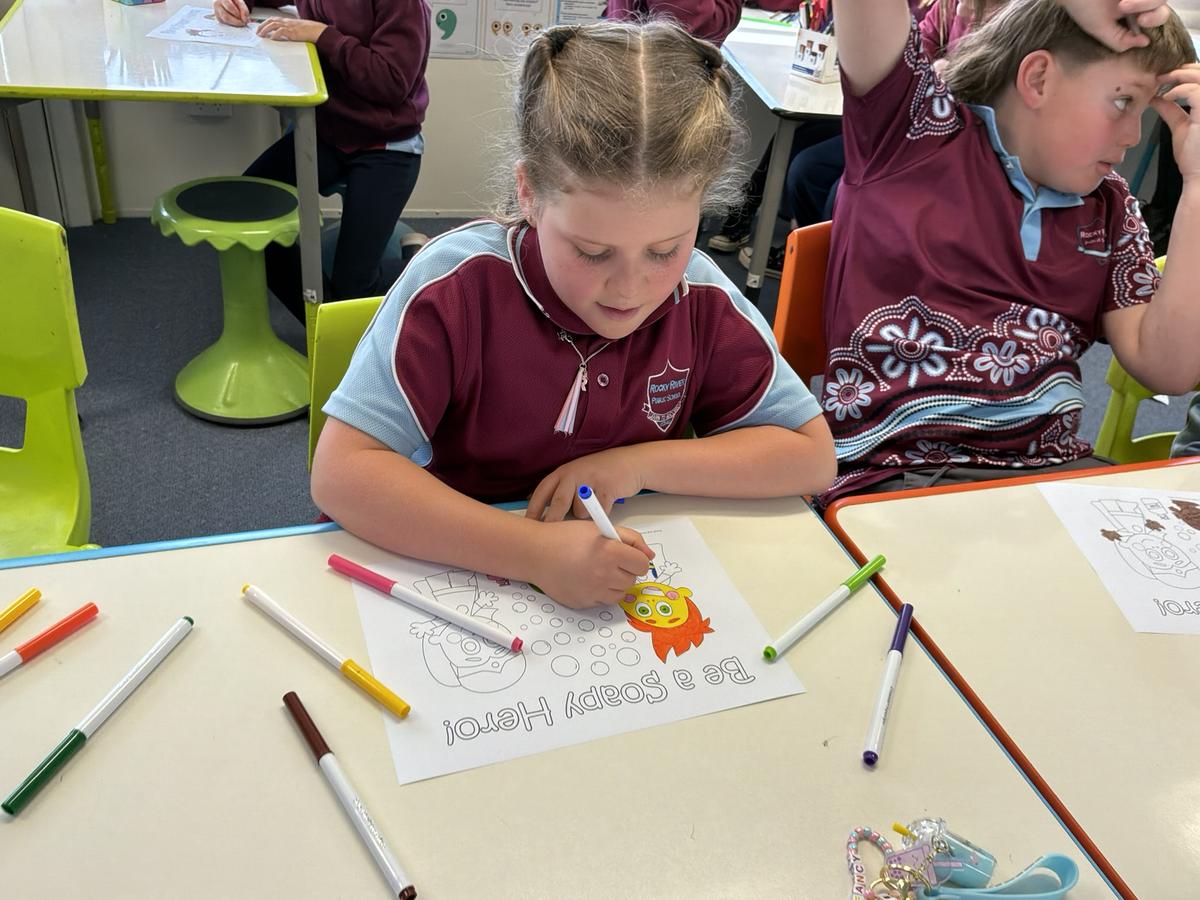
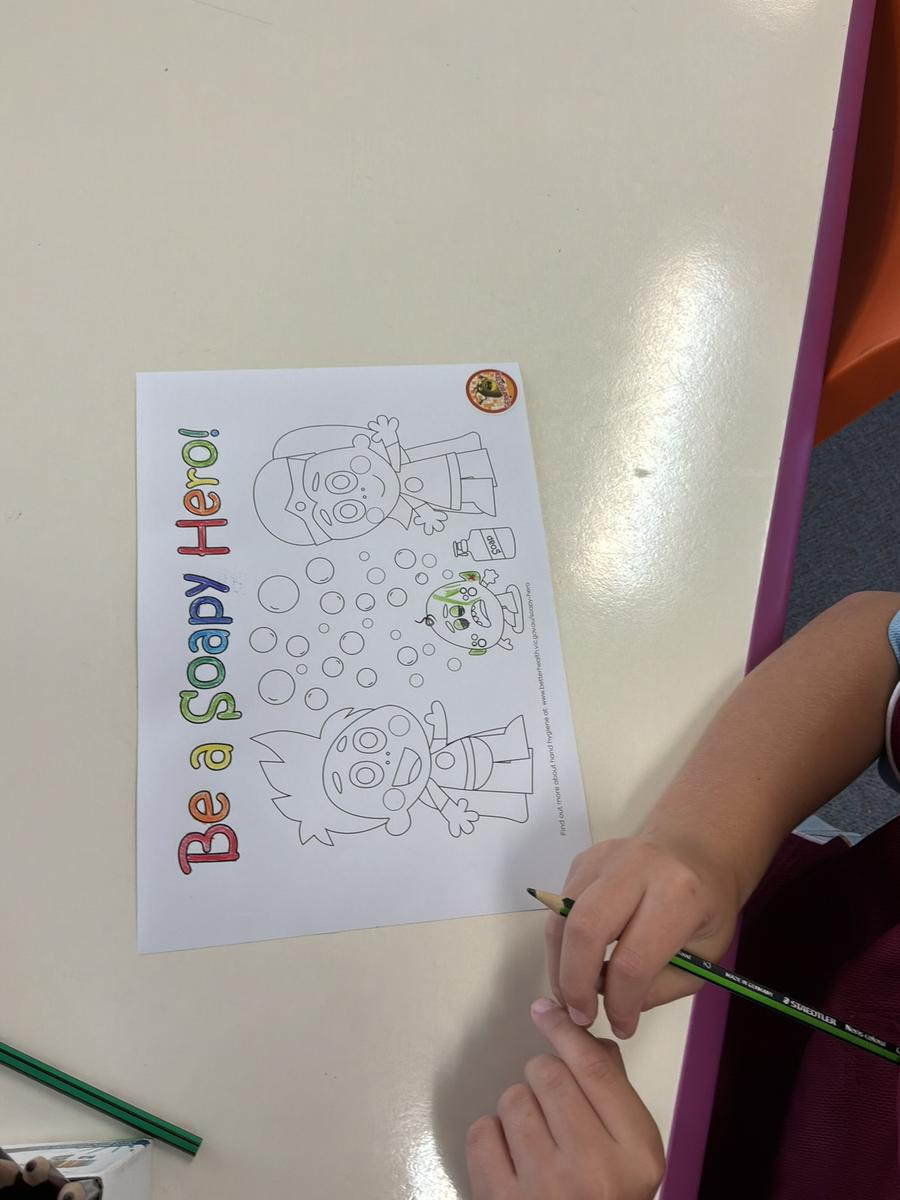
Yesterday our students experienced their first "Glitterbug" lesson - and what a 'handy' way it was to learn about hand washing! Students learned about how germs spread, some clever handwashing techniques and had a chance to check how effective their handwashing was under the UV torch, showcasing remaining "Glitterbug" gel which was not washed off. Promoting healthy hygiene practices is a lifelong priority for us all - we thank Mrs Nathan who volunteered her time to share her expertise with us!
Lower Division English
Lower Division have been working hard in English, focussing on narrative writing in our latest unit. We began by exploring two books: Florette by Anna Walker and The Secret Sky Garden by Linda Sarah and Fiona Lumbers. These texts offered rich examples of narrative structure, character development, and descriptive language. Students discussed how effective stories are structured with a beginning, middle, and end, and looked closely at how both books introduced settings and characters, built up events, and resolved problems.
We also examined the language authors use to make their writing more interesting. Students practised using compound sentences—joining two simple sentences with words like ‘and’, ‘but’, to add depth and detail to their own stories. In addition, students learnt how prepositional phrases (such as “on the rooftop”, “through the garden”, or “beside the pond”) can help give readers a clearer picture of the action.
To finish our unit, students planned and wrote their own imaginative narratives, applying what they learnt about structure and language. The next step was to transform these stories into digital texts using Book Creator, an engaging app that lets students create their own multimedia books. They added illustrations, voice recordings, and digital design to bring their stories to life. Finally, each student proudly shared their digital narrative with the class, practicing their speaking and presentation skills.
Lower Division Art
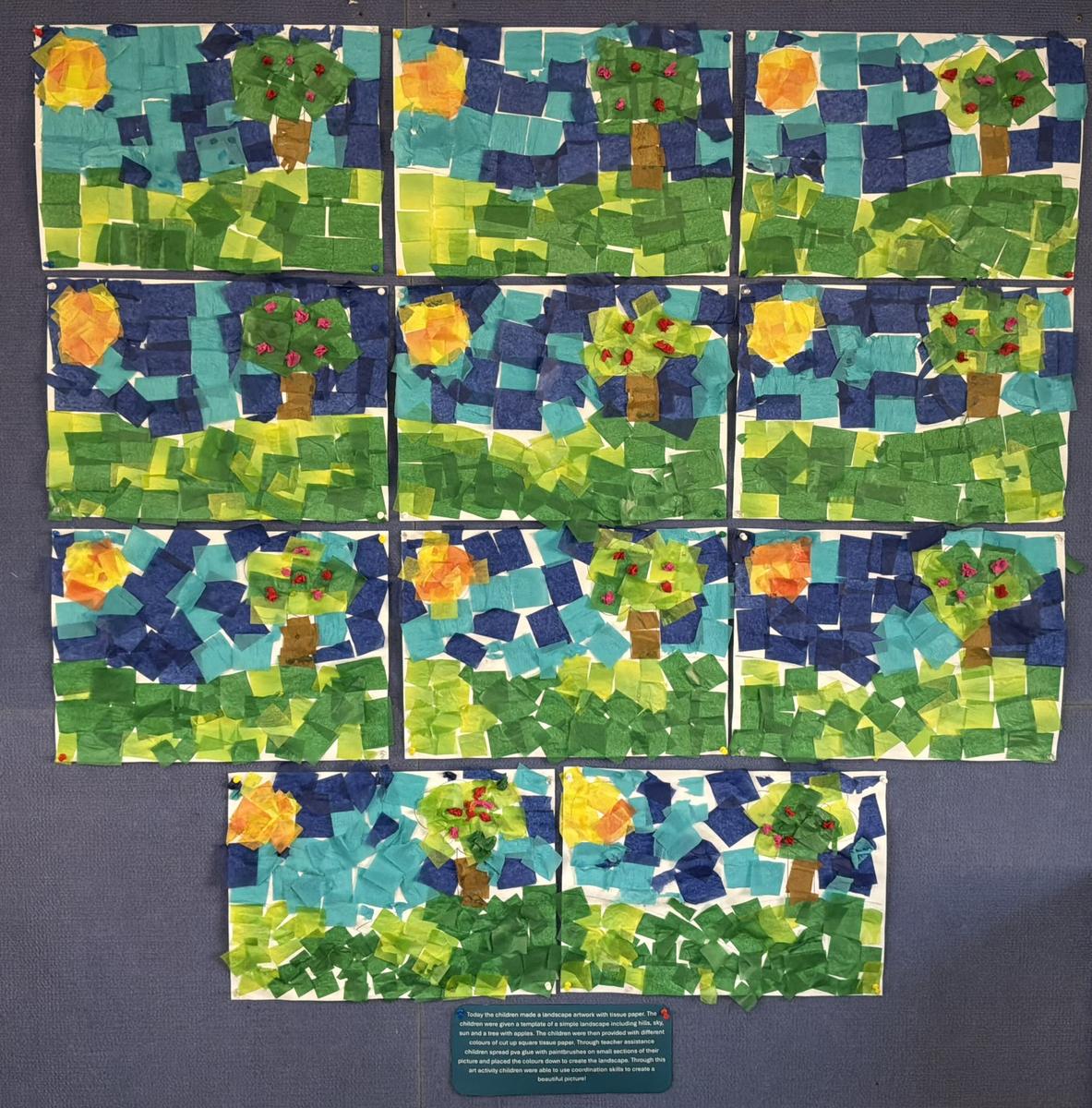
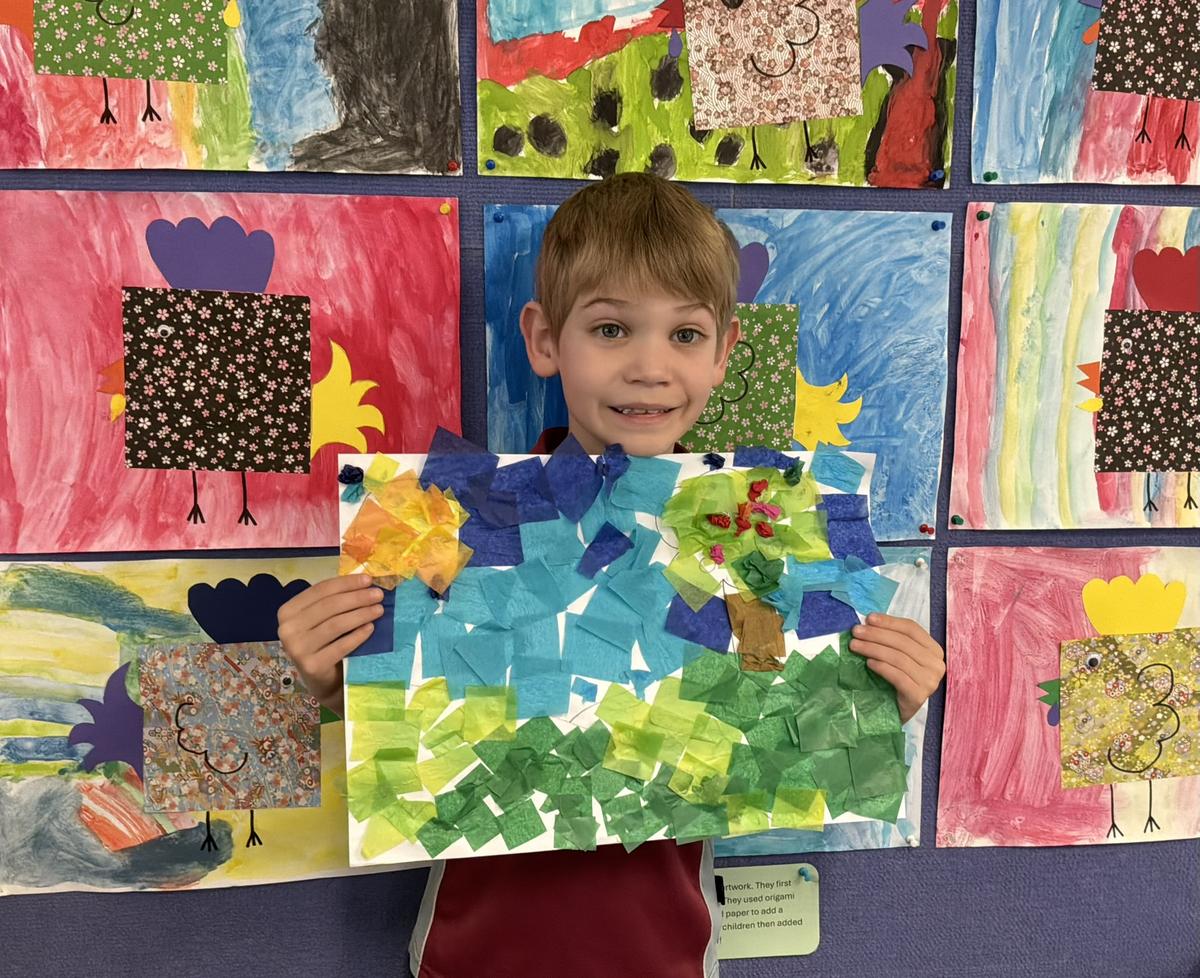
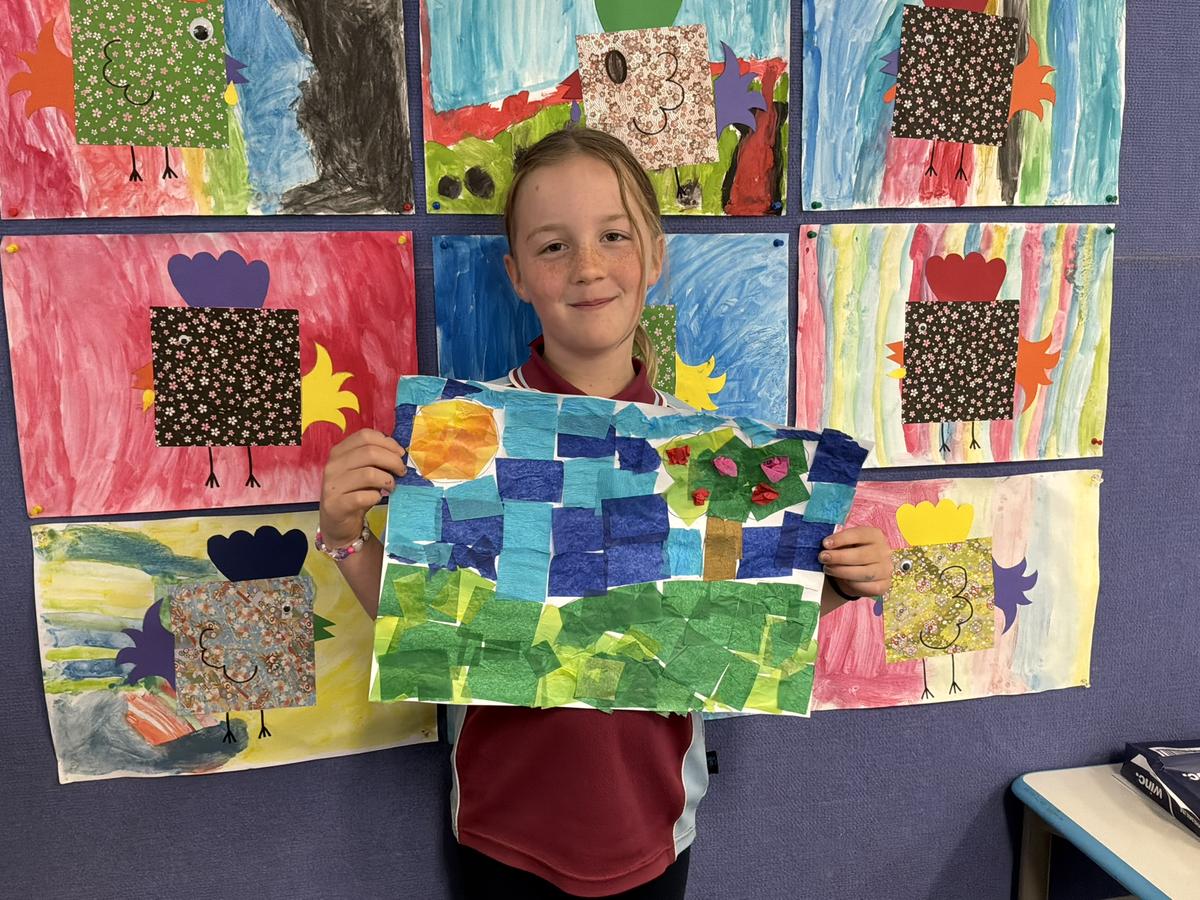
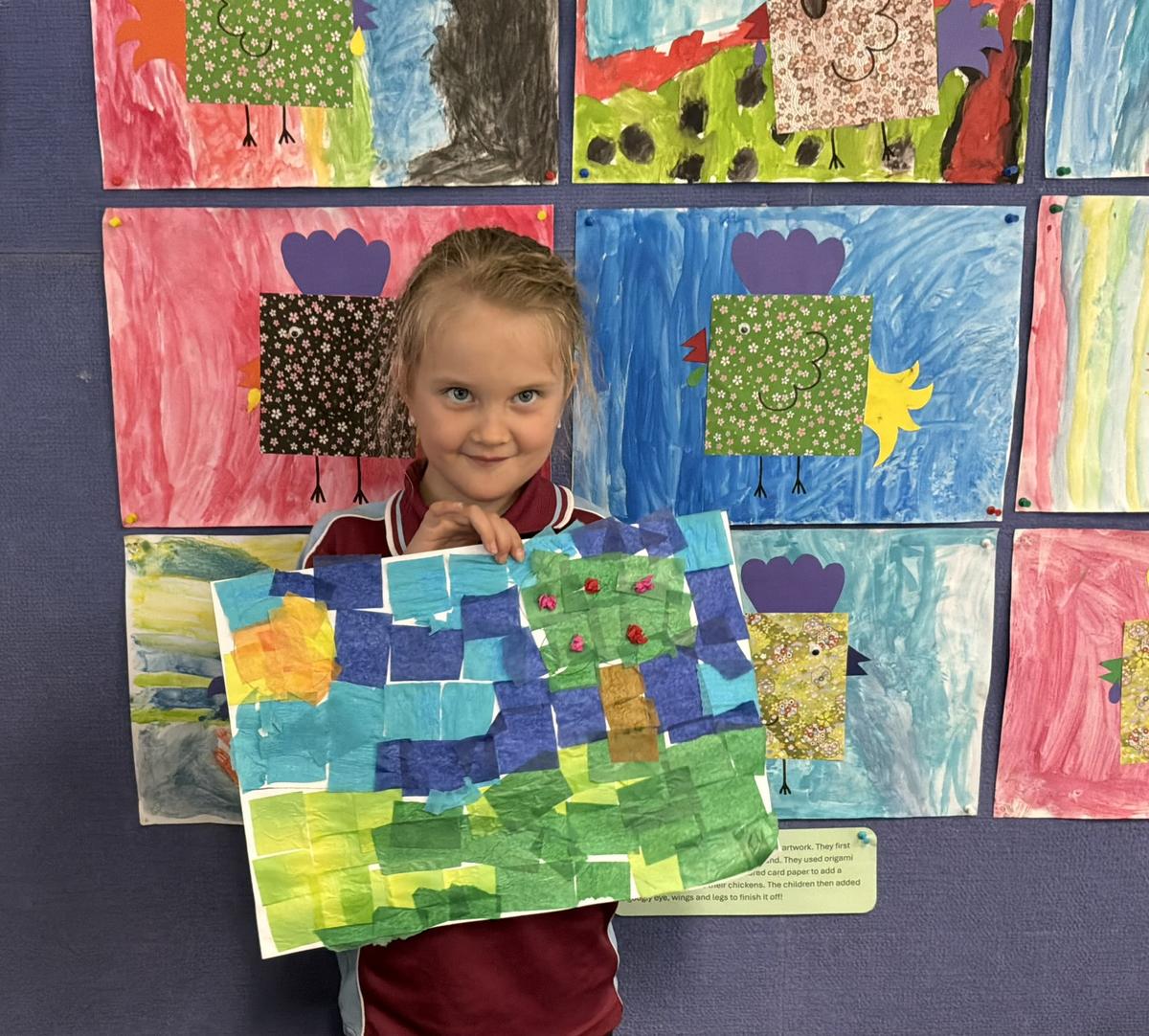
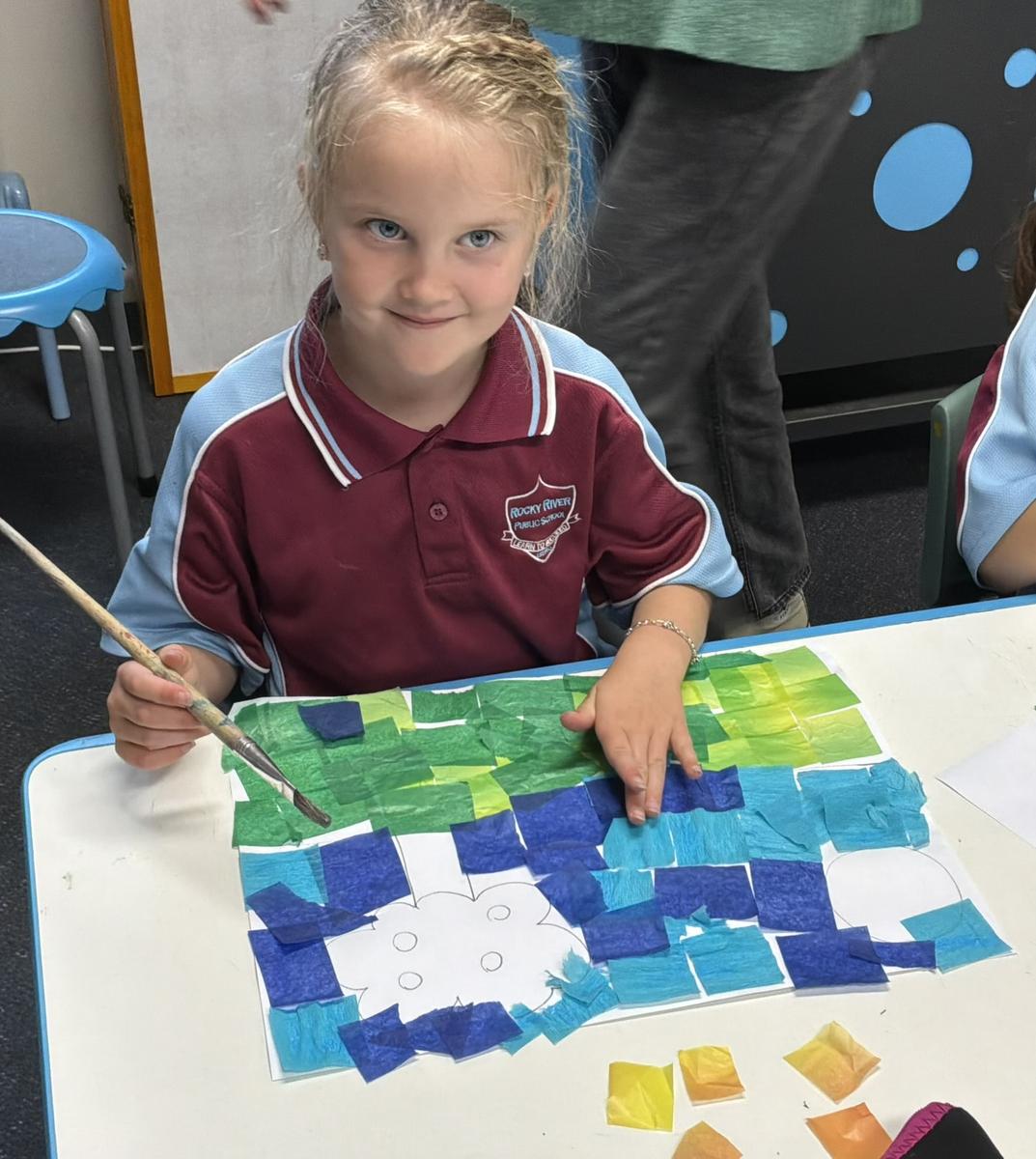
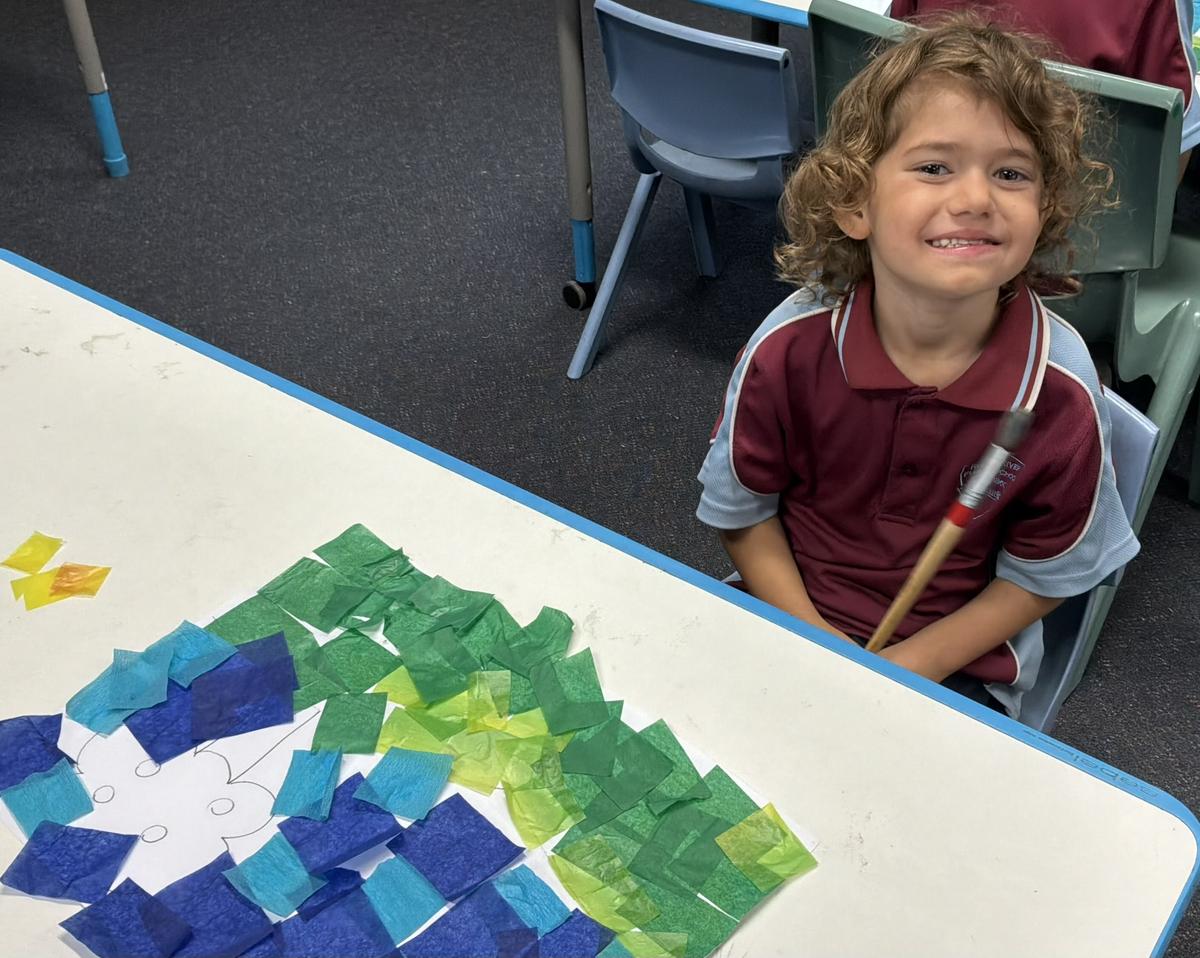
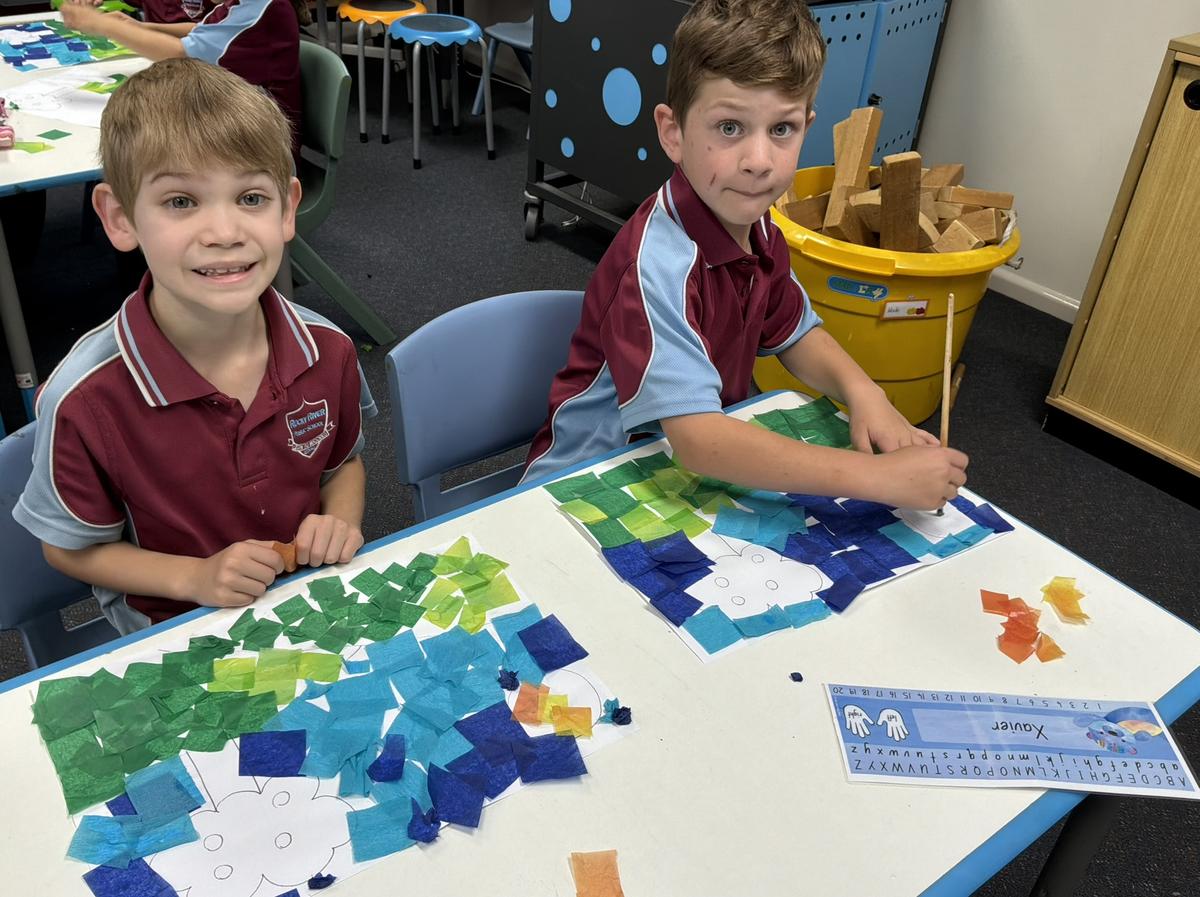
Our recent artworks, inspired by SLSO Miss Abby, features beautiful landscapes created using crepe and tissue paper. This project built on different techniques we have explored in our previous artworks this year, allowing students to experiment with texture and layering in new ways. It was an engaging opportunity for all class members to create a piece they can truly be proud of. These vibrant artworks are proudly displayed in our classroom, and we warmly welcome you to come and see them the next time you visit our school.
Egg Drop Challenge
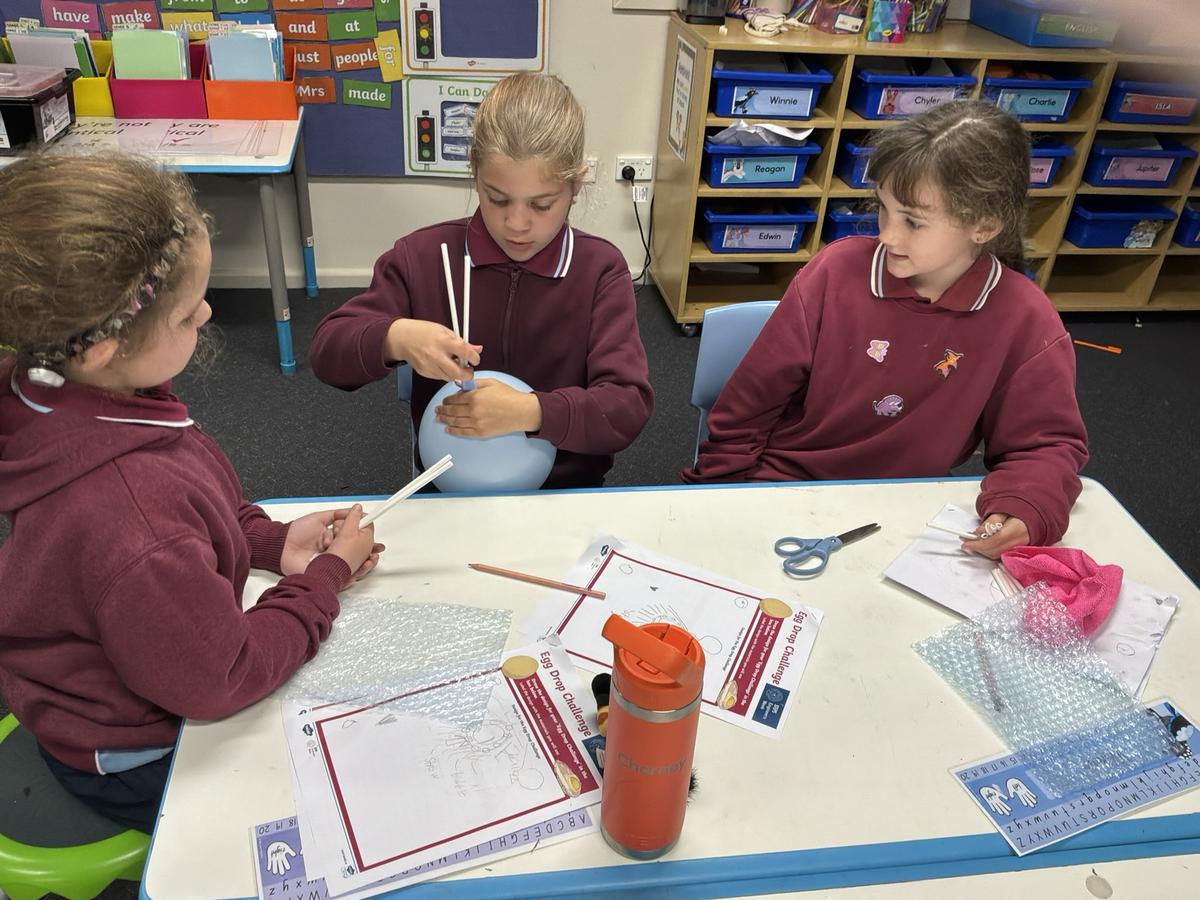
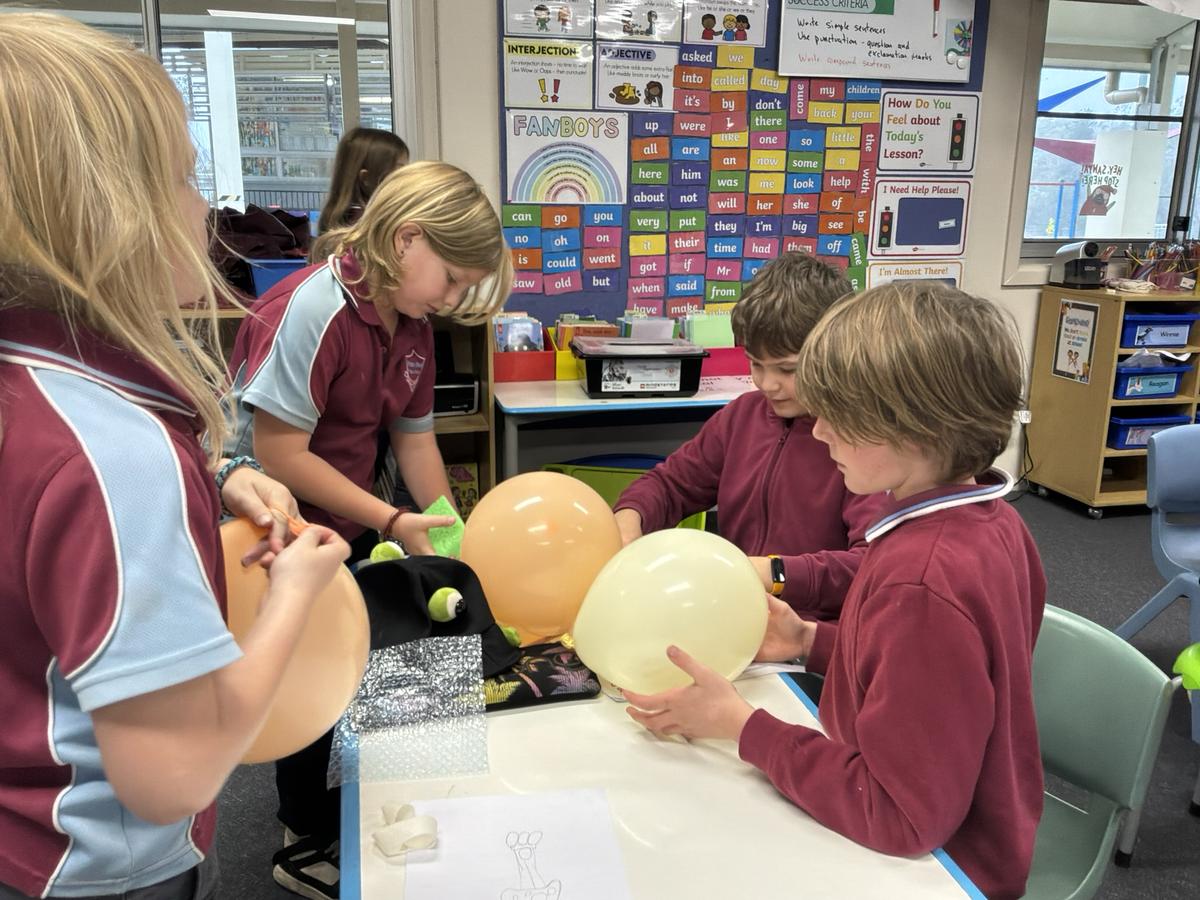
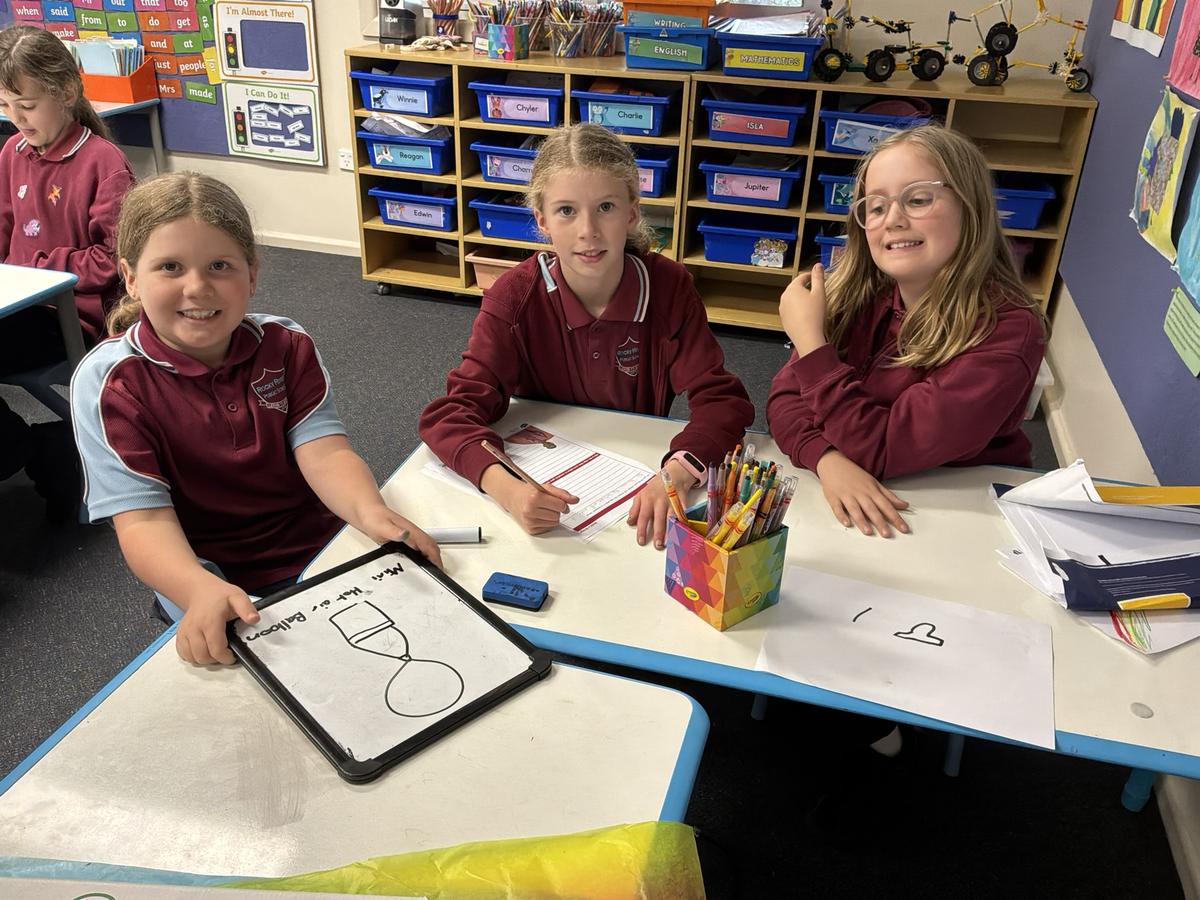
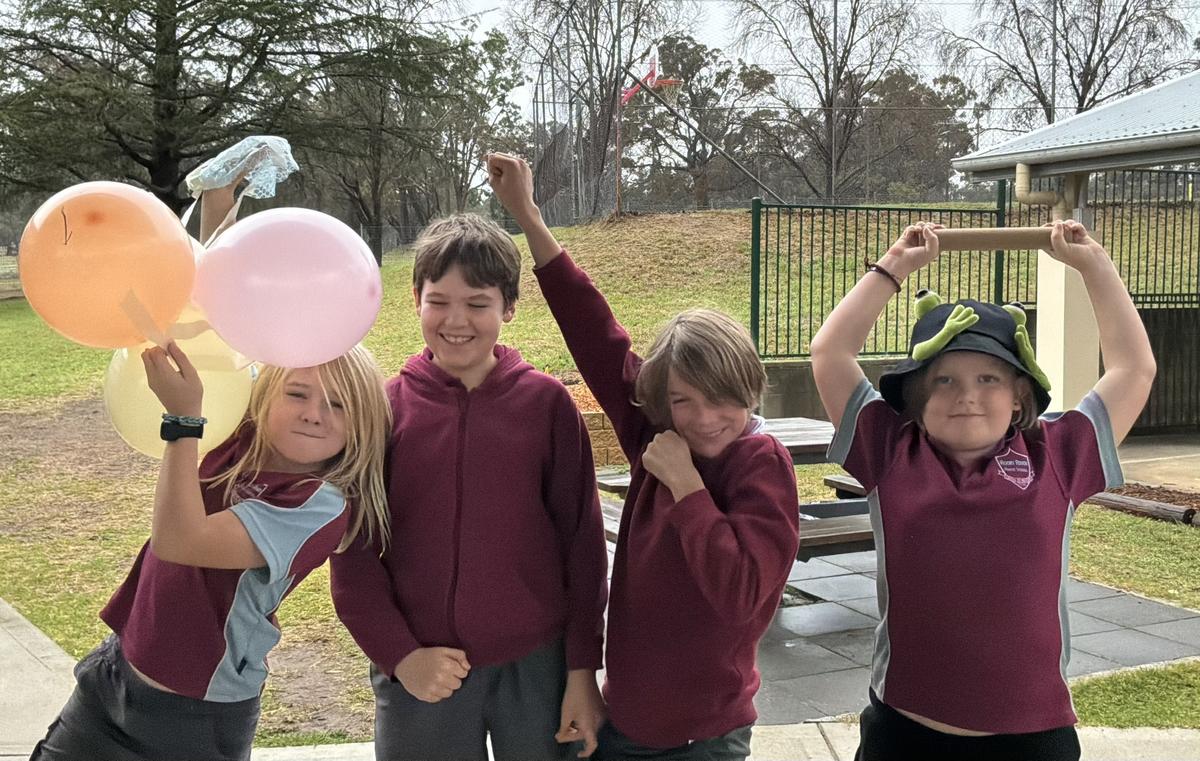
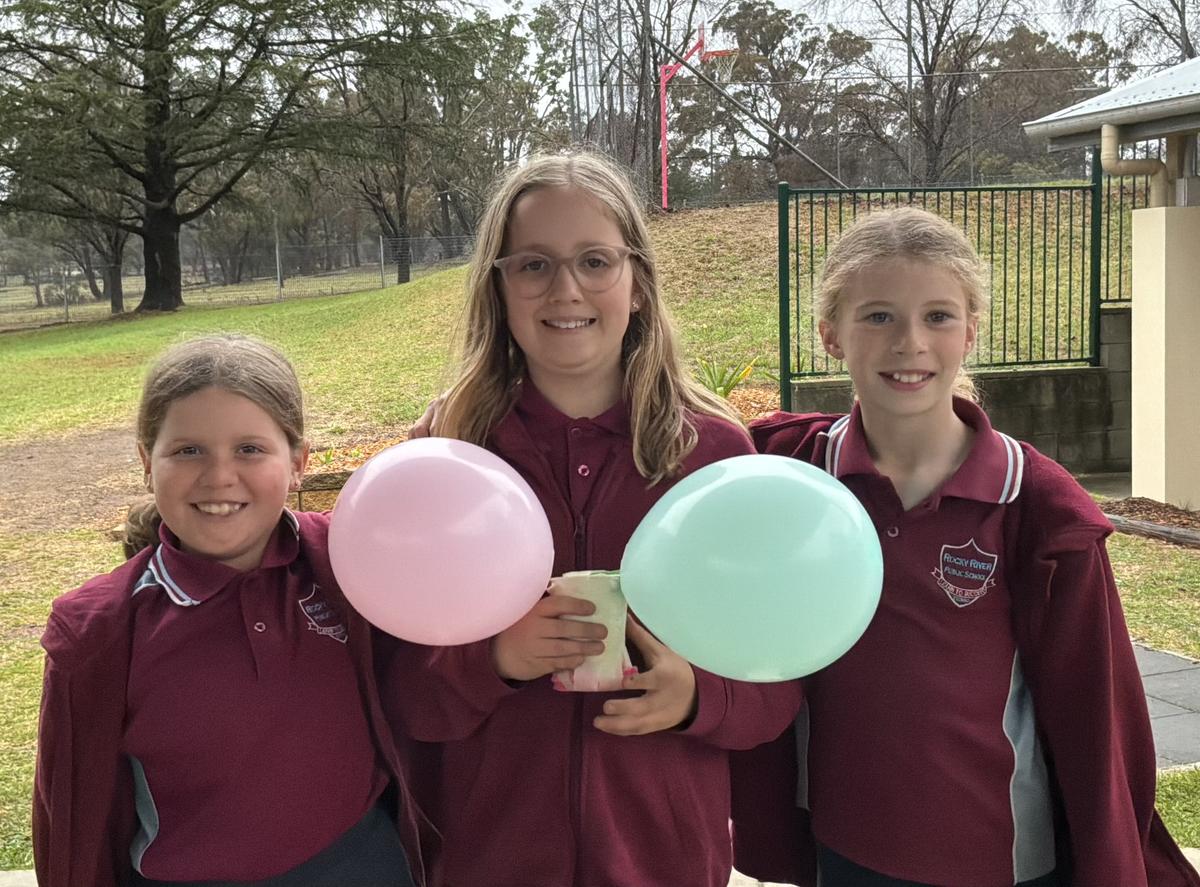
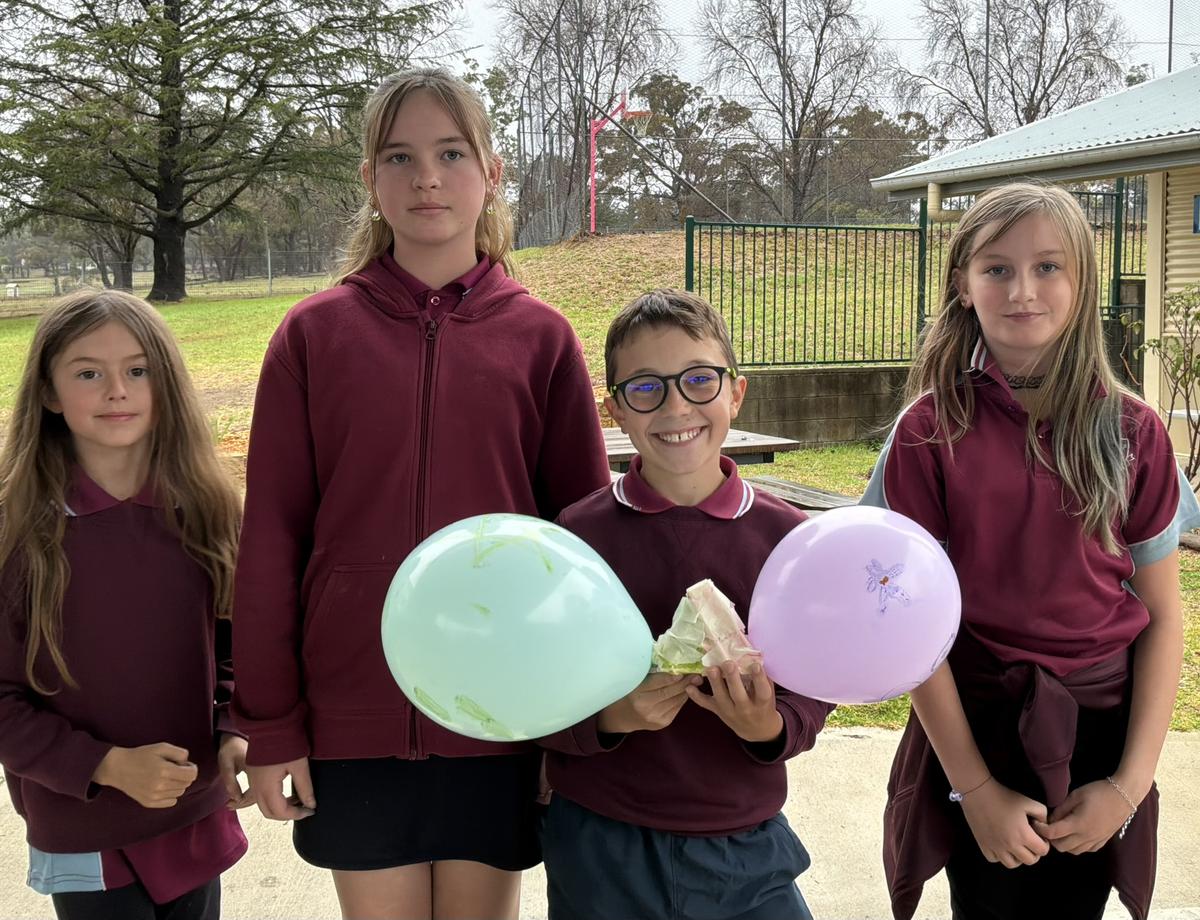
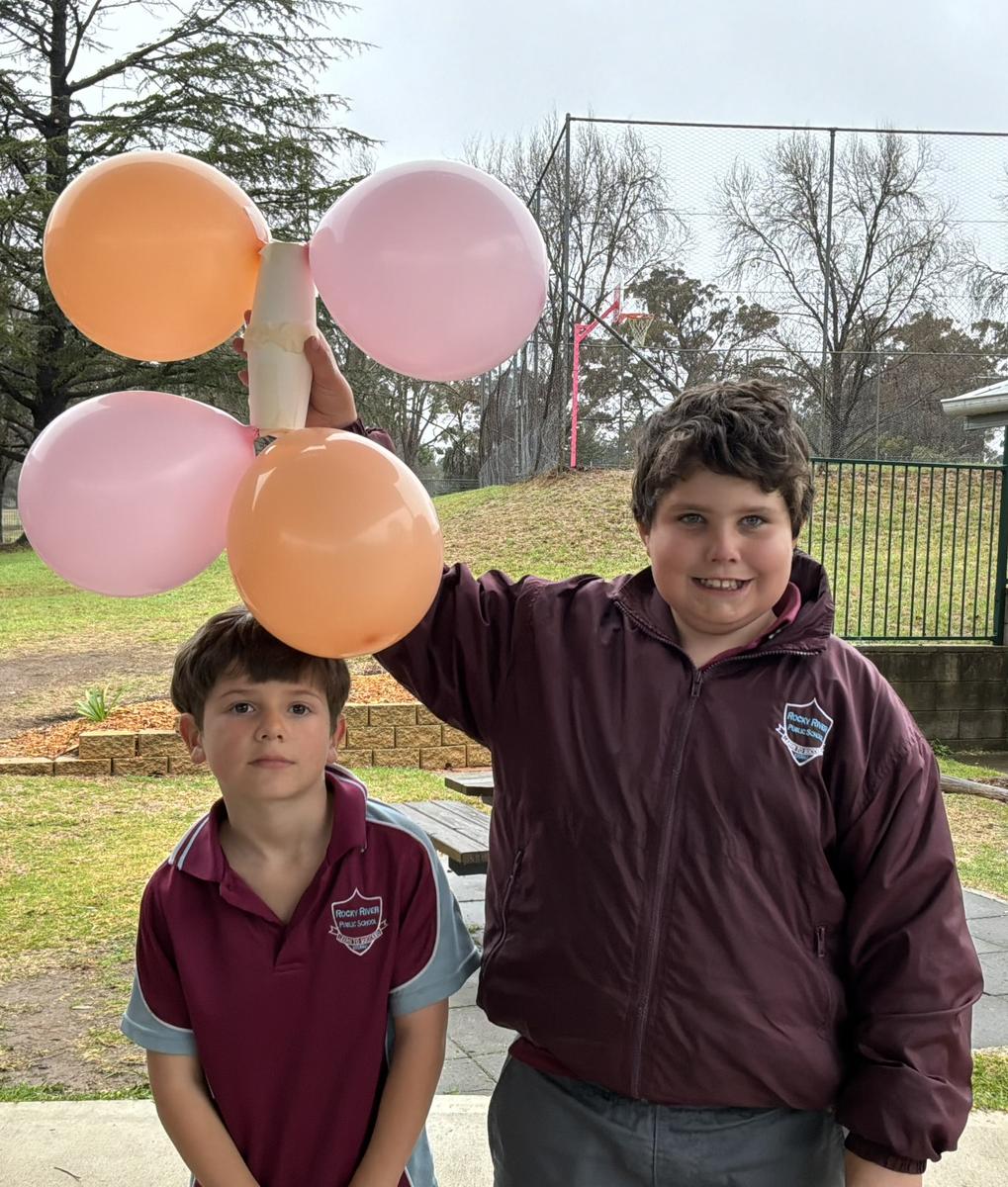
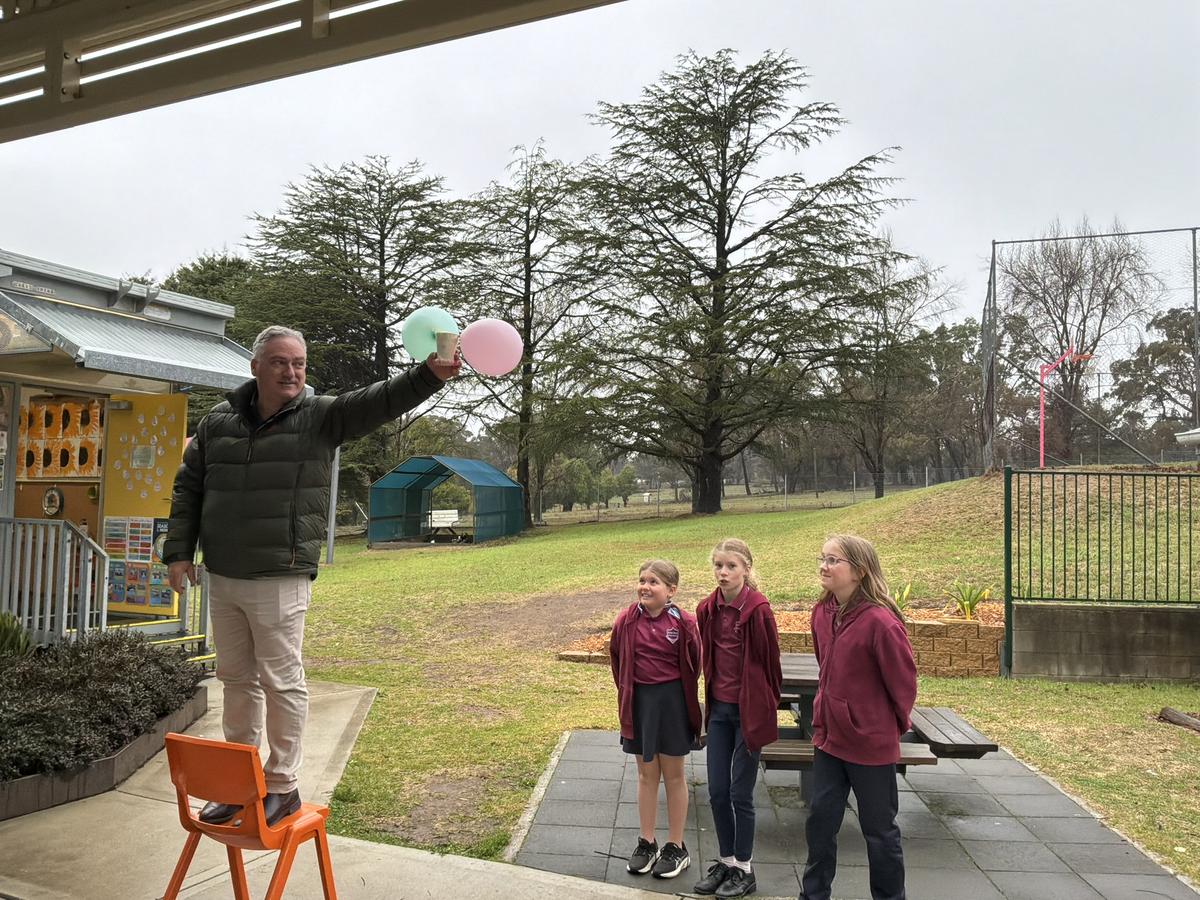
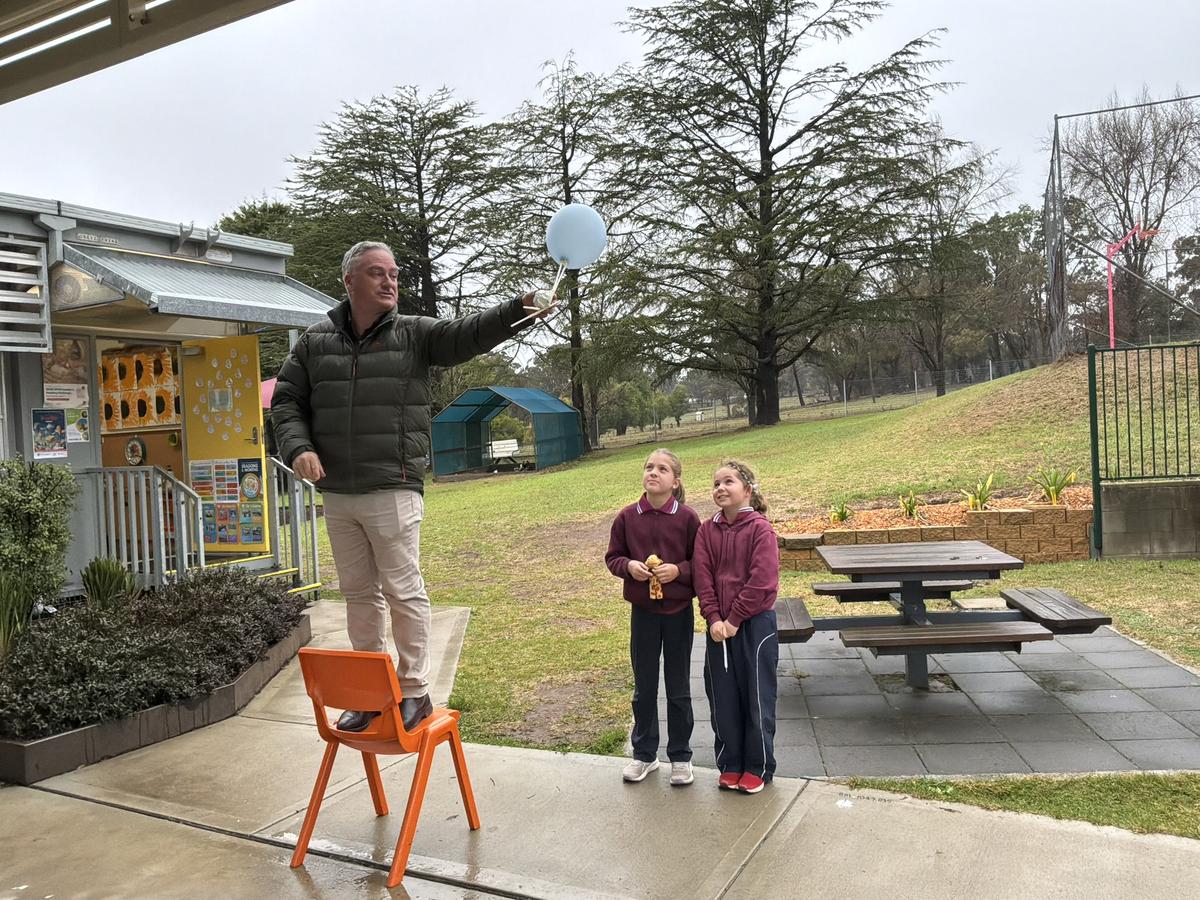
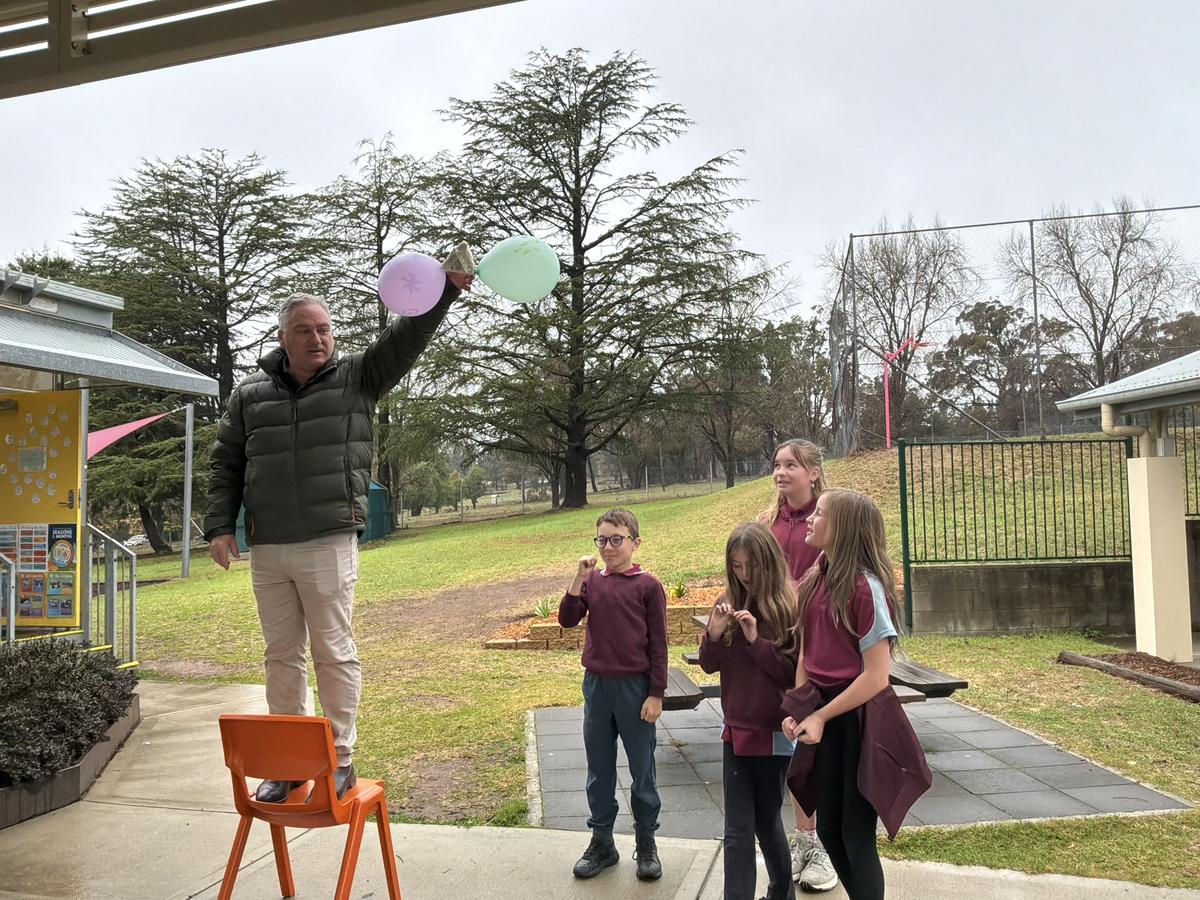
Recent wet weather unfortunately resulted in our Friday afternoon sport at the Uralla Bowling Club being cancelled. As an alternative activity, the whole school participated in an Egg Drop challenge. Students, working individually or in small groups, were tasked with designing a solution to keep an egg intact when dropped from the height of a teacher on a chair. To create their protective designs, students were provided with a variety of materials including bubble wrap, paper cups, balloons, and sponges—but had to limit themselves to using only three types of materials.
This challenge was a highly engaging way to spend a rainy afternoon, fostering creativity, problem-solving, and teamwork. There was plenty of fun as students tested their designs, and we were delighted to see that a good percentage of eggs survived the drop unscathed. It was a fantastic hands-on learning experience enjoyed by all!
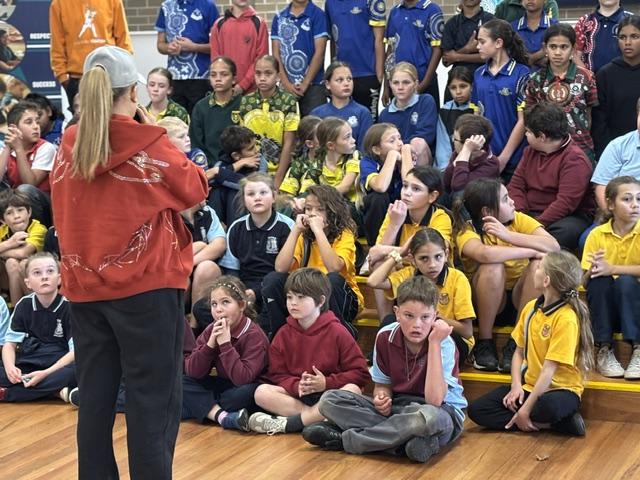
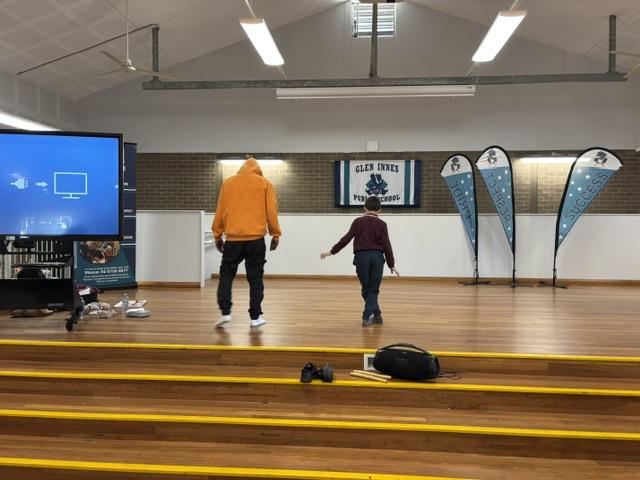
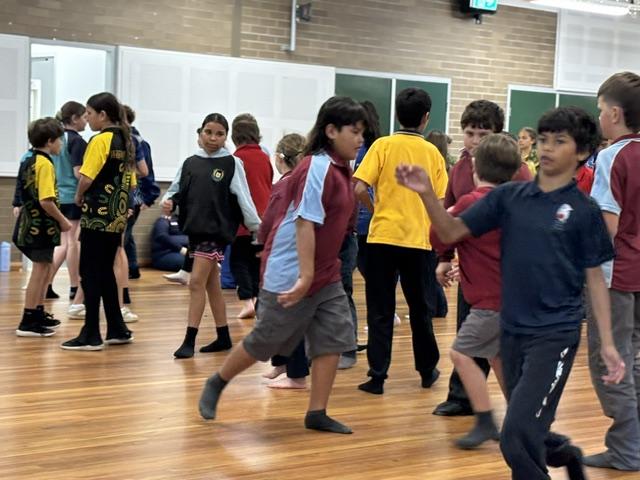
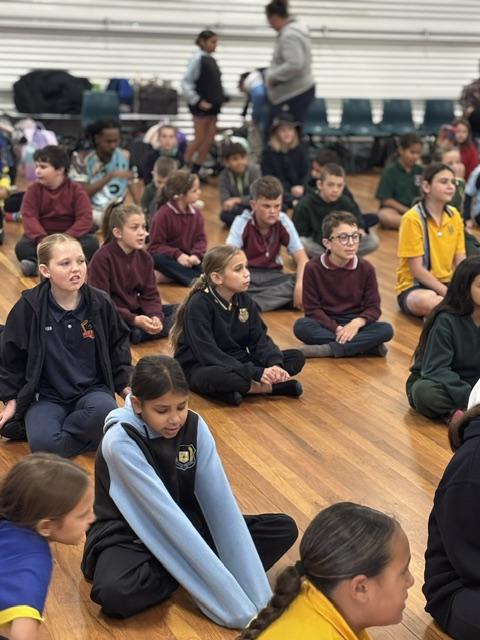
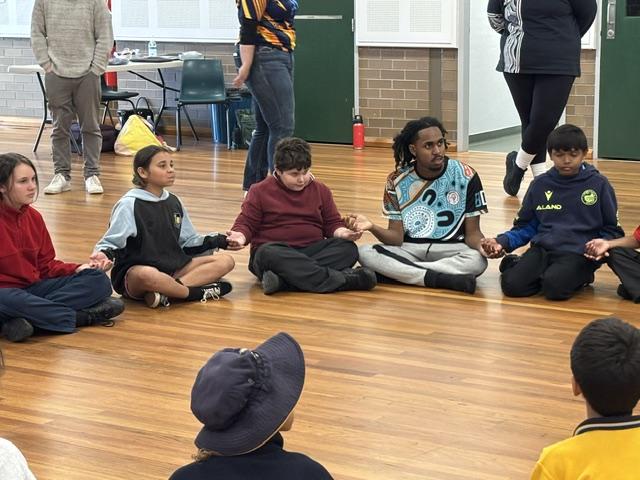
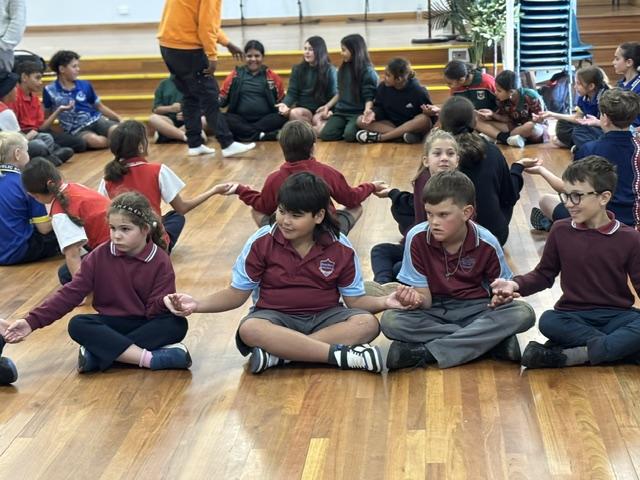
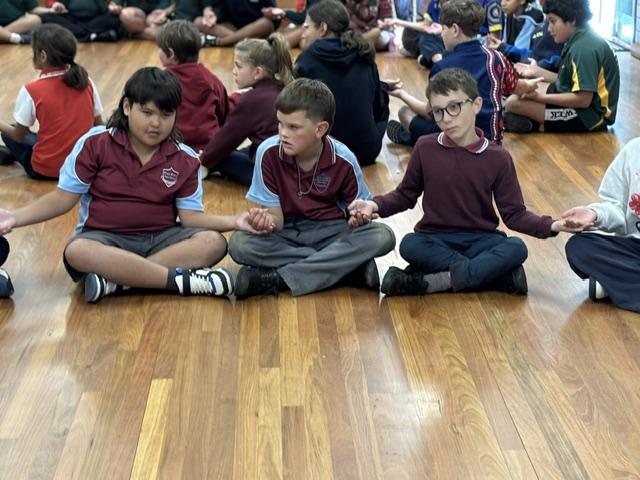
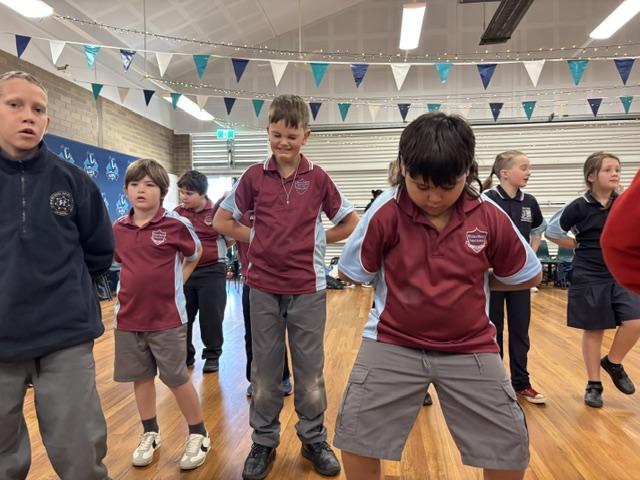
Aboriginal Culture Through Dance | Glen Innes
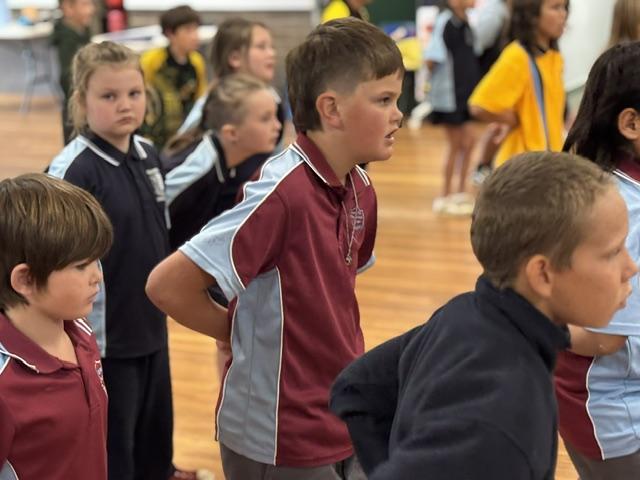
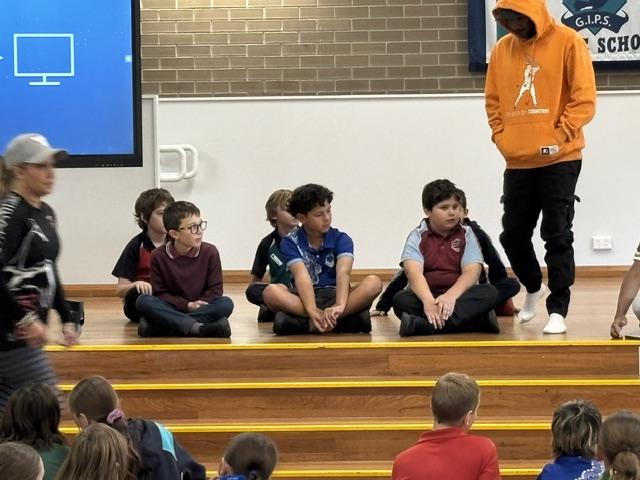
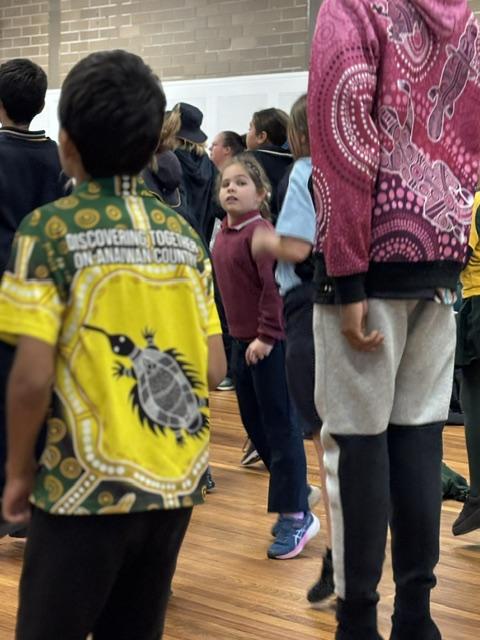
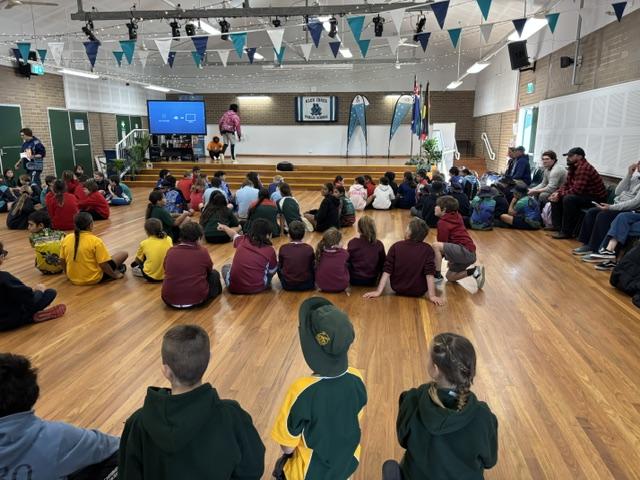
The New South Wales Department of Education recently conducted the Aboriginal Culture Through Dance workshop, a one-day program designed specifically for Aboriginal and Torres Strait Islander students from Year 3 to Year 6 across NSW public schools.
This enriching workshop provided students with a valuable opportunity to connect, collaborate, and celebrate culture through the powerful medium of dance. Recognising dance as a vital art form for Aboriginal and Torres Strait Islander peoples, the program honoured its traditional role as a spiritual outlet for storytelling and cultural celebration.
This creative process fostered a deeper understanding of both dance as an art form and their Aboriginal heritage, nurturing student voice and ownership within their cultural expression.
Guided by professional Aboriginal dancers and elders, each workshop offered a culturally safe and inclusive environment where students felt authentically connected to their culture. Sessions were thoughtfully tailored to accommodate the diverse learning needs, skill levels, and prior dance experiences of all participants, encouraging students to explore dance at their own pace.
Stage 2 | Sadako | Perspective and Context
Students have been reading Sadako and the Thousand Paper Cranes, with a strong focus on understanding perspective—how we see things—and context, including the who, what, when, where, why, and how behind a story.
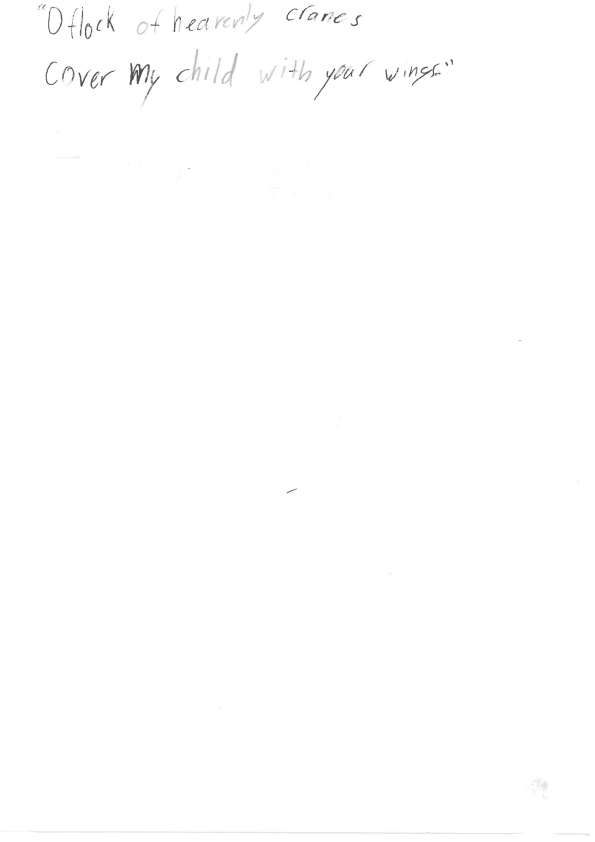
In Chapter 7, the book concluded with the poem:
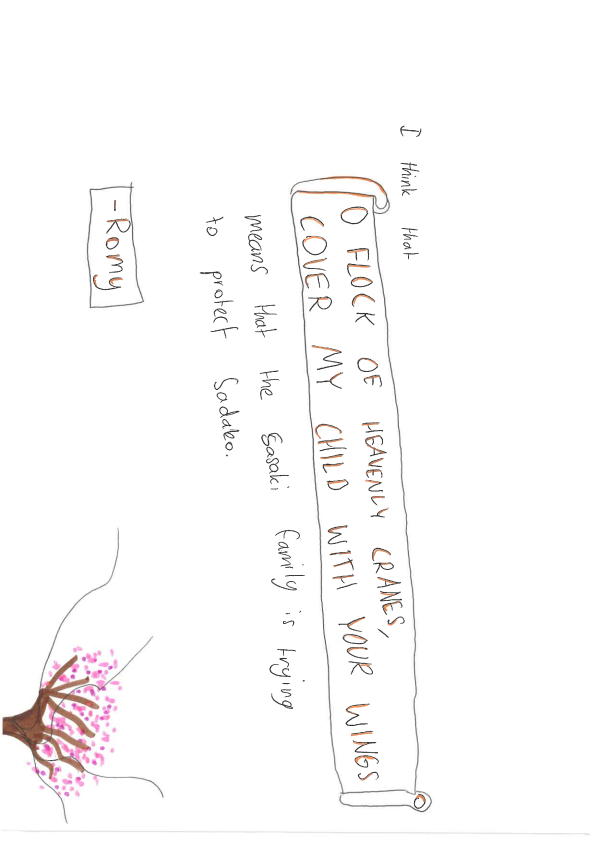
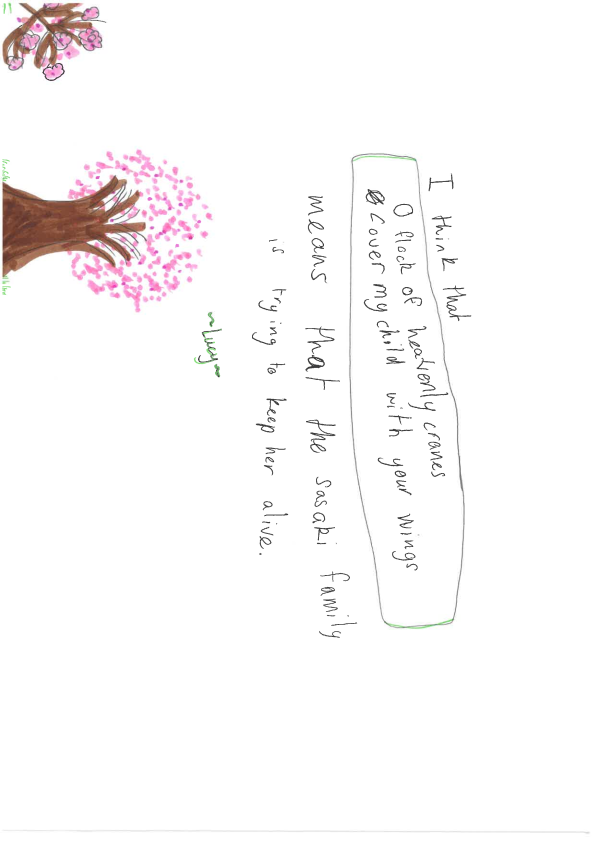
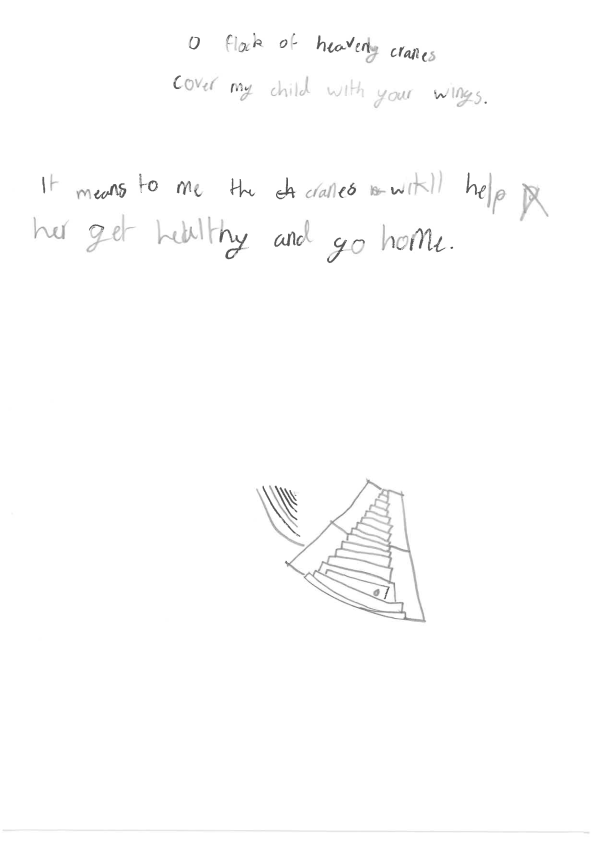
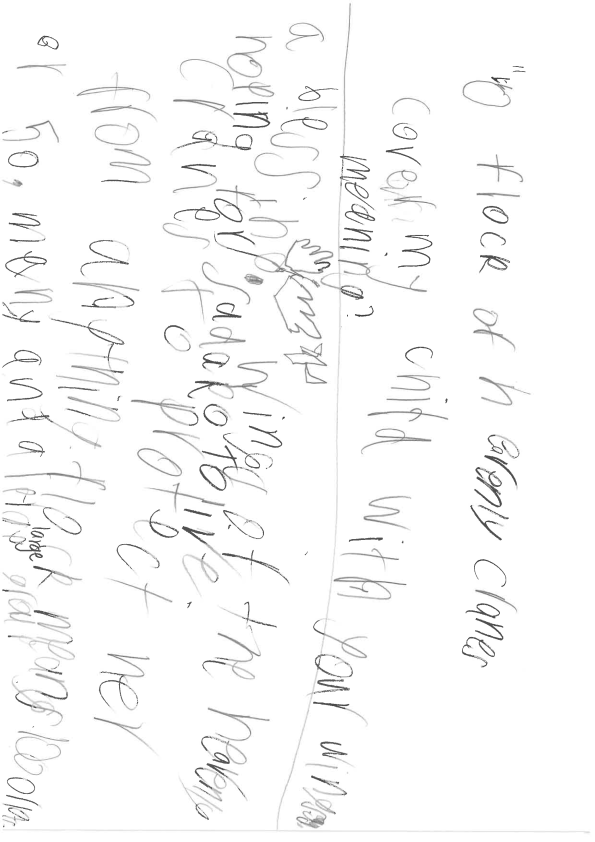
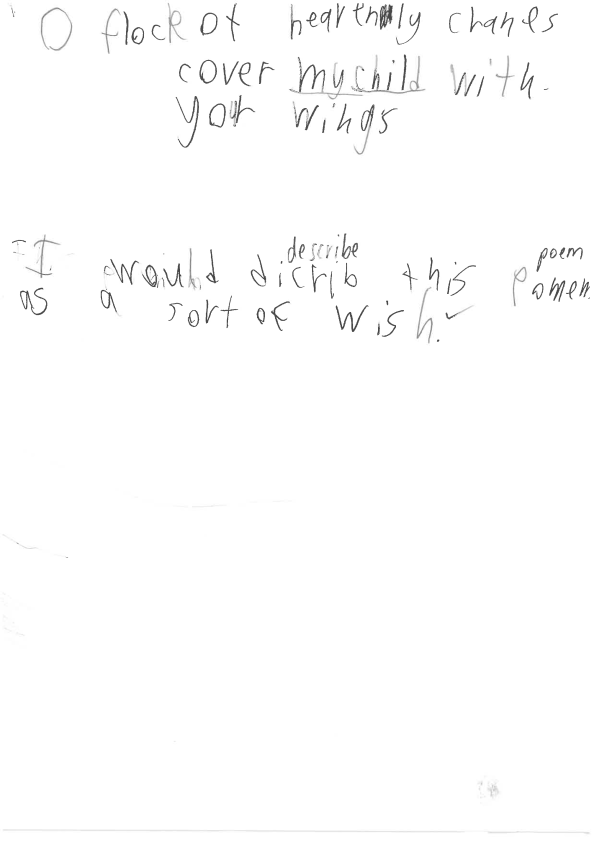
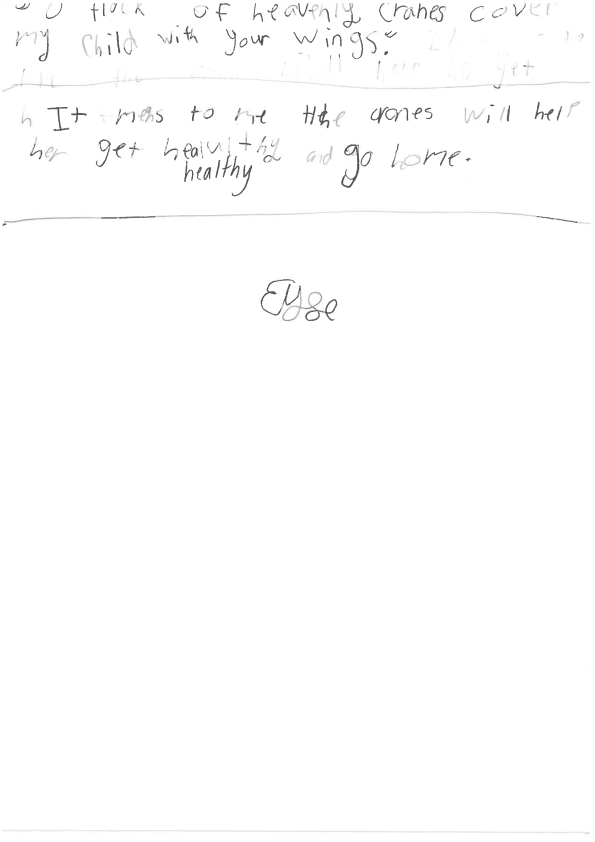
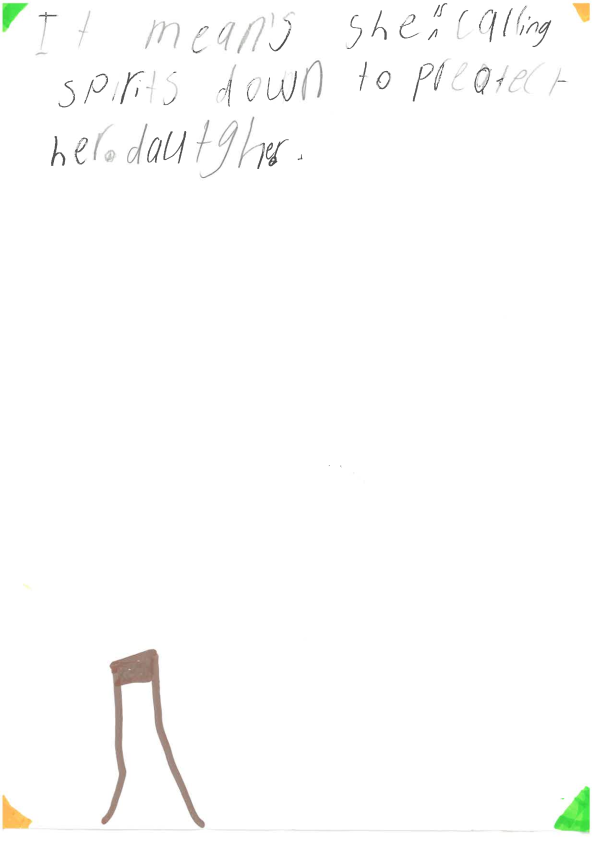
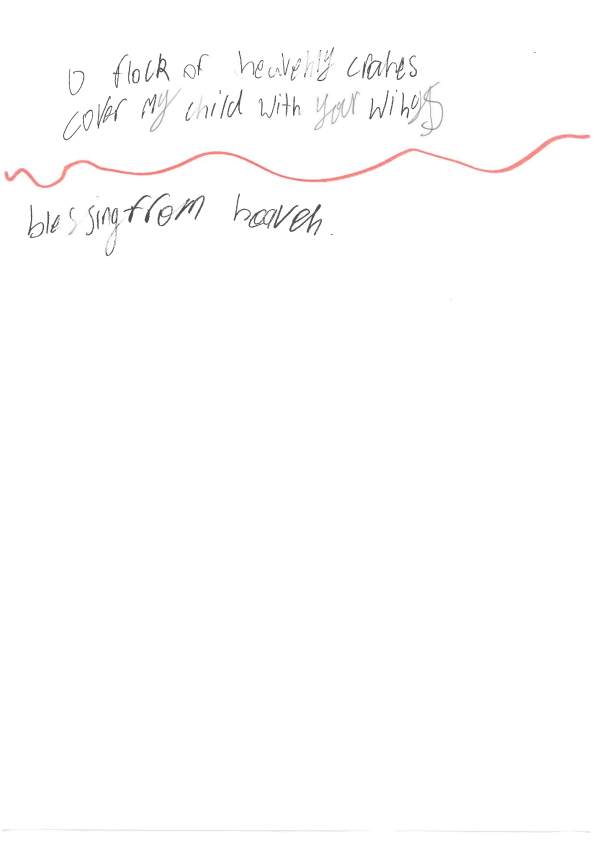
“O flock of heavenly cranes
Cover my child with your wings.”
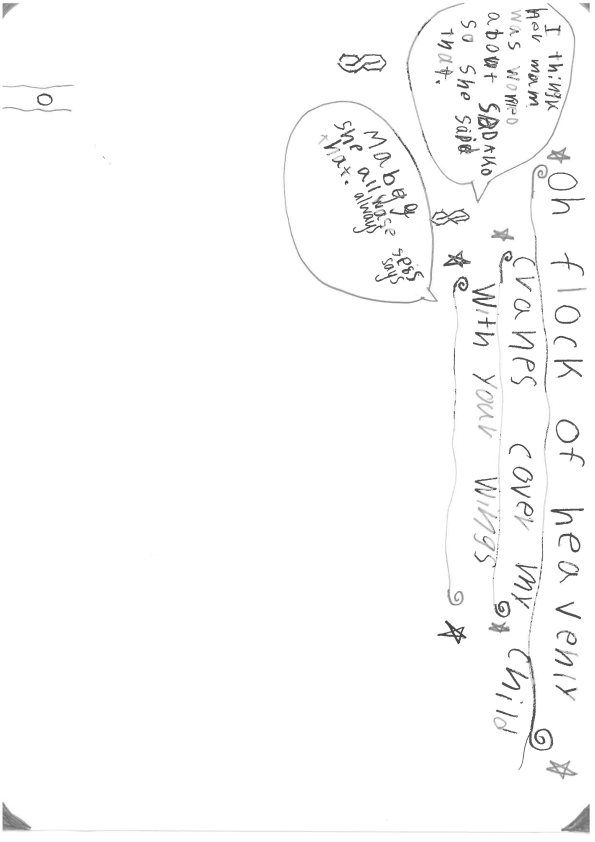
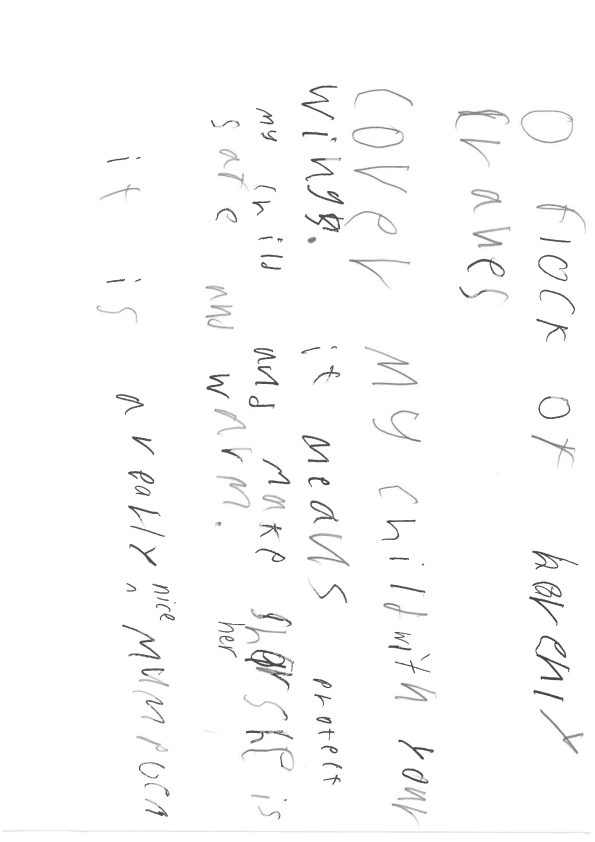
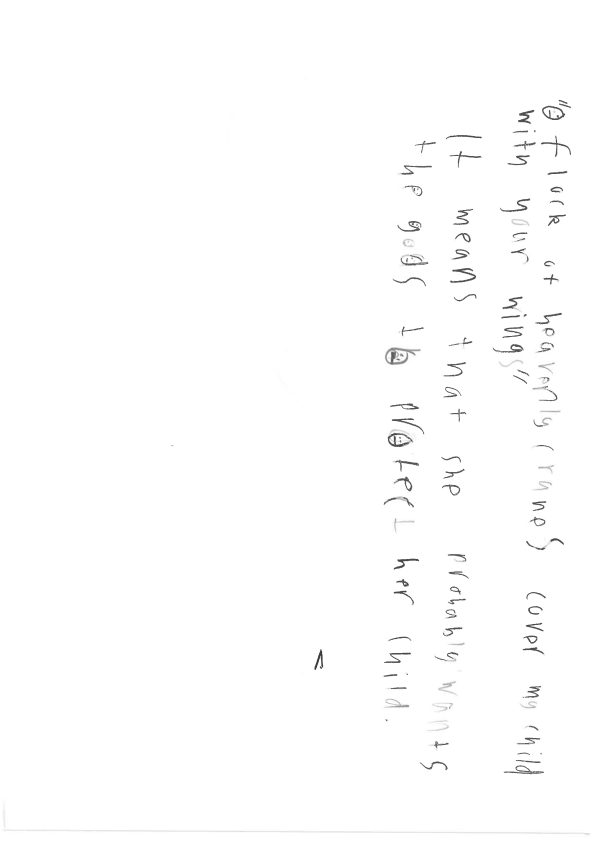
The class discussed potential meanings behind this poem and the significance of context in shaping our interpretations. It was noted that if this poem had been read and brainstormed before exploring the book, its meaning could have been vastly different. Thanks to the context gained throughout the story, students were able to draw on rich background information, forming meaningful life-to-text and text-to-text connections that deepened their understanding.
Students then wrote their personal perspectives on the poem, reflecting carefully on how context influenced and shaped their interpretations. This exercise highlighted the importance of perspective and context in literary analysis and enhanced students’ critical thinking skills
Stage 2 | Data | Analysing and Displaying
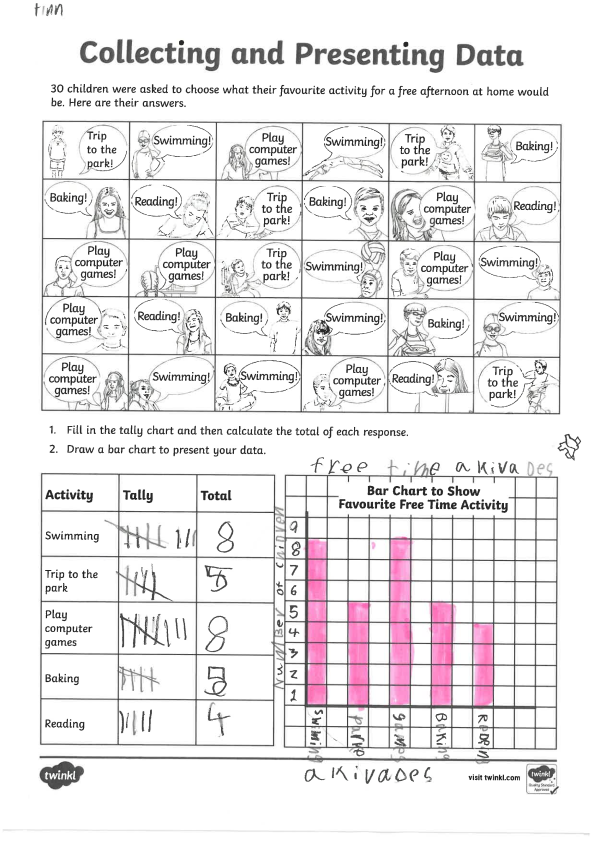
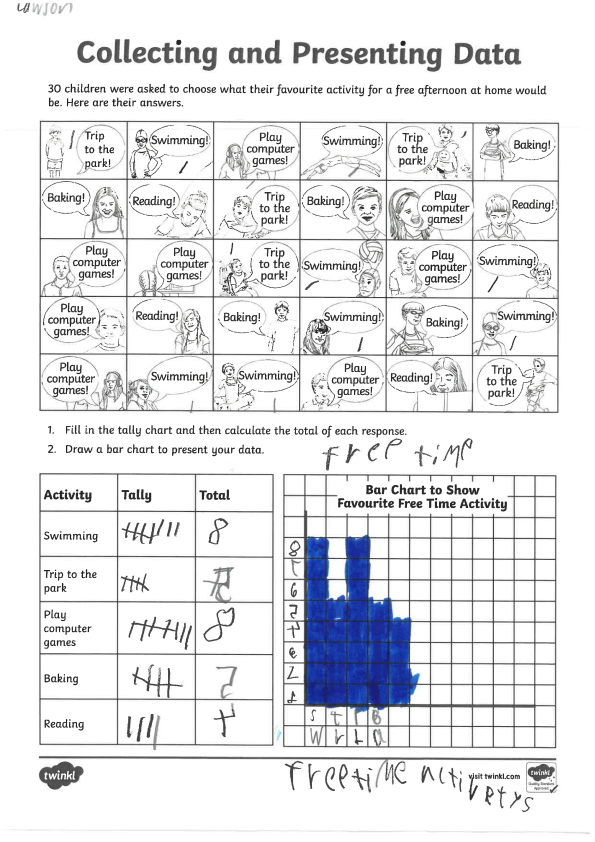
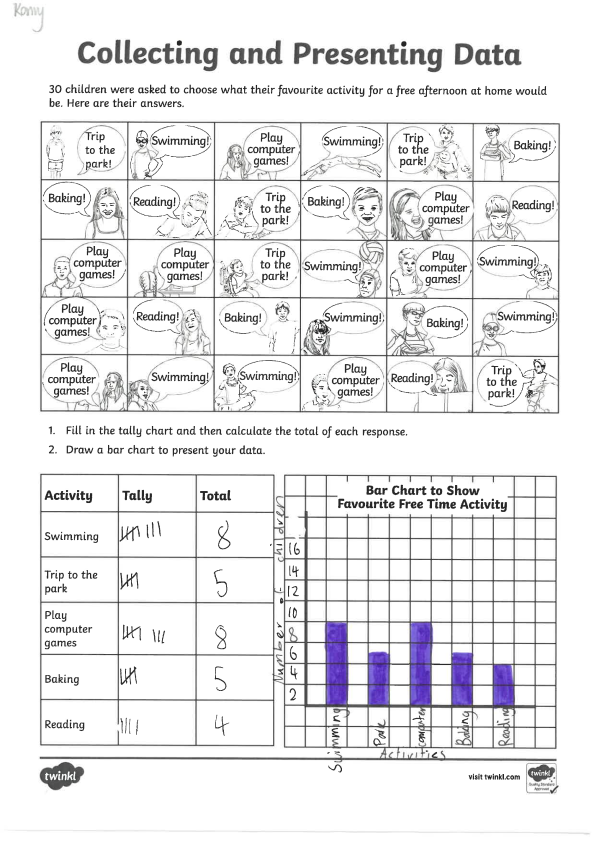
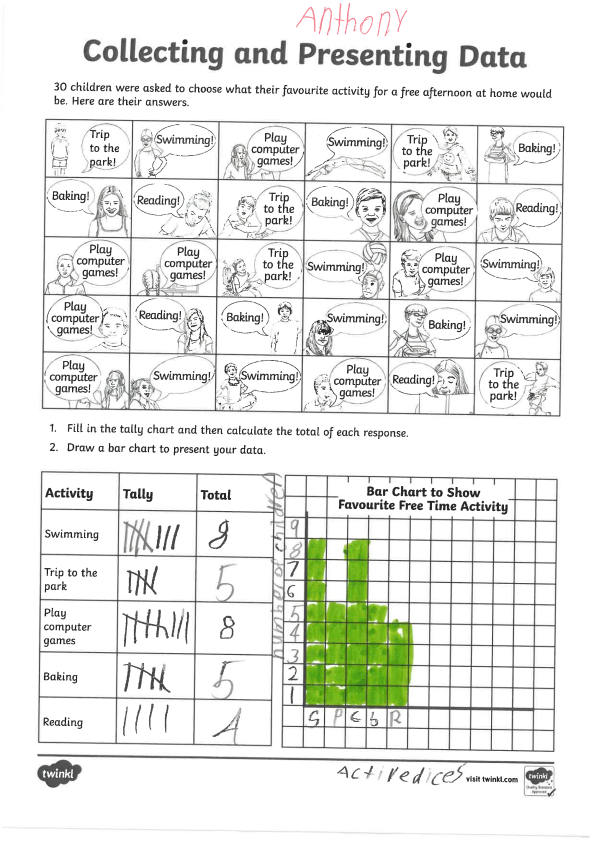
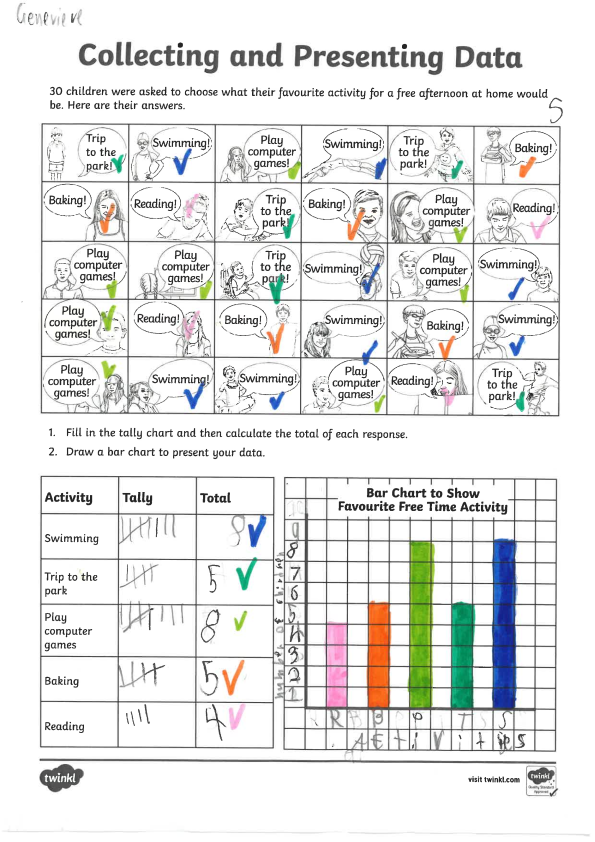
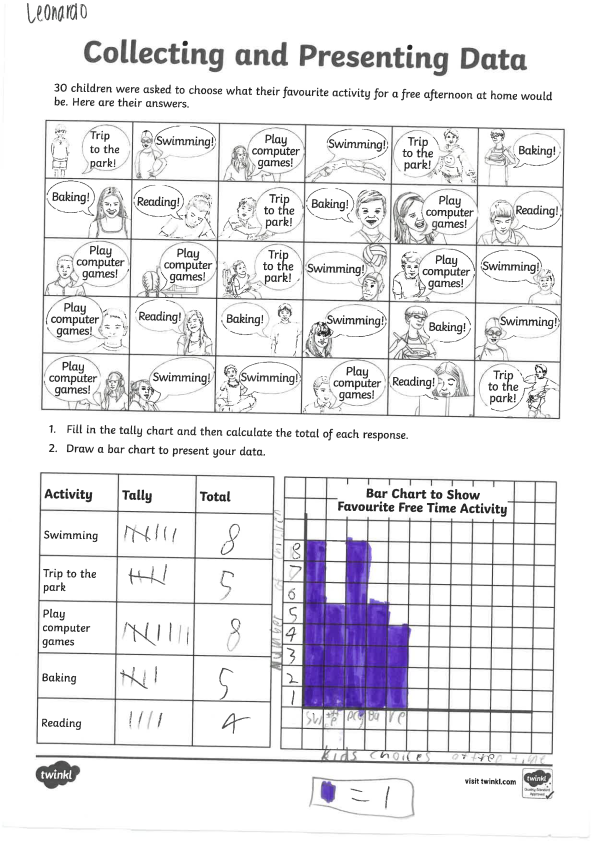
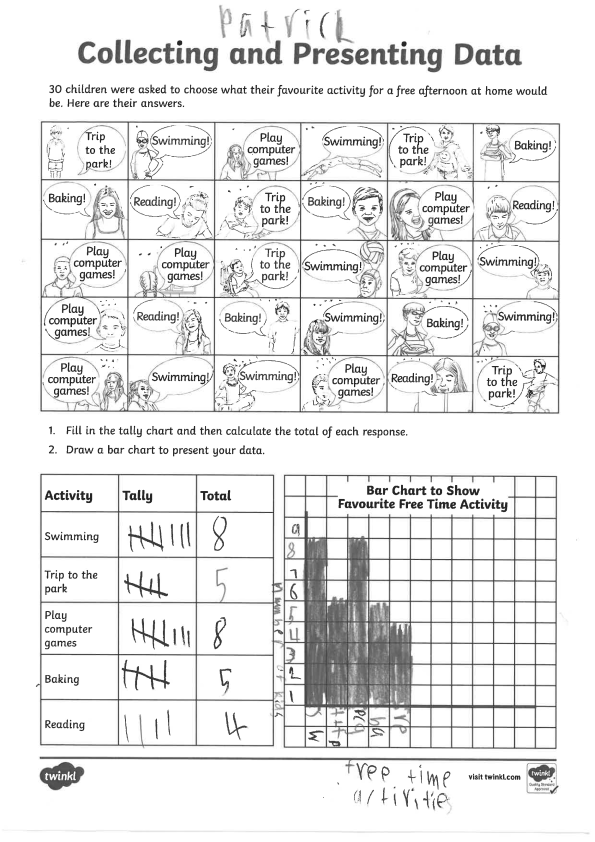
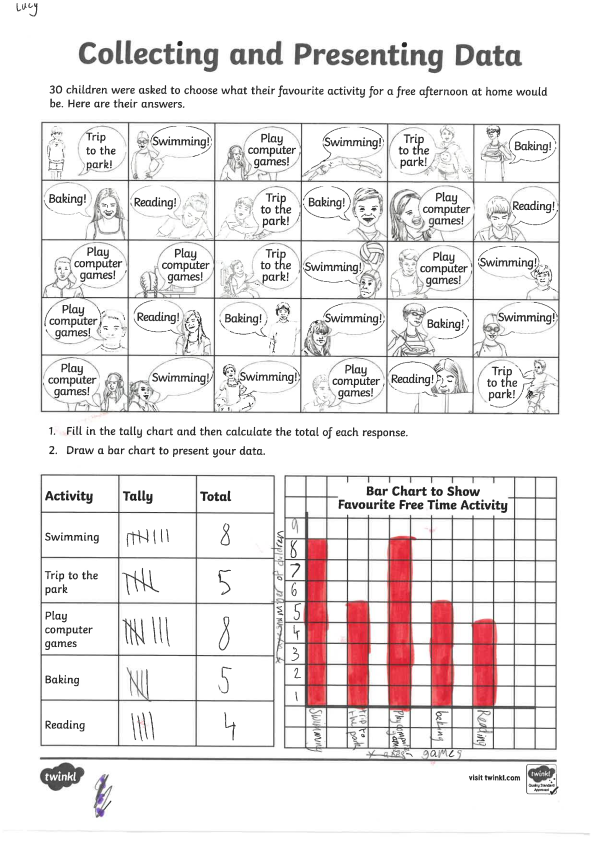
Year 3 and 4 have been exploring the fascinating world of data collection and interpretation—and their mathematical adventures are bringing statistics to life in the classroom! Students have become hands-on data detectives, creating and analysing their very own datasets, and building confidence as budding statisticians.
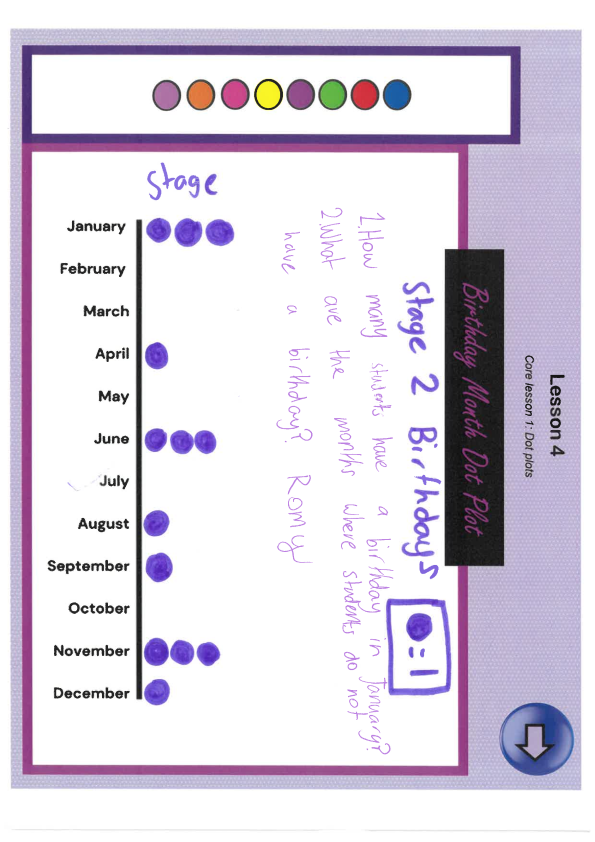
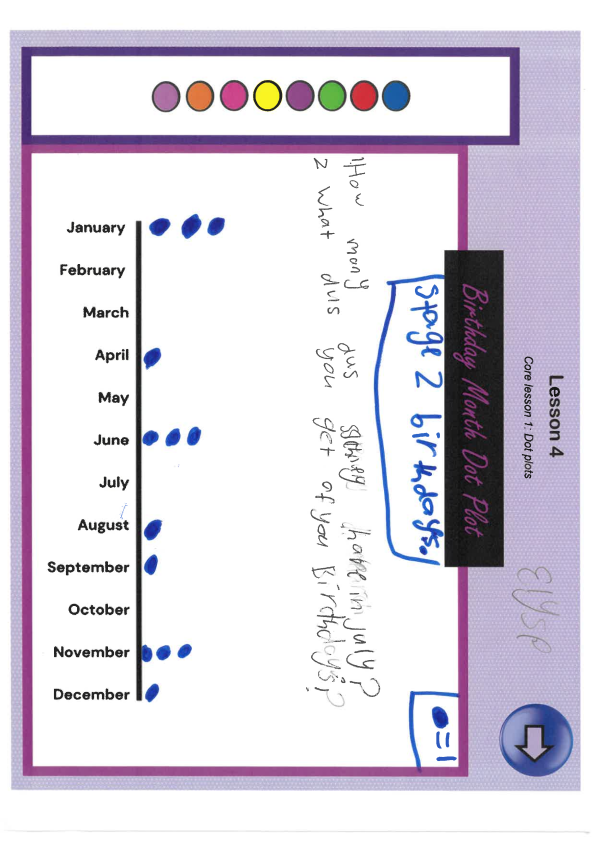
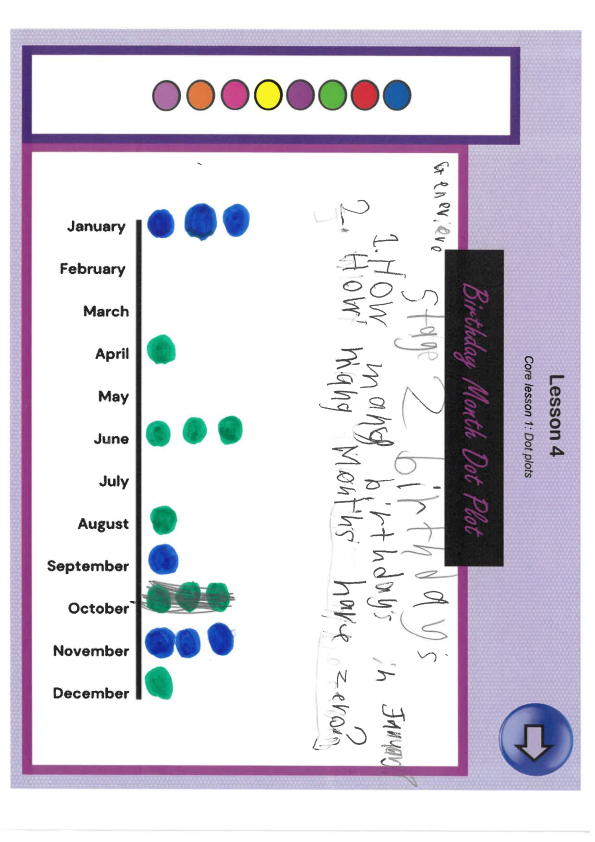
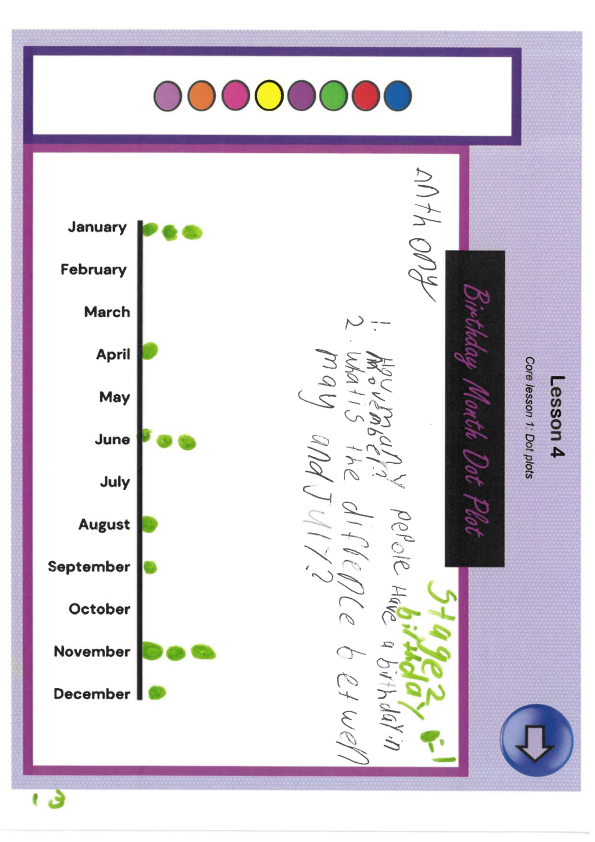
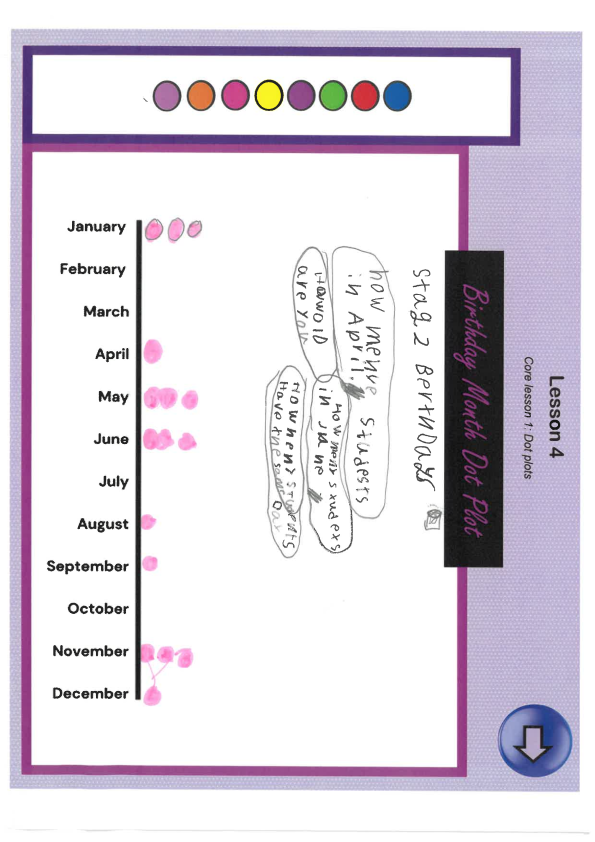
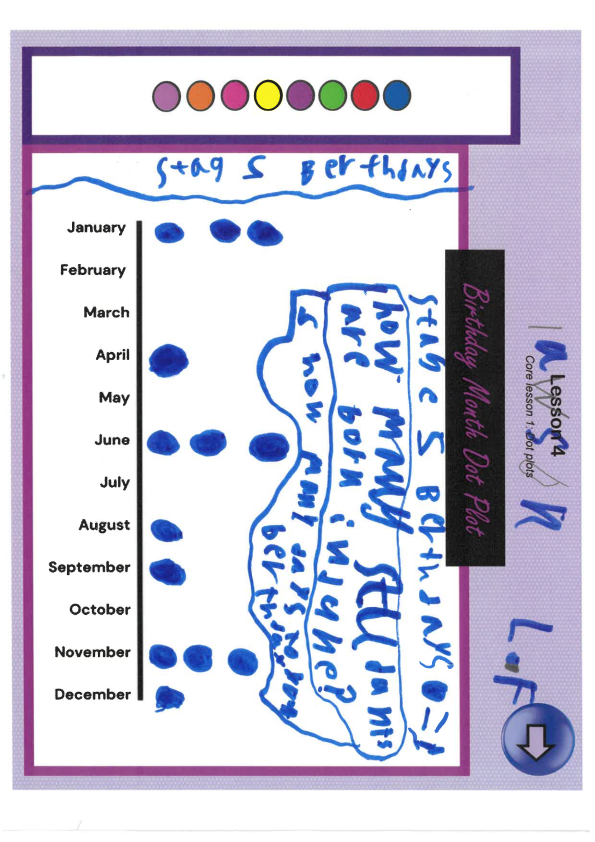
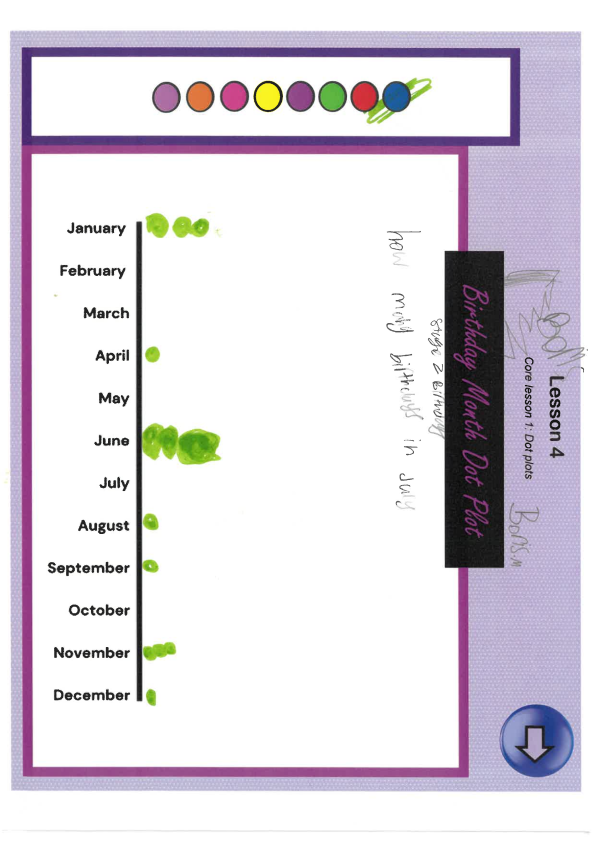
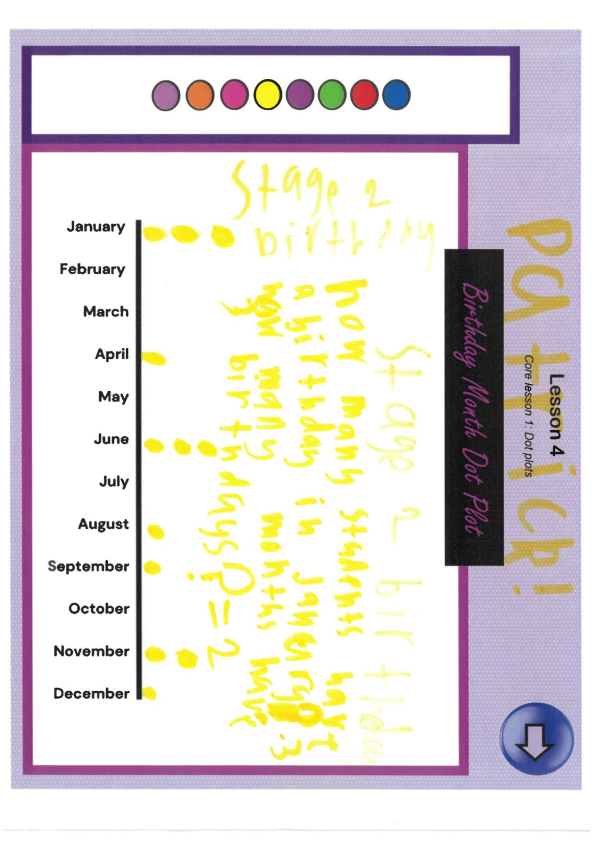
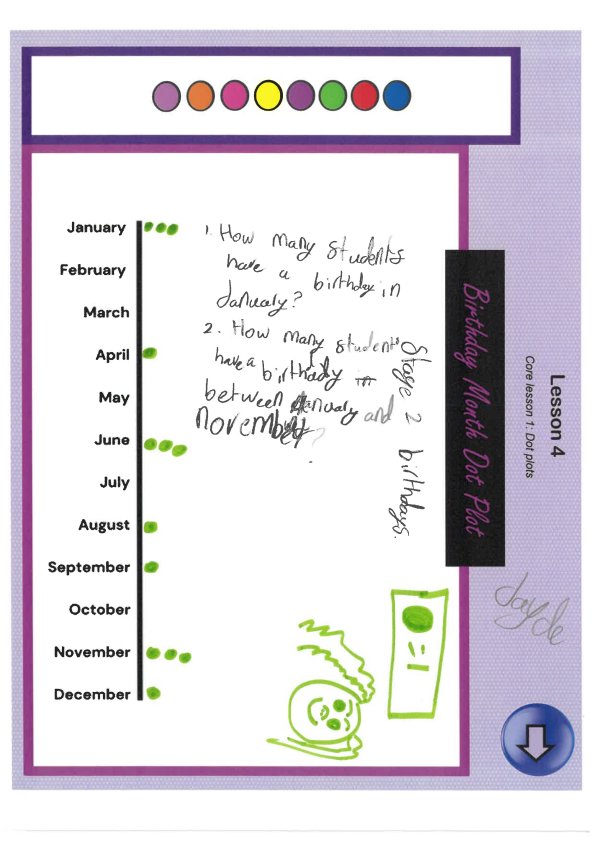
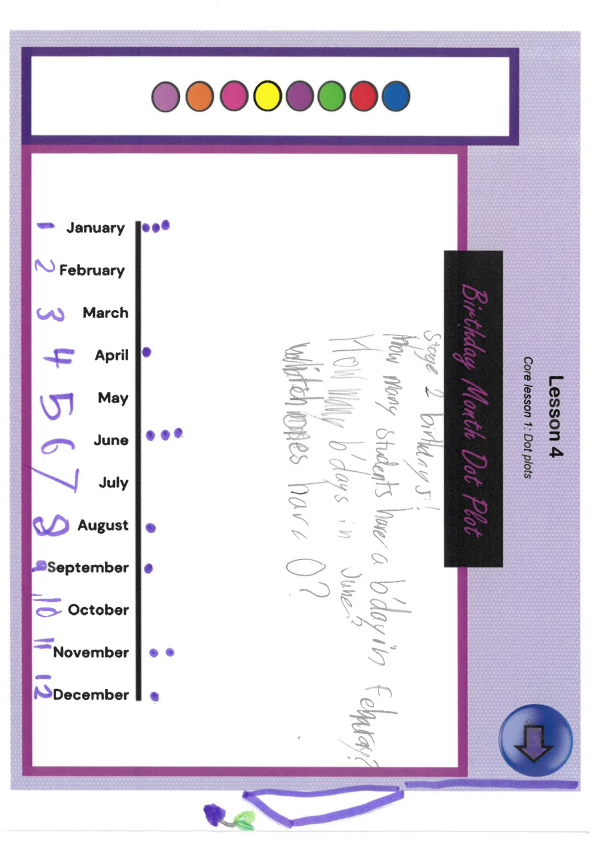
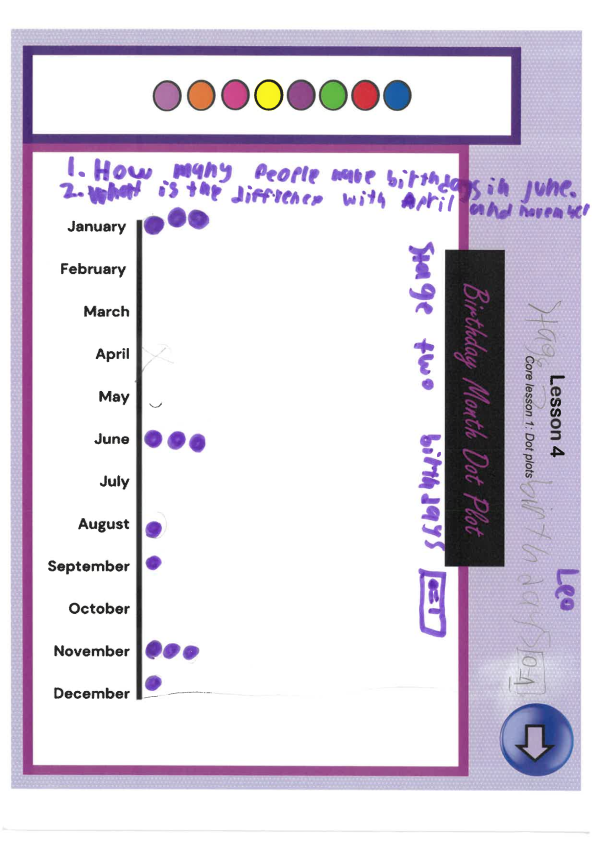
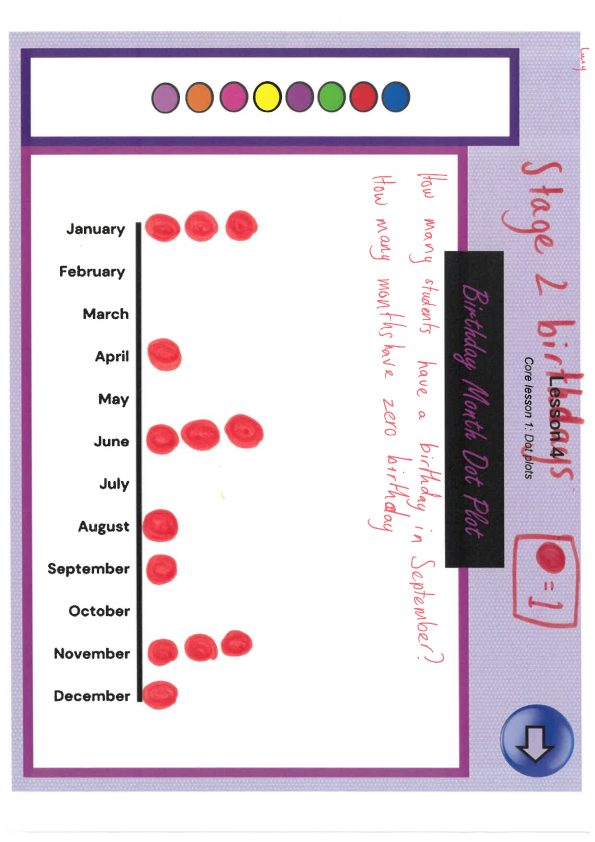
Last week, students compiled and displayed class data about everyone's birthday months. The challenge? Creating dot plots and making sure axes were correctly labelled, titles were chosen, and interpreting the results. Students wrote questions about their graphs to encourage deeper investigation and discussion.
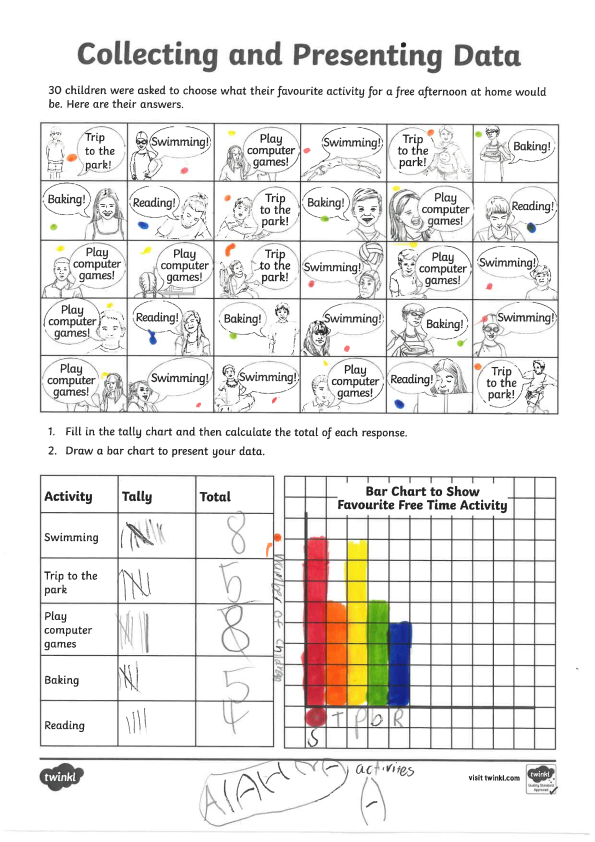
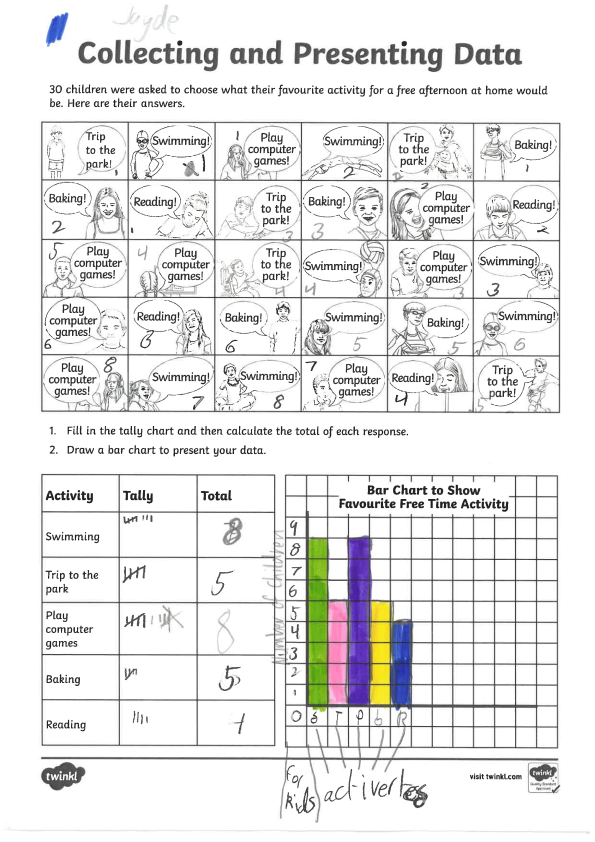
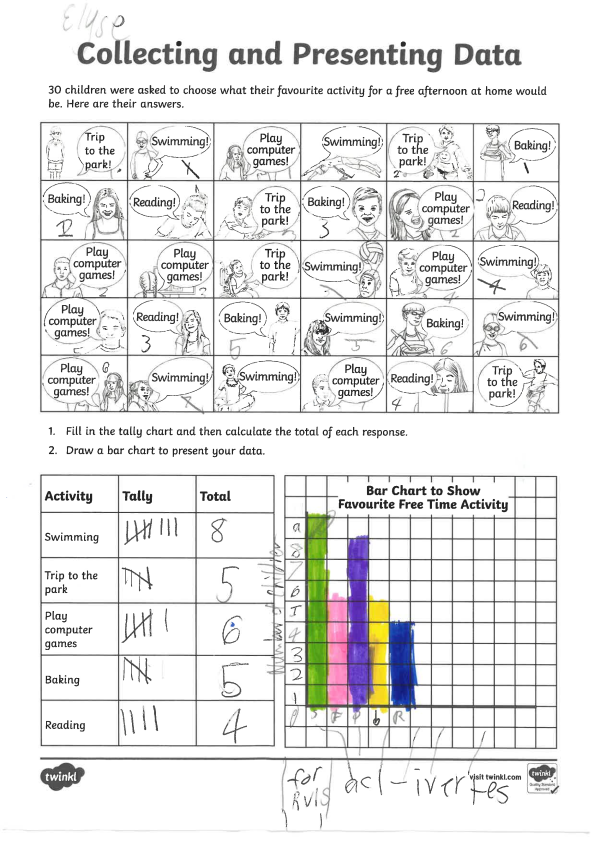
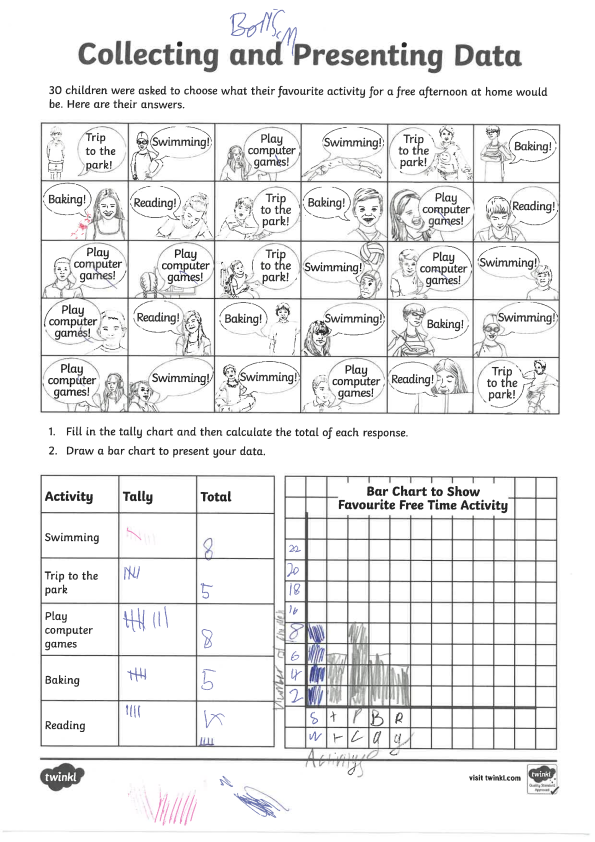
Taking their analysis further, students tackled an investigation into after-school activities. They tallied responses, plotted their results on bar graphs, and checked that all the features—labels, intervals, titles—were spot-on. To help remember which axis is which, the class recited their catchy chant: “y to the sky!”—making sure the y-axis always went upwards.
Throughout these learning experiences, Year 3 and 4 students have shown remarkable enthusiasm and persistence. They are not only mastering data collection, organisation, and display, but also learning how to interpret and ask questions about what the numbers reveal.
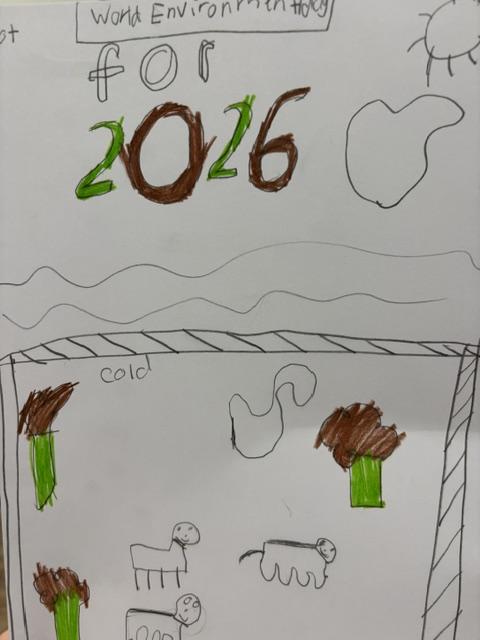
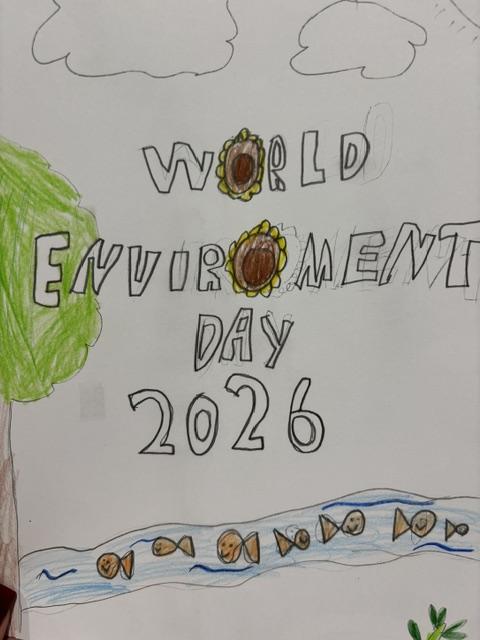
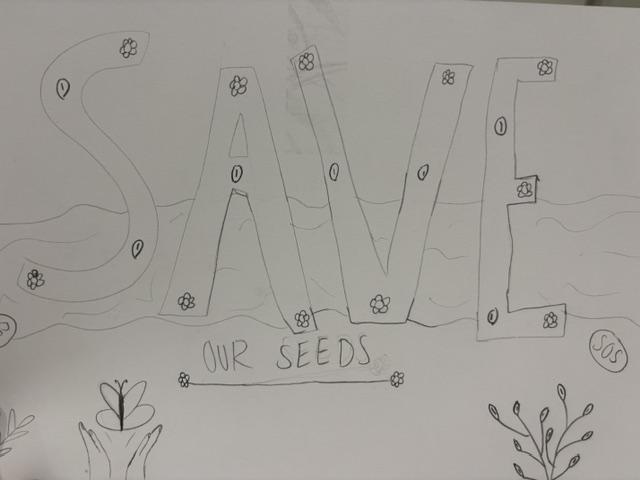
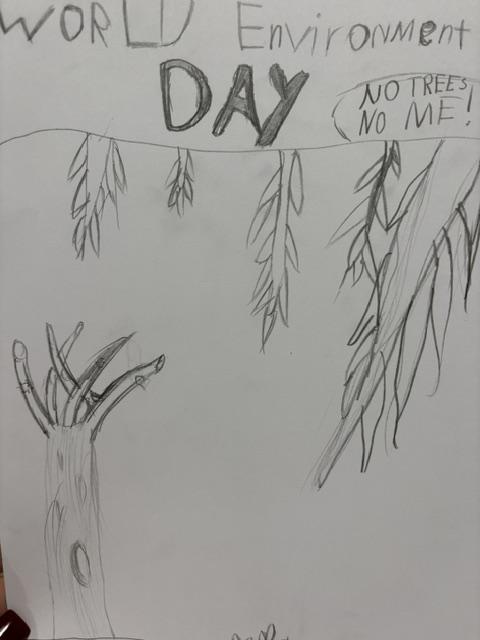
Upper Division - World Environment Day 2026
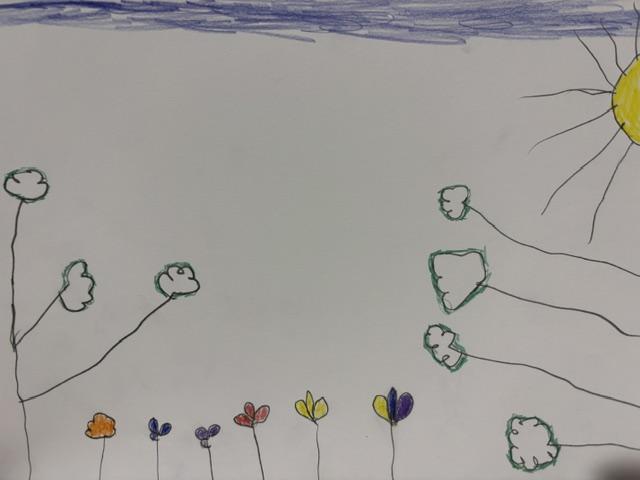
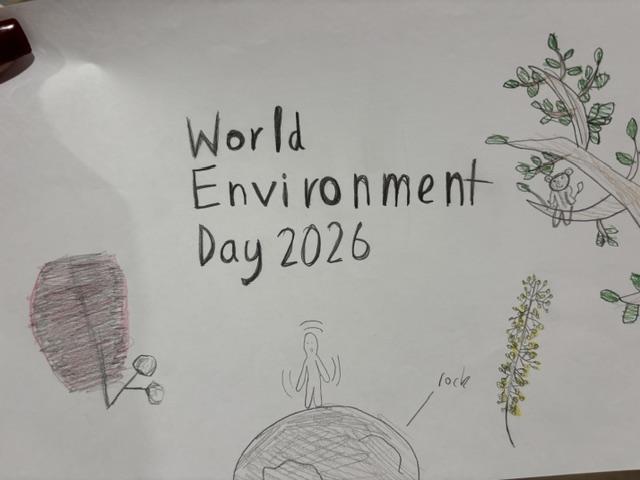
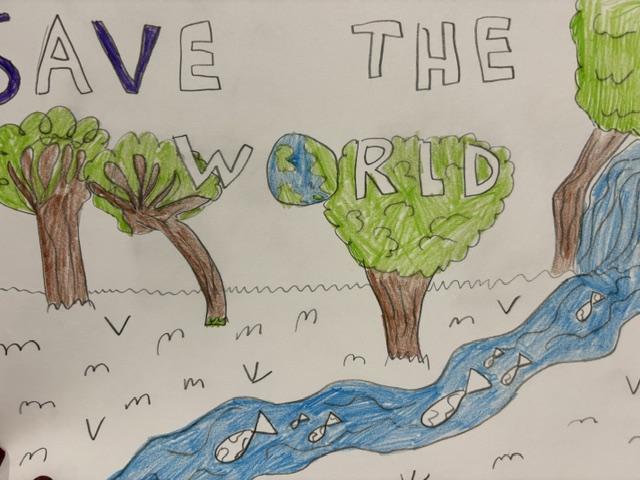
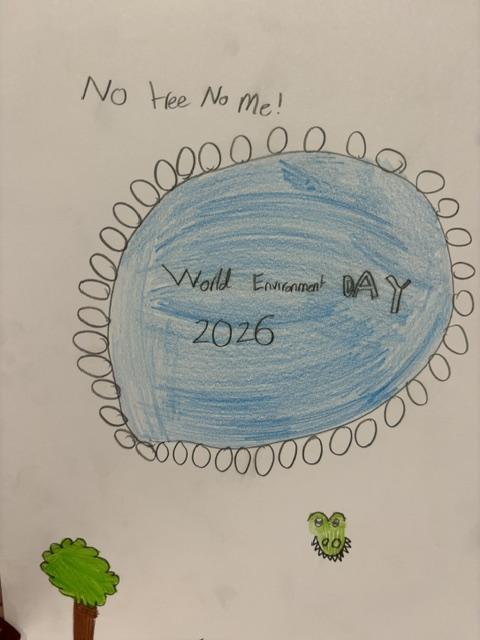
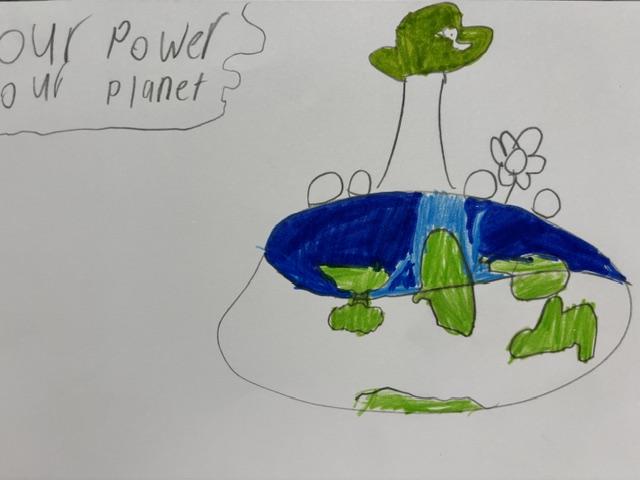
In recognition of World Environment Day 2026, students embarked on a project to create posters that raise awareness about the importance of caring for our planet. This initiative provided a meaningful opportunity for students to reflect on the environment’s significance and explore practical ways to sustain and preserve the earth for future generations.
Inspired by Costa from Gardening Australia, who encouraged us all to “Bring the Bush Back,” students embraced this catchy and thought-provoking slogan as a rallying call to promote environmental stewardship. The phrase sparked lively discussions and a brainstorming session around the question, “What does the environment mean to me?” Students considered their personal mental models—the images, ideas, and feelings—that come to mind when thinking about nature and the environment.
With these reflections in mind, children were invited to choose their preferred media to express their thoughts creatively. Whether through vibrant paints, coloured pencils, collage, or digital art, students experimented with various visual art elements including colour, line, shape, texture, and composition to convey their message powerfully. Many posters captured the beauty of native plants and animals, the importance of clean air and water, and calls to action for protecting natural habitats.
This project not only developed students’ artistic skills but also deepened their understanding of environmental issues and their role as caretakers of the earth. Through creativity and reflection, our students have demonstrated a strong commitment to raising awareness and inspiring positive action to “Bring the Bush Back” and preserve our planet’s precious resources.
Stage 3 English
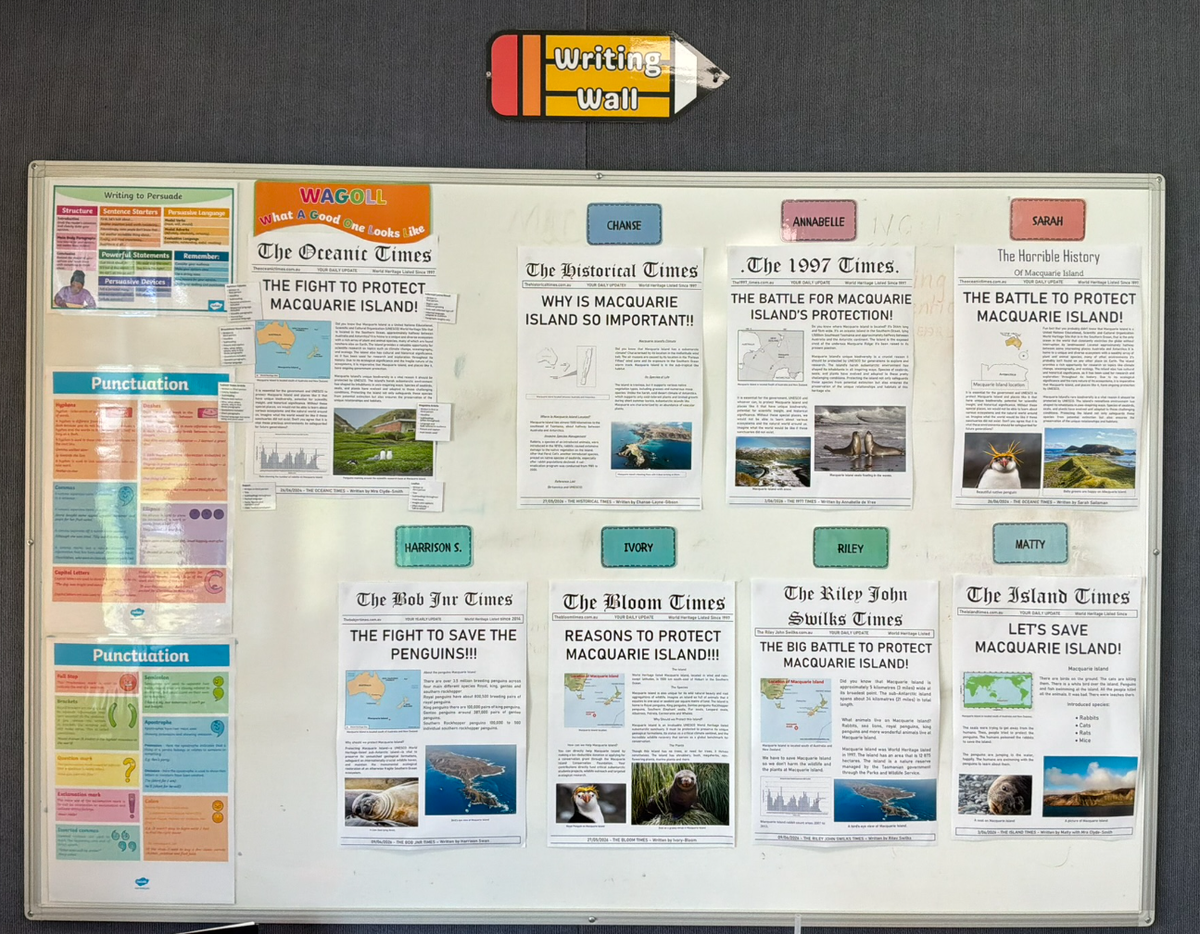
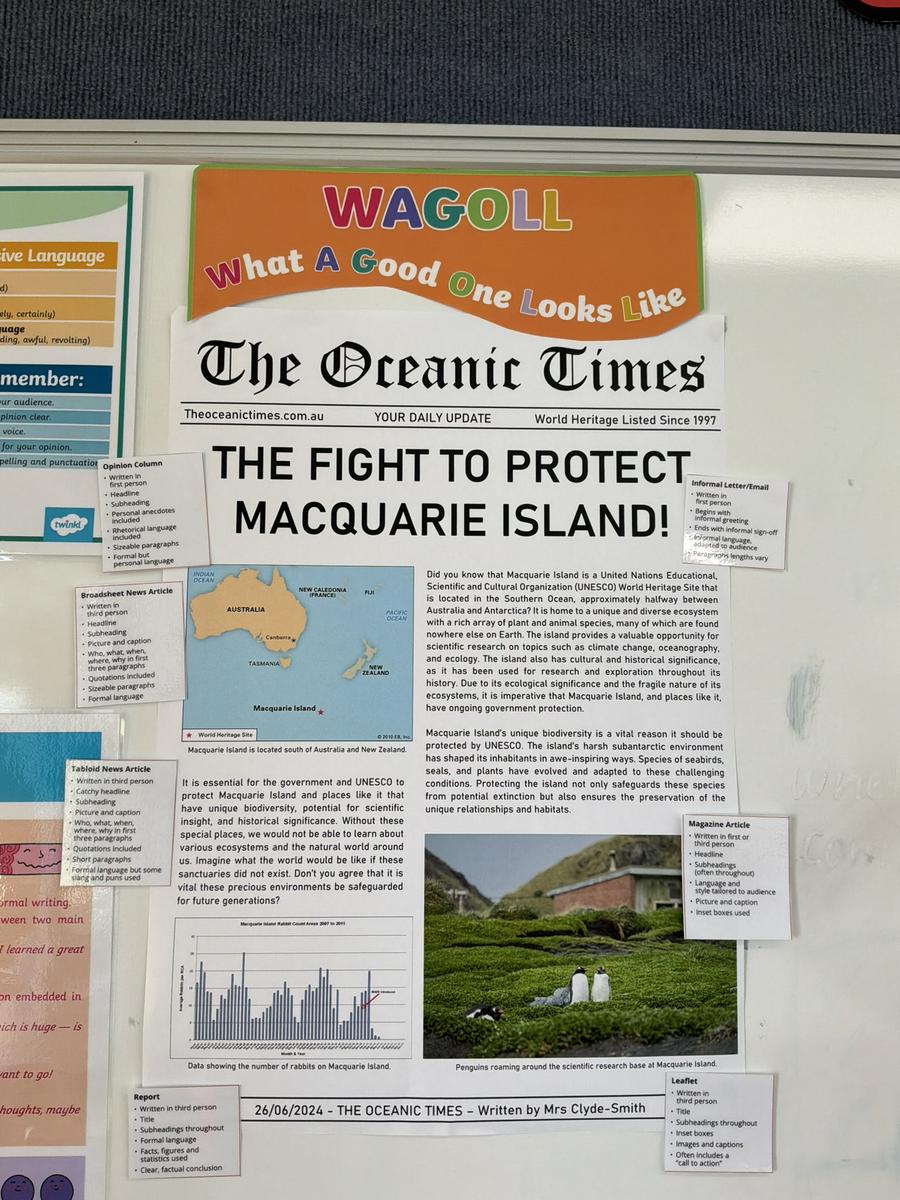
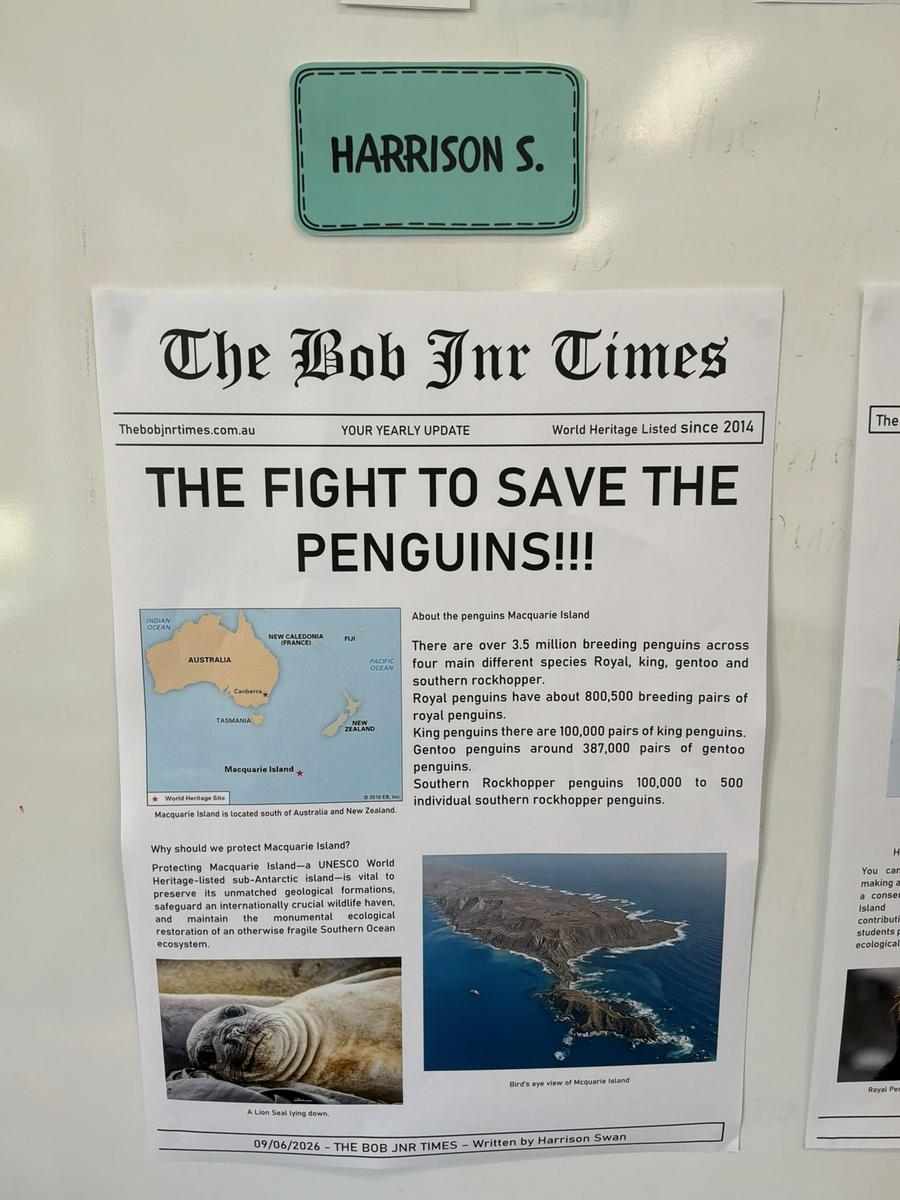
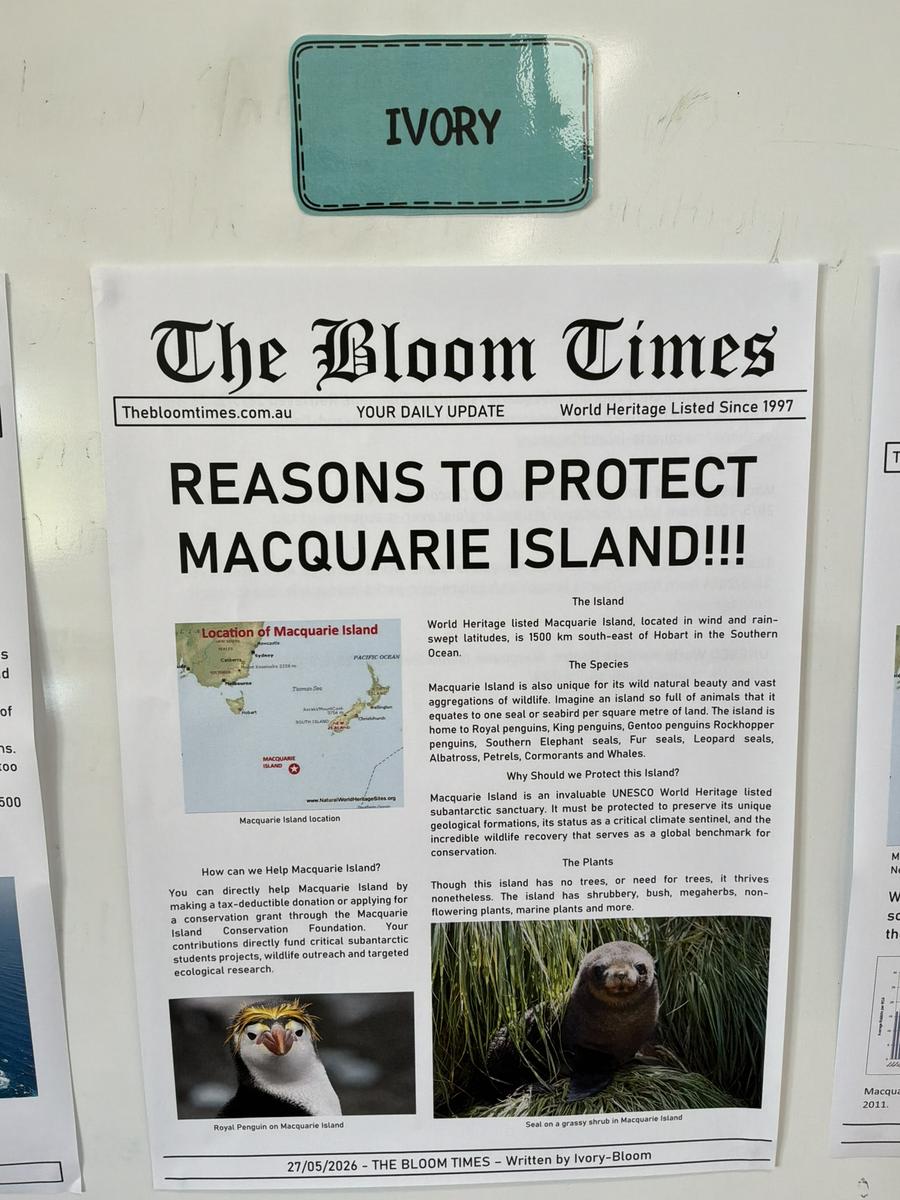
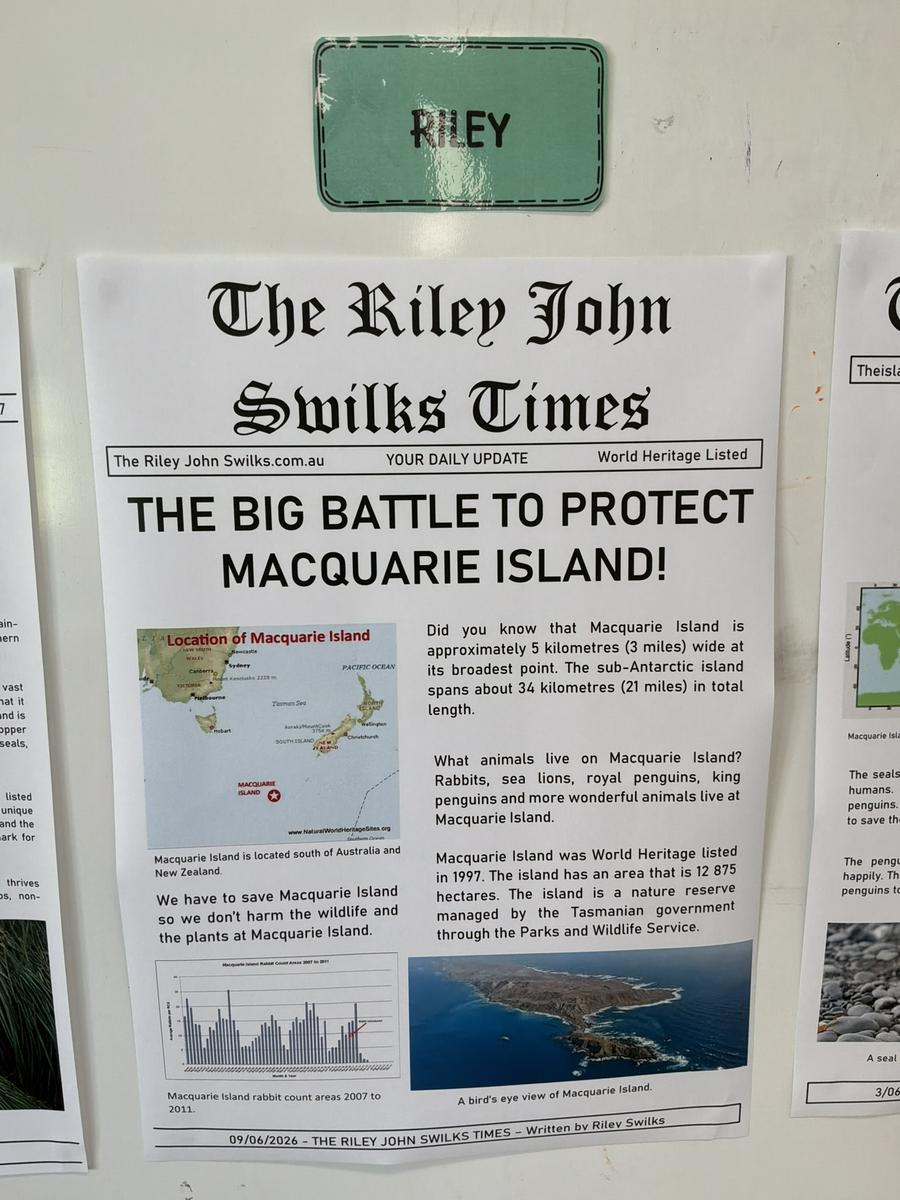
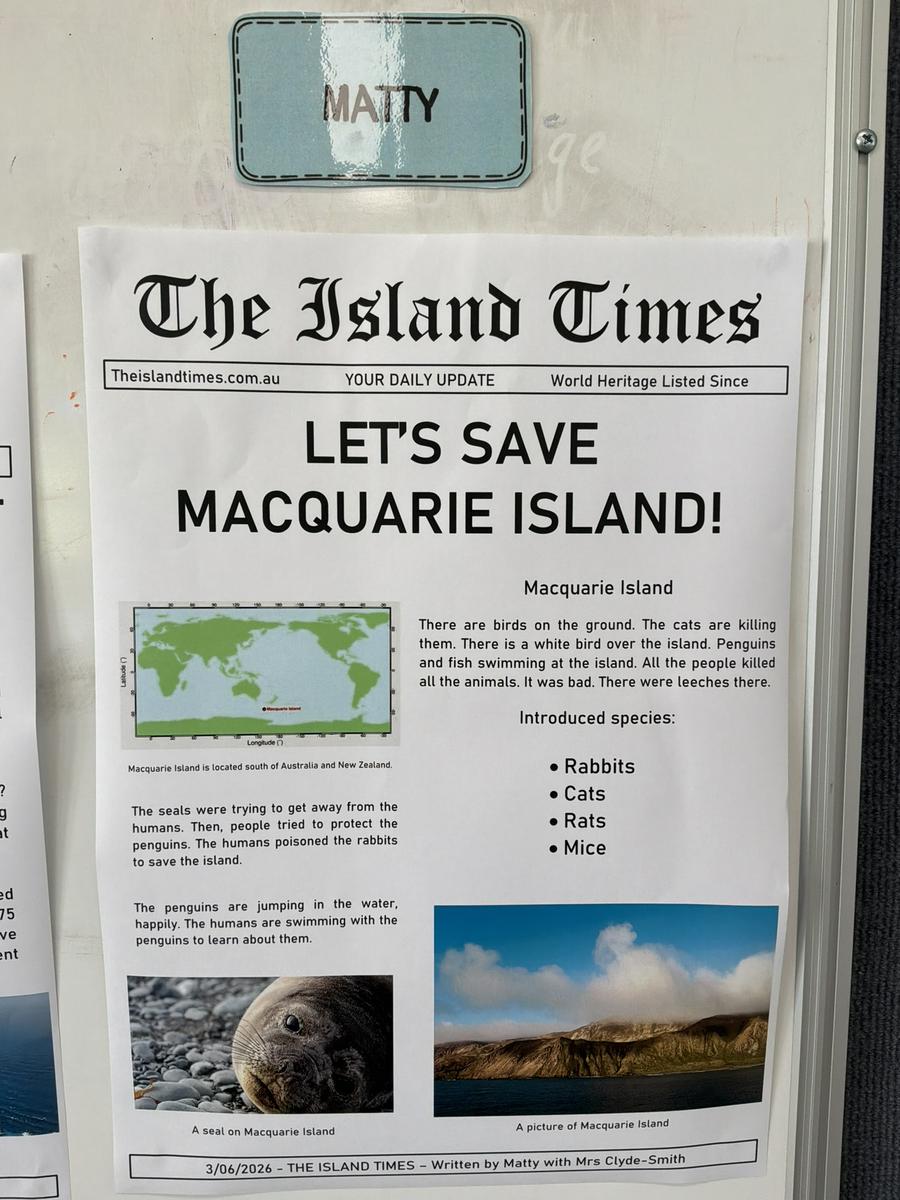
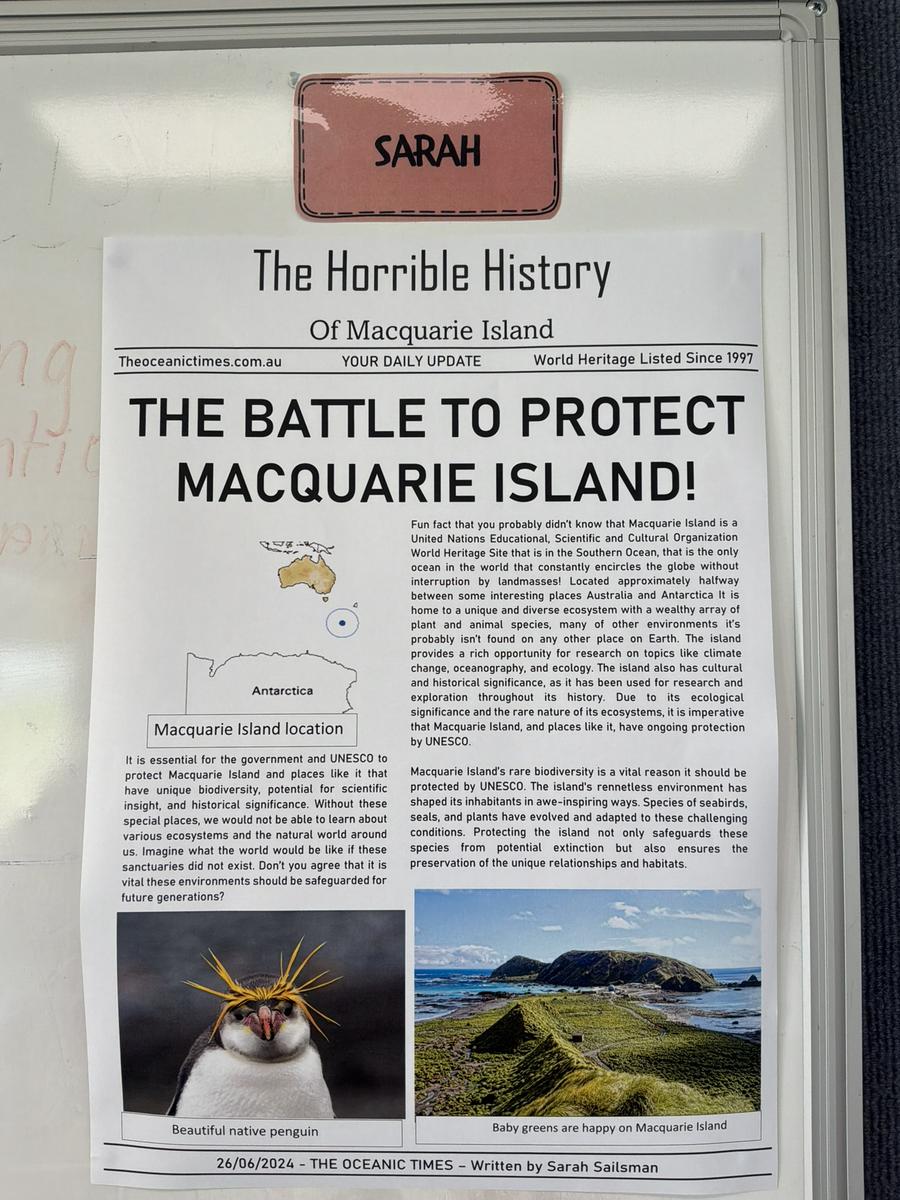
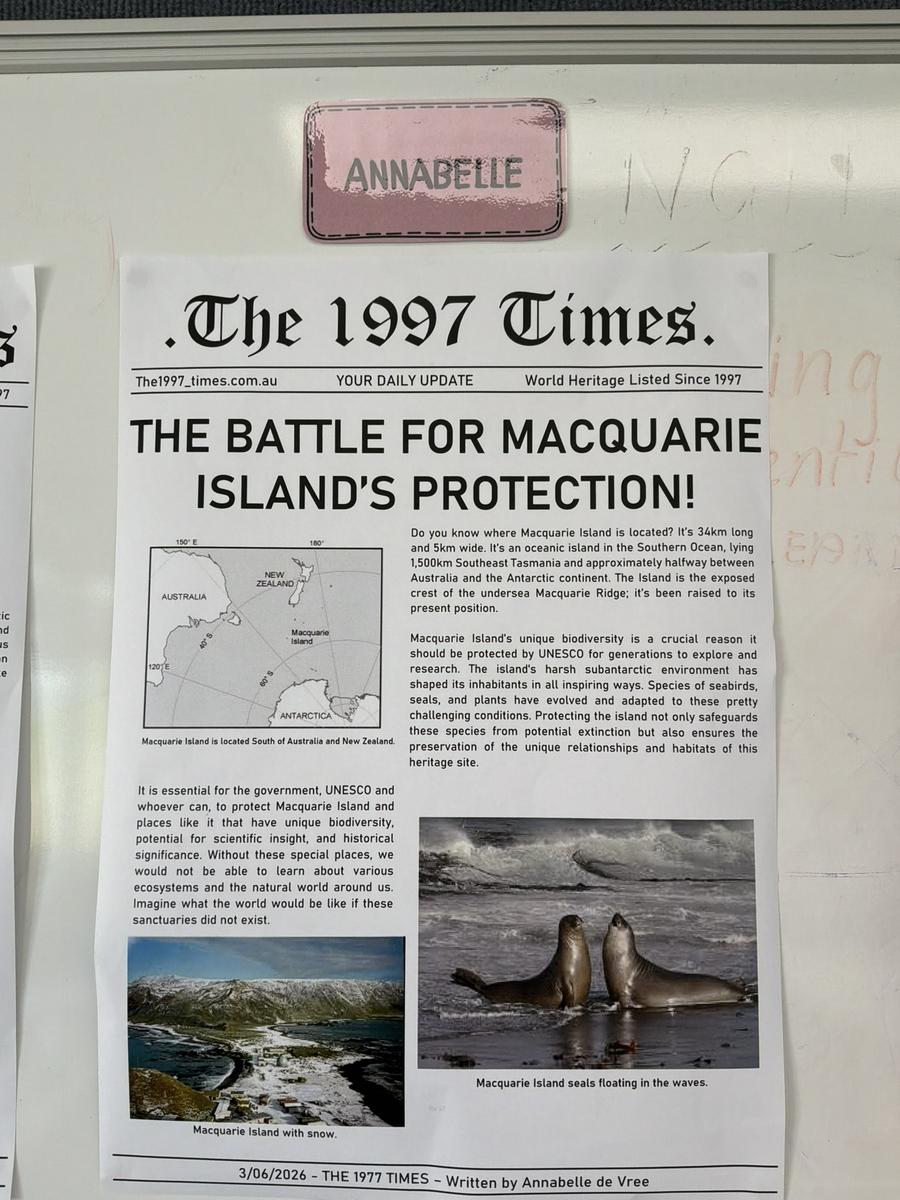
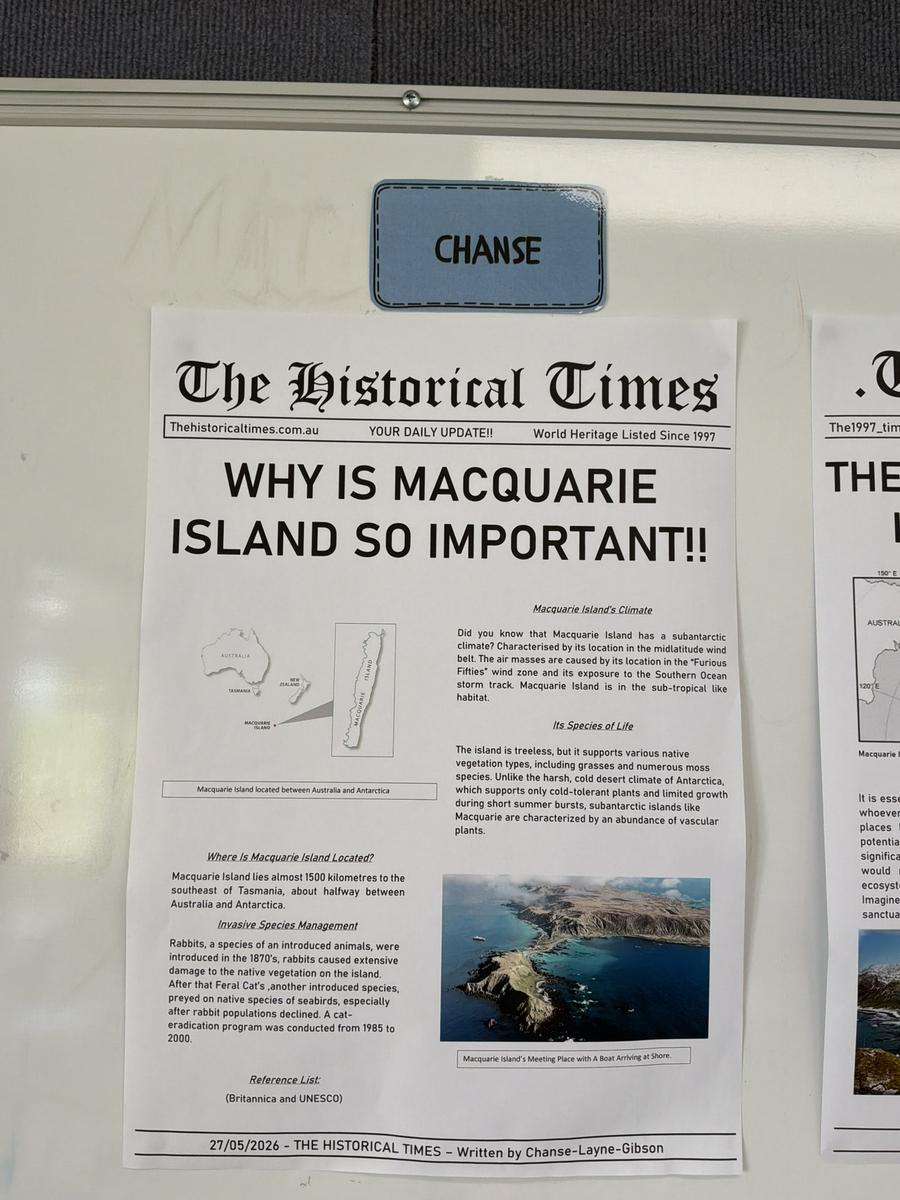
To conclude our Stage 3 unit on 'One Small Island' by Alison Lester and Coral Tulloch,
students created engaging newspaper articles promoting the conservation of Macquarie Island. These articles combined features of informative texts such as headings, subheadings, facts, statistics, and quotes, with persuasive elements like high modality language to encourage readers to take action. The unit was designed as a hybrid of informative and persuasive writing, enabling students to develop skills in both areas. Additionally, students applied visual literacy skills by thoughtfully considering salience, placement, and the use of images, captions and layout to enhance the impact of their message. This project allowed students to effectively communicate important environmental ideas while refining their writing and design techniques.
Stage 3 Mathematics
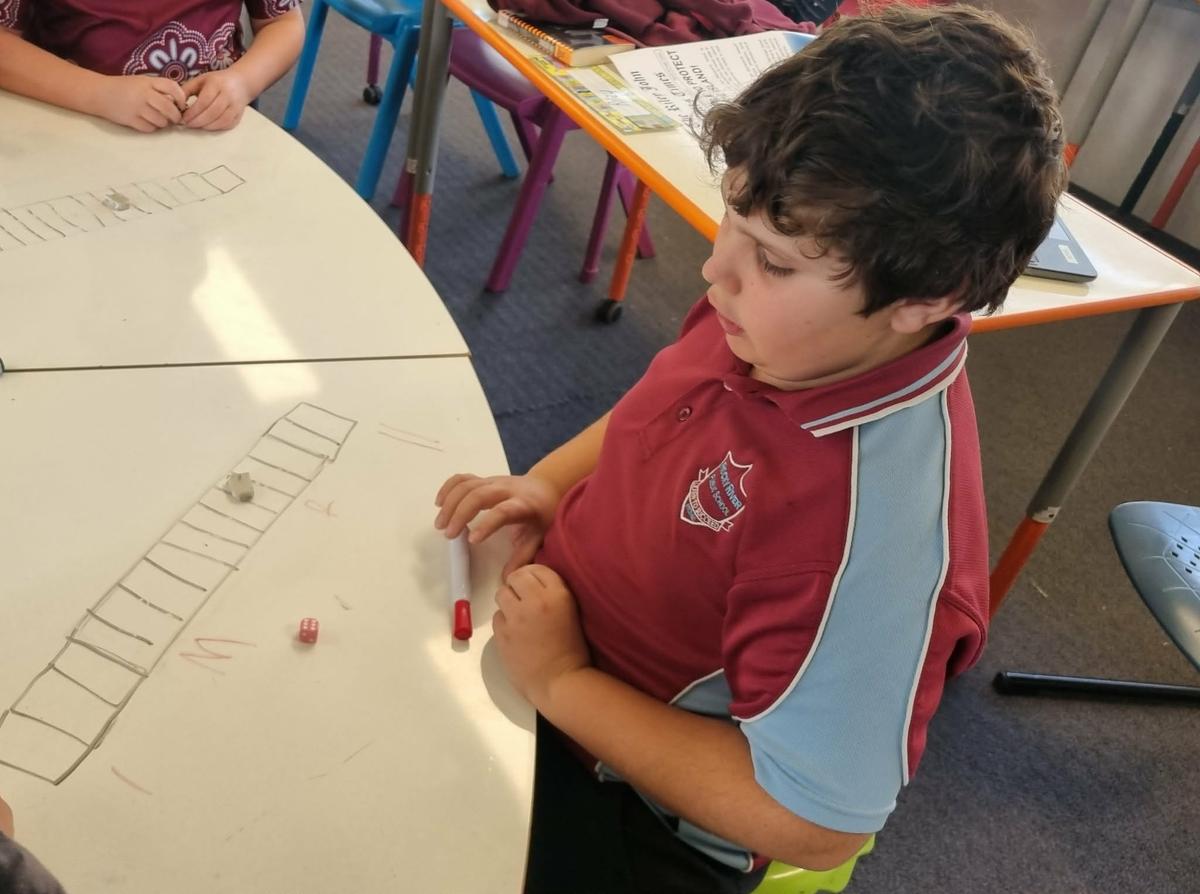
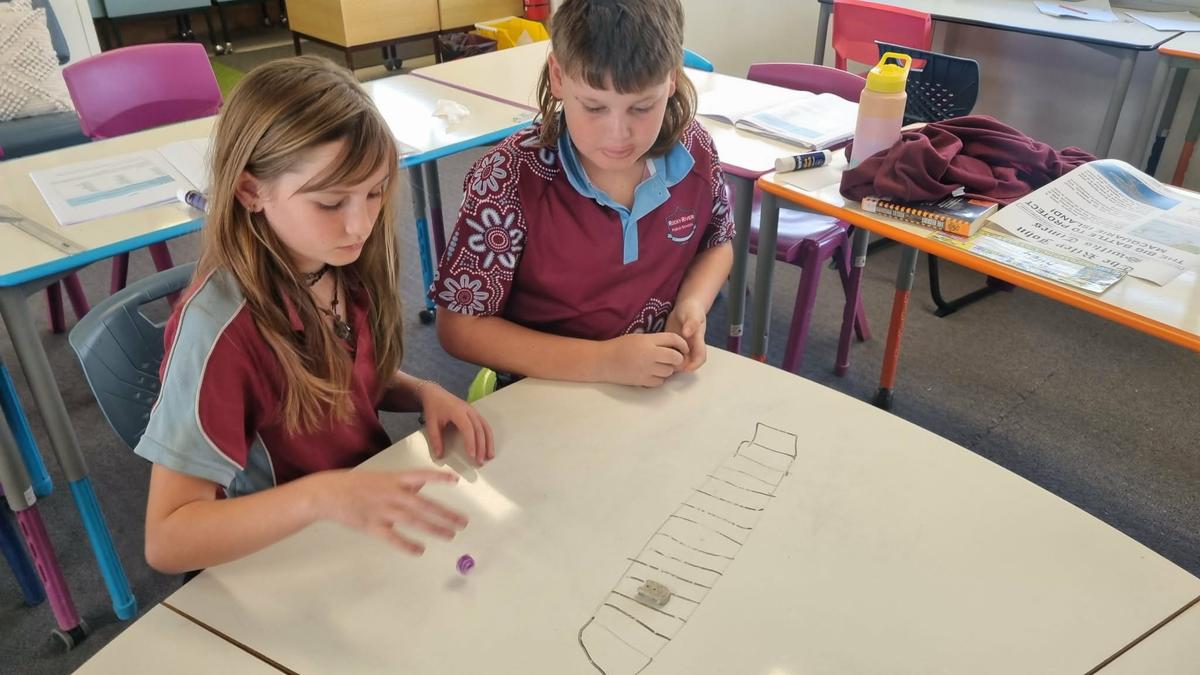
In our recent Stage 3 Mathematics lessons, students have been investigating 12- and 24-hour time, deepening their understanding of how to solve problems involving duration. They have practiced using start and finish times to calculate elapsed time, applied mental computation strategies such as bridging to add and subtract time, and rounded their answers to the nearest minute or hour. Students have also explored representing commonly used time intervals as decimals on a number line, linking the concept of decimal numbers to durations. Through a variety of engaging activities, students are developing their ability to solve real-world problems with time, strengthening both their mathematical reasoning and practical skills.
Upper Division - Science Seedling Germination
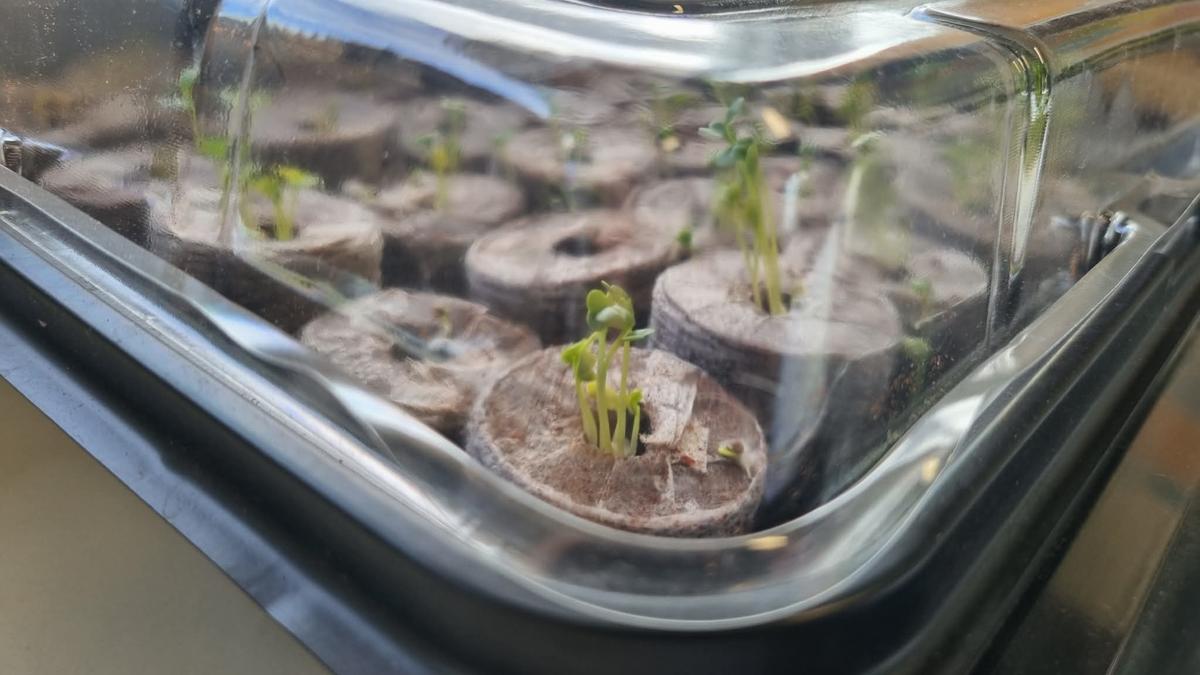
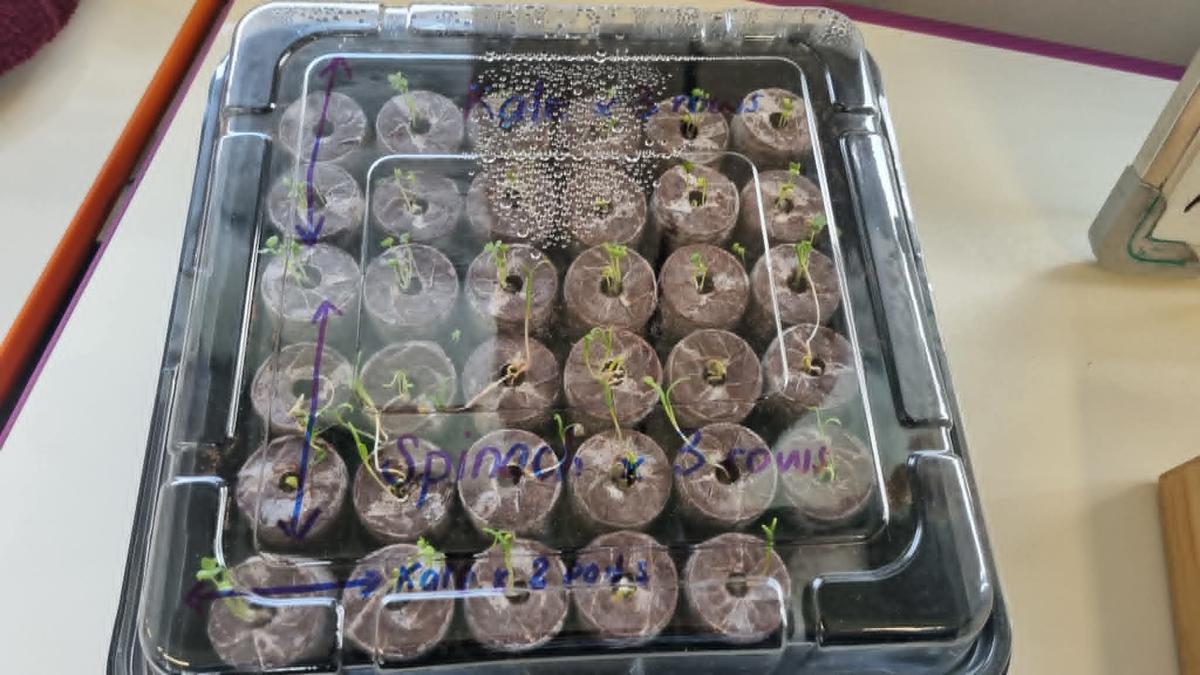
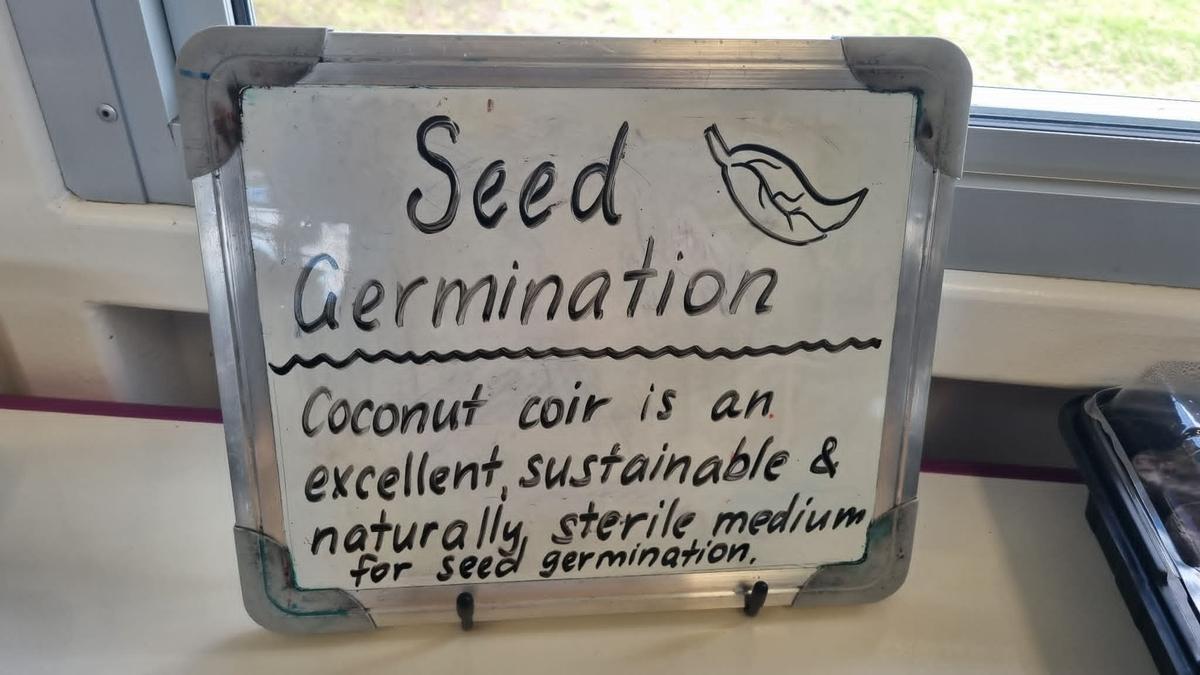
Students are using coconut coir seed germination trays, made from sustainable and nutrient-rich coconut fibre, to grow kale and spinach before transplanting them into the Air Garden aeroponics tower. This eco-friendly, peat-free material provides excellent aeration and water retention, creating ideal conditions for sprouting seeds. Additionally, the biodegradable coir allows roots to easily grow through it, helping to prevent transplant shock and supporting healthy plant development. Although we thought our kale and spinach would be thriving in the AirGarden already, we have been afforded time with an extension on the aeroponics towers, so we can go slow and steady, looking forward to flourishing greens early into Term 3!