Stephanie Alexander Kitchen Garden Program
Winter tidy
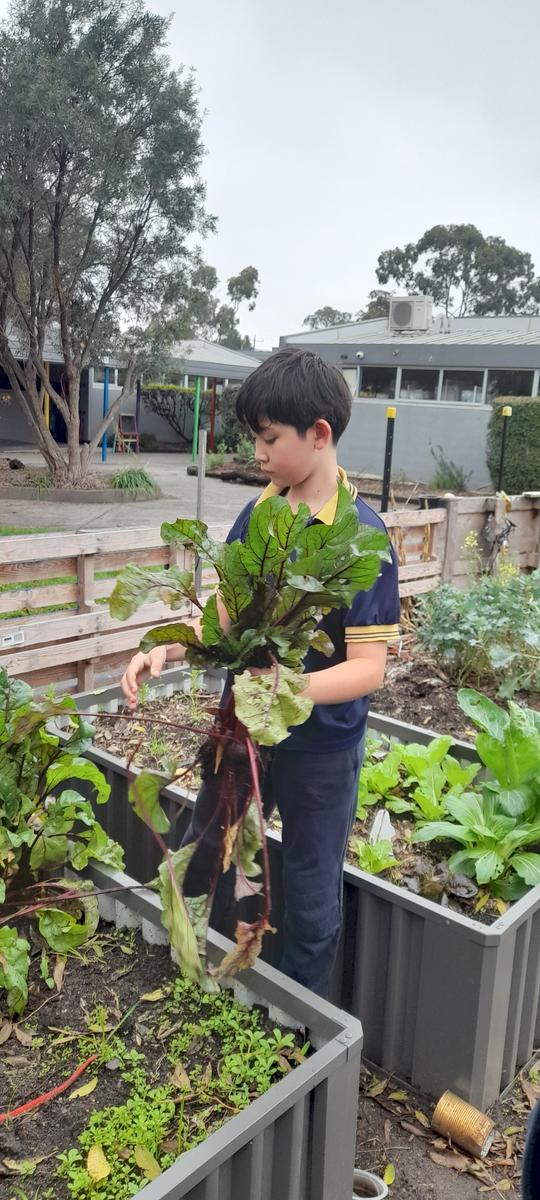
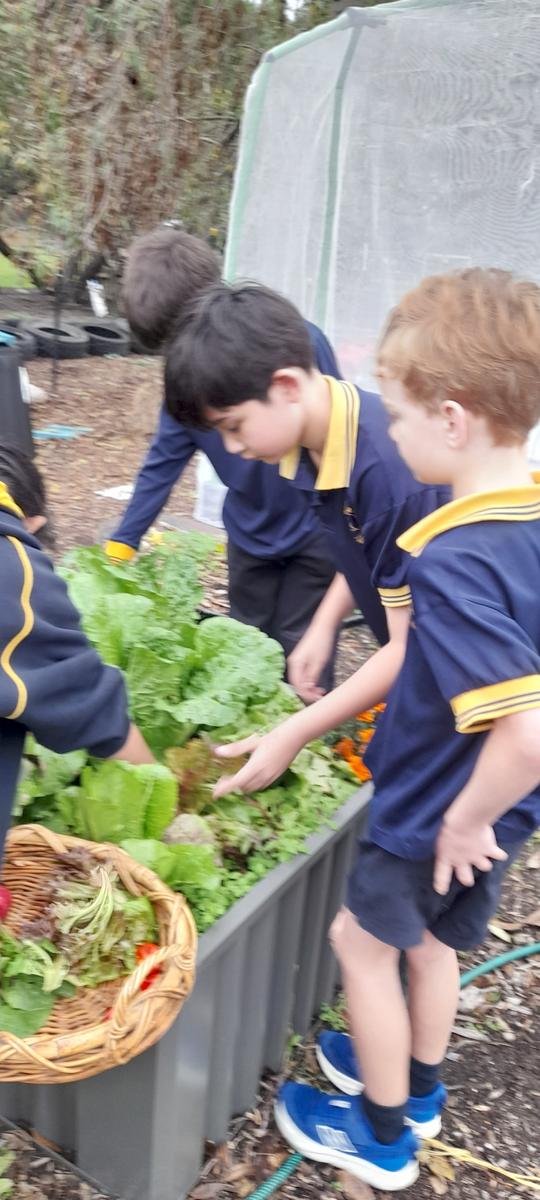
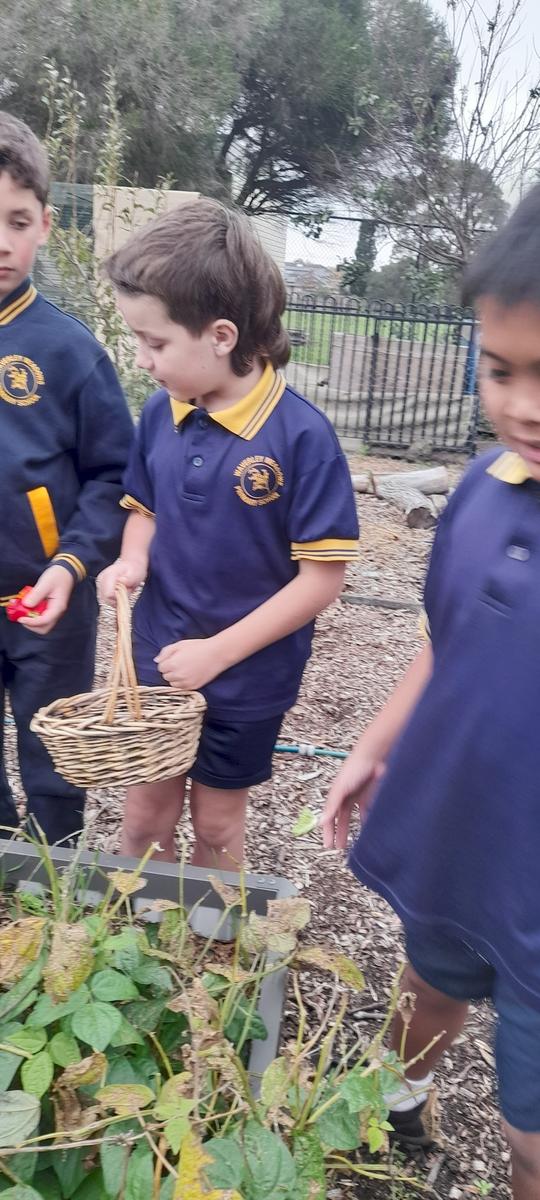
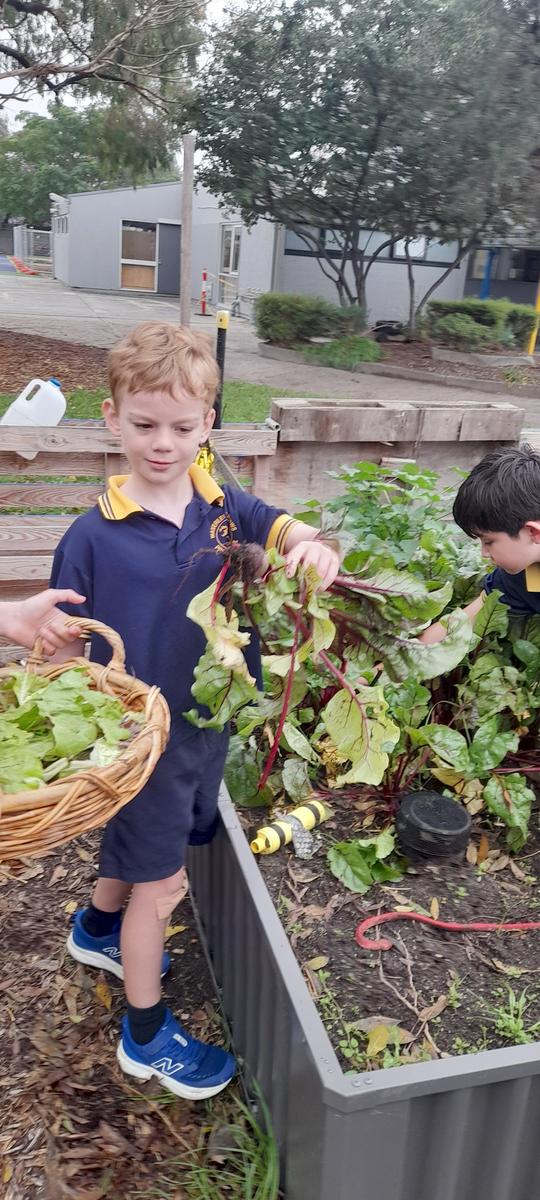
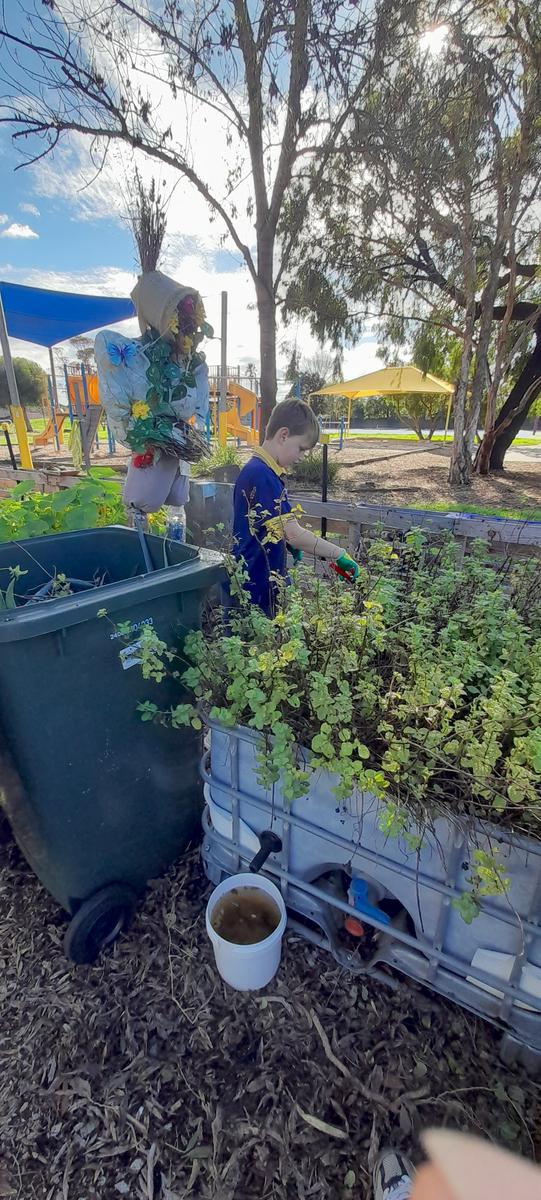
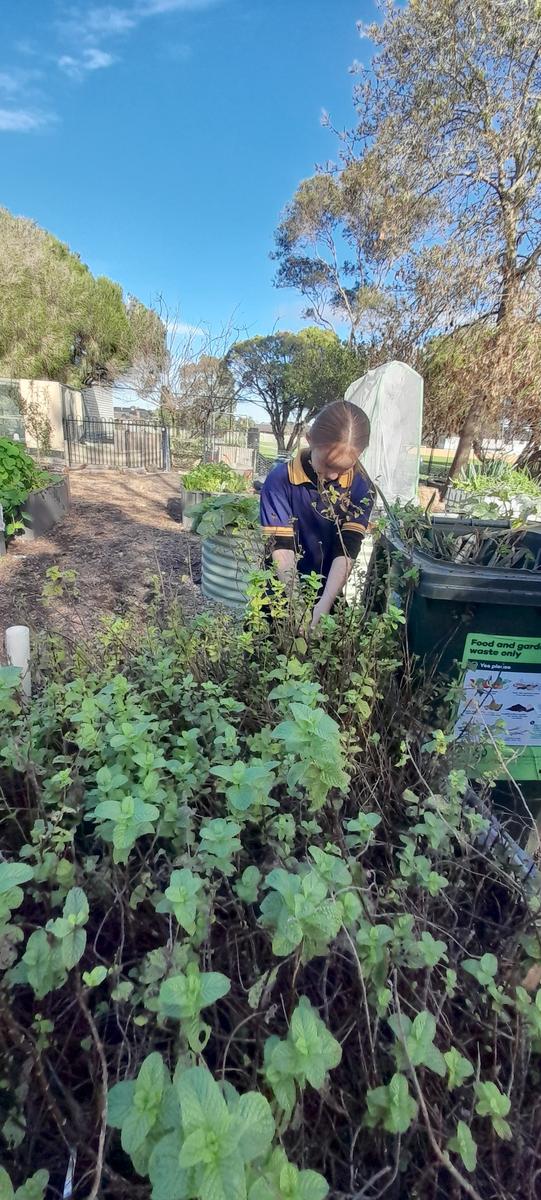
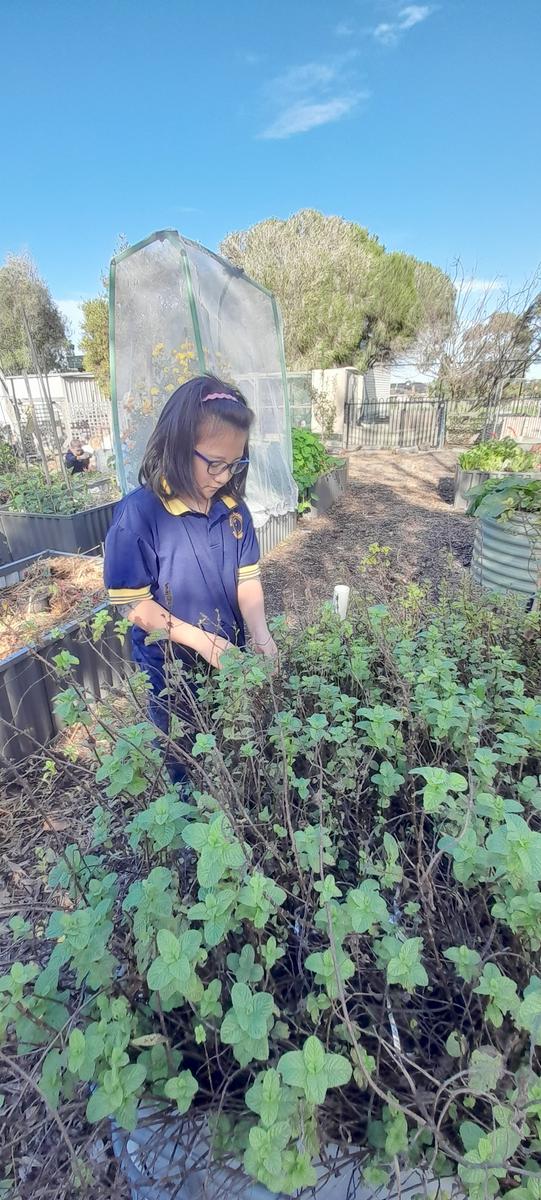
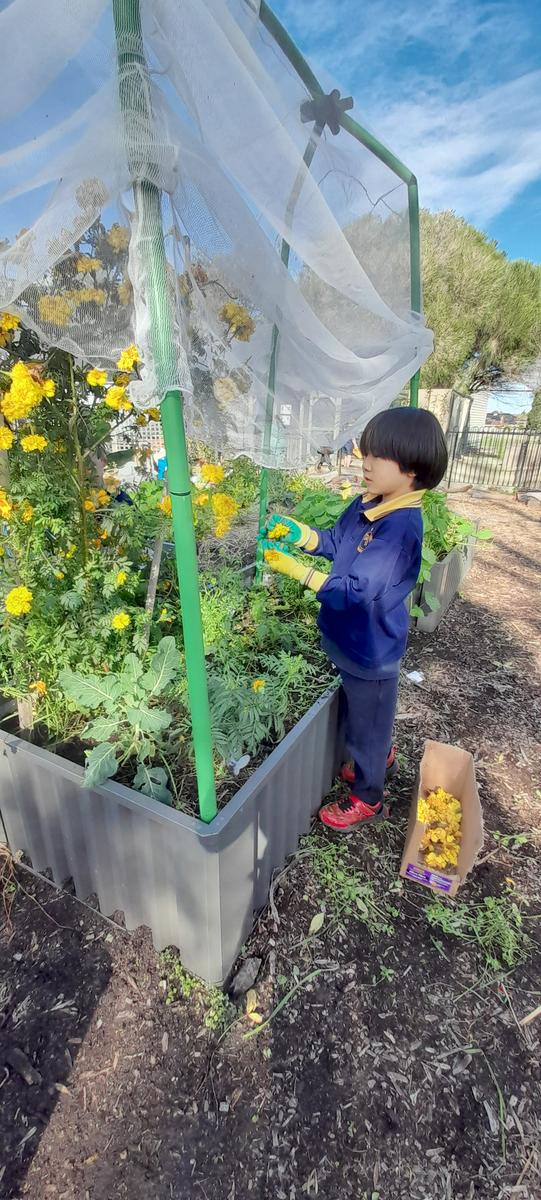
The garden remains busy throughout winter, with plenty of important jobs to be done. Students are caring for our cool-weather crops and learning about the vegetables and herbs that thrive during the colder months. At the same time, we are preparing and improving our garden beds ready for spring planting, ensuring the soil is healthy and productive for the next growing season. Every task helps students develop their gardening skills and understand the seasonal cycle of growing food.
Seed saving
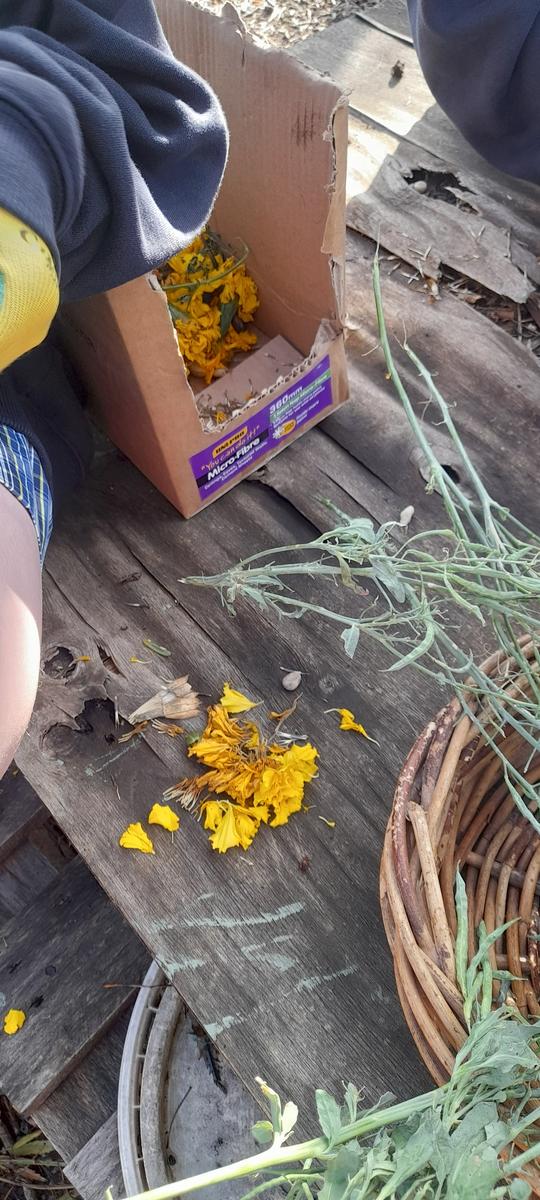
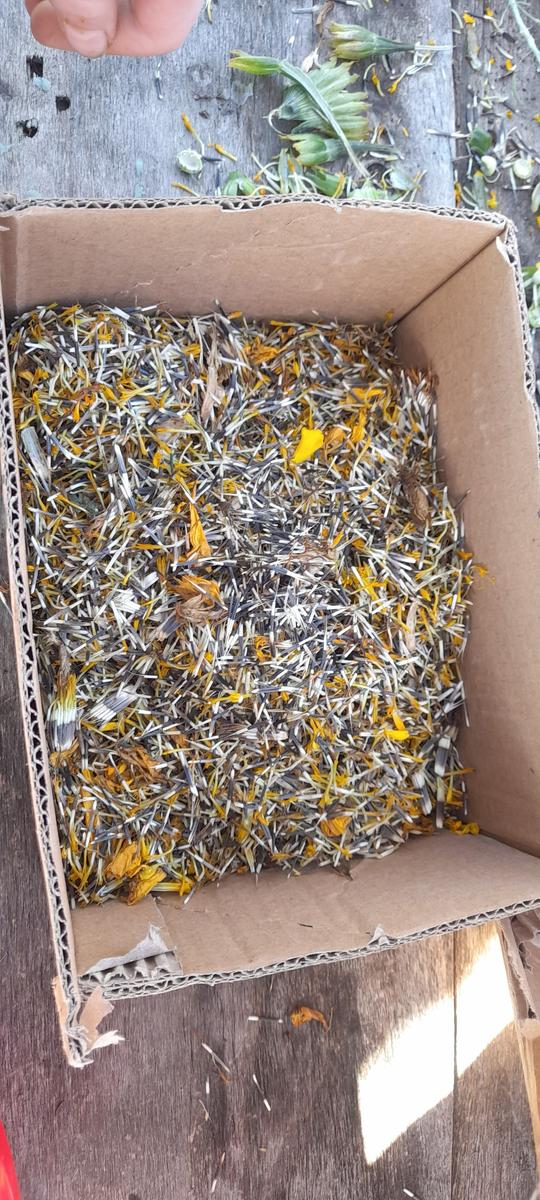
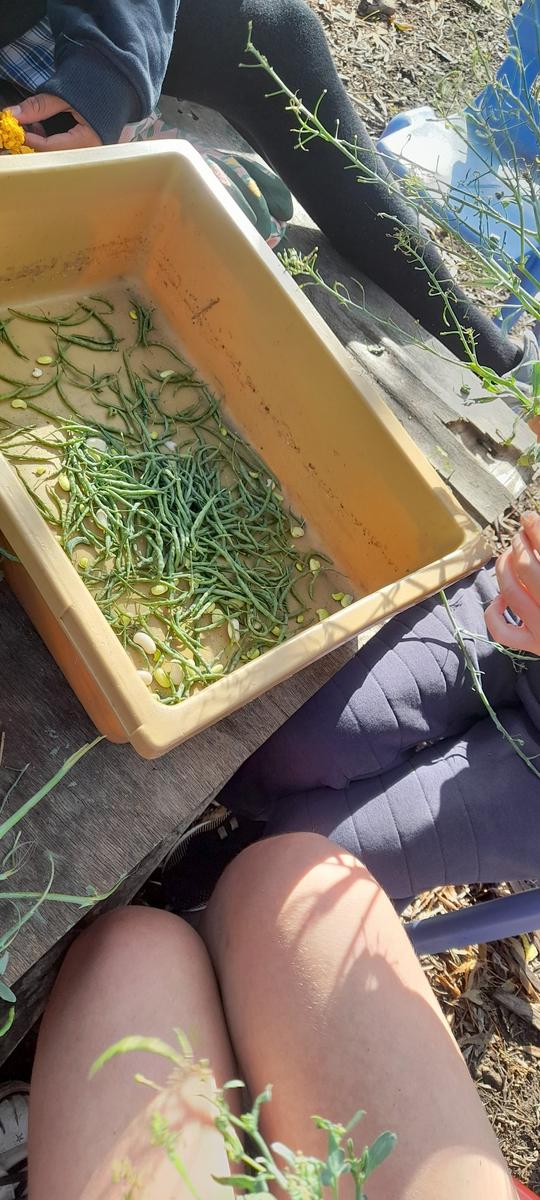
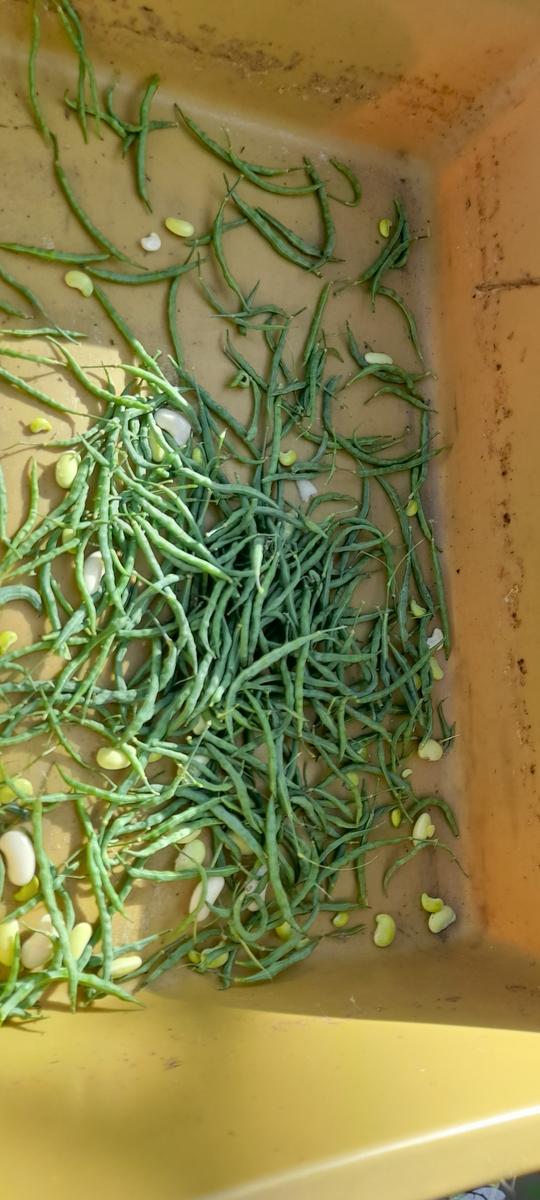
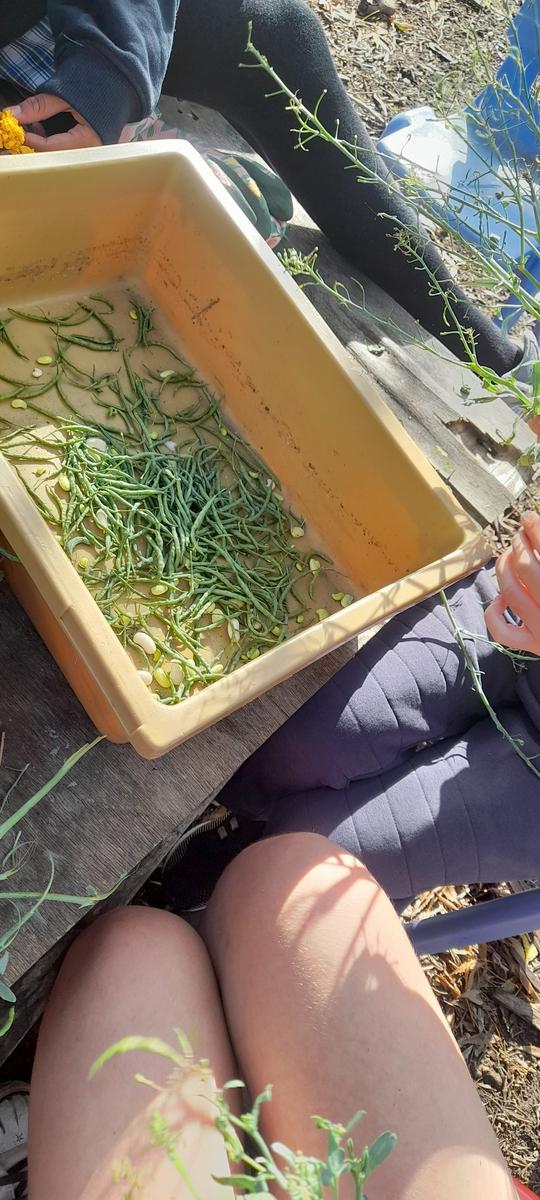
Another important task is seed saving, the students collect and store seeds from healthy plants to use in future seasons. This helps us build a sustainable garden, reduces costs, and teaches students about plant life cycles and the importance of planning ahead.
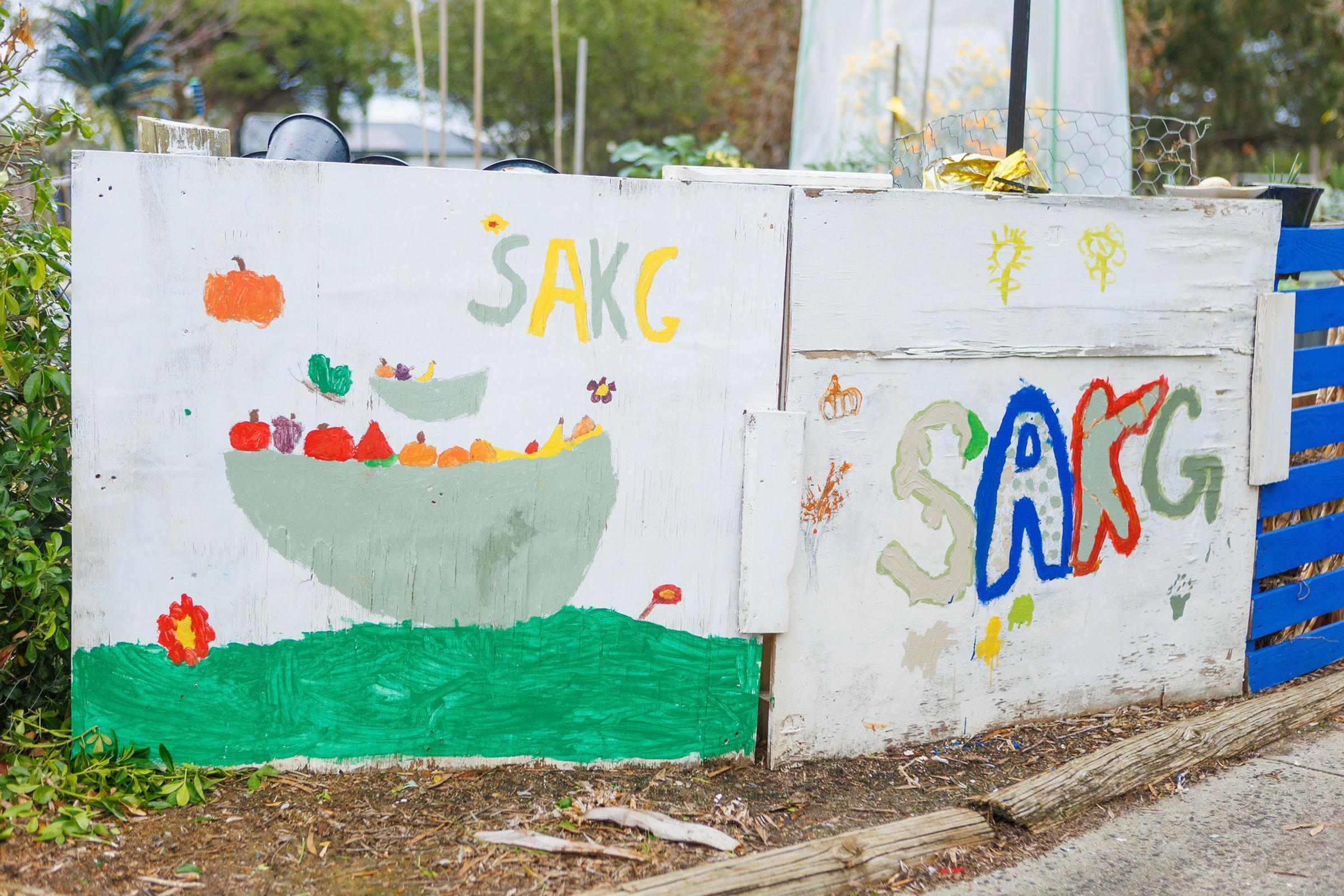
Compost bin signs
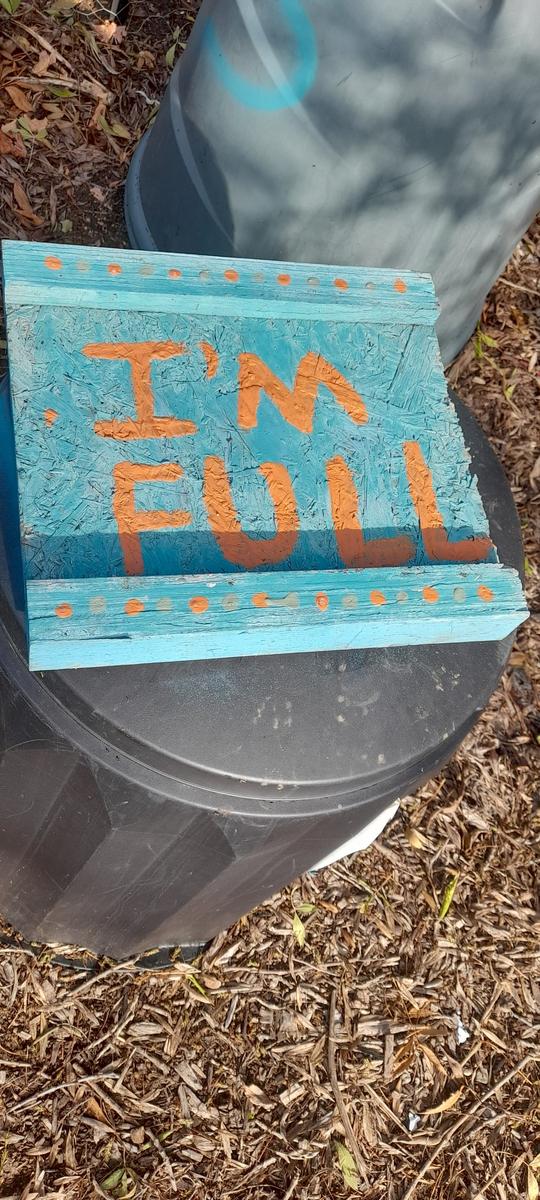
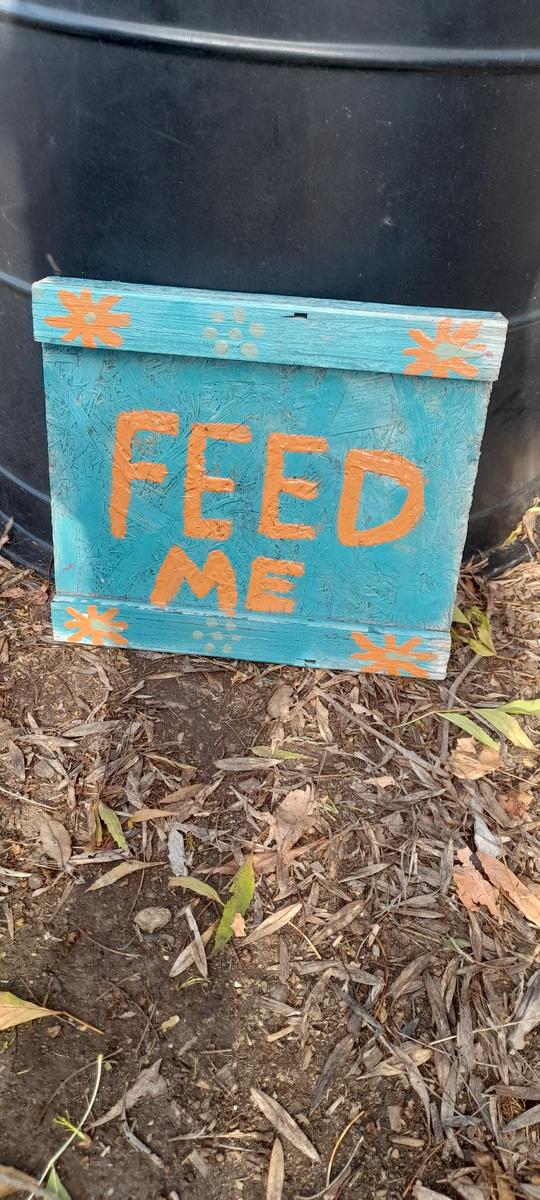
Our compost bins are busy at work decomposing organic materials, and the students have created signs to help identify each bin's stage in the composting process. The signs make it easier to see which bin needs additional layers each week and which bins are actively breaking down into rich, healthy compost. Over the coming weeks, this compost will be used to prepare our school grounds for Tree Planting Day in July, helping to enrich the soil and support the growth of our new trees. During Compost week in May we entered a competition demonstrating how make our compost and the mini compost bins that each class made. We won the competition and will be receiving our prize soon!!!
Mushrooms
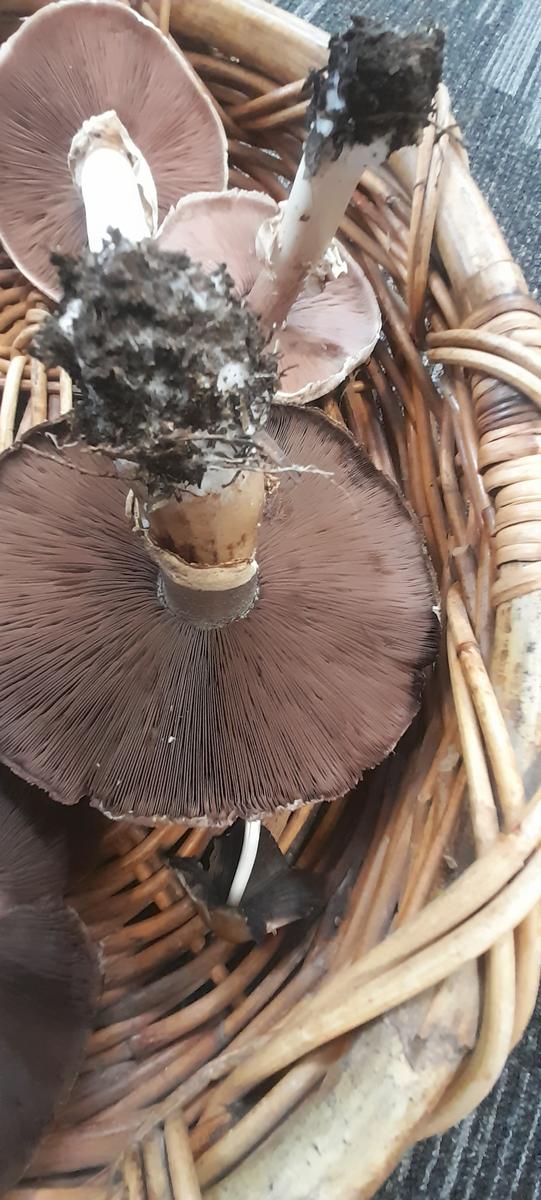
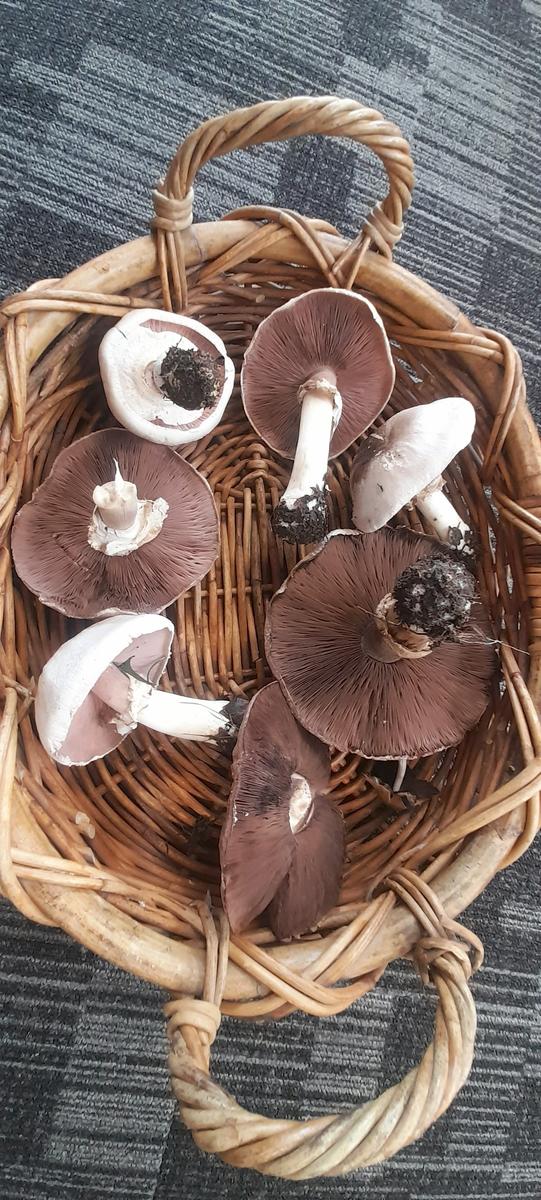
With it being mushroom season, fungi have been a topic of interest across Victoria. Each class took part in a wild mushroom hunt and used iNaturalist to identify common cap mushrooms and record their locations. As none of us are certified mushroom foragers, students were reminded that wild mushrooms should not be eaten, as it can be difficult to distinguish edible species from poisonous ones. We also discussed how the growing conditions of wild mushrooms are unknown and why caution is essential when encountering them in nature.
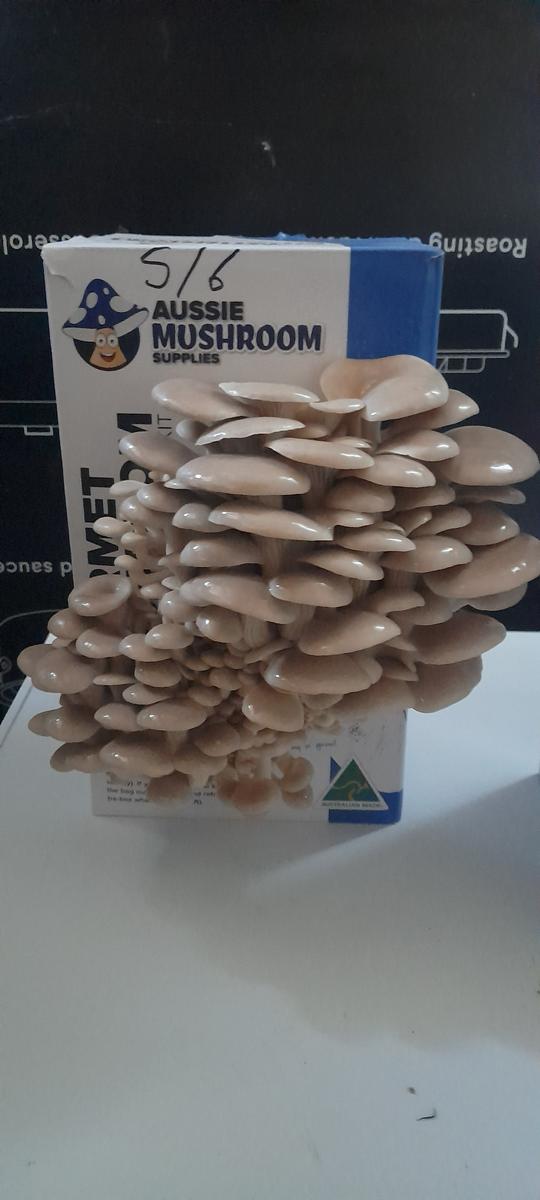
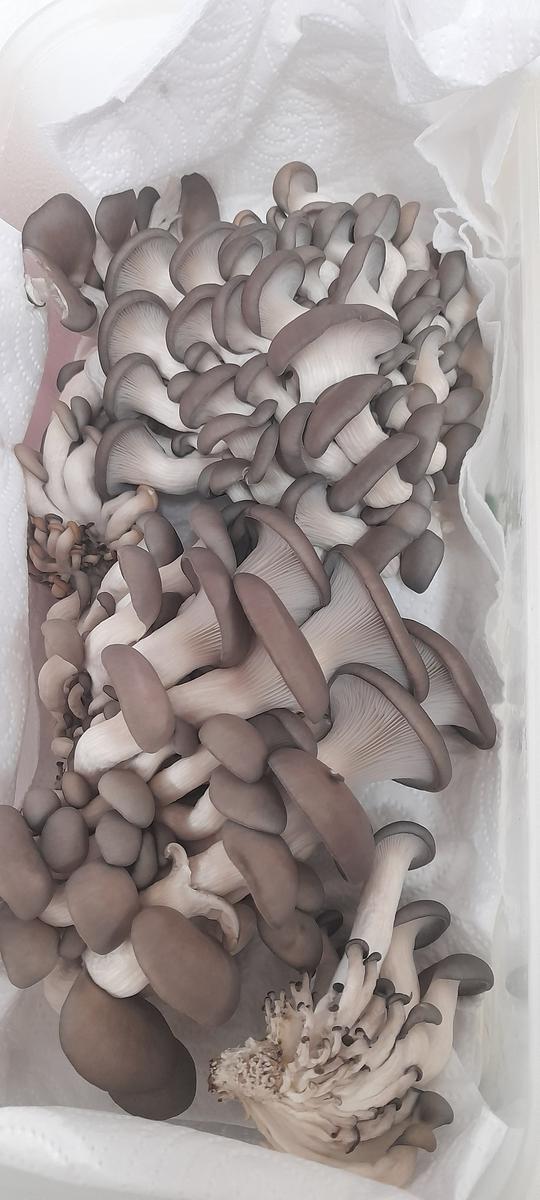
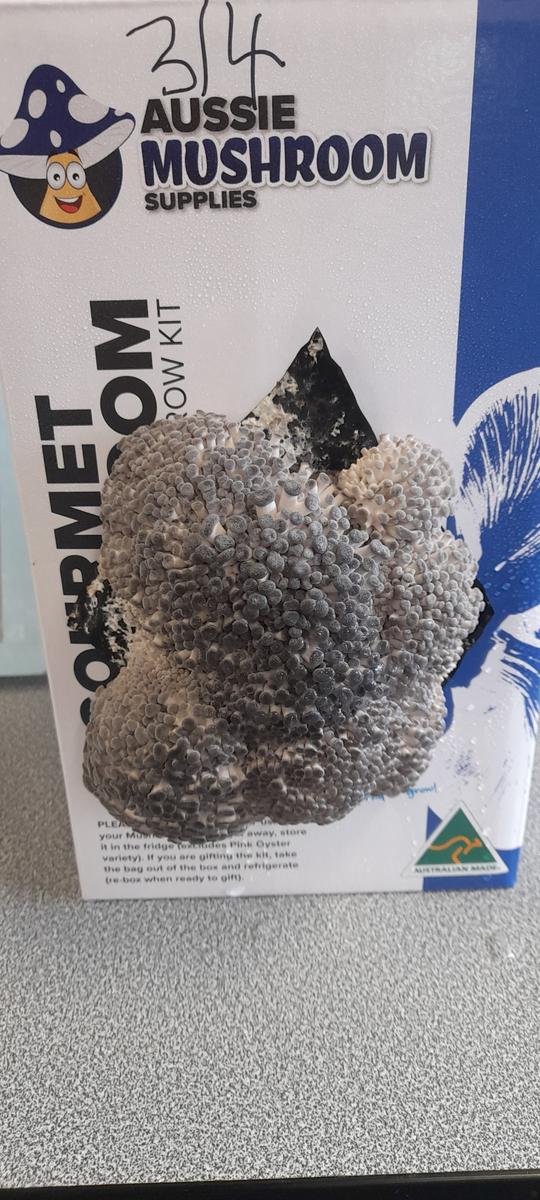
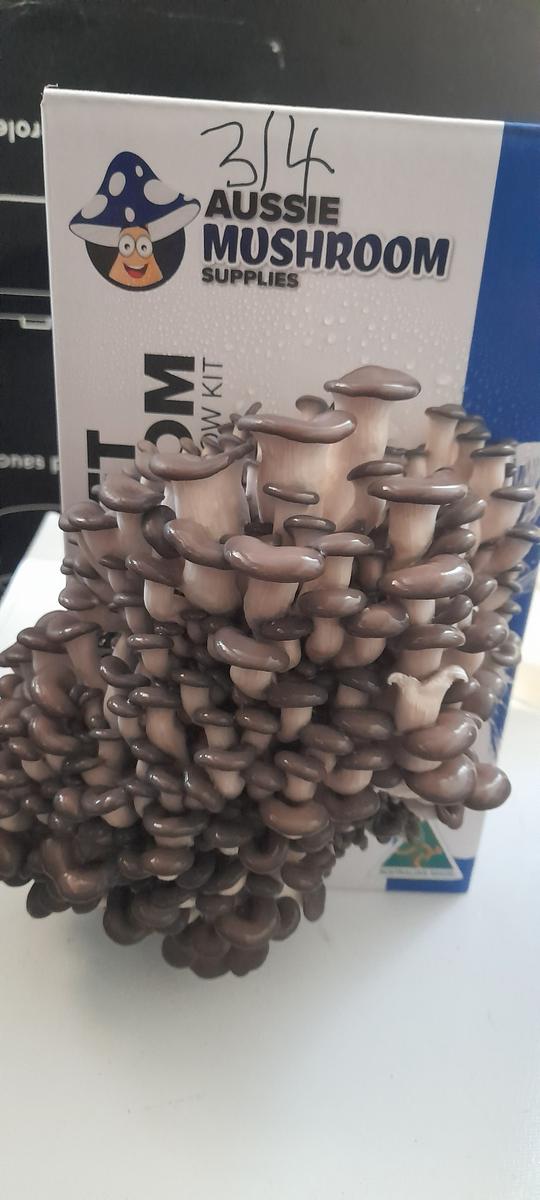
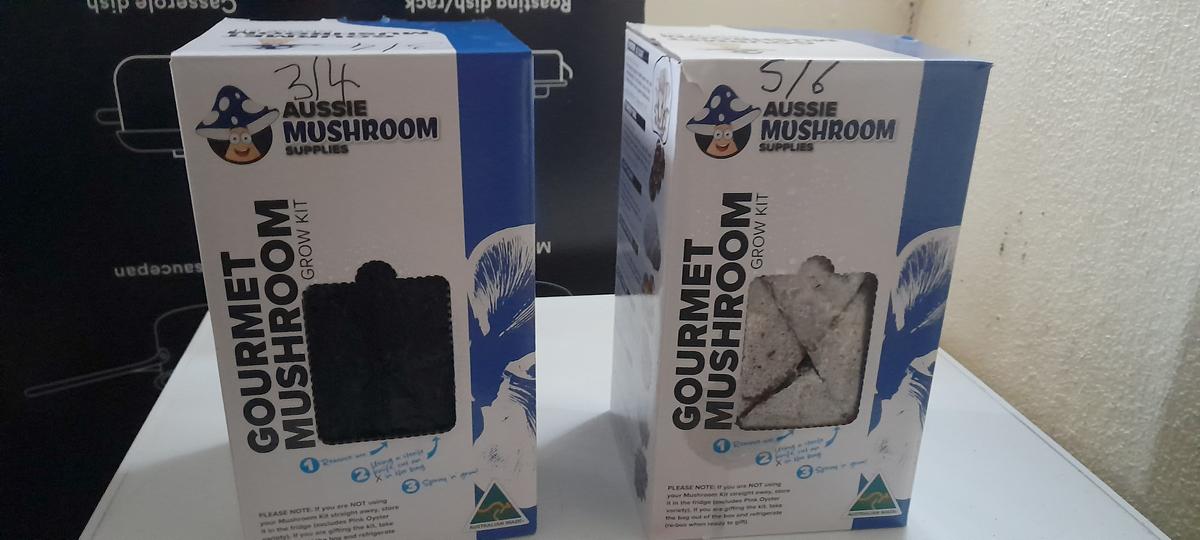
Each class has enjoyed growing mushrooms from kits supplied by a mushroom grower, following the recommended planting instructions. This hands-on experience helped students learn about fungal growth and life cycles. We also discussed the importance of never eating wild mushrooms, as they can be difficult to identify and may be harmful, highlighting the difference between cultivated mushrooms and those found in the environment. Some mushrooms have already been harvested and cooked in the kitchen as their growing life is very short.
Gate to chook pen
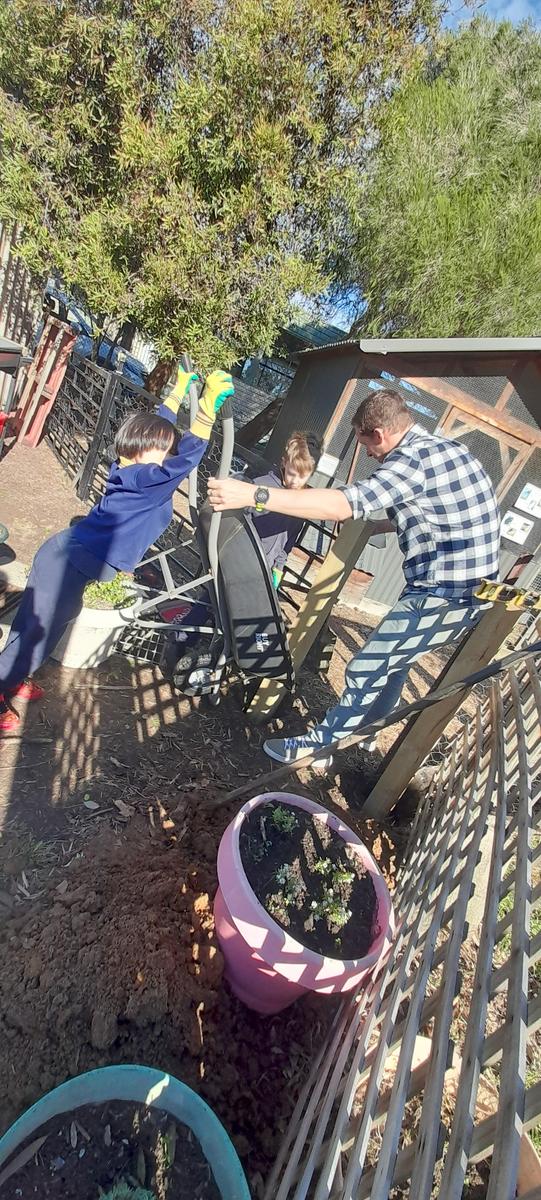
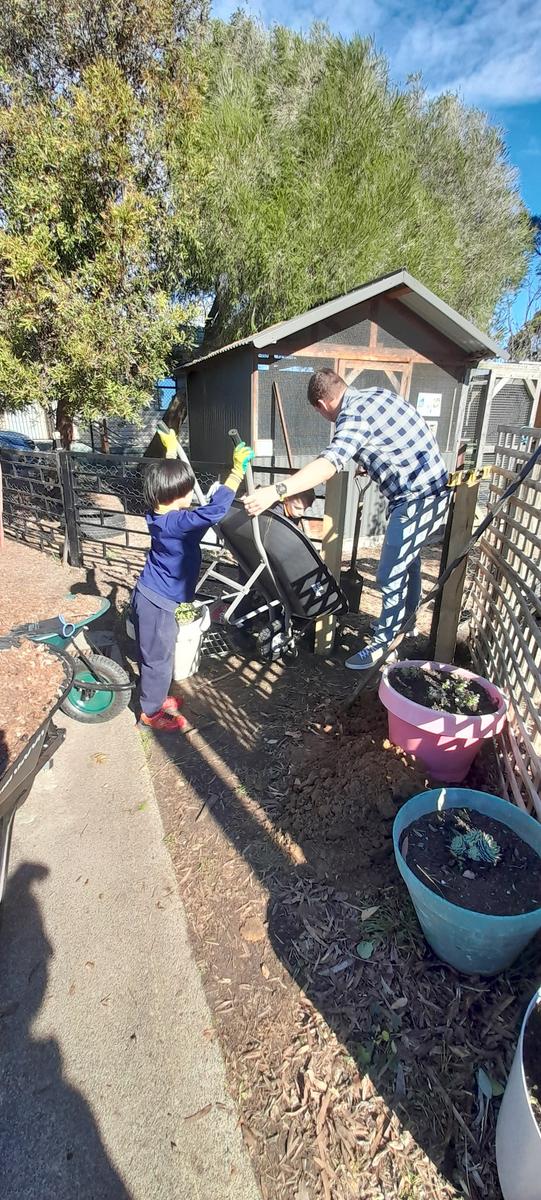
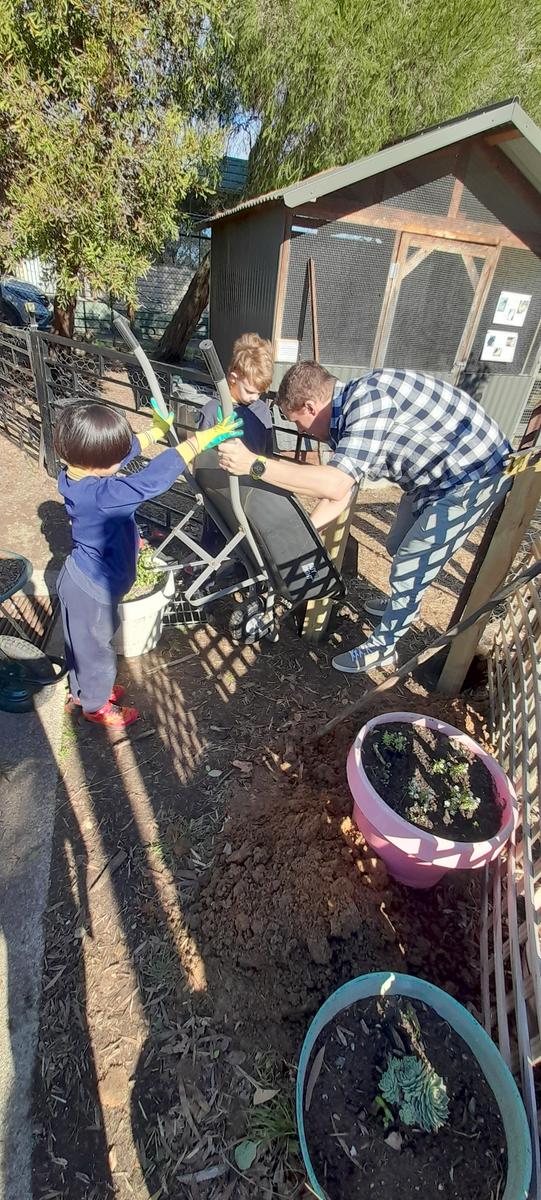
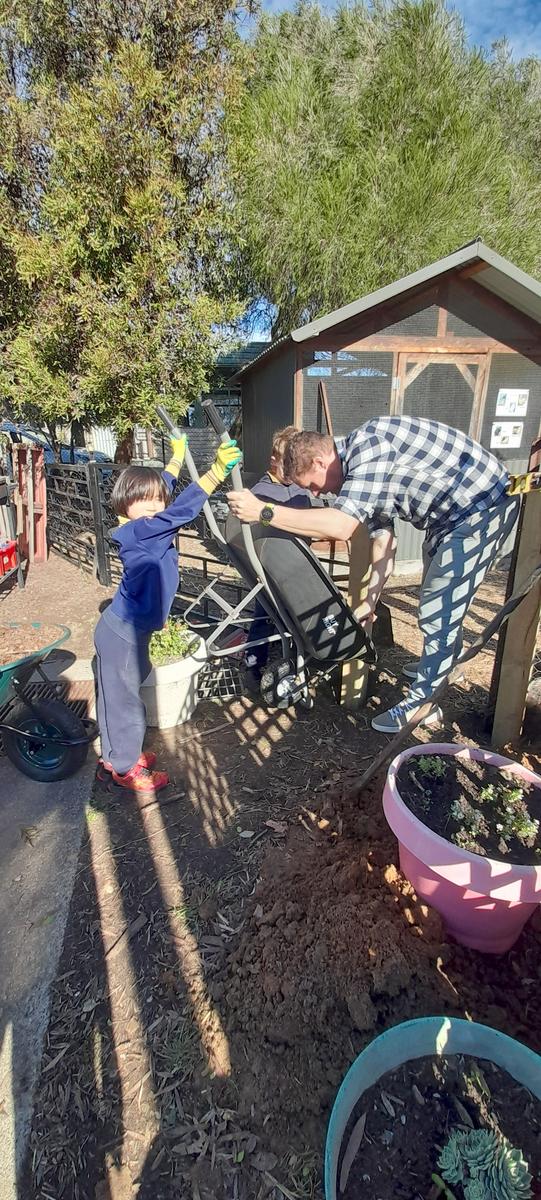
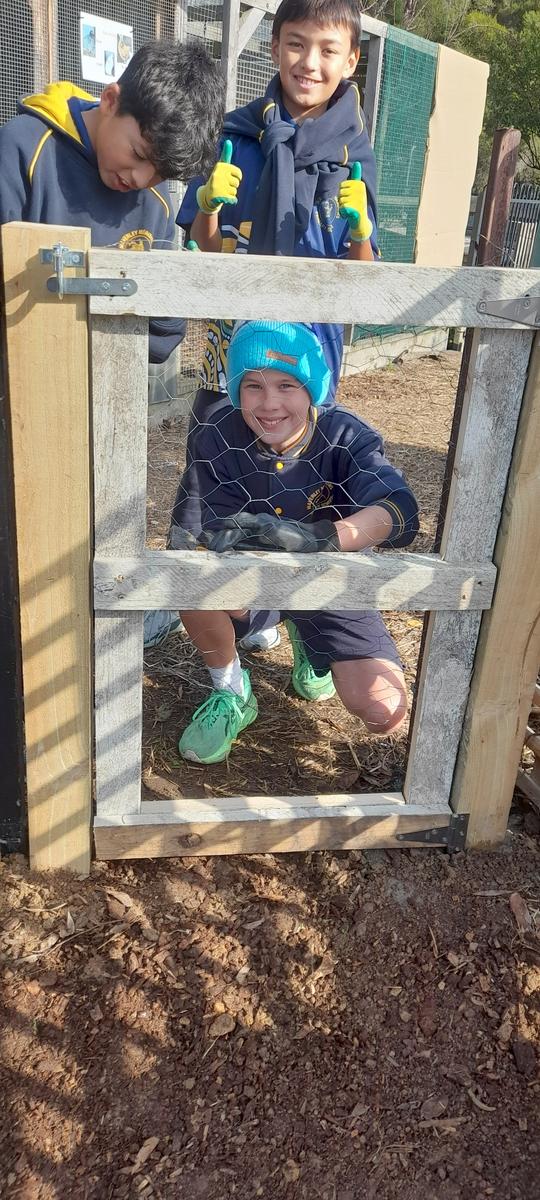
A big thank you to Mr Noordhoff and his helpers for their fantastic work on the chook pen. The old gate was looking worse for wear, so they installed new concreted posts, built a beautiful new gate, and fitted a secure lock. Their efforts have made the chook pen safer and more functional, and we are very grateful for their support.
Dairy lessons
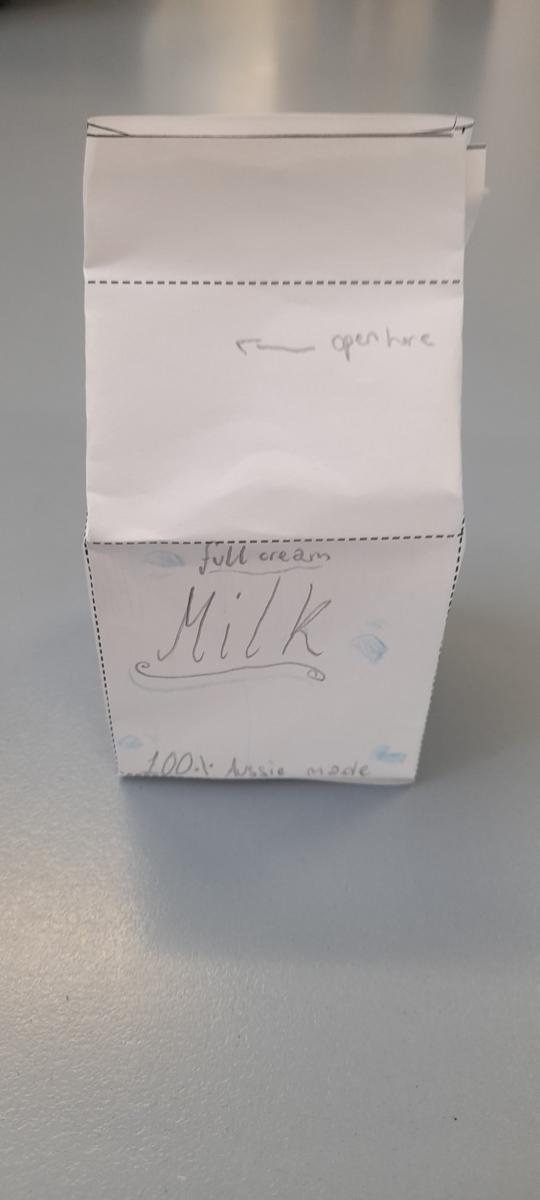
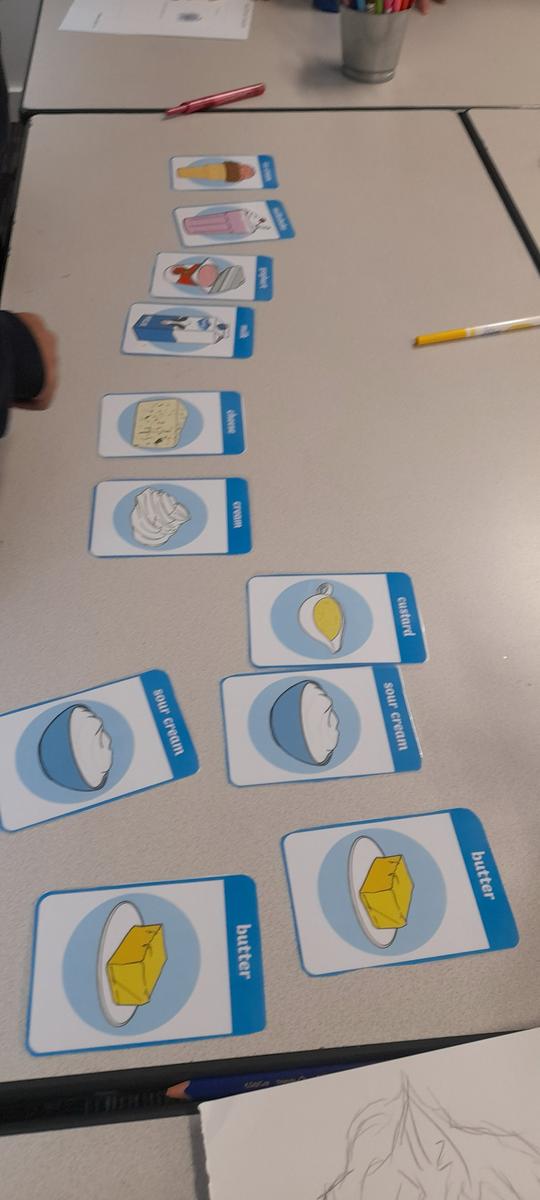
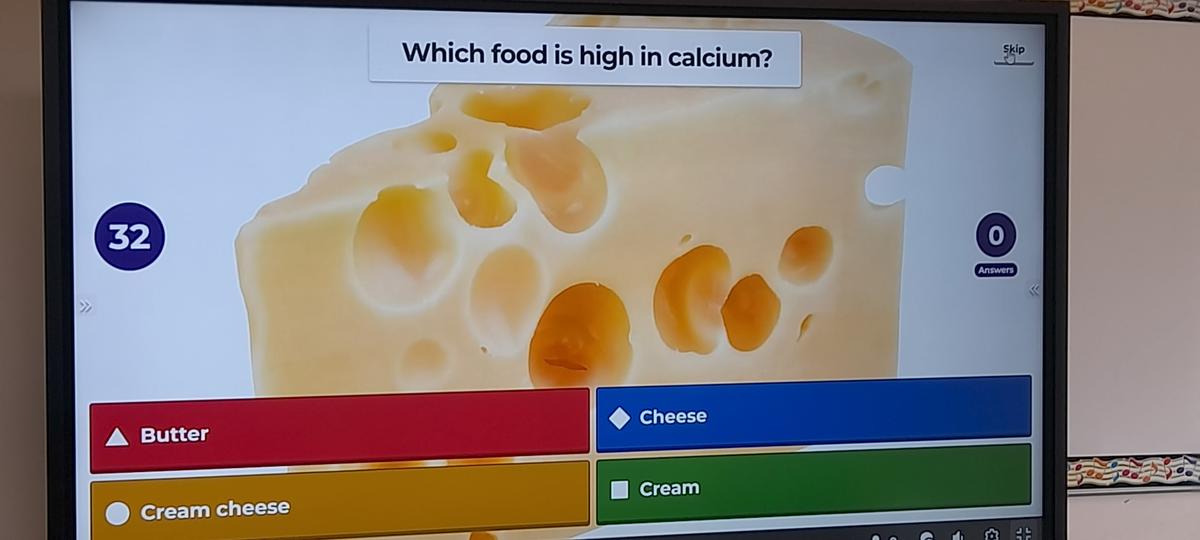
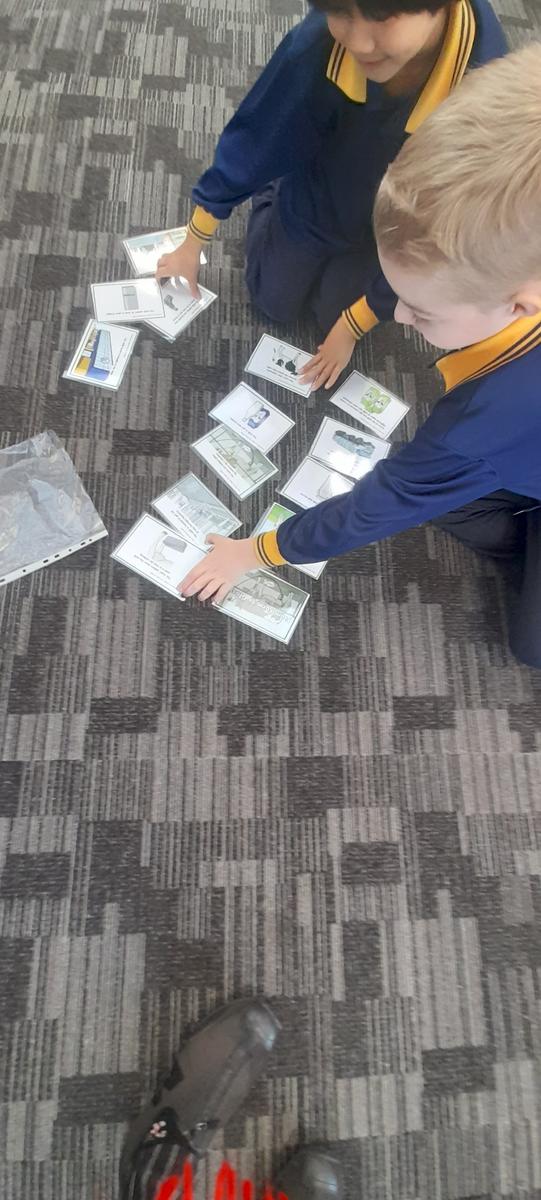
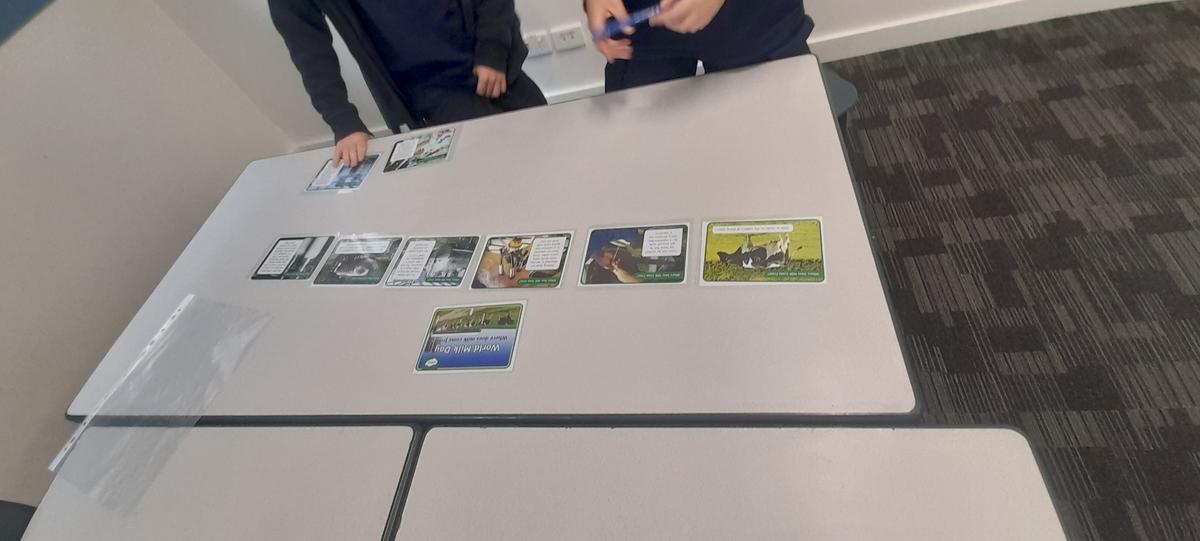
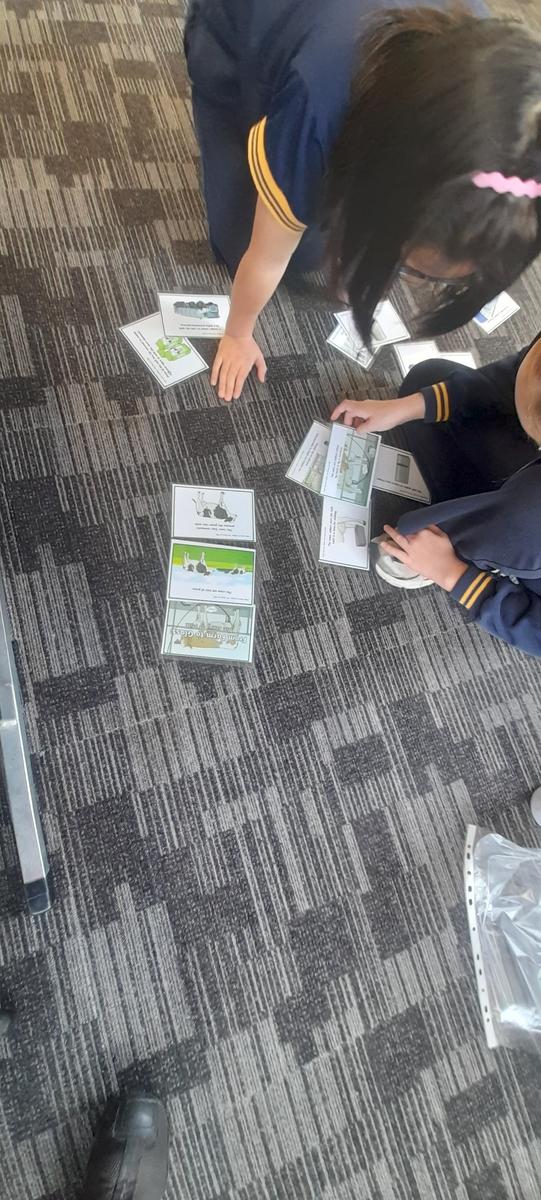
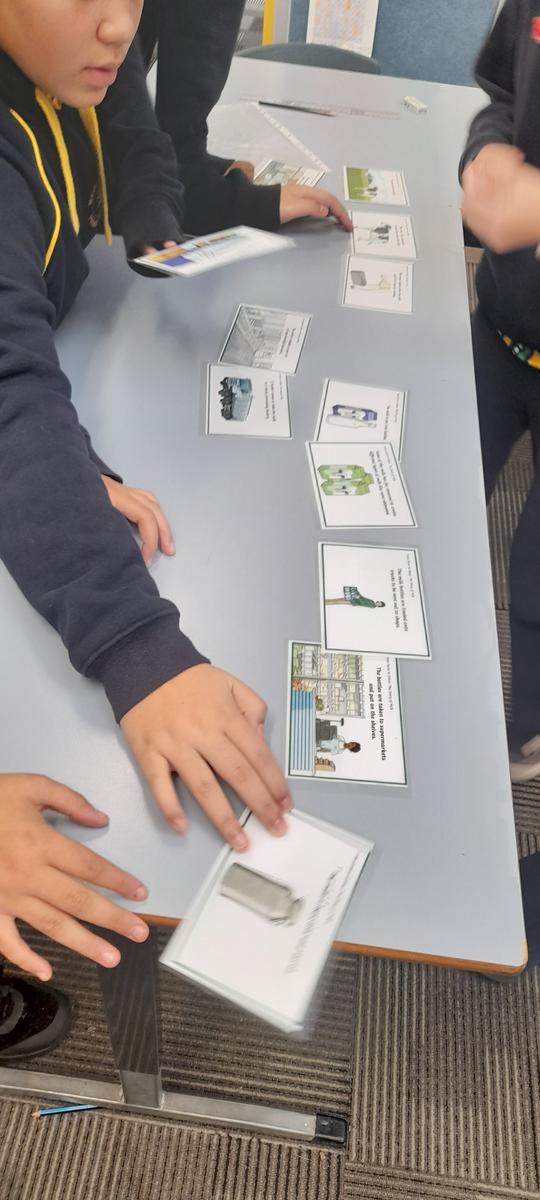
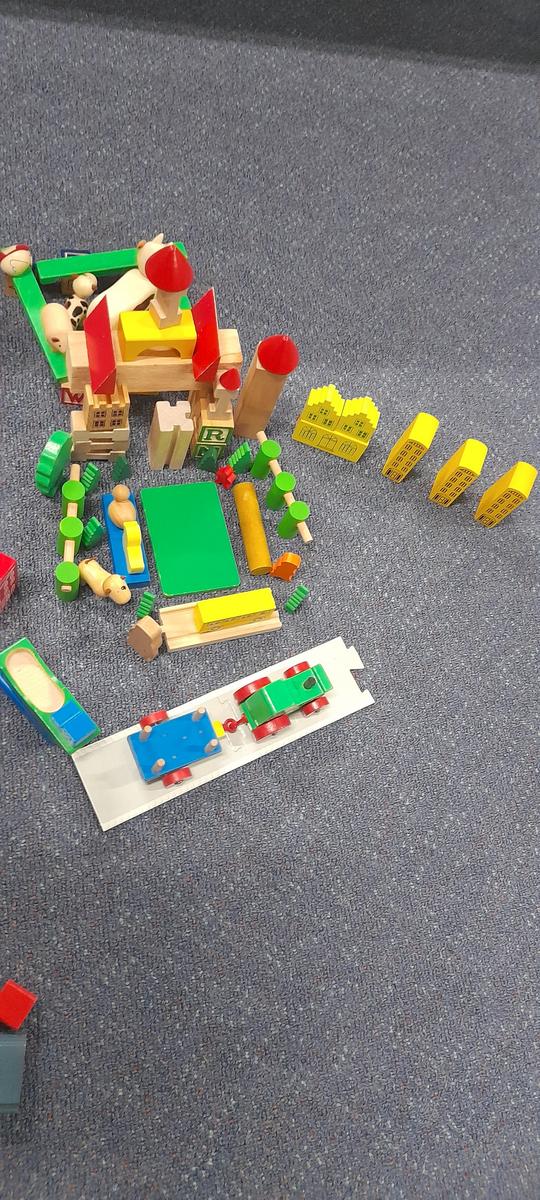
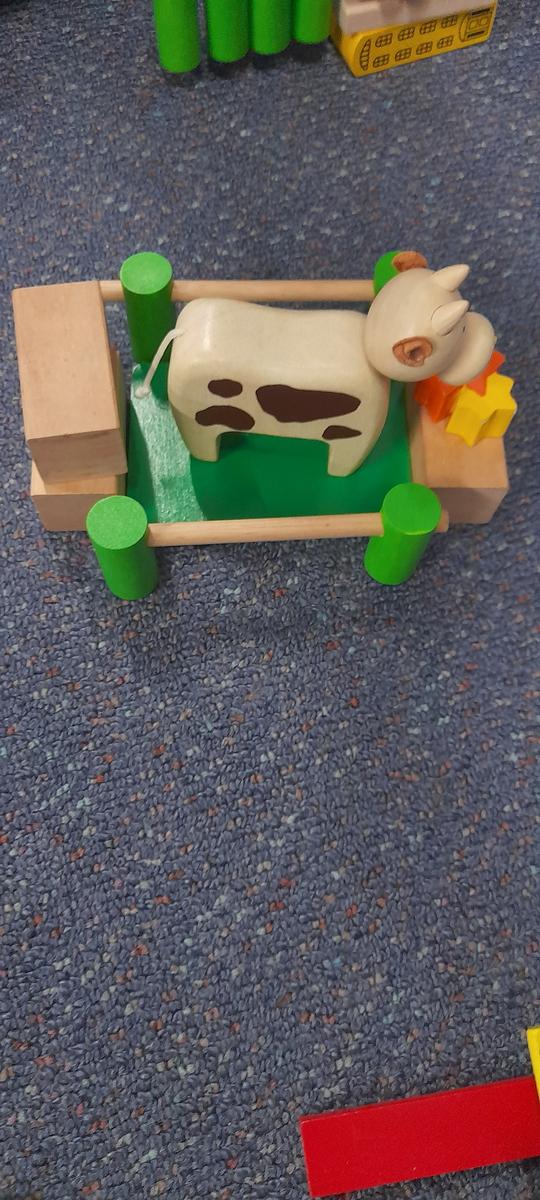
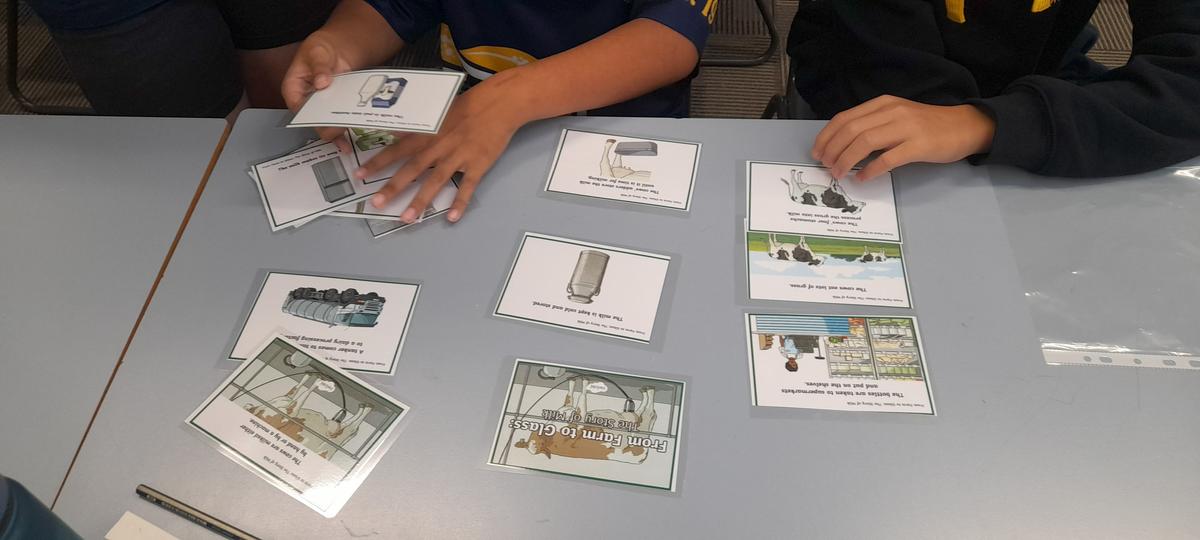
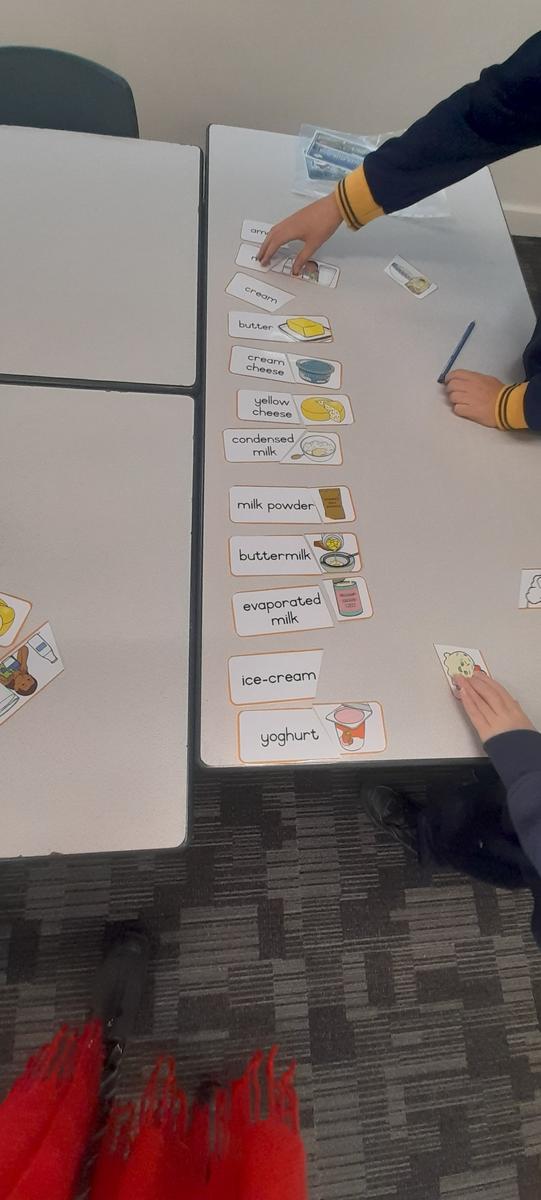
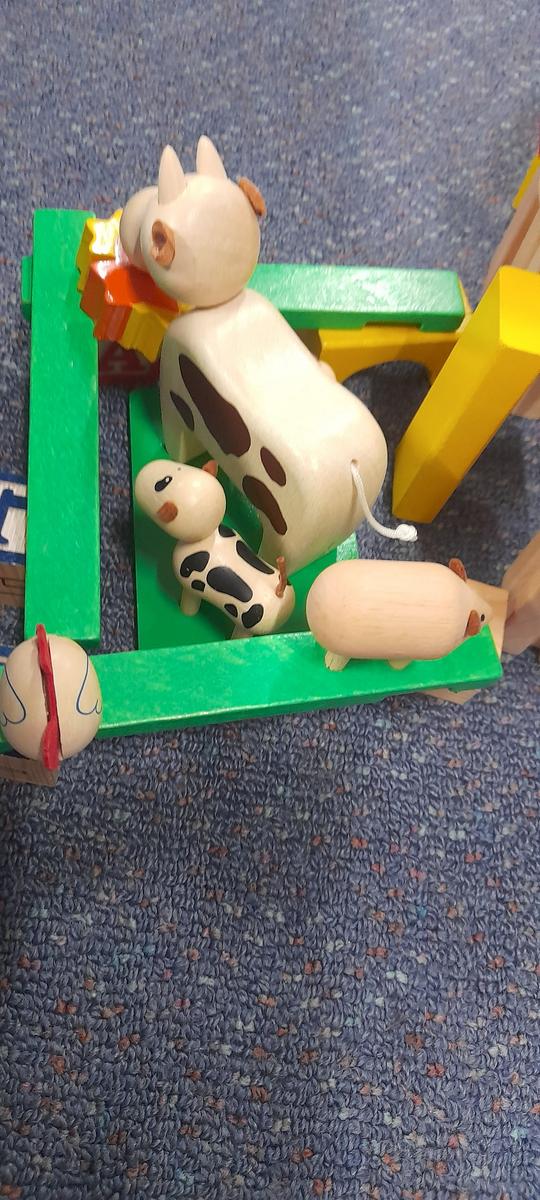
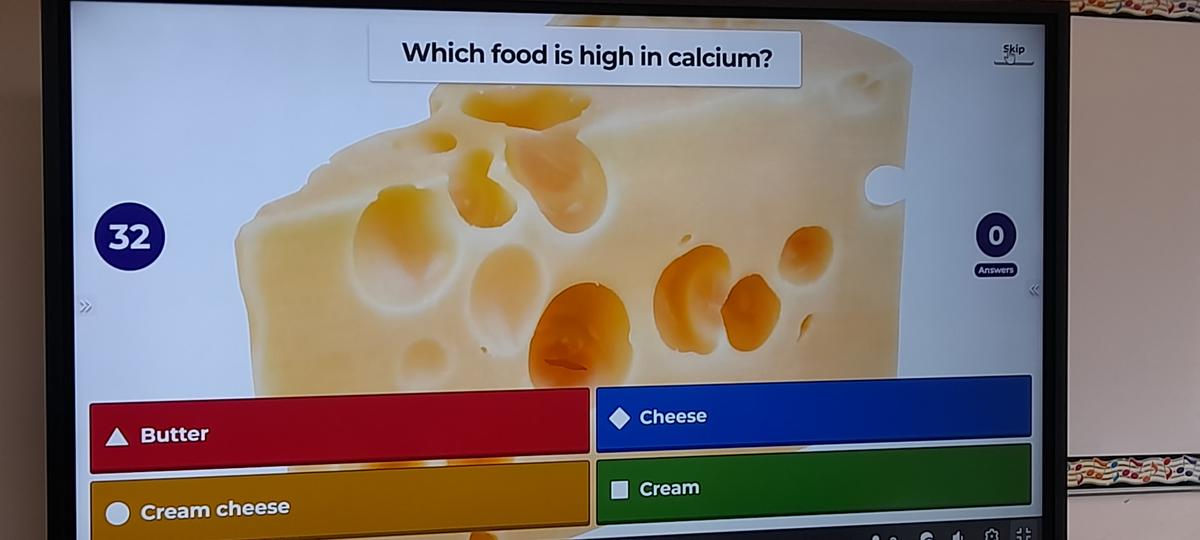
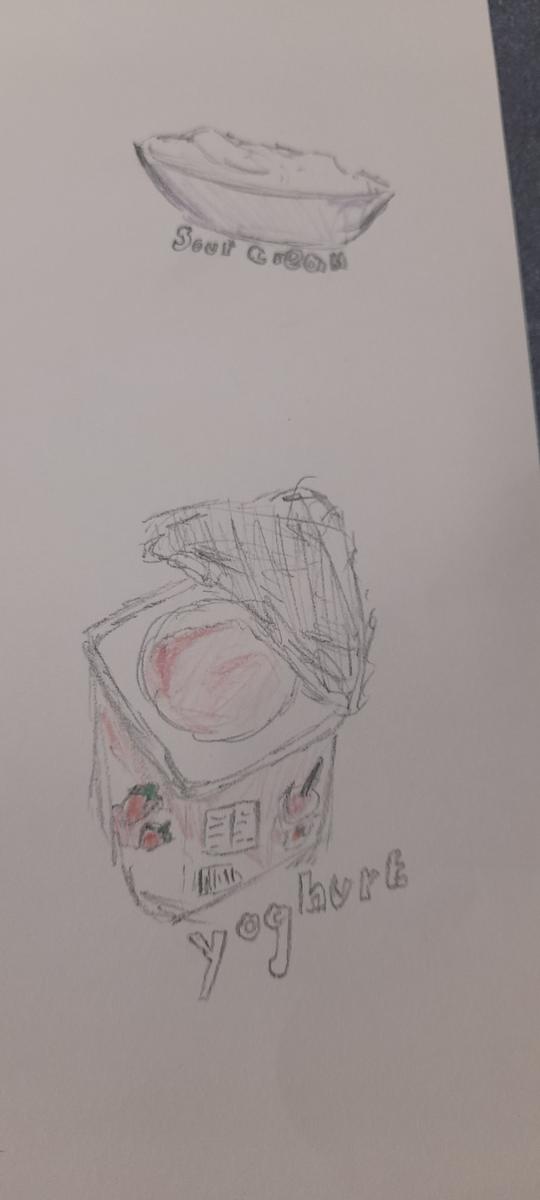
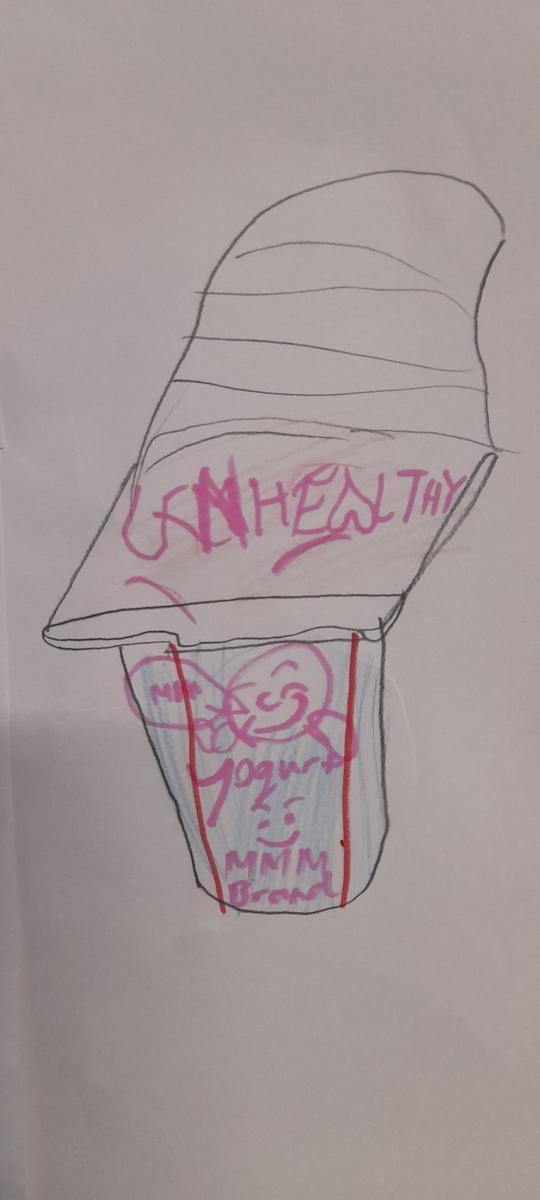
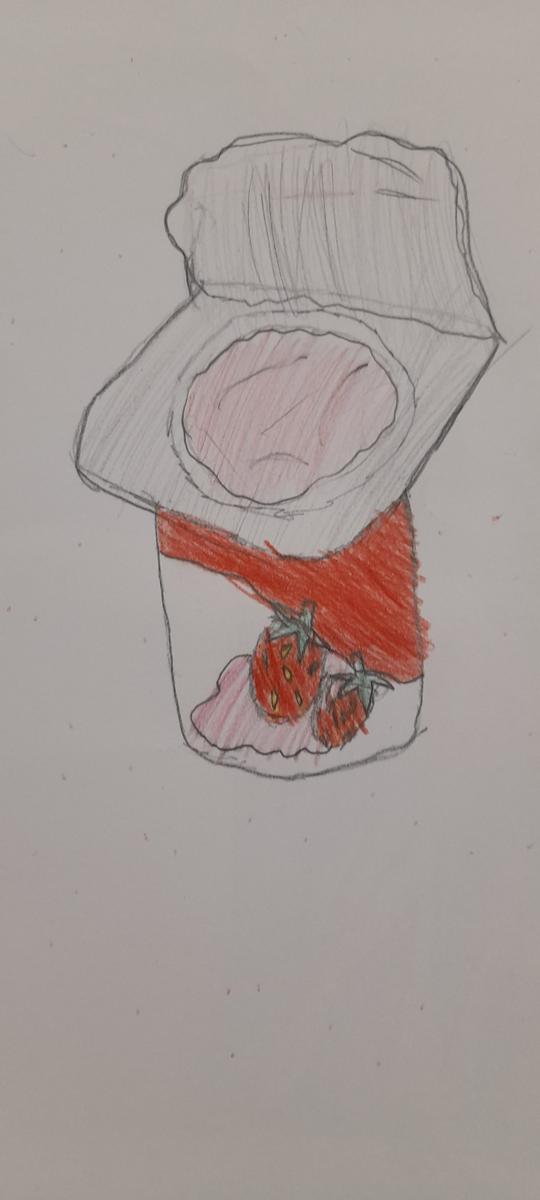
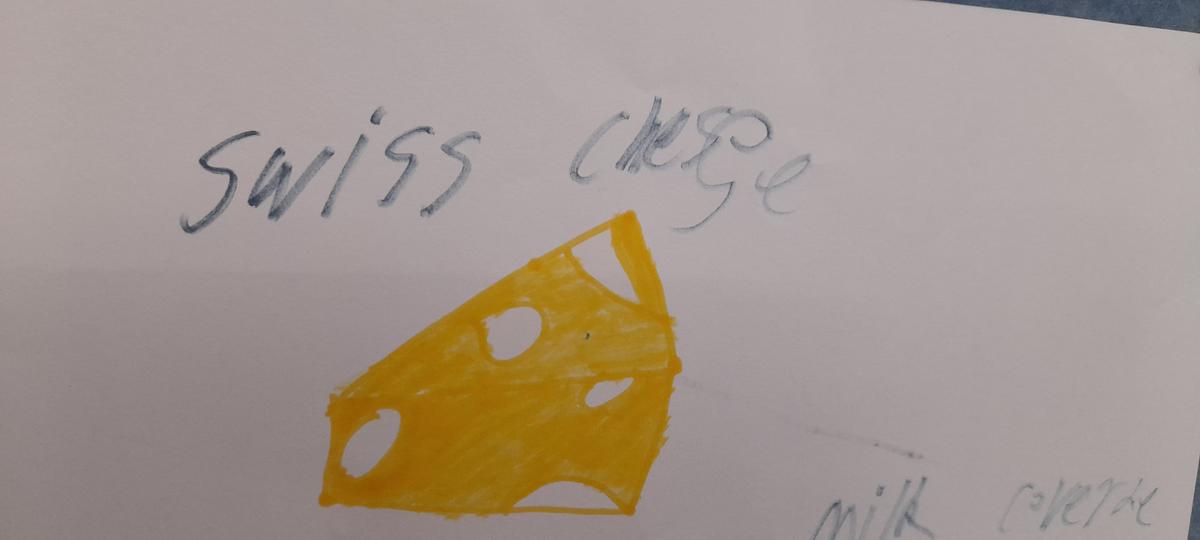
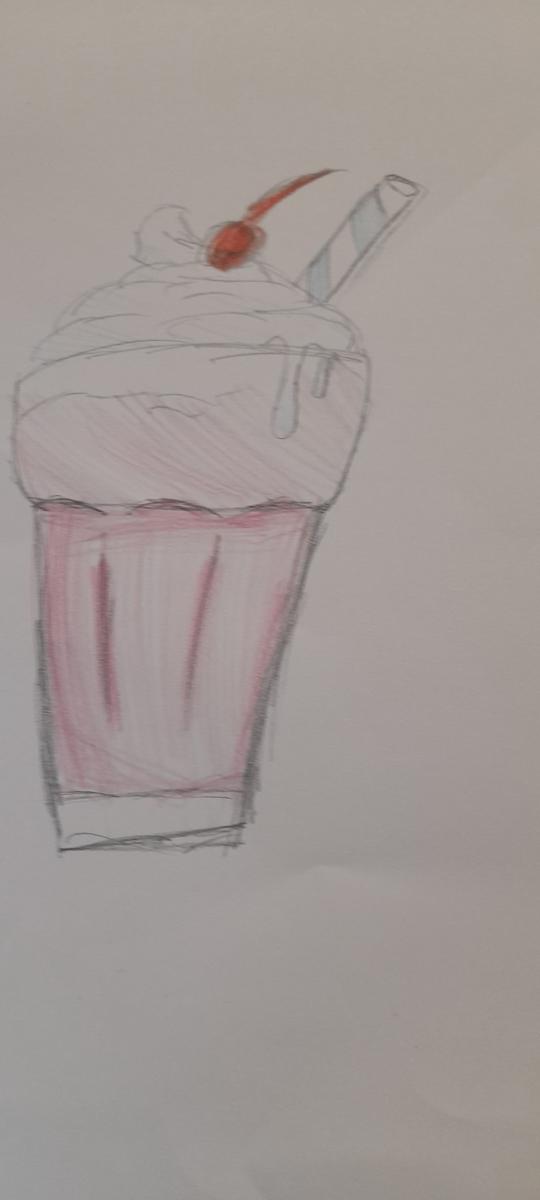
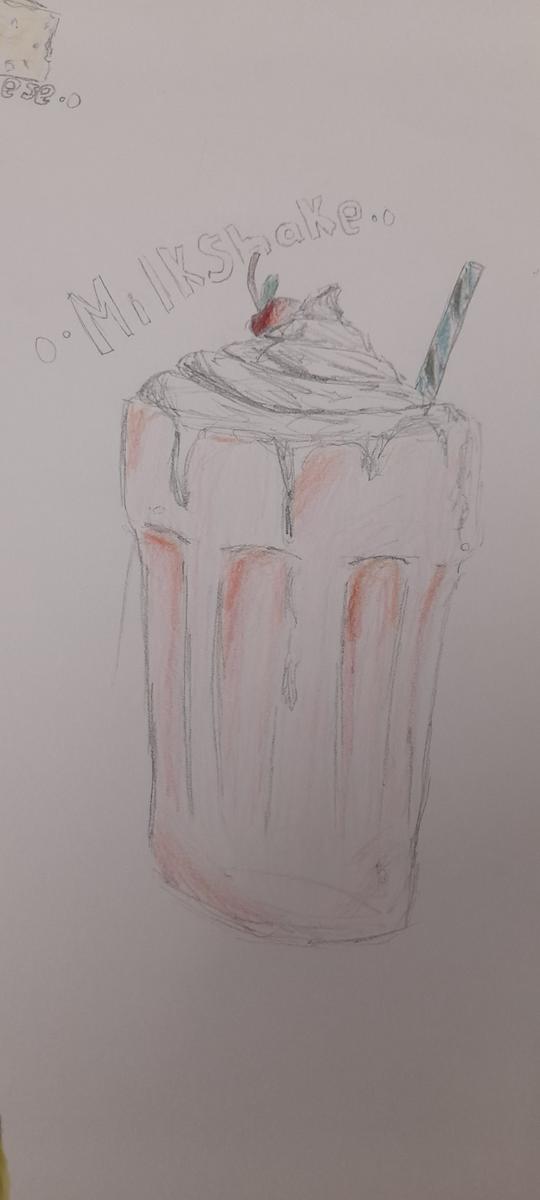
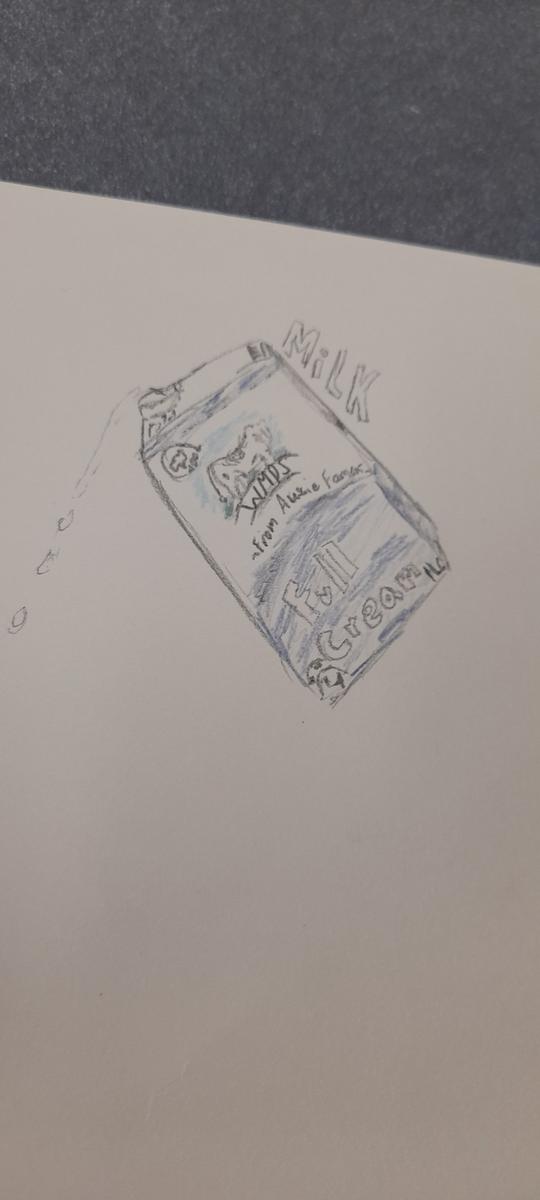
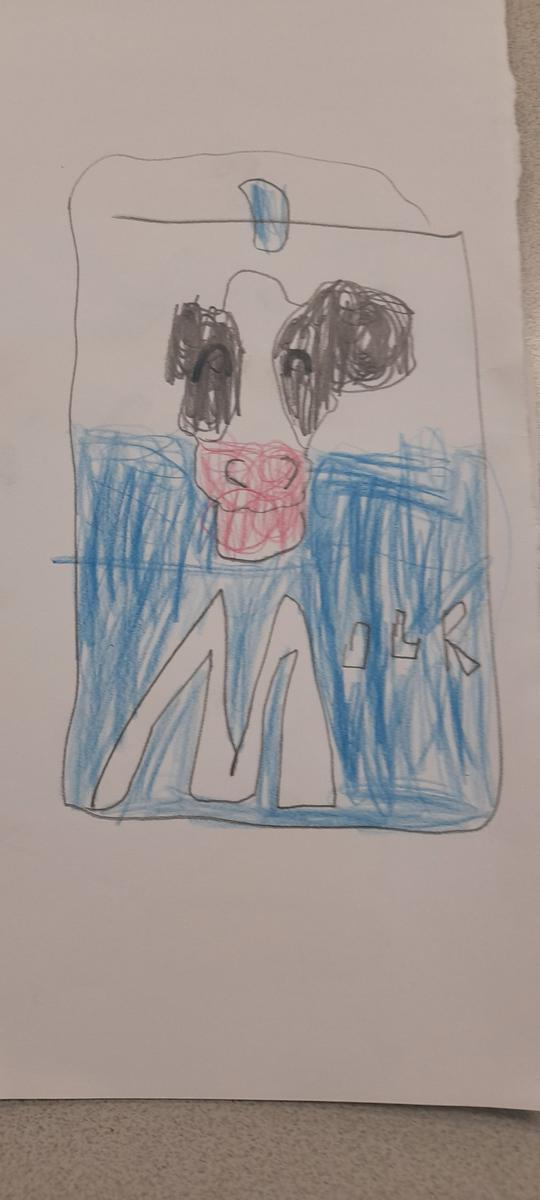
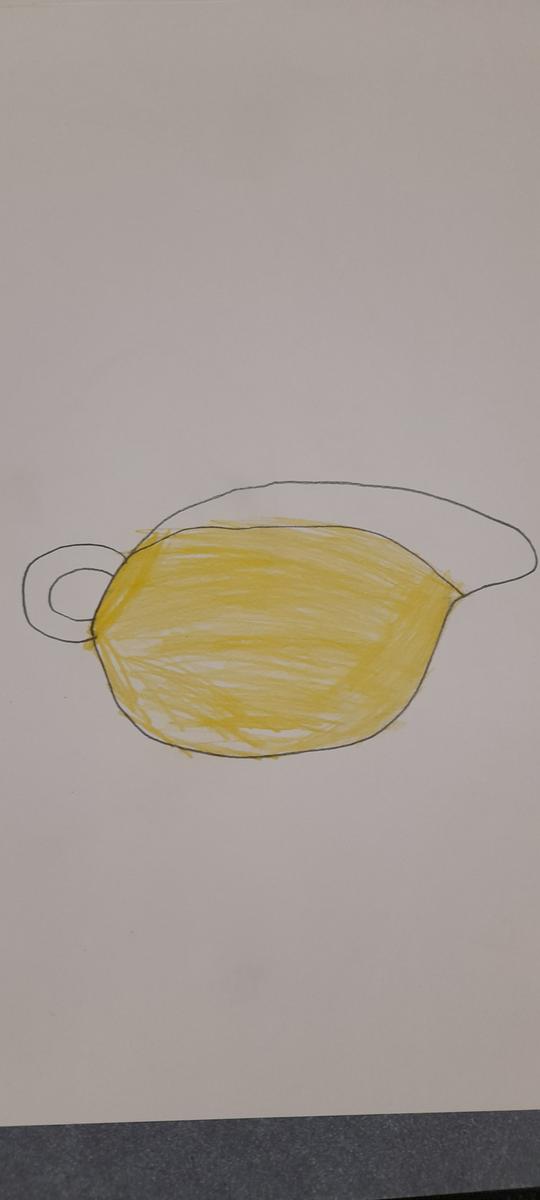
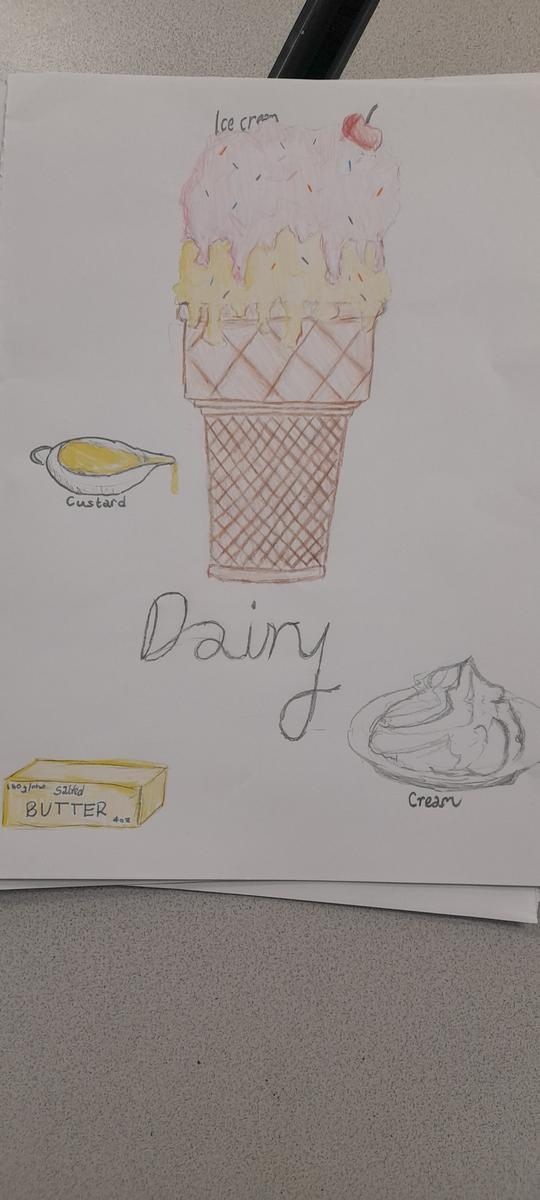
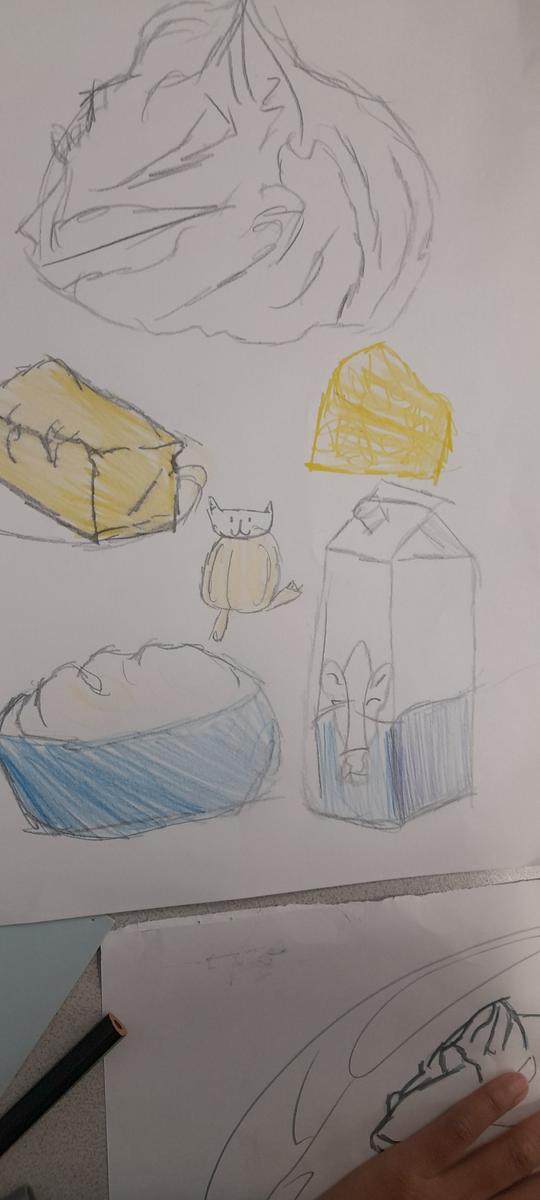
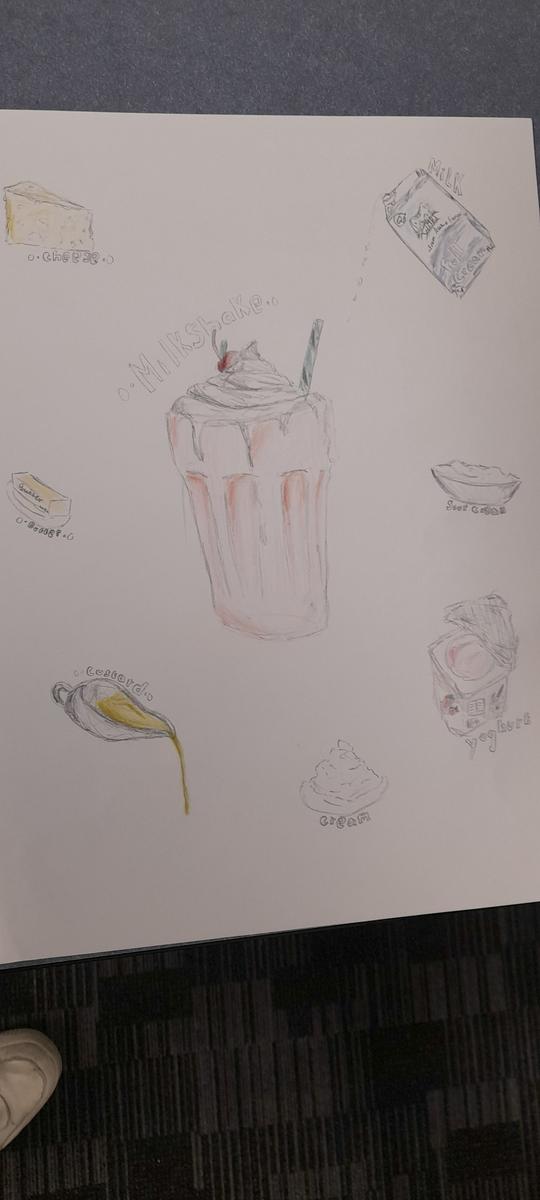
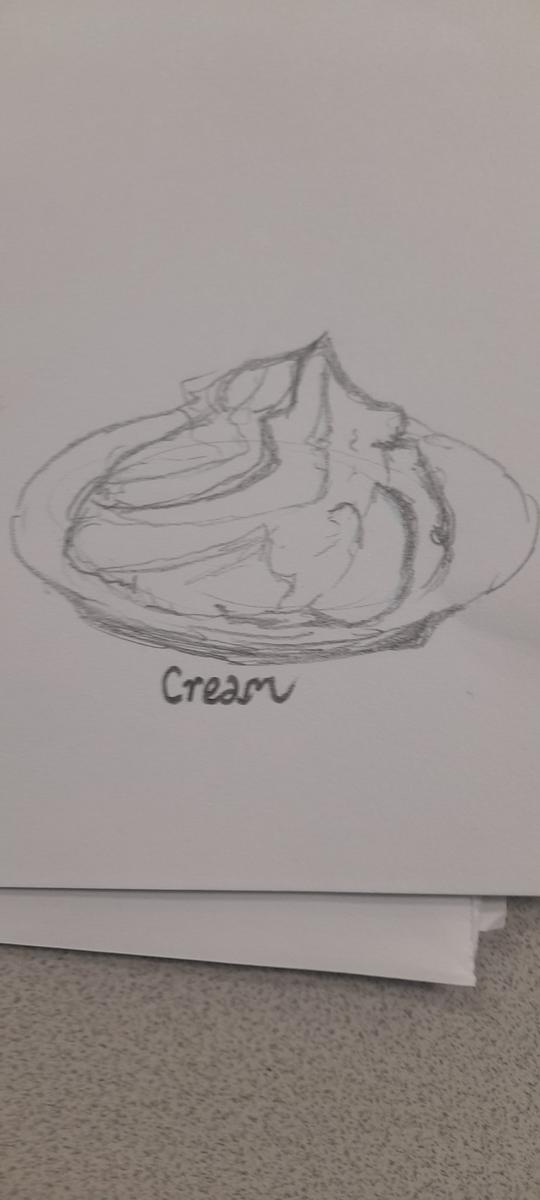
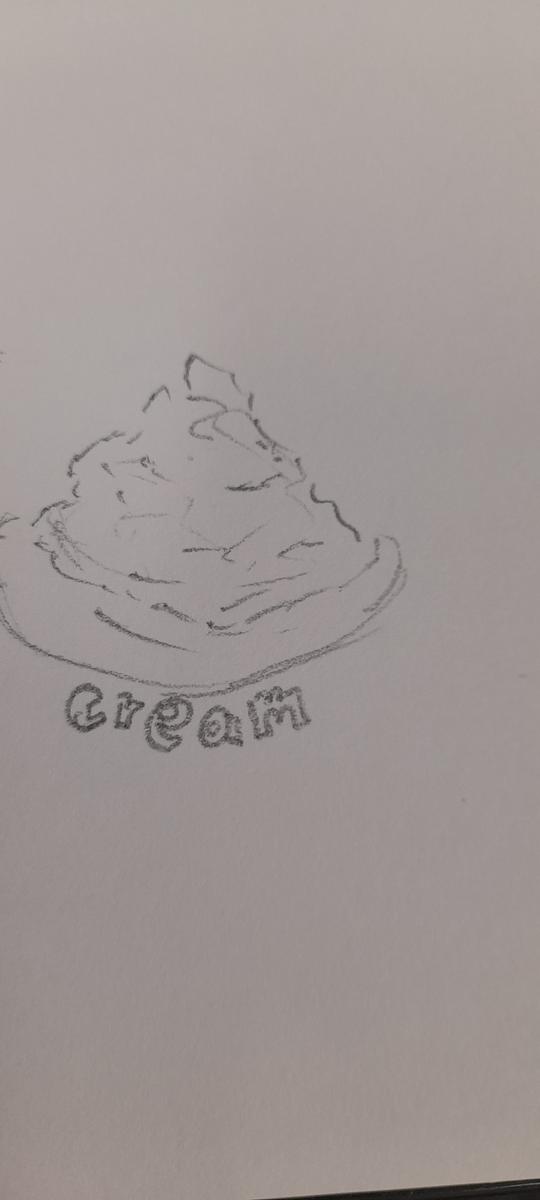
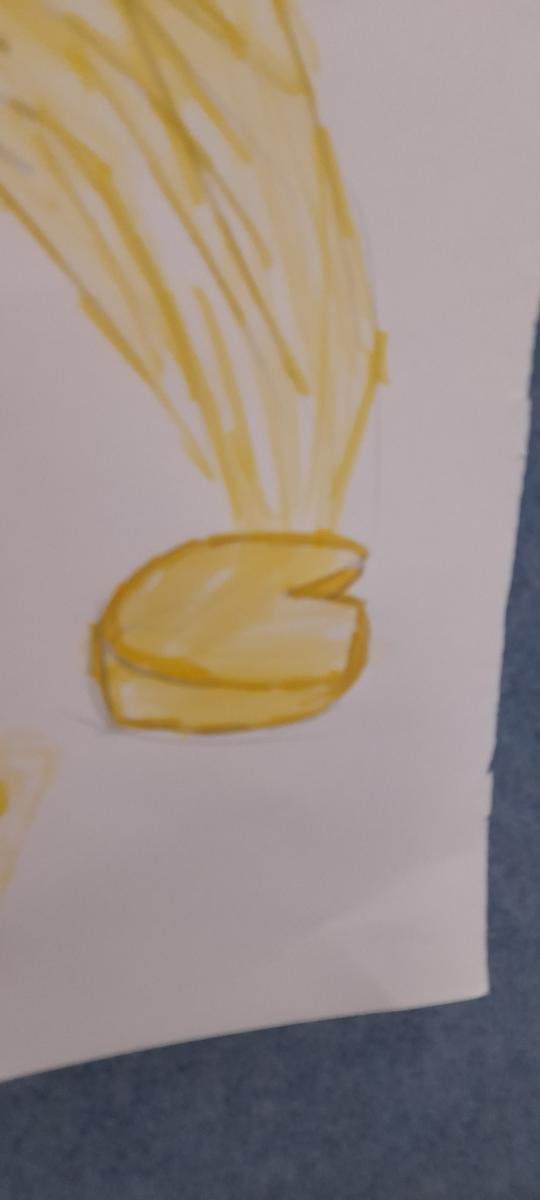
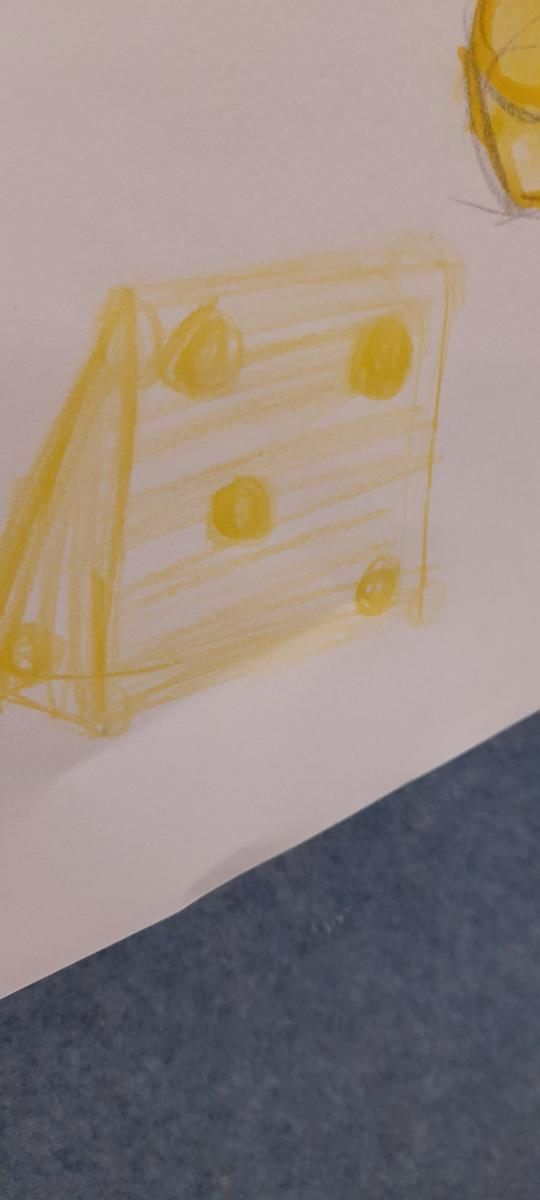
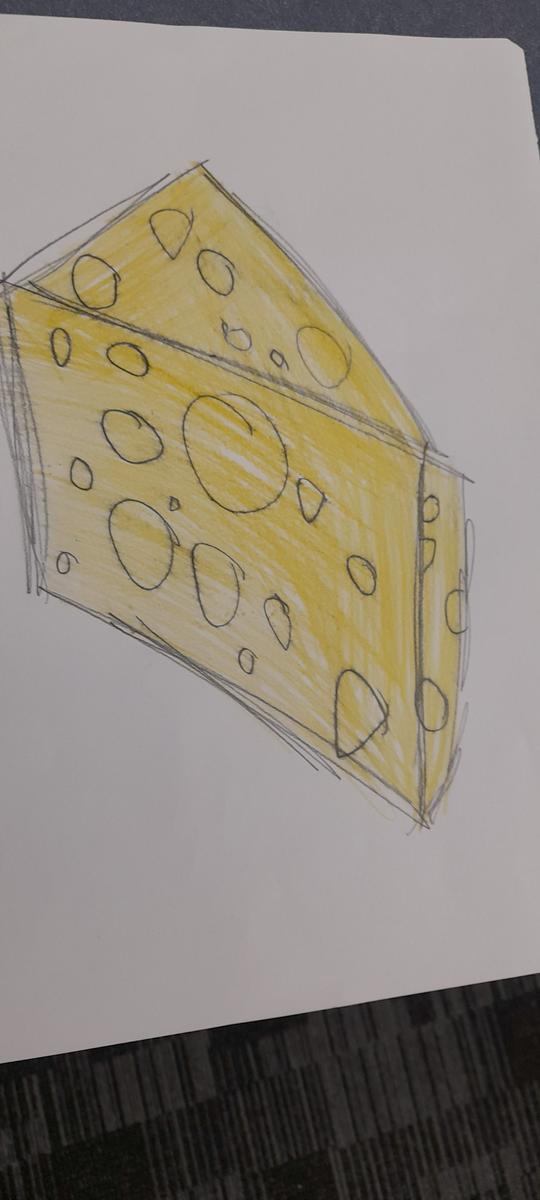
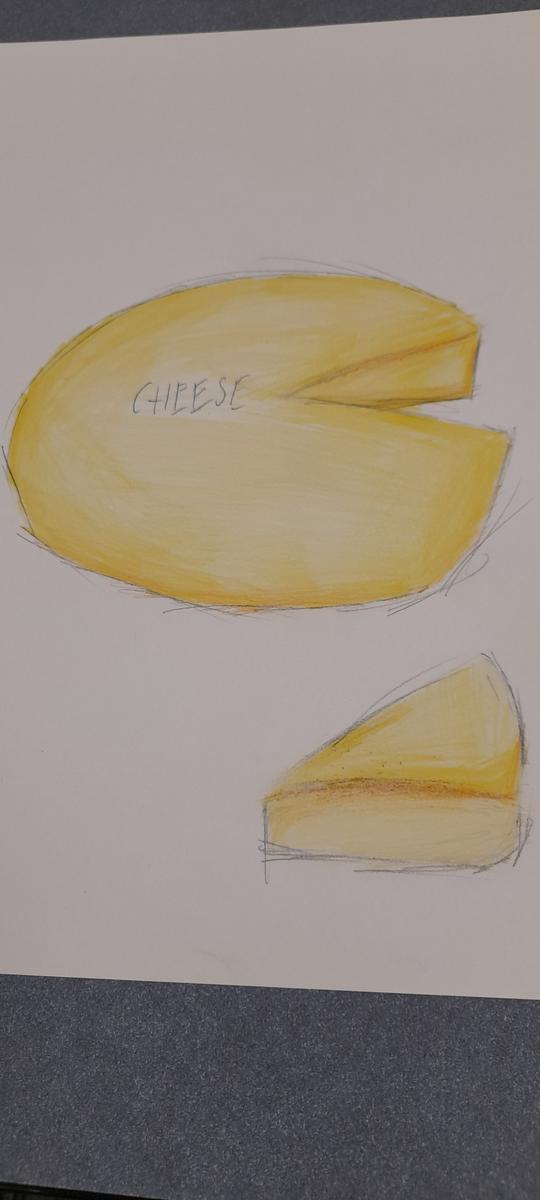
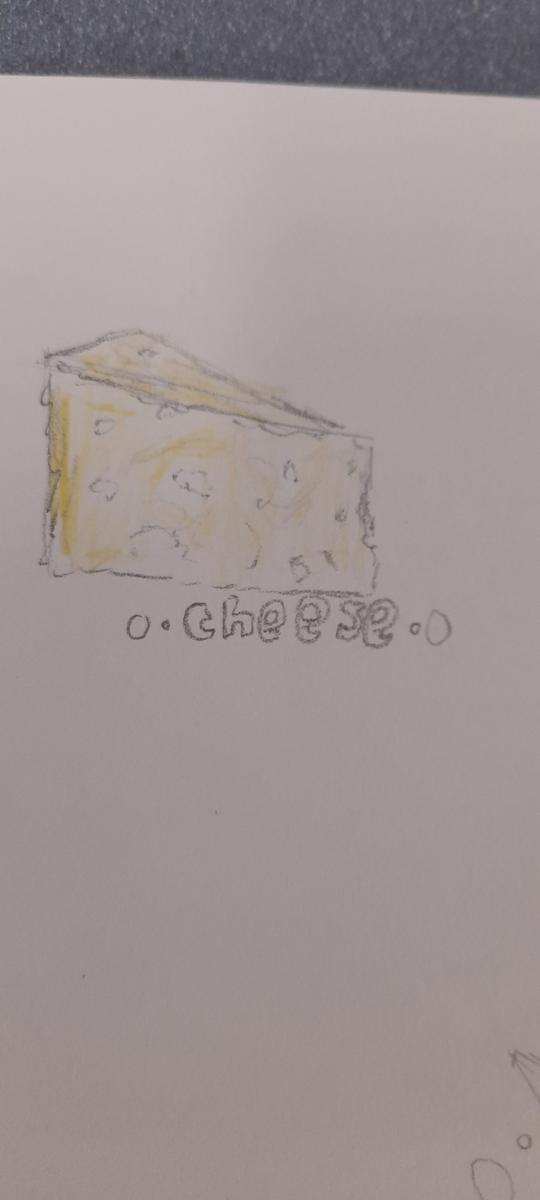
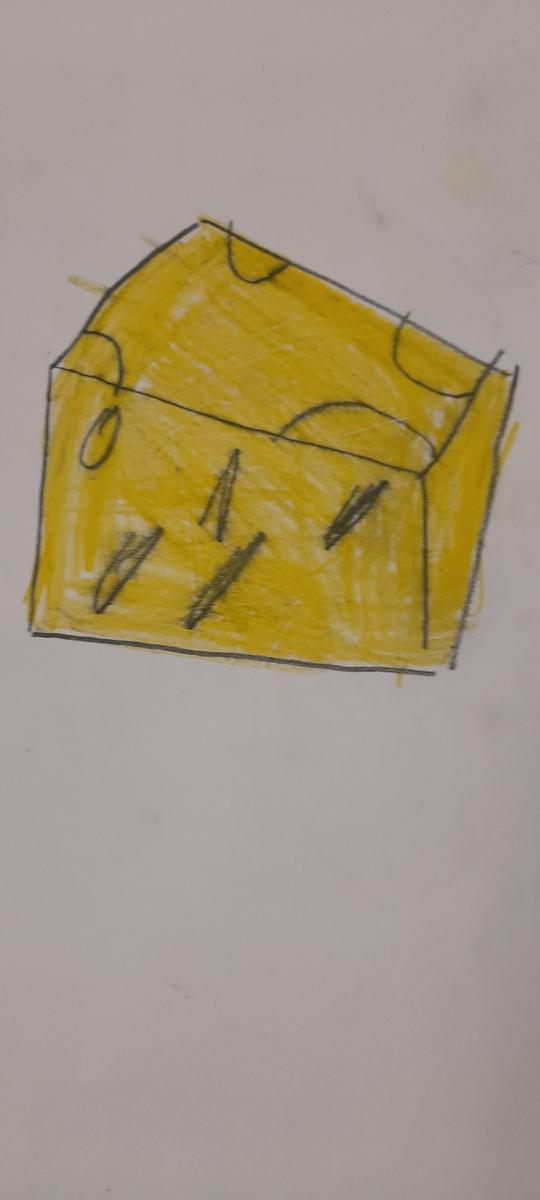
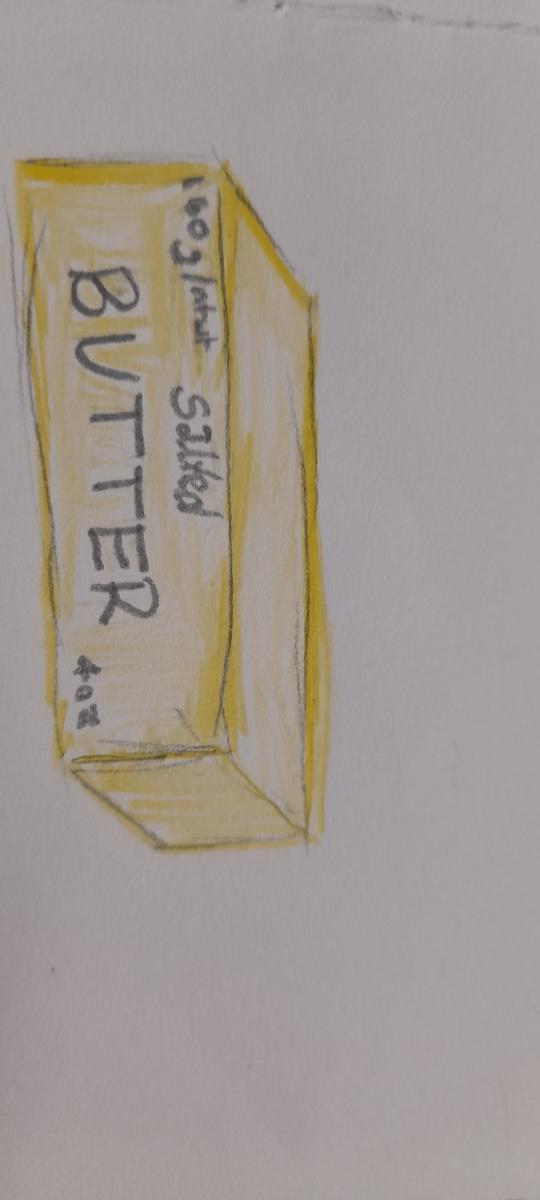
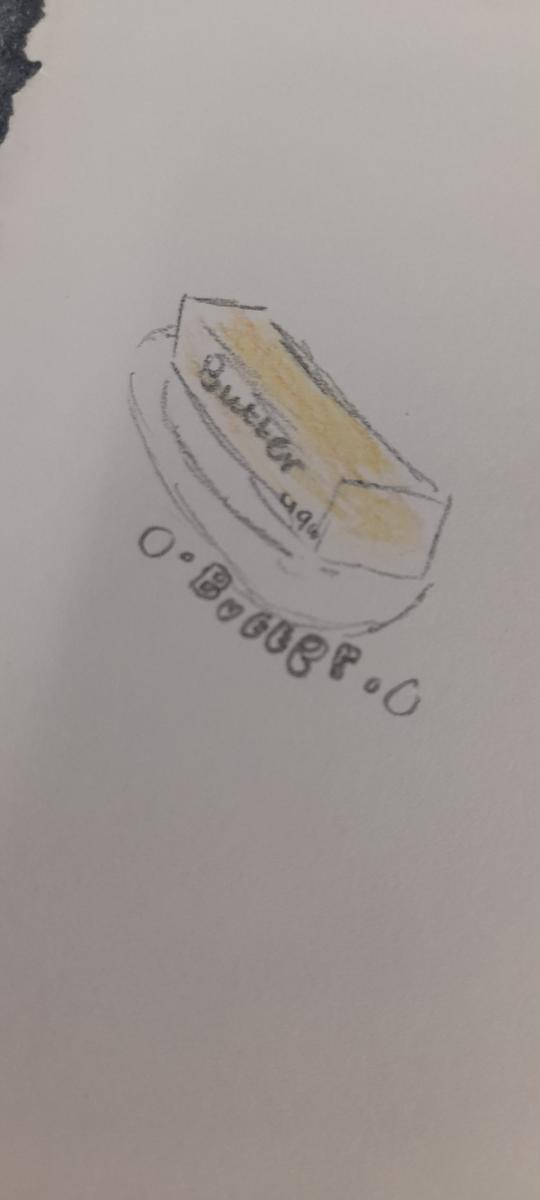
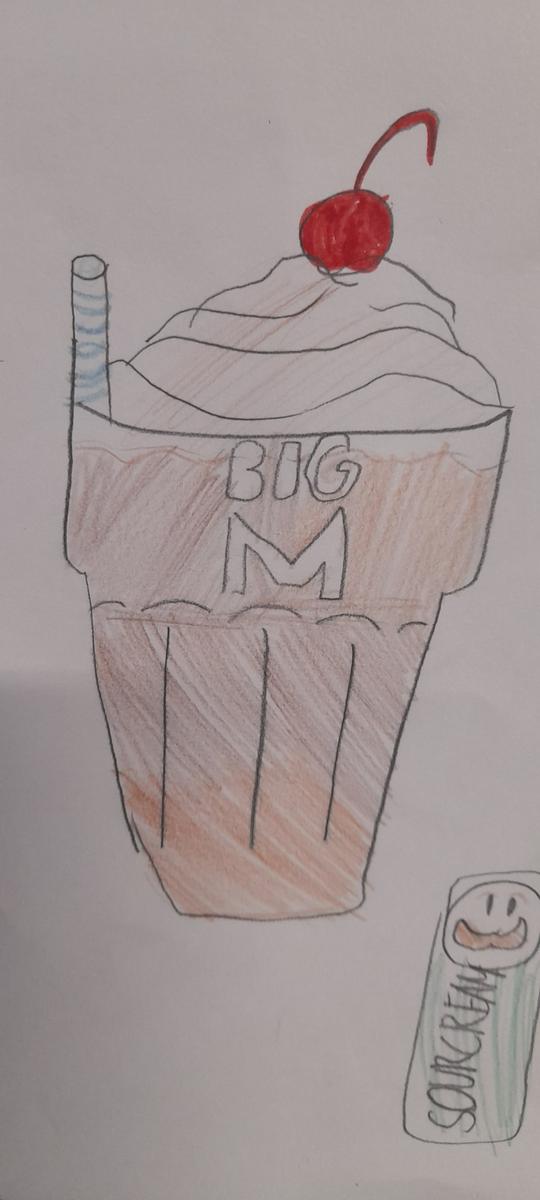
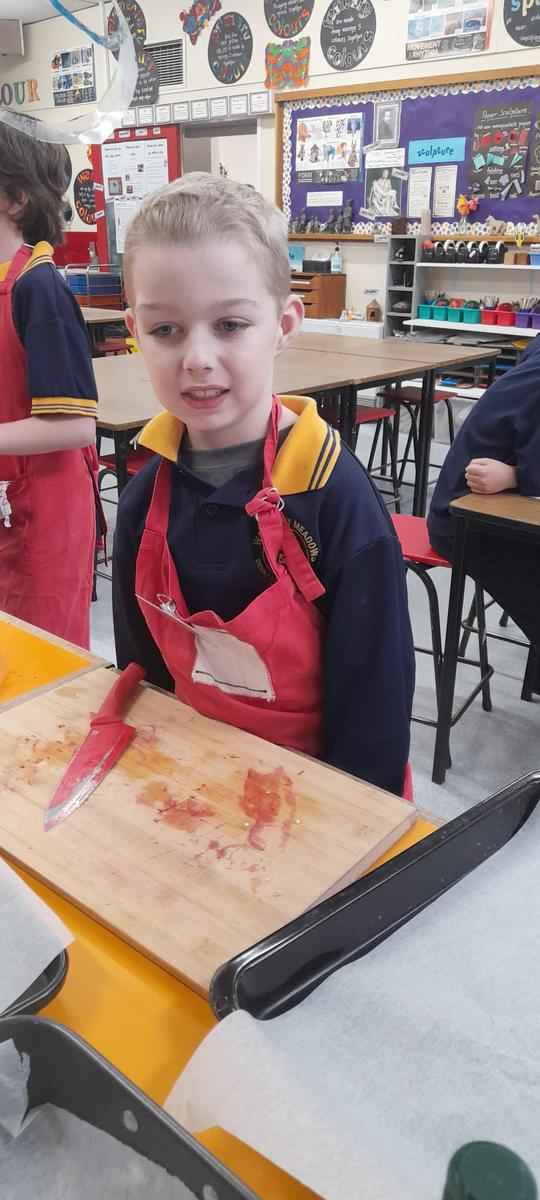
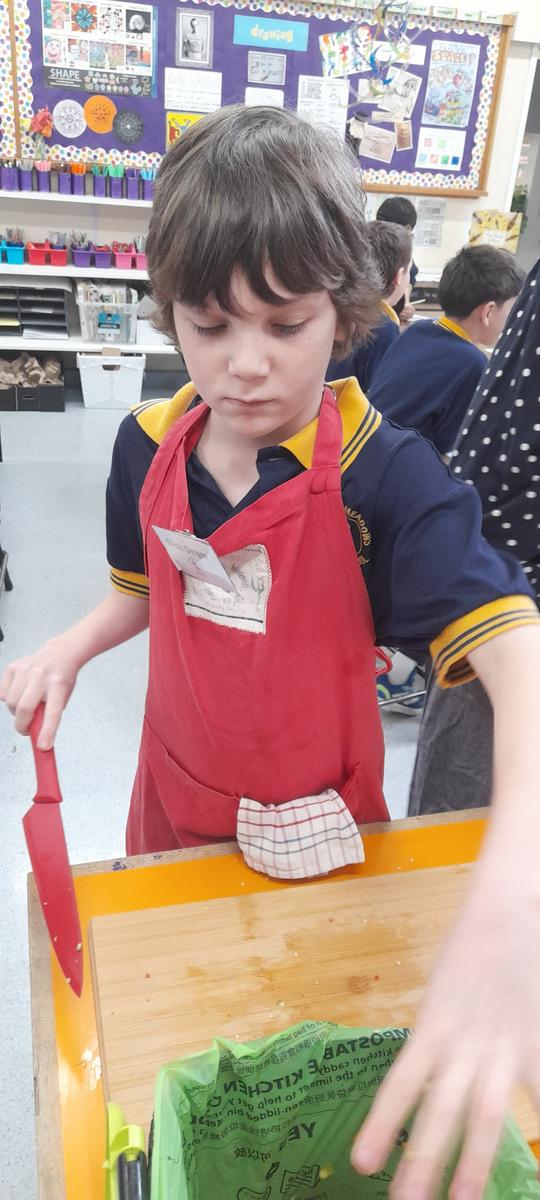
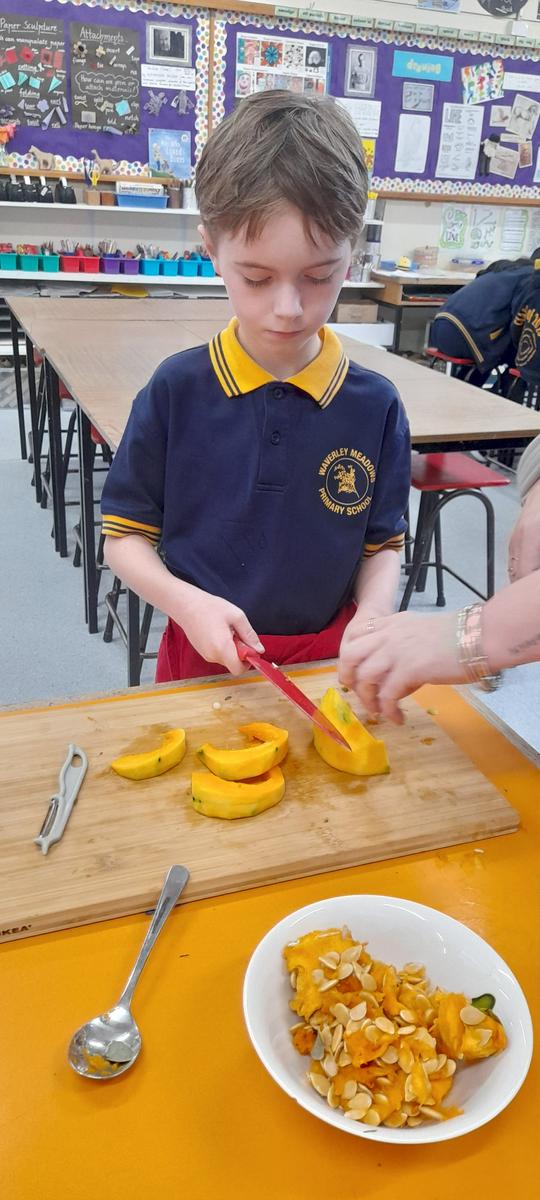
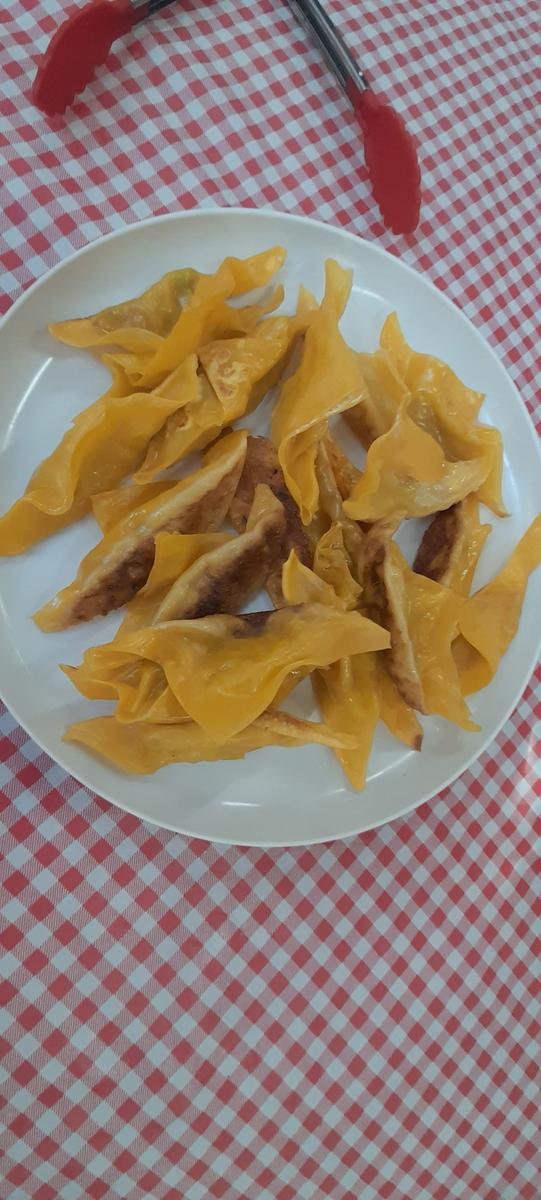
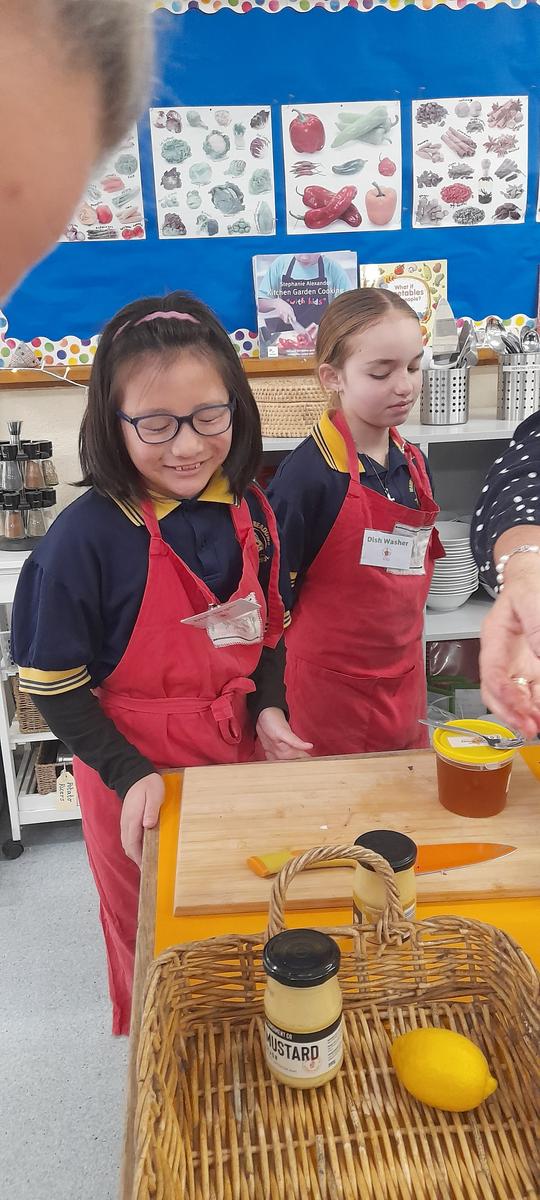
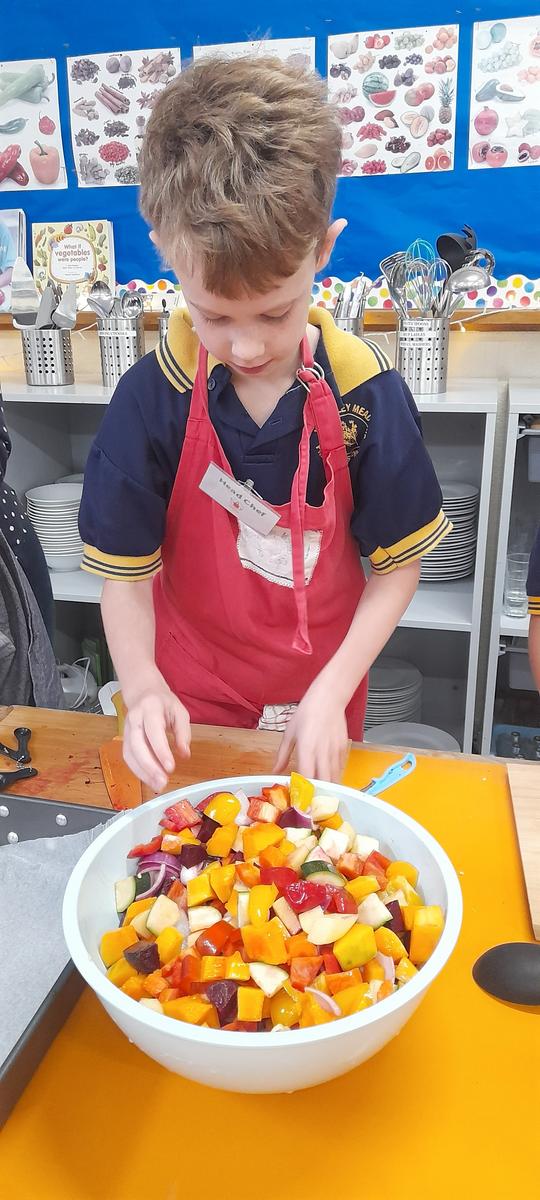
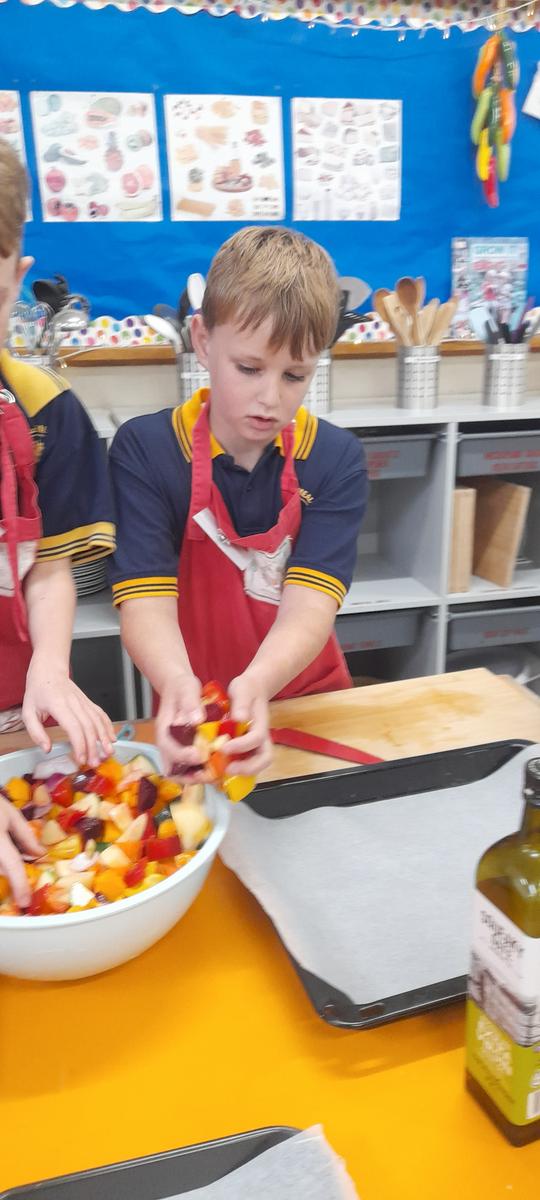
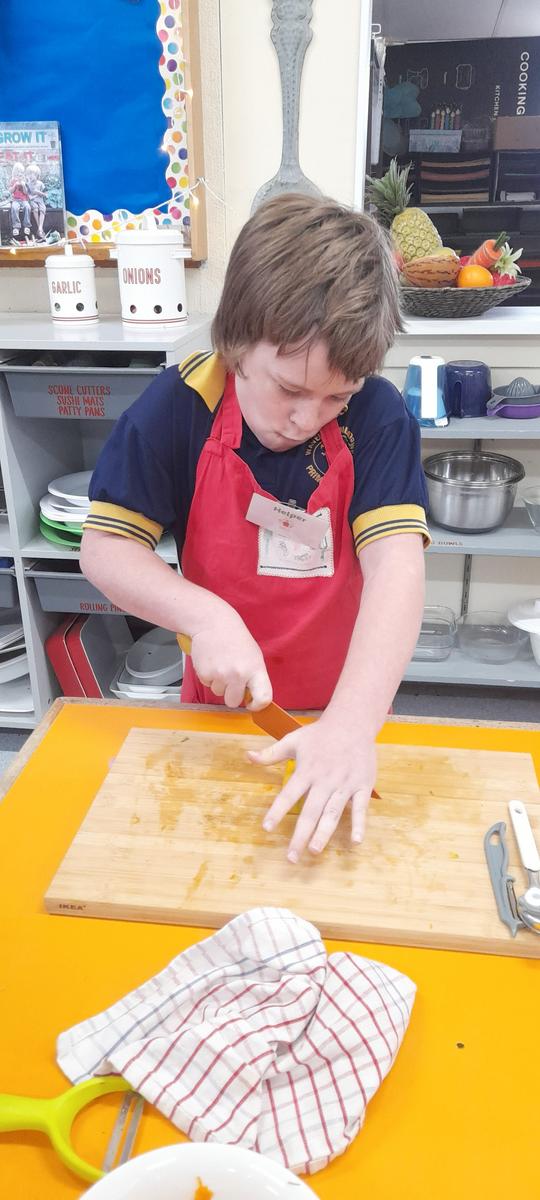
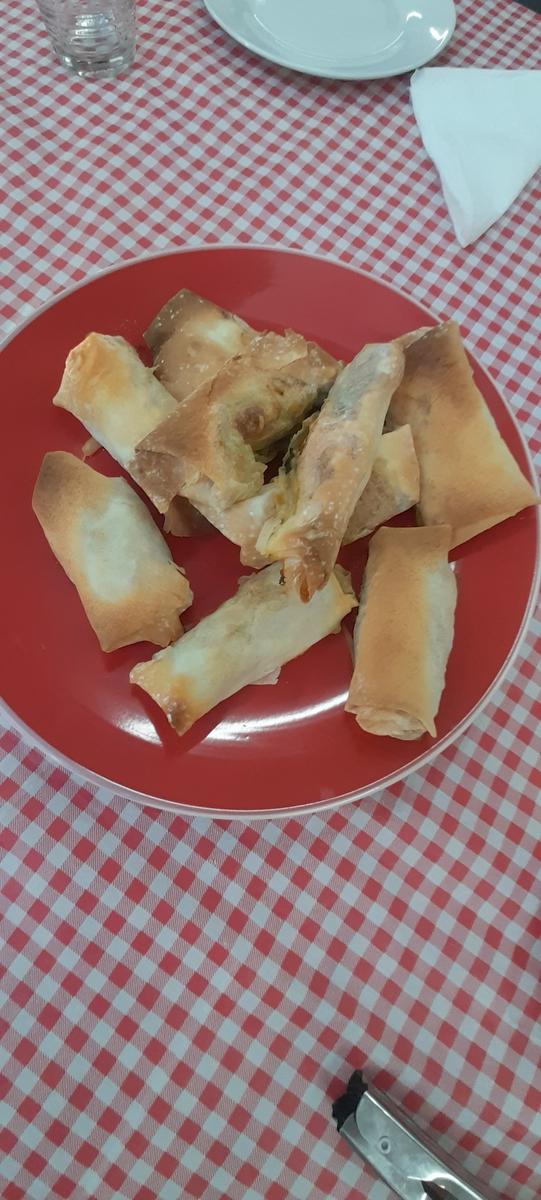
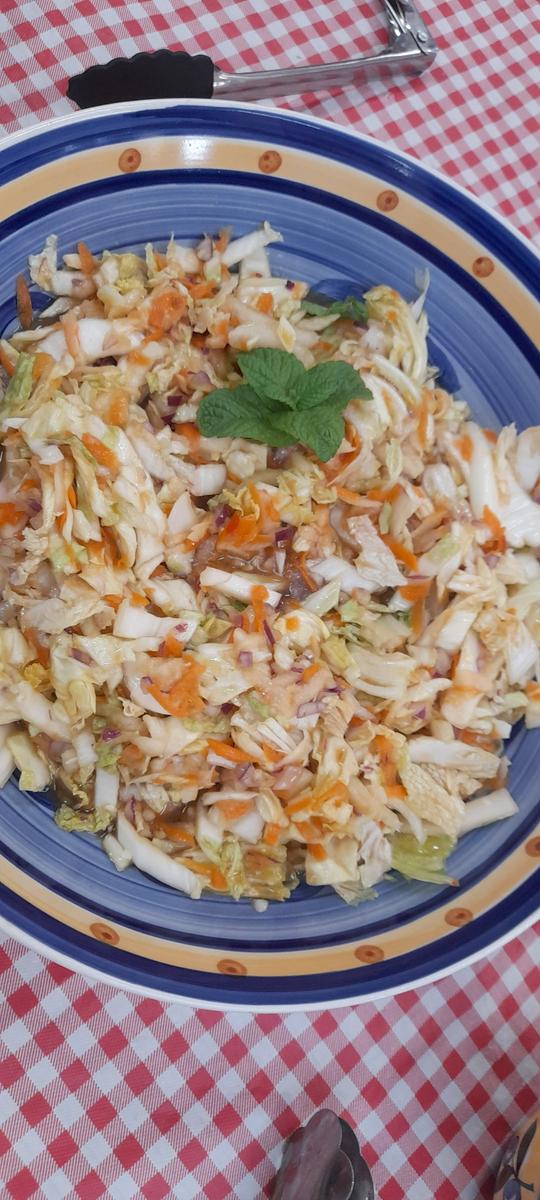
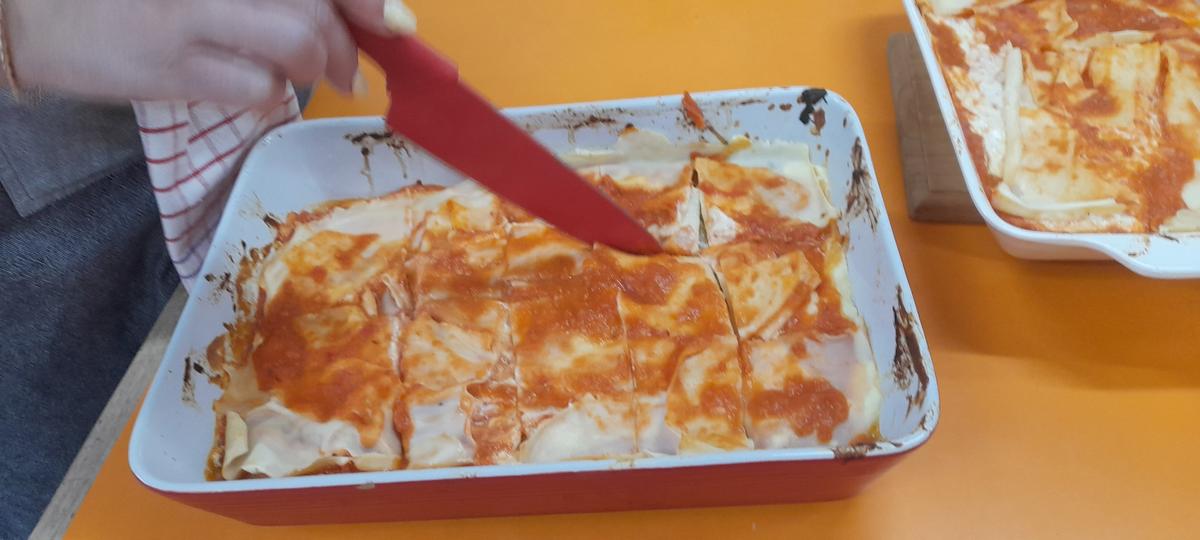
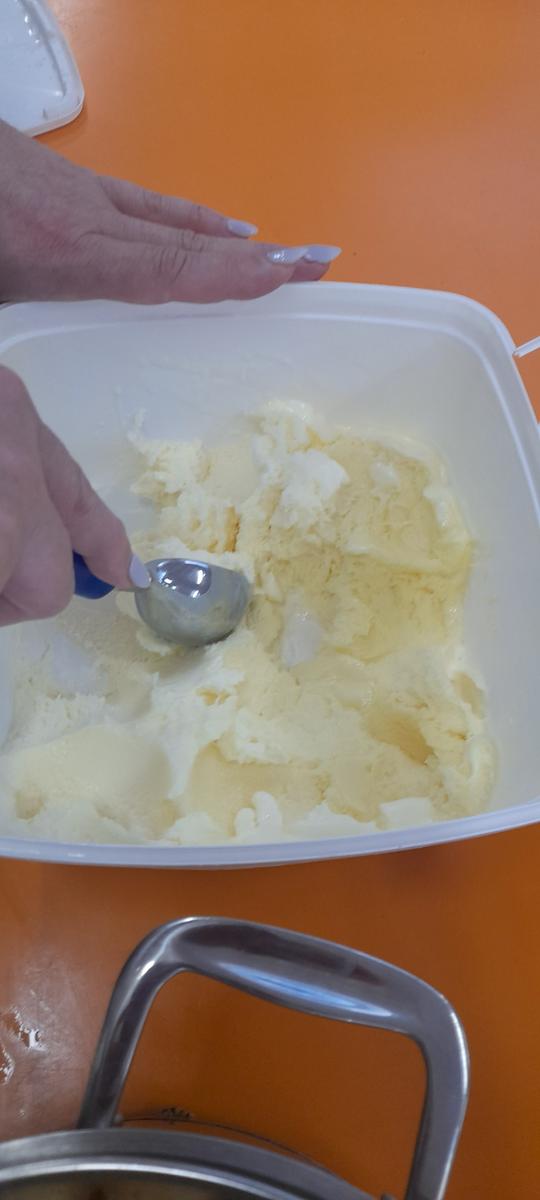
As part of our "Cows in the Meadow" unit, students have been exploring where milk and dairy products come from and learning about the journey from grass to glass. They investigated how milk is processed, the wide range of products made from dairy, and the important role dairy plays in many people's diets. Students also learned about dairy alternatives and the reasons some people choose or need to avoid dairy products, helping them develop an understanding of different dietary needs and food choices. We have also made some very yummy food in the kitchen.
Painting Milky Moo!
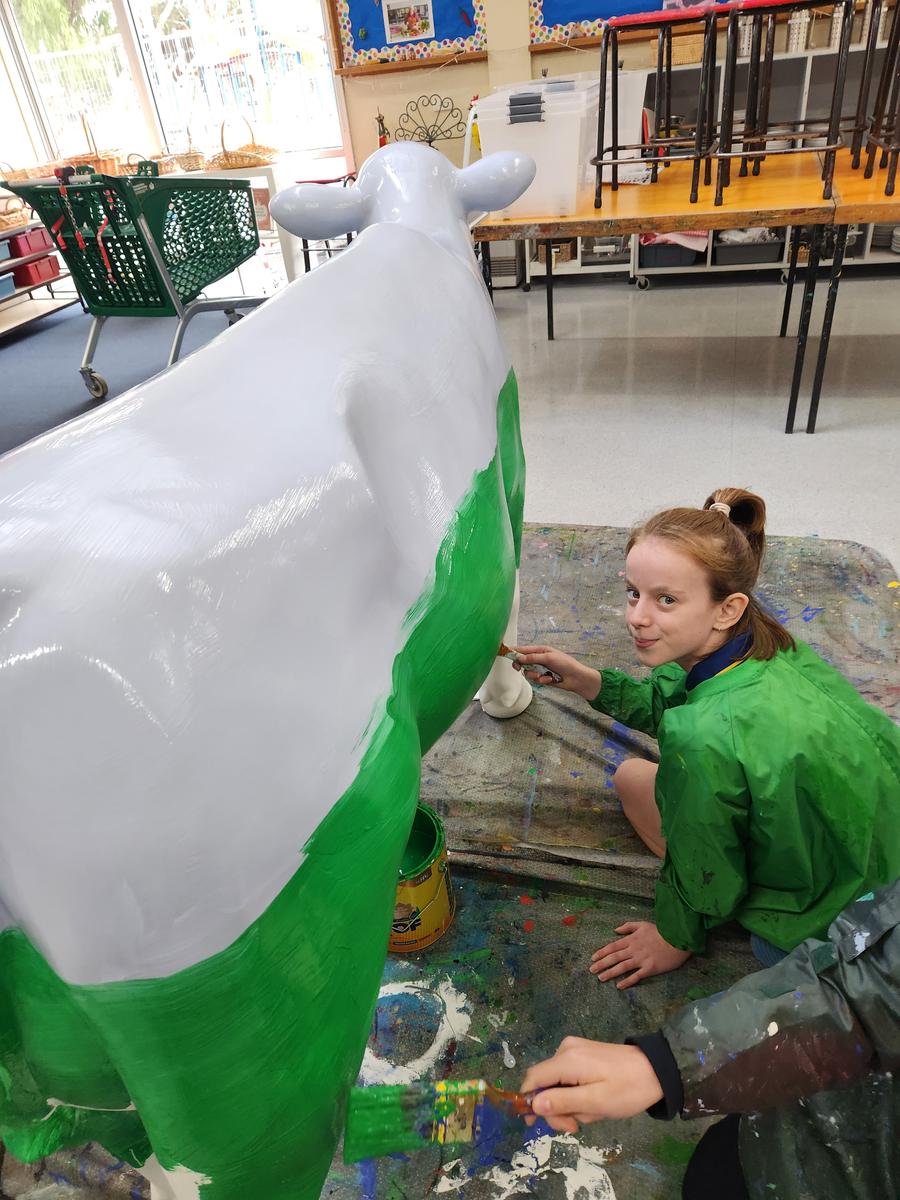
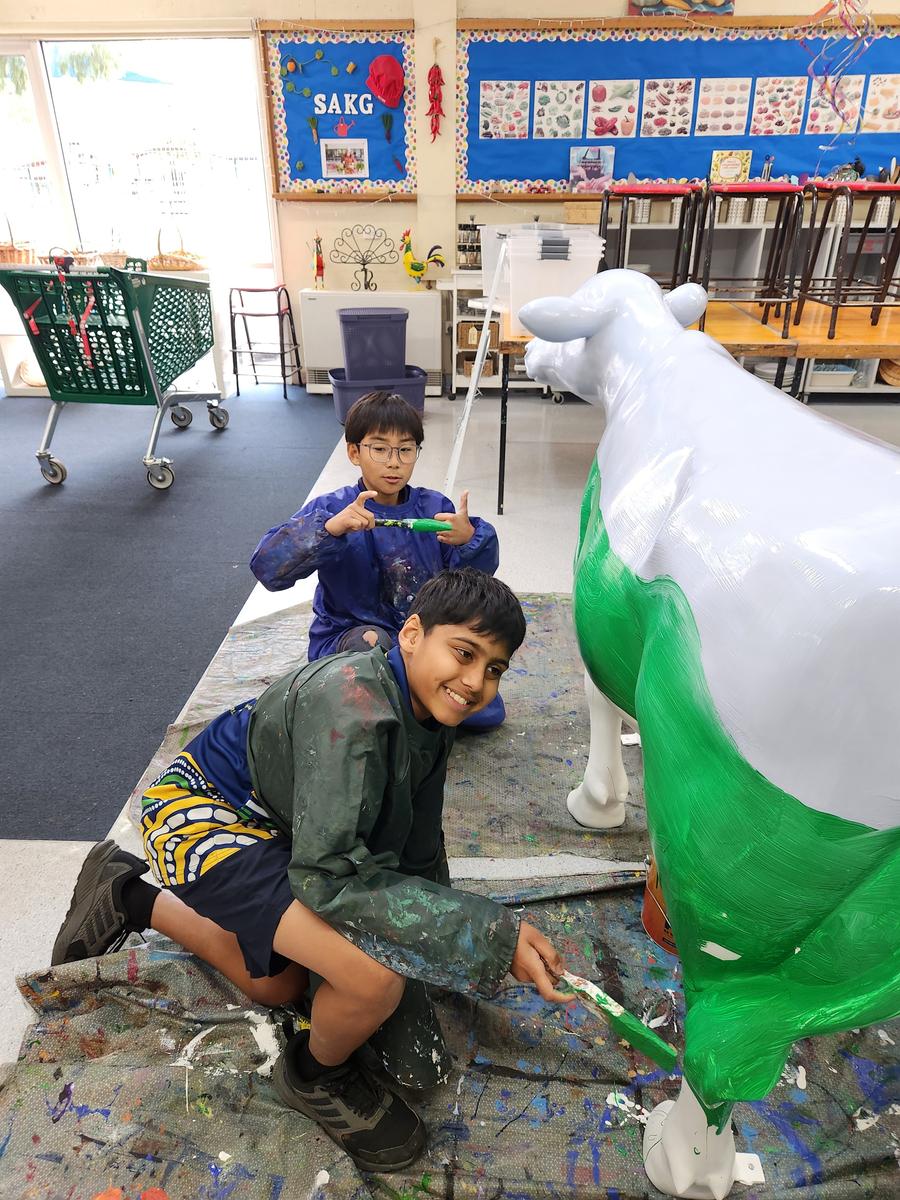
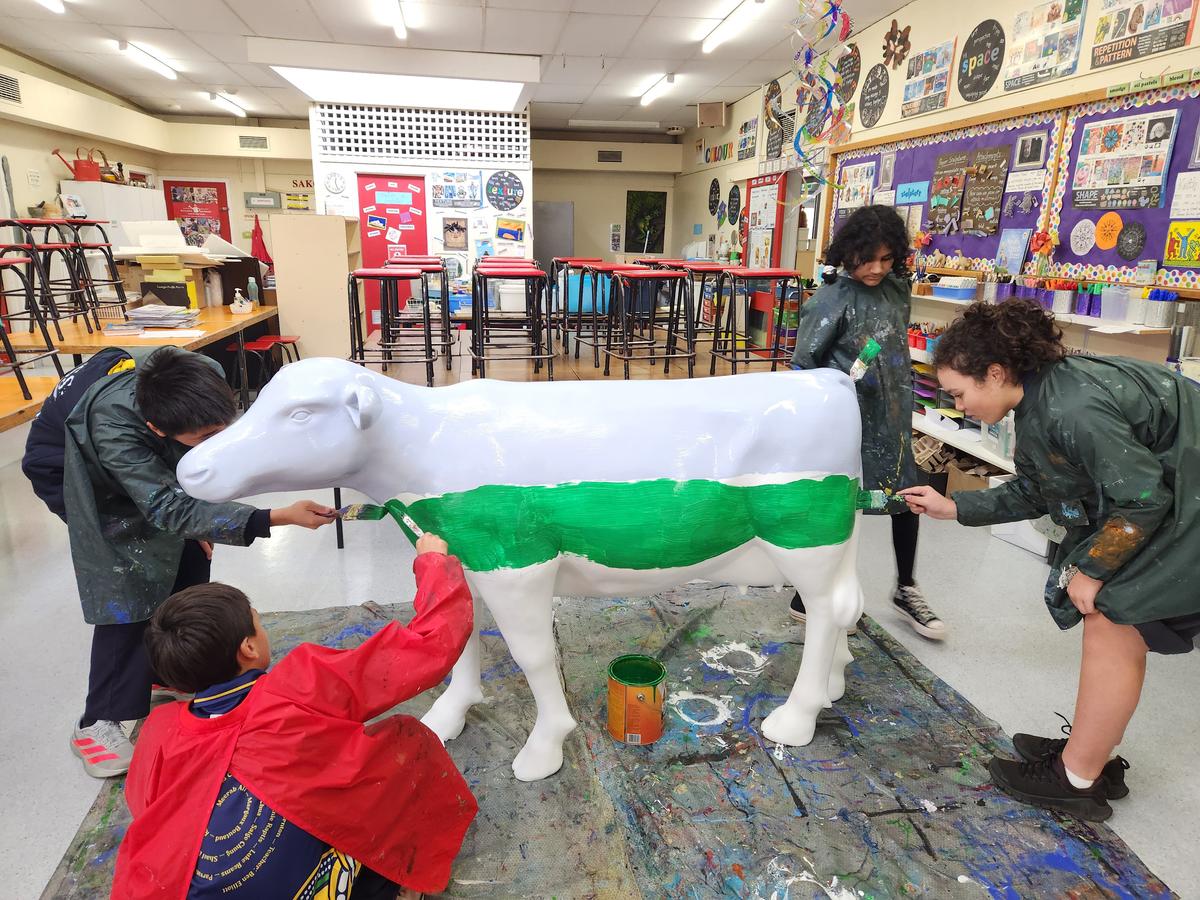
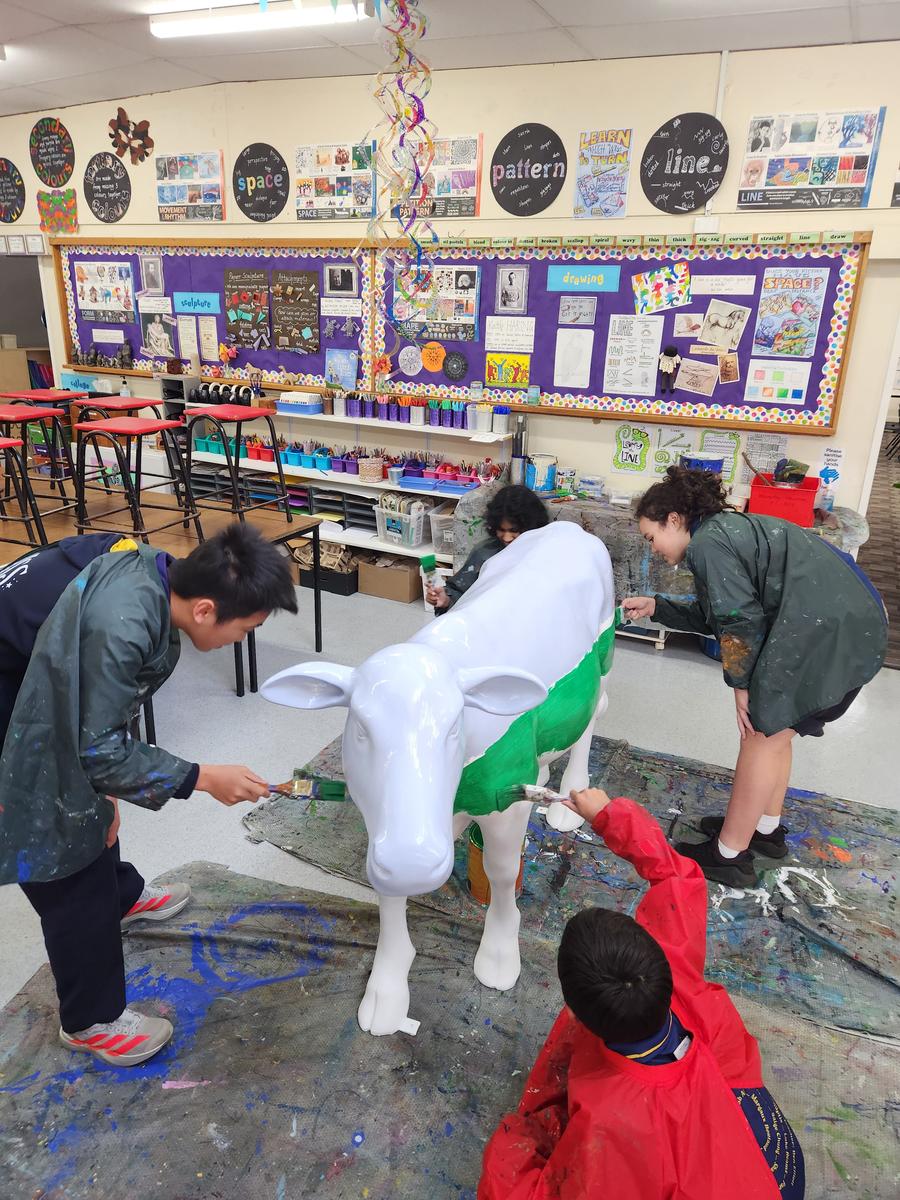
The Year 6s have commenced painting our fibreglass cow, stay tuned for progress photos!