
Pastoral Wellbeing

Attendance at St. Kilian’s
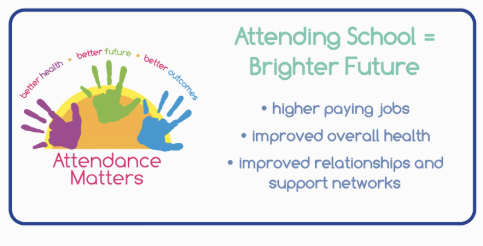
At St. Kilian’s, we continue to place a strong focus on the importance of regular school attendance. Every day at school matters — not only for learning growth, but also for building friendships, routines, confidence, and connection within our community. We are very proud of the positive attendance across the school so far this year, with our whole school attendance average currently sitting at 91.25%.
Thank you to all families for the ongoing support you provide in helping students arrive at school each day ready to learn, participate, and grow.
Class Attendance Averages
We would also like to celebrate the strong attendance efforts across all year levels:
Year Level | Attendance Average |
Foundation | 95.93% |
Year 1 | 89.90% |
Year 2 | 90.86% |
Year 3 | 92.07% |
Year 4 | 92.74% |
Year 5 | 89.60% |
Year 6 | 87.60% |
A special congratulations to our Foundation students, who are currently leading the way with outstanding attendance this year! It has also been wonderful to see so many students across the school consistently attending and engaging positively in learning each day.
Celebrating 100% Attendance
We are incredibly proud to celebrate the following students who have achieved 100% attendance so far in 2026. What an amazing effort!
0HE: Ned Bartlett, Banjo Fisher, Tessa Fitt, Quinley Kellow, Billy Mitchell, Oakley Olsen, Kiyara Perera
1GF: Max Kennedy
1PW: Charlotte Holland, Liam Perry, Cali Sarmiento
2EM: Joseph Bartlett, Olive Olsen
3/4A: Archie Cumming, Louis Hartley
3/4B: Jude Burke, Andrew Crosson
3/4C: Ollie Ender, Harvey Wild
5JW: Emma Bartlett, Otis Burke
5LT: Jimmy Cox, Sierra Monk-Coffey, Finn Rees
Congratulations to all of these students and families for their fantastic commitment to learning and school life. We love seeing our students at school each day, learning, laughing, growing, and being part of our St. Kilian’s community!
Seeking Assistance?
If your family is finding it difficult to get to school regularly, please know that we are here to help. You’re encouraged to speak with your child’s classroom teacher or reach out to our Wellbeing Team – Mrs. Antonowicz, Mrs. Maher, Mr. Teggelove or Mr. Podosky – for support.
We can assist in a variety of ways, including:
- Creating a positive morning routine to reduce stress before school
- Helping your child feel safe and connected at school
- Offering support for separation anxiety or school-based worries
- Adjusting your child’s transition into the classroom
- Working with families to make a plan that suits your situation
Please don’t hesitate to reach out – we’re here to work with you and your child every step of the way.
If you know that your child won’t be attending school, please contact the office and let them know that your child will be away!
Our Classroom Routines – Supporting Calm, Ready Learners
To help create calm, focused and respectful learning spaces, all classes use three shared classroom routines. These routines support students to transition smoothly, know what is expected of them, and feel confident and safe at school.
Ready in 5

What this routine teaches: Ready in 5 helps students learn self-regulation, organisation and focus. It supports children to pause, prepare and be ready to learn together.
How the routine works: When “Ready in 5” is called, students have a short countdown to:
- Sit or stand calmly
- Face the teacher
- Have hands still and voices off
Be ready to listen and learn
How families can help at home:
- Practise short countdowns for transitions (e.g. “Ready in 5 for dinner” or “Ready in 5 to leave the house”)
- Encourage children to stop, look and listen when given a cue
- Praise effort rather than speed: “You got yourself ready so calmly”
Classroom Entry
What this routine teaches: This routine helps students develop respect for learning spaces, independence and calm transitions.
How the routine works: Students line up outside the classroom and enter calmly when invited, moving to their seat or learning space quietly and ready to begin.
How families can help at home:
- Encourage calm transitions between activities
- Talk about the importance of entering spaces respectfully (e.g. libraries, shops, places of worship)
- Reinforce the idea that how we enter a space sets the tone for what comes next
Classroom Exit
What this routine teaches: Classroom exit supports safety, responsibility and respect for others.
How the routine works: Students pack up, stand behind their chair or line up, and wait to be dismissed calmly by the teacher before leaving the room.
How families can help at home:
- Practise waiting calmly before leaving the house or moving to the next activity
- Encourage children to finish one task before starting another
- Model calm exits when leaving places together
These shared routines help create consistent expectations across the school and give students clear, predictable structures that support learning and wellbeing. Thank you for reinforcing these routines at home — your support makes a big difference.
National Sorry Day - May 26
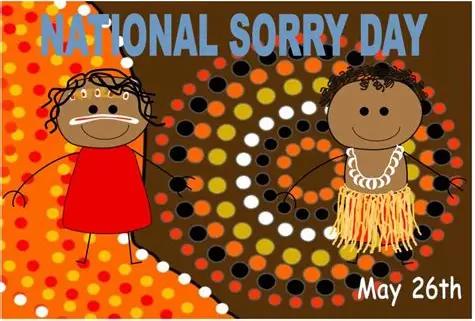
National Sorry Day is a special day in Australia when we remember Aboriginal and Torres Strait Islander children who were taken away from their families a long time ago. These children are called the Stolen Generations.
It was a very sad time because many children didn’t get to grow up with their mums, dads, or culture. Some never saw their families again.
On Sorry Day, we say sorry for what happened and show that we care. It’s a time to:
- Remember the past
- Say sorry
- And promise to be kind and fair to everyone
It’s also a chance to learn, listen, and make sure everyone feels safe, loved, and respected — now and in the future.
Watch the video and then use the discussion questions to break open National Sorry Day.
Understanding the Story
- What is National Sorry Day?
- Who are the Stolen Generations?
- Why were Aboriginal and Torres Strait Islander children taken away from their families?
Feelings and Empathy
- How do you think the children felt when they were taken from their families?
- How do you think their mums, dads, and grandparents felt?
- Why do you think saying “sorry” is important?
Learning and Respecting
- What can we do to show respect to Aboriginal and Torres Strait Islander people today?
- How can we help everyone feel safe, included, and cared for at school?
- Why is it important to remember stories from the past?
Prayers of the Faithful – National Sorry Day
Leader: As we recognise National Sorry Day, we bring our prayers before God, asking for healing, understanding, justice, and hope for all people.
- We pray for Aboriginal and Torres Strait Islander peoples, especially the Stolen Generations and their families. May they continue to experience healing, strength, and the love and support of the community. Lord, hear us. Lord, hear our prayer.
- We pray for our nation, that we may continue to grow in reconciliation, respect, and truth-telling, walking together with kindness and understanding. Lord, hear us. Lord, hear our prayer.
- We pray for our school community, that we may live out Yindyamarra by showing gentleness, respect, patience, and care towards one another each day. Lord, hear us. Lord, hear our prayer.
- We pray for leaders in our country and communities, that they may make decisions that promote justice, healing, and opportunities for all people. Lord, hear us. Lord, hear our prayer.
We pray for those who are hurting, lonely, or carrying sadness in their hearts. May they know peace, comfort, and hope through the care of others. Lord, hear us. Lord, hear our prayer.
Leader: Loving God, help us to walk together with open hearts, listening ears, and a spirit of peace and reconciliation. We ask this through Christ our Lord. Amen.
National Reconciliation Week
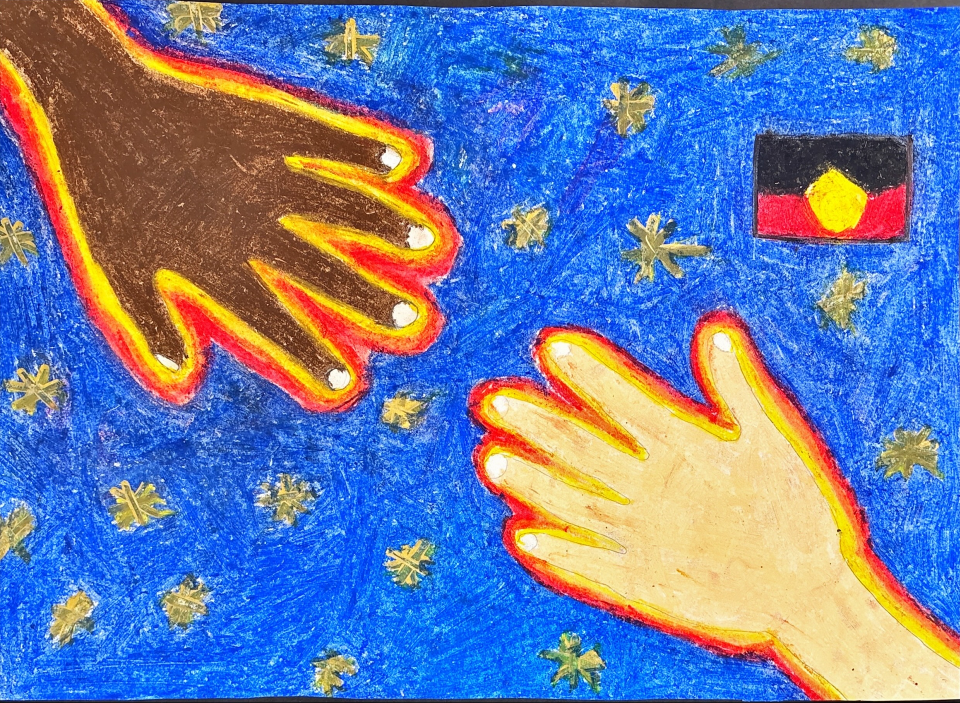
National Reconciliation Week is a time when all Australians learn about our shared history — especially the history between Aboriginal and Torres Strait Islander peoples and non-Indigenous Australians.
It’s a special week to:
- Learn the truth about the past, like the Stolen Generations
- Say sorry for the things that caused hurt
- Show respect to Aboriginal and Torres Strait Islander peoples
- Work together to make things fair and kind for everyone
It happens every year from 27 May to 3 June. These dates are important because they remind us of two big events:
- 27 May – when Aboriginal people were included in the Australian Constitution (1967)
3 June – when the High Court said that Aboriginal people have rights to their land (Mabo Decision, 1992)
Reconciliation means coming together, listening, and building a better future — where everyone feels included, respected, and proud.
How are we celebrating at St. Kilian's?
- Each morning at the first bell, a Grade 6 leader will acknowledge country over the PA system
- Your teachers are invited to choose one of the activities below each day to embrace Australian Indigenous culture
- Special prayers and a liturgy at Friday Assembly in Week 7, and in the classrooms
- Sections in the School Newsletter and on Facebook about National Reconciliation Week and National Sorry Day
Bunjil the Eagle
Bunjil is a powerful creator spirit in many Aboriginal cultures across south-eastern Australia, especially for the Dja Dja Wurrung, Wurundjeri, and other Kulin Nation peoples — including the Bendigo region.
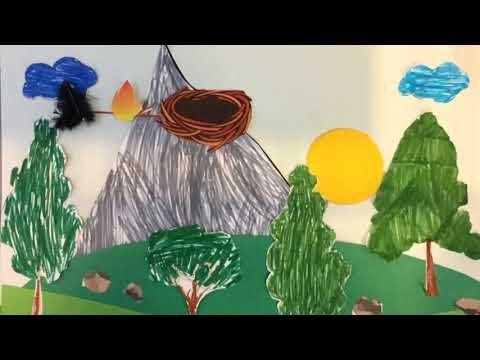
In the Dreaming stories, Bunjil is an eagle who created the land, rivers, animals, plants, and people. He helped bring order to the world and taught the people how to live respectfully with nature and with each other.
Bunjil is wise, caring, and strong. After creating the world, it is said that Bunjil flew up into the sky and became a star, where he watches over the land and the people.
Follow-up Activities
Draw Bunjil in the Sky
- Students draw Bunjil as a proud eagle flying in the sky, watching over the land and people.
- Add stars to represent how Bunjil now lives in the sky.
Bunjil's Creation Scene
- Students illustrate what Bunjil might have created — land, rivers, people, animals, trees — and label each part.
Think-Pair-Share:
- What do you think Bunjil wants us to remember?
- How can we care for the land and each other like Bunjil taught?
Bunjil Says... (like Simon Says!)
- Play a version of Simon Says, but with actions that represent caring for Country (e.g., “Bunjil says plant a tree,” “Bunjil says clean up the land”).
Message to Bunjil
- Students write a short letter or sentence to Bunjil, thanking him or promising something respectful they will do.
Bunjil’s Rulebook
- In small groups, students create a list of “Bunjil’s Rules” for caring for Country and each other.
Prayer for National Reconciliation Week
You are invited to use this prayer for National Reconciliation Week. The prayer includes a short centering and some breathing exercises. You can access the prayer by clicking on the photo or here.
Prayers of the Faithful – National Reconciliation Week
Leader: As we begin National Reconciliation Week, we bring our prayers before God, asking for hearts that seek peace, understanding, and unity.
- We pray for Aboriginal and Torres Strait Islander peoples, the First Peoples of this land. May their cultures, stories, wisdom, and traditions continue to be respected, celebrated, and shared. Lord, hear us. Lord, hear our prayer.
- We pray for reconciliation in Australia. May we continue to grow in truth, justice, healing, and respectful relationships with one another. Lord, hear us. Lord, hear our prayer.
- We pray for our school community. May we live with kindness, respect, and Yindyamarra, always treating others with dignity and care. Lord, hear us. Lord, hear our prayer.
- We pray for leaders in our Church, schools, and wider community. May they guide people with wisdom, compassion, and a commitment to unity and inclusion. Lord, hear us. Lord, hear our prayer.
- We pray for peace in our world and in our hearts. May we be people who listen, forgive, include others, and work together for the good of all. Lord, hear us. Lord, hear our prayer.
Leader: Loving God, help us to walk together in friendship, understanding, and hope. May we continue building a future where all people are valued and respected. We ask this through Christ our Lord. Amen.