
Banner Photo

Keeping Children Safe Online

Wellbeing Update
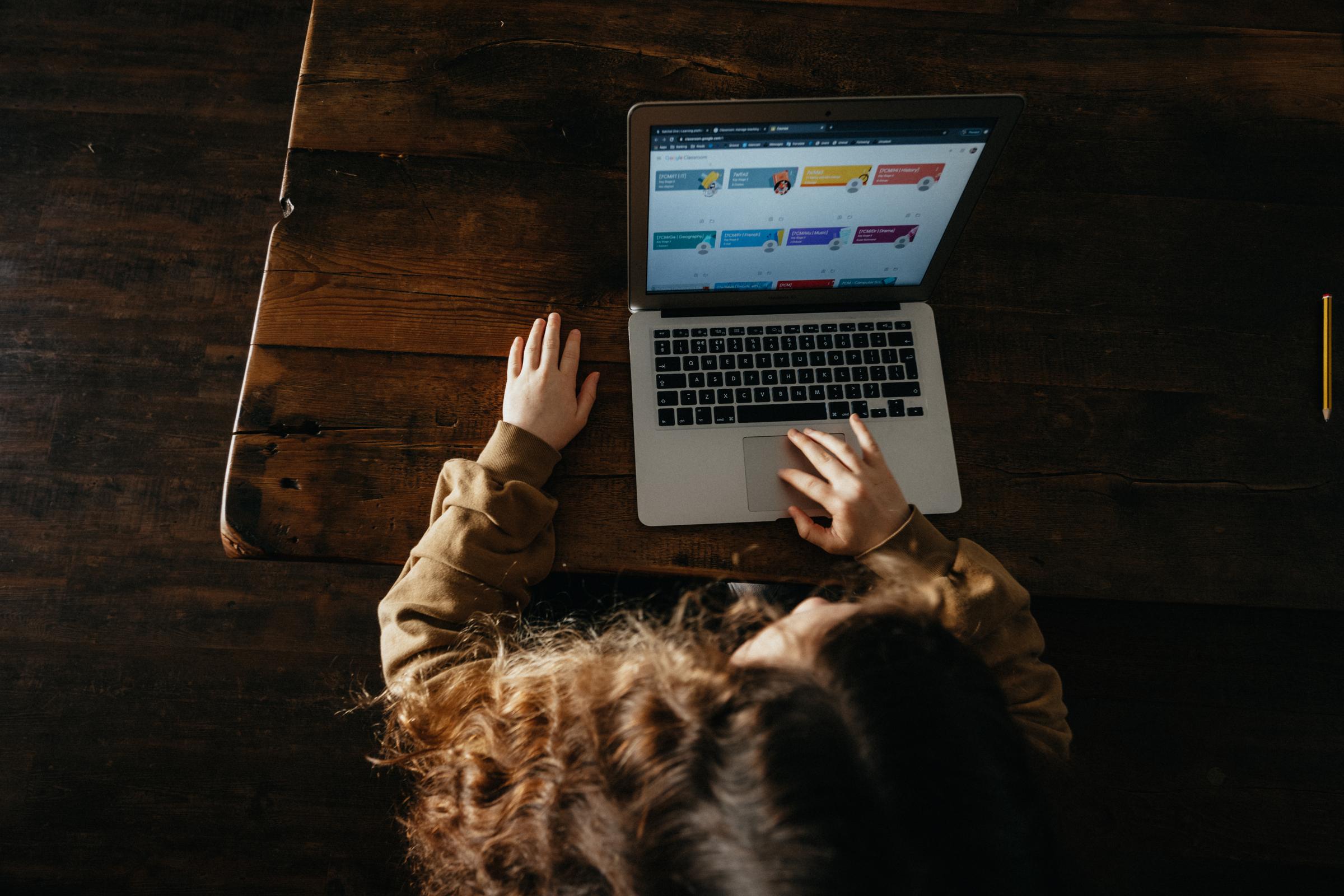
Cybersafety Over the School Holidays... & Beyond

The school holidays are almost upon us! This can mean lots of fun activities at home and abroad, catching up with friends and taking time to relax. It can also mean more screen time for some children – so a reminder of how we can help to keep children safe when they are online.
 

Gallery Image

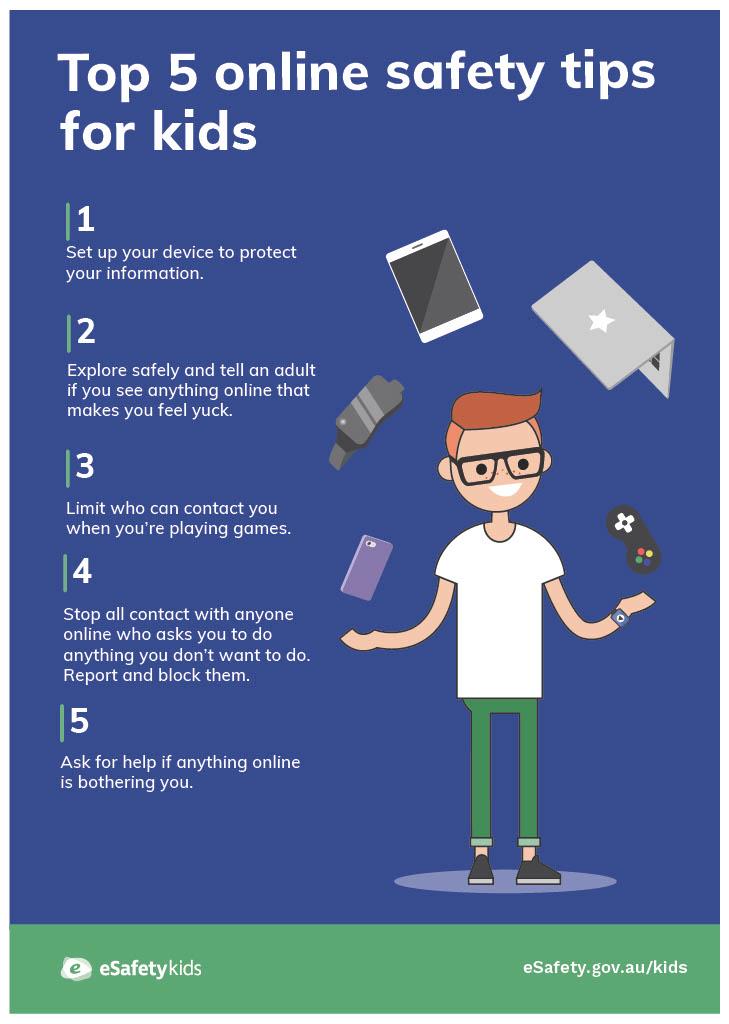
What can you do?

  • Always supervise your children when they are on devices – they should not be using them behind closed doors.
  • Know what apps/platforms your children are accessing.
  • Make sure the chat function on games where this is an option is switched off, or that your children are only chatting to people they actually know.
  • Keep communication open and judgement free.


Some facts to keep in mind when your children are online:

  • In the US, 10% of primary aged students are sharing intimate images of themselves online.
  • Australia is #3 in the world for online grooming.
  • Last year there were 70,000 incidents in Australia of sexual extortion of young people.
  • 3 primary schools per day are notifying the authorities regarding sexual abuse/their students accessing pornography.


Cybersafety Sesions at FPS

Early next term all students at FPS will participate in presentations from Victoria Police about the dangers of being online and how to keep themselves safe.


For Grades 1 and 2 the focus will be on:

  • Knowing what to keep as private information.
  • How to deal with pop up conversations.
  • Asking a trusted adult for help when communication doesn’t feel right.


For Grades 3 and 4 the focus will be on:

  • Staying safe online.
  • Asking a trusted adult for help and keeping personal information safe.


For Grades 5 and 6 the focus will be on: 

  • Learning about staying safe online.
  • Keeping information private (including images).
  • Knowing people online vs offline and asking trusted adults for help.


Students have reported feeling much more aware of how to protect themselves and their identities after participating in these workshops, making statements that they now know:

  • Not everything is what it seems.
  • People on the dark web can trade your photo for money.
  • You have to be really, really careful with what you post and what you look at. People can create an image in 5 seconds on AI.
  • Not to put your own name in your username.
  • Sometimes people can scam you because they want money and other times when you are playing games, they want to take a photo of you so they can sell it.
  • If a random message person asks you, “What’s your address? What school do you go to?” don’t tell them.
  • Don’t post photos of yourself. 


For further information about keeping your children safe online, please read the Parents Online Safety Guide produced by the eSafety Commission here.


Enjoy the holidays!


Cathy Turner

Mental Health and Wellbeing Leader