
Assistant Principal's Report
Katrina Spicer - Mental Health, Wellbeing and Inclusion,
Assistant Principal's Report
Katrina Spicer - Mental Health, Wellbeing and Inclusion,
Resilience and wellbeing are key factors to ensure a happy and fulfilling future for our young people.
Every year, students in years 3, 4, 5 and 6 at WHPS participate in the Resilient Youth Survey which is administered by Resilient Youth Australia in partnership with The Resilience Project. Students will complete this online survey during class time prior to the end of May.
The data from the survey will be reported in aggregate descriptive form only, by year level and gender, and no individual student responses can be identified. This data is very helpful to our school to help us to monitor the wellbeing of our students, and, when applicable, the effectiveness of our programs. In previous years, we have used data from the survey to identify issues such as low self-confidence and disconnection in girls, discrepancies in wellbeing between boys and girls in certain year levels, and changes in wellbeing following Covid lockdowns.
The Resilient Youth Survey is completely anonymous. The survey collects the self-reported resilience and wellbeing of students and will provide valuable information to assist us to create and maintain the best culture of wellbeing and resilience that we can.
If you have any questions or concerns regarding your child’s participation in this survey project, please contact Katrina Spicer at the school to discuss.
We thank you for your support.
The Resilience Project has been a core part of the WHPS Curriculum since 2017.
The Resilience Project is committed to teaching positive mental health strategies to prevent mental ill-health and build young people’s capacity to deal with adversity.
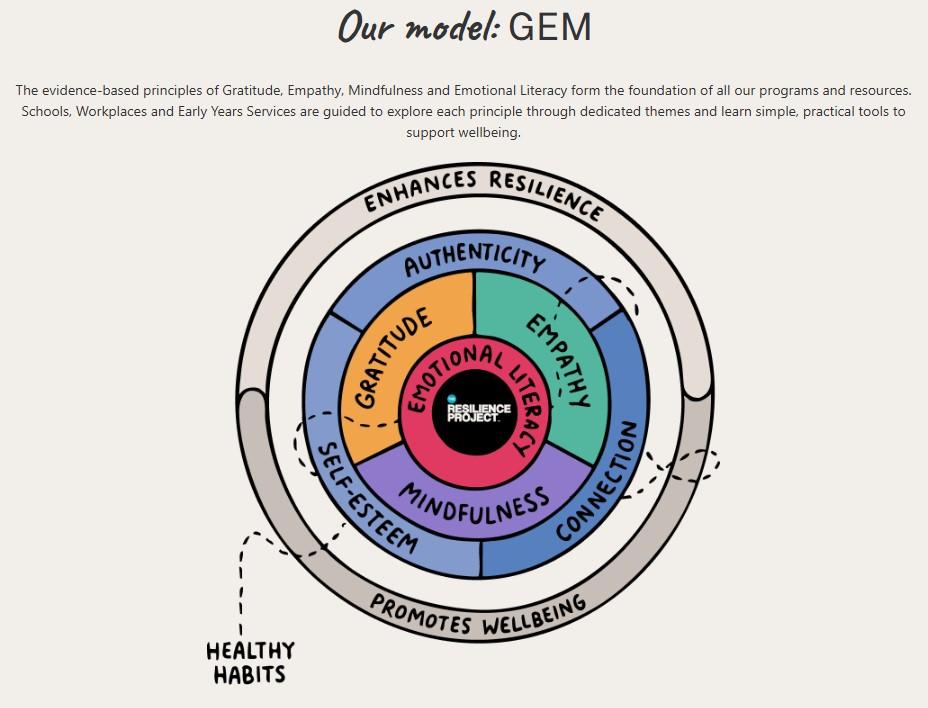
Teachers and students engage in weekly lessons and activities around the key principles of Gratitude, Empathy, Mindfulness (GEM), and Emotional Literacy to build resilience.
Check out the TRP website for more information:
And check out TRP@HOME; a place filled with inspiration and activities for the whole family, to help improve your wellbeing and build resilience.
The research is clear; the more positive emotion you experience, the more resilient you will be. For that reason the TRP curriculum focuses on three key pillars that have been proven to cultivate positive emotion; Gratitude, Empathy and Mindfulness (GEM), with Emotional Literacy being a foundational skill to practise these strategies.
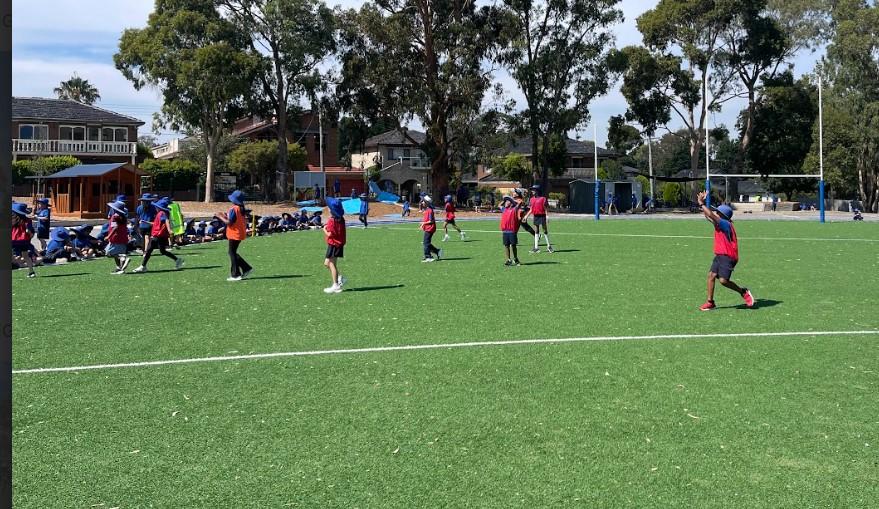
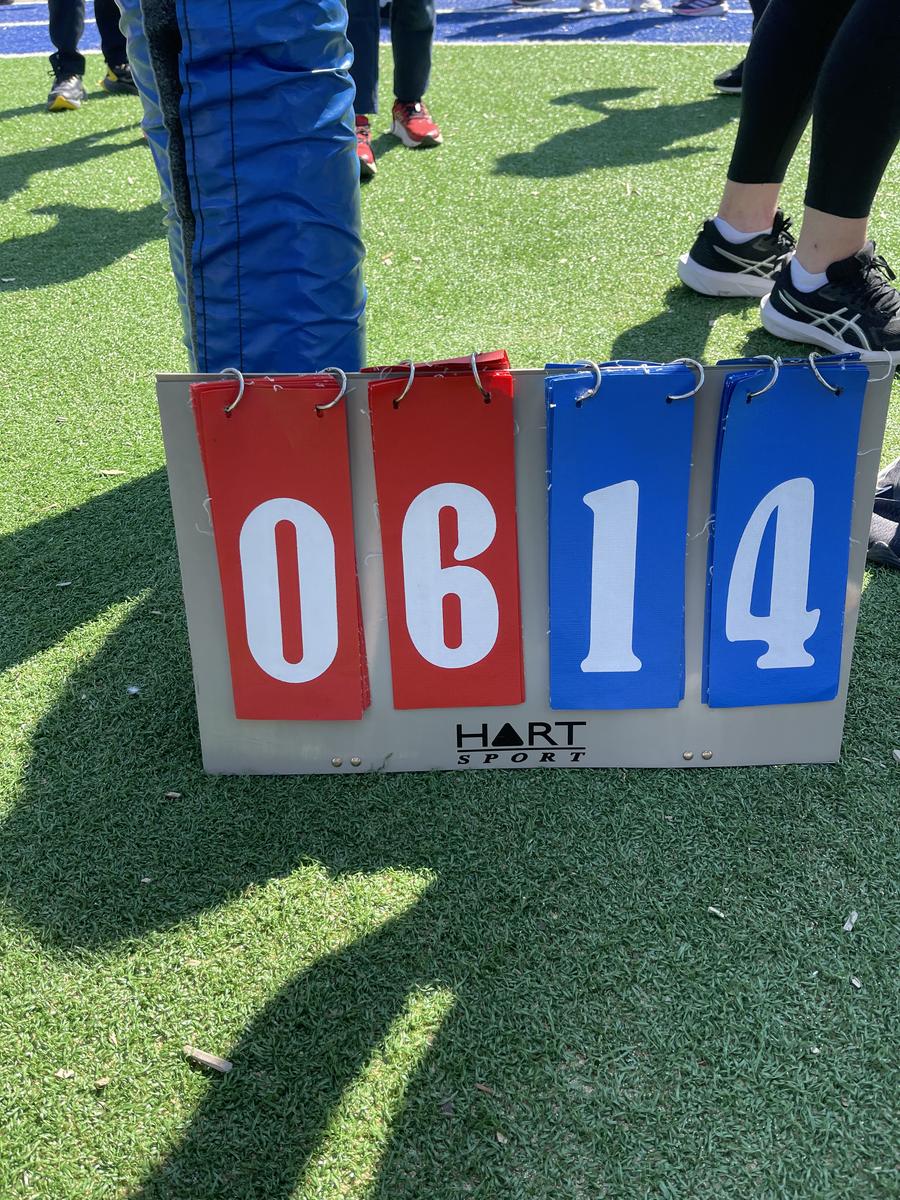
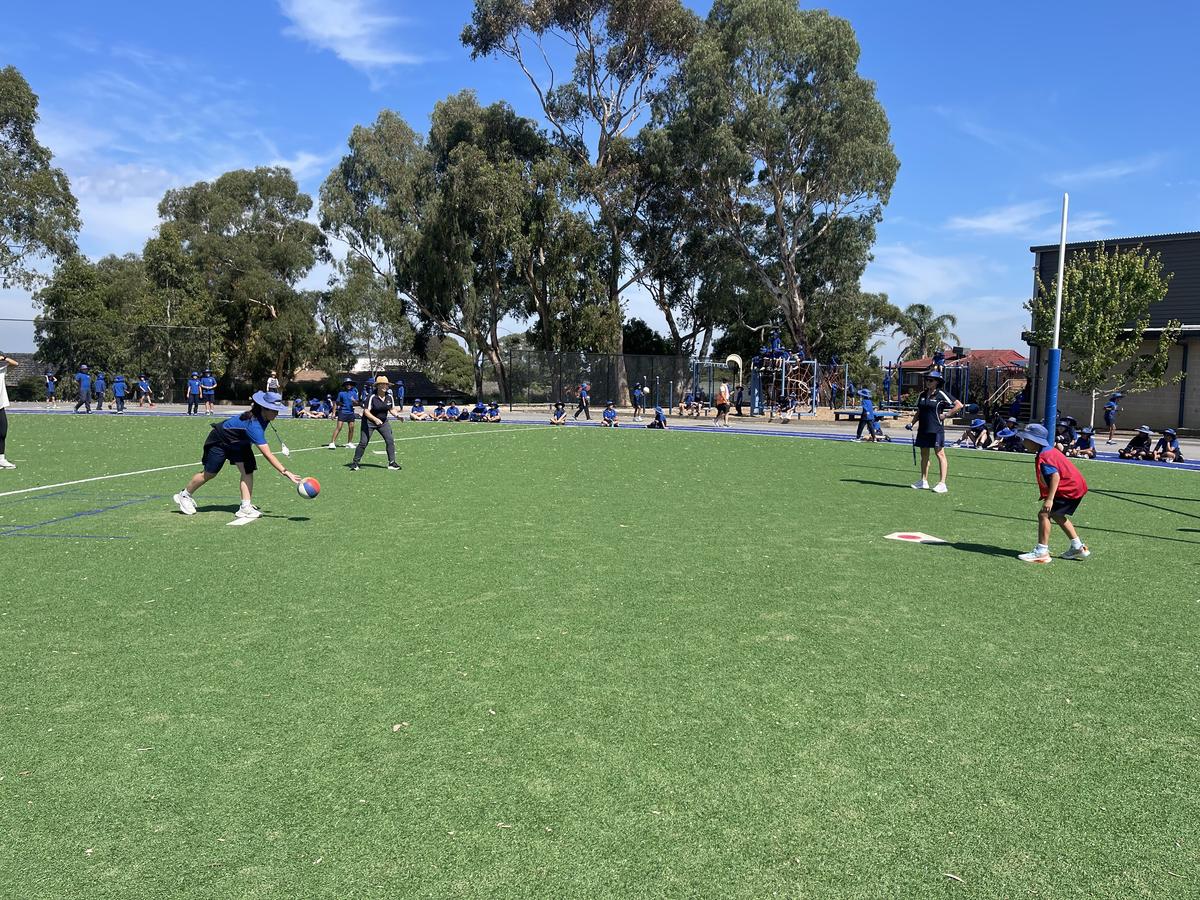
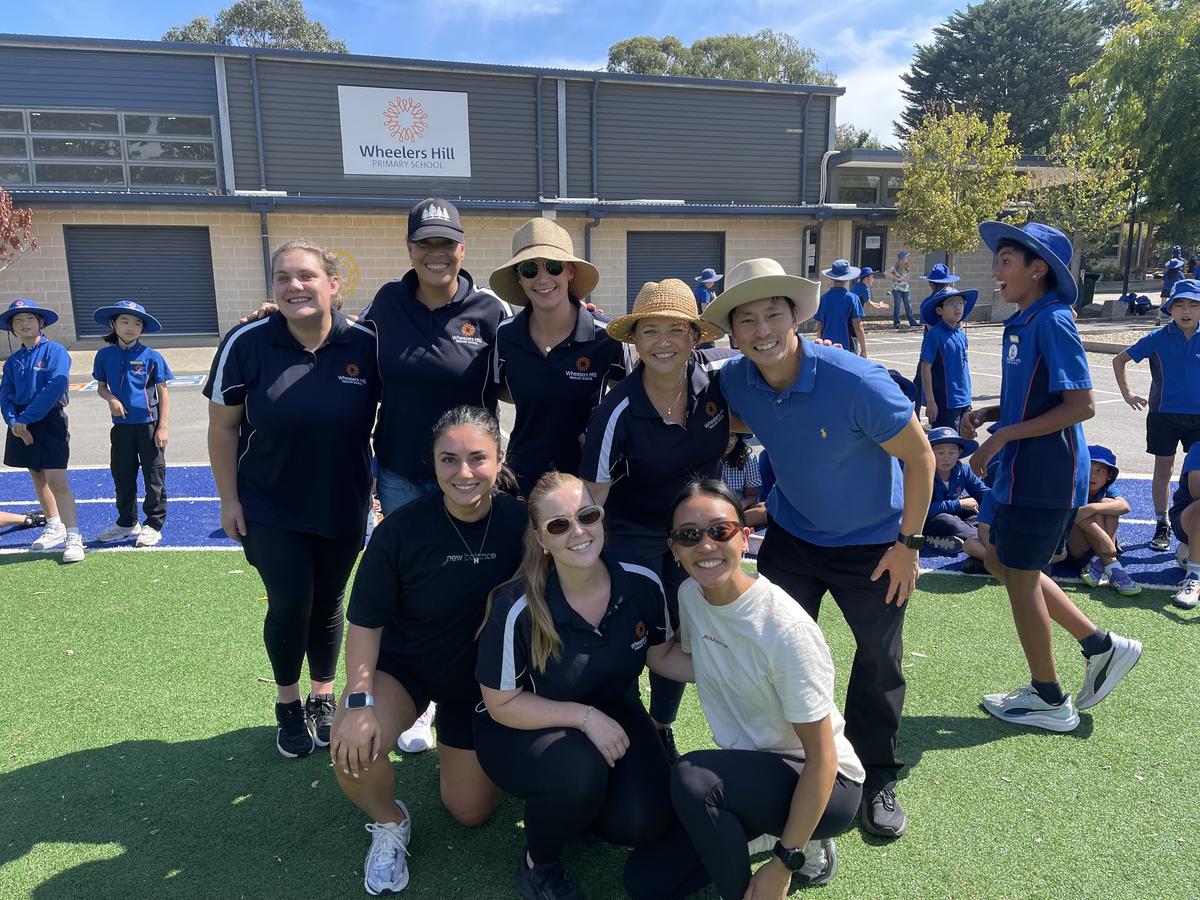
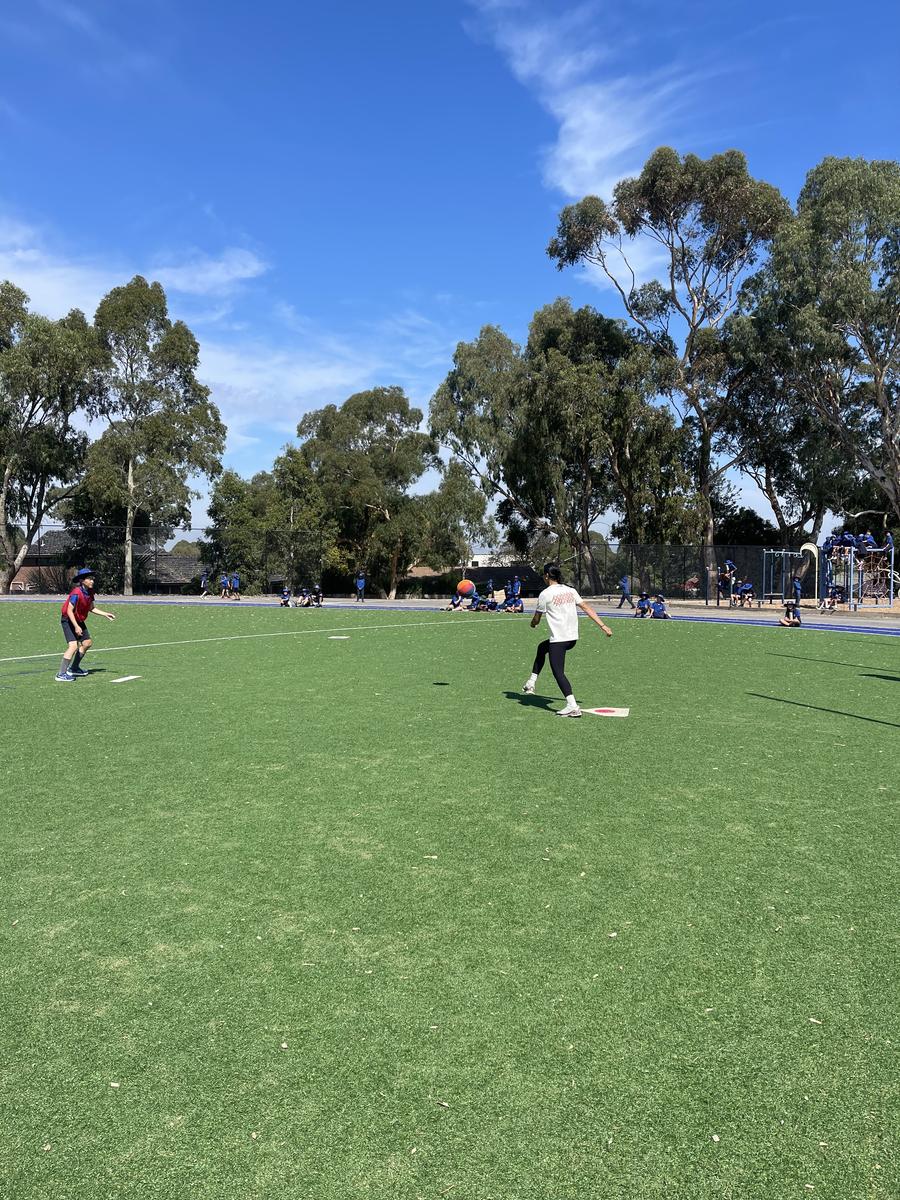
A staff/student kickball game, organised by the SRC, took place at lunchtime last Monday. The teachers' team, supported by some year 6 students, was first to kick, and boy, did the teachers show the students how it's done, scoring 14 runs!
The students' team then lined up at the plate, but with the teachers' and year 6 helpers' catching skills on show, the students' team was only able to score 6 runs.
Despite the score line, it was a lot of fun and everybody showed excellent sportsmanship.
Thank you to Ms Greco and the SRC for organising!

Katrina Spicer
Assistant Principal for Wellbeing and Inclusion
katrina.spicer@education.vic.gov.au

By Dr Justin Coulson
"The ordinary human being does not live long enough to draw any substantial benefit from his own experience. And no one, it seems, can benefit from the experience of others. Being both a father and teacher, I know we can teach our children nothing. Each must learn its lesson anew."
At first, this sounds hopeless, as though all our guidance is futile. But perhaps Einstein was pointing to something else entirely. He wasn't saying "don't teach". He was saying "don't expect to prevent the lesson". Our children will make mistakes. They will touch the hot stove, metaphorically and literally. They will trust the wrong person. They will break a rule and face consequences. They will feel disappointment, rejection, failure. We cannot spare them this, regardless of how hard we try to teach them. "Parent harder" was never good advice.
But here's what we can do: We can be present when the lesson arrives. The mistake our child makes isn't the failure point. It's not an indictment on us. Nor is it a smear on them. Rather, it's often the doorway to real understanding. And our role isn't to stand in that doorway blocking entry. It's to stand beside them as the walk through it.
This is why our instinct to overprotect, or to lecture and say "I told you so" works against learning. When we rush in to fix or shame or rescue, we steal the lesson before it can land.
Instead of trying to fix everything or point out the hole they've just stepped into, we can:
Einstein was a father. He watched his children grow. He knew they wouldn't listen to every warning - or maybe any warning. And perhaps he realised that wasn't the point.
The point was to create a relationship where, when the lesson came, they knew they could come to him - not for rescue, but for understanding. We can't teach our children everything. But we can teach them that learning is safe with us; that mistakes don't cost them our love. That growth sometimes hurts, and that's okay.
It's not about being lesson-free. The goal is to raise children who aren't afraid to learn, and who come to us when the learning gets tough.
