Term 3, Week 1
Maths in Everyday Life - Weather, Clocks and Calendars
We are surrounded by data every single day, especially when we check the weather forecast or plan our busy weekly schedules. While reading calendars and clocks is second nature to adults, for children, these are rich, real-world maths puzzles waiting to be solved.
Here is how you can use daily routines to build essential data and time-management skills at home:
Prep - Year 2
- Create a Weekly Weather Graph: On a sheet of paper, draw a simple grid with the days of the week along the bottom. Each morning, have your child draw the weather (a sun, cloud, or rain droplets). At the end of the week, count them up: "Which weather did we have the most?" or "How many more sunny days did we have than rainy days?"
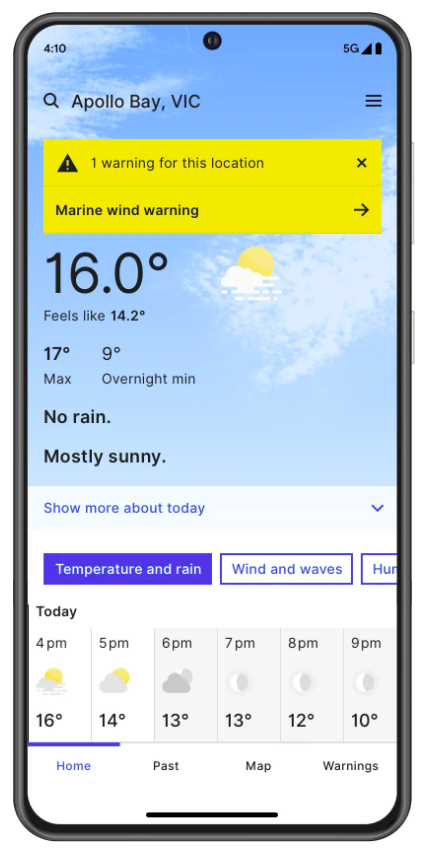
- Weather App Math: Look at a phone weather app together. Ask, "Is it hotter or colder today than yesterday? How do you know? By how much?"
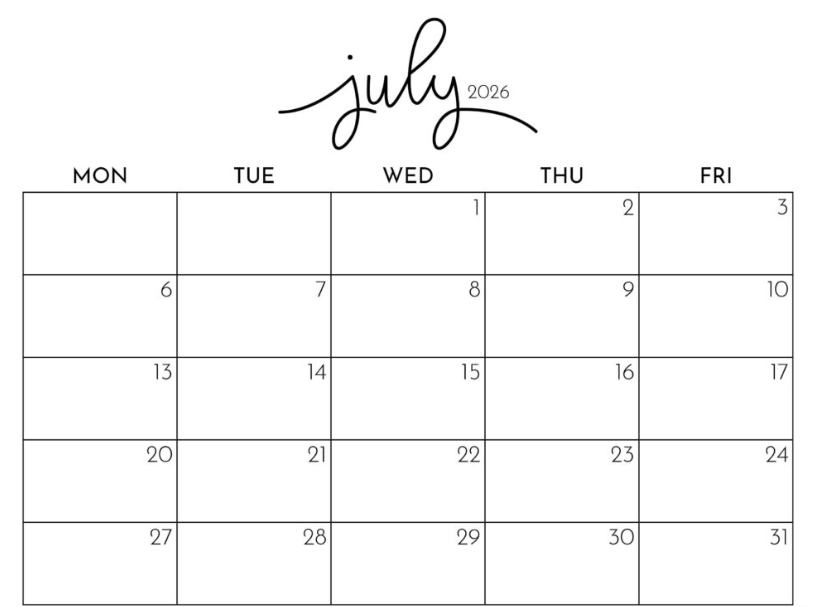
- Calendar Countdowns: Use a physical calendar to build sequencing skills. Ask, "What day is it today? What day comes before it? What comes after?" You can also mark upcoming special events (like birthdays or holidays) and count down the days together each morning.
Years 3 - 6
- Calculate "Elapsed Time": Put your child in charge of the schedule. Ask them: "If the movie starts at 4:15 PM and runs for 90 minutes, what time do we need to pick you up?" or "We need to leave the house at 8:10 AM, and it takes 25 minutes to get ready. What time do we need to wake up?"
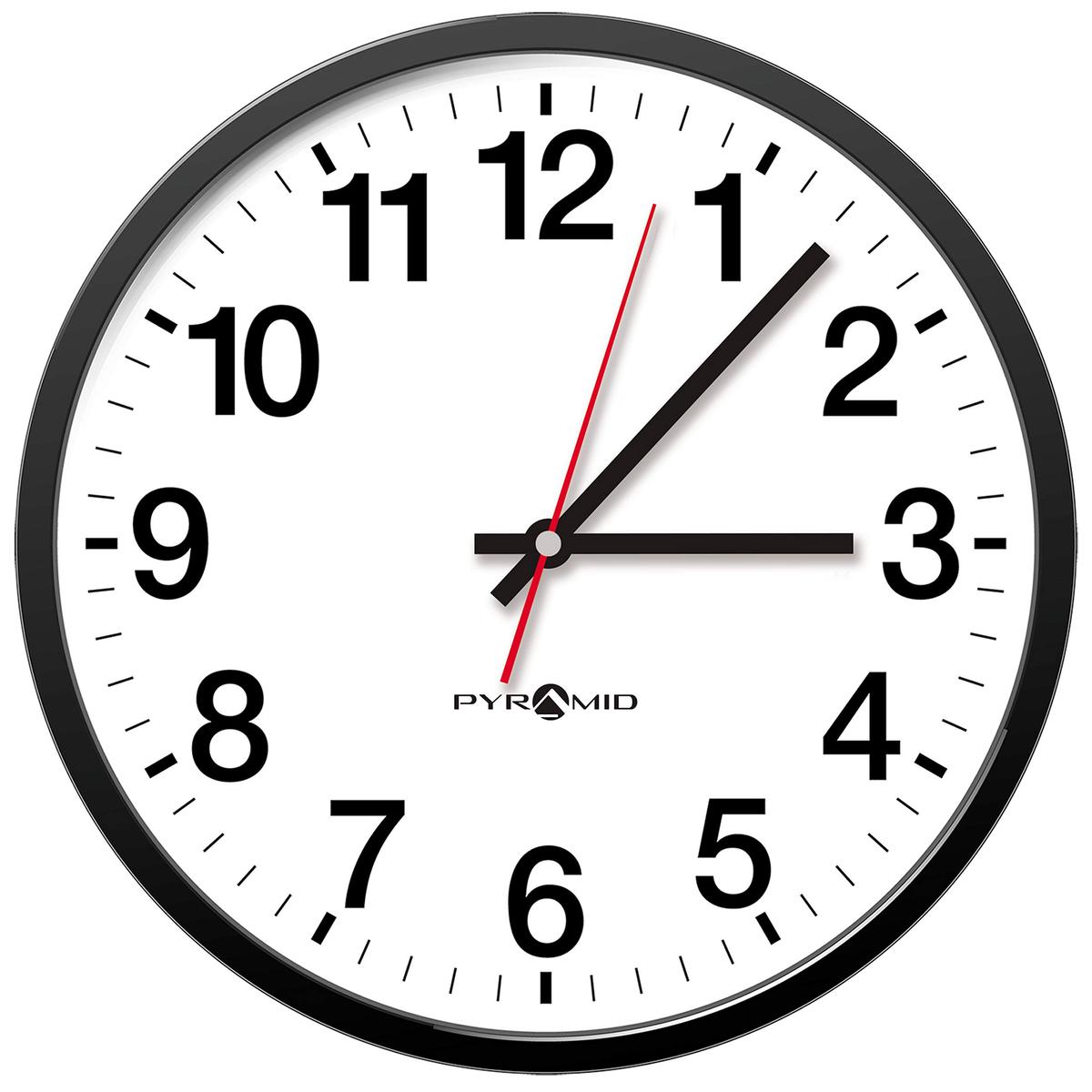
- Dust Off the Analogue Clock: Challenge your child to read analogue clocks around the house rather than just looking at digital screens.
- Weekend Timetabling: Have your child design a Saturday schedule. Let them block out chunks of time for chores, sports, play, screen time, sleep etc
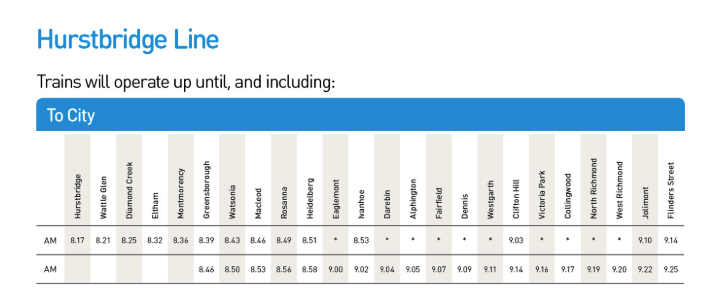
- Public Transport: Next time you go out, look at a train, tram, or bus timetable together. Have them calculate what time you need to leave the house to arrive at your destination on time.