
Healthy Eating Habits
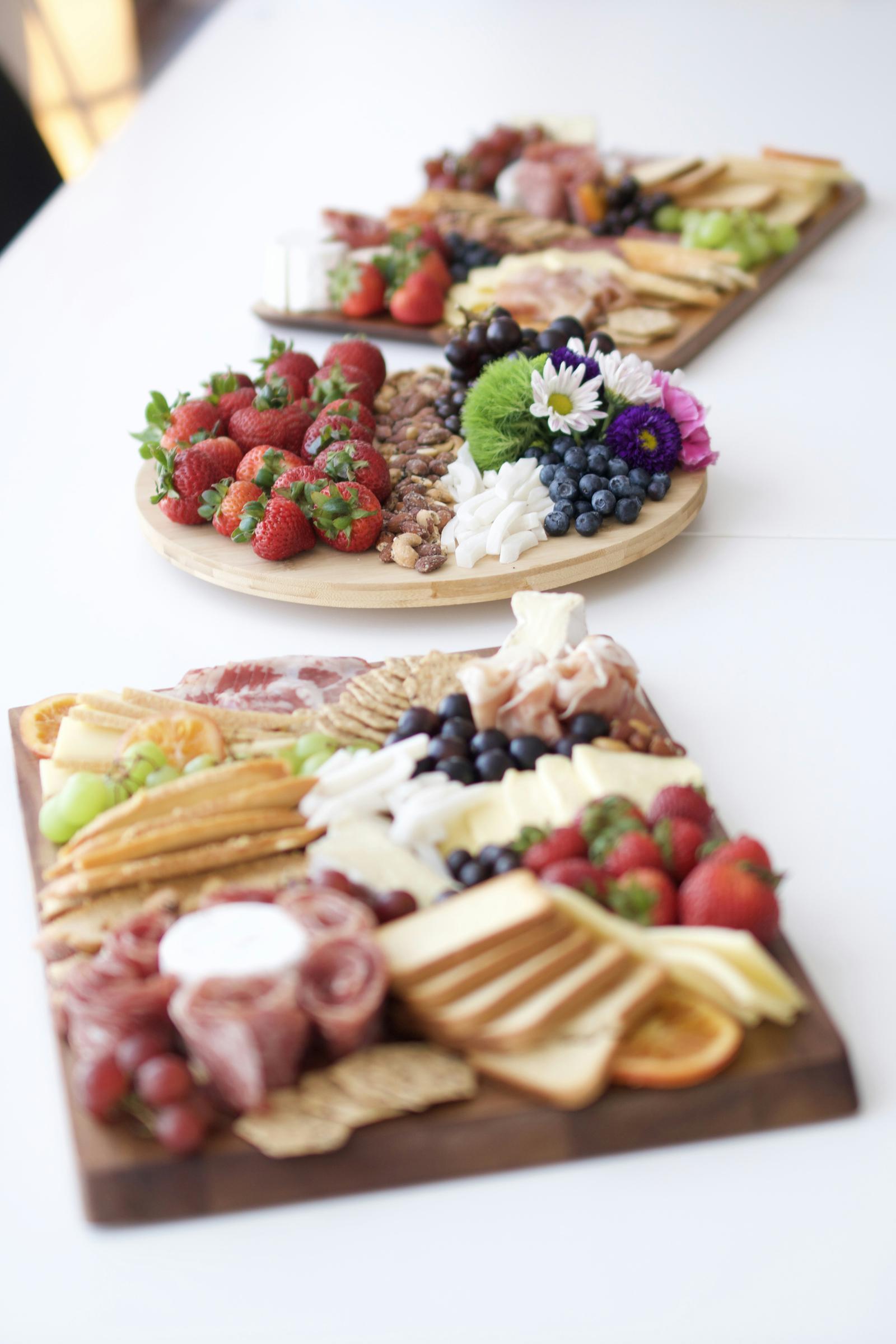
Why knowing what’s healthy doesn’t always lead to healthy habits (and what actually helps)
If you’ve ever packed a healthy lunchbox only for it to come home untouched — you’re not alone.
Many children — and adults too — know what “healthy eating” looks like. We talk about fruit and vegetables, balanced meals, and limiting sugary foods. But knowing this doesn’t always mean it happens day to day.
Children’s eating habits aren’t just about knowing what’s healthy. They’re shaped by routine, what’s available at home, what they see around them, and how they’re feeling. Busy schedules, changing preferences, and social influences all play a role.
So what can help?
Rather than focusing on getting everything “perfect”, small, consistent strategies tend to make the biggest difference over time:
- Make the healthy choice the easy choice
- What’s available and visible at home matters. Keeping simple, nutritious options on hand — like cut fruit in the fridge or easy lunchbox staples — can gently guide everyday choices.
- Focus on routine over perfection. Regular meals and snacks help children feel secure and reduce grazing or reliance on convenience foods.
- Keep offering a variety of foods. Children often need multiple exposures to new foods before accepting them. It’s okay if they don’t eat it straight away.
- Model behaviours where you can. Children learn a lot from what they see. Eating together and enjoying a range of foods can be more powerful than what we say.
Take the pressure off. Encouraging without forcing helps children build a more positive relationship with food over time.
It’s completely normal for children’s eating to vary from day to day, and for preferences to change. Building healthy habits is a gradual process, not something that happens overnight.
A helpful way to think about it is this: it’s not just about knowing what’s healthy — it’s about creating an environment and routine that makes those choices easier, more familiar, and more sustainable.
Small steps, repeated often, really do add up.