
College Counsellor
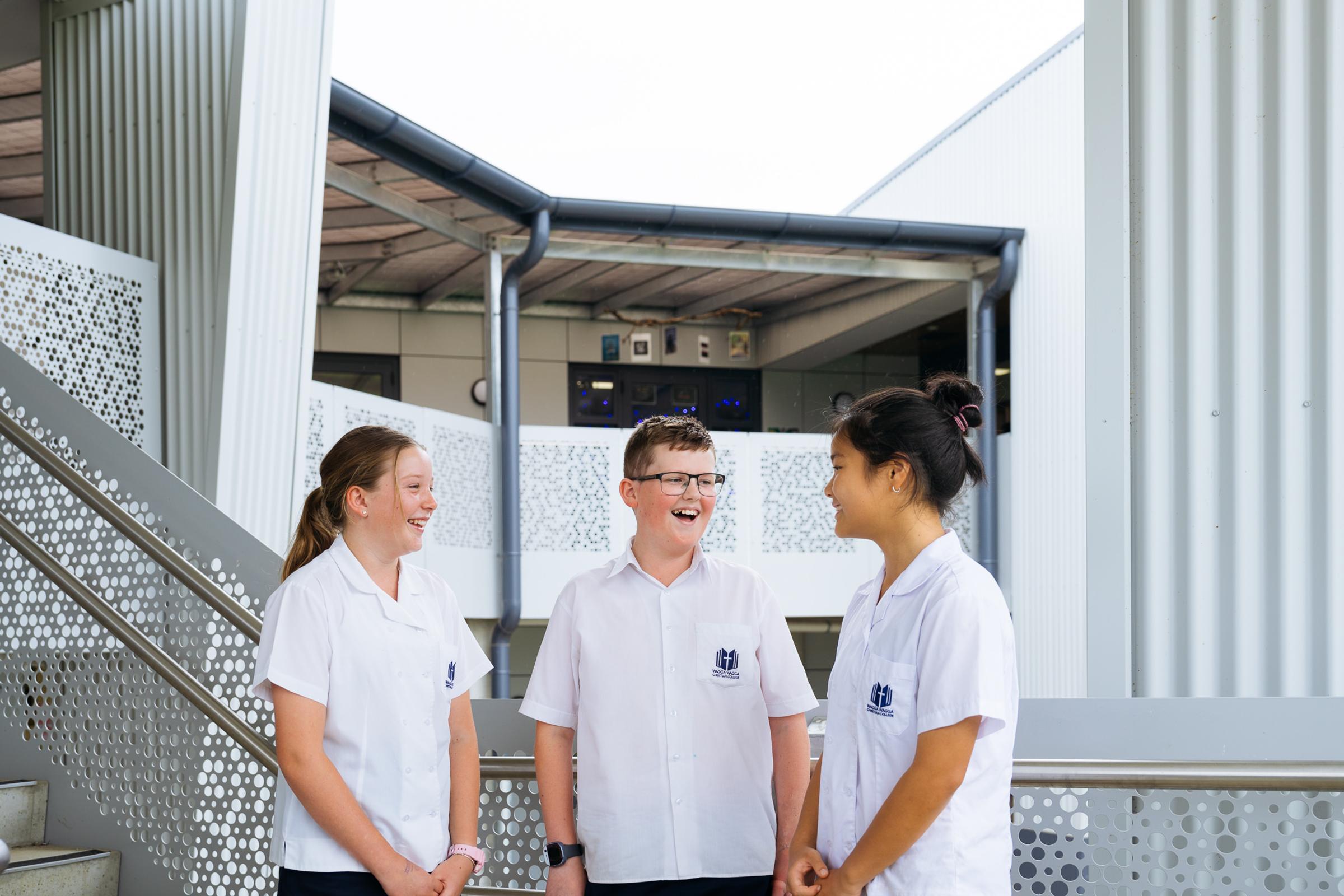
The Power of Peer Relationships
Written by Tiana Flint, Wellbeing Support Officer
As parents and educators, we know that friendships matter. We see it in the excitement of friends in the playground, a game of handball or the comfort of a friend sitting alongside us.
Research continues to affirm what we observe daily in schools: peer relationships are one of the strongest influences on young people’s mental health during their school years. They are not simply about socialising — relationships shape emotional wellbeing, resilience, identity and a sense of belonging.
From around ages 8 to 14, children enter a period of rapid social and emotional development. During this time, friendships become increasingly central to how they see themselves and the world.
Australian data also highlights how important belonging is to young people. Nearly one in five children aged 10–11, and more than one in four aged 12–13, report concerns about not fitting in with friends. The transition from primary to secondary school can be especially significant socially, as friendship groups shift and personal changes happen. (1)
How Positive Friendships Support Mental Health
Healthy friendships can provide:
An ease to rising stress
Opportunities to practise empathy and communication
A boost to self-esteem and identity formation
A sense of belonging and connection
Emotional and practical support during challenges
Strong peer networks can even help reduce anxiety around school attendance, transitions and other pressures of growing up.
A Christian Perspective on Friendship
As a Christian school community, we recognise that relationships are part of God’s good design. From the beginning of creation scripture reminds us that we are created for connection with God and with one another.
Jesus modelled friendship marked by love, service and faithfulness. He calls us to “love one another” John 13:34, and encourages us to treat others with kindness. When students learn to build friendships grounded in respect, empathy and grace, they are not only strengthening their wellbeing, they are reflecting Christ in their daily interactions.
Our goal is not simply to help students make friends, but to help them become good friends. young people who include others, speak kindly, stand up for their peers, and extend compassion.
How We Support Healthy Peer Relationships
Because friendships play such a vital role in wellbeing, we intentionally nurture social skills and connection across all year levels.
At the College there are opportunities to be involved in lunchtime clubs, sports teams, service projects and mentoring programs to help students form connections based on shared interests and purpose. Wellbeing groups, prayer groups and access to the Wellbeing Hub for a self-regulation break provide additional support for students who may find peer relationships challenging.
Partnering with Parents
Across all age groups, adults play a vital role. Simple but powerful practices include:
Asking children about their friendships and listening with curiosity
Encouraging involvement in activities that build confidence and connection
Supporting them with resilience, problem-solving and sitting with the discomfort at times when friendships are difficult
Friendships will not always be smooth. Disagreements and disappointments are part of growing up. Yet even these moments provide opportunities to bear with one another in love and to practice other person-centred love and concern.
When we intentionally foster healthy peer relationships, we are strengthening not only students’ social lives but their emotional wellbeing, learning capacity and spiritual growth. Together, we can help our young people build friendships that enrich their school experience and contribute to lifelong wellbeing.
If you would like to read more, click on the links below: