Wellbeing News

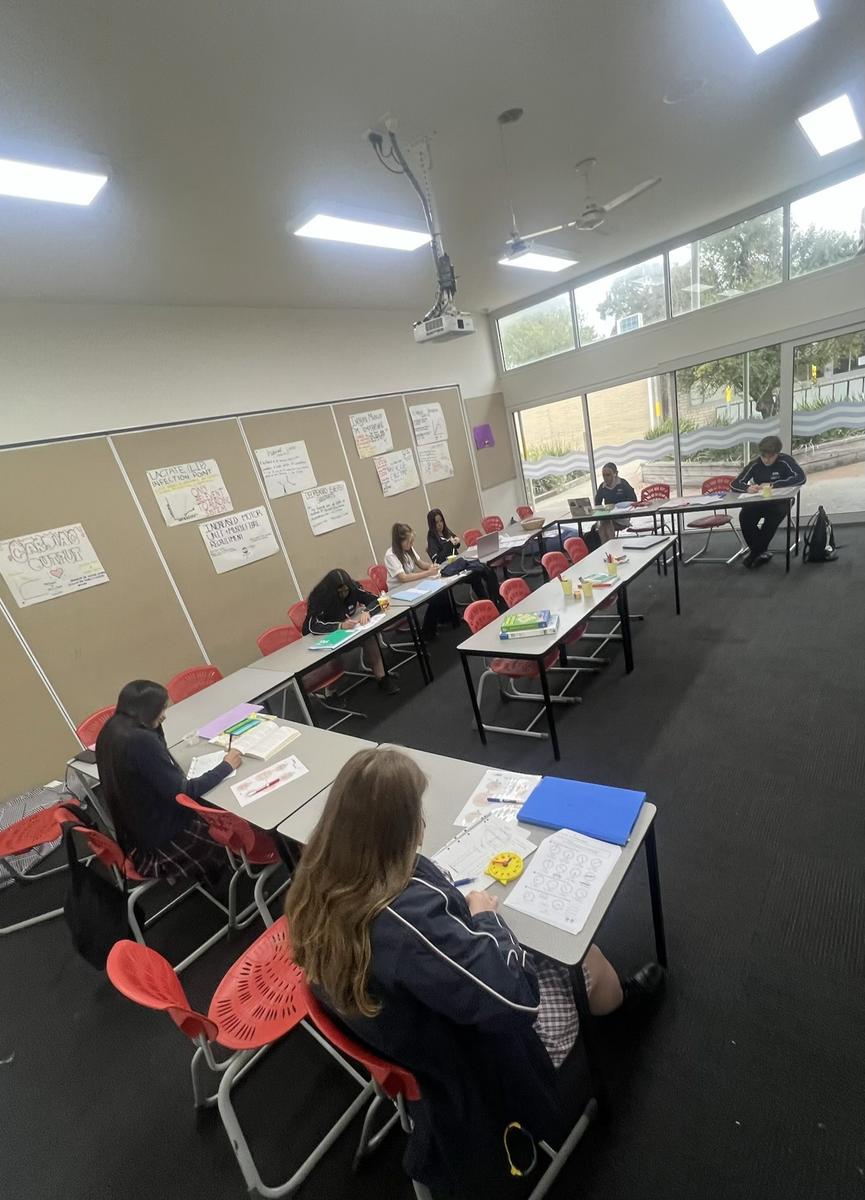
Bridge Program Term 2 Review
The BRIDGE (Building Resilience, Inclusion and Direction for Growth in Education) pilot program has now successfully completed its first Semester. Running three mornings per week, BRIDGE provides targeted support for students experiencing challenges with attendance and engagement, combining wellbeing support, skill development and personalised learning opportunities in a supportive environment.
Over the past Semester, participating students have demonstrated positive growth in their engagement, confidence and connection to school. We congratulate all students involved for their efforts they have made to improve their attendance and participation in learning.
As we prepare for Semester 2, we look forward to building on these positive outcomes and continuing to support students on their journey towards greater success and engagement at school.
Erika Blazley
Social Worker
Is Your Teenager Getting Enough Sleep?
Sleep is an important part of daily life. It’s just as essential as eating and breathing. Sleeping is more than us relieving tiredness. It repairs and regenerates our physical body, helps our body get rid of waste and toxins, helps our body create new cells, helps us lock in our memories, increases our immune system, regulates our emotions and moods and reduces our risk of mental health issues such as anxiety and depression.
Teenagers require 8-10 hours of sleep a night to function optimally. Below this research has shown that it impairs their overall cognitive function, lowers their immune system increasing the risk of getting sick more often, increases behavioural issues as well as increases the risk of developing chronic illnesses such as obesity, diabetes, high blood pressure and heart disease later in life.
Using electronics such as phones, computers, tv’s, gaming consoles and any other blue light emitting device within the hour before going to bed has been shown to significantly disrupt and suppress melatonin production (our natural sleepy chemical) within the body which then interferes with us feeling tired and being able to fall asleep.
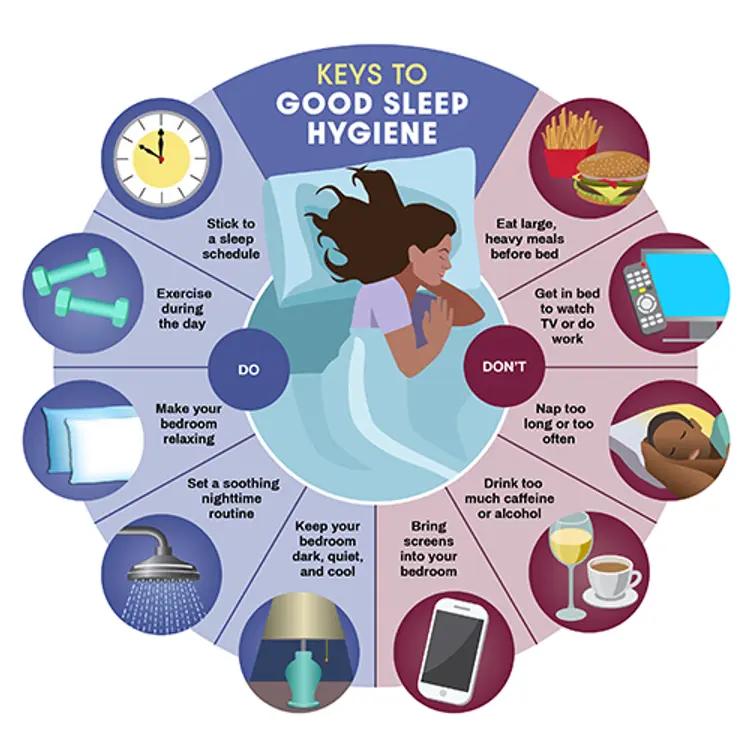
What can we do to help our teenagers develop good sleep hygiene?
- Turn off technology 1 hour prior to bed and do a quiet activity such as drawing, journaling, reading and meditation.
- Ensure the bedroom is dark as it signals the brain to release melatonin.
- Try have the bedroom temperature on the cooler side as it also signals the brain to release melatonin. If they are a thinker/list maker that is keeping them awake encourage them to keep a notepad and pen next to the bed to jot it down to get it out of your head.
- Discourage heavy exercise and heavy meals before bed.
- Encourage utilisation of apps such as Sleep Ninja. Designed for young people between 12 – 16 years to teach sleep psychology, create better routines and fix sleep schedules. It aims to build healthy sleep habits, reduce anxiety and overall improve mental health and wellbeing.
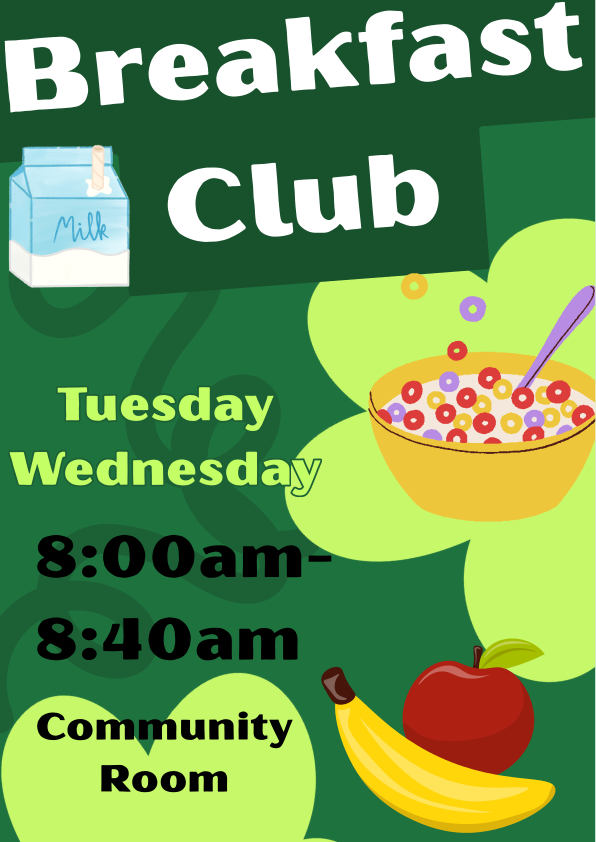
Breakfast Club
At Patterson River Secondary College, we believe that a great day starts with a great breakfast!
Our Breakfast Club Program runs two mornings a week, providing students with a warm, welcoming space, where they can have a healthy and positive start to their day.
Breakfast Club Details:
- Tuesday's & Wednesday's
- 8am - 8:40am
Community Room
The Breakfast Club is open to all students and completely free of charge. It offers a variety of nutritious and filling breakfast options, including:
- Cereals
- Toast & Toasties
- Snacks, such as fruit, fruit cups and milk
Come along, grab a bite and make your morning a little brighter!