
Health Centre
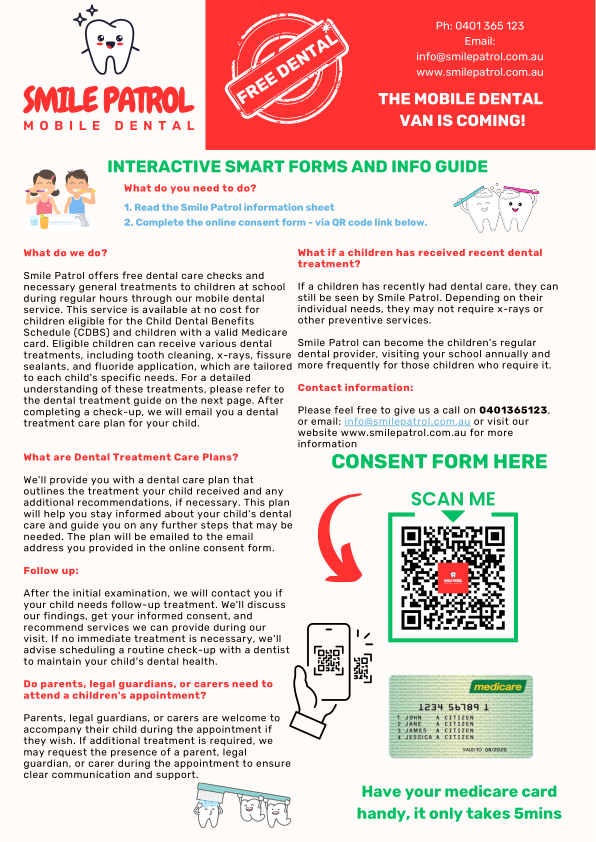
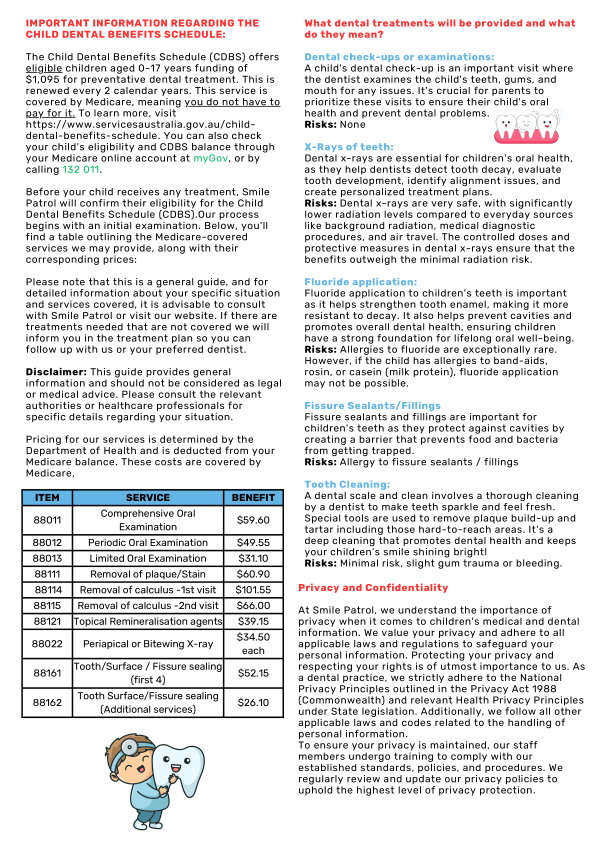
Smile Patrol is visiting St. Mary's College week beginning 31st August
Headache or Migraine
The Big Picture
Ever had your head throb during a long school day? Head pain is common, especially when balancing classes, homework, sports, and screen time. However, not all head pain is created equal. Knowing whether you are experiencing a standard tension headache or a migraine is the first step to feeling better.
Headaches: The Everyday Ache
Most children & teenagers experience tension headaches, which can be thought of as your body’s warning light turning on.
- What it feels like: A dull, aching pain that feels like a tight band squeezed around your forehead. It is usually on both sides of your head.
- How bad: Can be small or big.
- Common culprits: Dehydration (not drinking enough), skipping meals, not eating enough food, too much screen time, not enough sleep or stress.
- How long: Can last 5 mins or up to 4 hours.
Migraines: More Than Just a Headache
A migraine is a complex pain involving short term changes in how your brain, nerves, and blood vessel’s work.
- What it feels like: A severe, intense throbbing pain. It very often strikes on just one side of your head.
- The extra symptoms: Migraines usually come with feeling sick, dizziness, and extreme sensitivity to light and sound.
- Triggers:
- Emotions
- Hormonal rollercoaster - For many girls, migraine attacks are linked to their monthly periods.
- Your Environment:
- Lights: Bright sunlight, glare, and flickering fluorescent lights in classrooms or shopping centres.
- Noises: Loud, sudden, or continuous noise.
- Smells: Strong perfumes, chemical smells, and smoke.
- Weather: Changes in weather, like a drop in barometric pressure before a storm, or a sudden heatwave.
- Caffeine: Too much caffeine from coffee or energy drinks or suddenly stopping caffeine.
- Foods: Aged cheeses, processed meats, chocolate, pickles, oranges and lemons.
- Dehydration: Not drinking enough water, especially in the Australian heat or during sport.
- Skipping meals: This can cause blood sugar levels to drop.
- Screen Overload: Too much staring at phones, laptops, and gaming consoles can lead to eye strain and trigger headaches, partly due to bright screens and blue light exposure.
- Sleep Ups and Downs: Irregular sleep is a major culprit.
- School and Study Stress: The pressure of exams, assignments, and social dynamics.
- Exercise: While regular, moderate exercise is protective, very intense or sudden exertion can sometimes trigger a migraine attack, especially in the heat.
- Duration: 4 hours to 3 days
More Than a Tummy Ache
A migraine can also happen in your stomach instead of your head. Pain can be felt in the middle of your abdomen, and you can also have other migraine symptoms such as feeling sick and being tired. Abdominal migraines are believed to be caused by similar things to migraine headaches, and doctors suggest many of the same treatments like rest, sleep and pain relief medicine.
Medication Safety: The Dangers of Paracetamol
When a headache strikes, many students ask for paracetamol (commonly known as Panadol, Dymadon or Panamax). While it is very good for temporary pain relief when used correctly, paracetamol can be dangerous if the maximum daily limit is exceeded.
Because it is an over-the-counter medicine, you may assume it is perfectly safe without limits. However, exceeding the recommended daily limit can cause severe liver damage, liver failure and death.
Safe Usage Guidelines
To protect your health, you must follow the official guidelines, typically focusing on age-appropriate dosing and minimum time gaps between doses.
- Dosage Frequency: Never take doses closer than 4 hours apart.
- Maximum Daily Limit: There is a strict, maximum, total amount of paracetamol allowed within any 24-hour period.
- Time Limit: Do not use it for more than 48 hours in a row without consulting a doctor.
The Hidden Danger: Double Dosing
The biggest risk of accidental overdose comes from "hidden" paracetamol. It is a common ingredient in many different medications, such as cold and flu tablets, cough syrups, and multi-symptom pain relievers. If you take a cold tablet and a paracetamol tablet at the same time, you may accidentally double your dose.
Rule of thumb: Always read the ingredient label and check with a pharmacist. If it says, "contains paracetamol", do not take it with any other pain relievers.
Action Plan: What You Can Do
If your head starts hurting, do not just rely on pills. Try these steps immediately:
- Hydrate: Drink a large glass of water right away.
- Unplug: Step away from all phones, laptops, and TVs. Close your eyes.
- Cool down: Place a cold pack or a damp cloth across your forehead or the back of your neck.
- Track it: Keep a quick note in your phone of when your head hurts, what you ate, and how much you slept. This helps you spot your personal triggers.
- Ask first: Always check with a parent, school nurse, or doctor before taking any medication.
Lifestyle Tweaks is the key
Small, regular habits can make a big difference in keeping you well.
- Sleep: Aim for a consistent sleep schedule, even on weekends.
- Eat: Eat regular meals and don’t skip breakfast.
- Exercise: Engage in regular, moderate activity like walking, swimming, cycling or team sports.
- Drink: Drink water consistently throughout the day.
- Stress Management: Find healthy ways to unwind, whether it’s through mindfulness, music, art, spending time in nature or talking and laughing with good friends and family.

Lisa Glover
nurse@smseymour.catholic.edu.au

Kath Treble