Leadership Report
Tristan - Literacy Learning Specialist
The Department of Education’s guide: Supporting your child’s education provides helpful information for parents and carers to help their child’s learning in literacy and numeracy.
In our previous newsletter, shared information from the The Birth to Year 2 guide. Today we are focusing on the Year 3 - 6 guide.
Excerpts from the Year 3 - 6 Guide
Discussing news and current events
There are some excellent podcasts and online programs that provide the news in an age-appropriate manner:
General Tips
Here are some tips to encourage reading:
- It is recommended that you continue to read together in the later primary years, even if your child is reading independently.
- Take your child to the local library often so they can choose, borrow and renew books. Taking children to the library at the beginning of school holidays encourages weeks of independent reading.
- Look for non-fiction books on craft or activity topics that your child enjoys. Most libraries have well-stocked sections (e.g. under the Dewey decimal number 745).
- Encourage your child to borrow from their school library as well.
- If your child likes an author, find another book or a series of books by the same author.
- Encourage your child to read about their favourite author or illustrator on their website.
Introduce your child to reading different genres such as fantasy, science-fiction, action and adventure.
Book chat
In the previous section, Before School to Grade 2, Literacy, book chat questions related mainly to recalling information on plot and character (see p.15). These questions are still very important to ask when your child is in primary school. As your child moves through primary school, add more questions when discussing the book you are reading together, or when discussing the book your child is reading independently.
Some further questions might include:
- Does the main character change in the story? How does the character change?
- If you could change the ending of this book, what would it be?
- What do you think is the story’s main message?
- What is your opinion about the story’s main message?
- Can you relate the story or message to another event or issue?
- How could other people see it differently?
Helping your child to write
Some fun activities to help with your child’s writing in these years include:
- Use scrap paper to make your own books. Staple pages together and write stories, riddles, jokes or instructions to create a home-made mini book library
- Encourage your child to keep a diary where they record their feelings and experiences.
- Write a review of a book or film. Encourage your child to have an opinion about the relative good and bad points, and how the film could be improved.
- Create ‘found poetry.’ Pick 20 random lines and phrases from books or poems and arrange these lines into a new poem. It can be fun to discuss the different possibilities of joining different lines and the changes in meaning these create.
- Give your child a topic that has two clear sides, such as 'Homework should be banned.' Ask your child to write a few paragraphs outlining their arguments for and against.
- If your child has recently finished a novel or film, ask them to write creatively in response to it. They might write an alternative ending, a short sequel, or write a series of diary entries from a character’s perspective.
Family projects
Some family projects that involve reading, writing and discussion could include:
- Email friends or family members.
- Write messages together on your social networking sites to communicate with family and friends.
- Read a book series together.
- Read together the instructions for a new household item to find out how it works.
- Record family events or travel experiences in a journal or on an online blog.
- Write plays and perform them for family and friends.
- Write a film script together and make the film.
- Read, select and collect news articles, and create an album about, for example, a sporting team, favourite animal, or leisure activity.
- Solve crosswords, word puzzles, brain-teasers, and quizzes.
- Combine family brains to try and solve a daily Wordle. There are child-friendly versions available online such as Wordle for Kids.
- Browse libraries and bookshops together. Search for cheap books in charity stores and at garage sales.
- Prepare for an outing together, including reading public transport timetables, maps, and information brochures.
Costa -Wellbeing and Engagement Leader
Wellbeing Day!
What a wonderful day it was!
Our Merri-bek PS Wellbeing Day on Thursday 7th May was a fantastic success, with students fully embracing the opportunity to focus on both their physical and mental wellbeing.
It was great to see so many students proudly wearing their house colours and participating with enthusiasm in the Kaboom Kid Sports session. The energy, teamwork and positive spirit on display throughout the morning were outstanding. A big congratulations to XXXXXX, who earned the most house points on the day—an excellent effort!
Following an active and eventful morning, students then had the chance to slow things down and reset. The afternoon focused on wellbeing and mindfulness, with activities including yoga, meditation, free drawing, and colouring. These sessions provided students with valuable strategies to relax, regulate their emotions, and recharge after a busy start to the day.
The combination of high-energy physical activity and calm, reflective practices made for a balanced and meaningful day for all students. It was wonderful to see students engaged, smiling, and supporting one another throughout.
Thank you to all staff, students, and families for making the day such a positive and memorable experience.
Cross Country
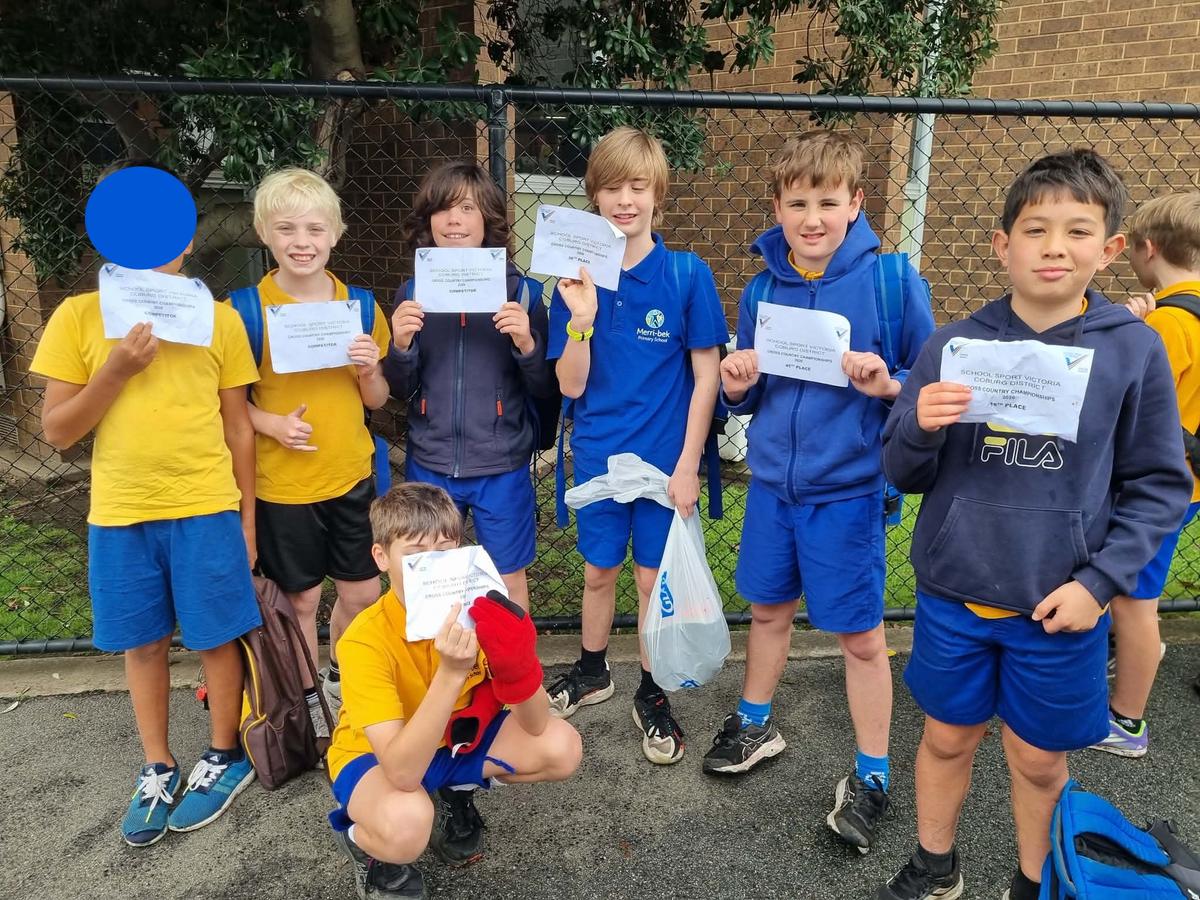
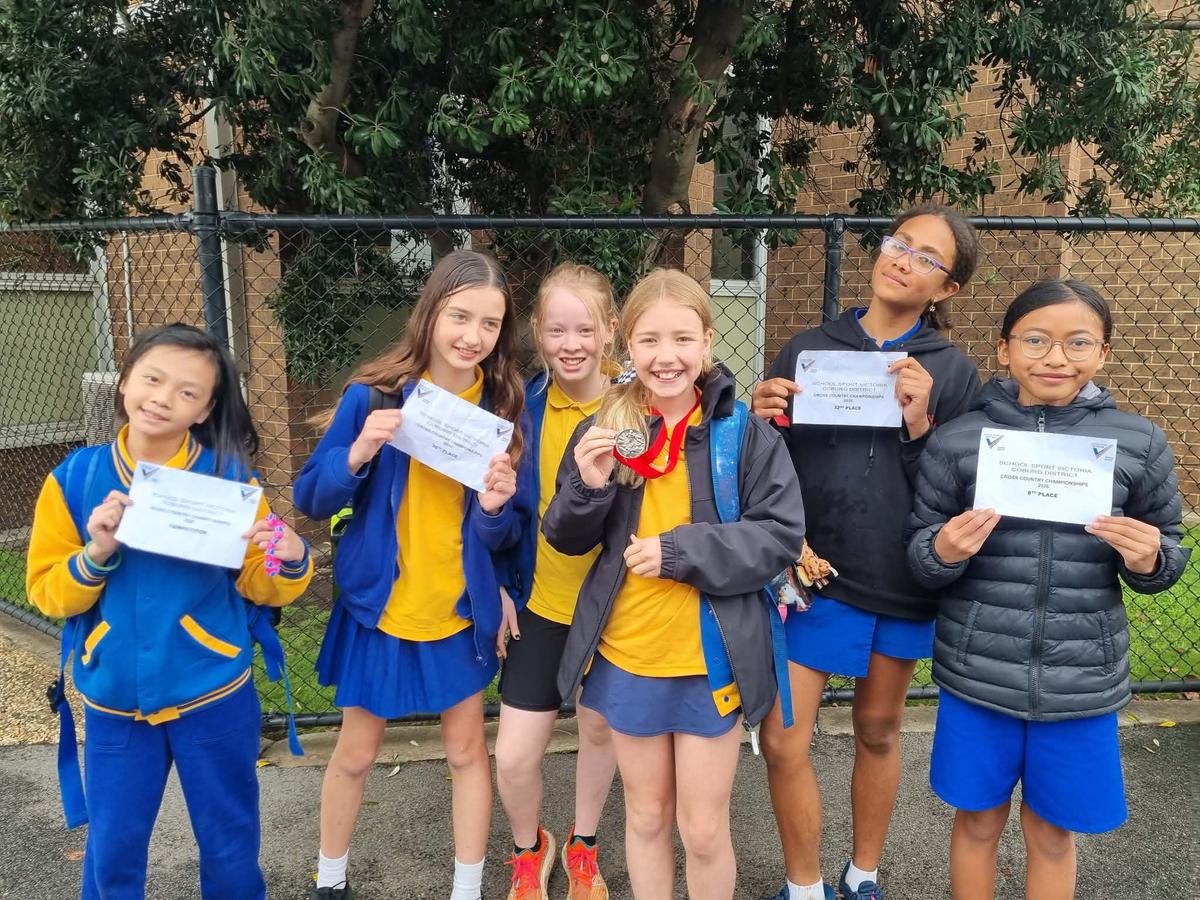
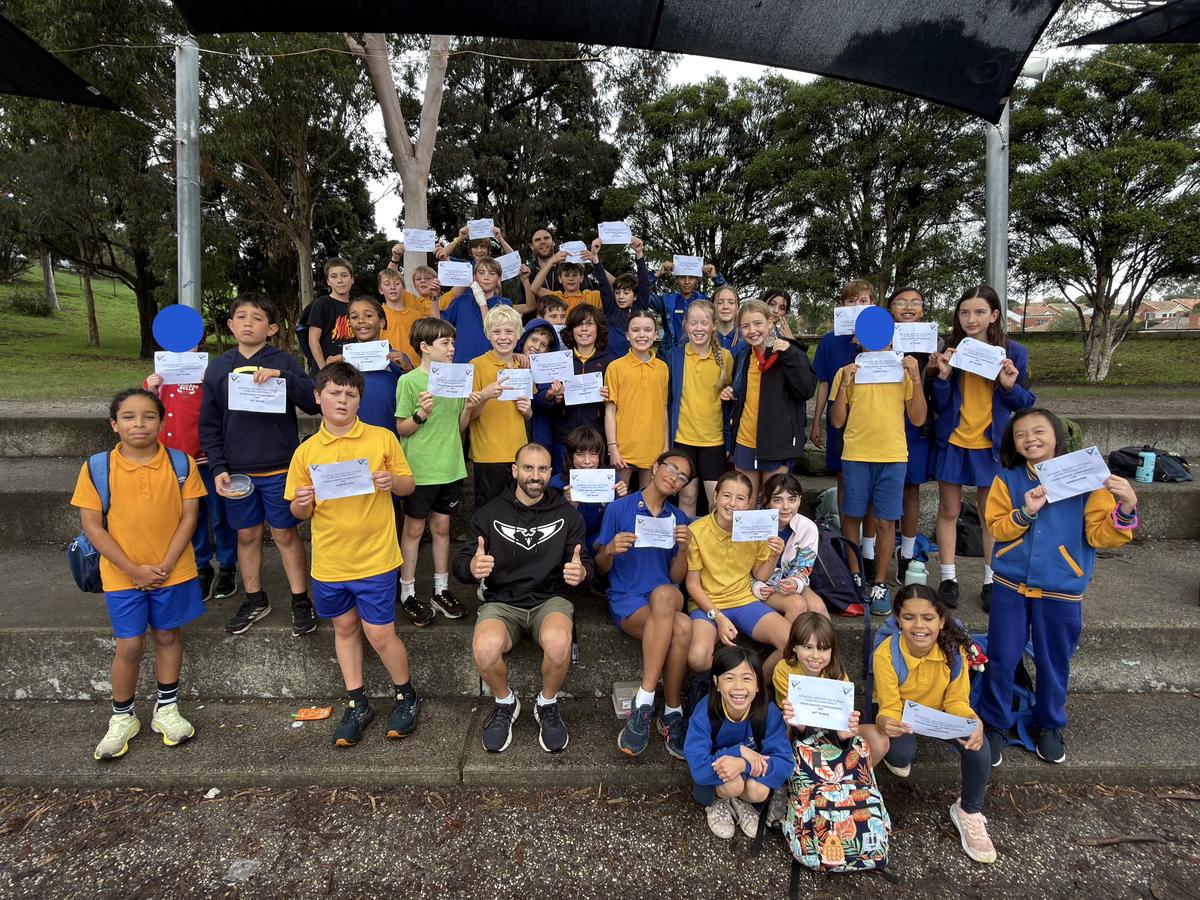
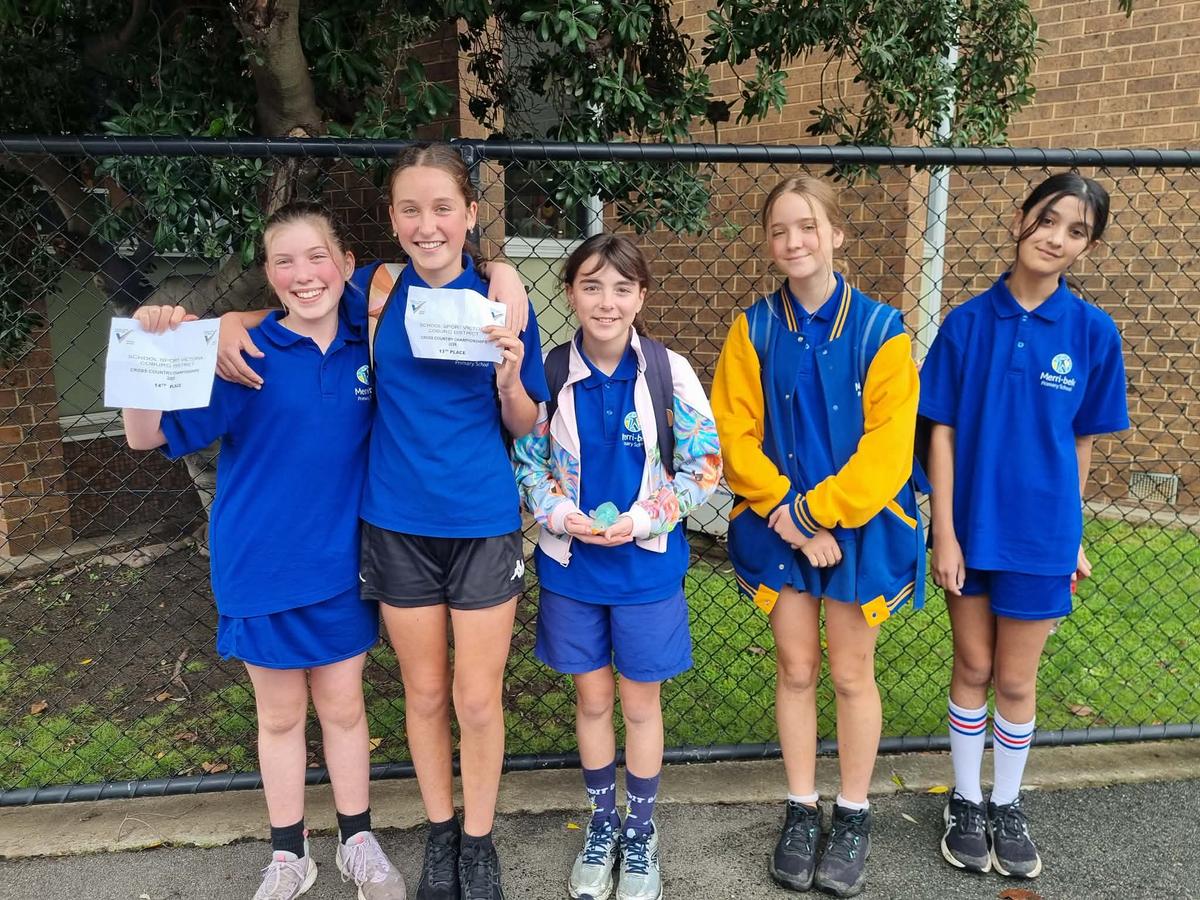
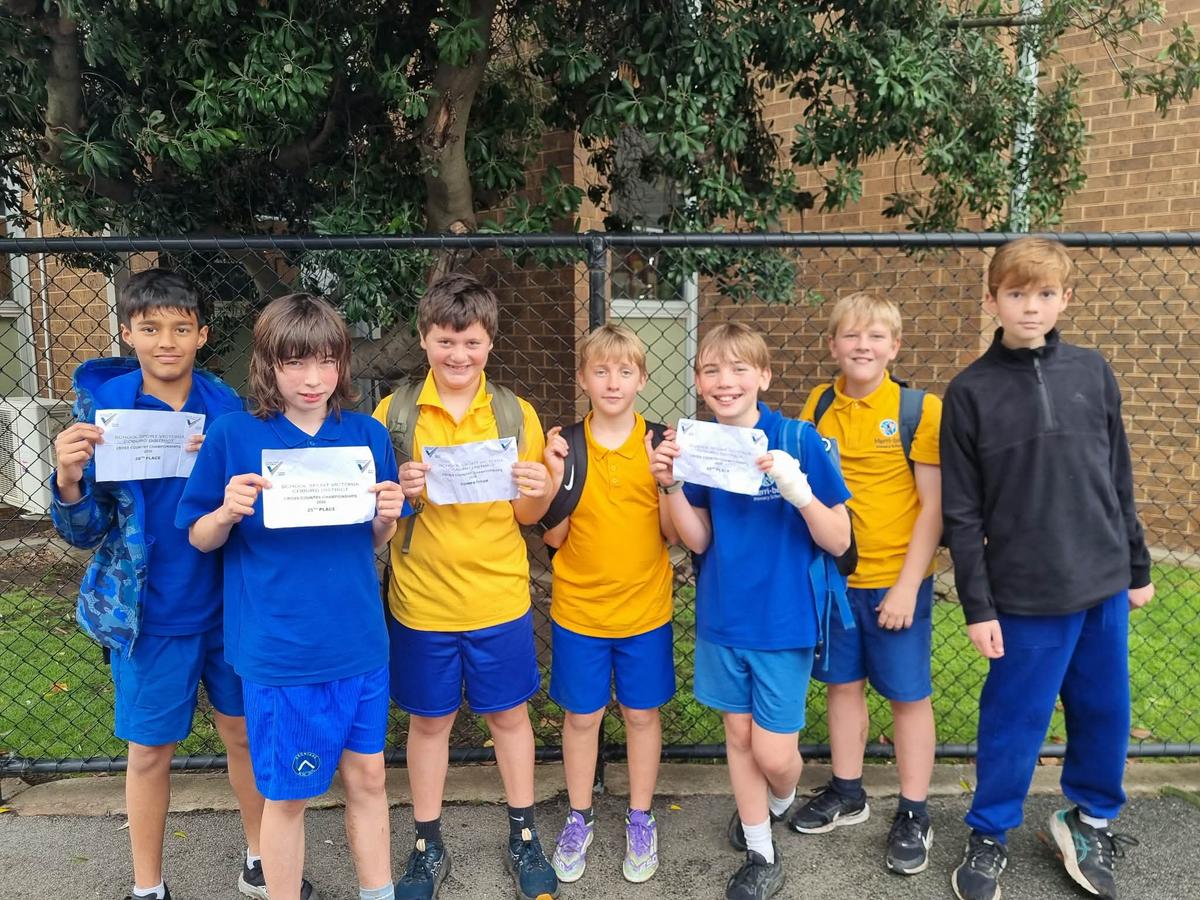
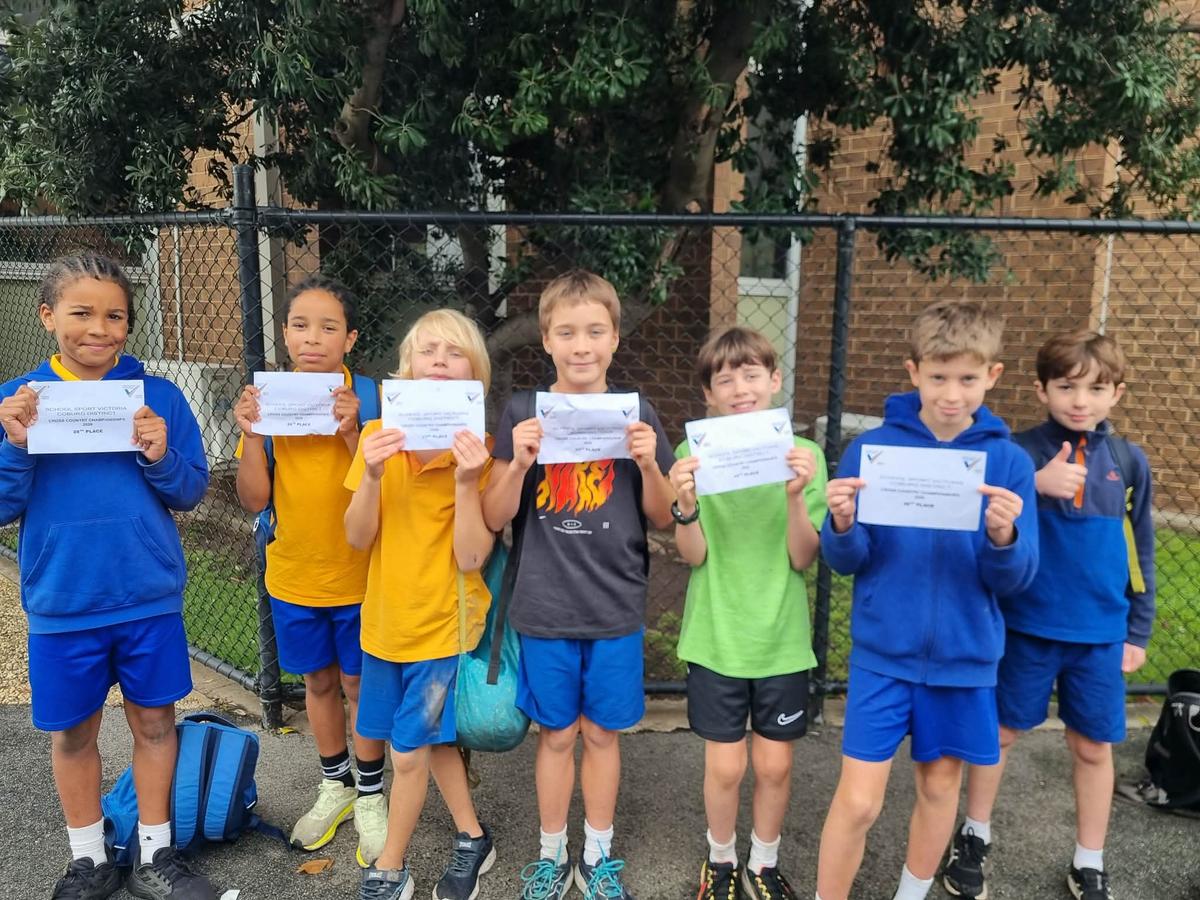
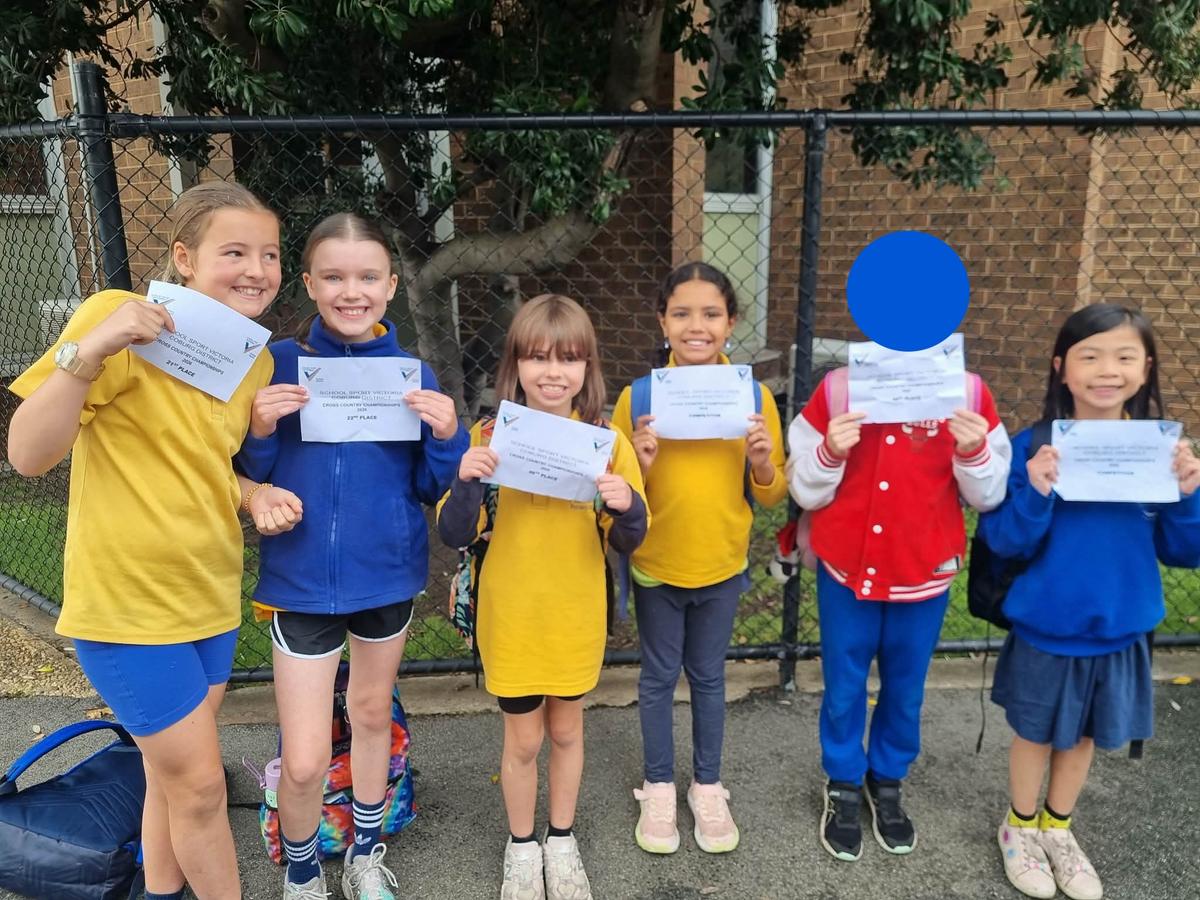
Last week, Thursday 28th May, 40 students from Merri-bek PS proudly represented our school at the District Cross Country Championships. Congratulations to all students who competed and demonstrated fantastic effort, determination, and sportsmanship throughout the day.
We had a number of strong results, with several students finishing in the top 30. A special congratulations to Mae, who finished in 2nd place, and Diliana, who finished in 8th place. Both students have qualified for the Division Cross Country Championships next week — an amazing achievement!
We would also like to recognise the efforts of Elva (13th), Rosa (14th), Ray Brown (18th), and Val (19th), who all performed exceptionally well in their races.
Well done to everyone involved, and best of luck to Mae and Diliana at the Division Championships next week!
Walk Safely to School Day
Thank you to all of our students, families, and staff who participated in National Walk Safely to School Day on Friday 22nd May 2026.
It was wonderful to see so many students walking, riding, scooting, and travelling actively to school. The morning created a fantastic atmosphere around the school and highlighted the importance of building healthy and active habits into our daily routines.
Walk Safely to School Day encourages families to consider simple ways to include more walking in everyday life, whether that’s walking all the way to school, parking a few blocks away, or getting off public transport one stop earlier. These small changes can make a big difference to children’s physical health, mental wellbeing, fitness, focus, and independence.
Regular physical activity such as walking also provides a valuable opportunity for children to learn and practise safe behaviours around roads and traffic.
Thank you again to everyone who supported the day and helped promote healthy, active lifestyles within our school community. Remember — active kids are healthy kids!
Wellbeing Club
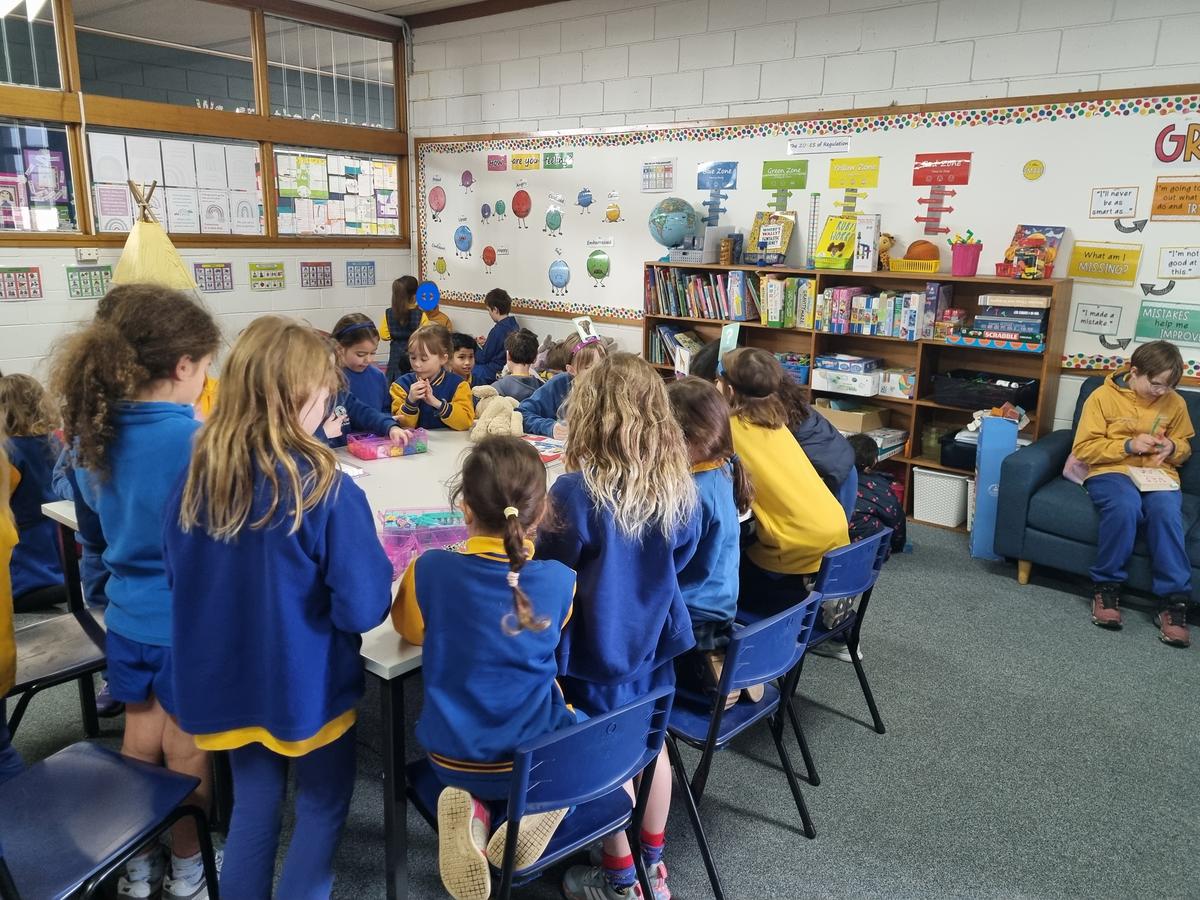
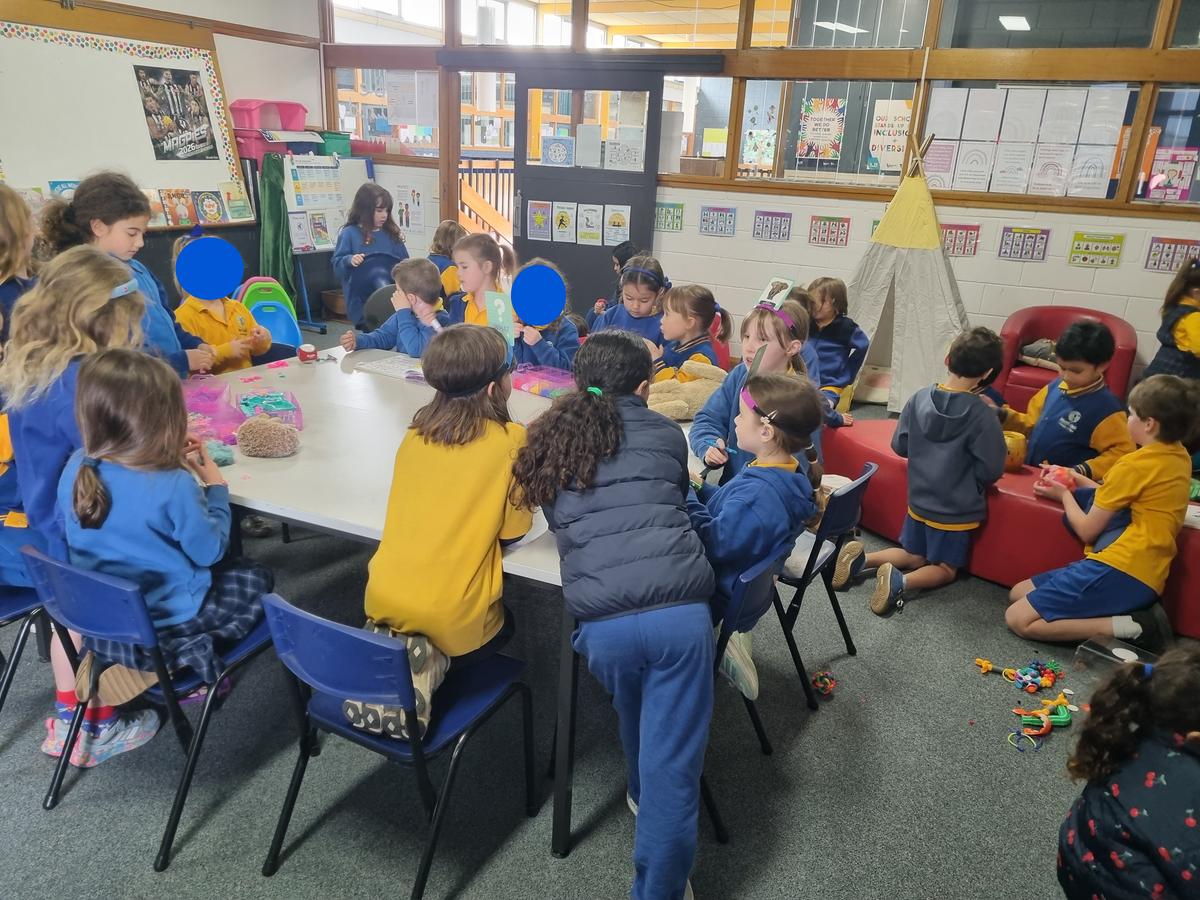
It has been fantastic to see so many students accessing and enjoying the Wellbeing Club during lunchtime this year. The Wellbeing Club provides students with a safe, welcoming space to connect with others, participate in social activities, and engage in mindful experiences that support their overall wellbeing.
Some of the most popular activities this year have included creating loom bands, colouring and drawing, and exploring the wide range of puzzles and board games available. These activities provide students with opportunities to build friendships, develop problem-solving skills, practise mindfulness, and enjoy a calm and inclusive environment during break times.
The popularity of the Wellbeing Club continues to grow. During Term 1, we recorded over 700 student visits to the space. Already halfway through Term 2, we have seen more than 660 student visits, highlighting the positive impact the club is having across the school. We look forward to continuing to provide opportunities for students to connect, create, relax, and have fun throughout the remainder of the year.
Supporting Positive Behaviour at Merri-bek PS
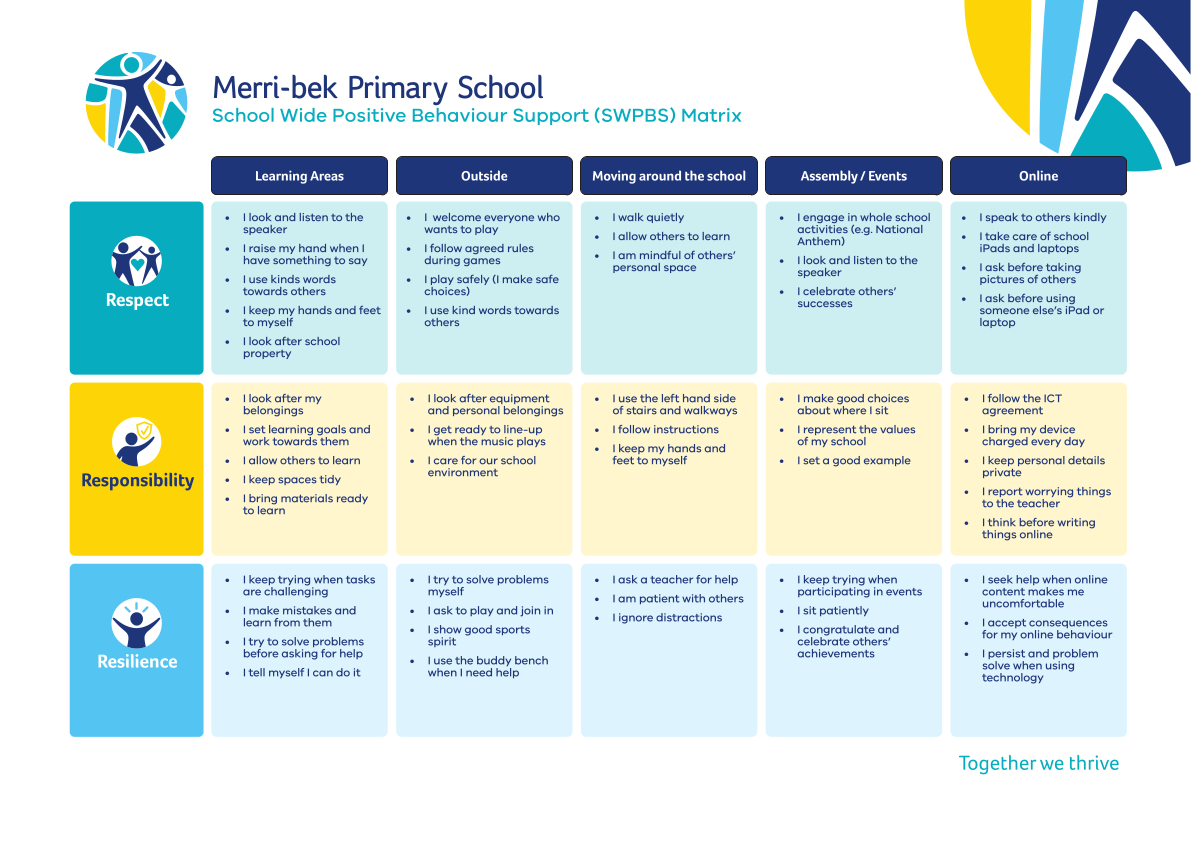
At Merri-bek Primary School, we continue to promote positive behaviour through our School-Wide Positive Behaviour Support (SWPBS) Matrix. The matrix outlines the expected behaviours for all students across different areas of the school and is built around our core values of Respect, Responsibility, and Resilience.
Families play an important role in reinforcing these expectations. Using consistent language at home helps students better understand and apply the behaviours they are learning at school. Simple conversations about being respectful, taking responsibility for actions, showing resilience when things are challenging, and making safe choices can have a powerful impact. By working together and using common language and expectations, we can continue to support our students in developing the social, emotional, and behavioural skills they need to be successful both at school and beyond.