
Teaching and Learning Principal
Zachary Parr

Teaching and Learning Principal
Zachary Parr

Welcome to the Teaching & Learning section of our newsletter. Each edition is designed to give families a clear and meaningful window into what students are learning, how we are supporting their growth, and the many opportunities available to them both inside and beyond the classroom.
In this space, you’ll find:
Key Teaching & Learning priorities for the term
Snapshots from classrooms, showcasing engaging learning moments across year levels
Updates on whole‑school initiatives, instructional practices, and innovations
Highlights from co‑curricular programs that enrich learning beyond the timetable
Practical tips to help families support study habits, wellbeing, and engagement at home
Celebrations of effort, progress, and achievement across our student community
By sharing these insights, we aim to strengthen the partnership between school and home—something consistently shown to improve student connection and outcomes. Effective school newsletters help families feel informed, included, and confident about their child’s learning journey, and that is exactly what we strive for here.
Exam Preparation at home
At Norwood Secondary College, we are continuing to work with students to develop effective study habits and exam readiness strategies. The partnership between school and home is essential, and your support plays a powerful role in helping students feel confident and prepared.
A quiet, organised space can significantly improve focus and productivity. Encourage your child to:
Study in a distraction-free area (away from phones, TVs, and gaming devices where possible)
Have all materials ready before beginning (notes, textbooks, laptop, stationery)
Use a consistent study space to build routine and focus
Students often feel overwhelmed when exams approach. A clear plan can reduce stress and increase efficiency:
Break study into manageable blocks (e.g. 30–45 minutes)
Prioritise subjects based on upcoming exams and areas of need
Include regular breaks to maintain concentration
Use a weekly planner to create a sense of structure and accountability
Encourage your child to move beyond simply re-reading notes. Strong learners actively engage with the material through:
Retrieval practice – testing themselves without notes (e.g. flashcards, practice questions)
Summarising – rewriting key ideas in their own words
Practice exams – completing past papers under timed conditions
Teaching others – explaining concepts aloud to reinforce understanding
Academic success is closely linked to wellbeing. Students perform best when they are balanced and supported:
Ensure adequate sleep (8–10 hours for teenagers)
Encourage regular physical activity and time away from screens
Promote healthy eating and hydration
Help manage stress by keeping expectations realistic and focusing on effort and progress
While support is important, so too is helping students take ownership of their learning:
Ask questions that prompt reflection (e.g. “What’s your plan for tonight?”)
Encourage goal setting and self-monitoring
Celebrate effort and improvement, not just results.
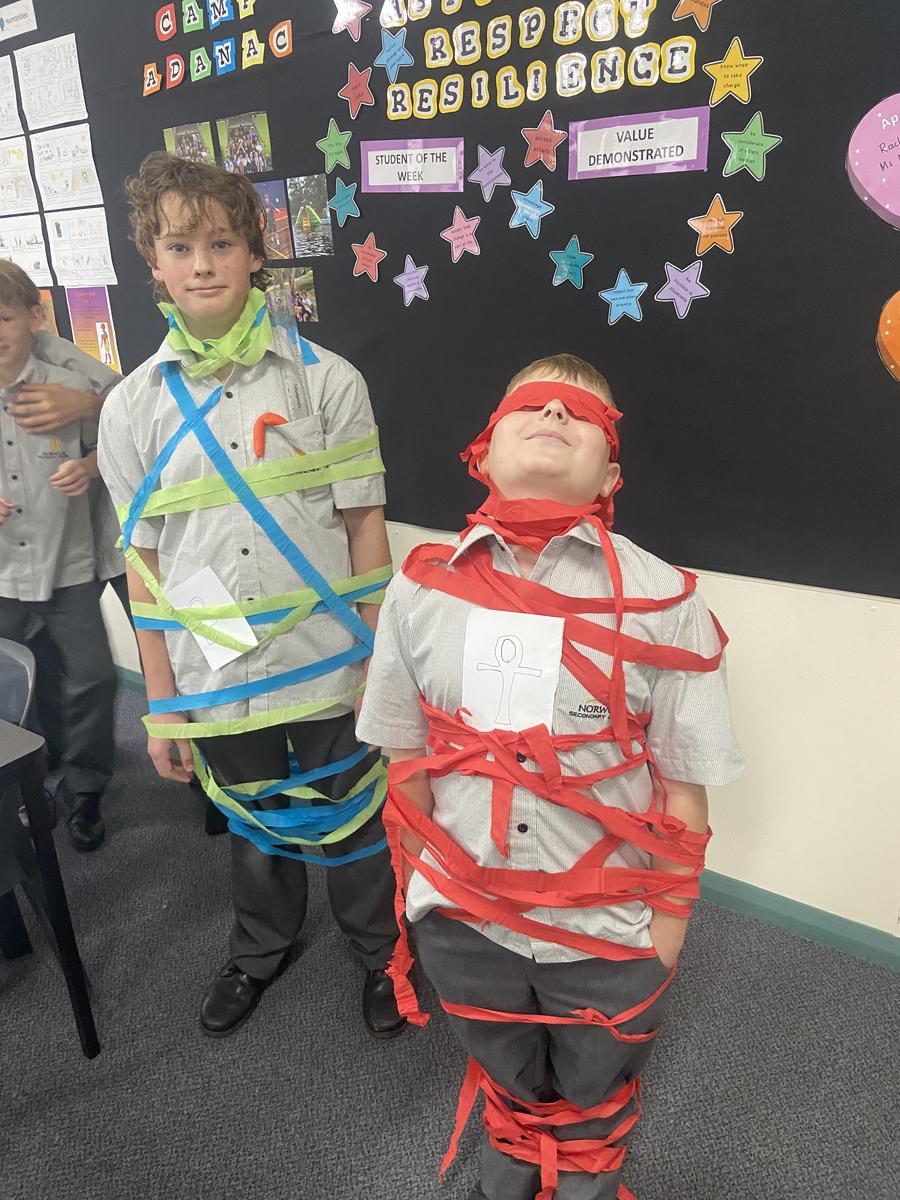
In Ms Adam’s class, students have been bringing Ancient Egypt to life as they consolidated their understanding of the mummification process. Working collaboratively, students sequenced the key steps involved before taking part in a hands-on simulation, where they modelled internal organs with playdough and “mummified” a volunteer classmate as the process was narrated.
This engaging approach supported students to deepen their understanding of key concepts and vocabulary such as mummification, sarcophagus, and scarab, while also encouraging discussion, creativity, and peer learning. It was fantastic to see students actively applying their knowledge and reflecting on their learning.
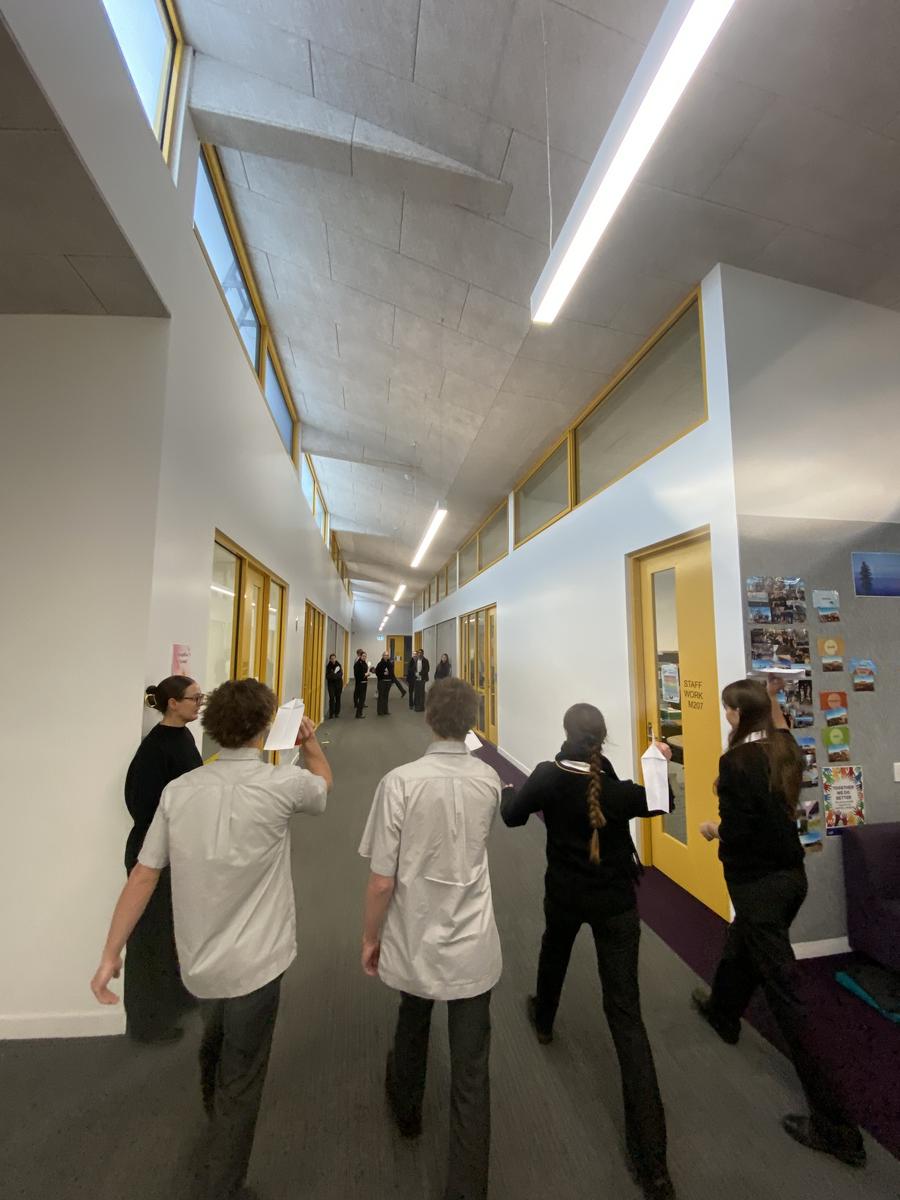
In Ms Hearne's Year 12 Psychology students recently put their research methods knowledge into practice through a hands-on investigation using paper aeroplanes. Drawing on their understanding of key concepts such as independent and dependent variables, students designed and conducted their own experiments to test factors influencing flight distance and accuracy.
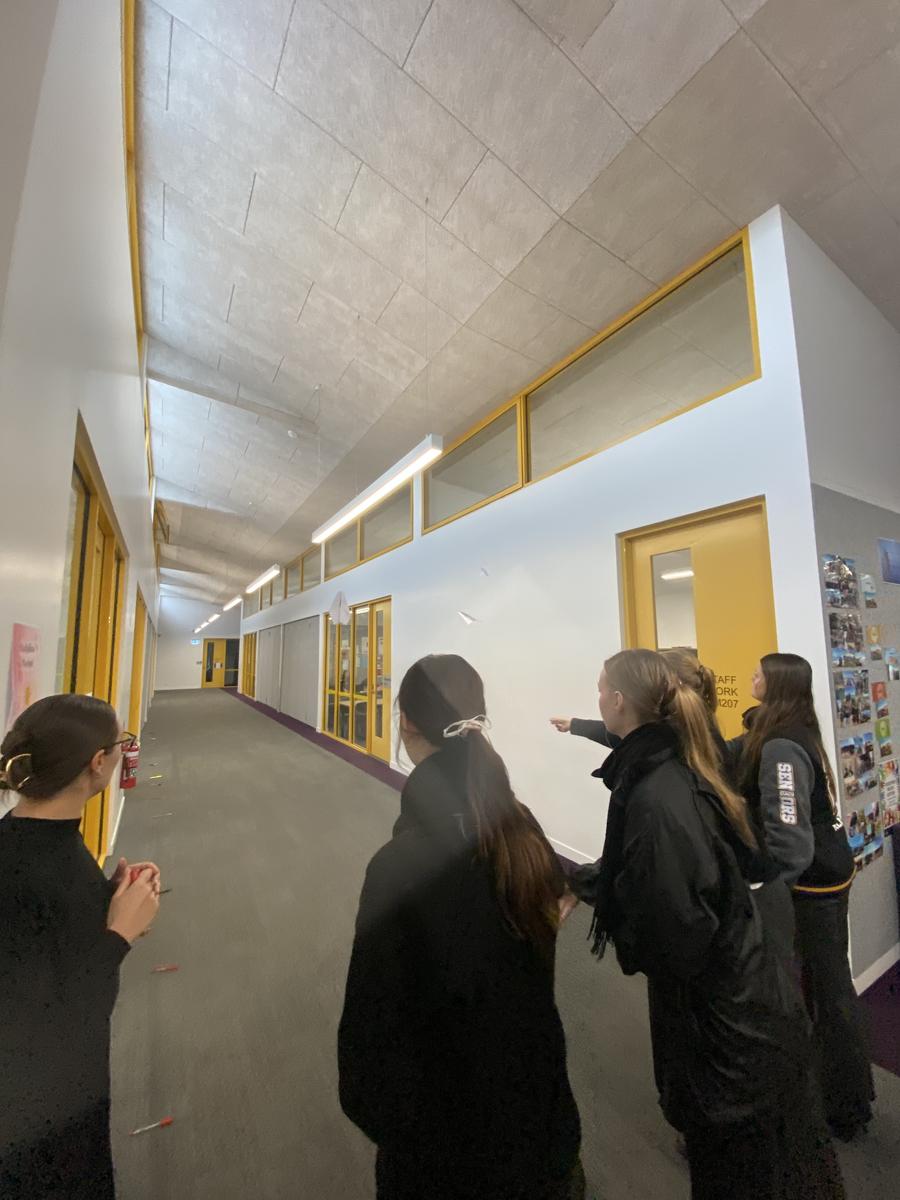
This engaging activity allowed students to apply theoretical knowledge in a practical context, while also considering elements such as experimental design, control of variables, and data collection. It was fantastic to see students collaborating, analysing results, and thinking critically about the validity and reliability of their findings as they prepare for their final assessments.
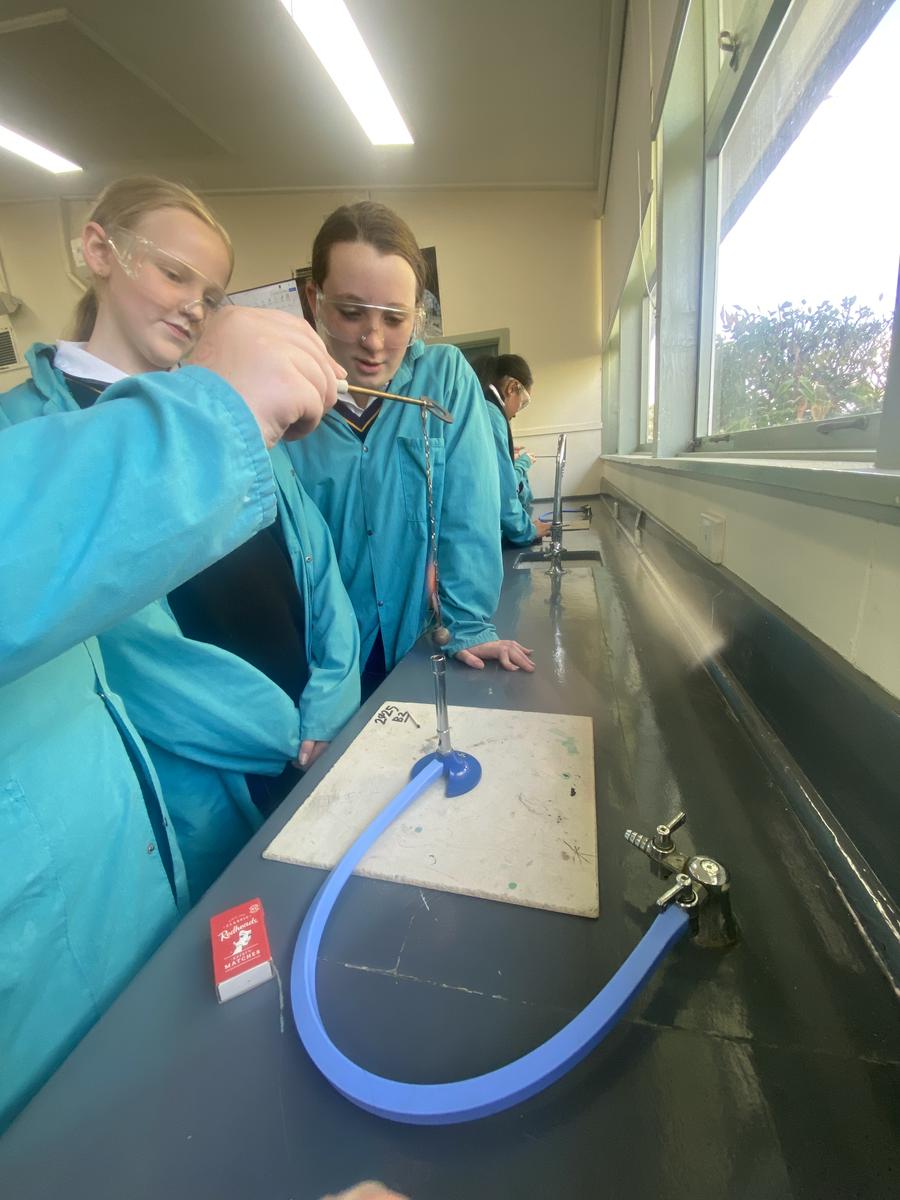
Students in Ms Hanratty’s Year 7 Science class have been exploring how the expansion and contraction of particles connects to real-world phenomena. Through a series of hands-on practical stations, students investigated how solids, liquids, and gases respond to heating and cooling, recording observations and identifying patterns in particle movement and spacing.
Students worked collaboratively to analyse their results and discuss the reliability of their findings, including any errors or limitations in their investigations. This practical approach enabled students to deepen their understanding of key scientific concepts while applying their knowledge to real-world examples.
It was excellent to see students actively engaging in scientific thinking, using evidence to support their ideas, and building confidence in explaining complex concepts.
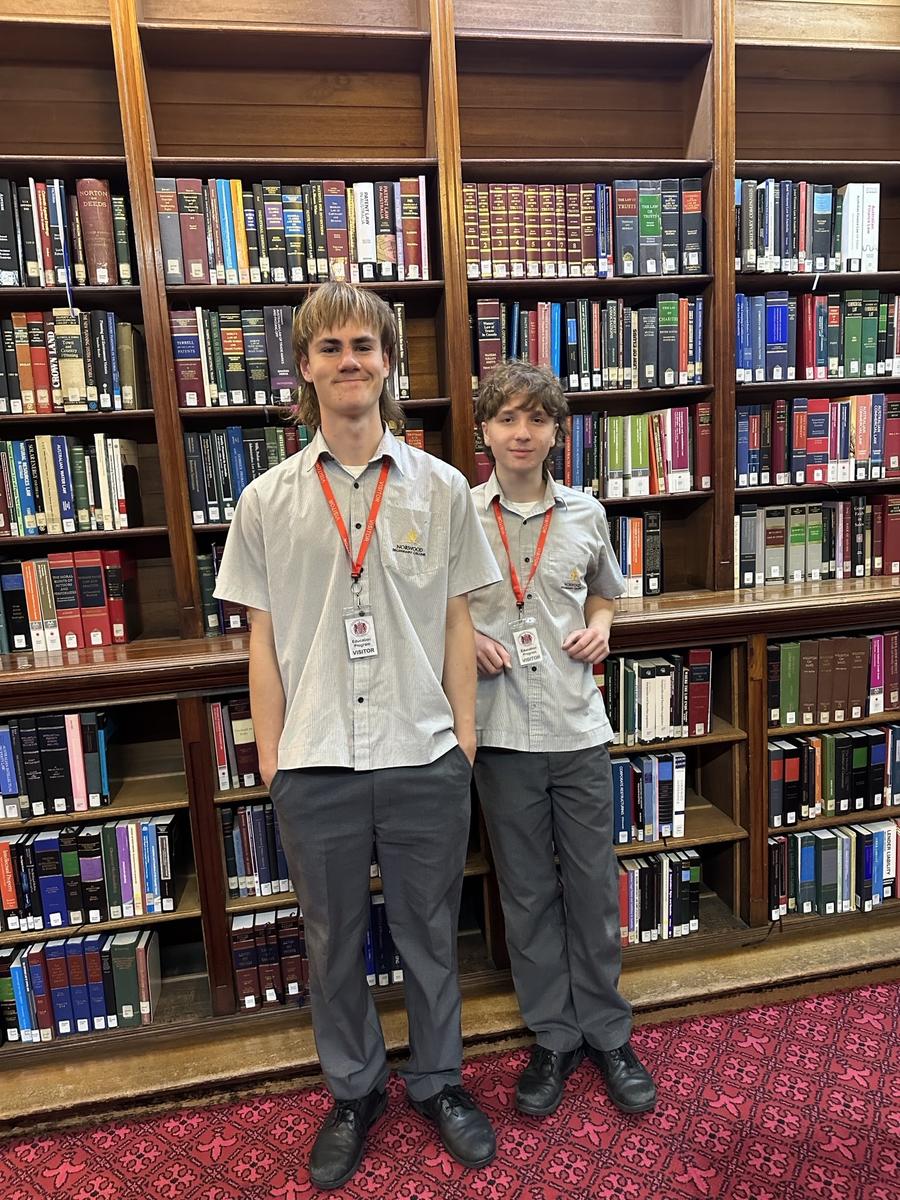
Ms Pratt’s Year 11 class recently extended their learning beyond the classroom through an excursion to the Supreme Court of Victoria and the Victorian Parliament. Students participated in an education program at the Supreme Court, where they had the opportunity to meet judicial officers, explore courtrooms, and observe real legal proceedings in action.
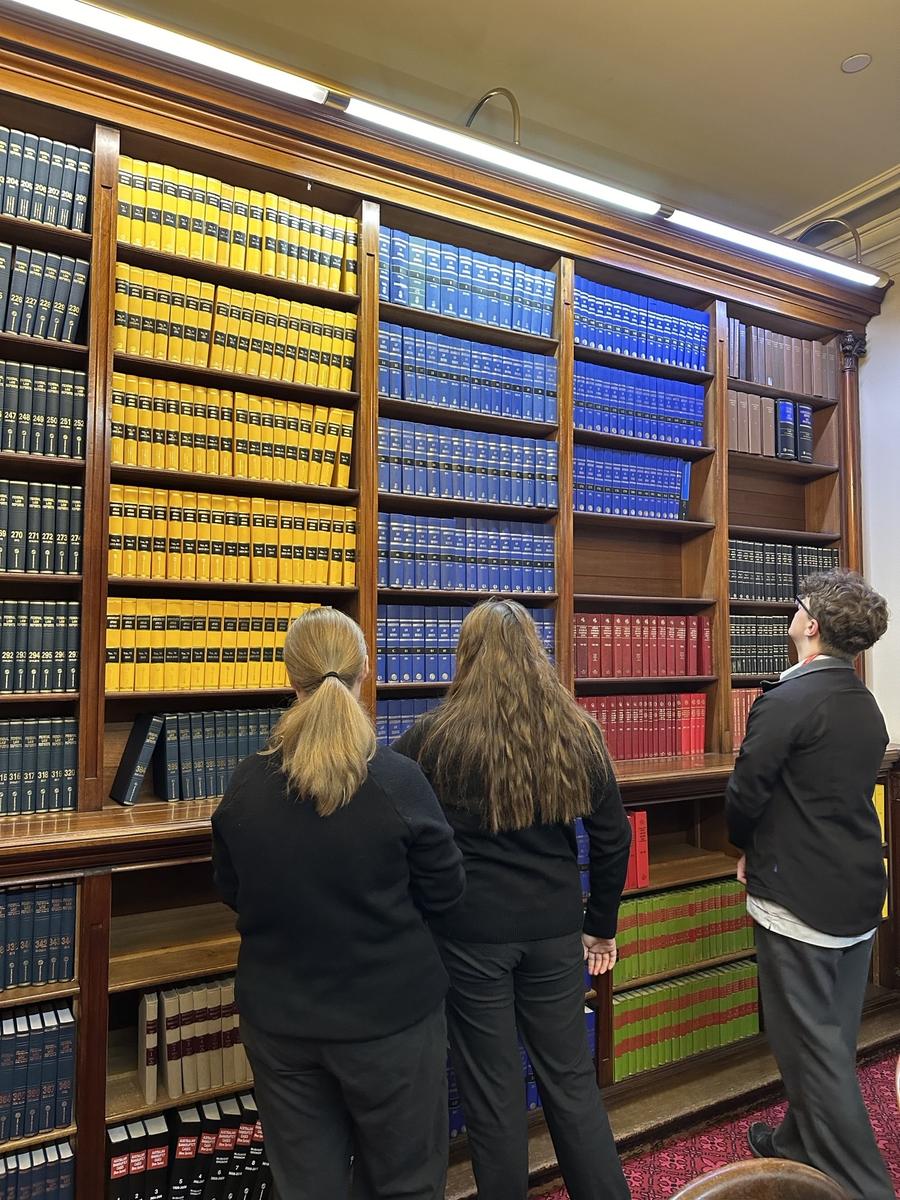
The experience provided valuable insight into the workings of the justice system, helping students connect their classroom learning to authentic, real-world contexts. Following this, students visited Parliament, further deepening their understanding of how laws are made and the role of government in shaping society.
Norwood Secondary College understands that students have different learning strengths, preferences and interests and may approach learning activities and homework differently. If parents/carers are concerned their child may not understand the homework tasks that have been set, or if their child is spending a long period of time completing their homework, we encourage parents/carers to speak to their child’s teacher.
Students who may benefit from support completing their homework tasks are encouraged to attend Homework Club held in the College Library on Wednesday and Thursday afternoons between 3.15 and 4.15pm. Homework Club resumed this week and parent/carer permission is required to attend. Please complete the form below and return it to the General Office.
*For information on the school's Homework Policy, visit the Junior and Senior School Handbooks.