Koala Classroom
Literacy
We always enjoy checking on and looking after our chickens. Kindergarten students practiced writing simple and compound sentences to describe what they see and do, like feeding and looking after the chickens.
Year 2 students have been learning how to improve their descriptive writing by using richer and more interesting language. This means they are choosing words that help the reader picture what they are writing about more clearly. For example, instead of just saying “the chicken,” they might say “the fluffy, white chicken” or “the busy chicken pecking at the ground.” They are also using action verbs and adjectives to describe how they care for the chickens, like “gently feeding” or “carefully collecting eggs.” This helps make their writing more exciting and keeps the reader interested. Practising these skills helps them think more creatively and express their ideas more clearly.
Descriptive writing is often most engaging when students respond to topics they are interested in or that connect to their environment. It’s great to see students in both grades building their descriptive writing skills through this hands-on experience.
Maths
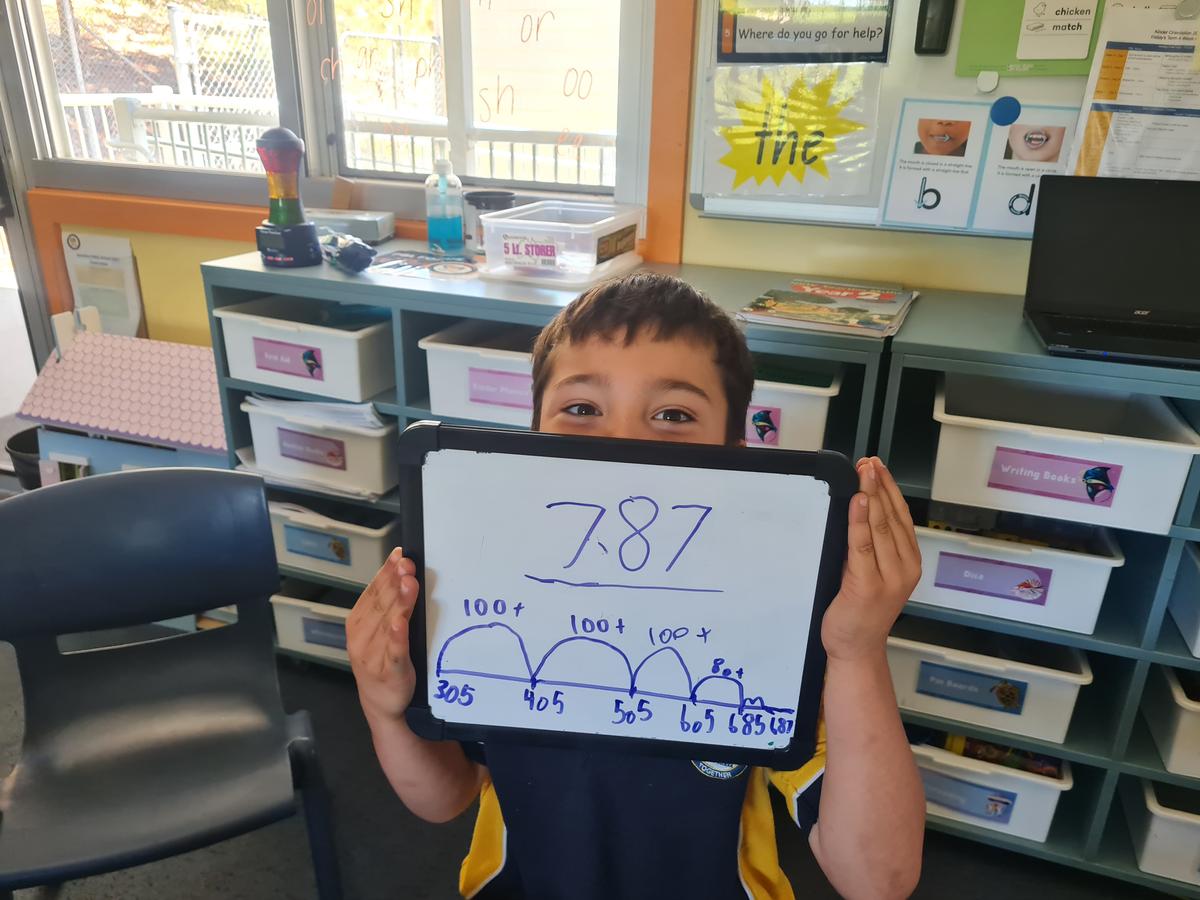
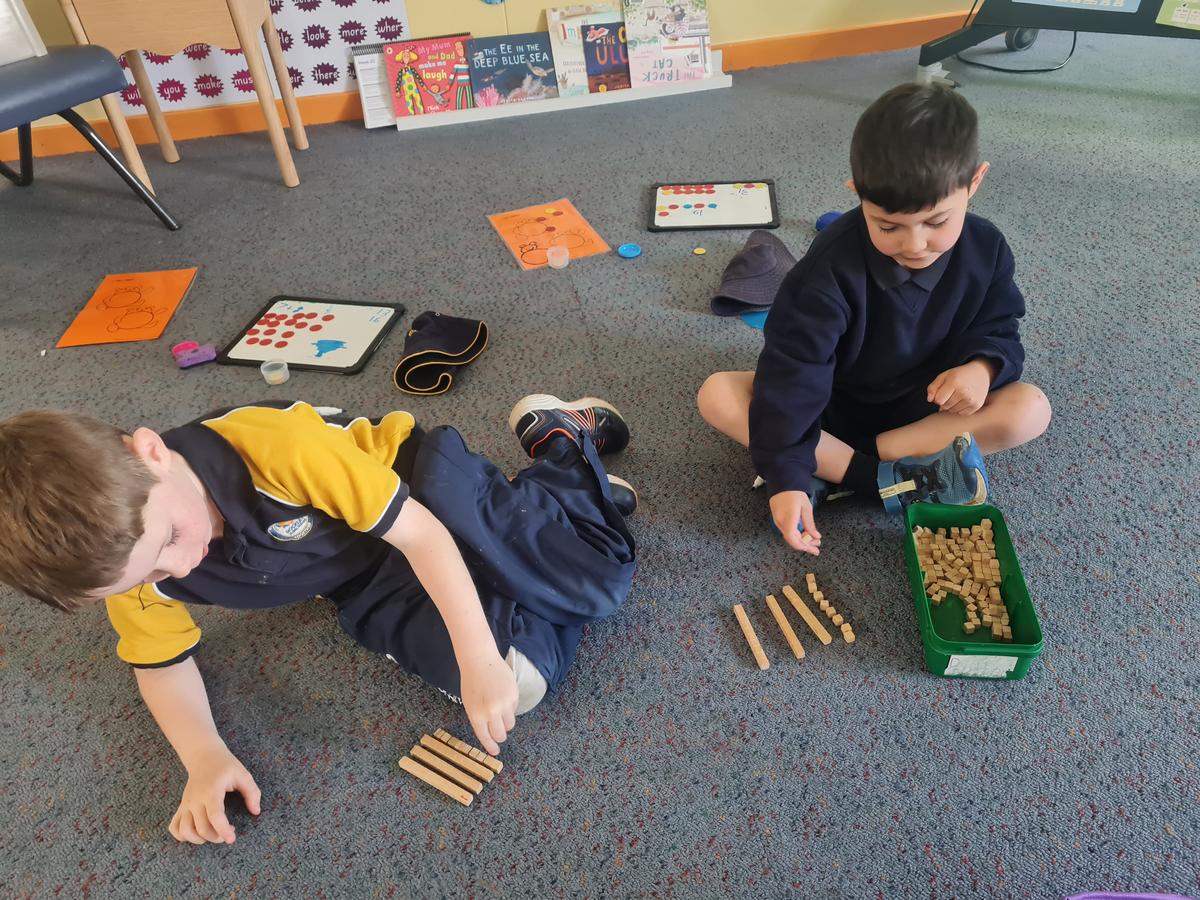
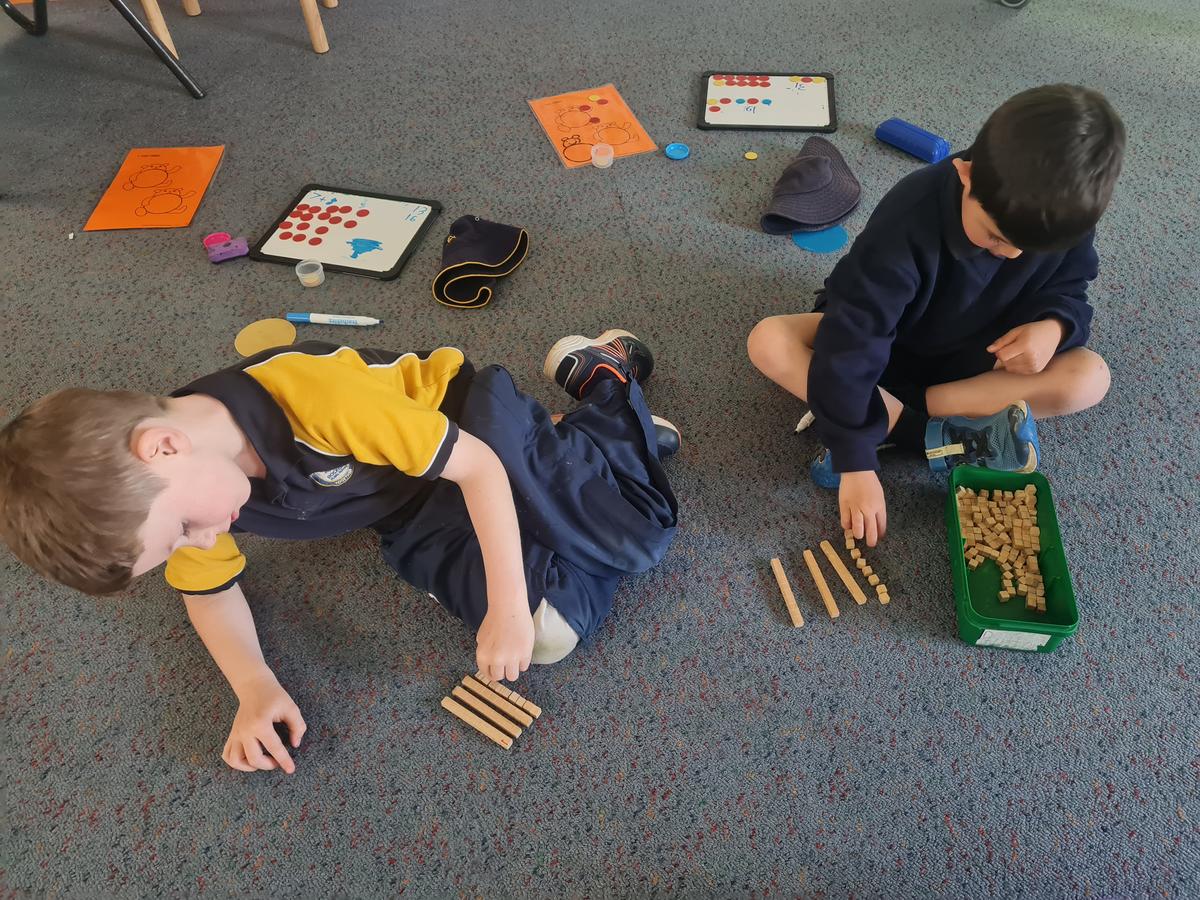
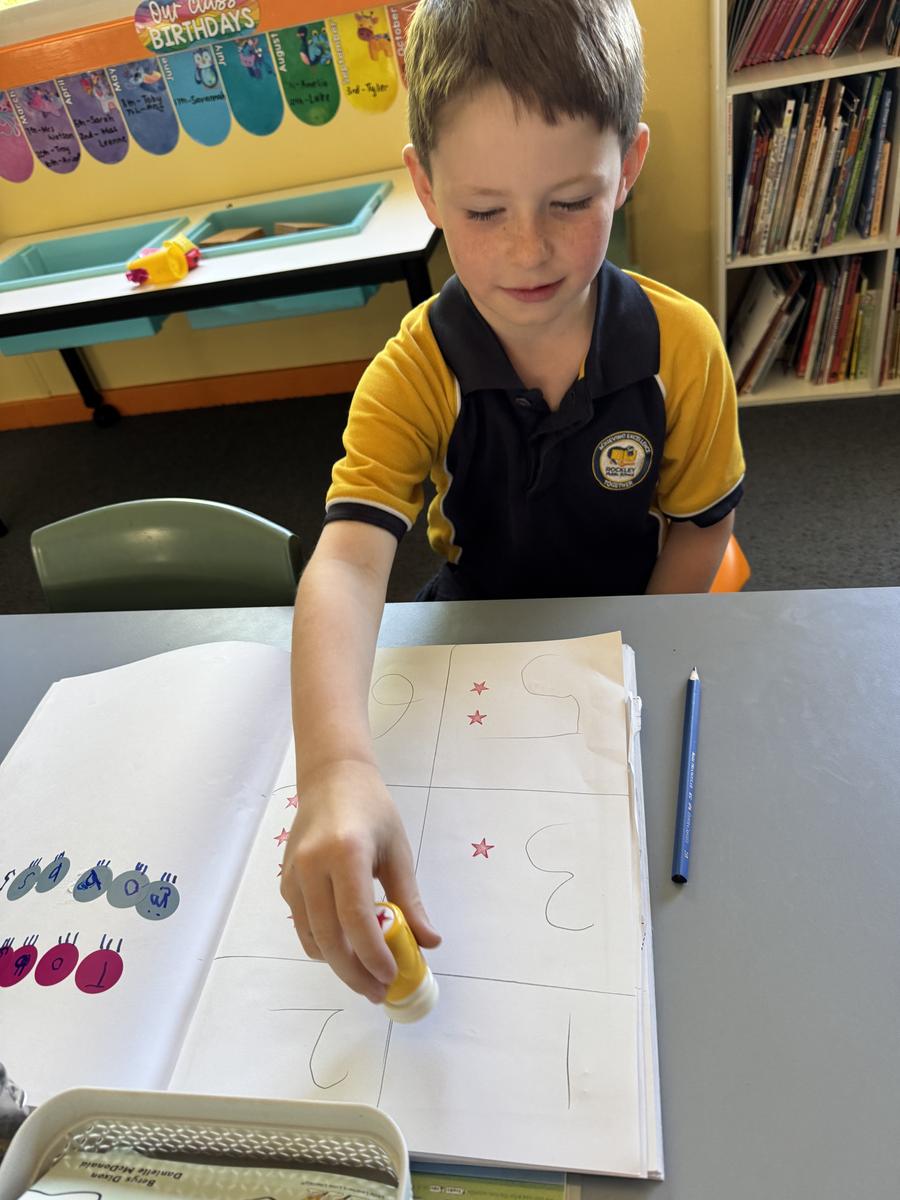
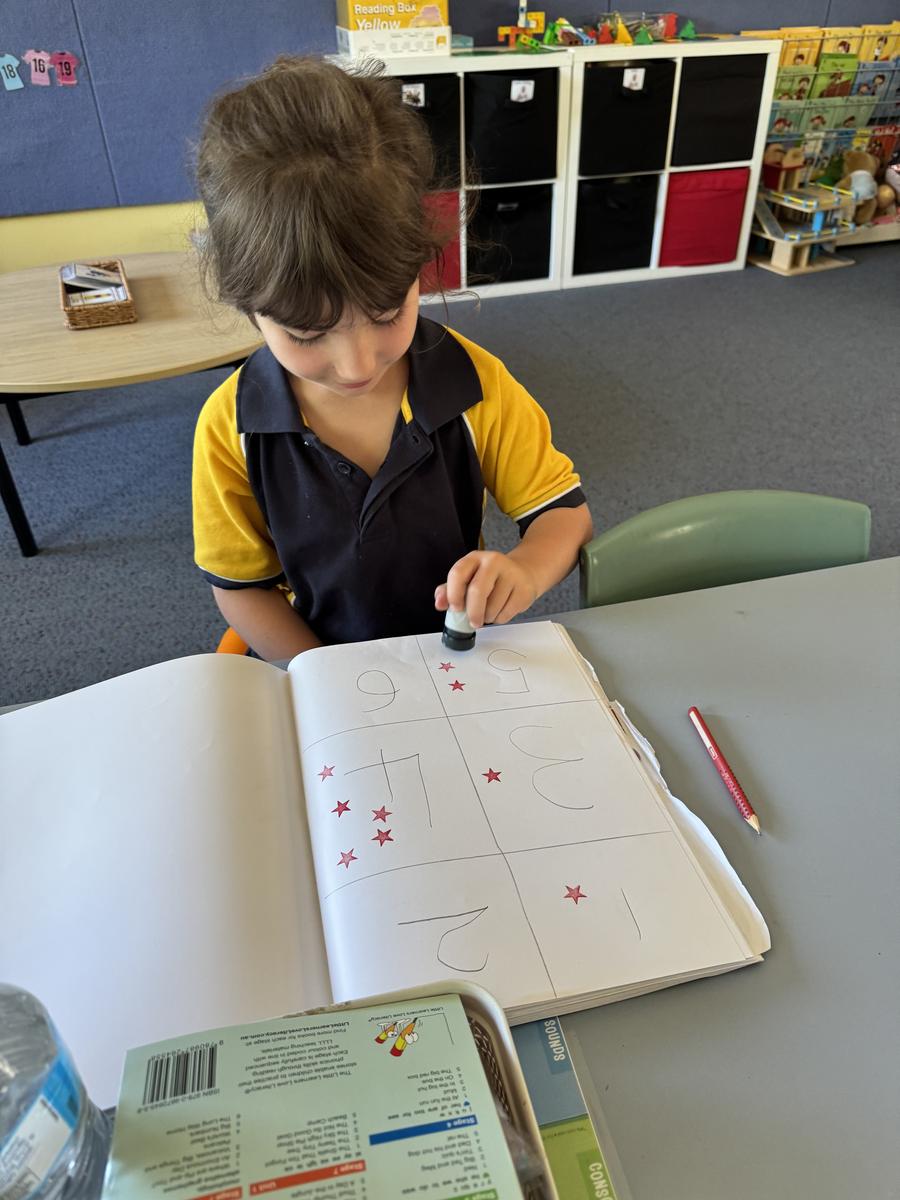
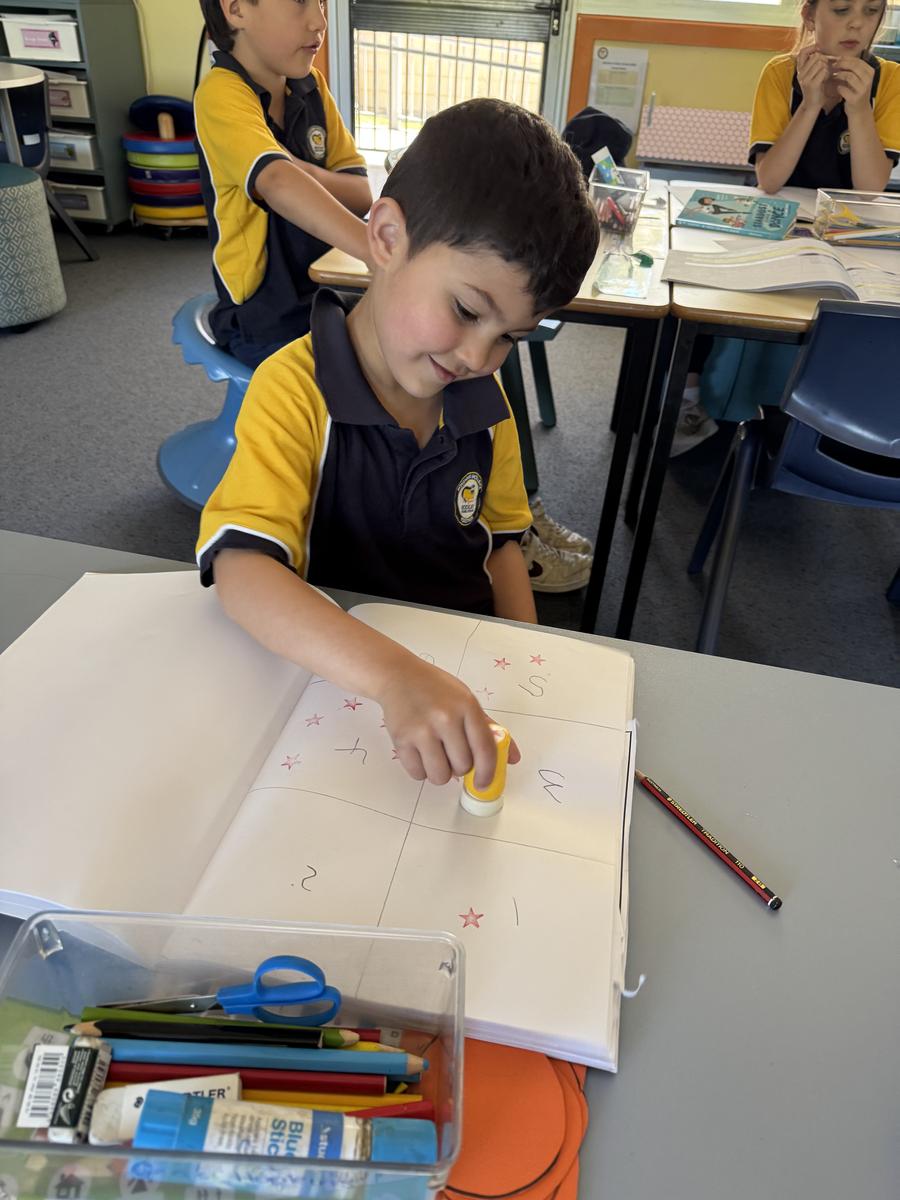
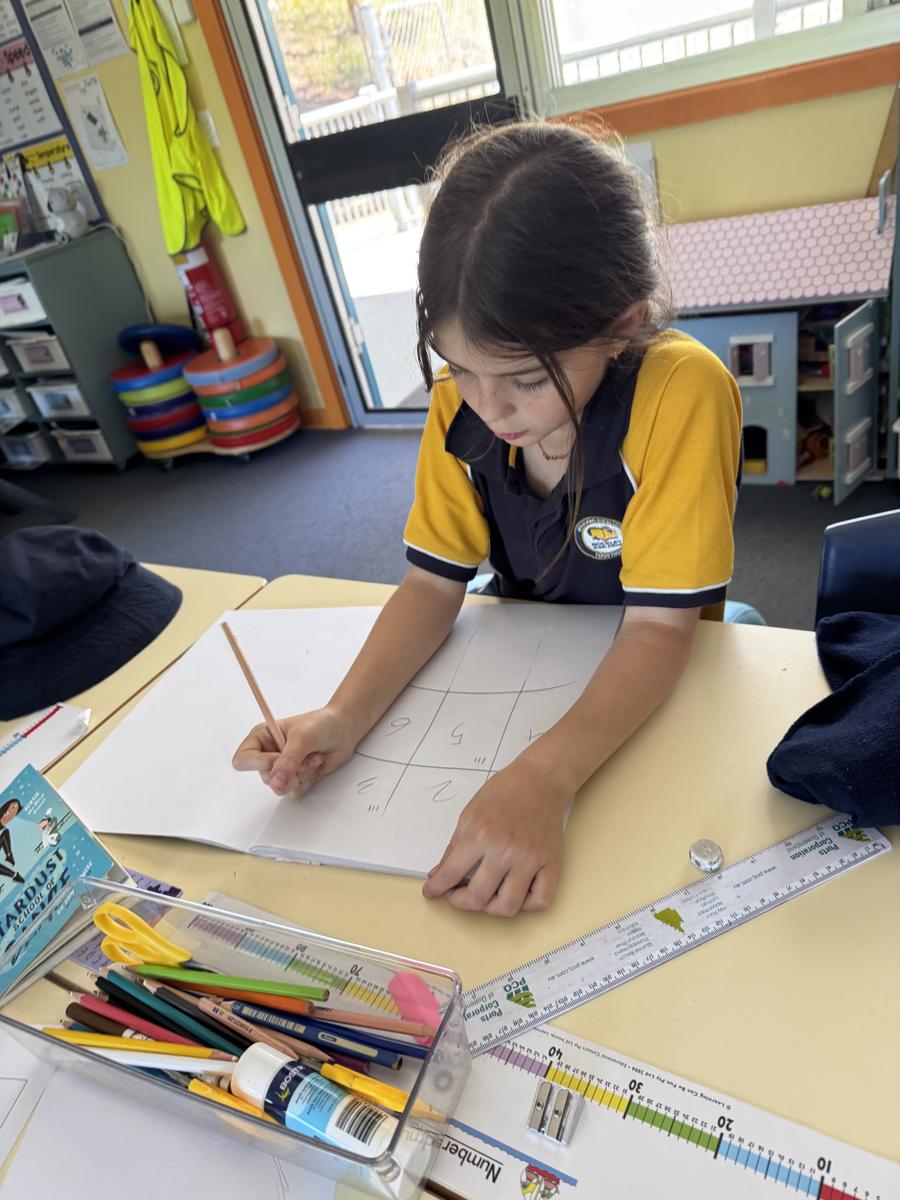
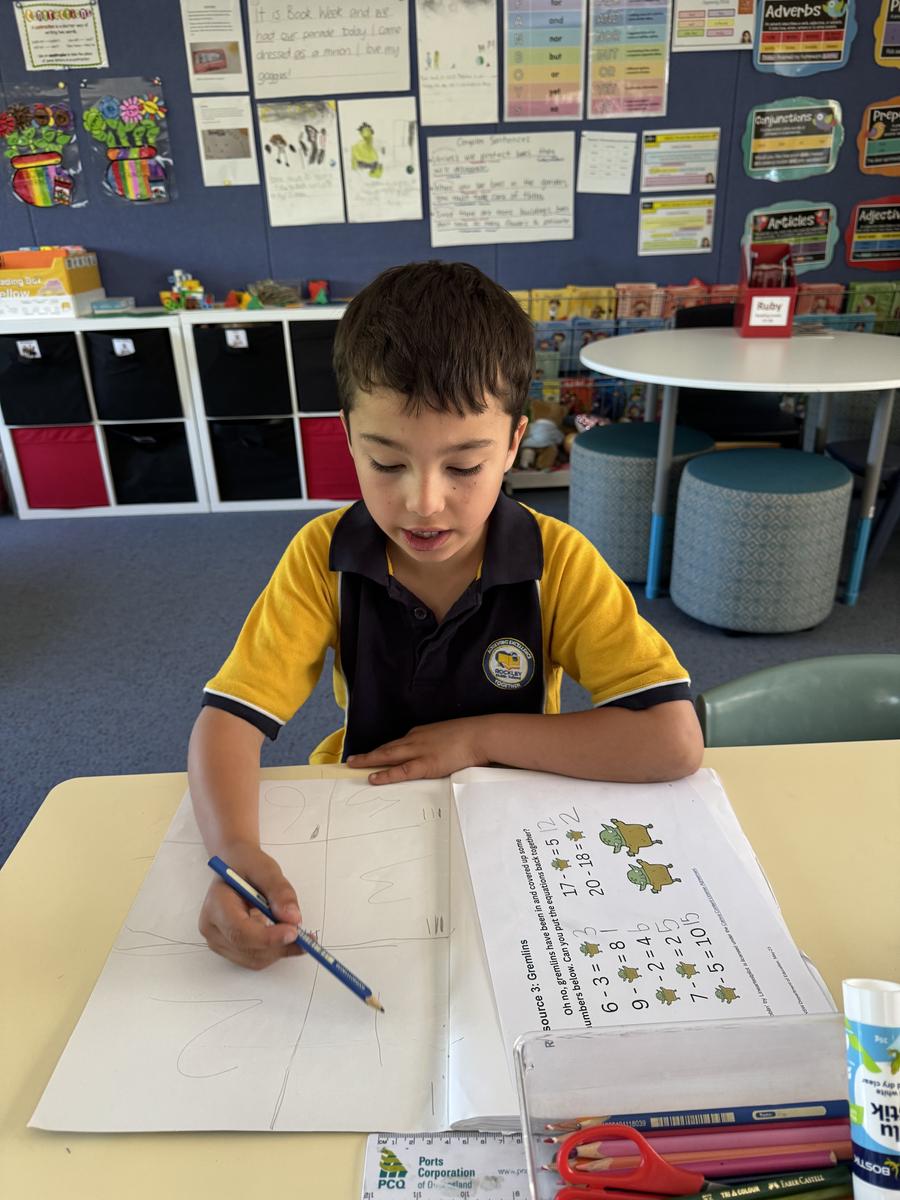
This week in Maths, students have been learning how to collect data, understand what it means, and show it using graphs.
Kindergarten students practice by asking questions like “What is your favourite fruit?” They gather the answers as data and then use pictures to show the results in a picture graph. For example, they might use apple pictures to show how many children chose apples.
In Year 2, students asked their classmates about their favourite animals and collected the answers as data. They then used this information to create a column graph, where each column shows how many students chose a certain animal. By looking at the height of each column, students can see which animals are the most and least popular.
Both groups are learning how to read their own graphs, compare results, and talk about what their data shows. This helps build important skills in understanding and organising information.
This helps them learn how to read graphs and understand what the data tells us about their friends’ favourite animals.
Koala Class Routines