Year 1 Teaching & Learning
Term 3 2026

Year 1 Teaching & Learning
Term 3 2026
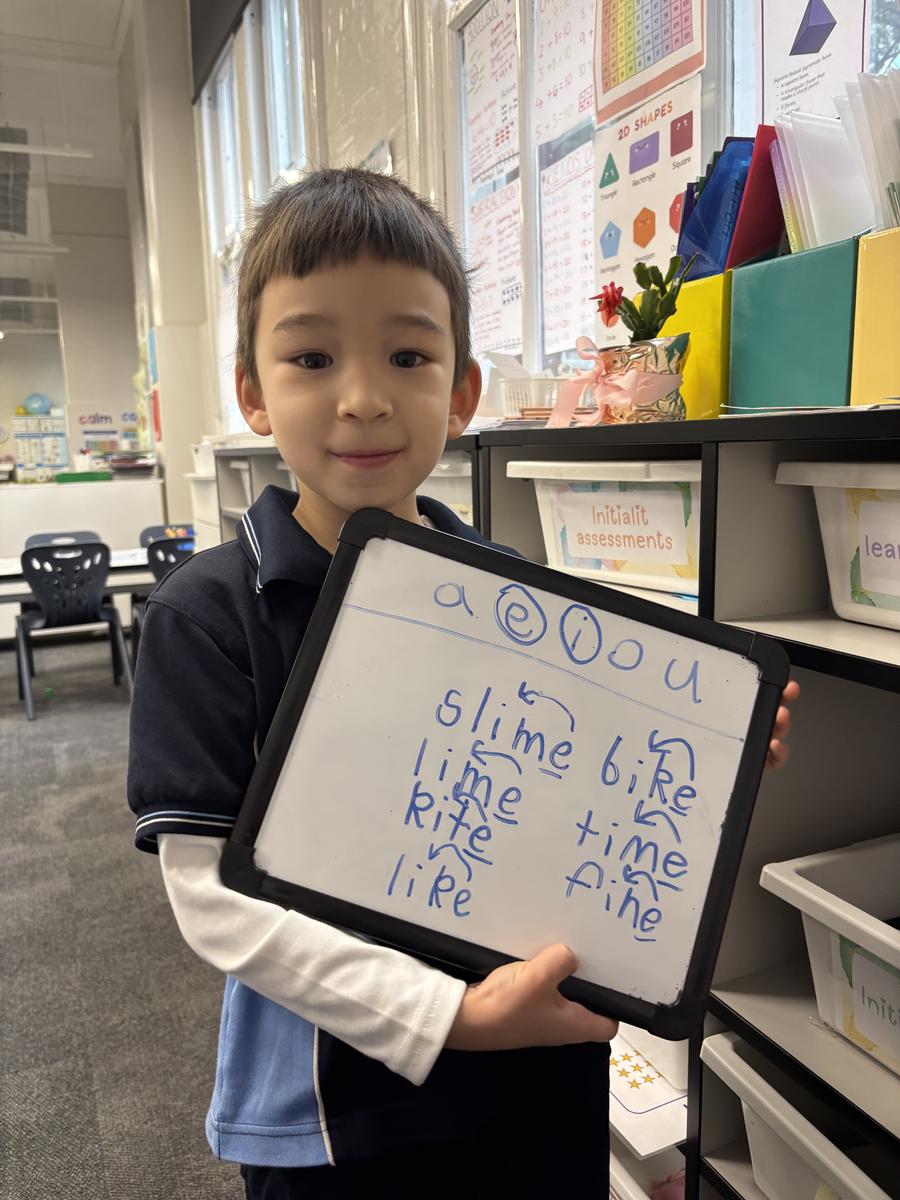
This term, our students will continue using the InitiaLit program to grow their reading and spelling skills. They will learn sounds like "ow"/"ou" (as in "cow"), "aw"/"au," "ear"/"eer," "air"/"are," "y"/"ey," and "oi"/"oy" (as in "coin" and "boy"). We will also focus on the "FloSS" rule, which helps children remember to double "f," "l," or "s" at the end of words like "hiss" and "bell," and use "ck" at the end of words like "duck." Students will practise adding endings like "-ed" for past tense and "-ly" to describe actions, and learn about contractions such as "can’t" and "won’t." These activities build confidence and support students to become independent readers and writers.
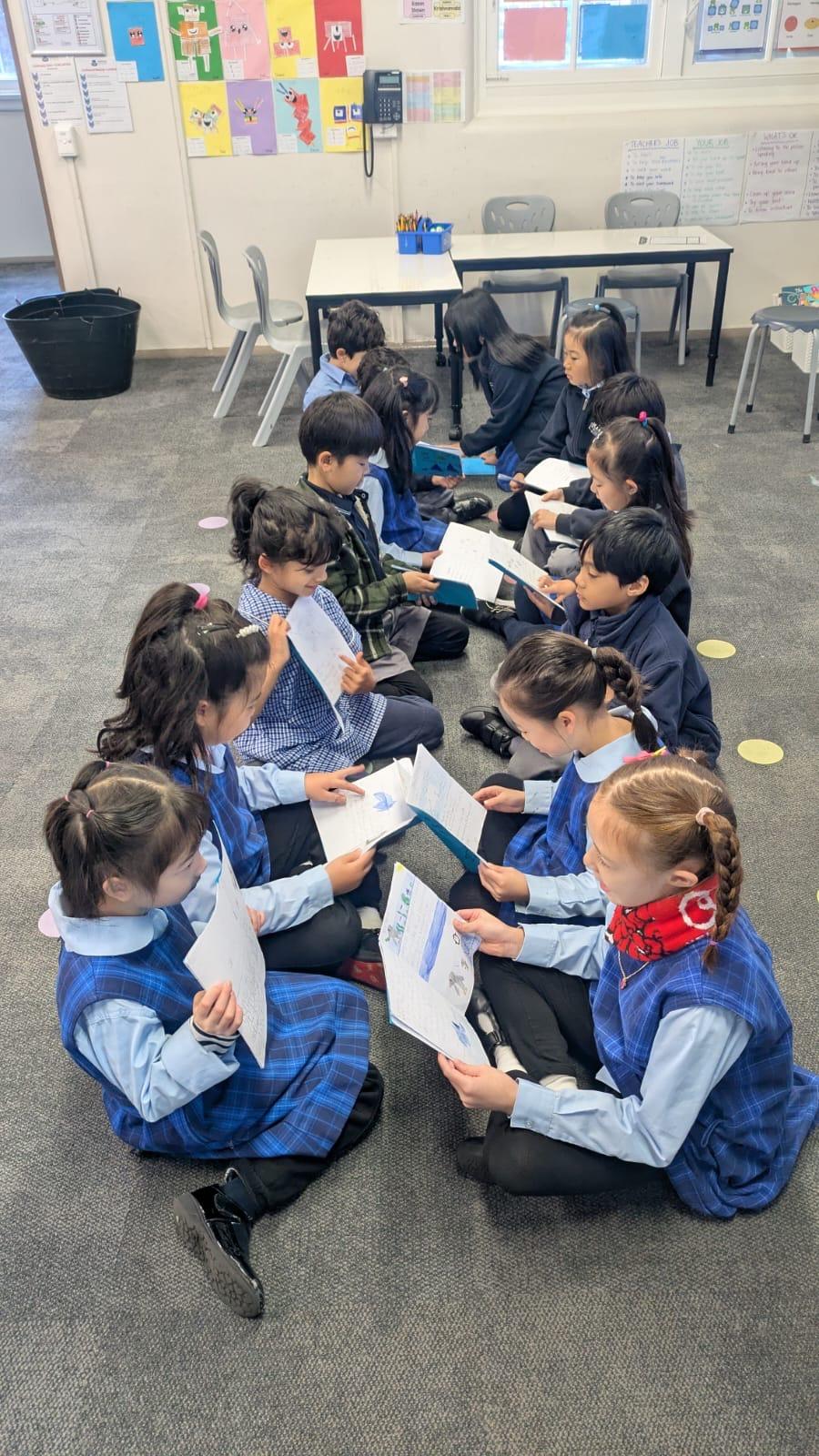
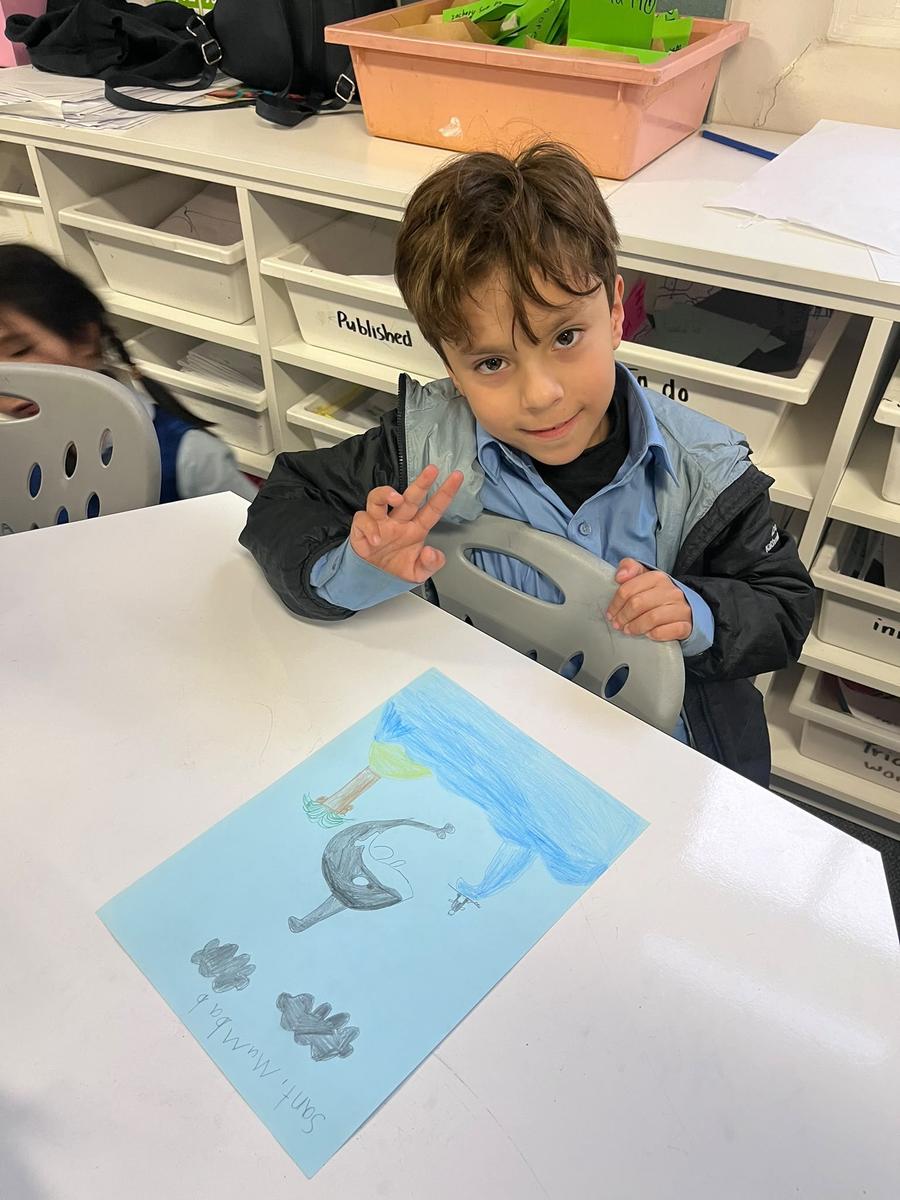
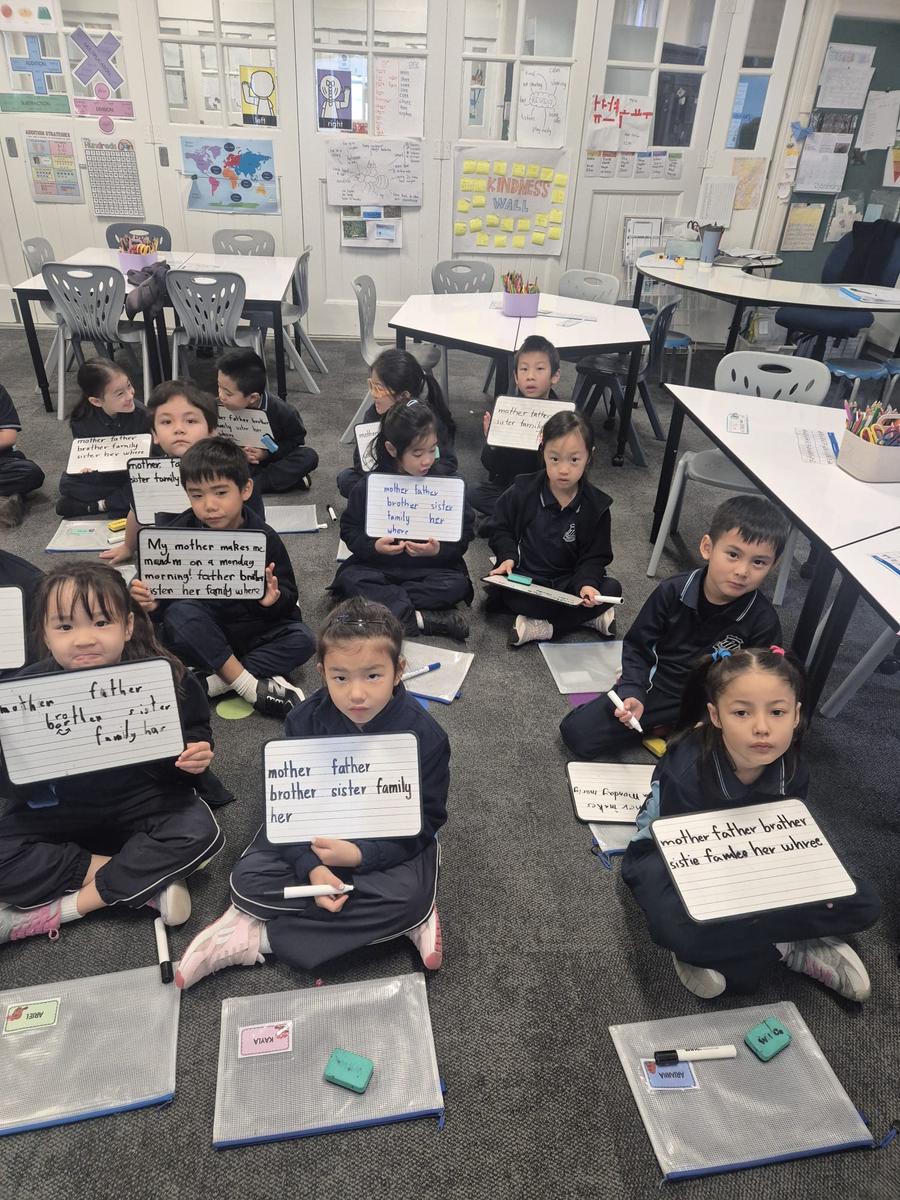
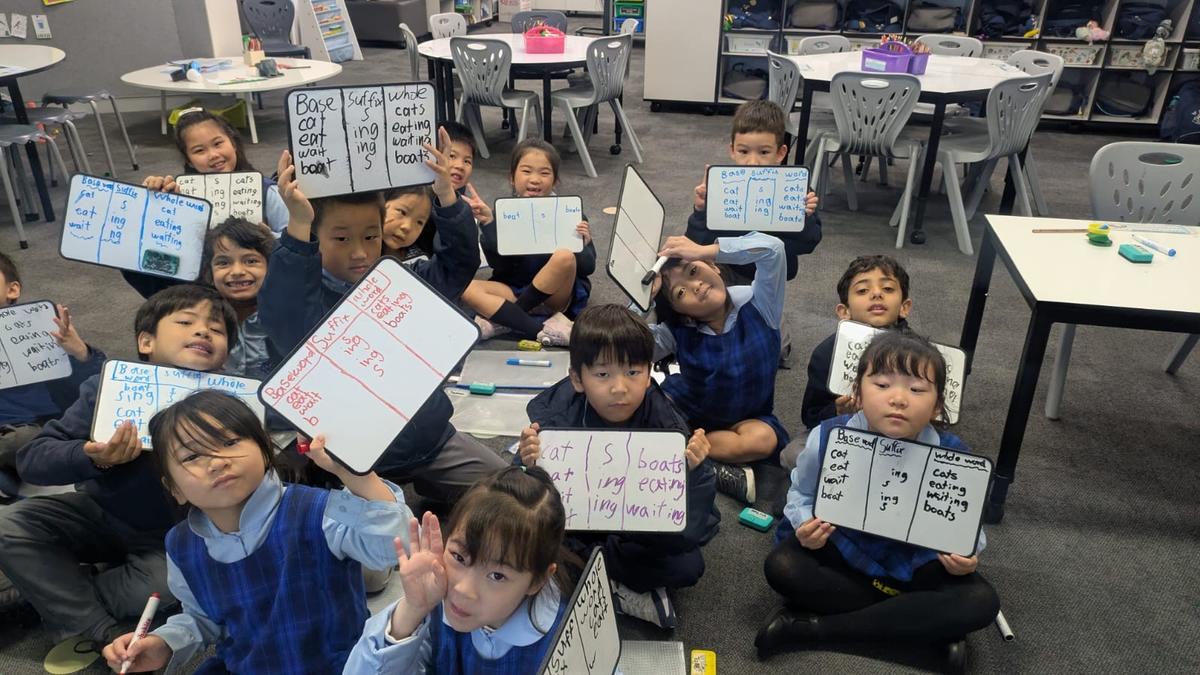
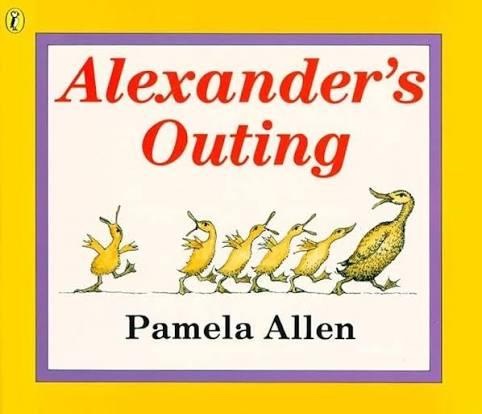
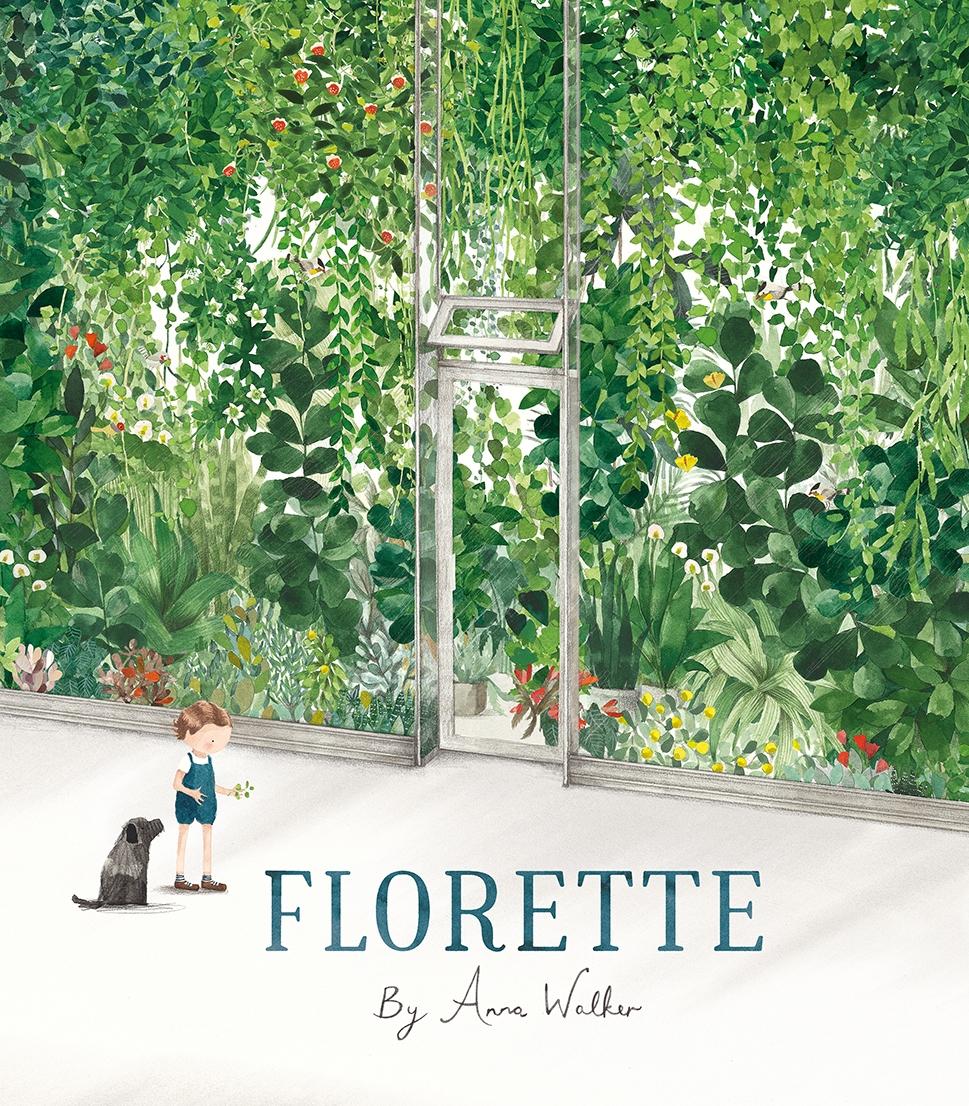
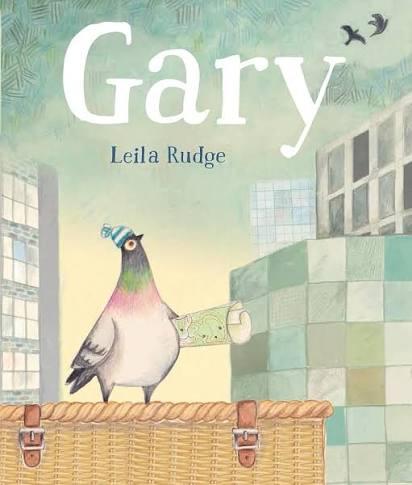
This term, students are learning about narrative writing by reading books like Alexander's Outing, Florette, and Gary to understand story structure, including orientation, complication, and resolution. They are practising how to use adjectives, descriptive language, creative wordplay, dialogue, time connectives and adverbs in their own stories. Students are also learning how authors present characters and settings to connect with readers, helping them create engaging and meaningful stories of their own.
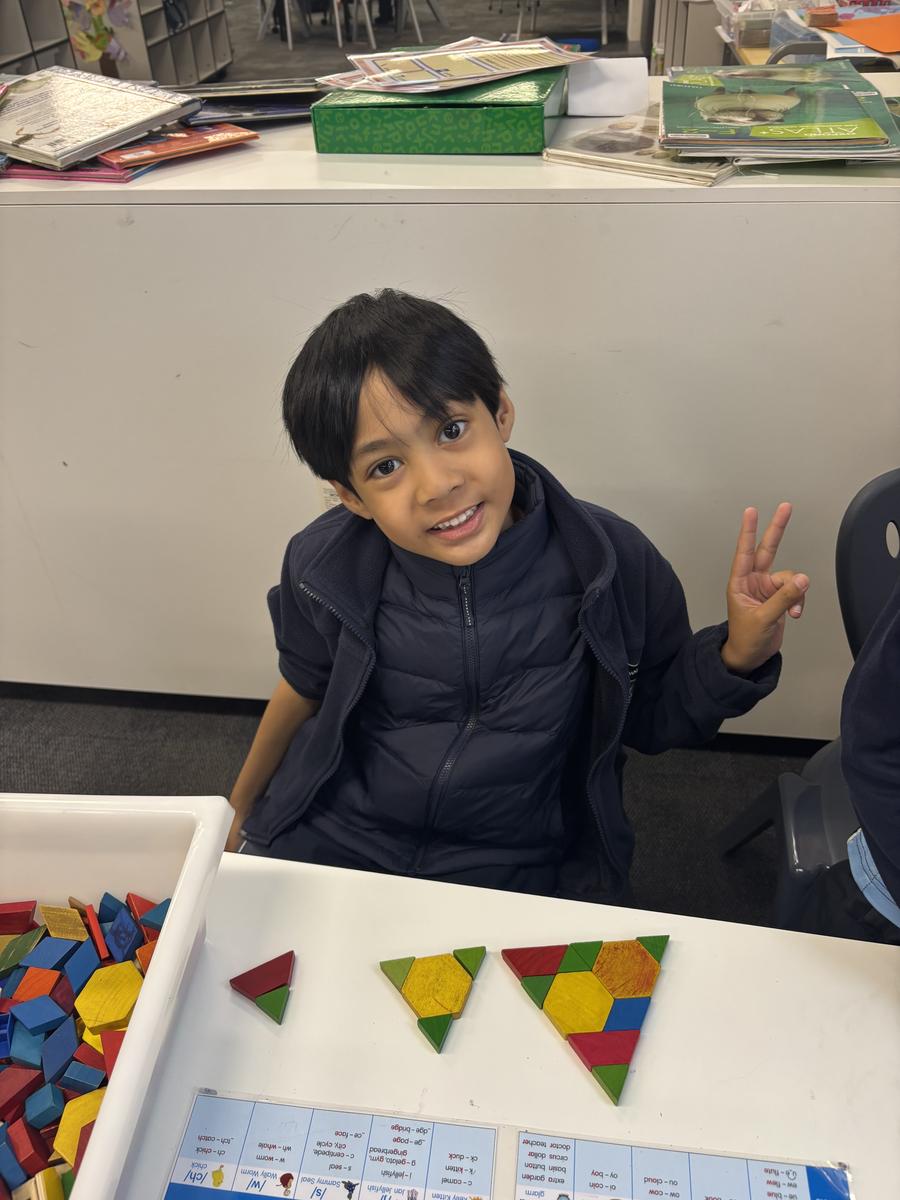
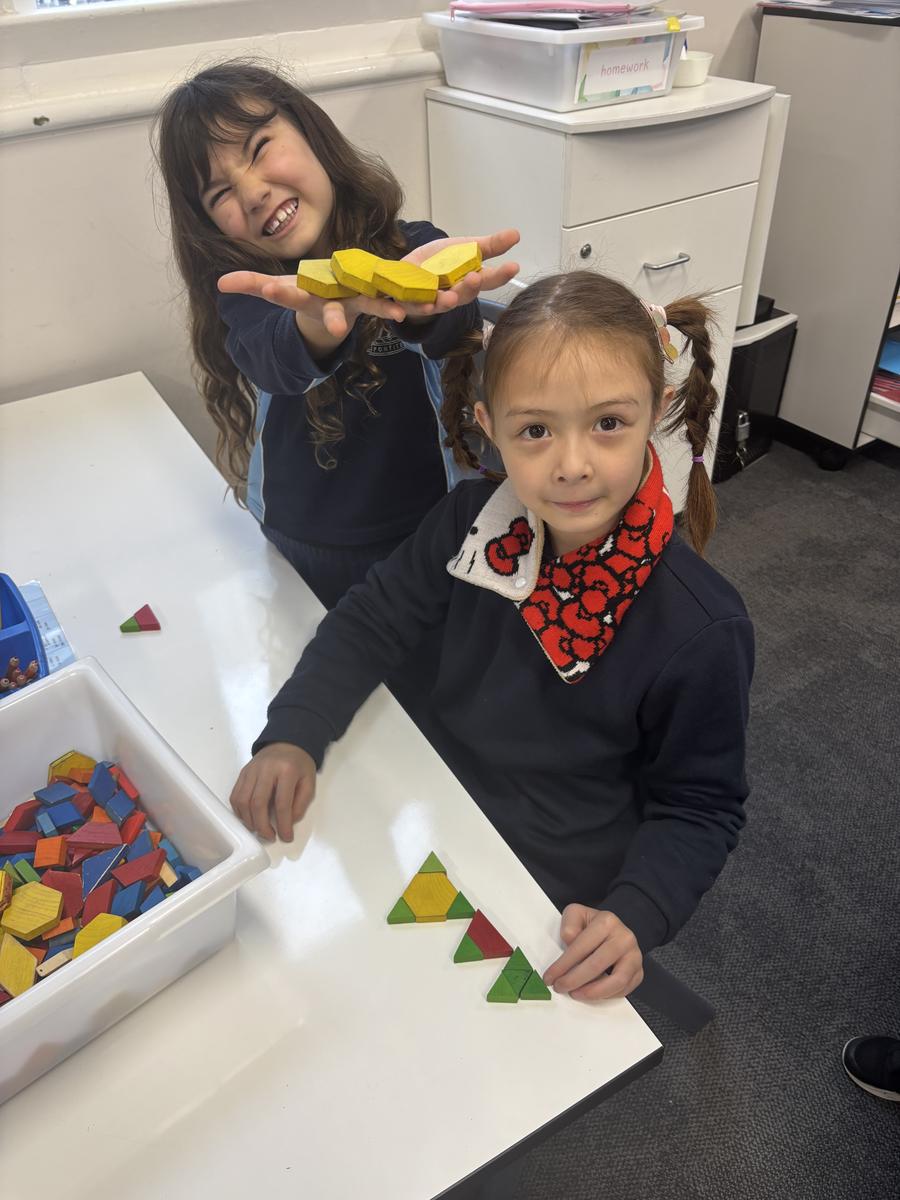
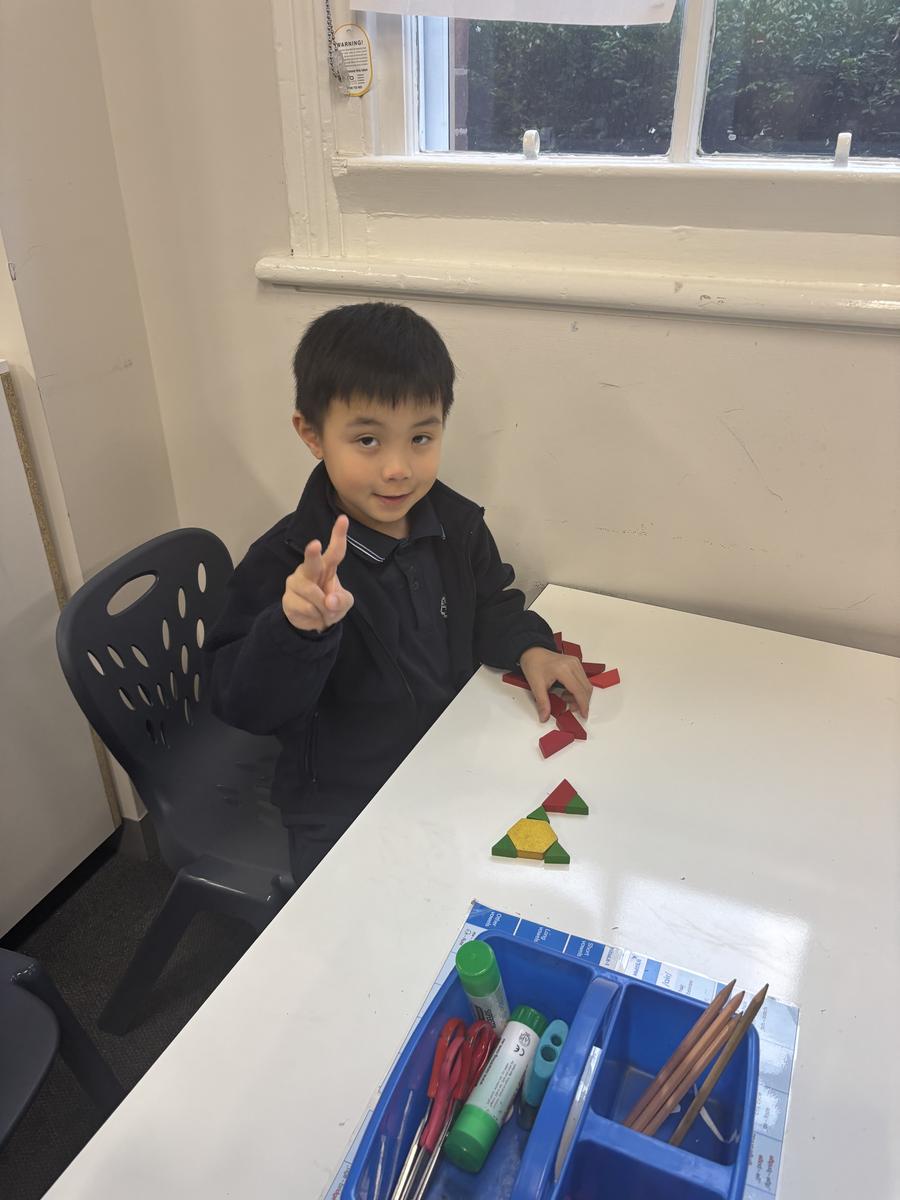
This term, we will explore a variety of mathematical concepts. Our lessons are designed to combine explicit teaching with independent activities tailored to each student's needs, ensuring challenging and engaging learning experiences.
Weeks 2-4: Representing Whole Numbers, Chance & Data
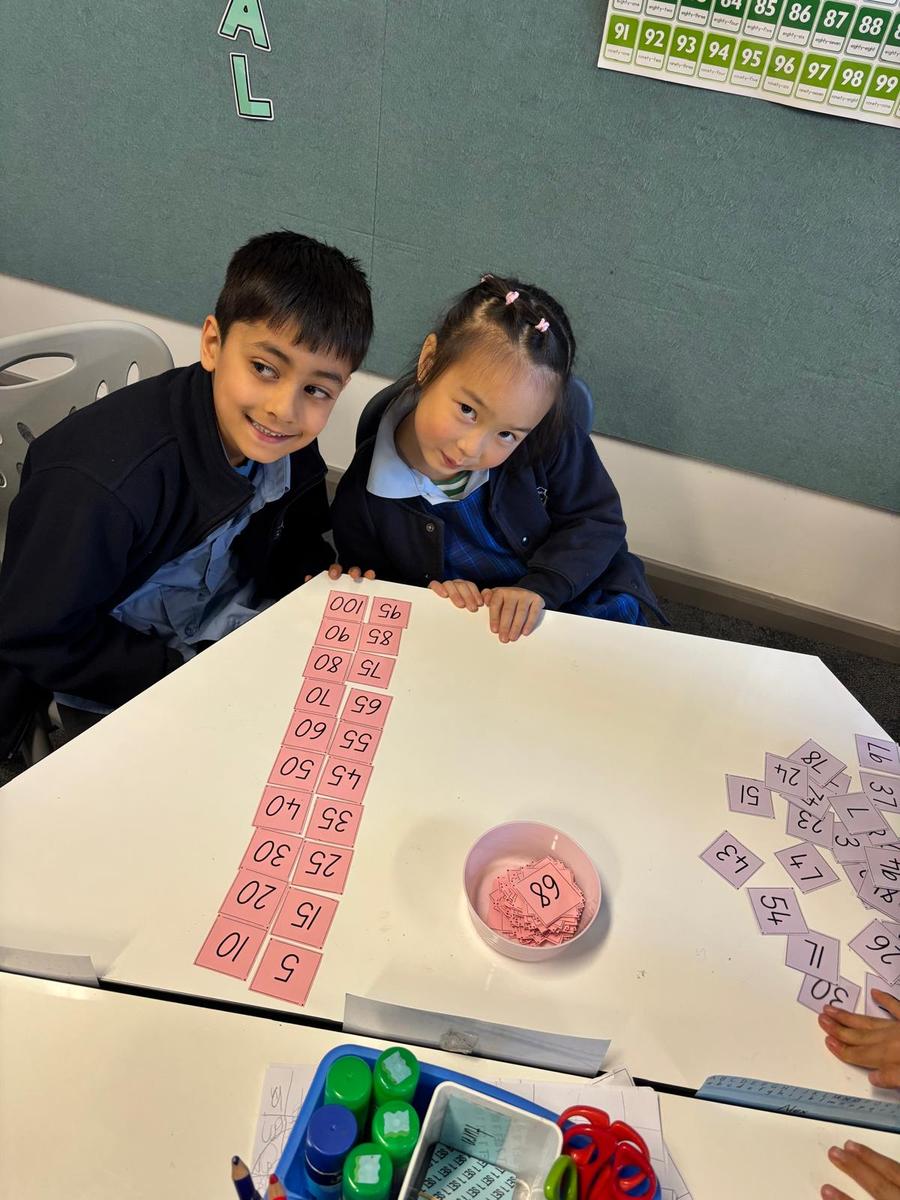
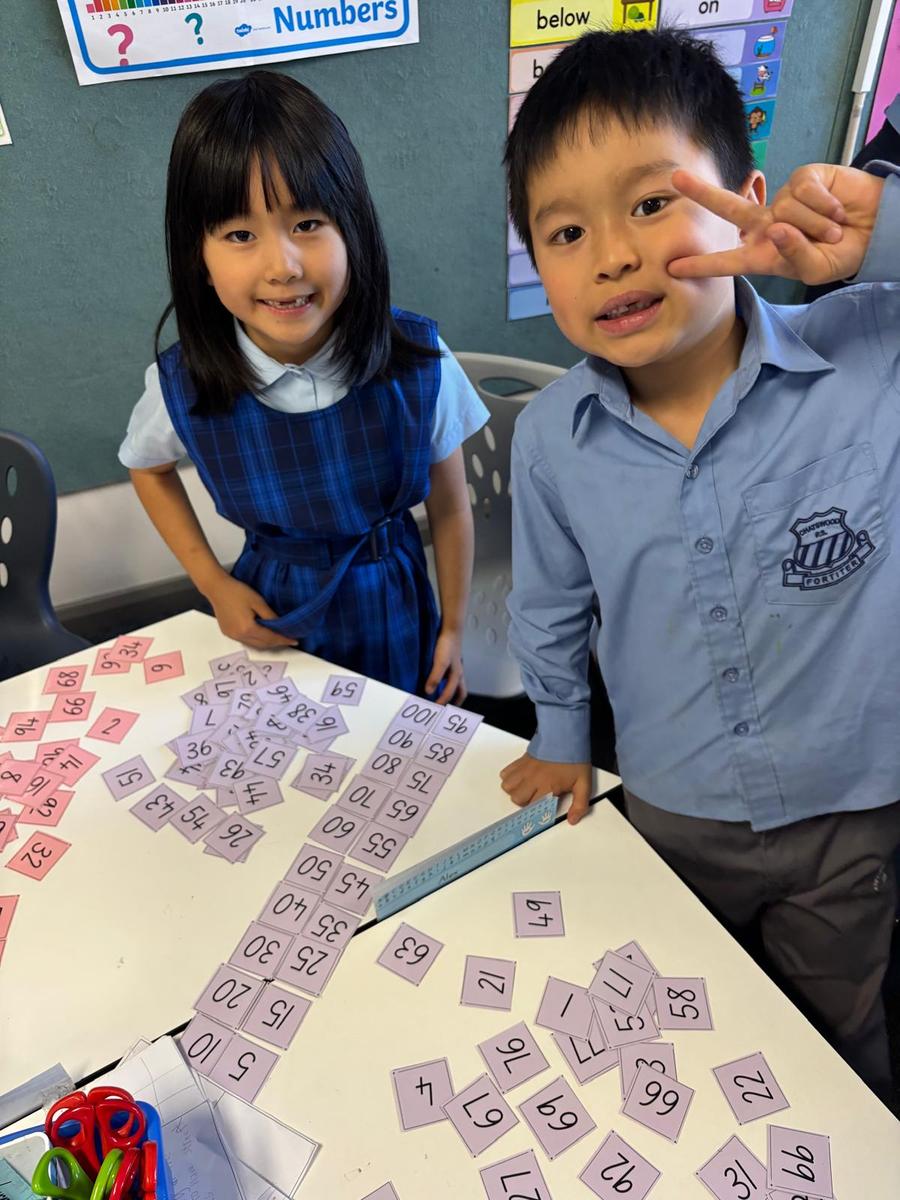
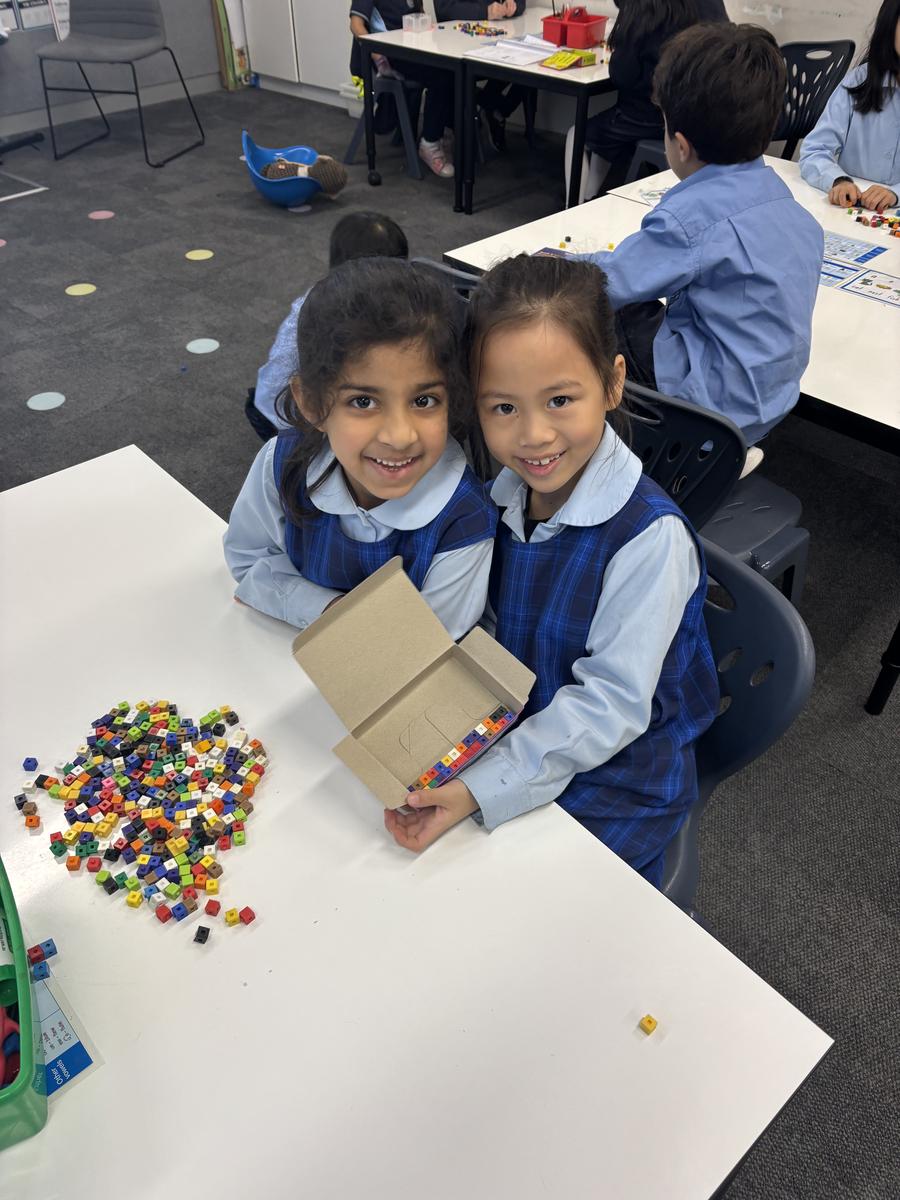
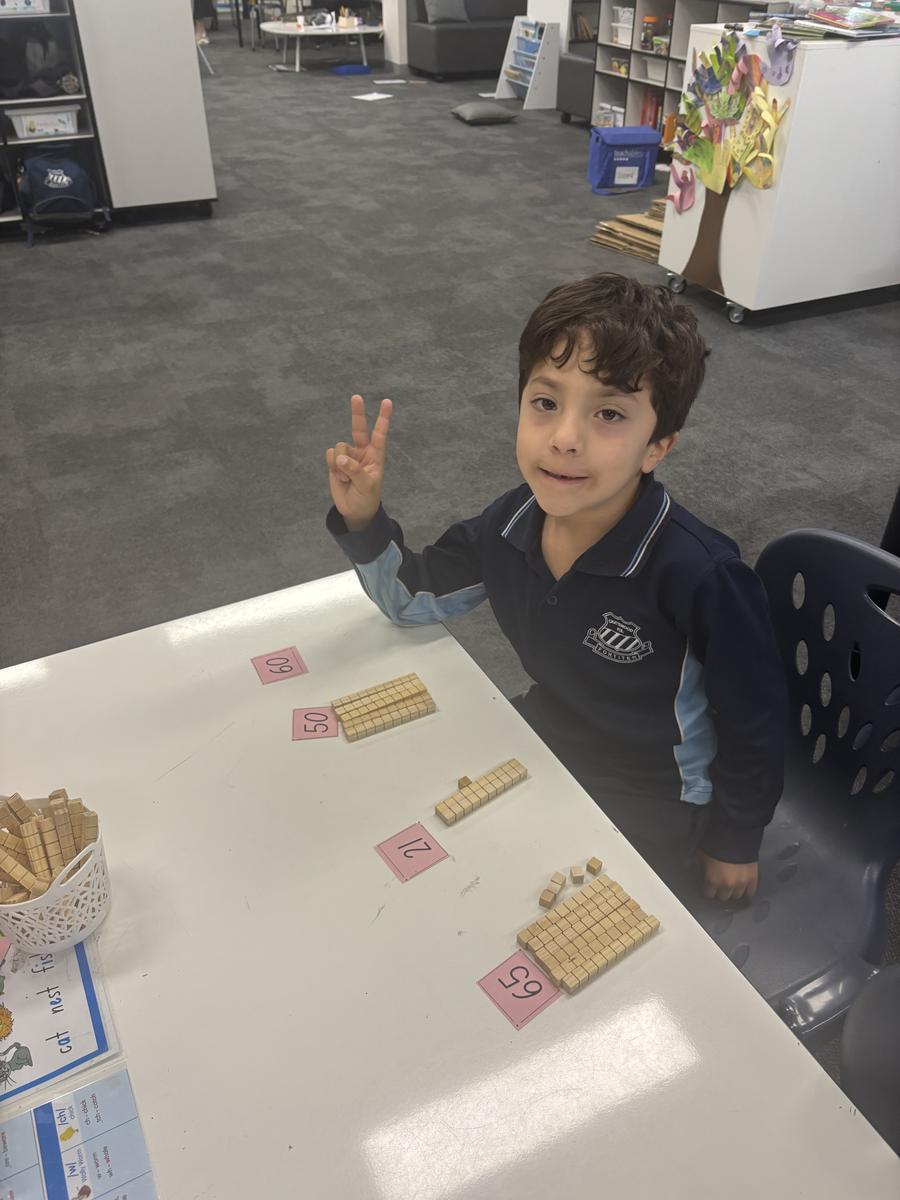
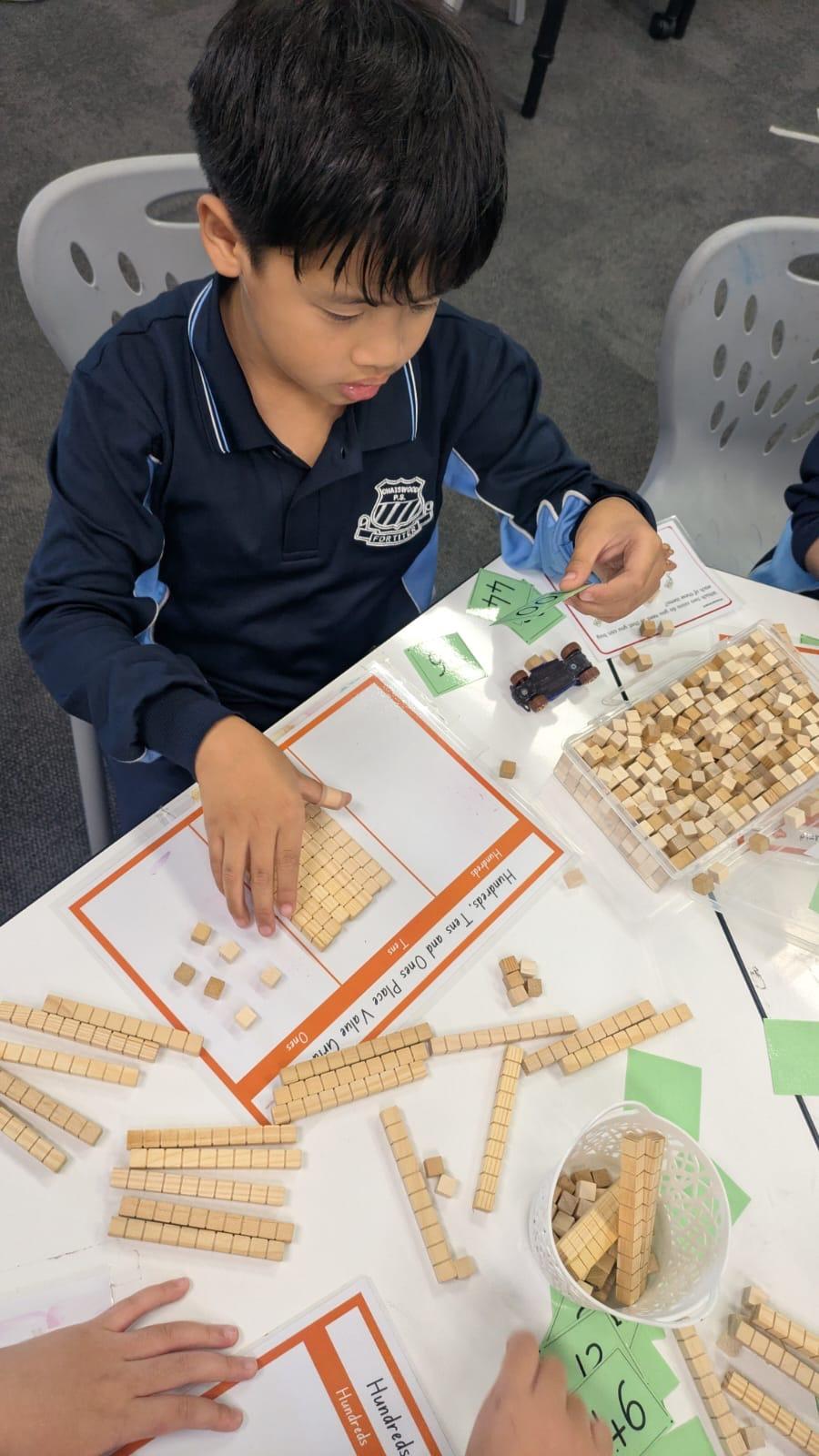
In this cycle, students will be working on counting and recognising number patterns, including counting forwards and backwards and understanding how numbers are grouped into tens and hundreds. They will practise using number lines and charts, forming and regrouping three-digit numbers, and locating the nearest ten to a given number. Students will also learn to collect and represent data using objects and drawings, describe and compare information in simple data displays, and identify values that are "more than" or "less than" others. In addition, students will explore the concept of chance by identifying and describing possible outcomes for everyday events.
Weeks 5-7: Combining and Separating Quantities and Mass
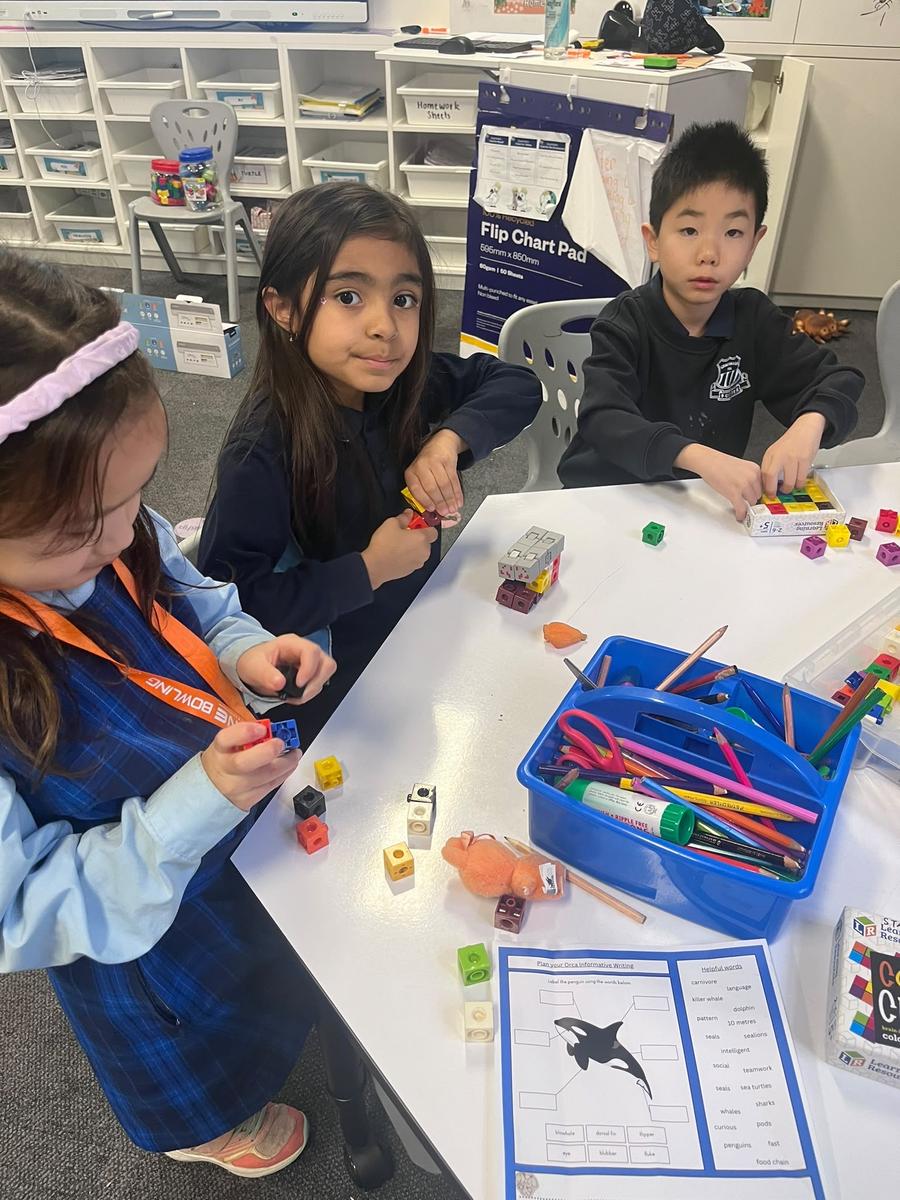
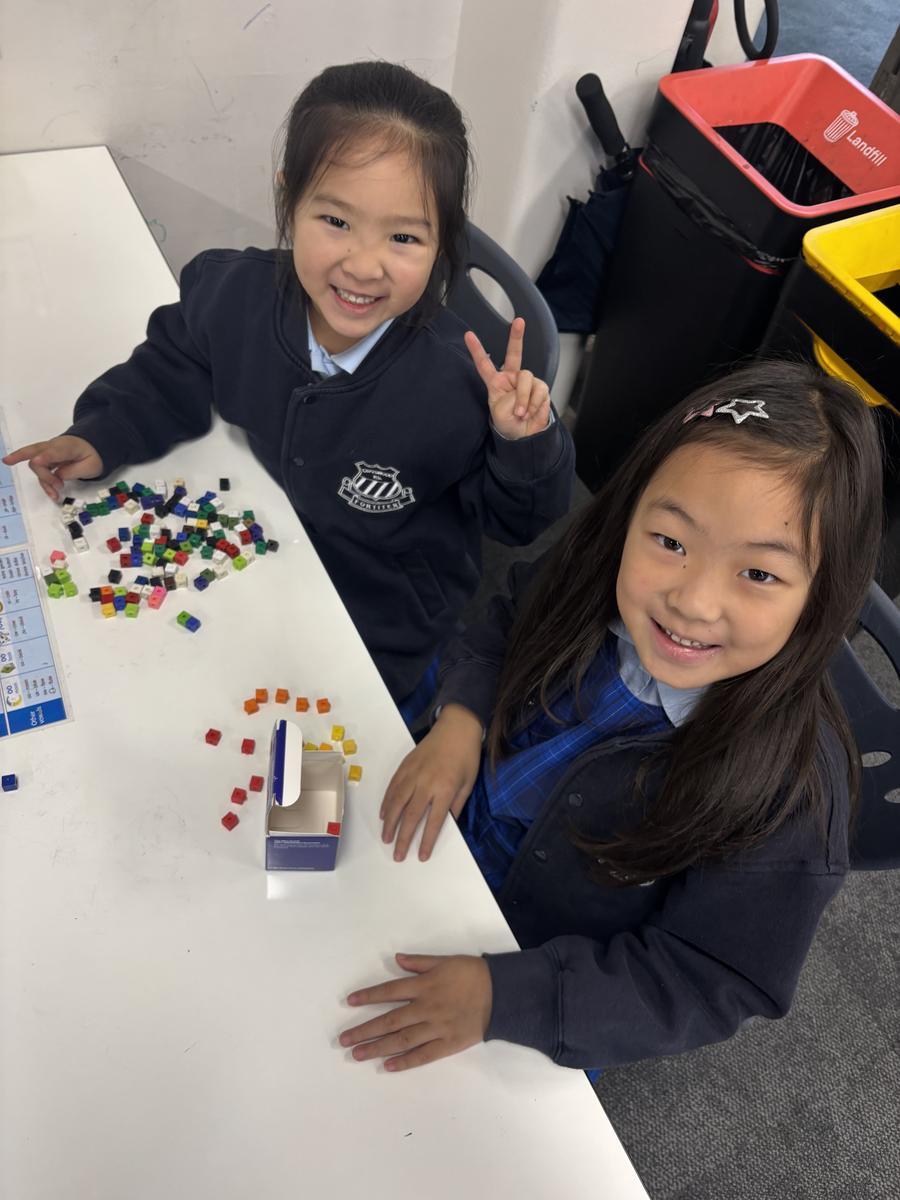
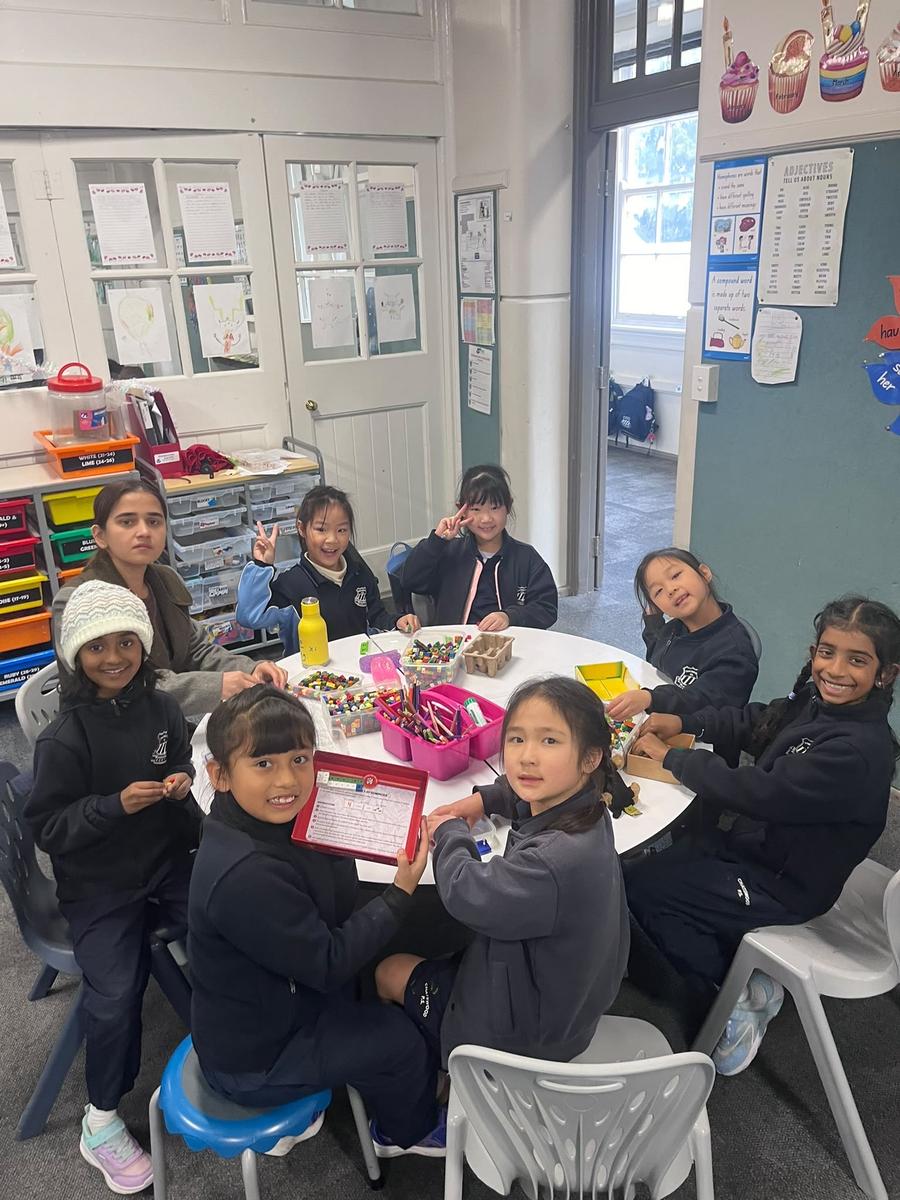
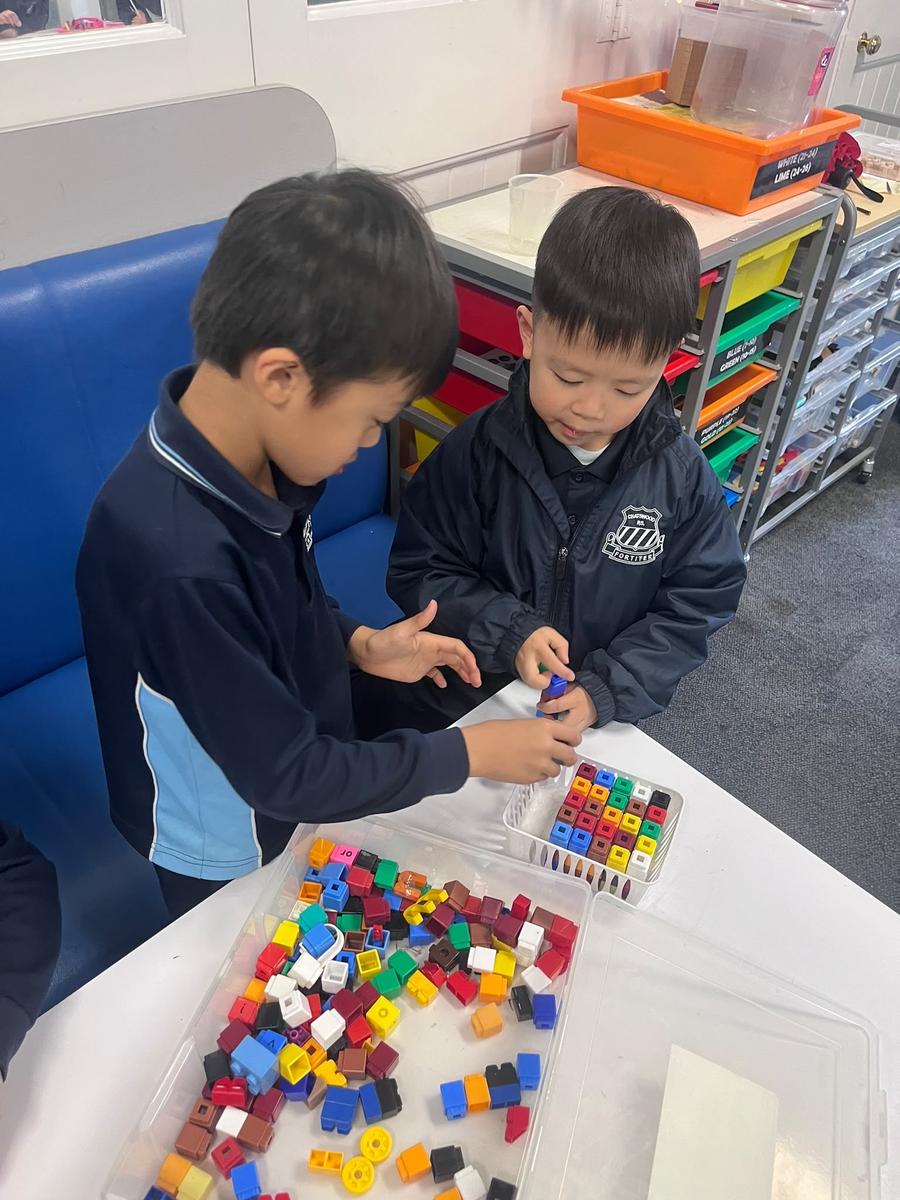
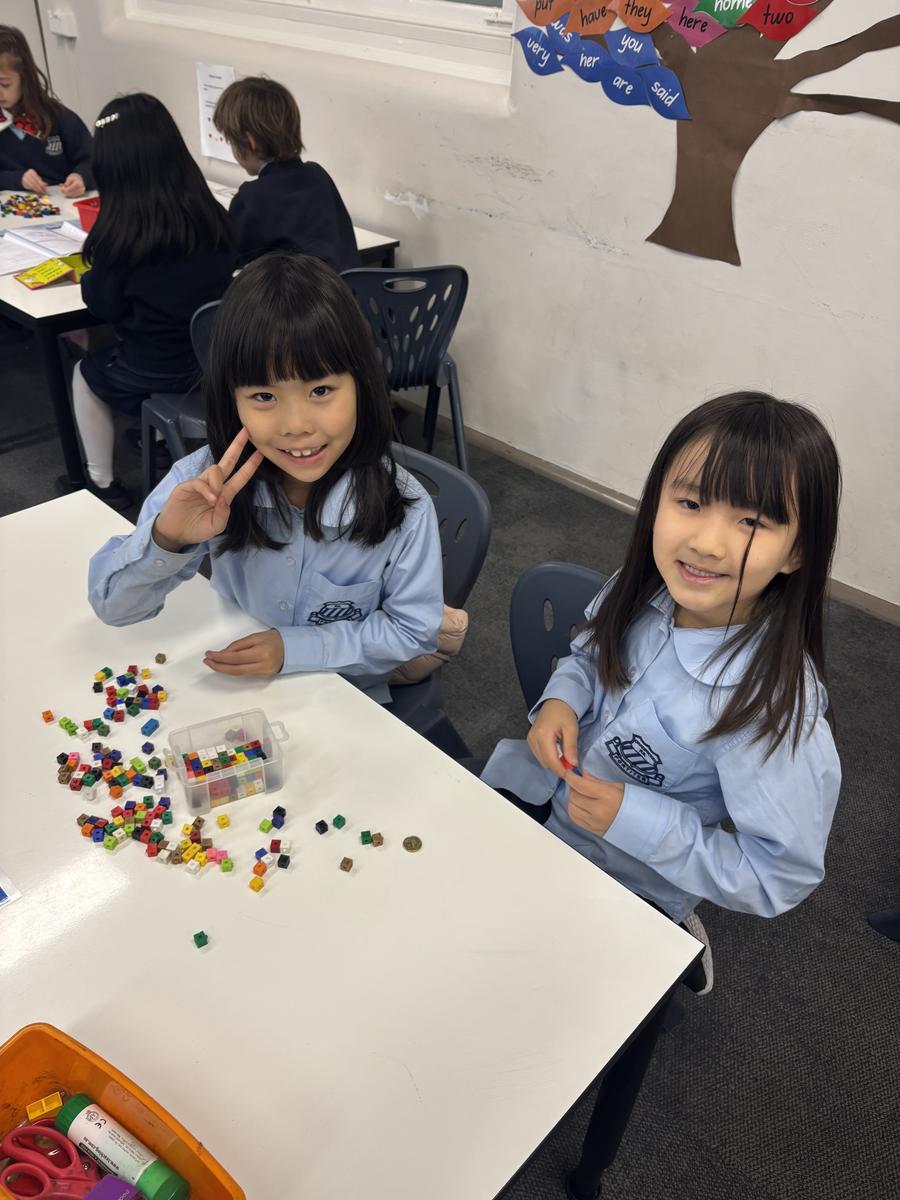
In cycle 2, students will be learning flexible strategies to solve addition and subtraction problems. They will use methods like doubling numbers, combining numbers that make ten, and using bead strings or other materials to help them solve problems with one- and two-digit numbers. Students will also build their understanding of mass by using equal-arm balances to compare, predict, and measure the weight of objects. They will practise finding out which items are heavier or lighter and learn to order and compare objects based on their mass in hands-on activities.
Weeks 8-10: Forming Groups and Length
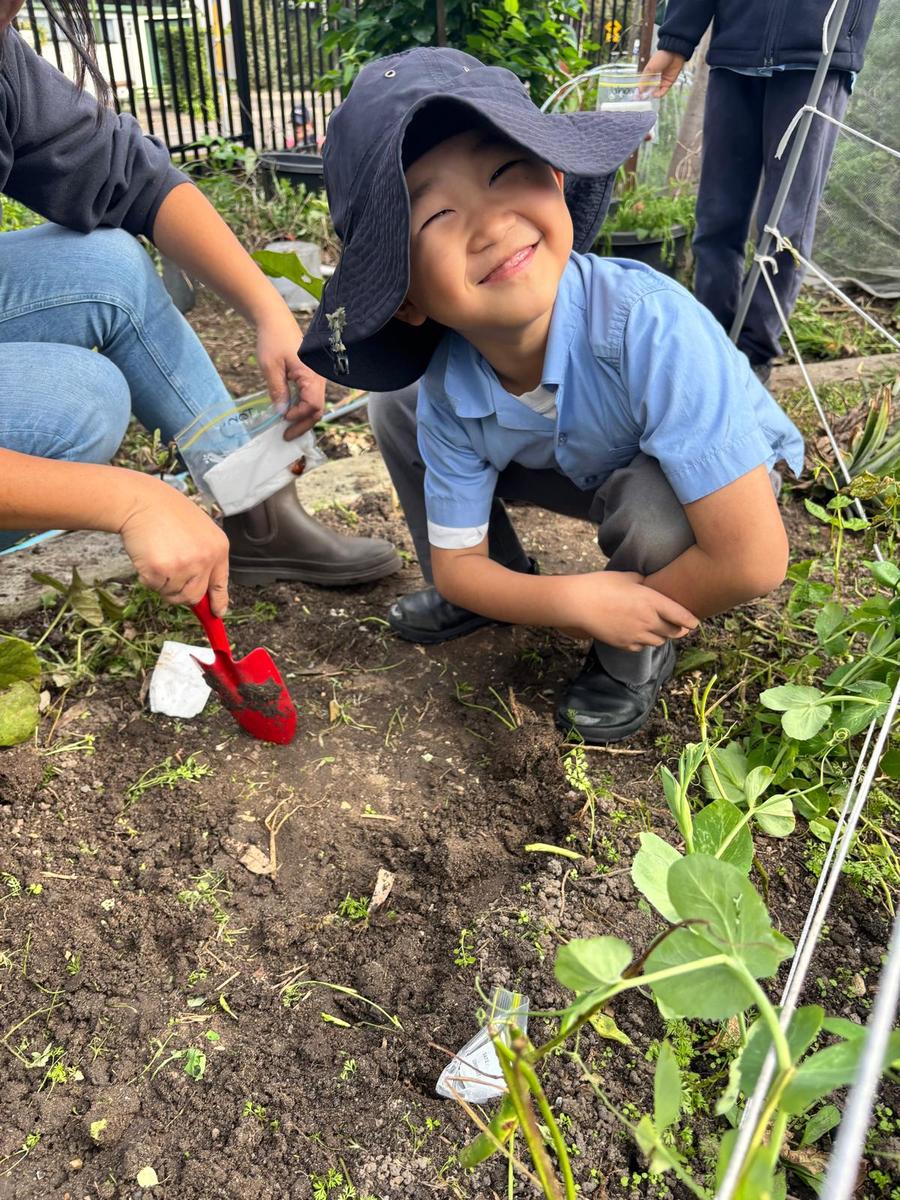
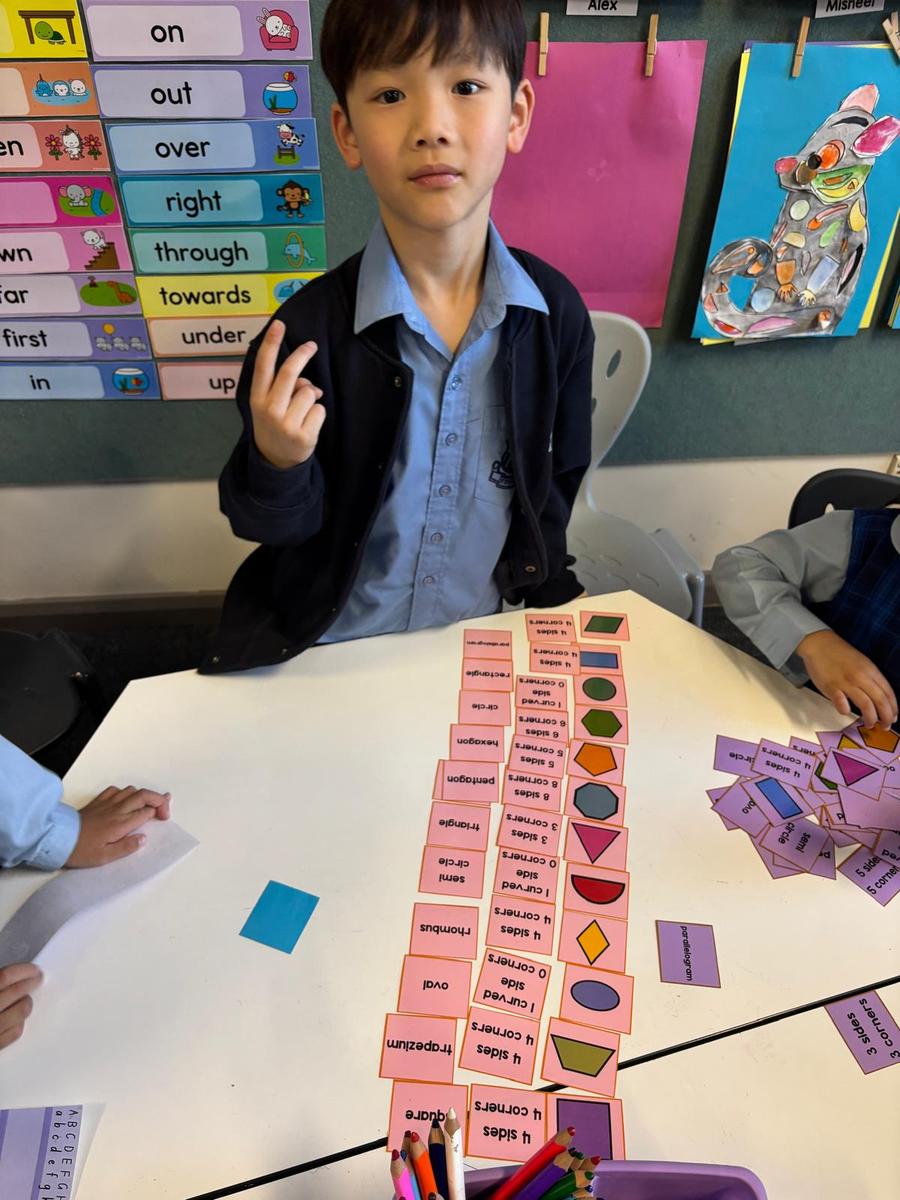
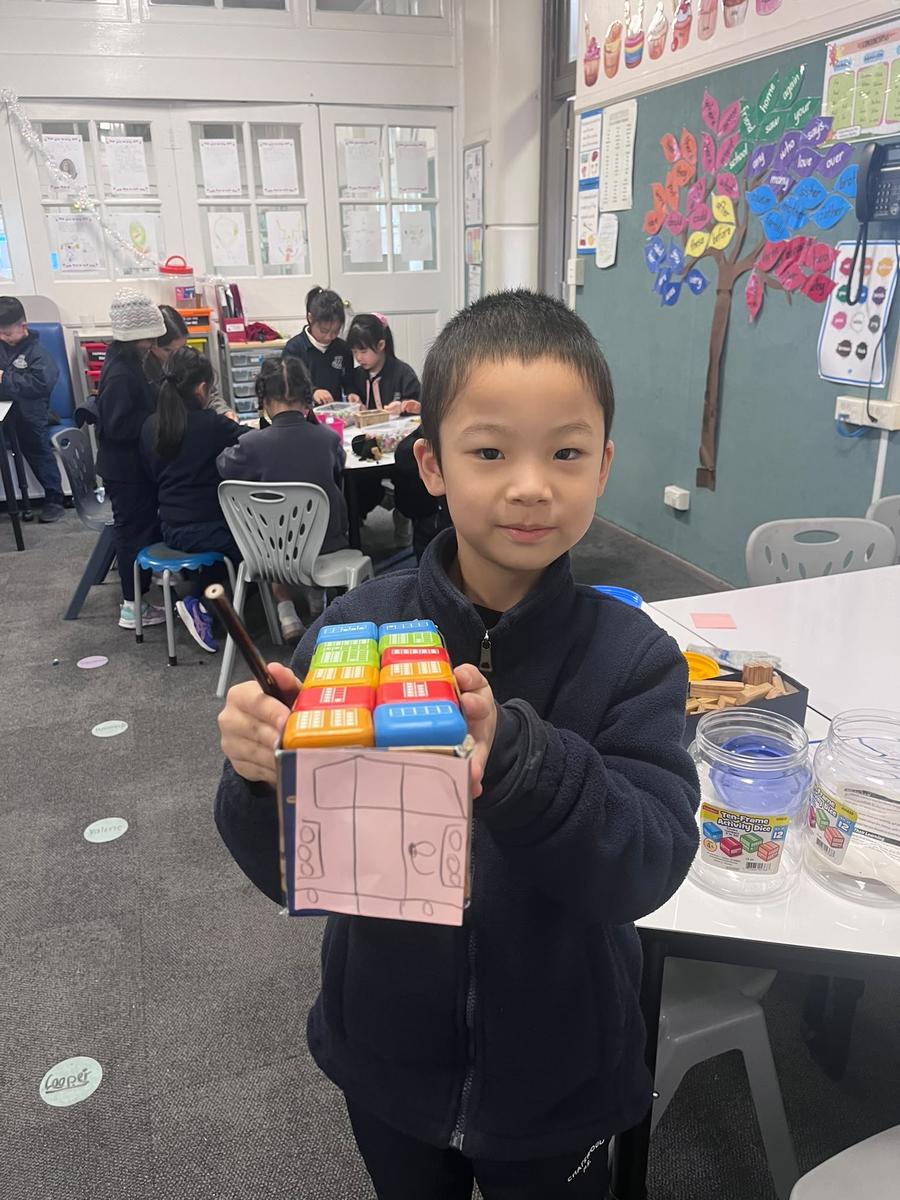
In the final cycle, students will be learning how to form equal groups to understand multiplication. They will practise using objects to model and describe groups, then use skip counting to find the total number in each group. Students will also explore length by comparing and measuring objects using informal units, like blocks or paper clips. They will estimate, measure, and record lengths, and learn how to compare and order objects even if they can’t be moved. These hands-on activities help build a strong foundation for working with numbers and measurement.
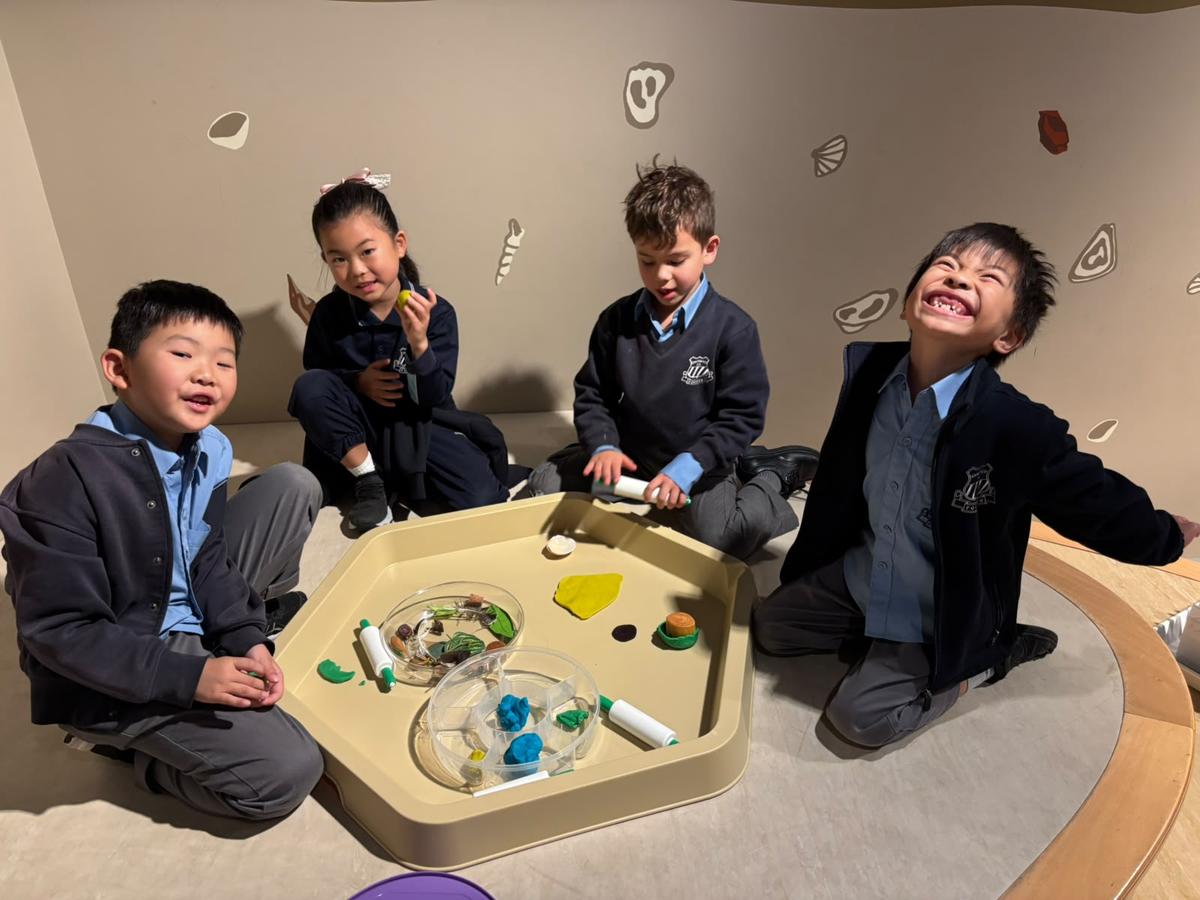
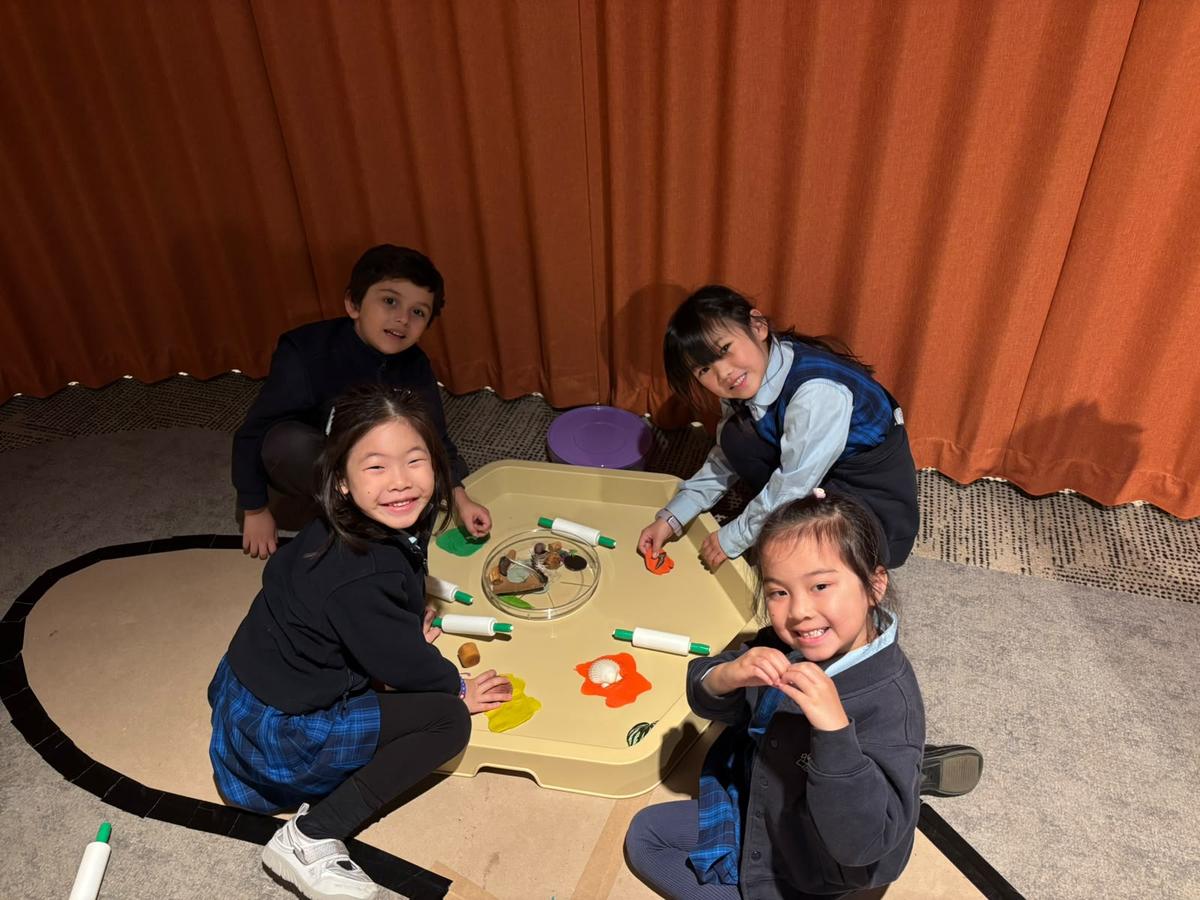
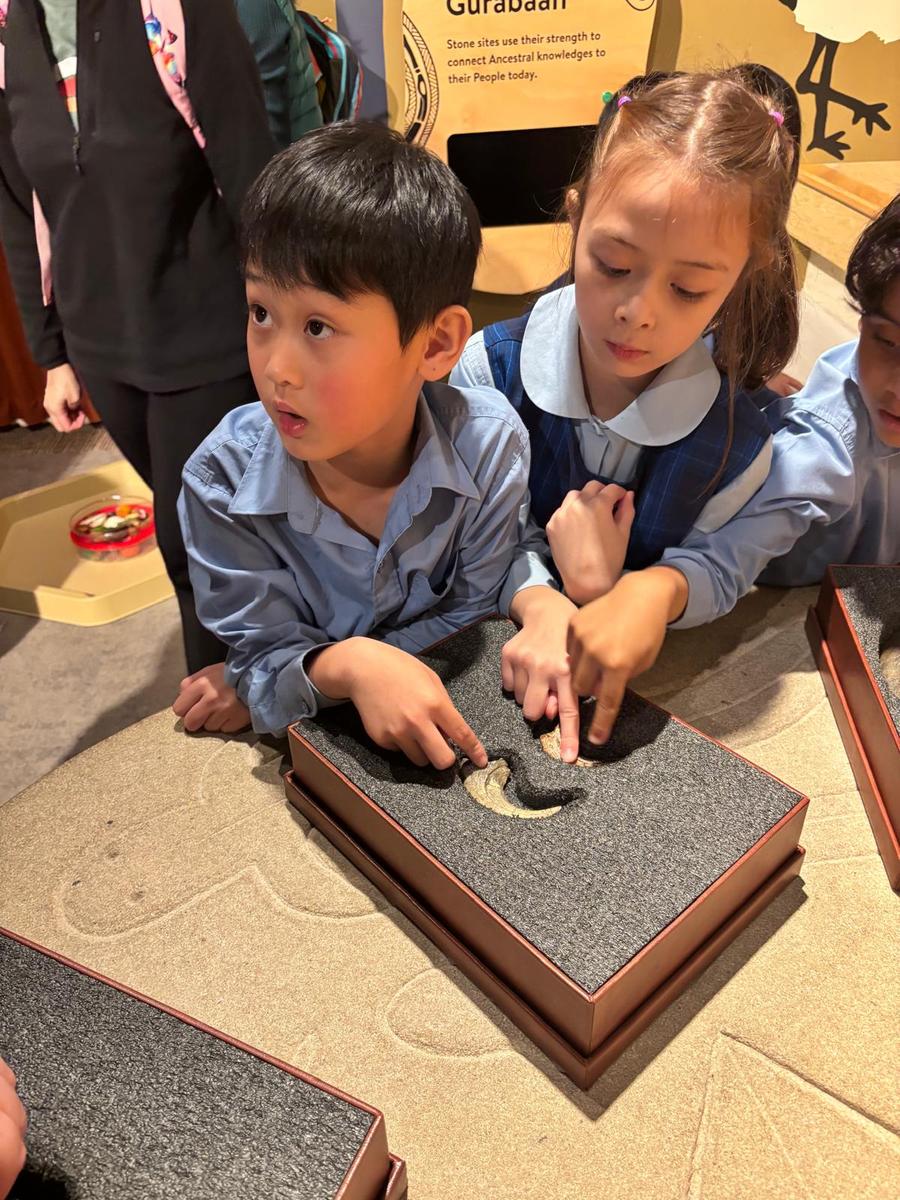
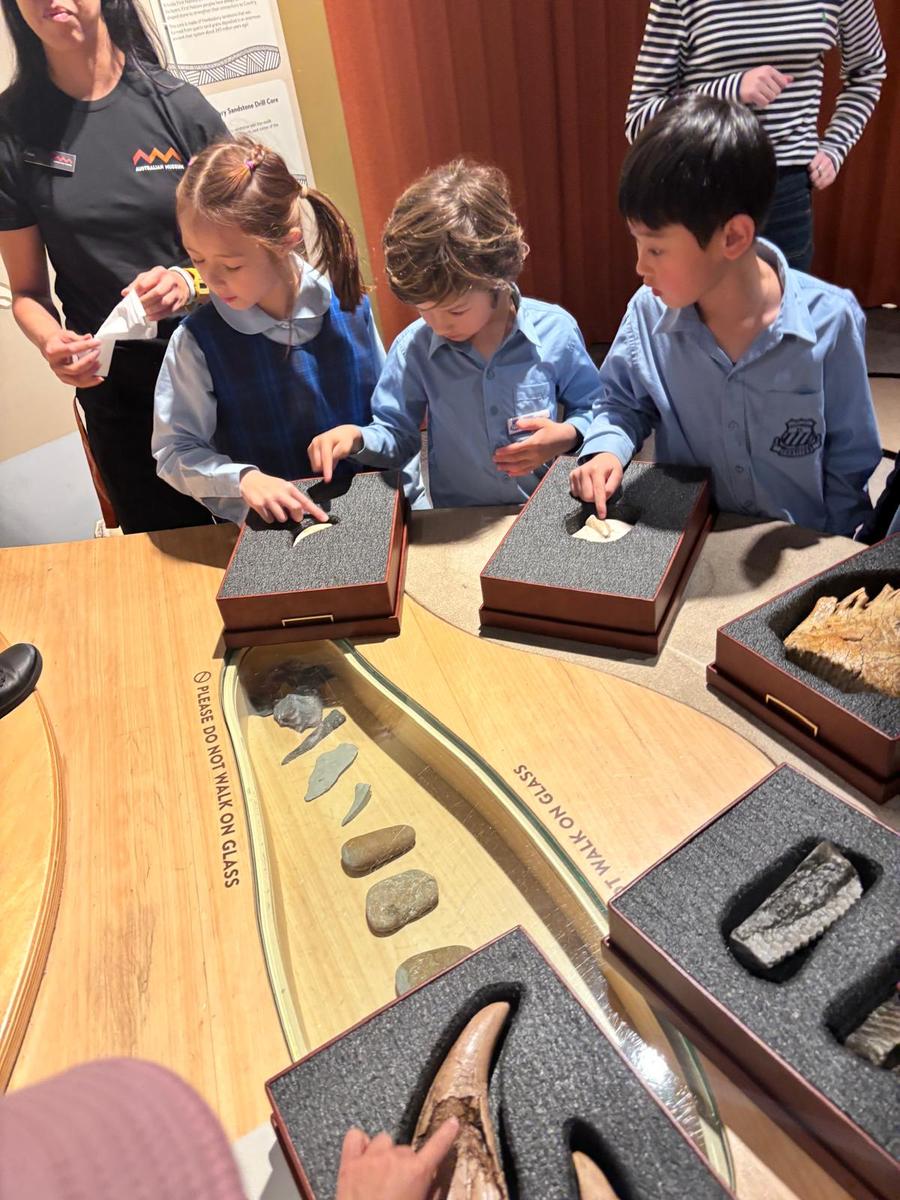
This term, students will learn about the special connection Aboriginal Peoples have with Country. They will begin by attending an incursion for NAIDOC week and participate in meaningful workshops that explore Aboriginal cultures. They will explore how spiritual, cultural, and physical responsibilities help shape the relationships Aboriginal Peoples have with Country. Students will also discover important Aboriginal sites across NSW, including those linked to Dreaming Stories, and investigate how stories, objects, and places provide evidence of the world’s oldest continuous culture.
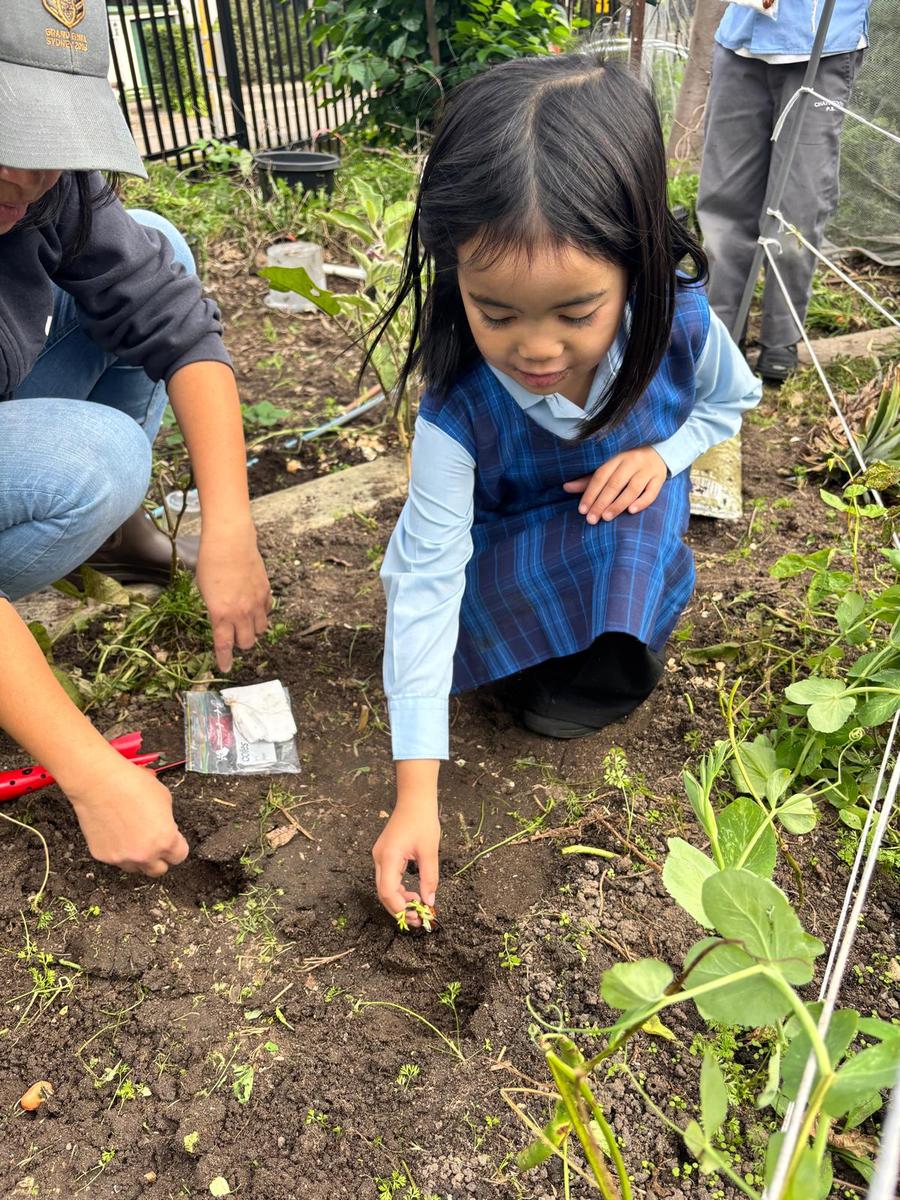
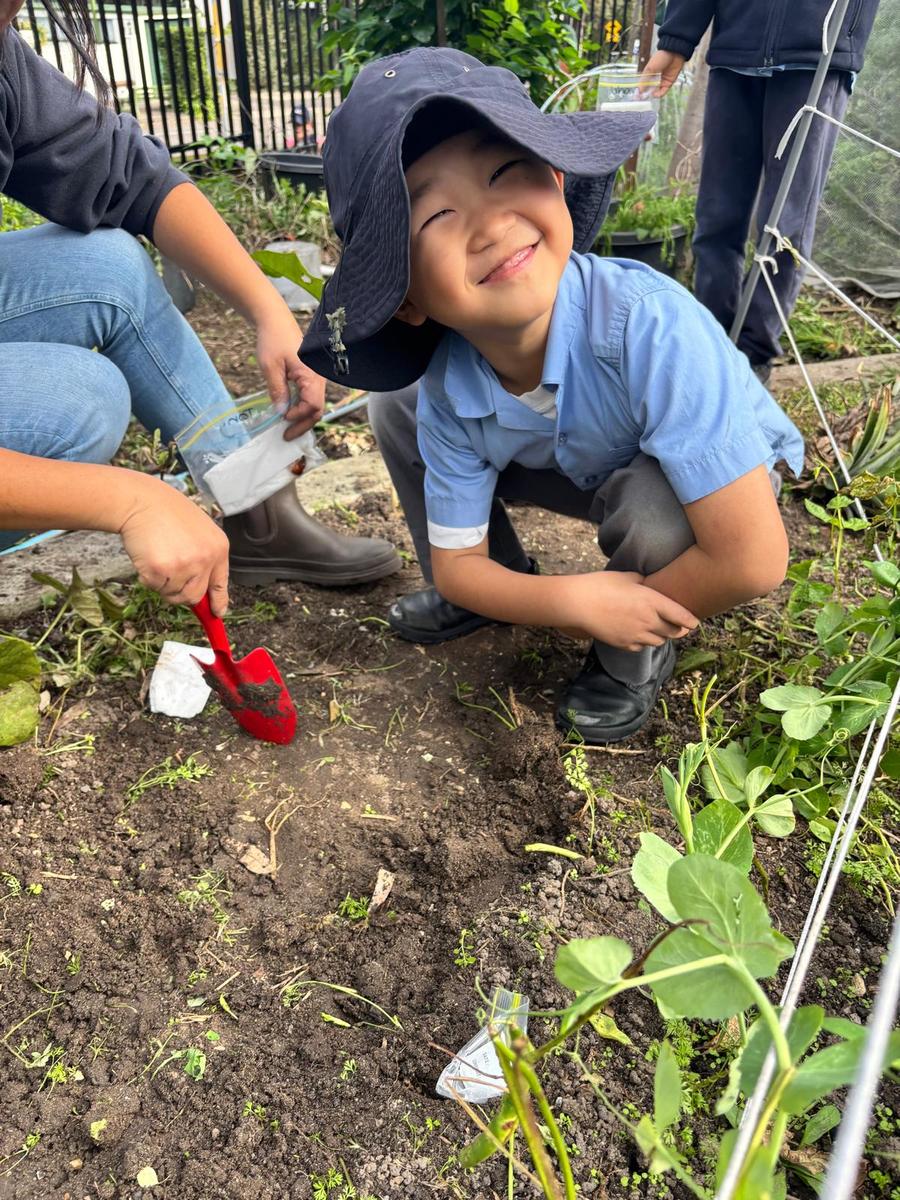
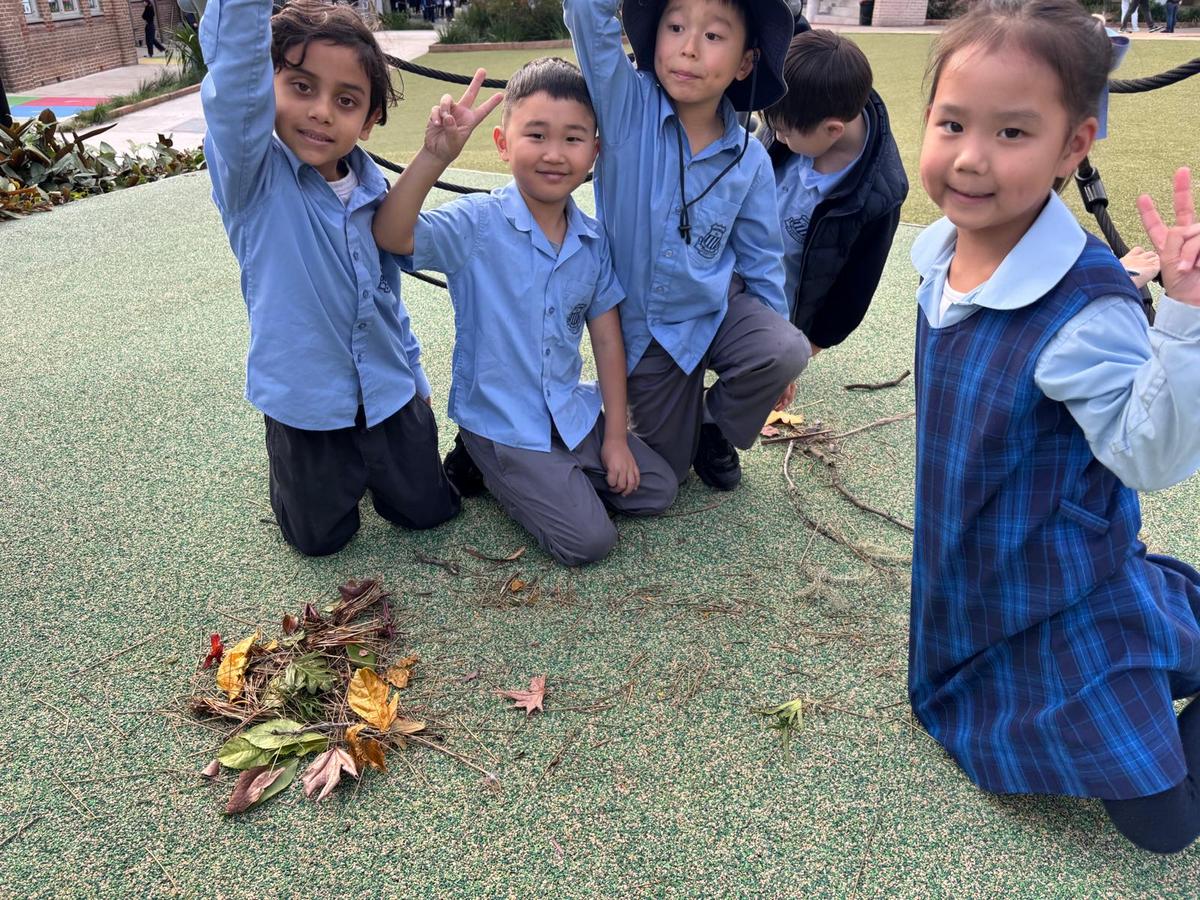
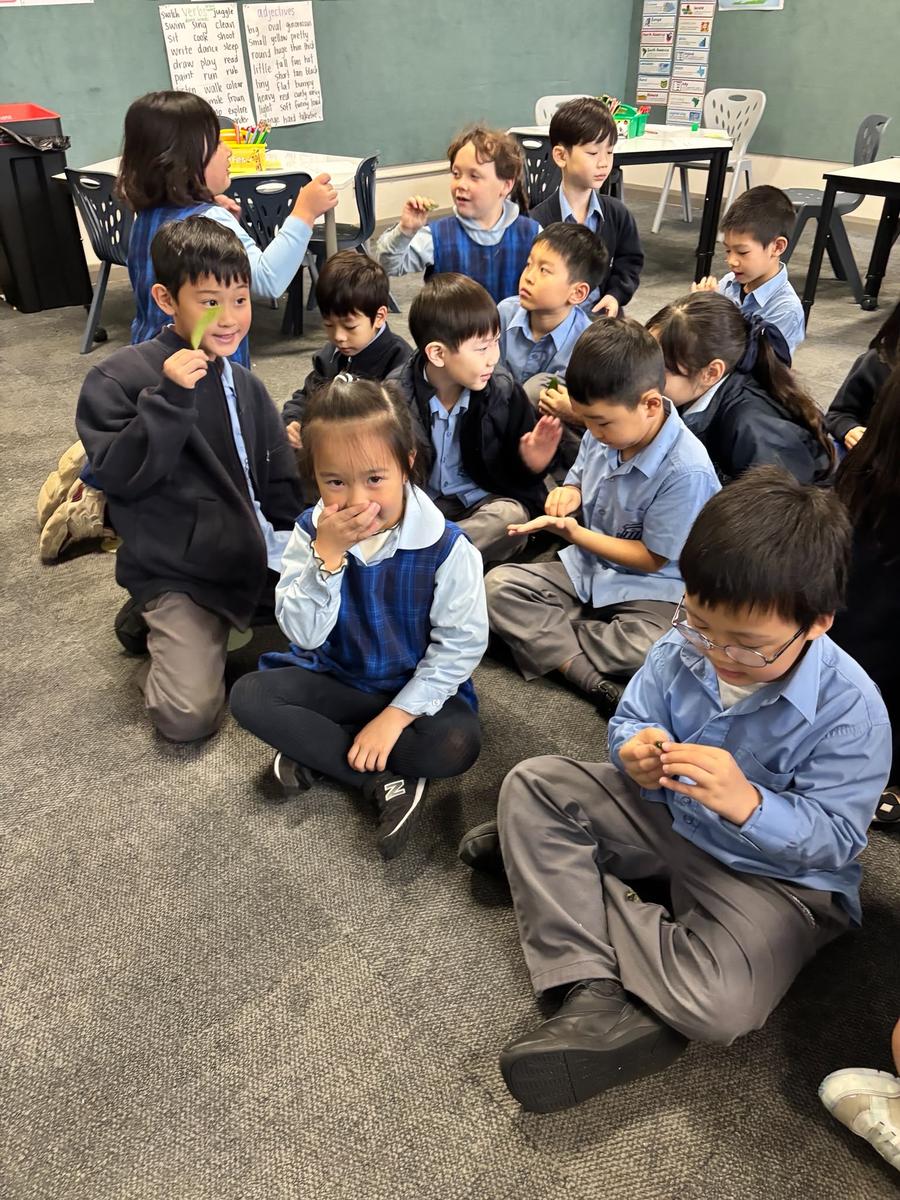
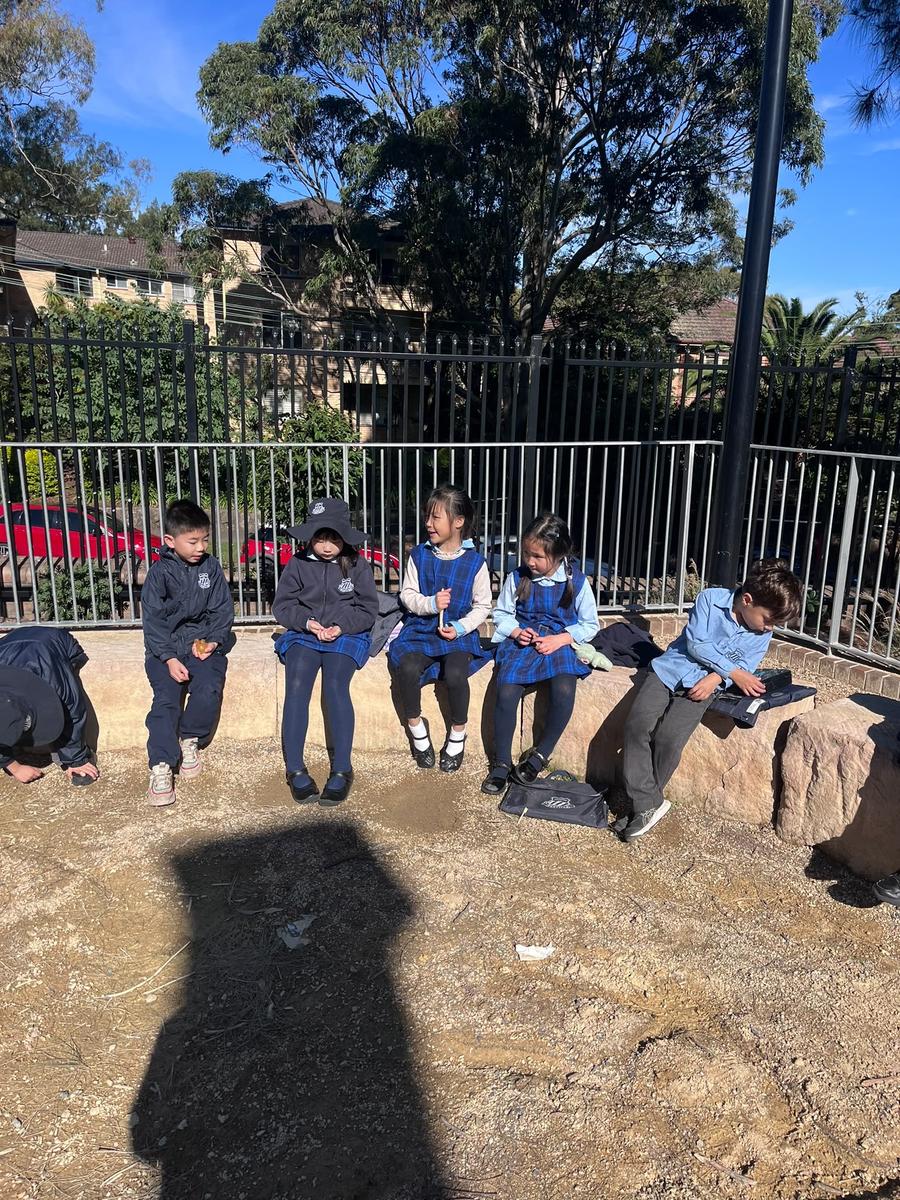
This term, Stage 1 students will explore forces and energy and learn how they are used in everyday products. They will practise following and creating step-by-step plans (algorithms) to solve problems. Through hands-on activities, students will observe, collect data, and use materials and tools to design solutions. They will also begin to understand digital systems and how data is represented, helping develop their skills in both science and technology.
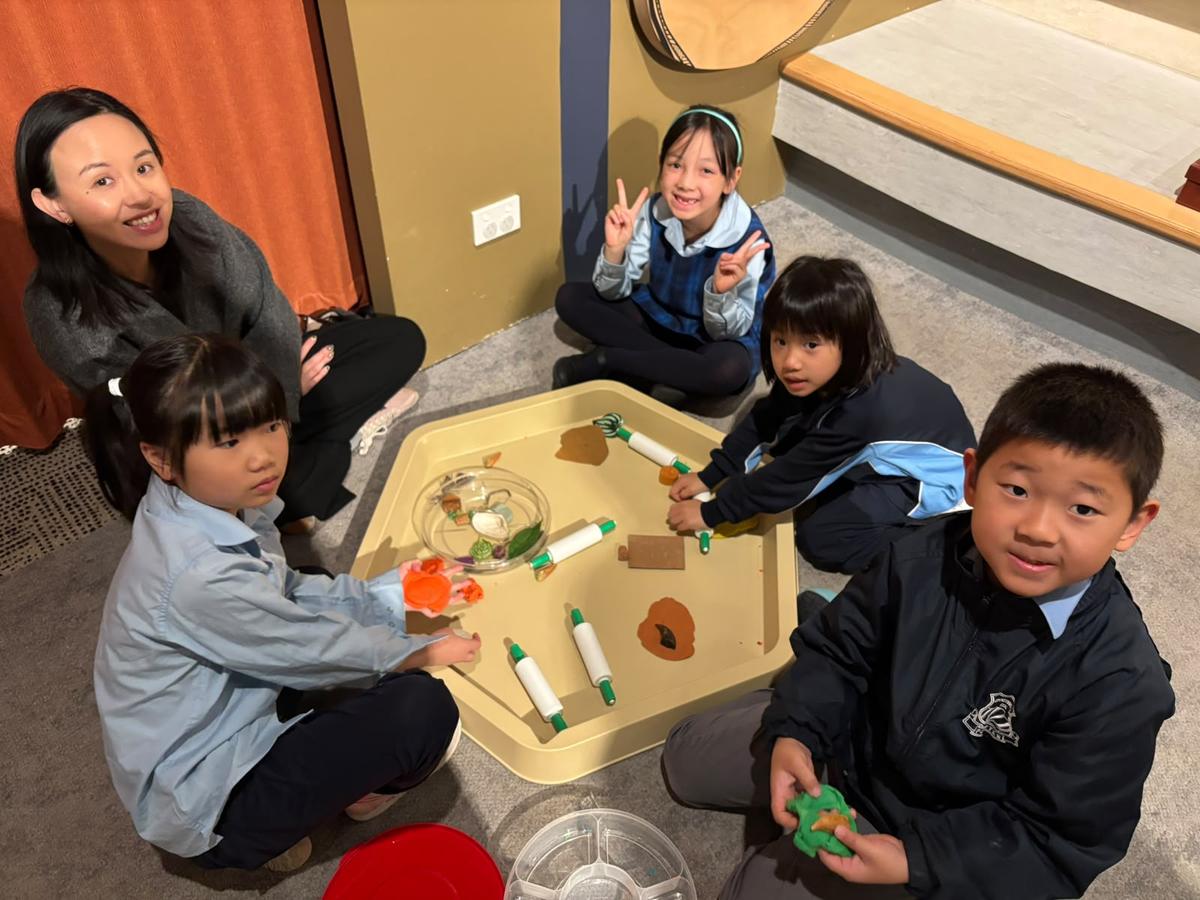
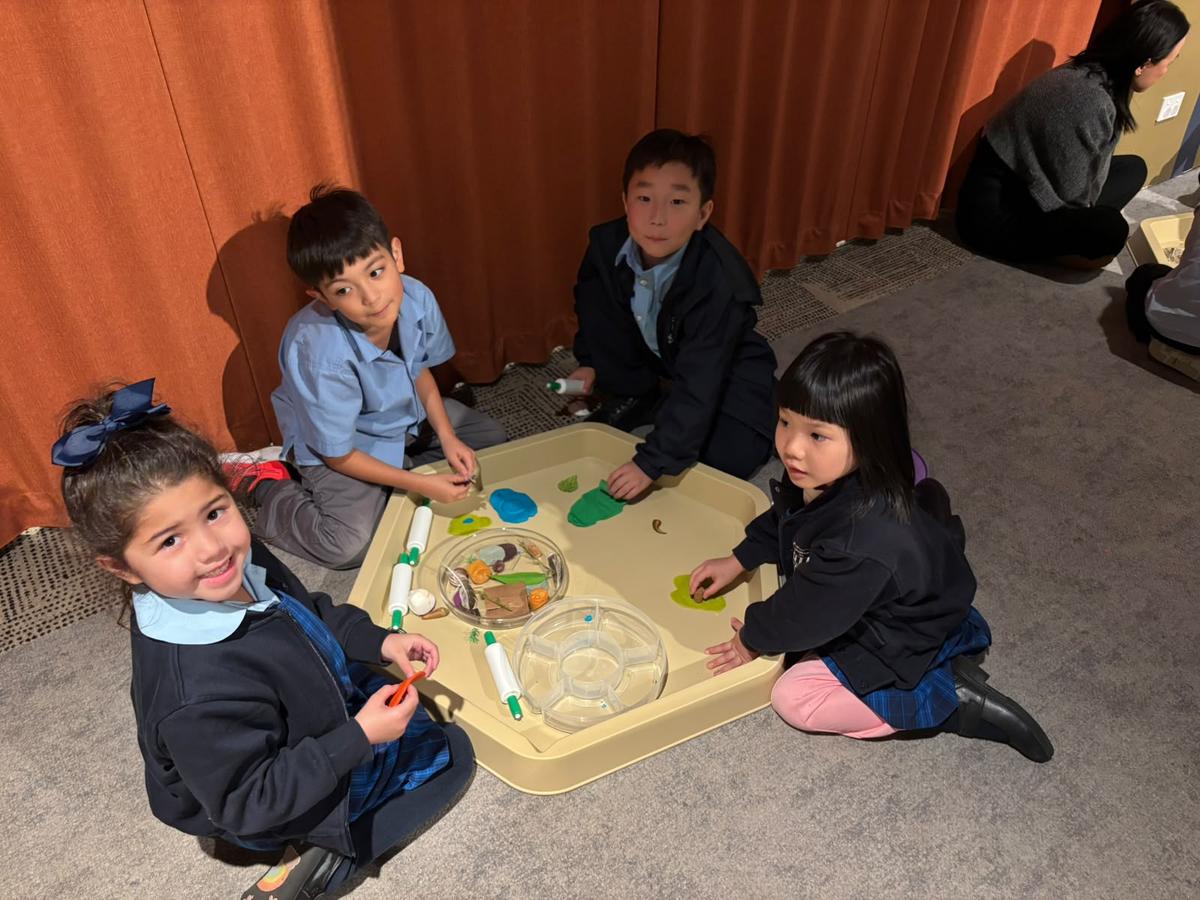
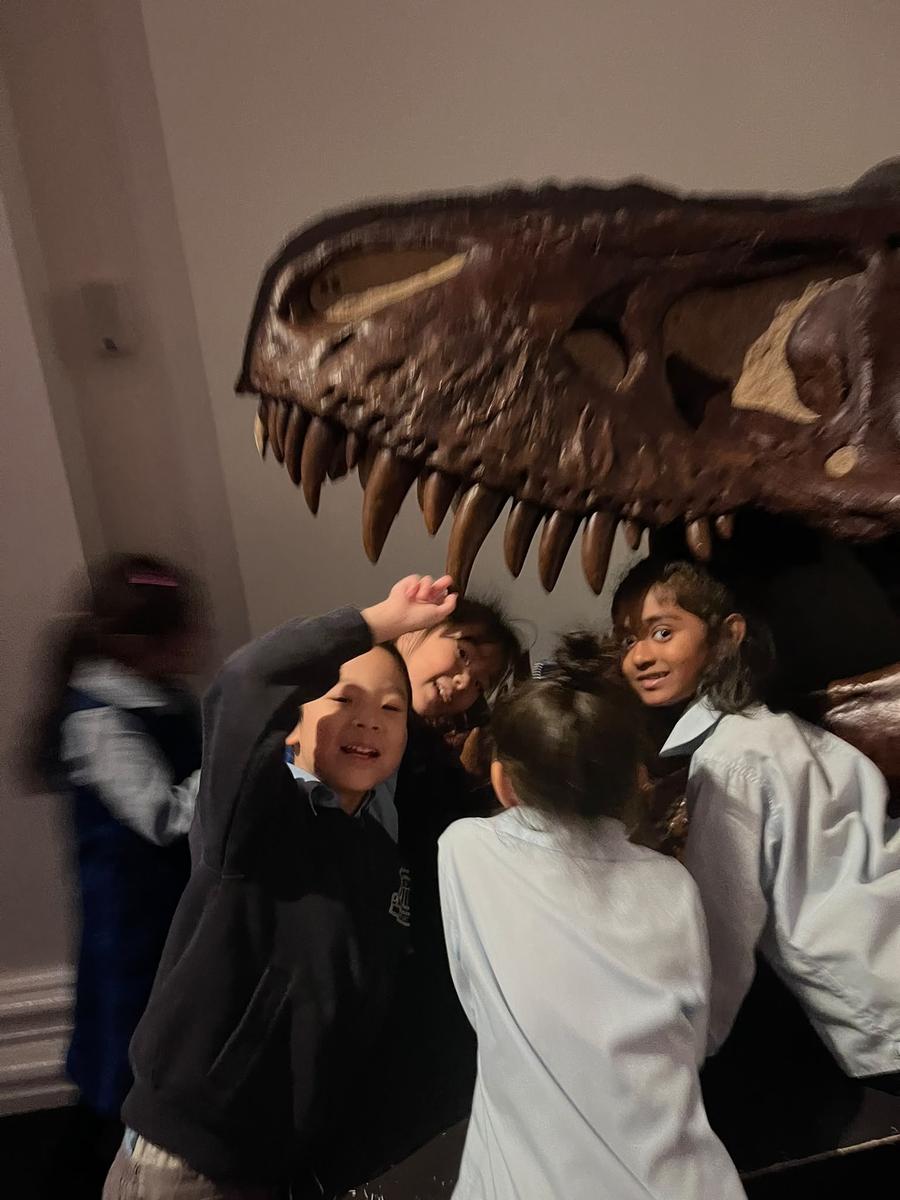
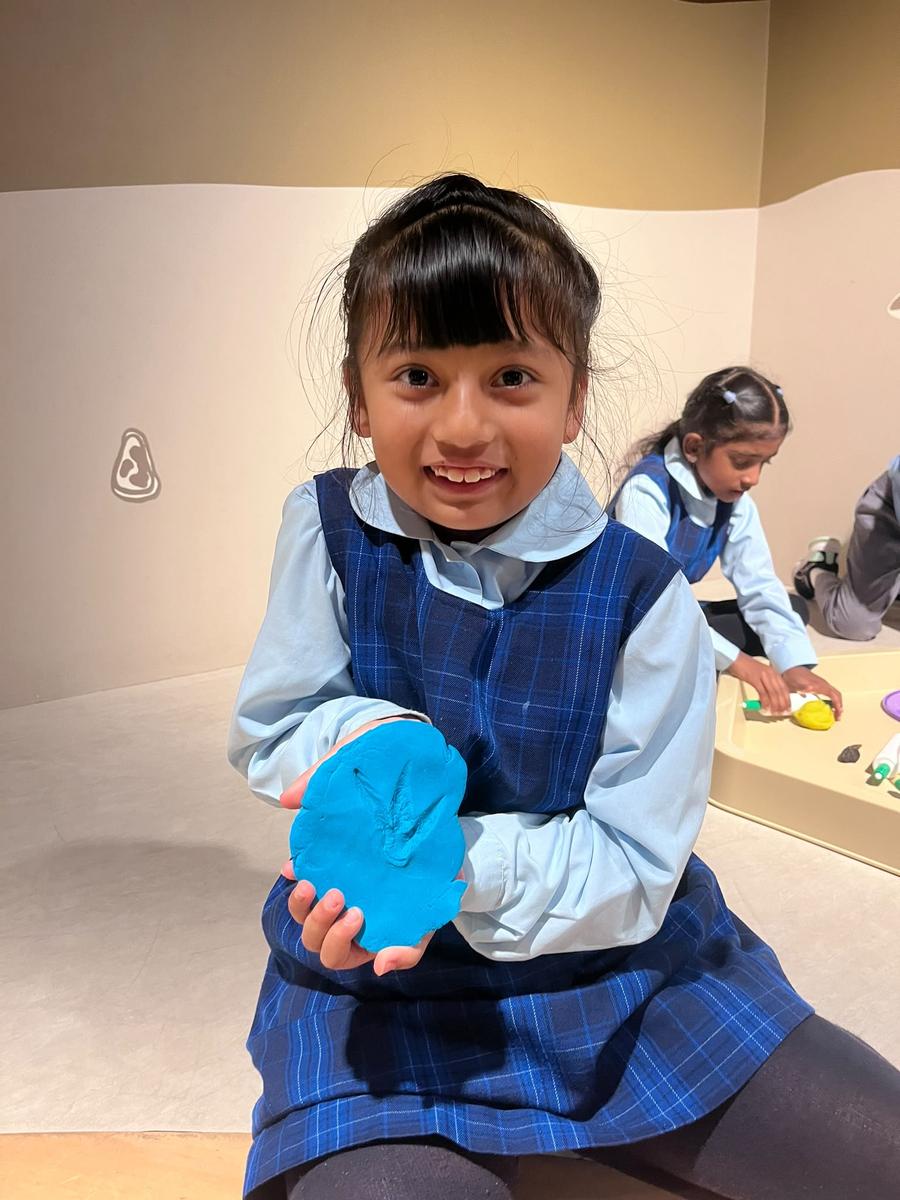
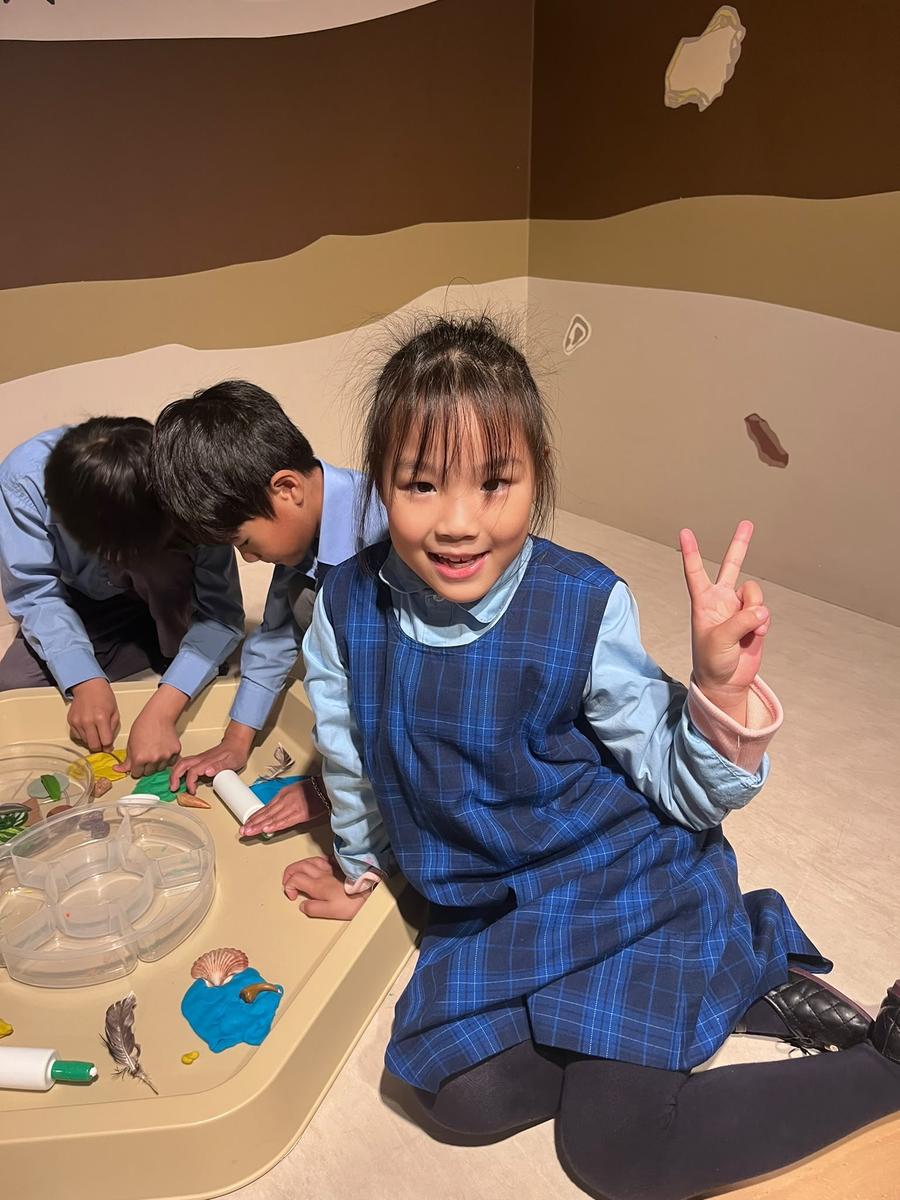
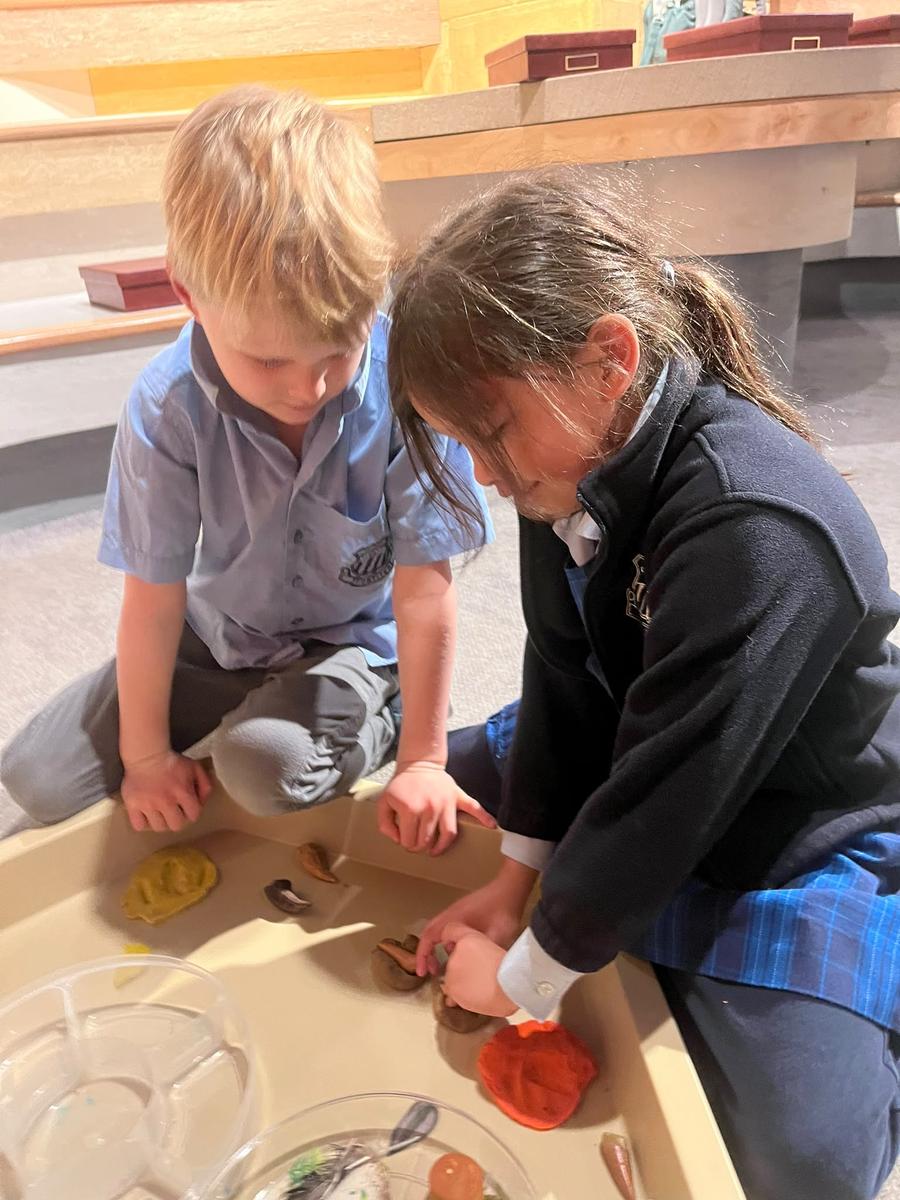
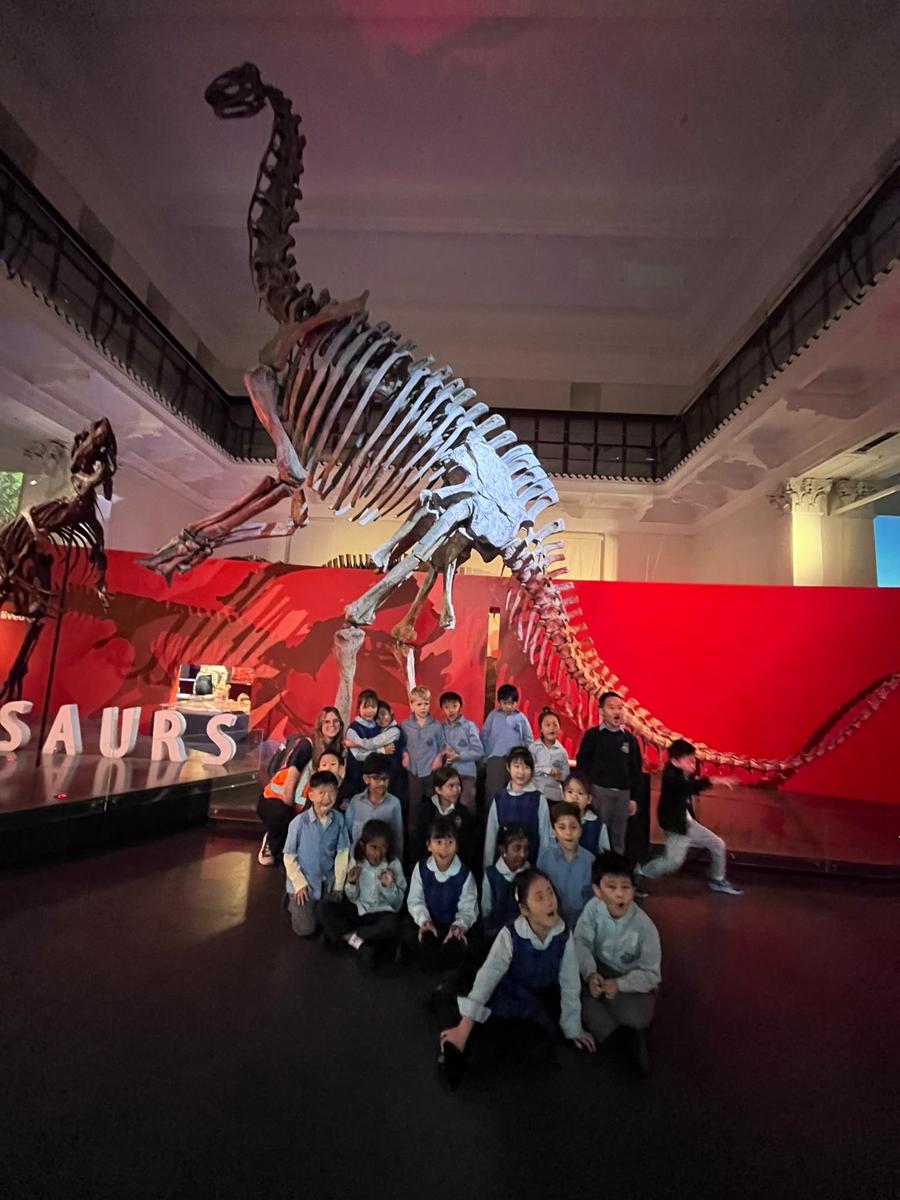
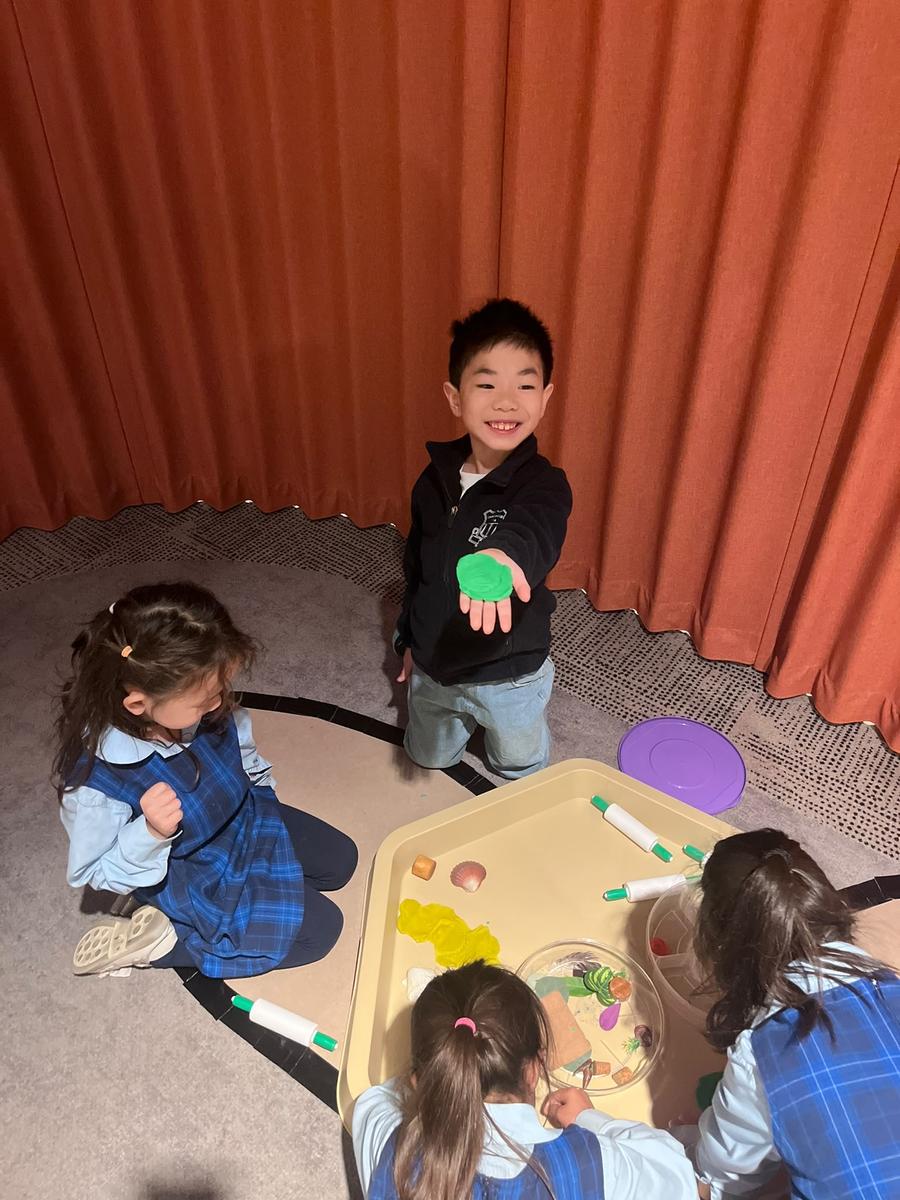
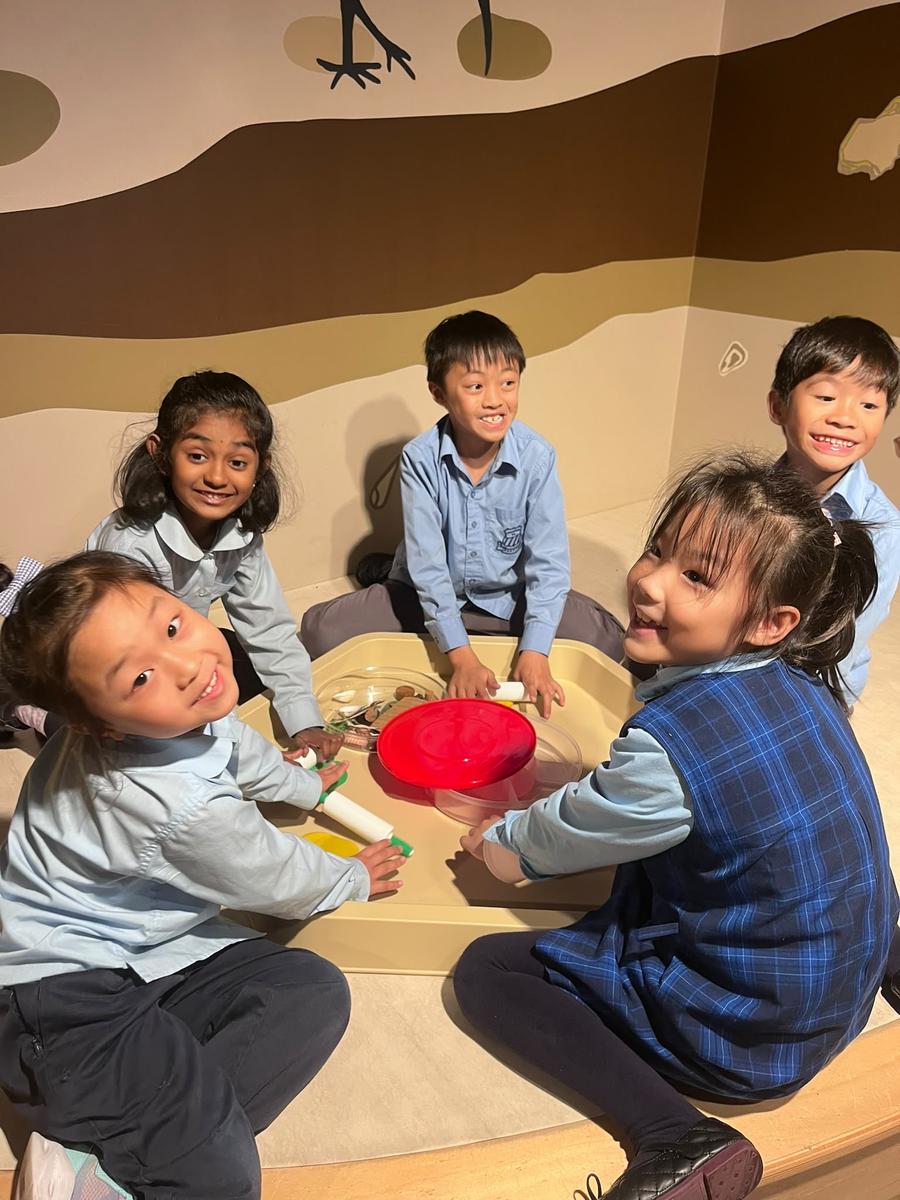
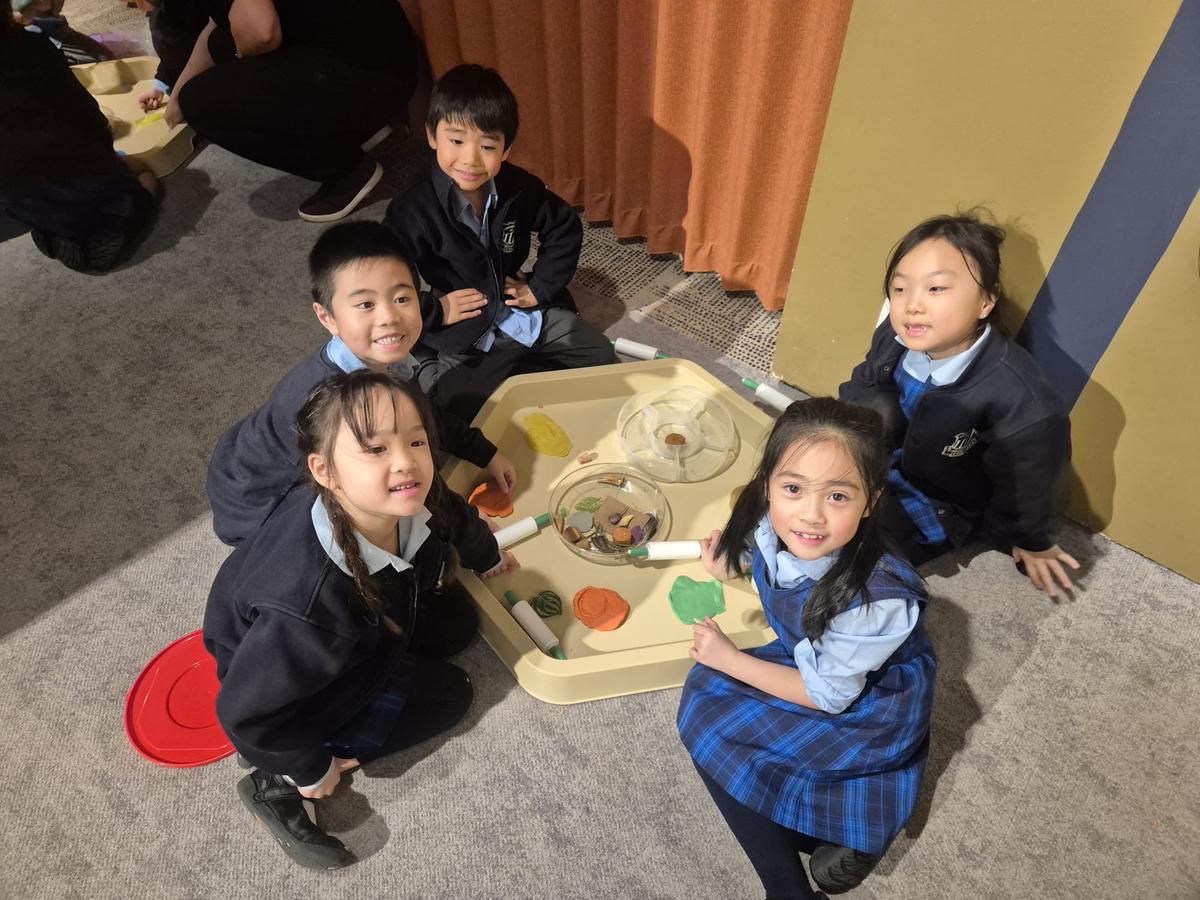
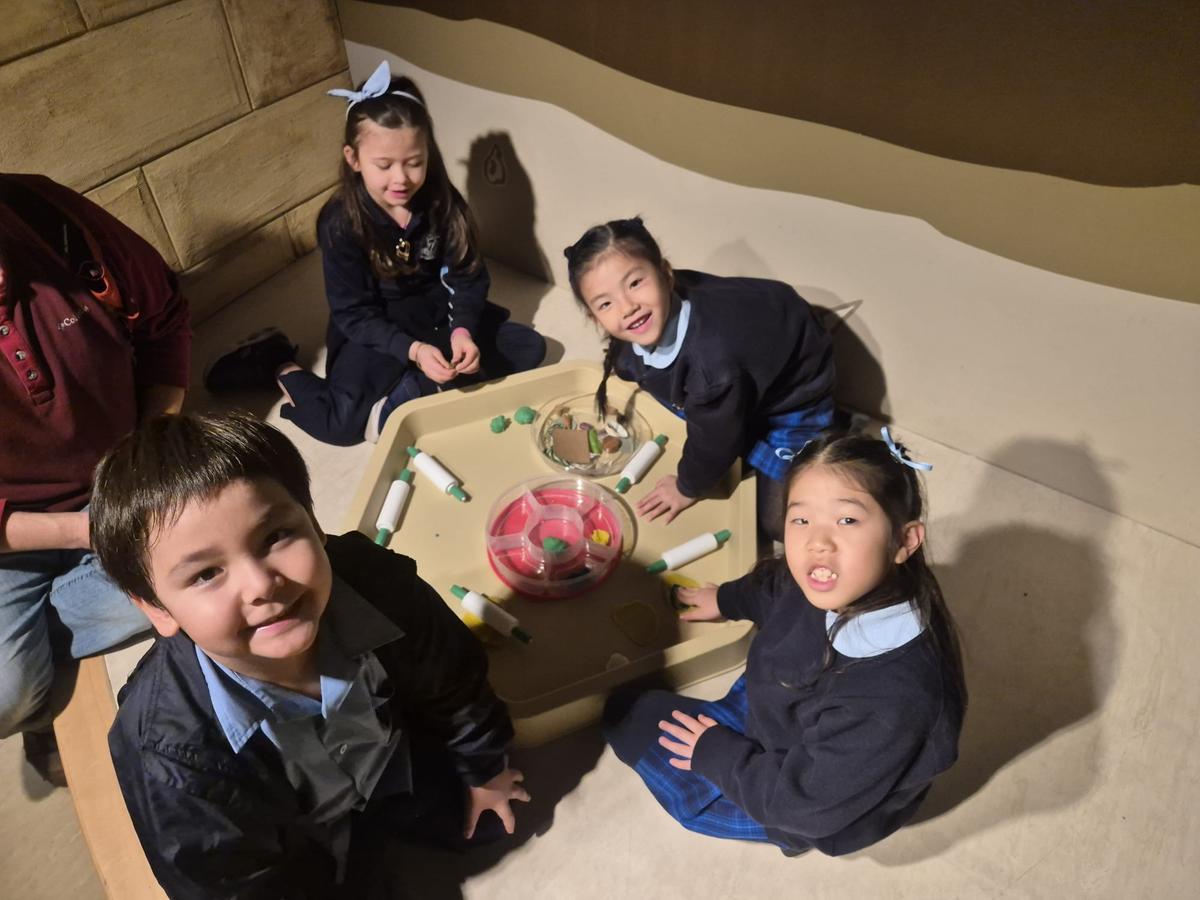
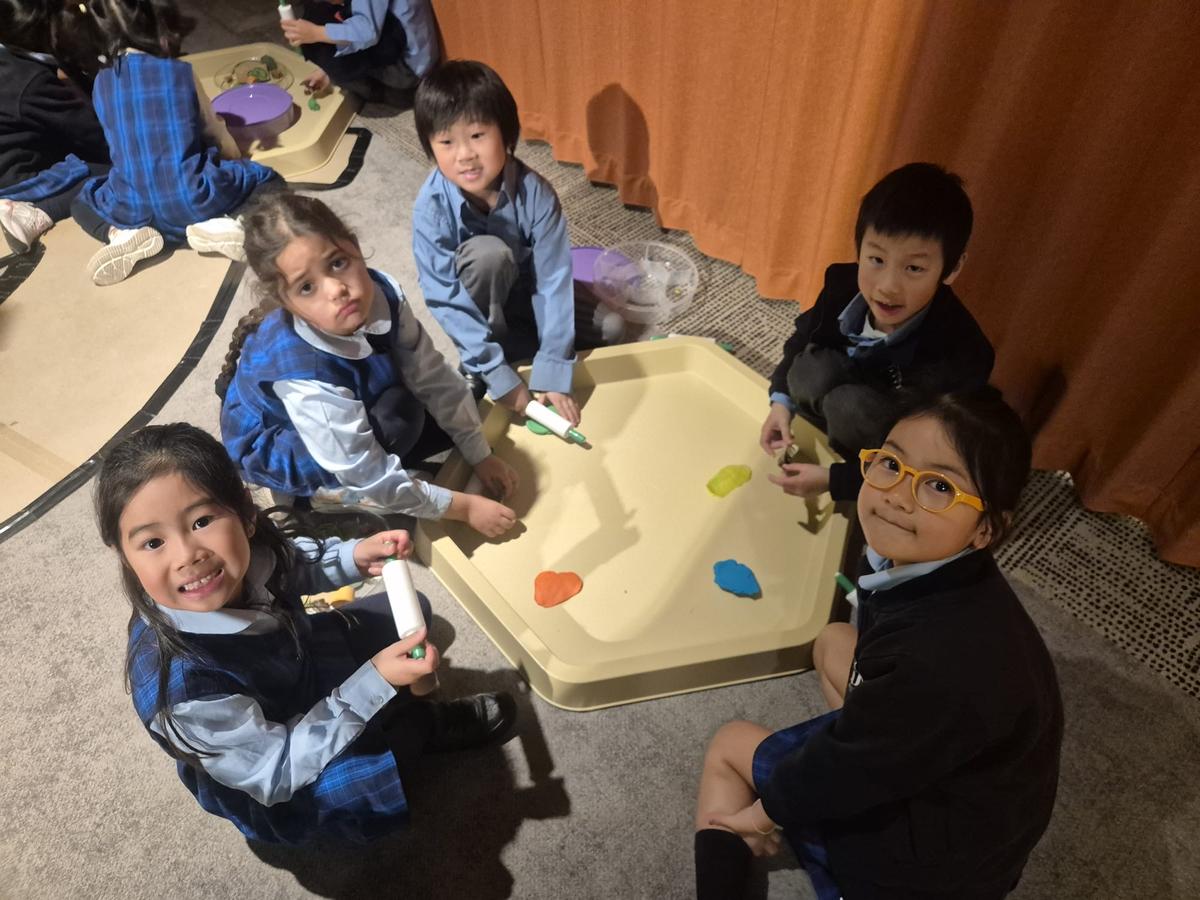
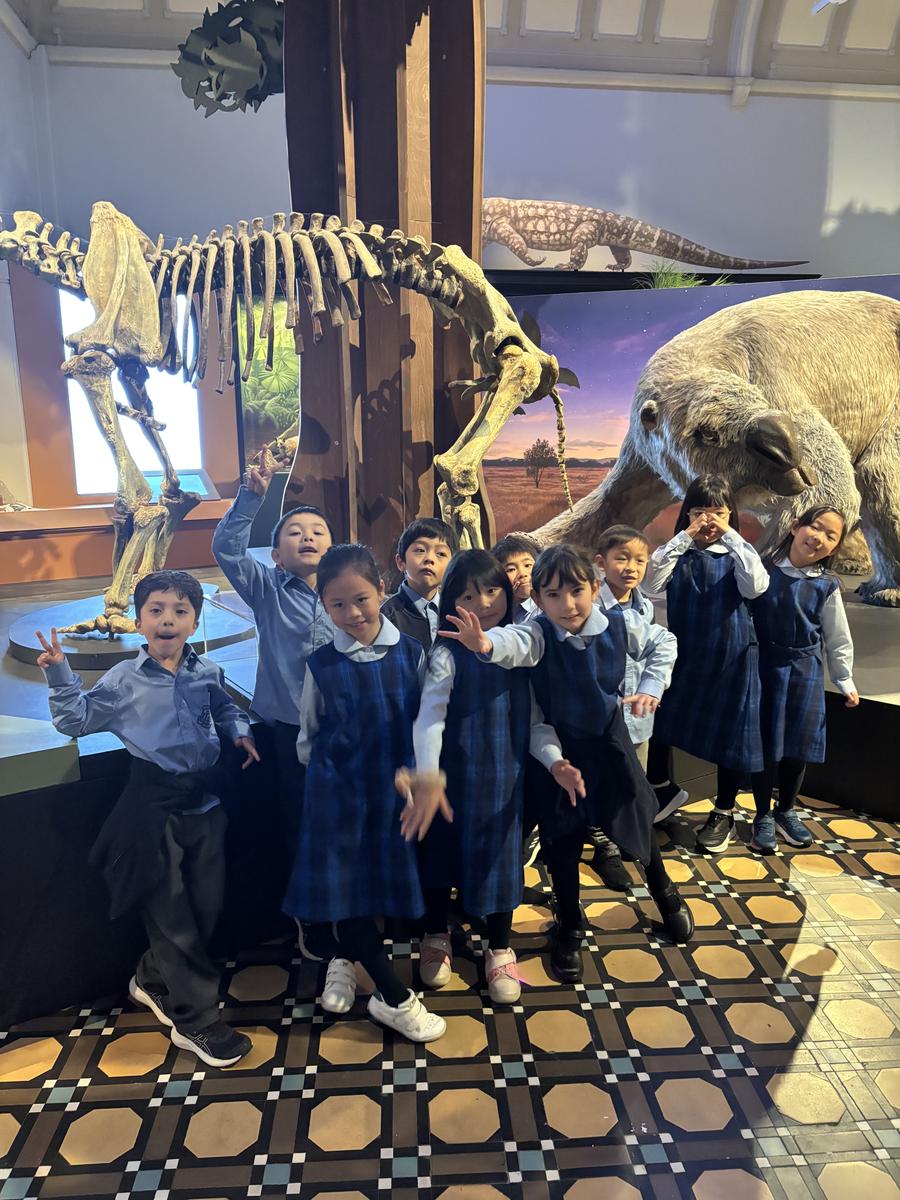
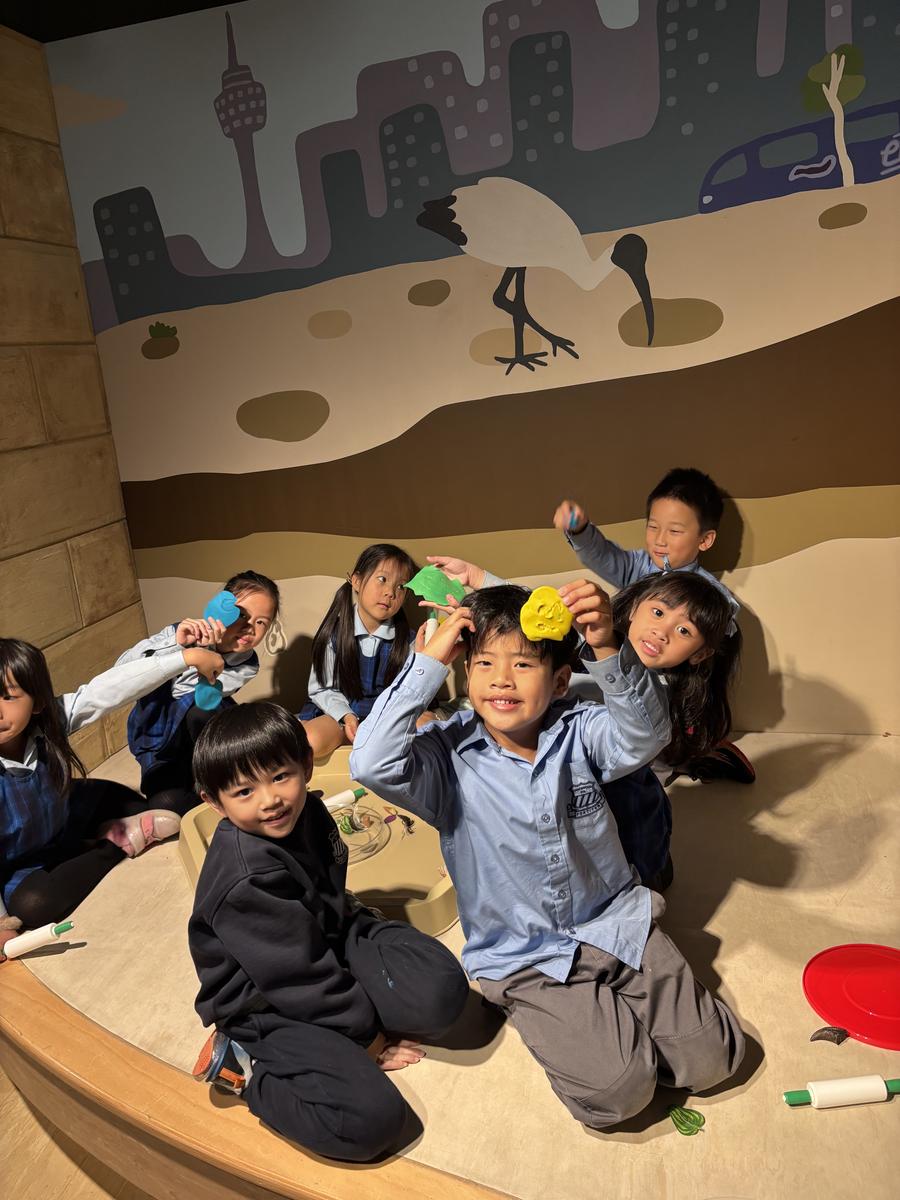
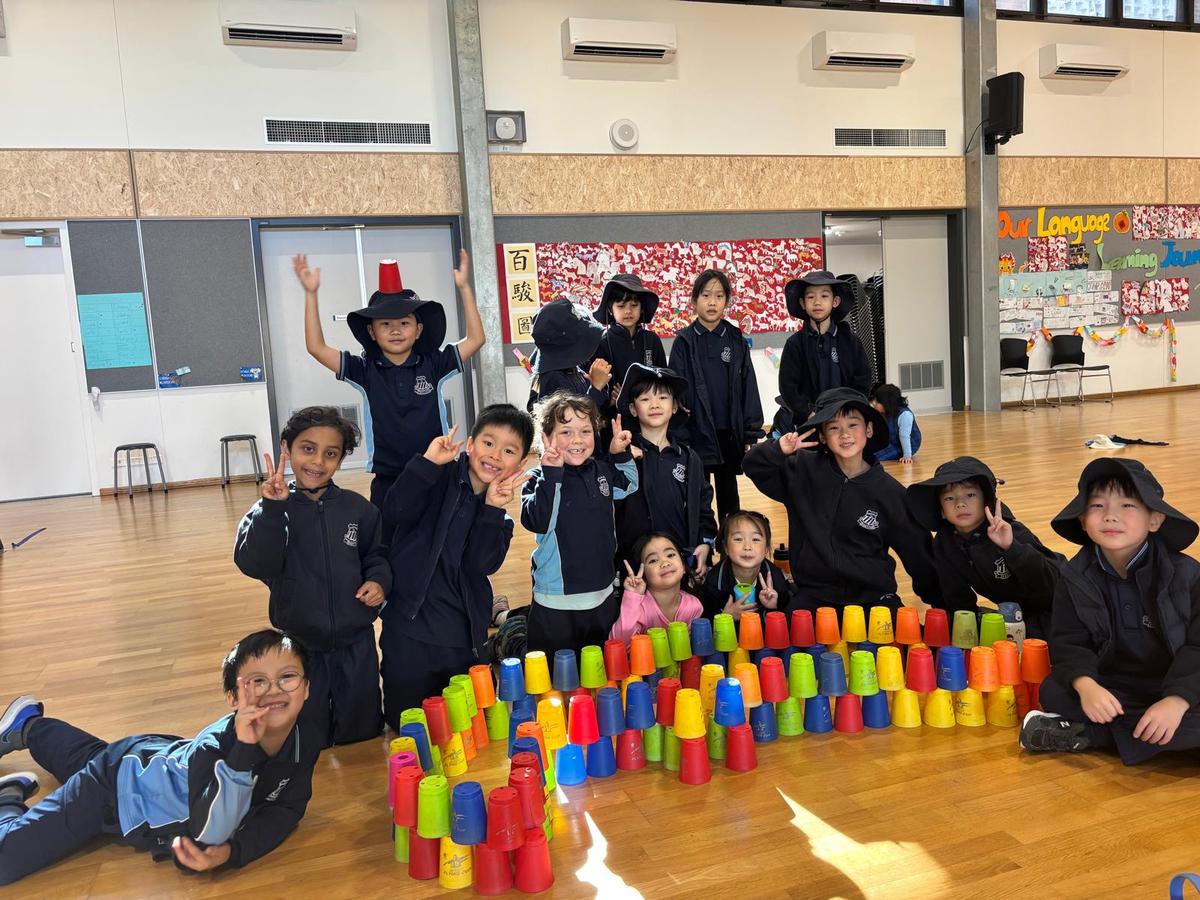
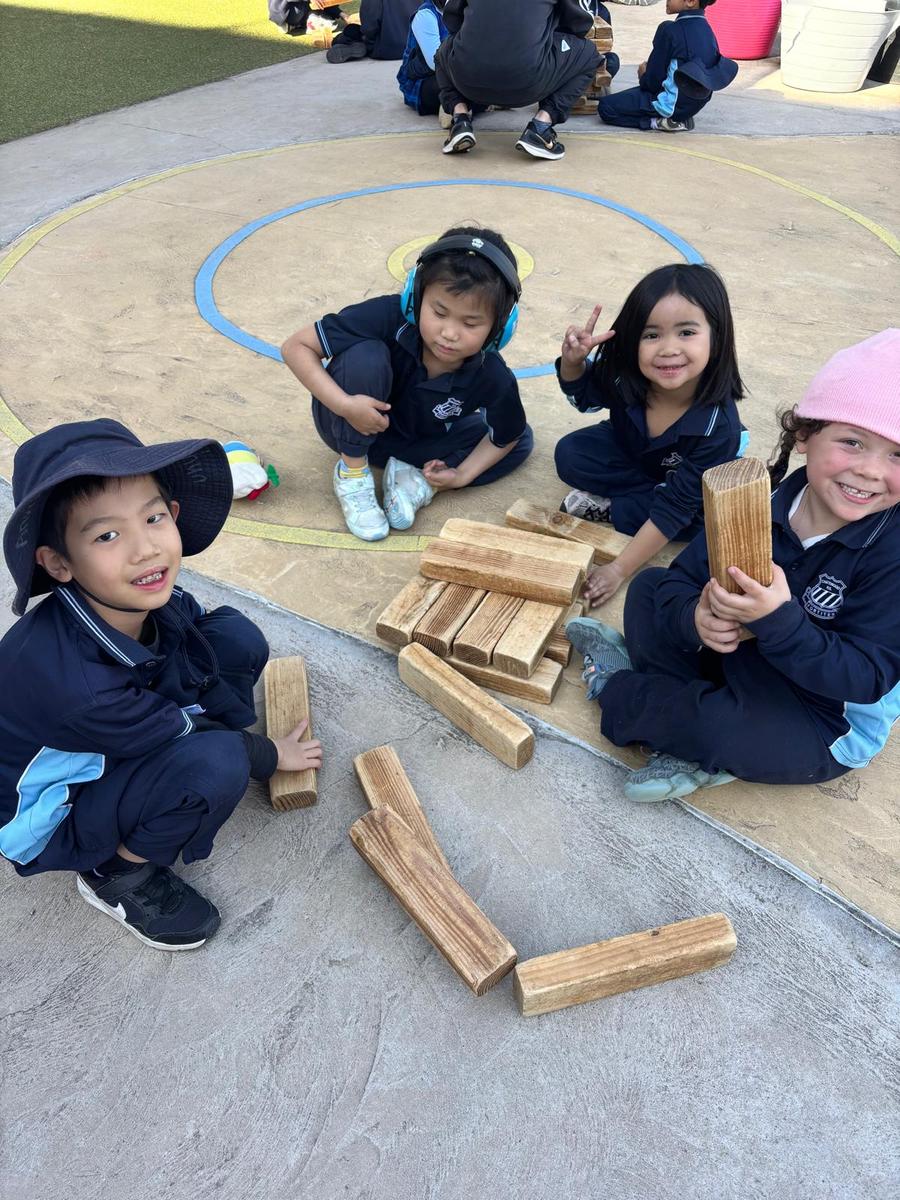
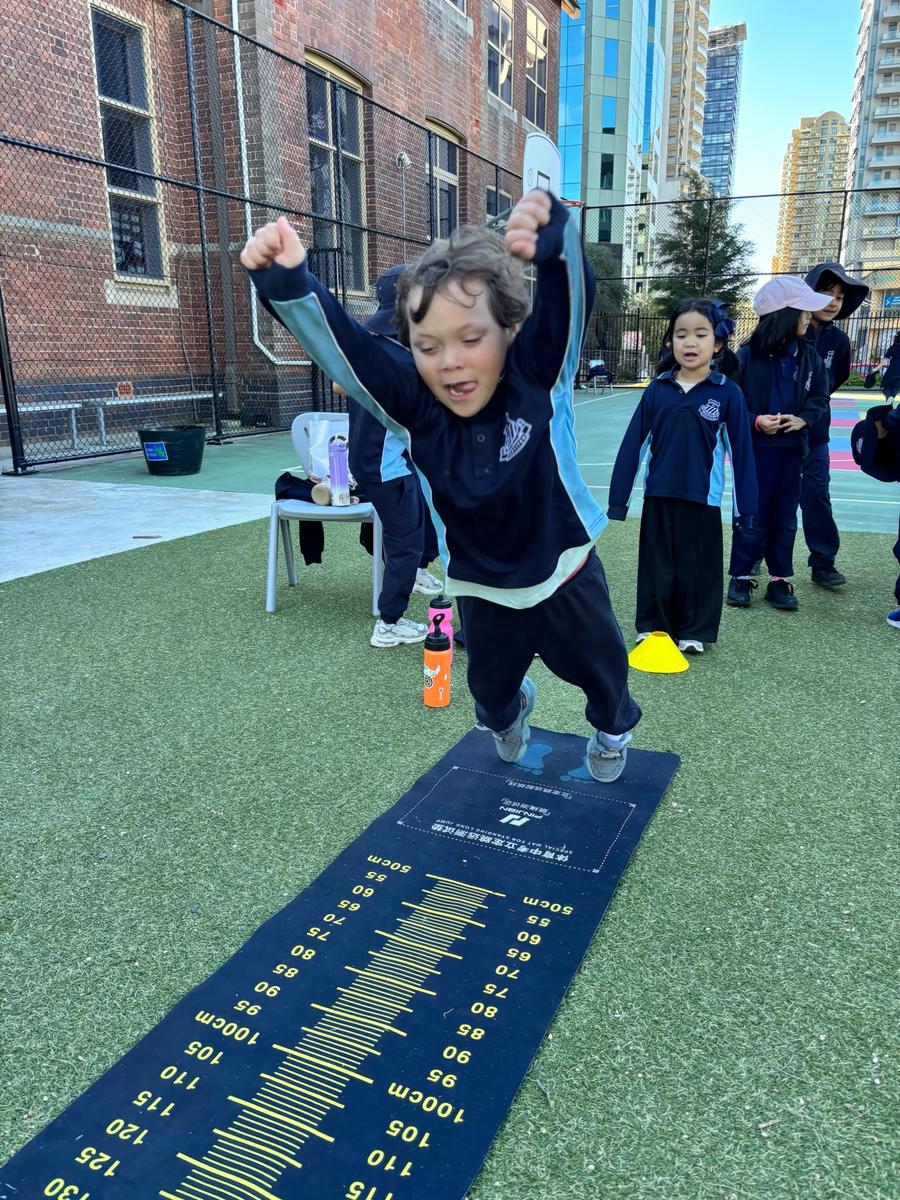
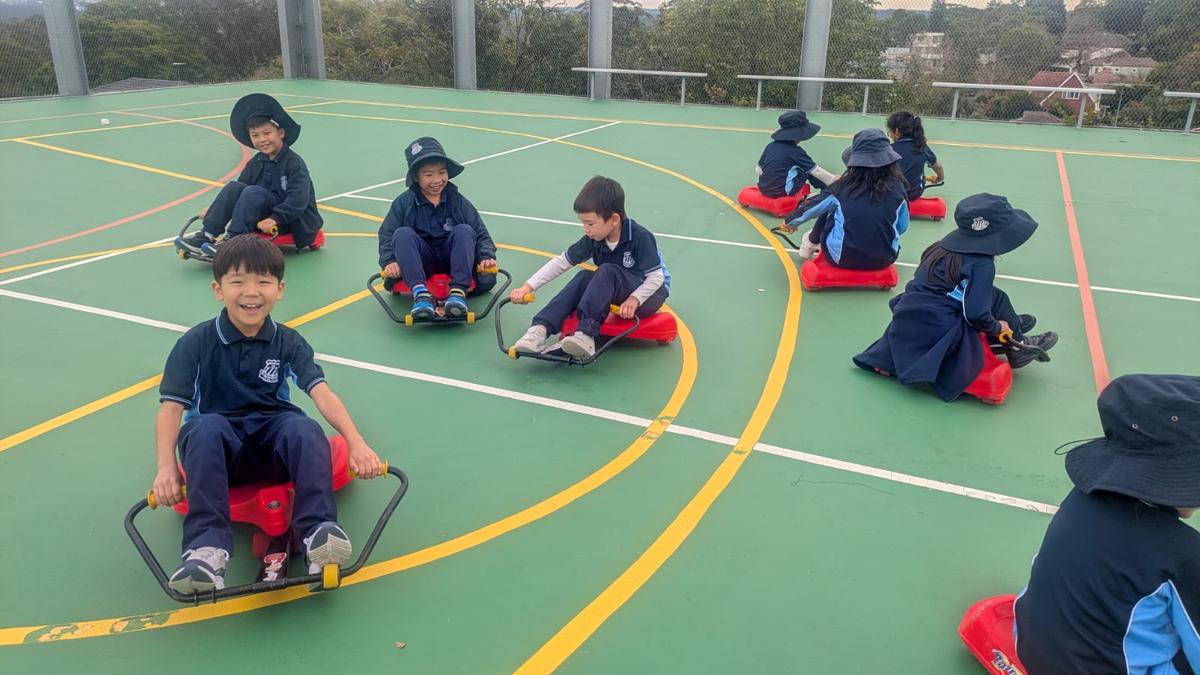
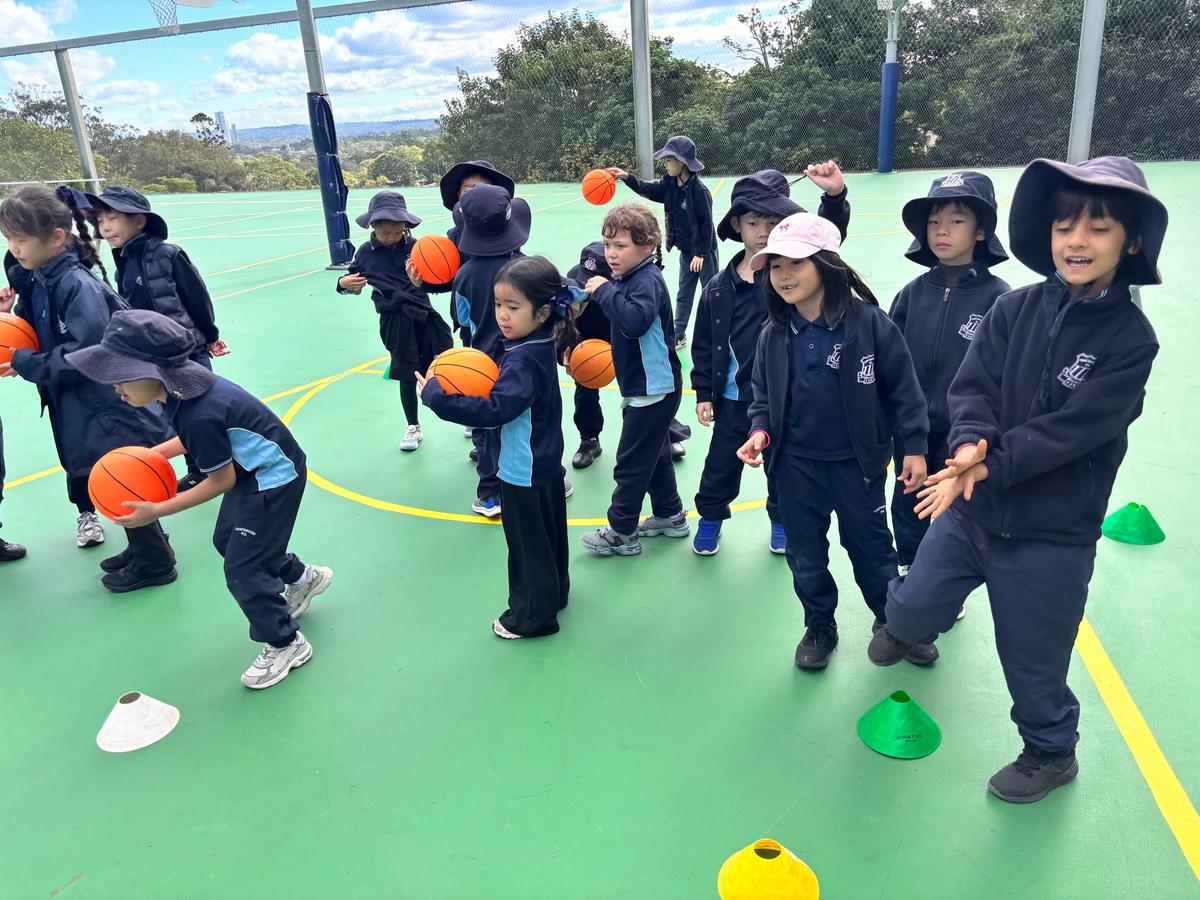
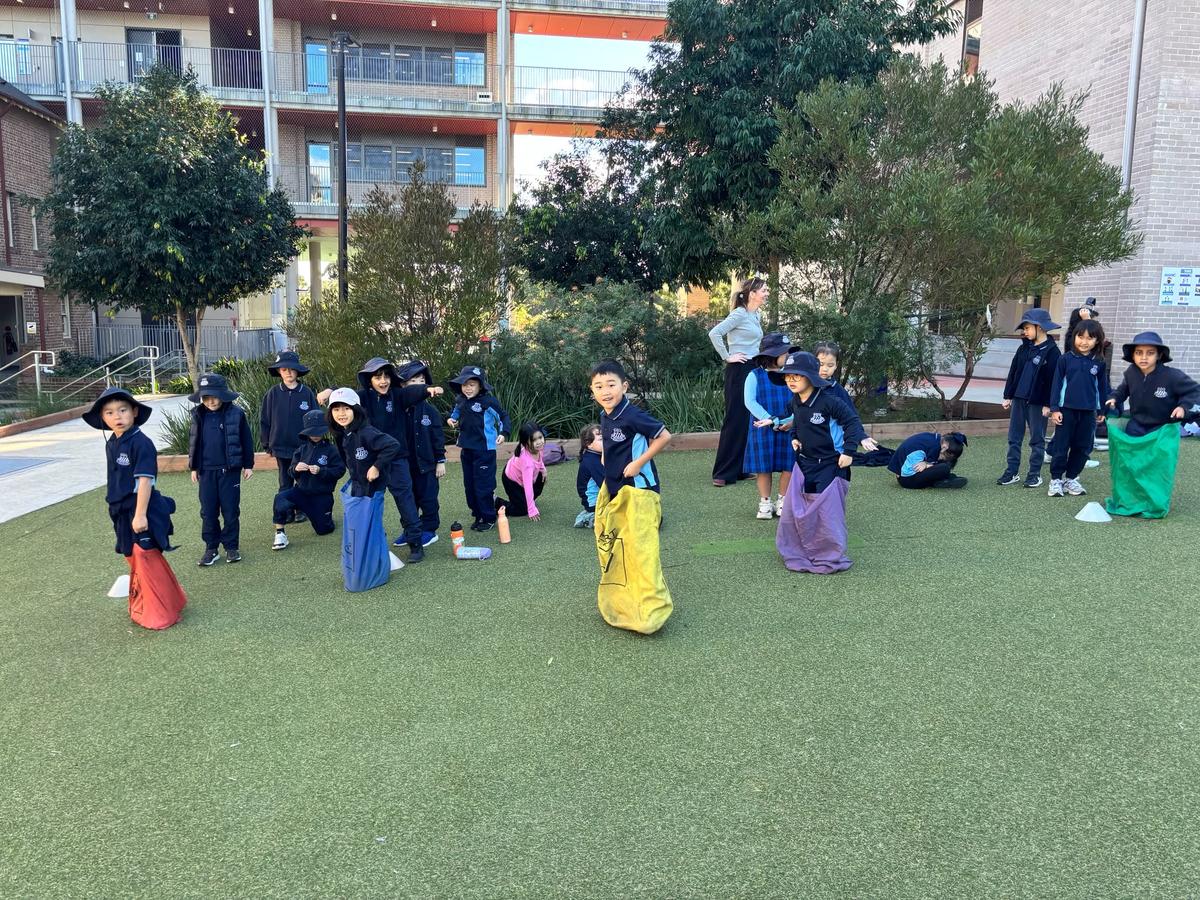
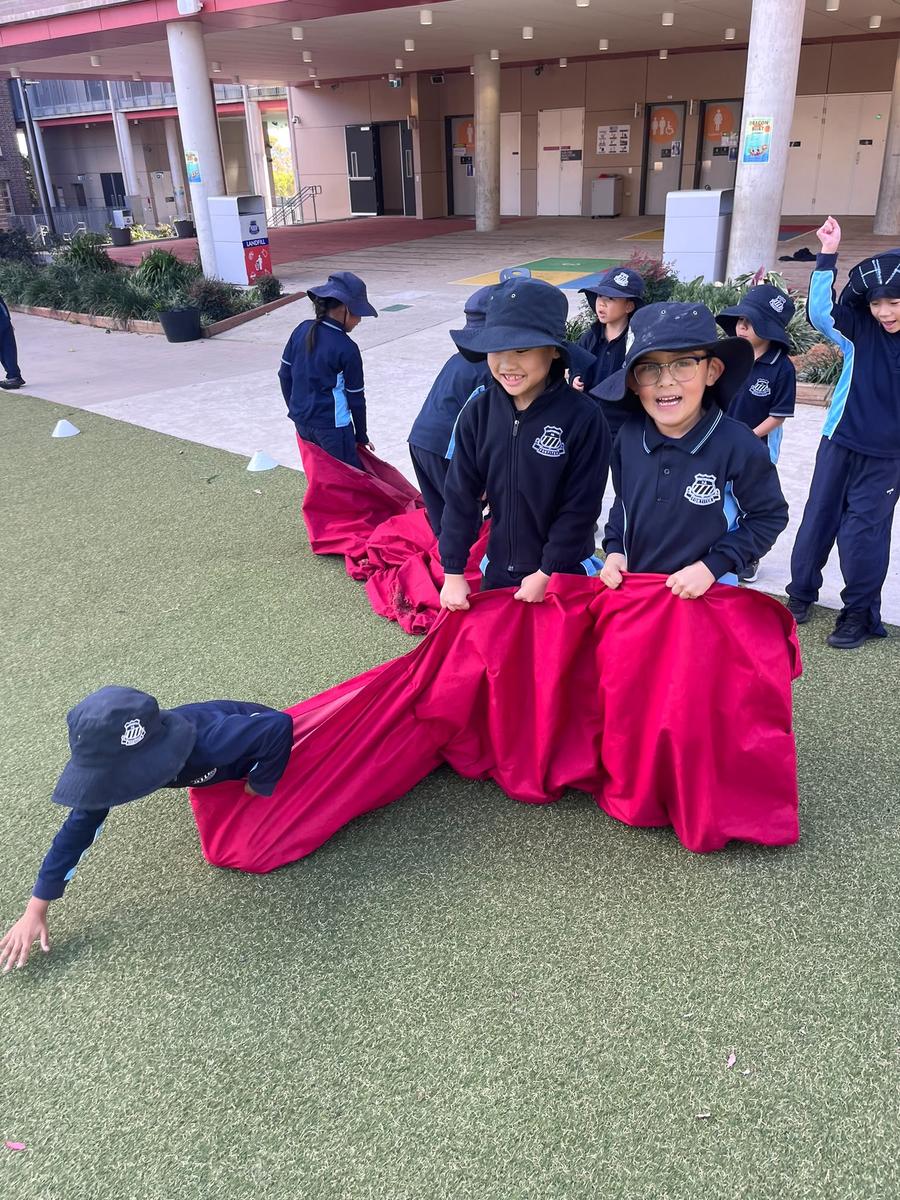
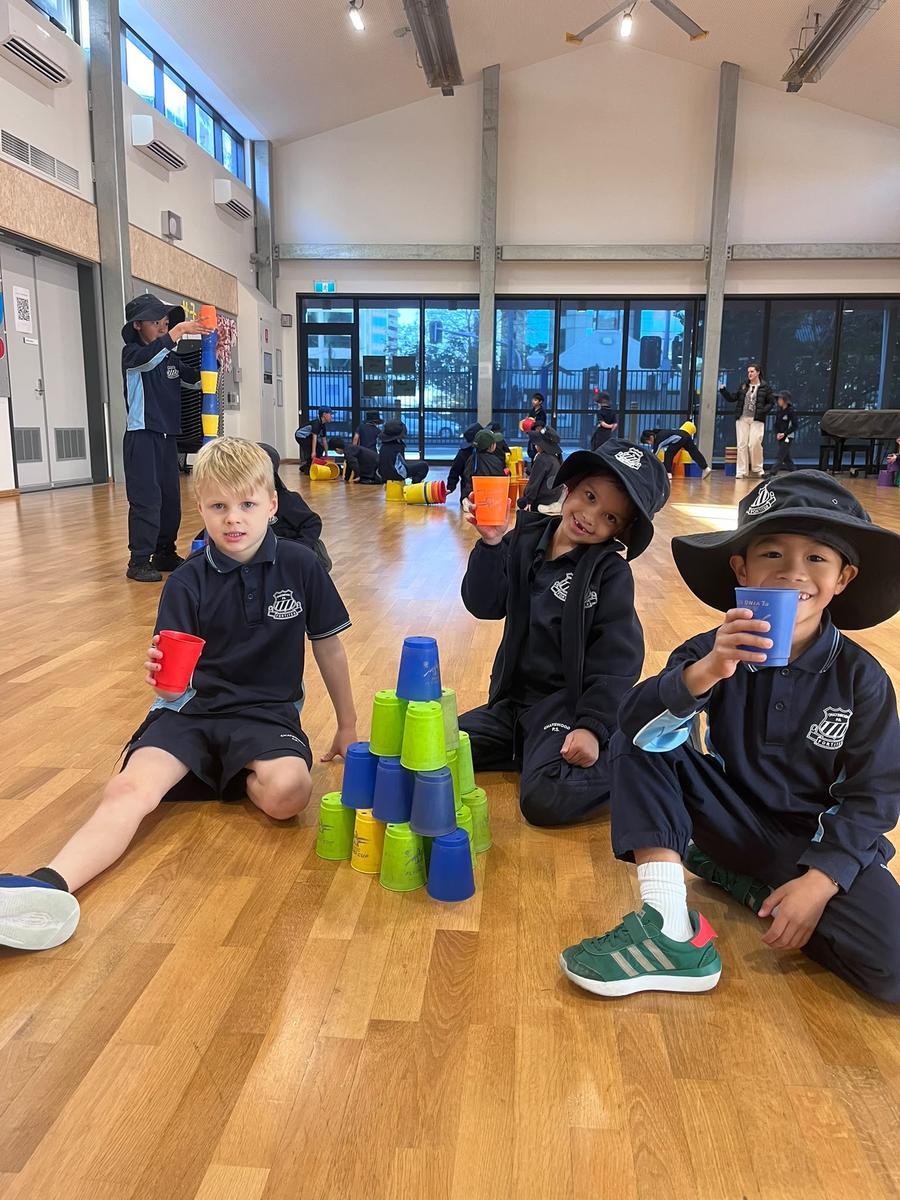
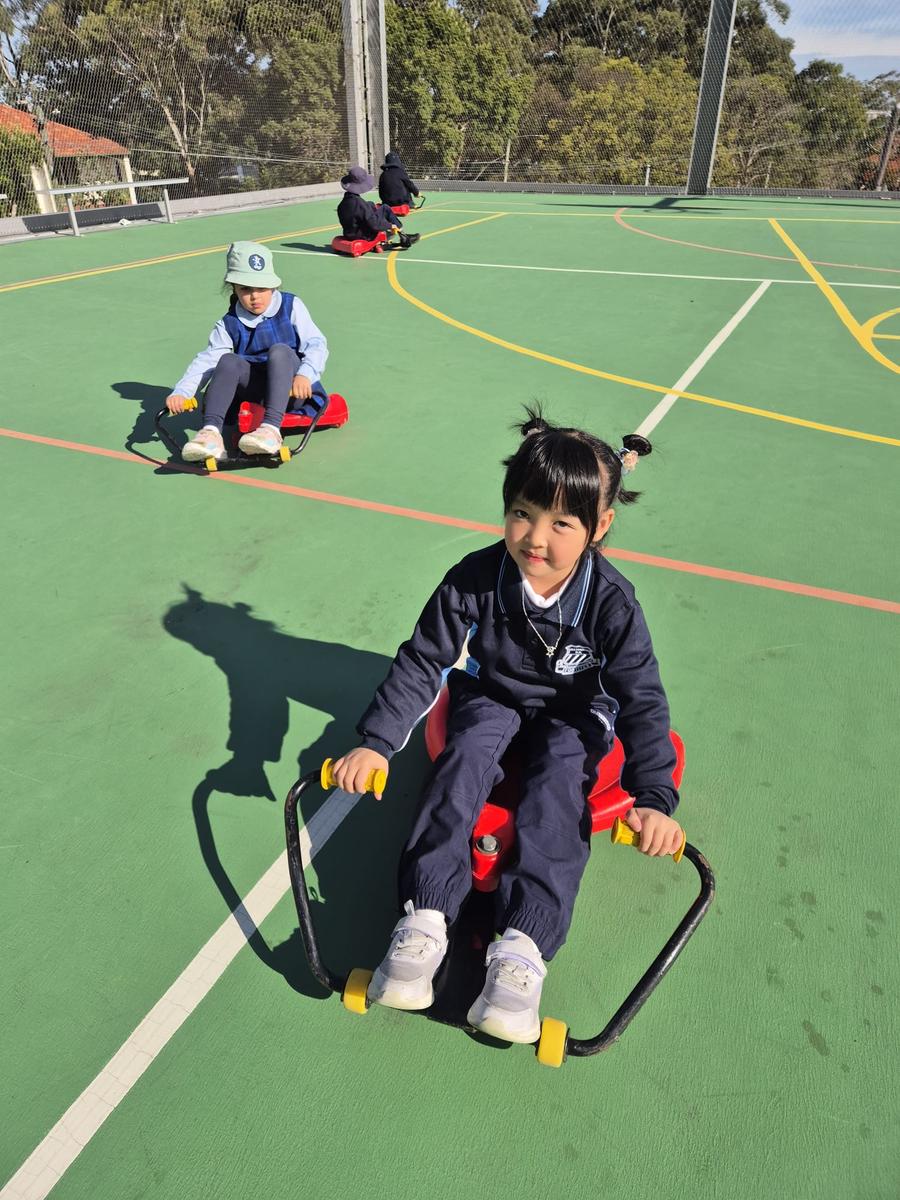
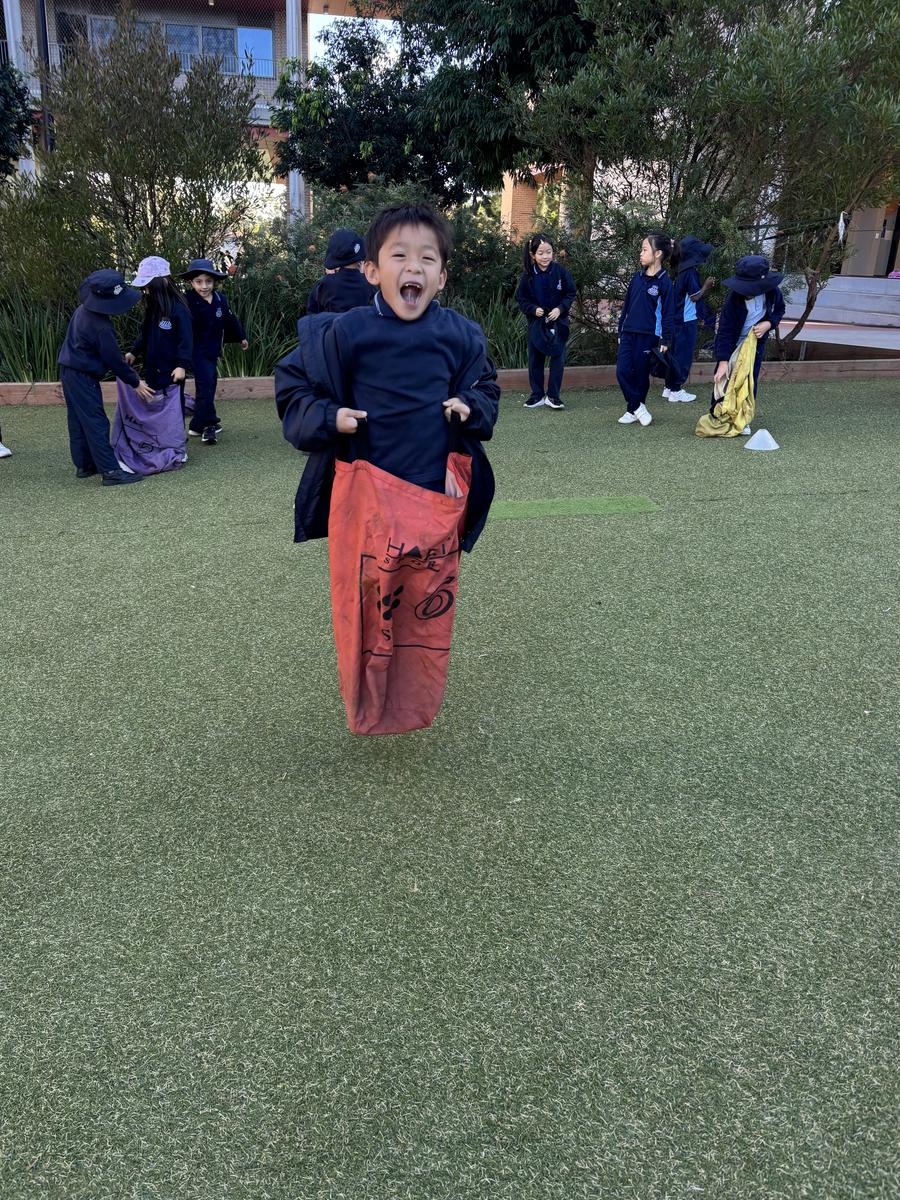
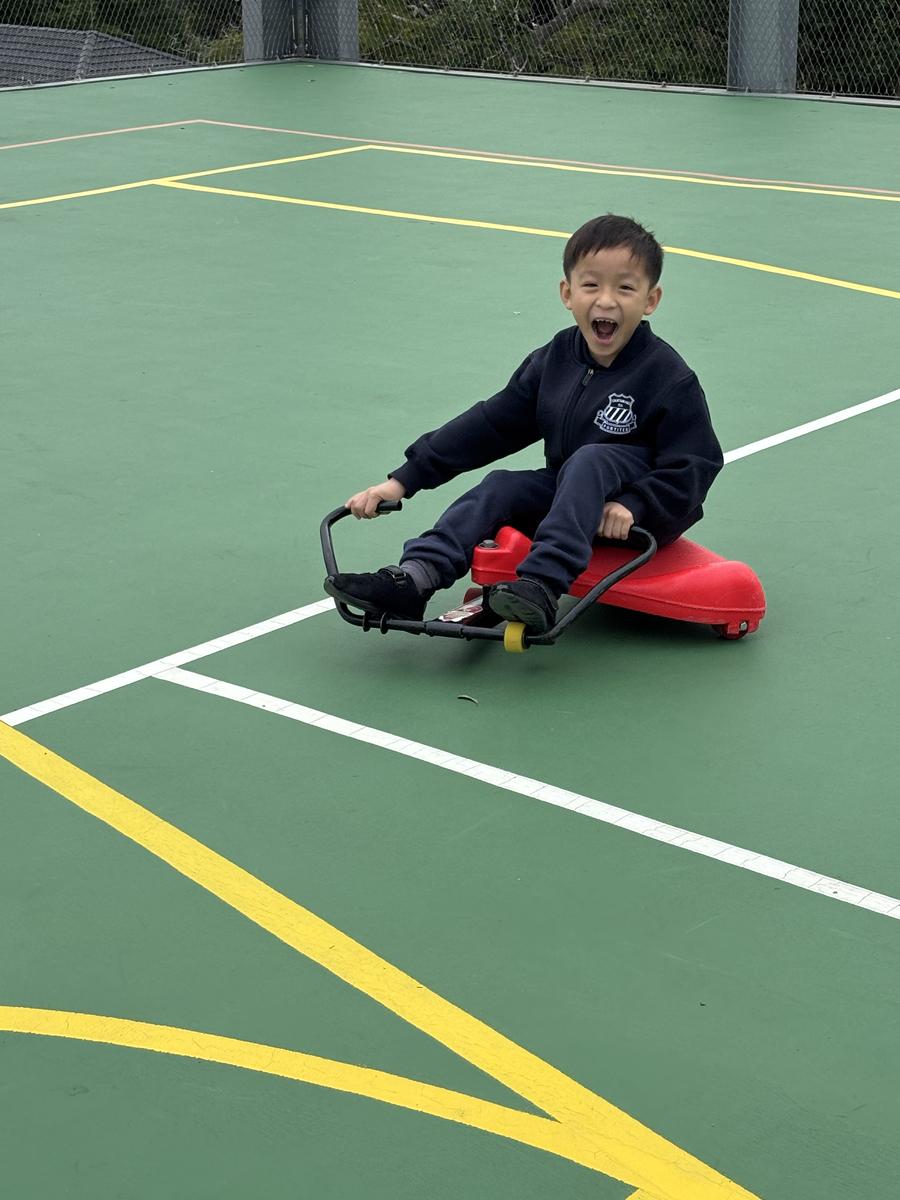
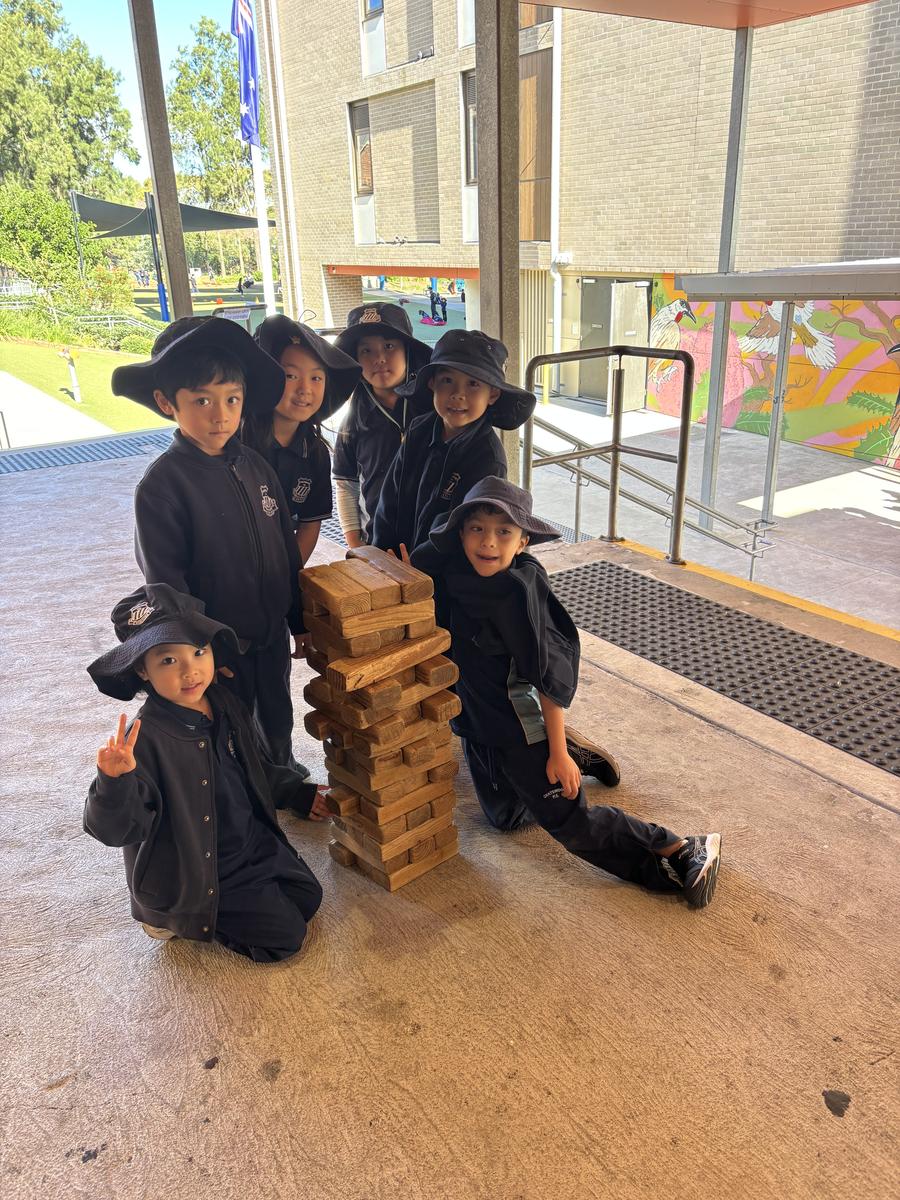
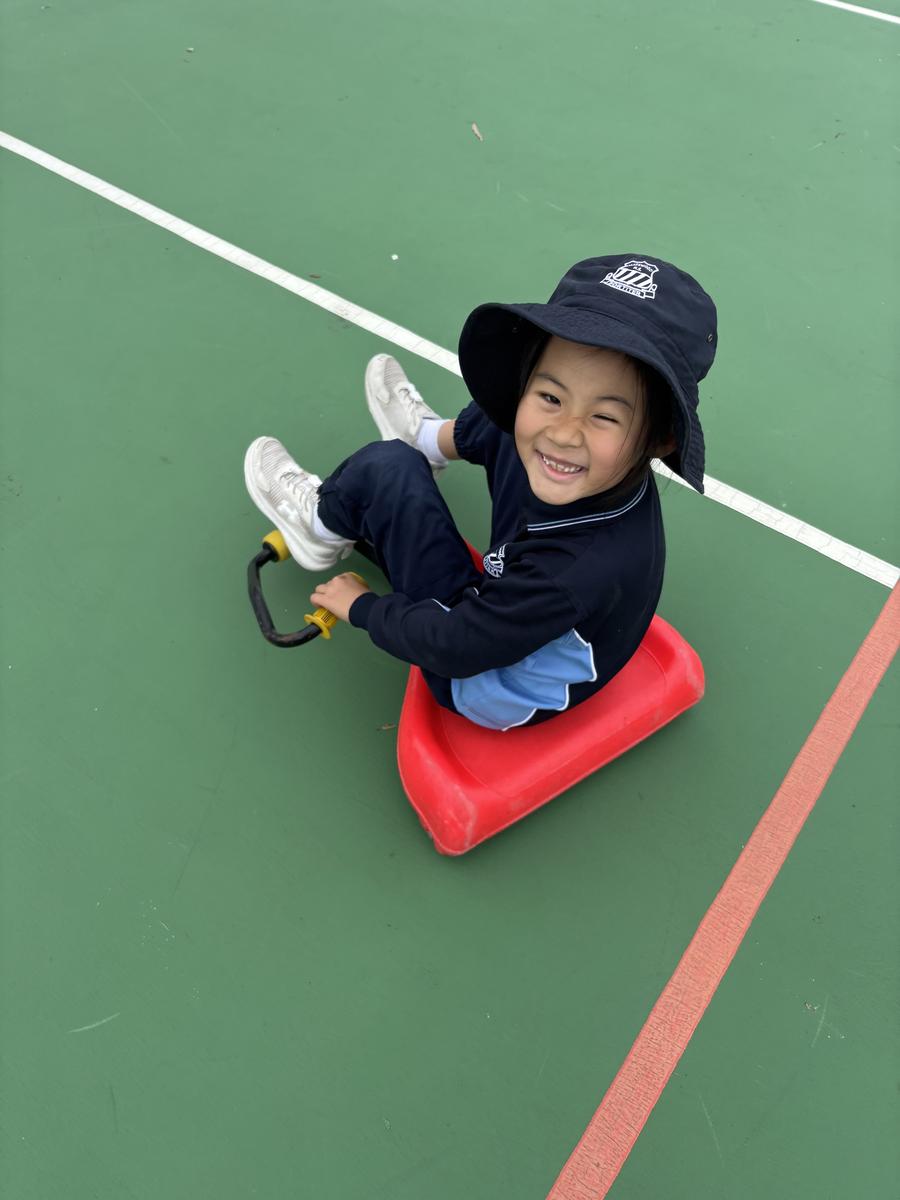
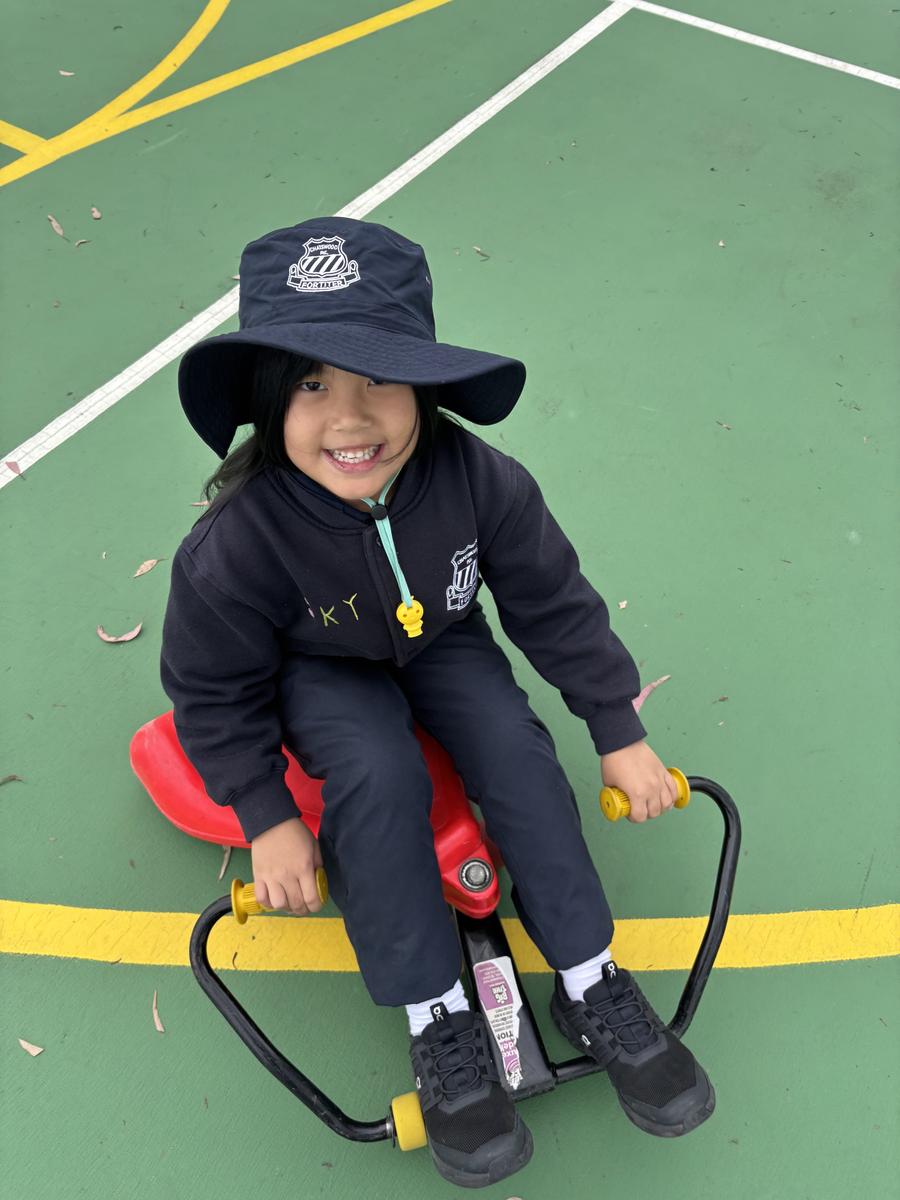
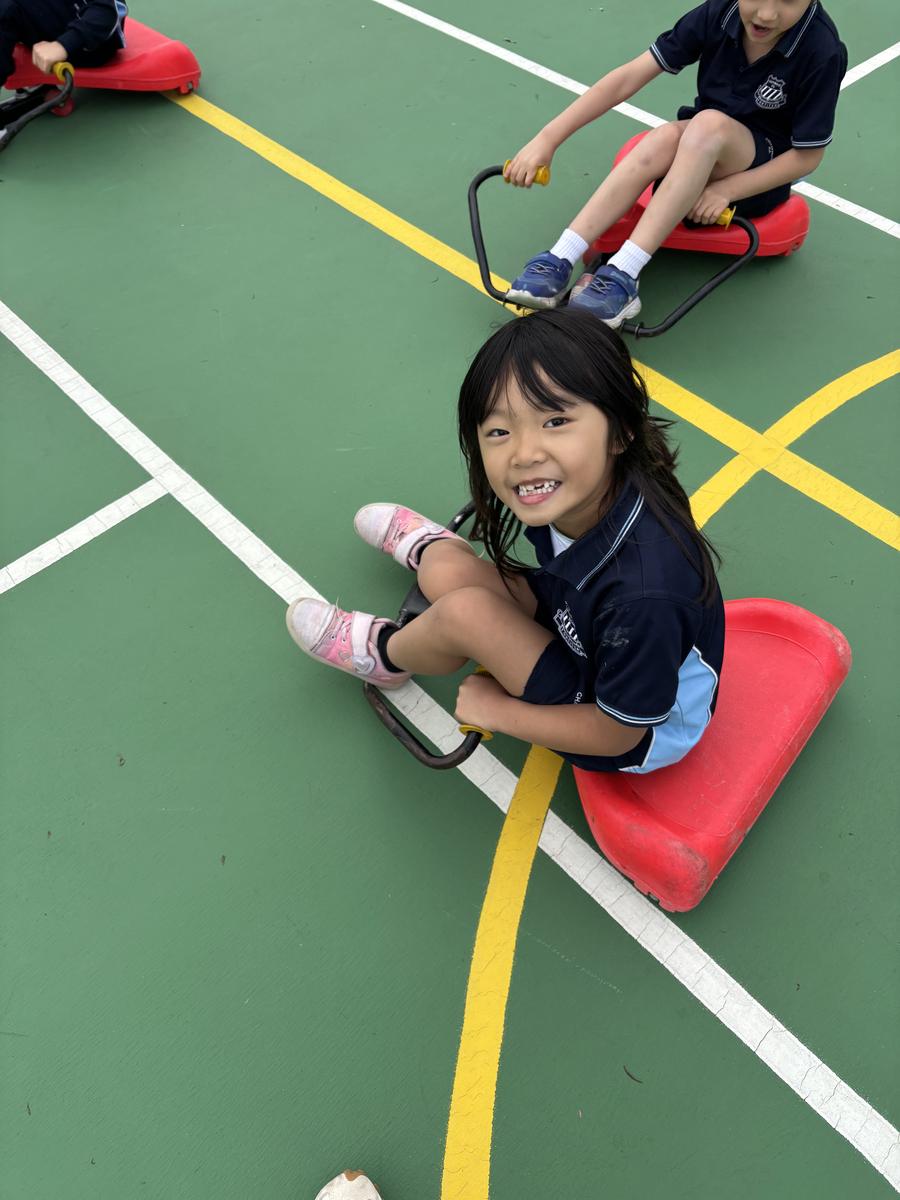
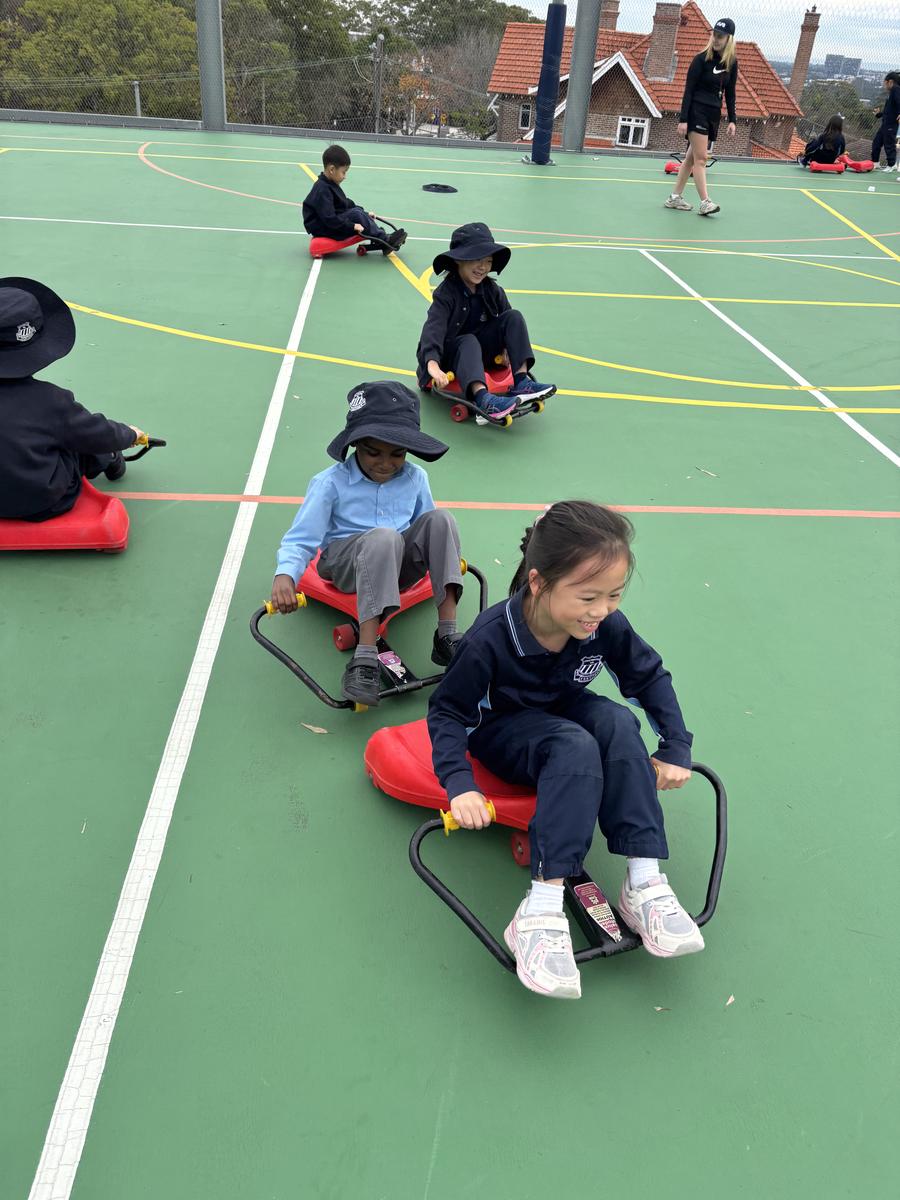
This term in PDHPE, students will explore how different cultures have stayed active throughout history. They will develop key movement skills like the side gallop, overarm and underarm throws, and kicking. Students will set personal goals and take part in fun games designed to improve their physical skills and enjoyment of activity. In addition, students will participate in an anti-bullying program, learning strategies to promote kindness and respect. They will also focus on social and emotional wellbeing, developing skills to understand their feelings, manage challenges, and support positive relationships with others.
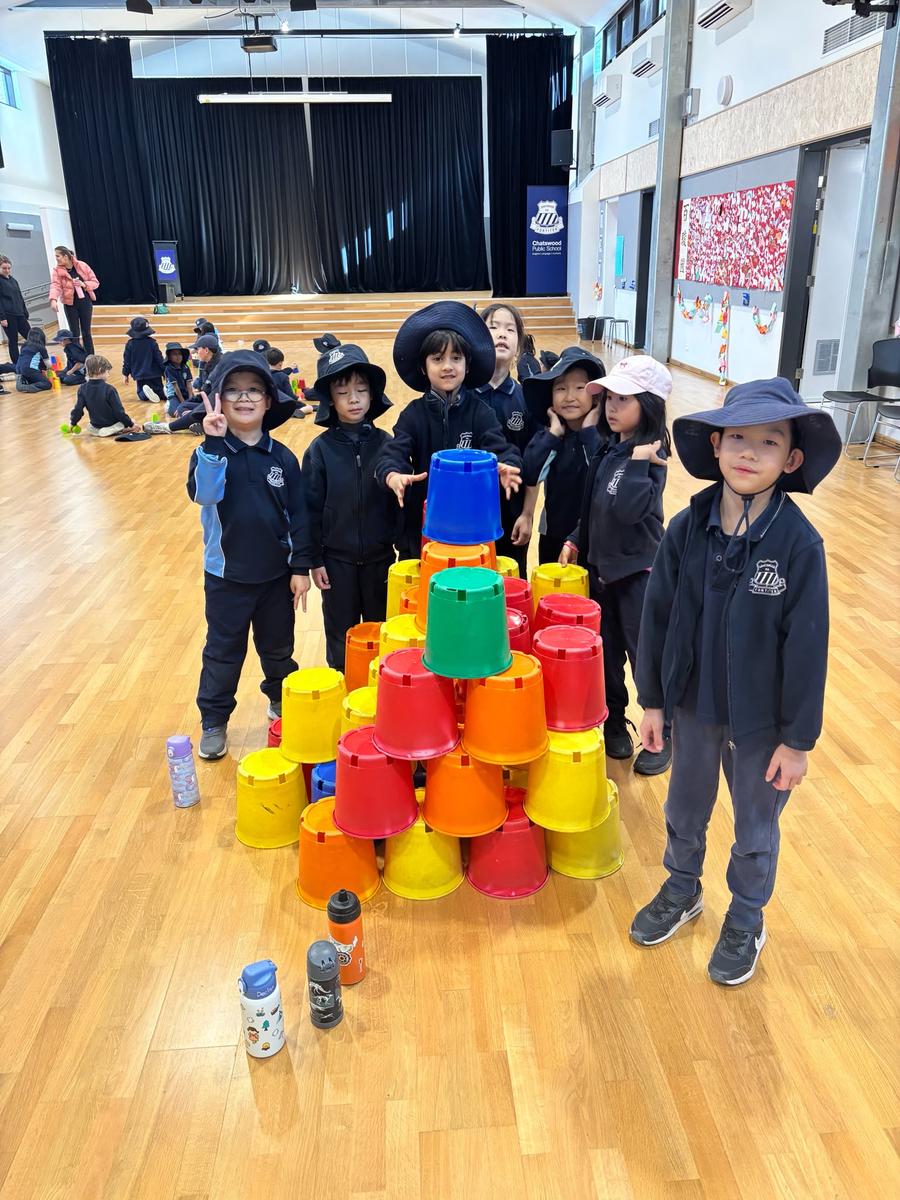
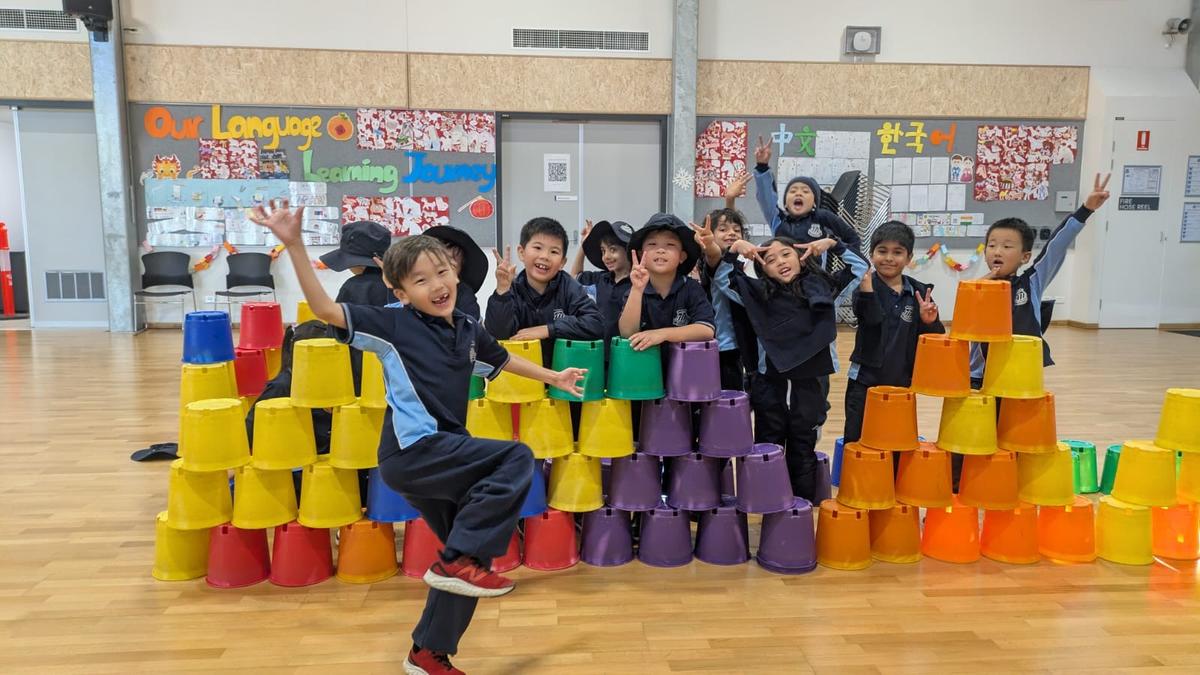
Students will participate in weekly Physical Education lessons every Wednesday with our new external provider, SportsPro. The specialist coaches will deliver engaging, age-appropriate activities that develop students' fundamental movement skills, teamwork, coordination and confidence while encouraging an active and healthy lifestyle.
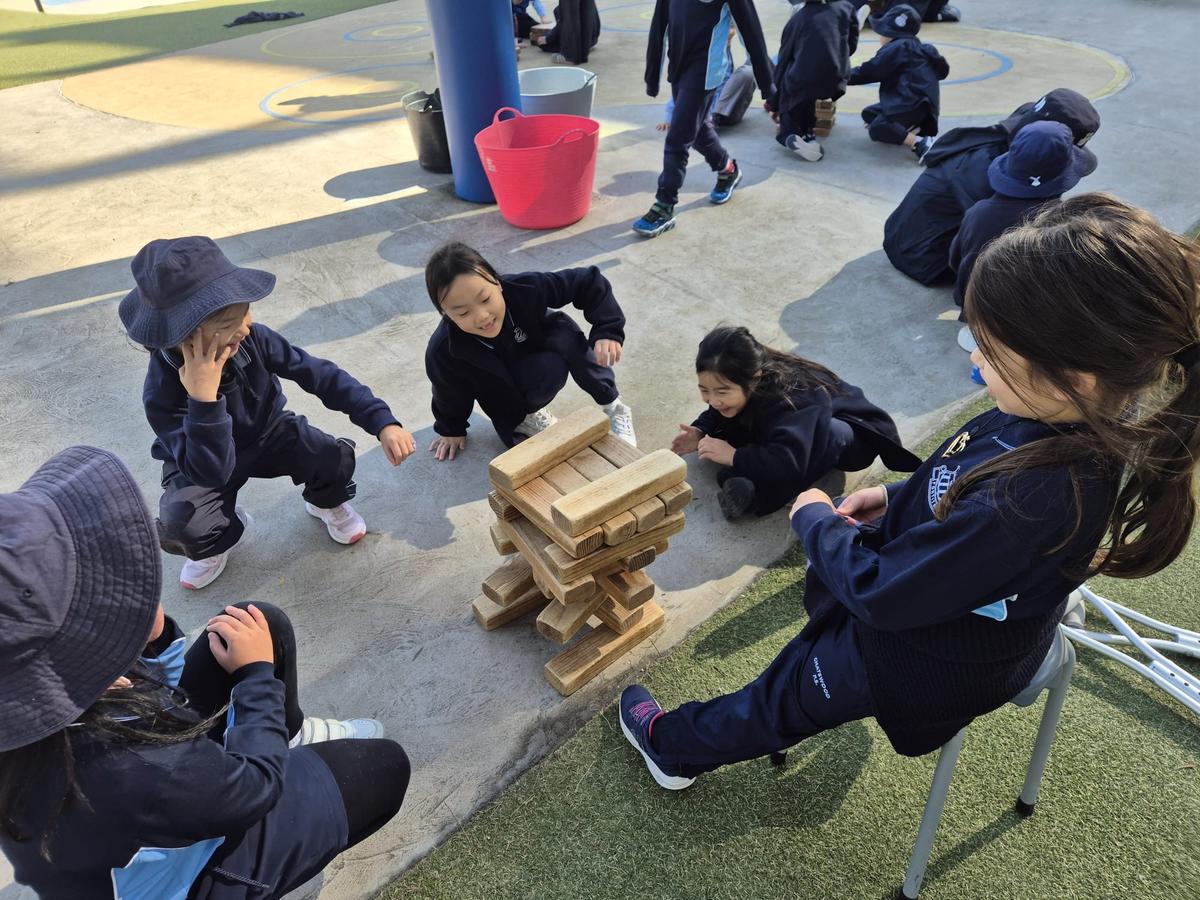
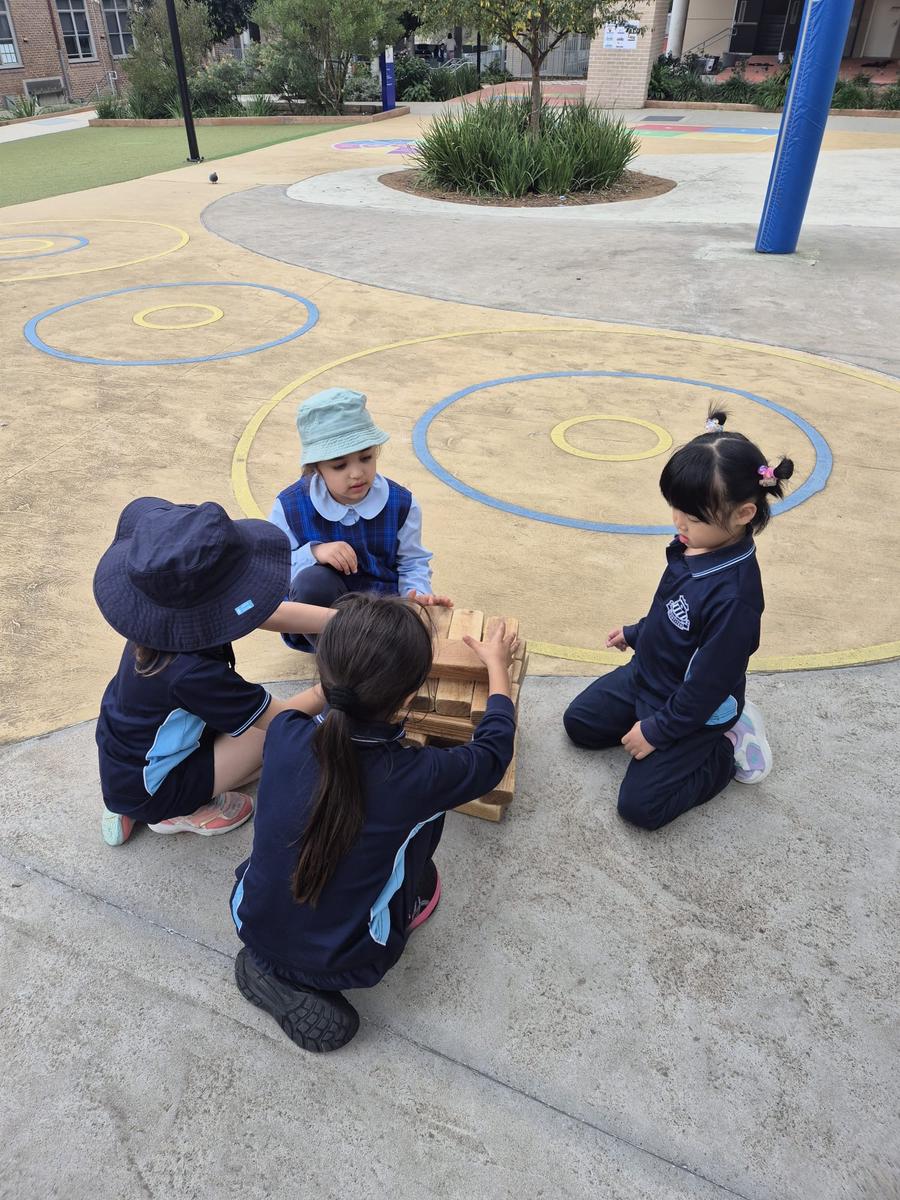
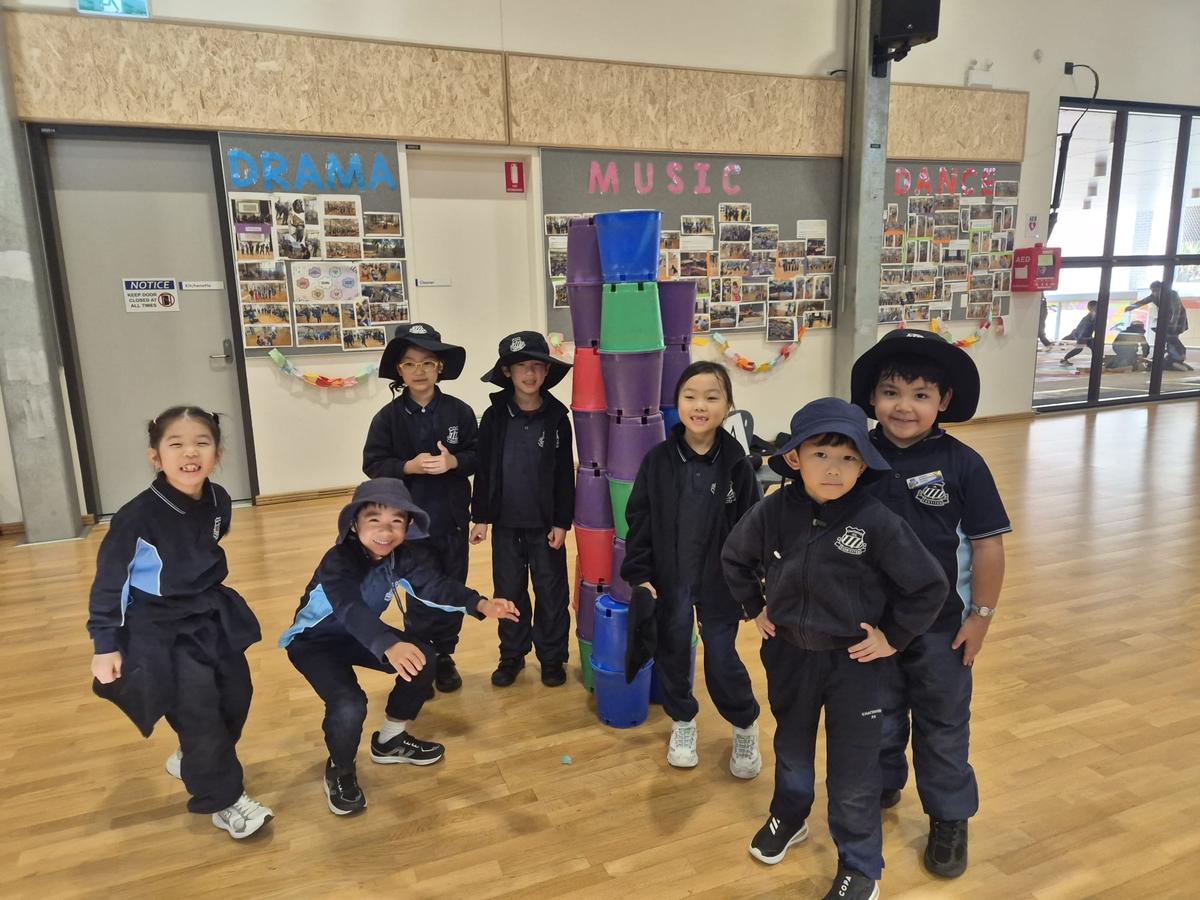
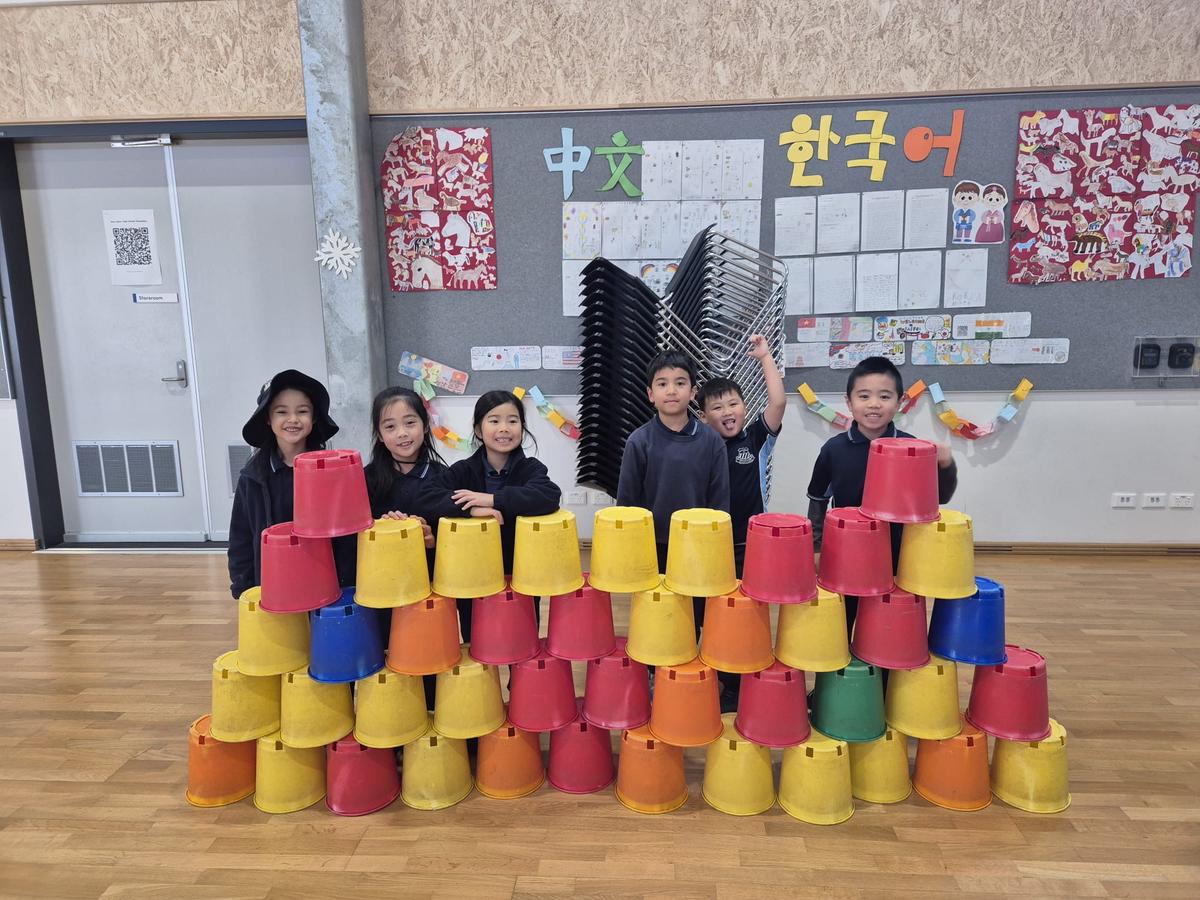
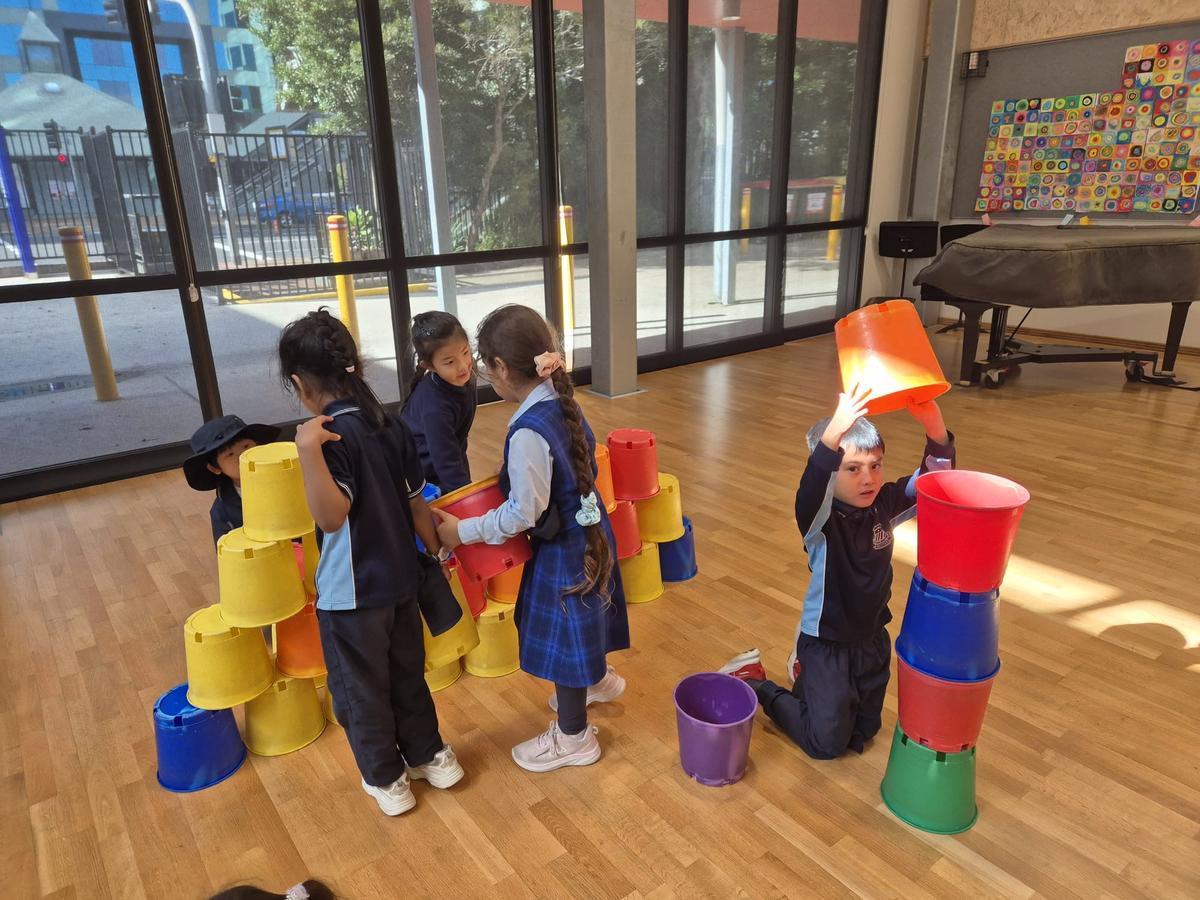
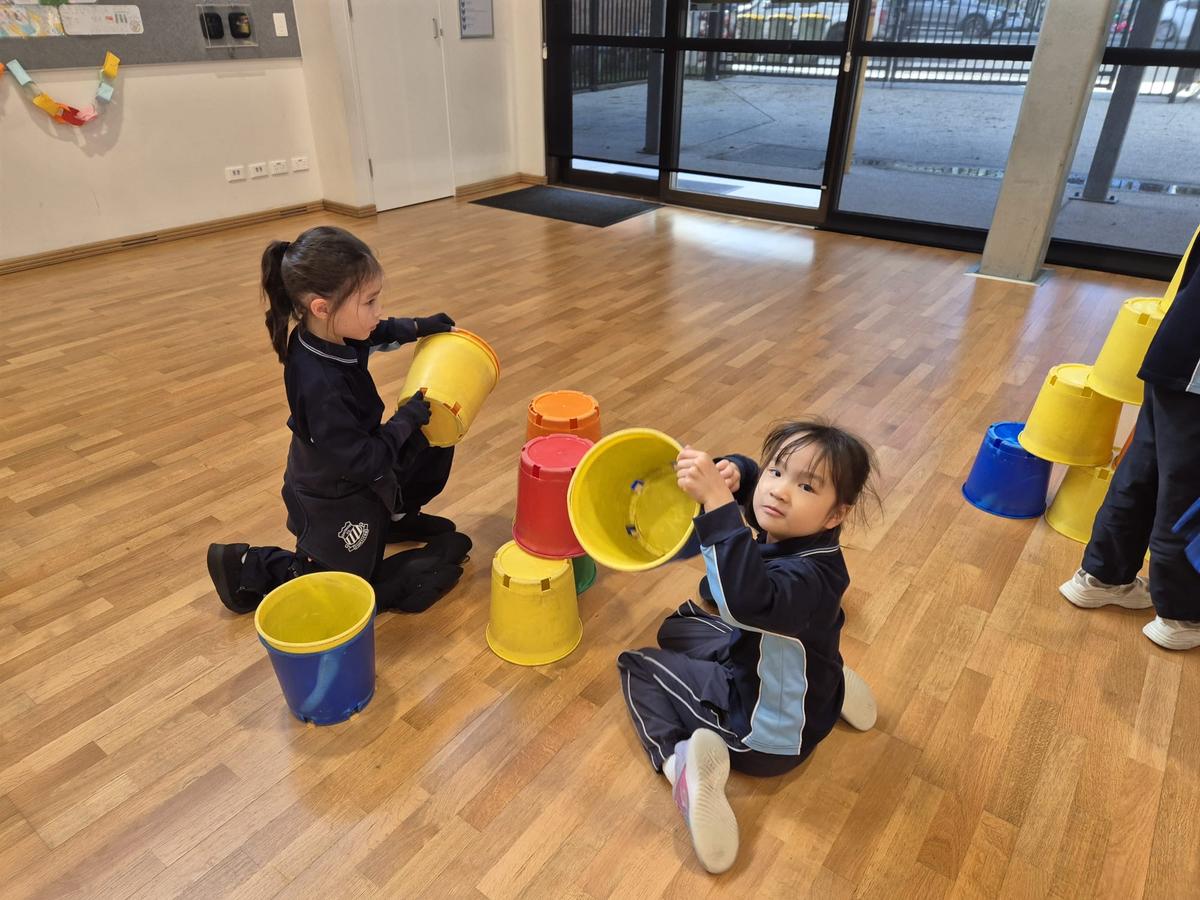
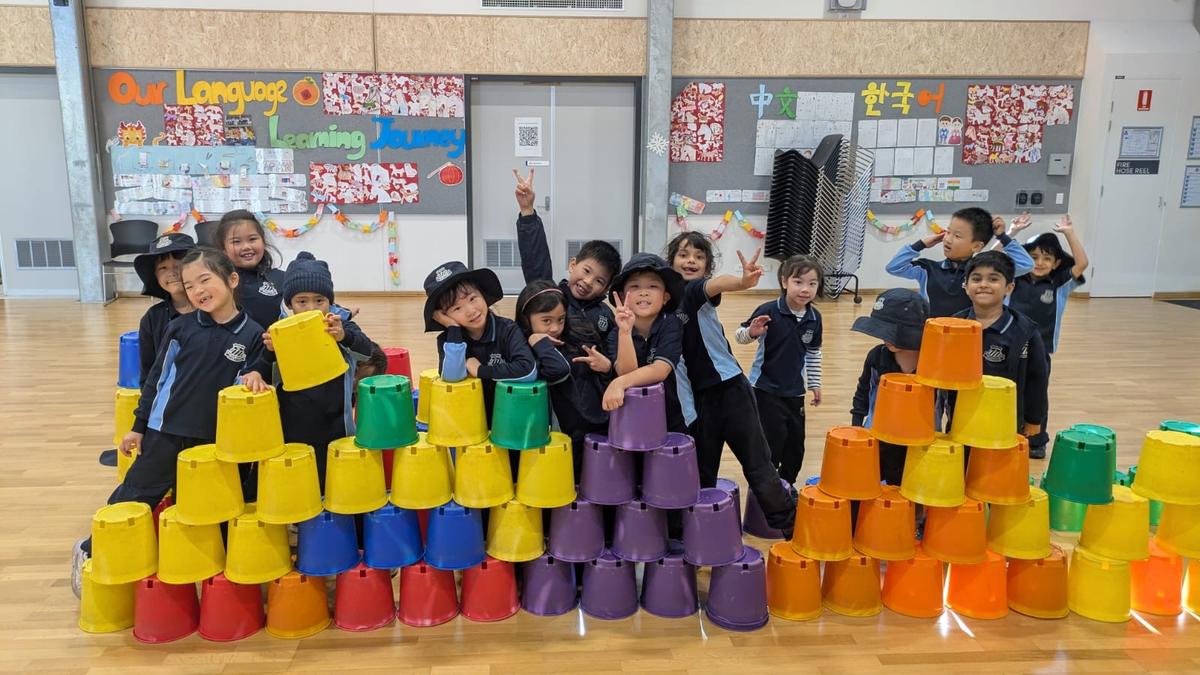
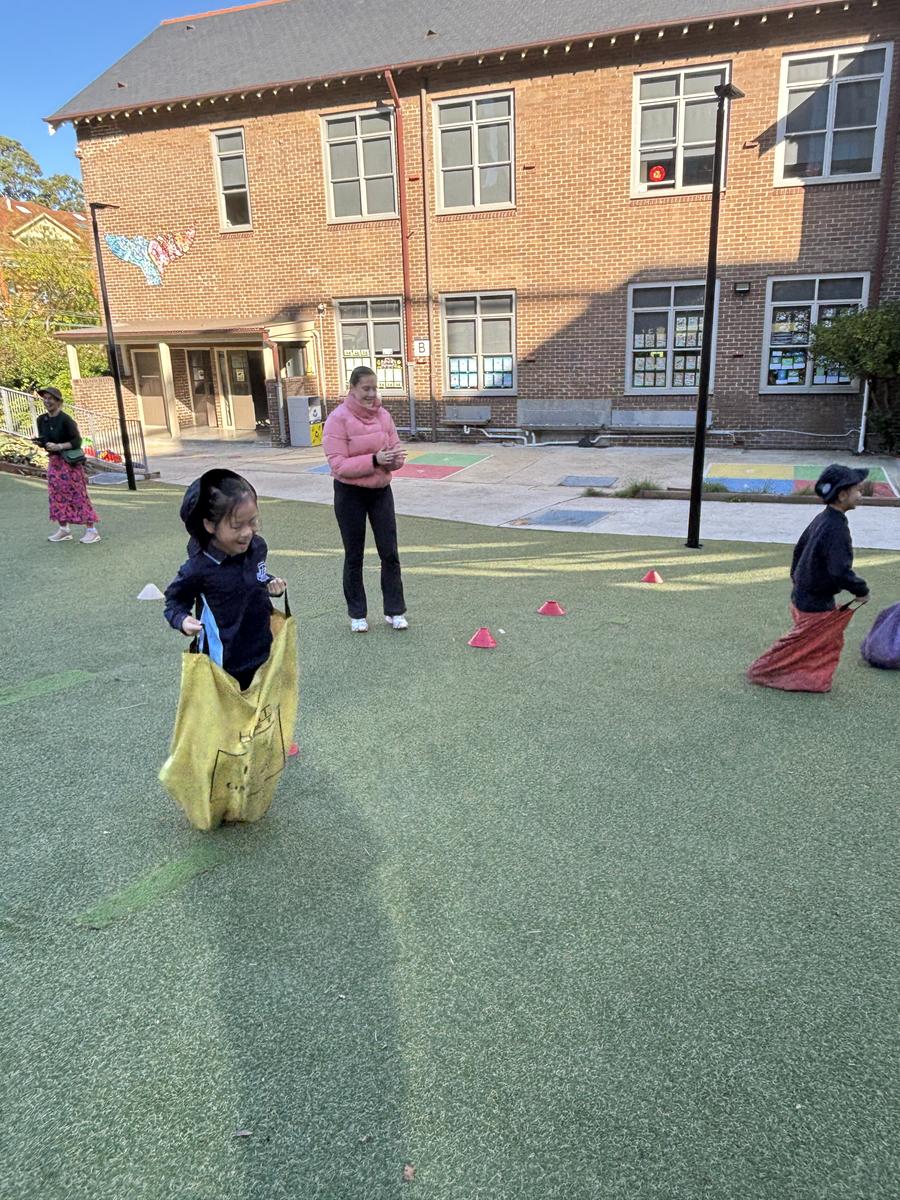
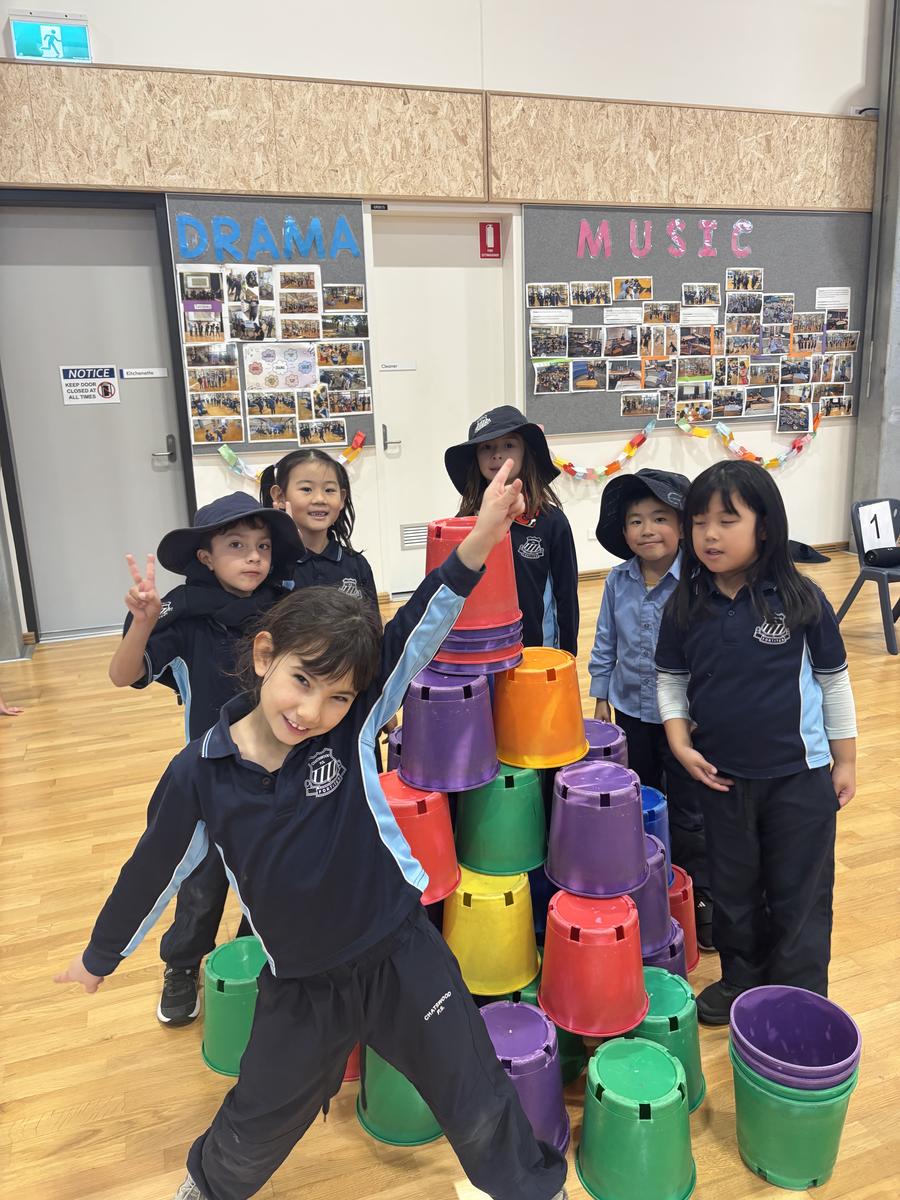
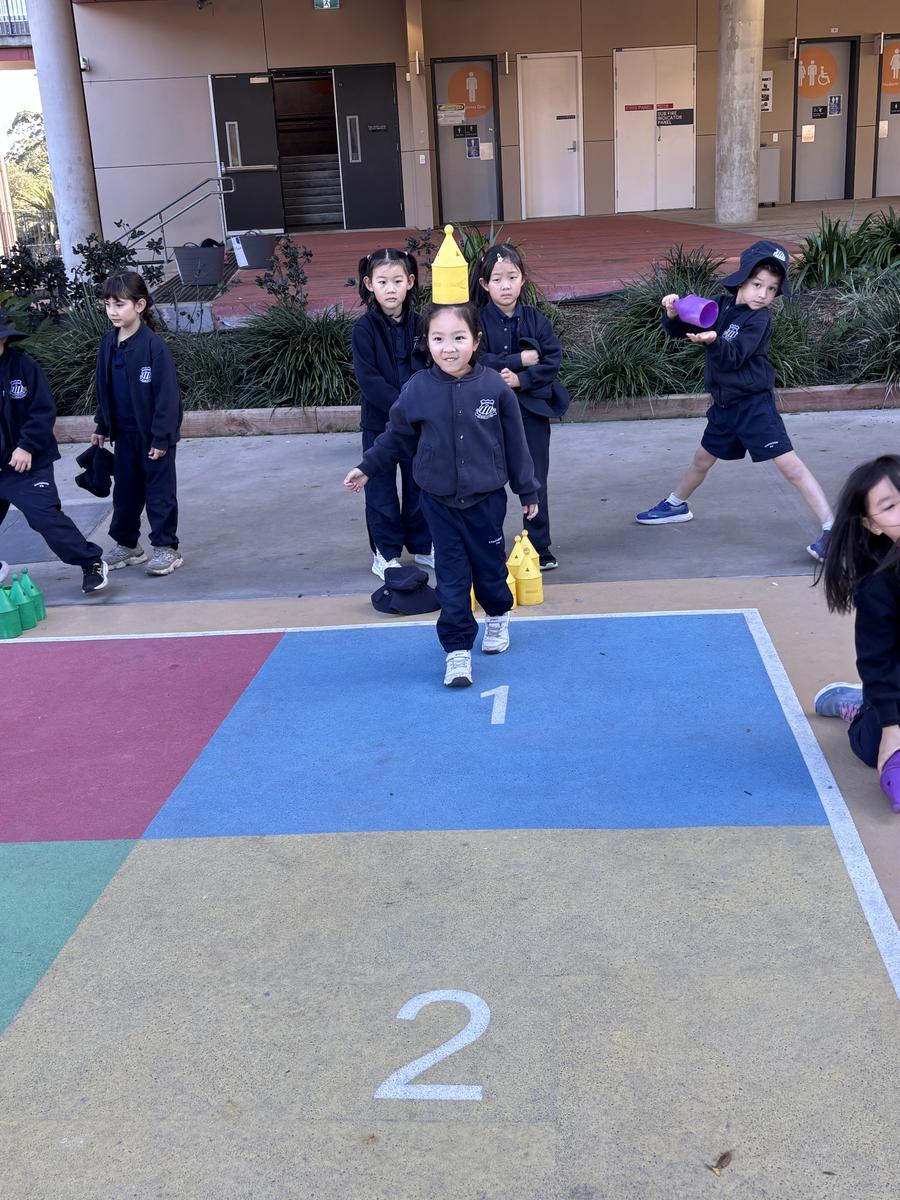
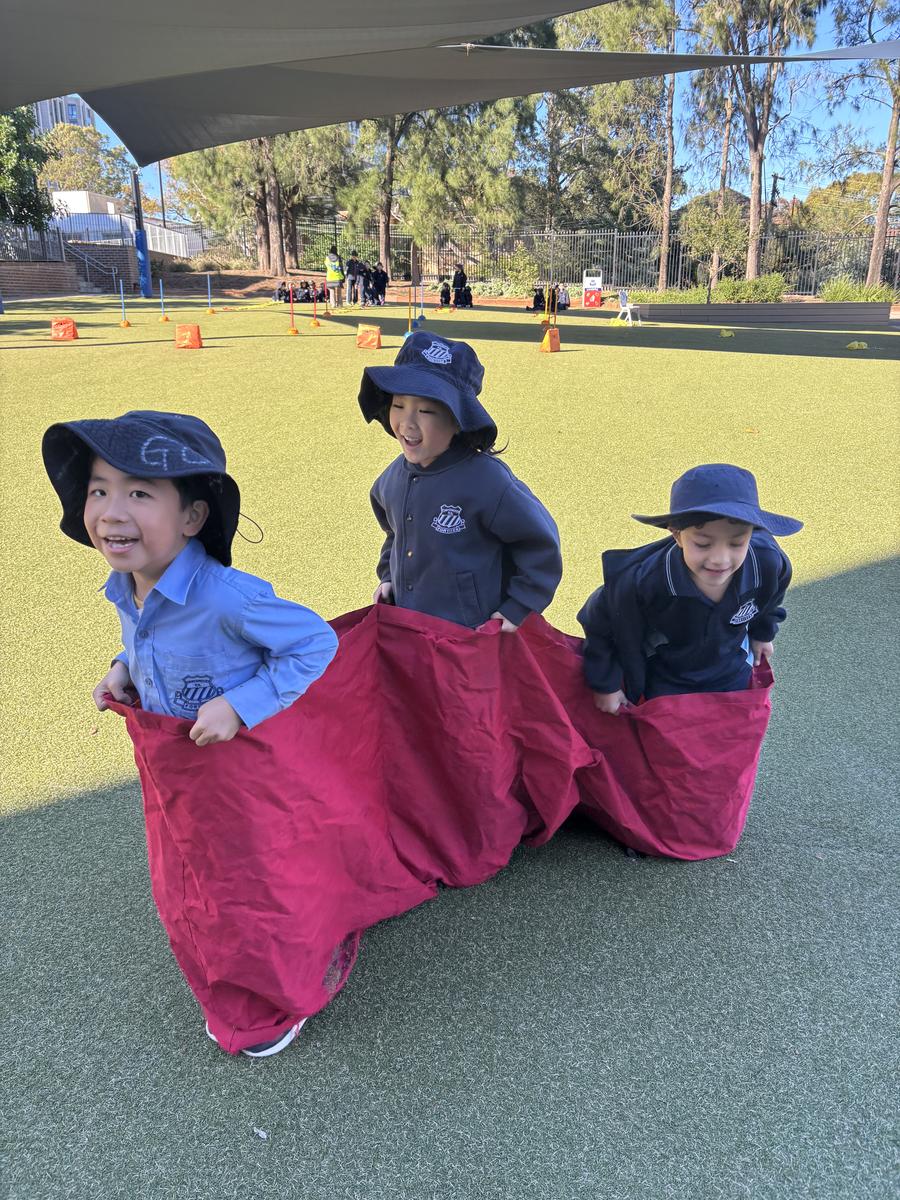
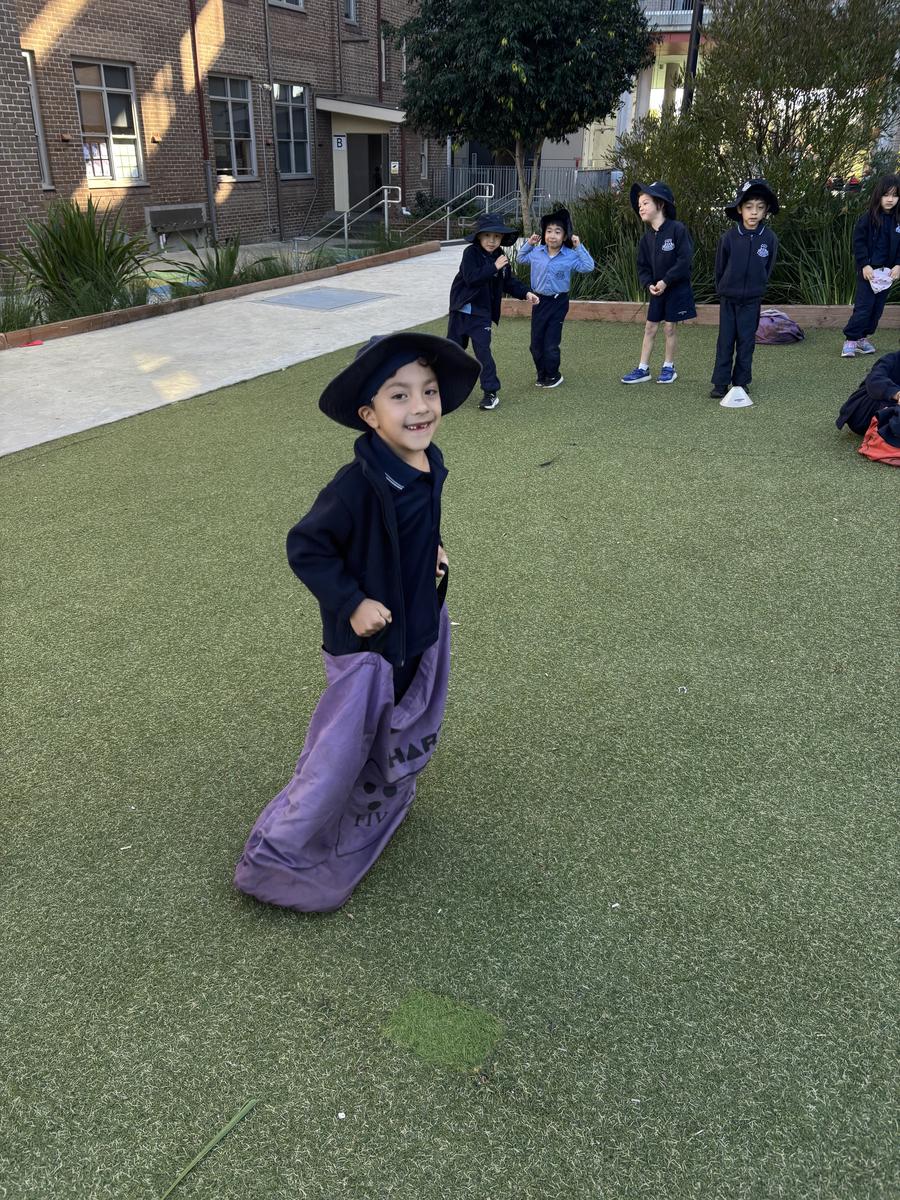
Students will learn one of the following areas of Creative and Performing Arts each term.




Drama
In Stage 1 drama, students use their imagination to create and perform characters, stories, and situations through play, improvisation, and storytelling. They work collaboratively to explore roles, interact with others, and use performance spaces creatively, while practicing safe drama techniques. Children also learn to reflect on their experiences and discuss how drama communicates ideas and feelings. Additionally, they explore diverse cultural stories, including Aboriginal and Torres Strait Islander performances, to deepen their understanding of connection to Country and Place.
Visual Arts
In Stage 1 Visual Arts, students create artworks that represent their world using a variety of materials and techniques, including drawing, painting, and digital tools. They explore colour, shapes, patterns, and textures to express ideas in realistic, imaginative, or expressive ways while learning about safe art practices. Children also learn about the meanings of signs and symbols in Aboriginal and Torres Strait Islander artworks and how artists from different cultures express their connection to place. They discuss and reflect on their own and others’ artworks, and have opportunities to display their creations to share their ideas with an audience.
Dance
Stage 1 Dance students will be introduced to fundamental movement skills such as balance, coordination, and spatial awareness. Lessons will involve exploring basic body actions like stretching, bending, jumping, and turning through fun and imaginative dance activities. They will learn to follow simple dance sequences and use movement to express emotions and tell stories. Emphasis will be on listening to music and responding to rhythm and tempo with appropriate movement.
Music
Stage 1 Music students will focus on recognising and maintaining a steady beat using clapping, tapping, and playing simple percussion instruments. They will explore high and low sounds, loud and soft dynamics, and fast and slow tempos. Singing simple songs and learning call-and-response patterns will help develop listening skills and pitch matching. Basic notation concepts, such as rhythmic pattern,s may be introduced through games and visual supports.
Mandarin
This term, Stage 1 students will dive into the fascinating world of native animals from both China and Australia! Through engaging activities, they’ll learn to name a variety of animals in Mandarin and compare them based on their habitat and diet. Students will practice building simple sentences to introduce these animals and their diet. Those with prior knowledge will further challenge themselves by describing animals using more complicated sentence structures in Hanzi. We will celebrate the Moon Festival in the last week of this term, including lantern making challenge and other cultural activities.
Korean
In Term 3, Stage 1 students will learn about our families. They will learn how to address each family member in Korean and discuss our roles in my family. Students will also write about their families using a variety of describing words.
Korean Bilingual
This term in our Stage 1 bilingual classes, students are exploring the Physical World through our CLIL (Content and Language Integrated Learning) approach in Science and Technology. Students will investigate how forces and energy are used for specific purposes in everyday products, developing their understanding of how pushes and pulls help objects move and function. They will also build their problem-solving skills by following, creating and representing step-by-step instructions, learning how clear instructions can help others complete tasks and solve problems. Through hands-on investigations, design challenges and collaborative learning experiences, students will deepen their understanding of scientific concepts while simultaneously strengthening their Korean language skills through subject-specific vocabulary and meaningful discussions. Alongside this unit, students will continue to develop their Korean literacy, enhancing their reading and writing skills through engaging and culturally rich activities. Our bilingual program continues to nurture both academic growth and language development, fostering confident, curious learners.
Students may borrow up to two books a week in Stage 1 and can borrow from junior fiction, fast fiction, and junior non-fiction. All students must have a library bag to borrow books. A library bag is any kind of protective bag that covers the books to and from school, so please use no disposable paper or plastic bags. Students may loan books from the library for two weeks at a time.
Throughout the term, students working on all phases of English as an Additional Language or Dialect will continue to be supported in their classrooms by specialist teachers and classroom teachers. Each program of learning content provides differentiated instruction and activities for all students to achieve progress in their learning.