
Wellbeing

Understanding School Can’t
It’s normal for all of us to occasionally feel unmotivated or reluctant to go to work or school, and young people experience these feelings too. However, for some young people, the thought of attending school can cause intense emotional distress, leading to difficulty attending regularly or avoiding school altogether. This experience is often referred to as school can’t.
The term school can’t differs from school refusal, which can imply that a young person is choosing not to attend school. Instead, school can’t recognises that there are often underlying barriers preventing attendance and shifts the focus away from blame toward understanding and support.
A young person experiencing school can’t may seem unwell, upset, or highly anxious in the mornings before school and may strongly want to stay home. They might become distressed at the idea of leaving for school or struggle emotionally during the school routine.
There are many factors that can contribute to school can’t, including individual, family, school, and community influences. For example, a young person may be dealing with anxiety, family separation, transitions between schools, learning challenges, or difficulties with peers such as bullying. Often, several factors combine to create significant distress associated with attending school.
School can’t is different from truancy. In cases of school can’t, parents, carers, and friends are usually aware that the young person is not attending school and may be making considerable efforts to support them in returning.
The positive news is that, with early intervention, appropriate strategies, and the right support, school attendance and wellbeing can improve.
Effects of school can’t
School can’t can have a significant impact on a young person’s learning, emotional wellbeing, and social development. Missing school may affect friendships, confidence, and opportunities to connect with peers.
The longer attendance difficulties continue, the harder it can become for a young person to return to regular school routines. Responding early can make a meaningful difference.
Signs to look out for
School can’t may present in a variety of ways, including:
distress or anxiety about attending school
tearfulness before school, sometimes leading to conflict at home
repeated complaints of physical symptoms such as headaches, stomach aches, tiredness, or nausea before or during school
difficulties in teacher–student relationships
struggling to get out of bed, leave the house, or exit the car at school
increased difficulty attending after holidays, camps, sporting events, or other disruptions to routine
frequent lateness, absences from class, or visits to the sick bay
What can contribute to school can’t?
The reasons behind school can’t are often complex and unique to each young person. Contributing factors may include:
anxiety related to separation from family
worries about social interactions or fitting in
transitioning to a new school or from primary to secondary school
learning difficulties or conflict with teachers
stress about exams, presentations, or academic expectations
bullying or friendship difficulties
family stressors such as illness, separation, or divorce
Supporting a young person to return to school
If you are caring for a young person experiencing school can’t, early support can help prevent attendance difficulties from becoming long-term patterns. Calm communication, reassurance, and collaborative problem-solving can help your young person feel supported.
You can support them by:
choosing a calm moment to talk openly about their worries or concerns about school
asking direct but supportive questions, such as:
“Are you being bullied?”
“Are you finding the schoolwork difficult?”
“Are you having problems with teachers or classmates?”
“Is there something else worrying you?”
helping them explore practical ways to manage anxiety and build on their strengths
practising relaxation strategies together, such as breathing exercises or mindfulness
creating a gradual and realistic plan to support school attendance
working collaboratively with the school to develop a shared support plan
considering professional support to better understand the underlying causes and develop coping strategies
Self-care for parents and carers
Supporting a young person experiencing school can’t can be emotionally challenging. Parents and carers may feel stressed, worried, or overwhelmed at times. Looking after your own wellbeing is important, both for yourself and because it models healthy self-care for your young person.
Additional support
There are a range of services and supports available for families and young people experiencing school-related distress. Reaching out early can help reduce the impact on learning, wellbeing, and relationships.
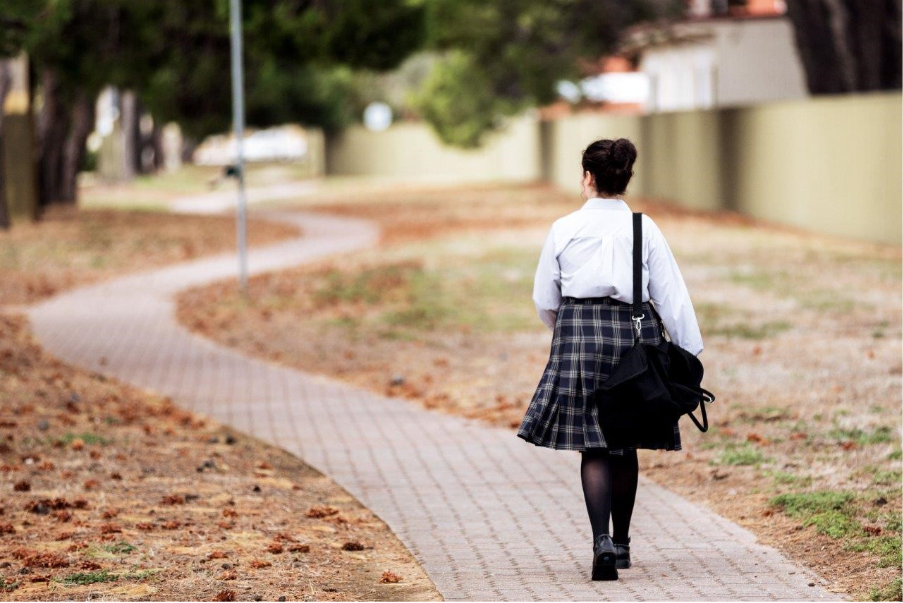
Photo: (2021), September 7). Understanding school can’t. headspace. Retrieved May 18, 2026, from https://headspace.org.au/explore-topics/supporting-a-young-person/school-cant/
Wellbeing Team
St Peter's College