Science - Key Learning Area in Focus
Mr Timothy Byrne | Leader of Learning - Science
Science - Key Learning Area in Focus
Mr Timothy Byrne | Leader of Learning - Science
This term has been an exciting one for Science at Chevalier, with students engaging in authentic scientific experiences that connect classroom learning to the wider world.
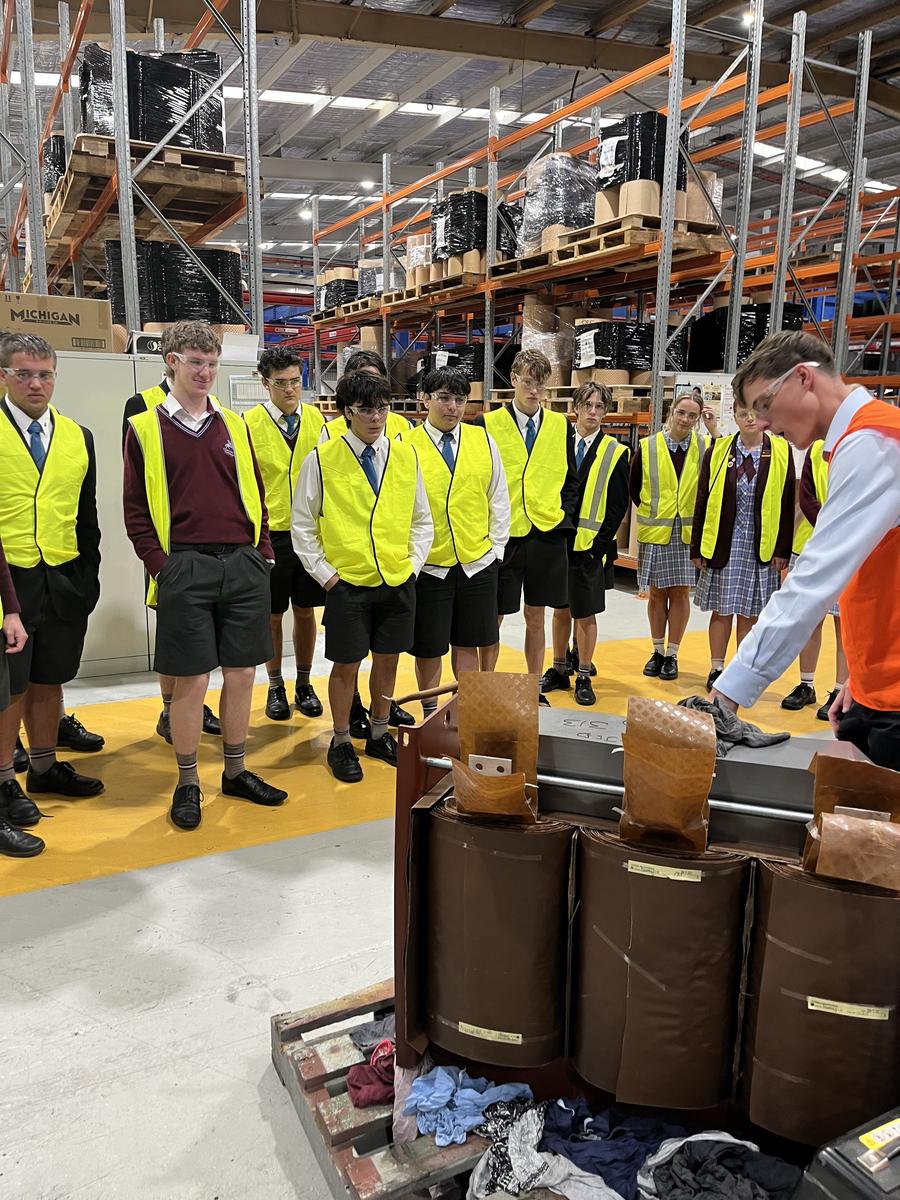
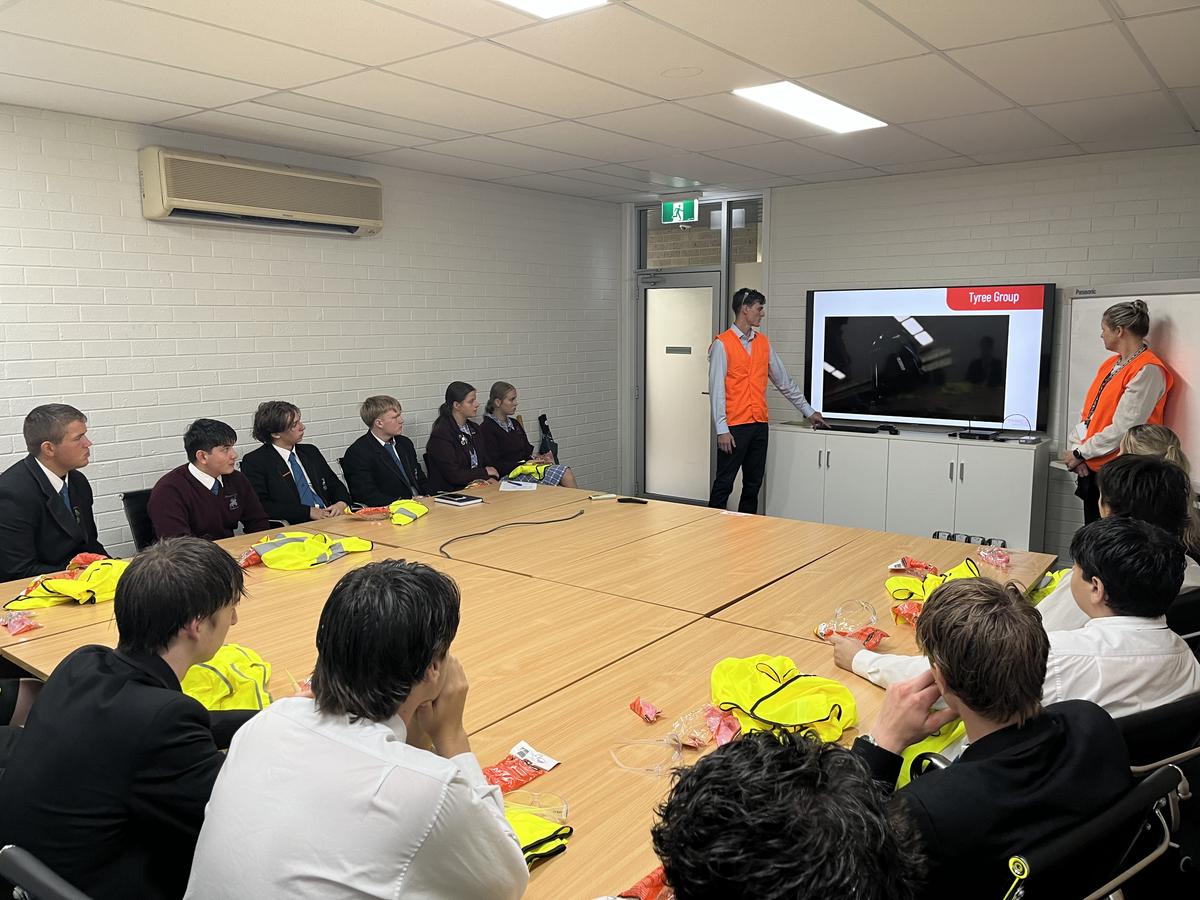
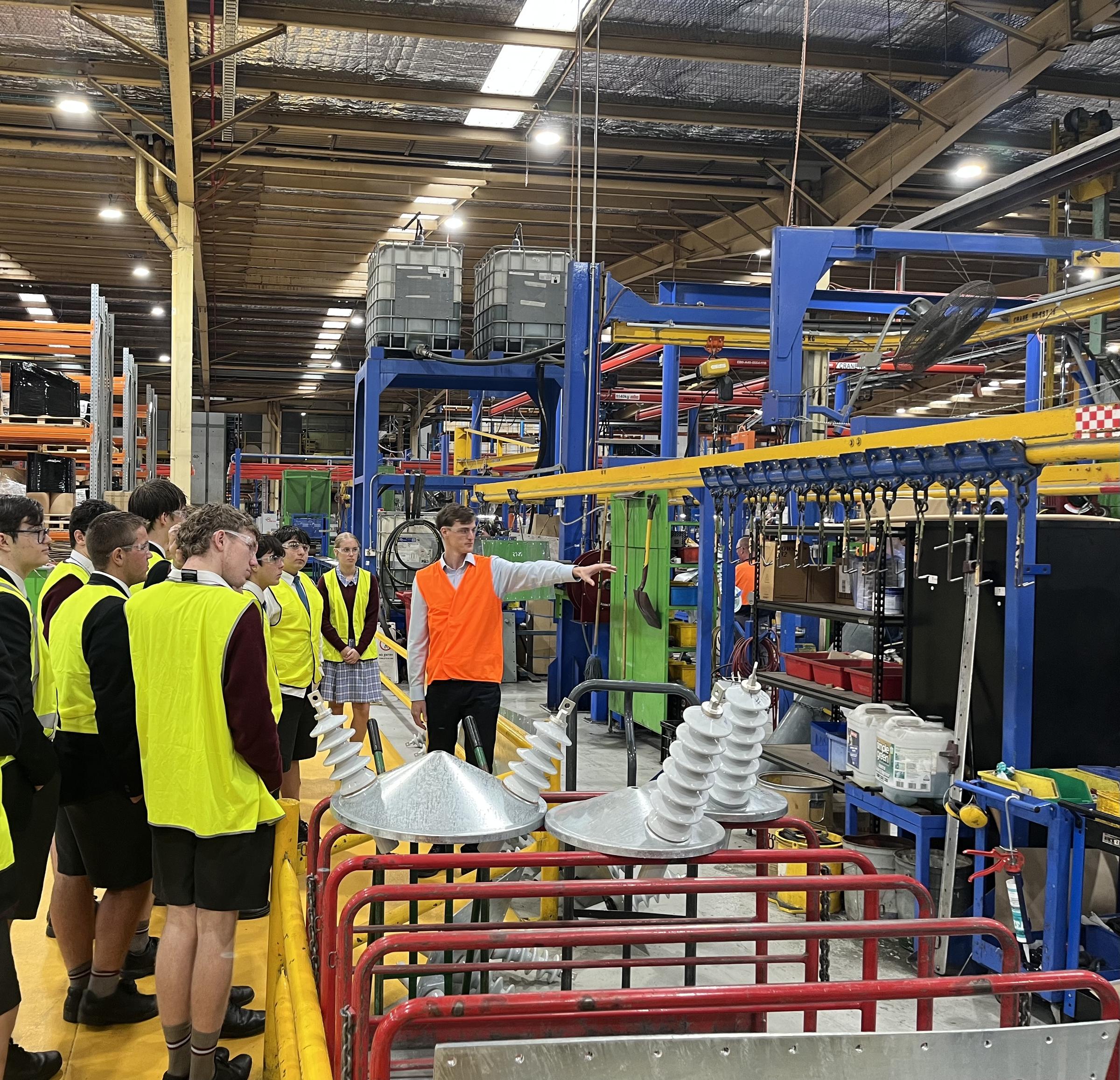
Through fieldwork, university partnerships, and industry engagement, our students continue to demonstrate curiosity, creativity, and a love of learning. Physics students Power Up at Tyree Transformers. Our HSC Physics class visited Tyree Industries, where students saw how electrical distribution transformers are designed and manufactured.
Concepts such as electromagnetic induction often challenging to visualise, suddenly became tangible as students stood beside the machinery and spoke directly with engineers who apply these ideas daily. The experience also helped students recognise the local STEM career opportunities available in our region. Engineers shared insights into the design challenges they navigate and the rewarding pathways open to young people interested in physics and engineering. Back at school, students channel their new understanding into a hands-on project: designing, building, and testing their own transformer. This task brings the scientific method to life as students research, construct, measure, analyse, refine, and ultimately present their findings in a scientific report.
It is a wonderful blend of theory, creativity, and practical problem-solving.
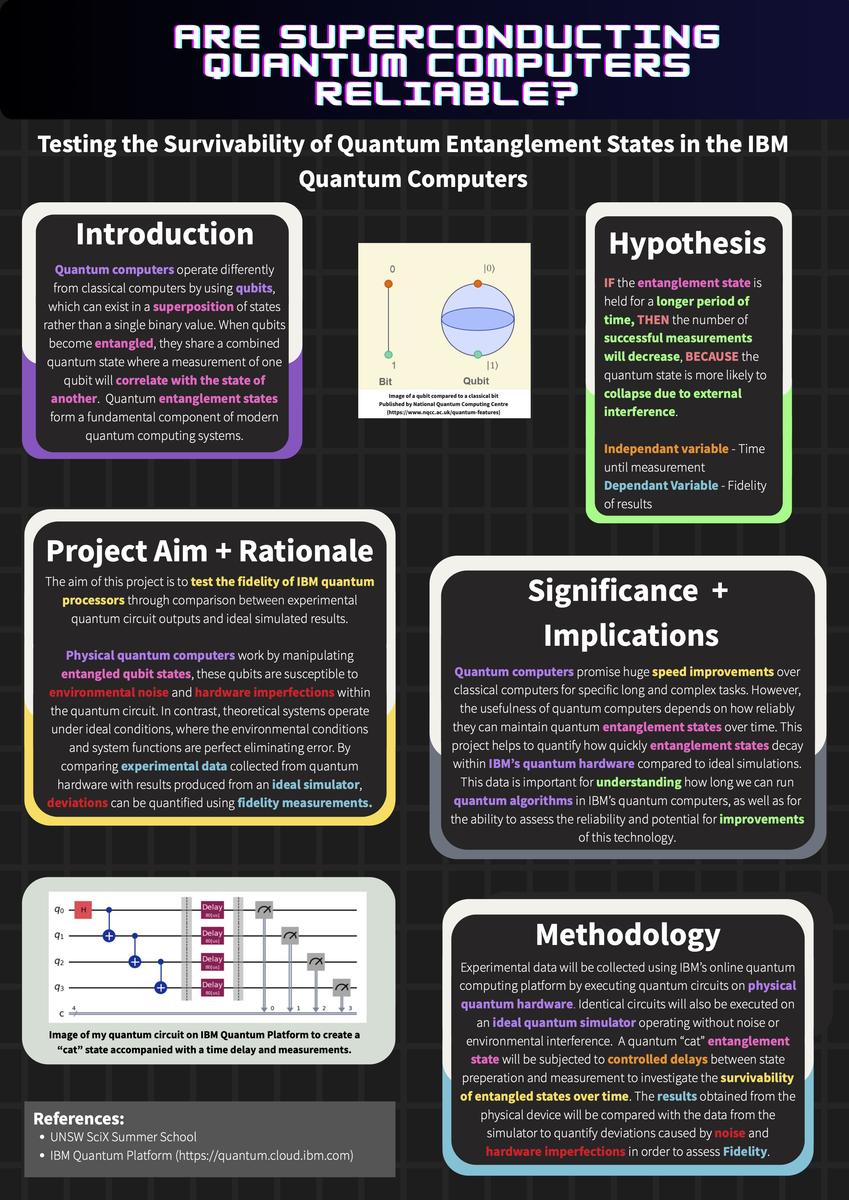
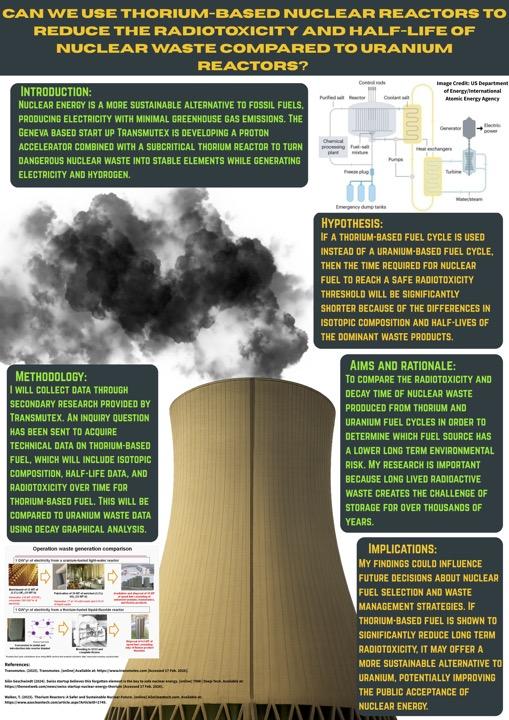
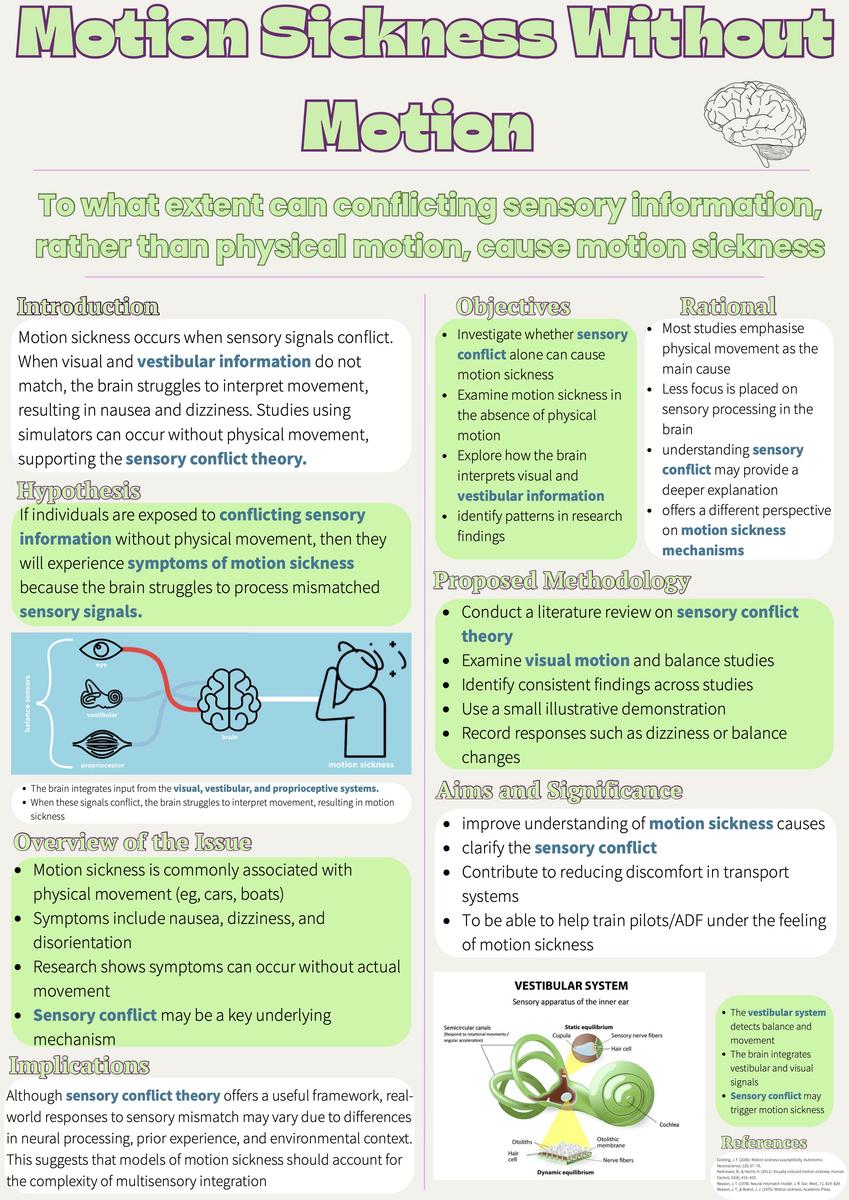
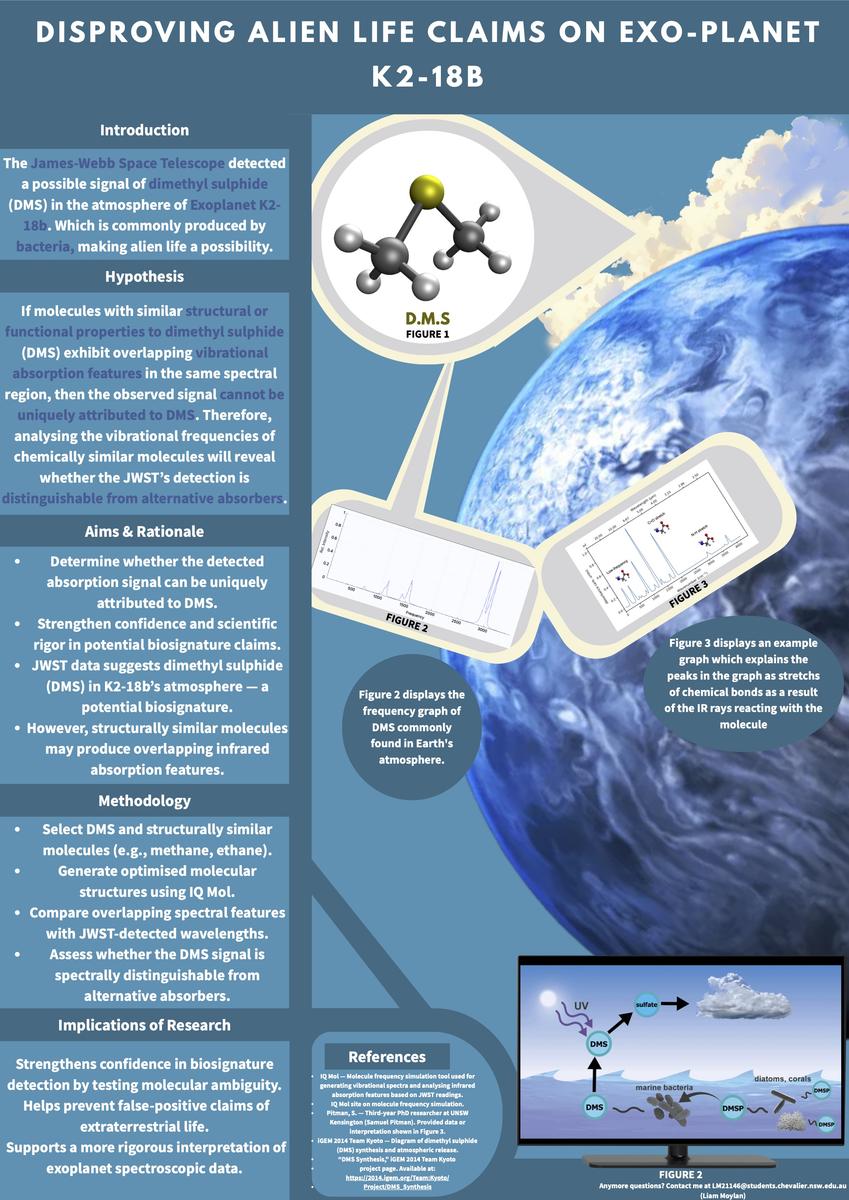
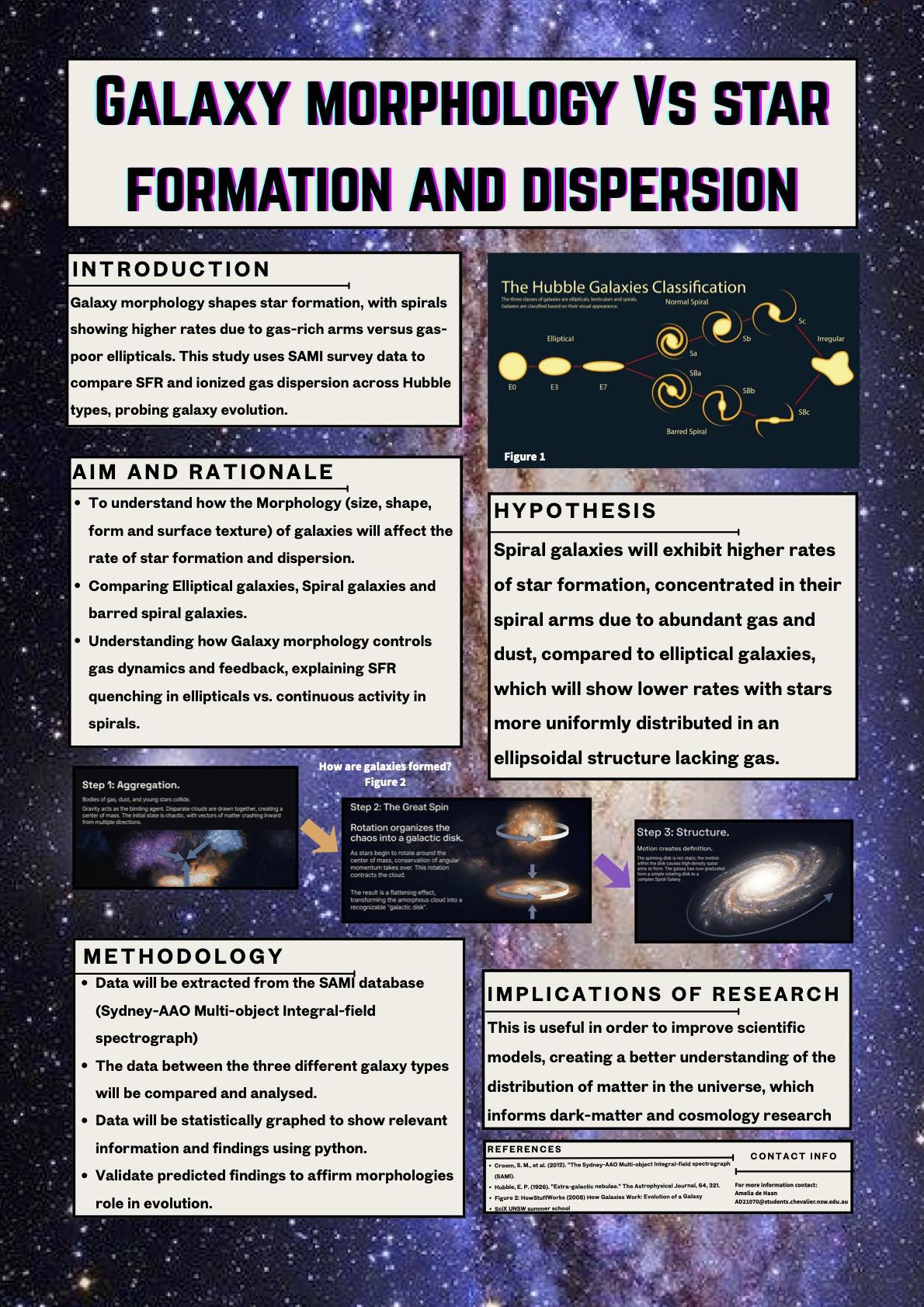
A major highlight this year has been the exceptional work of our Science Extension students, who attended the UNSW Science Extension Summer School. Over a week on campus, students collaborated with academic mentors and carried out genuine scientific investigations, gaining a taste of university life and the rigour of real research.
Their projects were diverse, ambitious, and deeply impressive. Students explored topics such as:
Year 11 Biology students took their learning outdoors during a field investigation at Gerroa. On the rock platform and dune systems, they examined how both living and non-living factors influence the distribution of organisms in coastal ecosystems. Fieldwork of this kind builds scientific thinking, teamwork, and environmental awareness and always leaves students with a deeper appreciation of the natural world.