ANZAC Day Assembly
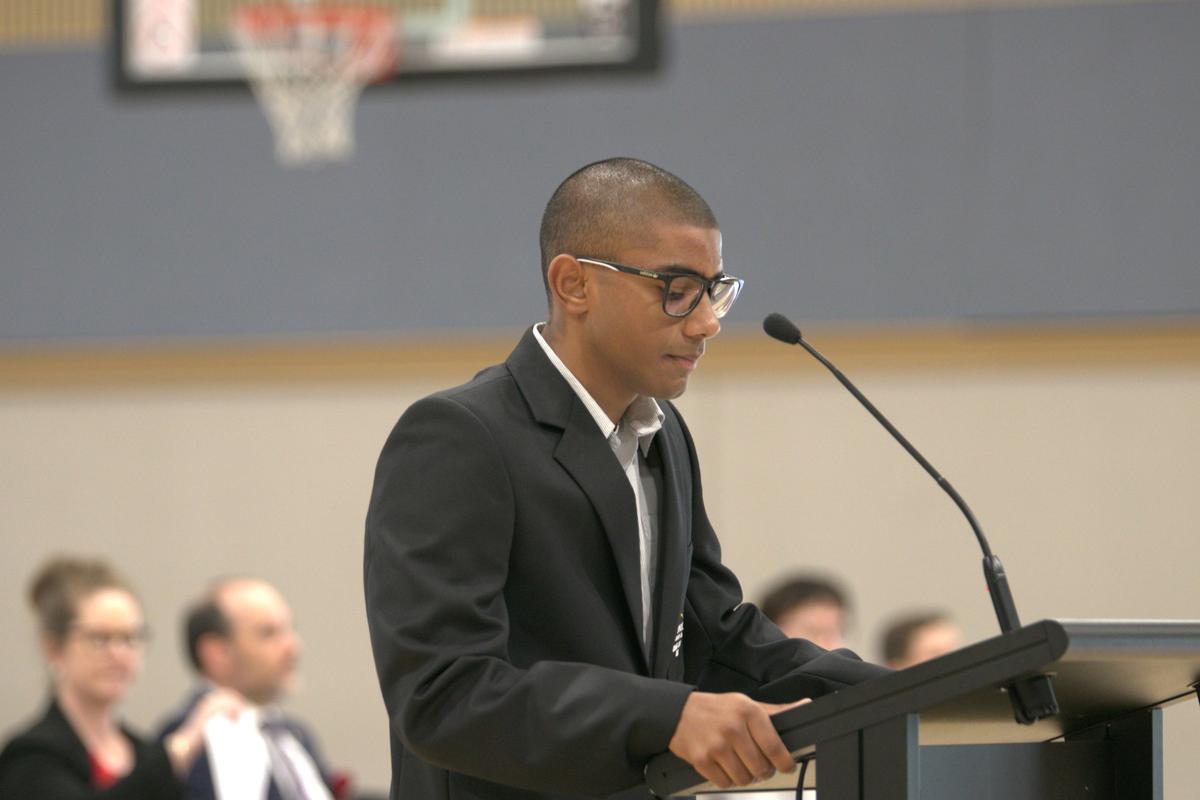
Address - Captain Klebaner
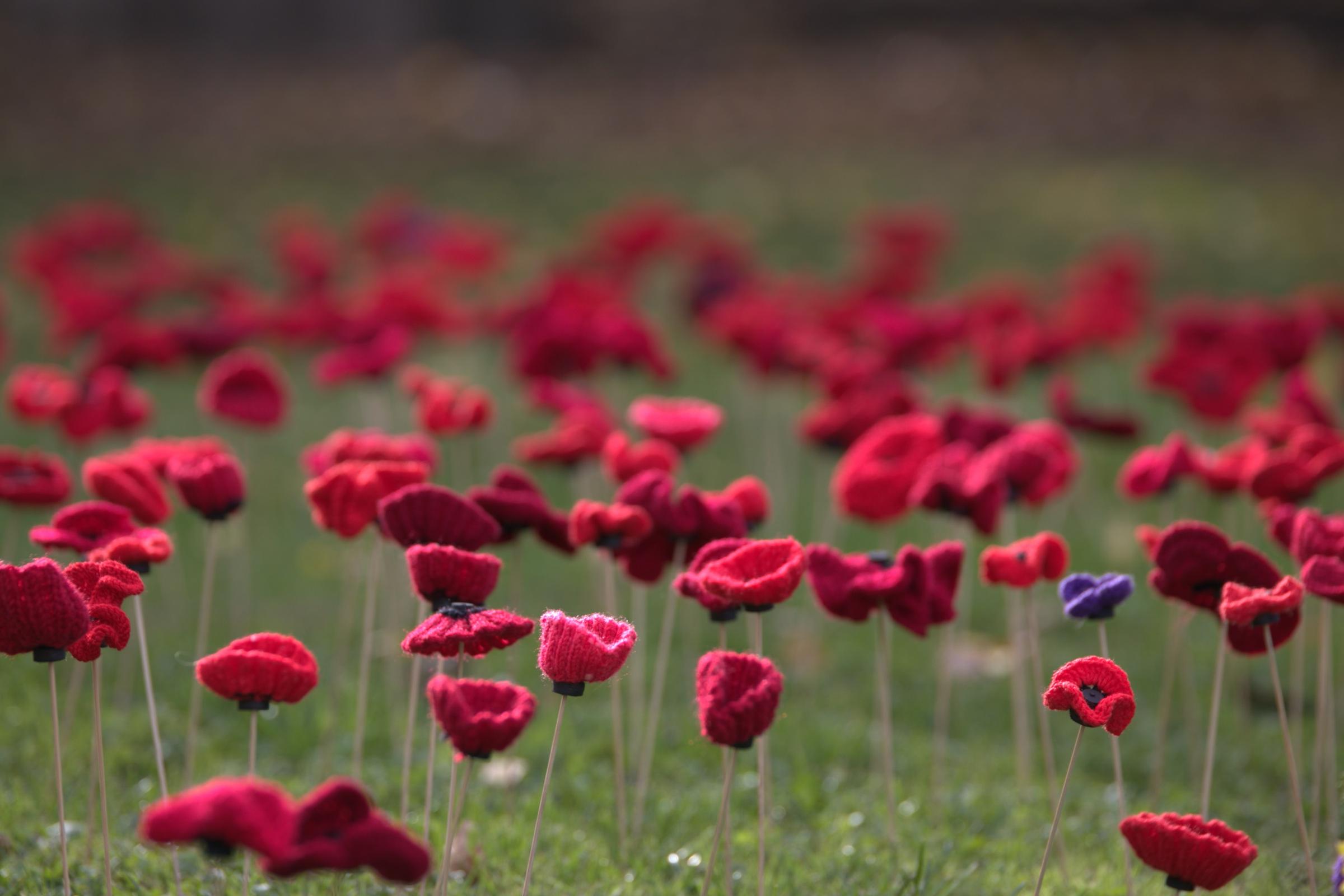
ANZAC Day Assembly
Address - Captain Klebaner
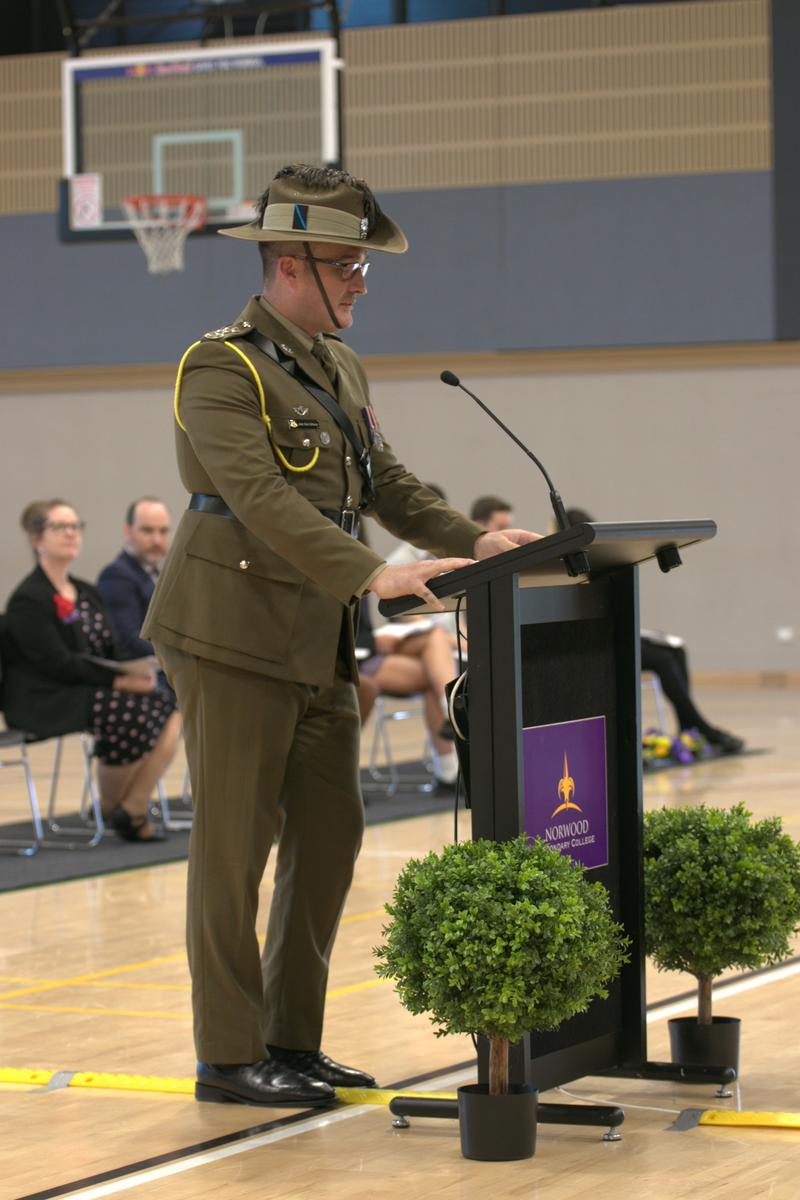
Good morning students and staff,
Once more I have the privilege of delivering the Anzac Day address in my capacity as a commissioned officer in the Australian Army.
Today I will share with you a story that highlights the enduring legacy of the Australian soldier and exemplifies the Anzac spirit of courage, endurance, initiative, discipline, and mateship.
During the Great War the legend of Anzac became a proud possession of all in the Australian Imperial Force and later evolved into a core identity held by many Australians, one that persists to this day. In our communities, we see the Anzac spirit alive and well. It manifests in the acts of kindness, the support we offer to one another, and the respect we hold for those who serve.
The following story is about an Australian soldier during the Battle of El Alamein, Egypt, during the North Africa campaign in WW2, and his encounter with a wounded German from the Africa Korps. The difference of this story is that it is not told from the Australian perspective, it is a letter written home by the wounded soldier to his father.
“I am in hospital, but do not worry. I have been badly wounded but tell mother I am safe. I have been in a big battle and the Afrika Korps is smashed, like me. We do not yet know what really happened, but the British bombardment was heavier than I ever thought possible and the infantry attacks were very fierce and determined. I will tell you more about the battle when I see you, but now I want to recount something very remarkable that happened to me.
I was far forward one night with three men looking to see if the enemy was interfering with the minefields in our sector. Then, quite suddenly, we encountered a small Australian patrol. You have no idea how the Australians can fight and I think there were four Australians. They were as surprised as we were and there was a fight. One of my men was shot immediately so I grabbed his rifle and tried to bayonet the man who had shot him. It is very hard to describe now, for one never knows quite what is happening at a time like that. But I do know that all Australians are the most astonishing bayonet fighters and my opponent was too much for me. I am strong and fit and well trained, but he overwhelmed me and bayoneted me in the stomach. Perhaps I was lucky, because he was aiming for my throat, but I deflected his thrust.
Then, as suddenly as it had started, it was over. The Australians had gone and I was lying on the desert, with my men around me. I crawled to them, but they were all dead. Only one had been shot, the others bayoneted. If an Australian was wounded his comrades had taken him away.
The night had been fairly quiet, but as usual when somebody fires a shot it starts everybody firing and bullets and shells were shrieking over me as I lay there in pain, losing blood. I tried to crawl back to my lines, but movement was too painful. I thought that I would die, and very badly I wanted a drink of water. My party had not been in front of our mines when attacked, so it was unlikely that men sent out to find us would do so.
I was frightened, not for the first time, but being helpless adds to one’s fear. I lay there for what seemed a long time. Then I heard sounds and soon an Australian appeared. I thought as he approached that he had come to kill me. But he said: ‘Speak English?’
‘Yes,’ I said, feeling for my revolver. But it had gone. My attacker must have taken it, though I had not felt him do so.
‘How are you feeling?’ he said as began to probe my wound.
I swore at him and all he said was, ‘Keep quiet, will you? If you make a racket I’ll knock your bloody head off.’
To my astonishment he began to dress my wound.
I said ‘What are you doing?’
He said: ‘What the hell do you think I’m doing? Do you want to bleed to death? You have a wound I could drive a car through. For God’s sake lie still.’
‘Why have you come out here?’ I said, for I could not understand this at all.
‘My mate said he thought you were alive,’ . ‘So I came out to have a look.’
‘Your mate?’ I said.
He smiled at me. ‘The bloke who stuck you.’
When he finished dressing the wound he sat by my side. ‘I’d give you a cigarette,’ he said, ‘only someone might see it and use it as a target. Now listen. I’m going back to get a stretcher and take you to one of our field hospitals.’
‘No!’ I said. ‘Please don’t do that. My men will find me. Thank you for what you have done, but don’t take me prisoner.’
‘Don’t be a silly bastard,’ he said. ‘If I don’t get you to a doctor you’ll die before dawn. You could be here for days before anyone finds you.’
I told him that I would take a chance on that and begged him to leave me there. He agreed, saying it was my funeral. I thanked him again and insisted that he take my watch in payment for his attention, but he refused. However, he searched me and took things of military value which I was carrying.
‘You’re taking an awful chance, Fritz,’ he said. ‘I’ll be back here with the stretcher-bearers at four o’clock and if your own men haven’t found you by then I’m taking you in.’
Just before he left me he gave me a cigarette and matches. He said if I wanted to risk being fired at I could smoke, but to wait for him to leave.
I lay there for a long time, wondering if I made a mistake. The pain was now most severe and I was fainting. Later during the night, I opened my eyes to see this Australian looking down at me. He gave me some water, said ‘Hold tight, mate’, and then, very suddenly he made off.
I realized why he did this a few moments later when I heard boots from the direction of my lines. I called out and was found by some of our stretcher-bearers. I was saved, but the doctors told me that if the Australian had not found me and dressed my wound I would have died.
Ever since this happened I have not stopped being amazed. One Australian bayonets me in a savage manner, then sends another Australian to save my life. It doesn’t make sense, but I should know by now that the Australian is a very unusual soldier. I believe that the Australians at Tobruk nearly drove Field-Marshal Rommel mad. Every soldier in the Afrika Korps fears the Australian bayonet. When we know what happened at El Alamein it will be found that Australian bayonets defeated us.
What happened to me is such a confusing contradiction that I am still bewildered by. One man with the hands of a killer, another with hands as gentle as any healer. And yet they are the same man, if you understand me.”
For the last decade, I have had the honour and privilege to train and lead Australian Soldiers. So I can say with confidence that the Australian soldier depicted in this letter, could be any one of the men or women that I have served with.
This story highlights the enduring professionalism and competence in the skill arms that our service members apply to their career of soldiering; it shows the innate curiosity and initiative possessed by our soldiers; it demonstrates the capacity for compassion and respect that we hold for both our allies and enemies. It is a reminder that the Anzac spirit is alive and has remained a core element of the Australian people for over a century. It is one of the many aspects that makes me proud to wear this uniform.
This spirit of Anzac is just one of the elements we commemorate each Anzac Day.
It is a day to remember stories of bravery, commitment, resilience, and mateship that have been passed down through generations, reminding us of the sacrifices made by our service members during conflicts over the last 125 years.
As we gather on Anzac day, we remember the hardships endured by those who left their homes and families to serve our nation. We remember and acknowledge the loss that this leaves on all of those that are affected by war. The ones who leave but never return; those that return forever changed; those at home that live in fear of a knock at door; and those innocents that suffer because they are in the wrong place at the wrong time.
Thank you Principal Harris for this opportunity to address the College, I hope that I have left everyone here with something to reflect on, wherever you are this ANZAC Day.