
English Faculty
"People who do not read have no advantage over those who cannot read." - Mark Twain

English Faculty
"People who do not read have no advantage over those who cannot read." - Mark Twain
English Newsletter Term 1
General Announcements
💻 Bring Your Device, Ready to Learn!
As a BYOD school, we encourage all students to bring a charged and ready‑to‑use device each day so they can fully engage with their learning. Many of our lessons use digital tools, resources, and activities, and having a working device helps students participate confidently and stay organised. Thanks for supporting positive learning habits across our school community.💻
A reminder: Please return novels that were borrowed during term 1 to the library.
Extracurricular Activities
Public Speaking & Debating
Preparation is under way for students who will represent the school in the NSW Premier's Debating and Public Speaking competitions in 2026. These competitions involve students working as a team or individually to discuss and debate complex issues in society. They offer great opportunities for students to improve their critical thinking and communication skills, gain confidence and make new friends! While our teams have already begun practicing, we are still welcoming any new members to join the team. If you're interested, please see Miss Lofberg in the English staff room.

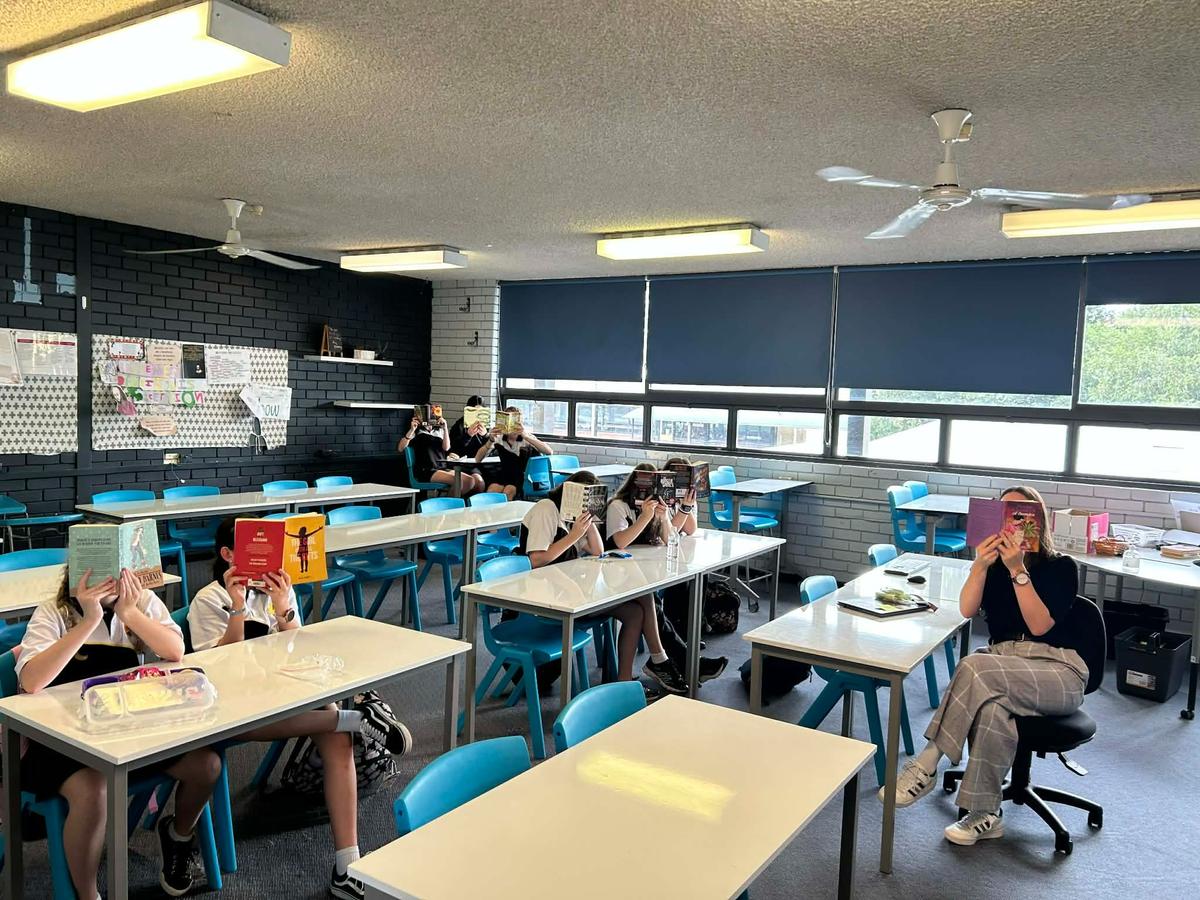
Every Monday at first break Ms Coleman opens up A9 for students to have a space to come and read a book of their choice! Snacks are provided and a whimsical bookshelf chockers with amazing choices! Anybody is welcome to pop by and enjoy a spot of reading.
Creating Writing Club
“If there's a book that you want to read, but it hasn't been written yet, then you must write it.” ― Toni Morrison
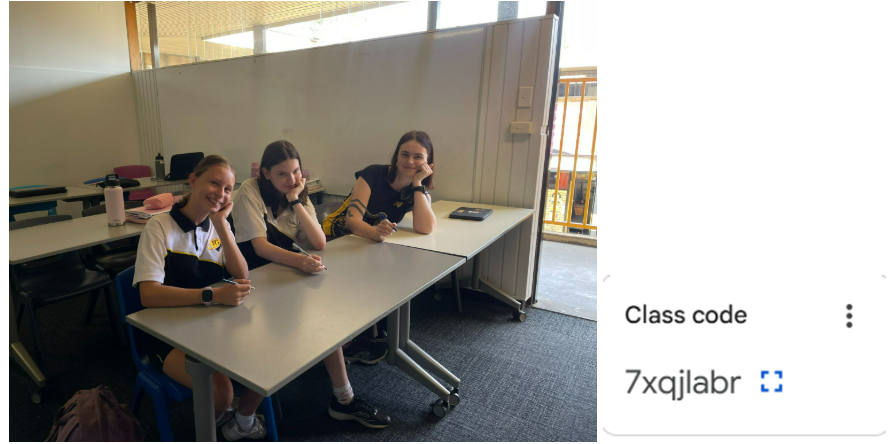
Each week, students head to A4 to explore a different style of writing through visual, auditory, or written prompts designed to spark students’ imagination. So far, we have engaged in free writing and explored the use of the ballad form in poetry, using Emily Dickinson’s “Hope is the Thing with Feathers” as our conceptual focus.
However, some students prefer to work on their own projects, using the club as a supportive space to collaborate with fellow writers. These projects include novellas, novels and character design. Want to stay up to date on the content each week? Join the Google Classroom with the code provided below.
Teaching and Learning
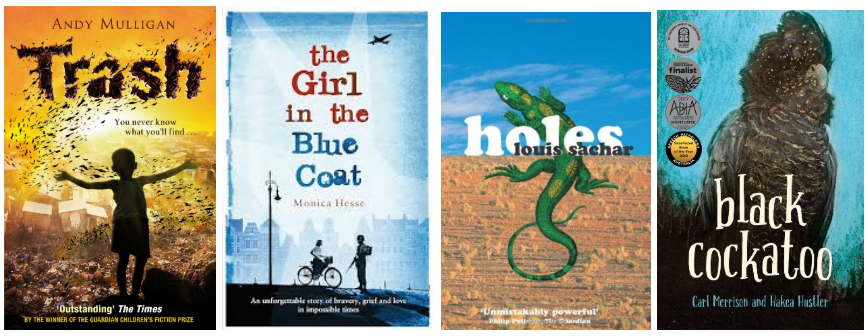
Year 7 English
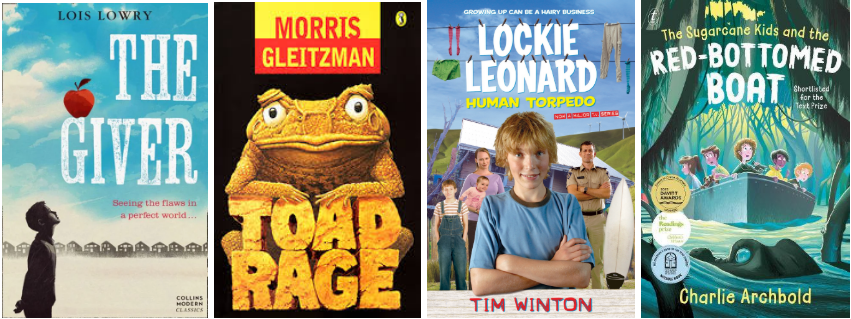
Year 7 are in for an exciting term as they explore the idea of the everyday hero through a class novel. Students will meet memorable characters, uncover what truly makes someone heroic, and connect these ideas to real people who inspire us today. Along the way, they’ll build confidence in reading, analysing stories and crafting persuasive writing. The term finishes with students creating their own book review, showcasing their growing skills and personal responses to the text. It’s a wonderful mix of creativity, critical thinking and discovering the heroes hidden in everyday life.
Year 8 English
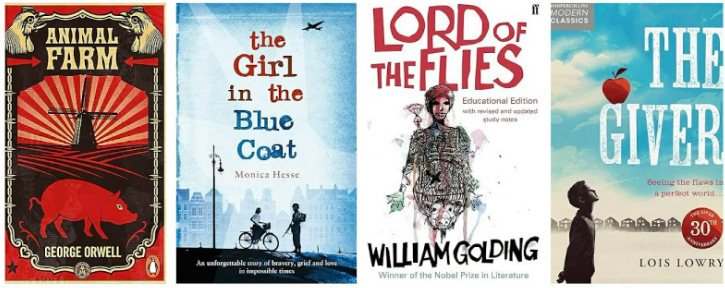
This term, Year 8 students will explore the powerful theme of Good vs Evil through a novel study and exploration real-world examples. They’ll unpack how morality shifts in times of adversity, analyse how characters are shaped by context, and debate whether good and evil are truly opposites. Through engaging with texts, composing persuasive writing and creative tasks, students will sharpen their critical thinking and discover how stories reflect the complexities of human nature.
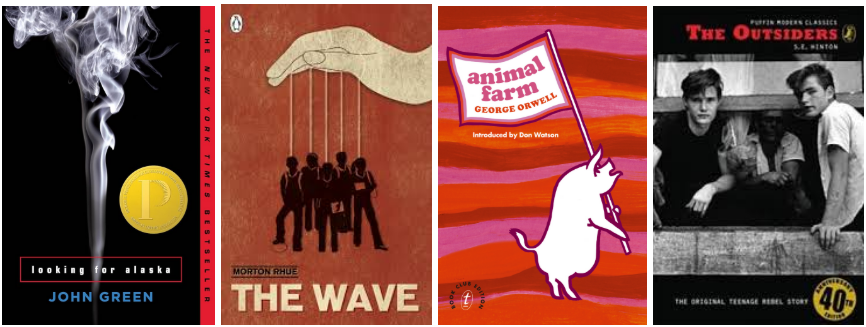
Year 9 English
This term, Year 9 students will be diving into the world of novels and discovering how powerful storytelling can shape the way we see ourselves and the world around us. As they explore narrative structure, characterisation, themes and symbolism, students will build the skills they need to think critically about literature and the ideas it communicates. Their task this term is an exciting two‑part assessment: a polished persuasive response where they argue for the value of literature, followed by a reflection on how they crafted their argument. Throughout the term, students will strengthen their writing, deepen their understanding of narrative, and gain confidence in expressing their own interpretations. It’s a rich and rewarding unit that encourages students to engage deeply with great stories and the big ideas they raise.
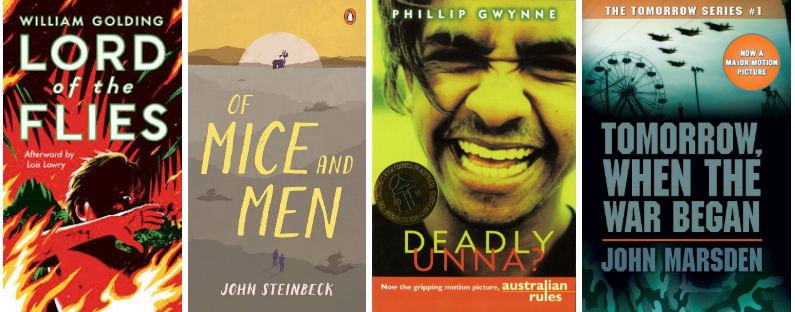
Year 10 English
Year 10 are in for a fascinating term as they explore the concept of Discovery through a close study of a novel. Students will investigate how different kinds of discoveries shape characters, shift perspectives and reveal new ways of understanding the world. They’ll analyse how authors use language, structure and narrative voice to represent these moments of insight and change, while also developing their own analytical and creative skills. This learning leads into their assessment task: an in‑class analytical essay where students explain how characters navigate discovery in their novel, thoughtfully analysing and integrating well‑chosen textual evidence.
Year 11 English
Congratulations on beginning your first senior year of English. This year is a formative one, laying the foundations for your understanding of the core concepts and skills you’ll need for the HSC. 2026 sees the roll out for the new Stage 6 English syllabus. Our students across English Studies, Standard, and Advanced are engaging with new and exciting unit programs.
English Studies students are currently exploring a unit of work called ‘Reading to Write: Transition to English Studies’. Through the study of this focus area, students develop an understanding of the ways media texts represent information, influence audiences and shape culture. They will develop a deeper understanding of the functions, roles and responsibilities of print and digital media as means of communicating information.
English Standard and Advanced students are also completing a ‘Reading to Write’ unit of work in which they will study a range of texts from the past and contemporary eras to consider aspects of dystopian literature that serve as instructive and didactic warnings of the dangers of the future.
Year 11 Extension English students are off to a gripping start with a unit titled ‘Texts, Culture and Value’ that engages in a deep dive of contemporary experiences of the postcolonial period. They will move to a second unit, ‘Difference and ‘the Other’: Imaginative writing on cultural difference’ in which they will examine the idea of ‘the Other’ through the study of a variety of contemporary short texts that explore concerns of the colonial and postcolonial encounter.
Year 12 English: English Studies students are exploring a unit titled ‘We Are Australian’, which develops their understanding of how language shapes identity, community and citizenship. This unit strengthens their ability to navigate real‑world texts and participate meaningfully in their communities.
English Standard students are engaging with ‘Module A: Language, Identity & Culture’, a module that examines how texts represent individual and collective identity. Students study six poems written by contemporary Asian poets, alongside a range of supporting material, to analyse how language, form and textual conventions communicate cultural perspectives, values and attitudes.
English Advanced students are engaging in ‘Textual Conversations’, a comparative study of Shakespeare’s play ‘Richard III’ and Al Pacino’s film ‘Looking for Richard’. They are analysing how context, values and purpose influence meaning, and how reading texts side‑by‑side enriches interpretation. This unit invites students to consider how their own cultural and historical perspectives shape their responses.
Extension English students have begun ‘Literary Homelands’, an elective that explores how individuals and communities express connections to place, culture and belonging. Through their study of ‘A Passage to India’ and a range of related texts, students examine complex representations of homeland, identity and intercultural relationships in an increasingly globalised world. This unit challenges students to think critically, read deeply and craft nuanced, original responses.